B21, China Town Mall, Midrand

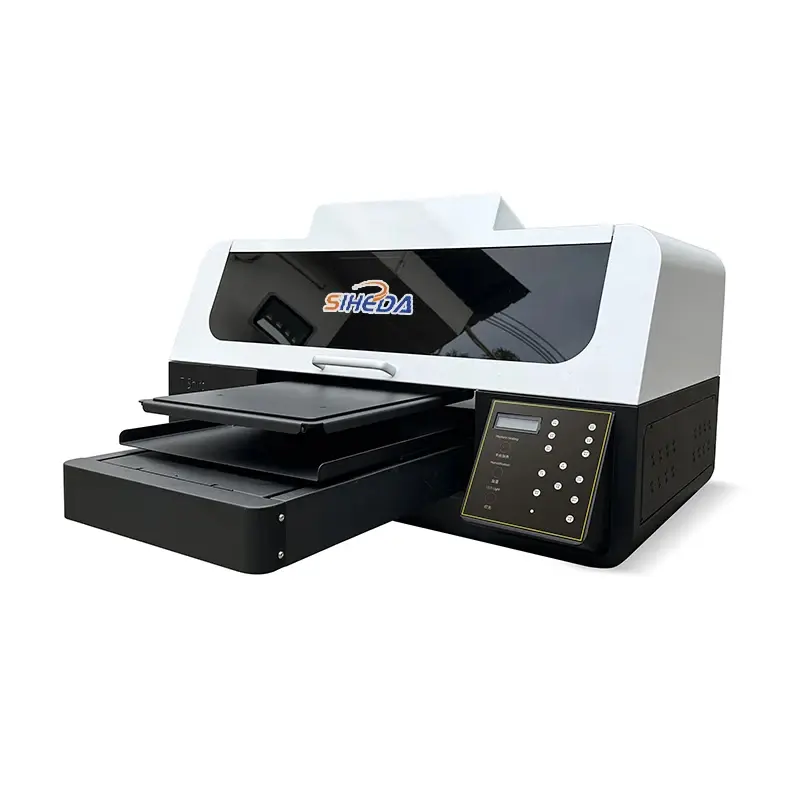
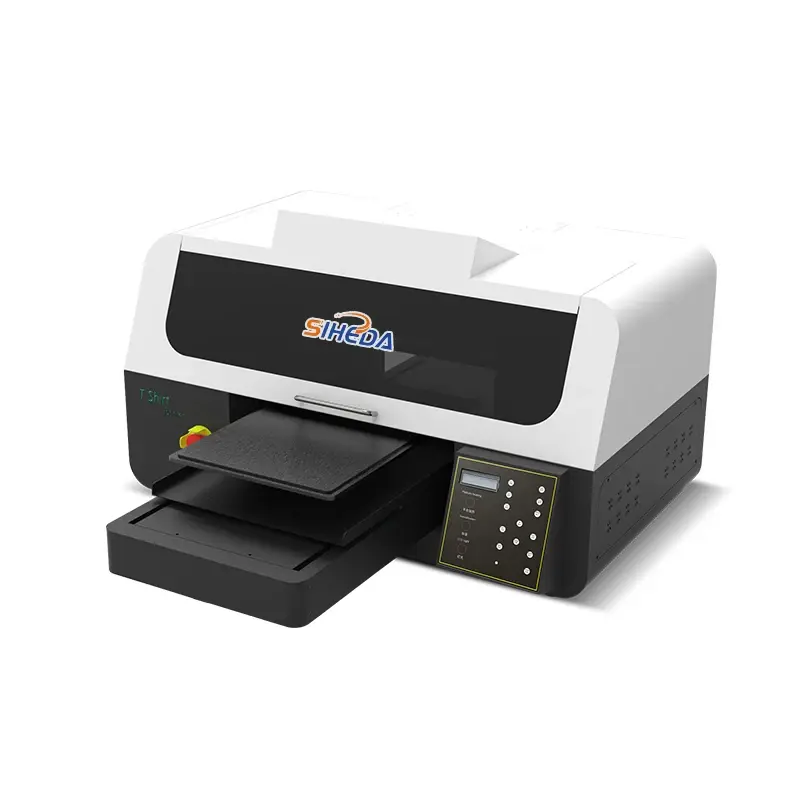
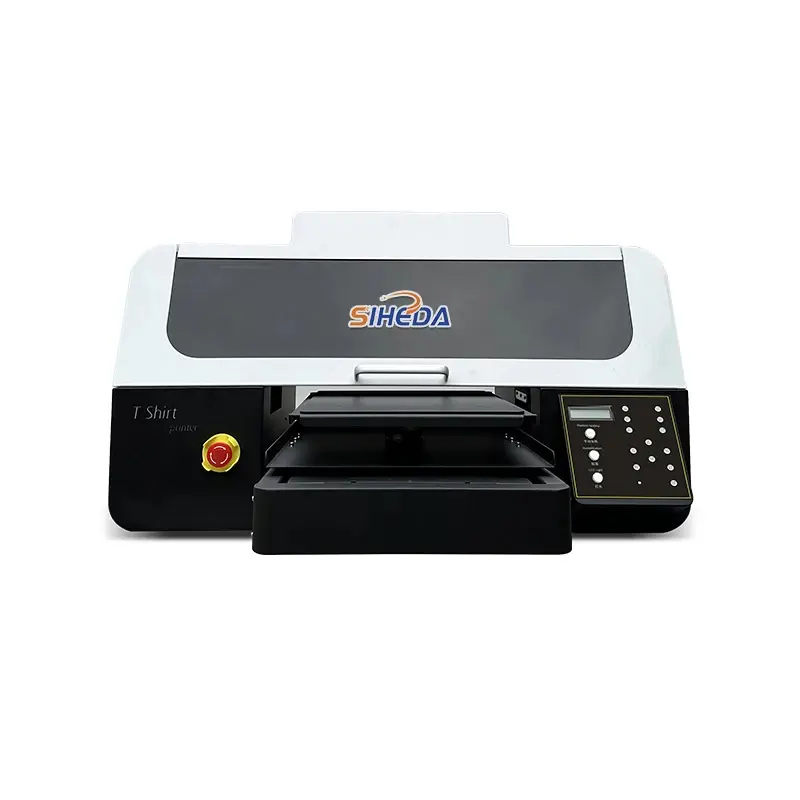
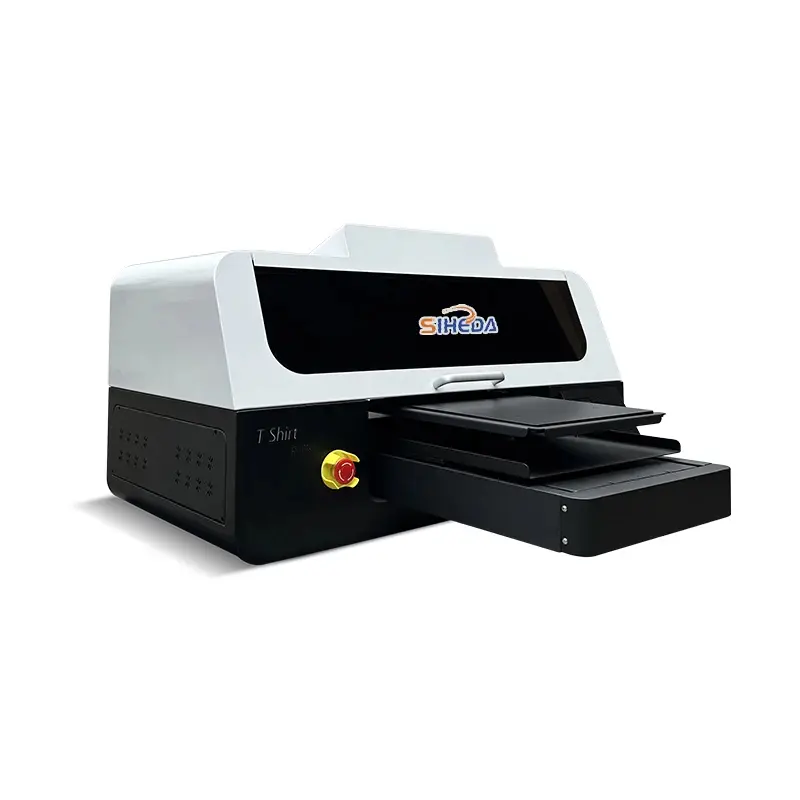
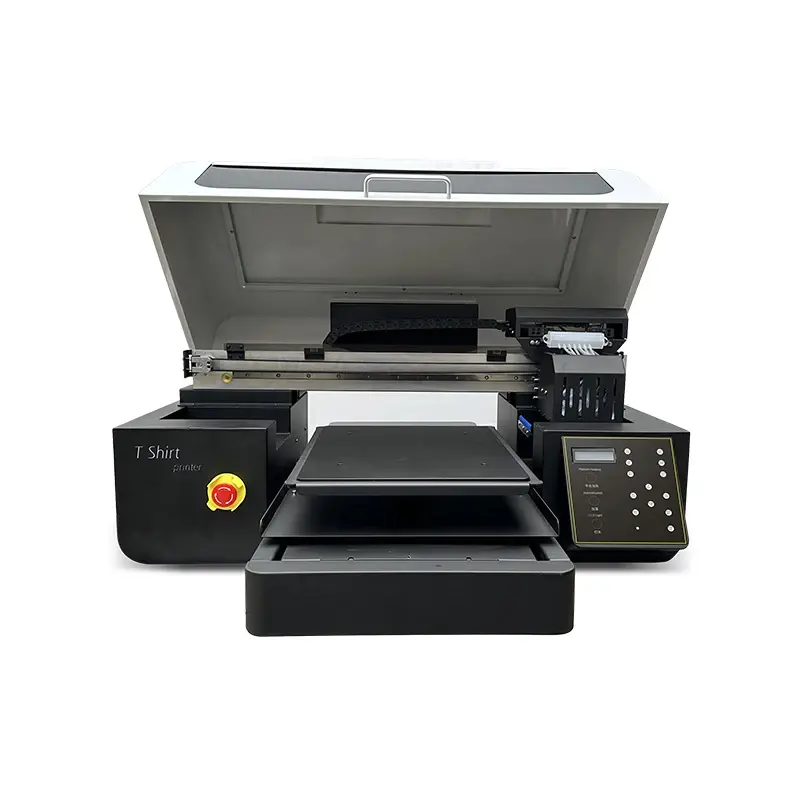
A2 DTG Printer T-Shirt Printing Machine – Fabric Printing for Apparel
Asset finance available
Do you want funding for this equipment?
Afrimart can connect you with trusted funding partners who specialise in asset finance for businesses like yours. Compare options and apply in minutes — final approval is subject to provider review.
Check funding options
Secure & no obligation

- Section : Consumer Electronics
- Category : DTF Printers
- SKU : 1600774789847

A2 DTG Printer T-Shirt Printing Machine – Customized Fabric Printing for Apparel
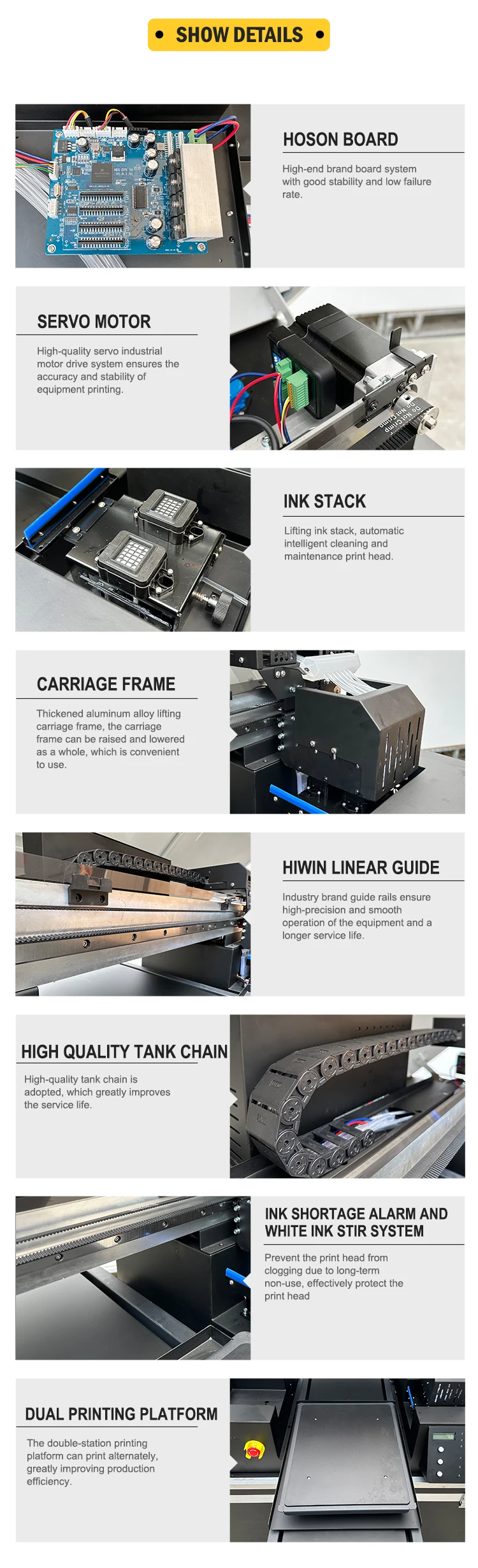
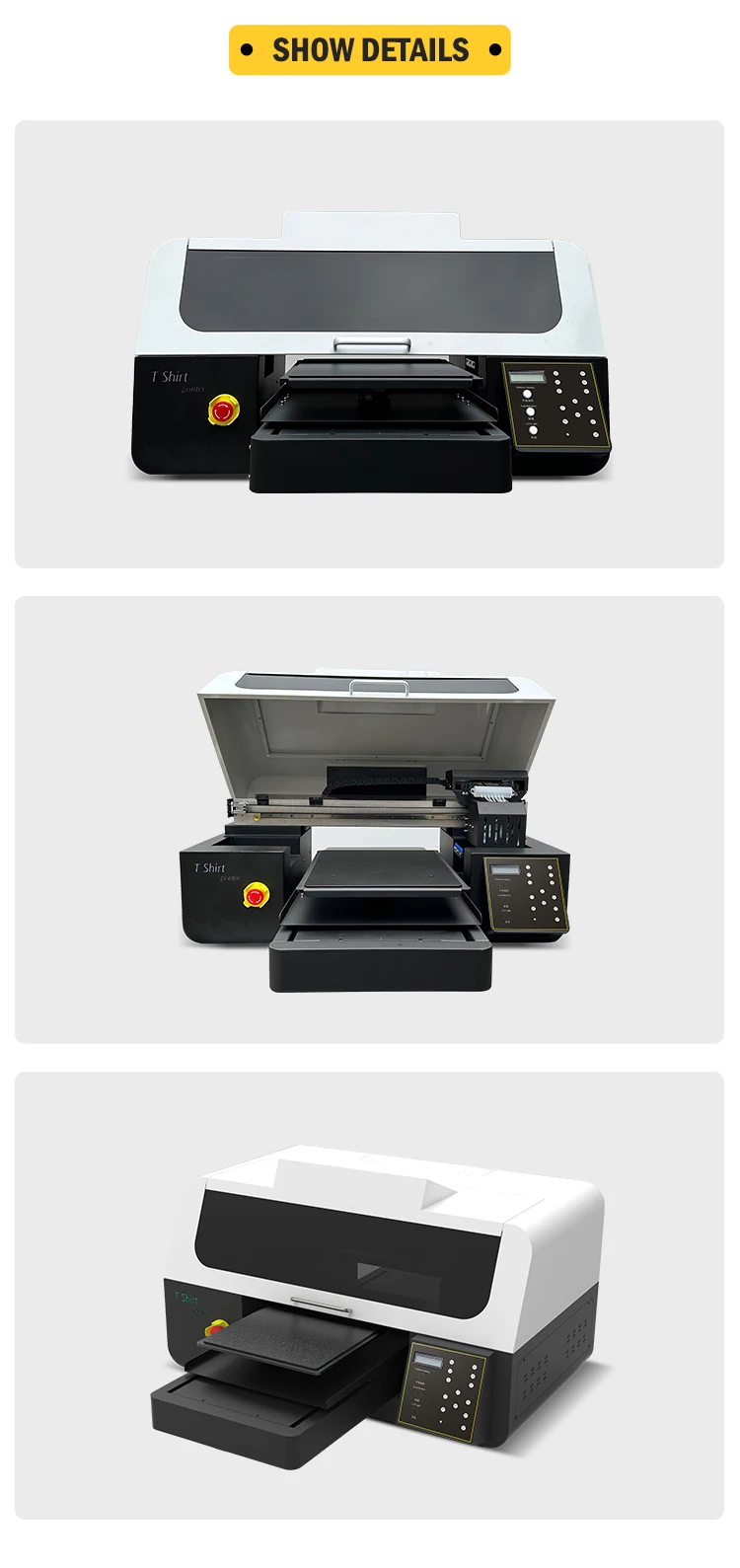
The A2 DTG Printer T-Shirt Printing Machine is designed for high-quality, efficient, and customizable fabric printing. With a maximum print size of 40*60cm, this digital printer is perfect for businesses in garment shops, retail, and advertising, offering versatility in printing on various fabric types, including T-shirts and customized clothes.
Key Features:
- Large Printing Area: Supports up to A2 size (400x600mm), ideal for larger designs and multiple print jobs.
- High Print Accuracy: Printing resolution of 720dpi, 1080dpi, and 1440dpi ensures sharp, vibrant prints on every garment.
- Dual Print Heads: Equipped with two Epson XP600/13200A1/I1600A1 printheads for faster and more reliable printing.
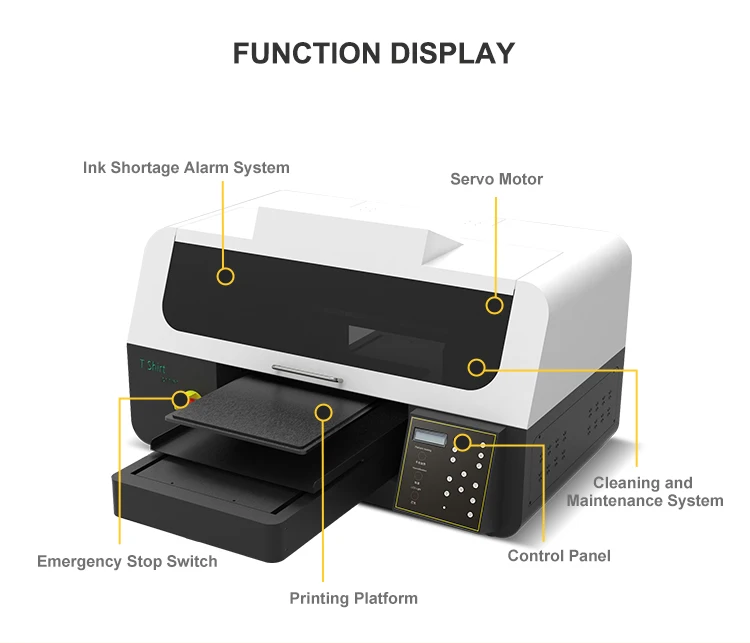
- Automatic Operation: Fully automated for ease of use, reducing the need for manual intervention and improving overall efficiency.
- White Ink Circulation: Features white ink circulation to prevent clogging, ensuring consistent print quality over time.
- User-Friendly Software: Compatible with popular RIP software such as Maintop and Photoprint, offering flexibility and control over print settings.
- Durable & Reliable: Built to last, with core components covered by a 1-year warranty.
- Versatile Usage: Ideal for printing on T-shirts, clothing, and other fabric-based items in garment shops, printing shops, and retail businesses.
- Energy Efficient: Designed to operate with both 110V and 220V power supply, making it adaptable to various work environments.
| Product name | SIHEDA DTG Printer 4060G | |
| Type | Flatbed Printer | |
| Print Dimension | 400*600mm | |
| Print heads | XP600/I3200 | |
| Number of print heads | 2 pcs | |
| Printing accuracy | 720dpi/1080dpi/1440dpi | |
| Print head cleaning | Automatic | |
| Ink type | UV textile ink | |
| Print material | T-shirts, sweaters, sportswear, denim, chiffon, silk, pillows, etc. | |
| Cartridge type | Smart Induction Cartridge | |
| White ink stirring | Have | |
| Platform suction | Have | |
| Print interface | Gigabit Ethernet port | |
| Working environment | Temperature: 15-30°C / Humidity: 40-60% | |
| Software | RIPrint/MainTop/Photo Print | |
| Operating system | XP/Win7/Win10 | |
| Rated power | 500W | |
| Machine size/weight | L950mm*W1080mm*H500mm/84kg | |
| Package size/weight | L1050mm*W1180mm*H700mm/98kg | |
| Printing speed | XP600-2
180s/1pc | i3200-2
100s/1pc |
The A2 DTG Printer T-Shirt Printing Machine offers high-quality digital prints with precision and ease, making it the perfect choice for businesses looking to customize apparel and fabric items.
Product Info Gallery


- Shipping Timeframes: All orders are processed within 2-5 business days (excluding weekends and holidays). After your order has been processed, the estimated delivery time is before 29 Jun, 2026, depending on customs, Please note that due to high demand, some items may experience longer shipping times, which will be communicated at order confirmation email.
- Order Processing Time: Please allow 2-5 business days for us to process your order before it is shipped . Orders placed after 16:00 on Fridays, or during weekends and public holidays, will begin processing on the next business day. Processing times may be extended during peak seasons or sales events.
- Manufacturing Time: Some products needs manufacturing time, the manufacturing process will take approximately 10-30 business days depending on the product. This timeframe may vary depending on the complexity of the product and current demand. but this will be communicated with you during order confirmation.
- Returns and Exchanges: We offer a 30-day return policy for most items. If you are not completely satisfied with your purchase, you may return it within 30 days of receipt for a refund or exchange. Items must be unused, in their original packaging, and accompanied by proof of purchase. Return shipping costs are the responsibility of the customer, unless the item was damaged or defective upon arrival.
1. What is the maximum print size of the A2 DTG Printer?
The printer supports up to A2 size (400 x 600 mm / 40 x 60 cm), suitable for larger designs and multiple print placements on a single platen.
2. Which fabrics and products can this DTG printer print on?
It is designed for T-shirts, sweaters, sportswear, denim, chiffon, silk, pillows and other fabric-based items. Some fabric types may require pretreatment for best results.
3. What print resolutions are available?
The machine supports 720 dpi, 1080 dpi and 1440 dpi, allowing you to select the best balance of speed and detail for each job.
4. What print heads does the machine use and how many are installed?
The unit ships with two print heads (models listed include XP600 and I3200 variants), providing faster throughput and redundancy for more reliable production.
5. Does the printer support white ink and how is clogging prevented?
Yes — the printer features white ink with automatic circulation/stirring and white-ink management to minimize settling and prevent clogging, plus automatic head cleaning routines.
6. What type of ink does the A2 DTG Printer use?
The specification lists UV textile ink. Confirm with your supplier for the exact ink formulation recommended for your intended substrates and post-print curing method.
7. Which RIP/software and file formats are supported?
The printer is compatible with popular RIP software such as MainTop (Maintop) and PhotoPrint. It accepts common print files (PNG, TIFF, JPEG, PSD) — use PNG/TIFF with transparent backgrounds for garment artwork and consult your RIP for color/ICC profile settings.
8. What are the typical print speeds?
Print speed depends on print head and settings. Typical speeds noted are: XP600-2: ~180 seconds per A2 print (1 pc) and I3200-2: ~100 seconds per A2 print (1 pc). Higher resolutions will take longer.
9. How is the garment held in place during printing?
The machine includes a platen with platform suction to secure garments flat and stable during printing for accurate, repeatable results.
10. What are the machine dimensions, weight and packaging size?
Machine size: L950 x W1080 x H500 mm; weight: 84 kg. Package size: L1050 x W1180 x H700 mm; packaged weight: 98 kg.
11. What power and environment conditions does the printer require?
Rated power is 500 W and the unit supports 110 V and 220 V operation. Recommended operating environment: temperature 15–30°C and relative humidity 40–60%.
12. What connectivity and operating systems are supported?
The printer provides a Gigabit Ethernet print interface and works with Windows platforms (XP, Windows 7, Windows 10) through supported RIP software.
13. What maintenance is required and how do I clean print heads?
Daily/weekly maintenance typically includes running automatic head cleaning cycles, checking/ topping ink cartridges, and ensuring white ink circulation. Detailed maintenance schedules and procedures should be followed from the user manual; replace print heads or cartridges as recommended.
14. Is pretreatment or curing required for printing on dark garments?
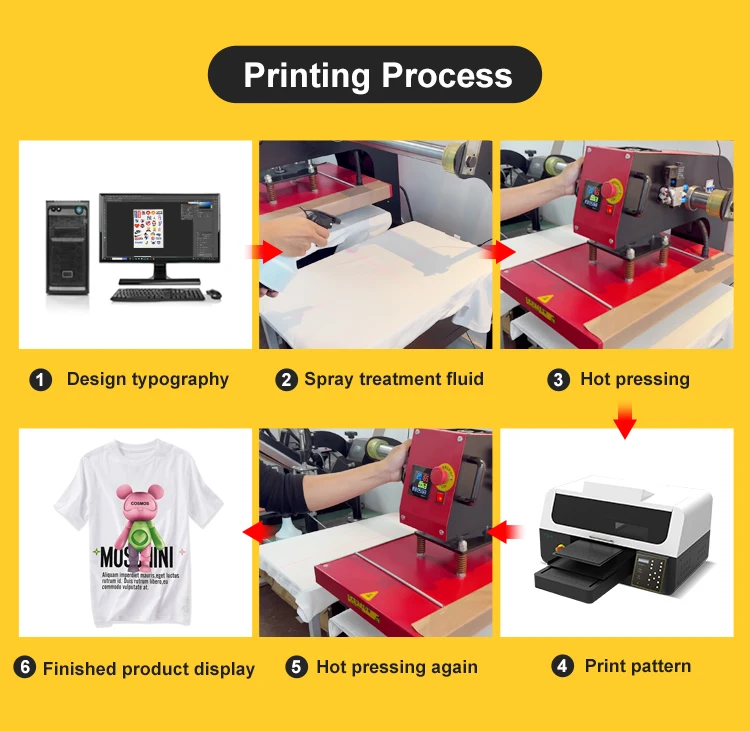
Yes — dark garments usually require a pretreatment solution to ensure white ink adhesion and vibrancy. After printing, garments must be cured (heat press or conveyor dryer) according to the ink manufacturer’s instructions.
15. What warranty and technical support are provided?
Core components are covered by a 1-year warranty. For installation, training, consumables and ongoing technical support, contact your supplier or manufacturer; many vendors provide remote support and optional on-site service.
Latest Order Arrivals
Discover our latest orders
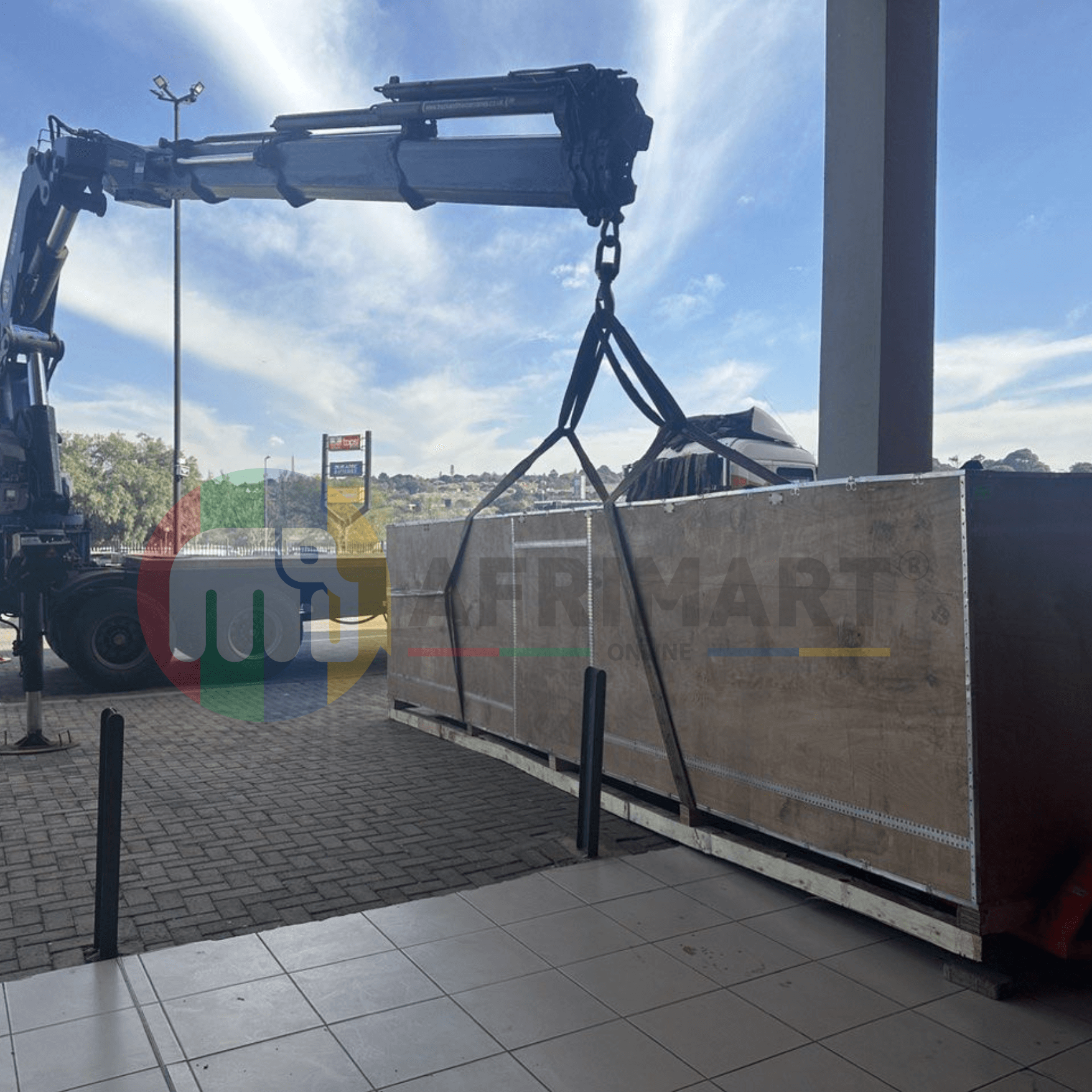
12 Heads Embroidery Machine
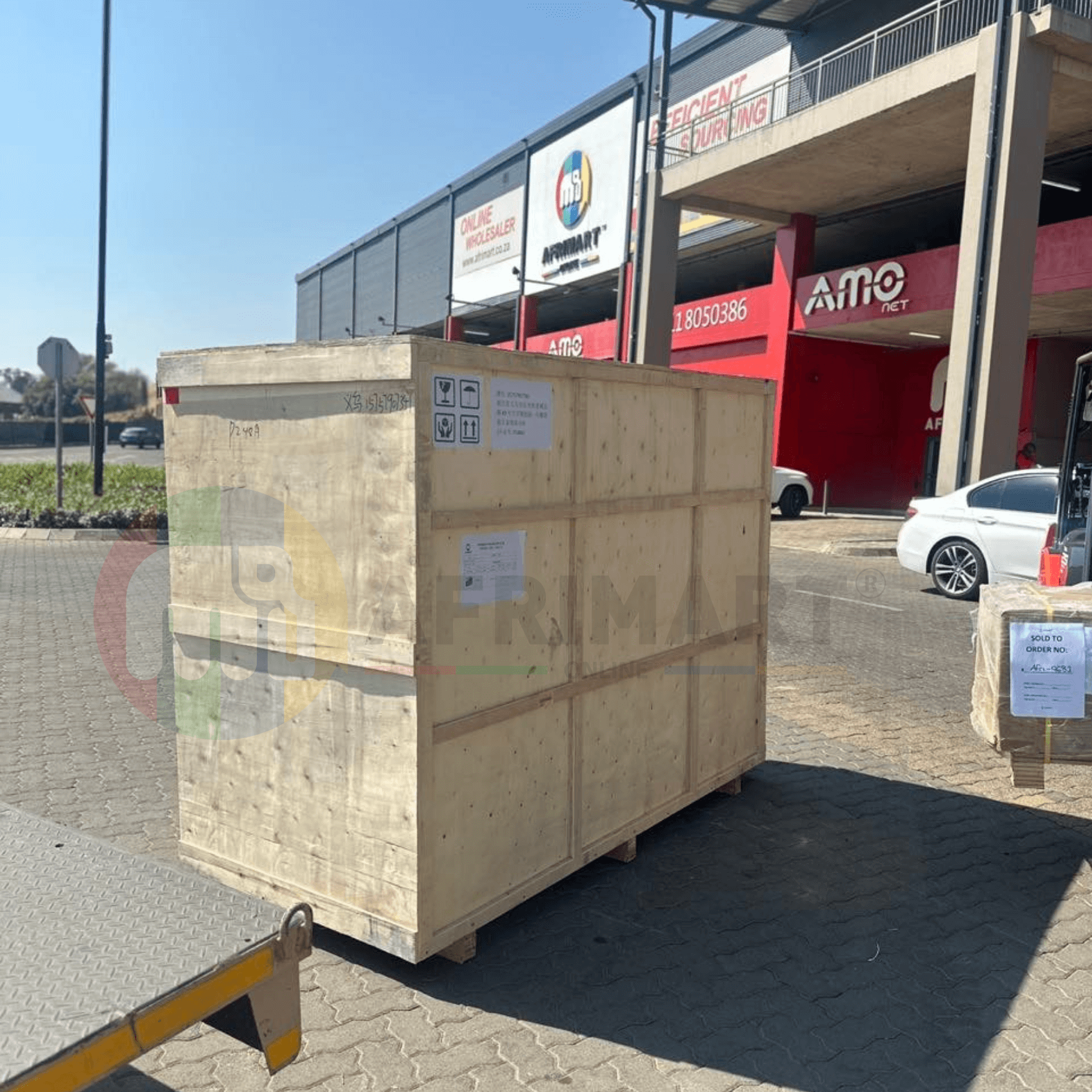
Dewatering Pump Machine
Order Collection
Portable Water Drilling Rig
Order Usefully Collected
Batch of Orders
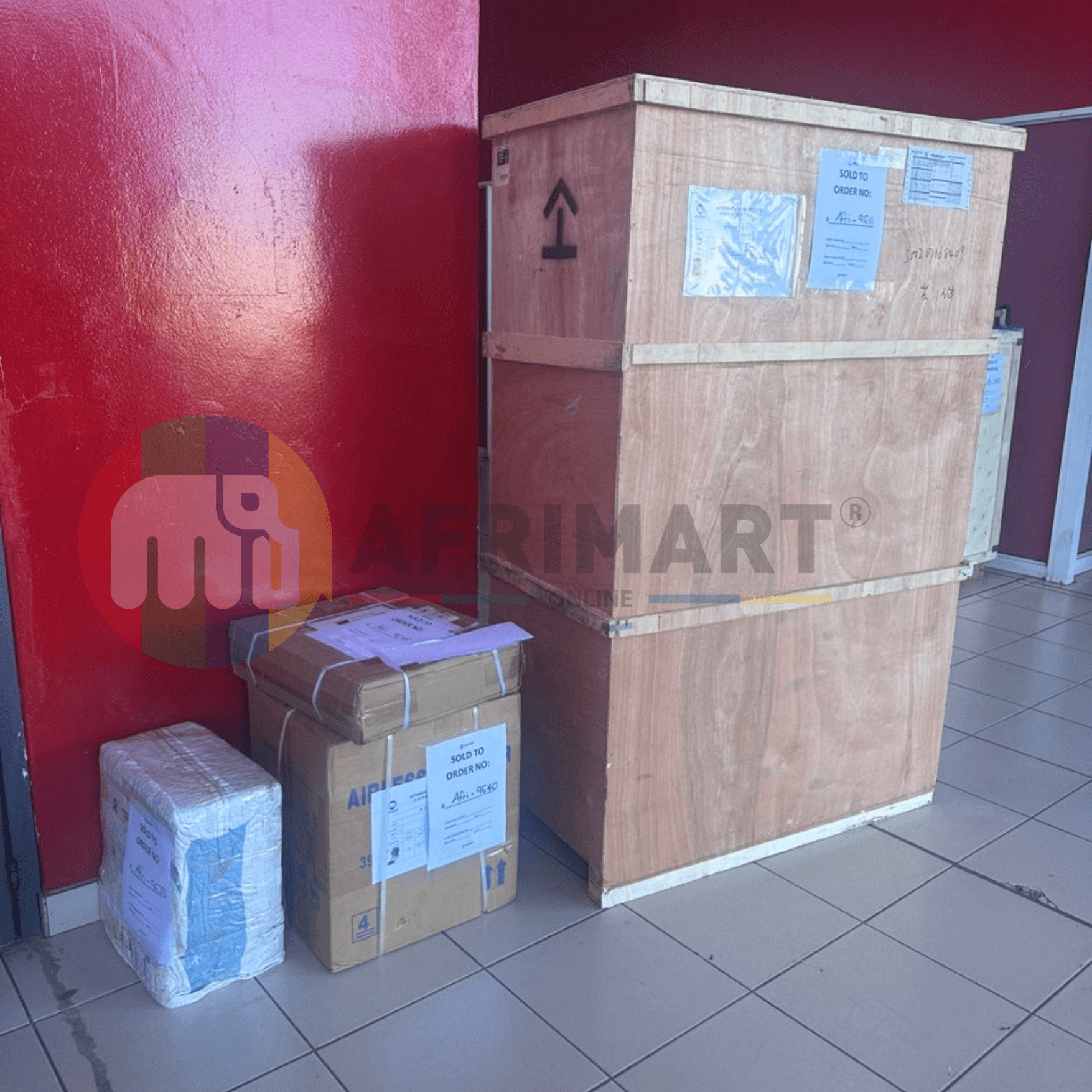
Agriculture Processing Machines
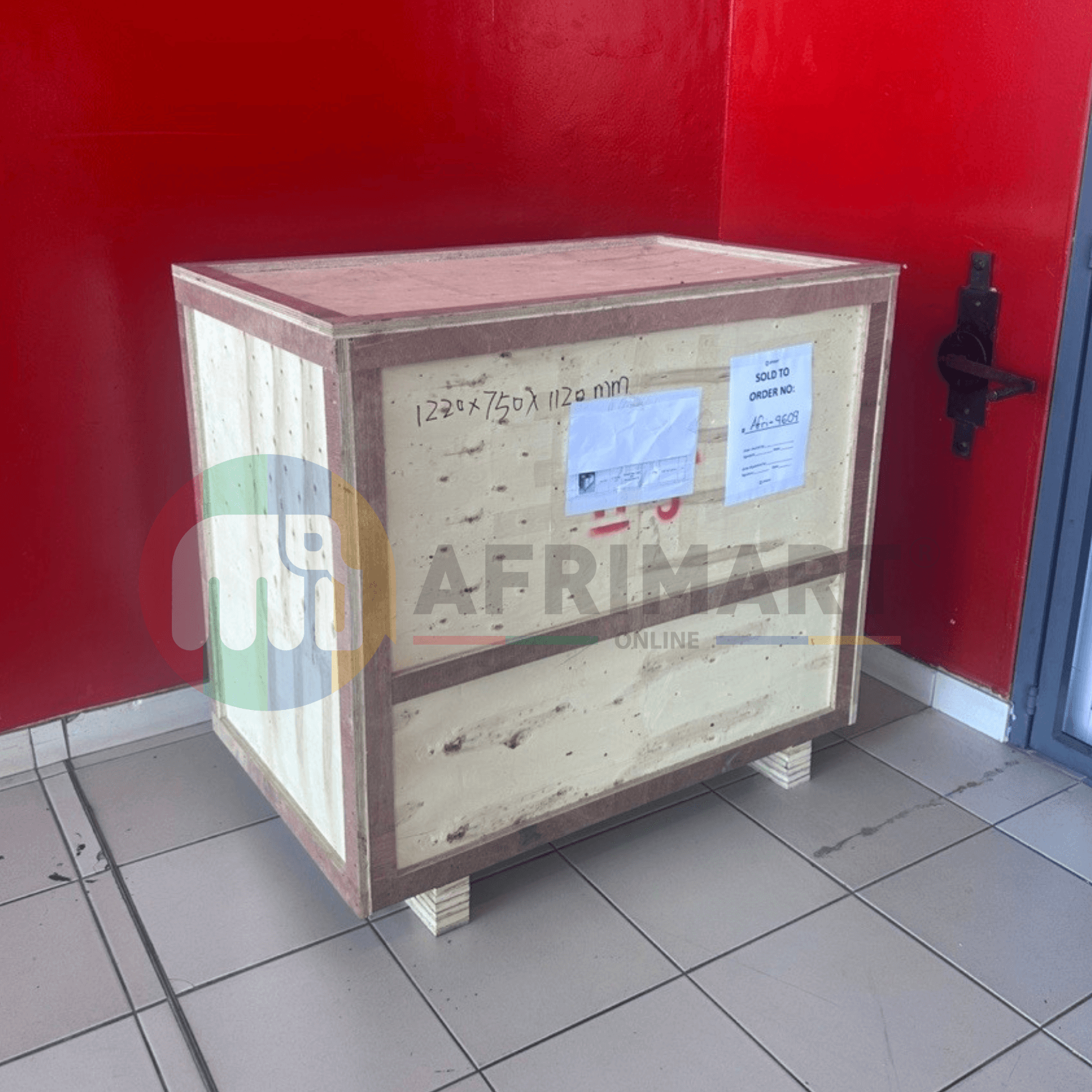
Meat Grinder Machine
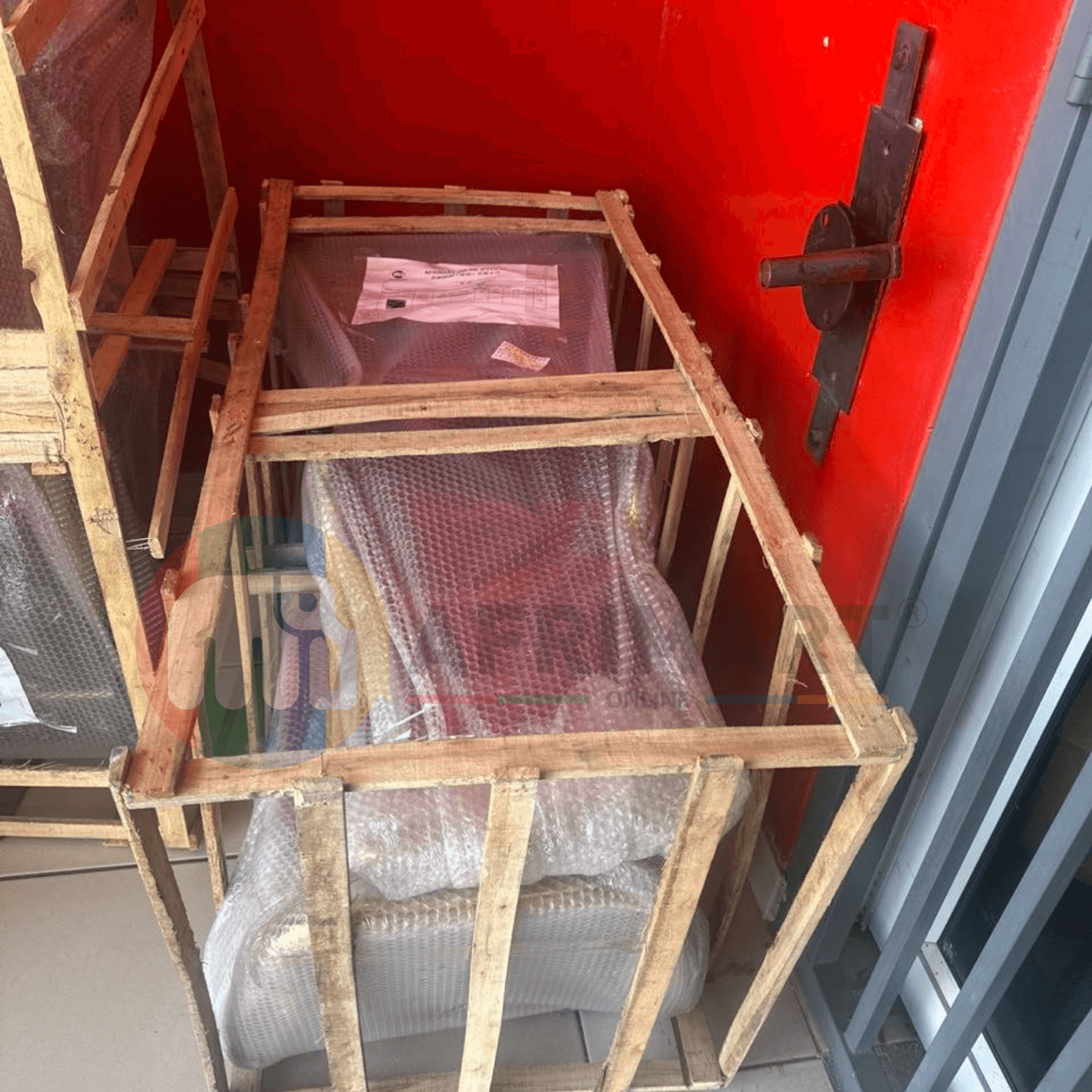
Water Pump Equipment
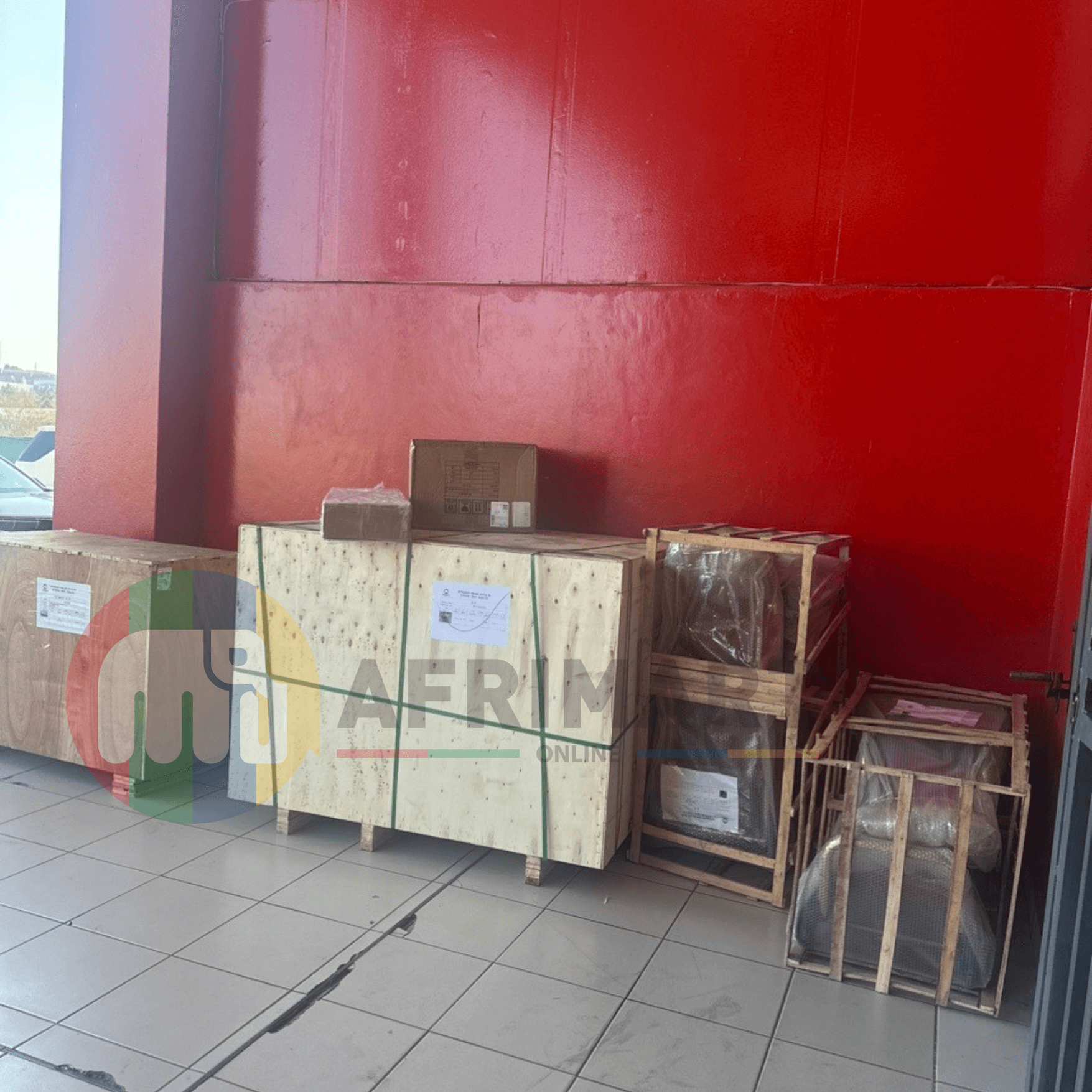
Packaging Machine and accessories
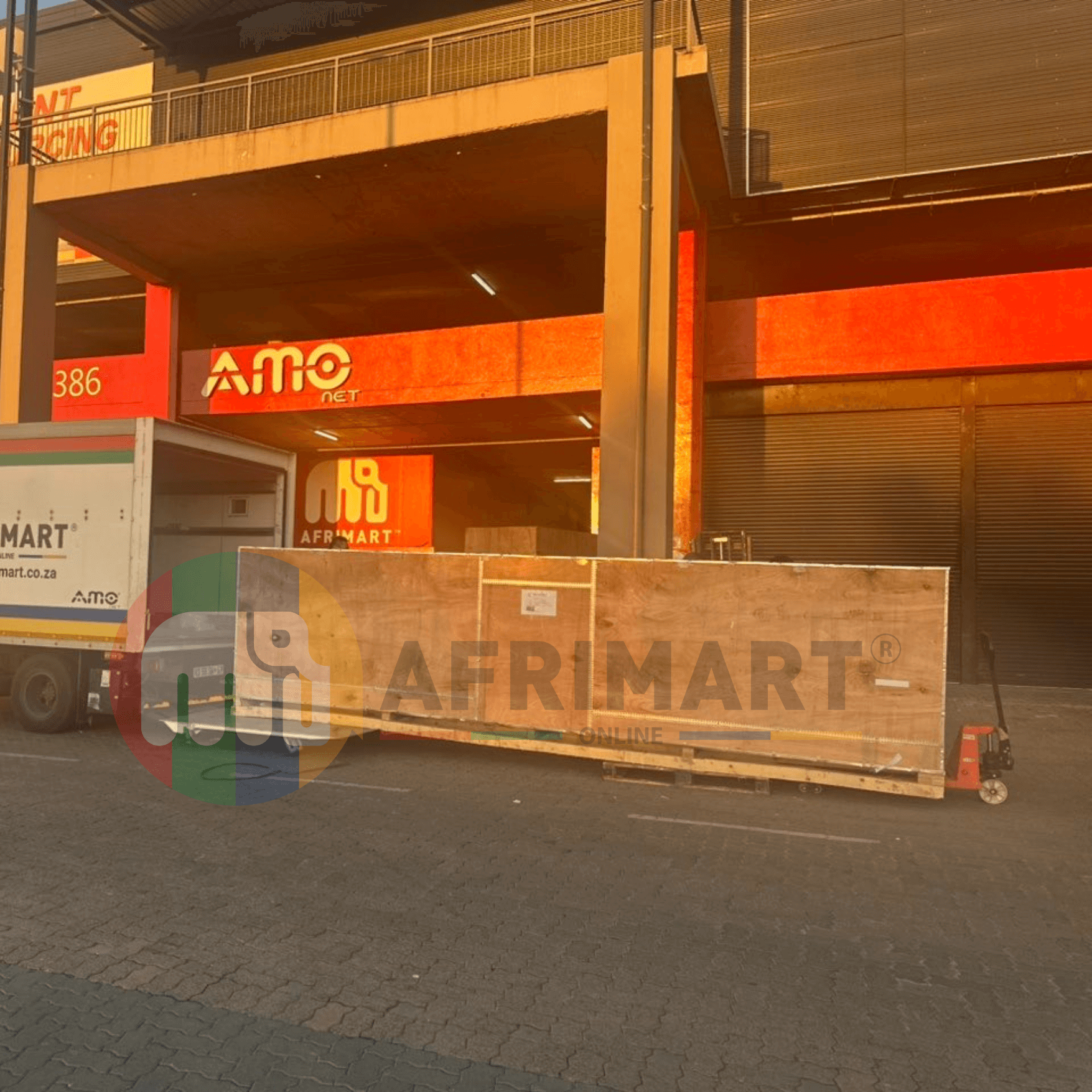
Fabrics Manufacturing Equipment
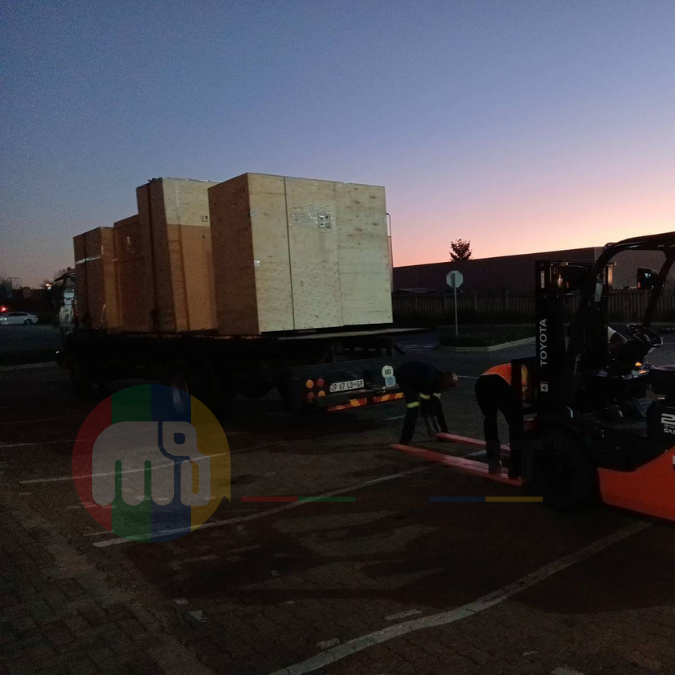
Mining Equipments
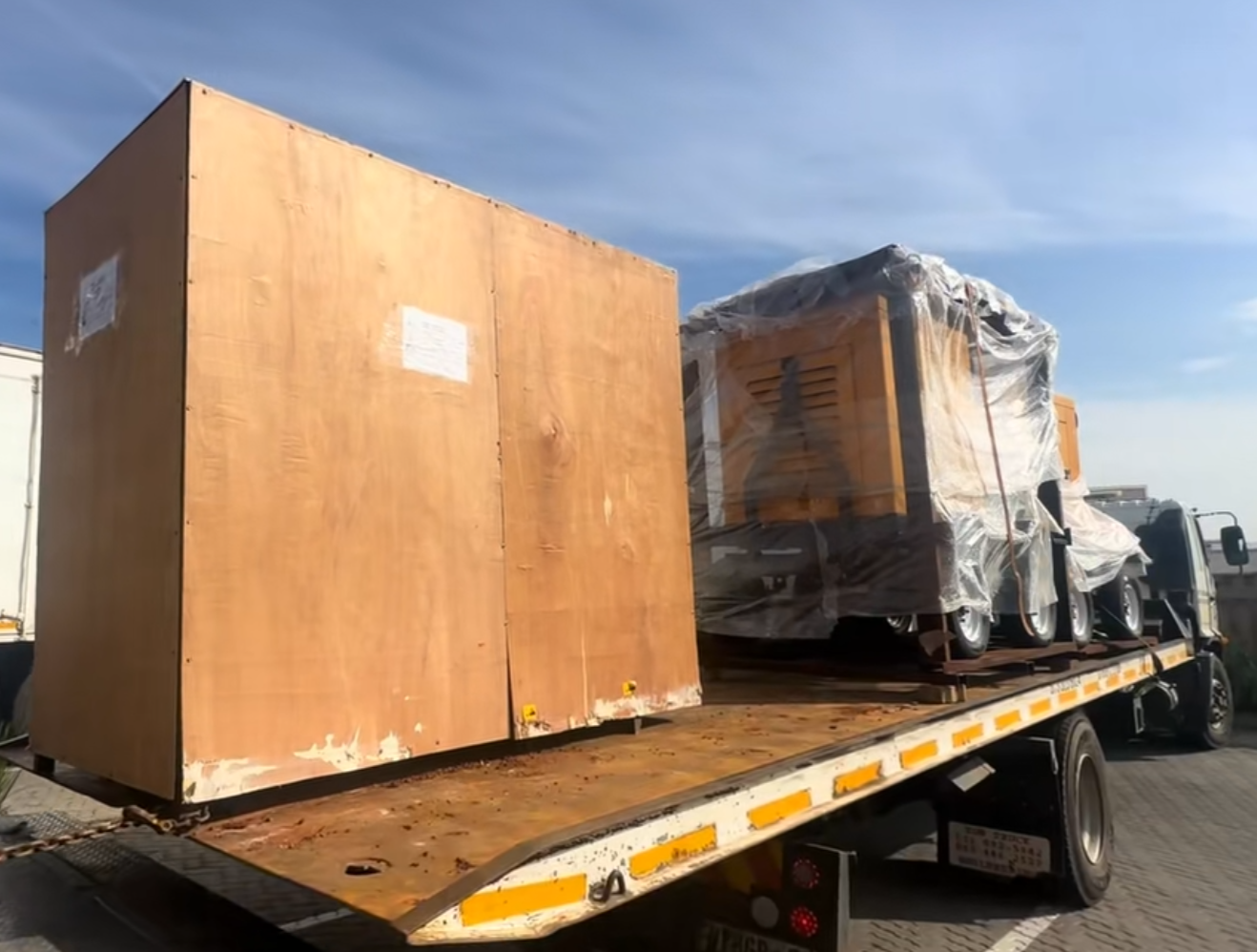
Food Processing Machine
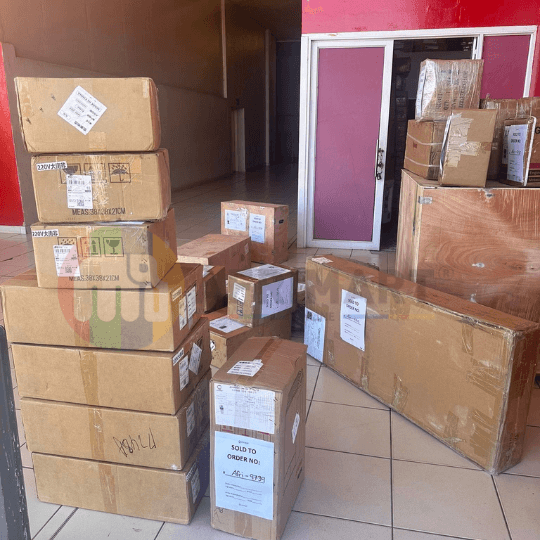
Batch of Orders
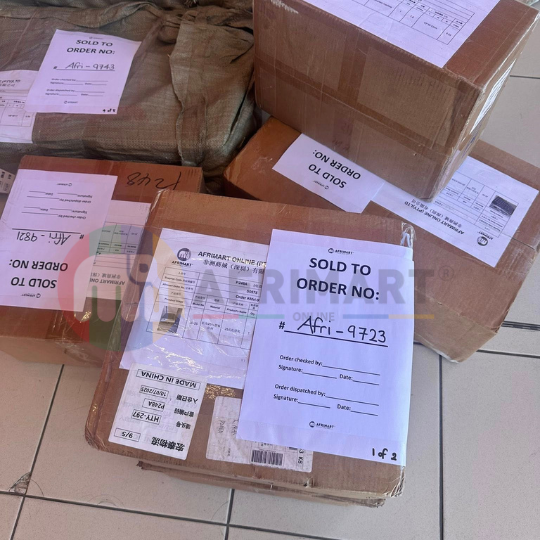
Batch of Orders
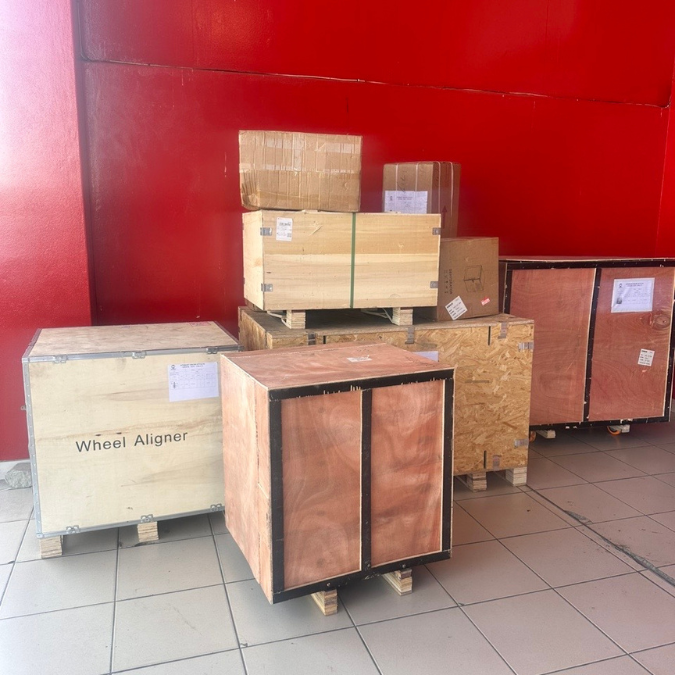
Latest Orders Labelled
wheel alignment machines
new arrivals
Pre Orders Offloading
Latest Arrivals
Latest Arrivals
Latest Arrivals
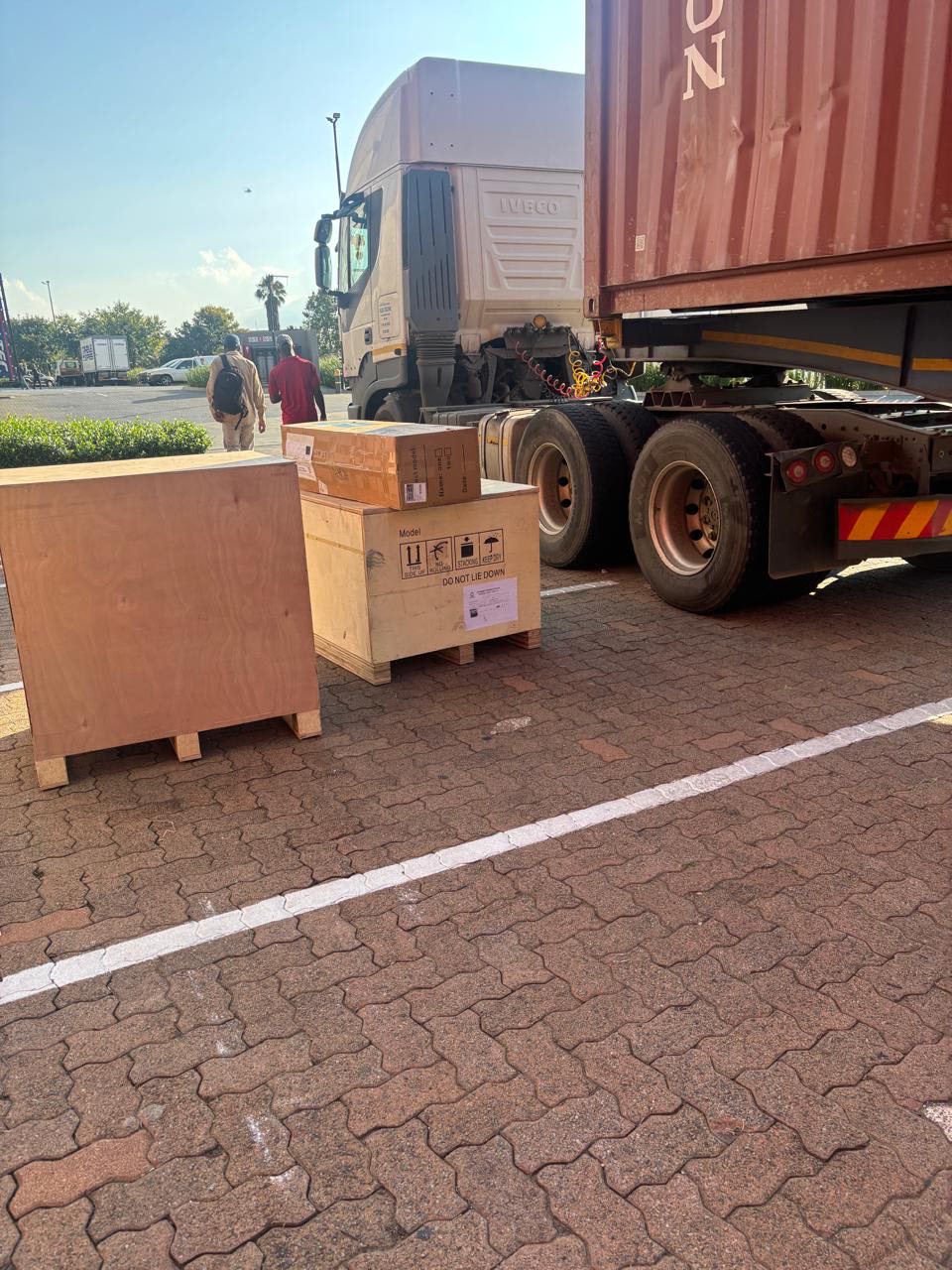
26 January 2026
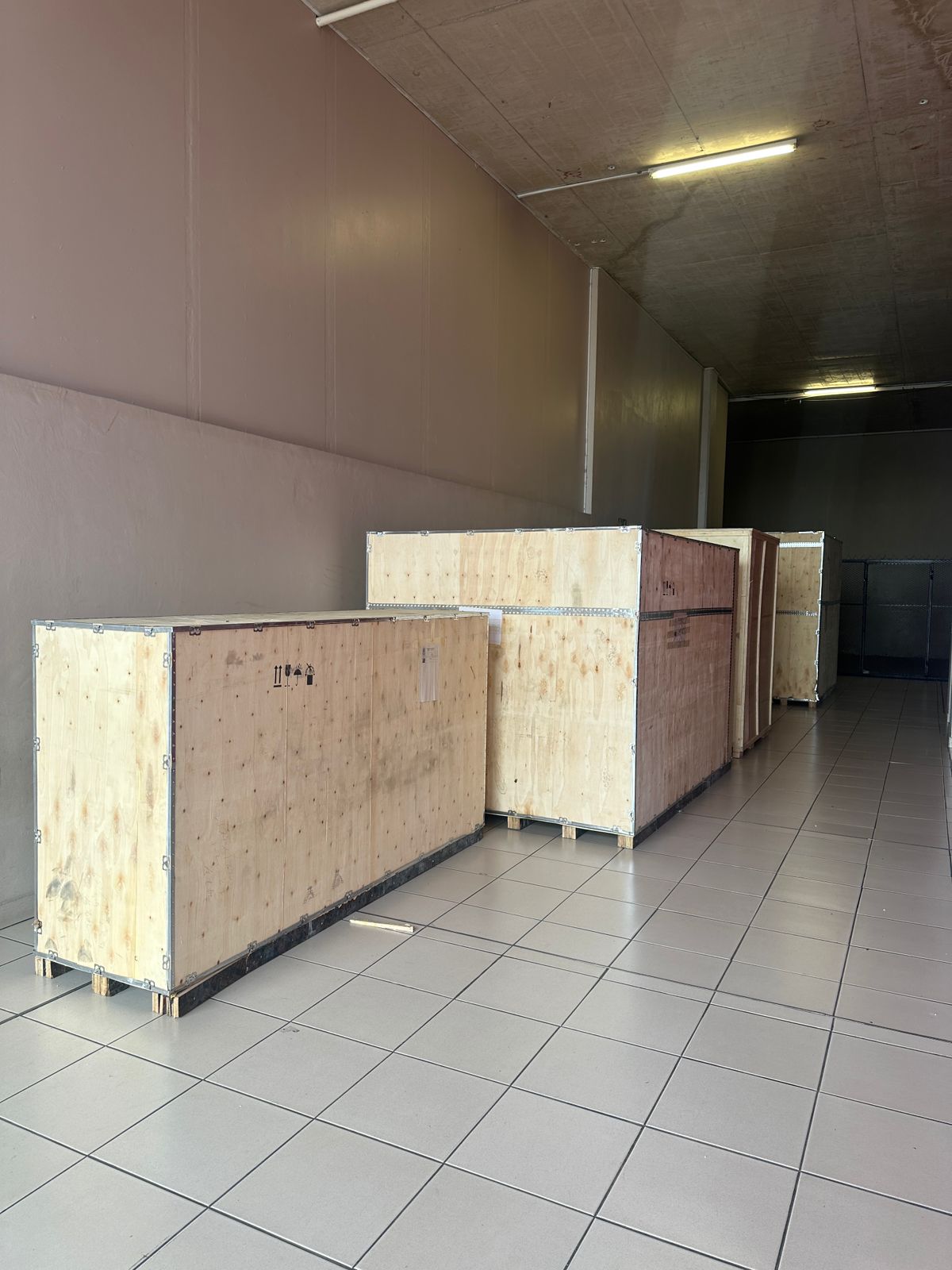
Toilet paper making machine
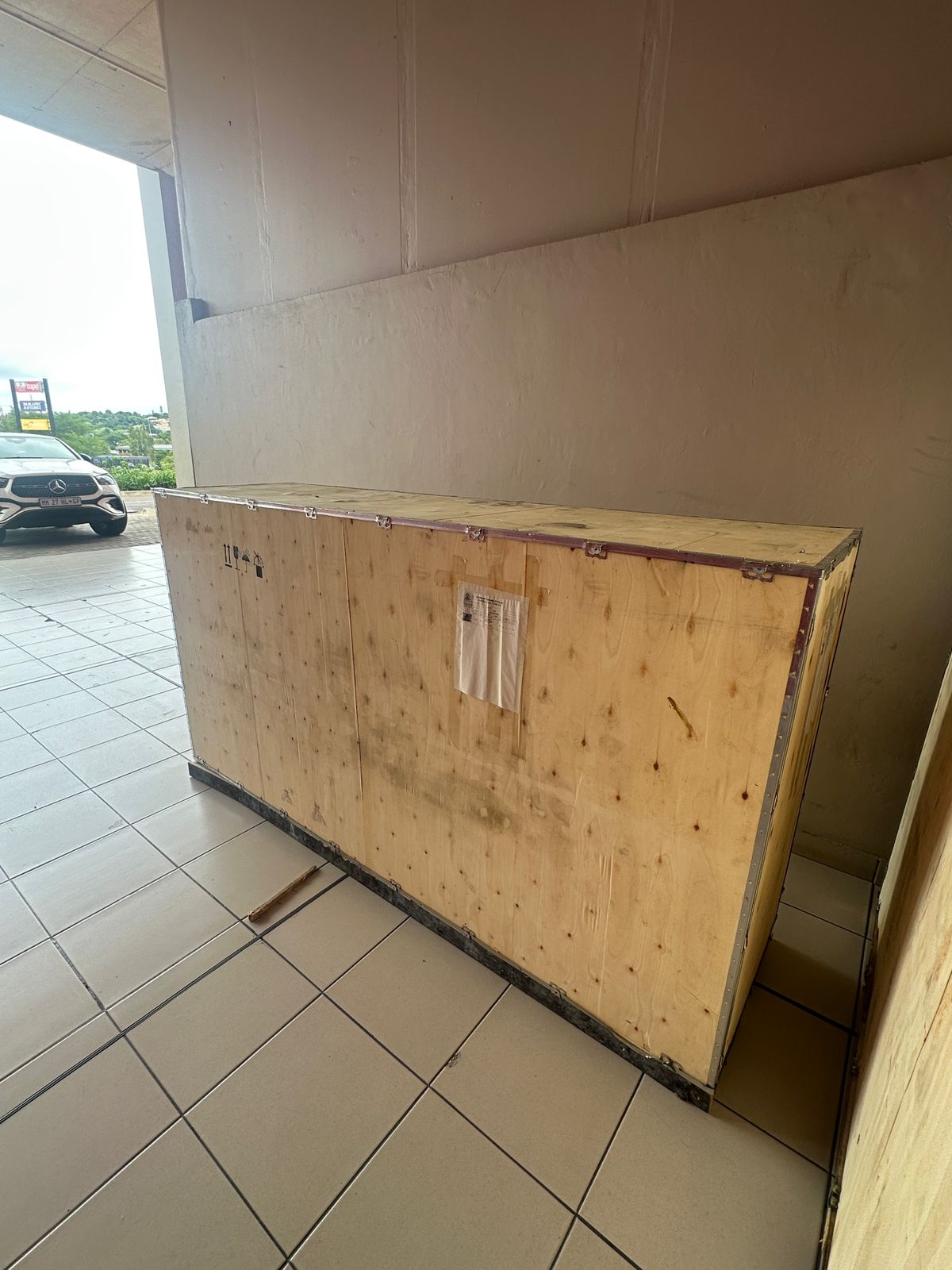
Toilet paper making machine
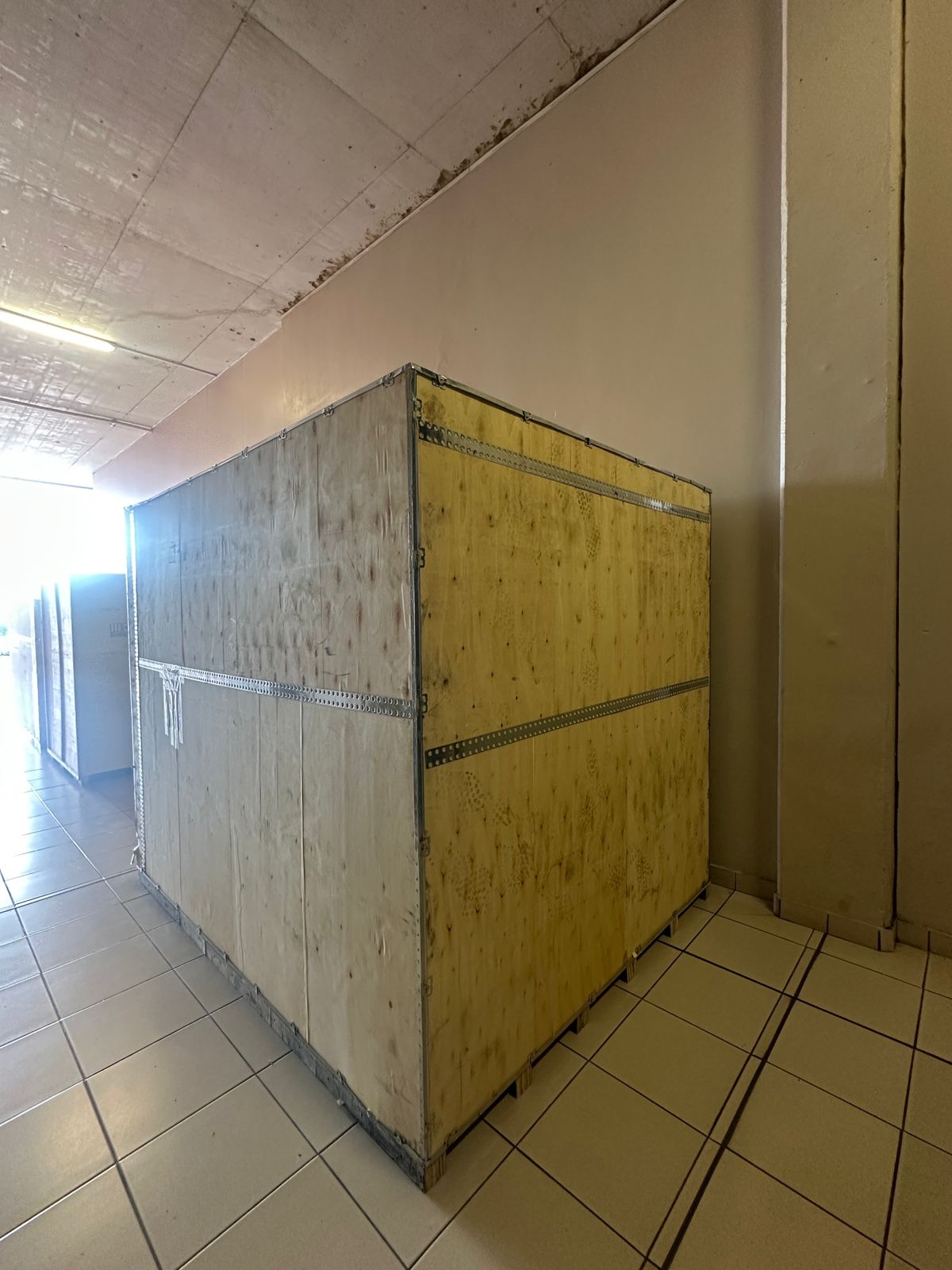
Toilet paper Rewinding Machine
latest arrivals
offloading
order success
order collection
order offloading