B21, China Town Mall, Midrand

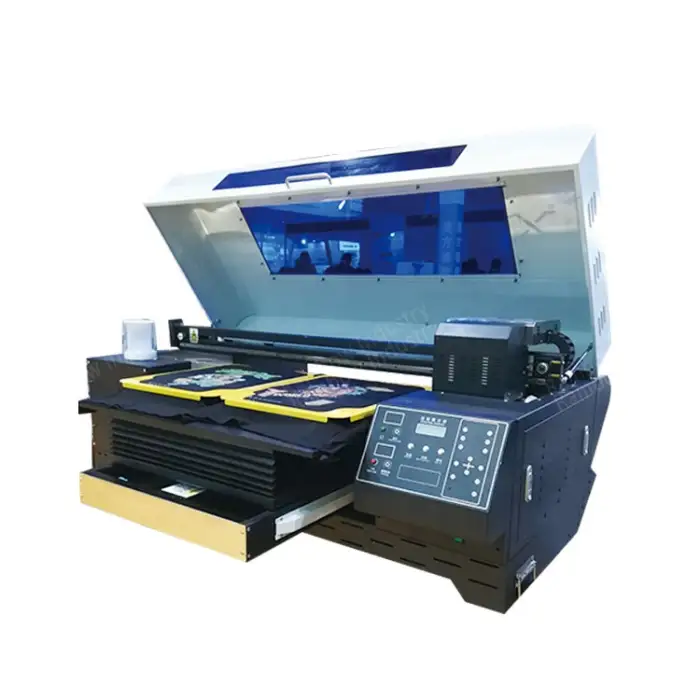
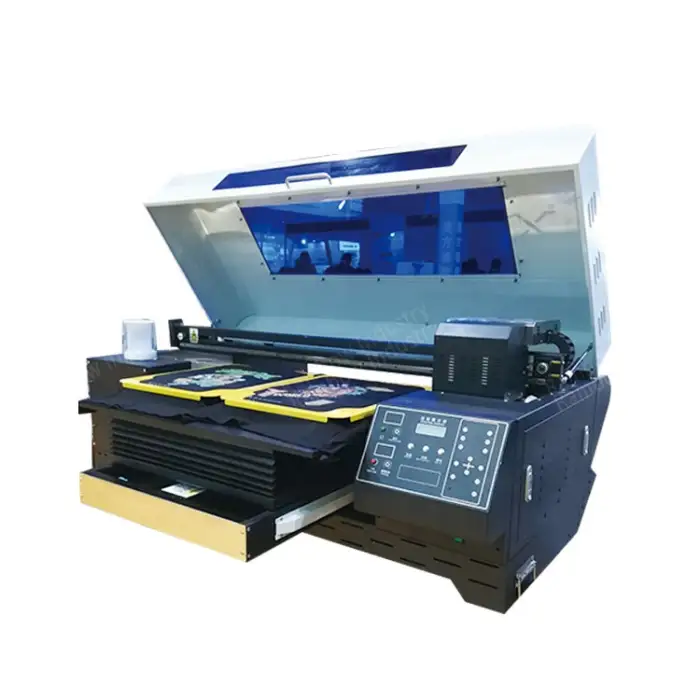
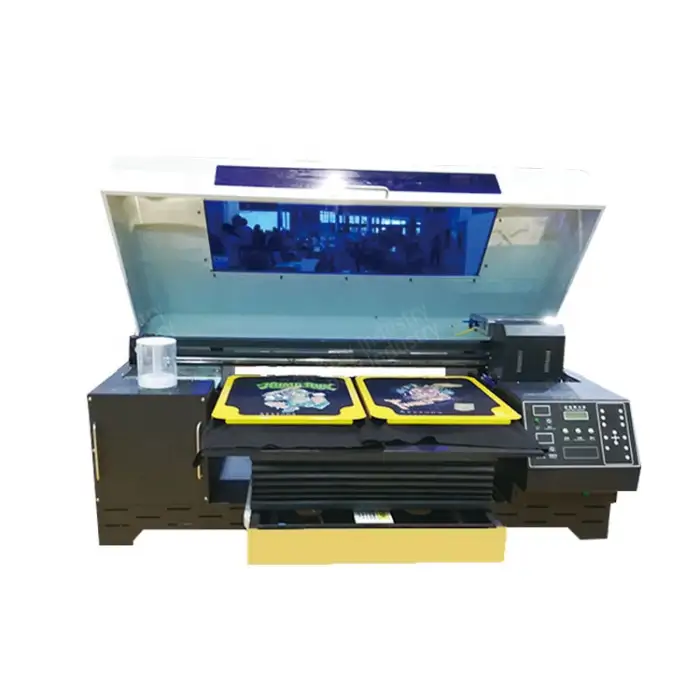
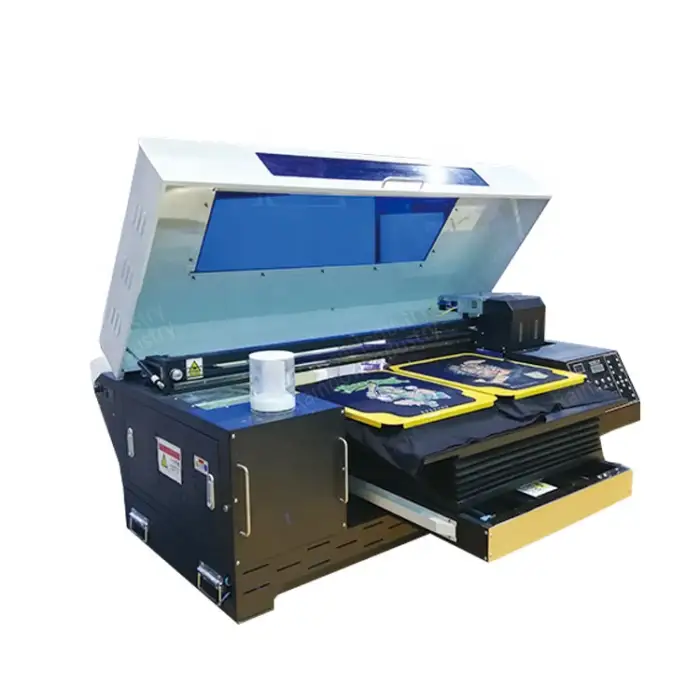
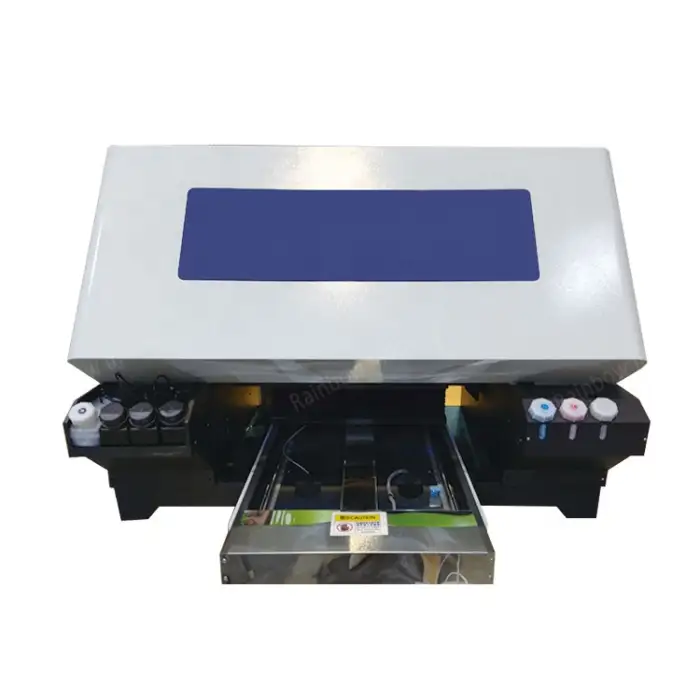
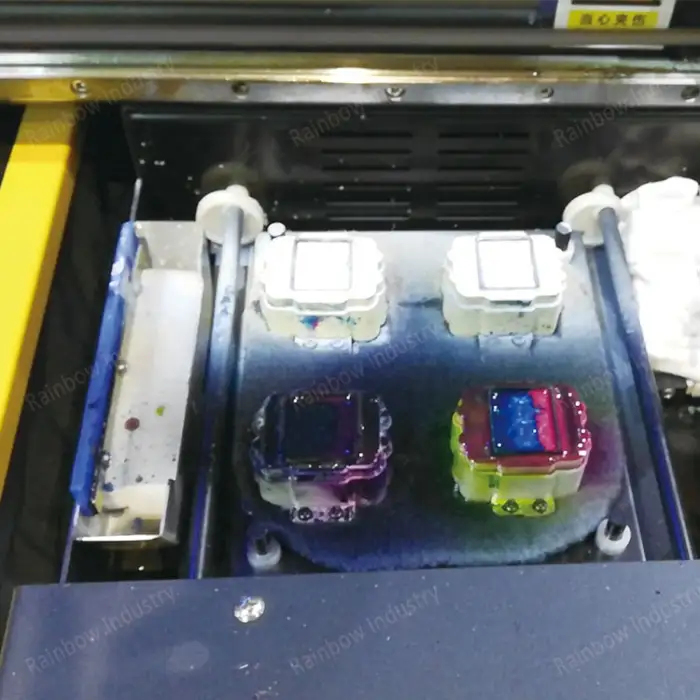
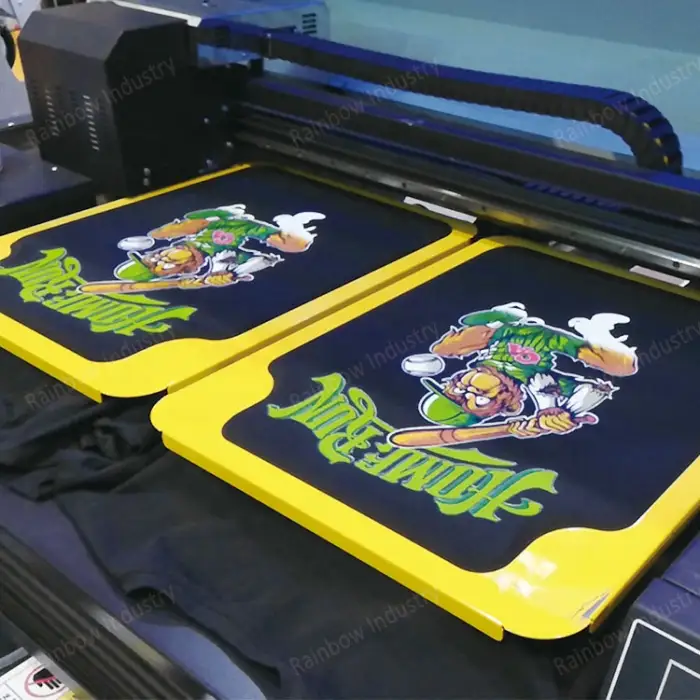
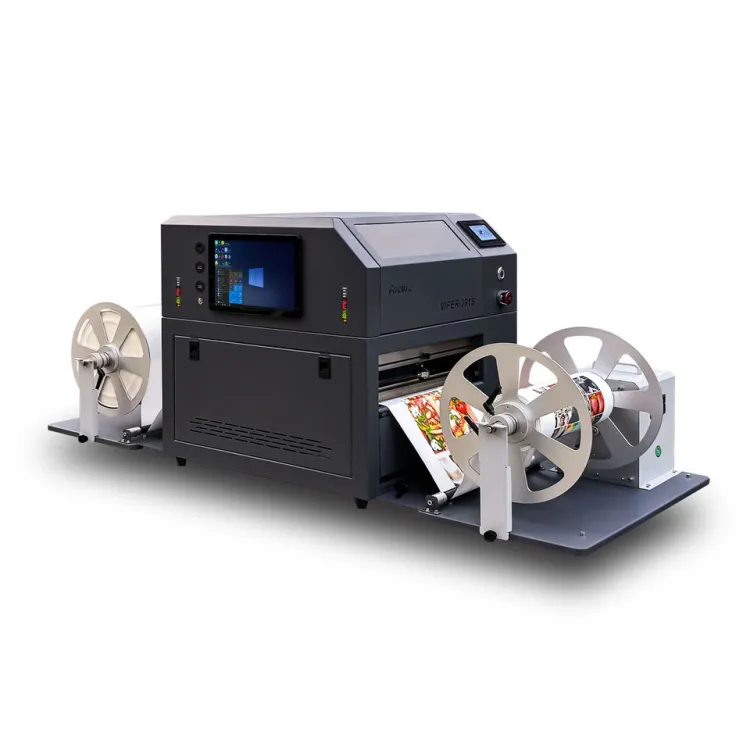
A1 Size Printer 3D Printed T Shirts Clothes
Asset finance available
Do you want funding for this equipment?
Afrimart can connect you with trusted funding partners who specialise in asset finance for businesses like yours. Compare options and apply in minutes — final approval is subject to provider review.
Check funding options
Secure & no obligation

- Section : Consumer Electronics
- Category : Printing Equipment
- SKU : 62037473077

A1 Size Printer 3D Printed T Shirts Clothes
The A1 Size Printer 3D Printed T Shirts Clothes is a powerful and versatile printer designed for all your printing needs. This advanced printer allows you to create stunning designs on various materials, including t-shirts, shoes, and more. With its user-friendly features, you can easily produce high-quality prints that stand out.
Specifications
| Attribute | Details |
|---|---|
| Brand Name | RB-3646T Dtg Printer |
| Print Dimension | 36*46cm |
| Voltage | 110V-220V |
| Ink Type | Textile Pigment Ink |
| Weight | 200 KG |
| Resolution | 5760*2880 DPI |
| Software | Ultrarip Software |
| Printing Type | Ink-jet Printing Machine |
Key Features
- Automatic Grade T-shirt Printer
- Multi-color DTG Printing
- Flatbed Printer Design
- Prints on Various Materials like Cotton and Leather
- Easy to Use with Ultrarip Software
Applications
- T-shirt Printing
- Shoe Printing
- Socks and Hoodies Printing
- Jacket and Sweater Printing
- Label and Card Printing
With the A1 Size Printer 3D Printed T Shirts Clothes, creativity is at your fingertips. Whether you're a business owner or a hobbyist, this printer is perfect for bringing your ideas to life with vibrant colors and detailed designs.
Product Info Gallery
- Shipping Timeframes: All orders are processed within 2-5 business days (excluding weekends and holidays). After your order has been processed, the estimated delivery time is before 30 Jun, 2026, depending on customs, Please note that due to high demand, some items may experience longer shipping times, which will be communicated at order confirmation email.
- Order Processing Time: Please allow 2-5 business days for us to process your order before it is shipped . Orders placed after 16:00 on Fridays, or during weekends and public holidays, will begin processing on the next business day. Processing times may be extended during peak seasons or sales events.
- Manufacturing Time: Some products needs manufacturing time, the manufacturing process will take approximately 10-30 business days depending on the product. This timeframe may vary depending on the complexity of the product and current demand. but this will be communicated with you during order confirmation.
- Returns and Exchanges: We offer a 30-day return policy for most items. If you are not completely satisfied with your purchase, you may return it within 30 days of receipt for a refund or exchange. Items must be unused, in their original packaging, and accompanied by proof of purchase. Return shipping costs are the responsibility of the customer, unless the item was damaged or defective upon arrival.
1. What exactly is the "A1 Size Printer 3D Printed T Shirts Clothes"?
Despite the name, this product is a direct-to-garment (DTG) flatbed ink-jet printer (model RB-3646T) for printing high-resolution designs onto textiles and other flat materials — it is not a 3D printer.
2. What is the maximum print area / print dimension?
The maximum printable area is 36 × 46 cm (36*46cm) per print job.
3. Which materials can this printer print on?
It is designed for fabrics and similar flat materials including cotton garments, blended textiles (with appropriate pretreatment), leather (test first), socks, hoodies, jackets, and some accessories like labels and certain shoe surfaces with suitable fixtures.
4. What type of ink does the printer use?
The printer uses textile pigment ink formulated for garment printing. Use manufacturer-recommended inks to ensure color accuracy, print durability, and warranty compliance.
5. What print resolution and quality can I expect?
Optical resolution is up to 5760 × 2880 DPI, enabling very fine detail. Final output quality depends on artwork resolution, RIP settings, ink, substrate, and proper pretreatment/curing.
6. Which software and file formats are supported?
The printer ships with UltraRIP software. UltraRIP accepts common print-ready file formats such as PNG (including transparency), TIFF, JPEG and PDF and supports ICC color profiles and RIP-based color management.
7. Do I need to pretreat garments before printing?
Yes — dark or mixed-color garments generally require a white underbase and pretreatment solution to ensure opacity and wash-fastness. Light garments may require minimal or no pretreatment. Follow supplier pretreatment and curing guidelines.
8. How durable are the prints and how should garments be cared for?
When printed with the correct inks, pretreatment, and proper heat curing, prints are durable and wash-resistant. Follow recommended curing temperatures and washing instructions (e.g., turn garment inside out, cold wash, gentle cycle) to maximize longevity.
9. What are the power and physical specifications?
The printer supports 110V–220V power supplies (confirm regional configuration with the vendor) and weighs approximately 200 kg. Ensure you have adequate space and floor loading capacity for installation.
10. Can the printer handle printing on shoes, socks and other non-flat objects?
Yes — the flatbed design and optional fixtures allow printing on shoes, socks and other items, but some curved or irregular surfaces may require specialized platens, jigs or manual positioning and testing.
11. What routine maintenance is required?
Regular maintenance typically includes daily nozzle checks and automatic or manual head cleanings, keeping ink lines and tanks clean, replacing filters and consumables as needed, and periodic calibration. Follow the manufacturer's maintenance schedule to avoid downtime.
12. How fast is the printer — what is the production throughput?
Print speed varies with image complexity, resolution, ink coverage, and pretreatment/curing steps. Throughput estimates should be provided by your supplier based on your chosen print modes and a sample job; request sample prints and time trials for accurate planning.
13. What connectivity options are available for sending print jobs?
Prints are managed through UltraRIP; most setups support standard network and USB connections. Confirm available interfaces (USB, Ethernet, network sharing) with your supplier and ensure compatibility with your workflow.
14. Is there training, warranty or technical support available?
Warranty length and support offerings vary by seller and region. Most suppliers provide technical support, spare parts, and optional training or on-site setup — confirm warranty terms, service options and response times with your vendor before purchase.
15. Are there safety or environmental considerations I should know about?
Yes. Use proper ventilation when printing and curing (inks and pretreatment can emit fumes), wear appropriate PPE when handling inks and chemicals, and follow local disposal regulations for ink waste and consumables. Consult the safety data sheets (SDS) for all consumables.
Latest Order Arrivals
Discover our latest orders
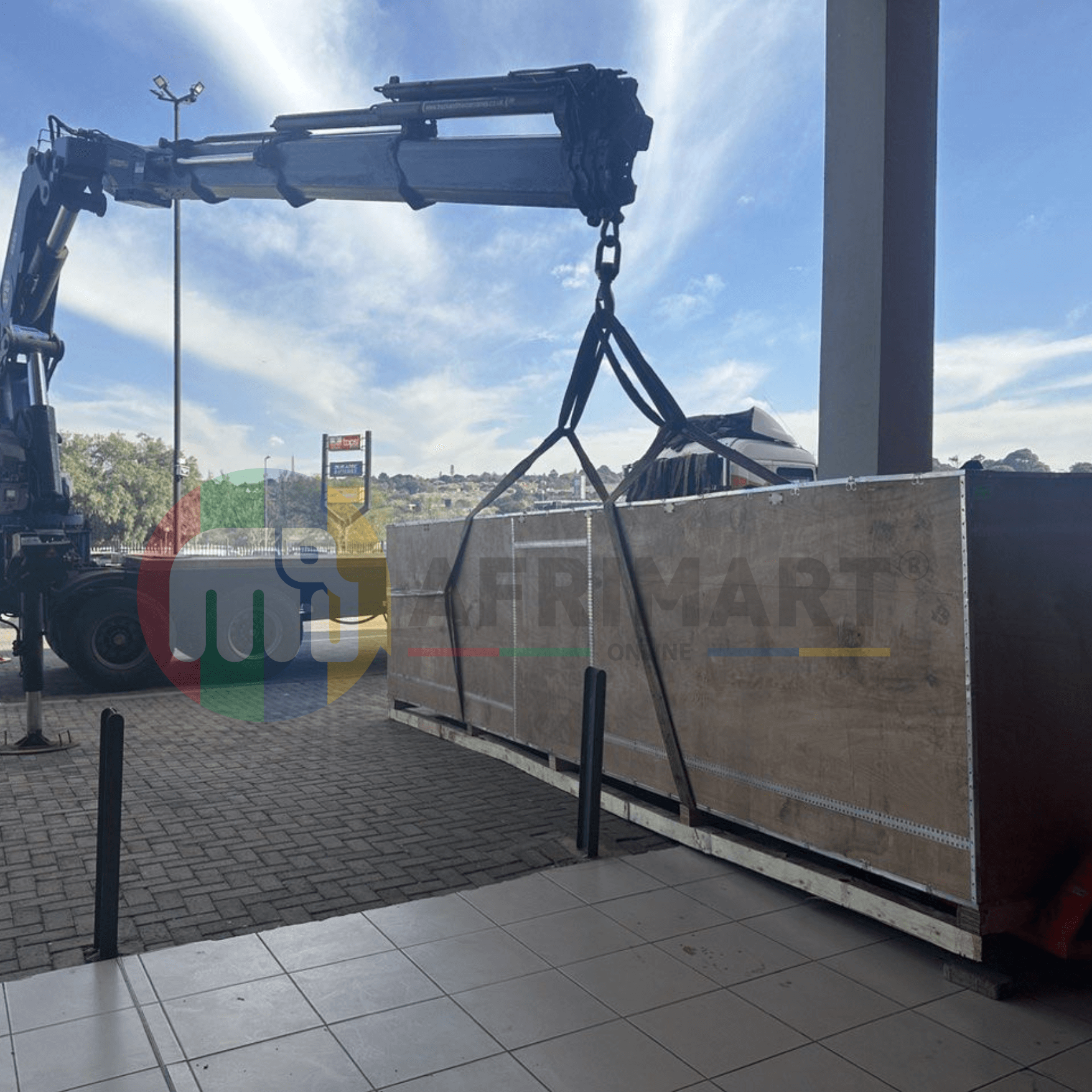
12 Heads Embroidery Machine
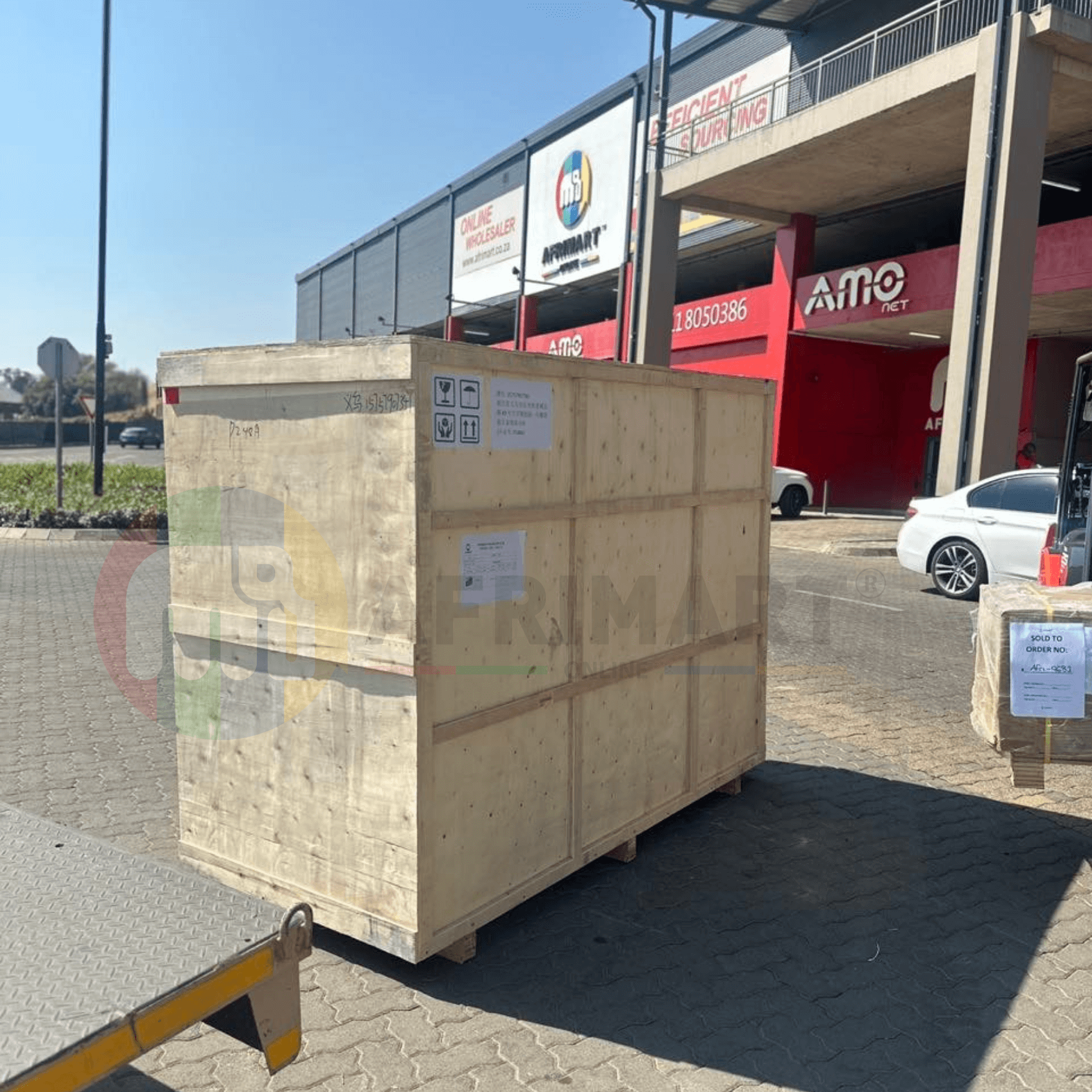
Dewatering Pump Machine
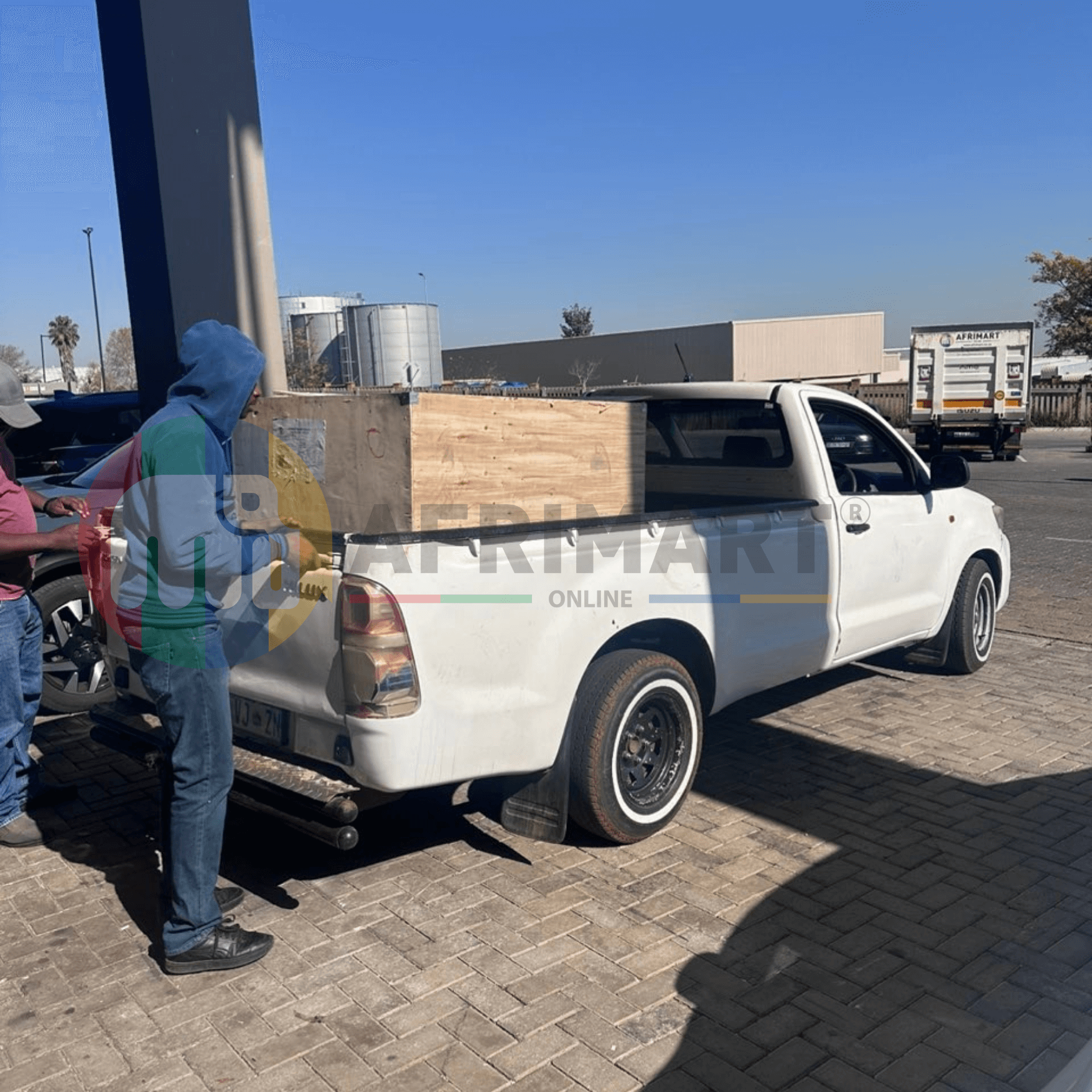
Order Collection
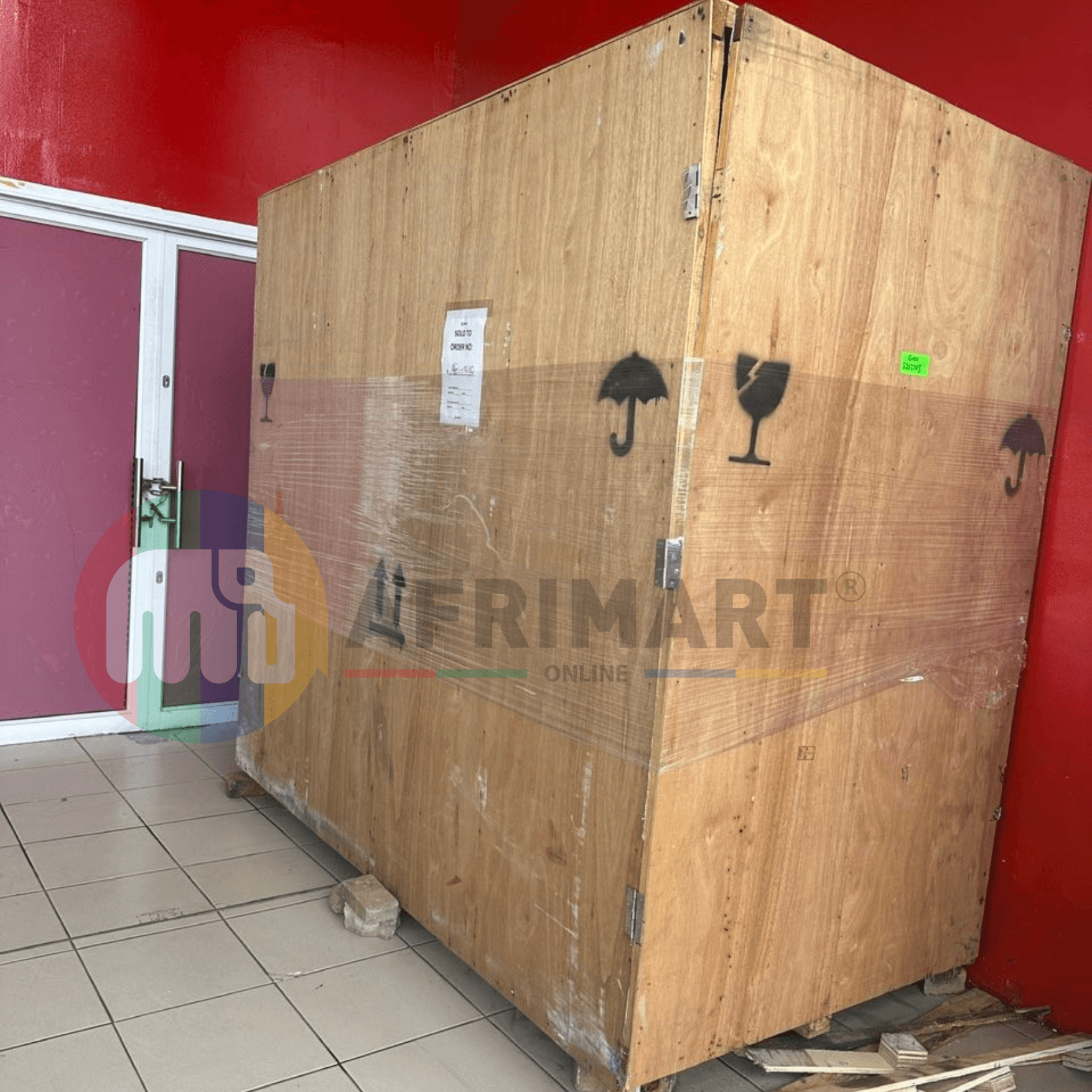
Portable Water Drilling Rig
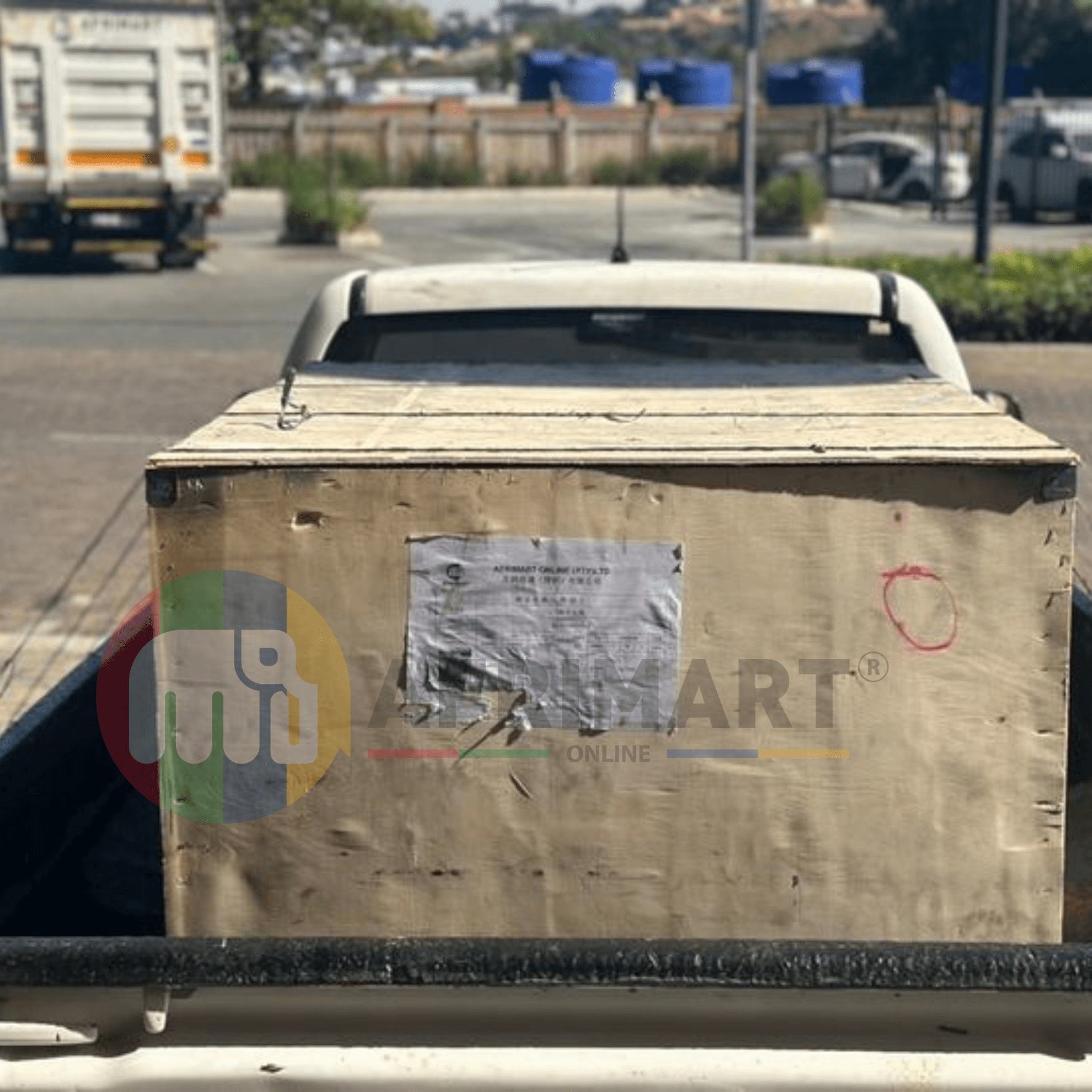
Order Usefully Collected
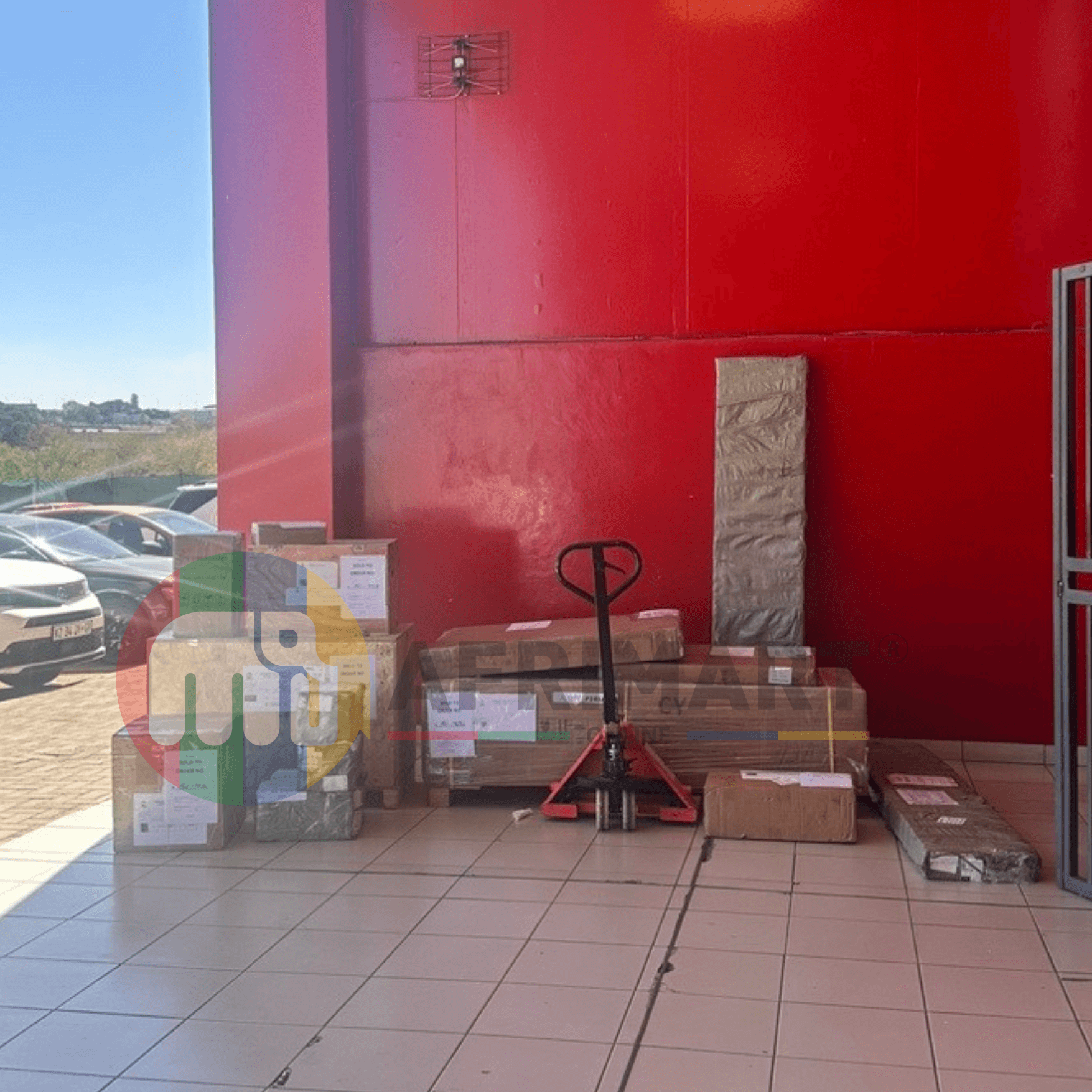
Batch of Orders
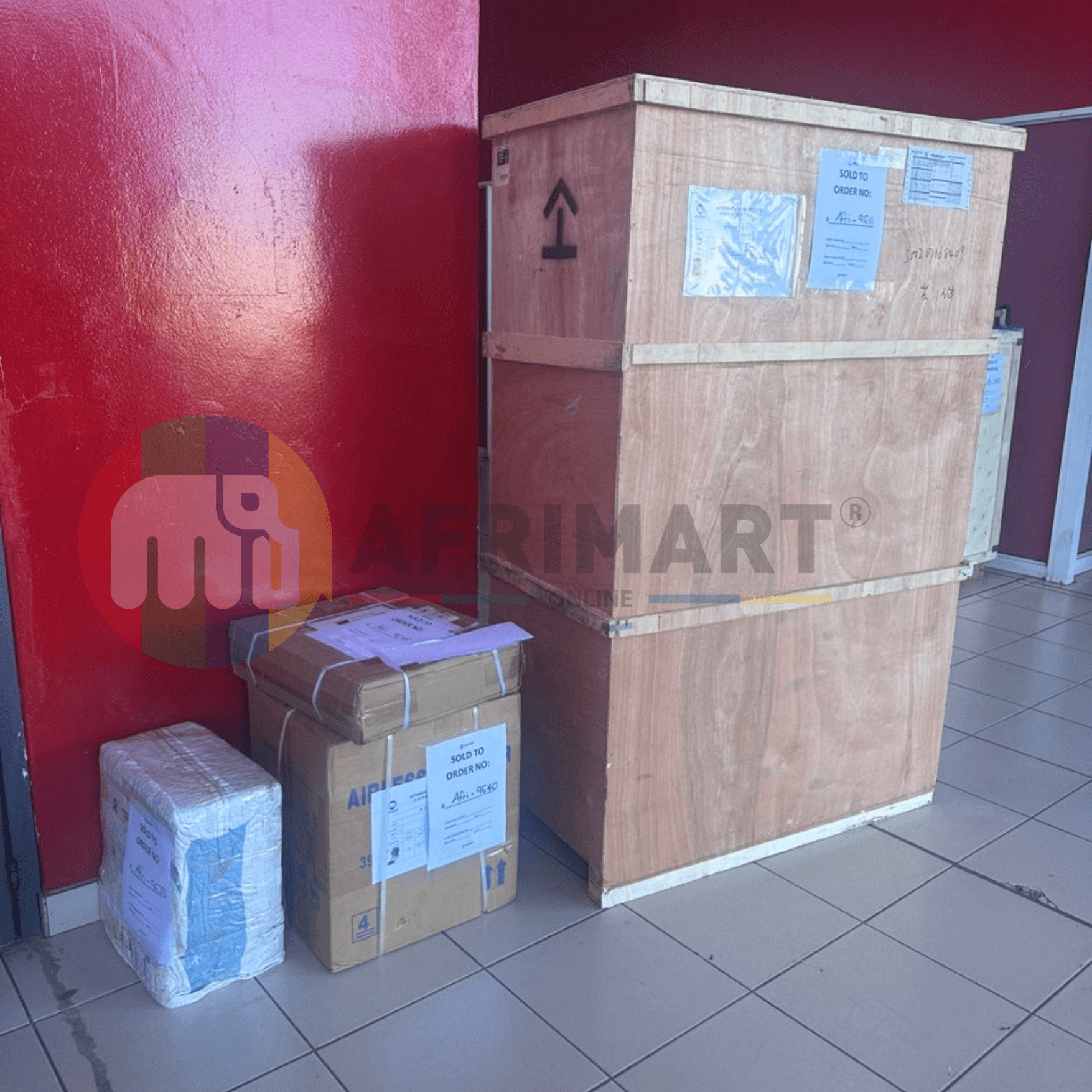
Agriculture Processing Machines
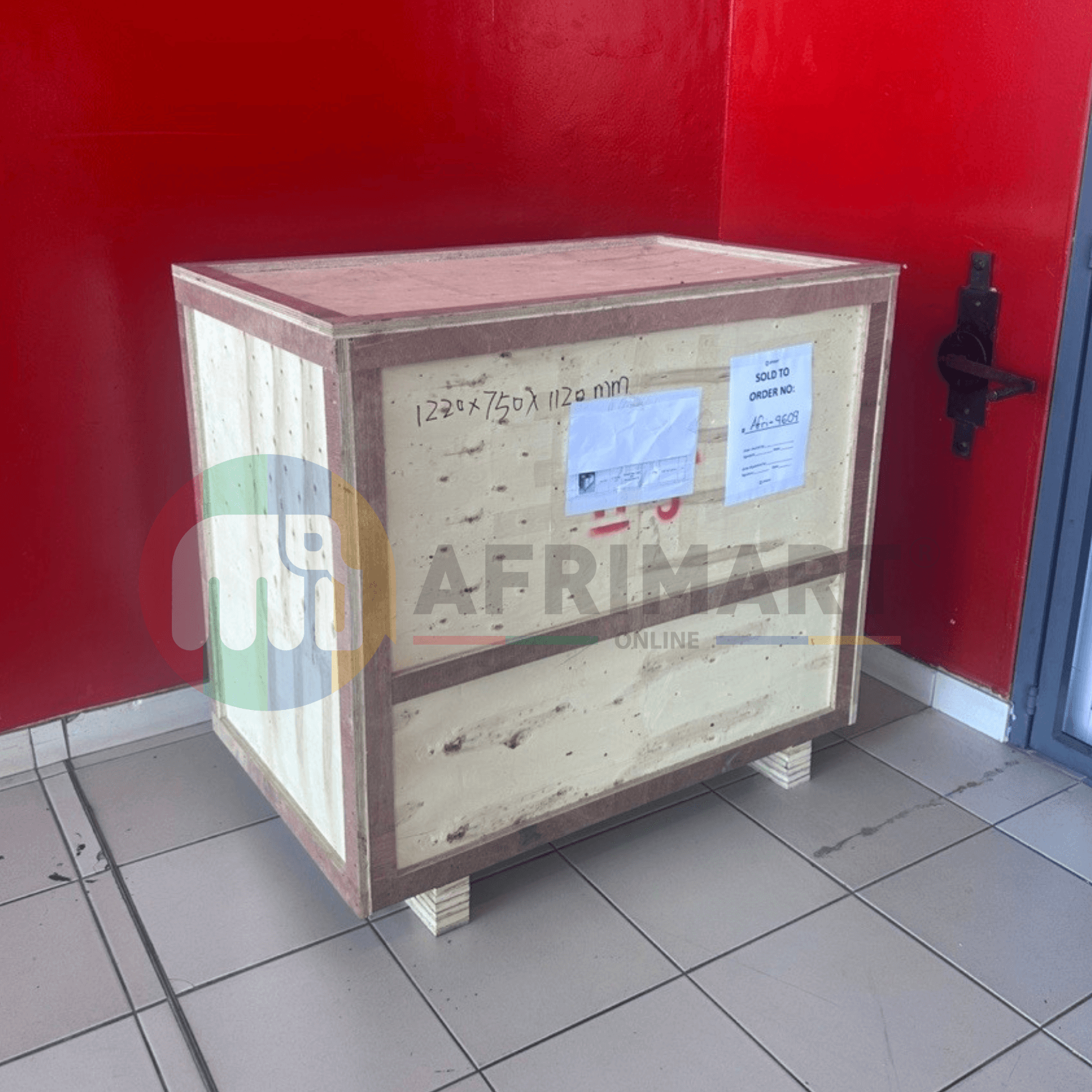
Meat Grinder Machine
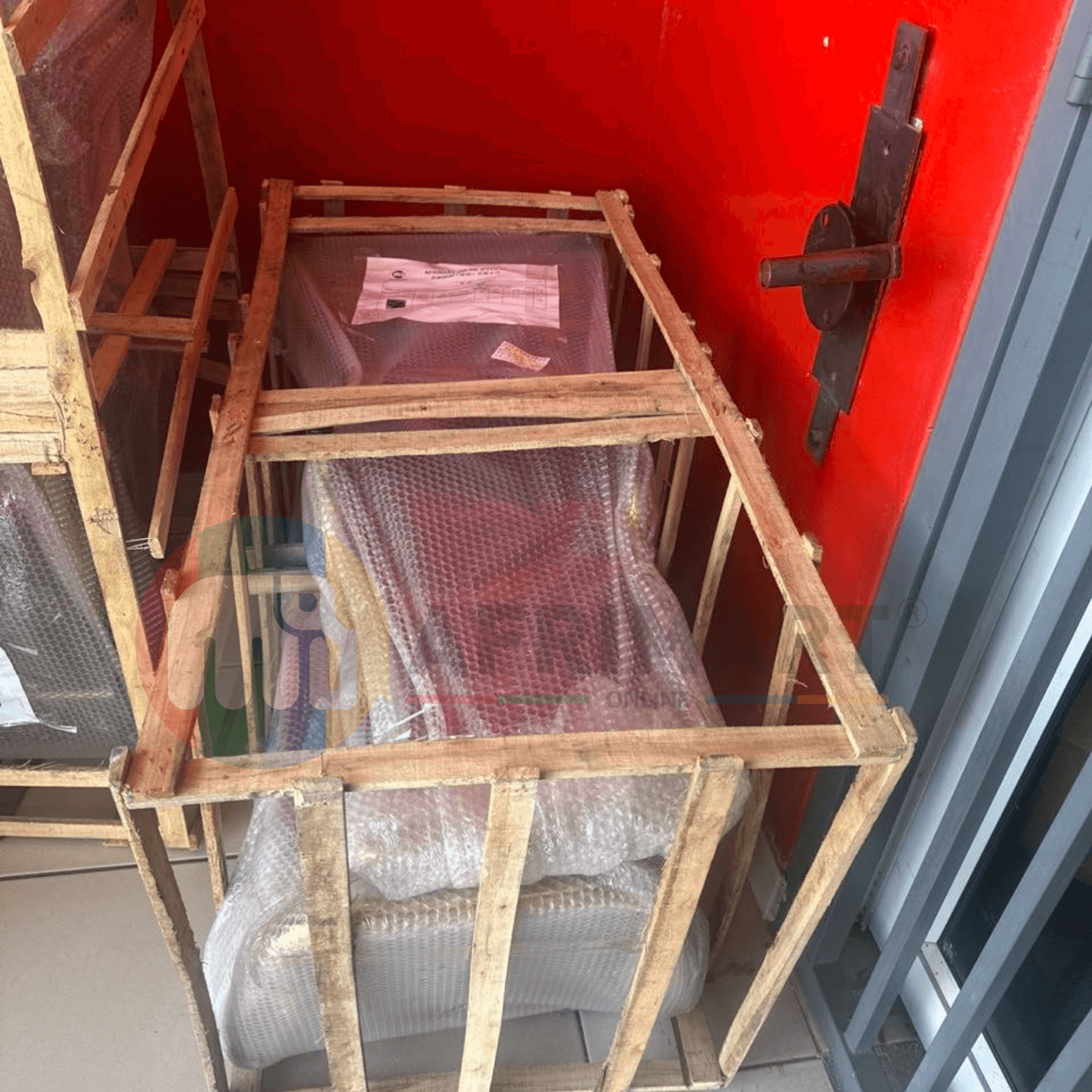
Water Pump Equipment
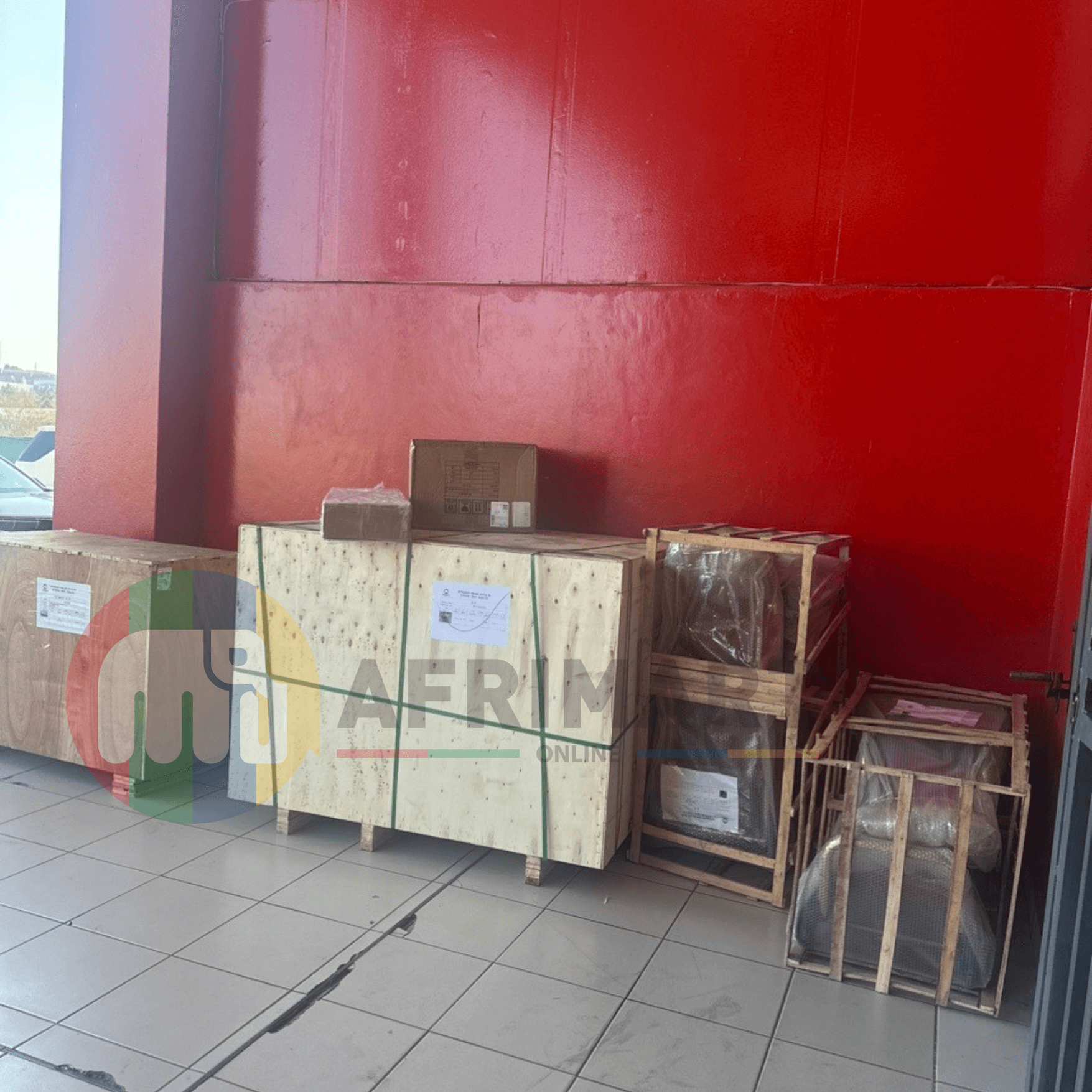
Packaging Machine and accessories
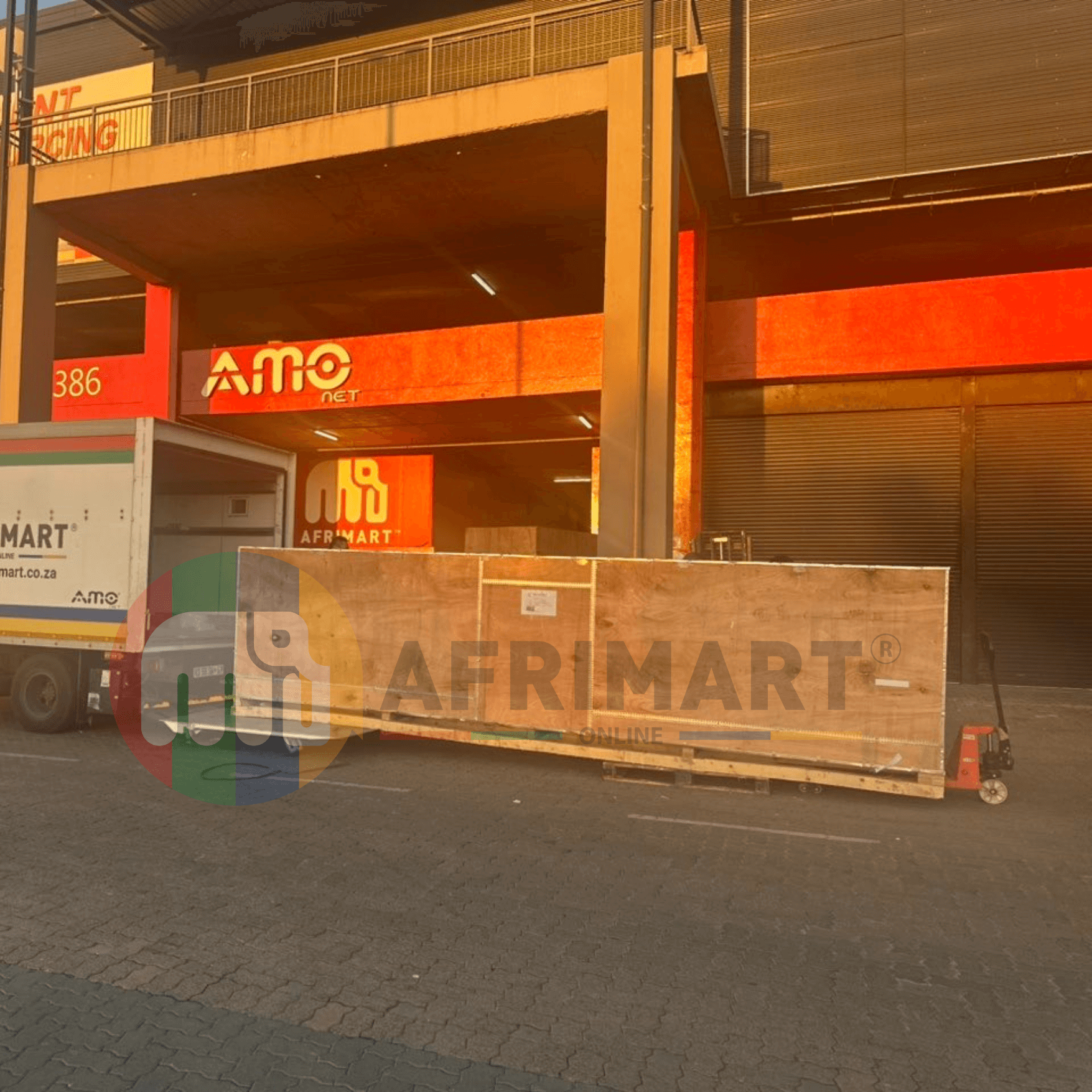
Fabrics Manufacturing Equipment
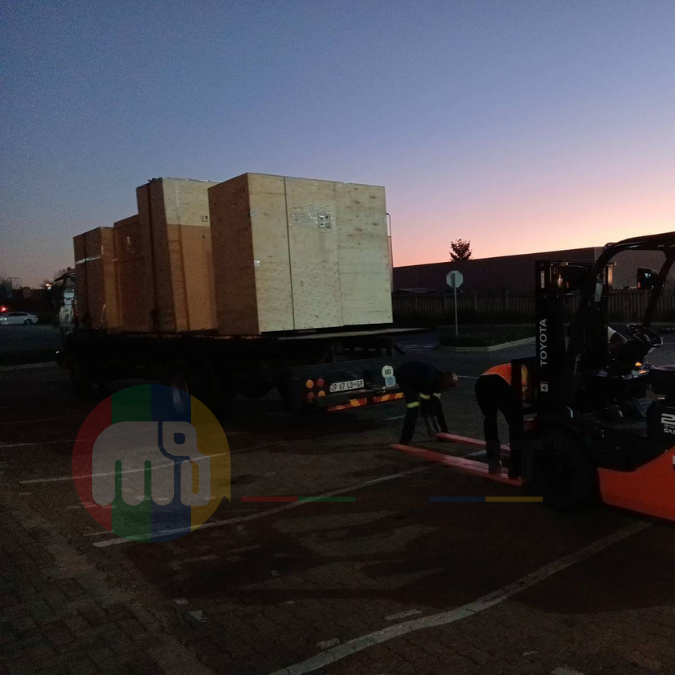
Mining Equipments
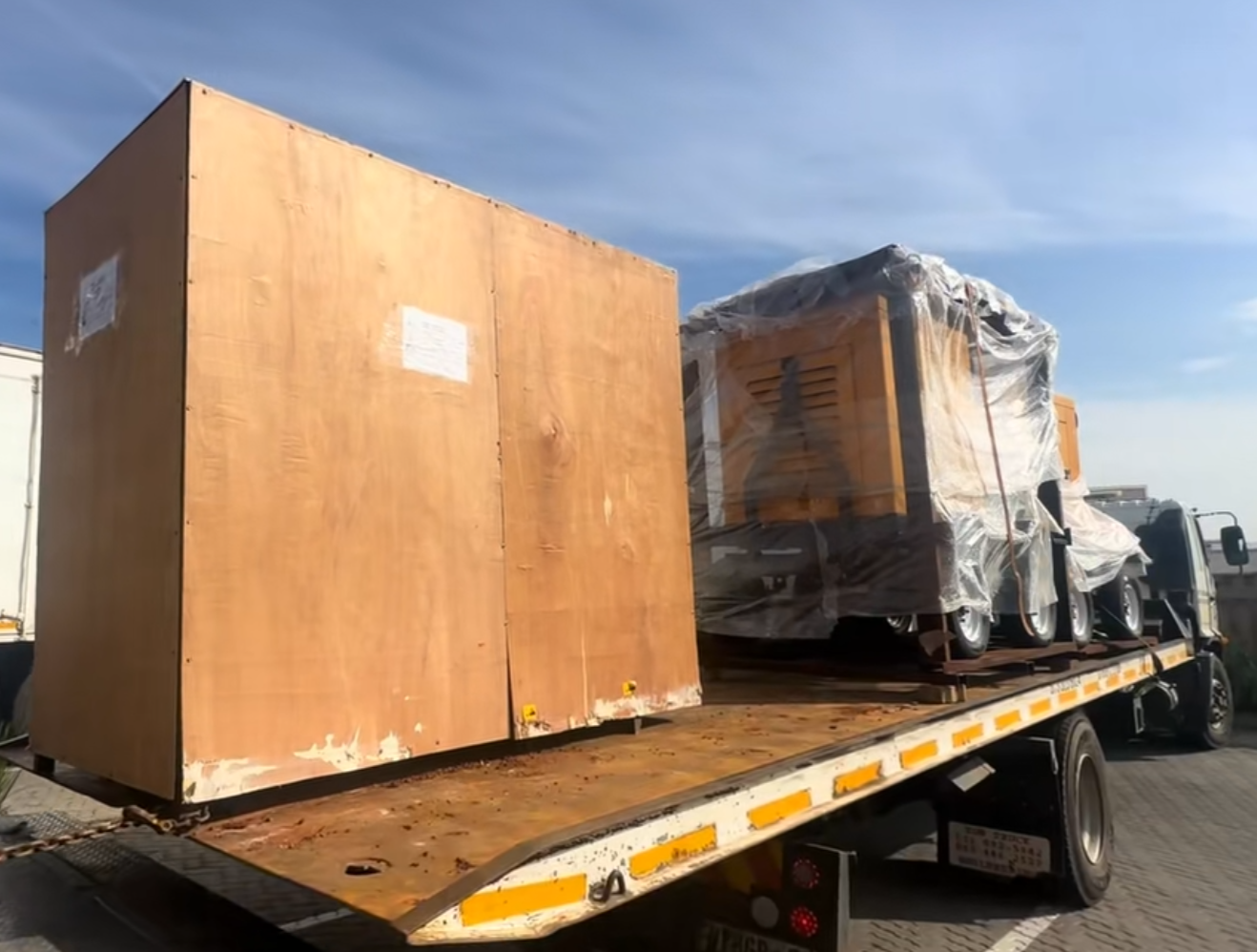
Food Processing Machine
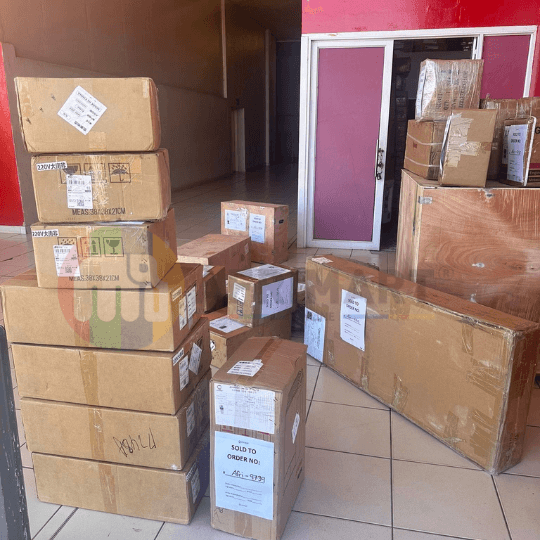
Batch of Orders
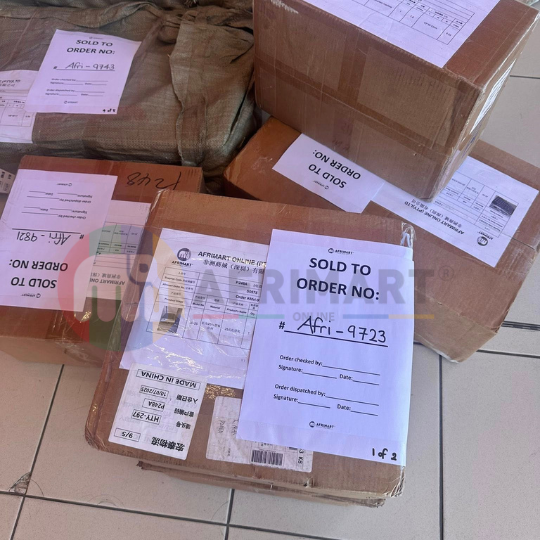
Batch of Orders
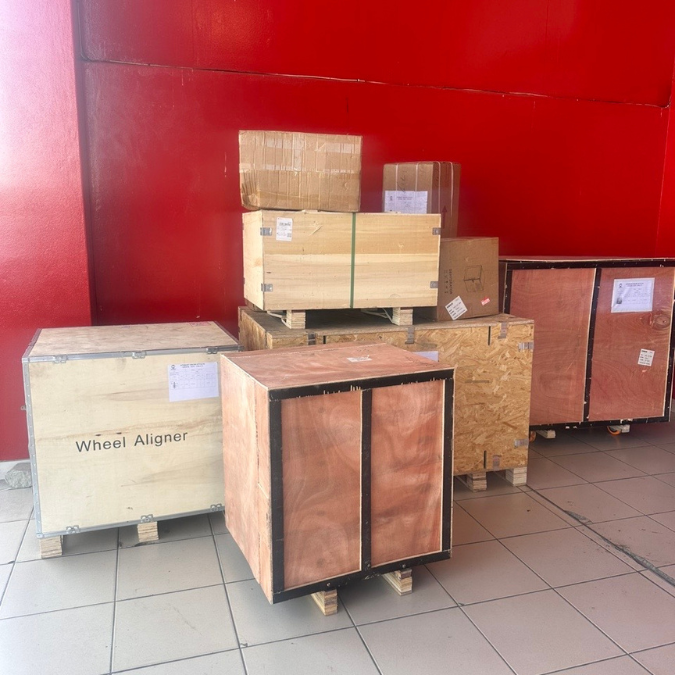
Latest Orders Labelled
wheel alignment machines
new arrivals
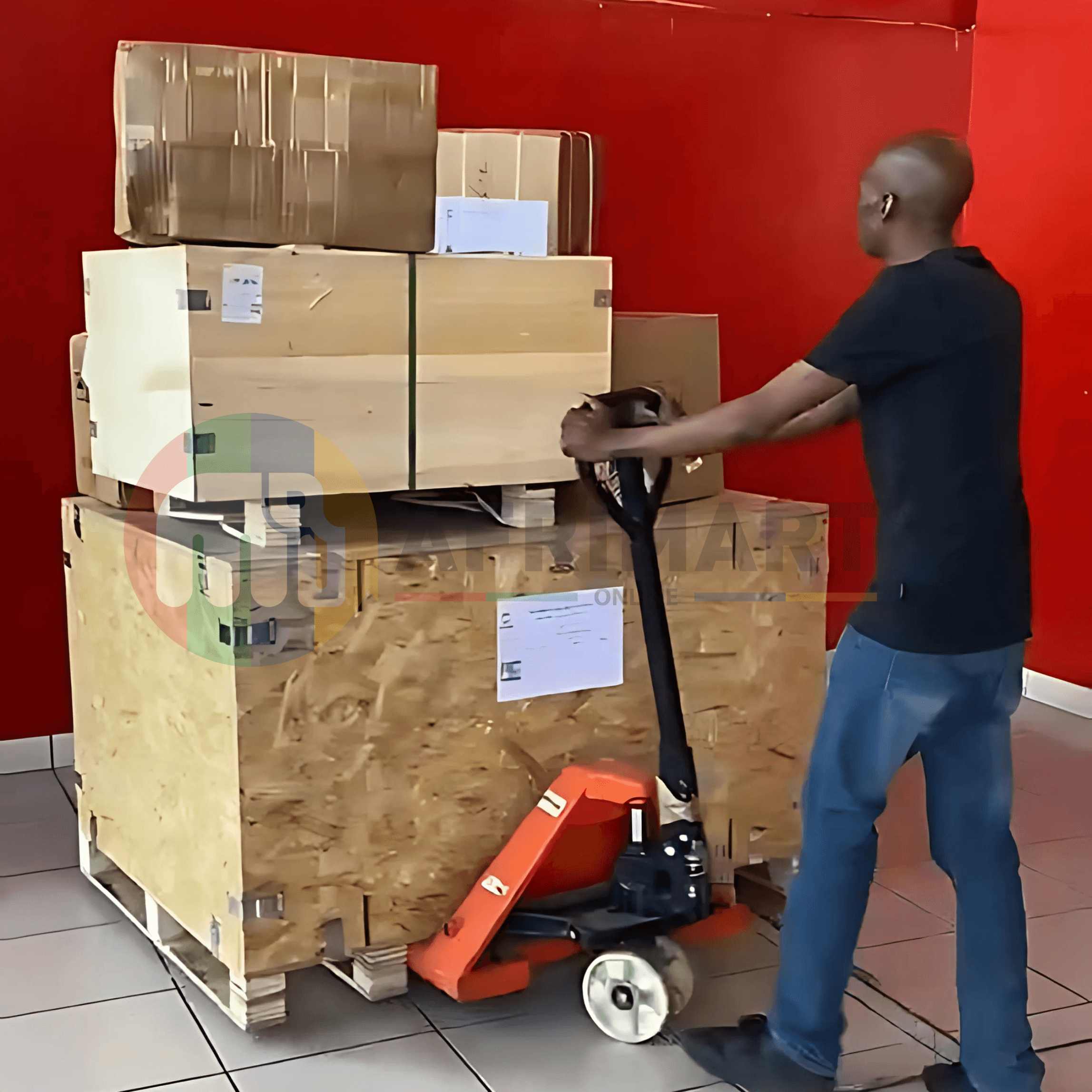
Pre Orders Offloading
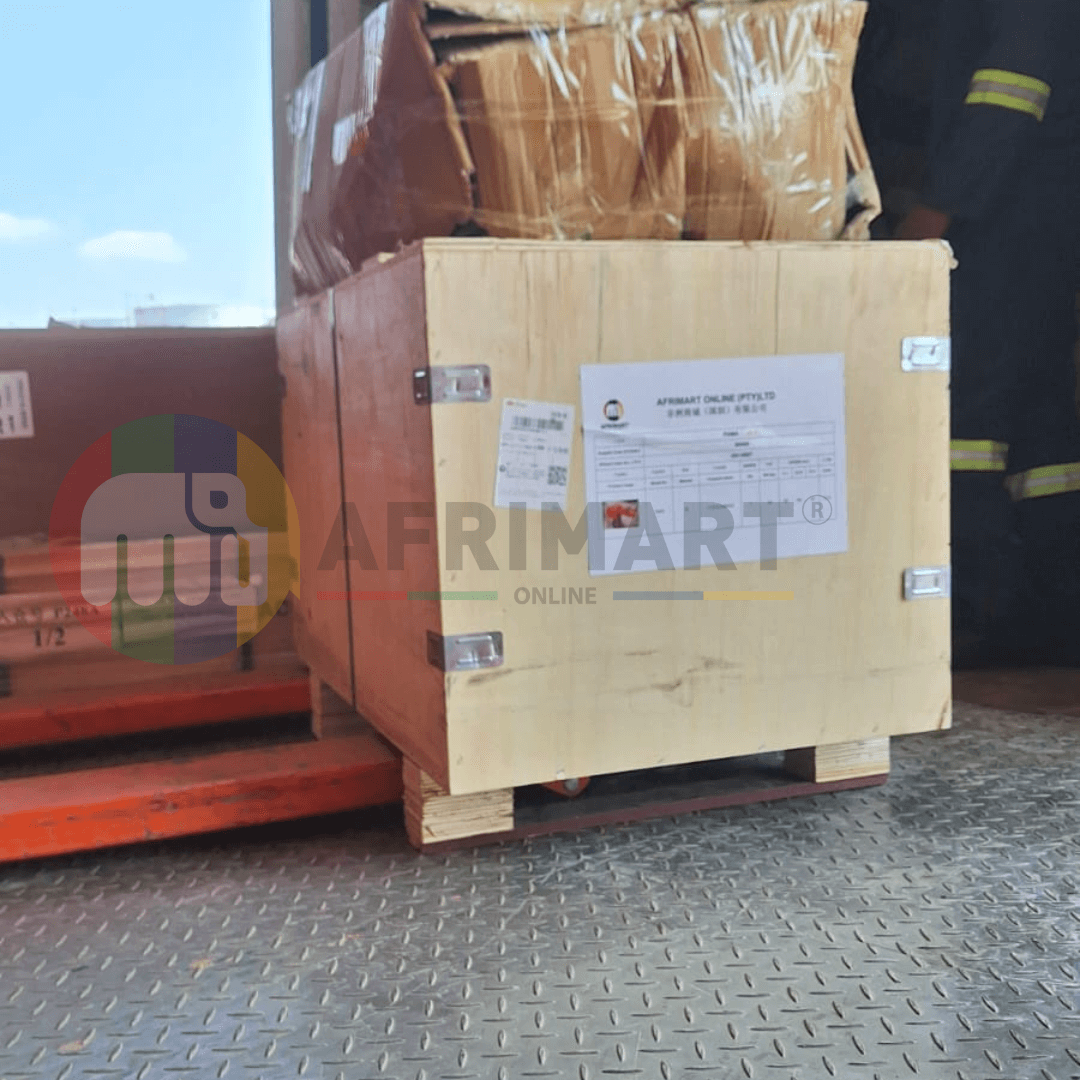
Latest Arrivals
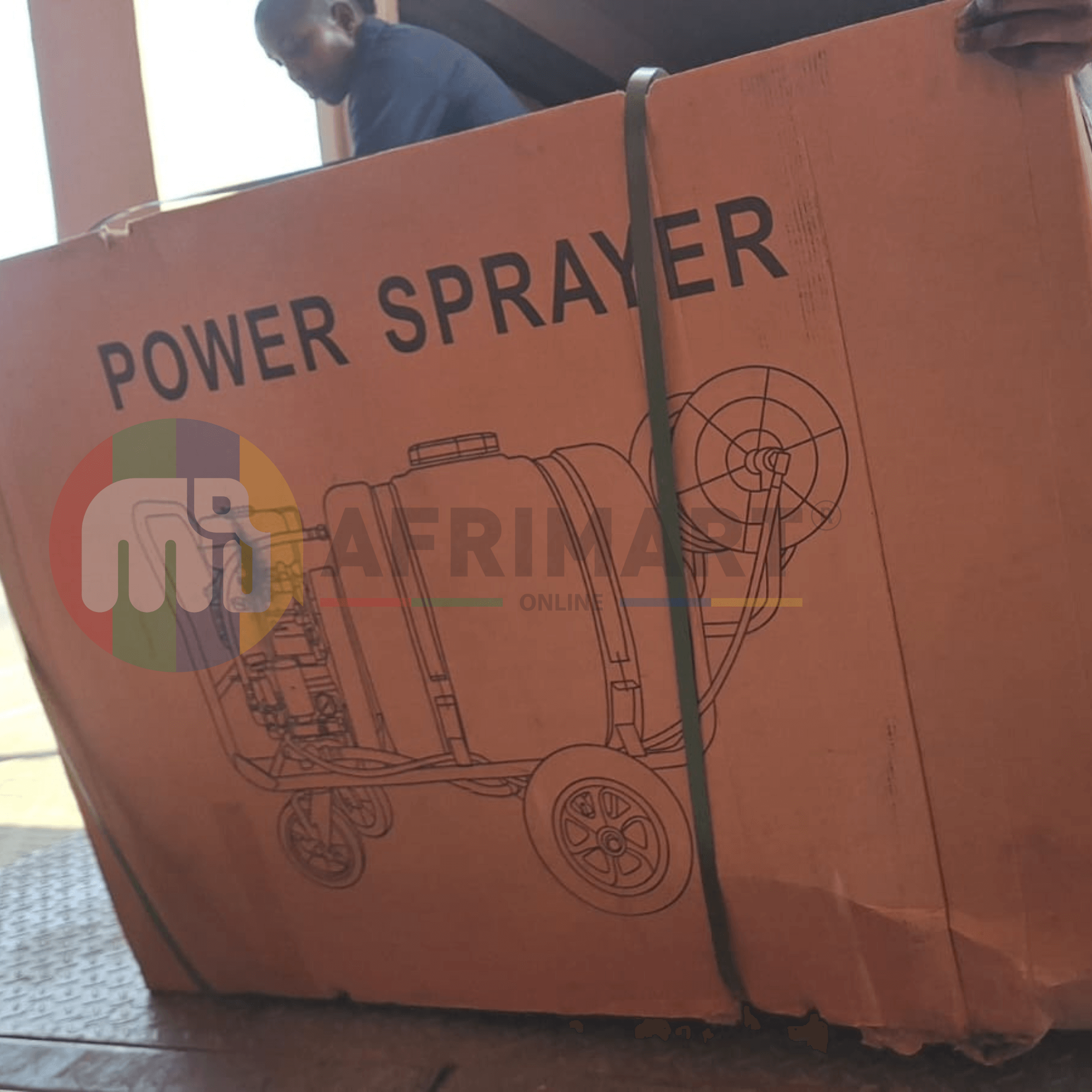
Latest Arrivals
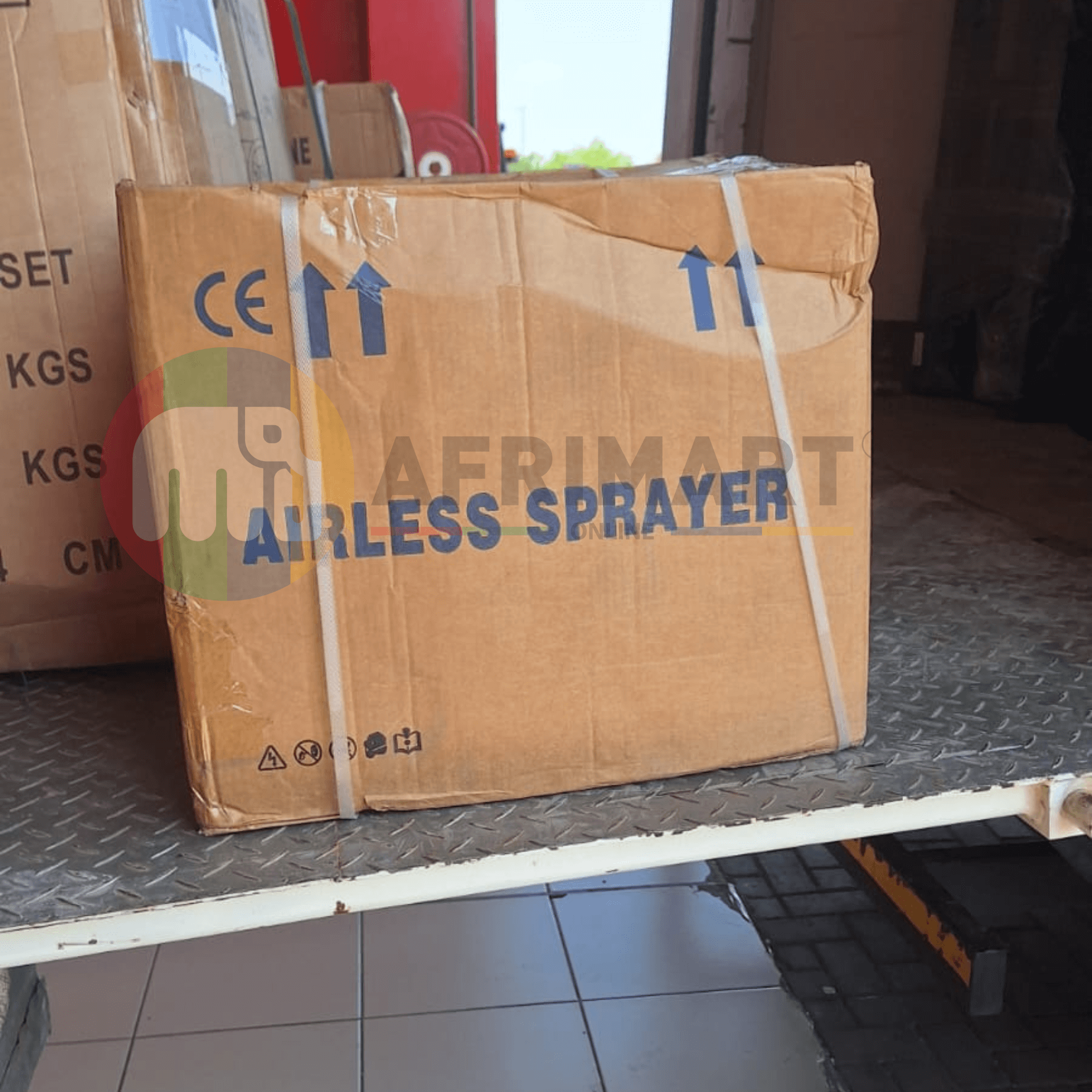
Latest Arrivals
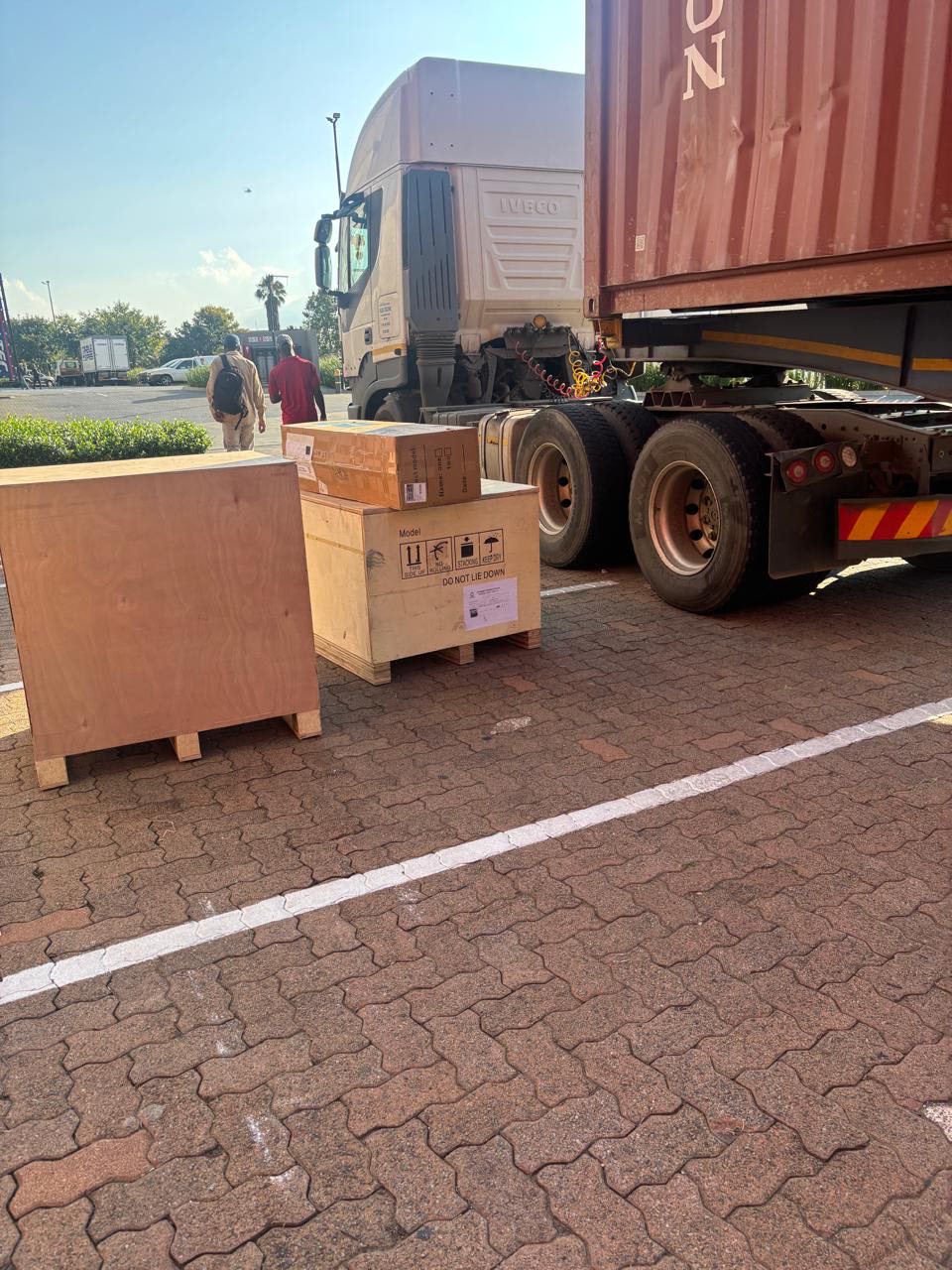
26 January 2026
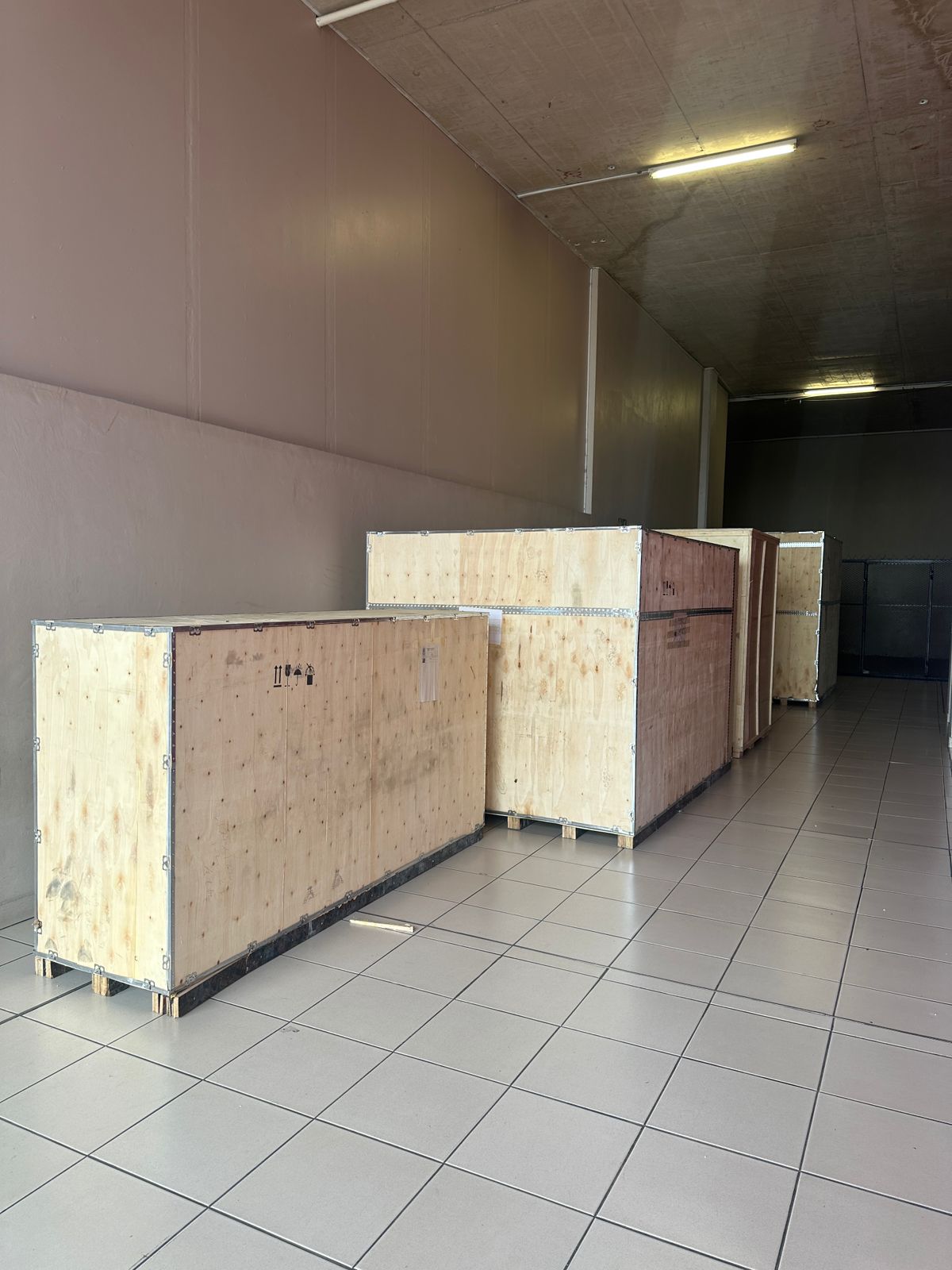
Toilet paper making machine
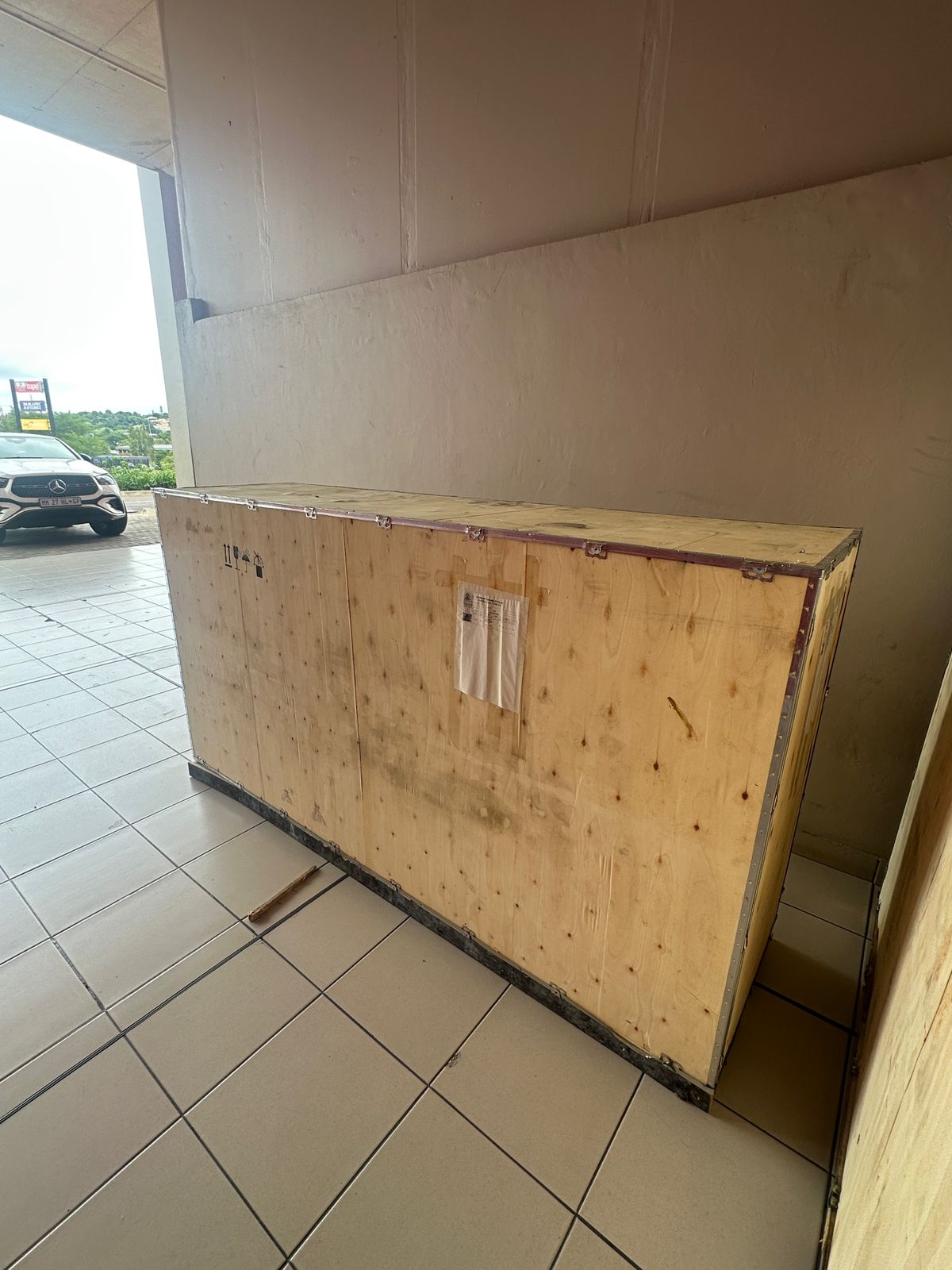
Toilet paper making machine
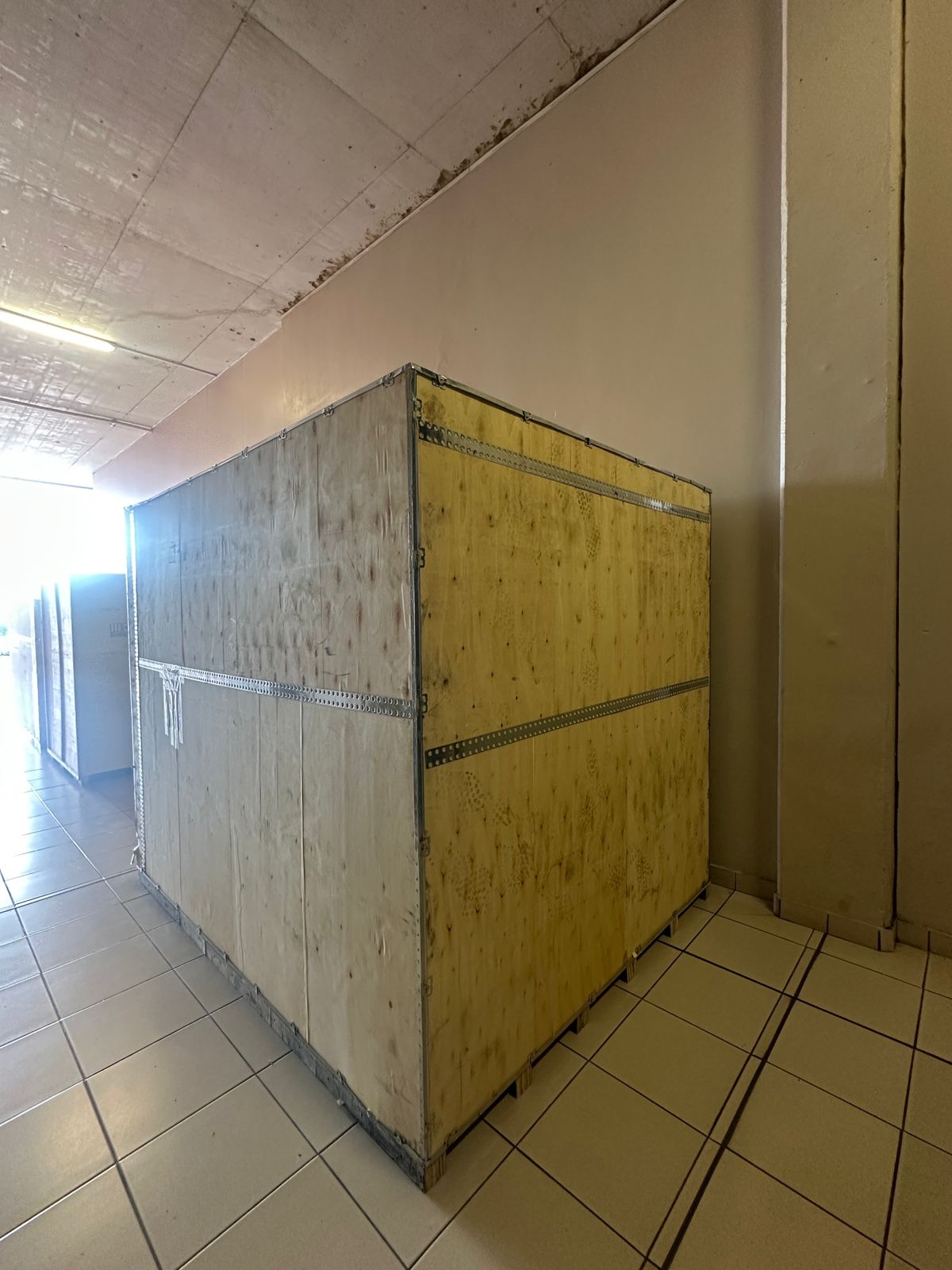
Toilet paper Rewinding Machine
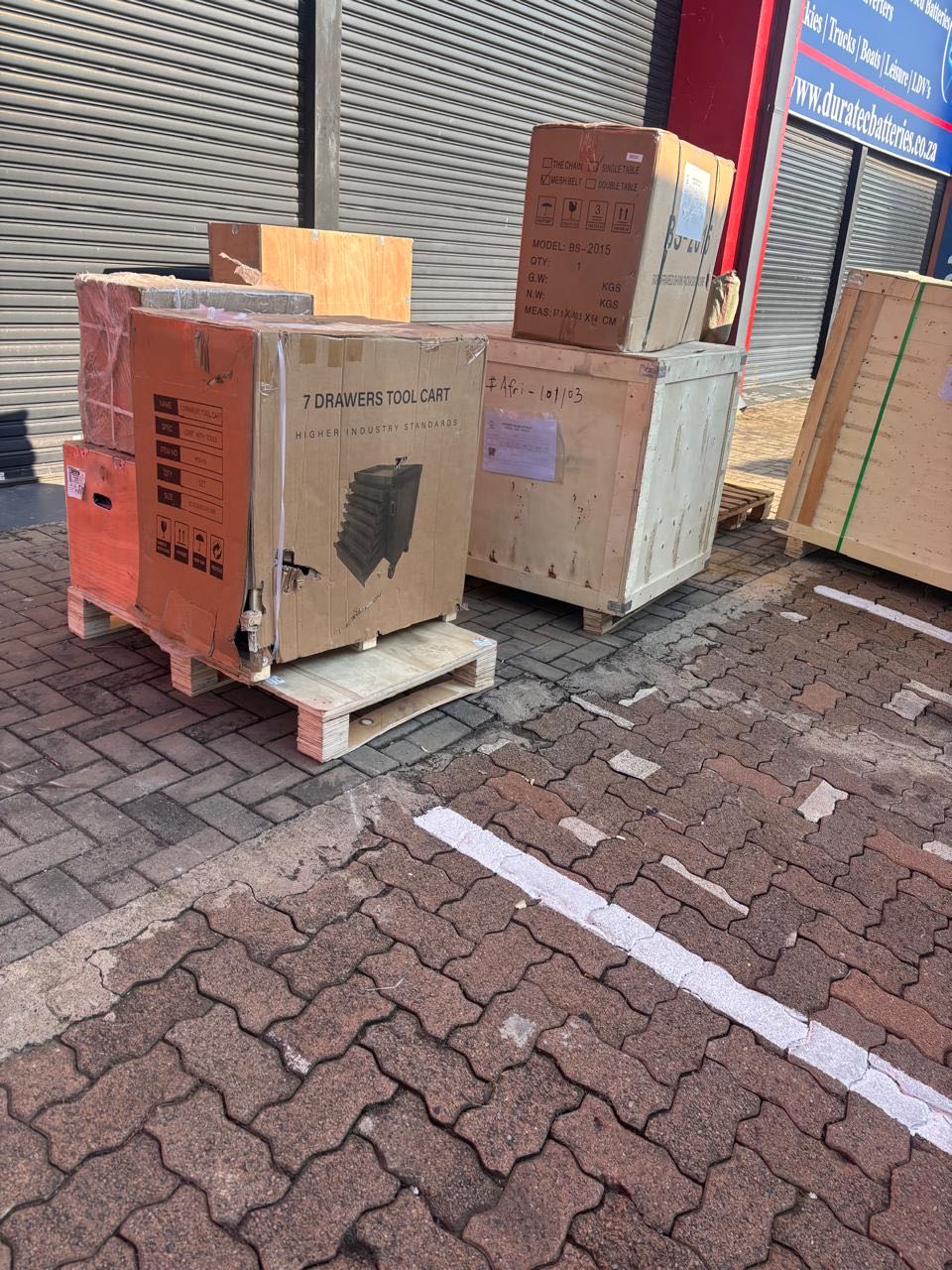
latest arrivals
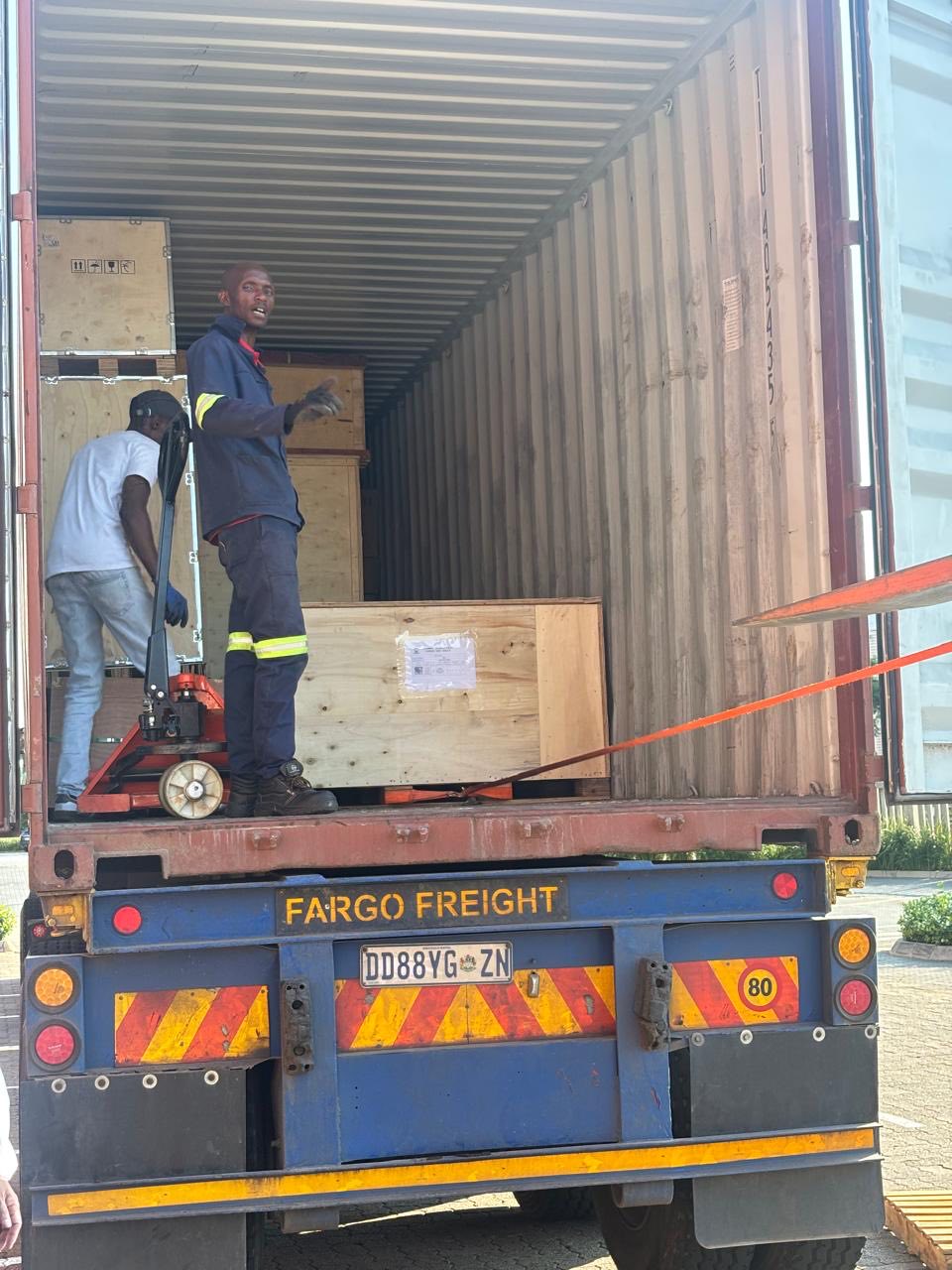
offloading
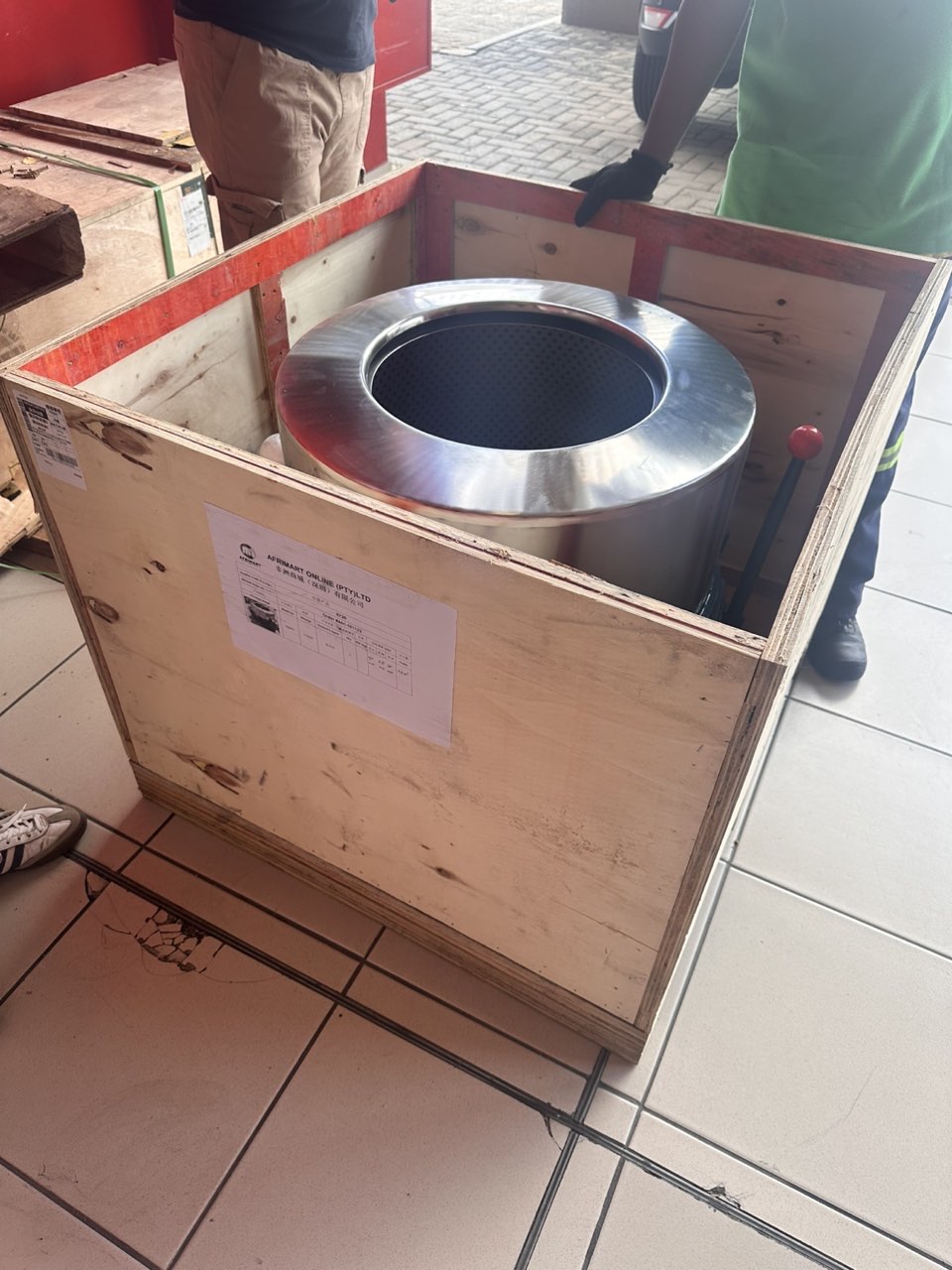
order success
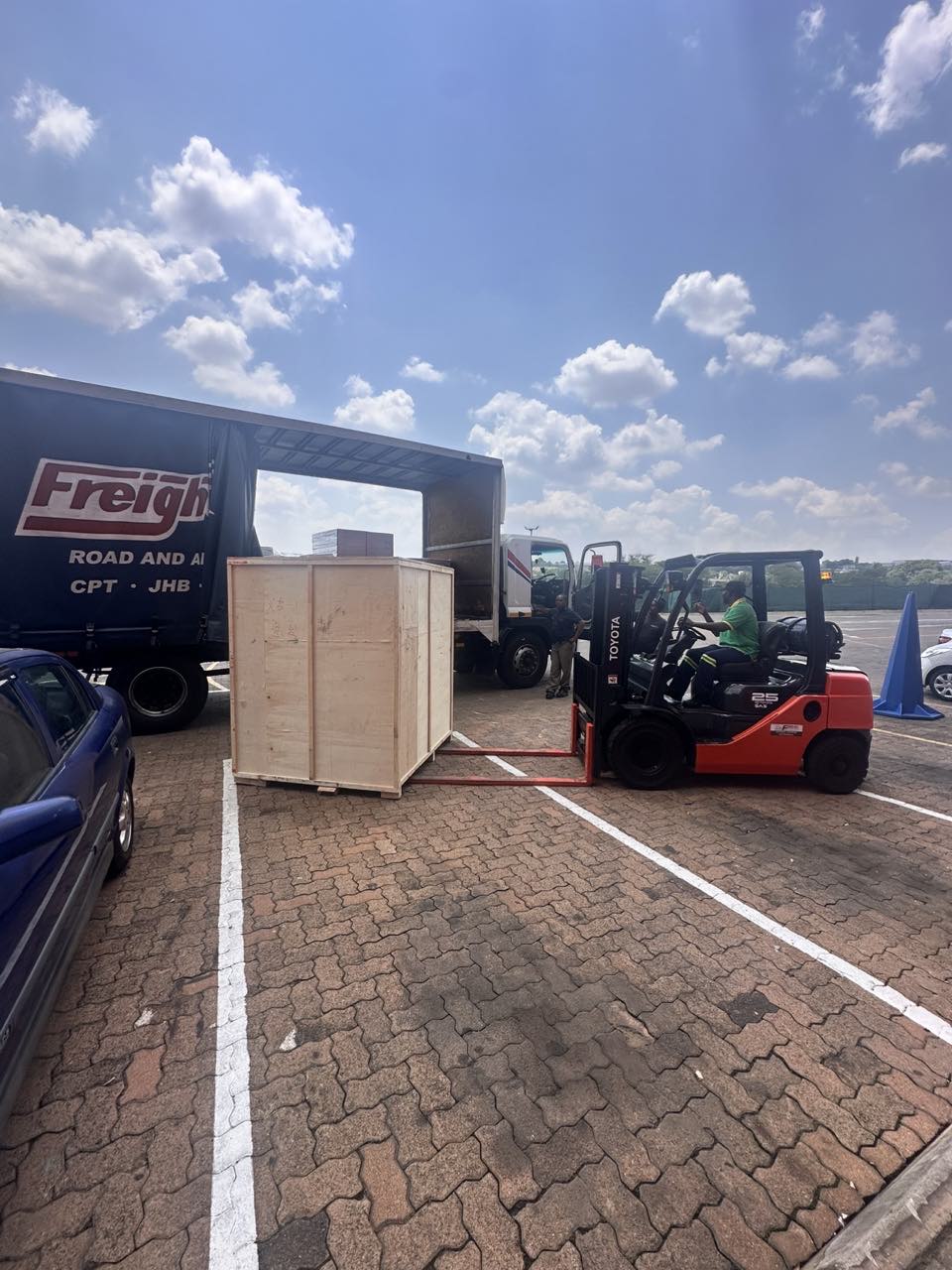
order collection
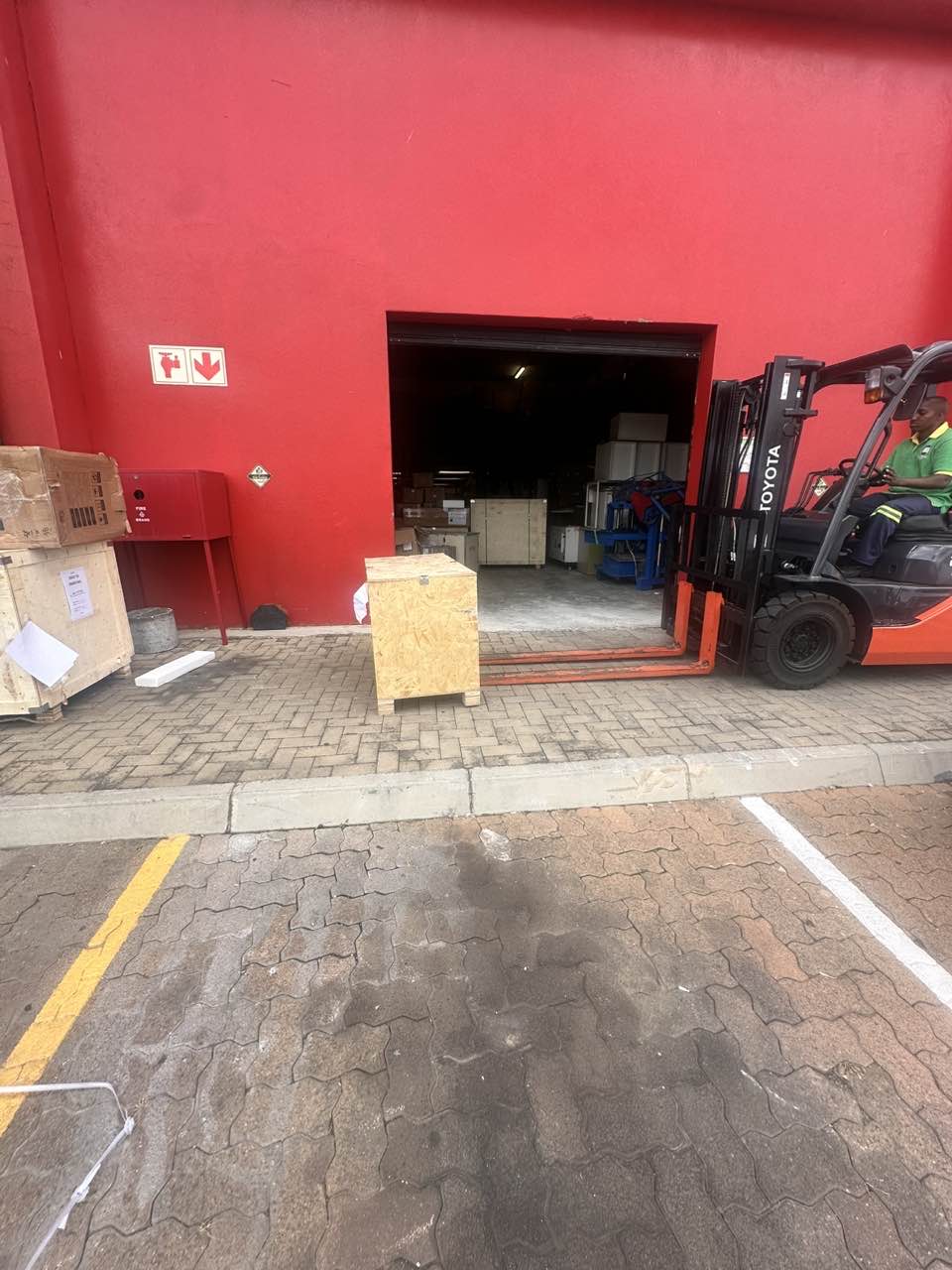
order offloading