B21, China Town Mall, Midrand

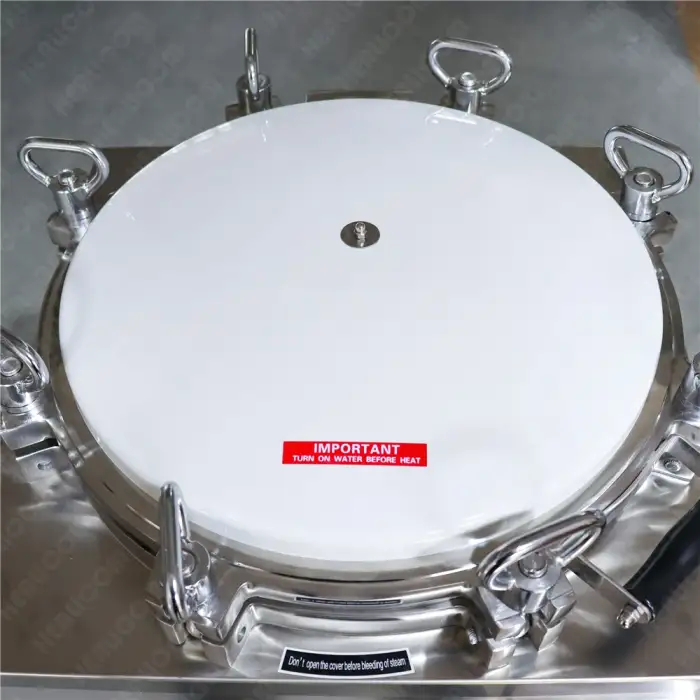
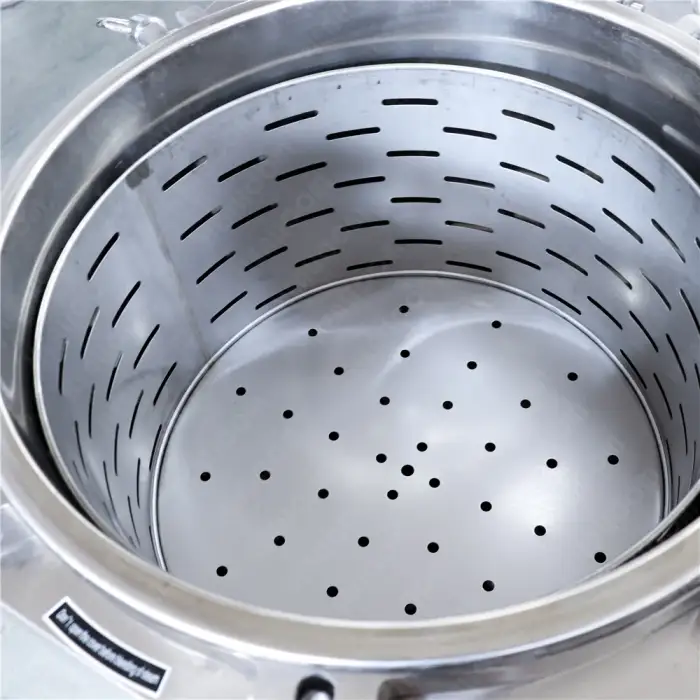
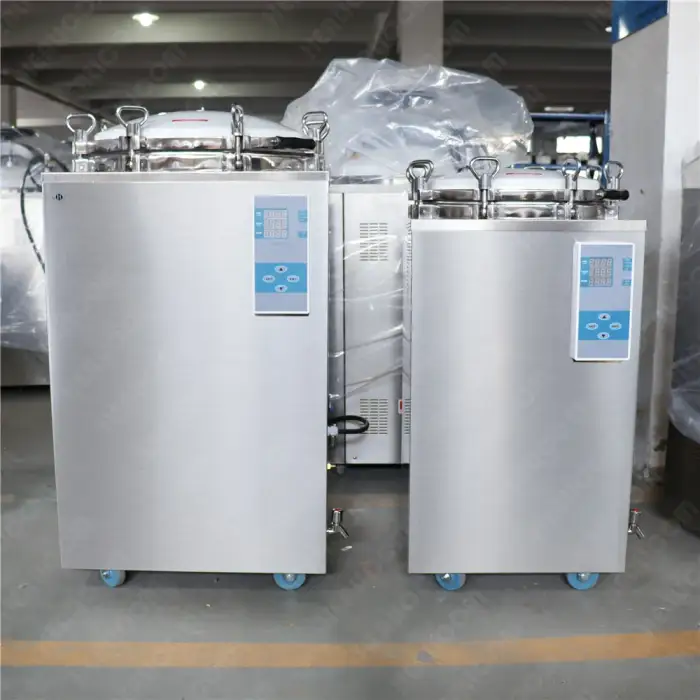
75L autoclaaf Automatic Vertical Pressure Steam Auto clave Sterilizer

- Section : Medical Supplies
- Category : Professional Medical Devices
- SKU : 160028517053111

75L Autoclave Automatic Vertical Pressure Steam Sterilizer
The 75L Autoclave Automatic Vertical Pressure Steam Sterilizer is an essential tool for clinics, research institutes, and other organizations. It effectively sterilizes surgical instruments, fabrics, glasses, and culture media. With its advanced features and user-friendly design, this autoclave helps ensure safety and hygiene in various settings.
Specifications
| Attribute | Details |
|---|---|
| Model | HVS-75D |
| Sterilizing Chamber Volume | 75L (φ400×600)mm |
| Working Pressure | 0.22Mpa |
| Working Temperature | 134ºC |
| Max. Working Pressure | 0.23Mpa |
| Timer Range | 0-99min or 0-99hour 59min |
| Heat Average | ≤±1ºC |
| Power | 3KW/AC220V 50HZ |
Key Features
- Fully stainless steel structure for durability.
- LED display with touch controls for easy operation.
- Automatic cool air discharge and steam release after use.
- Beep reminder and auto shut-off after sterilization.
- Safe and reliable design for peace of mind.
- Includes two stainless steel sterilizing baskets.
Applications
- Sterilizing surgical instruments in clinics.
- Preparing culture media in research labs.
- Sanitizing fabrics and glassware in various settings.
- Ensuring the safety of tools and equipment in scientific research.
- Maintaining hygiene standards in medical facilities.
Product Info Gallery
- Shipping Timeframes: All orders are processed within 2-5 business days (excluding weekends and holidays). After your order has been processed, the estimated delivery time is before 30 Jun, 2026, depending on customs, Please note that due to high demand, some items may experience longer shipping times, which will be communicated at order confirmation email.
- Order Processing Time: Please allow 2-5 business days for us to process your order before it is shipped . Orders placed after 16:00 on Fridays, or during weekends and public holidays, will begin processing on the next business day. Processing times may be extended during peak seasons or sales events.
- Manufacturing Time: Some products needs manufacturing time, the manufacturing process will take approximately 10-30 business days depending on the product. This timeframe may vary depending on the complexity of the product and current demand. but this will be communicated with you during order confirmation.
- Returns and Exchanges: We offer a 30-day return policy for most items. If you are not completely satisfied with your purchase, you may return it within 30 days of receipt for a refund or exchange. Items must be unused, in their original packaging, and accompanied by proof of purchase. Return shipping costs are the responsibility of the customer, unless the item was damaged or defective upon arrival.
1. What is the chamber capacity and internal size of this autoclave?
The autoclave has a 75 L chamber with internal dimensions Ø400 × 600 mm (diameter × depth).
2. What temperature and pressure does the sterilizer operate at?
Working temperature is 134°C with a working pressure of 0.22 MPa (max working pressure 0.23 MPa).
3. What are the power requirements and electrical specs?
Power rating is 3 kW and it requires AC 220 V, 50 Hz electrical supply.
4. How long can I set the sterilization cycle for?
The timer is adjustable from 0–99 minutes, or using the extended range up to 0–99 hours 59 minutes, depending on your protocol.
5. What construction materials are used and does it include accessories?
The unit has a fully stainless steel structure for durability and comes with two stainless steel sterilizing baskets.
6. What items can I sterilize with this autoclave?
It is designed for steam sterilization of surgical instruments, fabrics, glassware, and culture media commonly used in clinics and labs. Follow applicable protocols for each load type.
7. How do I operate the autoclave? Are there user-friendly controls?
Operation is via an LED display with touch controls. The unit performs automatic steam release and cool-air discharge after a cycle, provides a beep reminder, and auto shuts off when the cycle completes.
8. Can I sterilize liquid media or sealed containers?
Yes, it can sterilize liquids, but follow safe procedures: use appropriate cycle times, allow adequate venting and cooling, do not overfill containers, and follow your institution's protocols to avoid boil-over or superheating.
9. Does this model provide a vacuum or active drying function?
This is a vertical pressure steam autoclave with automatic cool-air discharge and steam release. It does not include a full vacuum pump drying system, so drying of porous loads may be limited—air-drying or separate drying is recommended where required.
10. Are there built-in safety features to protect users and equipment?
The autoclave features automatic steam release and cool-down, audible end-of-cycle alerts, auto shut-off, and is designed to operate within specified temperature and pressure limits. Always follow the user manual and local safety procedures.
11. How should I load the chamber for best sterilization results?
Arrange items to allow free steam circulation (do not tightly stack or overpack baskets), place heavier/denser items at the bottom, and avoid blocking the drain or vents. Use the supplied baskets and follow load-specific recommendations.
12. What routine maintenance is required?
Typical maintenance includes daily draining and refilling with recommended (usually distilled) water, regular cleaning of the chamber and gaskets, periodic inspection of baskets and seals, and scheduled professional servicing/calibration as recommended by the supplier.
13. How do I validate sterilization performance?
Use biological indicators (e.g., spore tests), chemical indicators, and routine process challenge tests (such as Bowie–Dick for steam penetration when applicable) to verify sterilization efficacy. Follow institutional and regulatory validation protocols.
14. What are the installation and space requirements?
Install on a stable, level surface near a grounded 220 V, 50 Hz outlet. Provide adequate clearance around the unit for ventilation and safe steam discharge and ensure access to a drain or plan for water disposal per local regulations.
15. Is this autoclave certified and what warranty/support is available?
Certification and warranty details are not included in the basic product description. Contact the supplier or manufacturer for information on CE/ISO certifications, warranty terms, and available after-sales support or service plans.
Latest Order Arrivals
Discover our latest orders
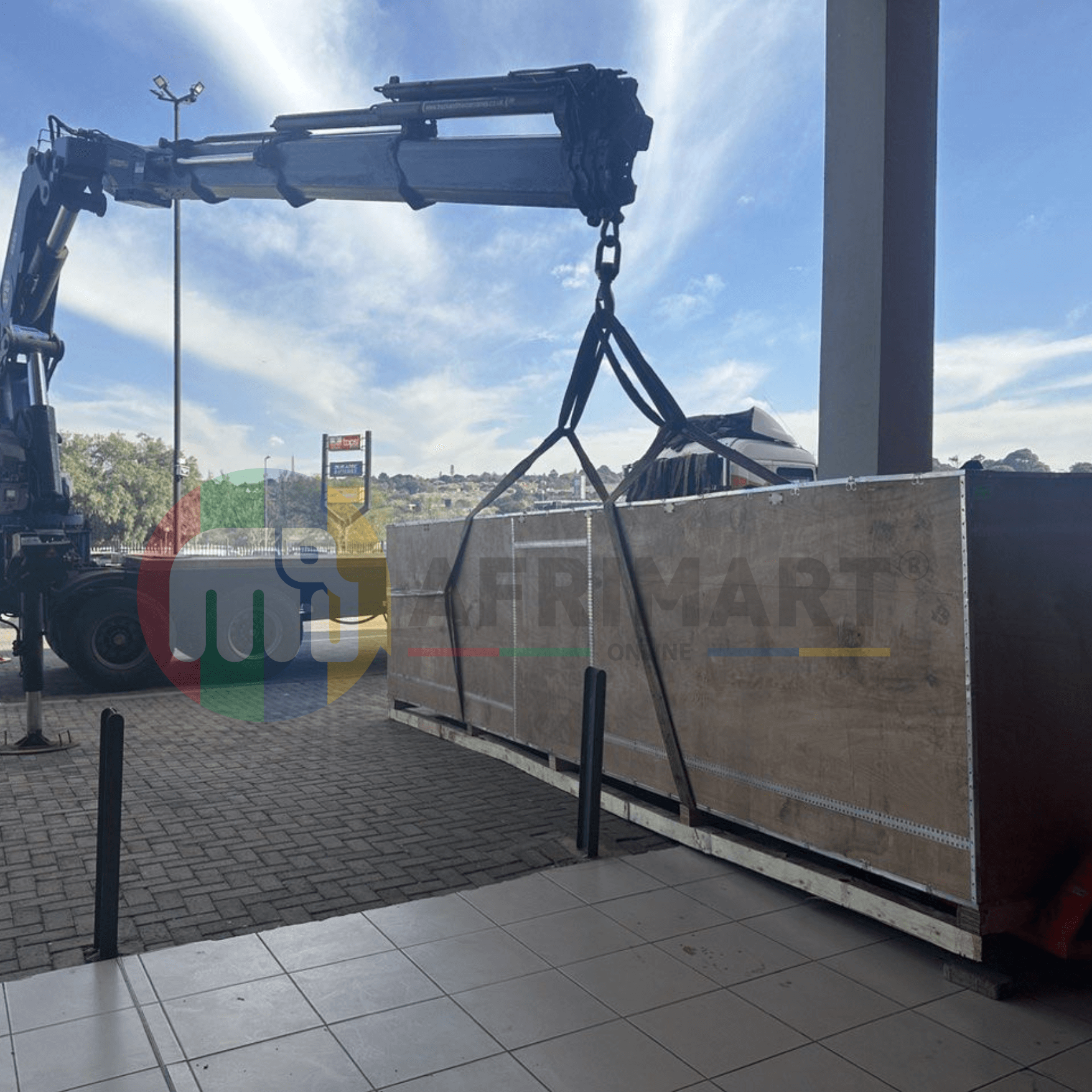
12 Heads Embroidery Machine
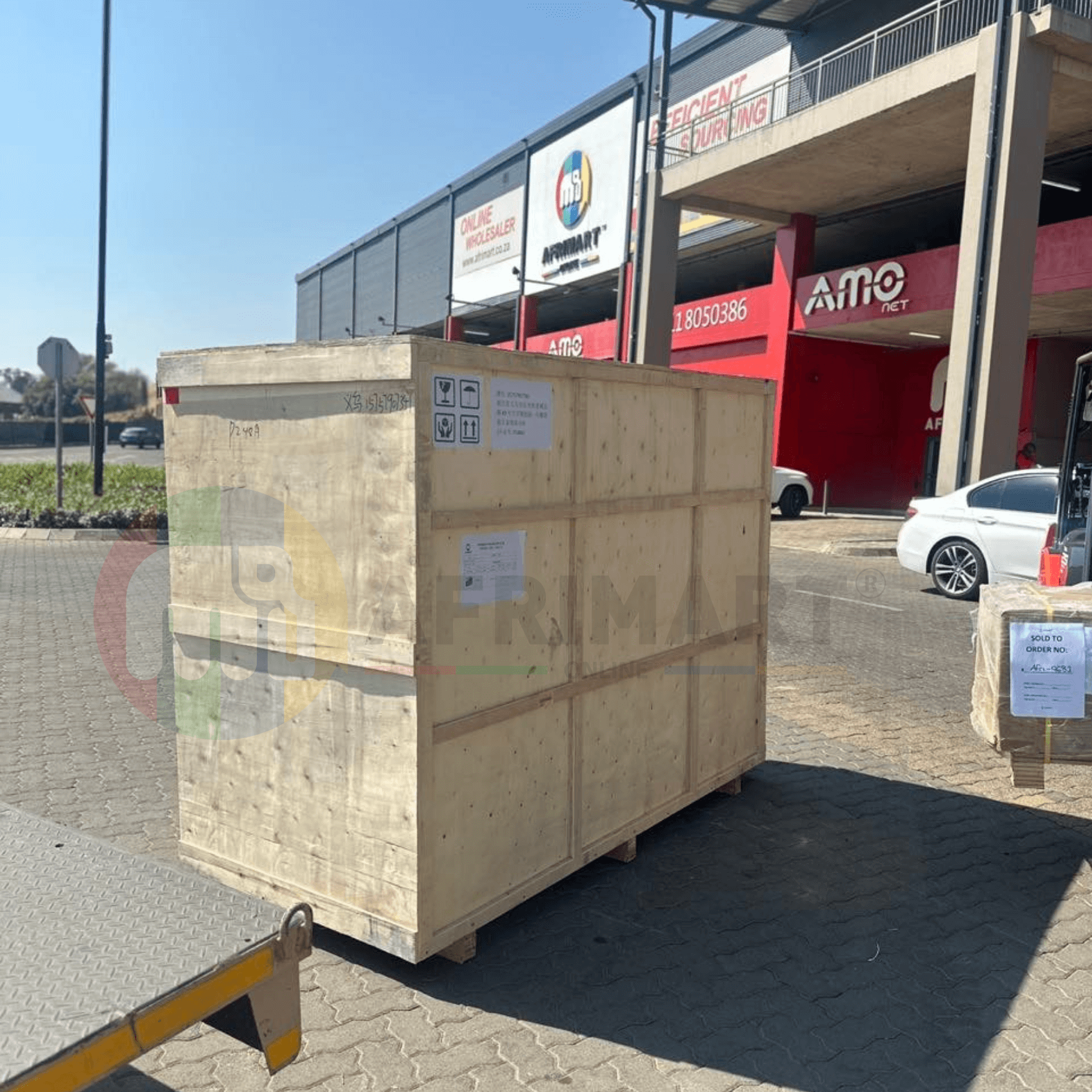
Dewatering Pump Machine
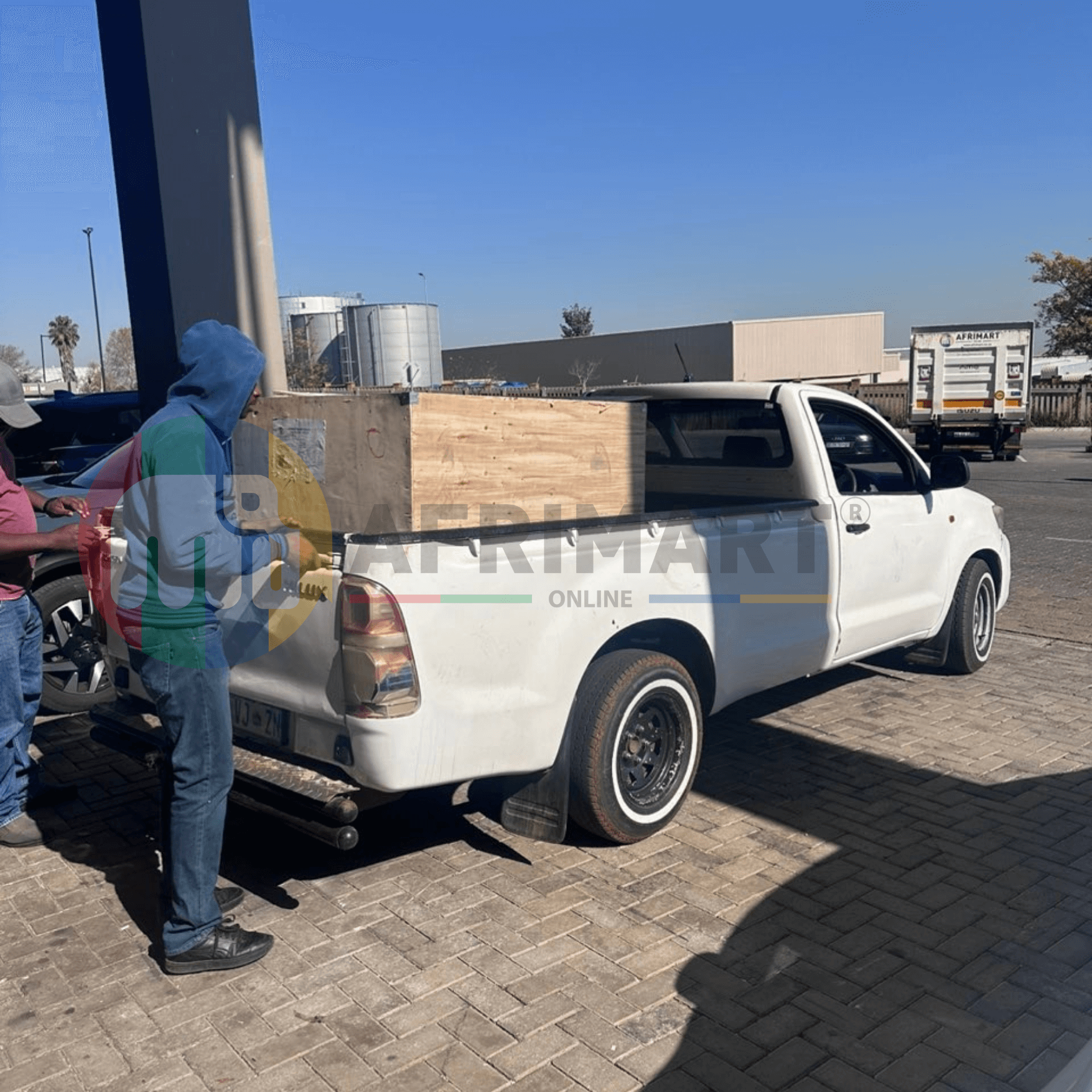
Order Collection
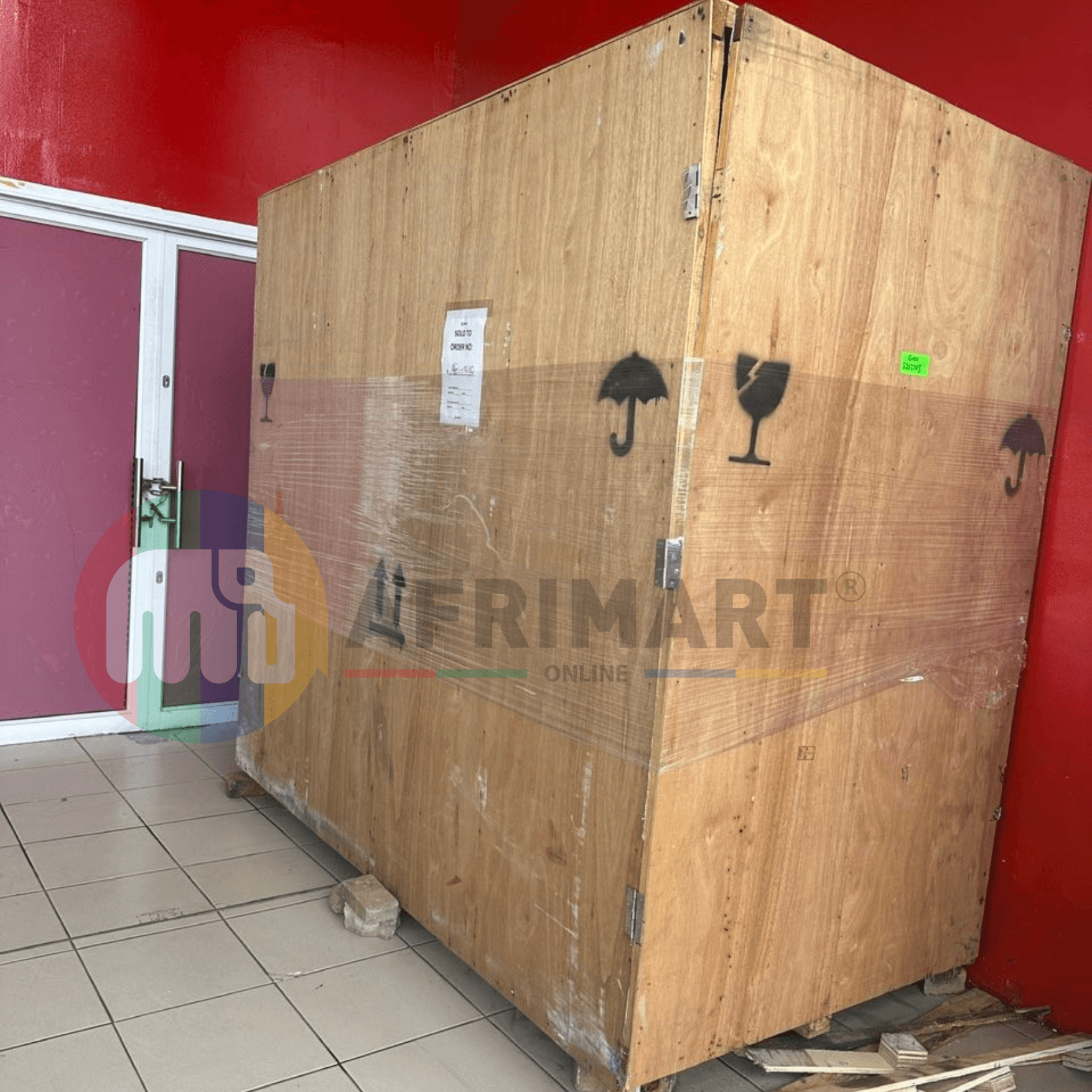
Portable Water Drilling Rig
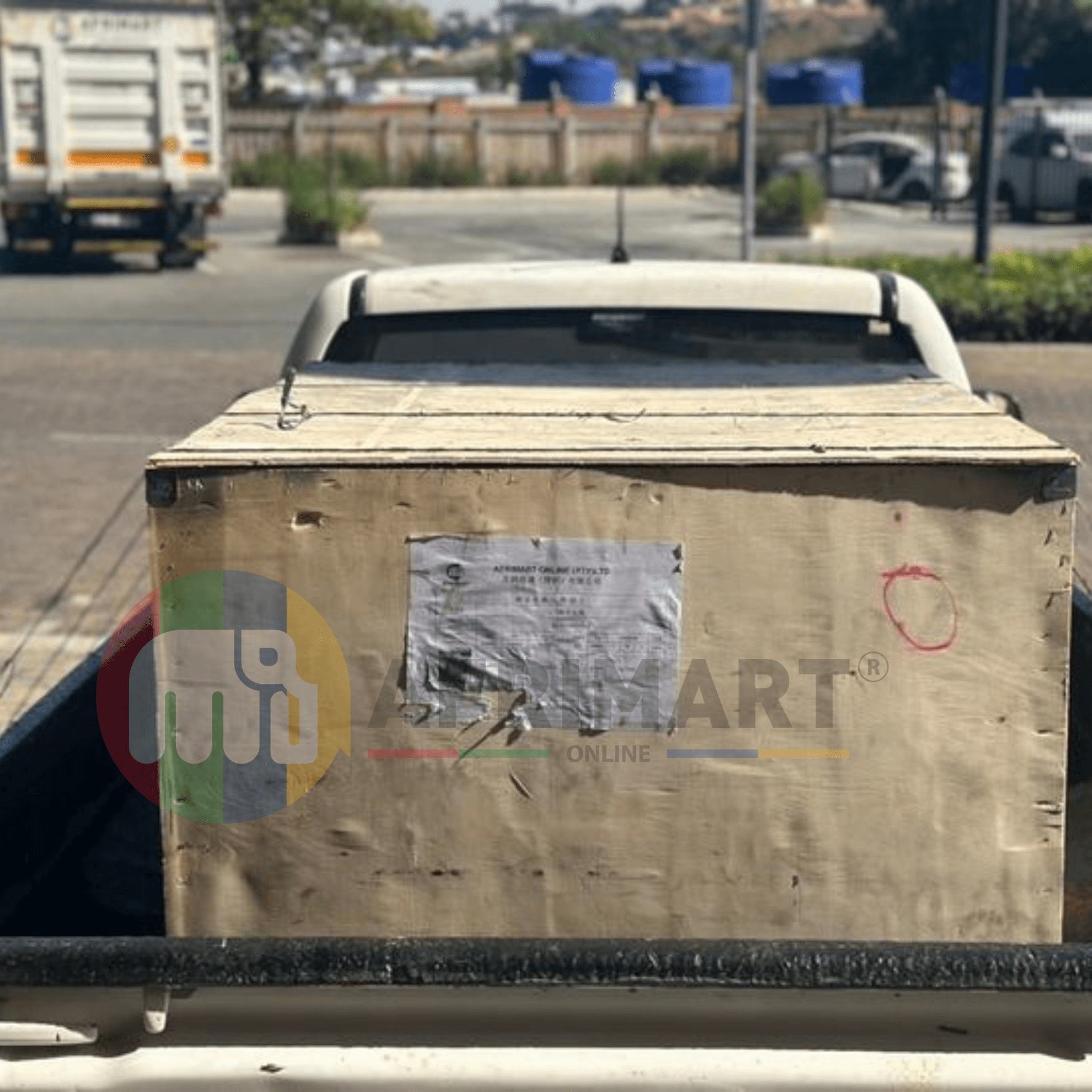
Order Usefully Collected
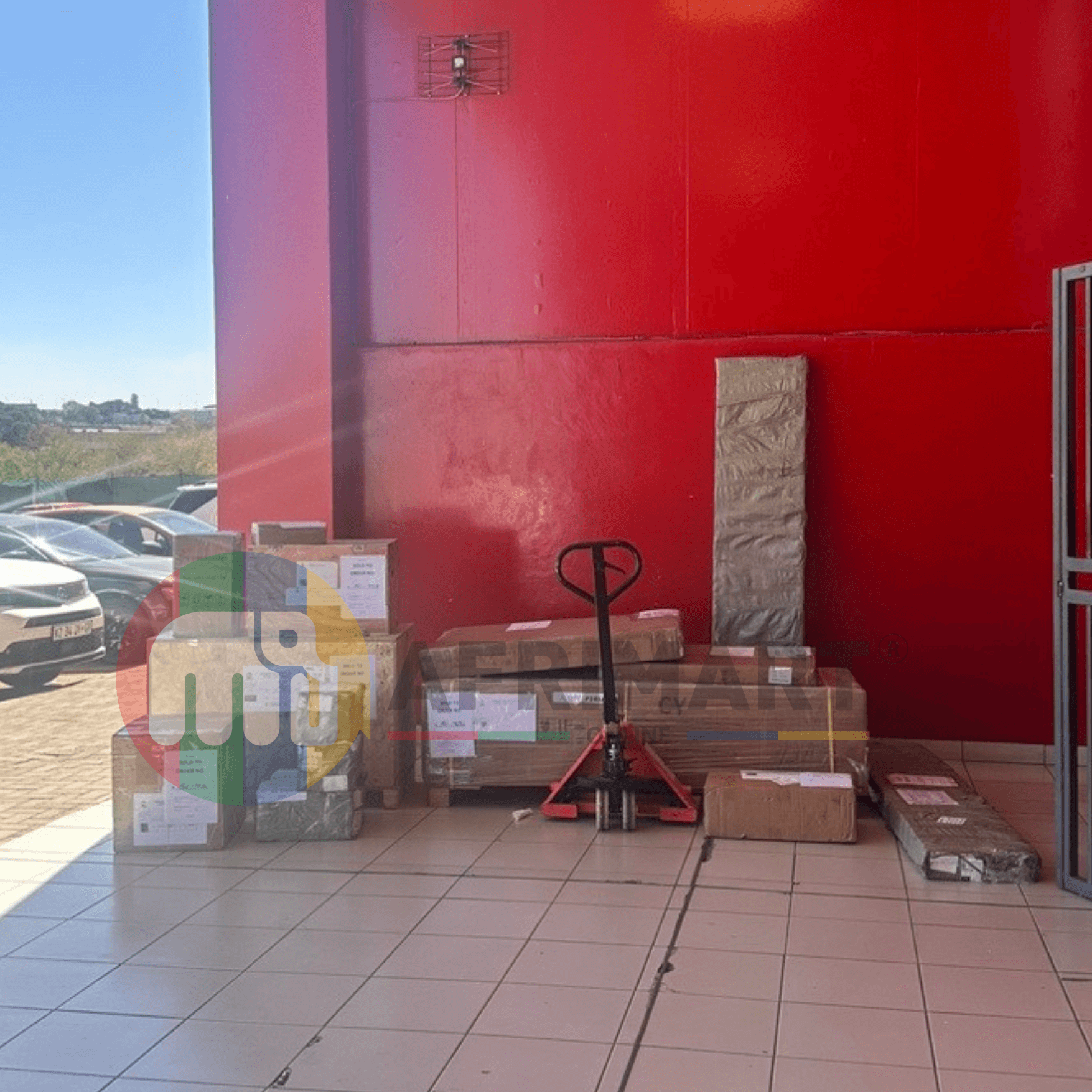
Batch of Orders
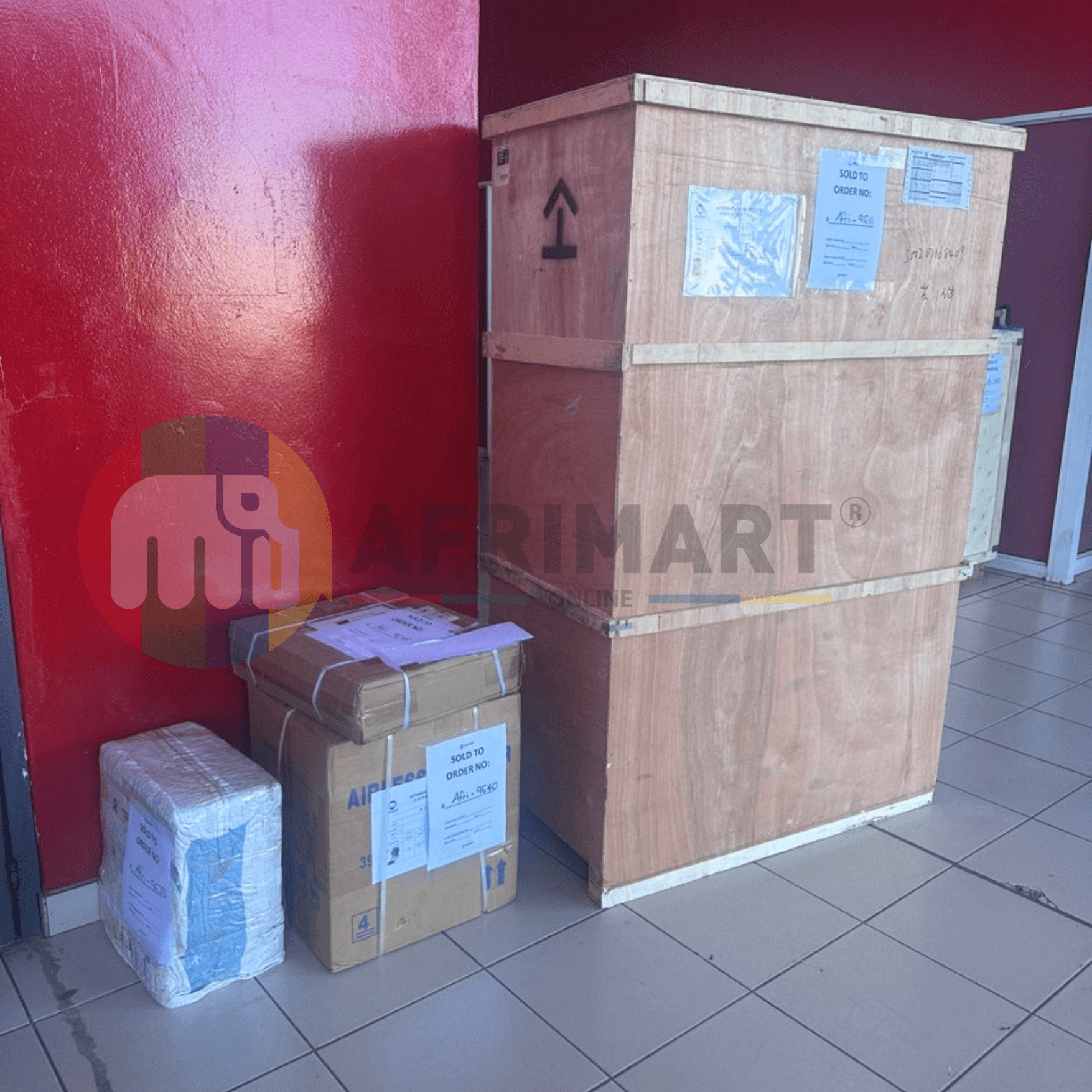
Agriculture Processing Machines
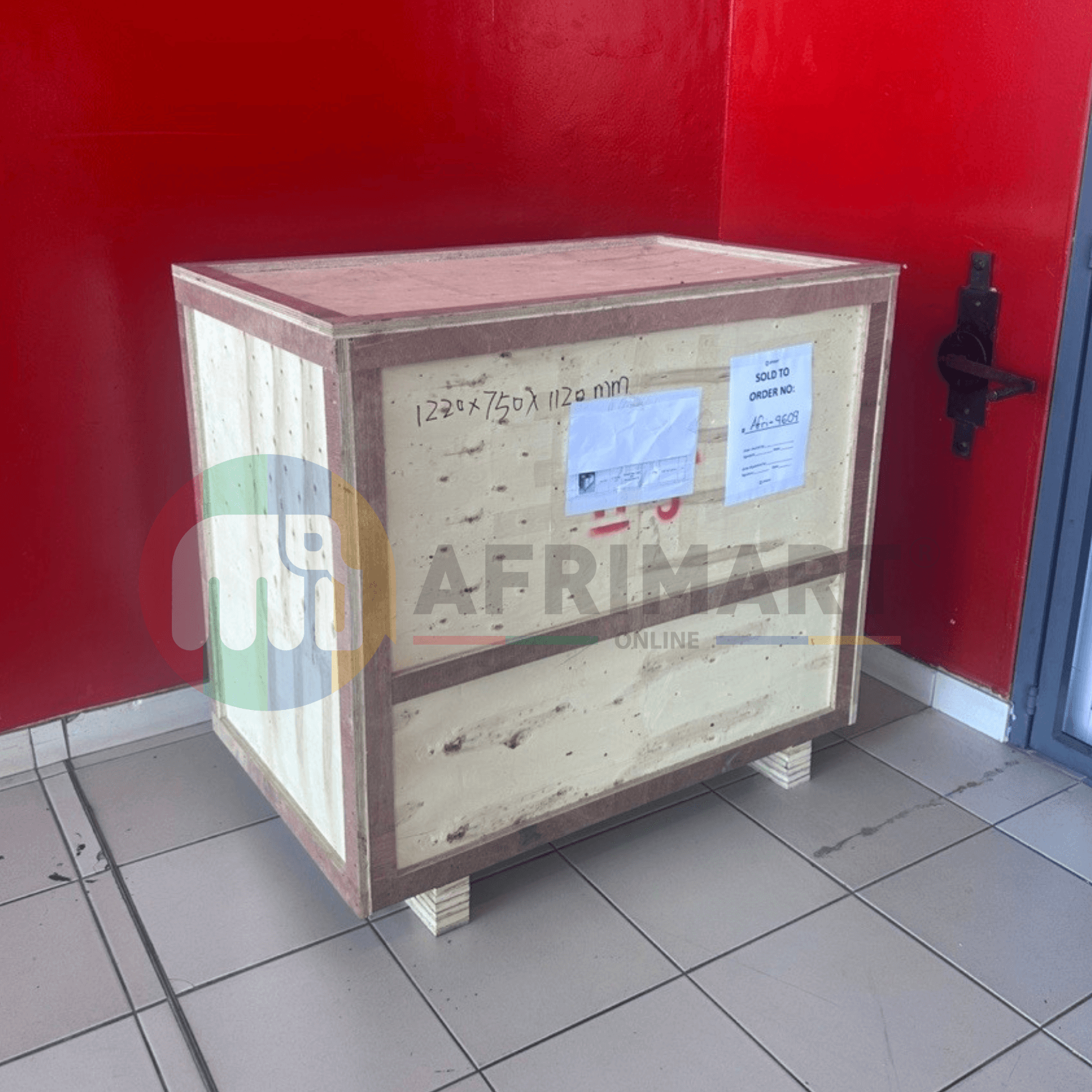
Meat Grinder Machine
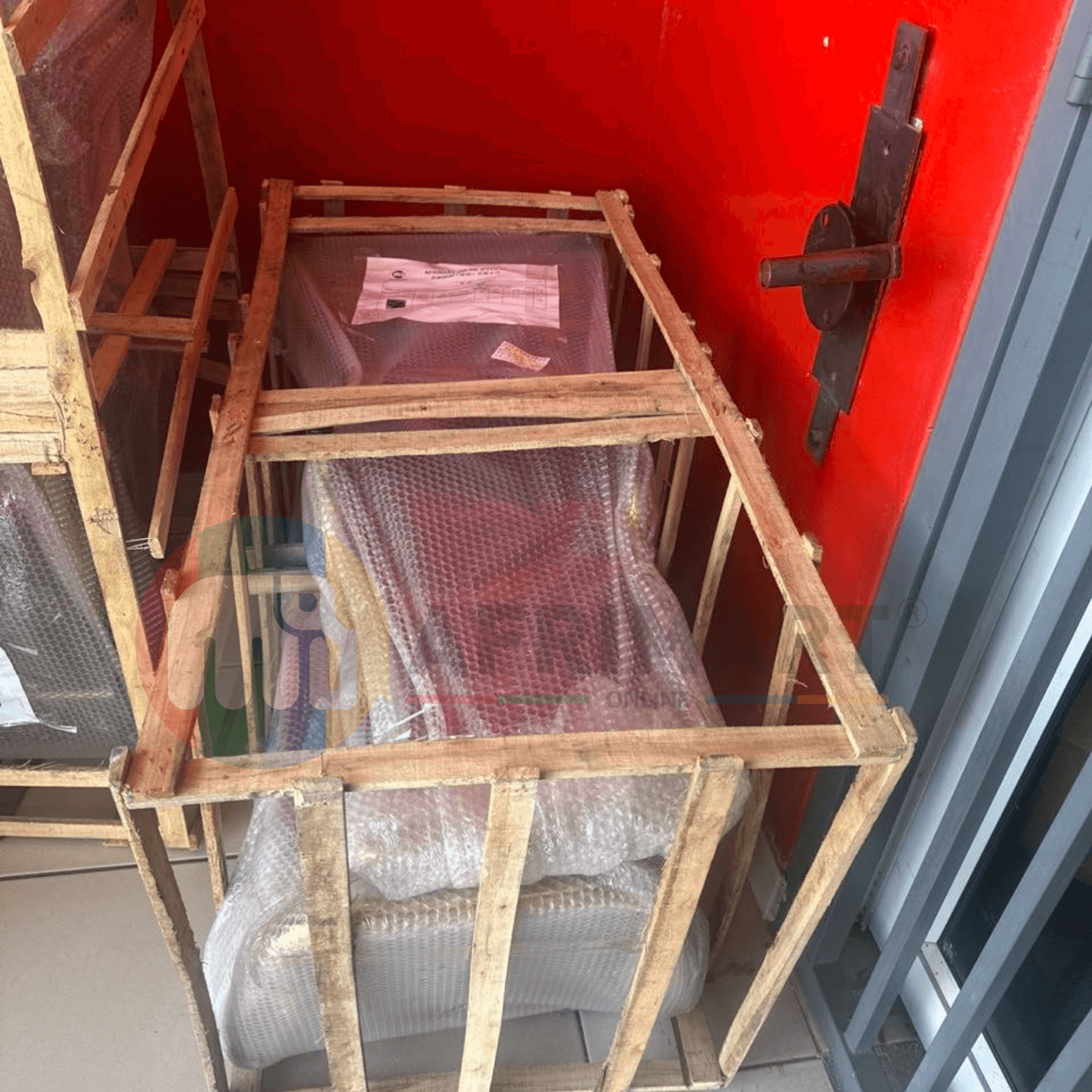
Water Pump Equipment
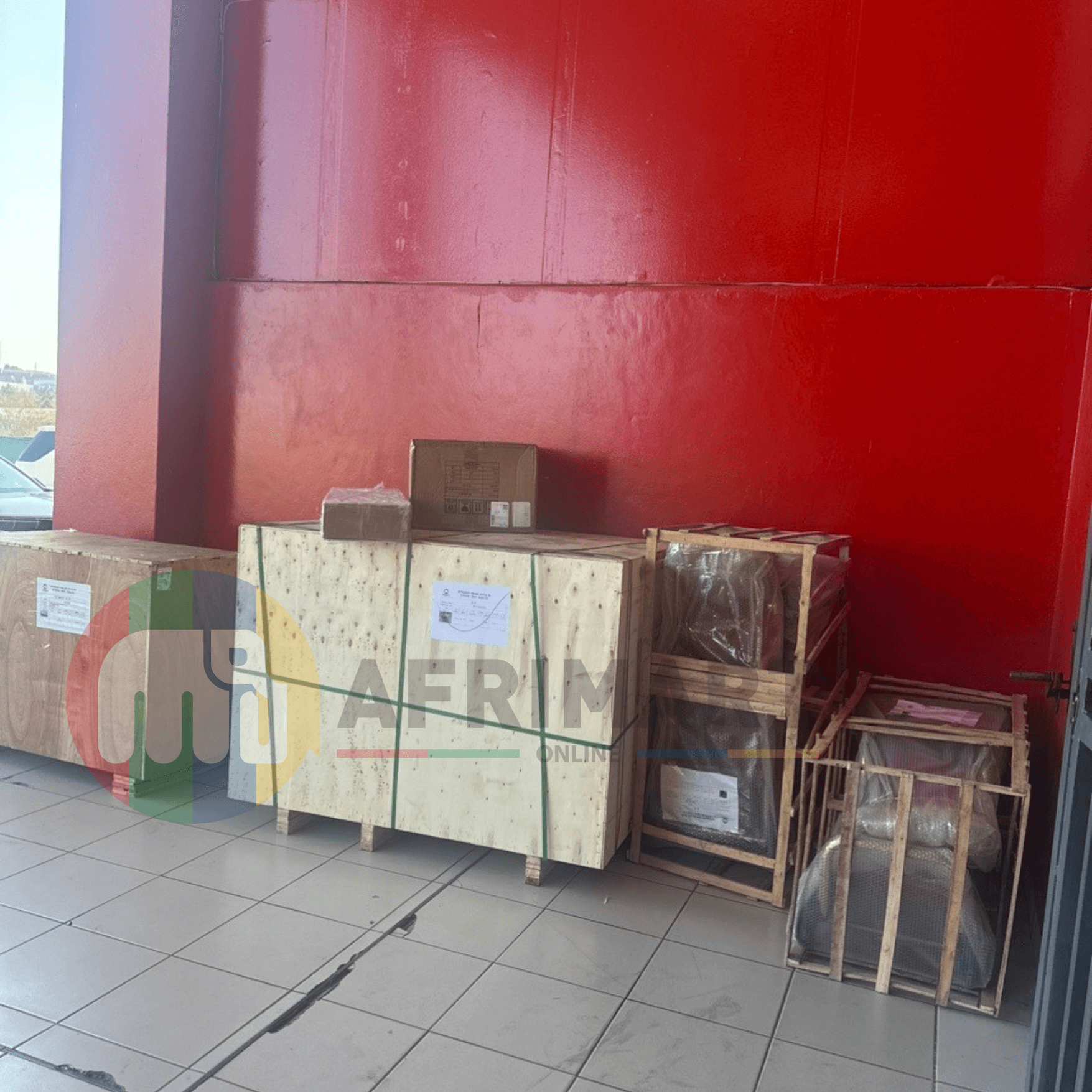
Packaging Machine and accessories
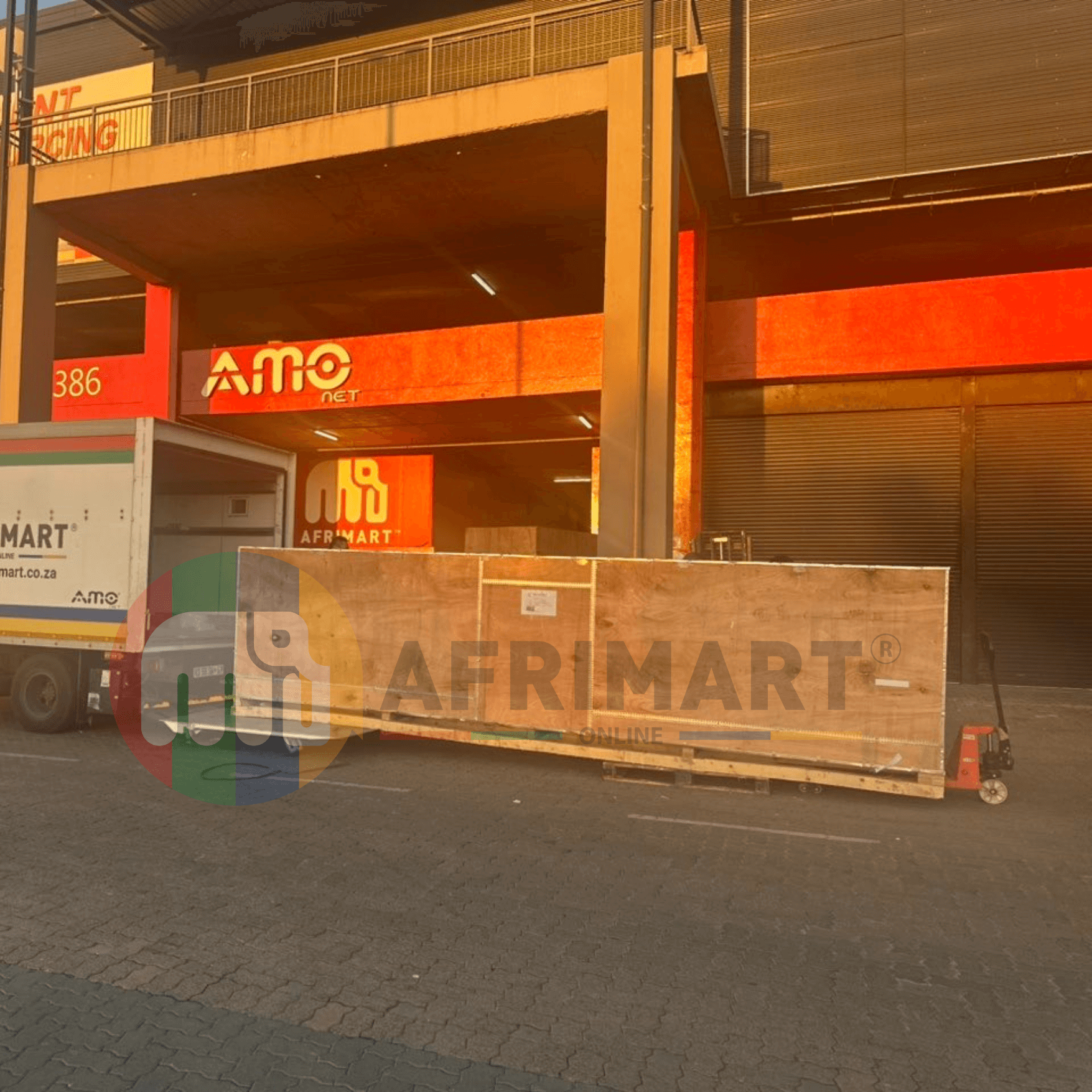
Fabrics Manufacturing Equipment
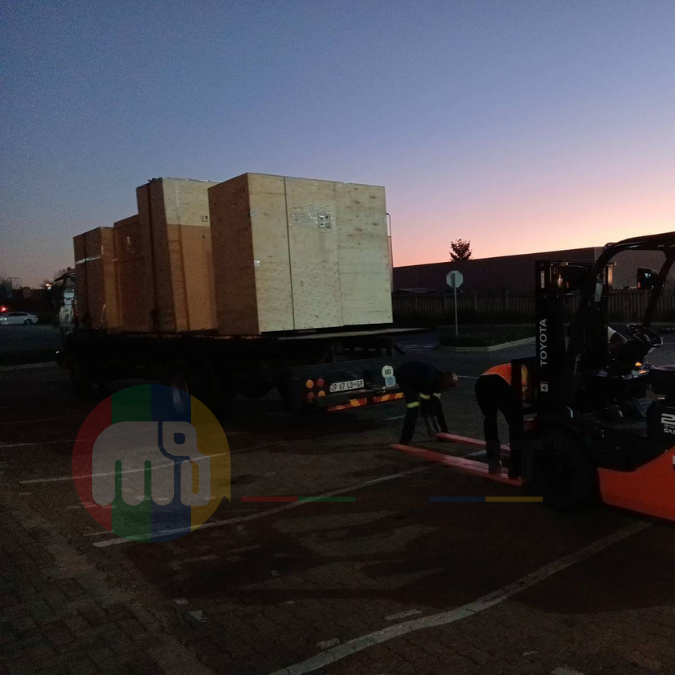
Mining Equipments
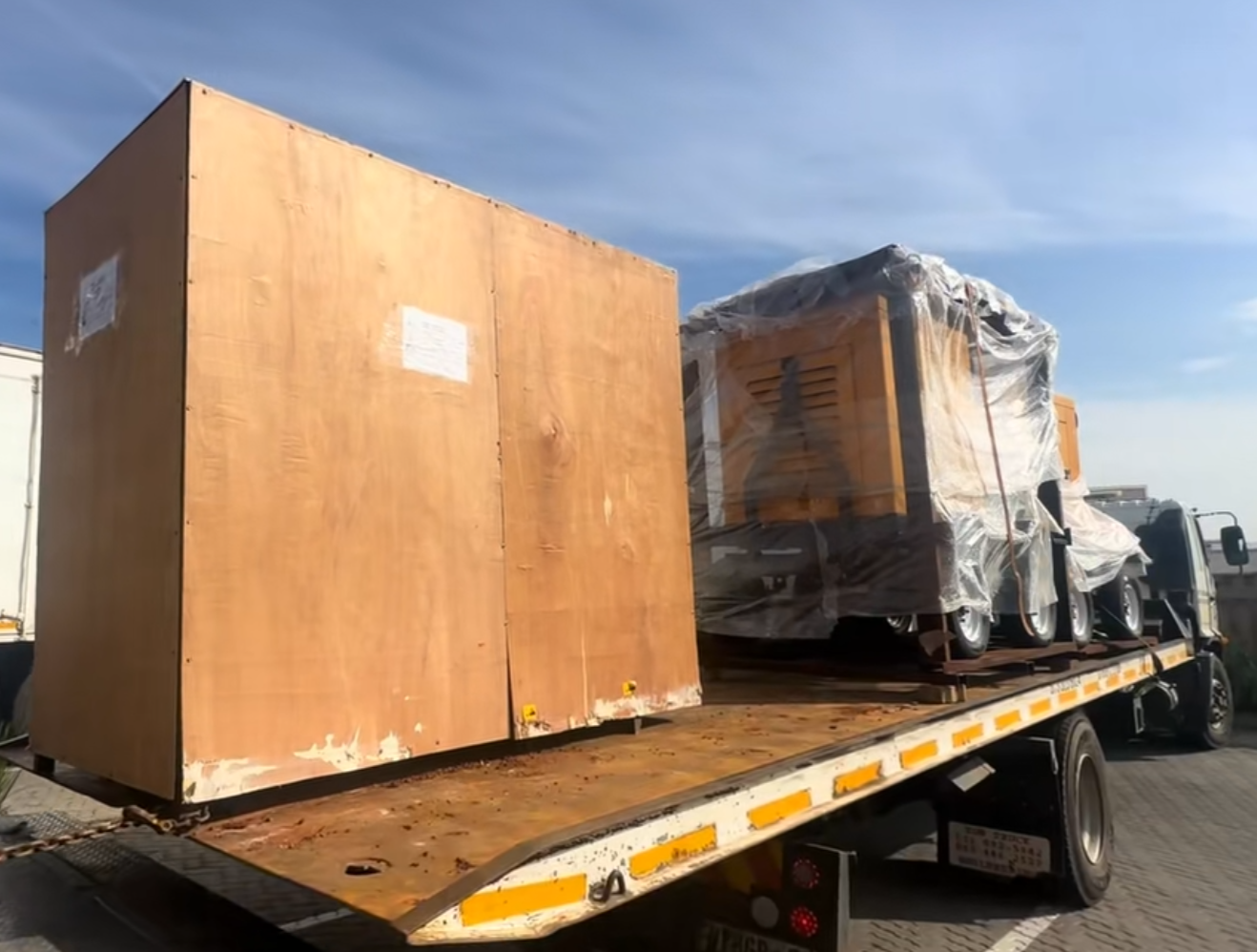
Food Processing Machine
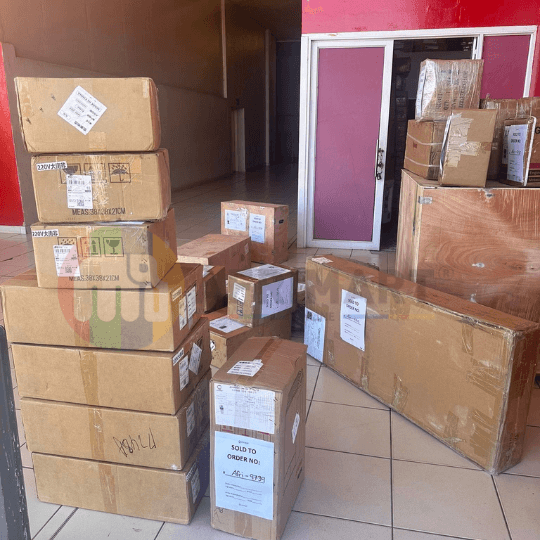
Batch of Orders
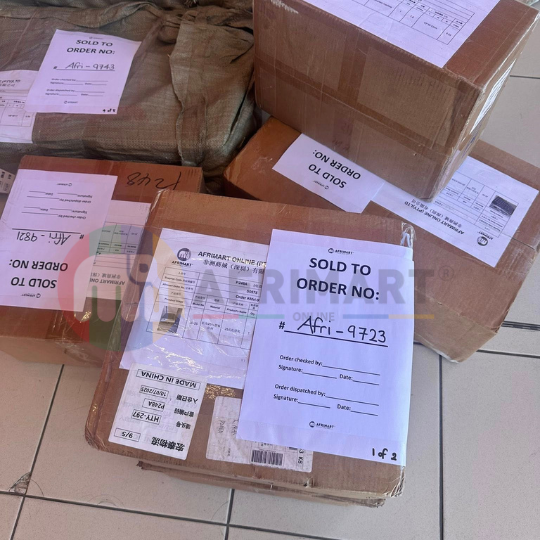
Batch of Orders
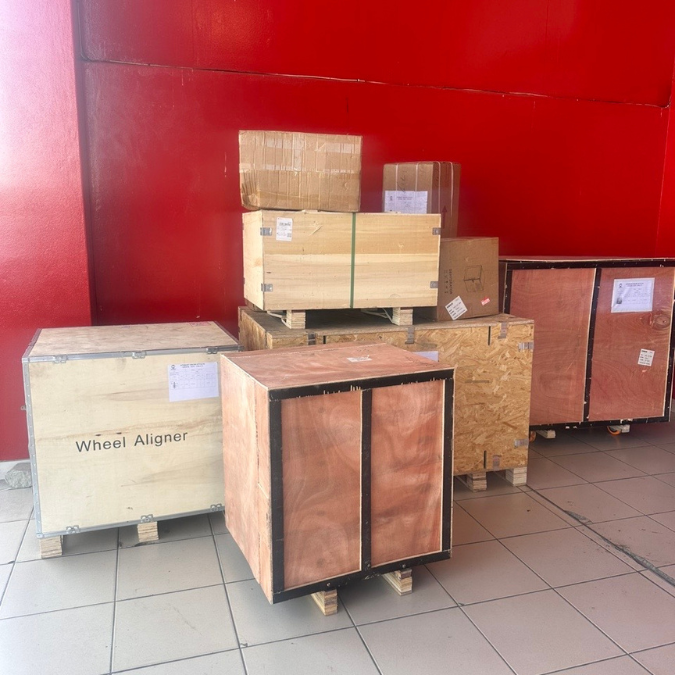
Latest Orders Labelled
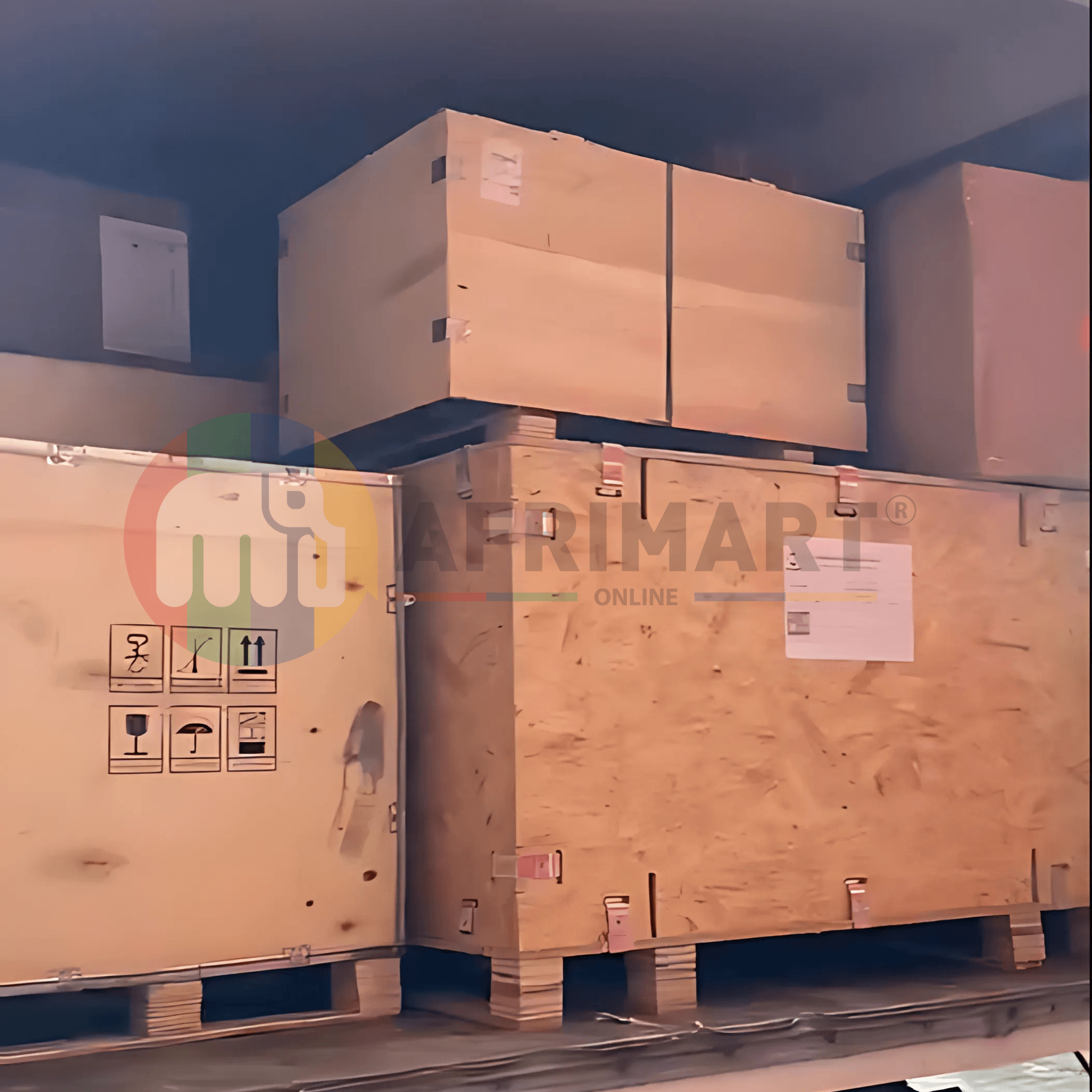
wheel alignment machines
new arrivals
Pre Orders Offloading
Latest Arrivals
Latest Arrivals
Latest Arrivals
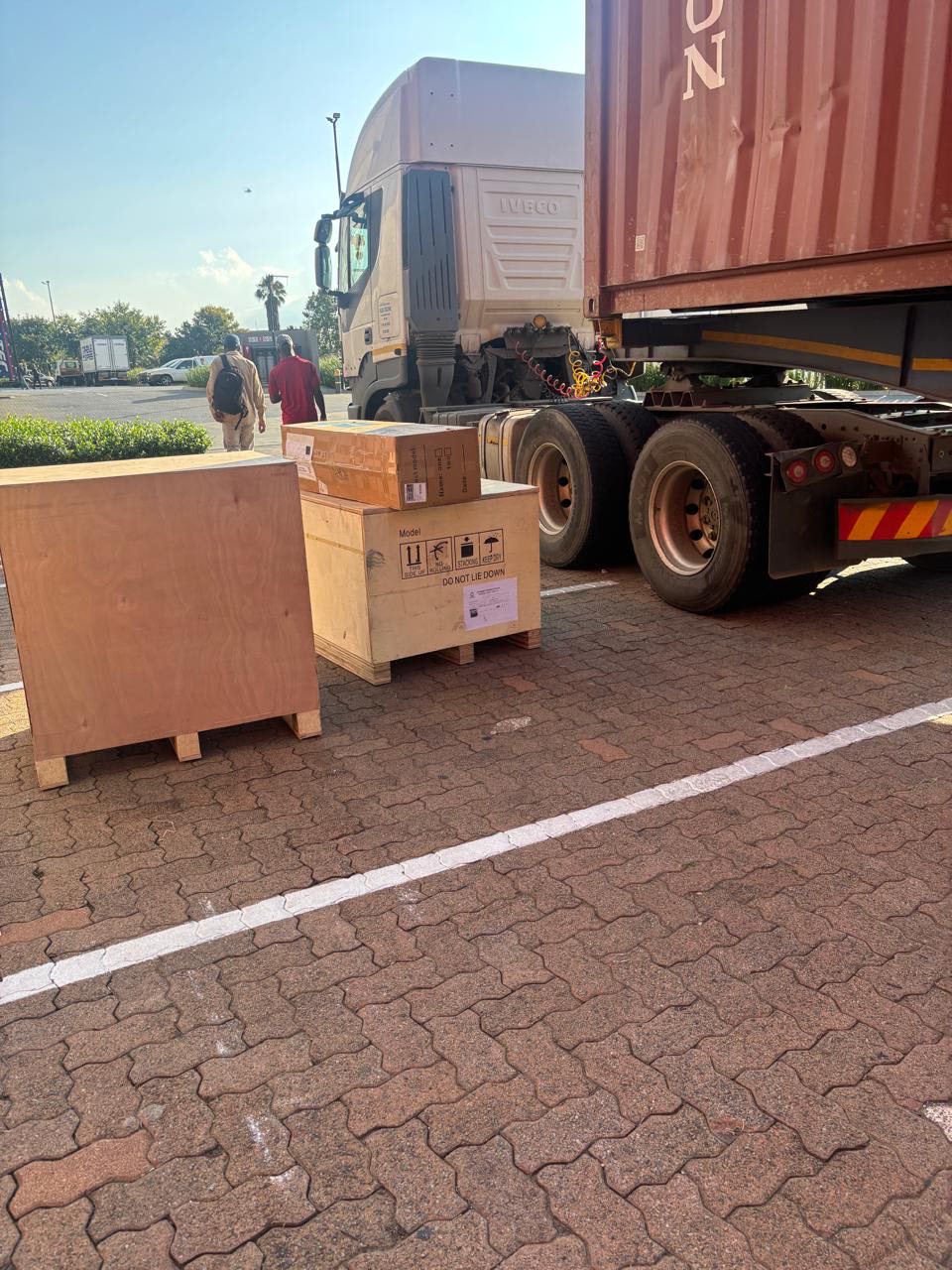
26 January 2026
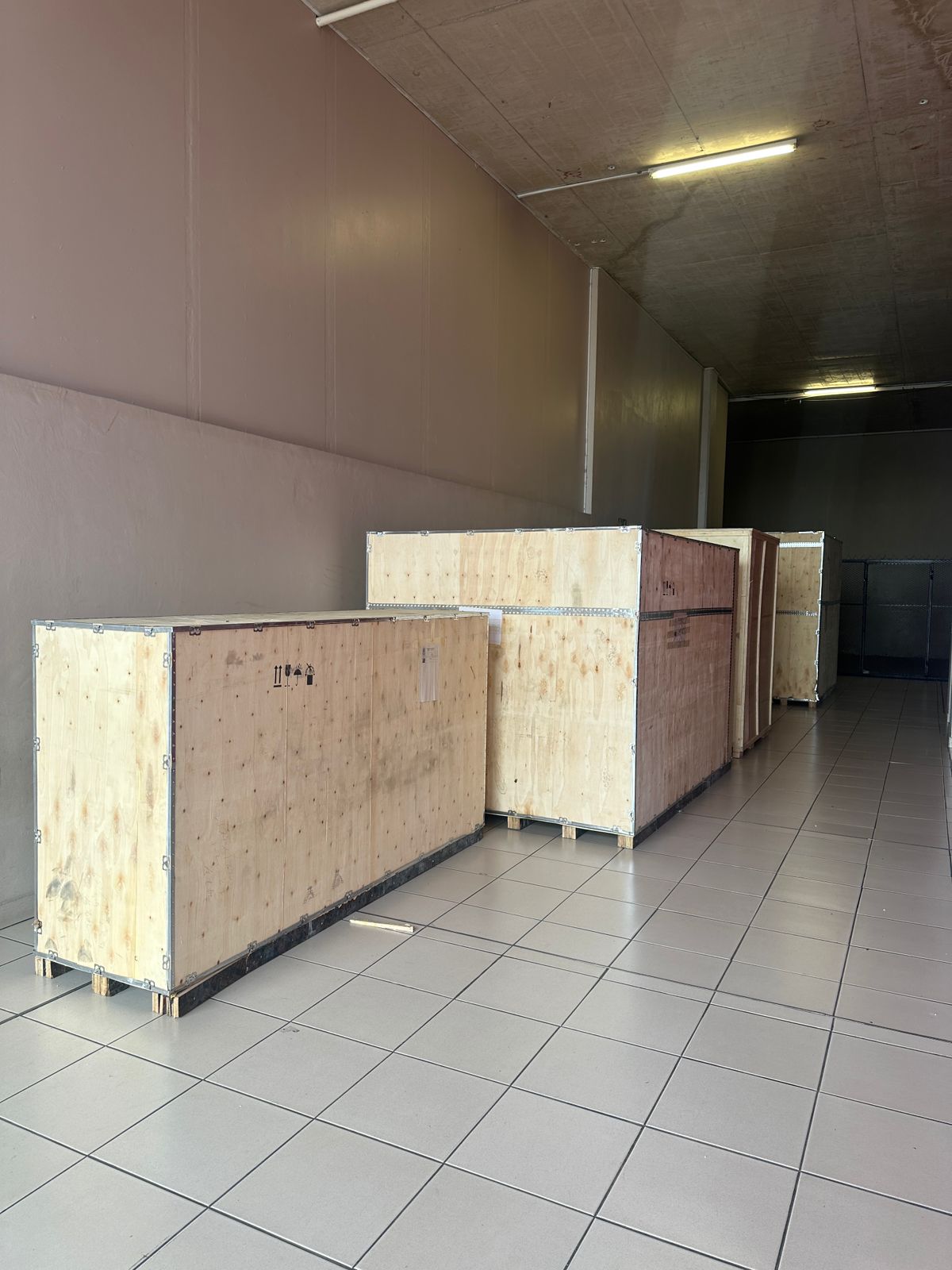
Toilet paper making machine
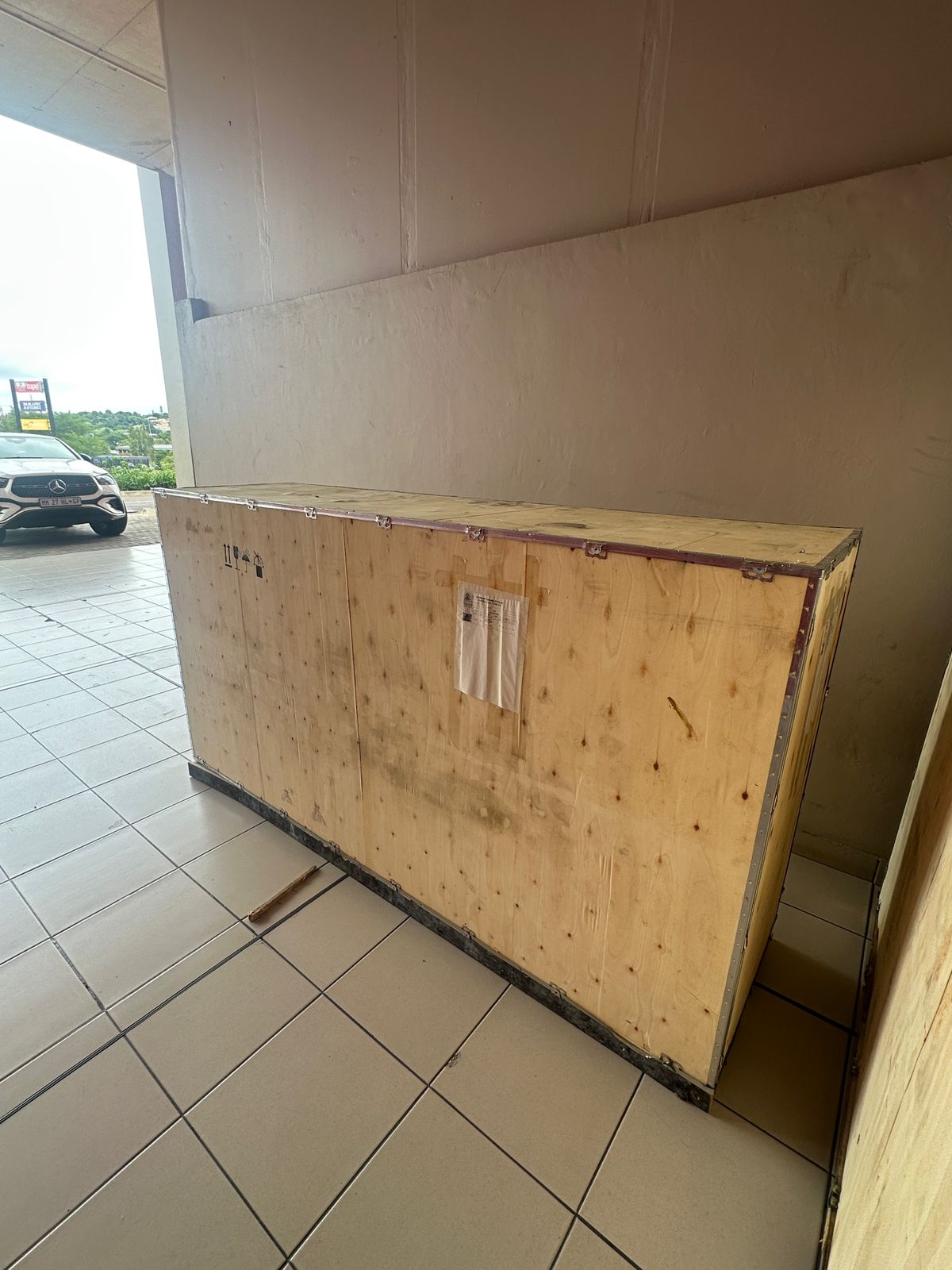
Toilet paper making machine
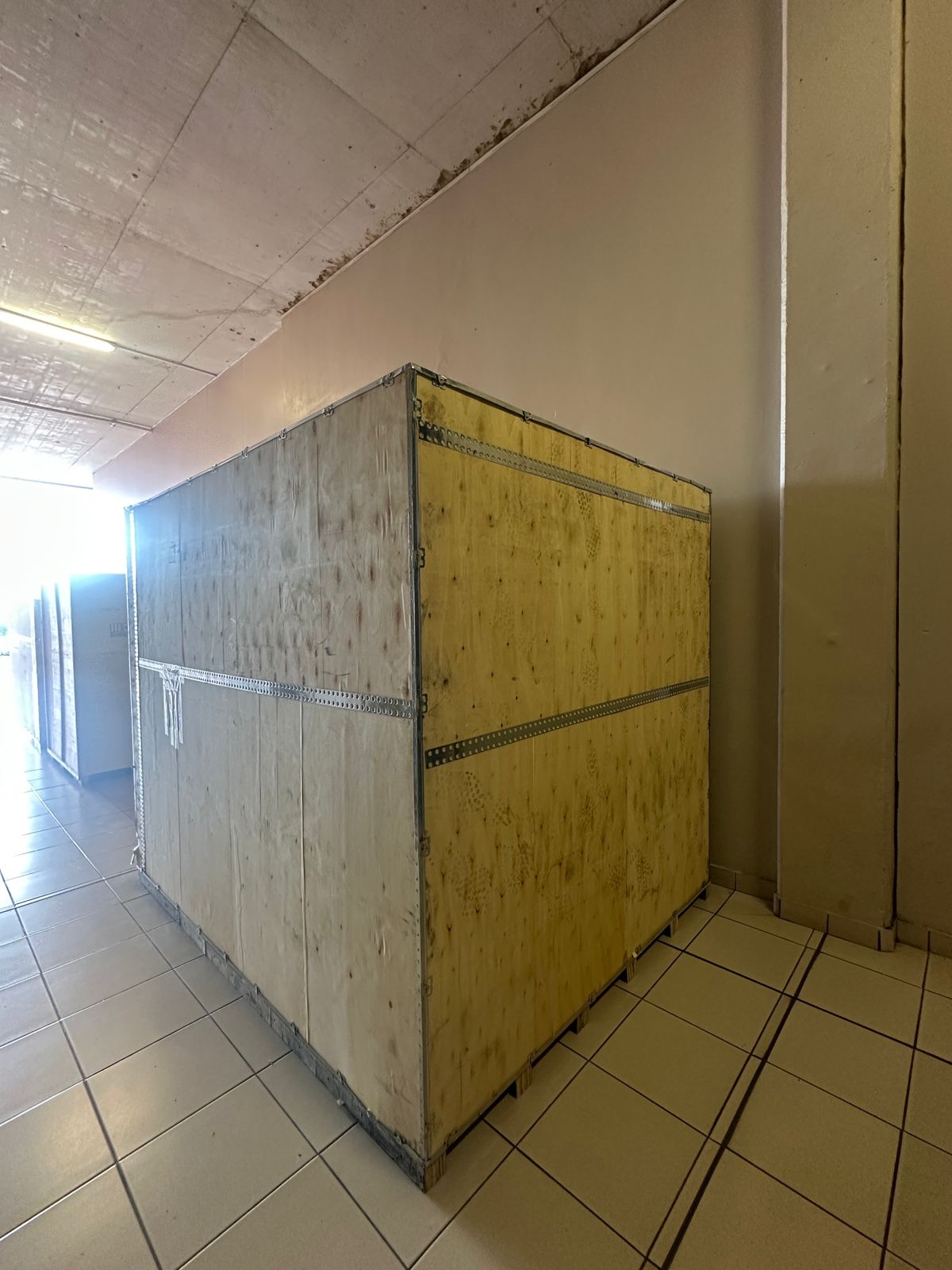
Toilet paper Rewinding Machine
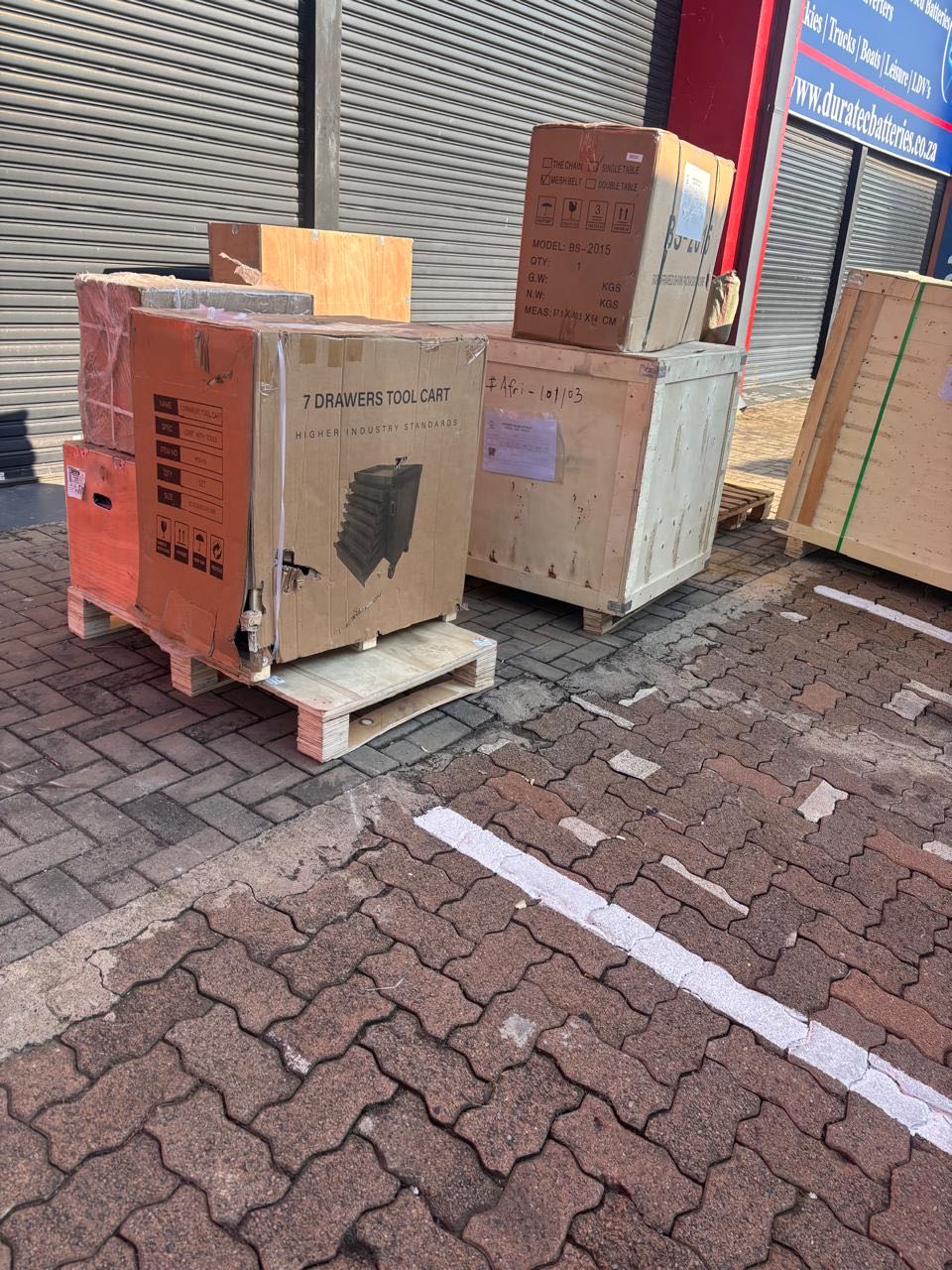
latest arrivals
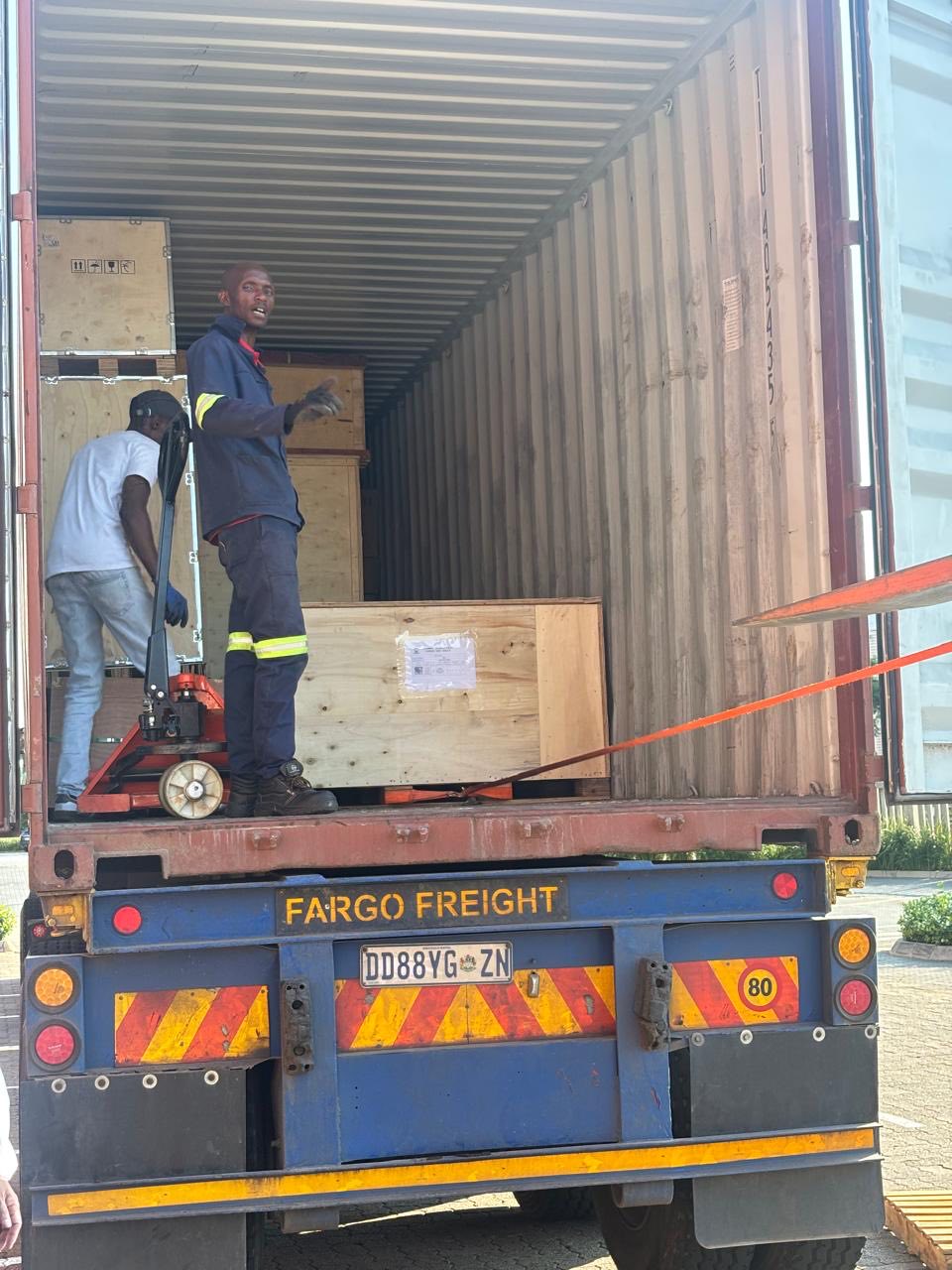
offloading
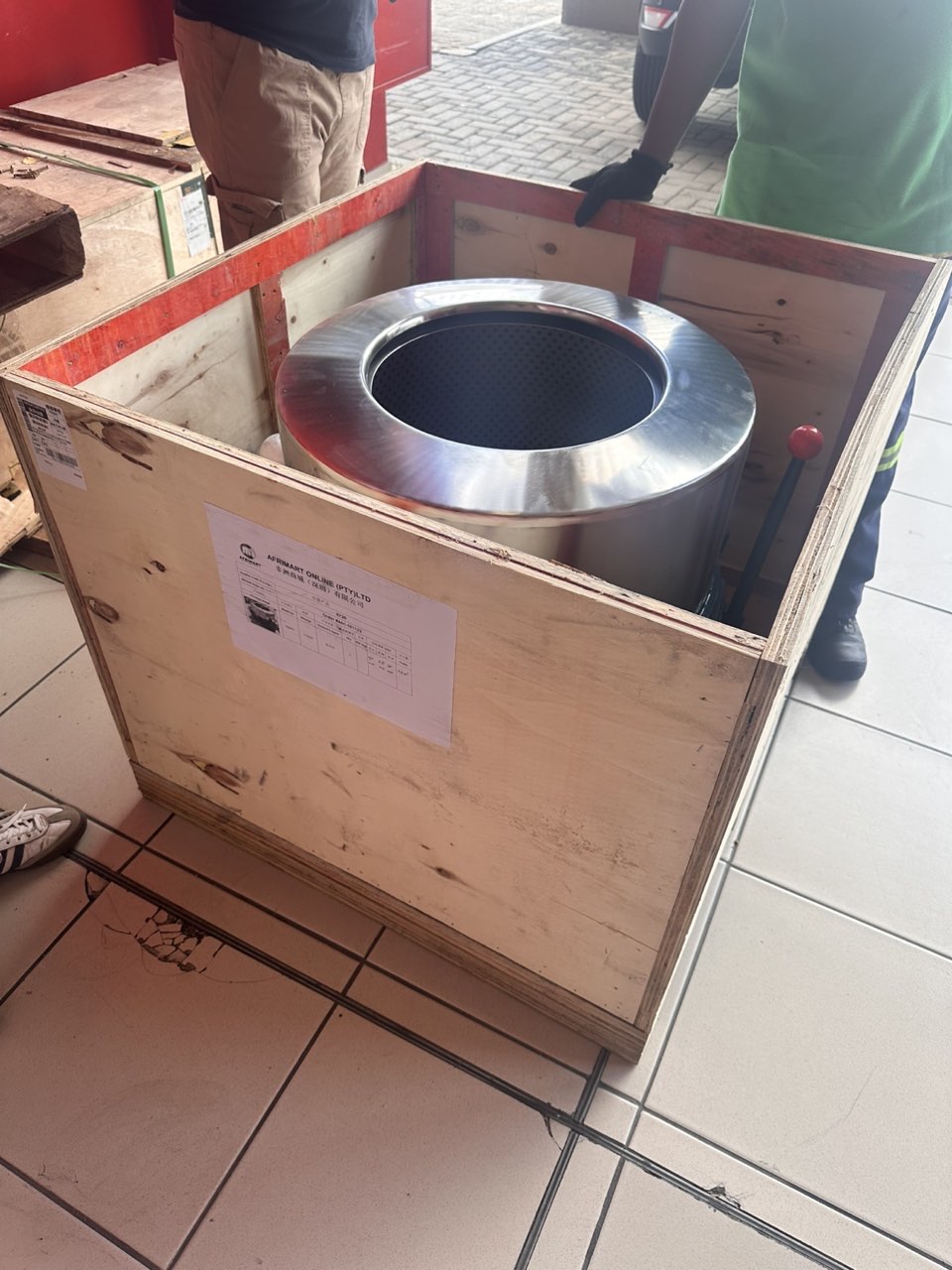
order success
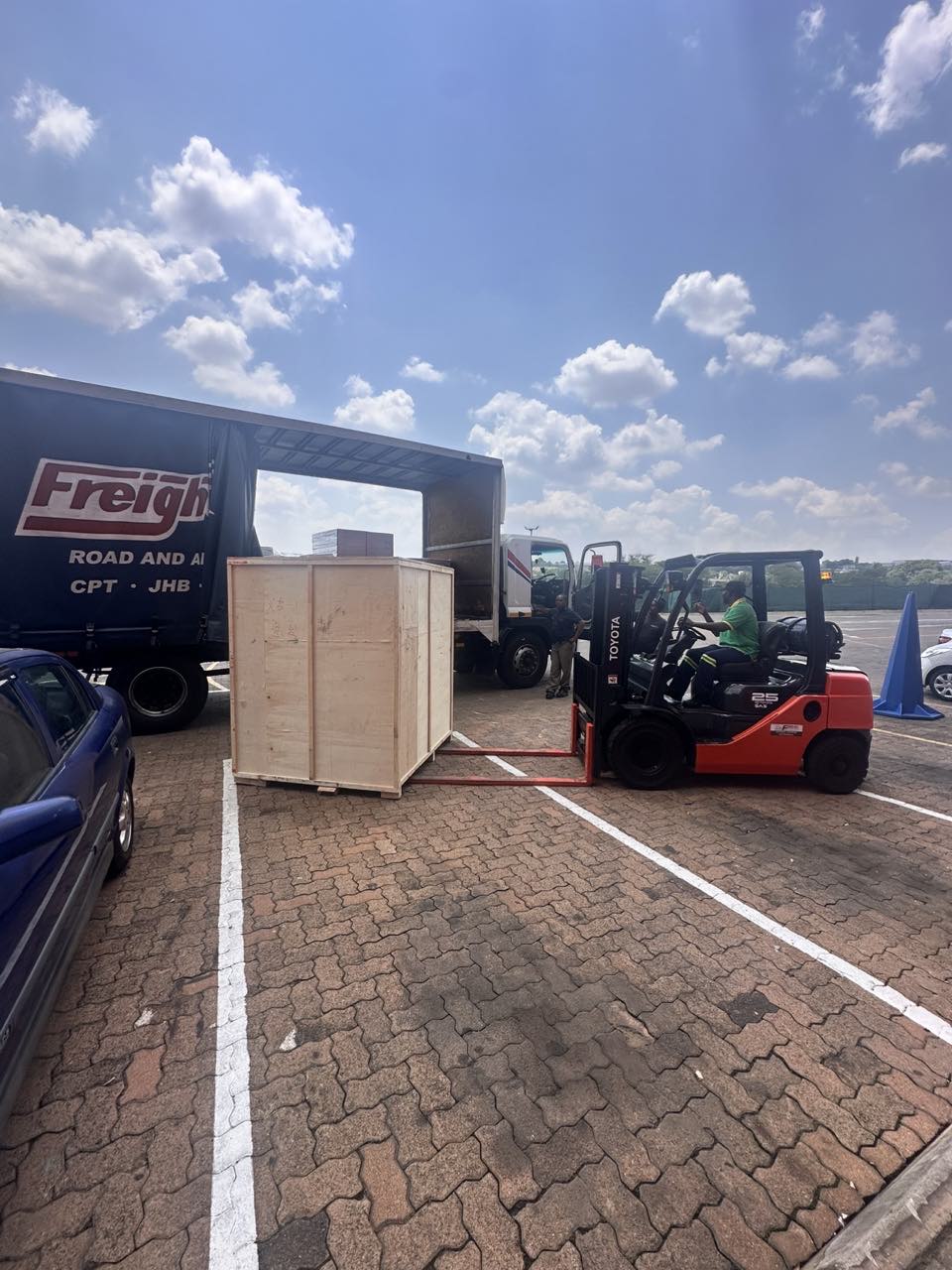
order collection
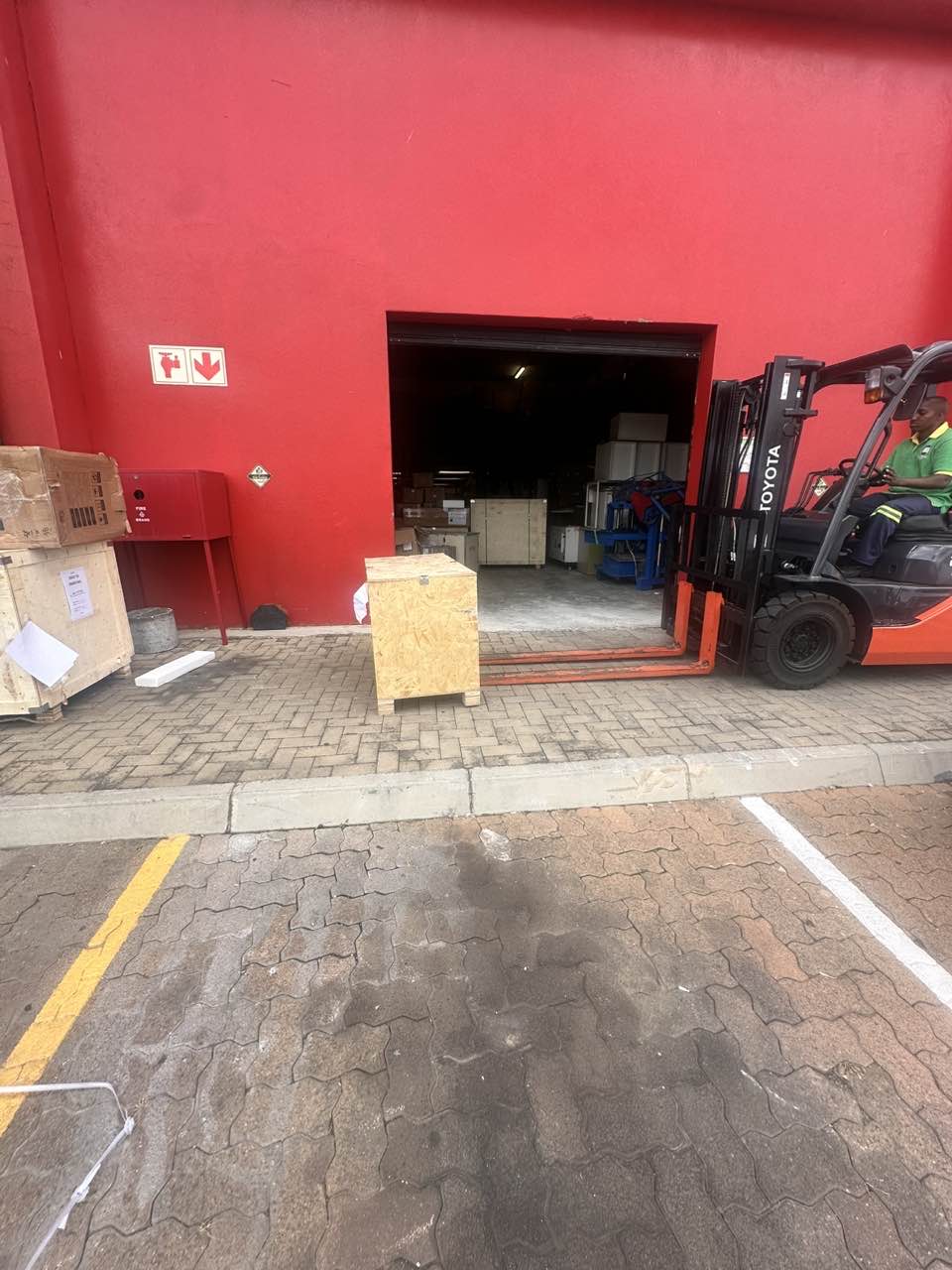
order offloading