B21, China Town Mall, Midrand

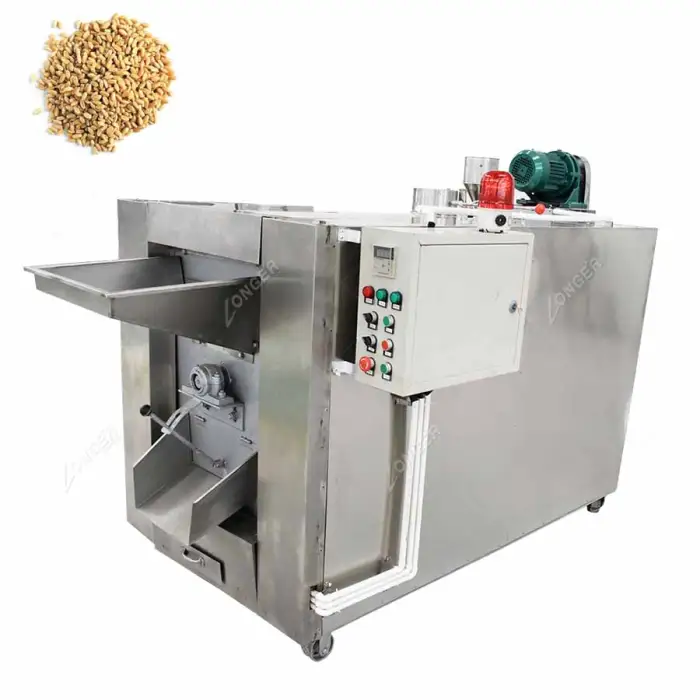
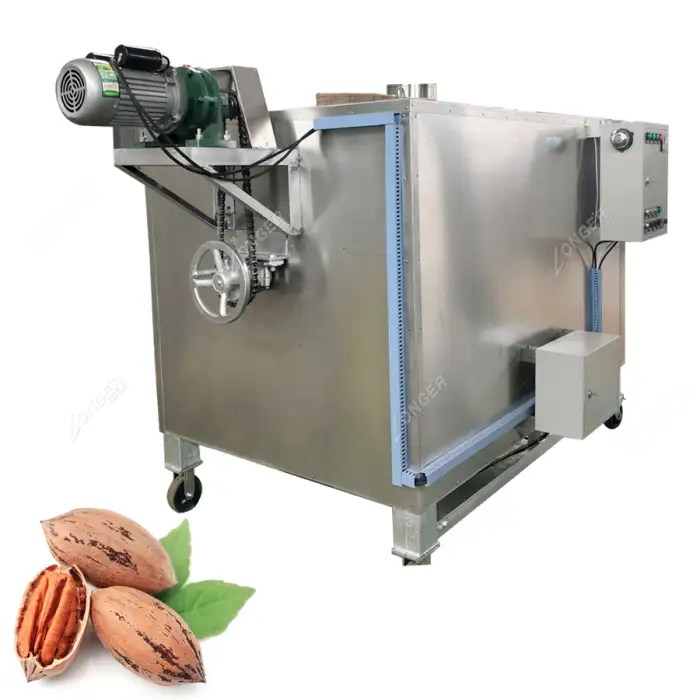
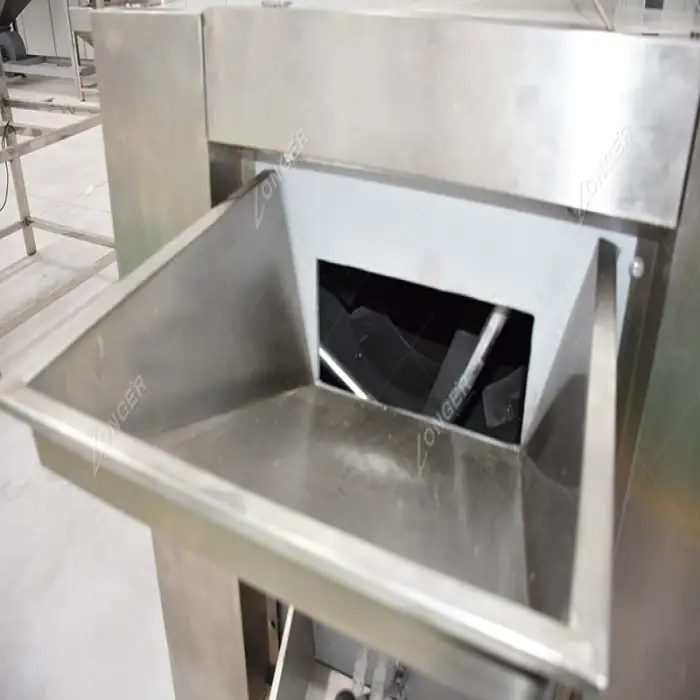
50kg/h Peanut Roasting Machine
Asset finance available
Do you want funding for this equipment?
Afrimart can connect you with trusted funding partners who specialise in asset finance for businesses like yours. Compare options and apply in minutes — final approval is subject to provider review.
Check funding options
Secure & no obligation

- Section : Machinery
- Category : Food & Beverage Machinery
- SKU : 62568845393-1-1-1

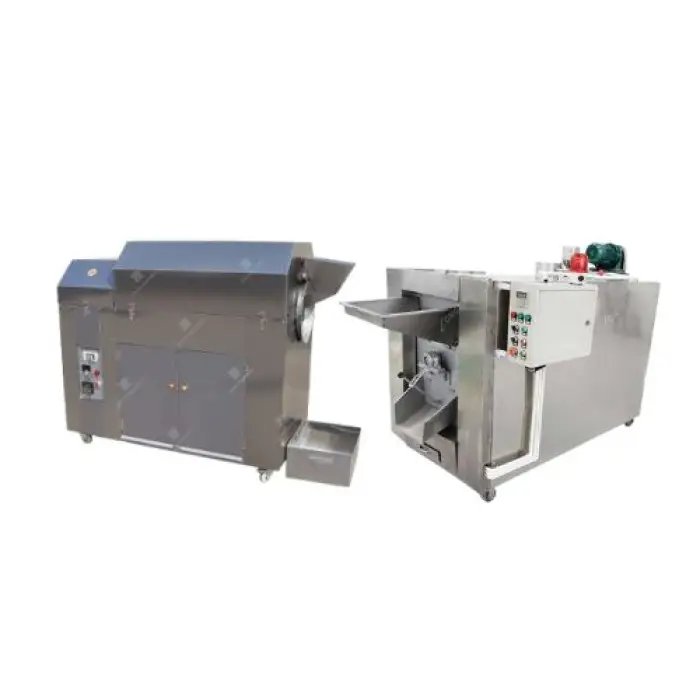
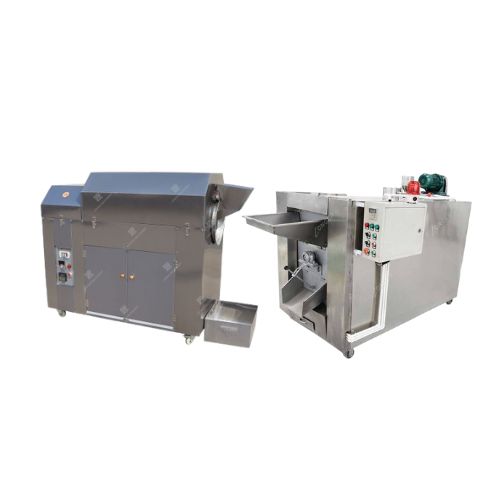
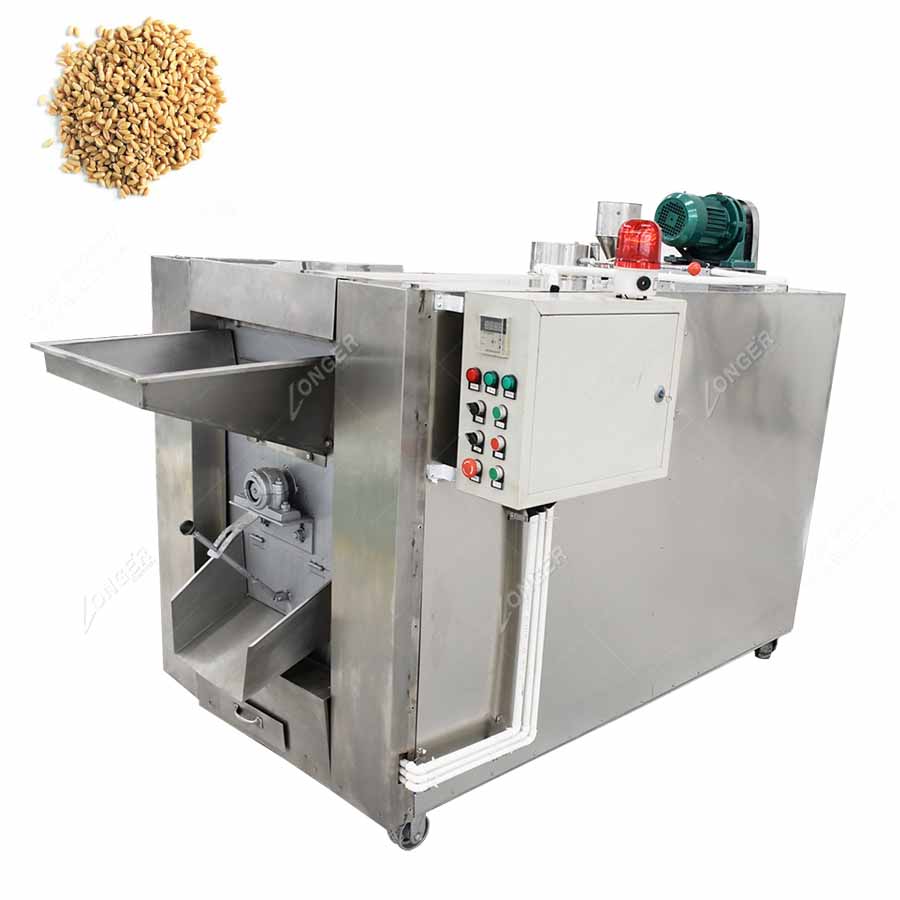
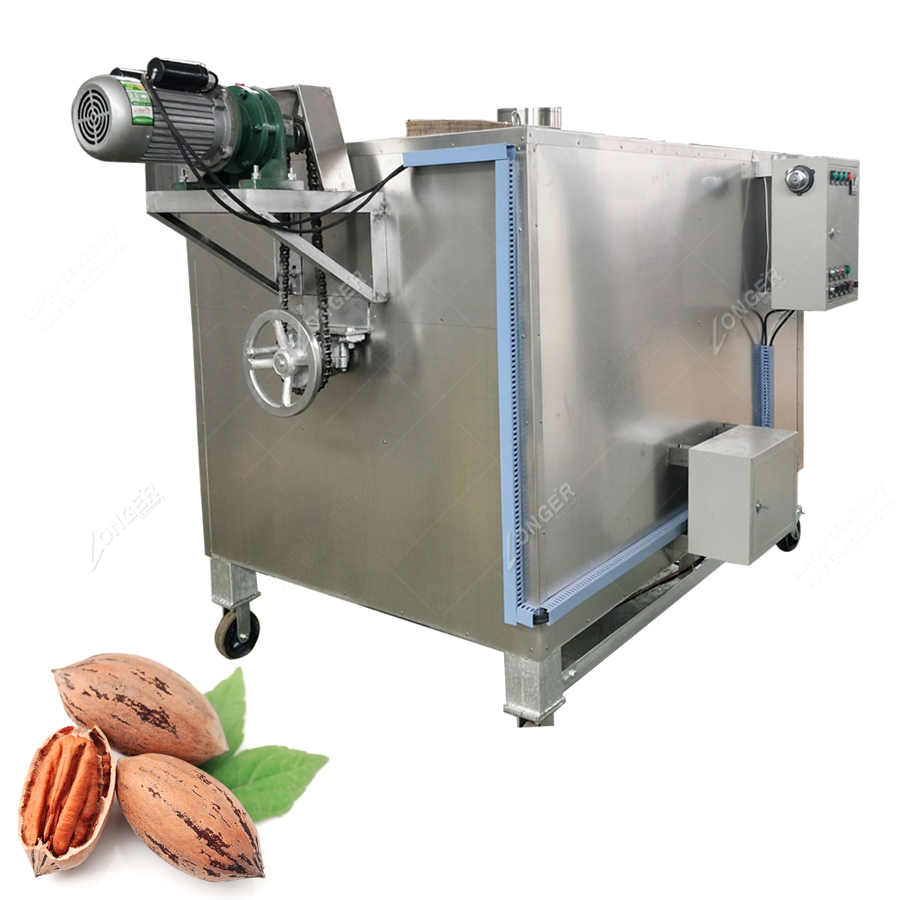
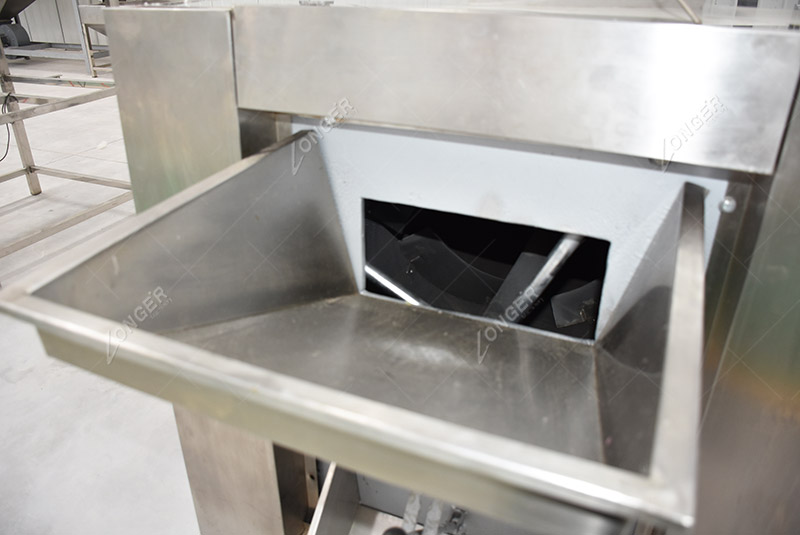
50kg/h Roasting Machine with Cooling Machine
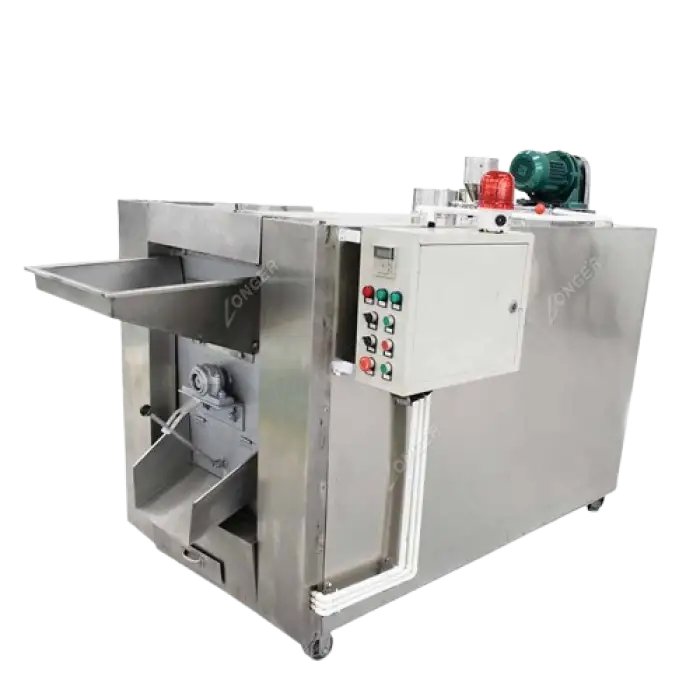
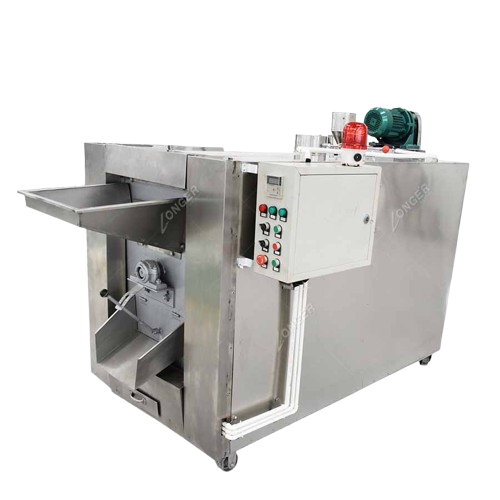
Peanut Roasting Machine – High Capacity Roaster (50KG per Batch)
Upgrade your food processing capabilities with this High-Capacity Peanut Roasting Machine, designed to roast a variety of raw beans, nuts, and seeds with precision and consistency. Ideal for commercial food manufacturers, snack producers, and agricultural processors.
Key Features:
Large Capacity: Roasts up to 50KG per batch, suitable for medium to large-scale production.
Dual Heating Options: Available in gas (natural gas or LPG) or electric models to suit your energy preferences.
Adjustable Temperature & Time: Roasting temperature range 0–300℃ and roasting time between 30–60 minutes, allowing for flexible control based on the type of food.
Durable Materials: Contact parts made from food-grade 304 stainless steel; outer cover is 201 stainless steel for long-term use.
Low Maintenance Motor: Equipped with a 0.75KW motor that does not require oil, ensuring cleaner operation and lower maintenance costs.
Energy Efficiency:
Gas Model: 4KG/h or 4m³/h gas consumption
Electric Model: 18KW/h electricity consumption
Specifications:
Machine Name: Peanut Roasting Machine
Capacity: 50KG per batch
Motor Power: 0.75KW/h
Heating Type: Gas (LPG/Natural Gas) or Electric
Gas Consumption: 4KG/h or 4m³/h
Electricity Consumption: 18KW/h
Temperature Range: 0–300℃ (Adjustable)
Roasting Time: 30–60 minutes (Adjustable)
Material (Food Contact): 304 Stainless Steel
Material (Exterior Cover): 201 Stainless Steel
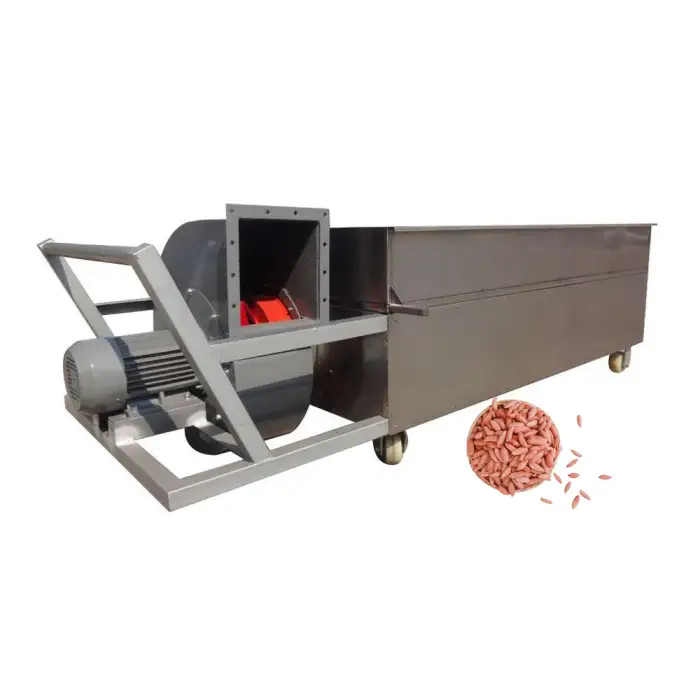
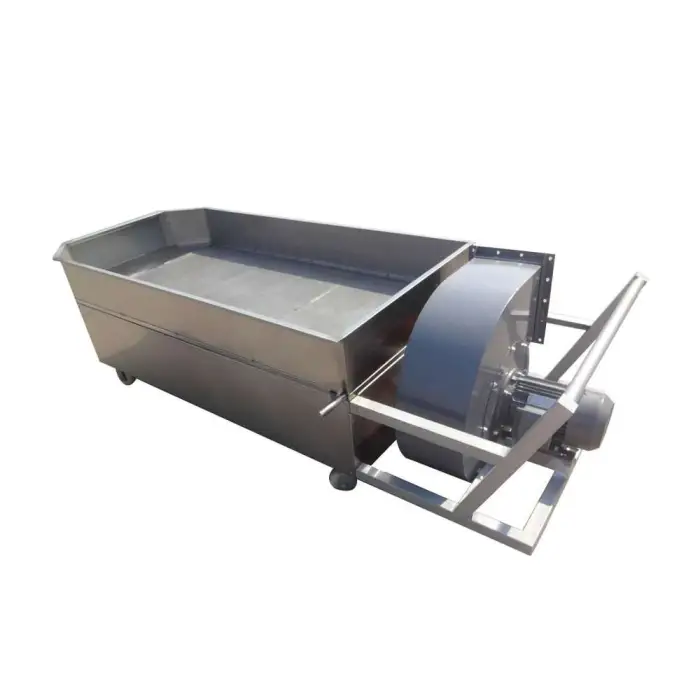
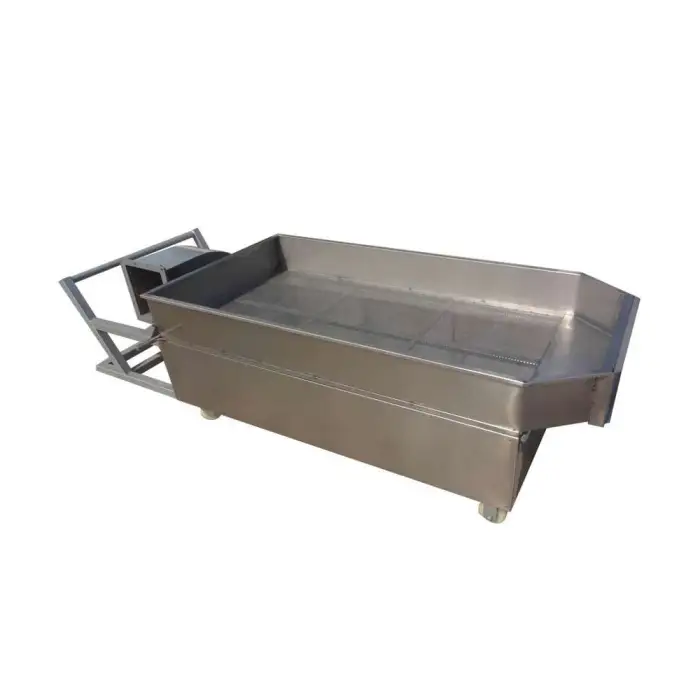
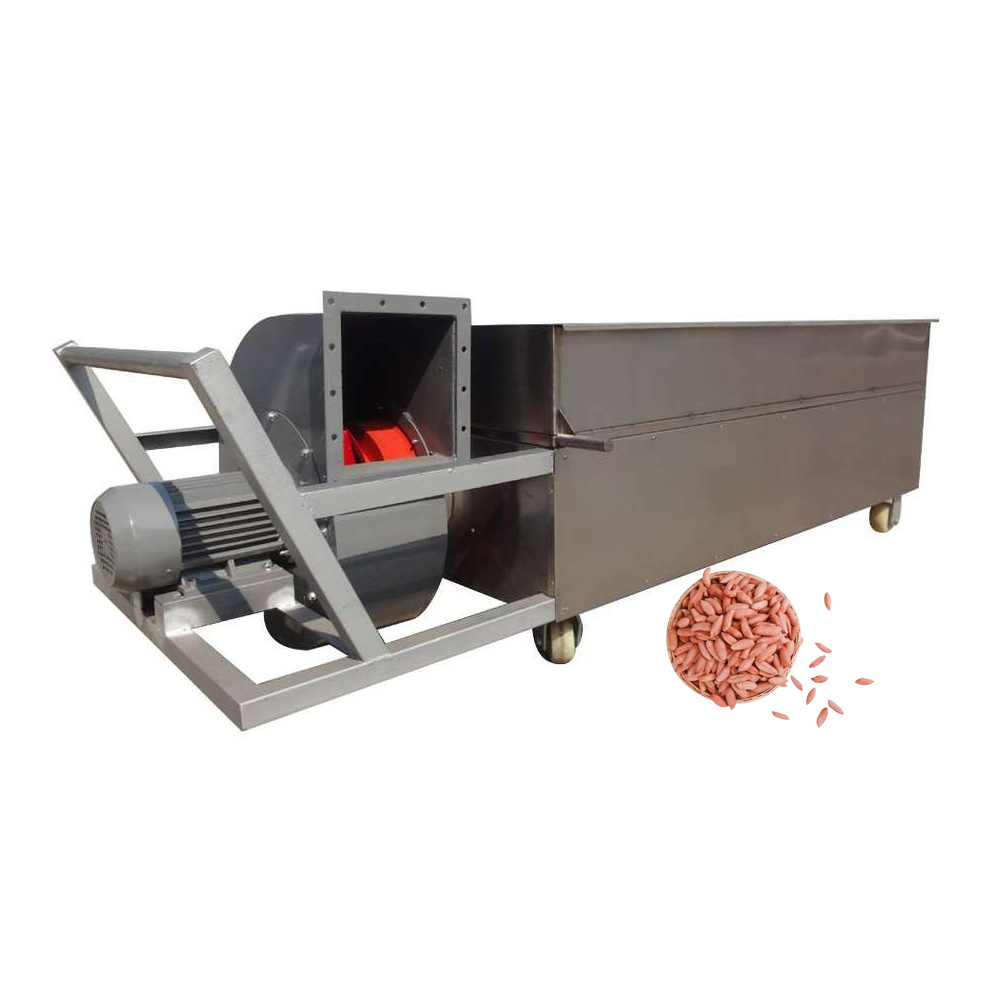
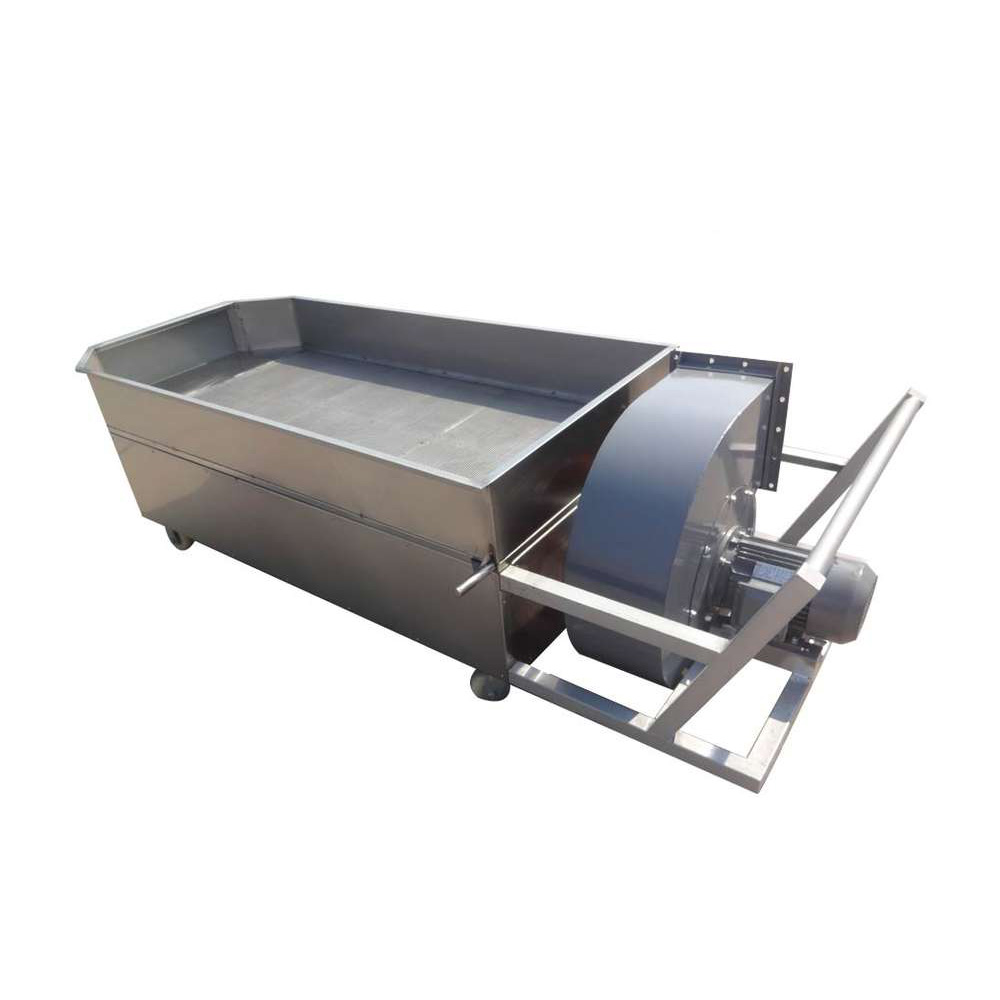
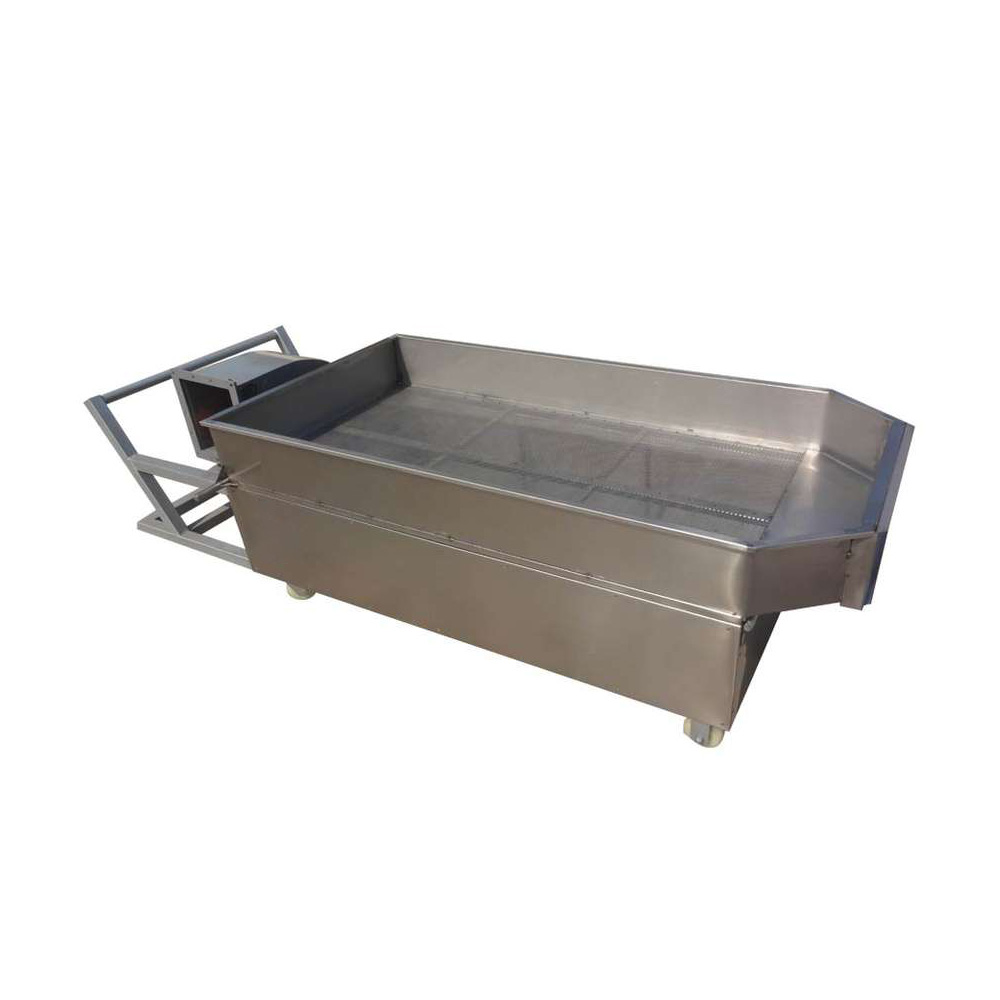
Cooling Cart – Stainless Steel Cooling System for Roasted Products
Pair your roasting operation with this efficient Cooling Cart, specially designed to cool freshly roasted peanuts quickly and hygienically. An essential companion to the peanut roasting machine for a complete post-processing solution.
Key Features:
Quick Cooling: Cools up to 100KG/h of roasted peanuts in just 8–10 minutes, improving production turnaround.
High-Power Blower: Features a 3KW/h blower for fast and even cooling.
Food-Grade Construction: Built with 304 stainless steel for food-contact parts and 201 stainless steel outer shell for durability.
Integrated Control Cabinet: Enables simple and safe operation.
Built for high-efficiency roasting and cooling
Made with food-safe materials
Offers flexible energy options (gas or electric)
Reduces processing time while ensuring product quality
Suitable for commercial peanut and nut processing operations
Specifications:
Machine Name: Cooling Cart
Capacity: 100KG/h
Cooling Time: 8–10 minutes
Blower Power: 3KW/h
Material (Food Contact): 304 Stainless Steel
Material (Exterior Cover): 201 Stainless Steel
Control System: Included Control Cabinet
Product Gallery
- Shipping Timeframes: All orders are processed within 2-5 business days (excluding weekends and holidays). After your order has been processed, the estimated delivery time is before 23 Jun, 2026, depending on customs, Please note that due to high demand, some items may experience longer shipping times, which will be communicated at order confirmation email.
- Order Processing Time: Please allow 2-5 business days for us to process your order before it is shipped . Orders placed after 16:00 on Fridays, or during weekends and public holidays, will begin processing on the next business day. Processing times may be extended during peak seasons or sales events.
- Manufacturing Time: Some products needs manufacturing time, the manufacturing process will take approximately 10-30 business days depending on the product. This timeframe may vary depending on the complexity of the product and current demand. but this will be communicated with you during order confirmation.
- Returns and Exchanges: We offer a 30-day return policy for most items. If you are not completely satisfied with your purchase, you may return it within 30 days of receipt for a refund or exchange. Items must be unused, in their original packaging, and accompanied by proof of purchase. Return shipping costs are the responsibility of the customer, unless the item was damaged or defective upon arrival.
1. What is the actual processing capacity — is it 50kg per batch or 50kg/h?
The machine roasts up to 50 kg per batch. Throughput per hour depends on your roasting cycle: at the shortest stated roasting time (about 30 minutes) you can process up to ~100 kg/h (two batches/hour); at 60 minutes you get about 50 kg/h (one batch/hour).
2. What heating options are available?
Two heating options are offered: gas (compatible with natural gas or LPG) and electric. Choose the model that best fits your facility's energy availability and cost preferences.
3. What are the energy consumption figures for each model?
Gas model consumption is about 4 kg/h (LPG) or 4 m³/h (natural gas). The electric model has a rated power of 18 kW — running at full power for one hour uses about 18 kWh of electricity.
4. What temperature and time controls does the roaster have?
The roaster has adjustable temperature control from 0–300°C and adjustable roasting time from 30–60 minutes to accommodate different beans, nuts, and seeds and different roast levels.
5. What types of products can this machine roast?
It is suitable for raw beans, peanuts, other nuts and seeds. Different products and desired roast profiles will require different temperature/time settings; we recommend test runs to dial in optimal parameters.
6. What materials are used on food-contact surfaces and the exterior?
All food-contact parts are made from food-grade 304 stainless steel. The exterior/outer cover is made from durable 201 stainless steel.
7. Tell me about the cooling cart — does it match the roaster capacity?
The cooling cart can cool up to 100 kg/h of roasted peanuts in 8–10 minutes and features a 3 kW blower and an integrated control cabinet. It pairs well with this roaster, especially if you run shorter roast cycles (30 minutes), since the cart's 100 kg/h capacity can handle up to two roaster batches per hour.
8. What maintenance is required and is the motor oil-free?
The machine uses a low-maintenance 0.75 kW motor designed to operate without oil lubrication, reducing contamination risk and maintenance. Regular cleaning of food-contact surfaces and periodic checks of bearings, seals, and electrical/gas connections are recommended.
9. How do I clean the roaster and cooling cart?
Because food-contact parts are 304 stainless steel, they can be cleaned with food-safe detergents and water. Remove any detachable trays or screens for easier cleaning, ensure the equipment is powered off and cooled before cleaning, and follow supplier cleaning instructions for electrical/gas safety.
10. What installation, utilities and safety considerations should I plan for?
Ensure a stable, level floor and adequate space for service access. For gas models, you need a proper LPG or natural gas connection and ventilation; installation by a qualified technician is recommended. For electric models, provide a supply capable of supporting the rated 18 kW load and appropriate circuit protection. Always follow local codes and request any required safety certifications from the supplier.
11. Can the machine's settings be customized for specific products?
Yes — temperature and roasting time are adjustable. Many customers also request custom control or automation options. Contact the supplier to discuss product-specific roast profiles and any available customization or recipe support.
12. Does the product come with a control system, and how easy is operation?
The cooling cart includes an integrated control cabinet for straightforward operation. The roaster offers adjustable temperature and timing controls; the exact control panel features may vary by model, so check with the supplier for control type (analog/digital/PLC) and user interface details.
13. What about warranty, spare parts and after-sales service?
Warranty terms, spare parts availability and after-sales service vary by supplier and region. Contact the seller for specific warranty coverage, recommended spare parts (e.g., heating elements, burners, belts, seals) and available service plans or installation support.
14. Is this equipment suitable for food safety and allergen control?
Yes, the use of 304 food-grade stainless steel for contact parts supports hygienic processing. For allergen control (e.g., switching between peanut and non-peanut runs), follow strict cleaning protocols and validate cleaning between product changes to prevent cross-contact.
Latest Order Arrivals
Discover our latest orders
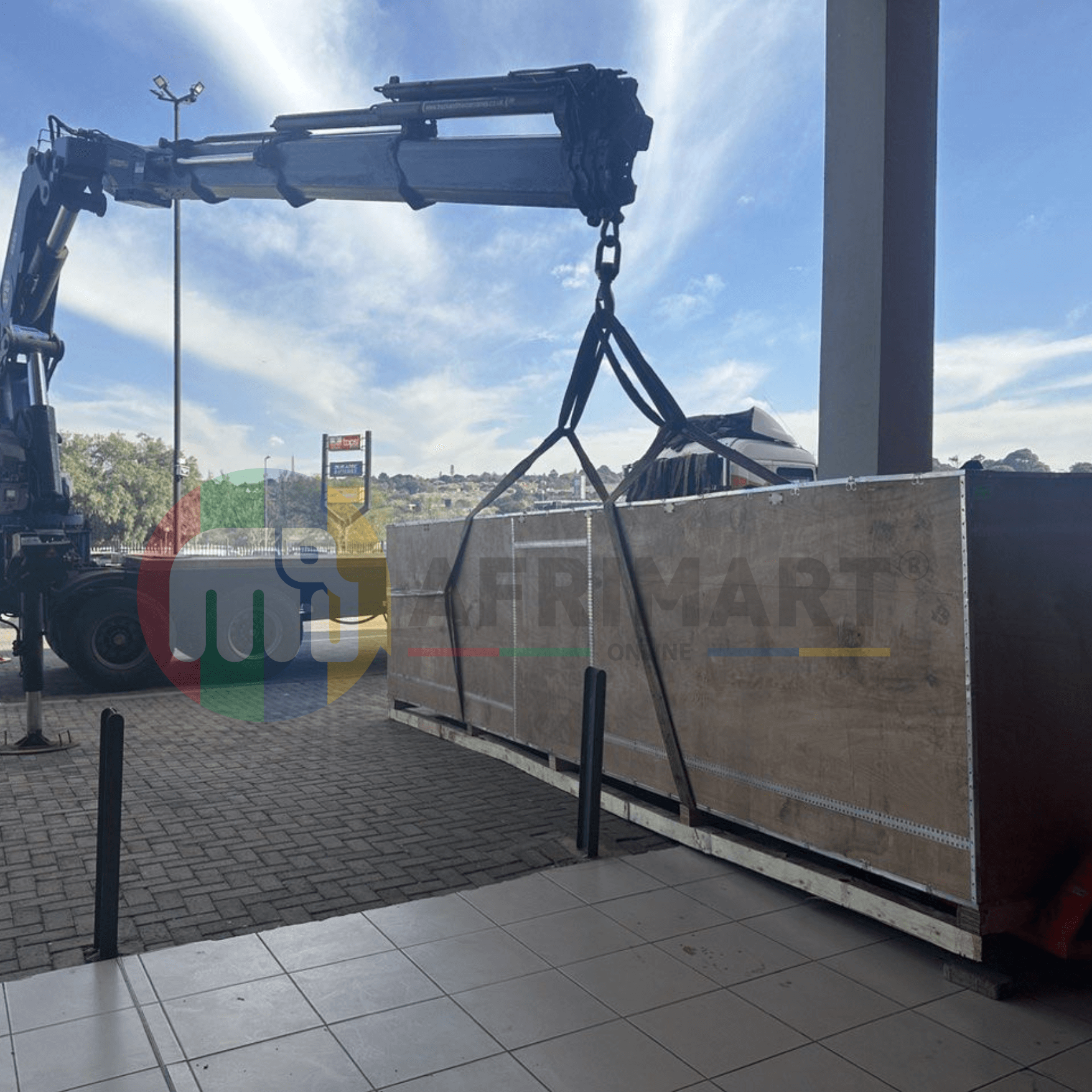
12 Heads Embroidery Machine
Dewatering Pump Machine
Order Collection
Portable Water Drilling Rig
Order Usefully Collected
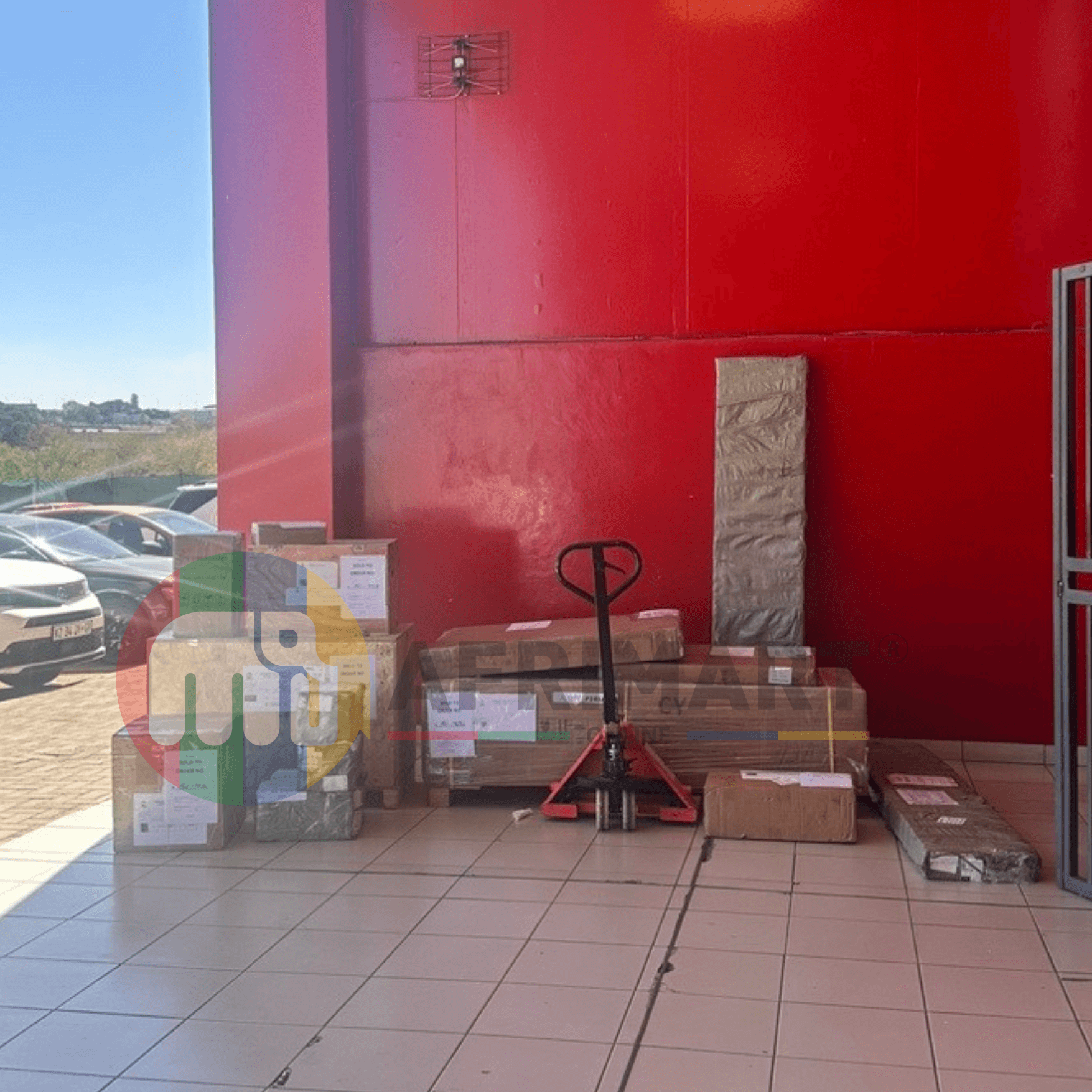
Batch of Orders
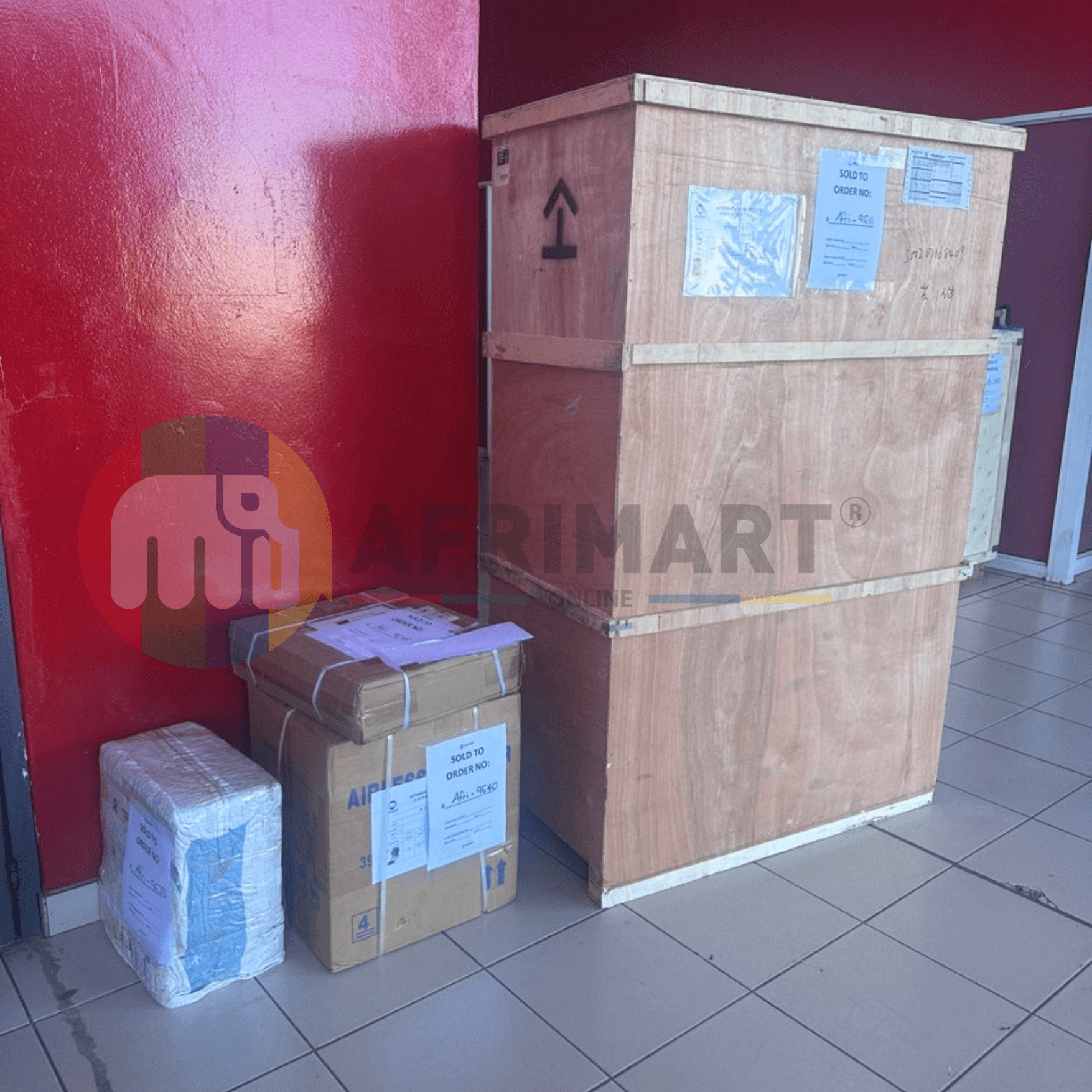
Agriculture Processing Machines
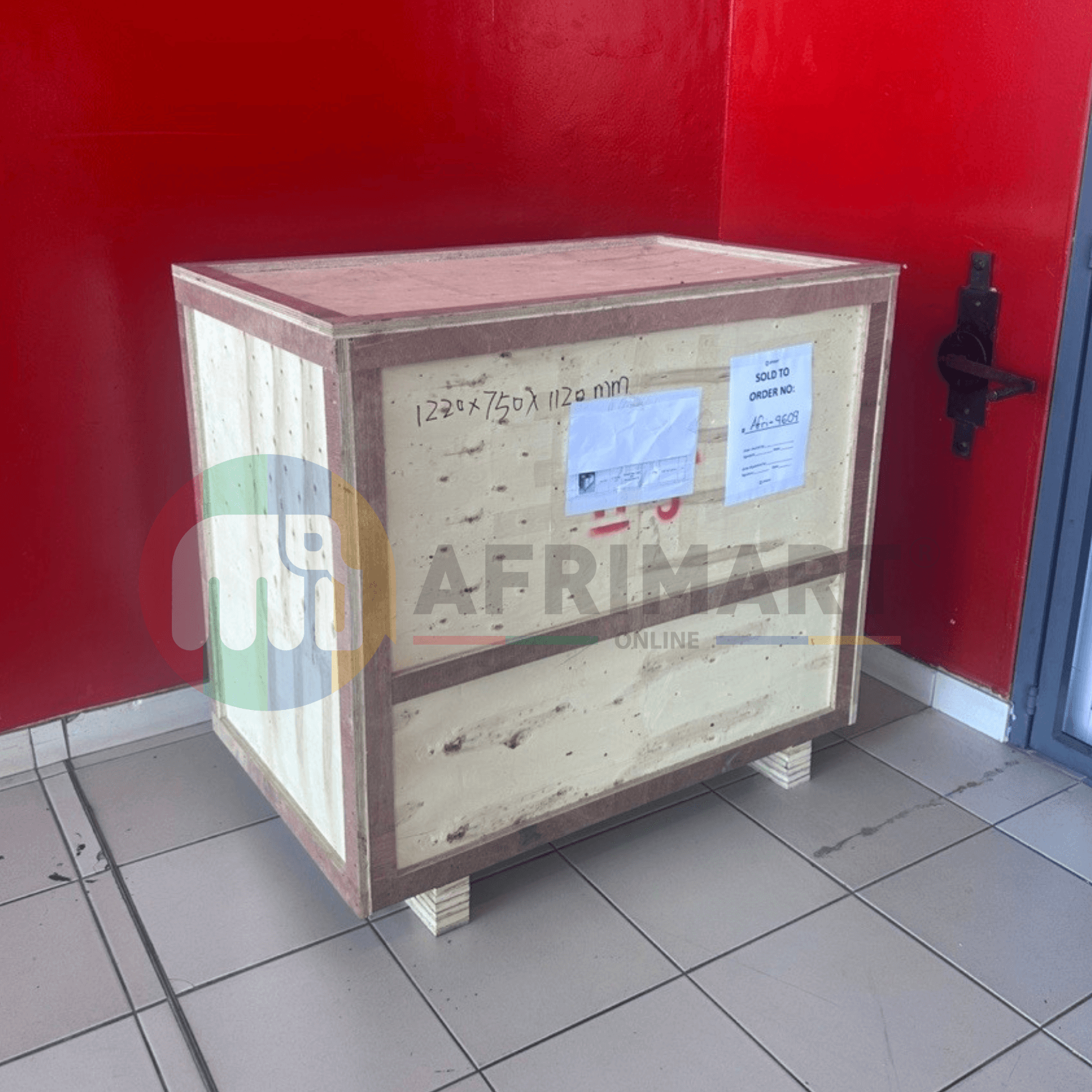
Meat Grinder Machine
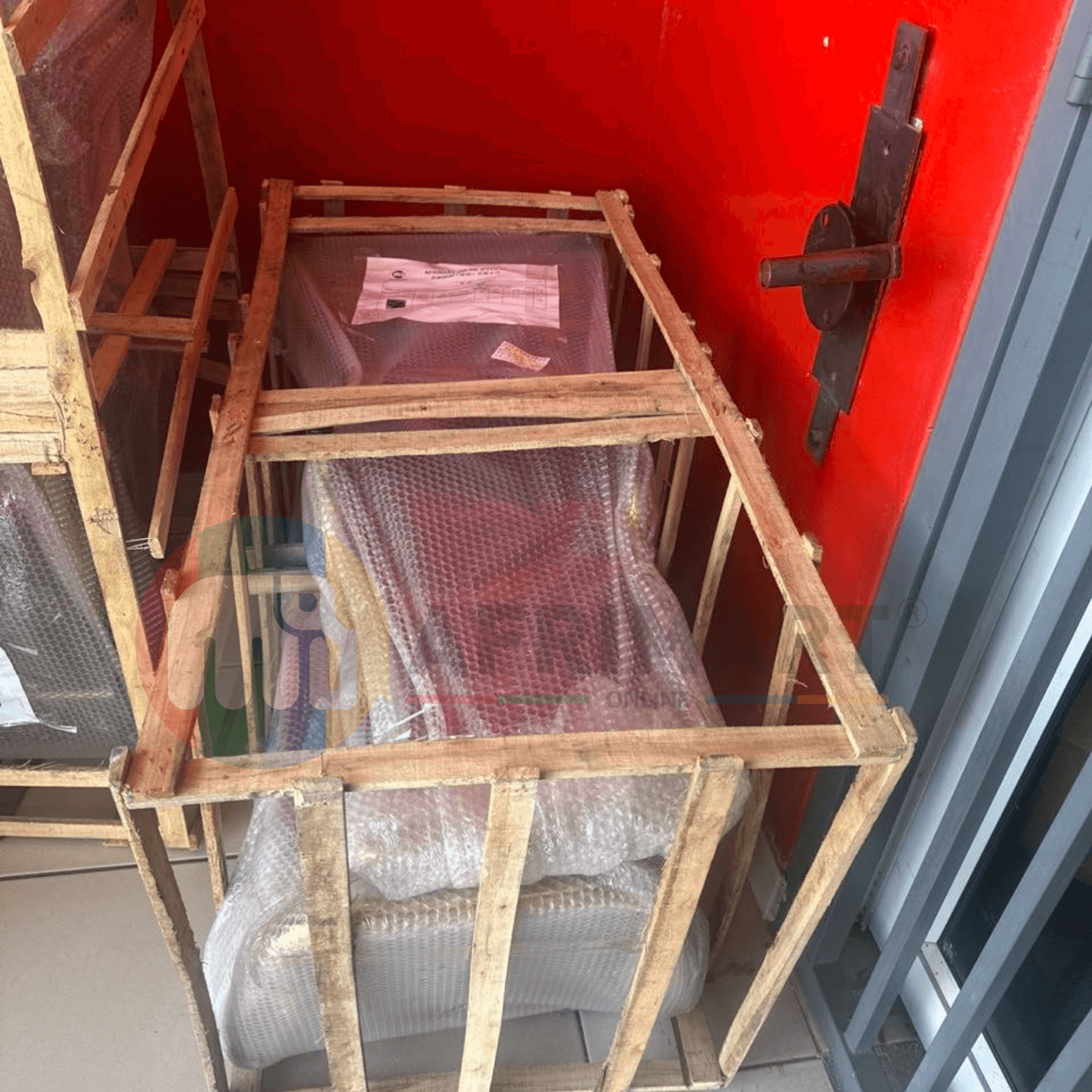
Water Pump Equipment
Packaging Machine and accessories
Fabrics Manufacturing Equipment
Mining Equipments
Food Processing Machine
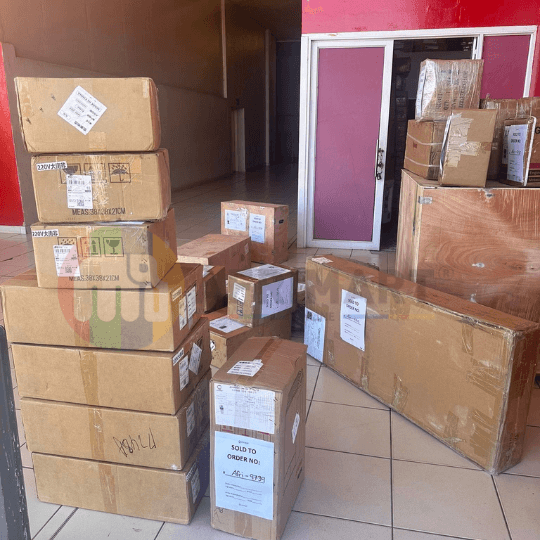
Batch of Orders
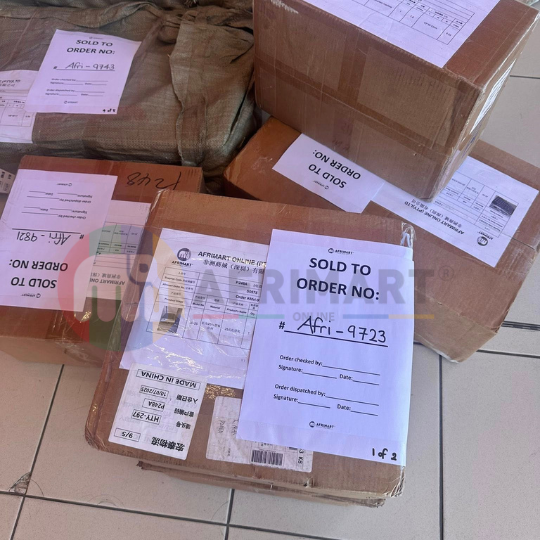
Batch of Orders
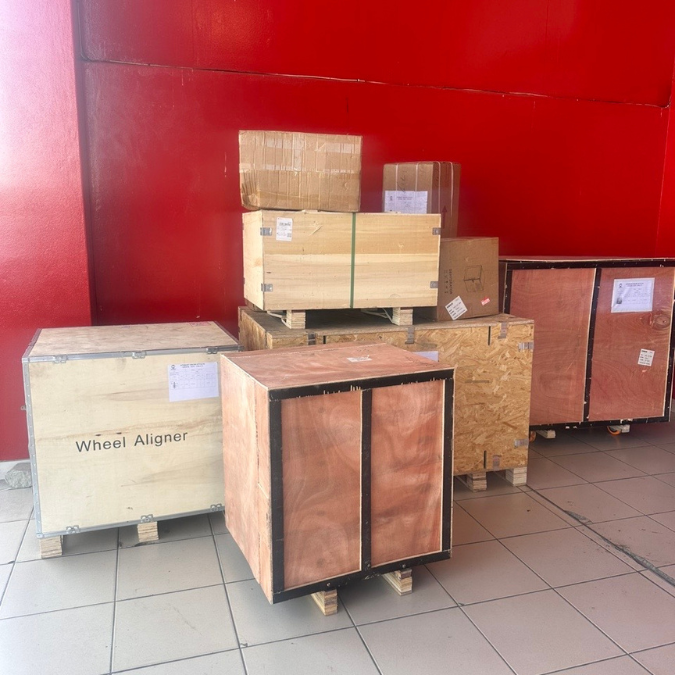
Latest Orders Labelled
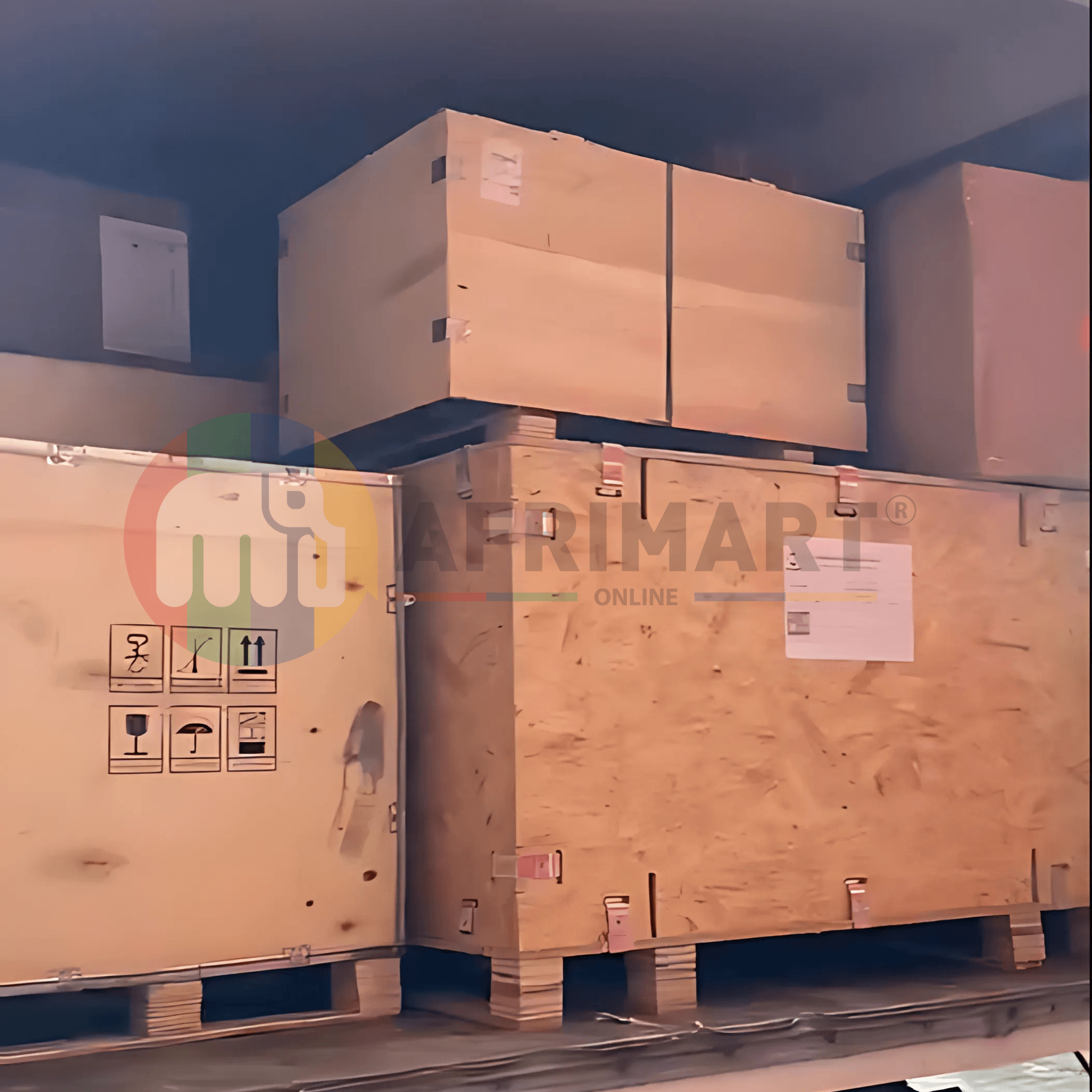
wheel alignment machines
new arrivals
Pre Orders Offloading
Latest Arrivals
Latest Arrivals
Latest Arrivals
26 January 2026
Toilet paper making machine
Toilet paper making machine
Toilet paper Rewinding Machine
latest arrivals
offloading
order success
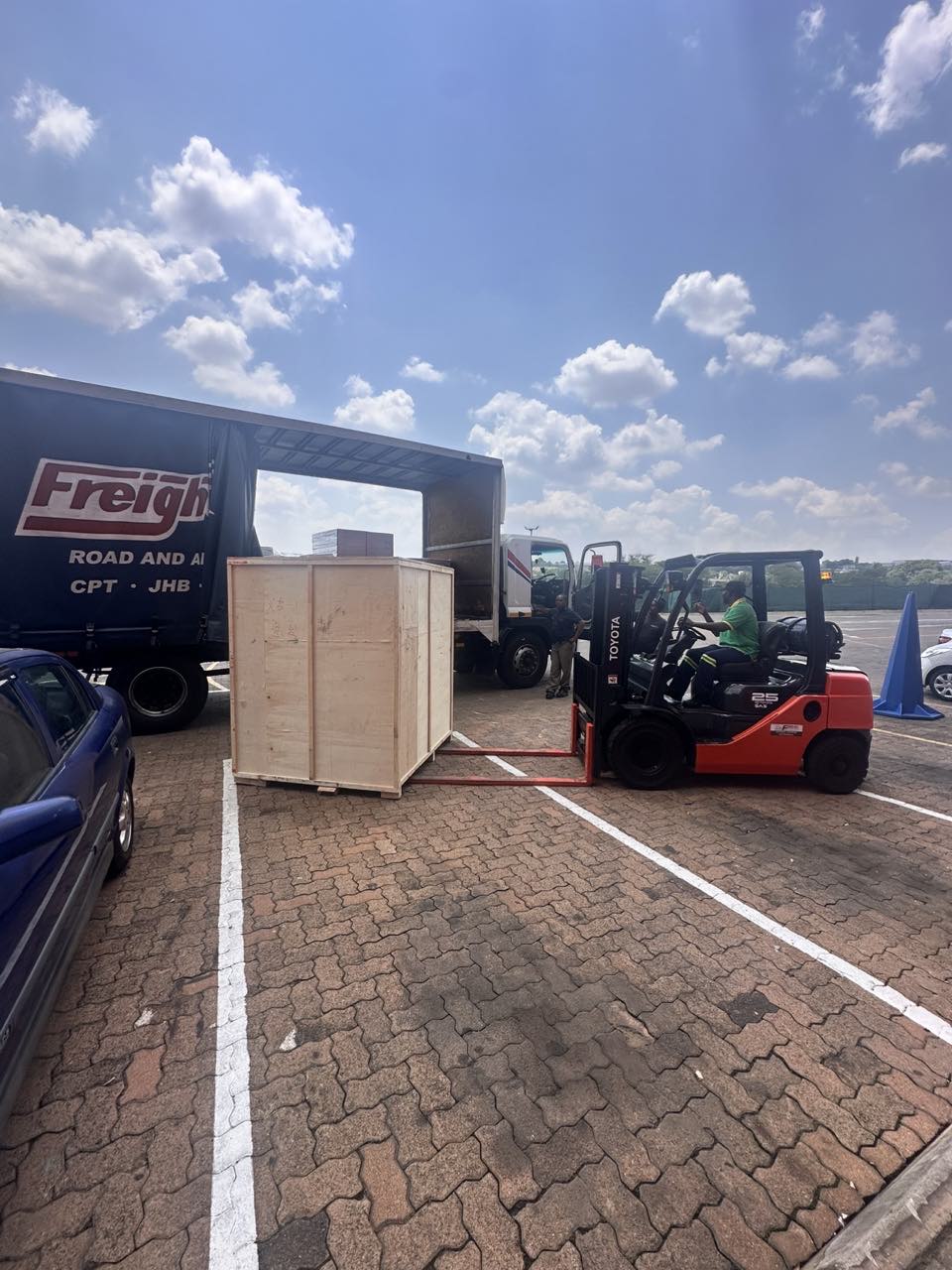
order collection
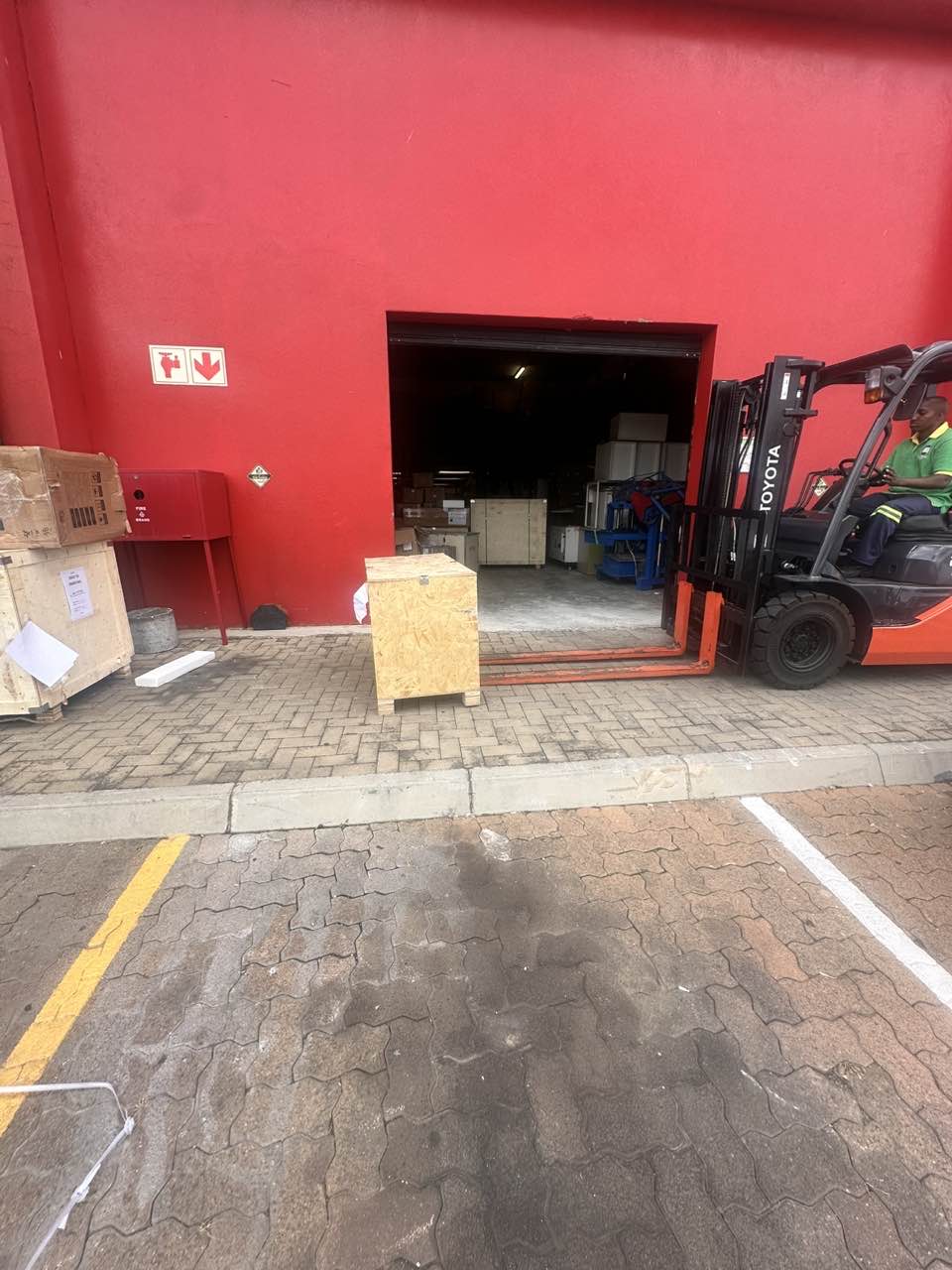
order offloading