B21, China Town Mall, Midrand

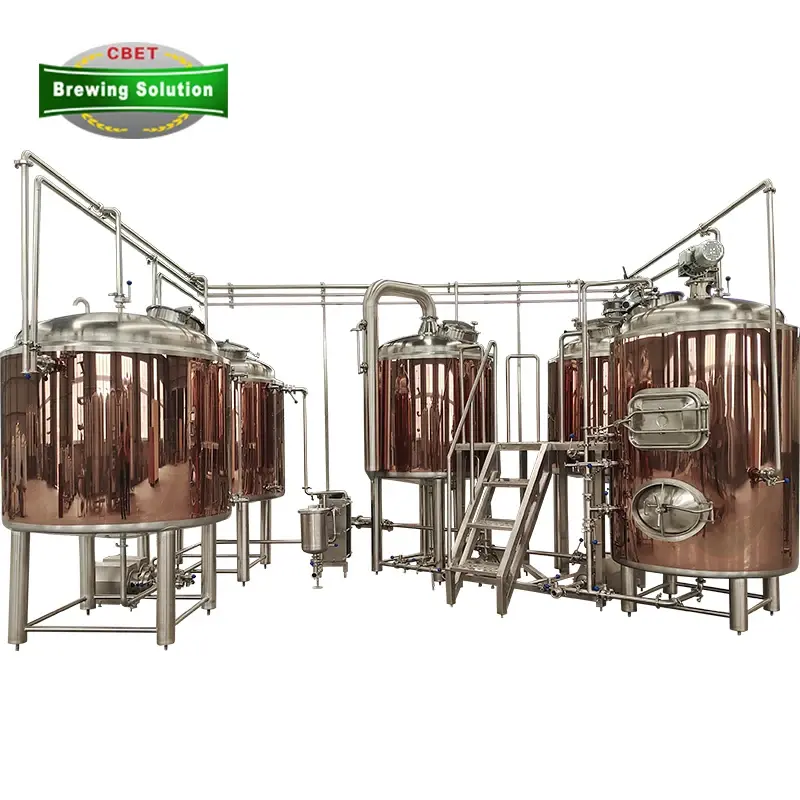
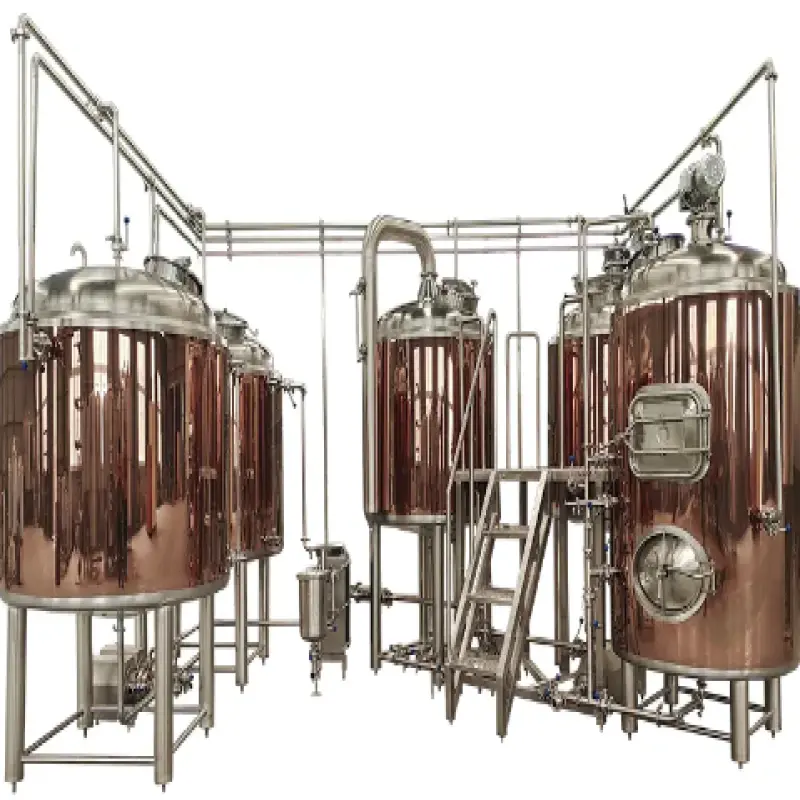
500l 1000l 2000l Craft Nano Beer Brewery System Brewing Machine
Asset finance available
Do you want funding for this equipment?
Afrimart can connect you with trusted funding partners who specialise in asset finance for businesses like yours. Compare options and apply in minutes — final approval is subject to provider review.
Check funding options
Secure & no obligation
- Section : Machinery
- Category : Food & Beverage Machinery
- SKU : 60731475667

500l 1000l 2000l Craft Nano Beer Brewery System Brewing Machine
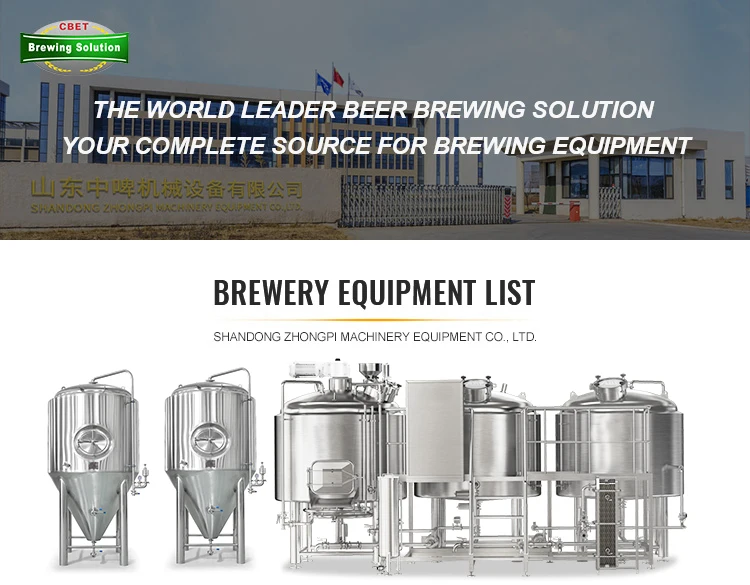
| Effective volume | 500L | 800L | 1000L | 1500L | 2000L | 2500L | 3000L |
| Total volume | 650L | 1050L | 1300L | 1950L | 2600L | 3250L | 3900L |
| Size(mm) | 1160*2200 | 1260*2200 | 1460*2500 | 1560×2620 | 1760×2620 | 2160×2620 | 2200×3300 |
| Material | SUS304/SUS316/red Copper | ||||||
| Heating method | Electric/Steam/Direct Fire Heating | ||||||
| Control system | PLC Simens or PID Schneider/ABB brand | ||||||
| Heating area | 1.7㎡ | 2㎡ | 2.7㎡ | 3㎡ | 3.5㎡ | 4.7㎡ | 5.2㎡ |
| Power | 35-120Kw Depends On The Size | ||||||
| Voltage | 3 Phase/380(220, 415,480…)v/50(60)Hz; Single Phase/220(110, 240…)v/50(60)Hz | ||||||
| Brewing batch | 6-12 Brew/Week | ||||||
| Work pressure | Inner Jacket 0.4MPa; Cooling Jacket 0.5Mpa | ||||||
| Design pressure | Inner Jacket 0.2MPa; Cooling Jacket 0.3Mpa | ||||||

- Shipping Timeframes: All orders are processed within 2-5 business days (excluding weekends and holidays). After your order has been processed, the estimated delivery time is before 06 Aug, 2026, depending on customs, Please note that due to high demand, some items may experience longer shipping times, which will be communicated at order confirmation email.
- Order Processing Time: Please allow 2-5 business days for us to process your order before it is shipped . Orders placed after 16:00 on Fridays, or during weekends and public holidays, will begin processing on the next business day. Processing times may be extended during peak seasons or sales events.
- Manufacturing Time: Some products needs manufacturing time, the manufacturing process will take approximately 10-30 business days depending on the product. This timeframe may vary depending on the complexity of the product and current demand. but this will be communicated with you during order confirmation.
- Returns and Exchanges: We offer a 30-day return policy for most items. If you are not completely satisfied with your purchase, you may return it within 30 days of receipt for a refund or exchange. Items must be unused, in their original packaging, and accompanied by proof of purchase. Return shipping costs are the responsibility of the customer, unless the item was damaged or defective upon arrival.
1. What model sizes and capacities are available for this brewery system?
Available effective volumes: 500L, 800L, 1000L, 1500L, 2000L, 2500L and 3000L. The product listing highlights 500L, 1000L and 2000L models but other sizes are available.
2. What is the difference between effective volume and total volume?
Effective volume is the usable brewing capacity. Total volume is the vessel's overall volume including headspace and jacket. Example mappings: 500L effective → 650L total; 800L → 1050L; 1000L → 1300L; 1500L → 1950L; 2000L → 2600L; 2500L → 3250L; 3000L → 3900L.
3. What are the physical dimensions for each model?
Dimensions (mm) by effective volume: 500L → 1160×2200; 800L → 1260×2200; 1000L → 1460×2500; 1500L → 1560×2620; 2000L → 1760×2620; 2500L → 2160×2620; 3000L → 2200×3300.
4. What materials are used to manufacture the tanks?
Standard material options are stainless steel SUS304 or SUS316, and red copper. SUS316 offers improved corrosion resistance; copper is used in some components for thermal properties and traditional brewing aesthetics.
5. What heating methods are supported?
Three heating options: Electric, Steam, or Direct Fire. The appropriate method is chosen based on site utilities and brewing preferences.
6. What control systems are available?
Control options include PLC systems (Siemens recommended) for full automation or PID controllers (Schneider/ABB brands) for simpler control of temperature and timing. Systems can be configured to your automation needs.
7. What is the heating surface area for each model?
Heating area by model: 500L → 1.7 m²; 800L → 2.0 m²; 1000L → 2.7 m²; 1500L → 3.0 m²; 2000L → 3.5 m²; 2500L → 4.7 m²; 3000L → 5.2 m².
8. What are the power and electrical requirements?
Power requirement ranges from about 35 kW up to 120 kW depending on model and heating choice. Voltage options include 3-phase (e.g., 380V, also configurable for 220/415/480V) at 50/60Hz, or single-phase options (e.g., 220V, 110V, 240V) on request. Final specifications depend on configuration.
9. What is the expected brewing throughput?
Typical brewing throughput is about 6–12 brews per week. Actual throughput depends on recipe, mash/boil times and fermentation turnaround (fermenter capacity and cycle time).
10. What are the working and design pressures for the jackets?
Specified pressures: working pressure — Inner jacket 0.4 MPa; Cooling jacket 0.5 MPa. Design pressure — Inner jacket 0.2 MPa; Cooling jacket 0.3 MPa. (Please confirm pressure specifications with the supplier before ordering, as site codes and intended use may require different ratings.)
11. Does the system include CIP (clean-in-place) and what are the maintenance requirements?
CIP systems are commonly integrated or offered as an option. Regular maintenance includes routine CIP cycles, inspection of gaskets and seals, periodic calibration of controls, and checking heating elements/steam lines. Ask the supplier for recommended CIP setup and maintenance schedule for your model.
12. What are the site and installation requirements?
Requirements vary by configuration but typically include adequate floor loading capacity, access for delivery, sufficient electrical supply (3-phase or single phase per config), drainage, ventilation and, if applicable, a steam source. Confirm exact utility and space requirements with the vendor before purchase.
13. Can the system be customized and are spare parts available?
Yes — materials, control systems, heating method and other options can be customized to your needs. The manufacturer/supplier usually stocks spare parts for key components; request a parts list and lead times when ordering.
14. What is the typical lead time and warranty?
Lead time and warranty vary by model, configuration and supplier. Contact the seller for current lead times, delivery schedules and warranty/after‑sales service terms tailored to your selected configuration.
15. Are certifications available (CE, ASME, etc.) and can the system meet local regulations?
Many manufacturers can supply equipment to meet specific certifications and local codes. If you require CE, ASME or other compliance documentation, state this when requesting a quote so the vendor can confirm certification availability and necessary documentation.
Latest Order Arrivals
Discover our latest orders
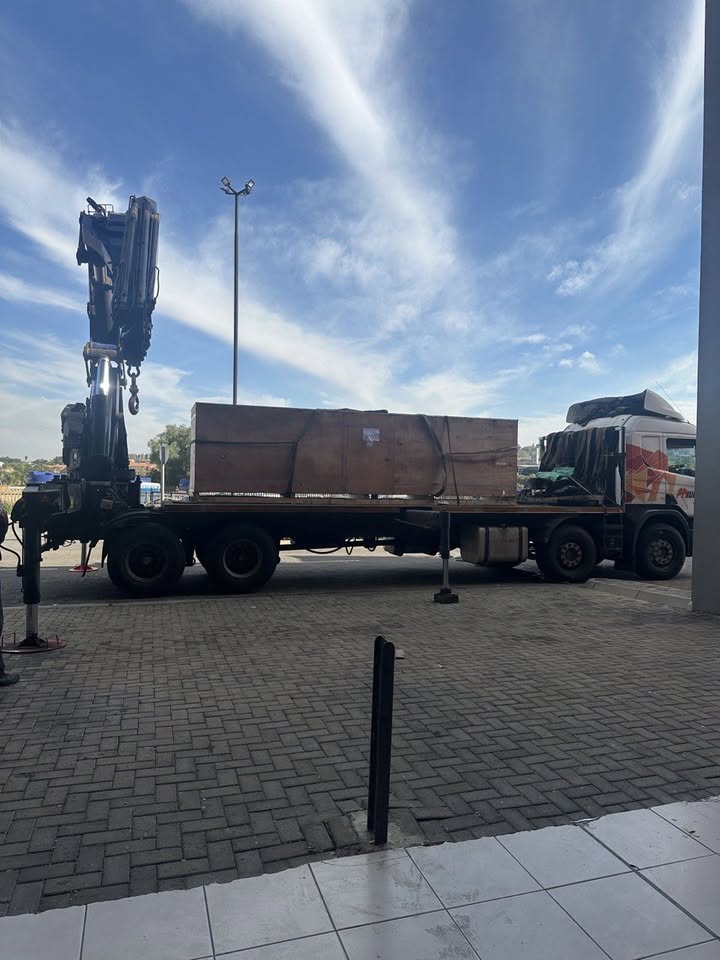
12 Heads Embroidery Machine
Toilet Paper Machine Machine
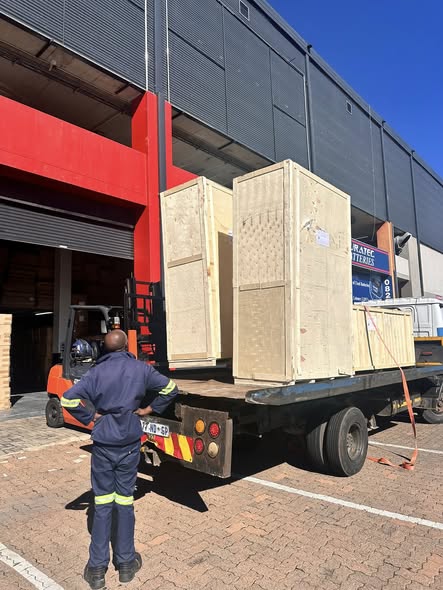
Order Collection
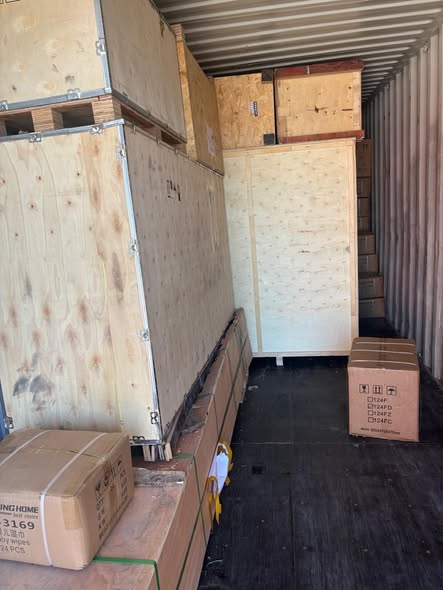
Cross Border Clients
Order cros border countries Collected
Industrial Machine Cllection
Agriculture Processing Machines
Ready for collection
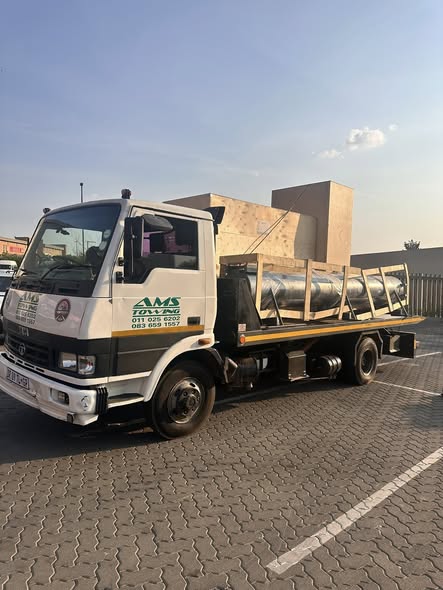
Water Pump Equipment
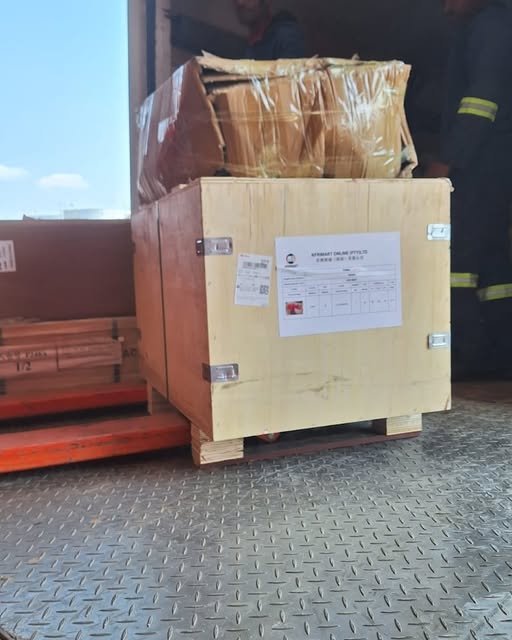
Packaging Machine and accessories
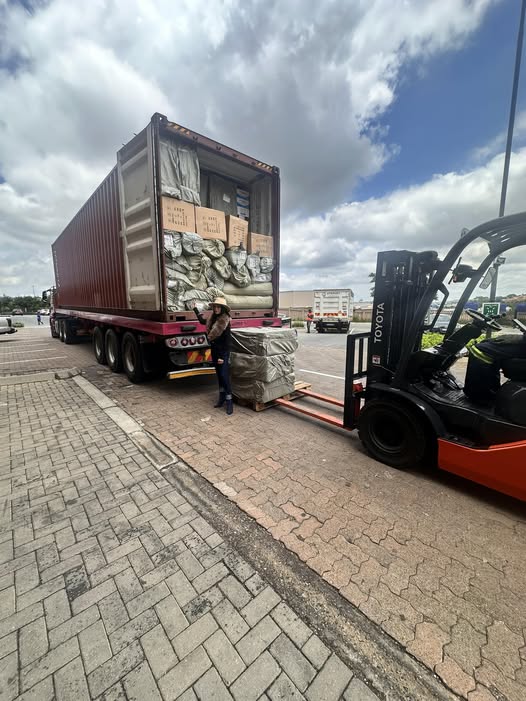
Fabrics Manufacturing Equipment
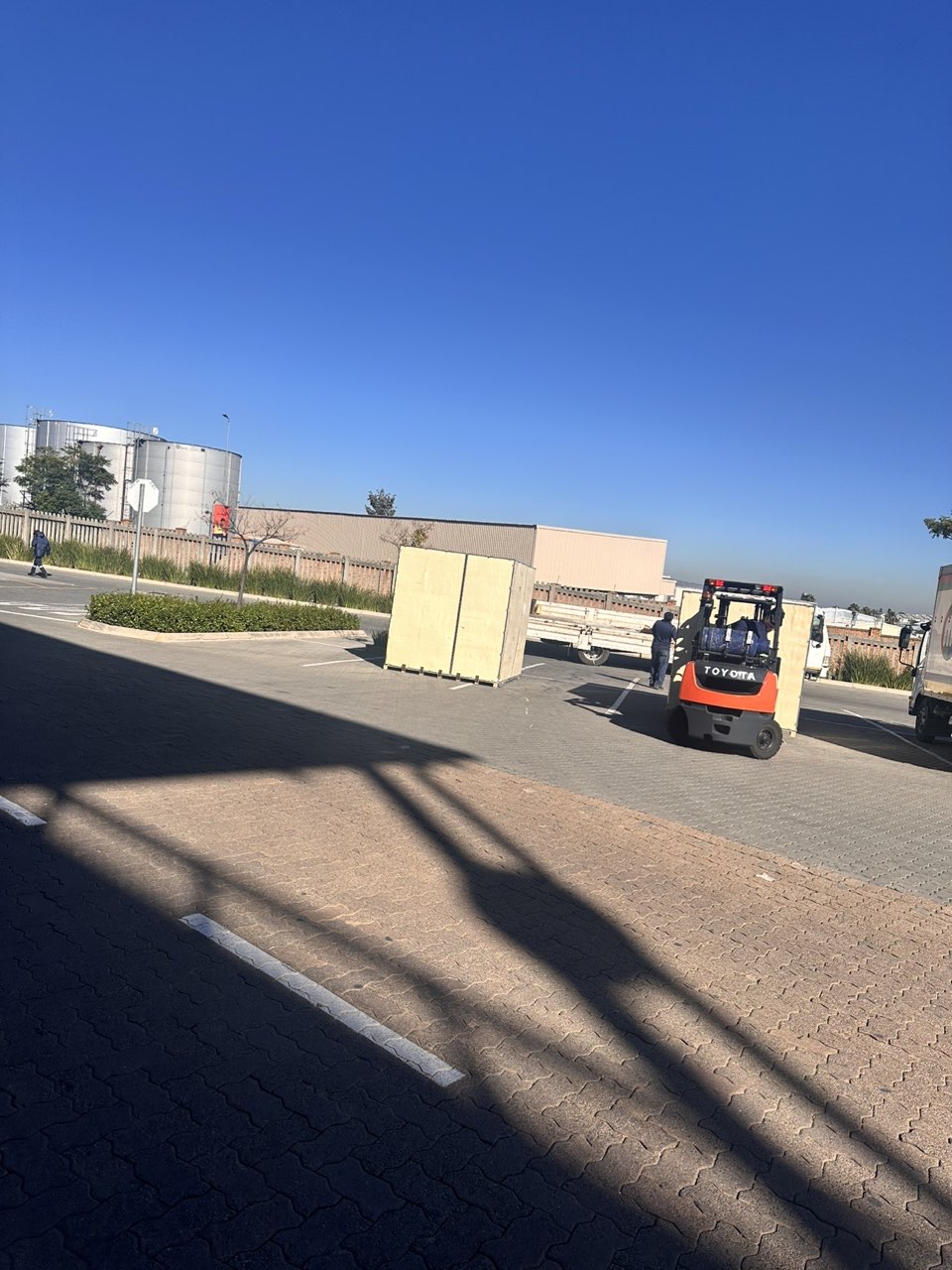
Mining Equipments
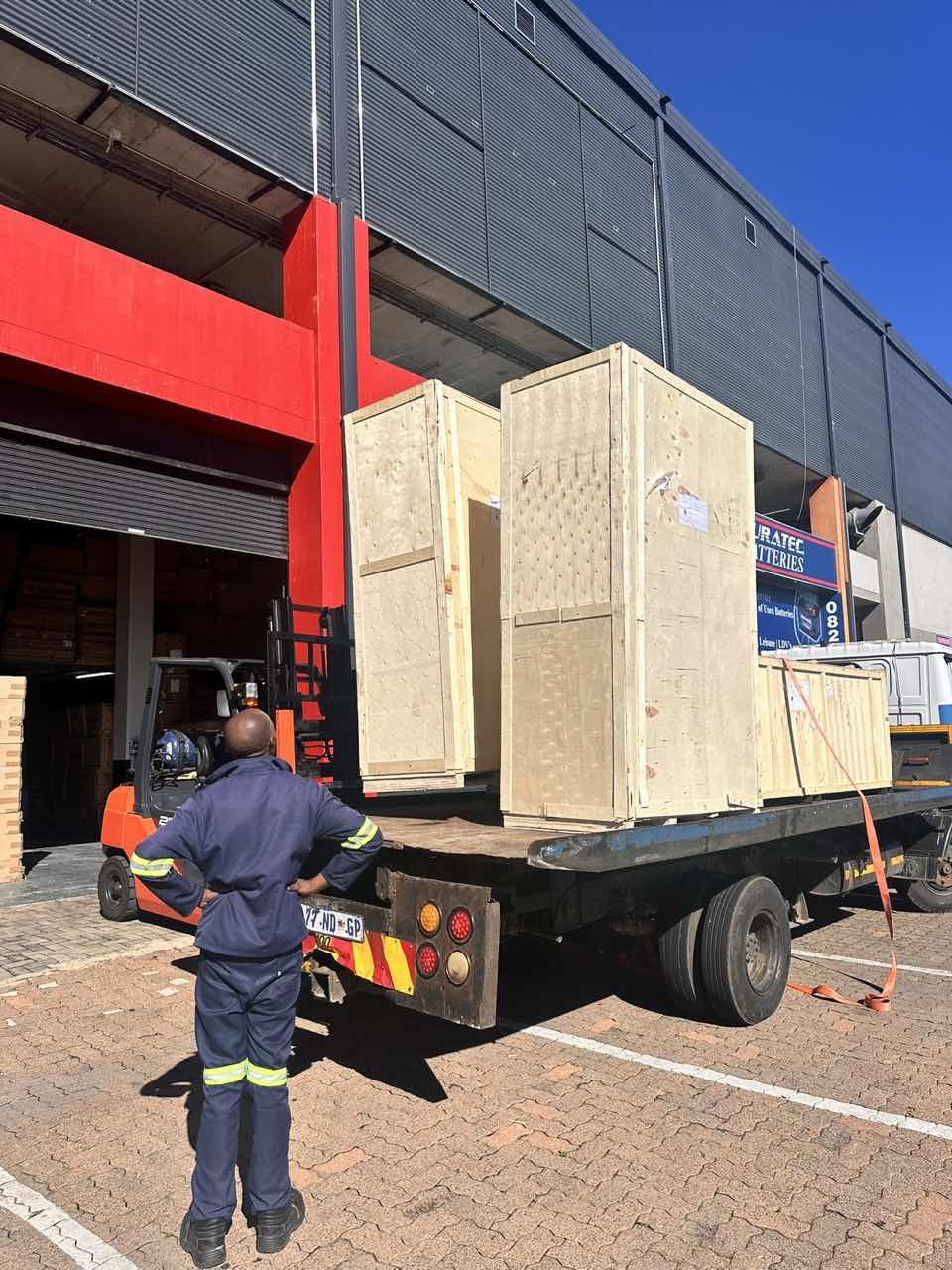
Food Processing Machine
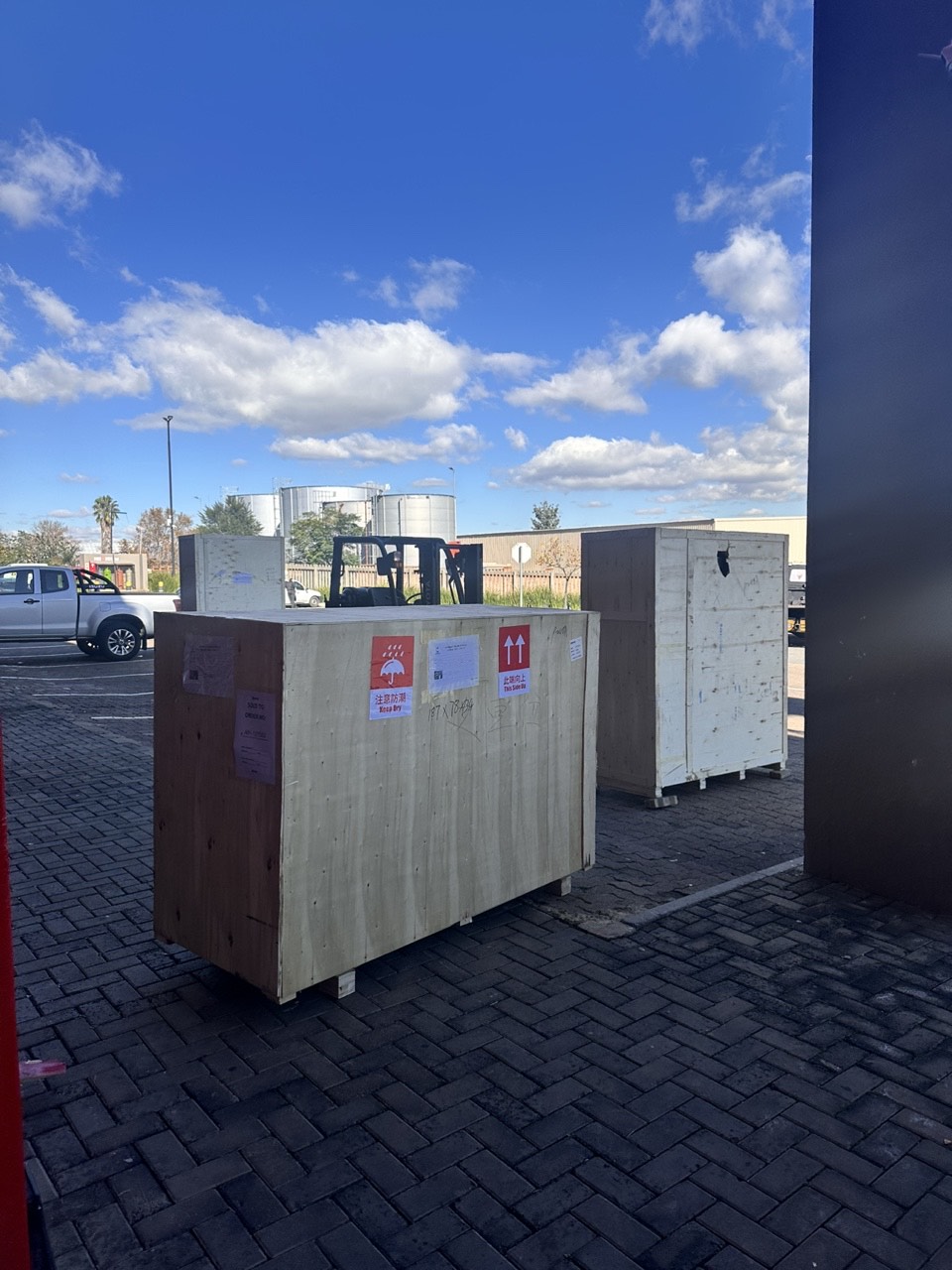
Batch of Orders
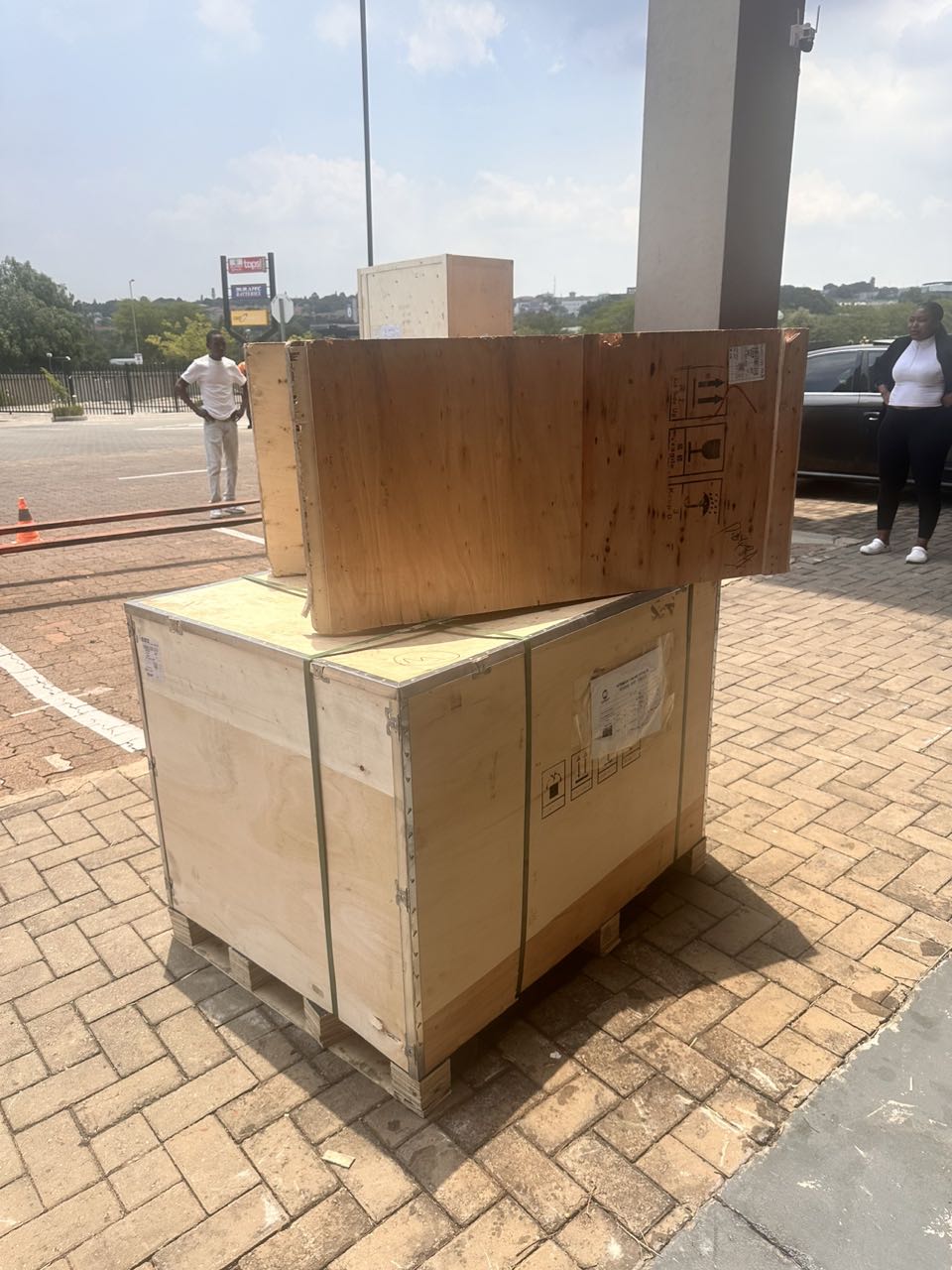
Batch of Orders
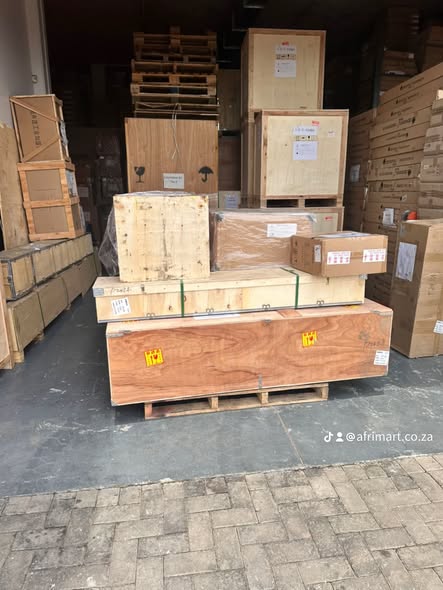
Latest Orders Labelled
wheel alignment machines
new arrivals
Pre Orders Offloading
Latest Arrivals
Latest Arrivals
Latest Arrivals
Loading
Toilet paper making machine
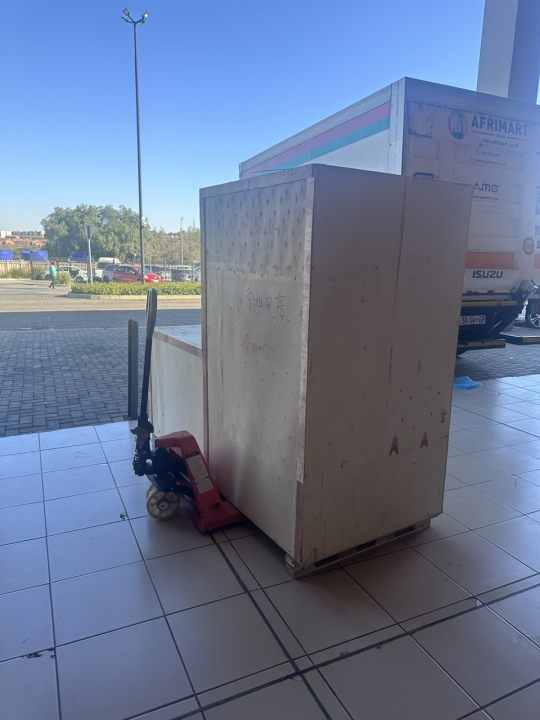
Toilet paper making machine
Toilet paper Rewinding Machine
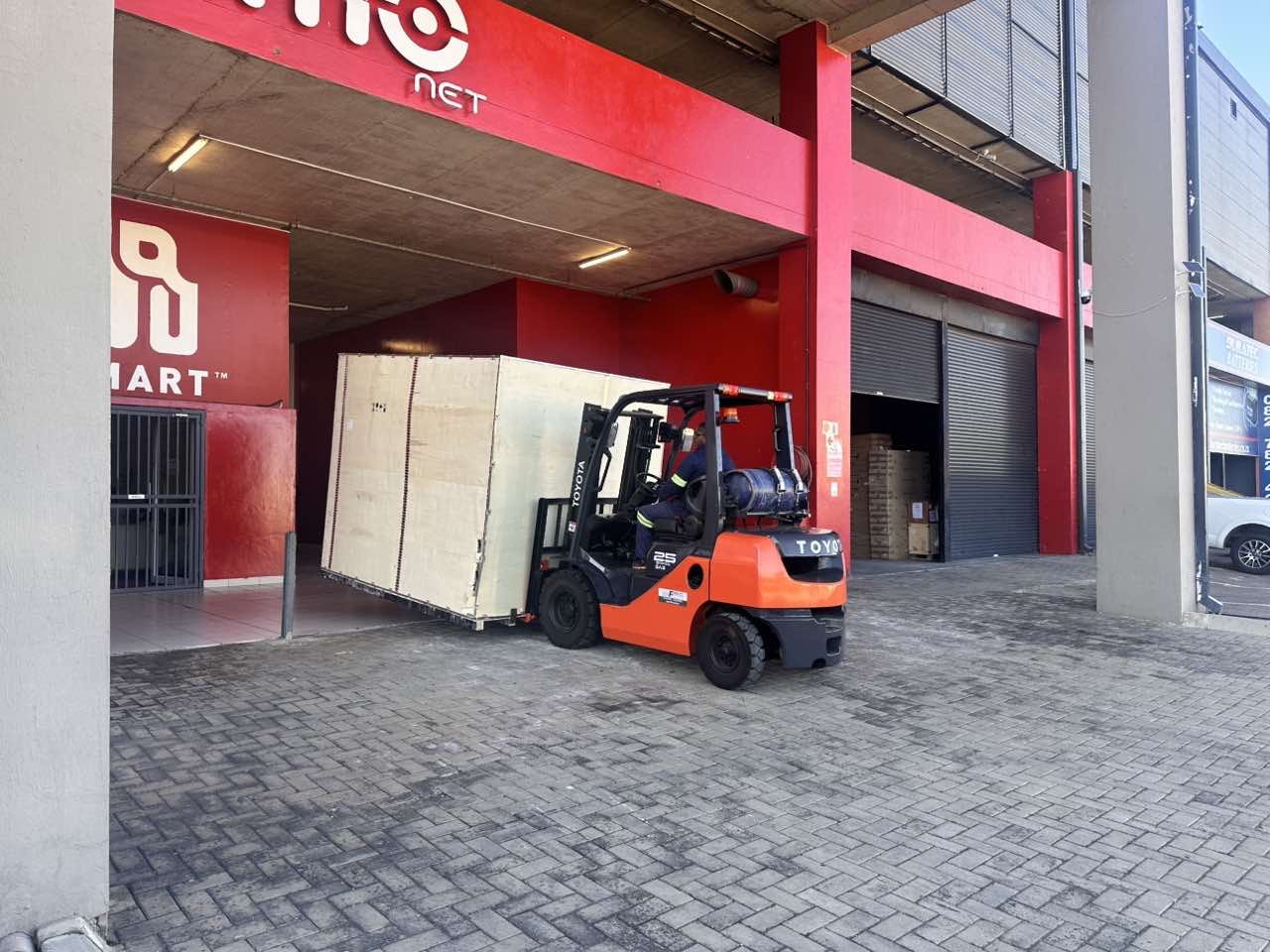
latest arrivals
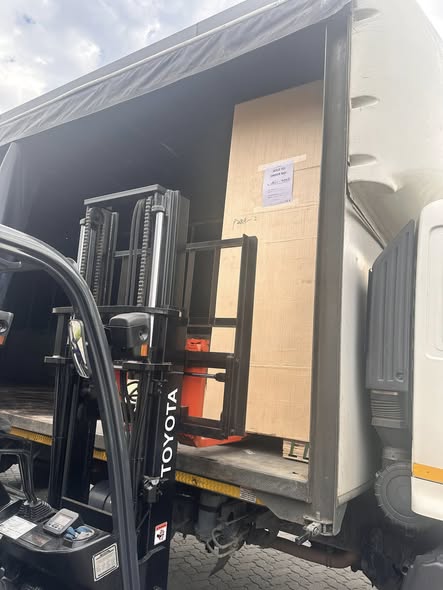
offloading
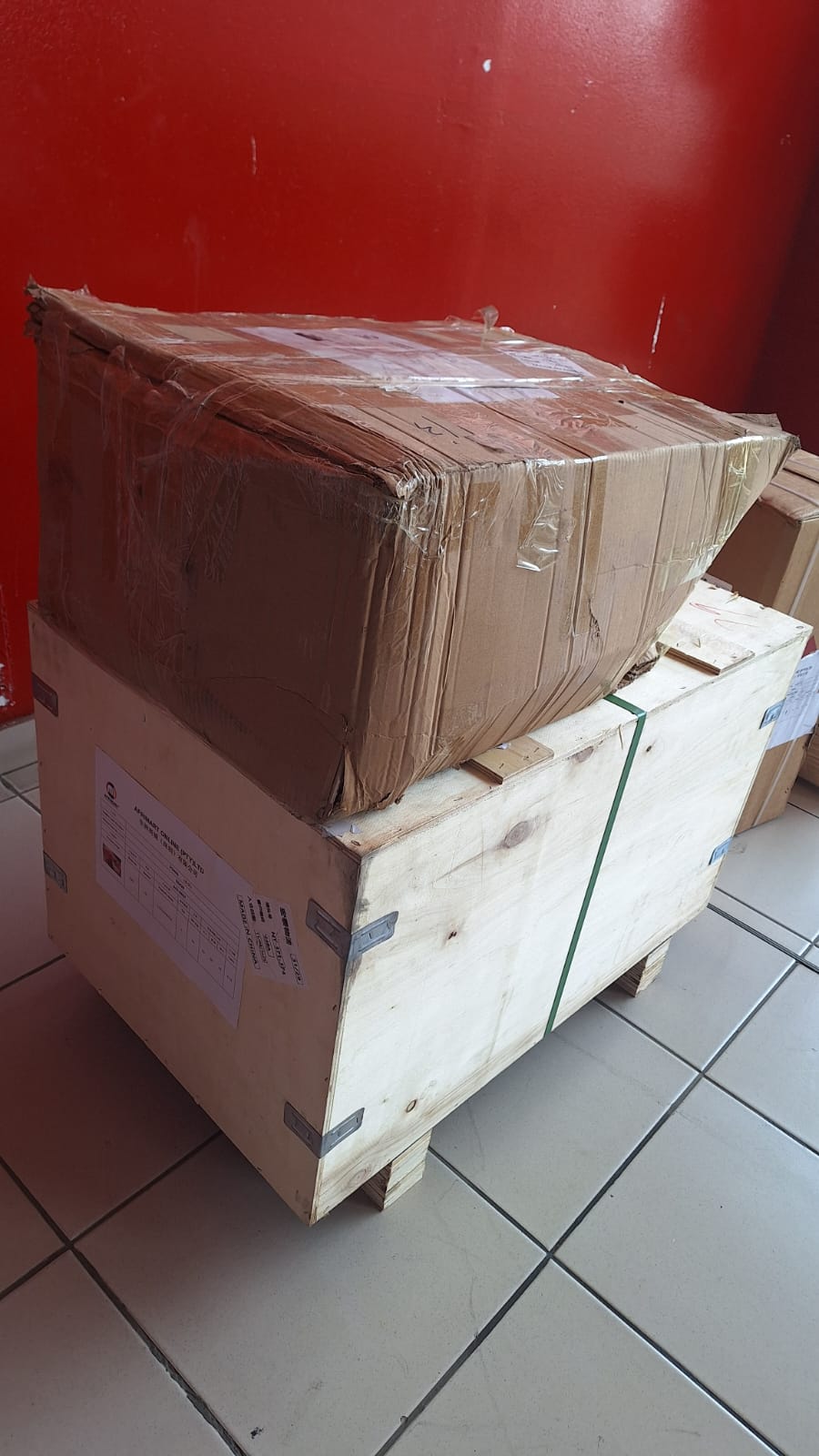
order success
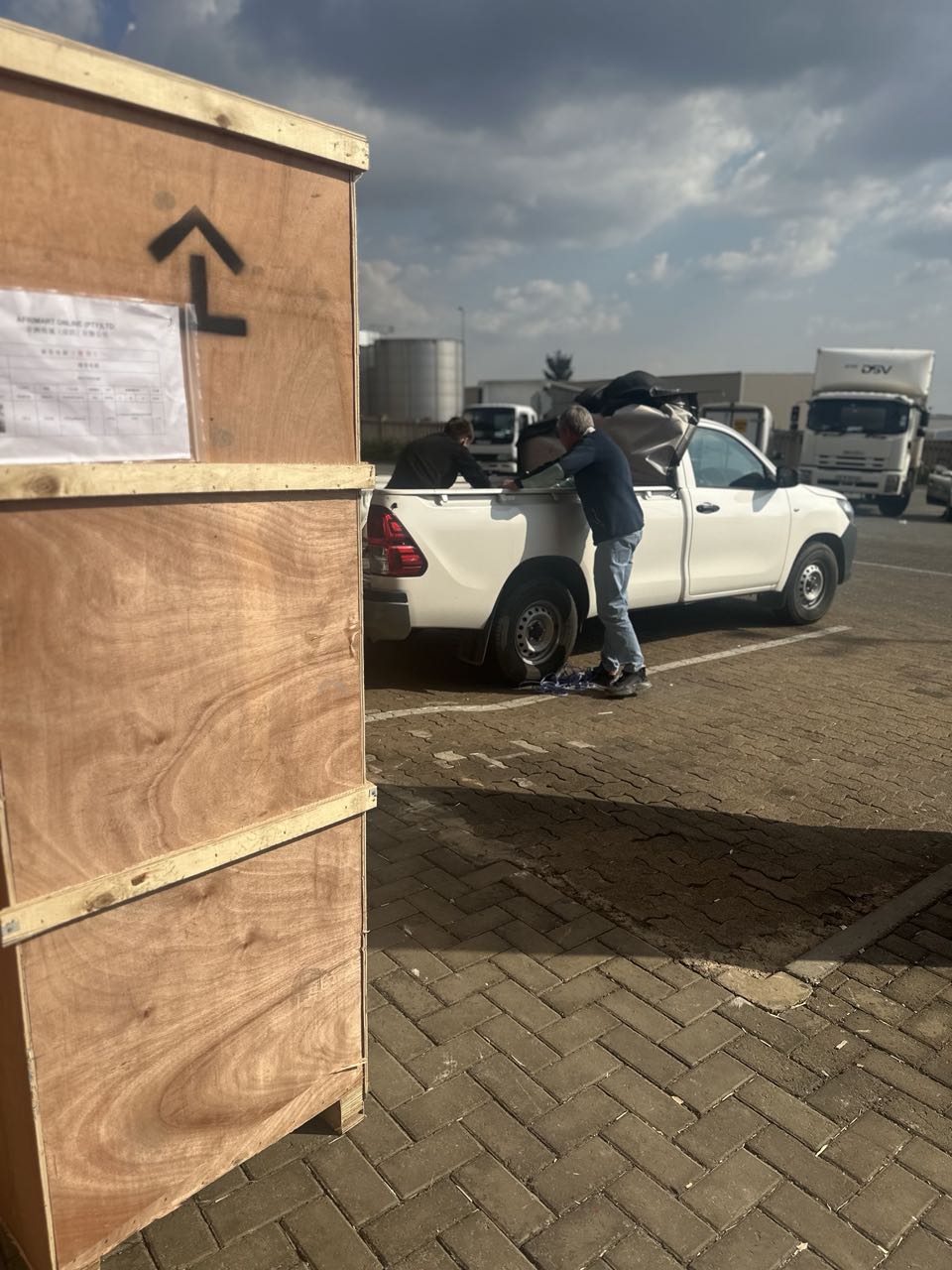
order collection
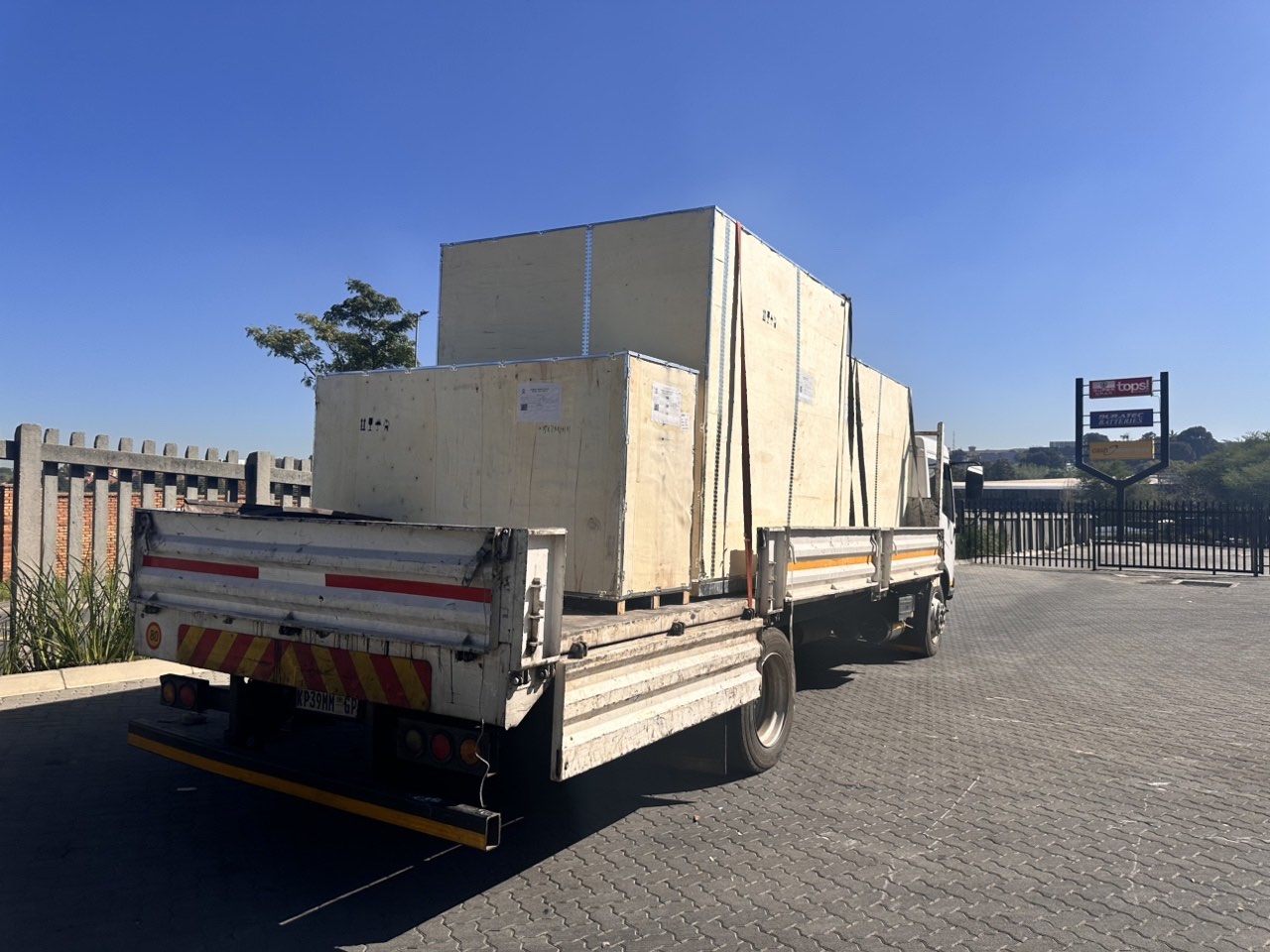
order offloading