B21, China Town Mall, Midrand



Product Description
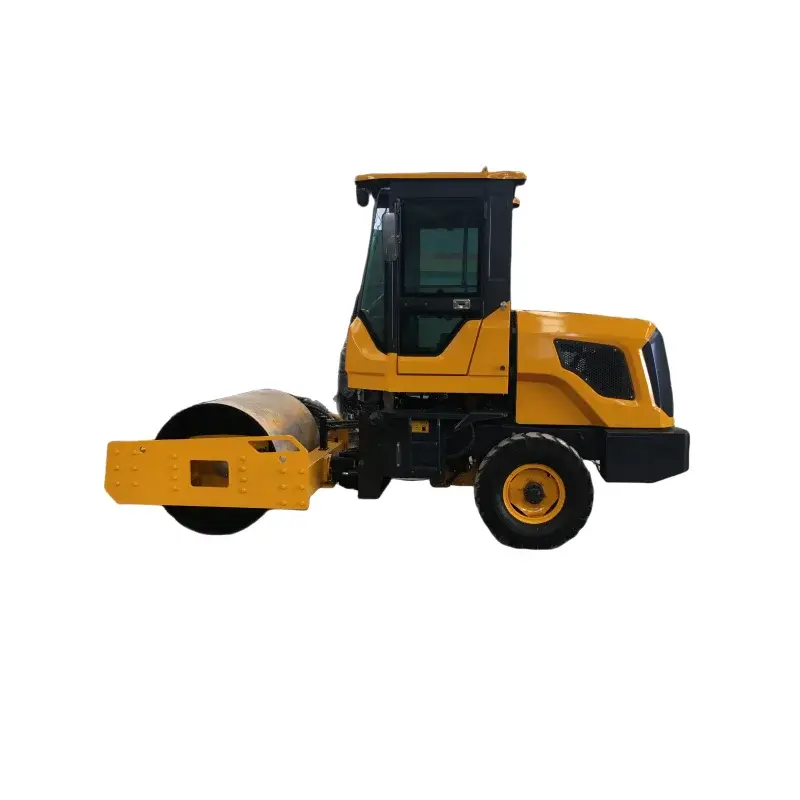
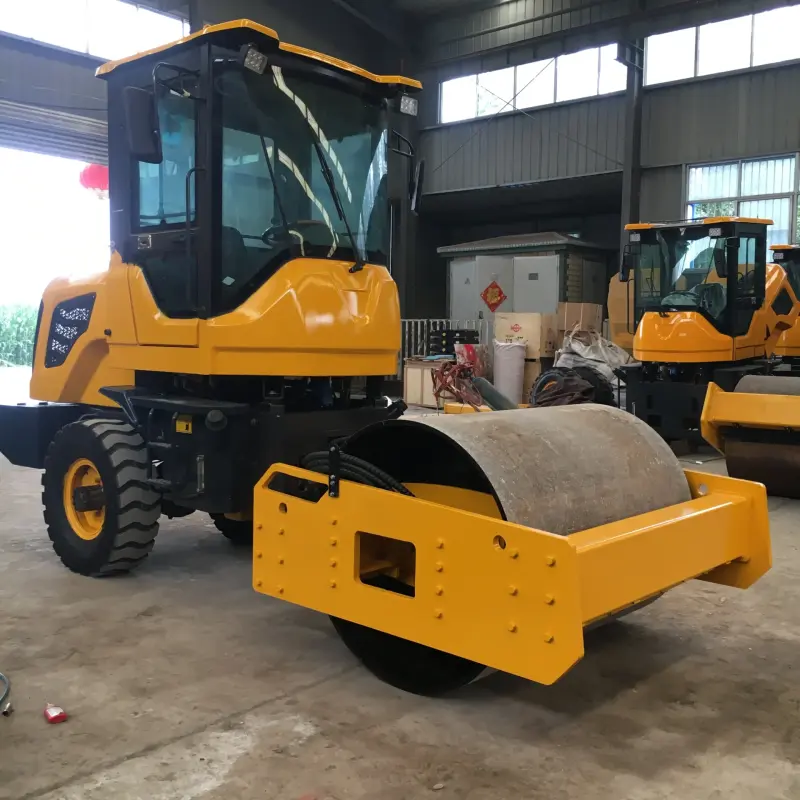
Vibratory roller is mainly used for compacting asphalt, sand and gravel. It is also used for school track compaction and lawn leveling. This is the latest model of lightweight roller in the world.
The 5-ton full hydraulic roller is a double-drum vibratory roller.It adopts advanced technology, so it has strong power and superior performance.
It is composed of frame, front wheel, rear wheel, power system, control system, hydraulic system, electrical system, sprinkler system, mud scraping system, paint and marking, roll cage and other parts.
It use two-wheel drive, the front wheel is a steering wheel, and the rear wheel is a vibrating wheel. The operation is more convenient. The frame adopts an articulated frame structure, and the width of the steel wheel is larger than that of the fuselage, so it can be compacted as close as possible to the curb without pressure leakage or damage.
The transmission efficiency of the hydraulic system is high, and the driving is safe and reliable.
- Shipping Timeframes: All orders are processed within 2-5 business days (excluding weekends and holidays). After your order has been processed, the estimated delivery time is before 21 Jul, 2026, depending on customs, Please note that due to high demand, some items may experience longer shipping times, which will be communicated at order confirmation email.
- Order Processing Time: Please allow 2-5 business days for us to process your order before it is shipped . Orders placed after 16:00 on Fridays, or during weekends and public holidays, will begin processing on the next business day. Processing times may be extended during peak seasons or sales events.
- Manufacturing Time: Some products needs manufacturing time, the manufacturing process will take approximately 10-30 business days depending on the product. This timeframe may vary depending on the complexity of the product and current demand. but this will be communicated with you during order confirmation.
- Returns and Exchanges: We offer a 30-day return policy for most items. If you are not completely satisfied with your purchase, you may return it within 30 days of receipt for a refund or exchange. Items must be unused, in their original packaging, and accompanied by proof of purchase. Return shipping costs are the responsibility of the customer, unless the item was damaged or defective upon arrival.
1. What is the 5 Ton Road Roller used for?
The 5 Ton Road Roller is a vibratory roller used for compacting asphalt, sand and gravel. It is also suitable for school track compaction, lawn leveling and other light-to-medium civil works where uniform compaction is required.
2. What does 'full hydraulic double-drum vibratory roller' mean?
Full hydraulic means the drive and vibration functions are powered through a hydraulic transmission for smooth, efficient control. Double-drum refers to the twin-drum configuration (front and rear drums) that provides uniform compaction. In this model the front drum/ wheel provides steering and compaction while the rear drum is the primary vibrating drum.
3. What materials and applications is this roller best suited for?
It is designed for compacting asphalt, crushed stone, sand, gravel and similar granular materials. Typical applications include road and pavement compaction, base layer consolidation, track surfacing at schools and athletic fields, and lawn/landscape leveling.
4. What are the main components of the machine?
Key components include the frame with articulated joint, front wheel (steering), rear vibrating wheel, power (engine) system, control system, hydraulic system, electrical system, sprinkler/water system, mud-scraping system, paint and marking, roll cage, and other support parts.
5. How does the articulated frame and wider steel wheel help with compaction?
The articulated frame improves maneuverability and steering. The steel wheel width is larger than the machine body so the drum can compact close to curbs and edges without overloading or damaging the vehicle body, enabling edge compaction without pressure leakage.
6. What is the purpose of the sprinkler (water) system?
The sprinkler system wets the drum surface to prevent asphalt and fine aggregates from sticking to the drum during compaction. It also helps control dust when compacting granular materials.
7. What does the mud scraping system do?
Mud scrapers keep the drum surfaces free of adhered soil, asphalt and other material. Clean drums ensure consistent contact with the surface and prevent uneven compaction and surface defects.
8. What safety features does the roller have?
This model includes a roll cage (ROPS) for operator protection and a stable hydraulic drive for reliable operation. Operators should also use seat belts, follow the manufacturer's safe-operating procedures, and ensure only trained personnel operate the machine. Confirm additional safety options (lights, horn, emergency stop) with the supplier.
9. What routine maintenance is required?
Perform daily pre-start checks (fluids, filters, hoses, grease points, sprinkler nozzles, scrapers and electrical connections). Regularly check hydraulic oil level and condition, engine oil and coolant, belt tension, and drum scrapers. Keep the sprinkler system and nozzles clean and inspect the roll cage and controls. Follow the detailed intervals in the operator's maintenance manual.
10. What type of engine and fuel does the roller use?
Engine type and fuel are dependent on the specific configuration and market. Many vibratory rollers use diesel engines, but confirm the exact engine model, power rating and fuel type on the official specification sheet or with the supplier.
11. How should the machine be transported?
Transport the roller on a suitably rated low-bed trailer or truck that can carry the 5-ton machine plus any attachments. Secure the roller with appropriate chains or straps to prevent movement. Comply with local transport regulations, ramps and loading equipment ratings.
12. Can the roller compact right up to curbs and edges?
Yes. The drum width is designed to be wider than the fuselage, allowing the roller to compact close to curbs and edges without damaging the machine body or leaving un-compacted edge areas.
13. What should operators know about vibration and noise exposure?
Vibratory rollers produce noise and whole-body vibration. Operators should wear appropriate hearing protection, limit continuous exposure in accordance with occupational safety guidelines, and follow recommended operating practices to minimize excessive vibration and fatigue.
14. How do I get spare parts, service or warranty information?
Contact the machine supplier or manufacturer for spare parts availability, service centers and warranty terms. Keep the machine serial number and purchase documentation handy when requesting parts or warranty service.
15. Where can I find full technical specifications (dimensions, weight, drum width, frequency, amplitude, speed)?
Full technical specifications are provided in the product datasheet or operator manual. Contact the manufacturer or your local dealer to request the detailed specification sheet for the exact model and configuration you are considering.
Latest Order Arrivals
Discover our latest orders
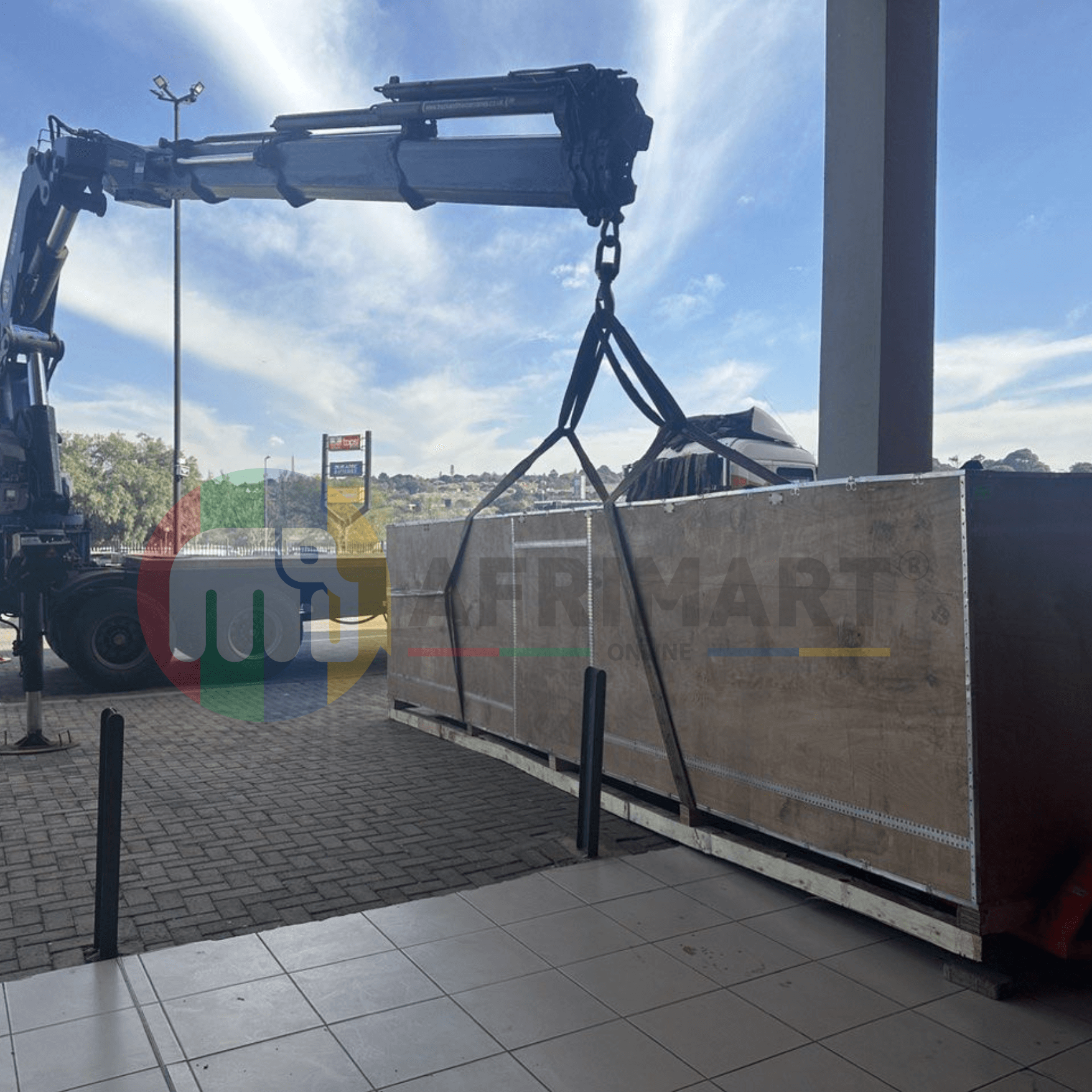
12 Heads Embroidery Machine
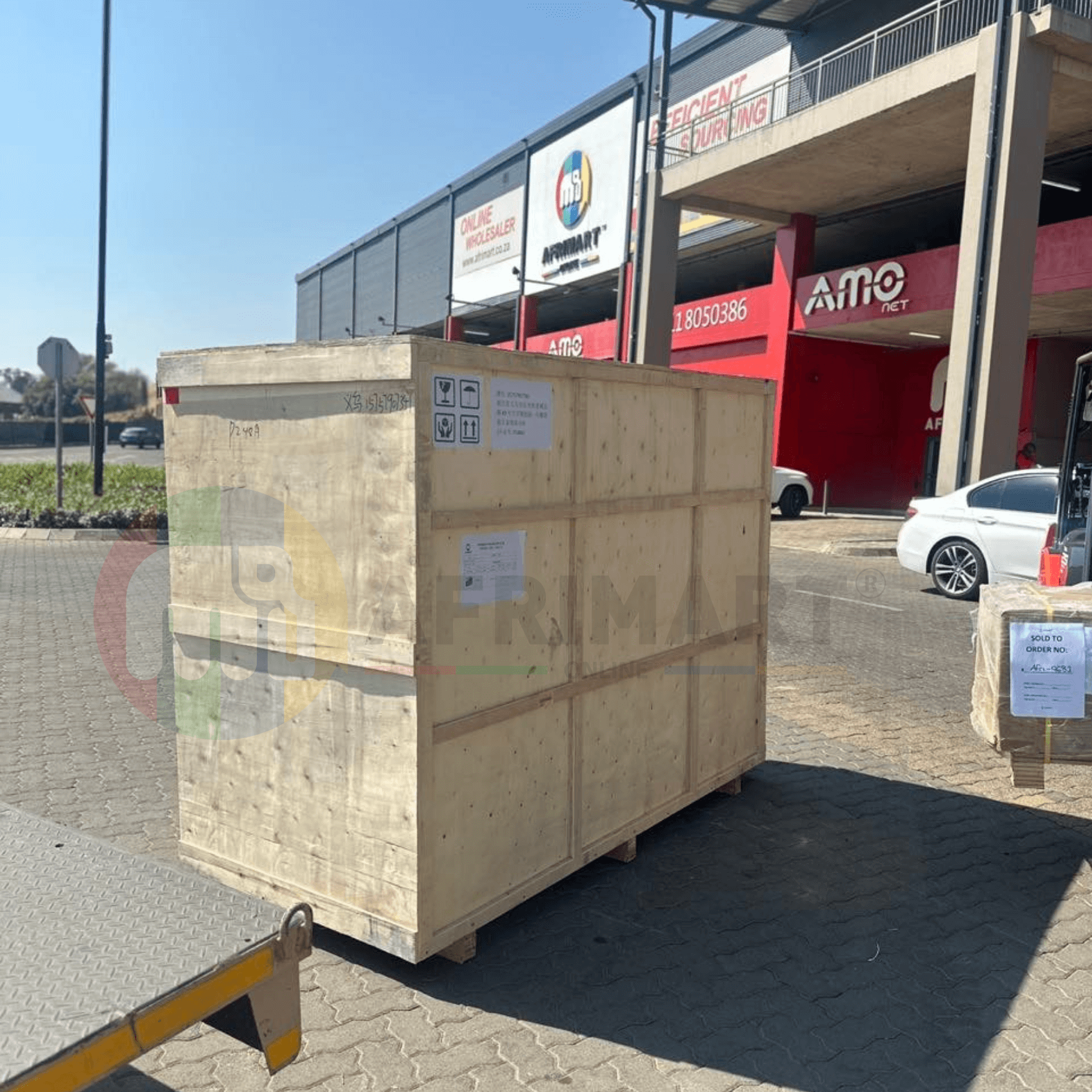
Dewatering Pump Machine
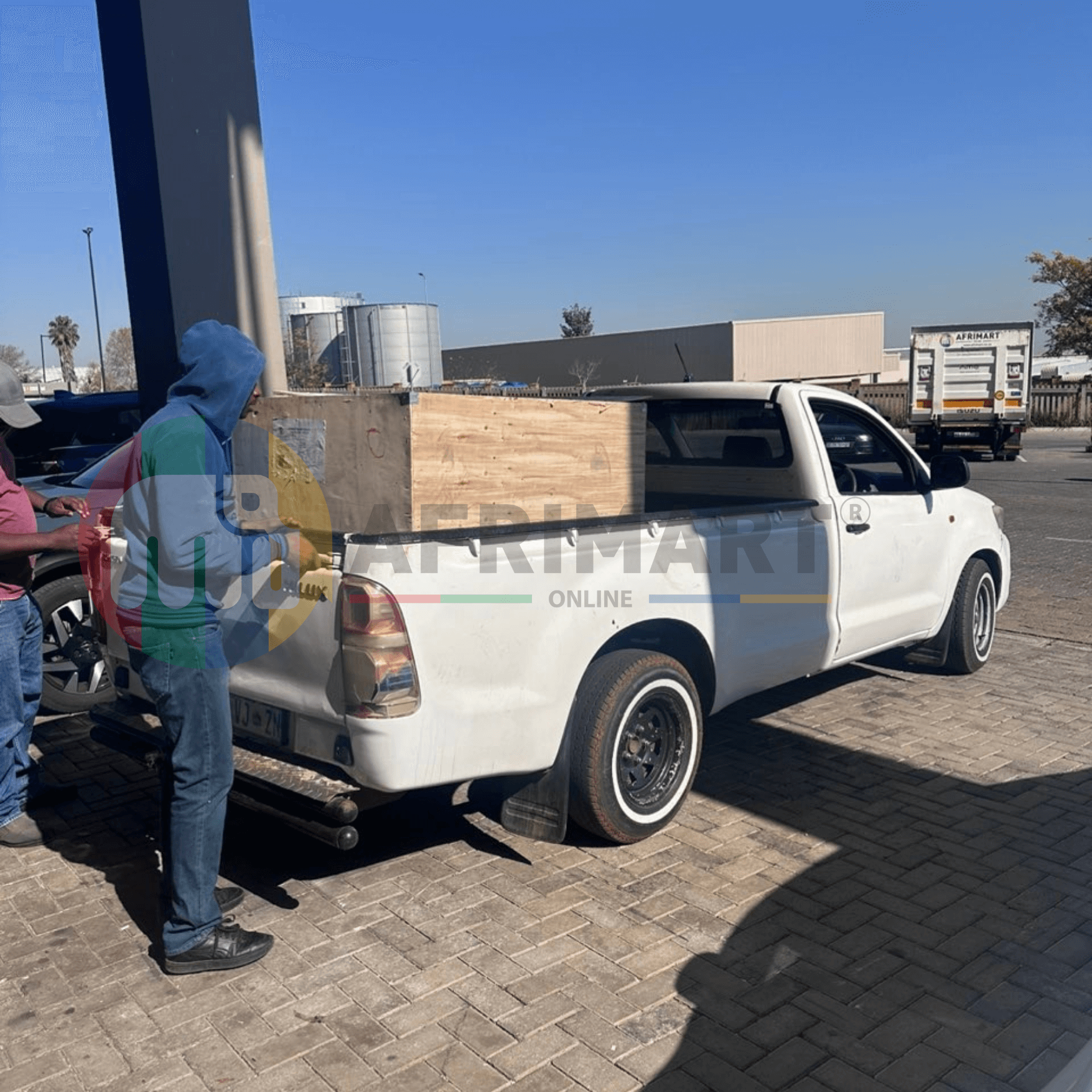
Order Collection
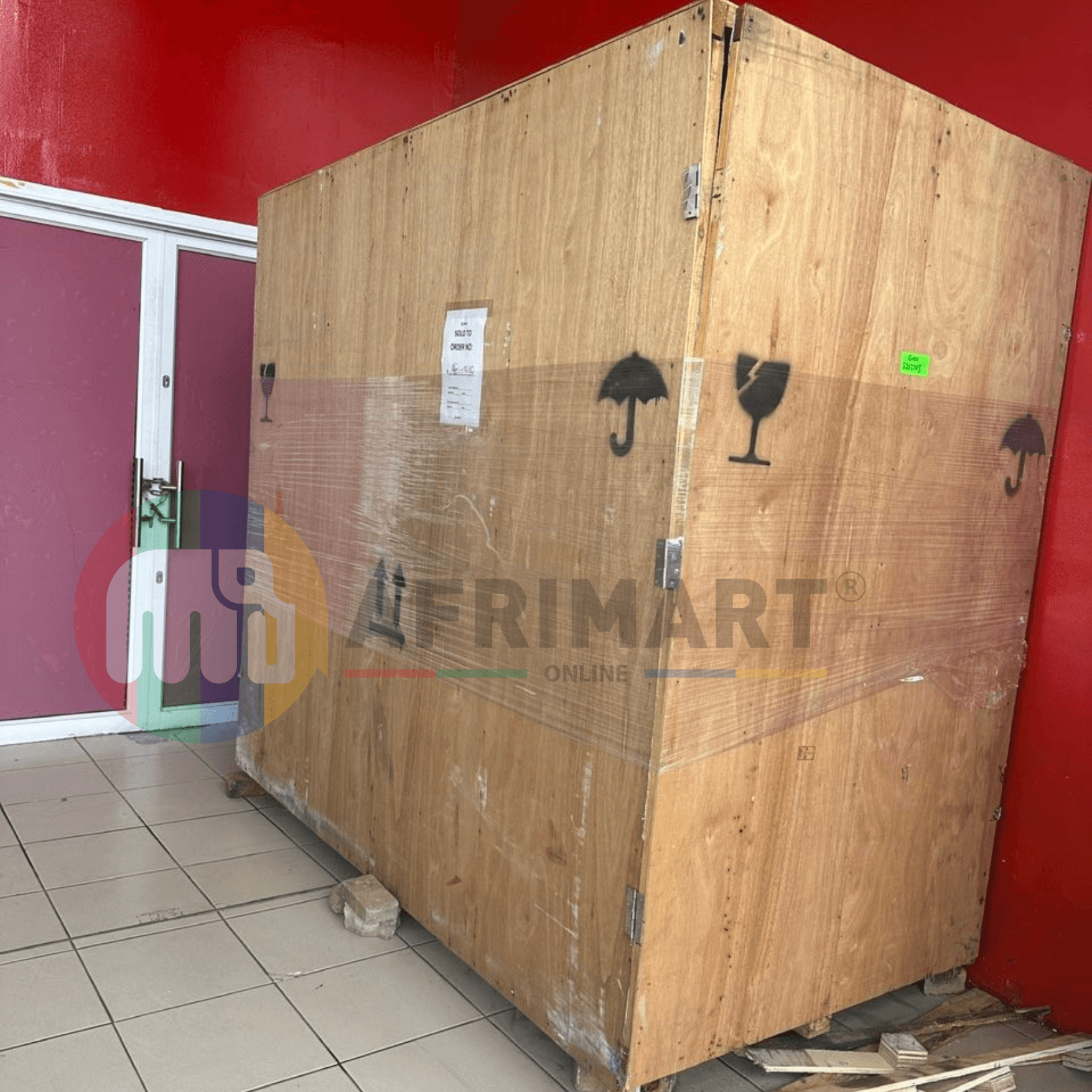
Portable Water Drilling Rig
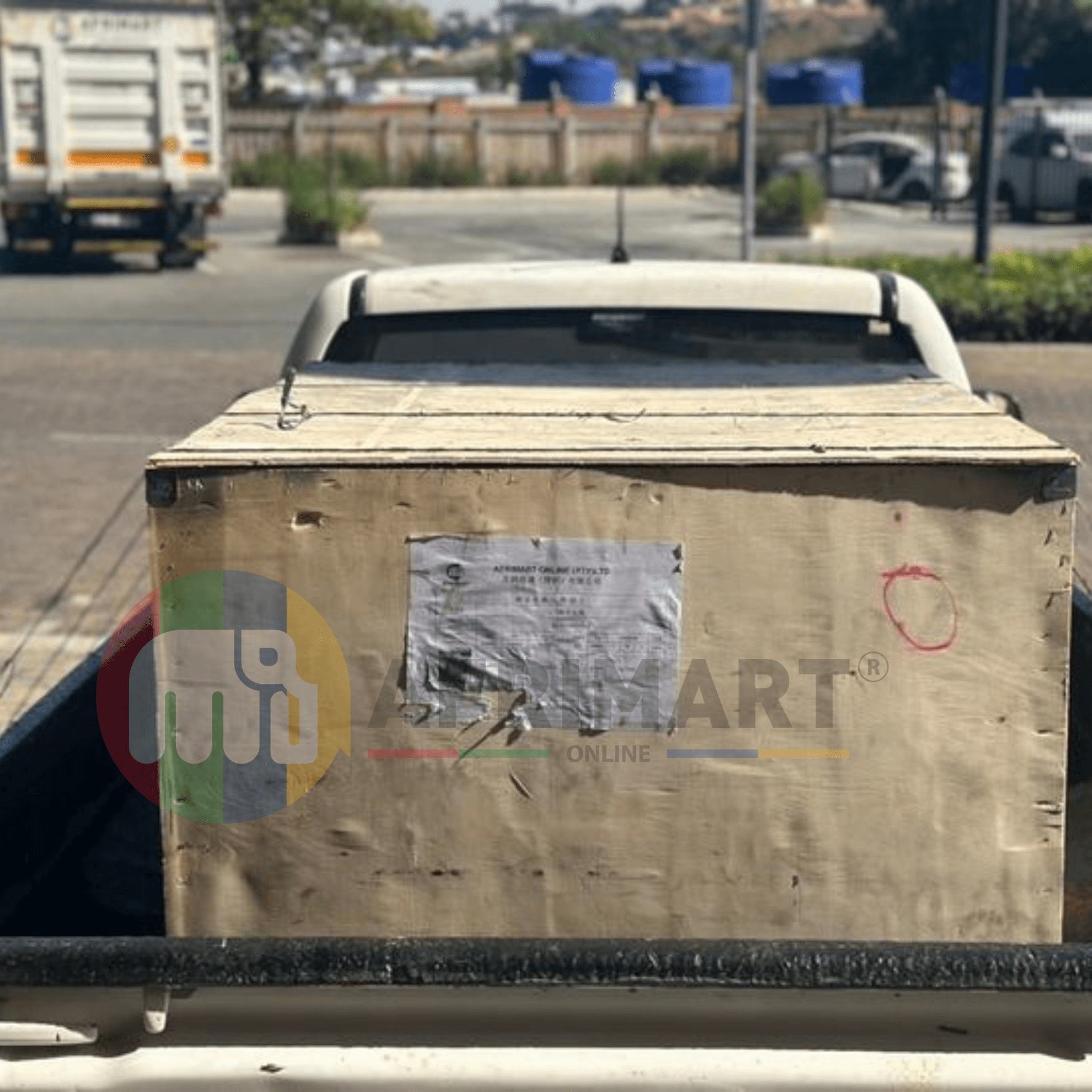
Order Usefully Collected
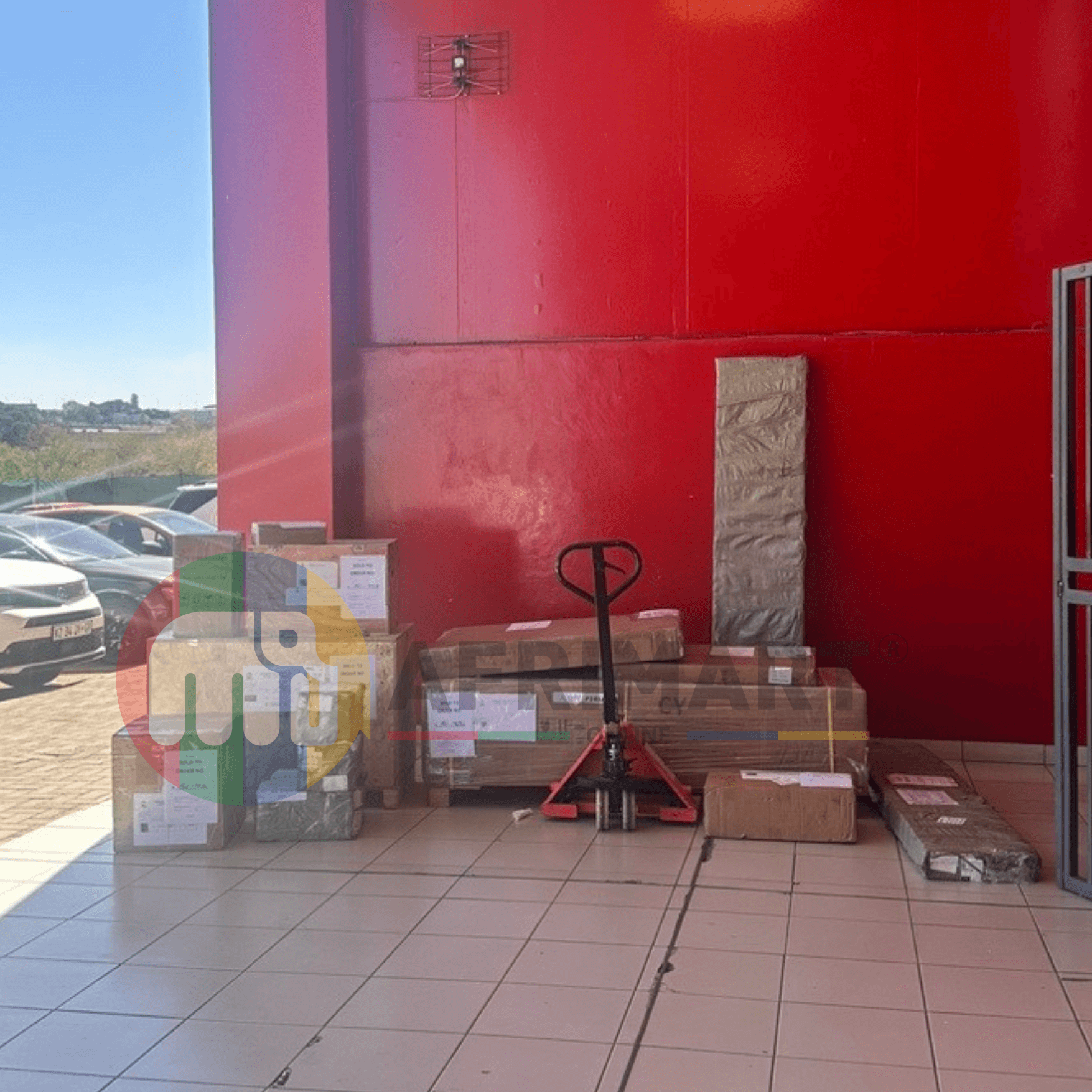
Batch of Orders
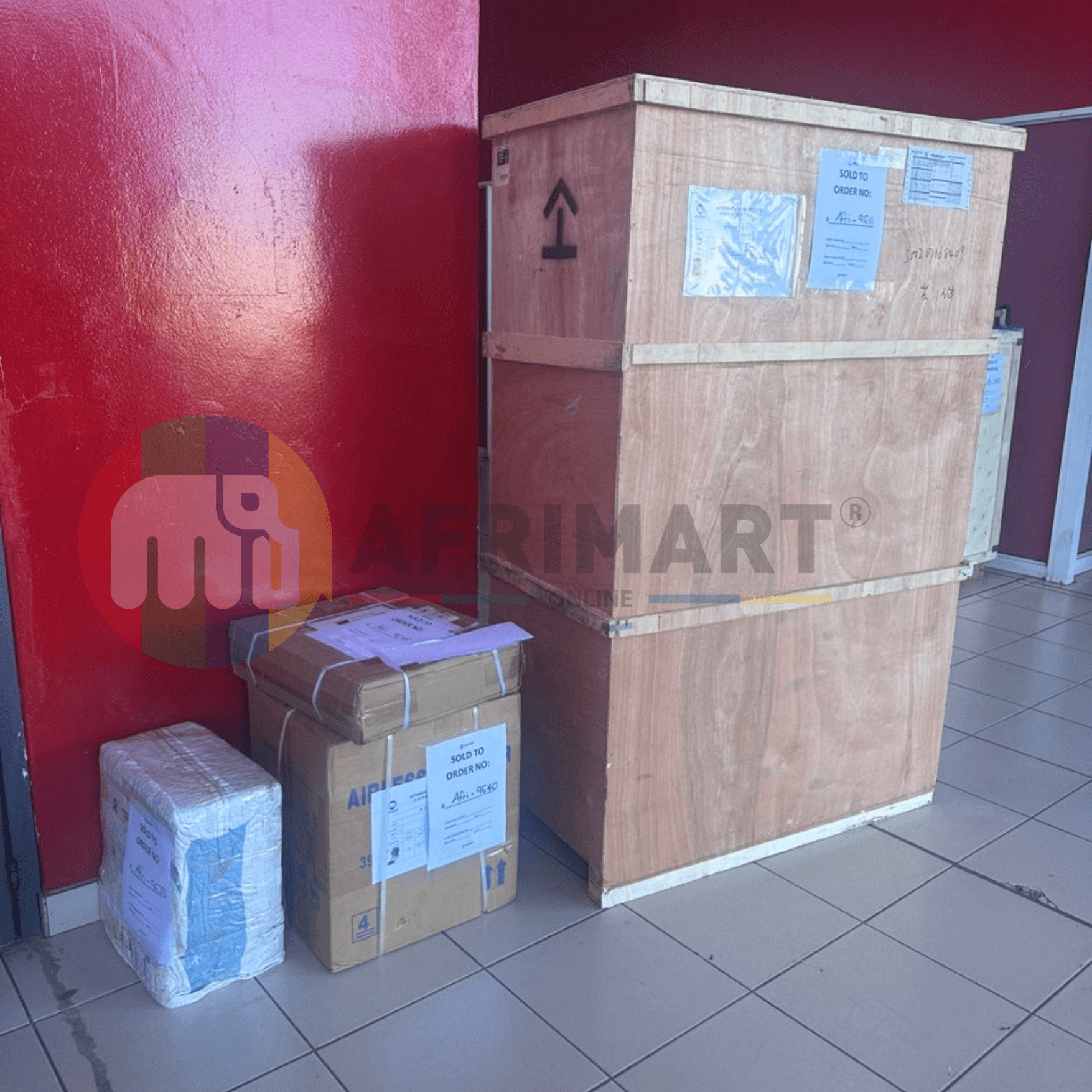
Agriculture Processing Machines
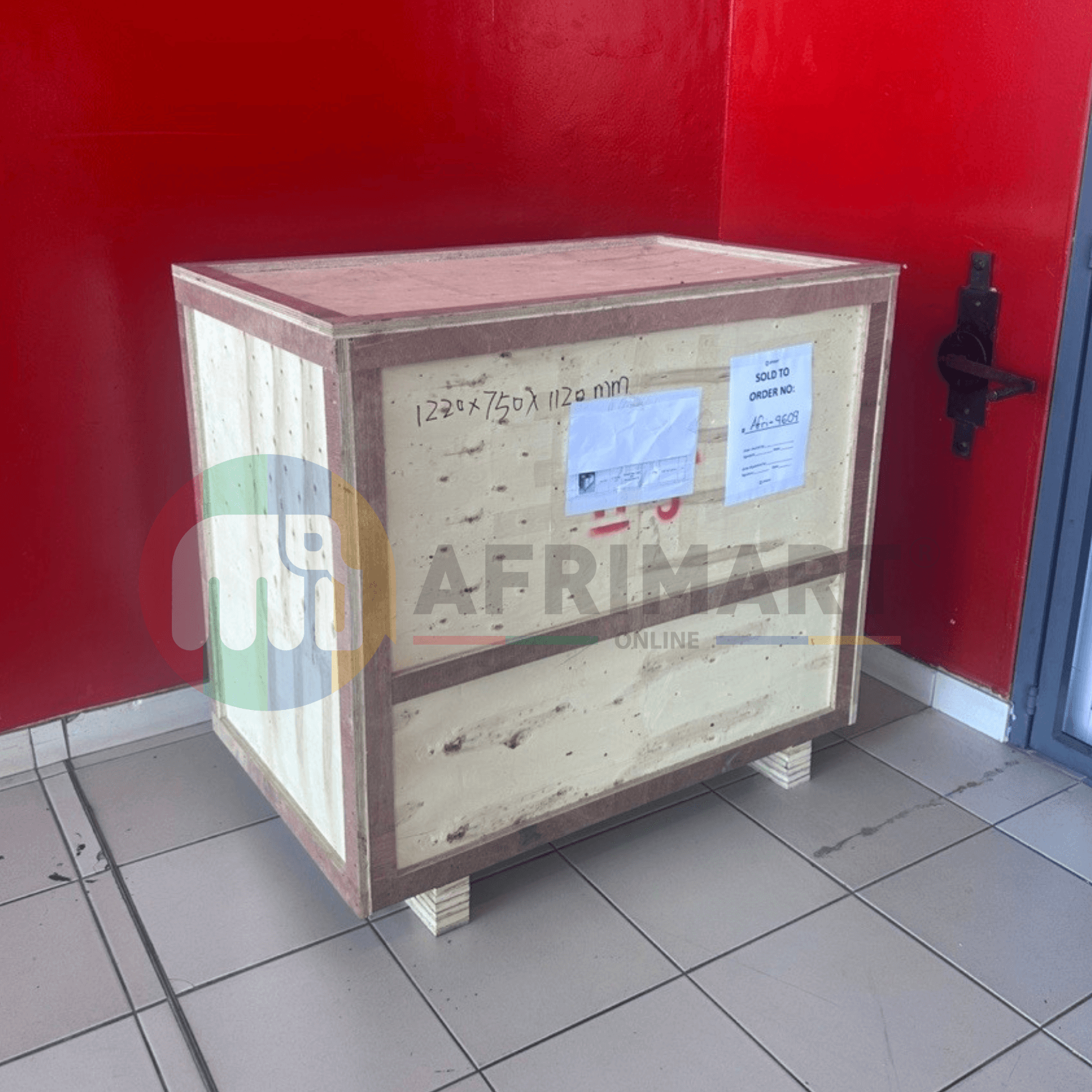
Meat Grinder Machine
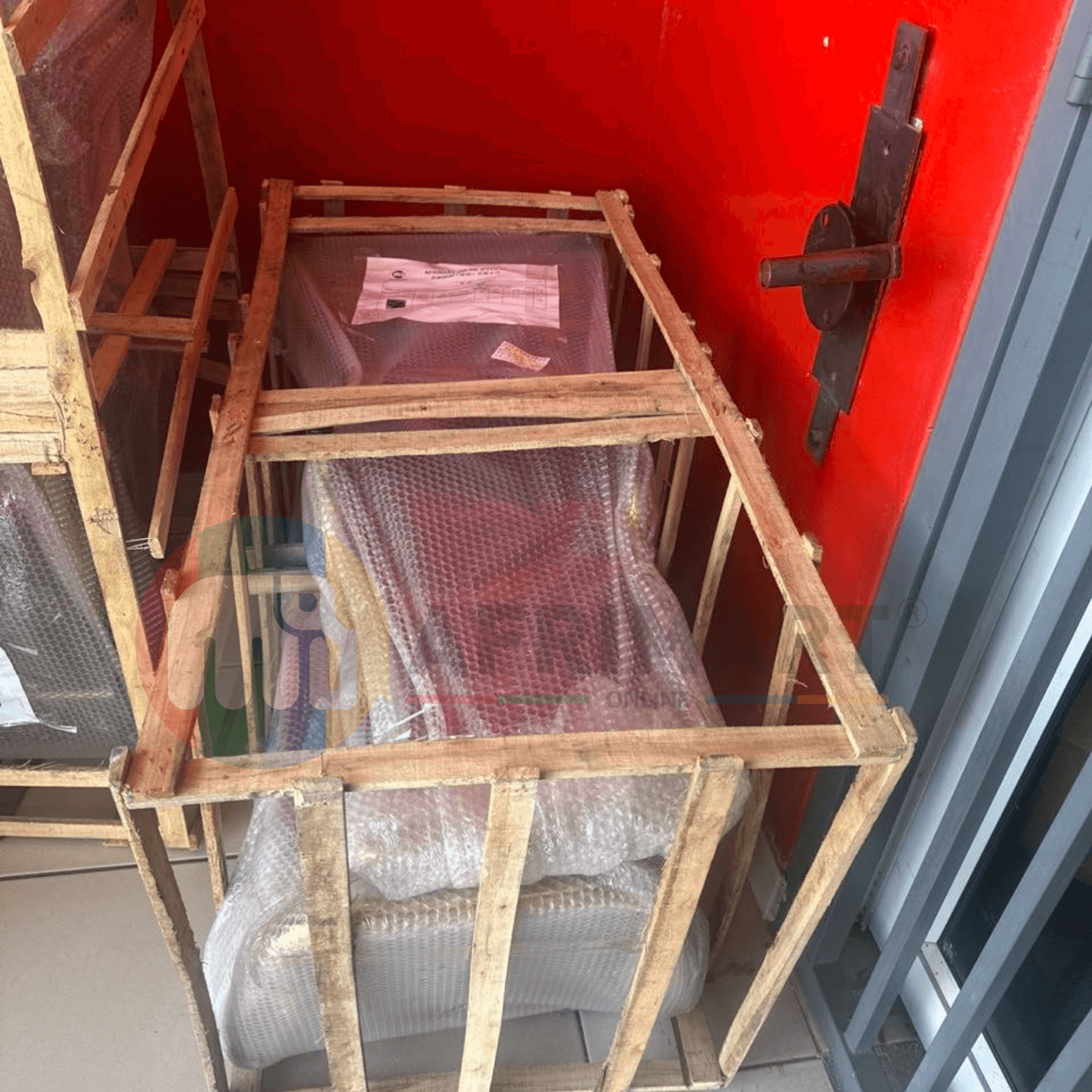
Water Pump Equipment
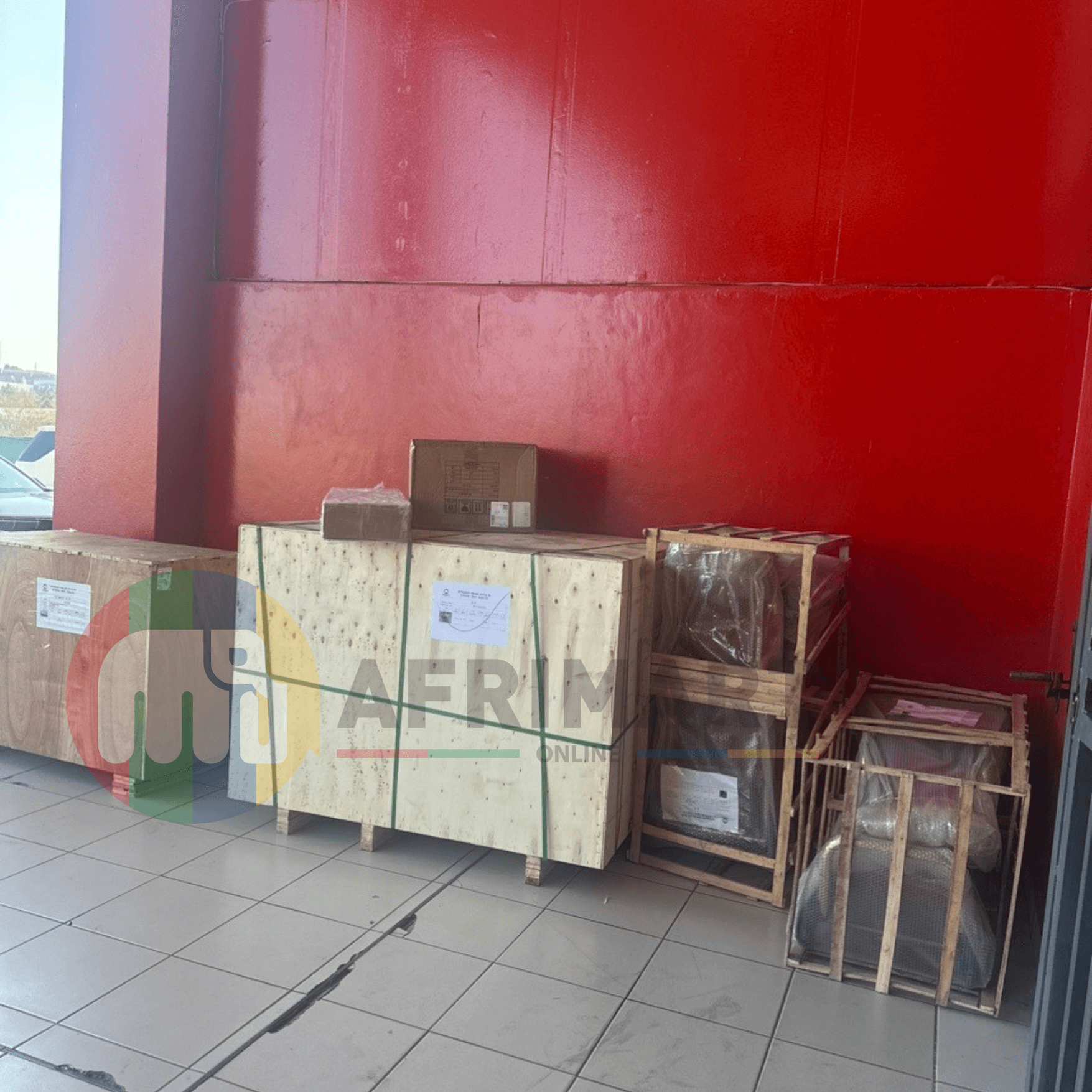
Packaging Machine and accessories
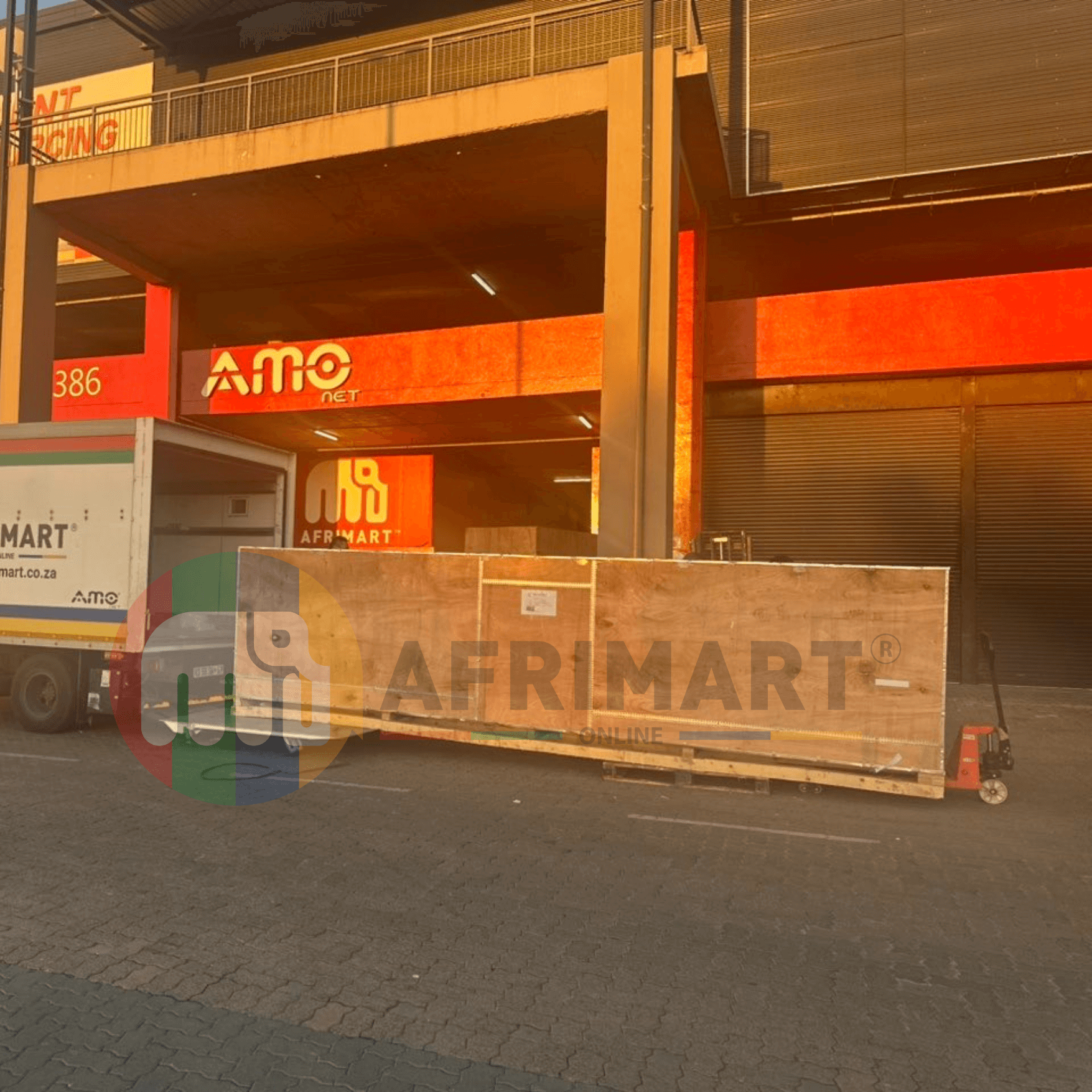
Fabrics Manufacturing Equipment
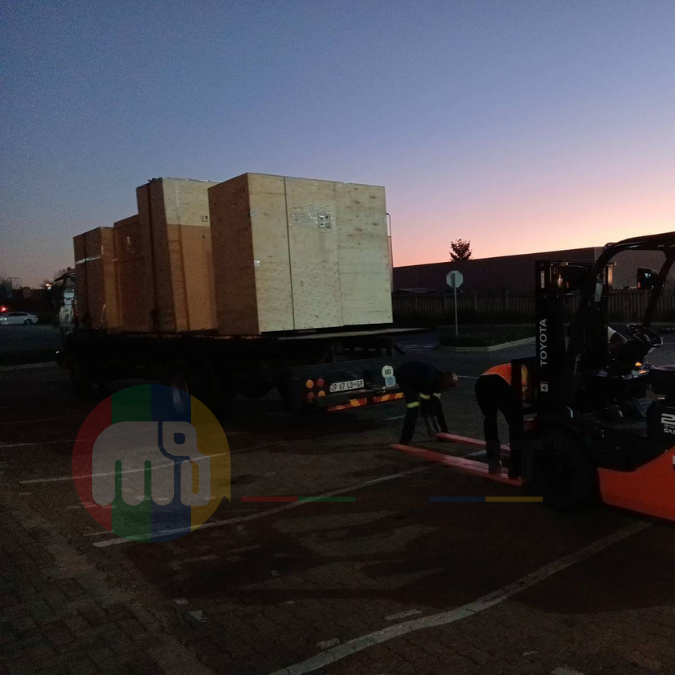
Mining Equipments
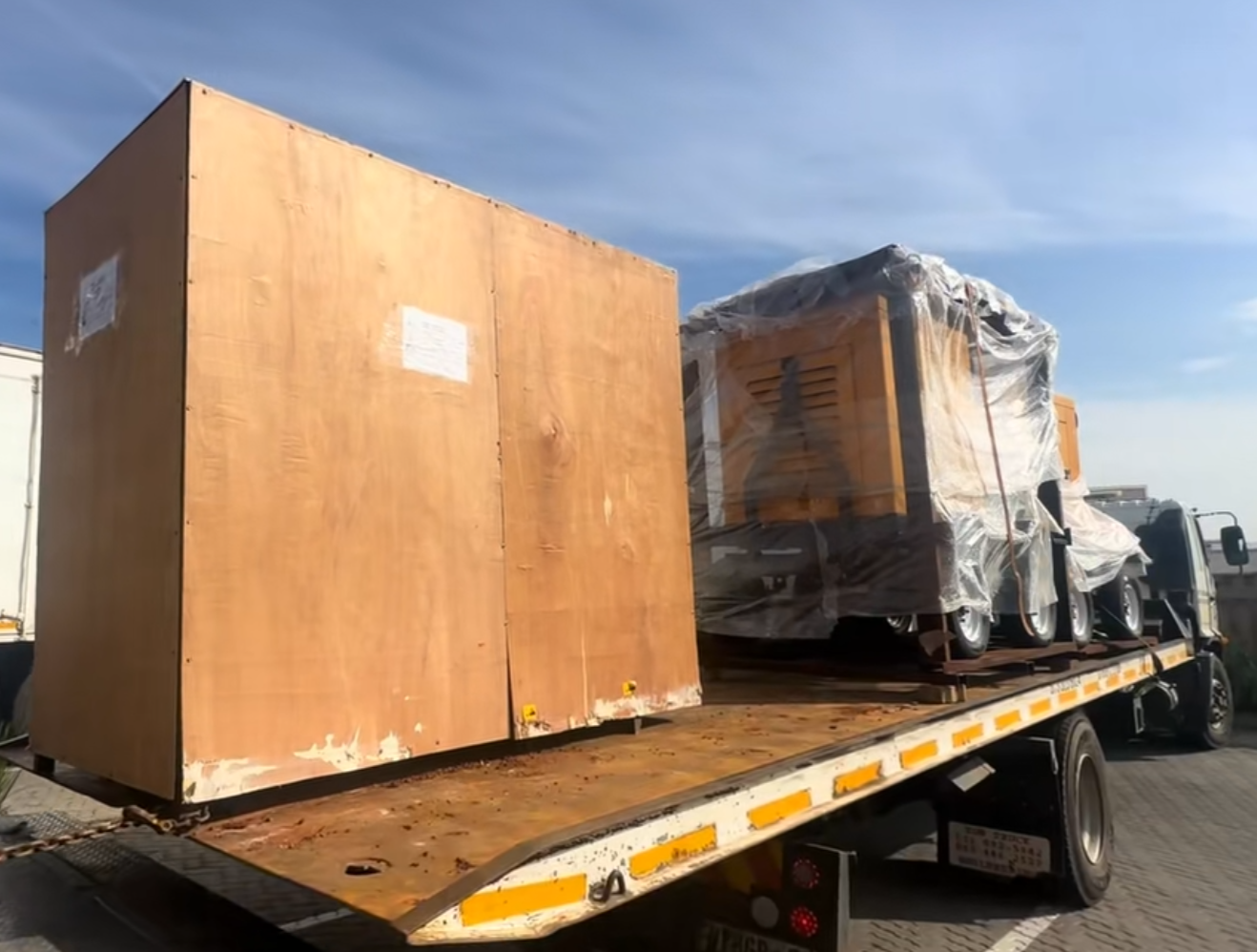
Food Processing Machine
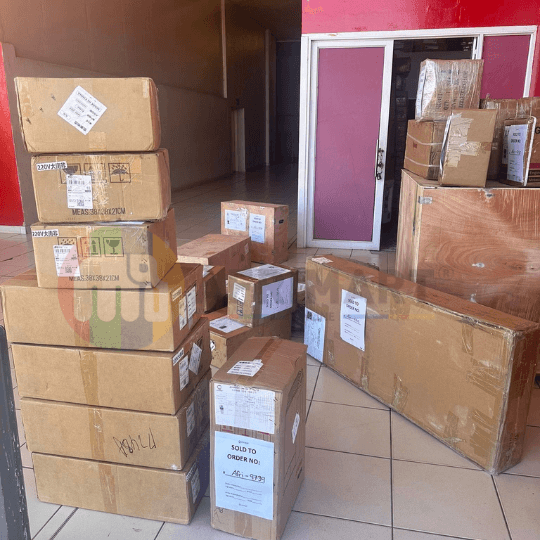
Batch of Orders
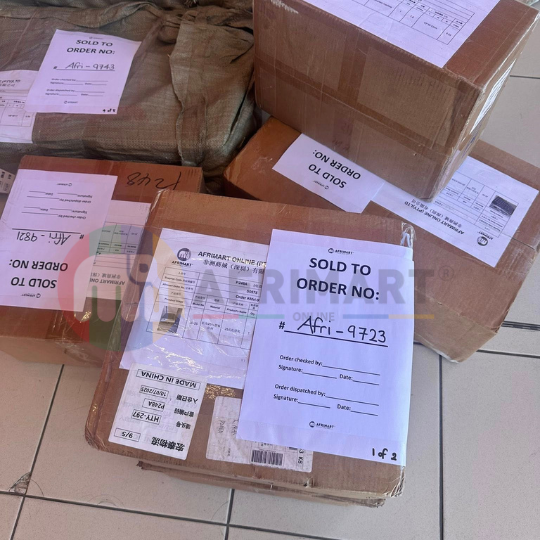
Batch of Orders
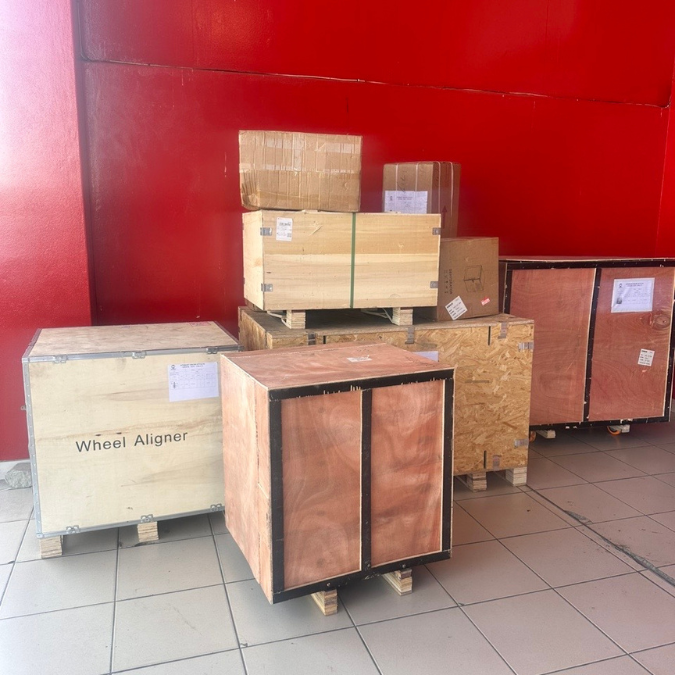
Latest Orders Labelled
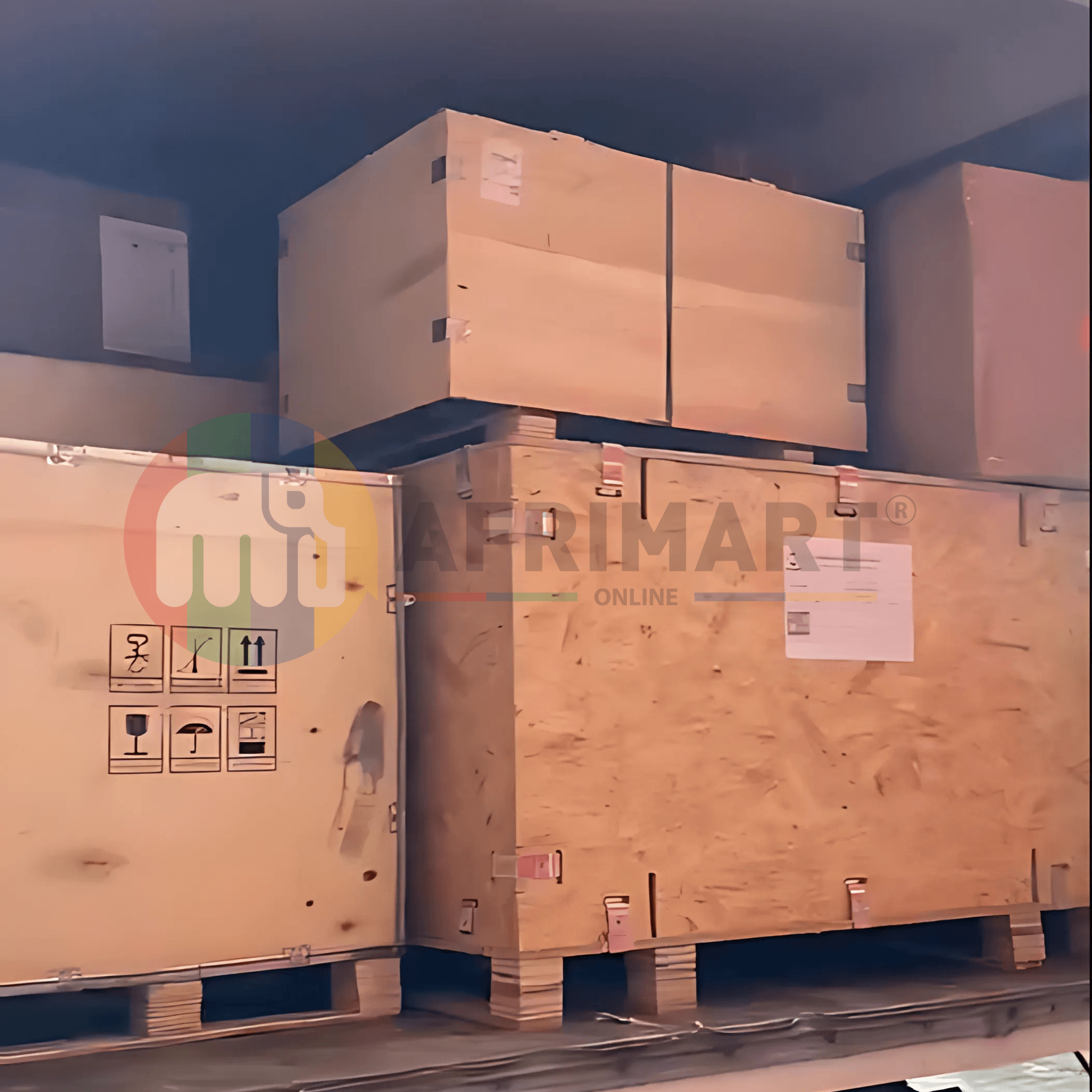
wheel alignment machines
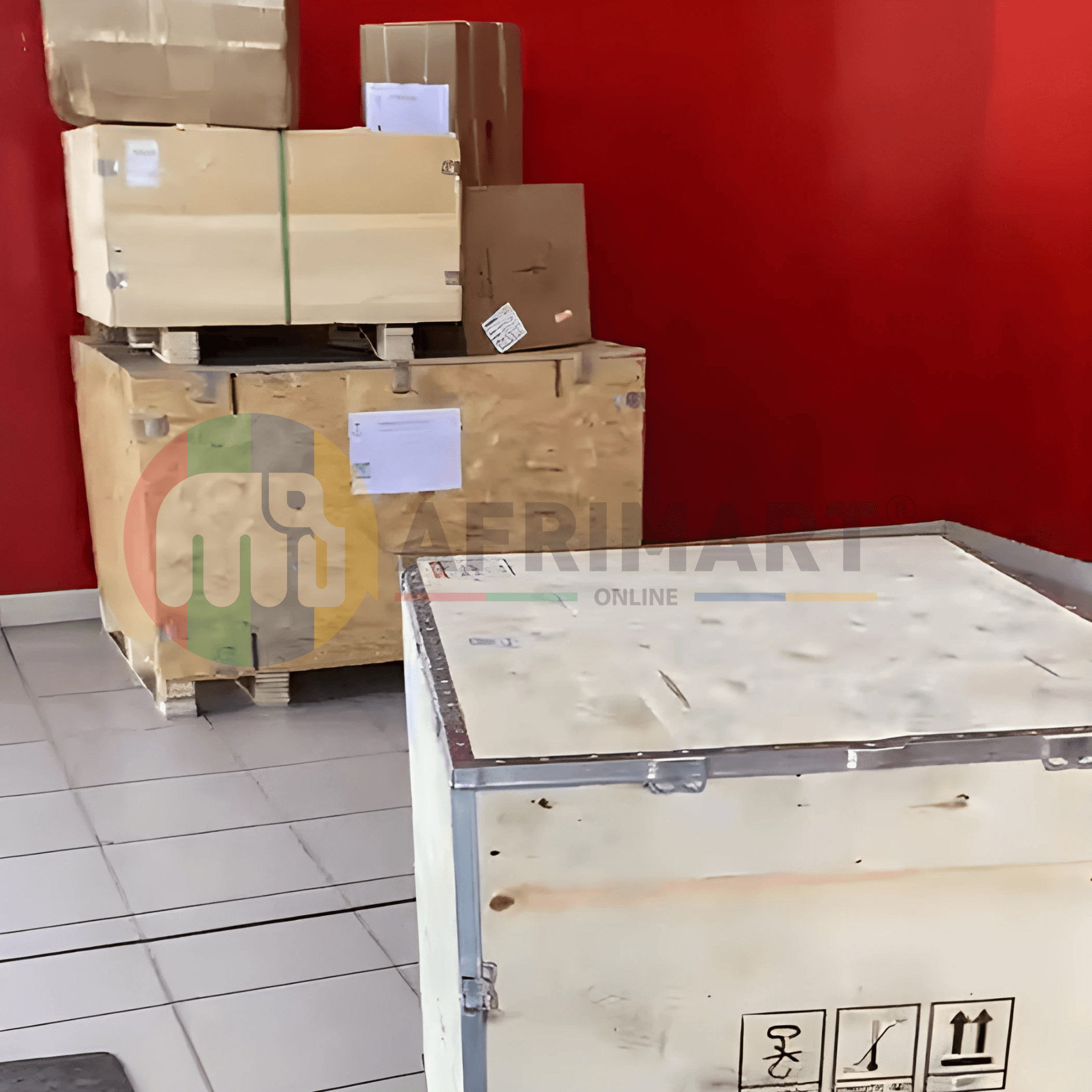
new arrivals
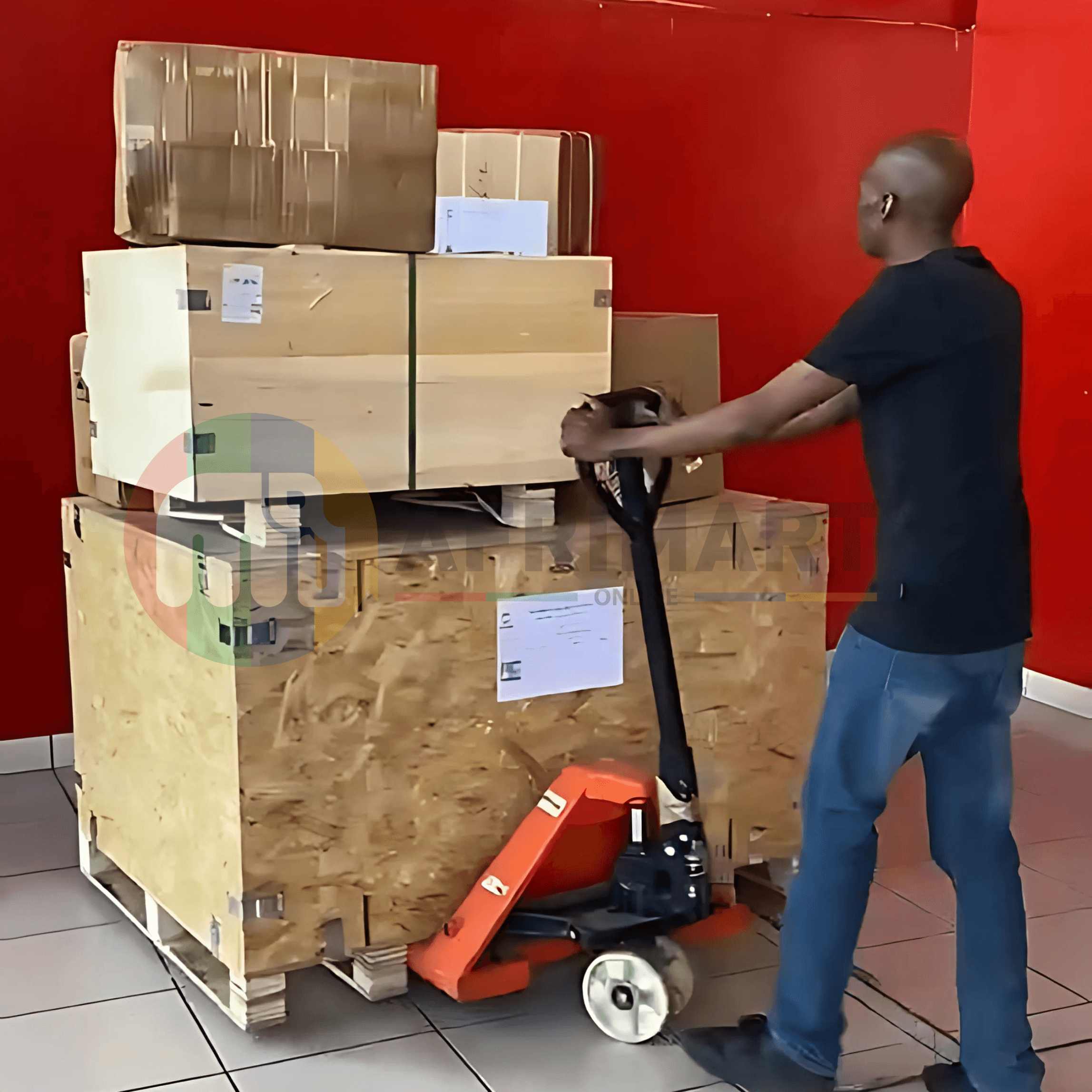
Pre Orders Offloading
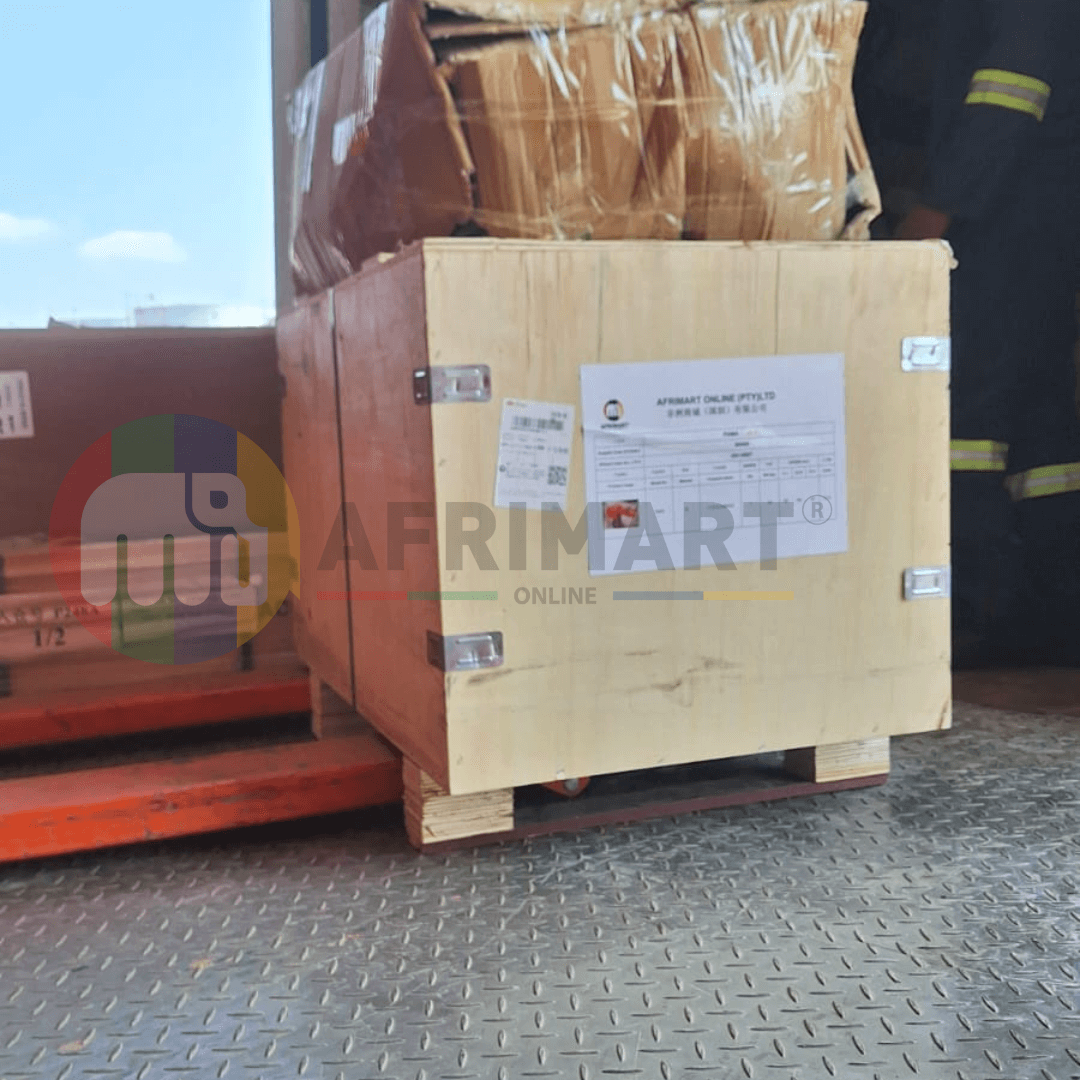
Latest Arrivals
Latest Arrivals
Latest Arrivals
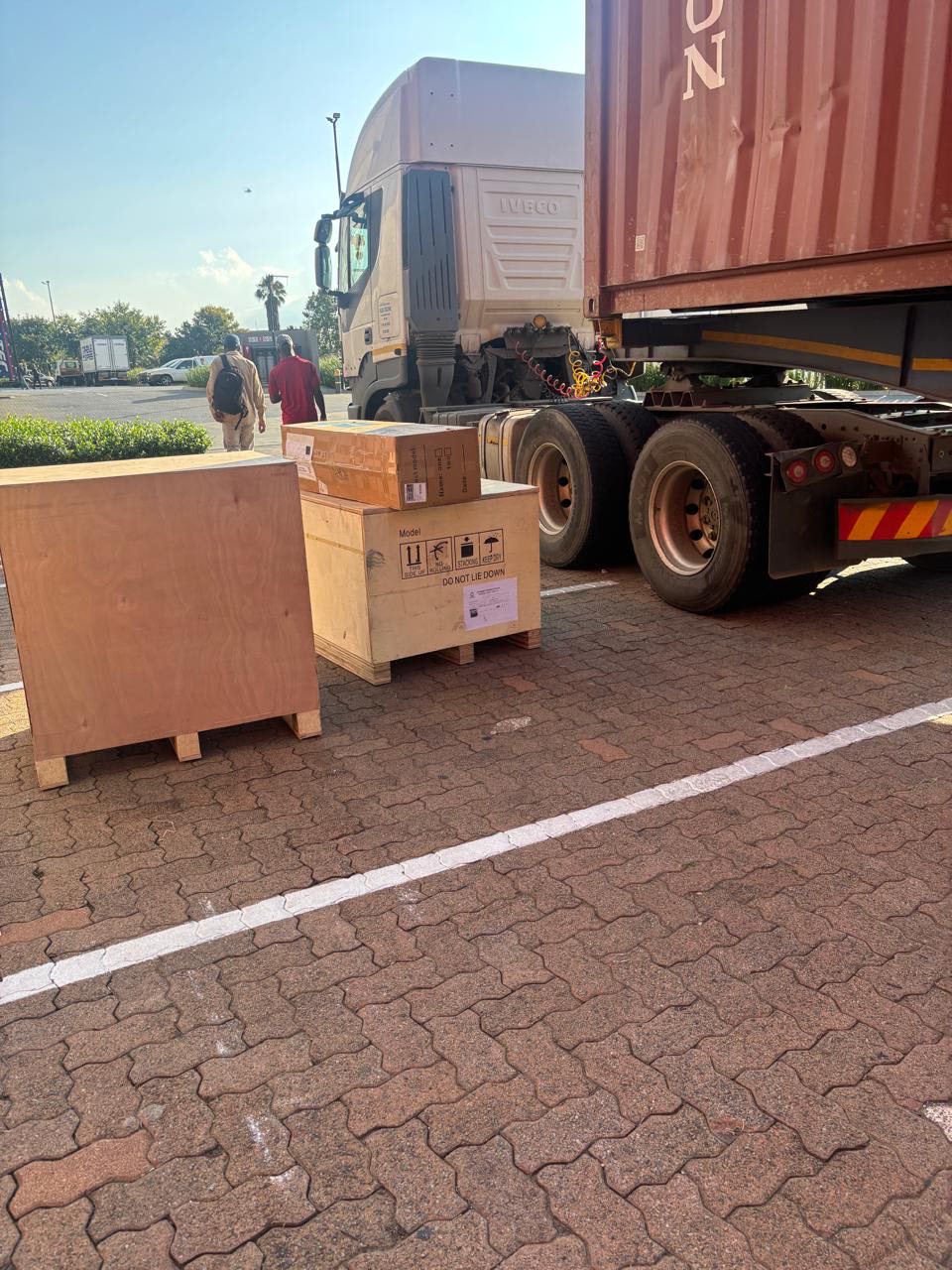
26 January 2026
Toilet paper making machine
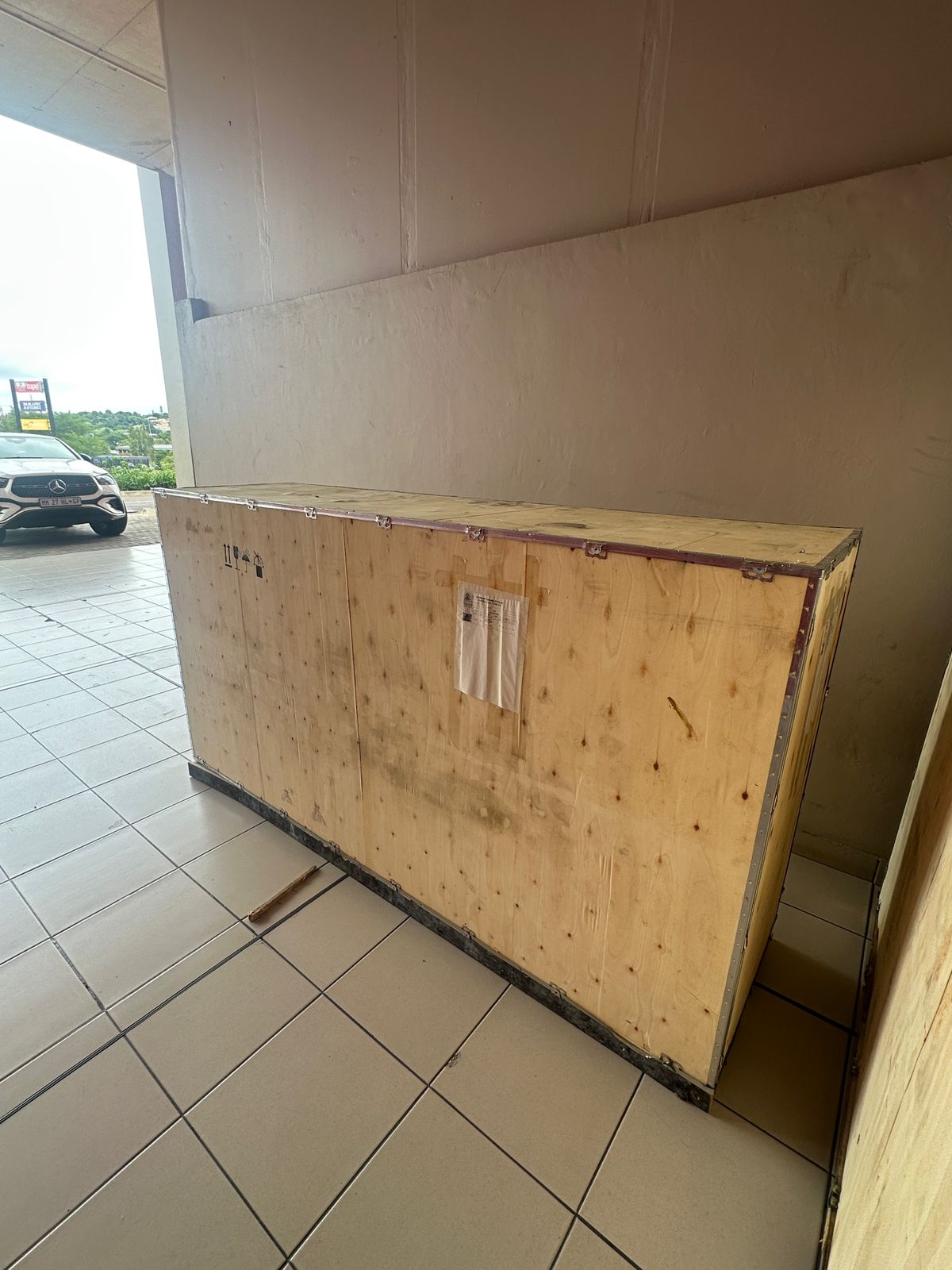
Toilet paper making machine
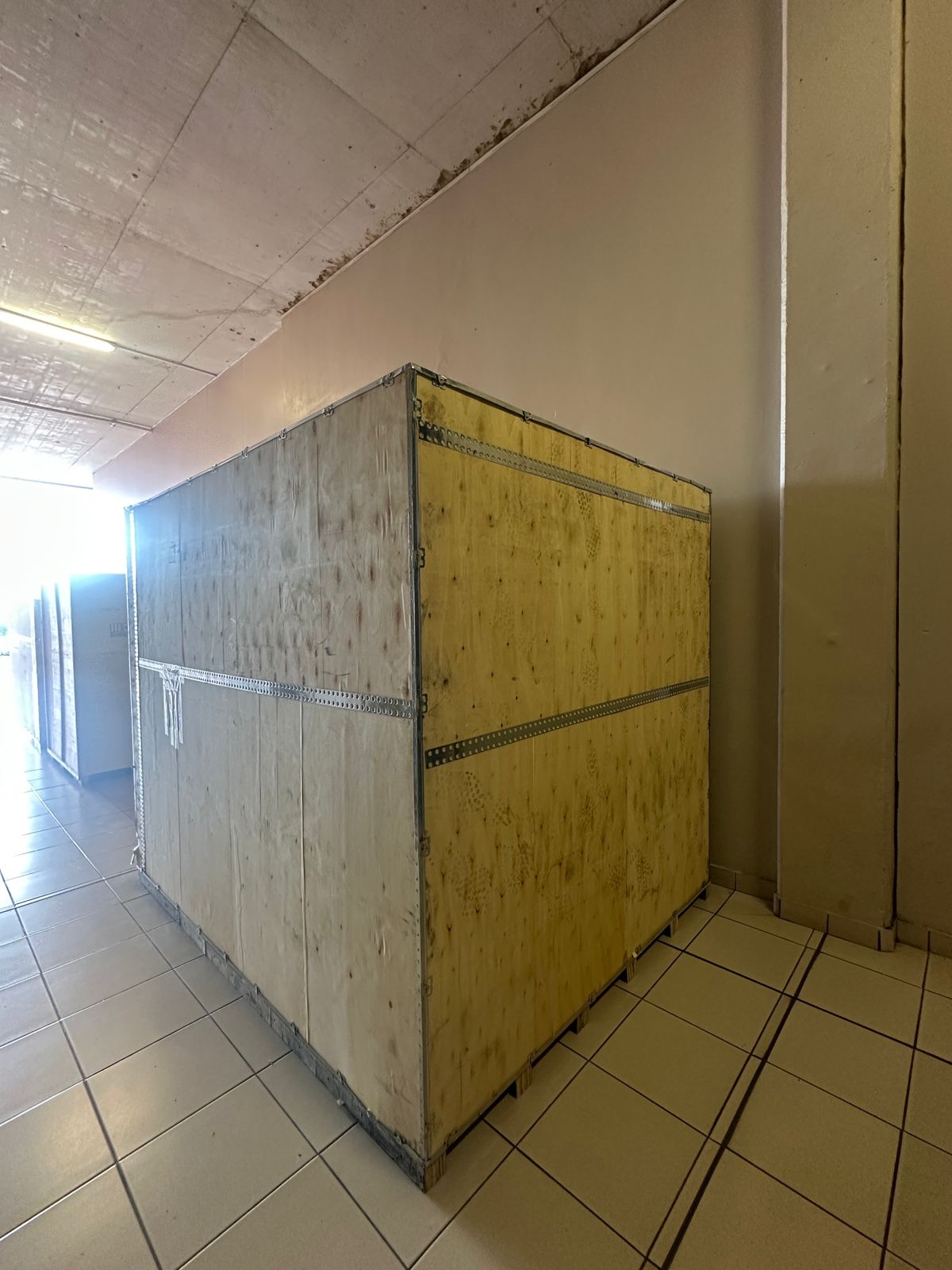
Toilet paper Rewinding Machine
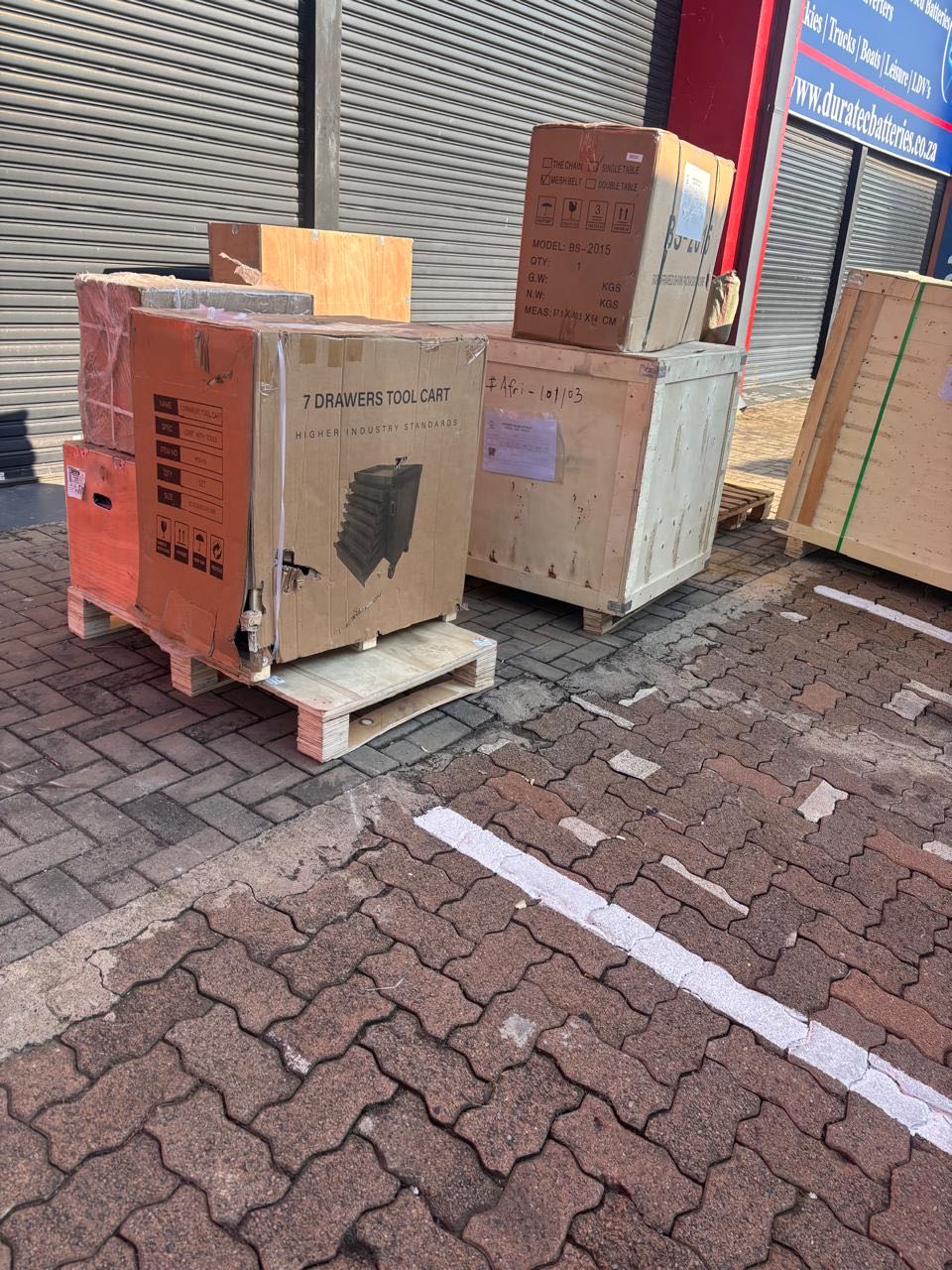
latest arrivals
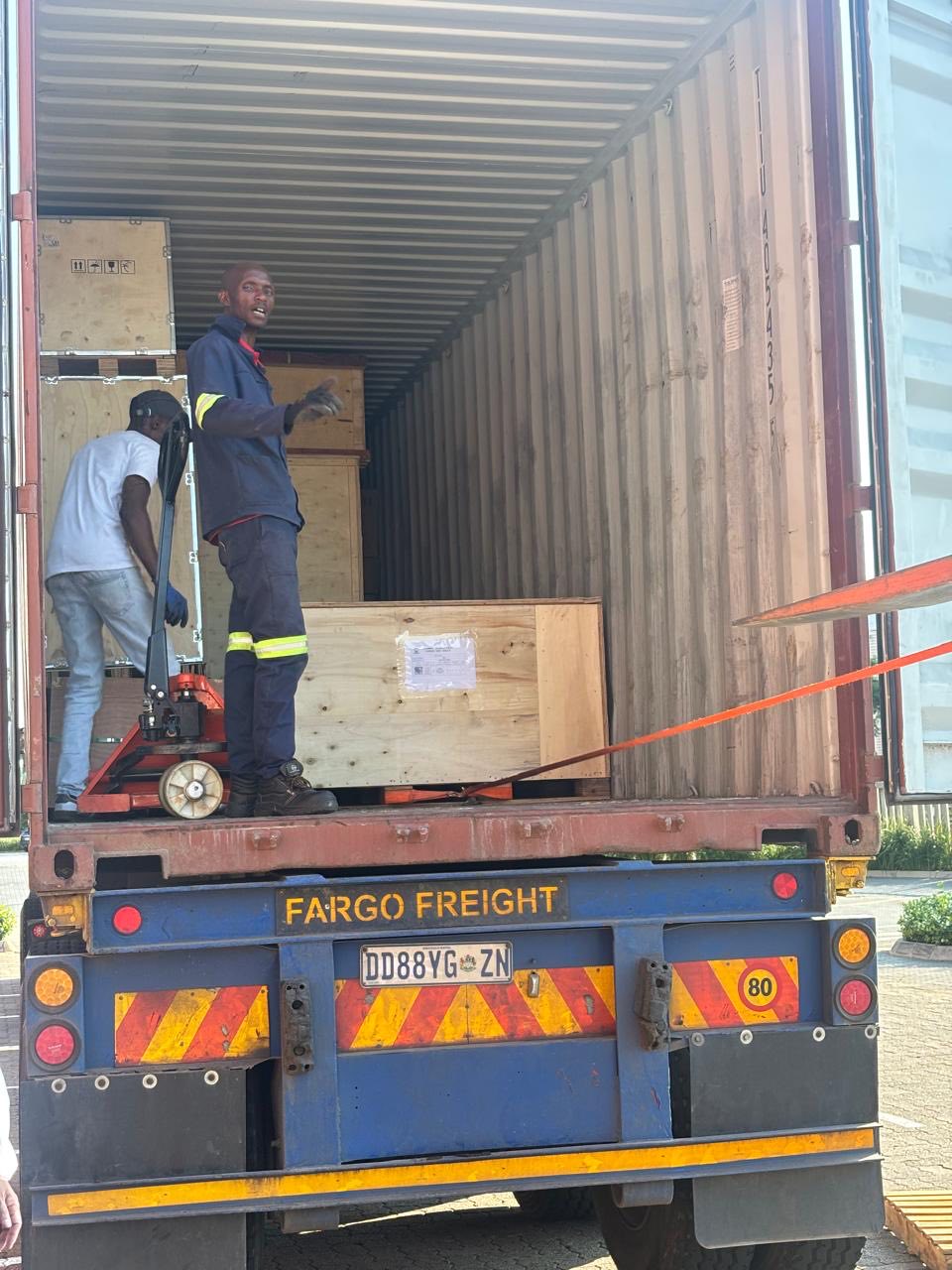
offloading
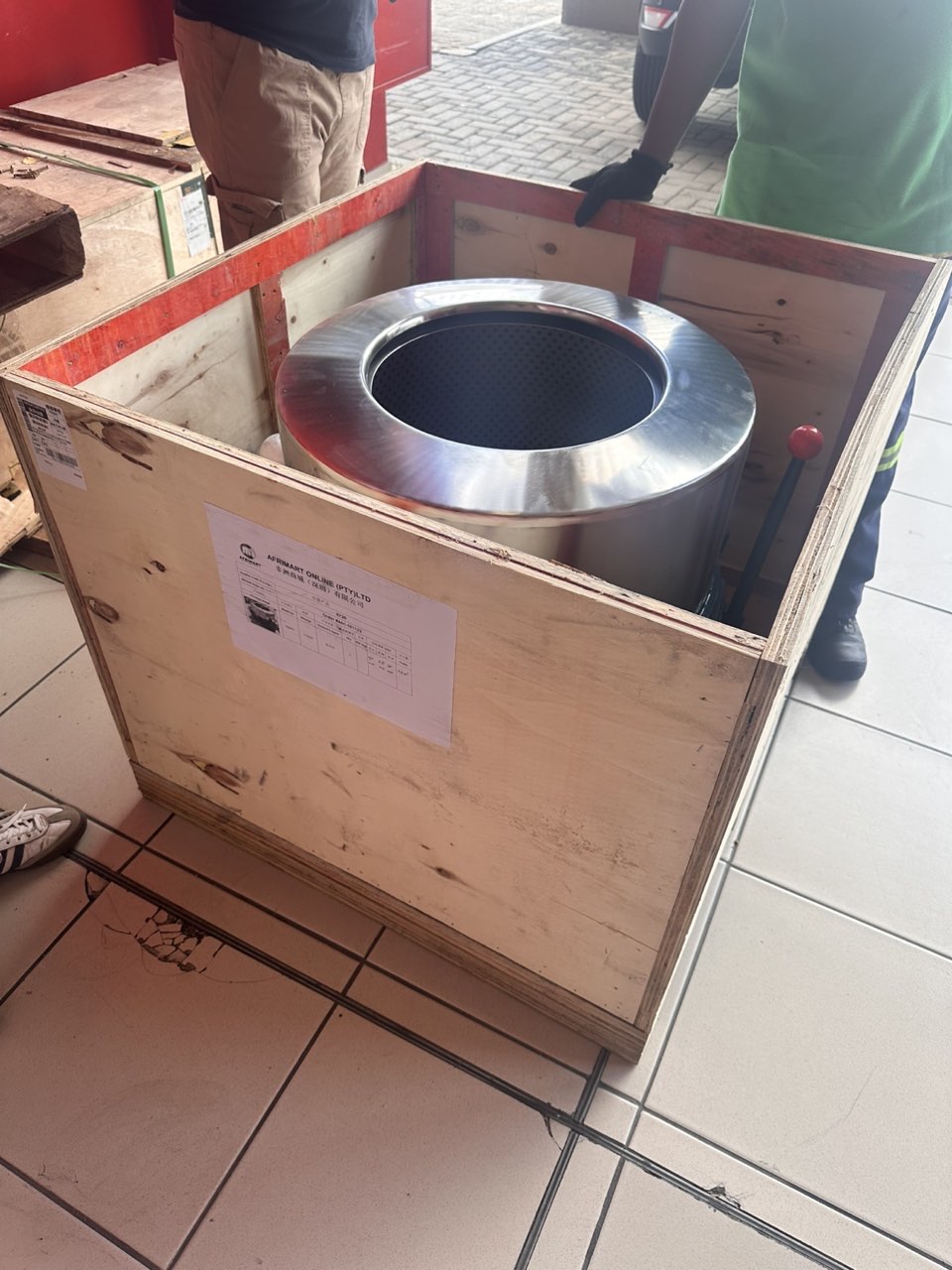
order success
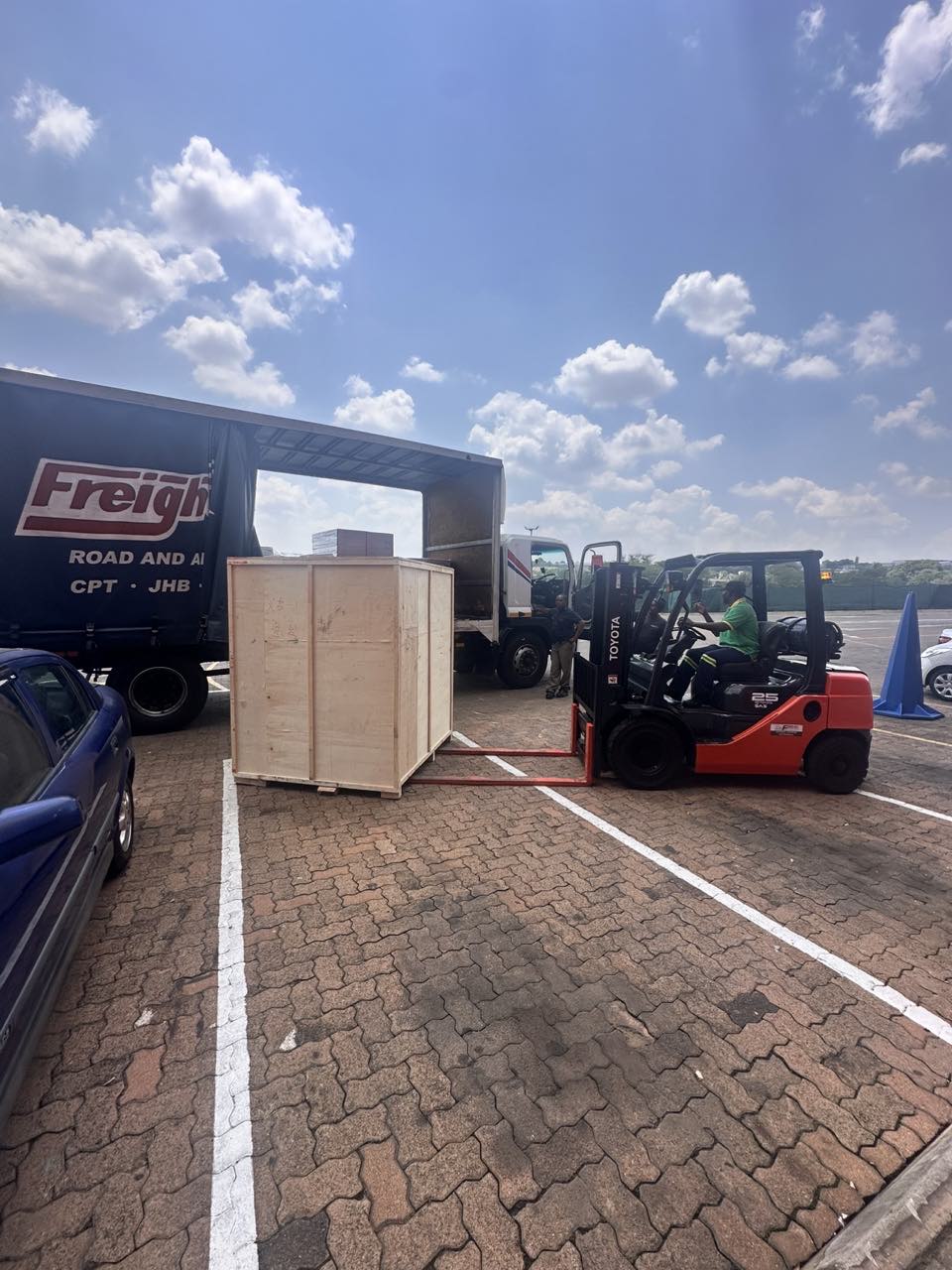
order collection
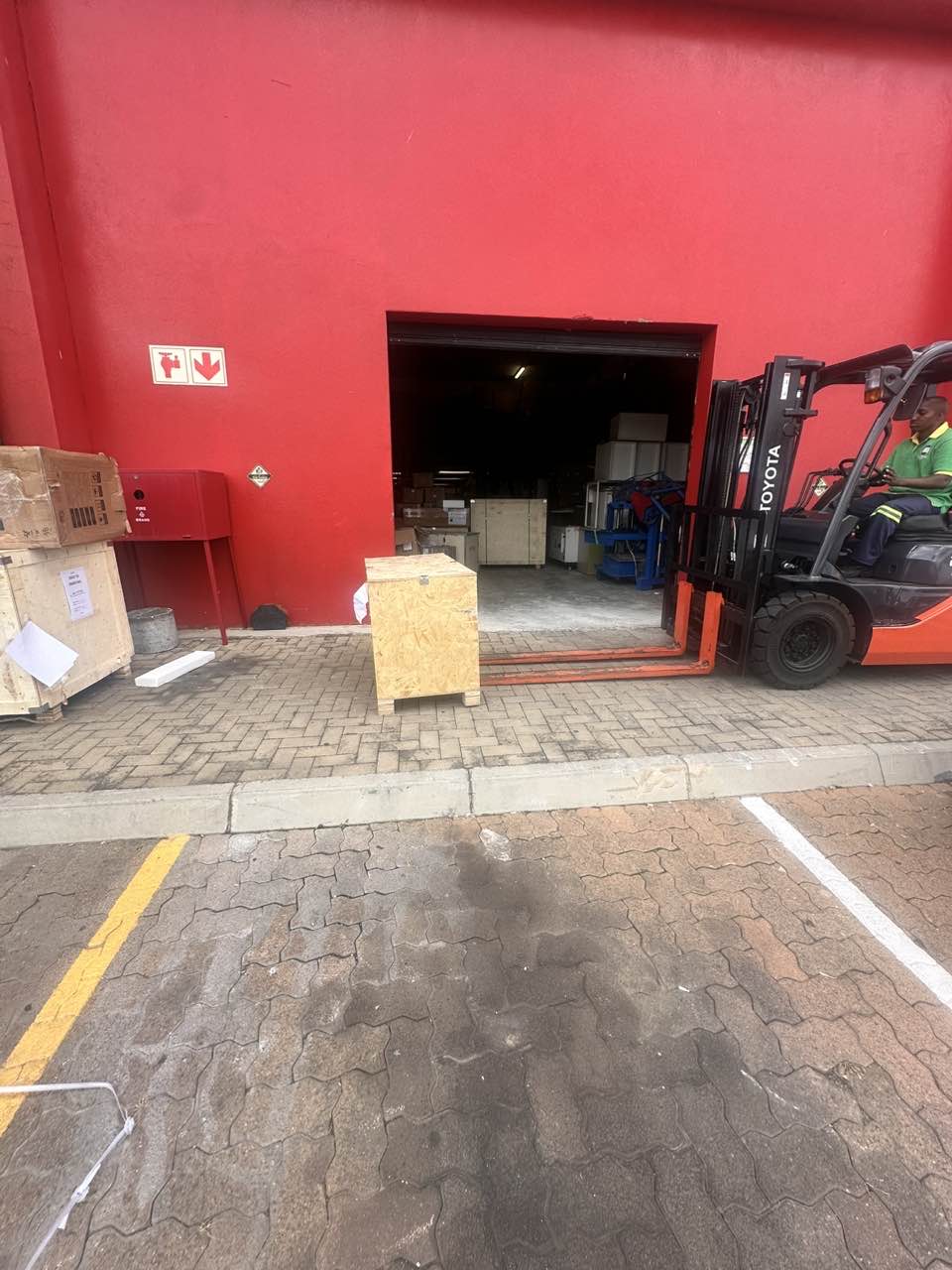
order offloading