B21, China Town Mall, Midrand


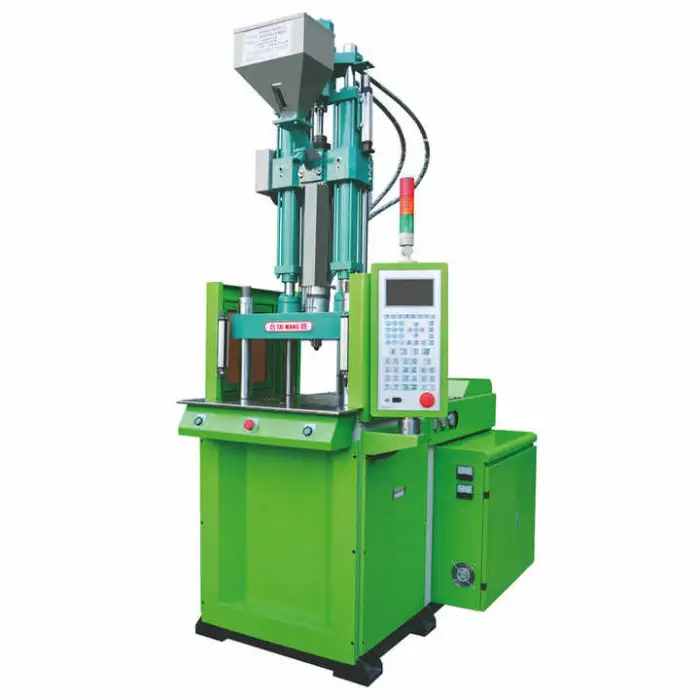
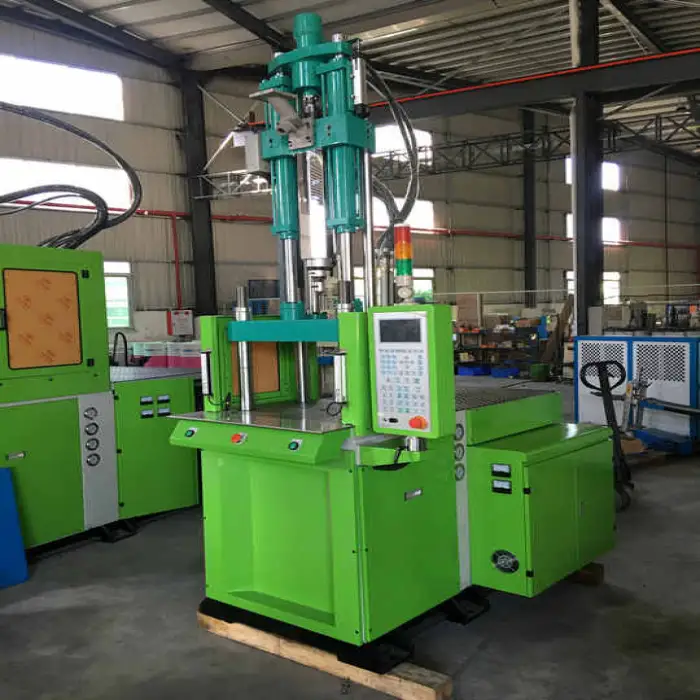
35t Vertical High Efficiency Dental Floss Pick Making Machine Two Color Injection Molding Machine
Asset finance available
Do you want funding for this equipment?
Afrimart can connect you with trusted funding partners who specialise in asset finance for businesses like yours. Compare options and apply in minutes — final approval is subject to provider review.
Check funding options
Secure & no obligation

- Section : Machinery
- Category : Plastic & Rubber Processing Machinery
- SKU : 62359068151

35t Vertical High Efficiency Dental Floss Pick Making Machine Two Color Injection Molding Machine
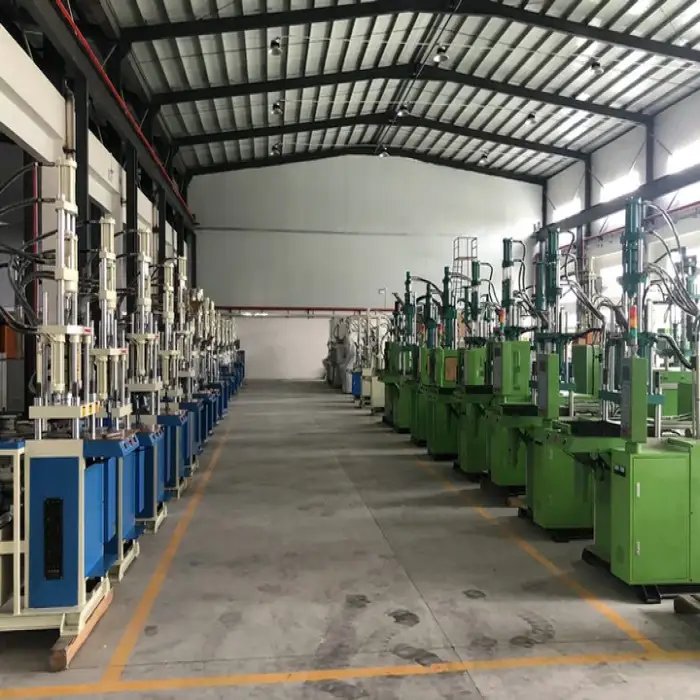
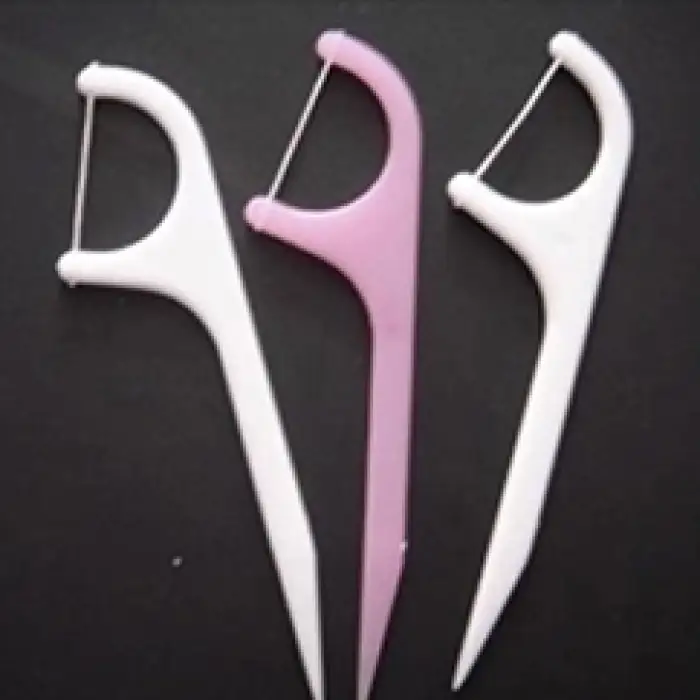
The 35t Vertical High Efficiency Dental Floss Pick Making Machine Two Color Injection Molding Machine is designed for high performance and efficiency. This machine produces high-quality dental floss picks using advanced technology. It is easy to operate and perfect for businesses looking to enhance their production capabilities.
Specifications
| Attribute | Details |
|---|---|
| Machine Type | Hydraulic |
| Style | Vertical |
| Plastic Processed | PP, PC, ABS, PET, PVC, FRPP/PVC, PPR, PA, PE, HDPE/PP, ABS/PP, PE/PP |
| Injection Weight (g) | 96 g |
| Injection Rate (g/s) | 67 g/s |
| Weight (kg) | 1800 |
| Power (kW) | 5.5 kW |
| Screw Diameter (mm) | 32 mm |
Key Features
- High efficiency for fast production.
- Two-color injection molding for vibrant designs.
- Hydraulic system for smooth operation.
- Compatible with various plastic types.
- Compact vertical design saves space.
Applications
- Manufacturing dental floss picks.
- Producing small plastic items.
- Creating custom plastic products.
- Used in dental care product companies.
- Ideal for small and medium-scale production.
Product Info Gallery
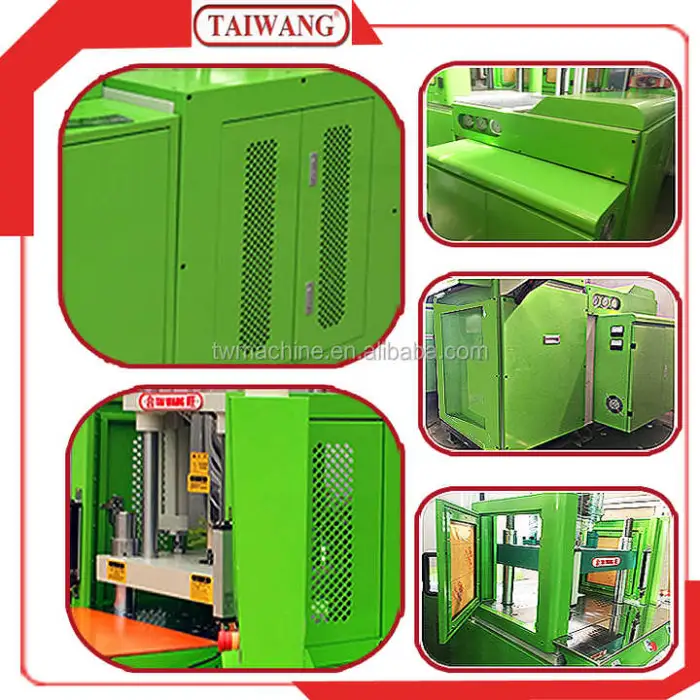
- Shipping Timeframes: All orders are processed within 2-5 business days (excluding weekends and holidays). After your order has been processed, the estimated delivery time is before 03 Aug, 2026, depending on customs, Please note that due to high demand, some items may experience longer shipping times, which will be communicated at order confirmation email.
- Order Processing Time: Please allow 2-5 business days for us to process your order before it is shipped . Orders placed after 16:00 on Fridays, or during weekends and public holidays, will begin processing on the next business day. Processing times may be extended during peak seasons or sales events.
- Manufacturing Time: Some products needs manufacturing time, the manufacturing process will take approximately 10-30 business days depending on the product. This timeframe may vary depending on the complexity of the product and current demand. but this will be communicated with you during order confirmation.
- Returns and Exchanges: We offer a 30-day return policy for most items. If you are not completely satisfied with your purchase, you may return it within 30 days of receipt for a refund or exchange. Items must be unused, in their original packaging, and accompanied by proof of purchase. Return shipping costs are the responsibility of the customer, unless the item was damaged or defective upon arrival.
1. What is the 35t Vertical High Efficiency Dental Floss Pick Making Machine?
A vertical hydraulic two-color injection molding machine with 35 tons clamping force, designed for high-efficiency production of dental floss picks and other small plastic parts. It combines a compact vertical footprint with two-color molding capability and compatibility with a range of thermoplastics.
2. What does '35t' refer to?
'35t' denotes the machine's clamping force: 35 tons. This is the maximum force the clamping unit can apply to keep the mold closed during injection.
3. Which plastics can this machine process?
It supports a wide range of plastics including PP, PC, ABS, PET, PVC, FRPP/PVC, PPR, PA, PE, HDPE/PP, ABS/PP, and PE/PP.
4. What are the injection weight and injection rate?
Injection weight is 96 g and the injection rate is 67 g/s. These values indicate the machine's shot capacity and injection speed capability.
5. What are the machine's power, weight, and screw diameter?
Power consumption is 5.5 kW, machine weight is approximately 1800 kg, and the screw diameter is 32 mm.
6. How does the two-color injection molding work on this machine?
The machine is configured for two-color molding so you can produce parts with two colors or materials in a single cycle. Implementation depends on mold design (e.g., rotary/multiplaten or sequential overmolding) and the machine's dual feeder/injection arrangement — consult the supplier for precise configuration options.
7. What is the typical cycle time and production rate?
Injection time based on the spec is roughly 96 g ÷ 67 g/s ≈ 1.4 seconds, but full cycle time depends on cooling, mold complexity, and part geometry. Typical small-part cycles often range from ~5–30 seconds. To estimate output: production per hour = 3600 ÷ cycle time × cavities. For example, a 10 s cycle with a single cavity yields ~360 parts/hour.
8. Can this machine make products other than dental floss picks?
Yes — it is suitable for manufacturing a variety of small plastic items and custom plastic components that fit within its shot size, clamping force and mold dimensions. Common uses include small consumer parts and dental-care accessories.
9. What site utilities and installation requirements are needed?
You will need a stable electrical supply matching the machine's voltage and 5.5 kW power rating, appropriate hydraulic oil and tank/filtration as specified by the manufacturer, a level, sturdy foundation for the ~1800 kg machine, and typically compressed air for ejectors or accessory devices. Exact requirements and layout drawings should be requested from the supplier prior to installation.
10. What mold specifications should I consider (size, cavities, venting)?
Mold specifications depend on your part design and the machine's platen dimensions and maximum mold thickness. Provide your part drawings to the machine or mold supplier so they can determine recommended cavity count, runner system, venting, cooling layout and required mold strength for 35 t clamping.
11. What maintenance is required and which spare parts should I keep on hand?
Regular maintenance typically includes daily cleaning of the mold area, weekly checks of hydraulic oil level and filtration, periodic hydraulic oil replacement per the manufacturer's schedule, lubrication of moving parts, and inspection of hoses and electrical connections. Keep common spare parts like seals, hydraulic filters, heaters, thermocouples, ejector pins and fuses on hand.
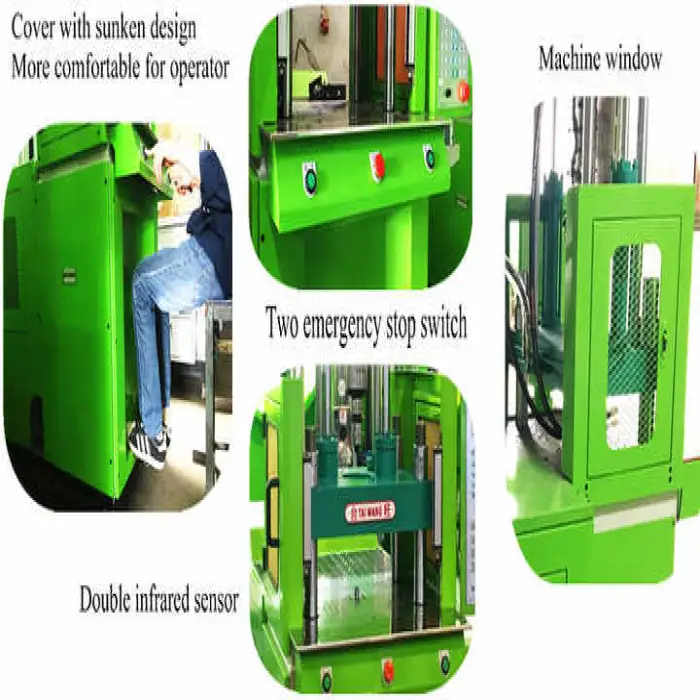
12. What safety features and operator protections are recommended?
Standard safety measures include emergency stop(s), light curtains or interlocked guards around moving mold areas, proper machine grounding, and operator training on safe operation and lockout/tagout procedures. Confirm the machine's installed safety components with the supplier and add guards as required by local regulations.
13. Is operator training and commissioning provided?
Most suppliers offer commissioning, setup assistance and operator training either on-site or at the factory. Confirm training scope, language, and any additional costs with the vendor prior to purchase.
14. What warranty and after-sales support are available?
Warranty terms and after-sales support vary by manufacturer. Typical offerings include a limited warranty period, technical support, spare parts supply and optional service contracts. Ask the supplier for detailed warranty conditions, response times for service, and availability of local technicians or spare parts distribution.
Latest Order Arrivals
Discover our latest orders
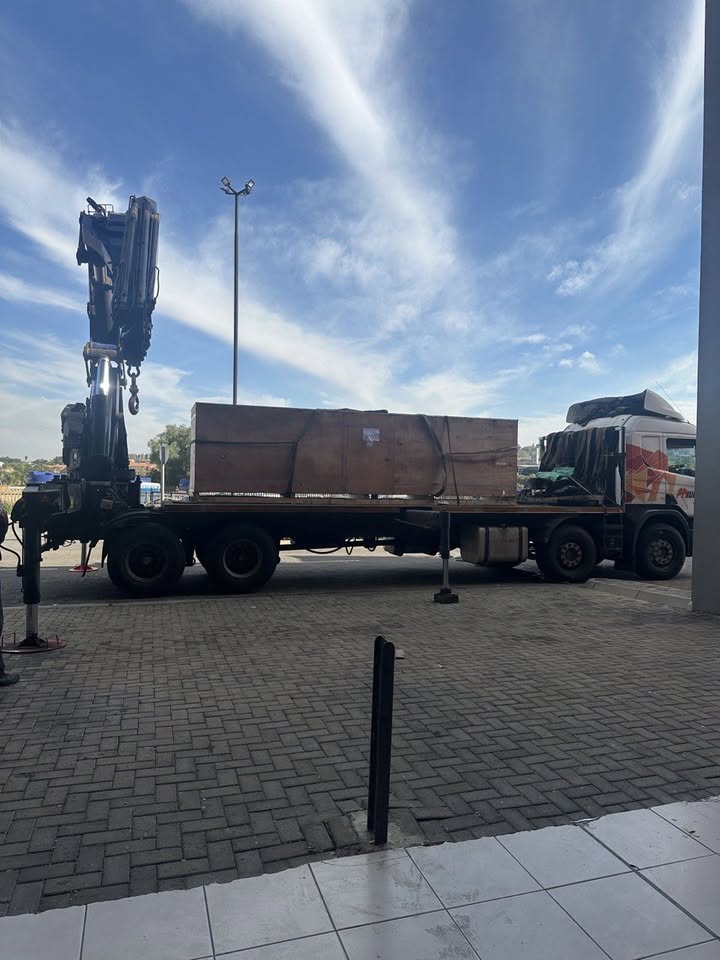
12 Heads Embroidery Machine
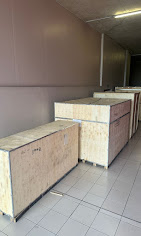
Toilet Paper Machine Machine
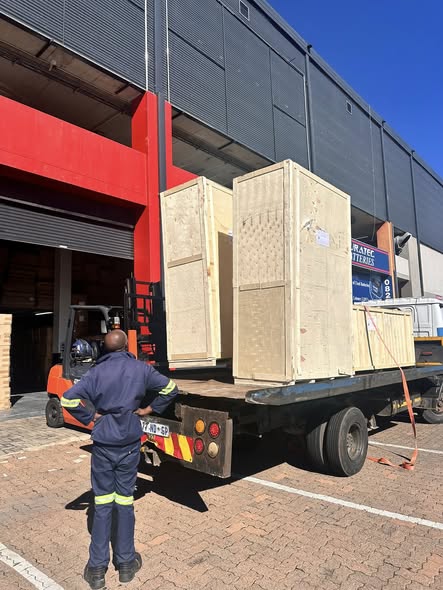
Order Collection
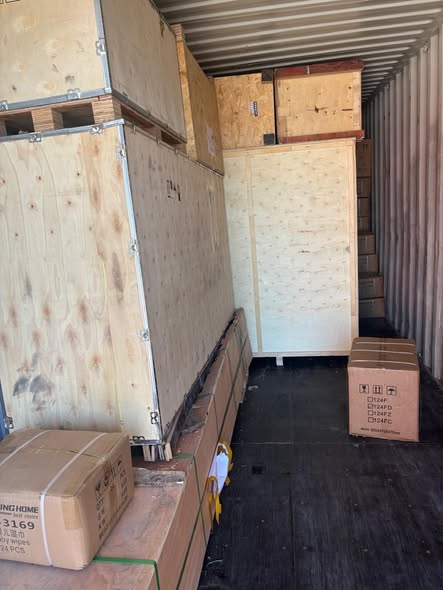
Cross Border Clients
Order cros border countries Collected
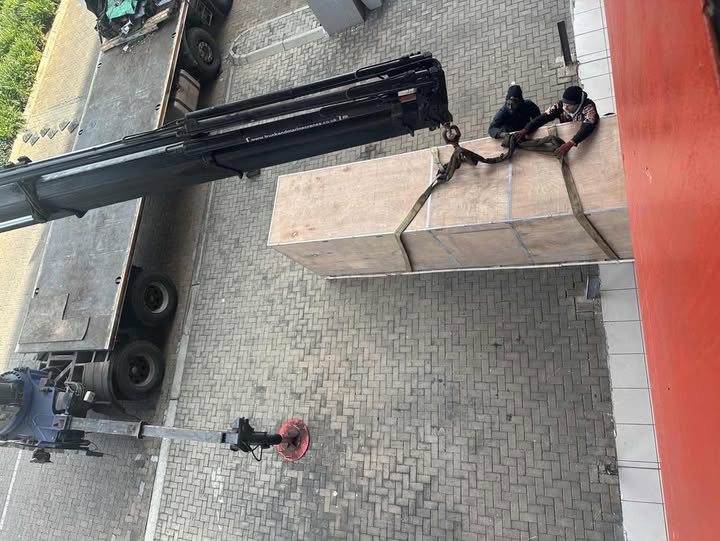
Industrial Machine Cllection
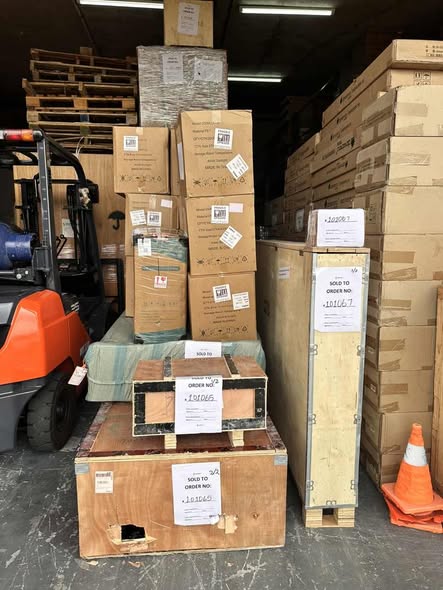
Agriculture Processing Machines
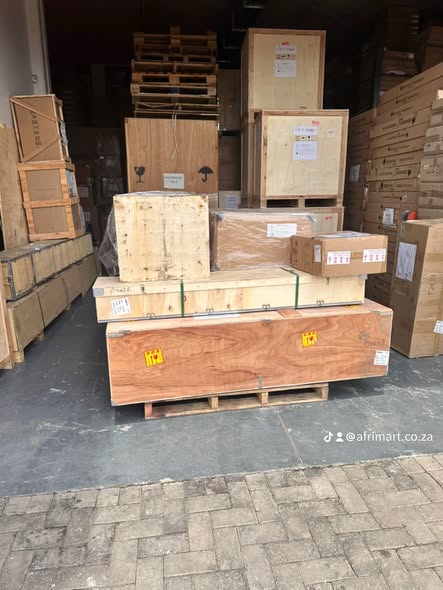
Ready for collection
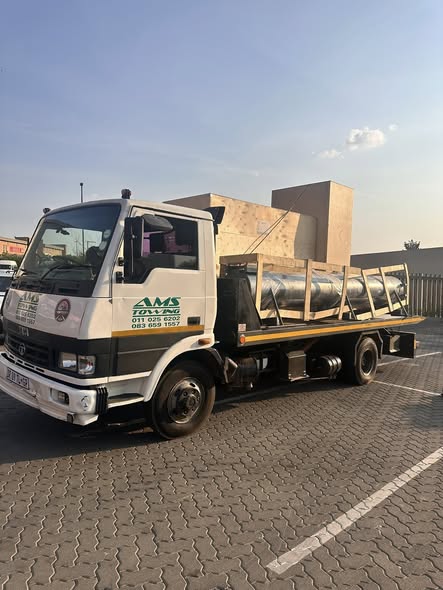
Water Pump Equipment
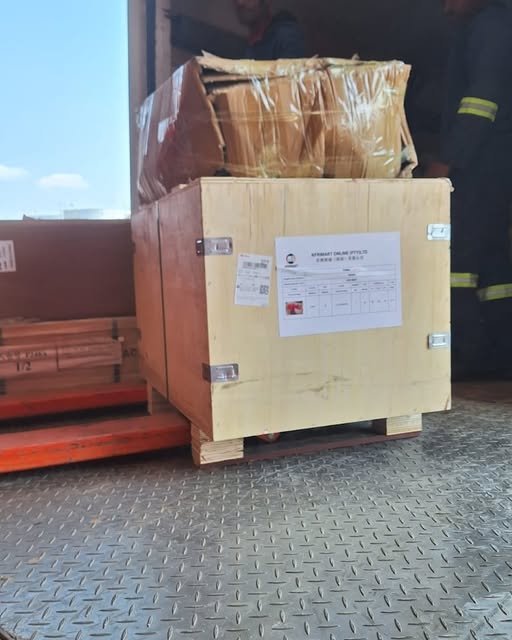
Packaging Machine and accessories
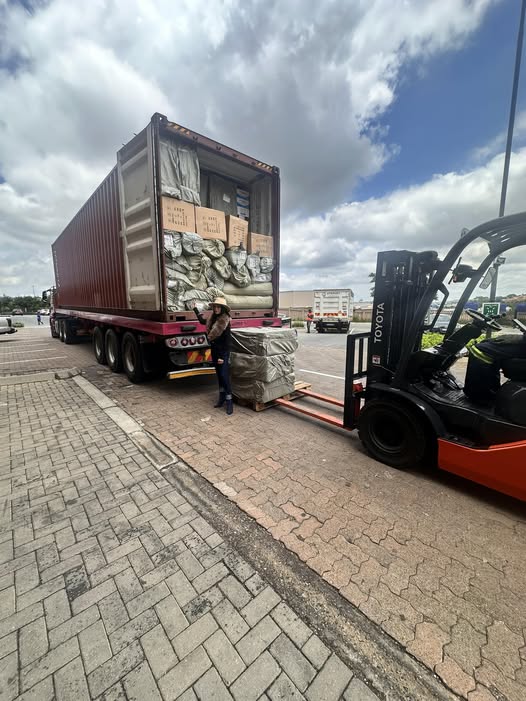
Fabrics Manufacturing Equipment
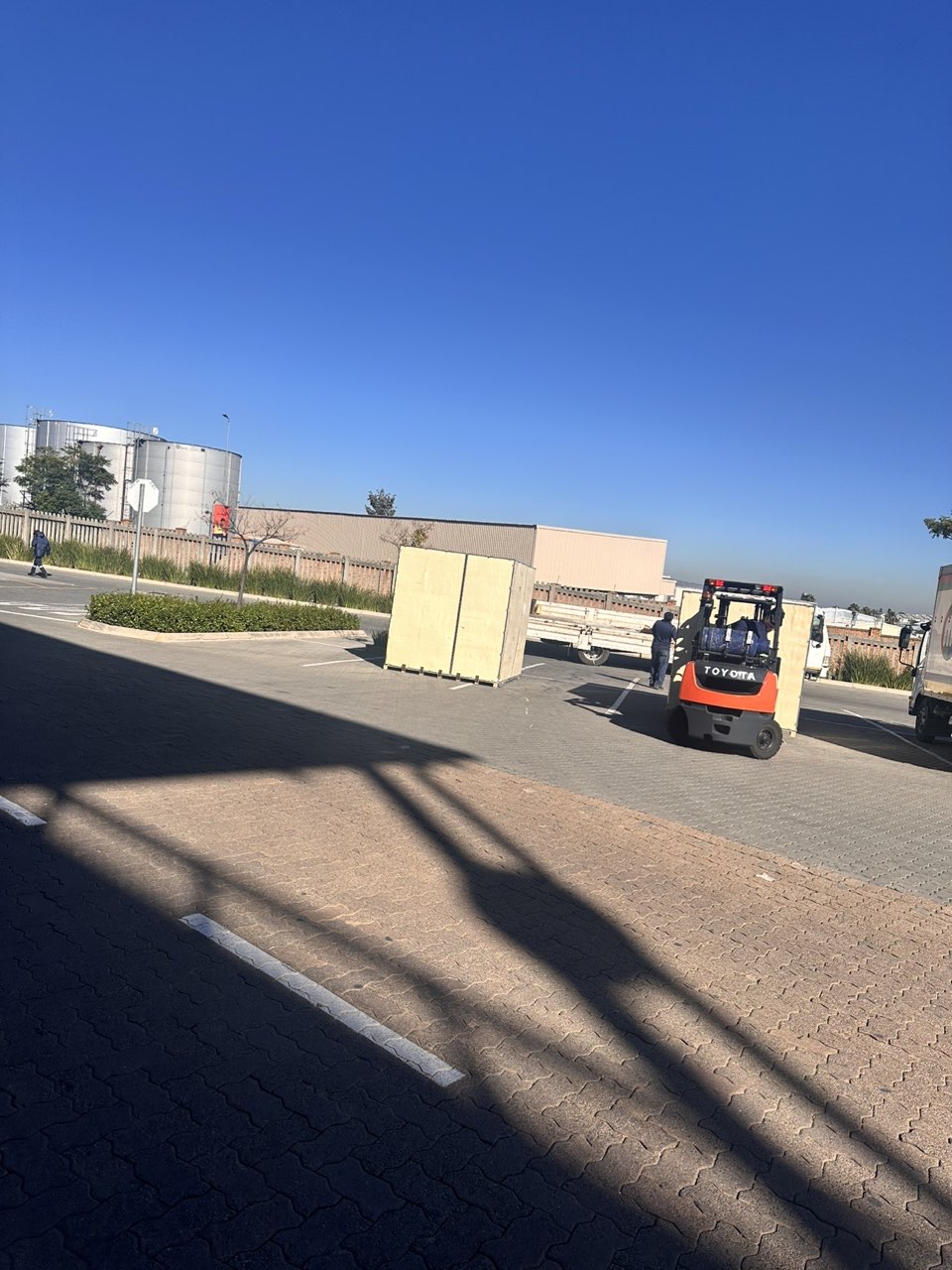
Mining Equipments
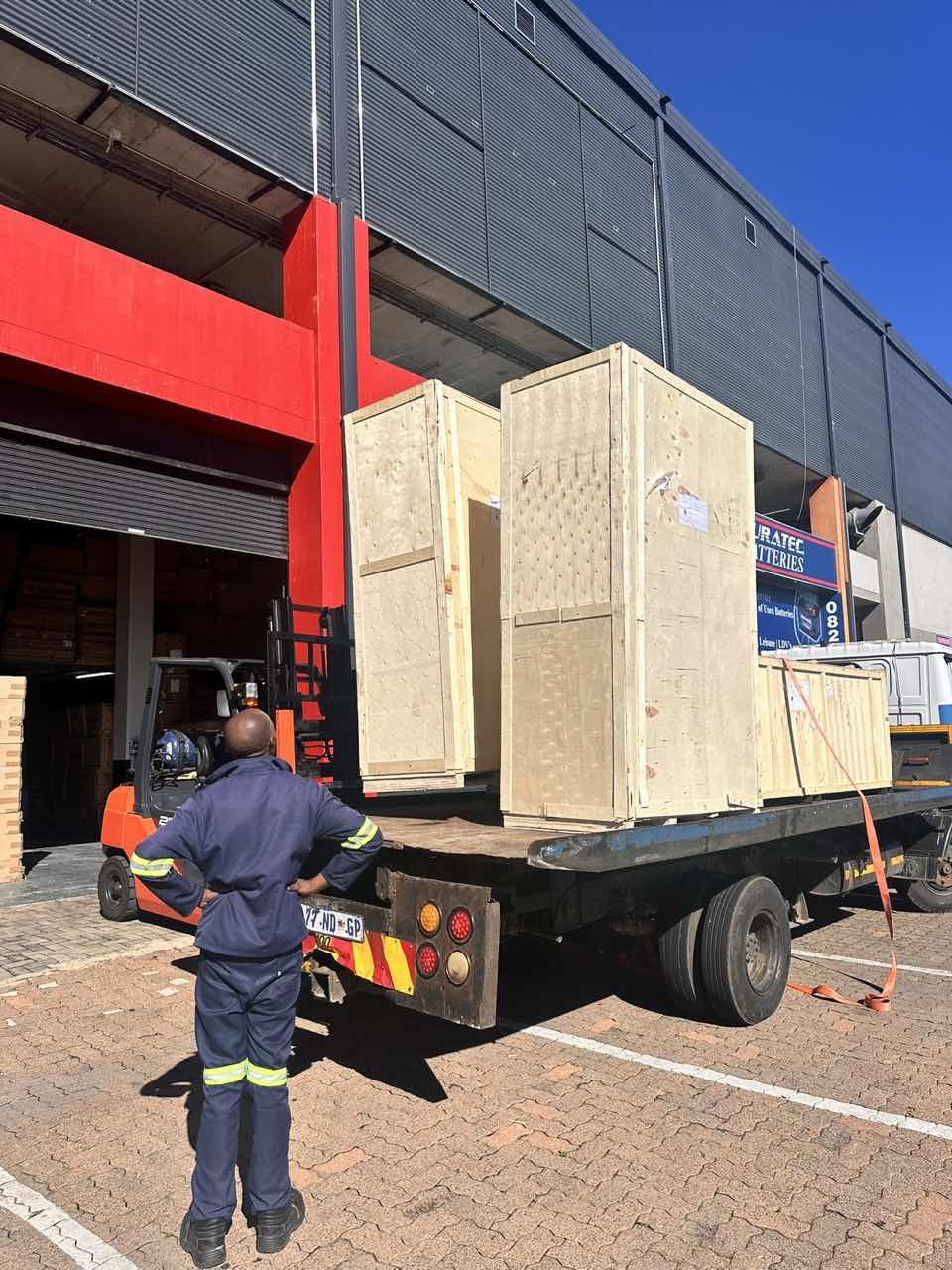
Food Processing Machine
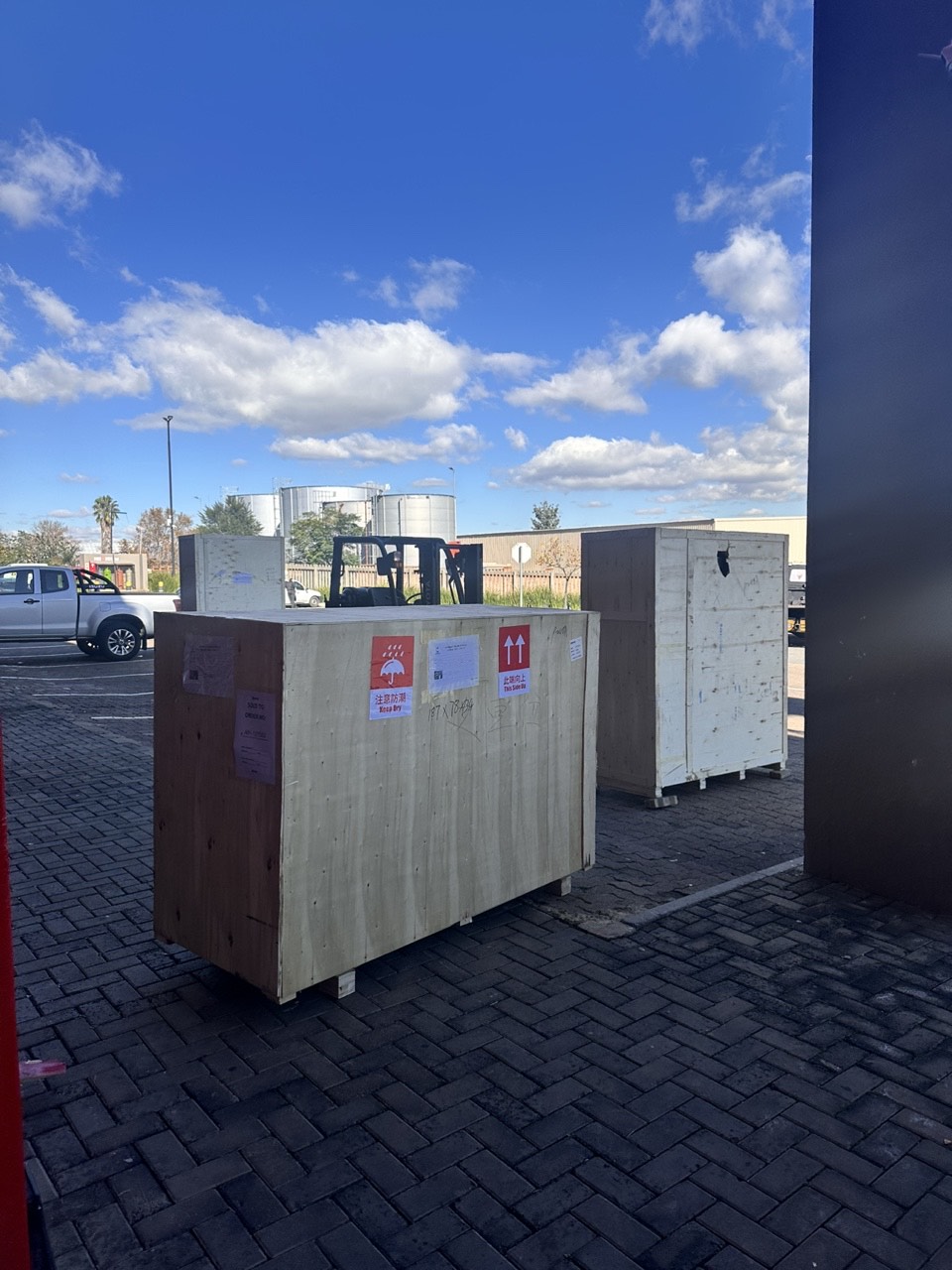
Batch of Orders
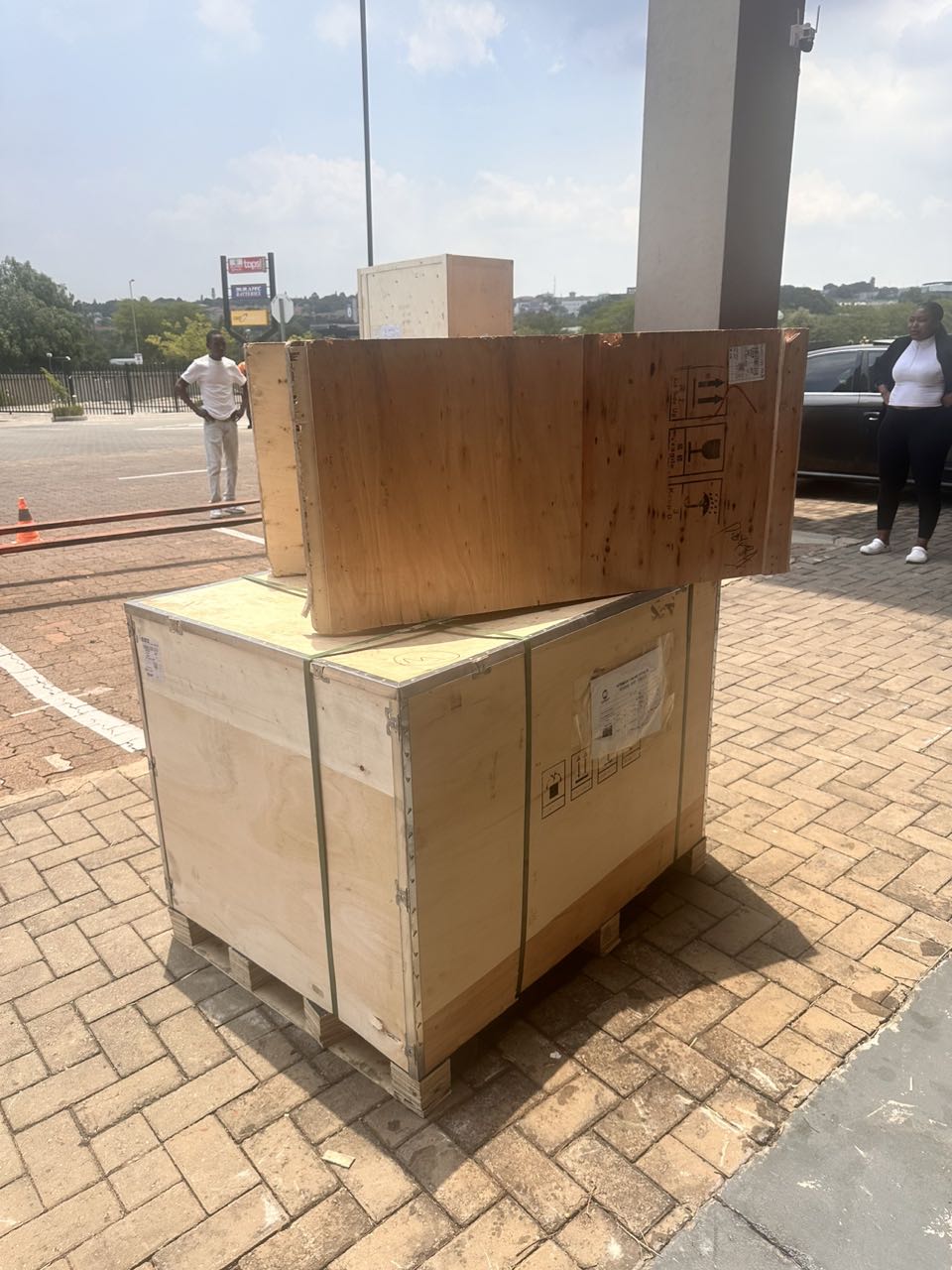
Batch of Orders
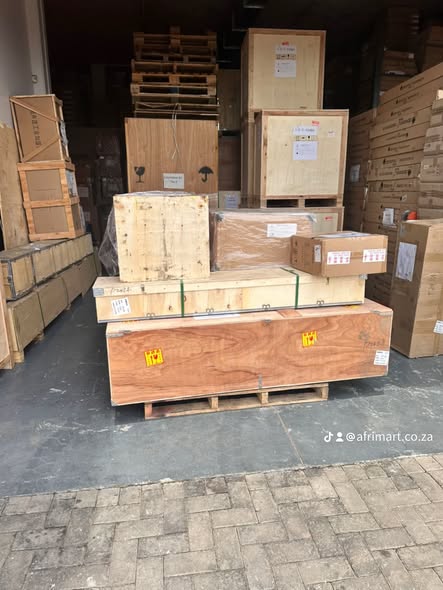
Latest Orders Labelled
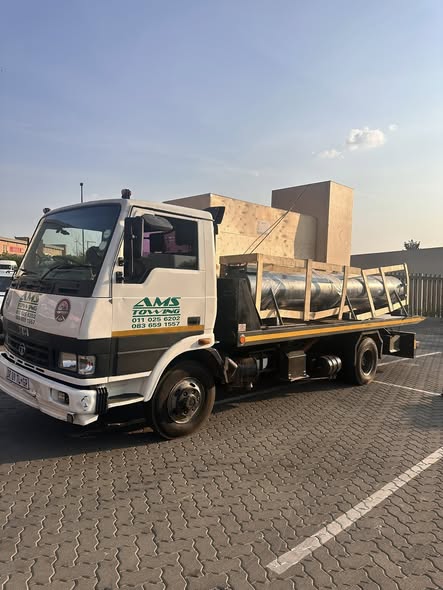
wheel alignment machines
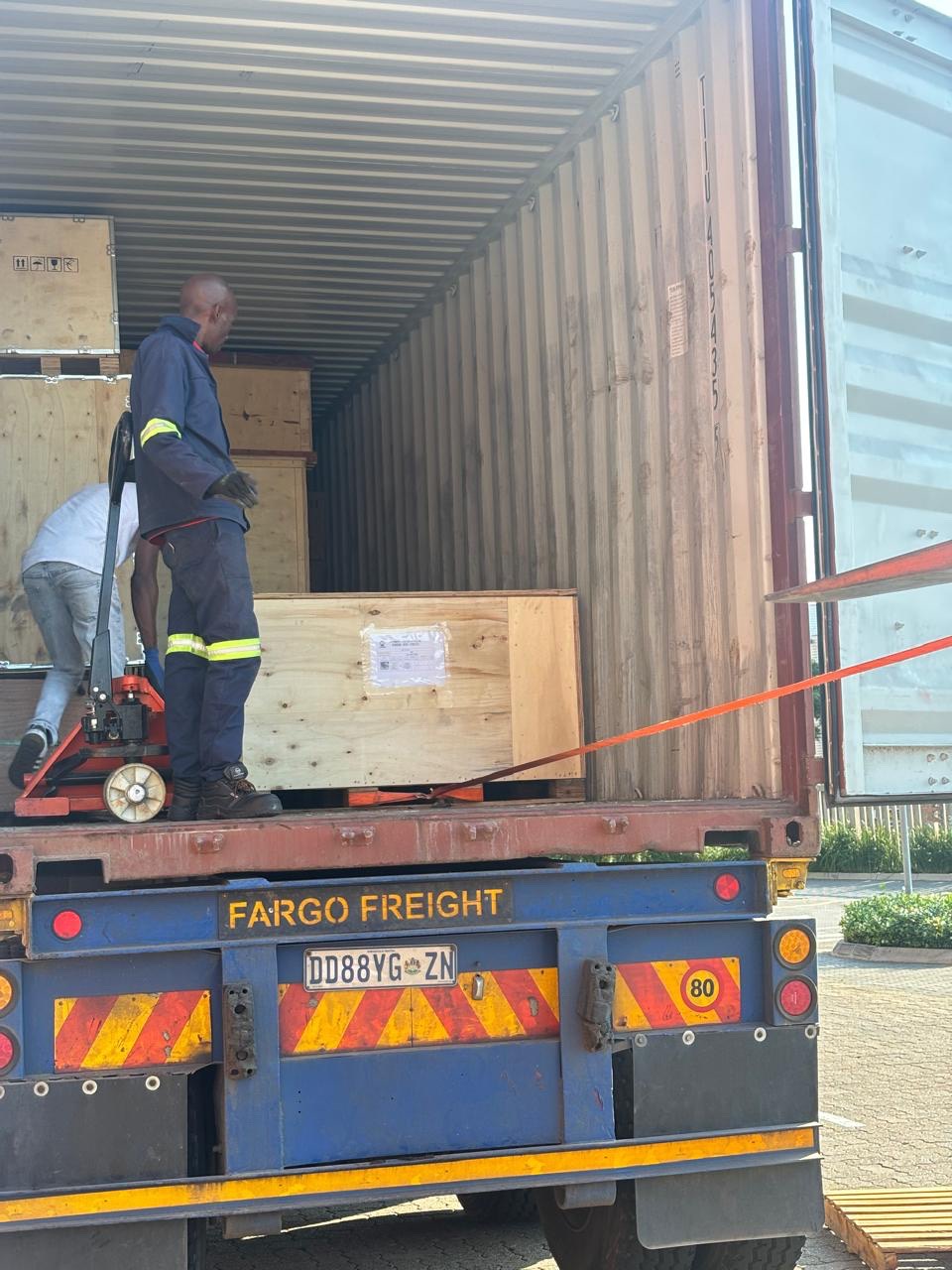
new arrivals
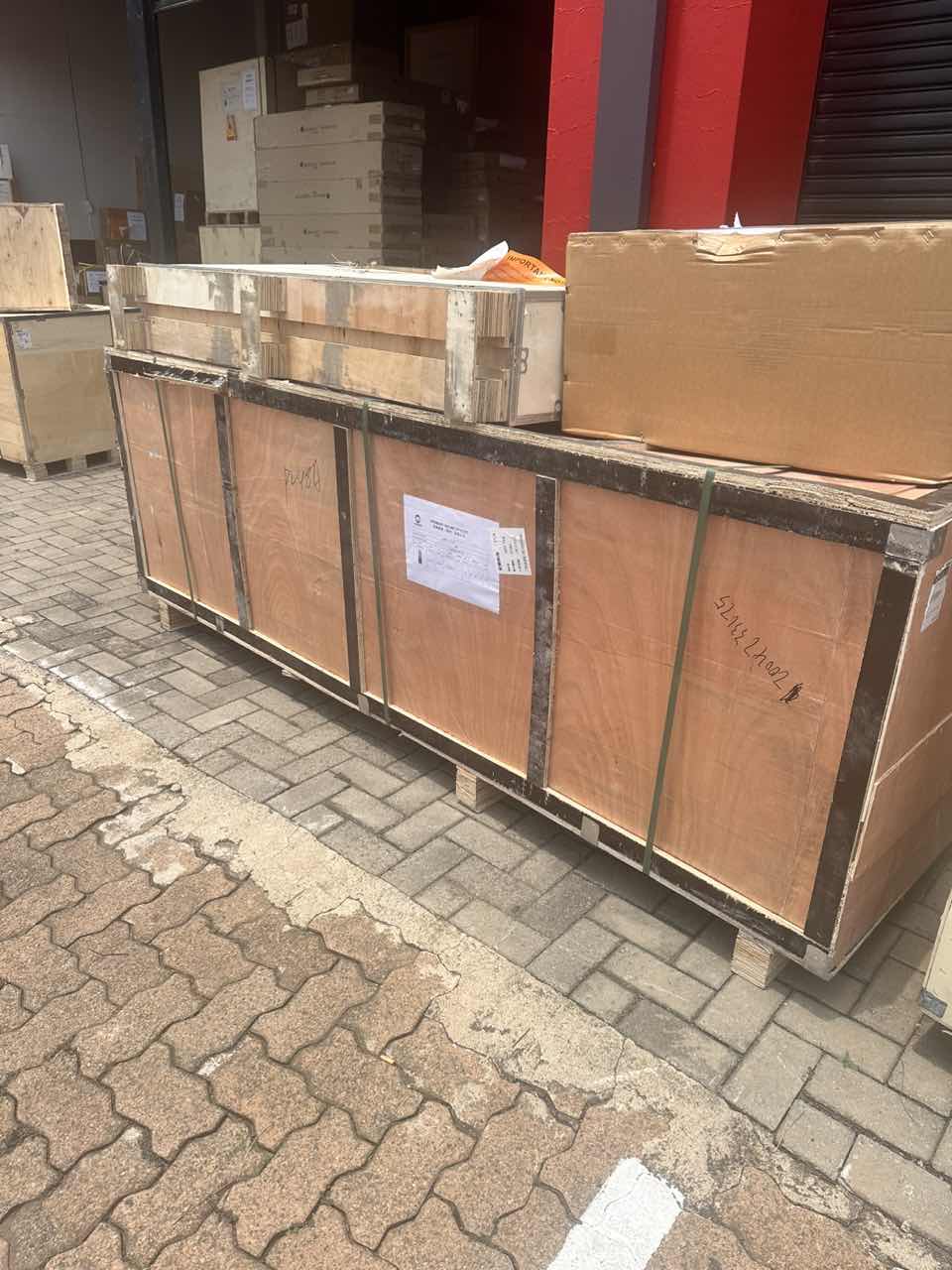
Pre Orders Offloading
Latest Arrivals
Latest Arrivals
Latest Arrivals
Loading
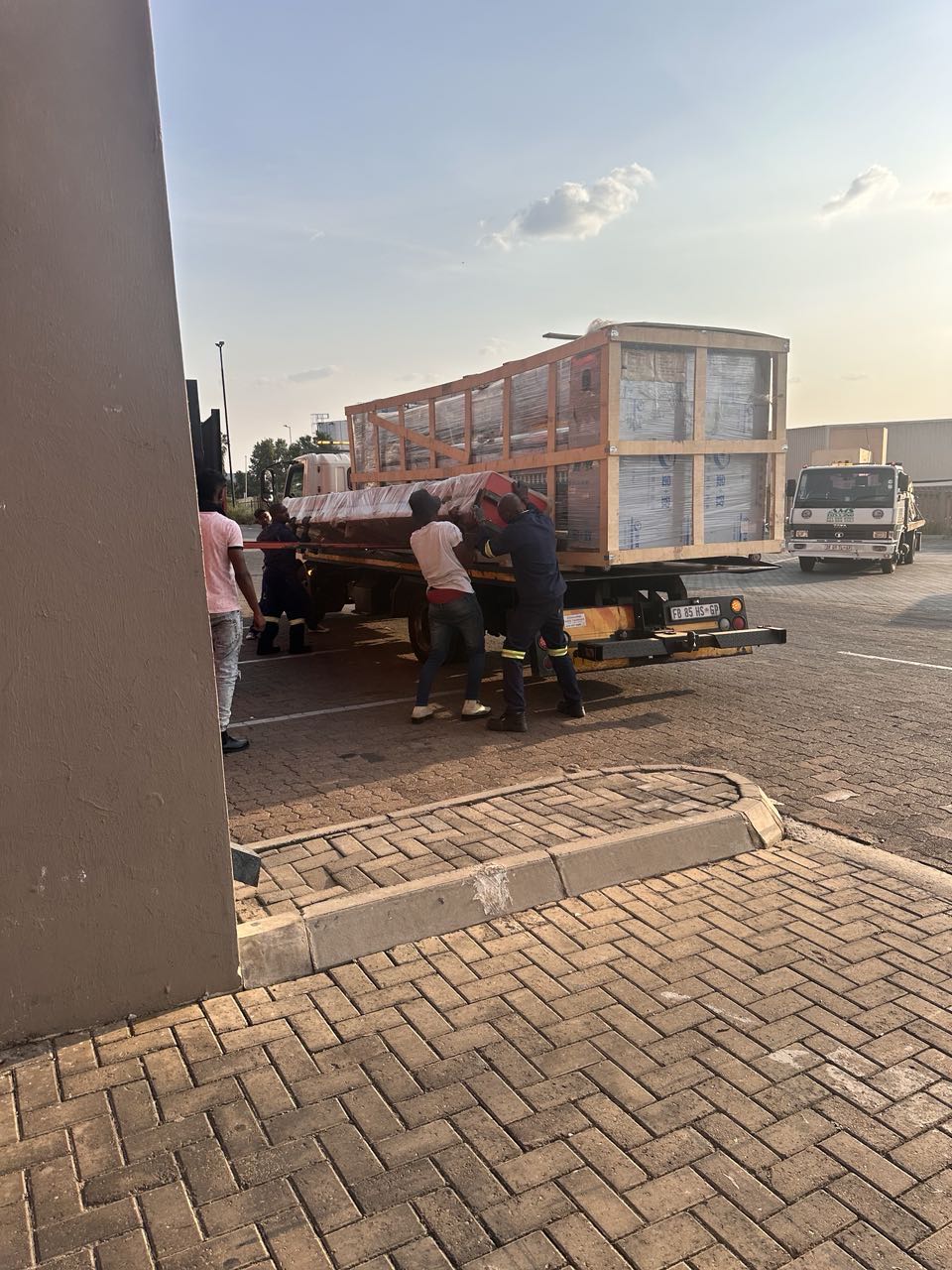
Toilet paper making machine
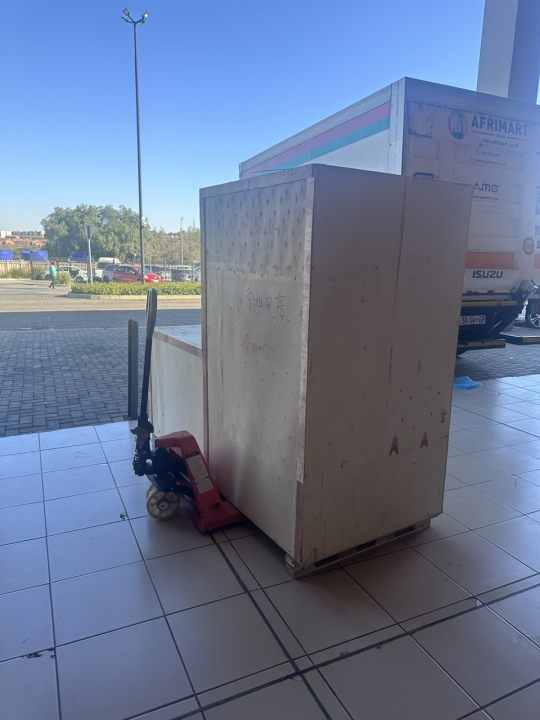
Toilet paper making machine
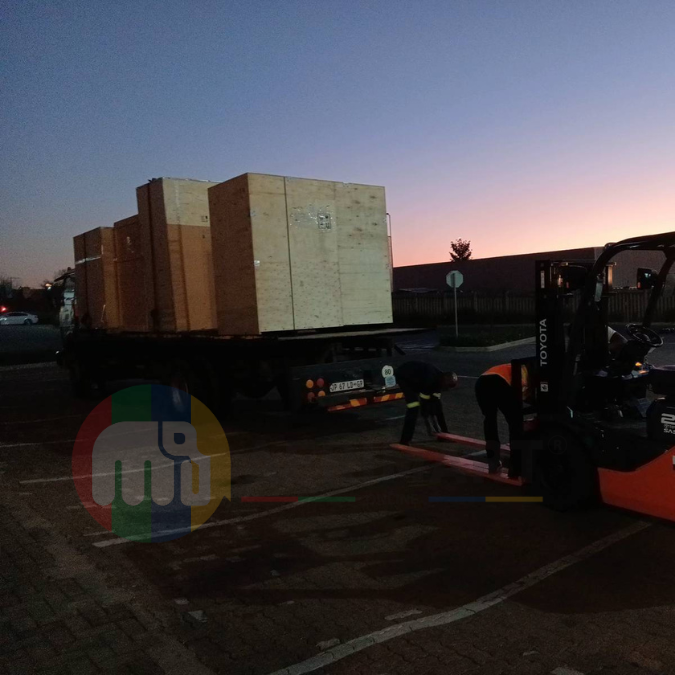
Toilet paper Rewinding Machine
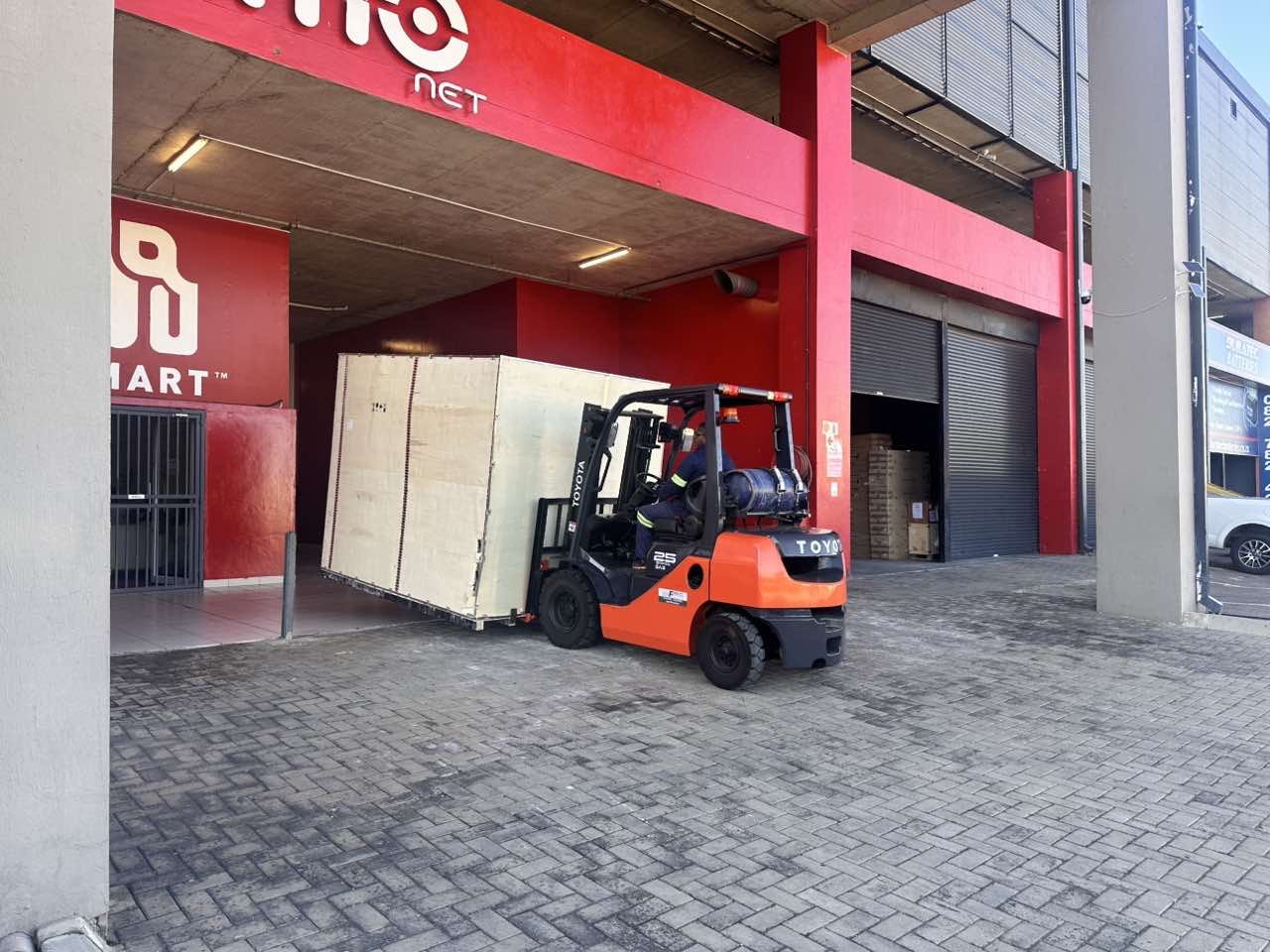
latest arrivals
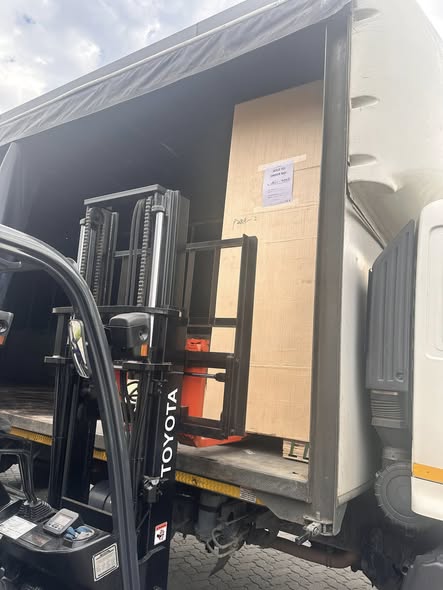
offloading
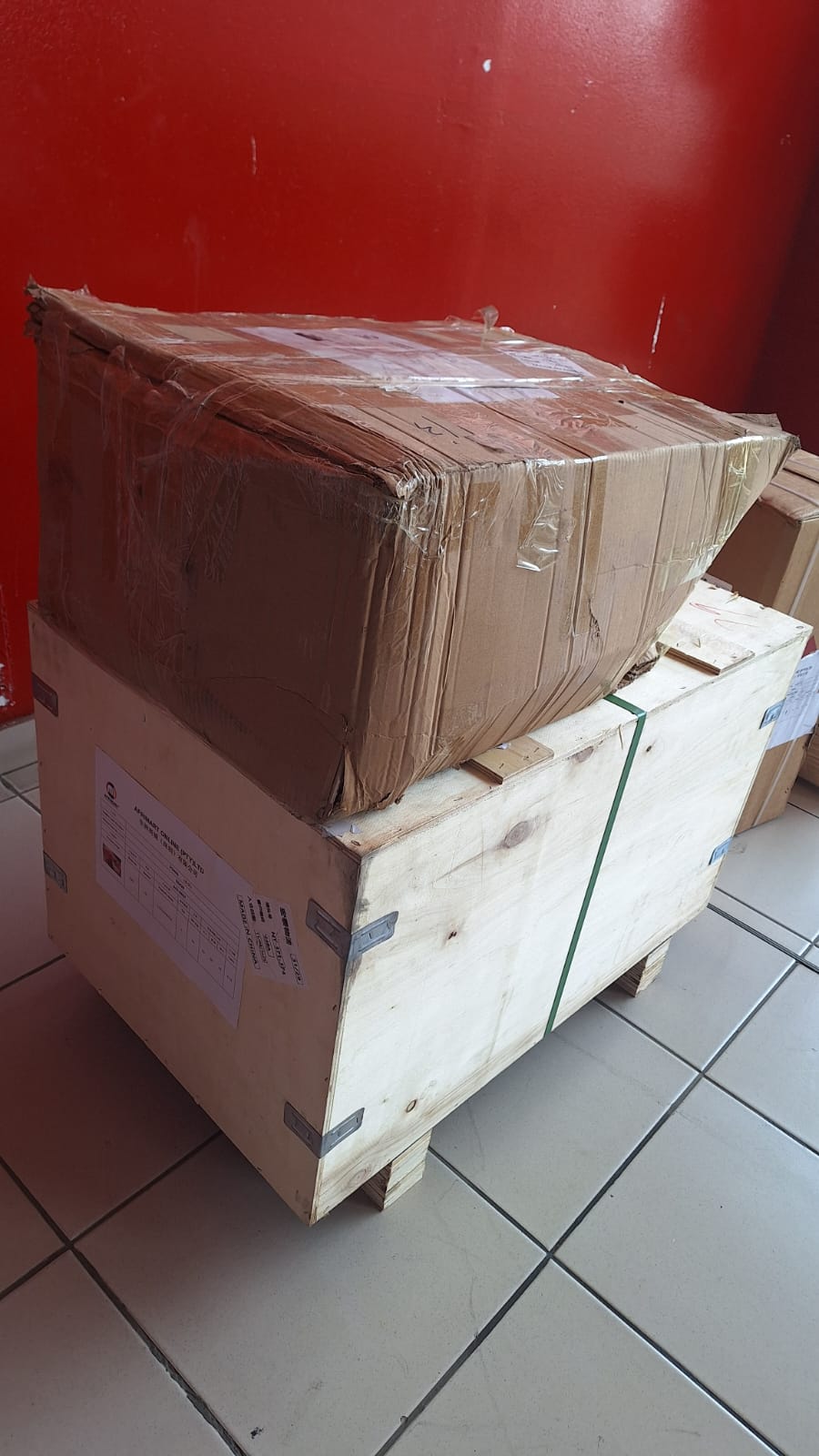
order success
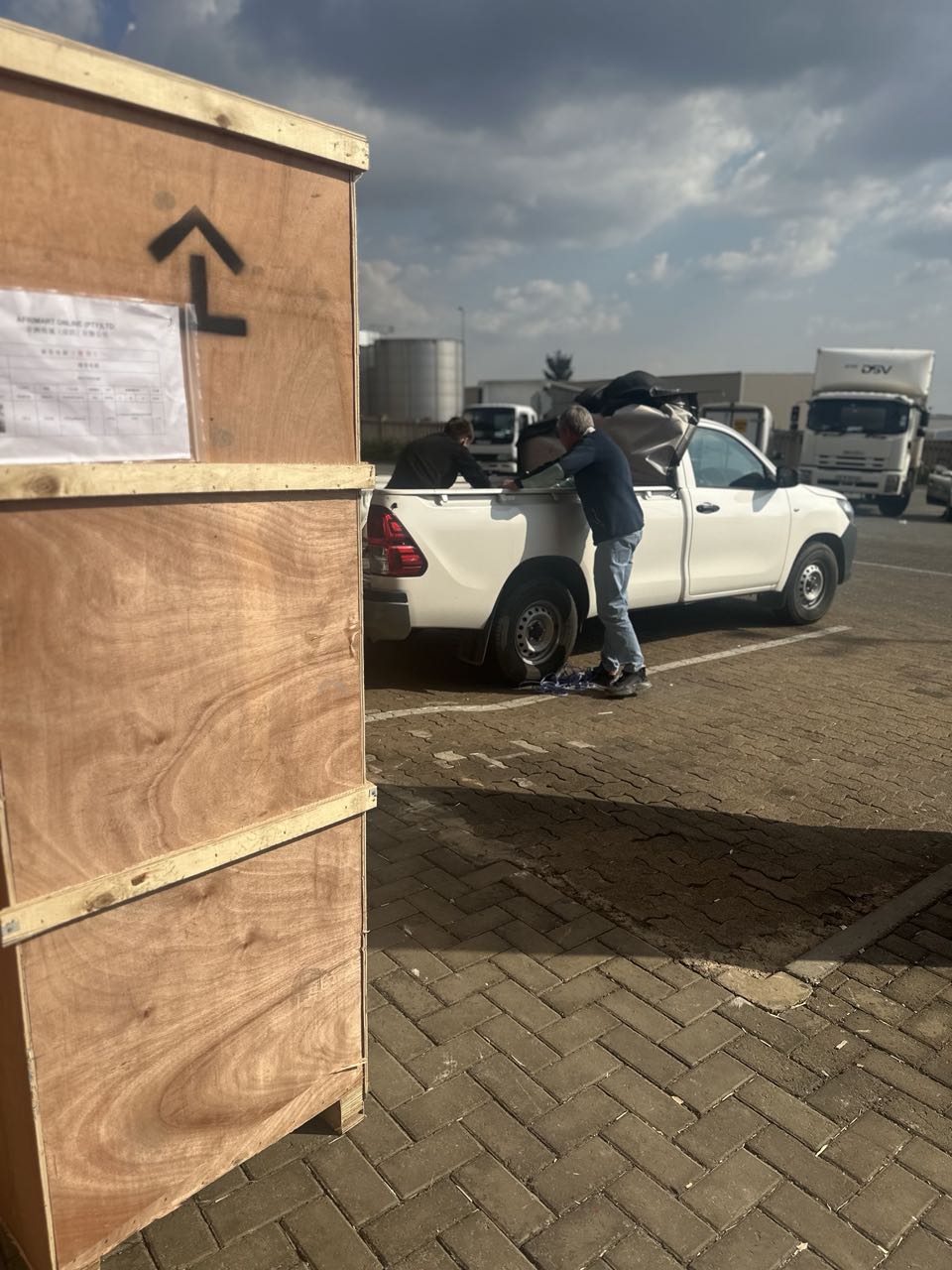
order collection
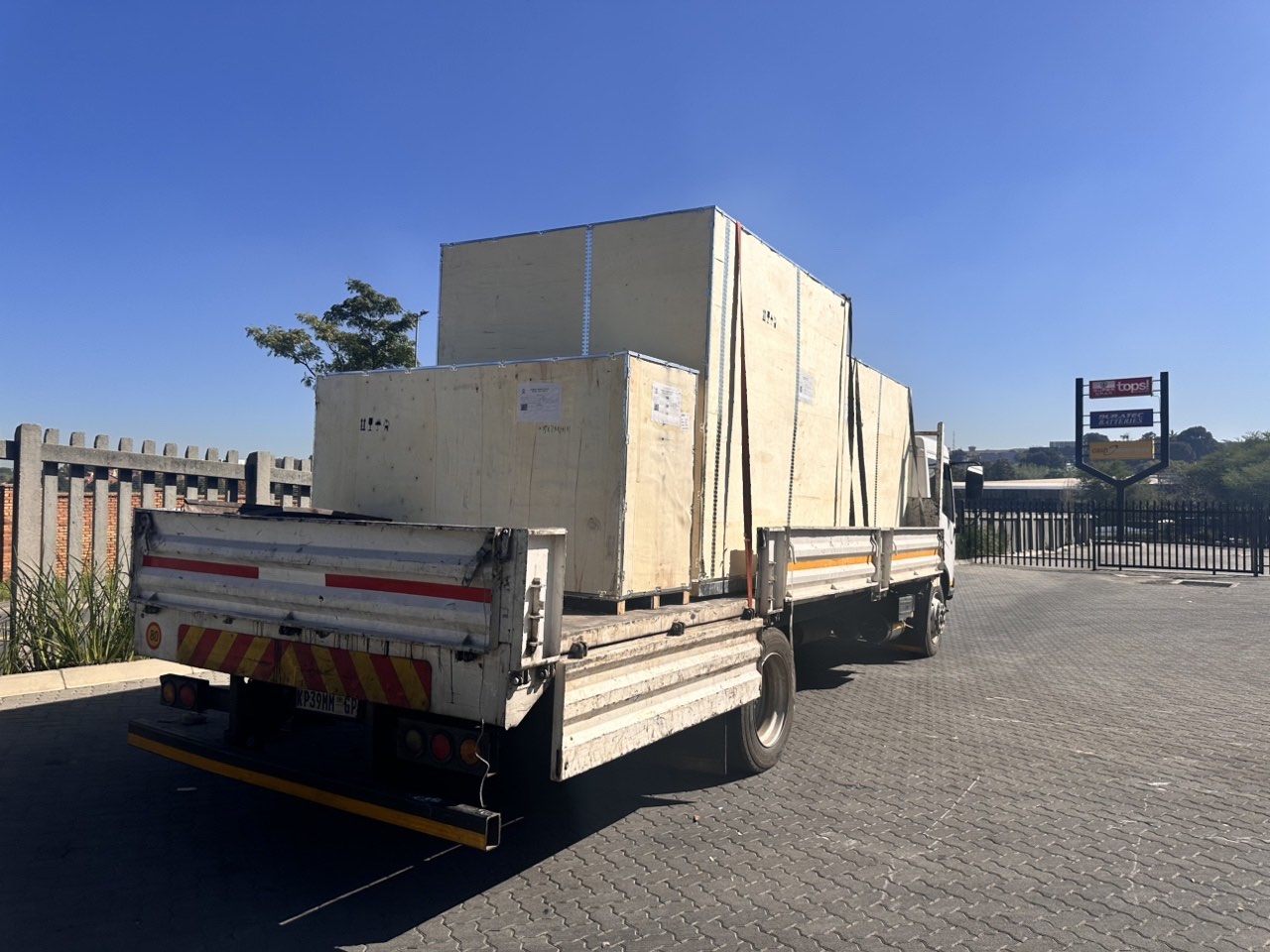
order offloading