B21, China Town Mall, Midrand


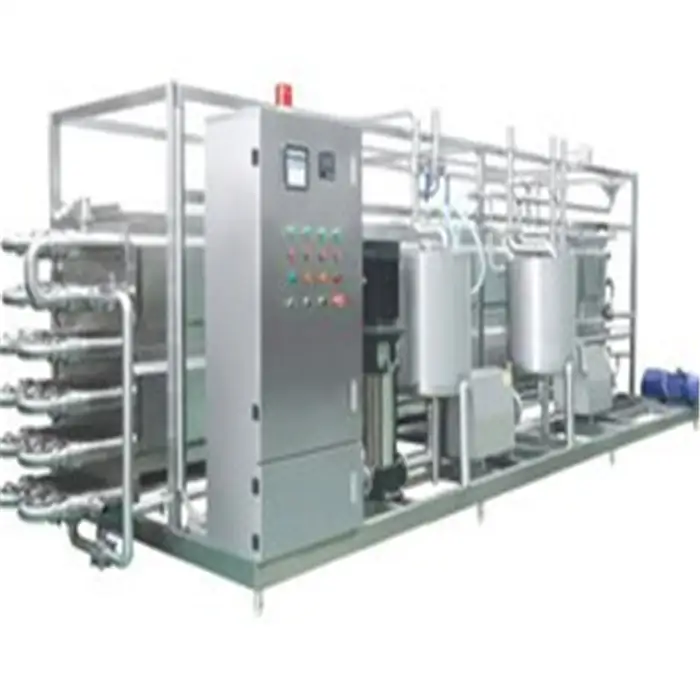
2T/H Concentrated Apple Juice Processing Machine Uht Plate Sterilizer Food Sterilizing Machine
Asset finance available
Do you want funding for this equipment?
Afrimart can connect you with trusted funding partners who specialise in asset finance for businesses like yours. Compare options and apply in minutes — final approval is subject to provider review.
Check funding options
Secure & no obligation

- Section : Machinery
- Category : Other Food Processing Machinery
- SKU : 60681500049

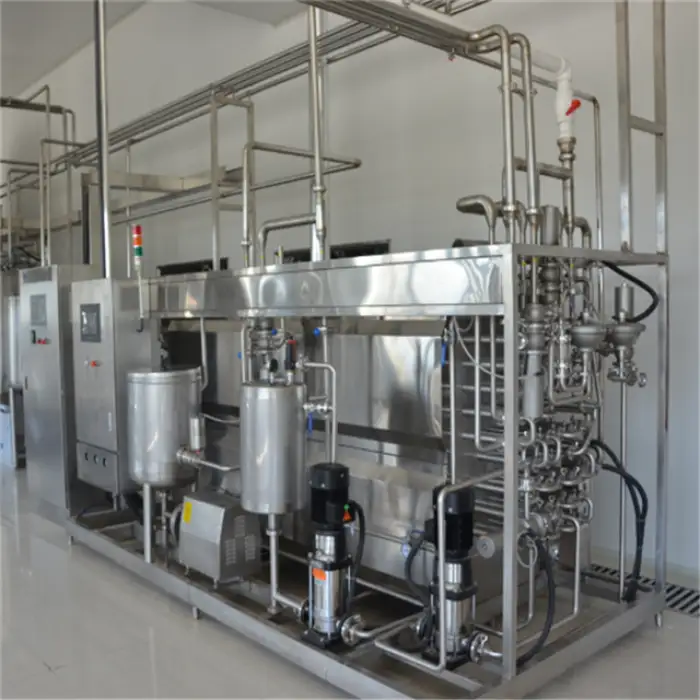
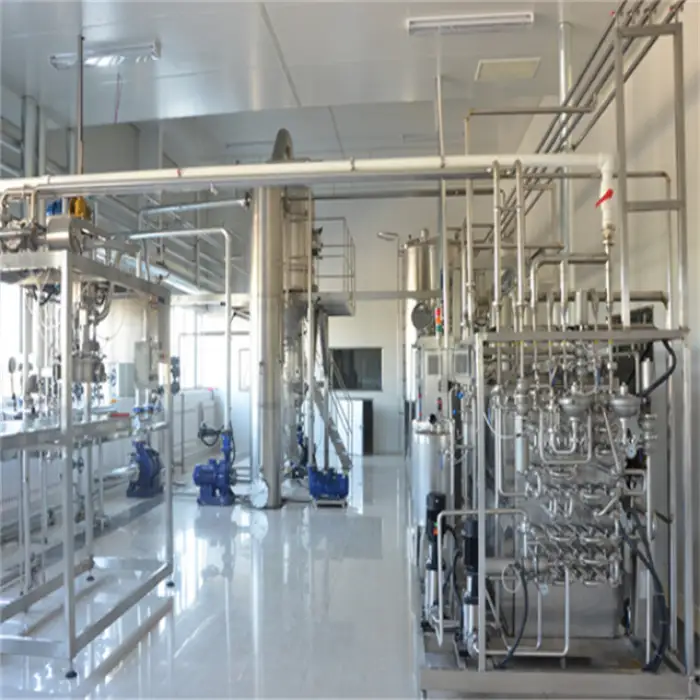
2T/H Concentrated Apple Juice Processing Machine UHT Plate Sterilizer Food Sterilizing Machine
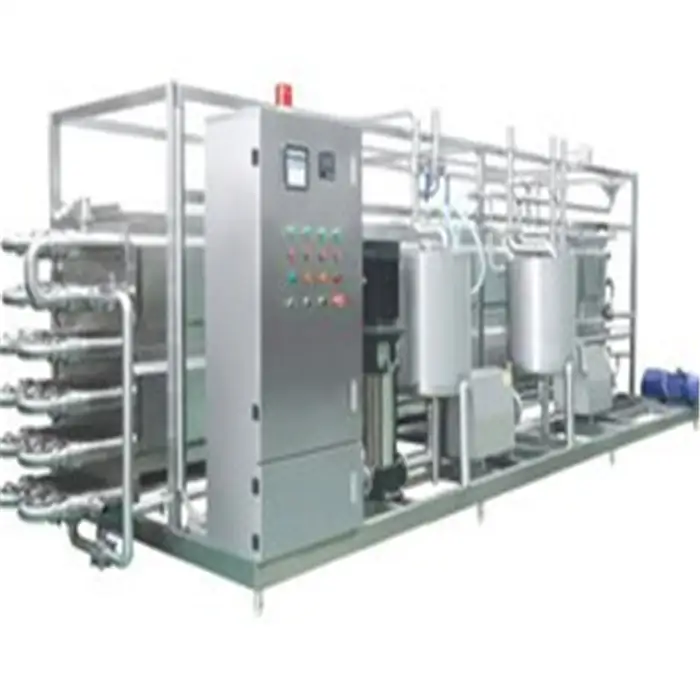
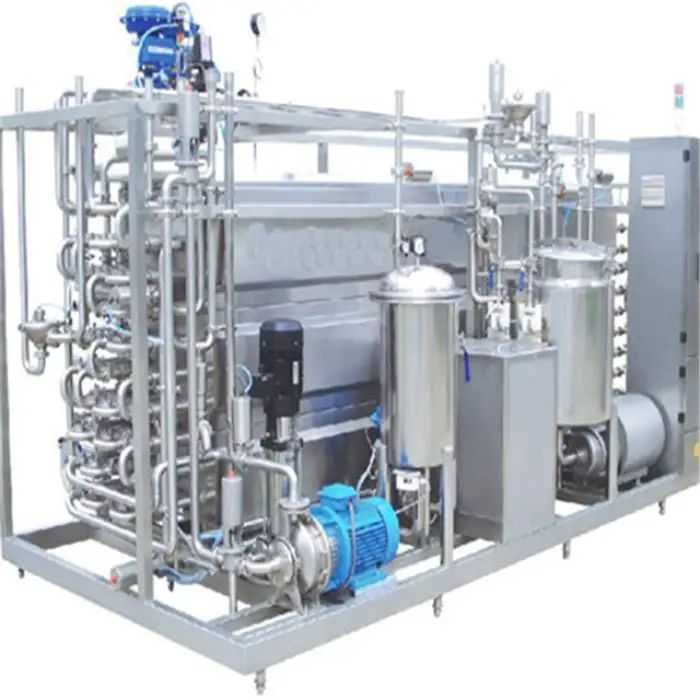
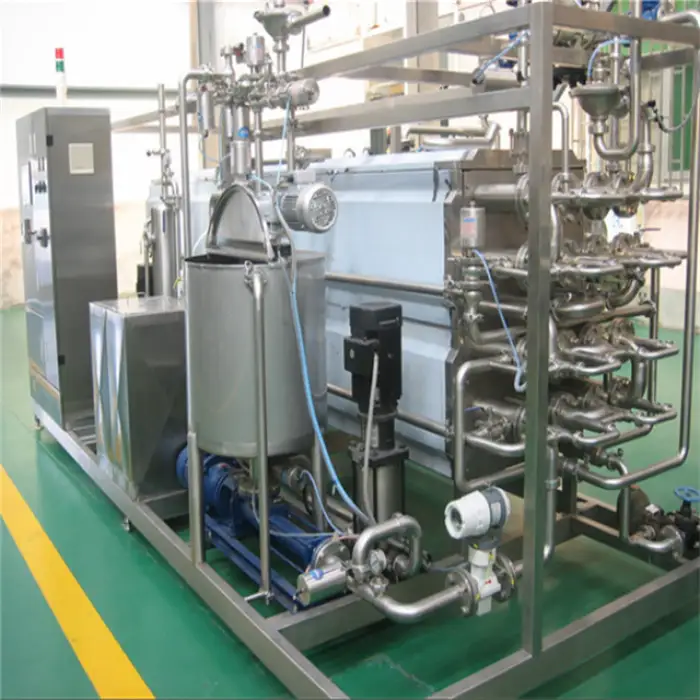
The 2T/H Concentrated Apple Juice Processing Machine UHT Plate Sterilizer is designed to provide high productivity in sterilizing apple juice. This advanced machine ensures that your juice is safe and ready for consumption. With a focus on quality and efficiency, it is the perfect addition to any juice processing facility.
Specifications
| Attribute | Details |
|---|---|
| Condition | New |
| Power | 1.1-12.5 kW |
| Weight | 1800 kg |
| Voltage | 380V / 410V / 220V 50Hz/ 60Hz |
| Dimensions (L*W*H) | 6500*2000*2000 mm |
| Service Provided | Engineers available to service machinery overseas |
| Name | UHT Sterilizer |
| Material | 304/316 Stainless Steel |
| Application | Apple Juice UHT Sterilizer |
| Sterilizing Way | UHT Sterilizer |
| Advantage | Stable Apple Juice UHT Sterilizer |
| Function | UHT Sterilization |
| Type | Four Layers Tube in Tube Sterilizing Machine |
| Design Temperature | Not more than 140℃ |
| Control System | PLC Automatic Control |
| Selling Units | Single Item |
Key Features
- High productivity for large-scale juice processing.
- Uses advanced UHT technology for effective sterilization.
- Automatic PLC control for easy operation.
- Durable construction with 304/316 stainless steel.
- Compact design for efficient space utilization.
Applications
- Processing concentrated apple juice.
- Sterilizing juices for safe packaging.
- Applicable in juice production facilities.
- Used in food and beverage industries.
- Ideal for both small and large scale operations.
Product Info Gallery
- Shipping Timeframes: All orders are processed within 2-5 business days (excluding weekends and holidays). After your order has been processed, the estimated delivery time is before 03 Aug, 2026, depending on customs, Please note that due to high demand, some items may experience longer shipping times, which will be communicated at order confirmation email.
- Order Processing Time: Please allow 2-5 business days for us to process your order before it is shipped . Orders placed after 16:00 on Fridays, or during weekends and public holidays, will begin processing on the next business day. Processing times may be extended during peak seasons or sales events.
- Manufacturing Time: Some products needs manufacturing time, the manufacturing process will take approximately 10-30 business days depending on the product. This timeframe may vary depending on the complexity of the product and current demand. but this will be communicated with you during order confirmation.
- Returns and Exchanges: We offer a 30-day return policy for most items. If you are not completely satisfied with your purchase, you may return it within 30 days of receipt for a refund or exchange. Items must be unused, in their original packaging, and accompanied by proof of purchase. Return shipping costs are the responsibility of the customer, unless the item was damaged or defective upon arrival.
1. What does 2T/H capacity mean?
2T/H means the machine can process approximately 2 tons (about 2,000 kg) of concentrated apple juice per hour. Actual throughput can vary with product viscosity, solids content and process settings.
2. What sterilization technology does the machine use?
It uses UHT (Ultra High Temperature) sterilization in a four-layer tube-in-tube configuration to rapidly heat and cool the juice, inactivating microorganisms while minimizing thermal damage to flavor and nutrients.
3. What are the main materials in contact with the juice?
All product-contact parts are made from food-grade stainless steel (304/316). 316 is commonly used where greater corrosion resistance is required for acidic juices.
4. What are the electrical and power requirements?
Power consumption ranges from 1.1 to 12.5 kW depending on configuration. Standard voltage options are 380V / 410V / 220V with 50Hz or 60Hz; final specification is confirmed at order based on your local supply.
5. What are the machine dimensions and weight?
Overall dimensions are approximately 6500 x 2000 x 2000 mm (L x W x H) and the machine weight is around 1800 kg. Allow additional space for installation, piping and servicing.
6. How is the machine controlled and operated?
The system uses PLC automatic control for process regulation. This simplifies operation and monitoring; typical installations include an operator panel (HMI) and safety interlocks.
7. Is this machine suitable only for concentrated apple juice?
It is designed for concentrated apple juice but is also applicable to other clear fruit juices and liquid beverages with similar properties. Products with large particulates or heavy pulp typically require prefiltration or different equipment.
8. What is the maximum design temperature for sterilization?
The machine is designed for temperatures up to but not exceeding 140°C, which is consistent with typical UHT processes for juice sterilization.
9. Does the unit support CIP (clean-in-place) cleaning?
The sterilizer is constructed for hygienic processing and is commonly integrated into CIP systems. Confirm CIP capabilities and recommended cleaning procedures with the supplier for your specific configuration.
10. What kind of installation, commissioning and after-sales support is available?
Engineers are available to service and commission machinery overseas. Typical support includes on-site installation, start-up, operator training and after-sales service—details should be confirmed with the supplier.
11. How often does the machine require maintenance?
Maintenance frequency depends on usage and product. Routine checks typically include inspections of seals, valves, heat-exchange surfaces, sensors and cleaning systems. The supplier can provide a recommended preventive maintenance schedule.
12. Will UHT sterilization affect juice flavor and nutrients?
UHT processes are designed to minimize quality loss by using very short heating times at high temperatures. While some sensitive compounds can be affected, properly configured UHT systems preserve flavor and extend shelf life better than prolonged lower-temperature treatments.
13. Can the machine be customized or upgraded?
Yes, many components and control options can be customized to suit capacity, product characteristics, automation level and local electrical standards. Discuss your specific requirements with the supplier to determine available options.
14. What documentation and regulatory support is provided?
Suppliers typically provide equipment manuals, electrical and piping diagrams, and FAT documentation. Certification (e.g., CE, ASME, USDA) and validation support depend on the manufacturer and can be arranged upon request—confirm required documentation before purchase.
Latest Order Arrivals
Discover our latest orders
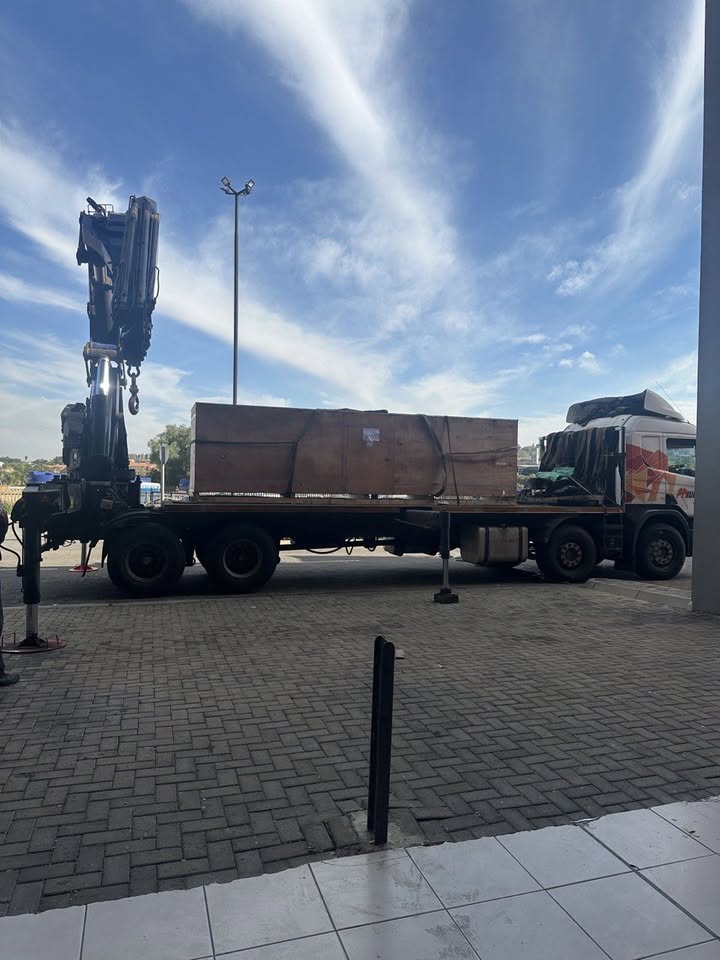
12 Heads Embroidery Machine
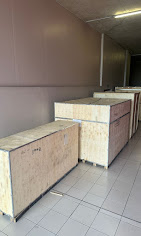
Toilet Paper Machine Machine
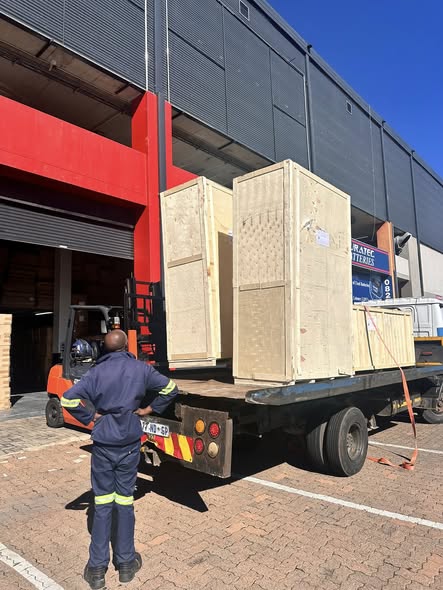
Order Collection
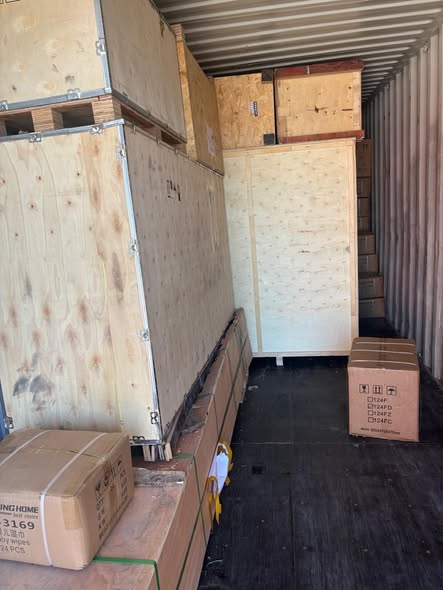
Cross Border Clients
Order cros border countries Collected
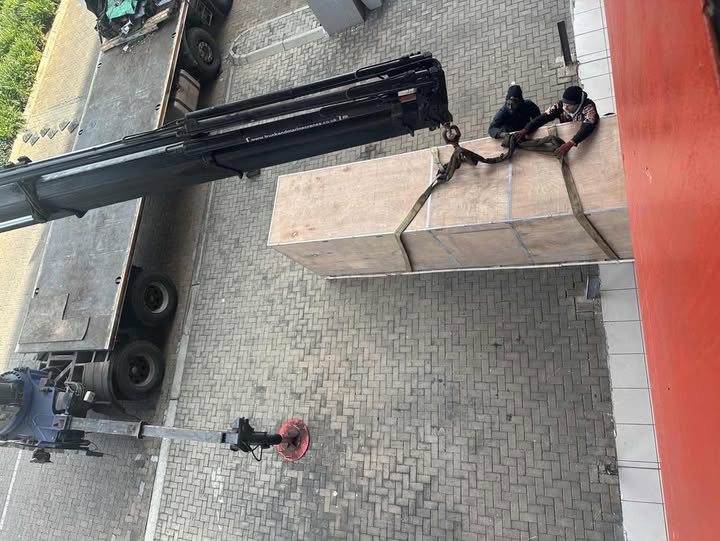
Industrial Machine Cllection
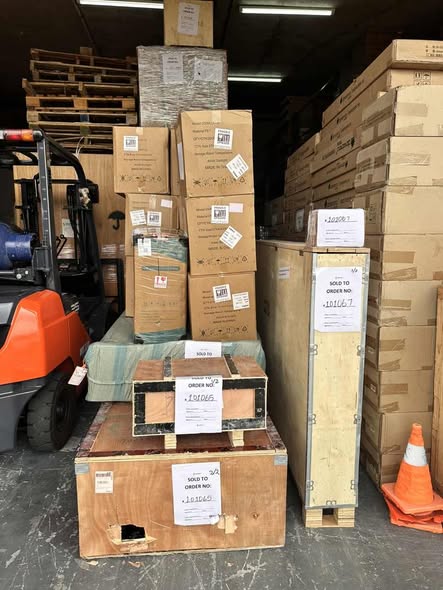
Agriculture Processing Machines
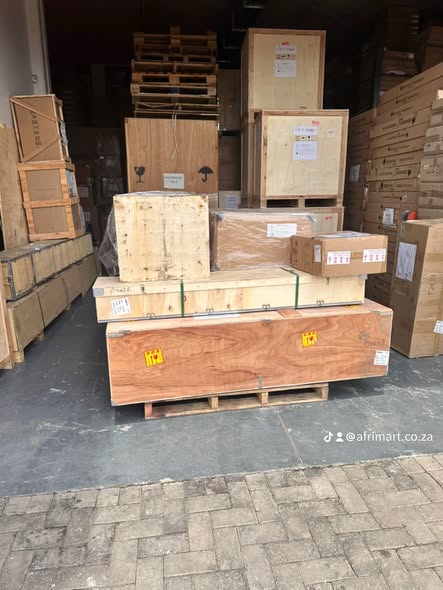
Ready for collection
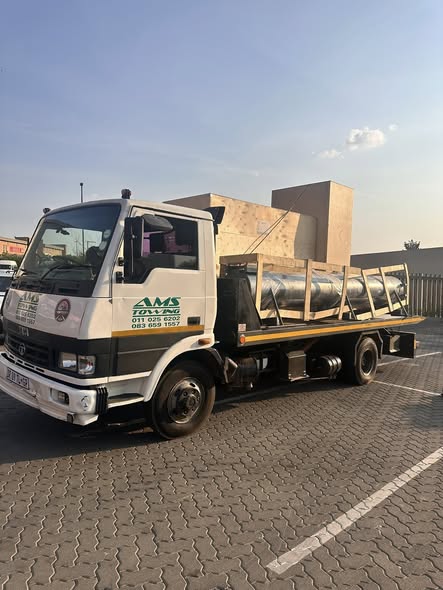
Water Pump Equipment
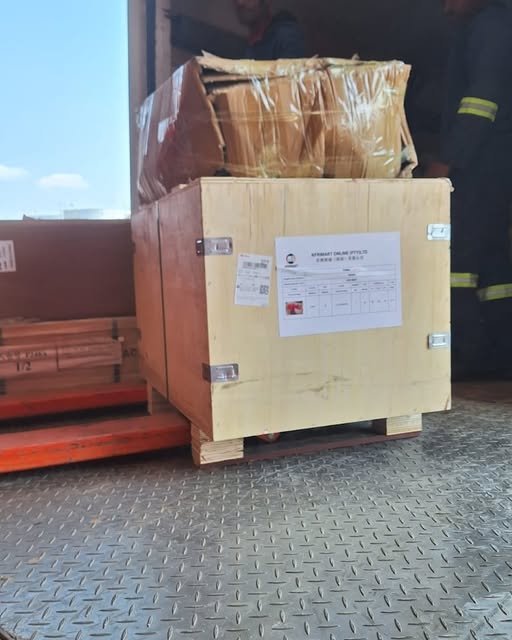
Packaging Machine and accessories
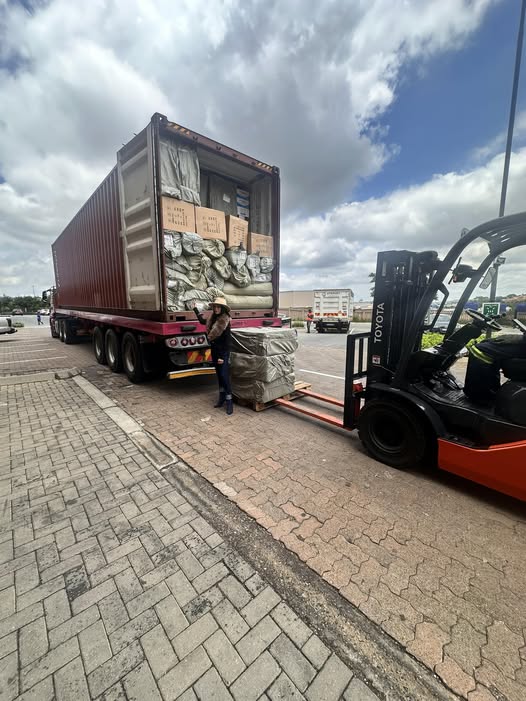
Fabrics Manufacturing Equipment
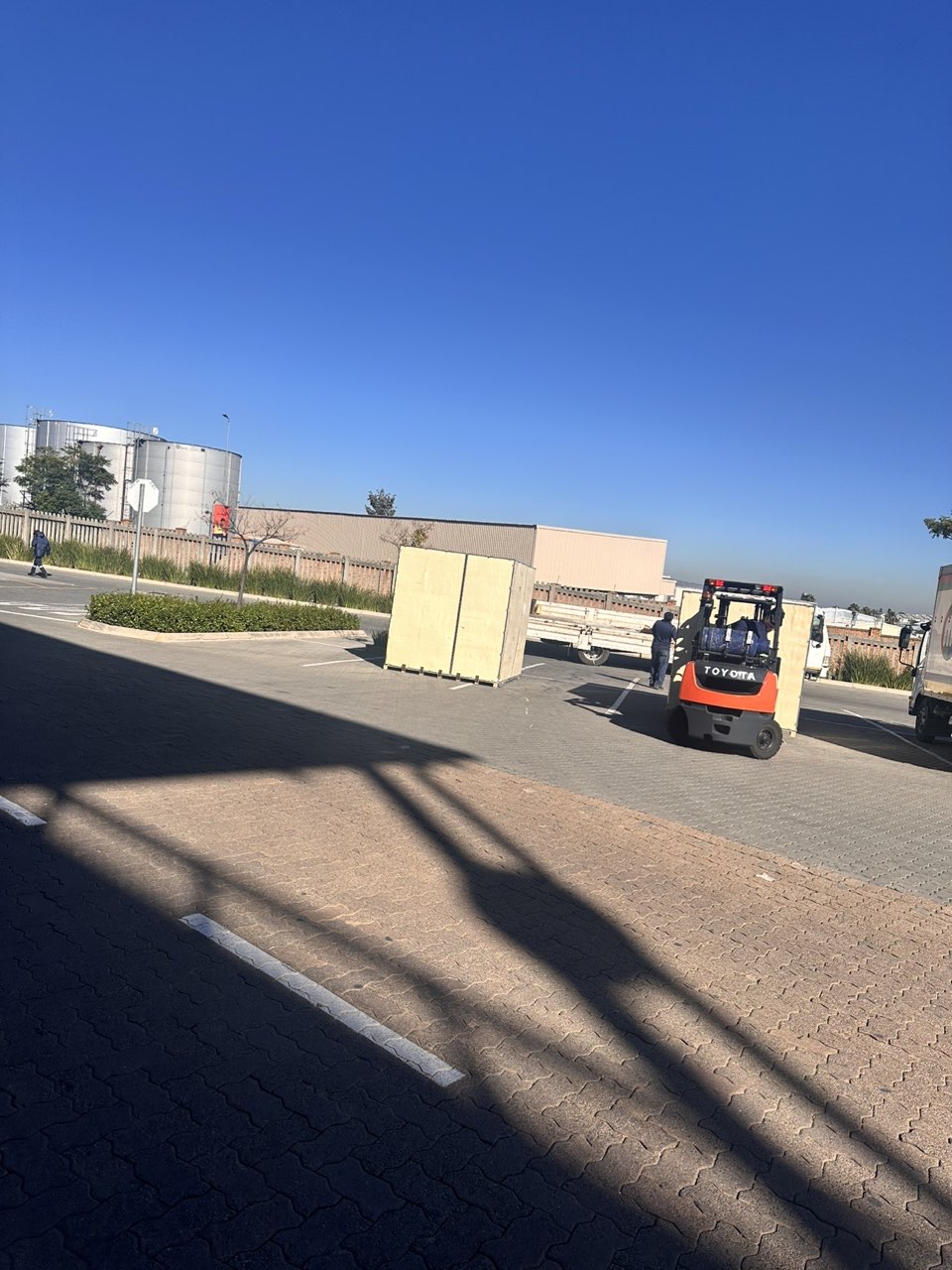
Mining Equipments
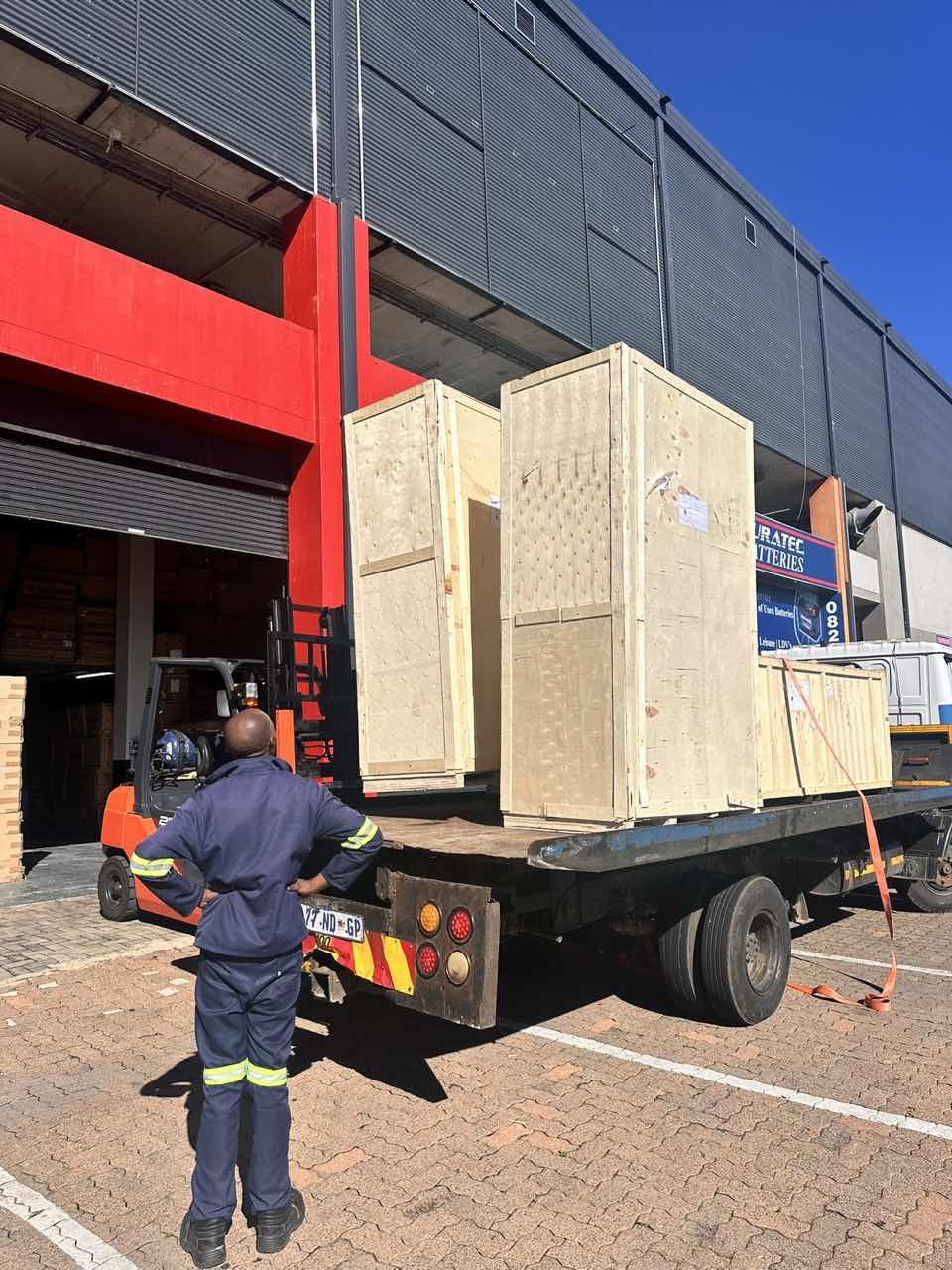
Food Processing Machine
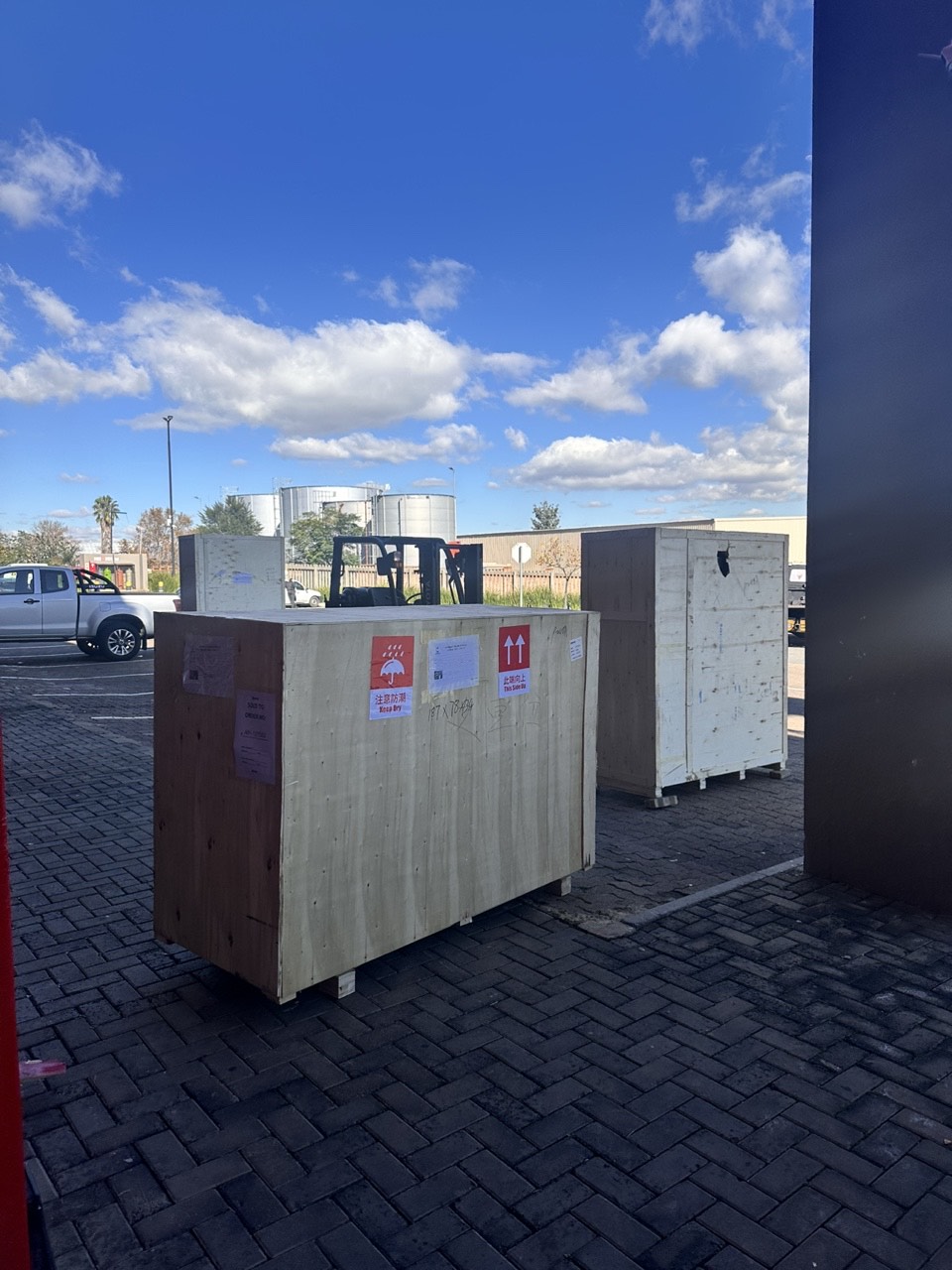
Batch of Orders
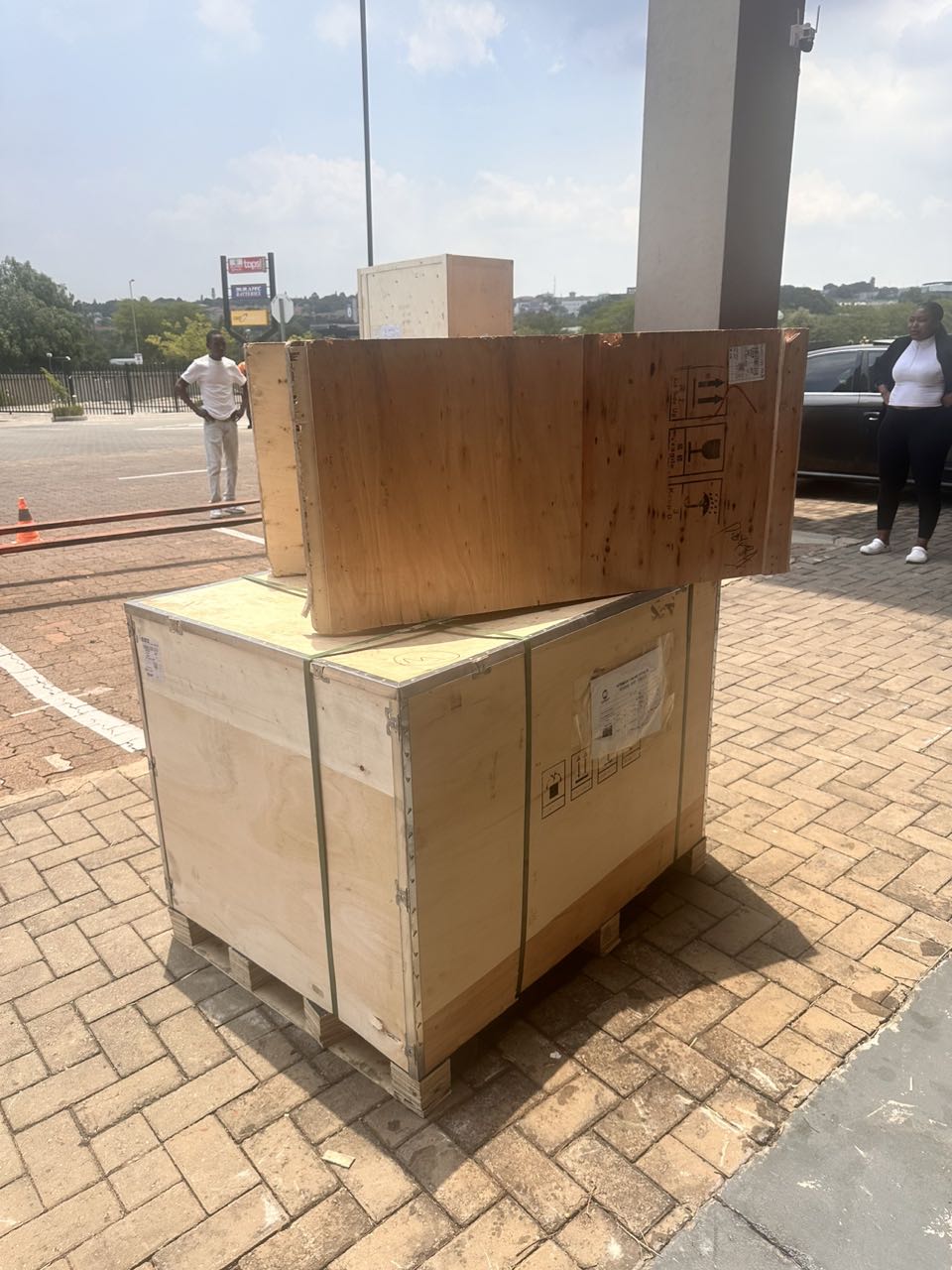
Batch of Orders
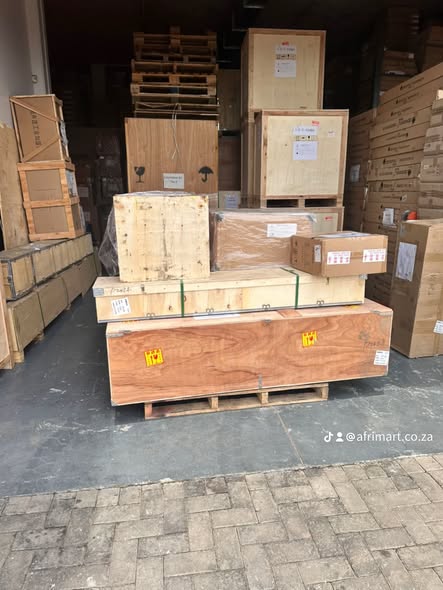
Latest Orders Labelled
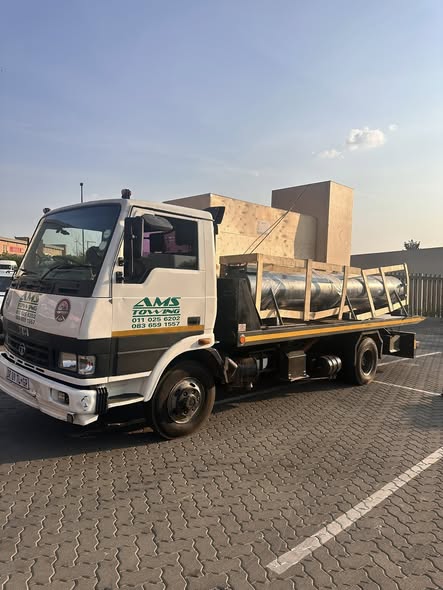
wheel alignment machines
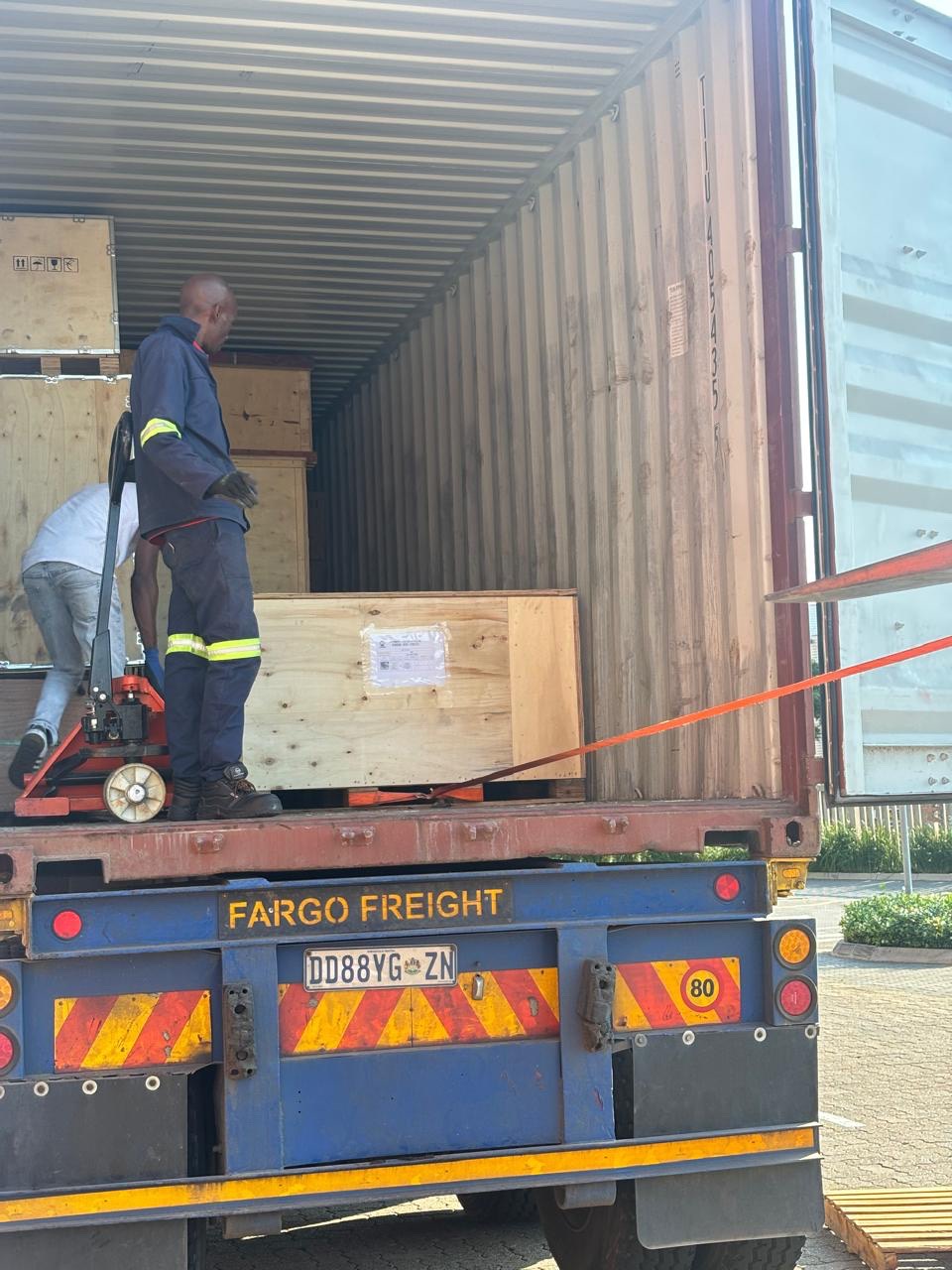
new arrivals
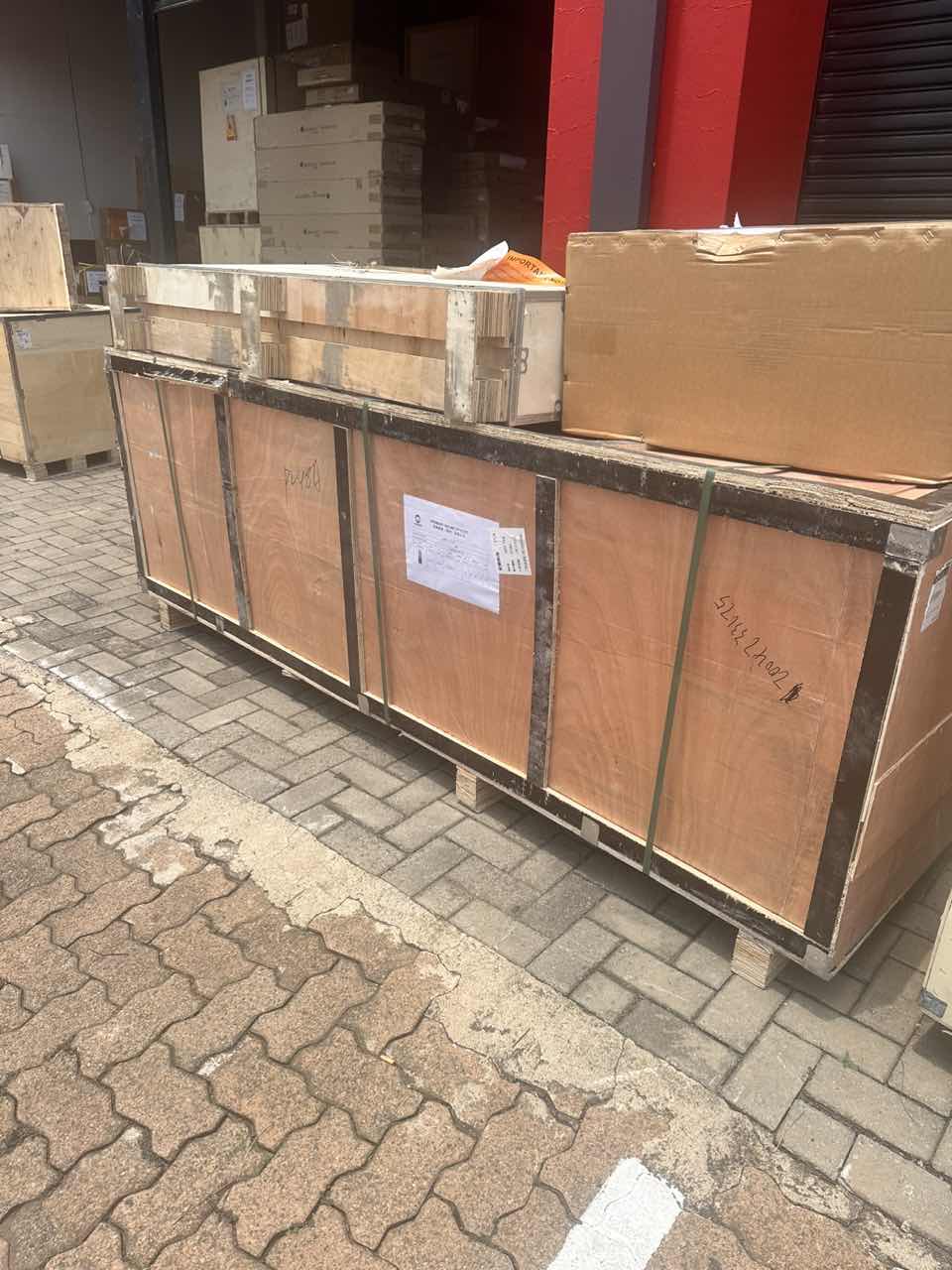
Pre Orders Offloading
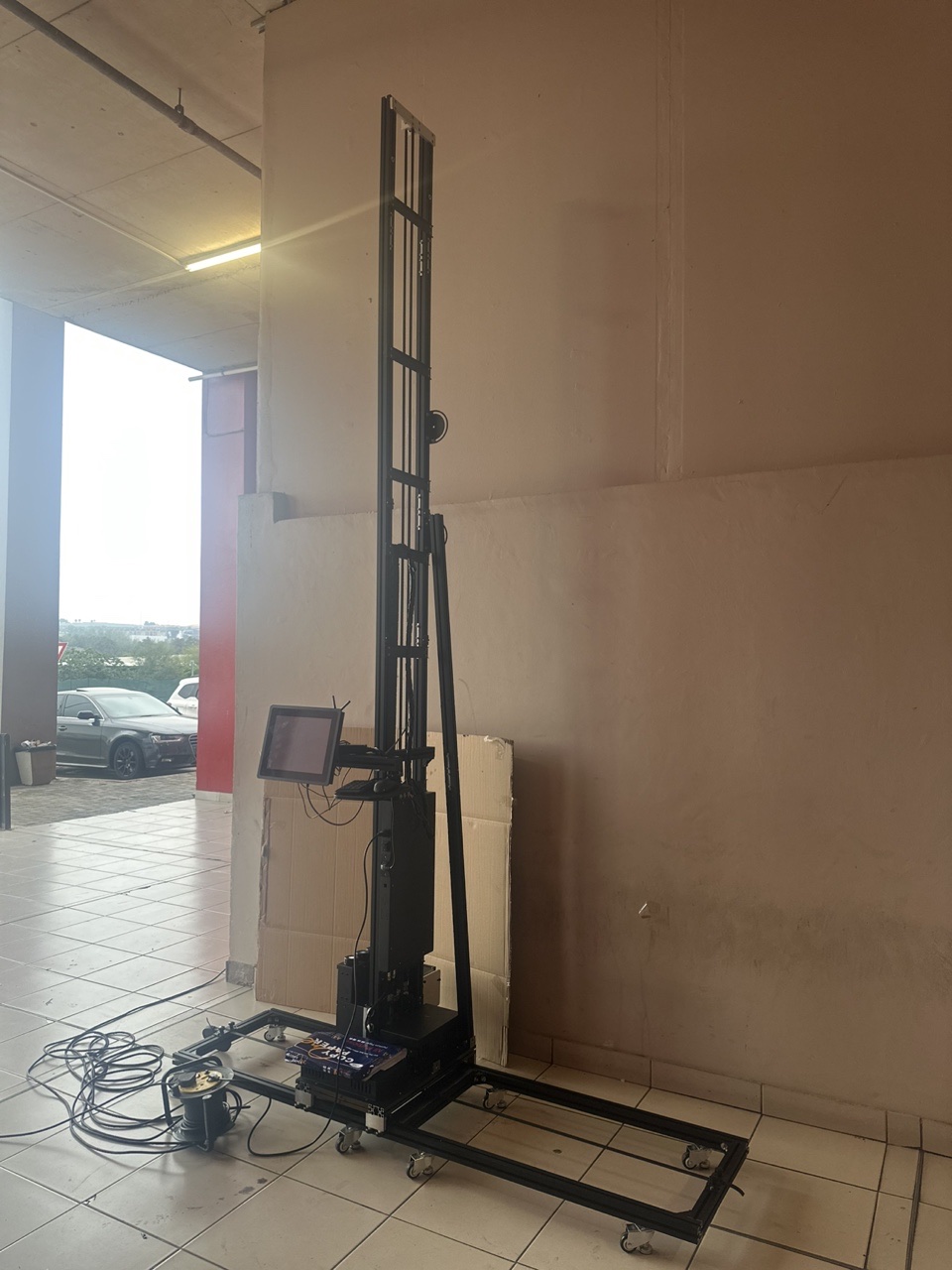
Latest Arrivals
Latest Arrivals
Latest Arrivals
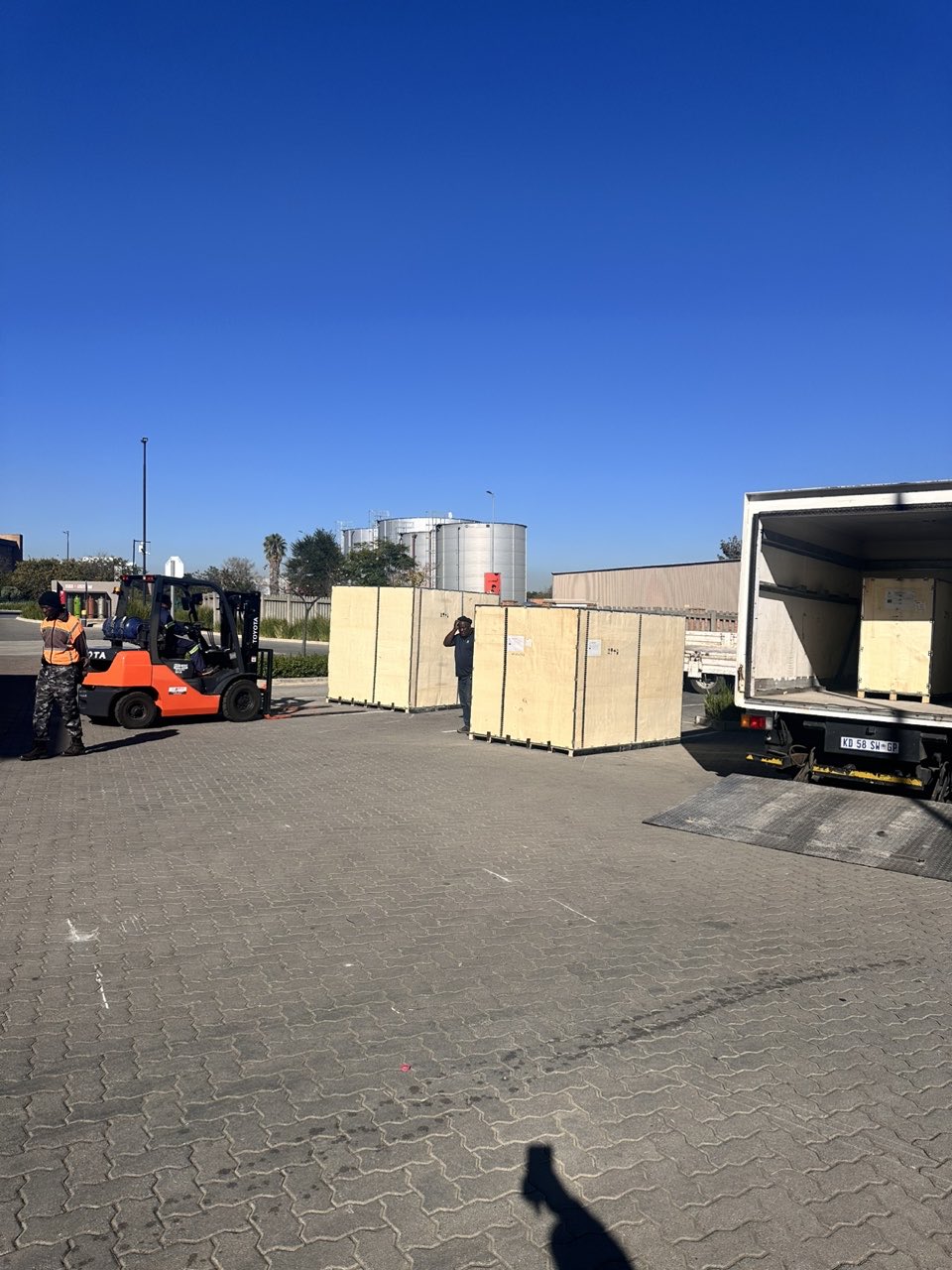
Loading
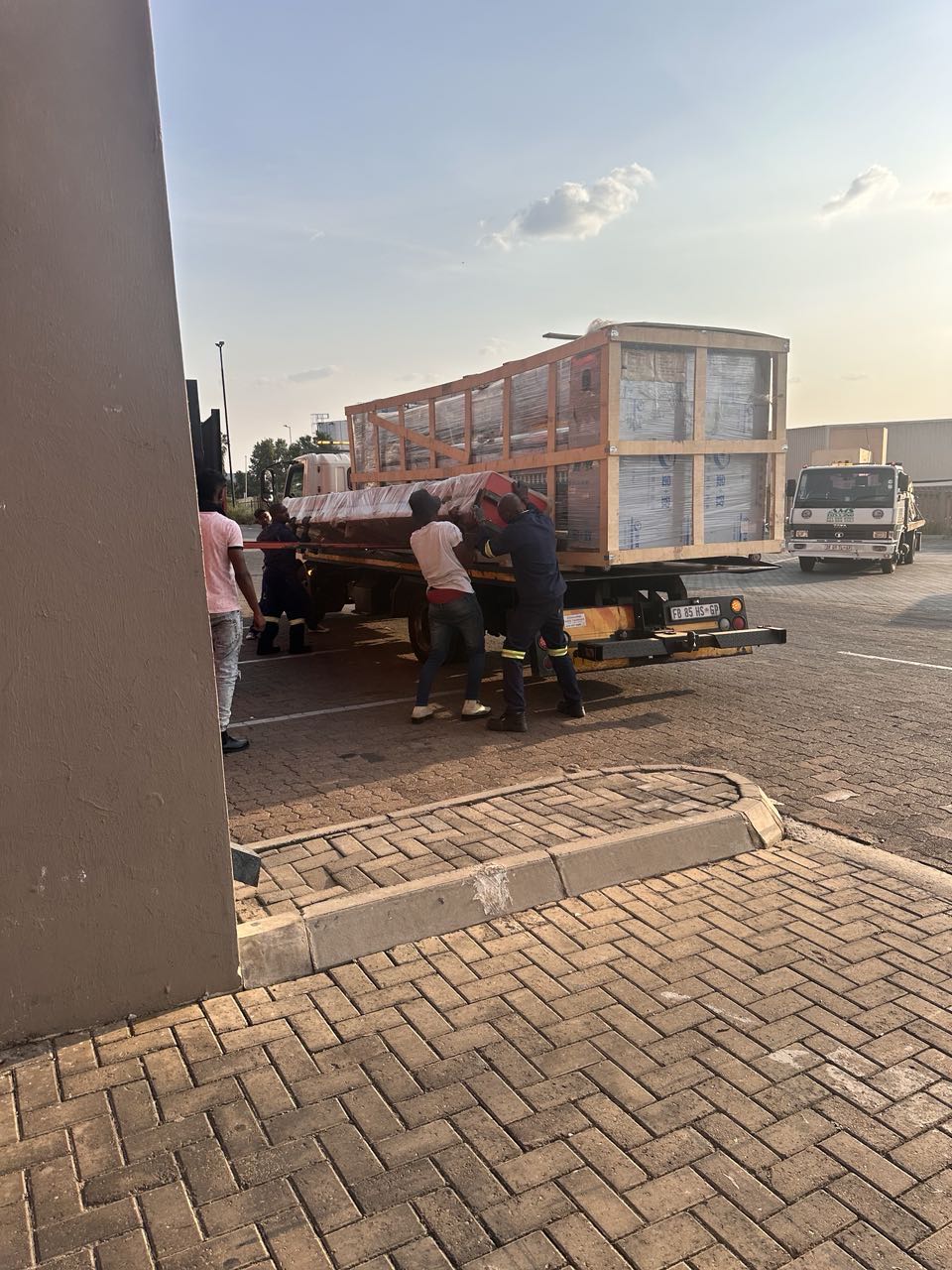
Toilet paper making machine
Toilet paper making machine
Toilet paper Rewinding Machine
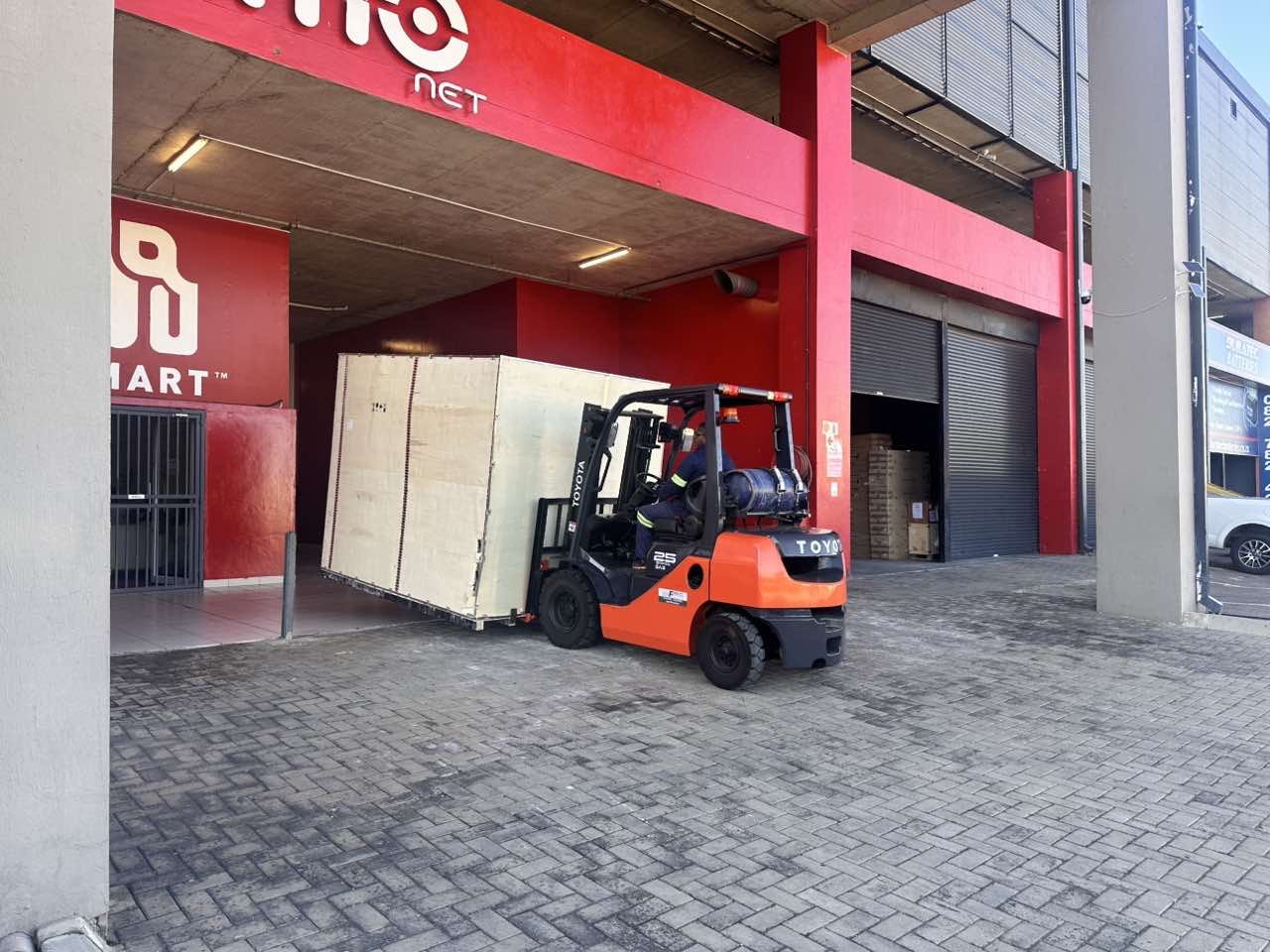
latest arrivals
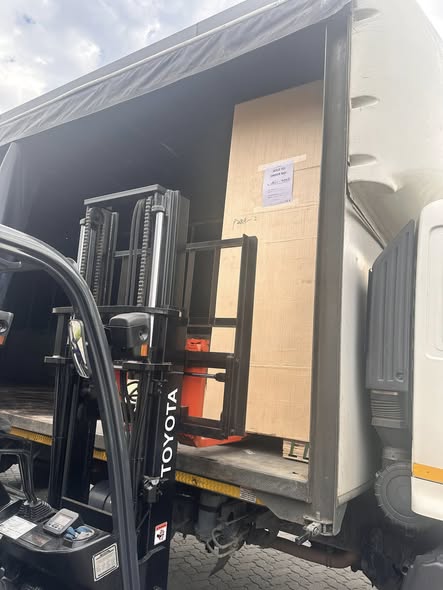
offloading
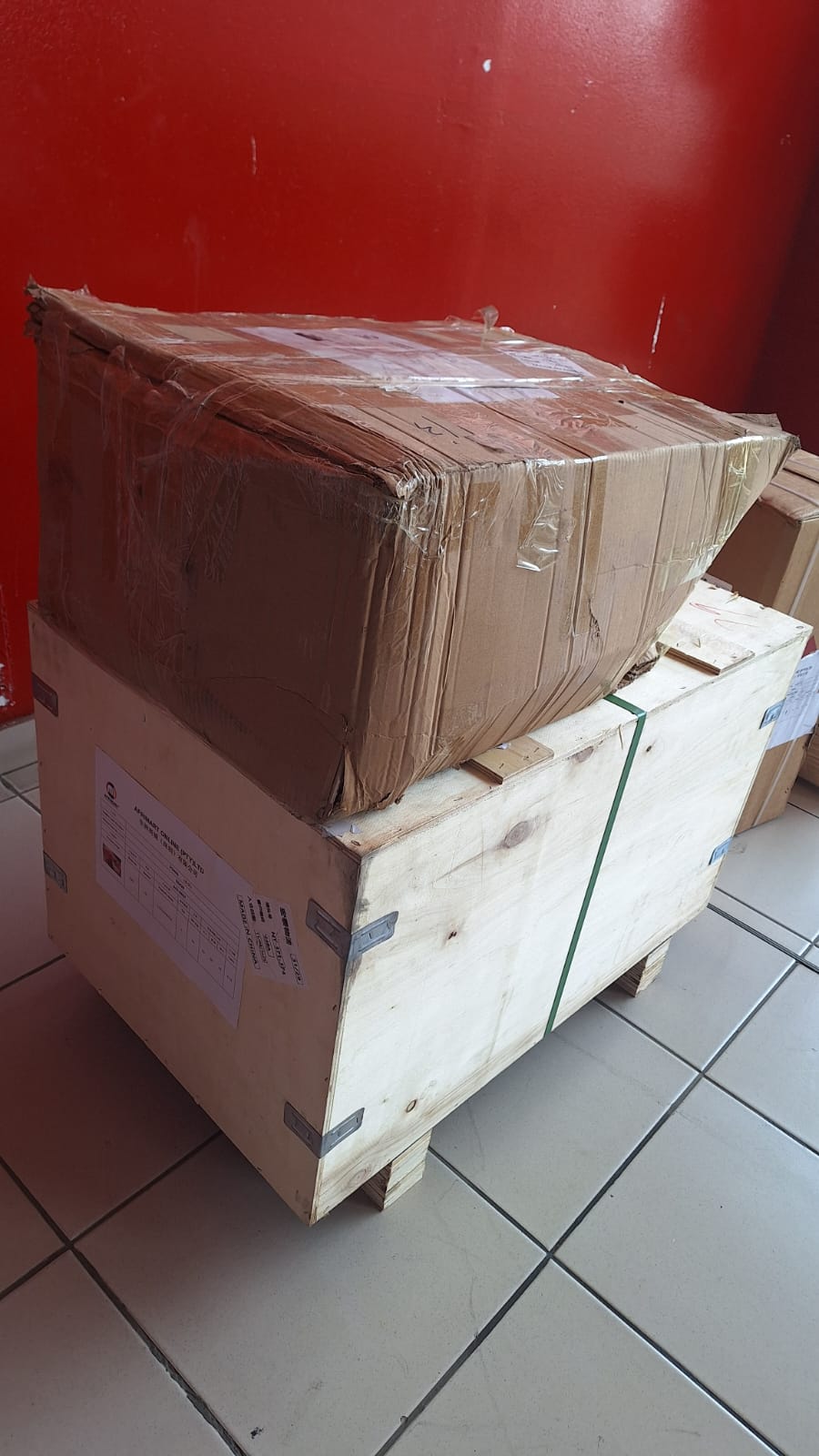
order success
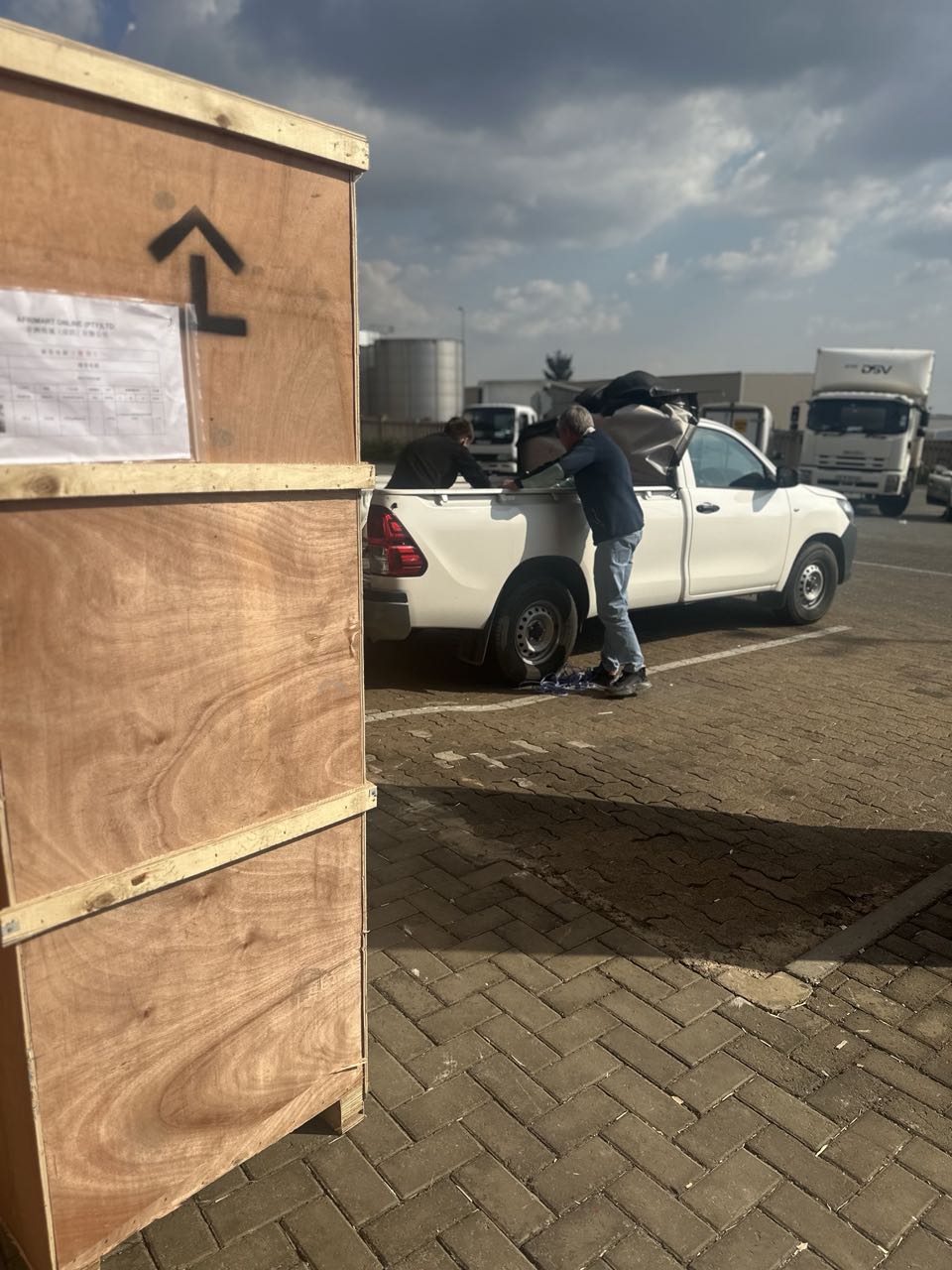
order collection
order offloading