B21, China Town Mall, Midrand

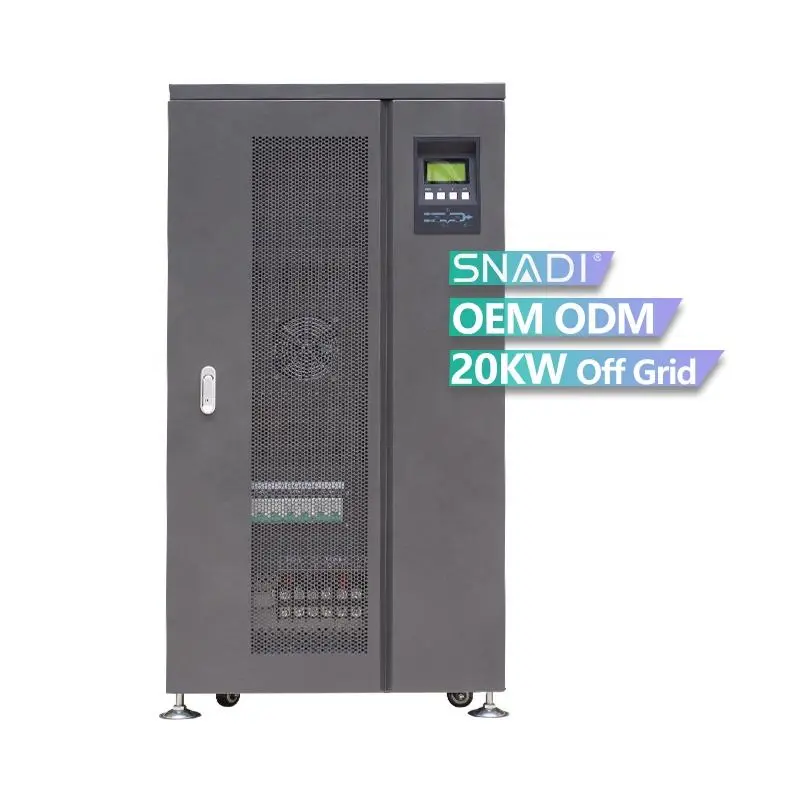
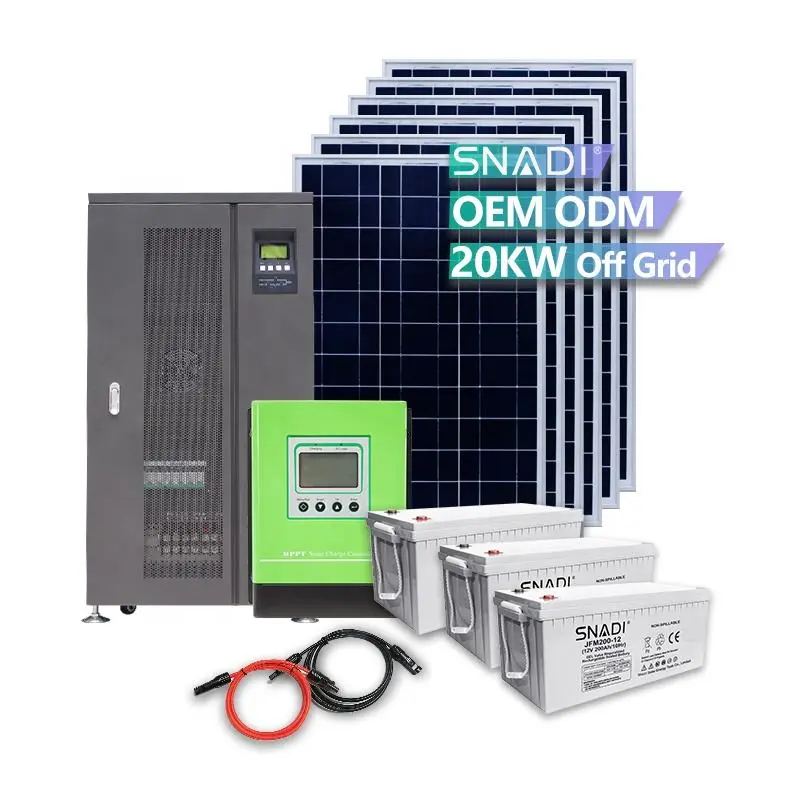
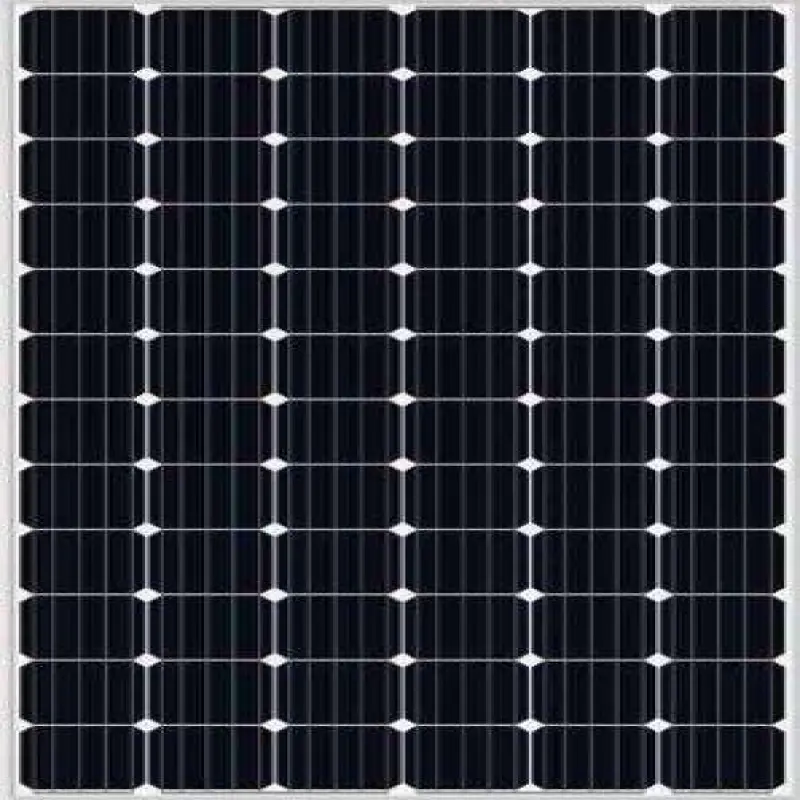
20kw Solar Power System
Asset finance available
Do you want funding for this equipment?
Afrimart can connect you with trusted funding partners who specialise in asset finance for businesses like yours. Compare options and apply in minutes — final approval is subject to provider review.
Check funding options
Secure & no obligation

- Section : Electrical & Tools
- Category : Solar Energy System
- SKU : 1600390792996


| Home solar system | |
| Target facilitiesL | Personal residence |
| Application | Refrigerator, energy-saving lighting, TV, fan, street light |
| Advantage | The system structure is simple; Very suitable for scattered rural areas; Use more accurately because the user is a separate household. |

| 20KW off grid solar power system | ||||
| Items | Specification | QTY | ||
| 20KW hybrid inverter | 6KW 48VDC pure sine wave | 1 | ||
| 400W mono solar panels | Model tpye:GP-300M-60 | 56 | ||
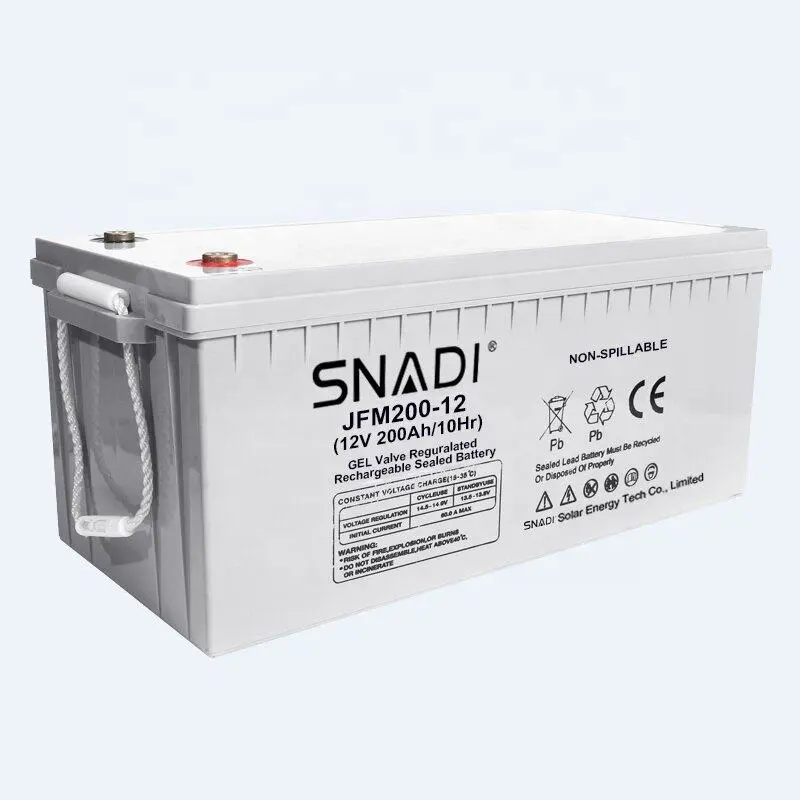
| lead acid battery | 250AH | 8 | ||
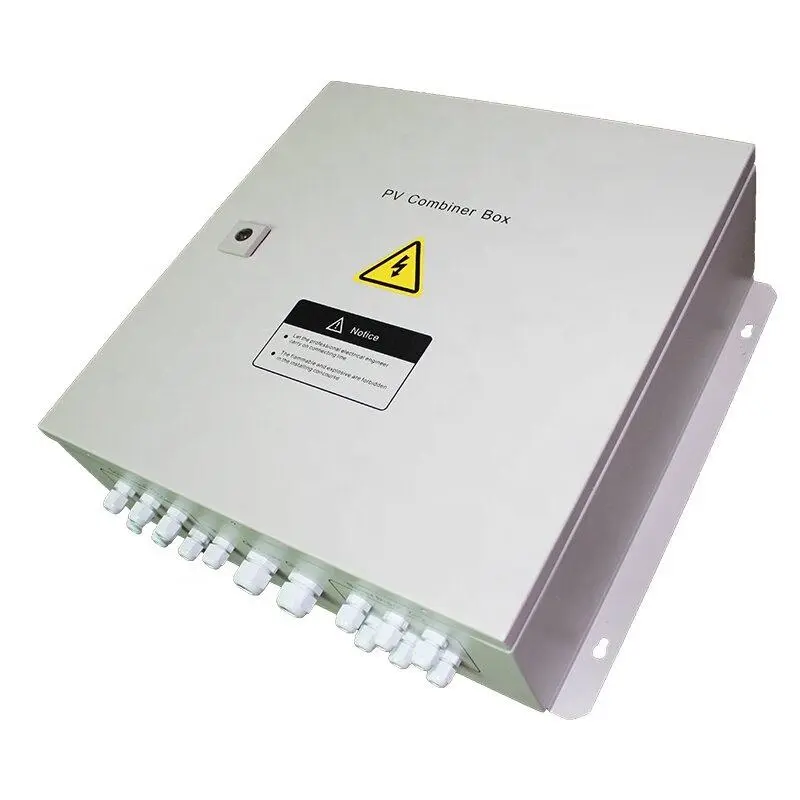
| pv combiner box | 6 input 2 output | 2 | ||
| cable | 4 mm2: PVC insulated, single core, Red Meters 80 | 1 | ||
| MC4 connectors | MC4 connectors | 112 | ||
| Mounting struture | Installation site : tile roor (optional) | 1 |
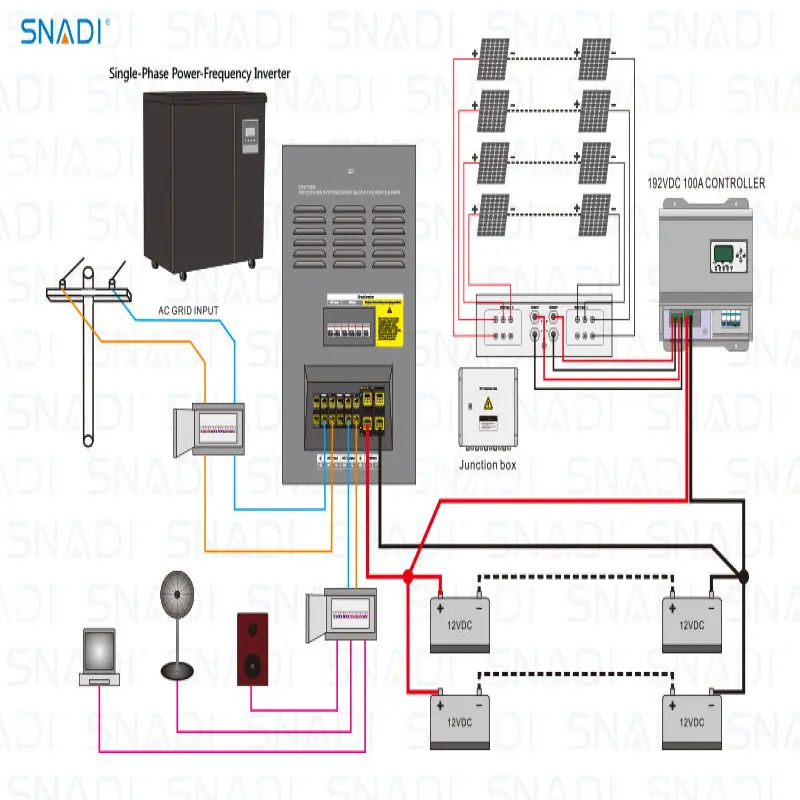
Off Grid System Configuration

- Shipping Timeframes: All orders are processed within 2-5 business days (excluding weekends and holidays). After your order has been processed, the estimated delivery time is before 29 Jun, 2026, depending on customs, Please note that due to high demand, some items may experience longer shipping times, which will be communicated at order confirmation email.
- Order Processing Time: Please allow 2-5 business days for us to process your order before it is shipped . Orders placed after 16:00 on Fridays, or during weekends and public holidays, will begin processing on the next business day. Processing times may be extended during peak seasons or sales events.
- Manufacturing Time: Some products needs manufacturing time, the manufacturing process will take approximately 10-30 business days depending on the product. This timeframe may vary depending on the complexity of the product and current demand. but this will be communicated with you during order confirmation.
- Returns and Exchanges: We offer a 30-day return policy for most items. If you are not completely satisfied with your purchase, you may return it within 30 days of receipt for a refund or exchange. Items must be unused, in their original packaging, and accompanied by proof of purchase. Return shipping costs are the responsibility of the customer, unless the item was damaged or defective upon arrival.
1. What components are included with the 20kW Solar Power System?
The system includes: a 20kW hybrid inverter (system inverter), a 6kW 48V DC pure sine wave inverter (as specified), 400W mono solar panels (model GP-300M-6056), eight 250Ah lead-acid batteries, PV combiner boxes (6-input/2-output, qty 2), MC4 connectors, 4 mm2 PV cabling (approx. 801 meters as specified), and mounting structure for tile roofs (optional).
2. Is this a grid-tied system or an off-grid system?
The product is configured as an off-grid solar power system (standalone). The included hybrid inverter can manage PV and battery supply for AC loads without relying on the grid.
3. What household appliances can the system run?
This system is suitable for refrigerators, energy-saving lighting (LEDs), TVs, fans and small street lights. Actual runtime and simultaneous operation depend on total appliance load and battery state — do a load calculation to confirm.
4. How many solar panels does a 20kW system require and how much roof area is needed?
A 20kW array using 400W panels needs about 50 panels (20,000W / 400W = 50). Each 400W panel typically occupies ~1.8–2.0 m², so expect roughly 90–100 m² of roof area depending on panel model and spacing.
5. How much energy storage does the battery bank provide and how long will it last?
With eight 250Ah 12V lead-acid batteries configured for a 48V system, the gross stored energy is about 24 kWh (48V × 250Ah × 2 strings = 24 kWh). For lead-acid batteries a recommended usable depth-of-discharge is ~50%, so usable energy is roughly 12 kWh. Runtime depends on your load (for example, a continuous 1.5 kW load would run ~8 hours on ~12 kWh usable).
6. Can I expand the system later (more panels or batteries)?
Yes, the system can often be expanded, but expansion limits depend on the inverter's input capacity and battery bank configuration. Expansions should be designed to match voltages, current limits and protection devices — consult the supplier/installer for a safe upgrade plan.
7. What maintenance is required for the system?
Regular tasks include cleaning panels (remove dust/debris), checking and tightening electrical connections and MC4 connectors, inspecting mounting hardware, monitoring battery health (electrolyte levels for flooded lead-acid), and ensuring proper ventilation for batteries. Perform periodic inverter and system checks according to the manufacturer's schedule.
8. How does the system perform in cloudy weather or at night?
Solar generation drops in cloudy conditions and is zero at night. The battery bank supplies power when PV output is insufficient. Duration of supply depends on battery capacity and load. For multi-day autonomy in extended cloudy periods you would need a larger battery bank or backup generator.
9. What protections and safety features are included?
Typical protections include MPPT charge control, overcurrent and short-circuit protection (via PV combiner boxes and breakers), surge/lightning protection (as optional/required), proper fusing between strings, and pure sine-wave inverter output for safe operation of AC loads. Verify specific protection devices with the vendor.
10. What are the installation requirements and how long does installation take?
Installation requires a suitable roof or ground mounting area, structurally sound support for panels, a ventilated battery room/box, proper DC and AC wiring routes, earthing/grounding, and adherence to local electrical codes. Typical residential off-grid installs can take several days to a week depending on site complexity and crew size.
11. What warranties and expected lifetimes come with the major components?
Typical expectations: PV panels often have 25-year performance warranties and 10–12 year product warranties; inverters commonly have 5–10 year warranties (extendable); lead-acid batteries usually last 3–6 years depending on use and maintenance. Exact warranty terms vary—get the supplier's warranty documents.
12. Are the batteries safe to keep inside the house?
Lead-acid batteries require a well-ventilated space (to avoid hydrogen gas build-up), stable temperature, and a non-flammable floor. They should be installed in a dedicated ventilated battery room or enclosure, away from living spaces, and follow local safety codes.
13. Does the system include monitoring and can I check system performance remotely?
Many hybrid inverters support local displays and optional remote monitoring via Wi-Fi/Ethernet or proprietary gateways. Monitoring options depend on inverter model — ask the supplier for available monitoring hardware and setup.
14. Can this system run heavy loads like air conditioners or water pumps?
The PV array rating (20 kW) is generally capable of supporting heavy loads during peak sun, but continuous supply and battery/inverter surge capacity must be considered. Air conditioners have high startup currents; confirm inverter continuous and peak power ratings and perform a load/start-up assessment before connecting large inductive loads.
15. Why is this system well suited for scattered rural areas and single households?
The system has a relatively simple structure, is designed for standalone (off-grid) use, and is sized for a single household — making it practical for remote or scattered rural locations without reliable grid access. Individual household configuration allows accurate sizing and billing-free operation.
Latest Order Arrivals
Discover our latest orders
12 Heads Embroidery Machine
Dewatering Pump Machine
Order Collection
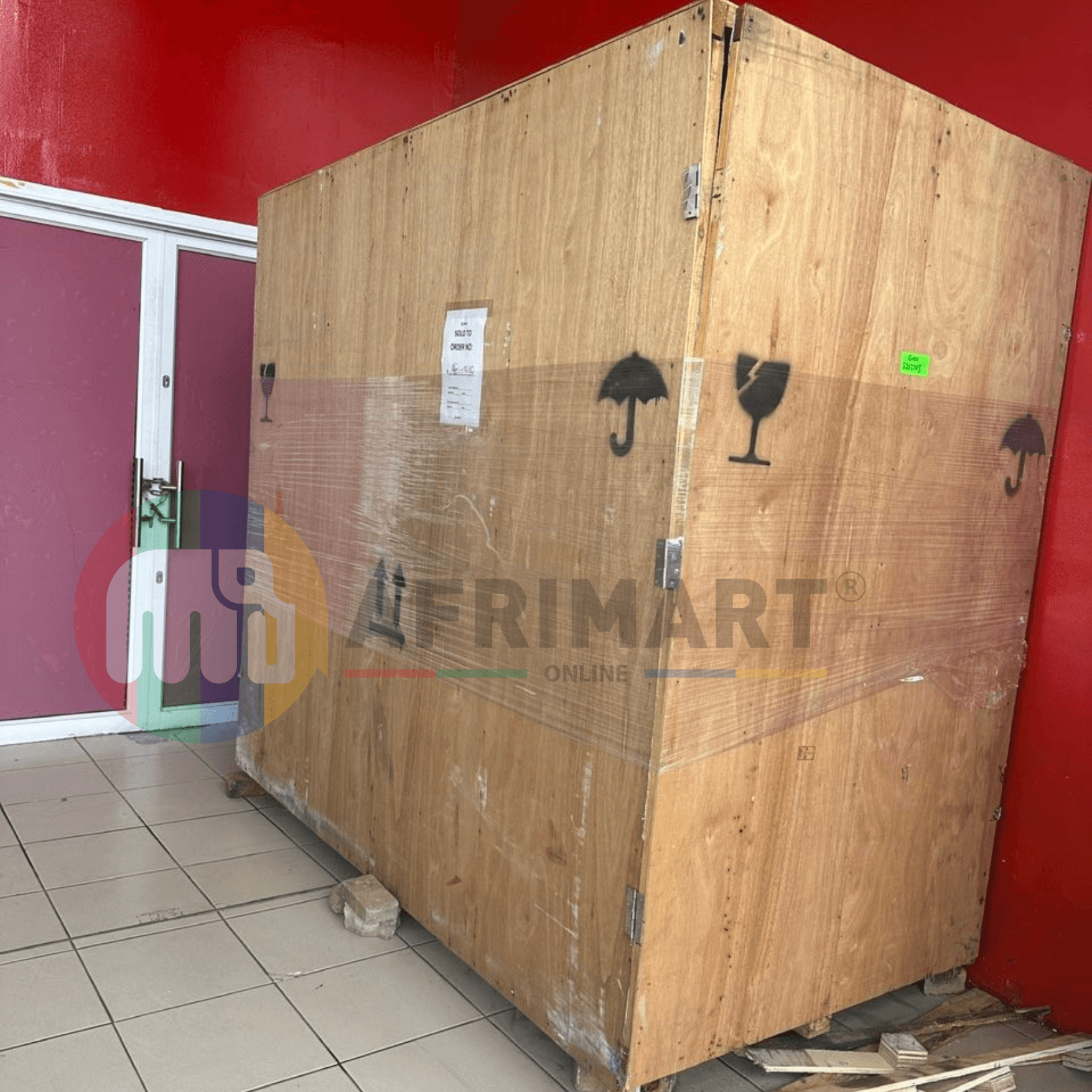
Portable Water Drilling Rig
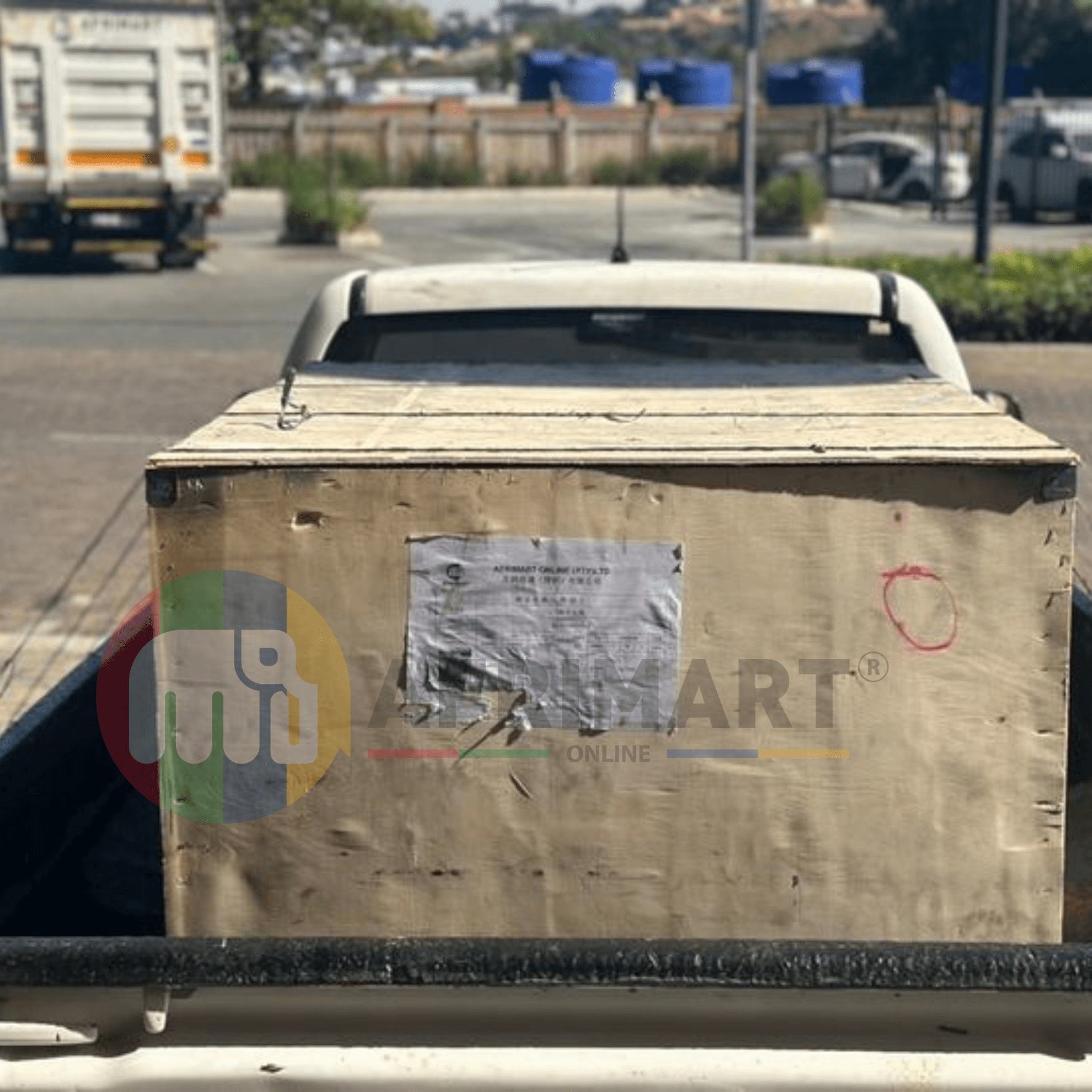
Order Usefully Collected
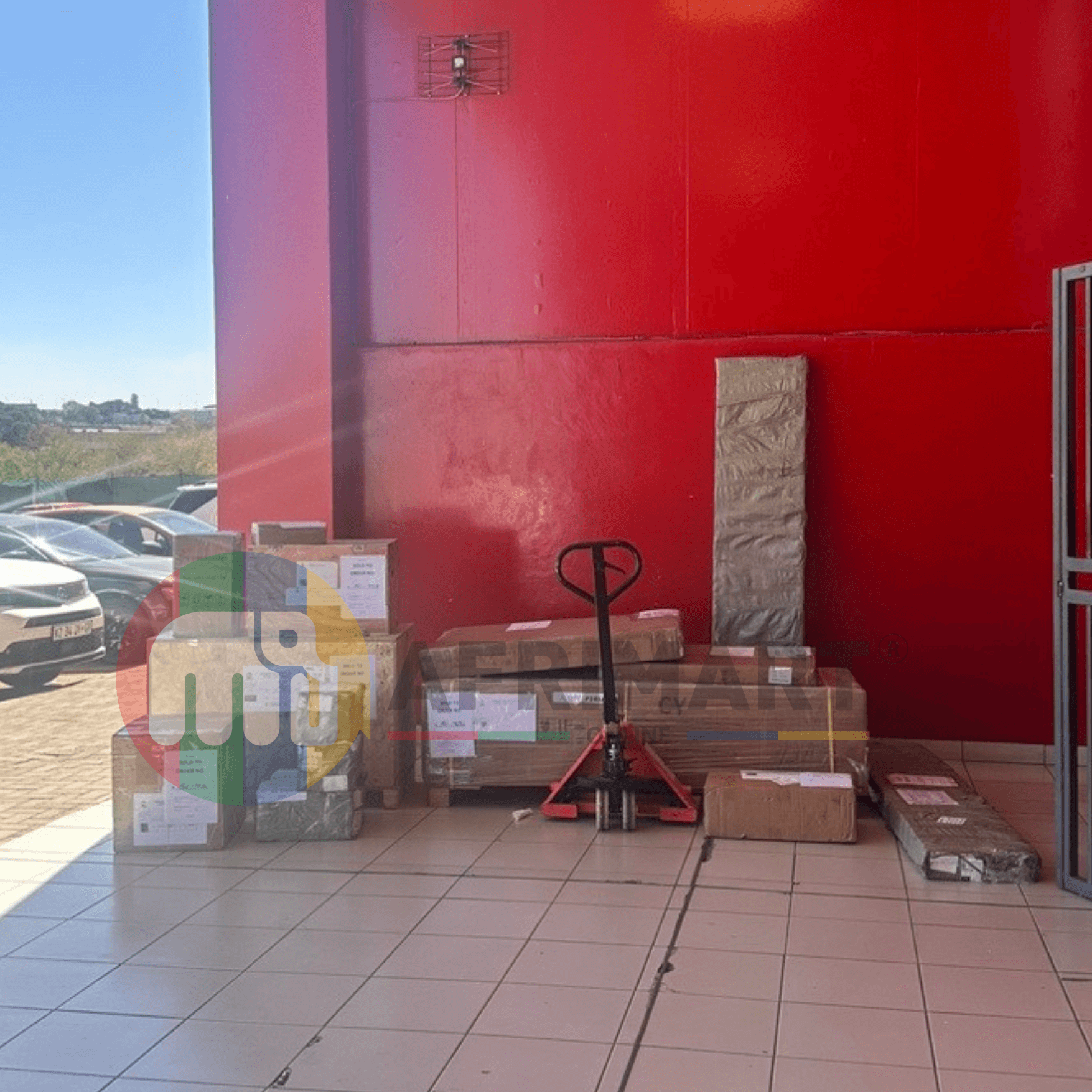
Batch of Orders
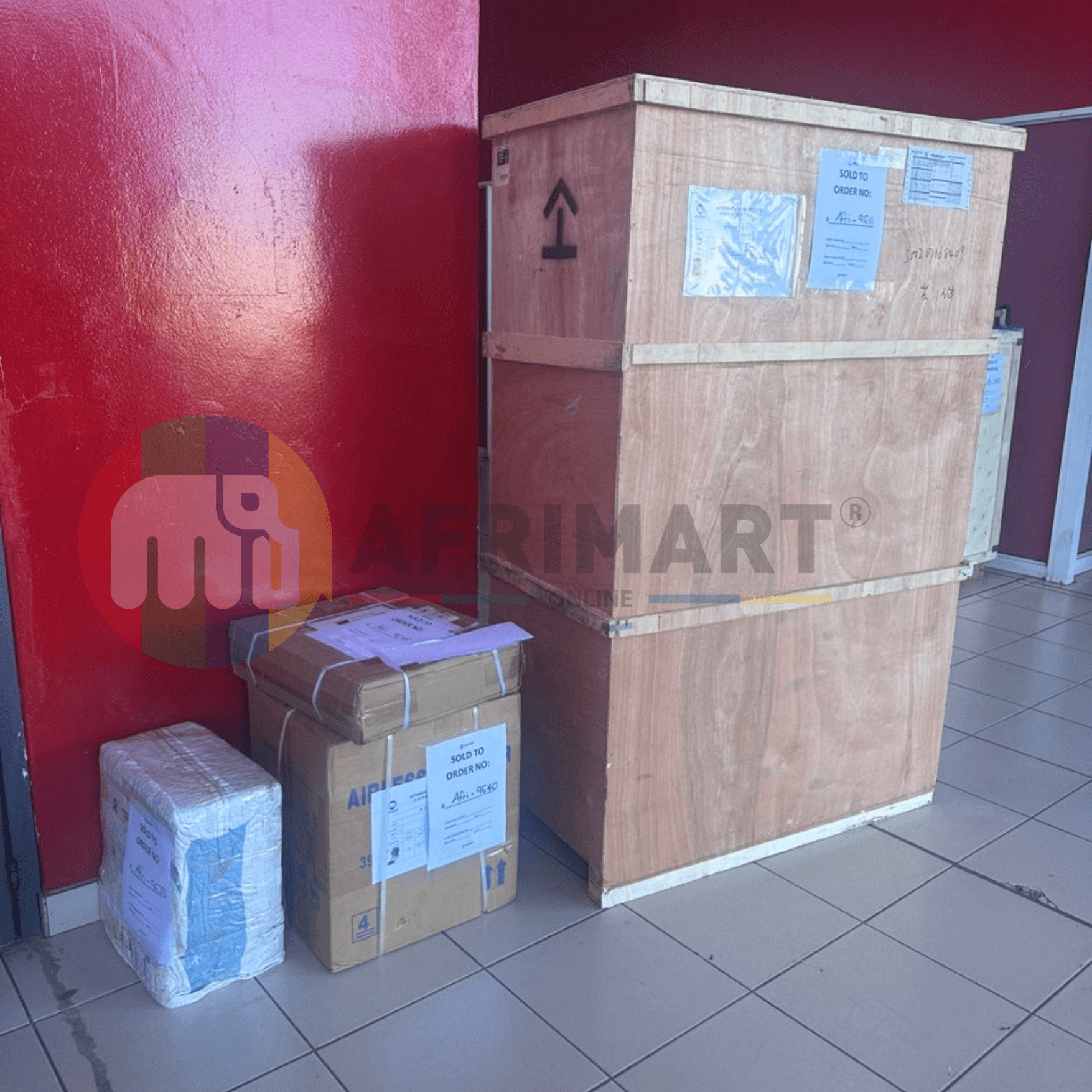
Agriculture Processing Machines
Meat Grinder Machine
Water Pump Equipment
Packaging Machine and accessories
Fabrics Manufacturing Equipment
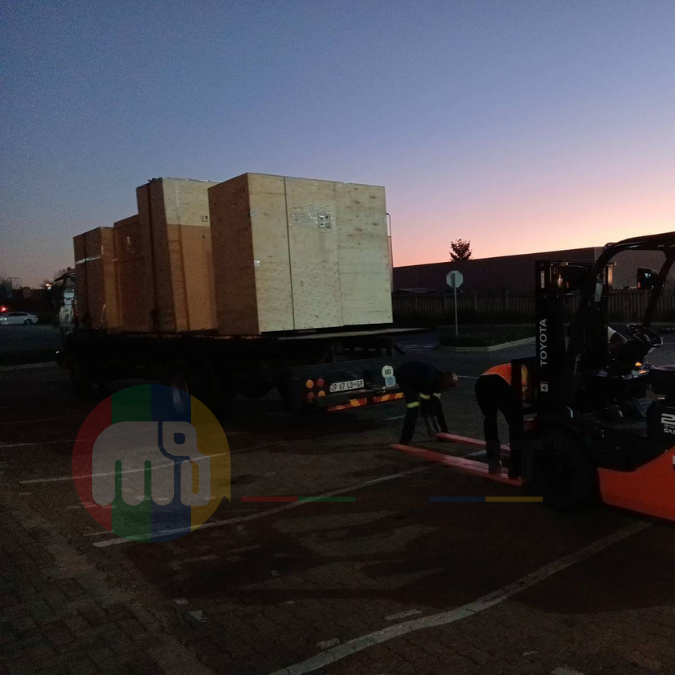
Mining Equipments
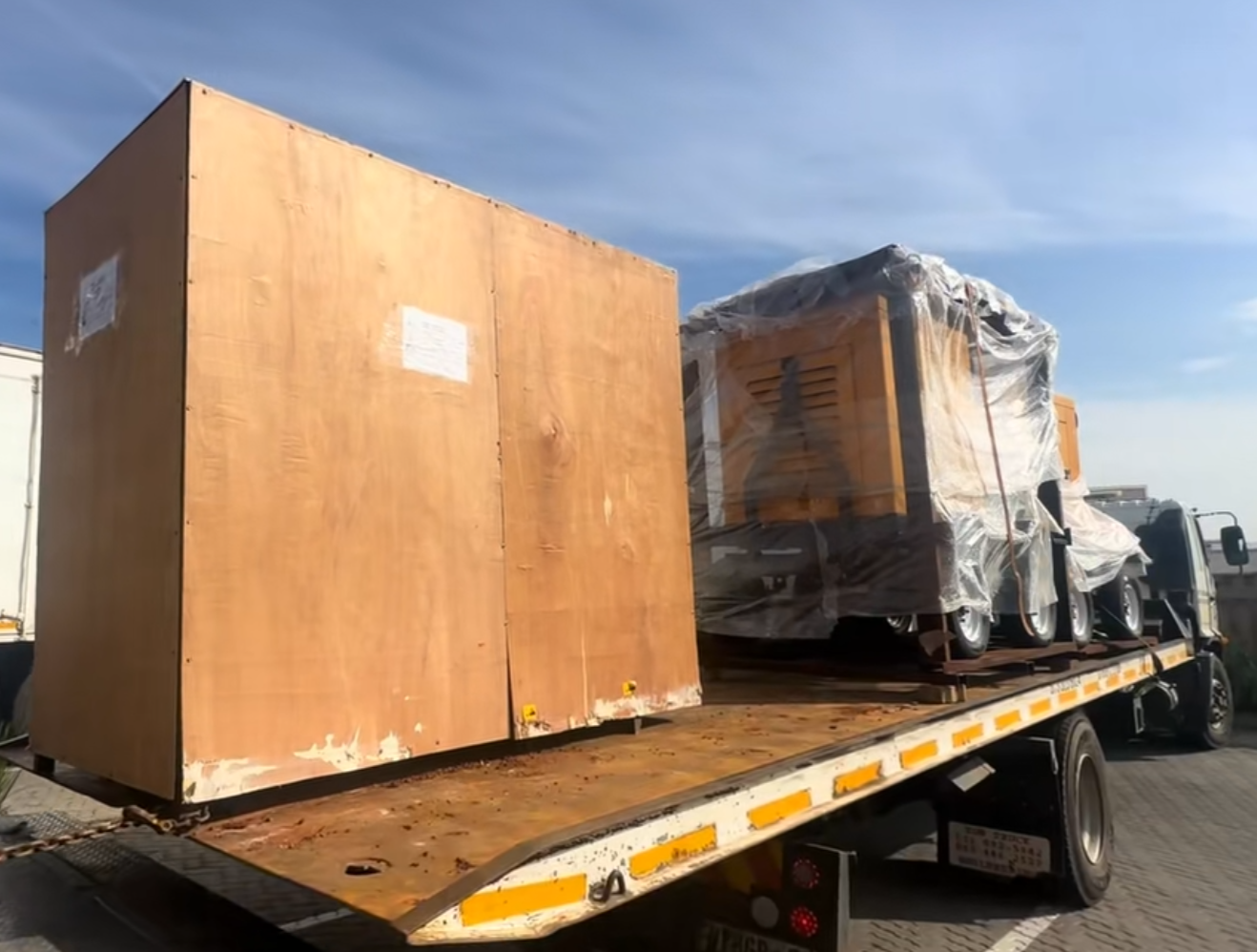
Food Processing Machine
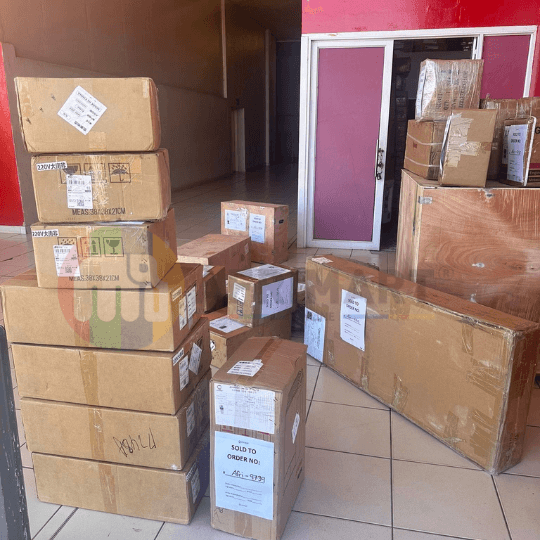
Batch of Orders
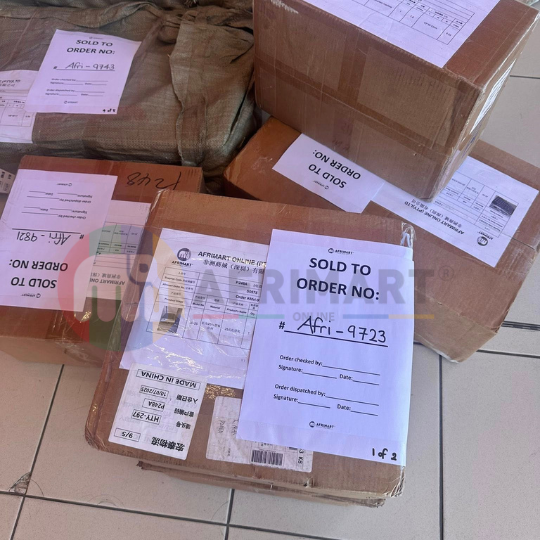
Batch of Orders
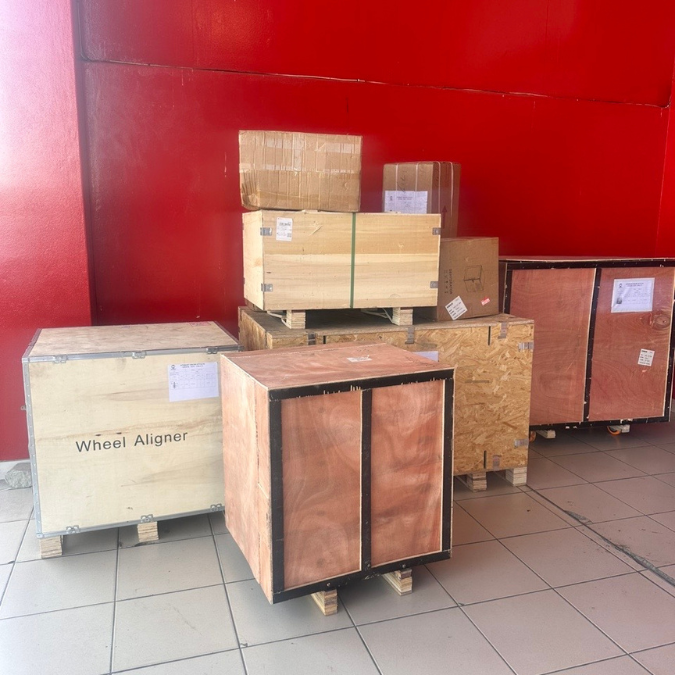
Latest Orders Labelled
wheel alignment machines
new arrivals
Pre Orders Offloading
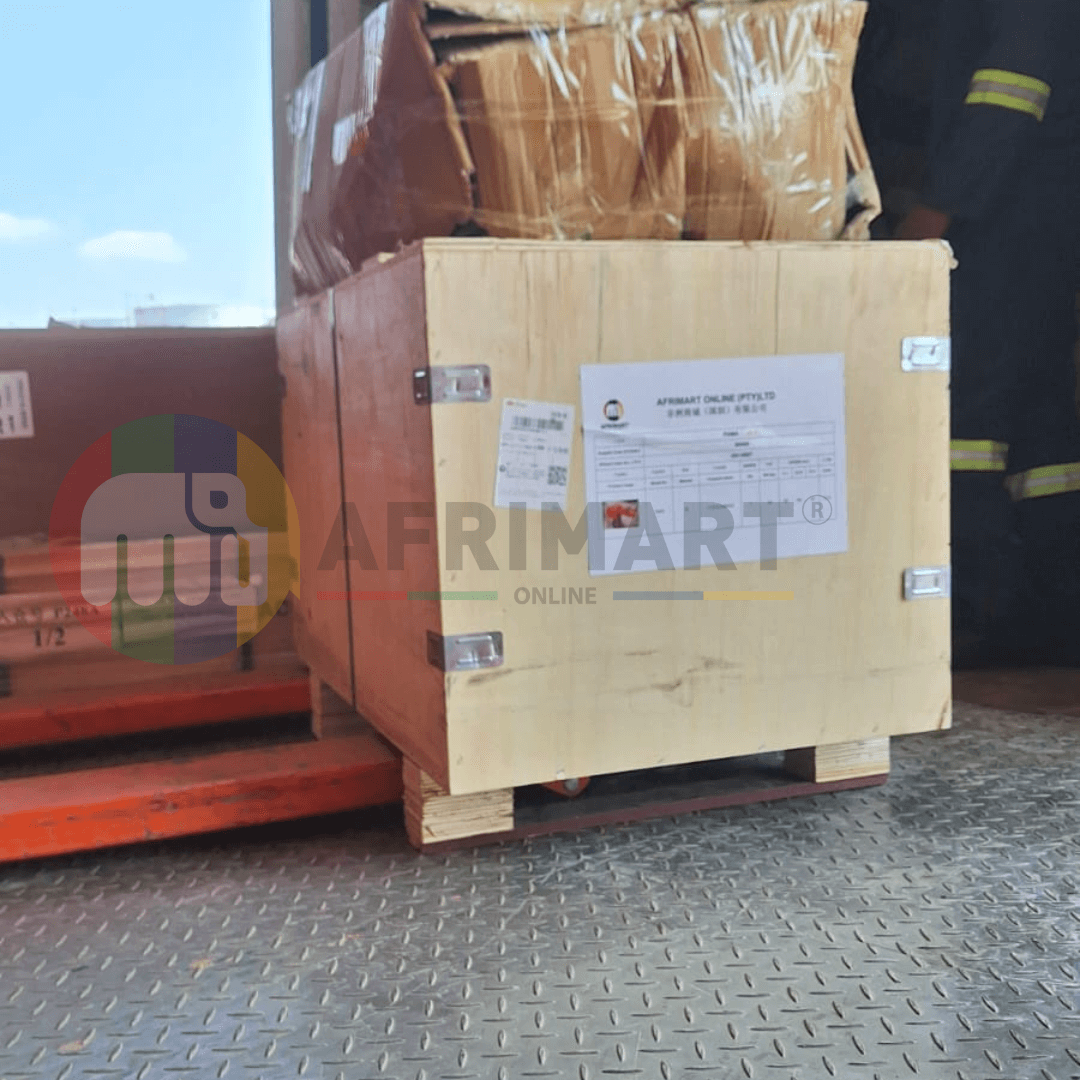
Latest Arrivals
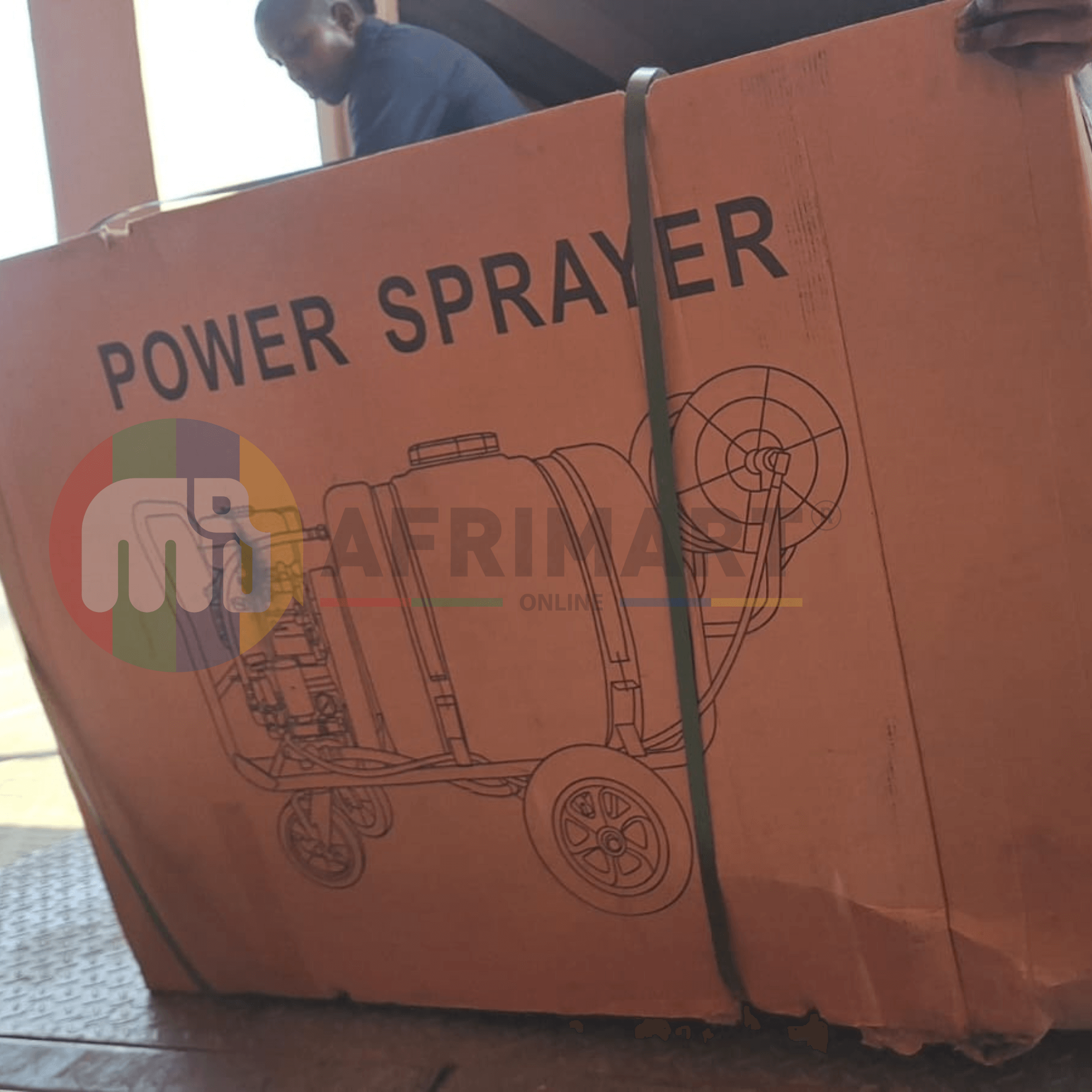
Latest Arrivals
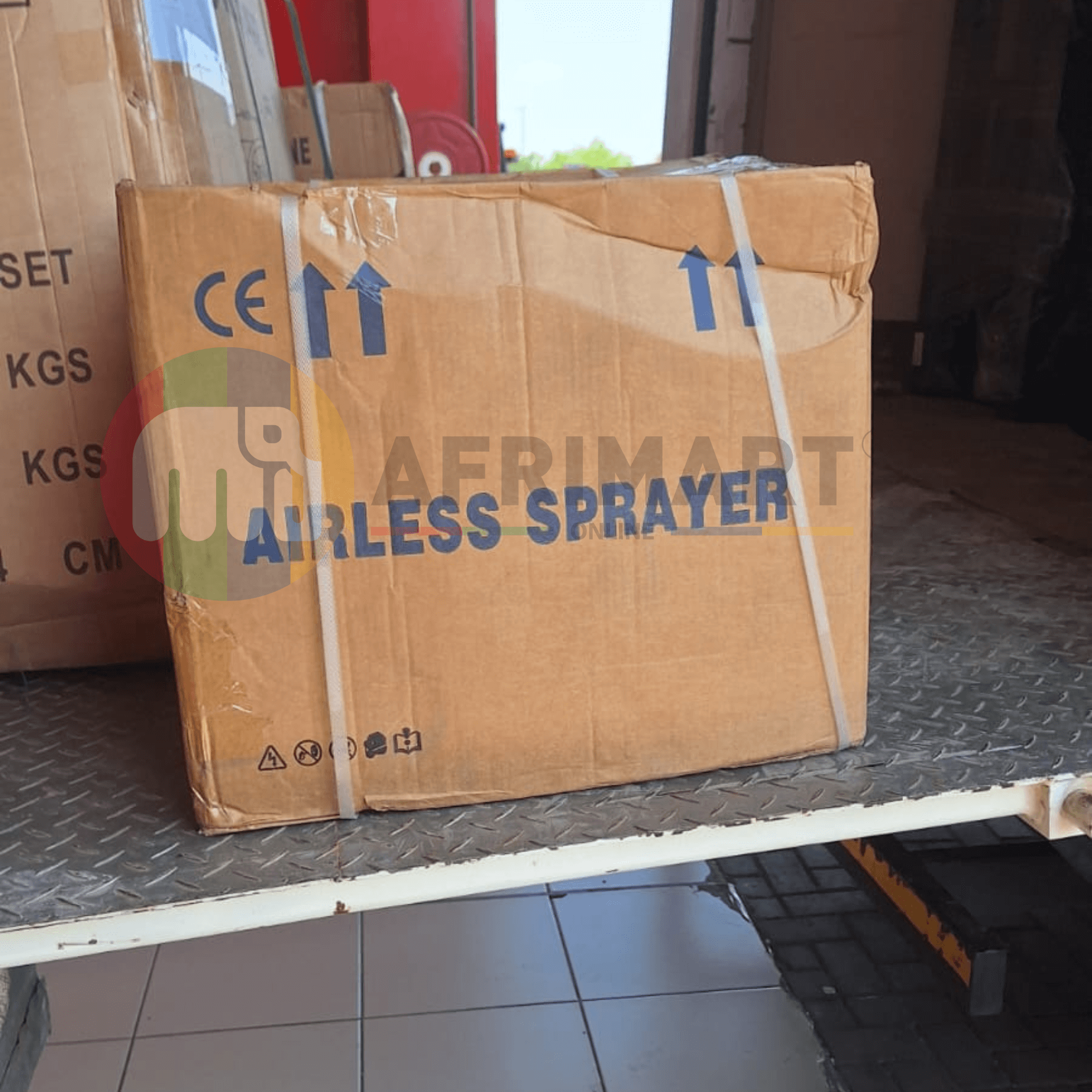
Latest Arrivals
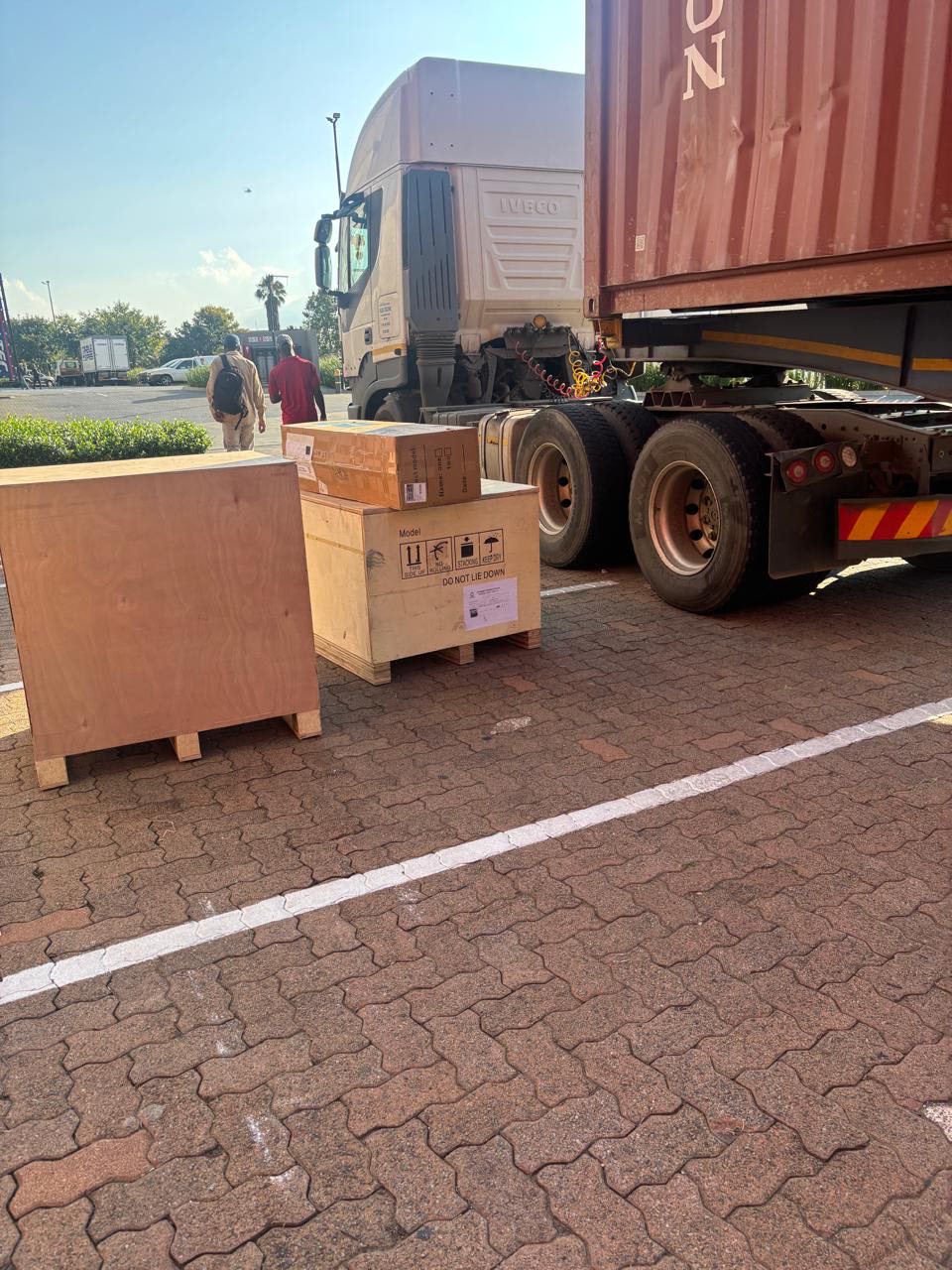
26 January 2026
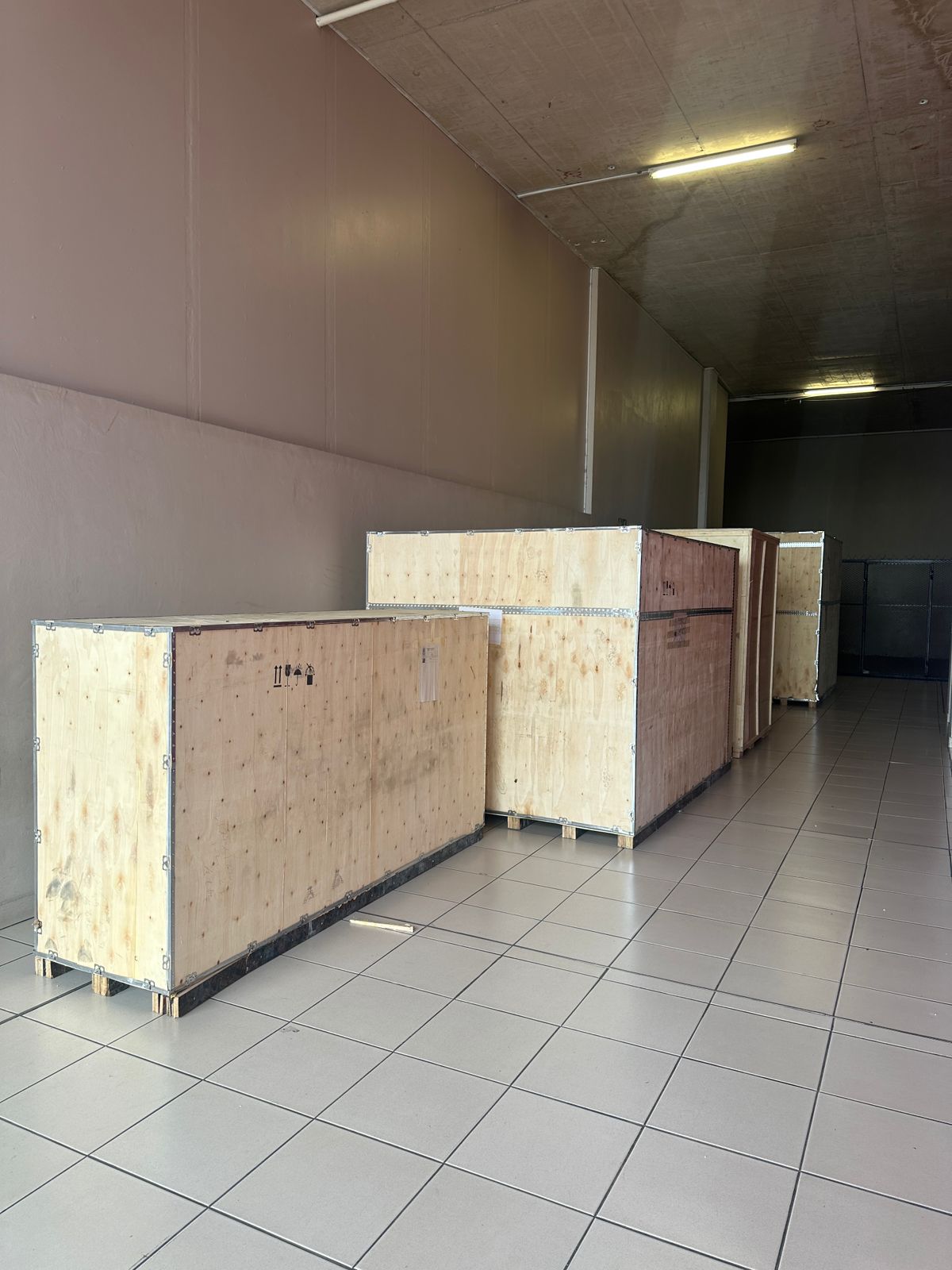
Toilet paper making machine
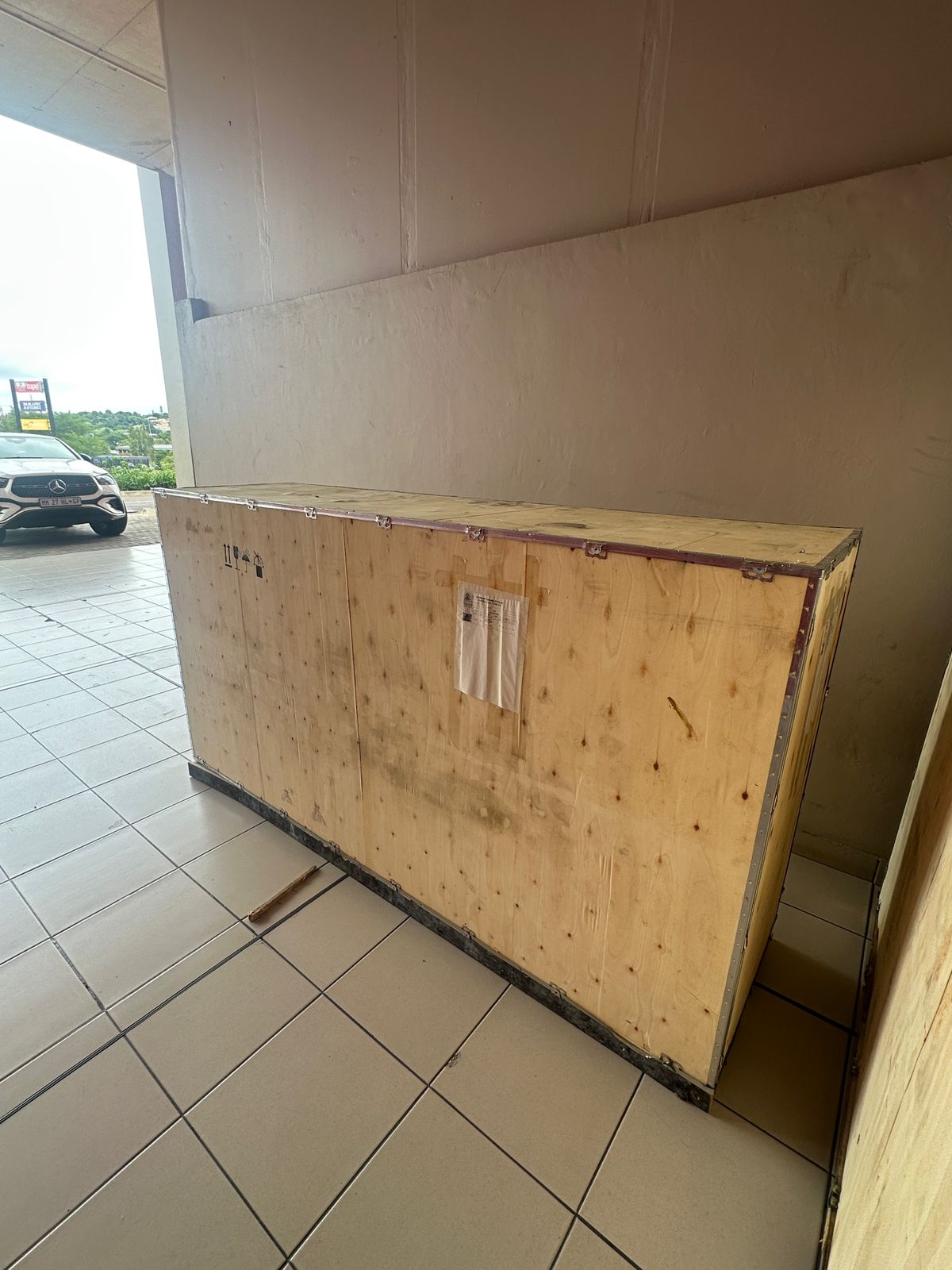
Toilet paper making machine
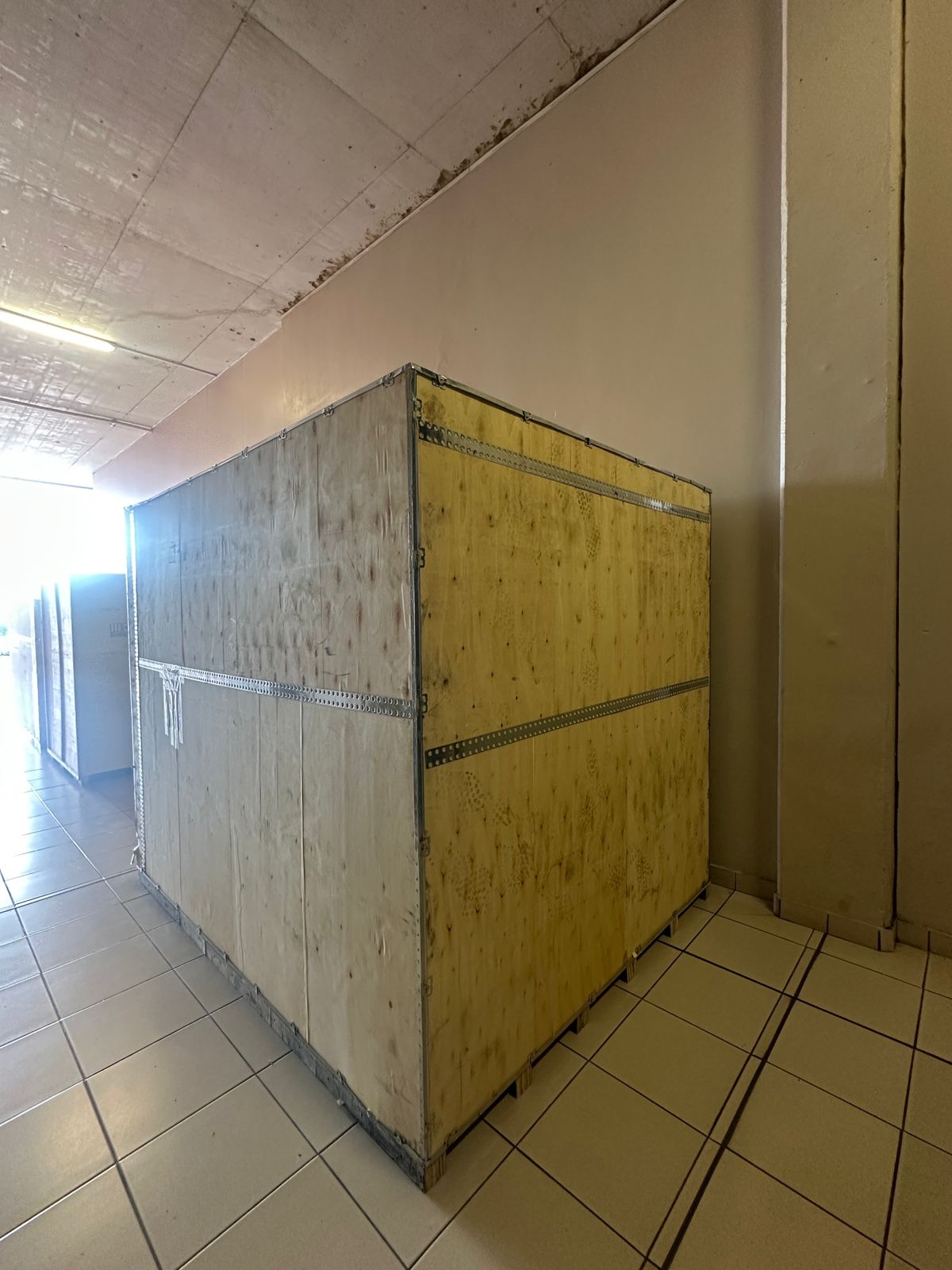
Toilet paper Rewinding Machine
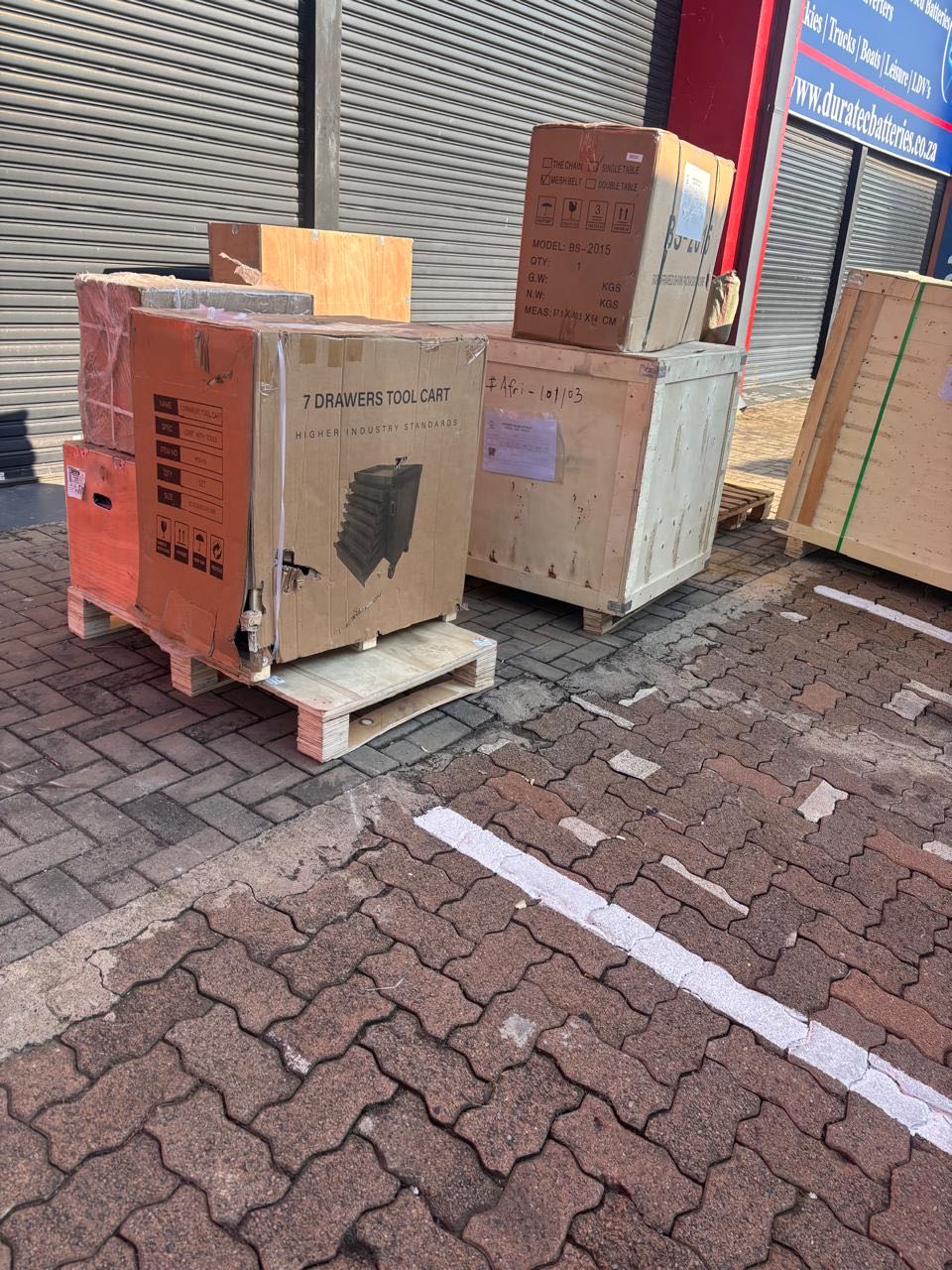
latest arrivals
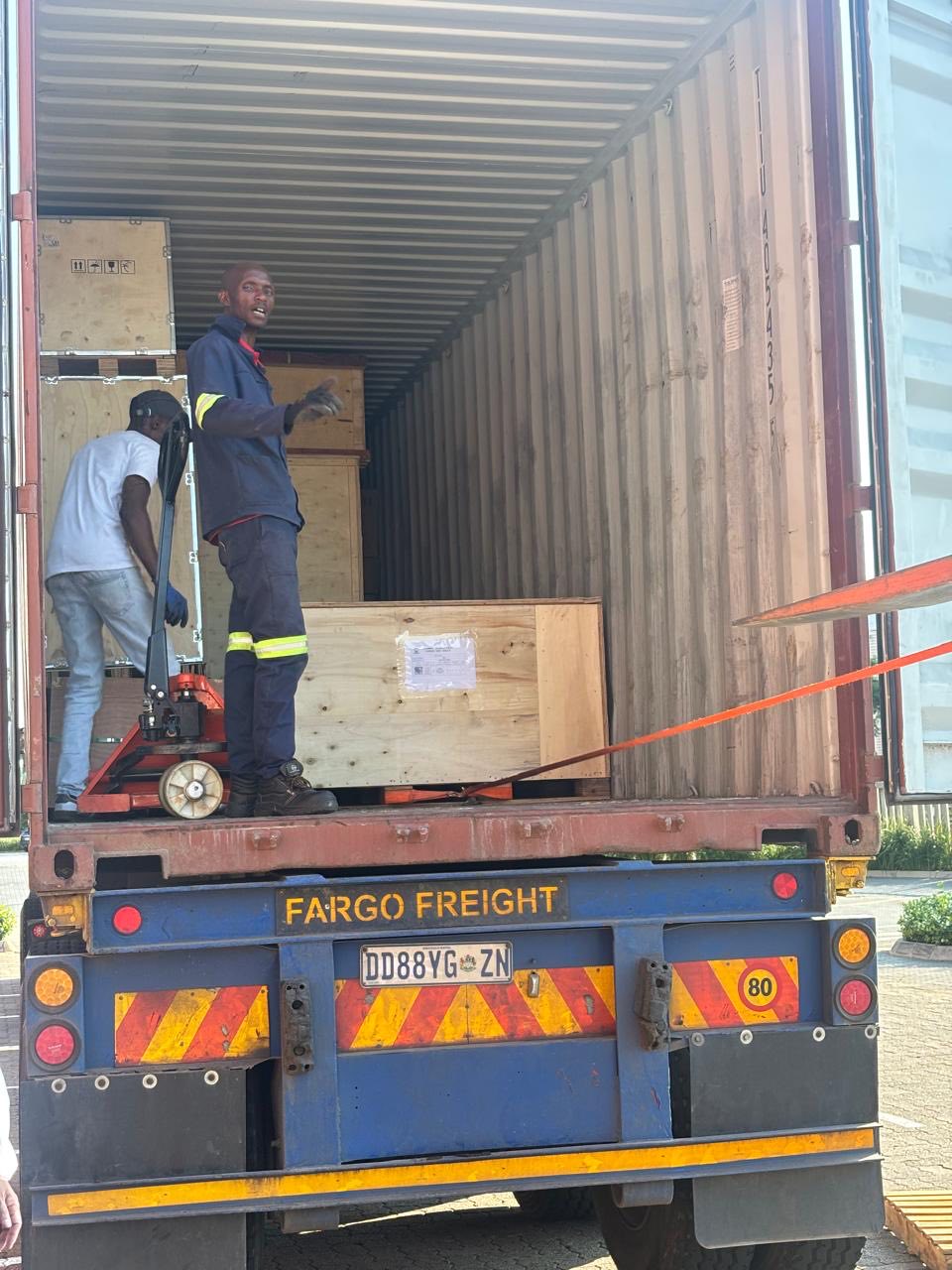
offloading
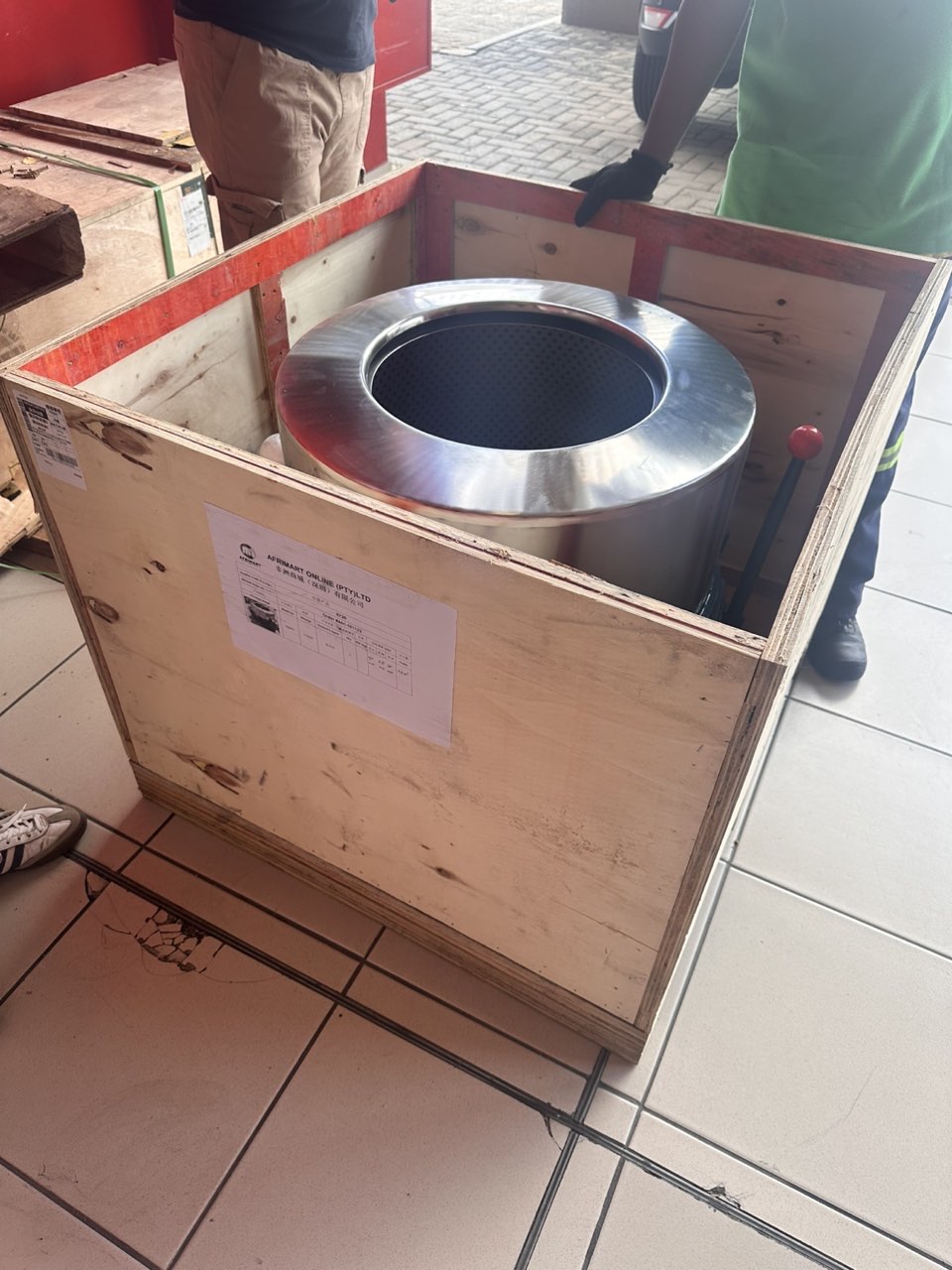
order success
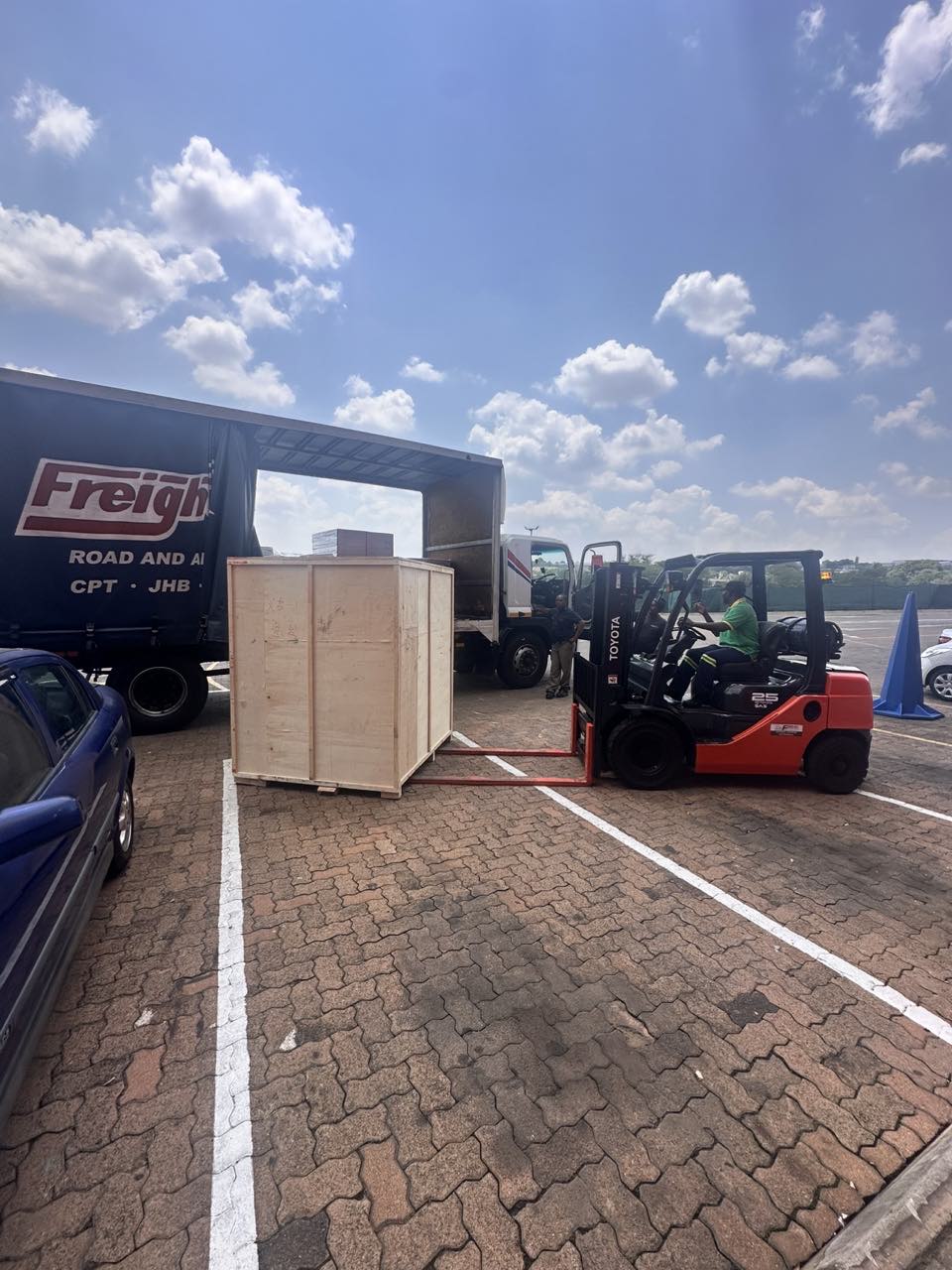
order collection
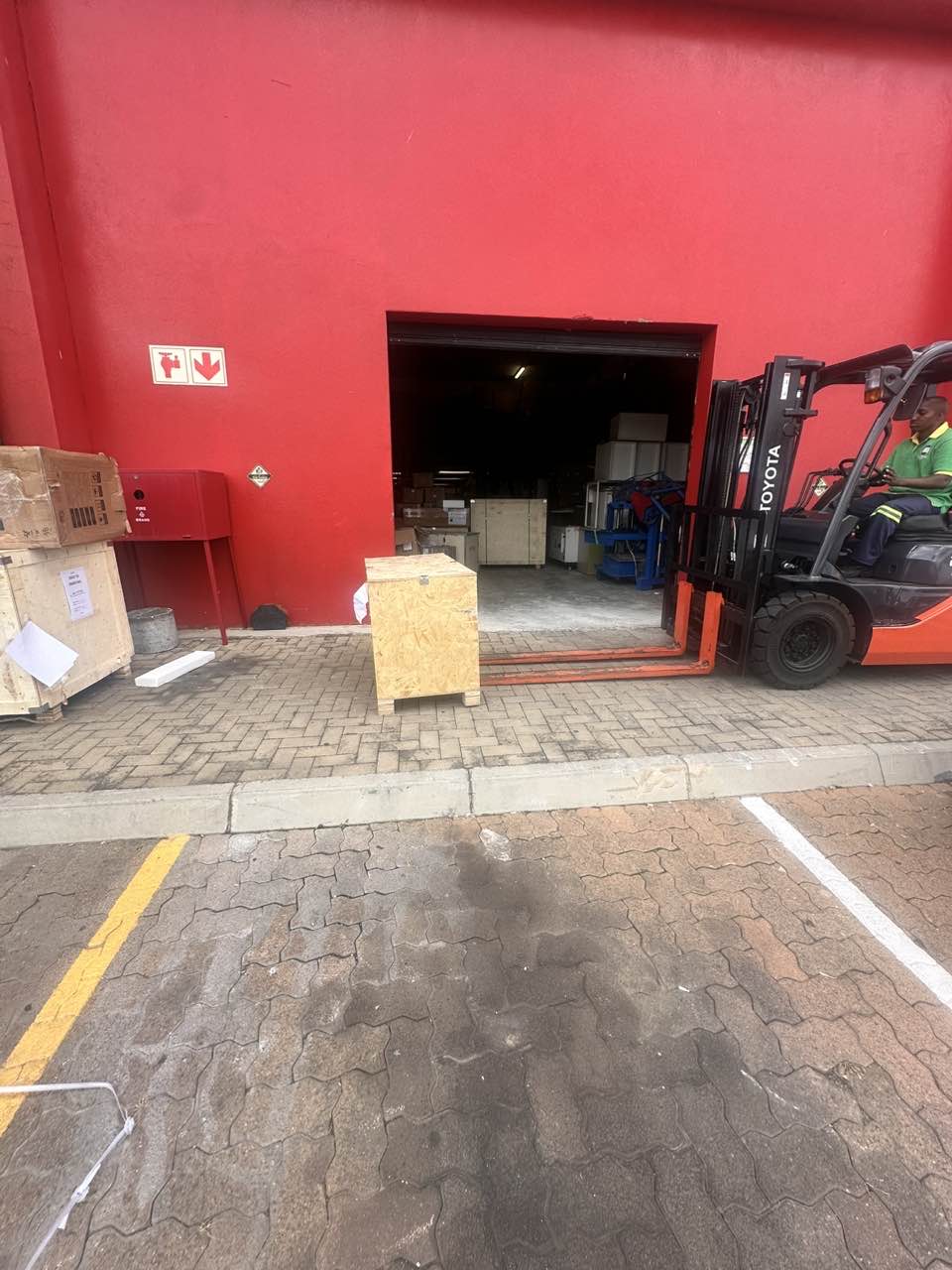
order offloading