B21, China Town Mall, Midrand

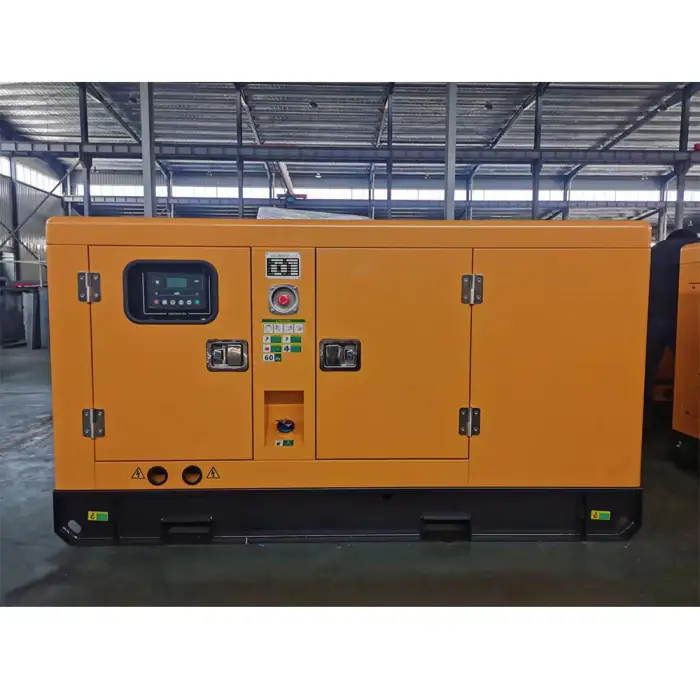
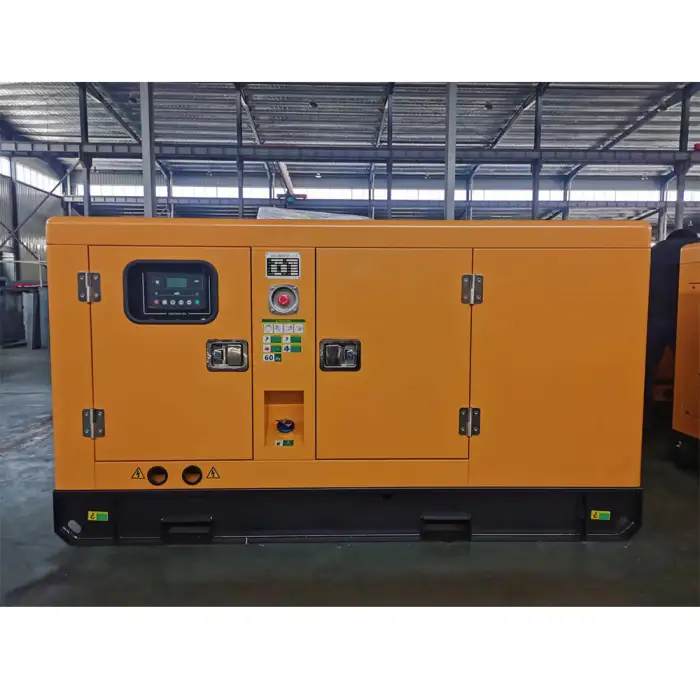
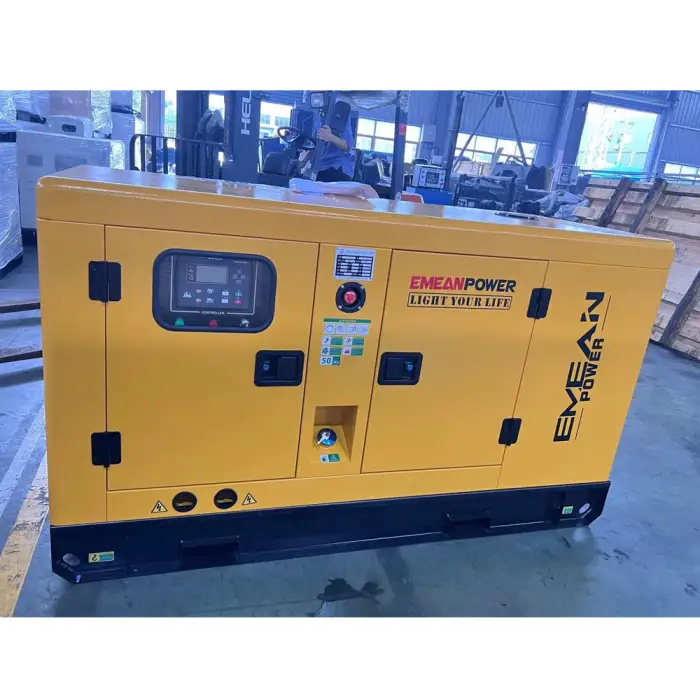
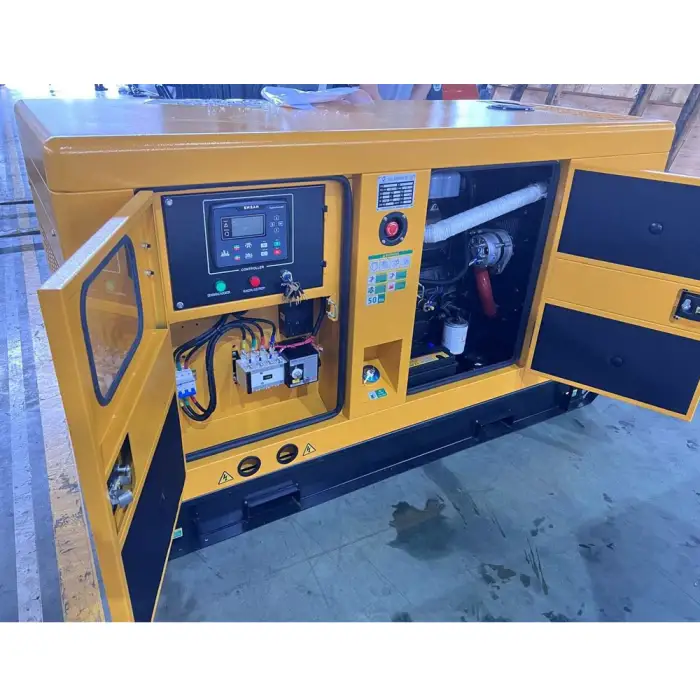
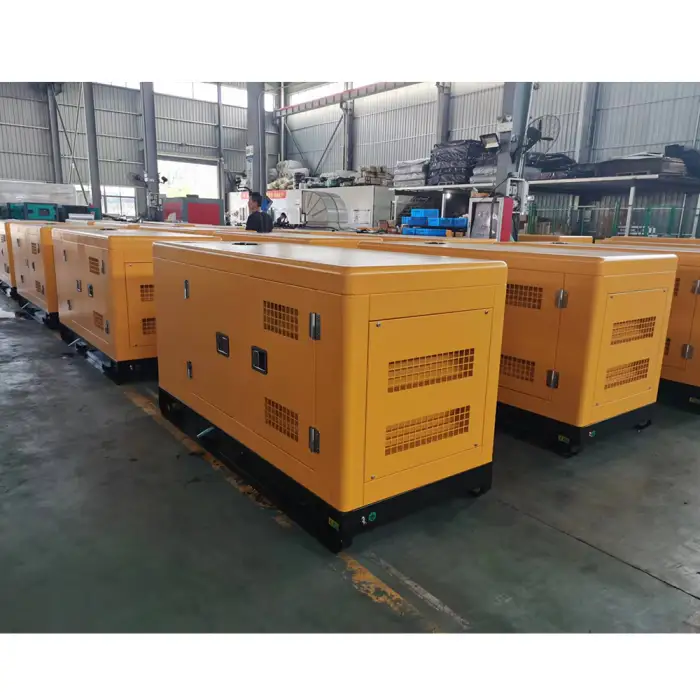
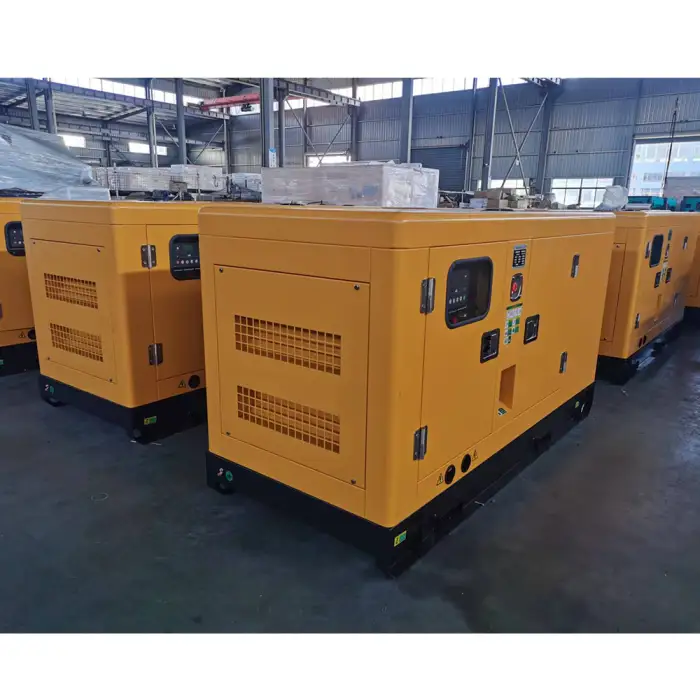
16kva Generator Diesel Generator
Asset finance available
Do you want funding for this equipment?
Afrimart can connect you with trusted funding partners who specialise in asset finance for businesses like yours. Compare options and apply in minutes — final approval is subject to provider review.
Check funding options
Secure & no obligation

- Section : Electrical & Tools
- Category : Gasoline Generators
- SKU : 1601451833846

16kva Generator Diesel Generator
The 16kva Generator Diesel Generator is a reliable power solution for all your energy needs. Designed for both prime and standby power, this generator offers robust performance and exceptional durability. With a powerful diesel engine and advanced features, it ensures that you have the energy you need, when you need it. Whether for home, business, or industrial use, this generator is the perfect choice.
Specifications
| Attribute | Details |
|---|---|
| Power (kVA) | 16kva (17.6kva ESP) |
| Power (kW) | 13kw (14.3kw ESP) |
| Rated Speed (r.p.m) | 1500 |
| Rated Outlet | Three phase 400/230V 50Hz |
| Rated Power Factor | 0.8 @lagging |
| Rated Current | 23 Amps |
| Fuel Consumption @ 100% Load | 4.3 L/h or 247g/kW.h |
| Dimensions (LxWxH) | 1800mm x 900mm x 1100mm |
| Net Weight | 720kg |
| Fuel Tank Capacity | 67 L |
Key Features
- Brand new water-cooled diesel engine for better efficiency.
- Brushless alternators with Class H insulation and AVR for stable output.
- Operates in temperatures from 0℃ to +45℃.
- Base frame fuel tank for 8-10 hours of continuous running.
- Digital control panel with auto full protection for safety.
- MCCB air circuit breaker for enhanced safety.
- Residential silencer for quiet operation.
Applications
- Residential power supply during outages.
- Backup power for businesses and offices.
- Construction sites needing reliable energy.
- Agricultural equipment operation.
- Events and outdoor activities requiring temporary power.
Product Info Gallery
- Shipping Timeframes: All orders are processed within 2-5 business days (excluding weekends and holidays). After your order has been processed, the estimated delivery time is before 30 Jun, 2026, depending on customs, Please note that due to high demand, some items may experience longer shipping times, which will be communicated at order confirmation email.
- Order Processing Time: Please allow 2-5 business days for us to process your order before it is shipped . Orders placed after 16:00 on Fridays, or during weekends and public holidays, will begin processing on the next business day. Processing times may be extended during peak seasons or sales events.
- Manufacturing Time: Some products needs manufacturing time, the manufacturing process will take approximately 10-30 business days depending on the product. This timeframe may vary depending on the complexity of the product and current demand. but this will be communicated with you during order confirmation.
- Returns and Exchanges: We offer a 30-day return policy for most items. If you are not completely satisfied with your purchase, you may return it within 30 days of receipt for a refund or exchange. Items must be unused, in their original packaging, and accompanied by proof of purchase. Return shipping costs are the responsibility of the customer, unless the item was damaged or defective upon arrival.
1. What is the rated power and peak (ESP) power of the 16kVA Generator Diesel Generator?
The generator is rated at 16 kVA (13 kW) for continuous/prime use. Its Emergency Standby Power (ESP) rating is 17.6 kVA (14.3 kW).
2. What electrical output and frequency does this generator provide?
It provides three-phase 400/230 V at 50 Hz with a rated power factor of 0.8 (lagging) and a rated speed of 1500 rpm. The rated current is approximately 23 A per phase.
3. How much fuel does the generator consume?
At 100% load fuel consumption is approximately 4.3 L/h (or about 247 g/kW·h). Actual consumption will vary with load and operating conditions.
4. How long will the generator run on a full tank?
The nominal fuel tank capacity is 67 L. At full load (4.3 L/h) that equals roughly 15.6 hours theoretical runtime. The base-frame fuel tank is sized to provide around 8–10 hours of continuous running under typical site configurations; actual runtime depends on load and settings.
5. Is this generator suitable for both prime and standby applications?
Yes — it is designed for both prime (continuous) and standby (emergency) power. Use the 16 kVA rating for continuous operation and the 17.6 kVA (ESP) rating for short-duration emergency duties.
6. What kind of engine and alternator does it use?
It uses a brand-new water-cooled diesel engine for improved efficiency and a brushless alternator with Class H insulation and an AVR (automatic voltage regulator) for stable electrical output.
7. What control and protection features are included?
The unit includes a digital control panel with automatic full-protection functions and an MCCB (air circuit breaker) for enhanced electrical safety and circuit protection.
8. How noisy is the generator?
The generator is fitted with a residential silencer for quieter operation compared with industrial open units. Exact dB(A) noise levels depend on installation and distance; contact the supplier for measured sound-pressure data.
9. What are the physical dimensions and weight for installation planning?
External dimensions are approximately 1800 mm (L) x 900 mm (W) x 1100 mm (H) and the net weight is about 720 kg. Lifting or moving will typically require a forklift or crane and proper slinging points.
10. What ambient conditions can the generator operate in?
The unit is specified to operate in ambient temperatures from 0°C to +45°C. For high-altitude or extreme-environment operation consult the manufacturer for derating and cooling recommendations.
11. Does the generator include an automatic transfer switch (ATS)?
An ATS is not specified as included. The digital control panel supports automatic start/stop and protections; an ATS/transfer panel is usually supplied separately — check with your vendor if you require a packaged ATS solution.
12. What routine maintenance is required?
Typical maintenance includes regular oil and filter changes, fuel filter replacement, coolant checks, battery inspection and charging, belt and hose checks, and periodic load-testing. Follow the manufacturer’s maintenance schedule for service intervals.
13. Are emissions certifications or noise/emissions data available?
Emissions and certification details are not listed in the basic product summary. If you require compliance information (e.g., EU Stage, EPA tier) or detailed noise/emissions test data, request the full technical datasheet from the supplier.
14. Is warranty and after-sales support provided?
Warranty and service terms vary by supplier and region. Contact your dealer or the manufacturer for specific warranty coverage, authorized service centers, and parts support.
15. Can the generator handle inductive or motor starting loads?
Yes — the alternator with AVR and the machine’s kVA/kw margins support typical inductive and motor-starting loads, but large motor starts may cause temporary voltage dips. For heavy-starting applications, consult the supplier to verify capability and consider sizing or soft-start solutions.
Latest Order Arrivals
Discover our latest orders
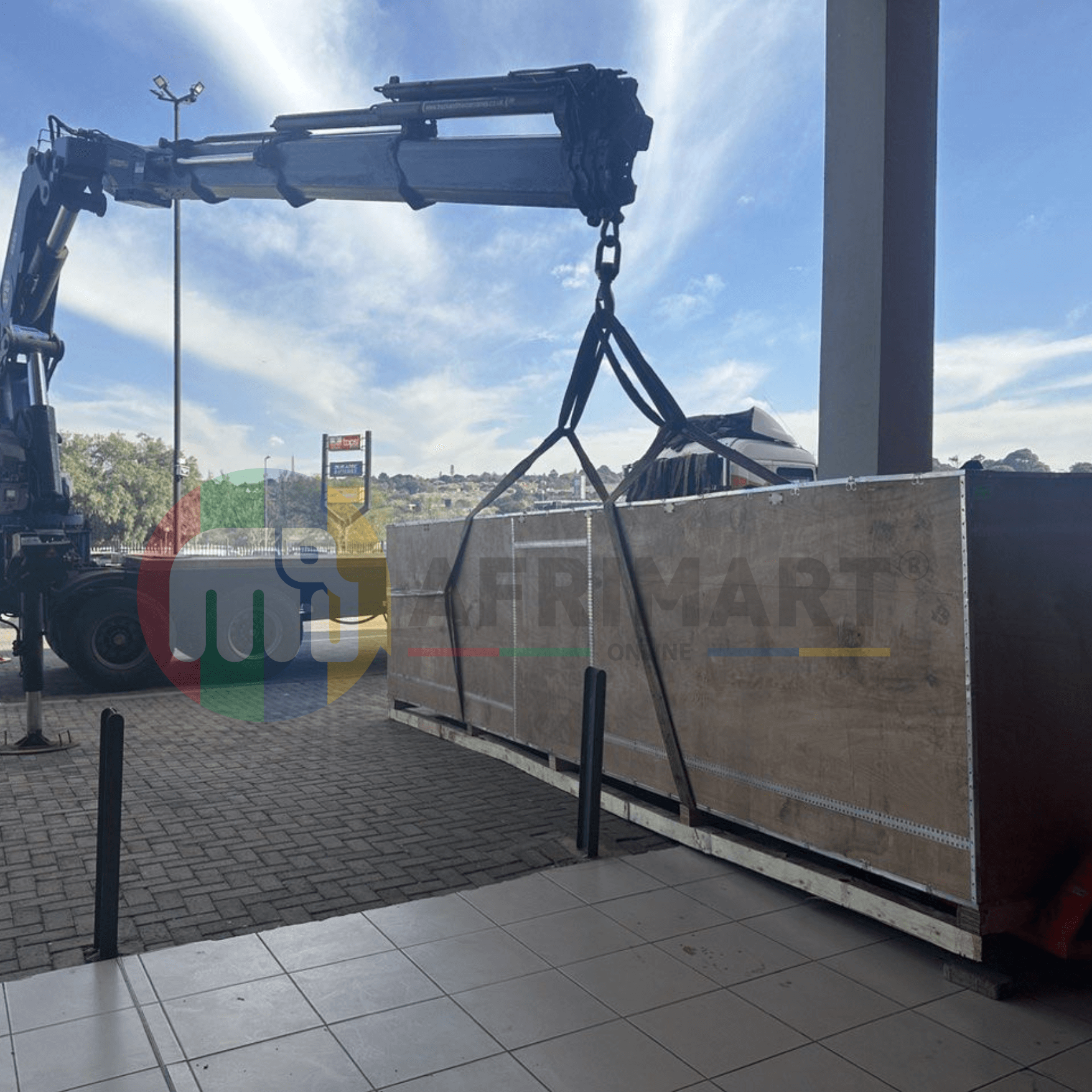
12 Heads Embroidery Machine
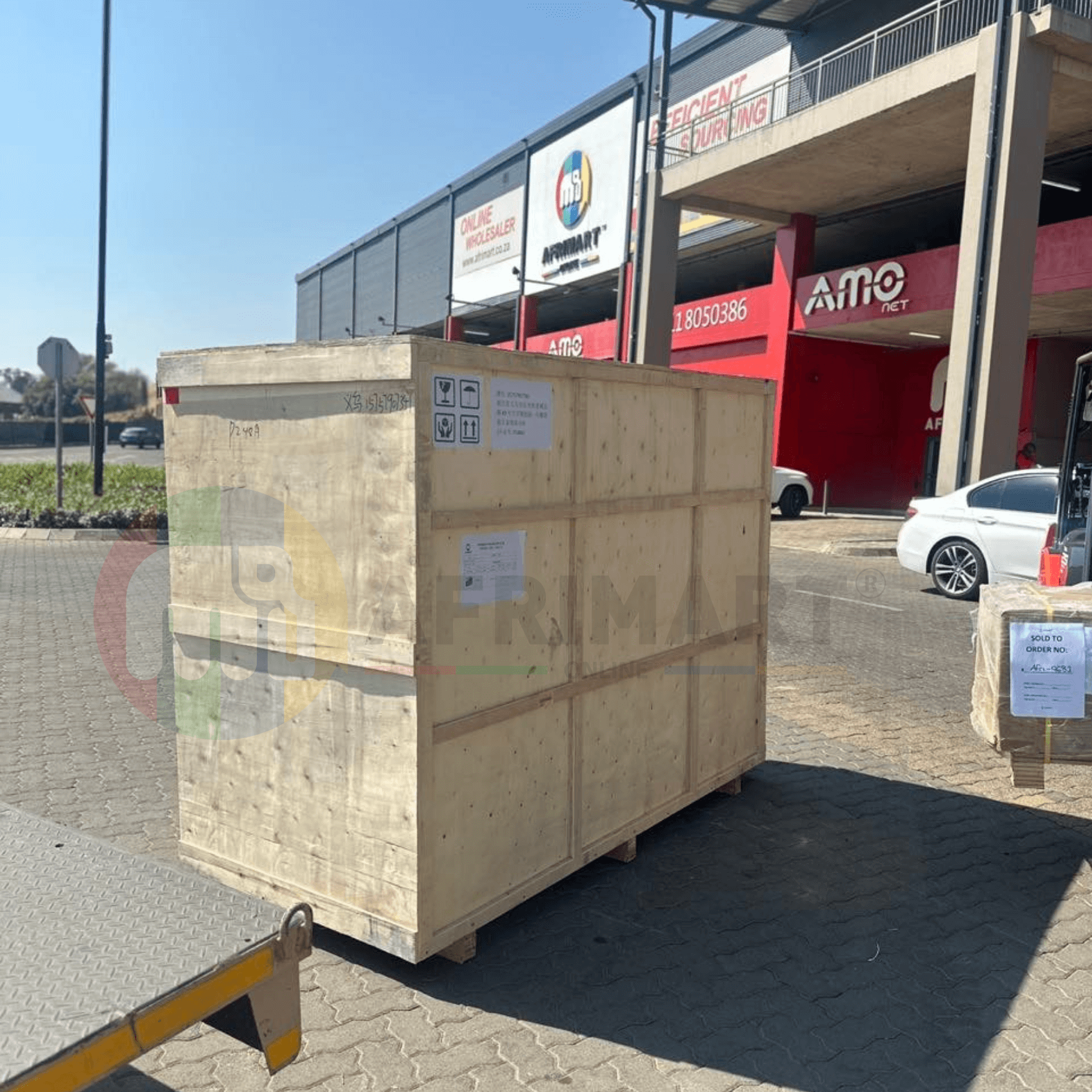
Dewatering Pump Machine
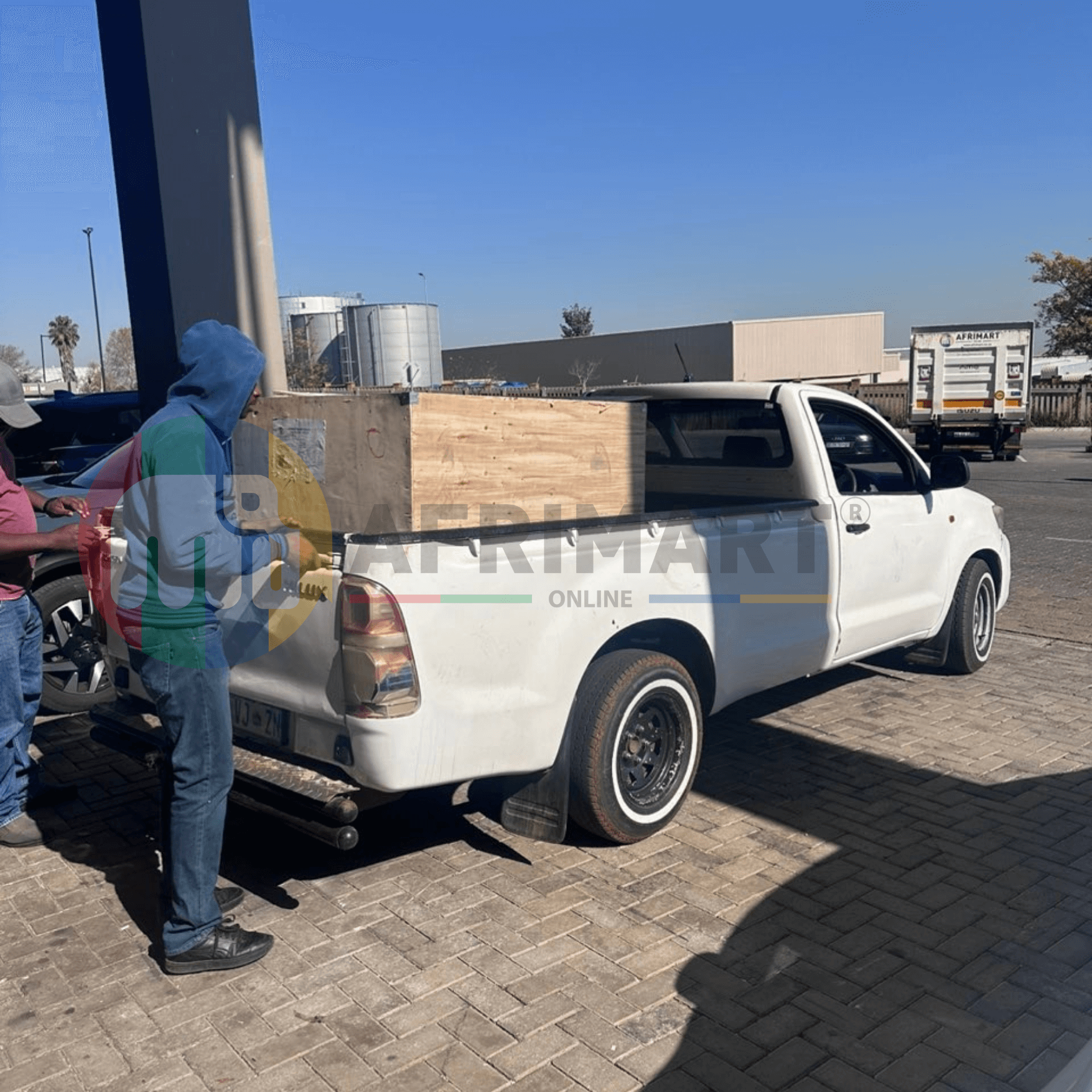
Order Collection
Portable Water Drilling Rig
Order Usefully Collected
Batch of Orders
Agriculture Processing Machines
Meat Grinder Machine
Water Pump Equipment
Packaging Machine and accessories
Fabrics Manufacturing Equipment
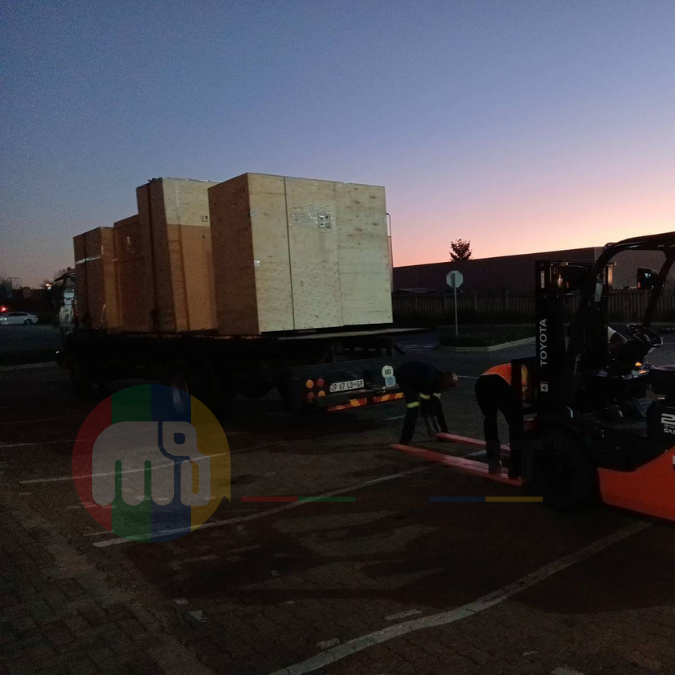
Mining Equipments
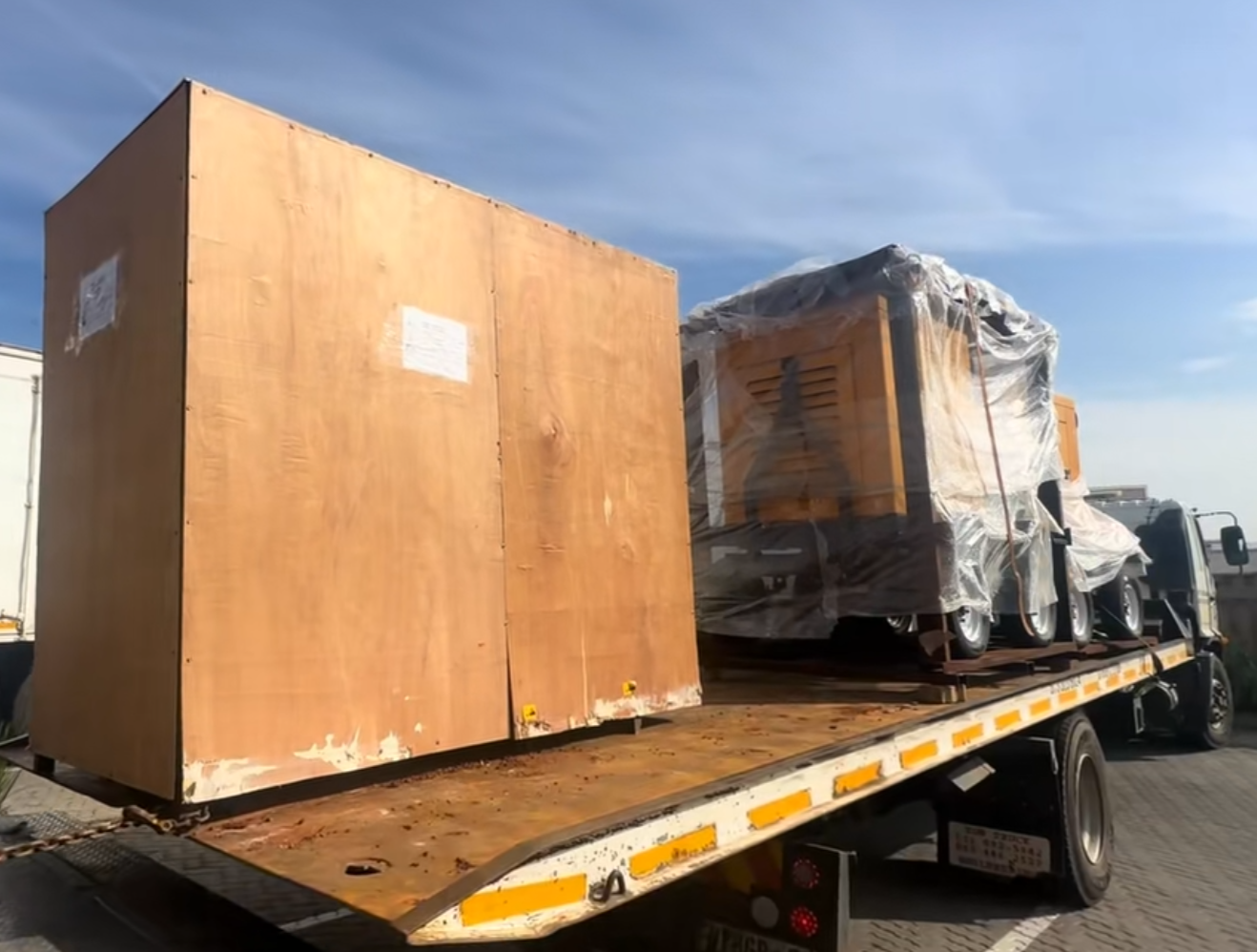
Food Processing Machine
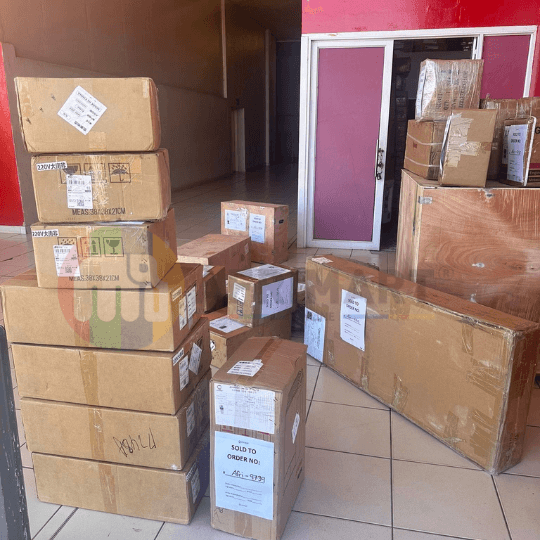
Batch of Orders
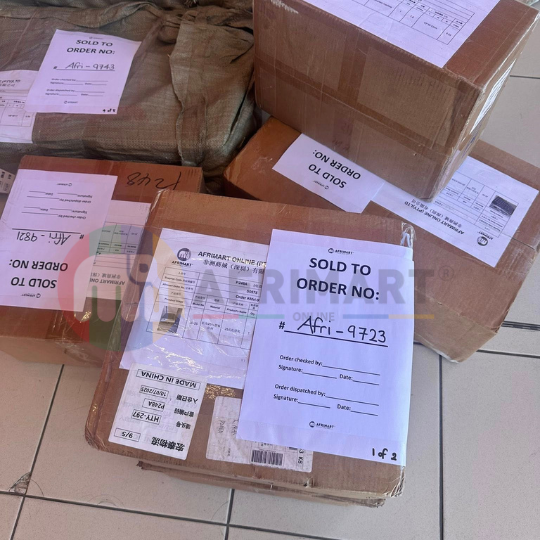
Batch of Orders
Latest Orders Labelled
wheel alignment machines
new arrivals
Pre Orders Offloading
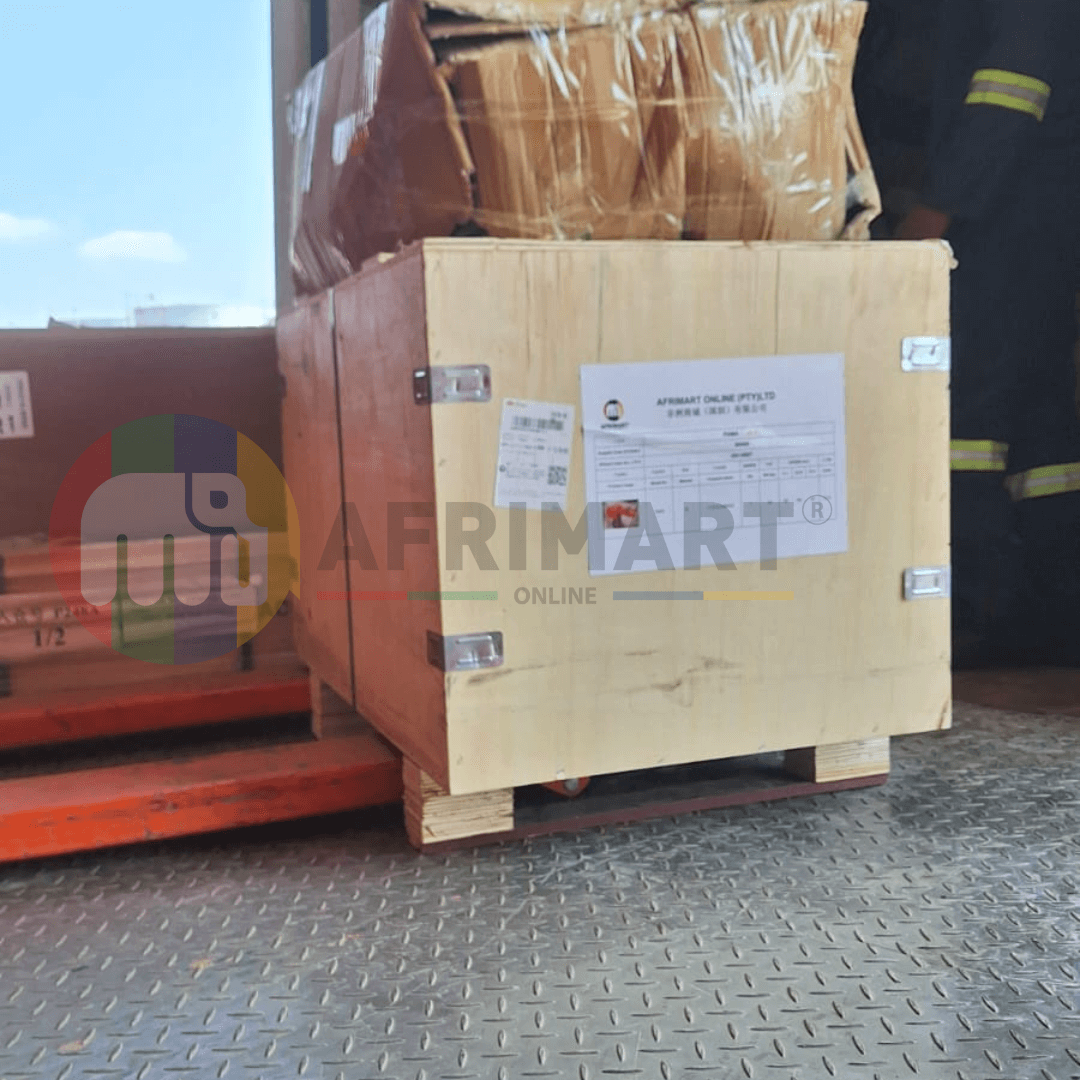
Latest Arrivals
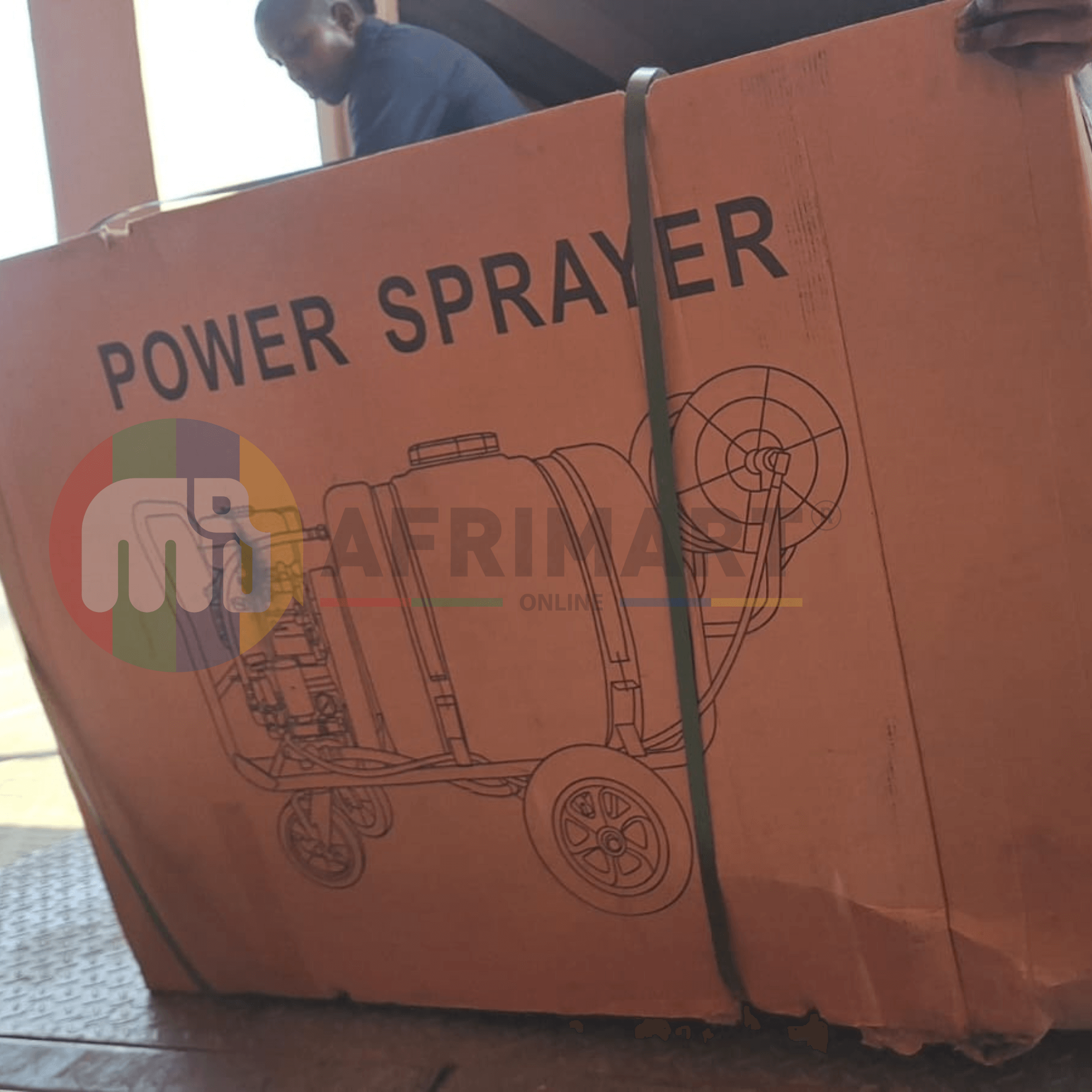
Latest Arrivals
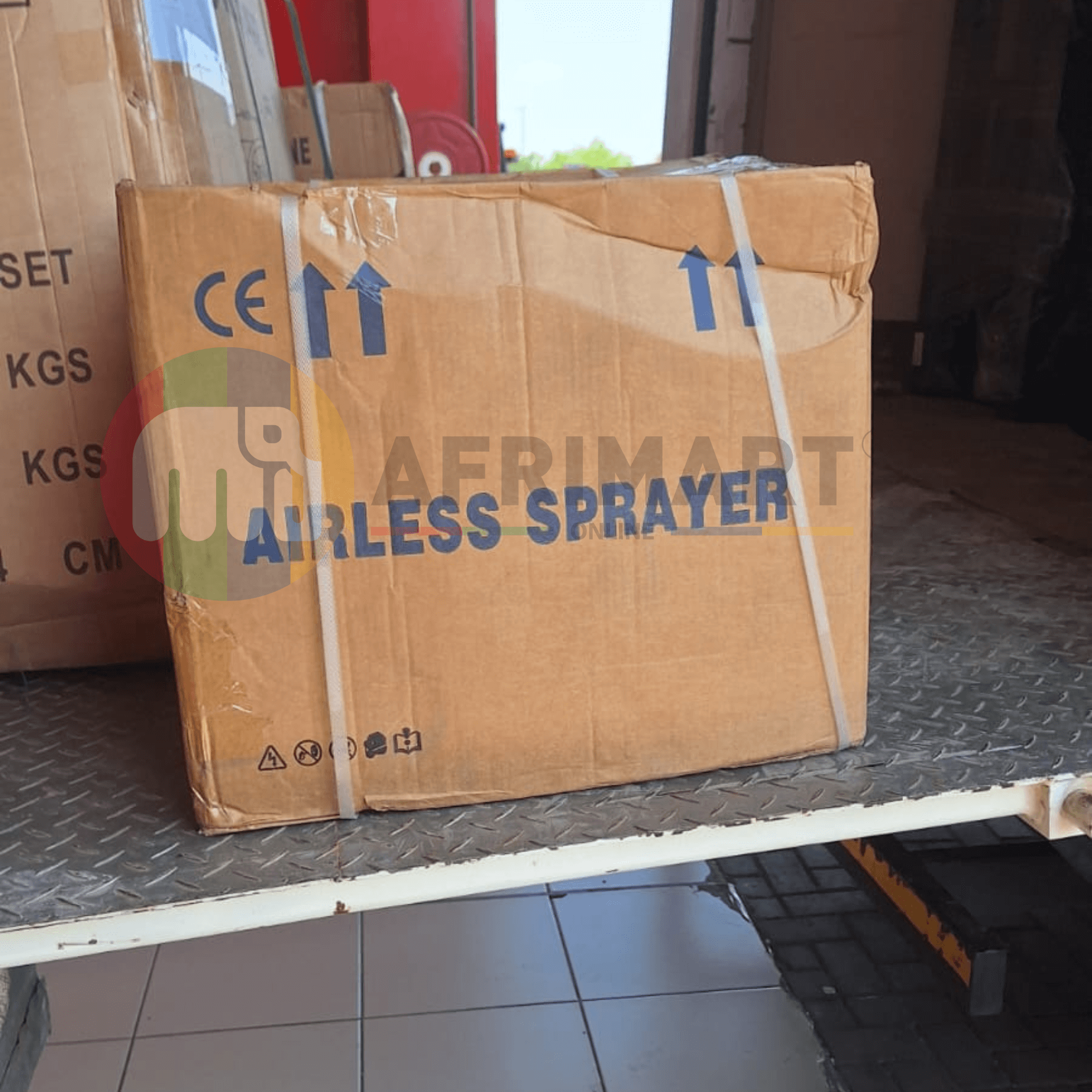
Latest Arrivals
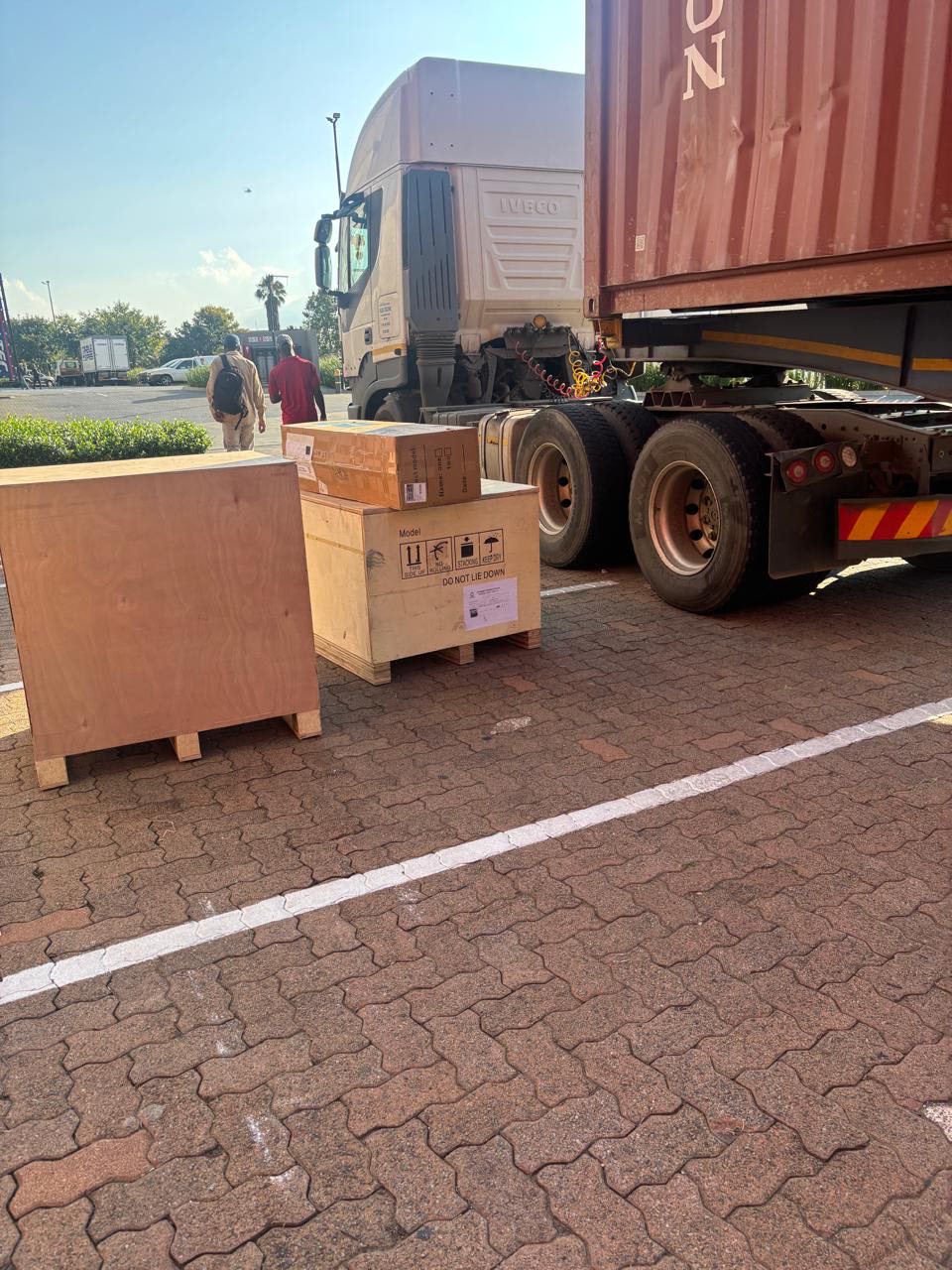
26 January 2026
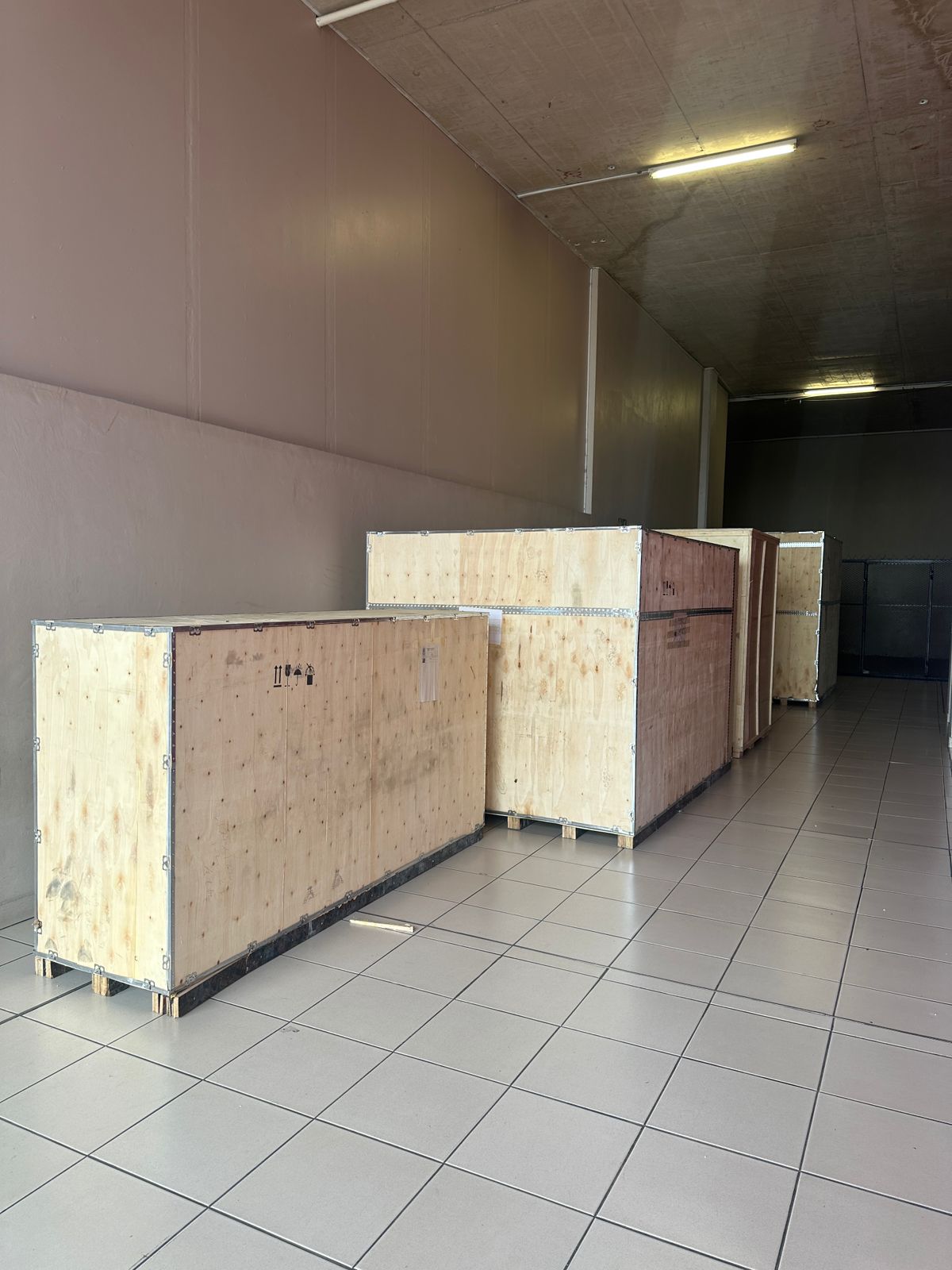
Toilet paper making machine
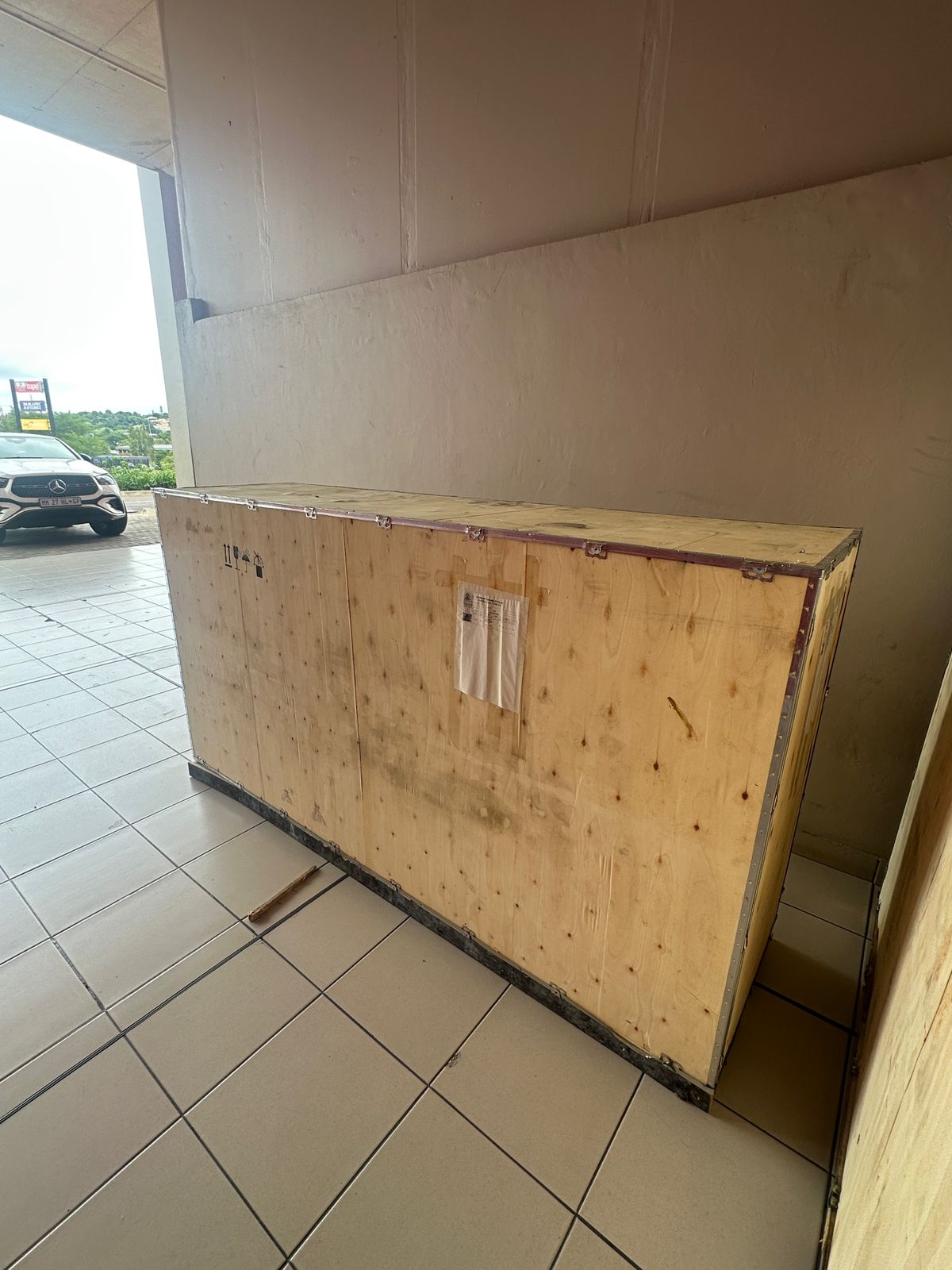
Toilet paper making machine
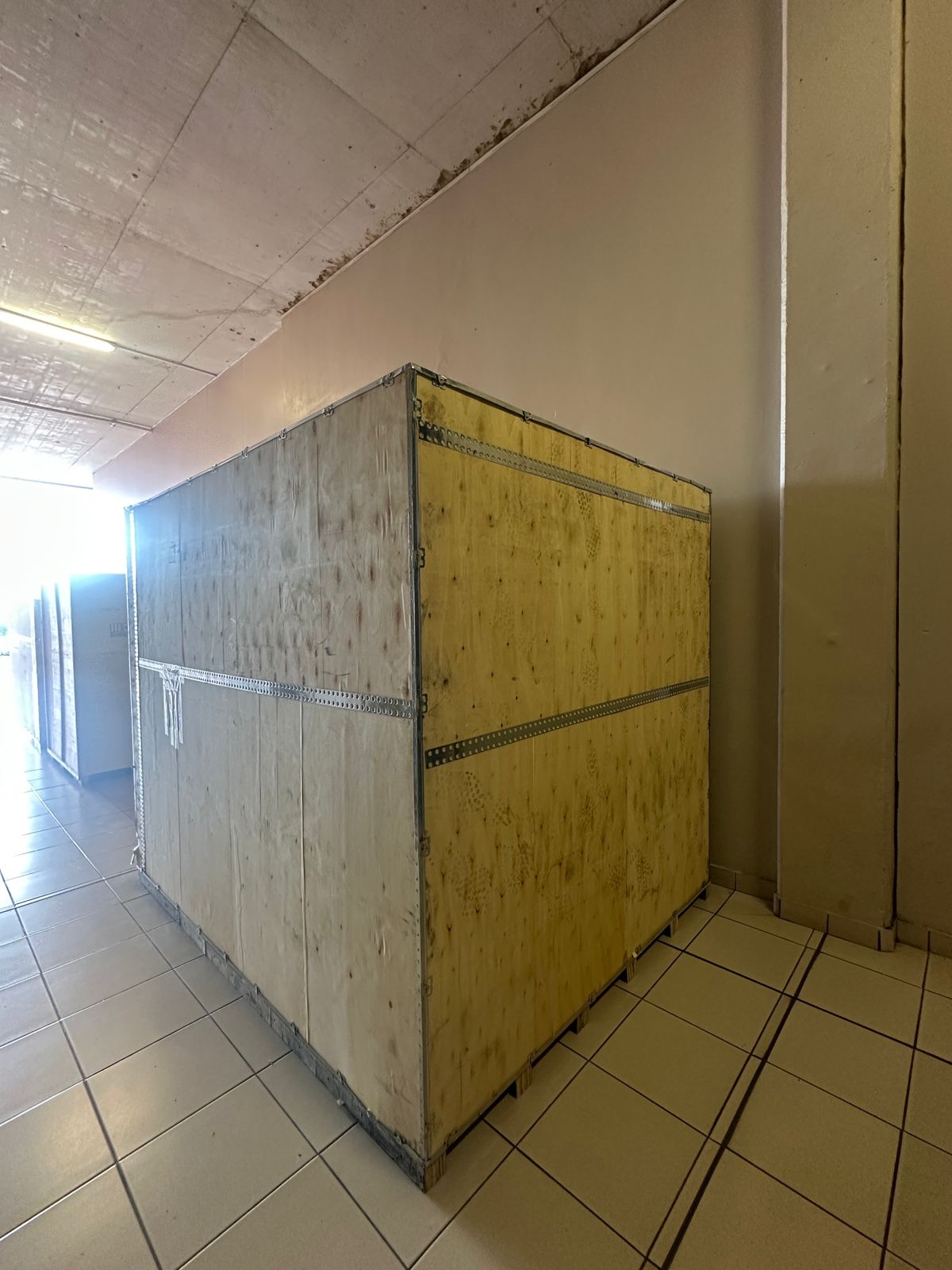
Toilet paper Rewinding Machine
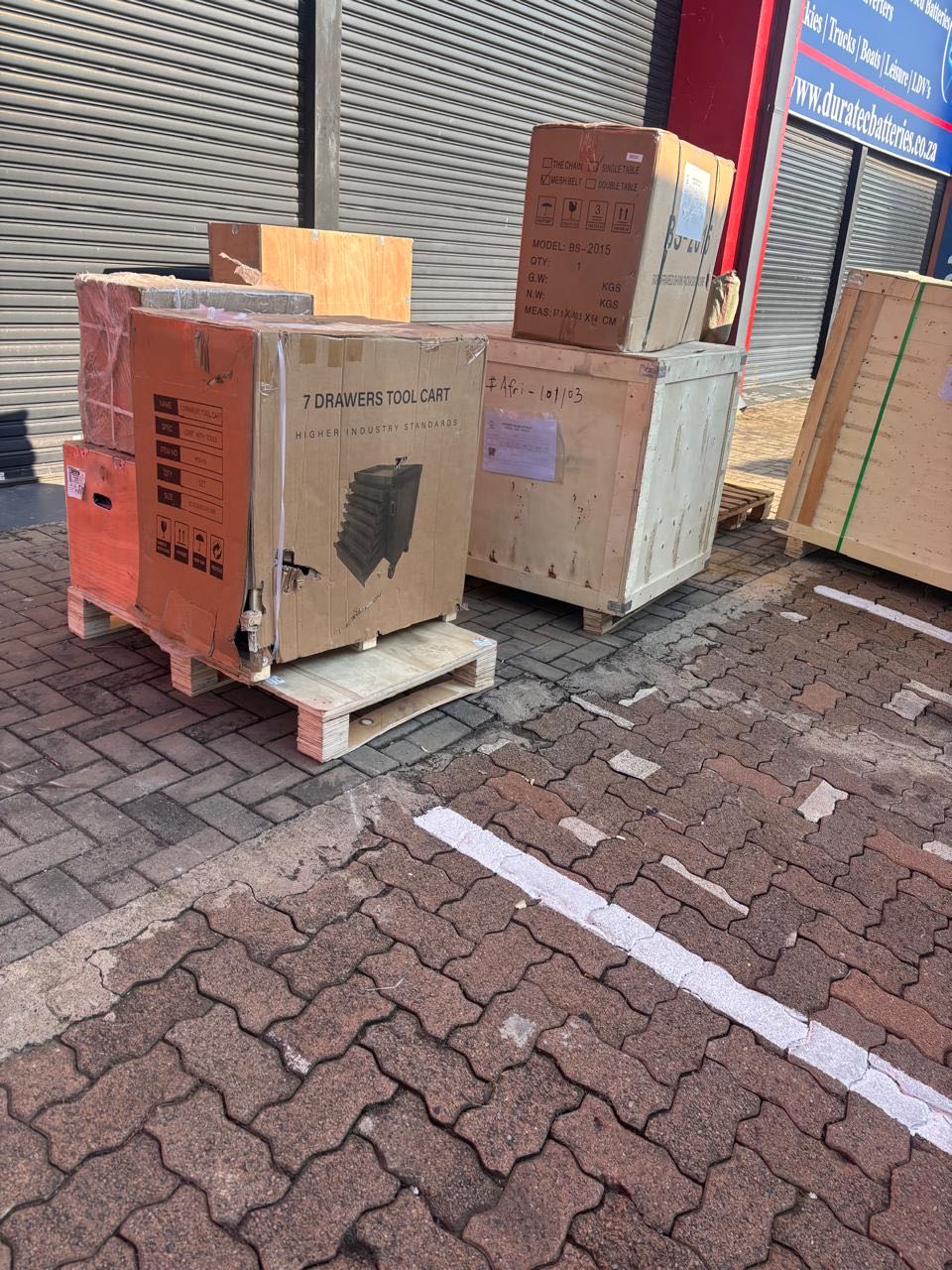
latest arrivals
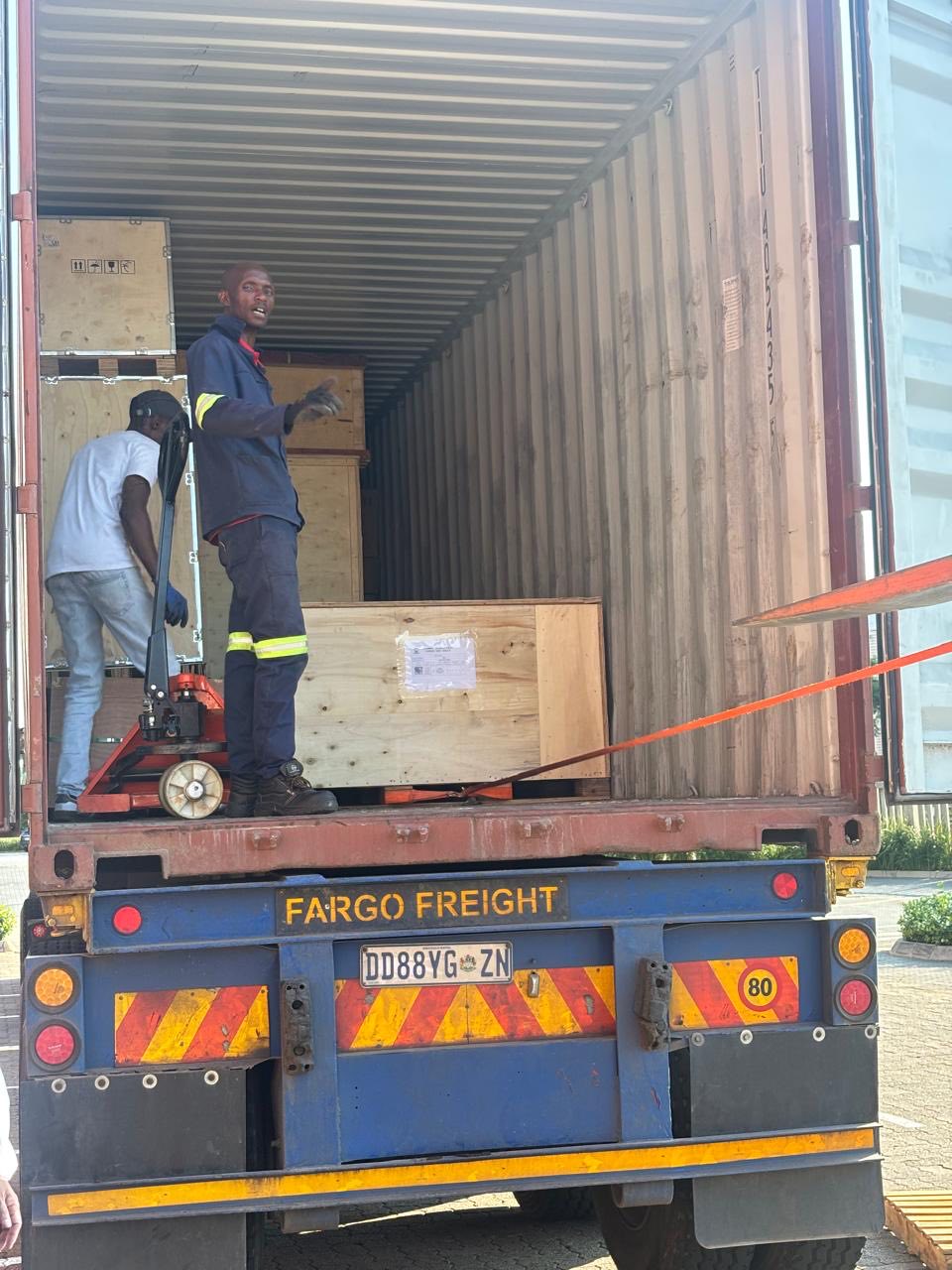
offloading
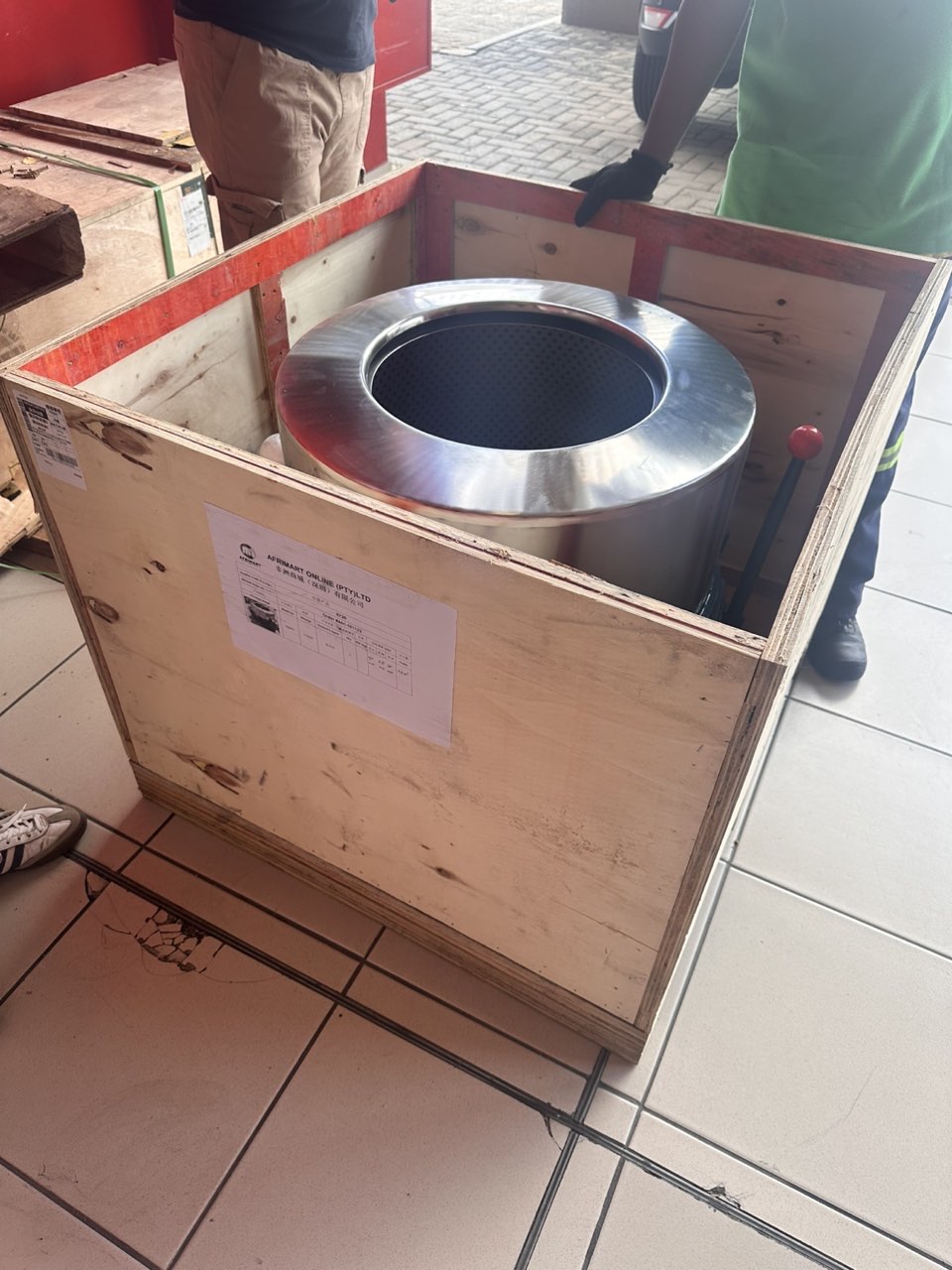
order success
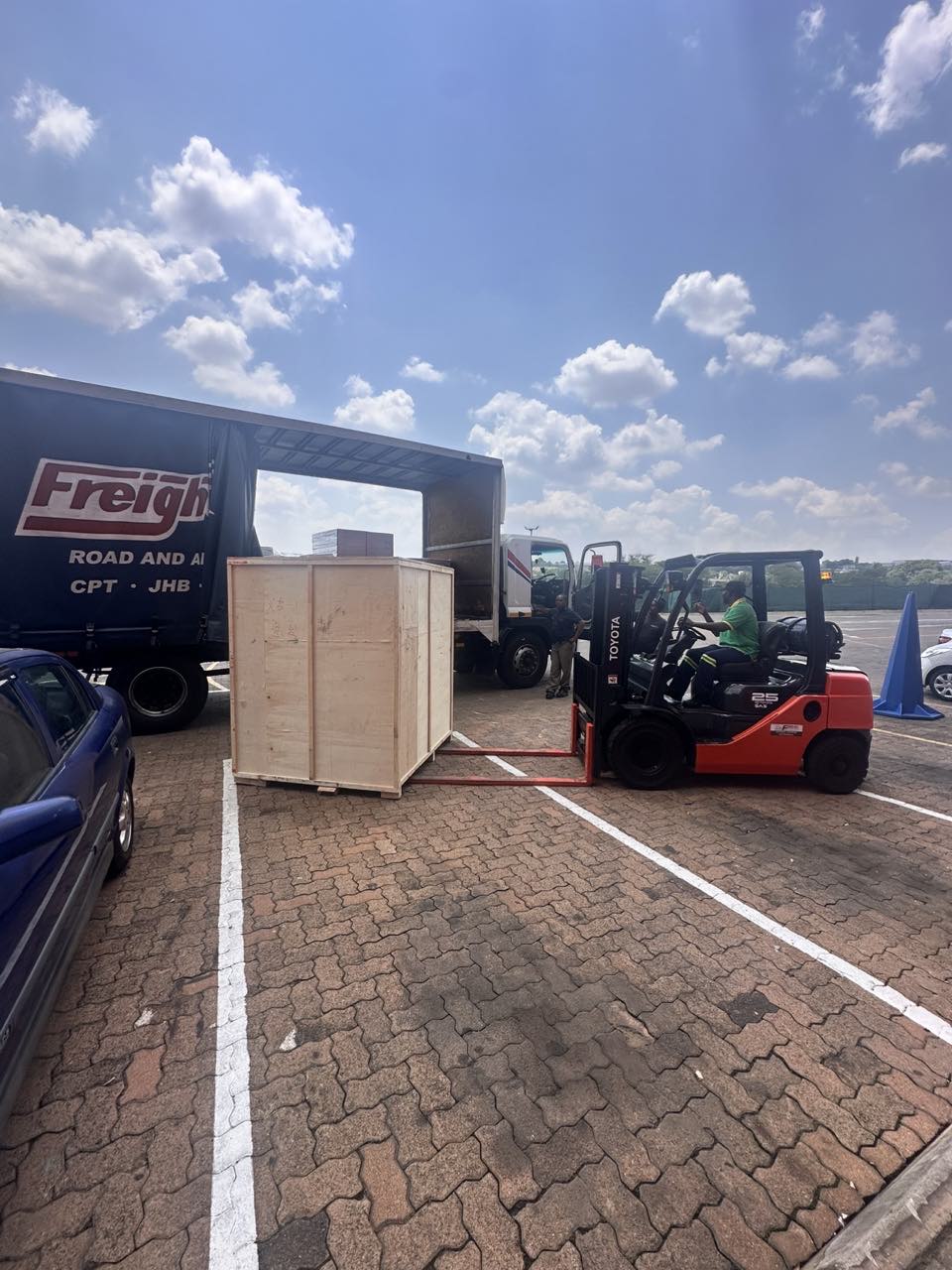
order collection
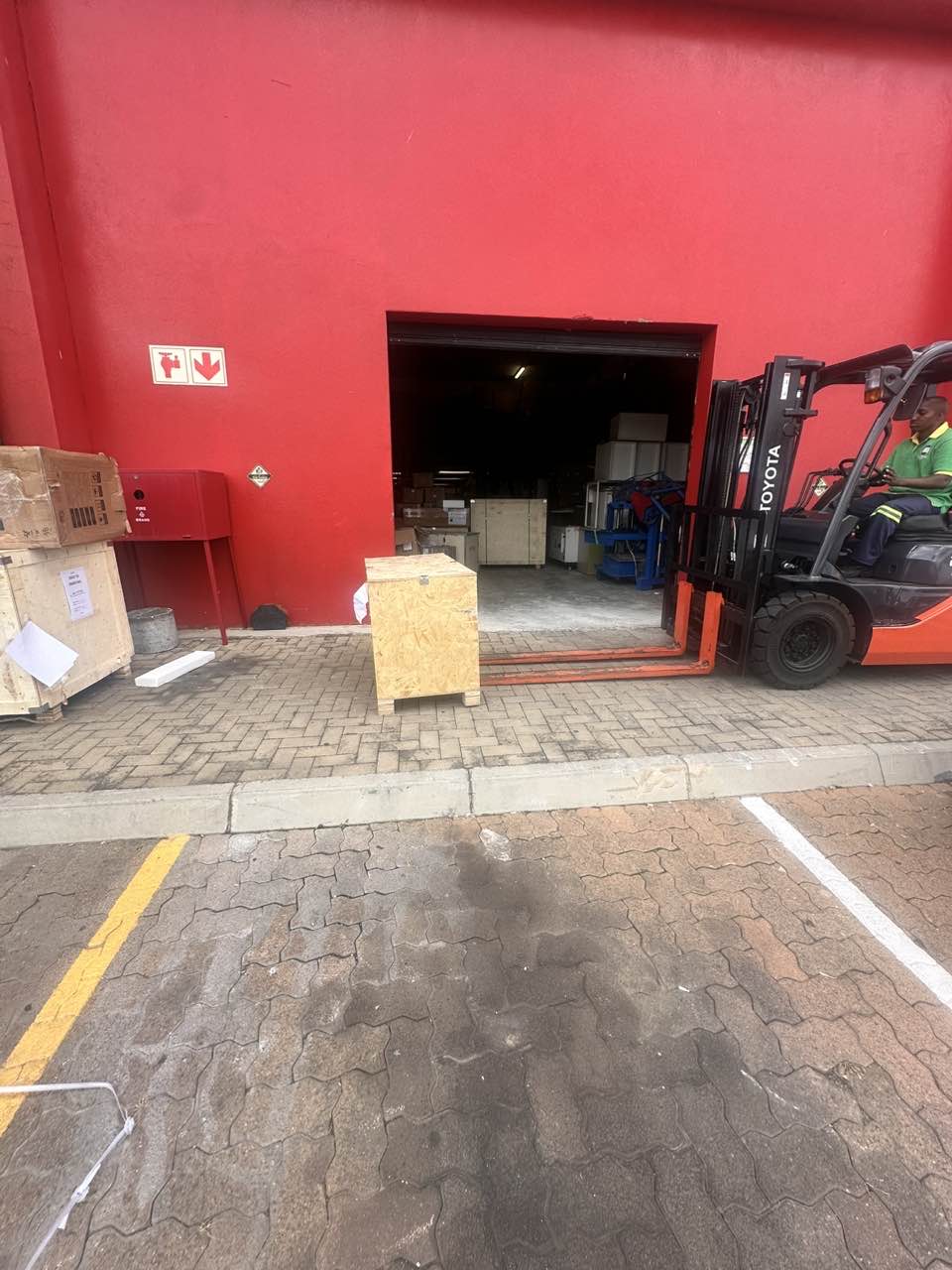
order offloading