B21, China Town Mall, Midrand

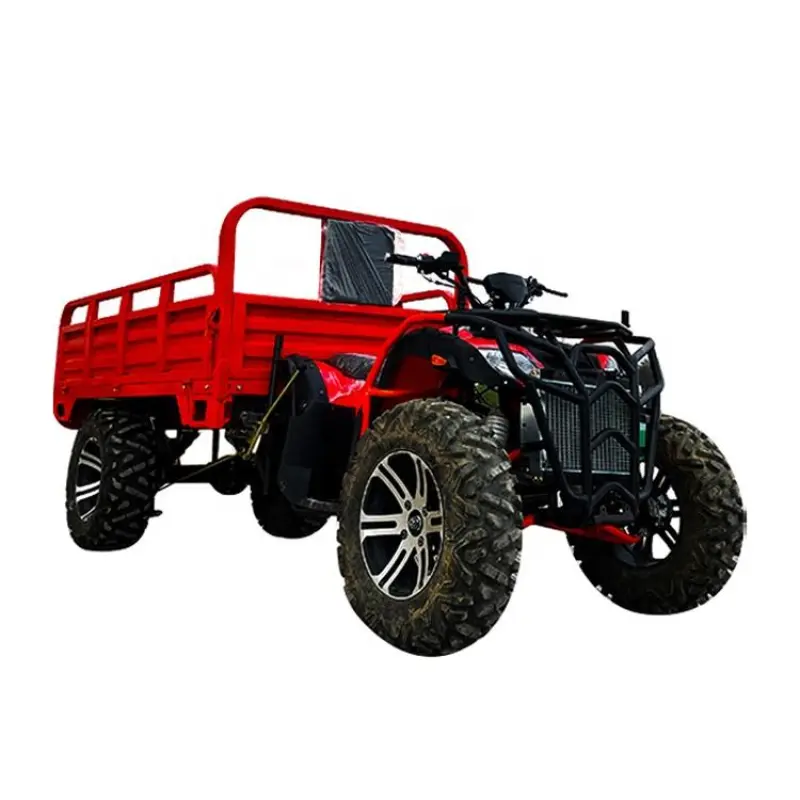
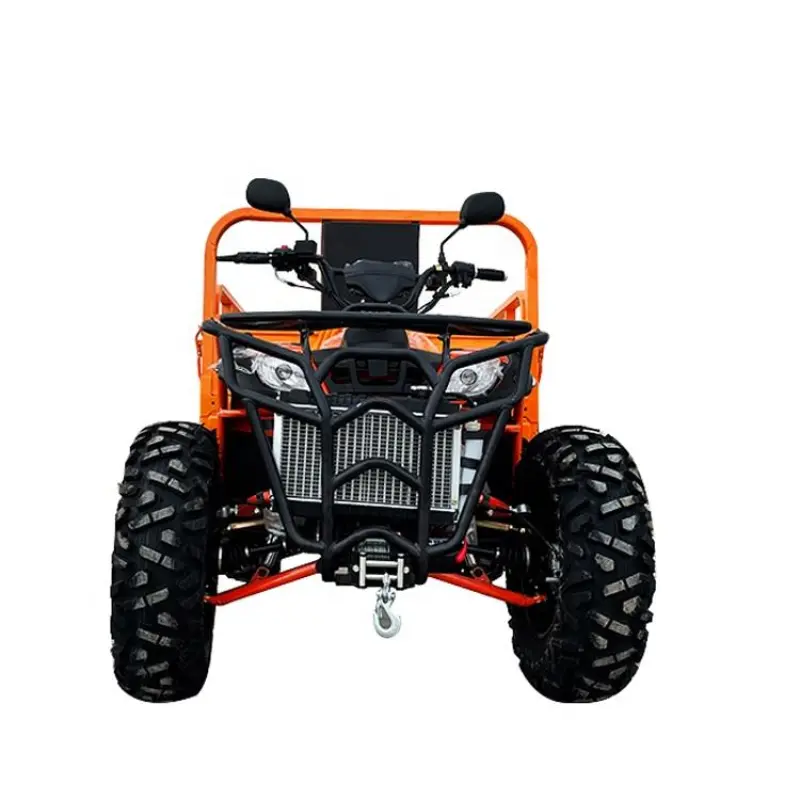
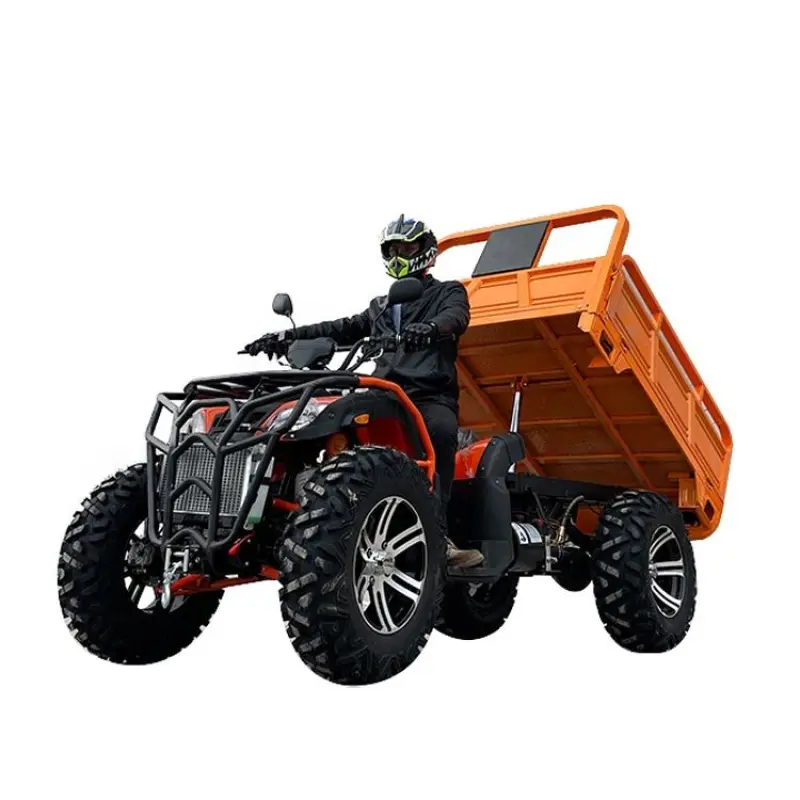
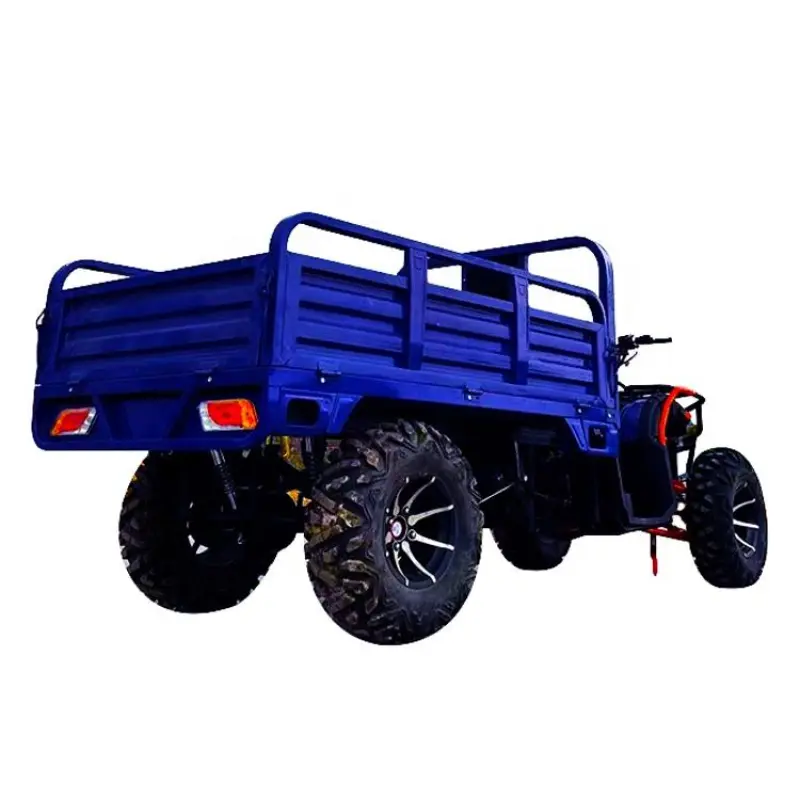
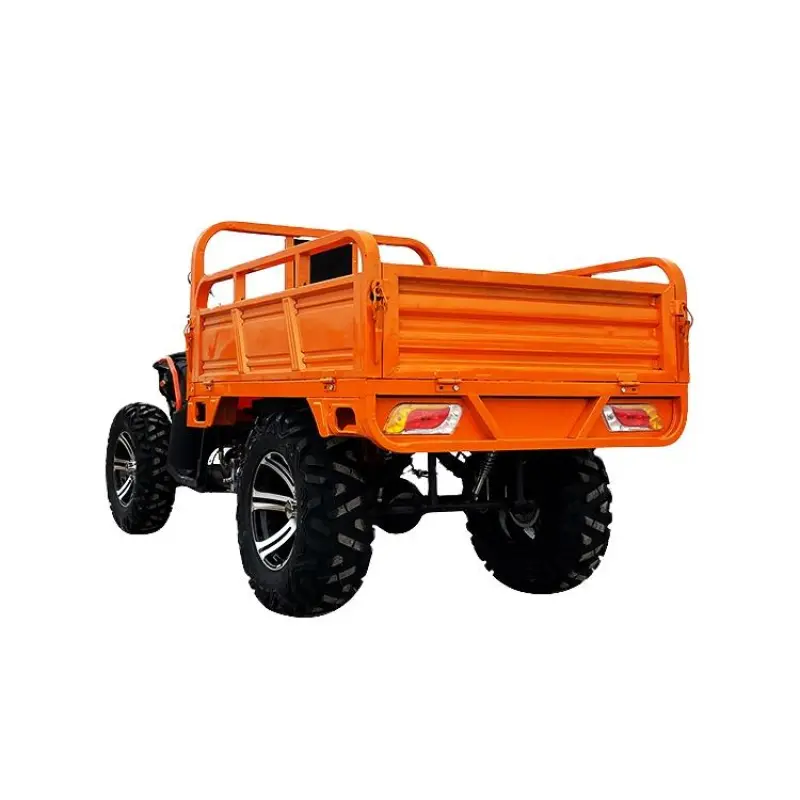
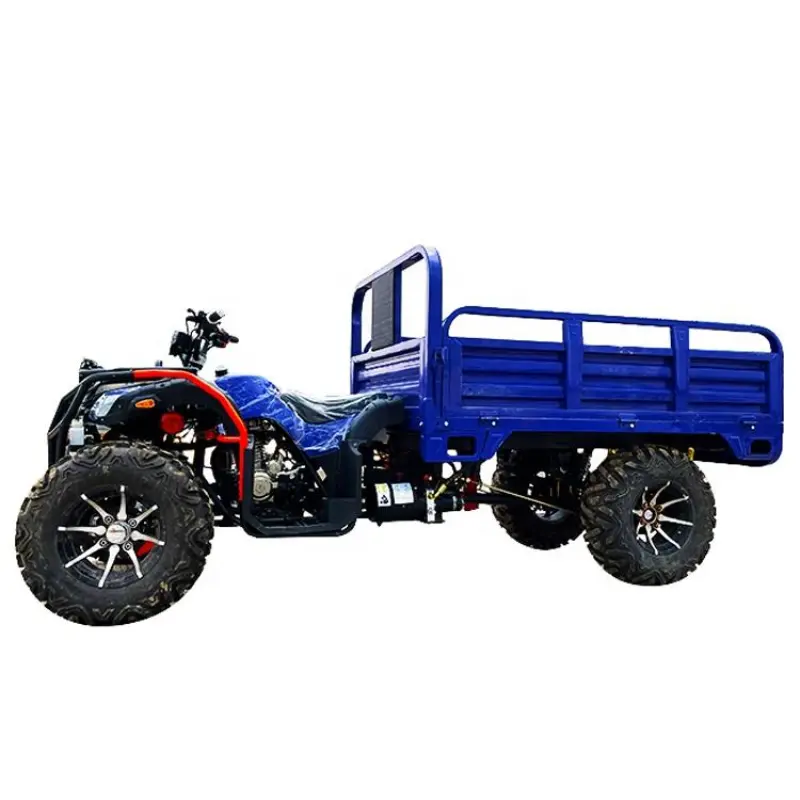
150cc 2WD Quadbike with Trailer
Asset finance available
Do you want funding for this equipment?
Afrimart can connect you with trusted funding partners who specialise in asset finance for businesses like yours. Compare options and apply in minutes — final approval is subject to provider review.
Check funding options
Secure & no obligation

- Section : Sports & Entertainment
- Category : Quad Bikes
- SKU : 1600794797383



- Shipping Timeframes: All orders are processed within 2-5 business days (excluding weekends and holidays). After your order has been processed, the estimated delivery time is before 04 Aug, 2026, depending on customs, Please note that due to high demand, some items may experience longer shipping times, which will be communicated at order confirmation email.
- Order Processing Time: Please allow 2-5 business days for us to process your order before it is shipped . Orders placed after 16:00 on Fridays, or during weekends and public holidays, will begin processing on the next business day. Processing times may be extended during peak seasons or sales events.
- Manufacturing Time: Some products needs manufacturing time, the manufacturing process will take approximately 10-30 business days depending on the product. This timeframe may vary depending on the complexity of the product and current demand. but this will be communicated with you during order confirmation.
- Returns and Exchanges: We offer a 30-day return policy for most items. If you are not completely satisfied with your purchase, you may return it within 30 days of receipt for a refund or exchange. Items must be unused, in their original packaging, and accompanied by proof of purchase. Return shipping costs are the responsibility of the customer, unless the item was damaged or defective upon arrival.
1. What engine does the 150cc 2WD Quadbike have?
It is powered by a 150cc single-cylinder, 4-stroke petrol engine (air-cooled on most models). Exact specs such as horsepower and compression ratio vary by manufacturer — check the product spec sheet for the confirmed values.
2. Does the quadbike have two-wheel drive or four-wheel drive?
This model is 2WD (two-wheel drive), meaning power is delivered to the rear wheels. 2WD is lighter and simpler but provides less traction than 4WD on very loose or steep terrain.
3. What is the top speed?
Top speed depends on gearing, rider weight and local regulations; typical 150cc utility quads reach roughly 30–50 km/h (20–31 mph). For an exact number check the manufacturer's specifications or speed-limited settings.
4. Who is this quadbike suitable for (age and experience)?
Generally suitable for teens and adults with some riding experience. Many sellers recommend riders be at least 16 years old; younger riders should only use under adult supervision with appropriate training and safety gear.
5. Do I need a license or registration to ride it?
Legal requirements vary by country, state or region. In some places small ATVs are classified as off-road vehicles (no road registration) while others require registration, licensing, insurance or an age minimum. Check local laws before riding on public land or roads.
6. What fuel and oil should I use?
Use unleaded petrol (check the user manual for recommended octane). Use the engine oil grade specified by the manufacturer (common grades for small 4-stroke engines are SAE 10W-30 or 15W-40); change oil at the intervals listed in the manual.
7. How much weight can the quad and trailer carry?
Payload capacities vary by model. Typical small 150cc quads support rider + cargo around 150–200 kg; the matching utility trailer commonly carries about 100–200 kg. For safe limits consult the manufacturer's payload and tongue weight ratings.
8. What are the trailer specifications and how is it attached?
Trailers for these quads are usually small utility beds with a simple hitch that bolts to the rear frame or tow bar. Specific dimensions, bed volume and load rating differ by model — verify the exact trailer specs and hitch type with the seller.
9. Is assembly required on delivery?
Most units require some assembly (attach handlebars, mirrors, wheels, trailer hitch, battery connection, etc.). Some dealers offer full assembly and pre-delivery inspection; check the seller's delivery/assembly options.
10. What routine maintenance does it need?
Routine maintenance includes regular oil and oil-filter changes, air-filter cleaning/replacement, spark plug inspection, brake checks, tyre pressure and tread inspection, chain or drive maintenance, and battery care. Follow the maintenance schedule in the owner’s manual.
11. What safety features does it include?
Common safety features include headlight/taillight, brake lights, electric start with kill switch, throttle limiter for lower speed, hand and foot brakes, and reflected surfaces. It usually does not have seat belts. Always wear a helmet and protective gear.
12. Can I ride this quadbike on public roads?
Most 2WD utility quadbikes are designed for off-road use. Road legality is determined by local regulations — some jurisdictions allow ATVs on certain roads with registration and safety requirements, others prohibit it. Check local laws before using it on public roads.
13. What should I know about towing and using the trailer safely?
Secure the trailer hitch and safety chain, distribute load low and evenly, do not exceed the quad’s tongue and payload ratings, check that trailer lights (if fitted) work, and drive slower with a load. Practice turning and braking in a safe area before carrying heavy cargo.
14. Is there a warranty and are spare parts available?
Warranty terms vary by manufacturer and seller — common warranties cover defects for a limited period (e.g., 6–12 months). Spare parts and accessories are usually available through dealers or aftermarket suppliers; confirm warranty and parts availability at purchase.
15. What accessories are commonly available for this model?
Common accessories include storage racks/boxes, winches, handguards, skid plates, upgraded tires, cargo nets, trailer options, and protective guards. Verify compatibility with your specific model before purchasing accessories.
Latest Order Arrivals
Discover our latest orders

12 Heads Embroidery Machine

Toilet Paper Machine Machine

Order Collection

Cross Border Clients

Order cros border countries Collected

Industrial Machine Cllection

Agriculture Processing Machines

Ready for collection

Water Pump Equipment

Packaging Machine and accessories

Fabrics Manufacturing Equipment

Mining Equipments

Food Processing Machine

Batch of Orders

Batch of Orders

Latest Orders Labelled

wheel alignment machines

new arrivals

Pre Orders Offloading

Latest Arrivals

Latest Arrivals

Latest Arrivals

Loading

Toilet paper making machine

Toilet paper making machine

Toilet paper Rewinding Machine

latest arrivals

offloading

order success

order collection

order offloading