B21, China Town Mall, Midrand


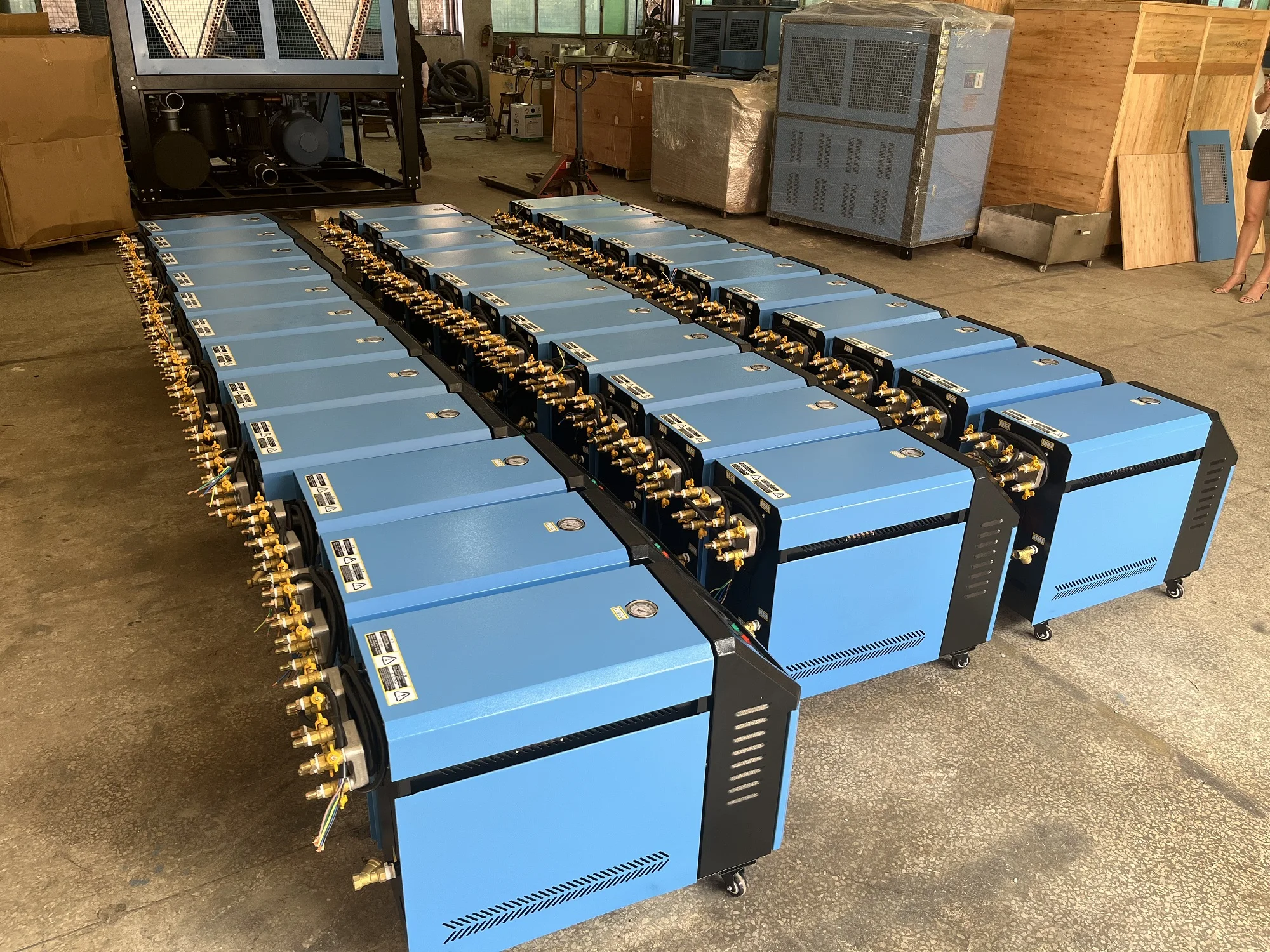
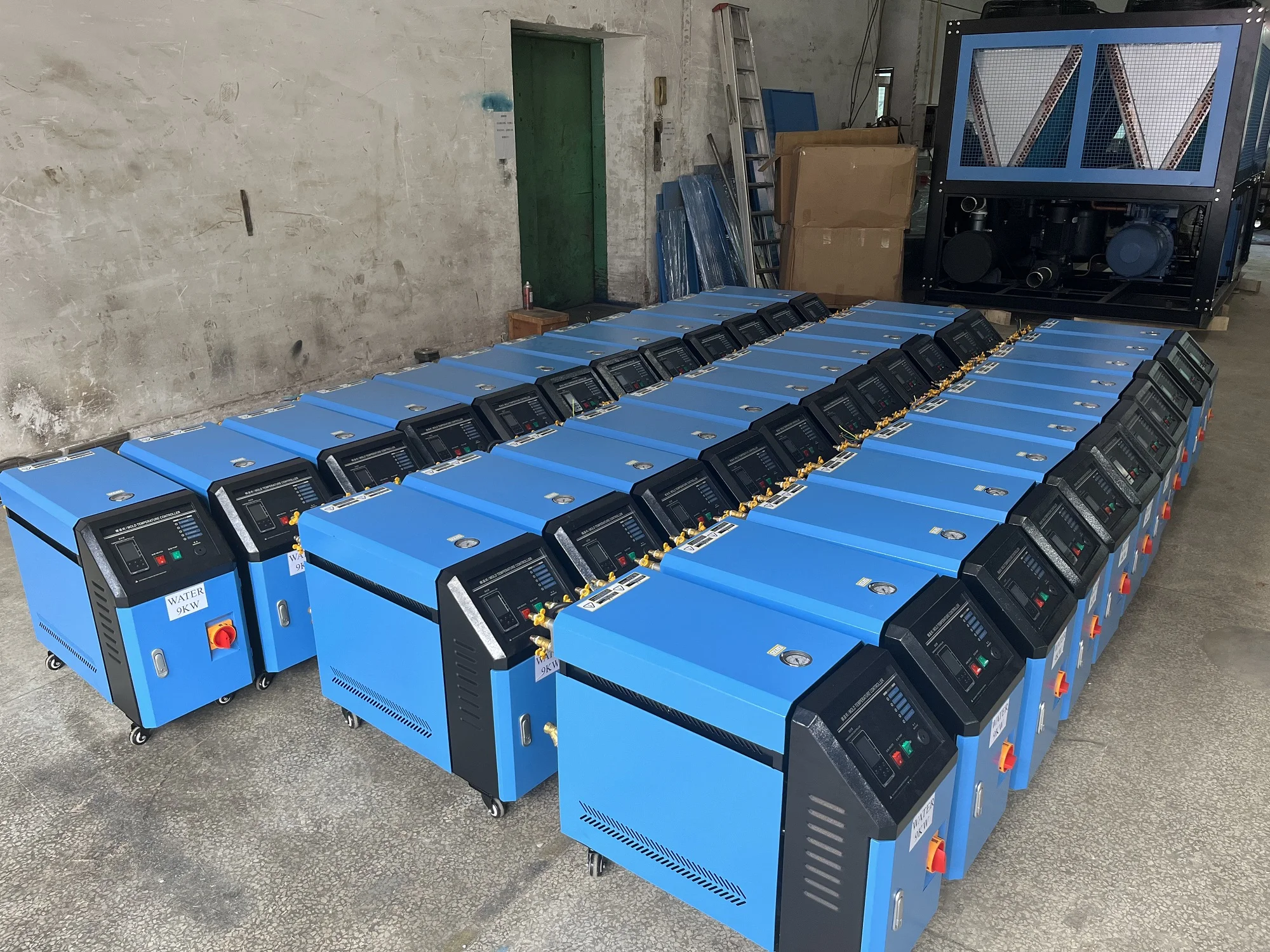
12KW rubber mold press heating machine high mold oil temperature controller

- Section : Machinery
- Category : Plastic & Rubber Processing Machinery
- SKU : 1600594313124

Product Description
mold temperature controller
The mold temperature machine is also called the mold temperature control machine, which was originally used in the temperature control industry of injection molds. Later, with the development and application of the machinery industry, the mold temperature machine is generally divided into a water temperature machine and an oil temperature machine, and the temperature control accuracy can reach ±0.1 °C. Mold temperature machines are widely used in plastic molding, die casting, rubber tires, rollers, chemical reactors, bonding, banburying and other industries. In a broad sense, it is called temperature control equipment, which includes temperature control in both heating and freezing.



- Shipping Timeframes: All orders are processed within 2-5 business days (excluding weekends and holidays). After your order has been processed, the estimated delivery time is before 03 Aug, 2026, depending on customs, Please note that due to high demand, some items may experience longer shipping times, which will be communicated at order confirmation email.
- Order Processing Time: Please allow 2-5 business days for us to process your order before it is shipped . Orders placed after 16:00 on Fridays, or during weekends and public holidays, will begin processing on the next business day. Processing times may be extended during peak seasons or sales events.
- Manufacturing Time: Some products needs manufacturing time, the manufacturing process will take approximately 10-30 business days depending on the product. This timeframe may vary depending on the complexity of the product and current demand. but this will be communicated with you during order confirmation.
- Returns and Exchanges: We offer a 30-day return policy for most items. If you are not completely satisfied with your purchase, you may return it within 30 days of receipt for a refund or exchange. Items must be unused, in their original packaging, and accompanied by proof of purchase. Return shipping costs are the responsibility of the customer, unless the item was damaged or defective upon arrival.
1. What is this product?
This is a 12KW oil-based mold temperature controller designed for rubber mold presses. It circulates heated thermal oil to maintain precise mold temperatures for processes such as rubber molding, plastic molding, die casting and similar applications.
2. What does the "12KW" specification mean?
12KW refers to the heater rated power of the unit. It indicates the maximum electrical heating capacity and affects how quickly the system can raise the oil and mold temperature. Actual heating speed depends on mold mass, oil volume and system insulation.
3. What temperature range and accuracy can I expect?
Temperature range depends on the model and the thermal oil used; many oil-type controllers operate up to roughly 200–350 °C. The controller can achieve high accuracy; temperature control accuracy can reach ±0.1 °C (model and sensor placement dependent). Confirm exact limits with the supplier.
4. Is this unit an oil or water temperature controller?
This product is an oil temperature controller (thermal-oil based). It is intended for applications requiring higher temperatures than typical water-based systems. Do not use water in an oil system.
5. What industries and applications is it suitable for?
Common uses include rubber mold presses, plastic injection molds, die casting, rollers and tires, chemical reactors, bonding operations and other processes requiring precise heating of molds or tooling.
6. How is temperature controlled and adjusted?
Most units use a digital PID temperature controller with setpoint programming and real-time display. Some models also offer PLC interfaces, alarms, and external sensor inputs. Check the specific model for controller features.
7. What safety features are included?
Typical safety features include over-temperature protection, independent high-limit thermostat, low-oil-level protection or float switch, pressure relief and electrical protection (fuses/MCB). Always confirm the safety list for the exact unit you purchase.
8. What installation requirements should I be aware of?
Install on a level, stable surface with adequate ventilation. Electrical hookup should be performed by a qualified electrician using the correct voltage/phase and proper grounding. Connect inlet/outlet lines to the mold, fill with recommended thermal oil, purge air from the circulation loop, and check for leaks before operation.
9. What kind of thermal oil should I use and how often should it be changed?
Use a thermal fluid compatible with the temperature range required (consult the manufacturer for recommended oil types). Change intervals depend on operating temperature and contamination levels; inspect oil periodically and replace if darkened, viscous or degraded. Follow manufacturer maintenance guidelines.
10. Does the unit provide cooling as well as heating?
An oil temperature controller is primarily a heating and circulation system. Cooling can be achieved by stopping heating and using ambient dissipation or connecting to an external chiller or heat exchanger if rapid cooling is required. Some suppliers offer integrated heating/cooling configurations—ask about options.
11. What maintenance is required?
Regular maintenance includes checking oil level and quality, inspecting and cleaning filters and strainers, verifying pump operation, checking electrical connections, testing safety interlocks and replacing worn seals or sensors. Follow the manufacturer’s maintenance schedule.
12. What should I do if the unit does not reach set temperature or temperature fluctuates?
Check that power is correct and breakers/fuses are intact, verify oil level and that the pump is circulating, ensure the sensor is properly positioned and in good condition, look for air trapped in lines, and confirm setpoint and PID settings. Contact technical support if problems persist.
13. Are there different voltage/phase options available?
Many suppliers offer multiple electrical configurations (single-phase or three-phase, various voltages) to match local power supplies. Specify your required voltage/phase when ordering or consult the manufacturer.
14. What accessories or options are commonly available?
Common options include additional temperature sensors, insulation jackets, upgraded PID/PLC controllers, remote communication (Modbus), variable-speed pumps, expansion tanks, and integrated chillers or heat exchangers. Ask the supplier about configurable options for your application.
Latest Order Arrivals
Discover our latest orders
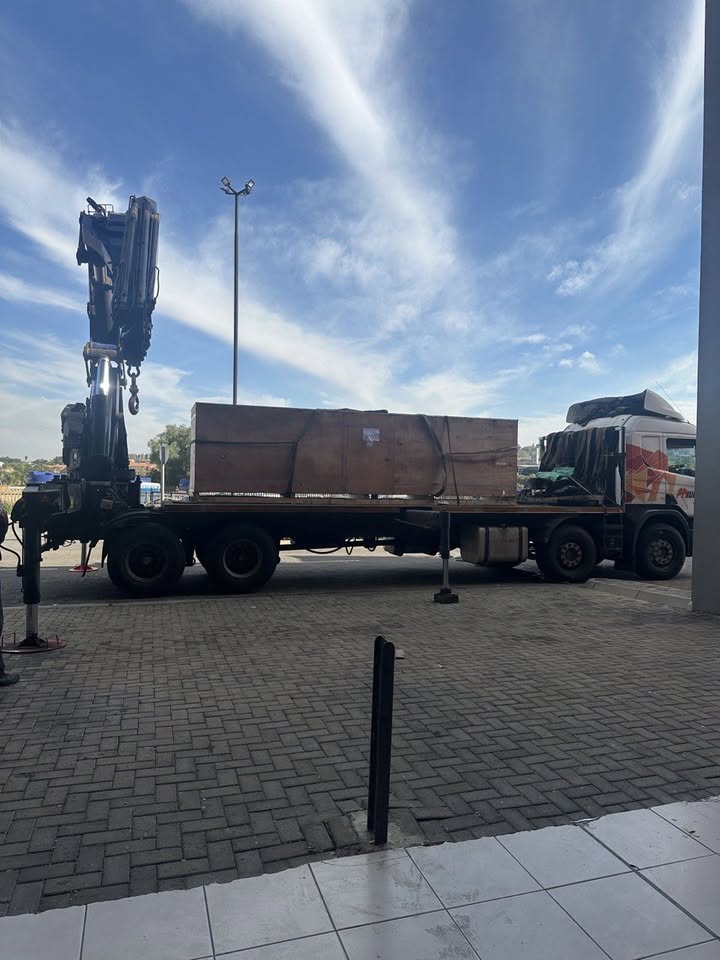
12 Heads Embroidery Machine
Toilet Paper Machine Machine
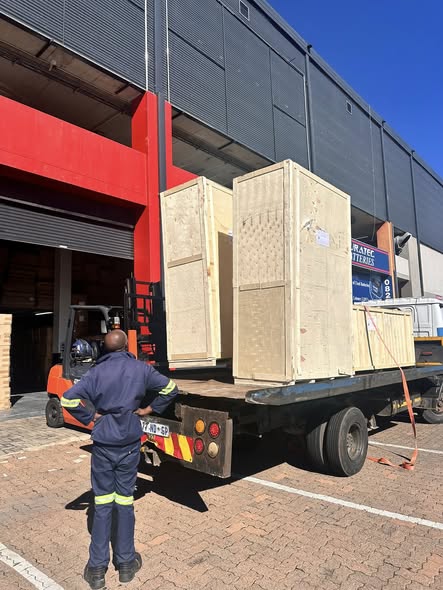
Order Collection
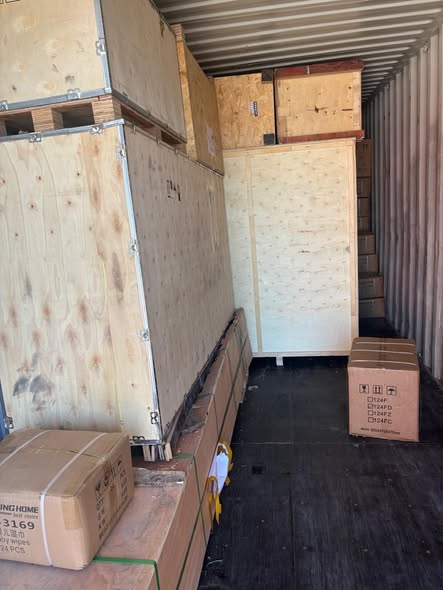
Cross Border Clients
Order cros border countries Collected
Industrial Machine Cllection
Agriculture Processing Machines
Ready for collection
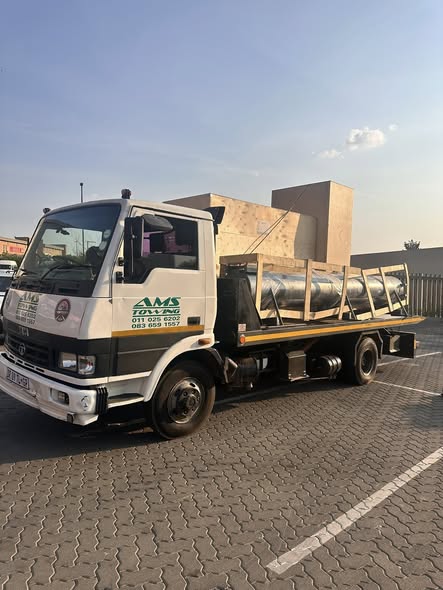
Water Pump Equipment
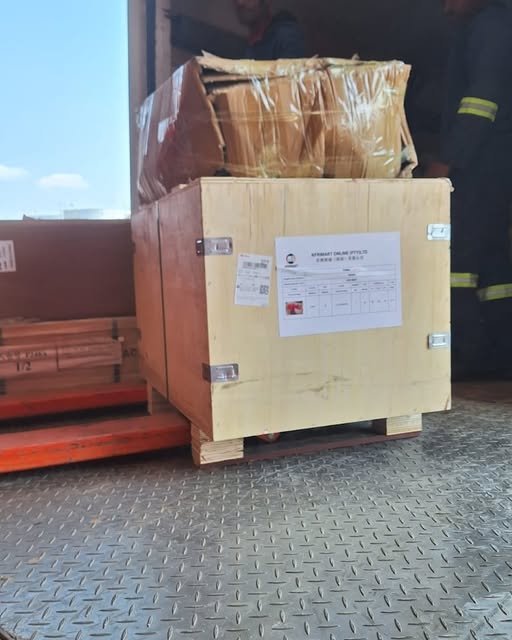
Packaging Machine and accessories
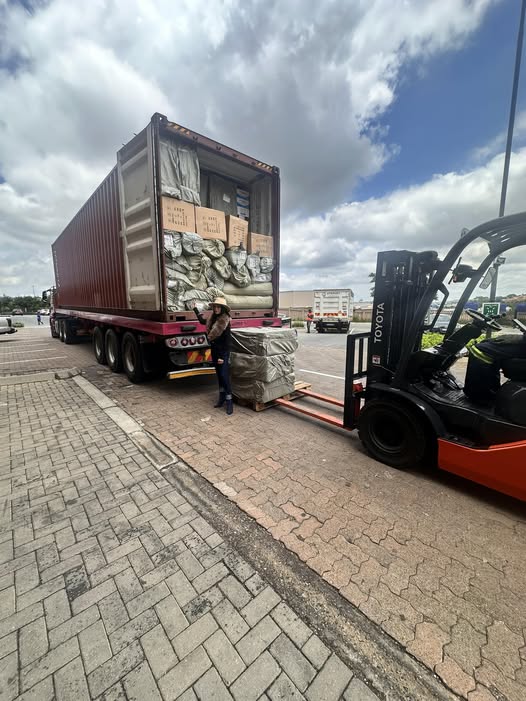
Fabrics Manufacturing Equipment
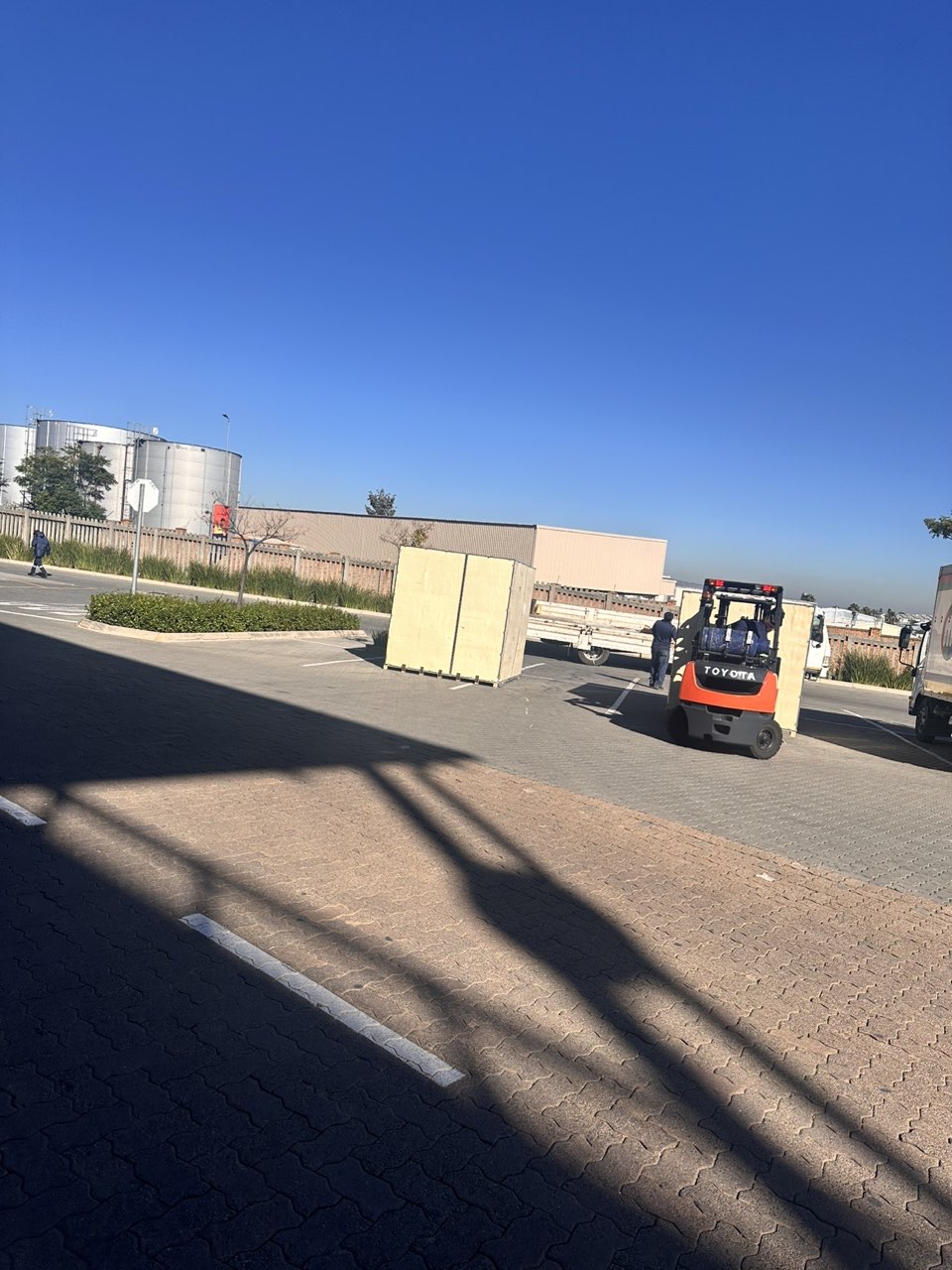
Mining Equipments
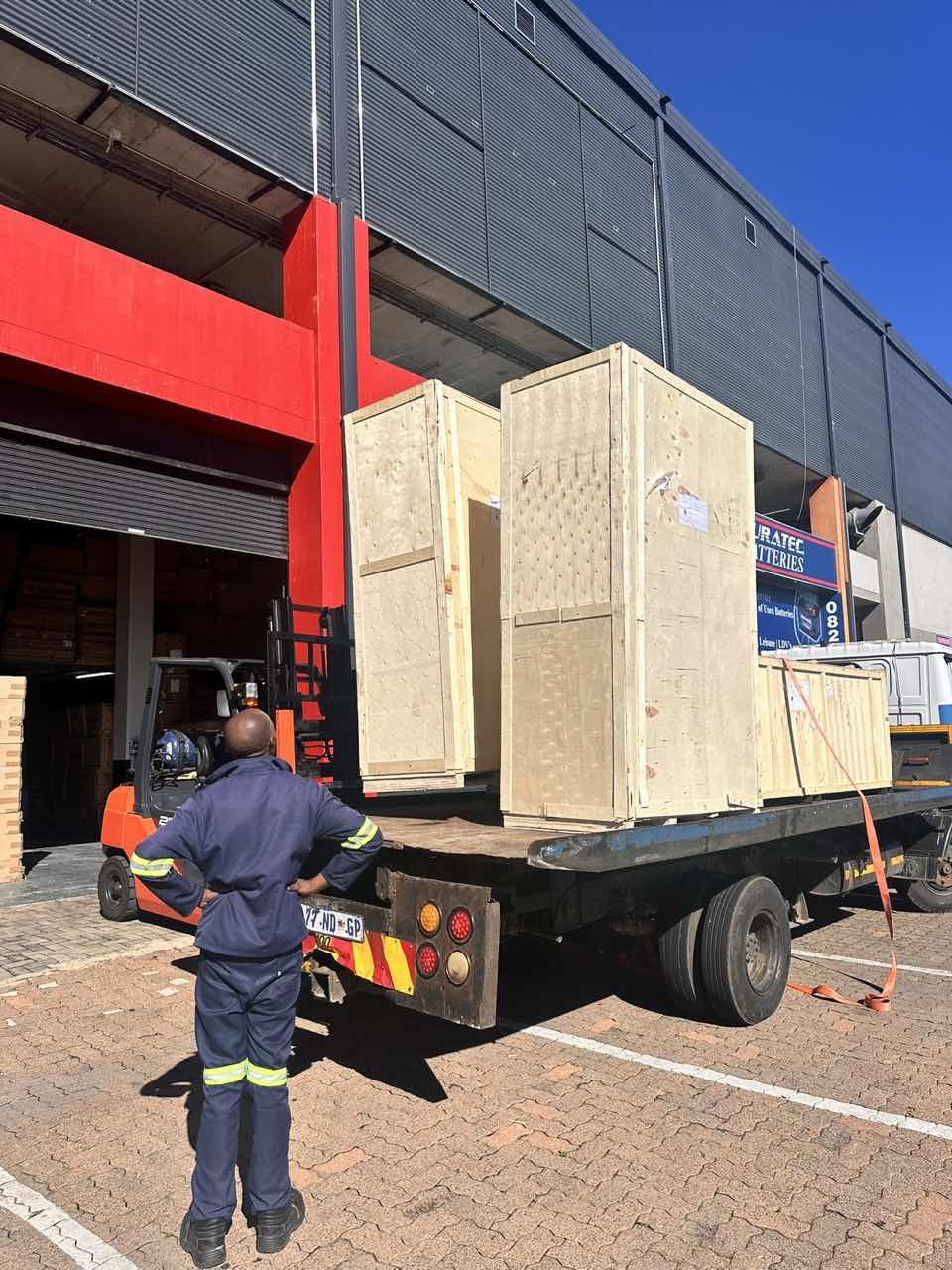
Food Processing Machine
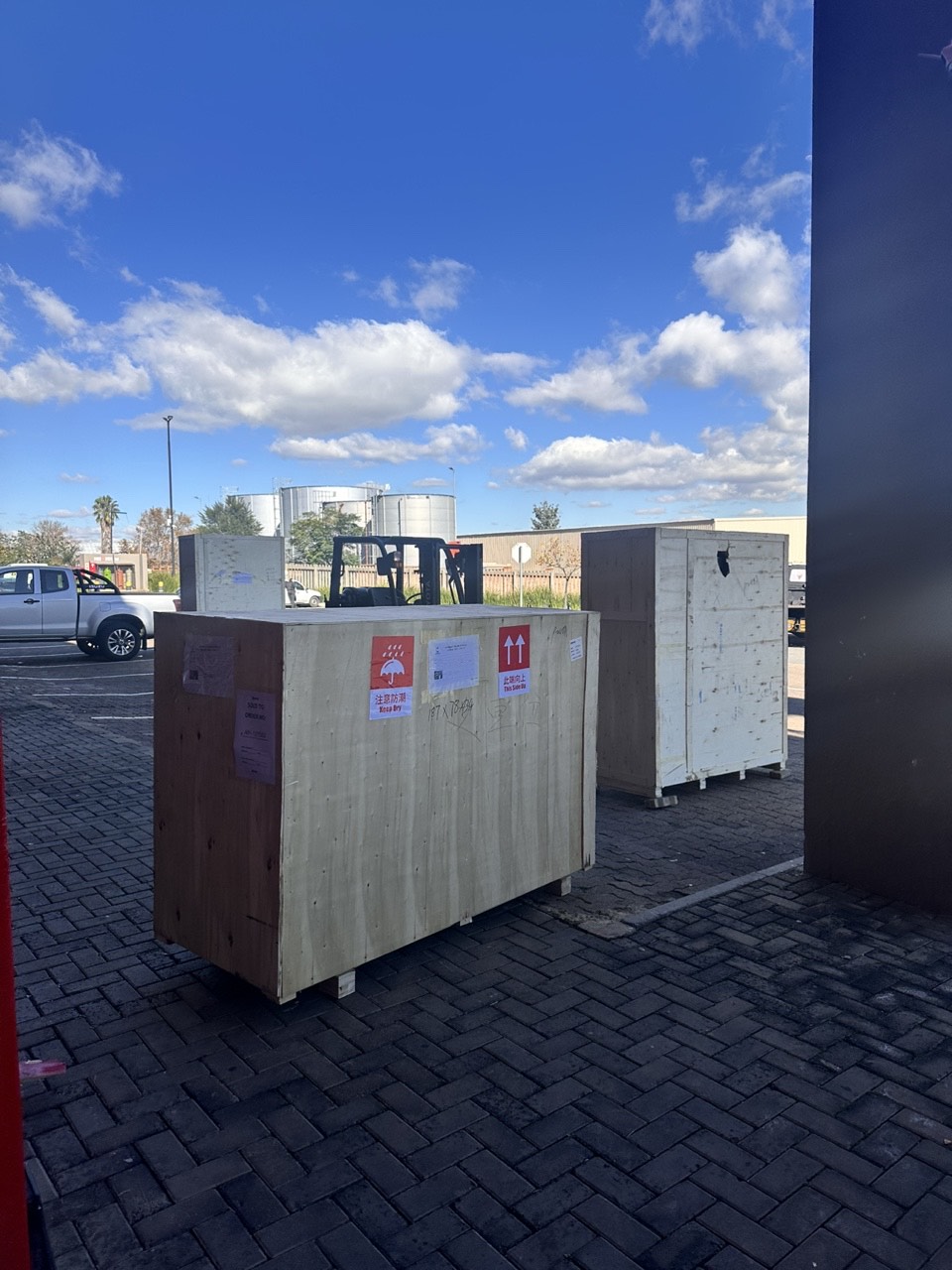
Batch of Orders
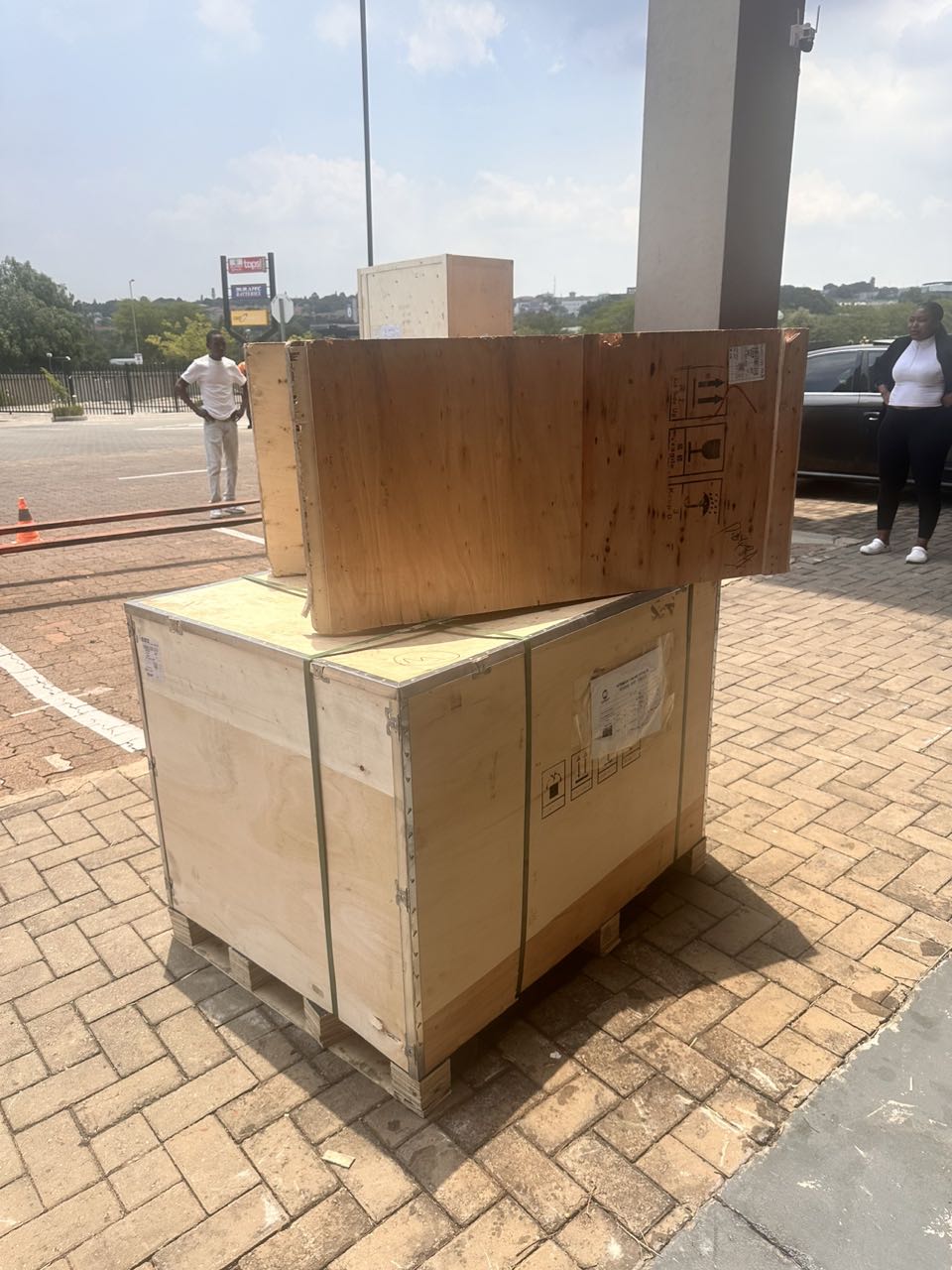
Batch of Orders
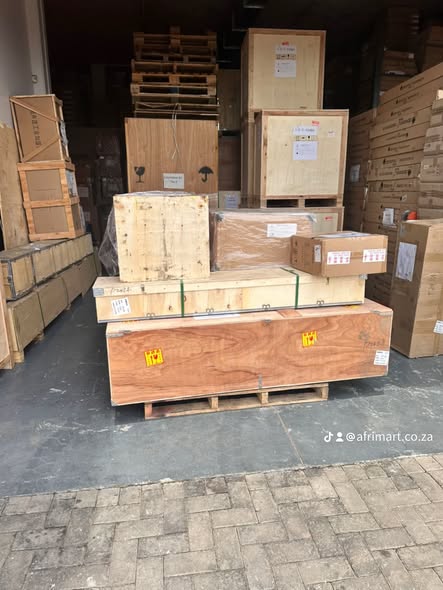
Latest Orders Labelled
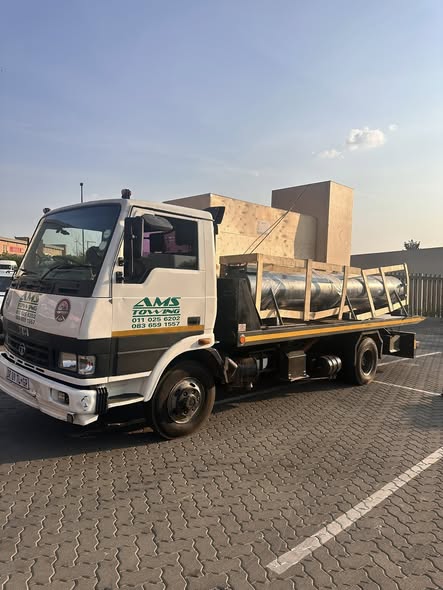
wheel alignment machines
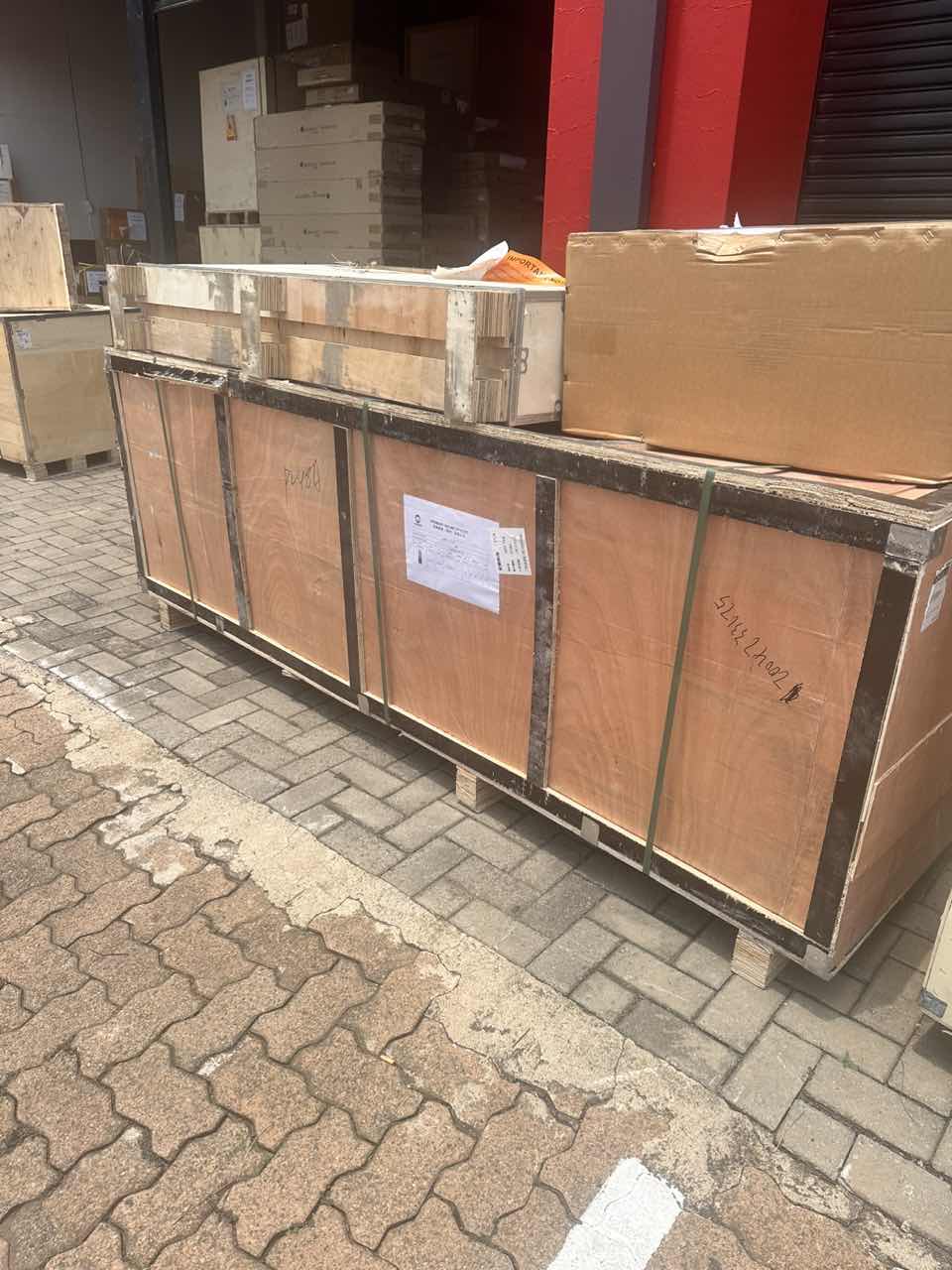
new arrivals
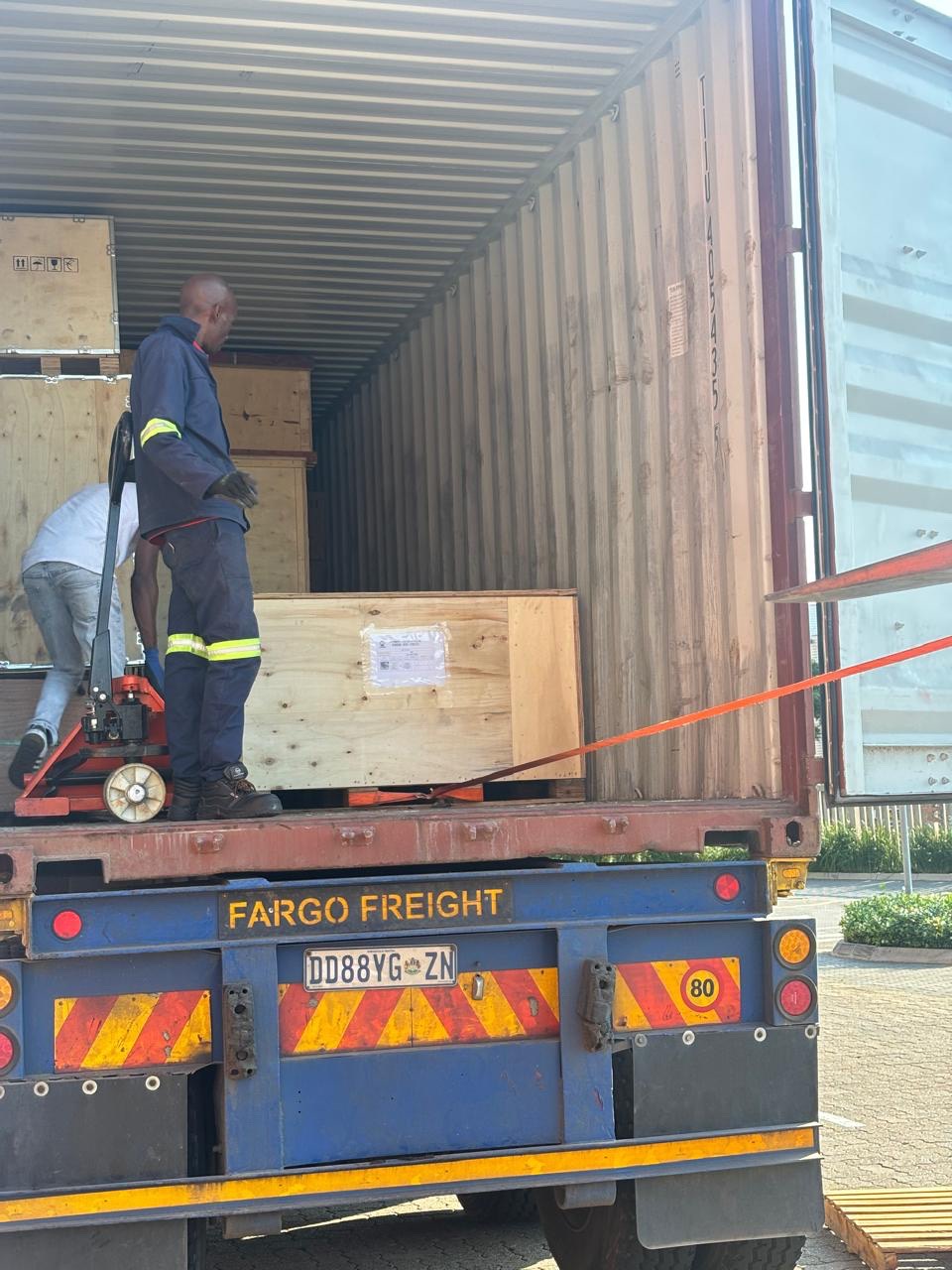
Pre Orders Offloading
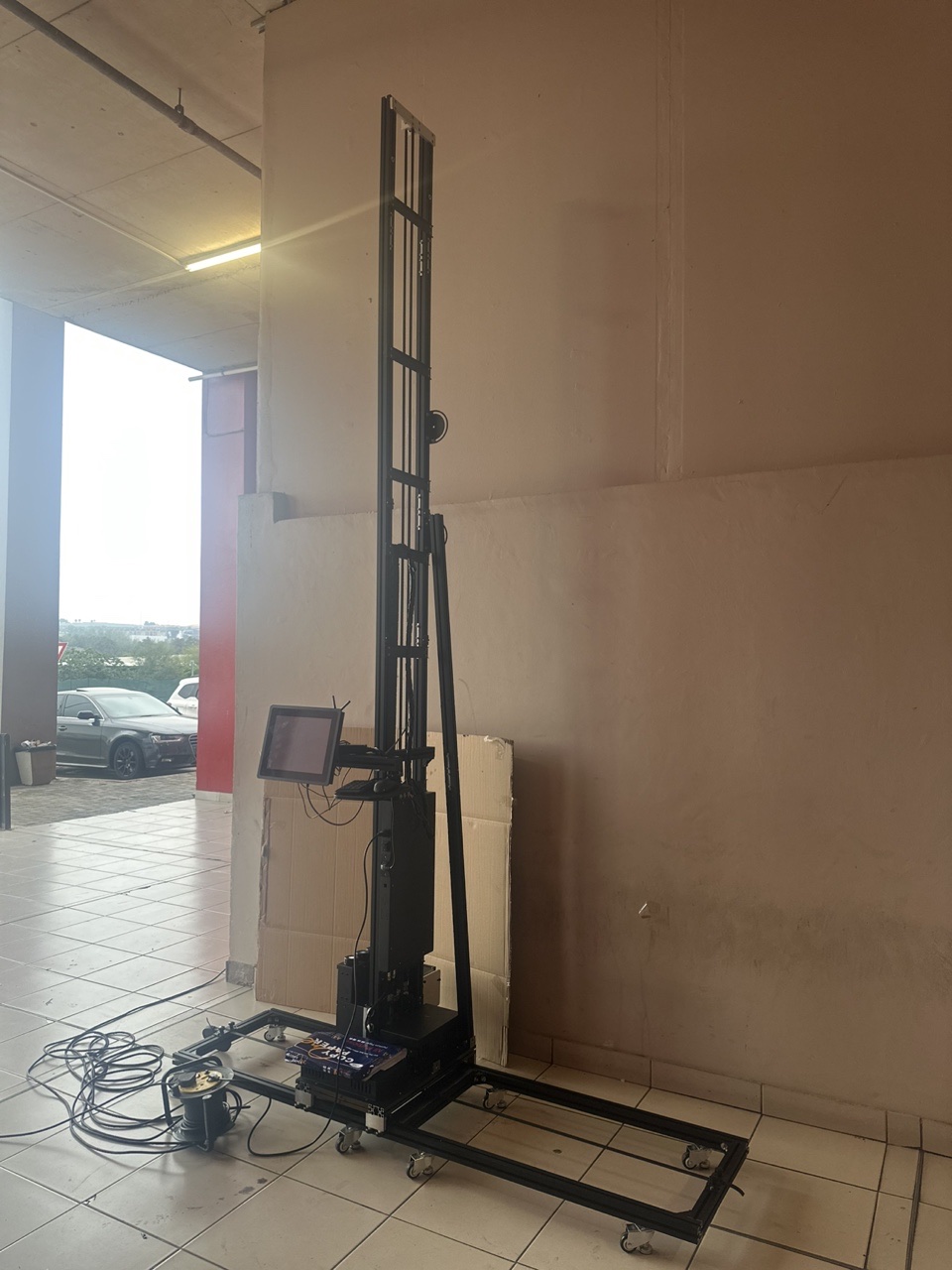
Latest Arrivals
Latest Arrivals
Latest Arrivals
Loading
Toilet paper making machine
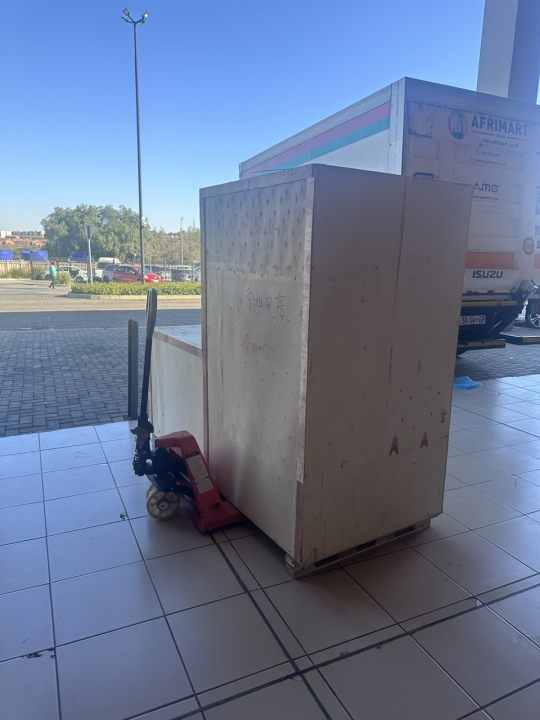
Toilet paper making machine
Toilet paper Rewinding Machine
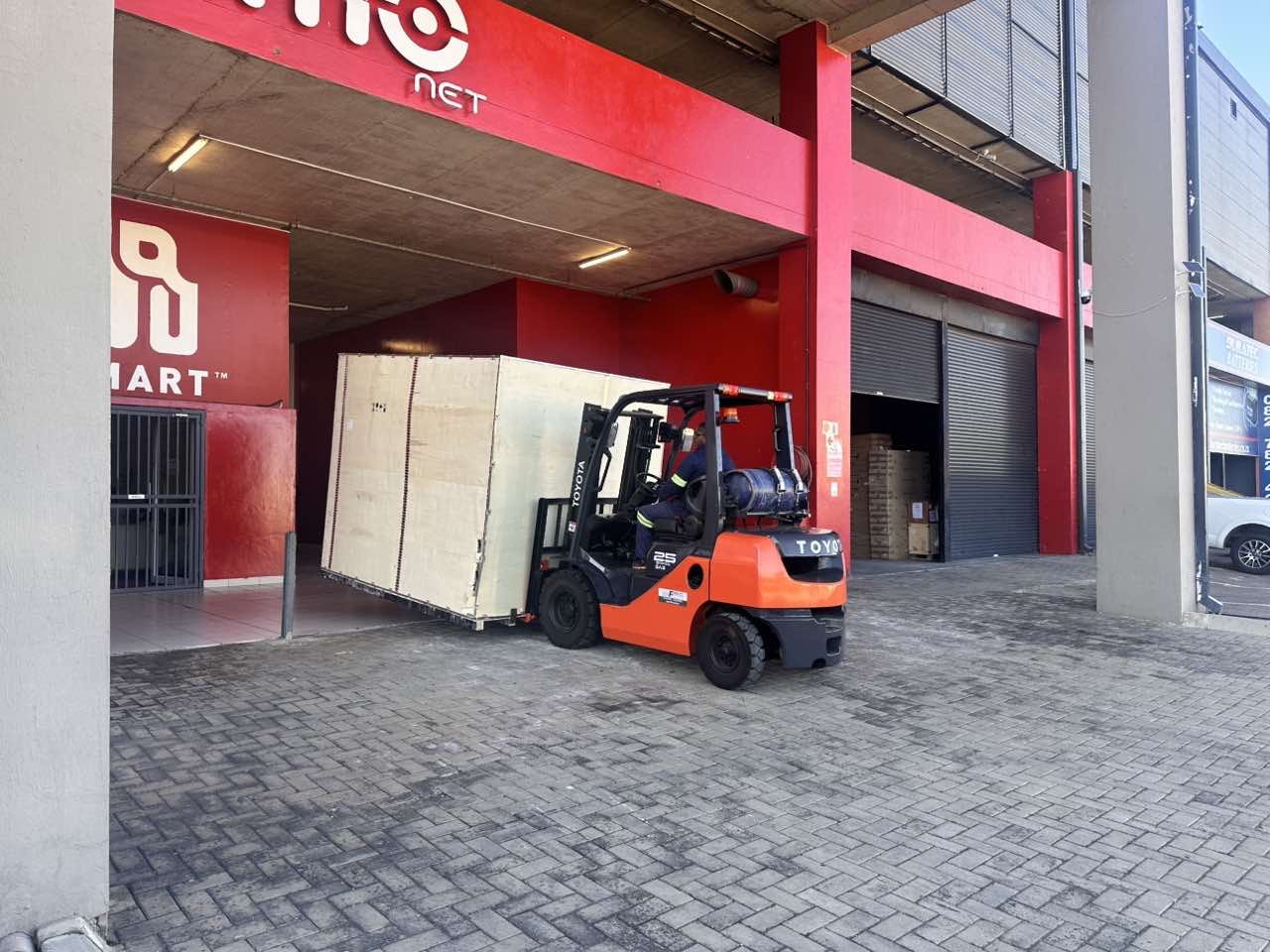
latest arrivals
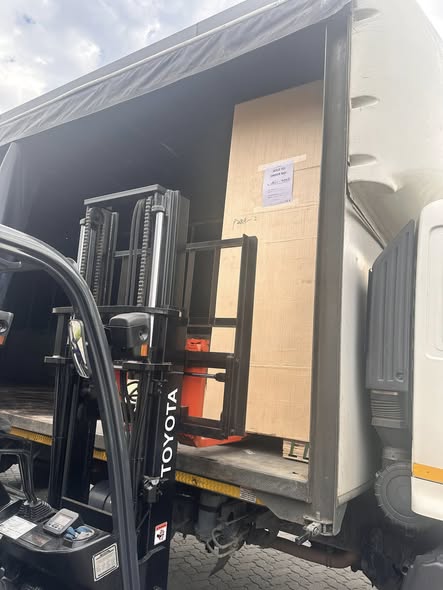
offloading
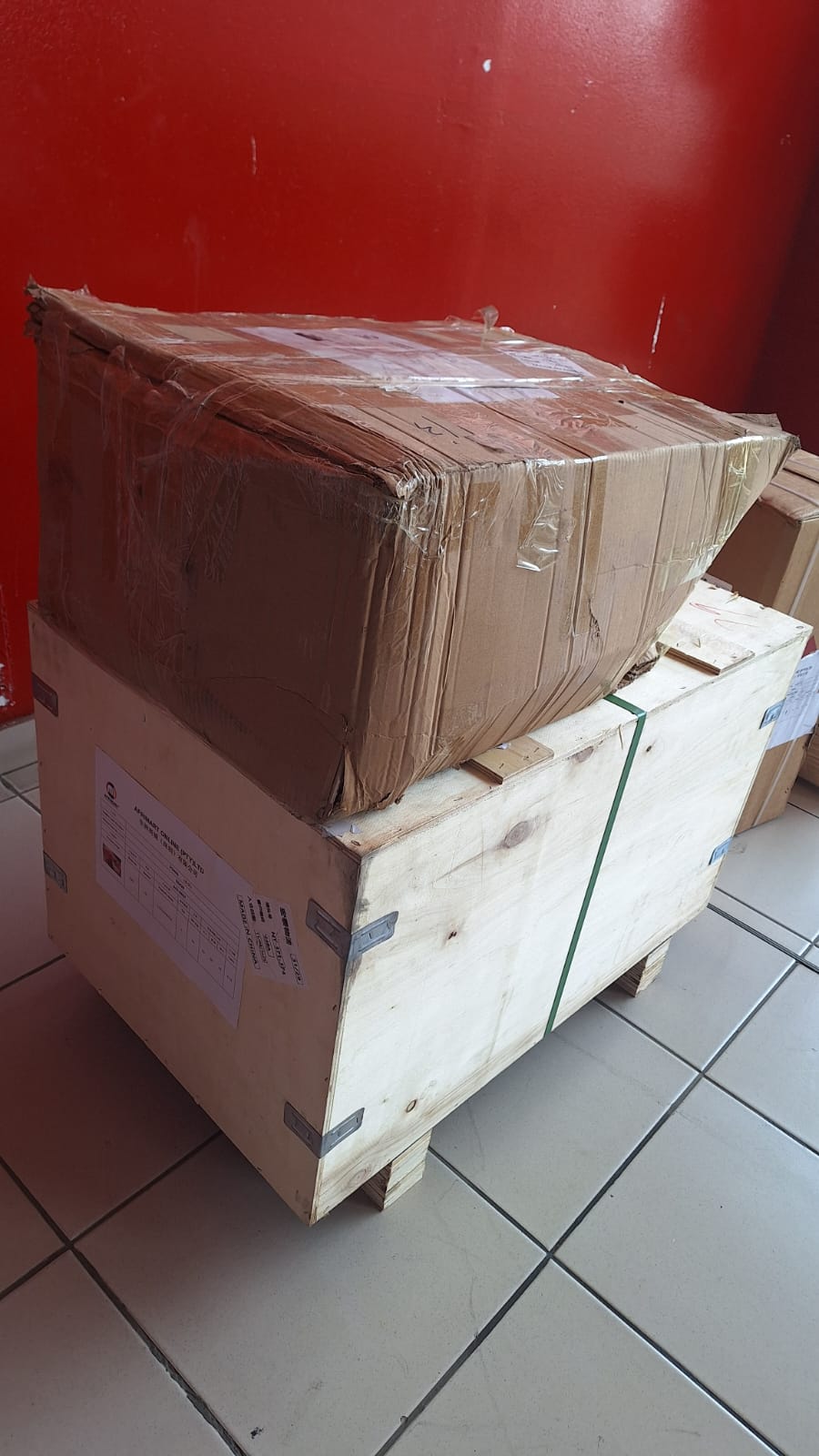
order success
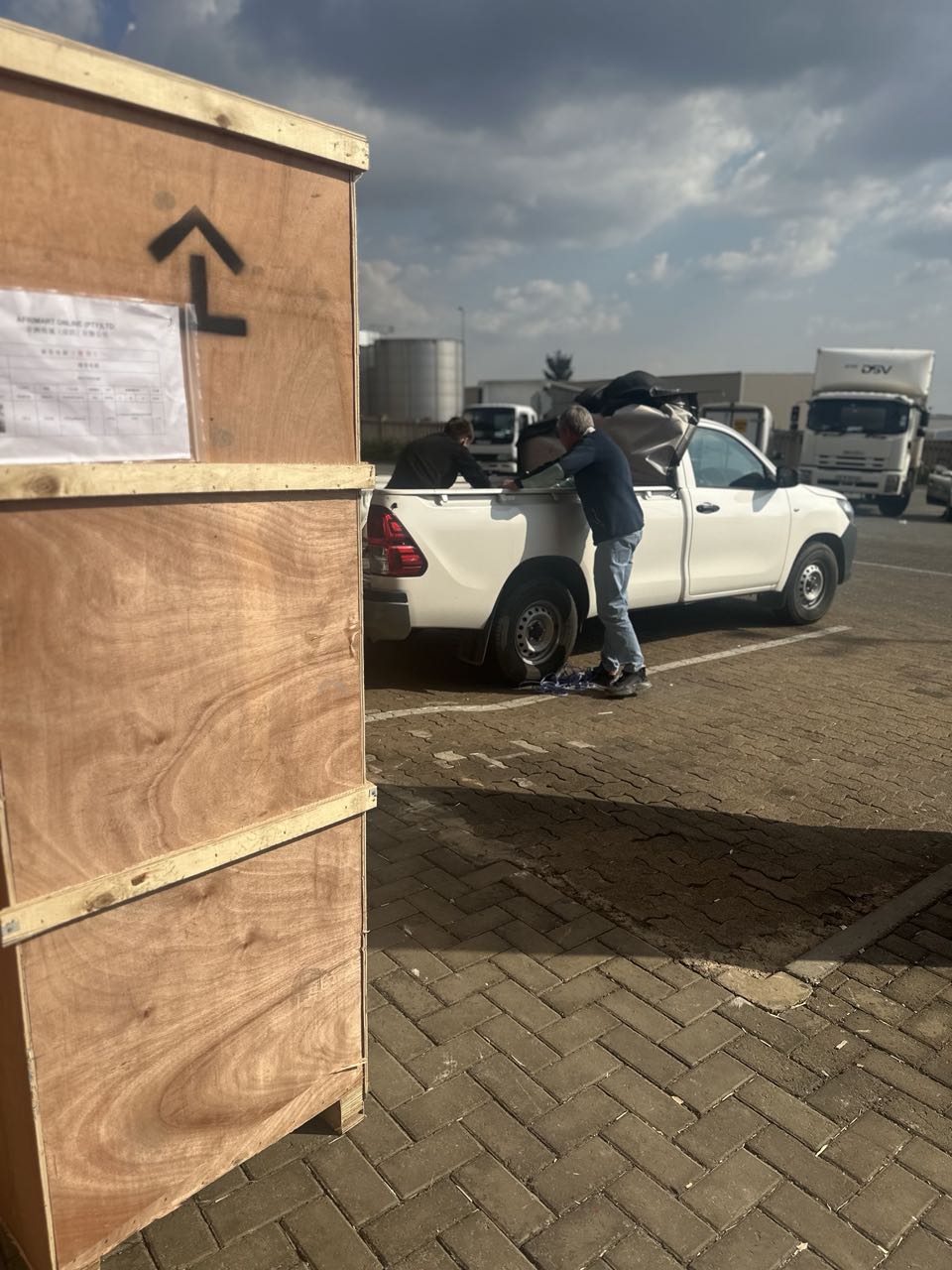
order collection
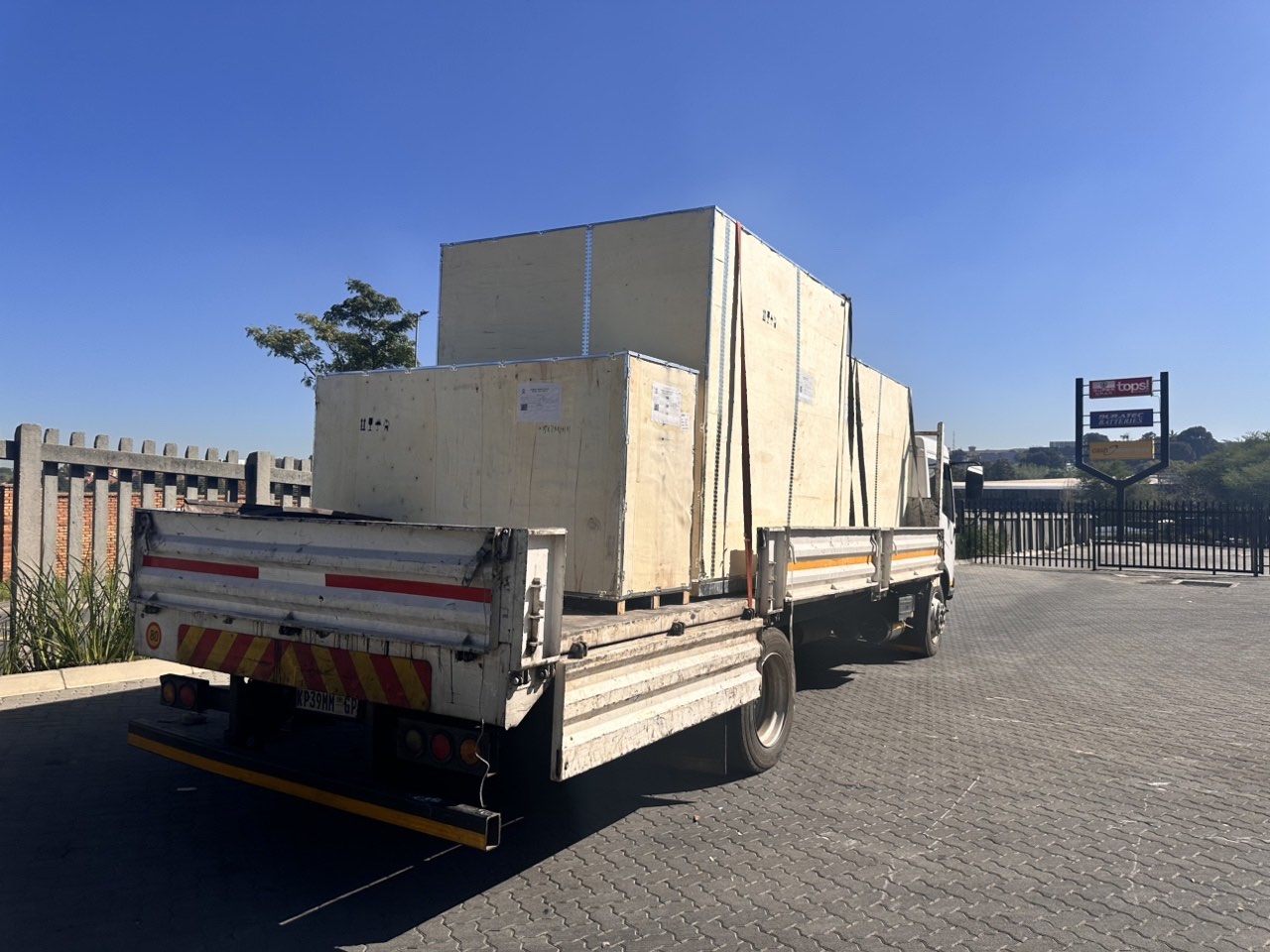
order offloading