B21, China Town Mall, Midrand

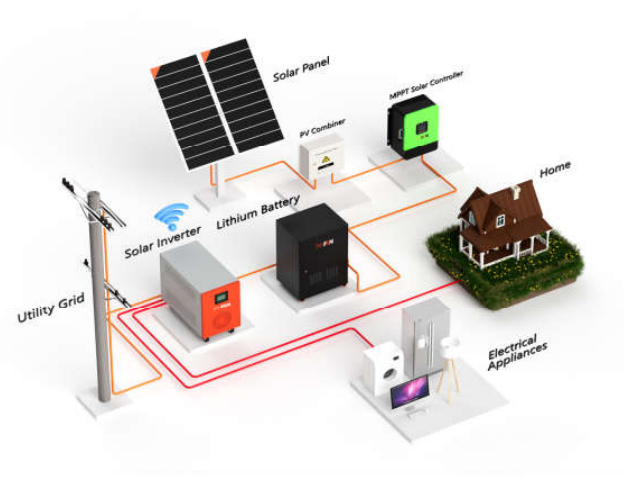
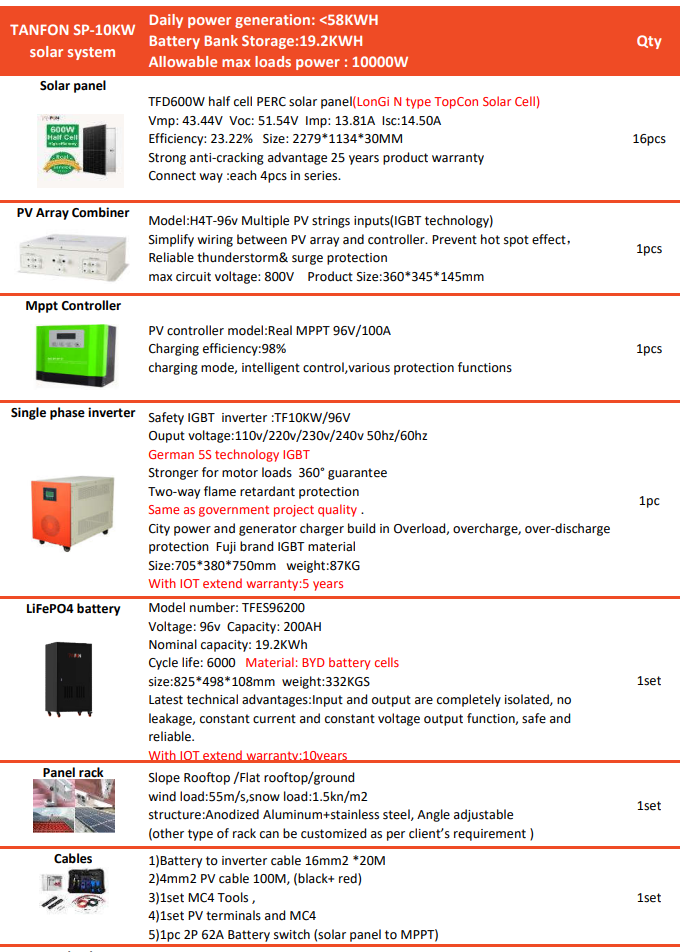
10KW Solar System
Asset finance available
Do you want funding for this equipment?
Afrimart can connect you with trusted funding partners who specialise in asset finance for businesses like yours. Compare options and apply in minutes — final approval is subject to provider review.
Check funding options
Secure & no obligation

- Section : Electrical & Tools
- Category : Solar Energy System
- SKU : 62013792897

Product Description
- Shipping Timeframes: All orders are processed within 2-5 business days (excluding weekends and holidays). After your order has been processed, the estimated delivery time is before 29 Jun, 2026, depending on customs, Please note that due to high demand, some items may experience longer shipping times, which will be communicated at order confirmation email.
- Order Processing Time: Please allow 2-5 business days for us to process your order before it is shipped . Orders placed after 16:00 on Fridays, or during weekends and public holidays, will begin processing on the next business day. Processing times may be extended during peak seasons or sales events.
- Manufacturing Time: Some products needs manufacturing time, the manufacturing process will take approximately 10-30 business days depending on the product. This timeframe may vary depending on the complexity of the product and current demand. but this will be communicated with you during order confirmation.
- Returns and Exchanges: We offer a 30-day return policy for most items. If you are not completely satisfied with your purchase, you may return it within 30 days of receipt for a refund or exchange. Items must be unused, in their original packaging, and accompanied by proof of purchase. Return shipping costs are the responsibility of the customer, unless the item was damaged or defective upon arrival.
1. What is a 10KW Solar System?
A 10KW Solar System is a solar power system capable of generating 10 kilowatts of electricity, suitable for residential or commercial use to reduce energy costs and dependence on the grid.
2. How much energy can a 10KW Solar System produce?
A 10KW Solar System can produce approximately 40-50 kWh of electricity per day, depending on factors such as location, sunlight exposure, and system efficiency.
3. What are the benefits of installing a 10KW Solar System?
Benefits include reduced electricity bills, lower carbon footprint, energy independence, potential tax incentives, and increased property value.
4. Is a 10KW Solar System suitable for my home?
To determine suitability, consider your household's energy consumption, roof space, and local solar incentives. A consultation with a solar expert can provide personalized advice.
5. How much does a 10KW Solar System cost?
The cost varies based on location, installation complexity, and equipment choices, but a 10KW system typically ranges from $15,000 to $30,000 before incentives.
6. What incentives are available for installing a 10KW Solar System?
Incentives may include federal tax credits, state rebates, and local utility programs. Check with your local solar provider for specific offerings in your area.
7. How long does it take to install a 10KW Solar System?
Installation typically takes 1 to 3 days, depending on the complexity of the installation and weather conditions.
8. What maintenance is required for a 10KW Solar System?
Regular maintenance includes cleaning the panels, checking for shading, and ensuring the inverter is functioning properly. A professional inspection every few years is also recommended.
9. Can I store energy generated by a 10KW Solar System?
Yes, by adding a battery storage system, you can store excess energy generated during the day for use at night or during power outages.
10. How long will a 10KW Solar System last?
Most solar panels have a lifespan of 25-30 years, but with proper maintenance, the system can continue to function effectively beyond that timeframe.
11. What happens if it’s cloudy or rainy?
Solar panels can still generate electricity on cloudy days, though at reduced efficiency. They are designed to operate in various weather conditions.
12. Do I need a permit to install a 10KW Solar System?
Yes, most areas require a permit for solar installation. Your installer will typically handle the permitting process on your behalf.
13. Will a 10KW Solar System work during a power outage?
A standard grid-tied solar system will not operate during a power outage unless it has a battery backup system installed.
14. Can I expand my 10KW Solar System in the future?
Yes, many systems can be expanded by adding more panels or equipment, provided your inverter and electrical system can handle the additional capacity.
15. How do I monitor the performance of my 10KW Solar System?
Most systems come with monitoring software that allows you to track energy production and system performance through a mobile app or web interface.
Latest Order Arrivals
Discover our latest orders
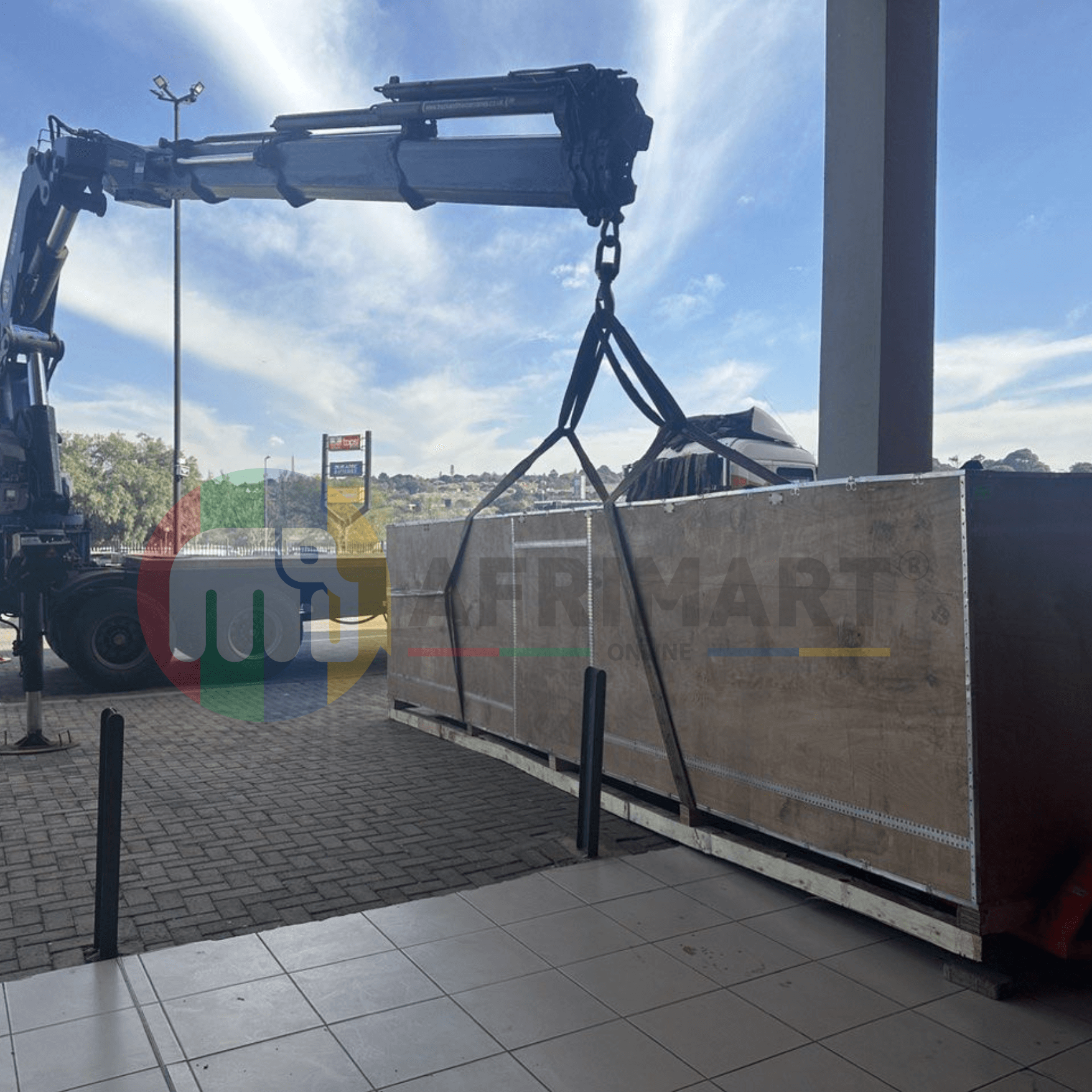
12 Heads Embroidery Machine
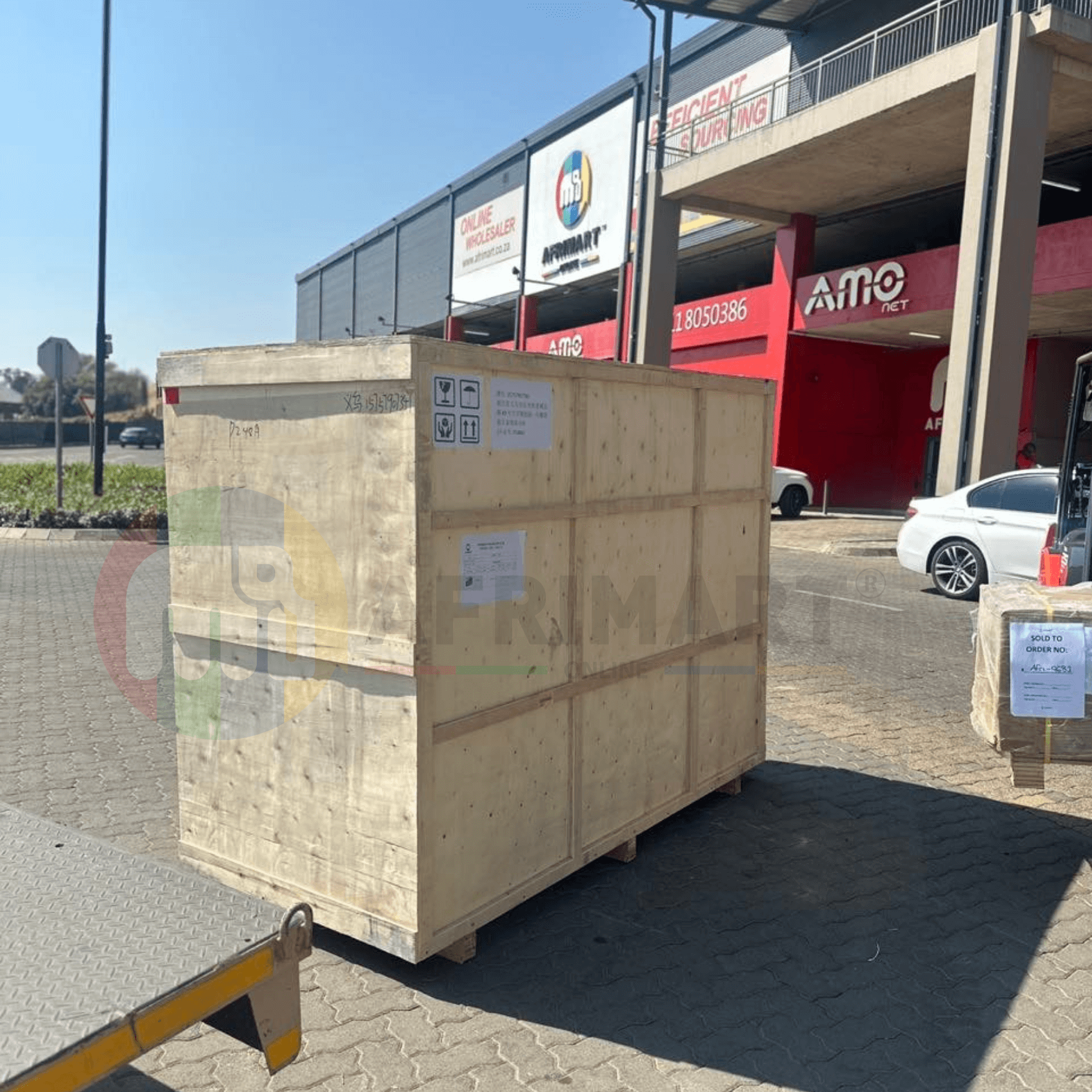
Dewatering Pump Machine
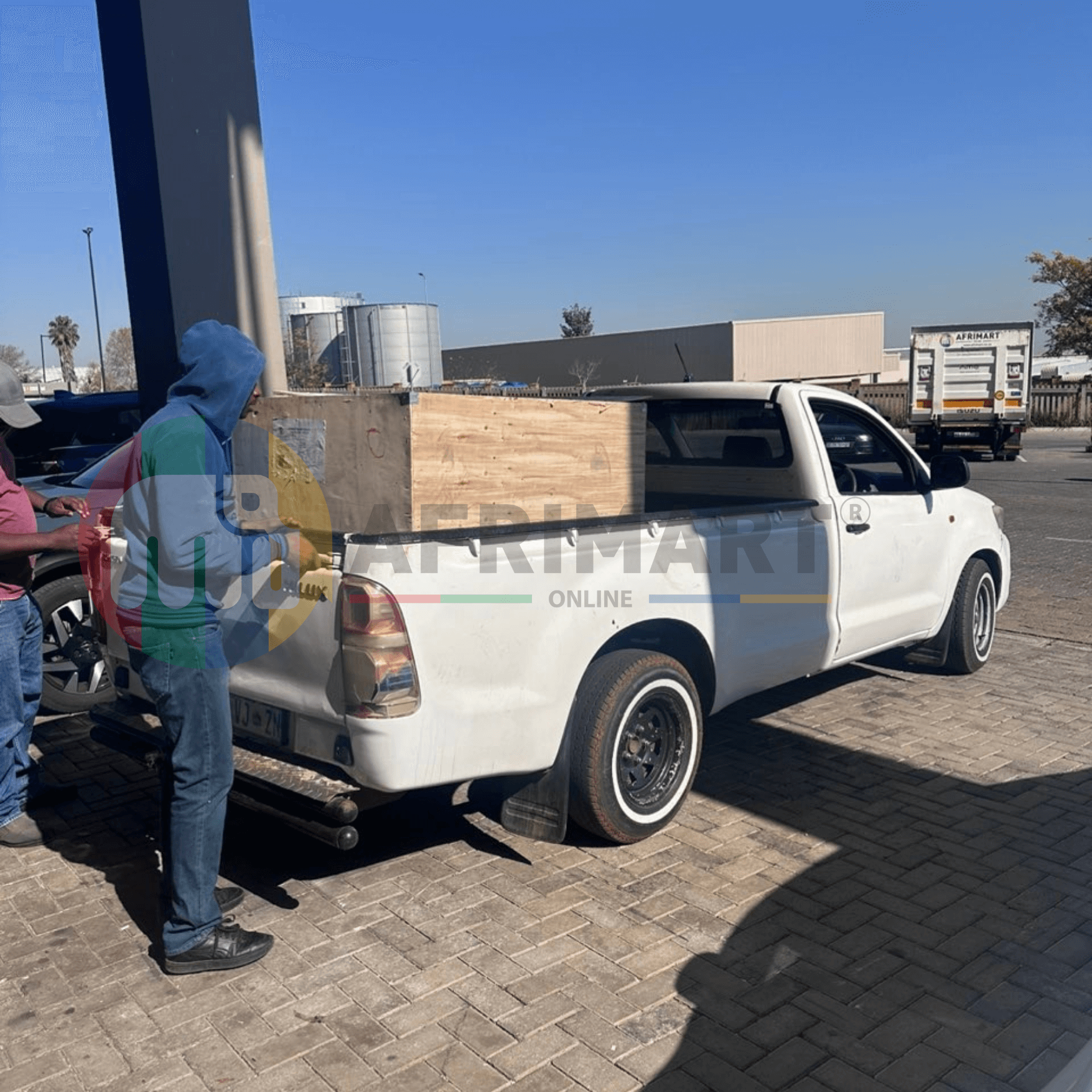
Order Collection
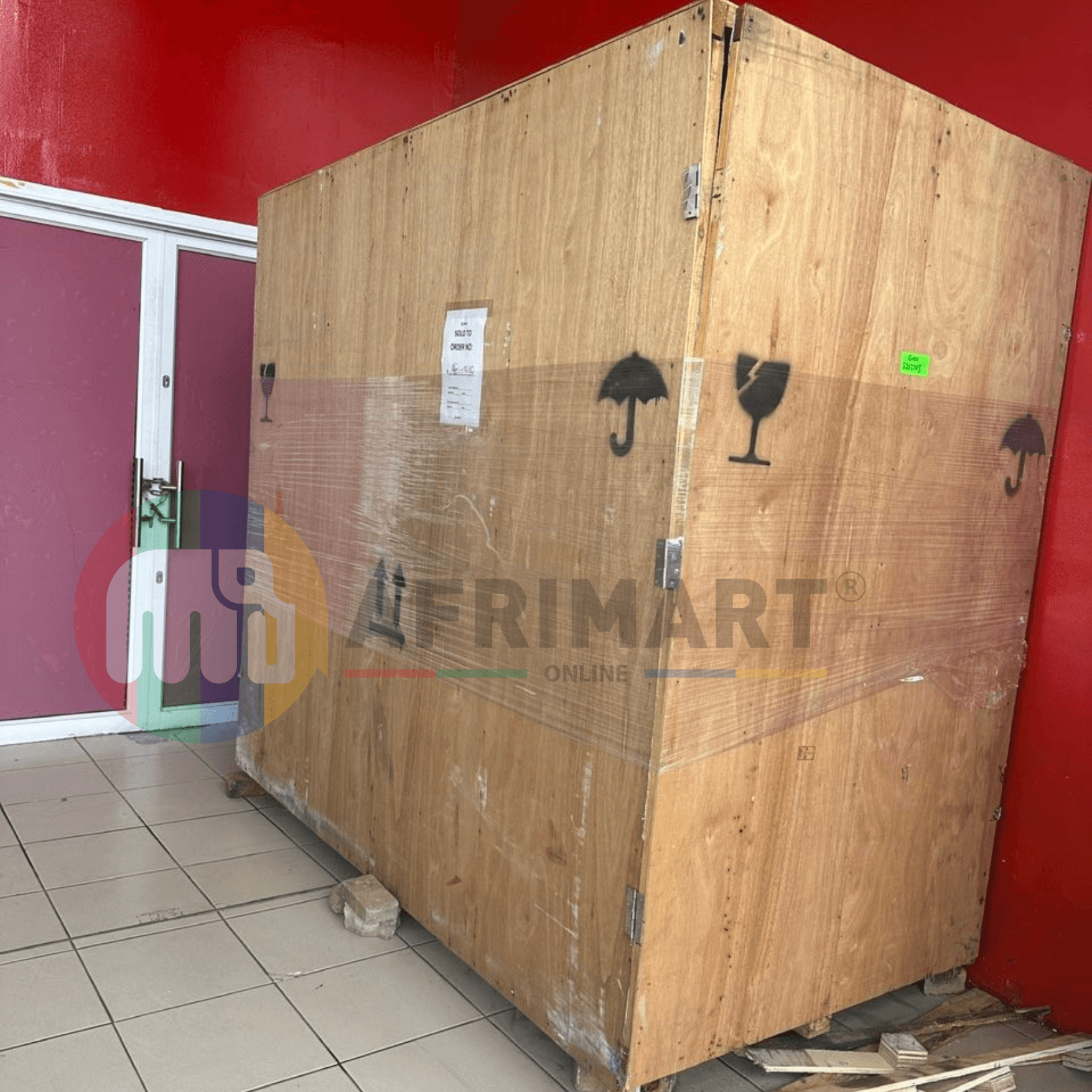
Portable Water Drilling Rig
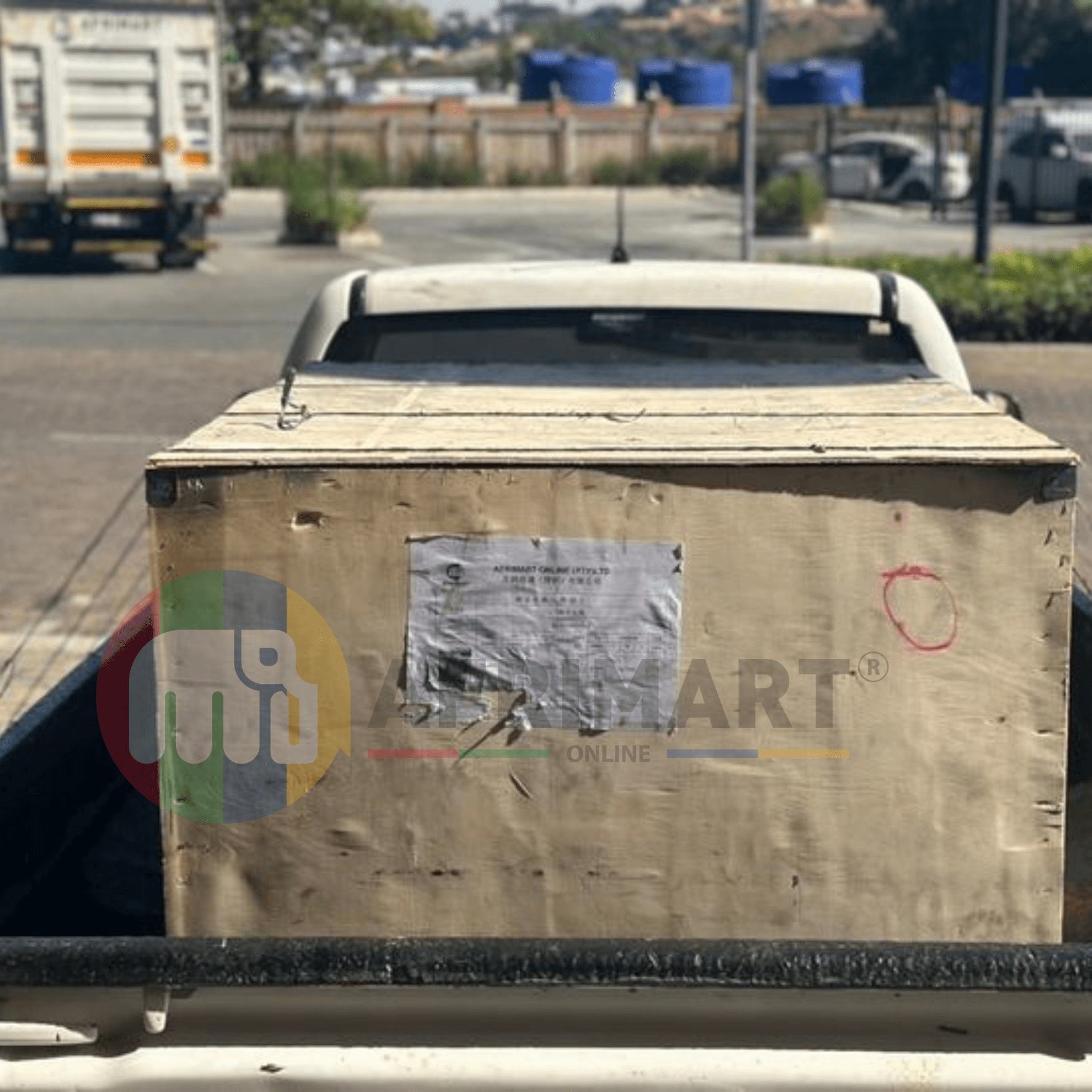
Order Usefully Collected
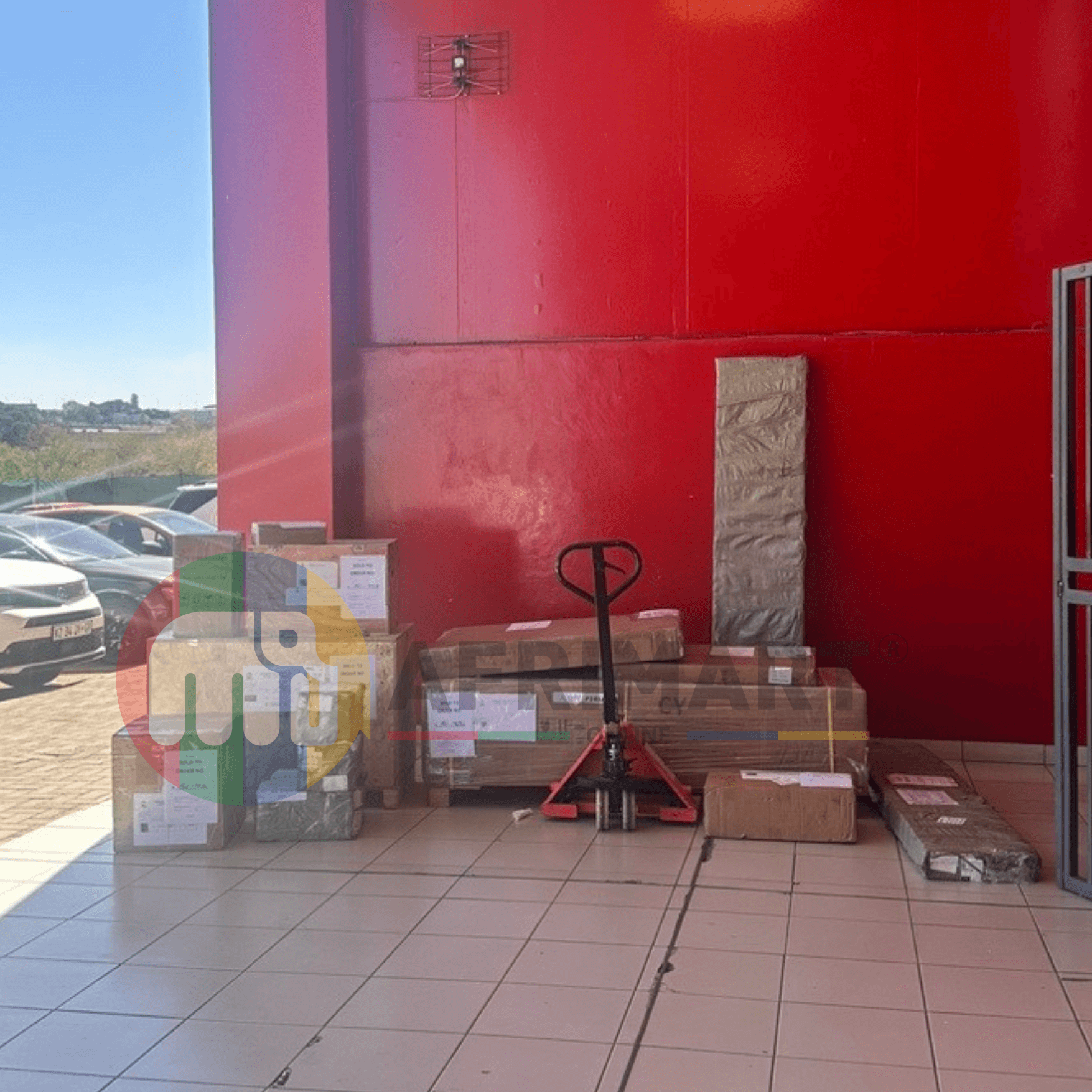
Batch of Orders
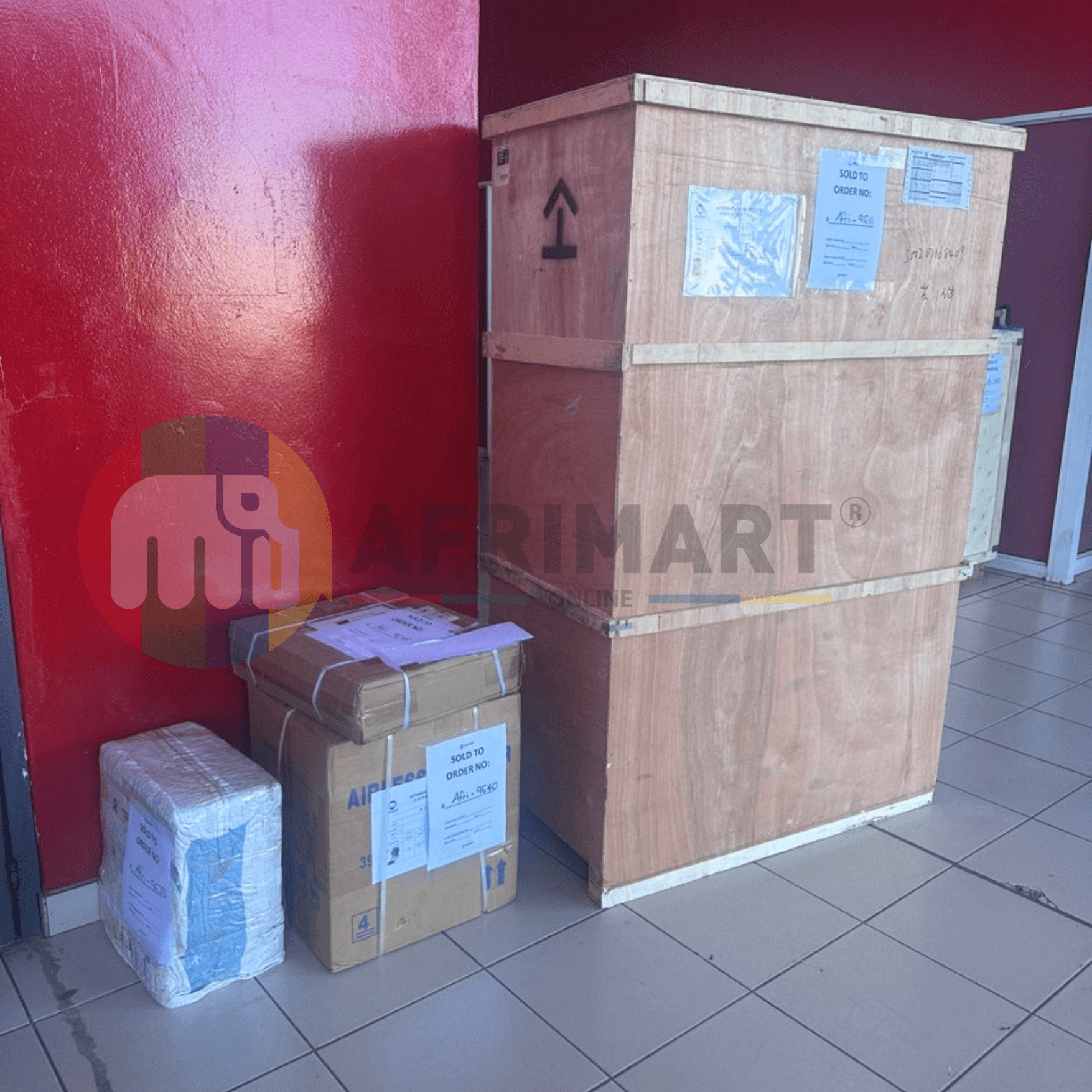
Agriculture Processing Machines
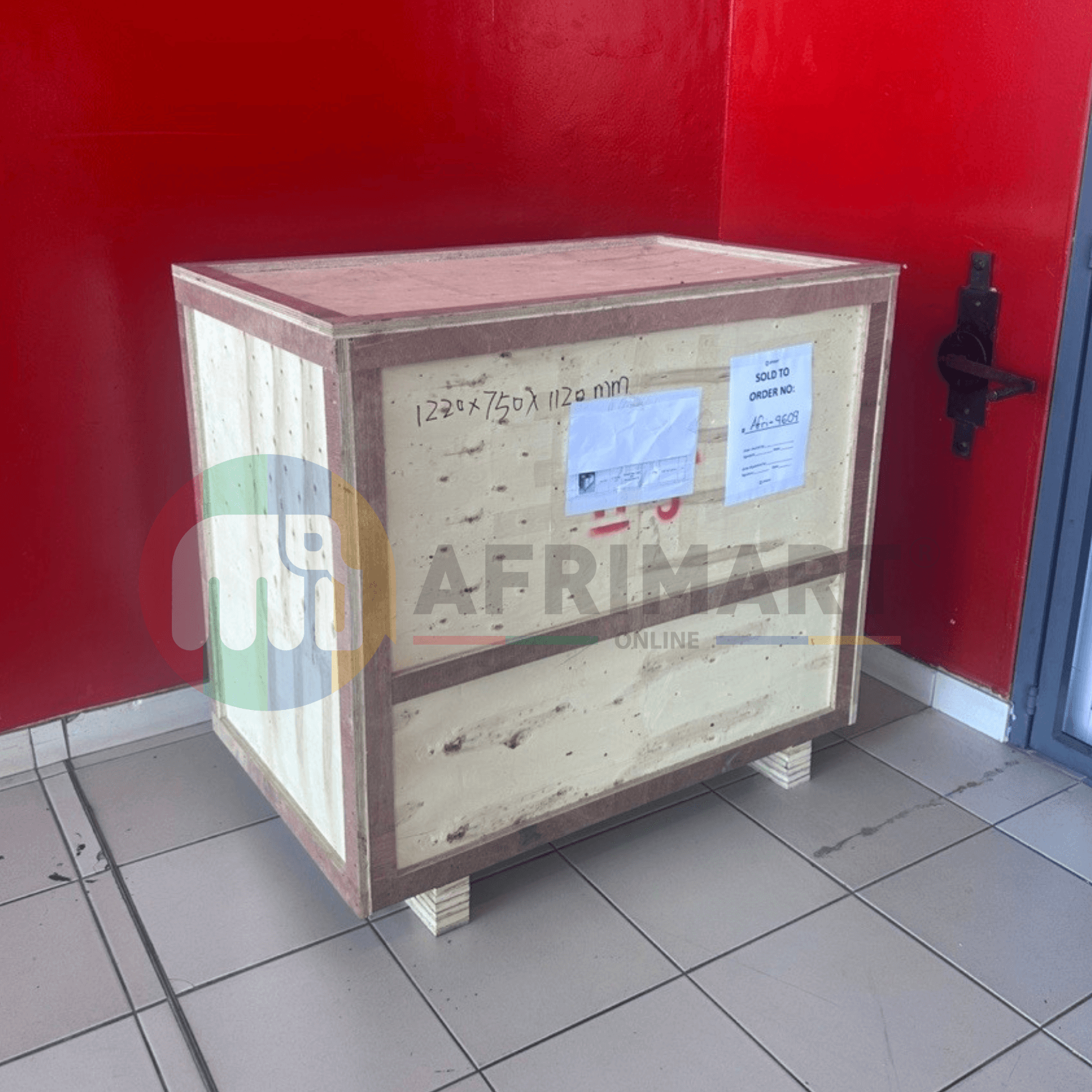
Meat Grinder Machine
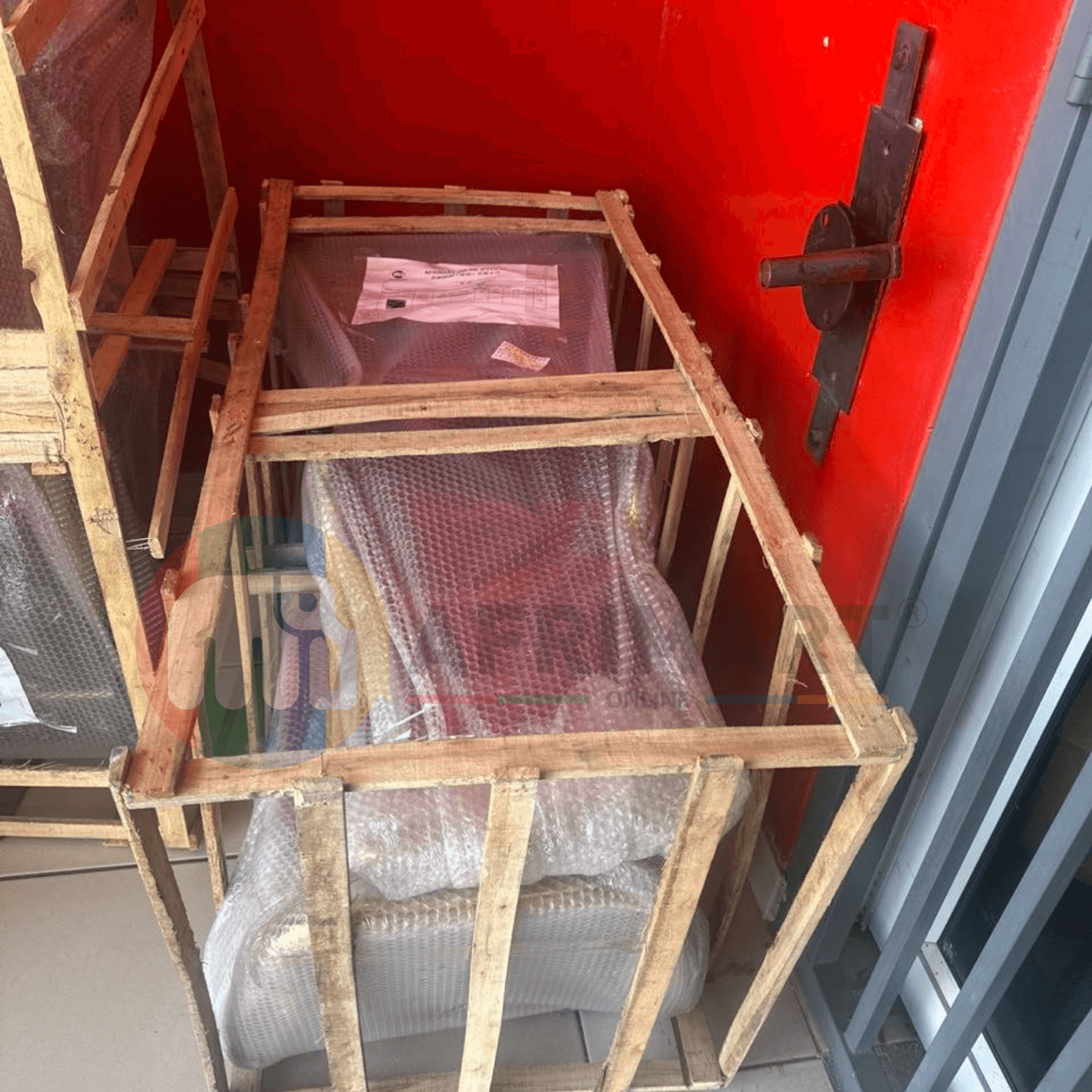
Water Pump Equipment
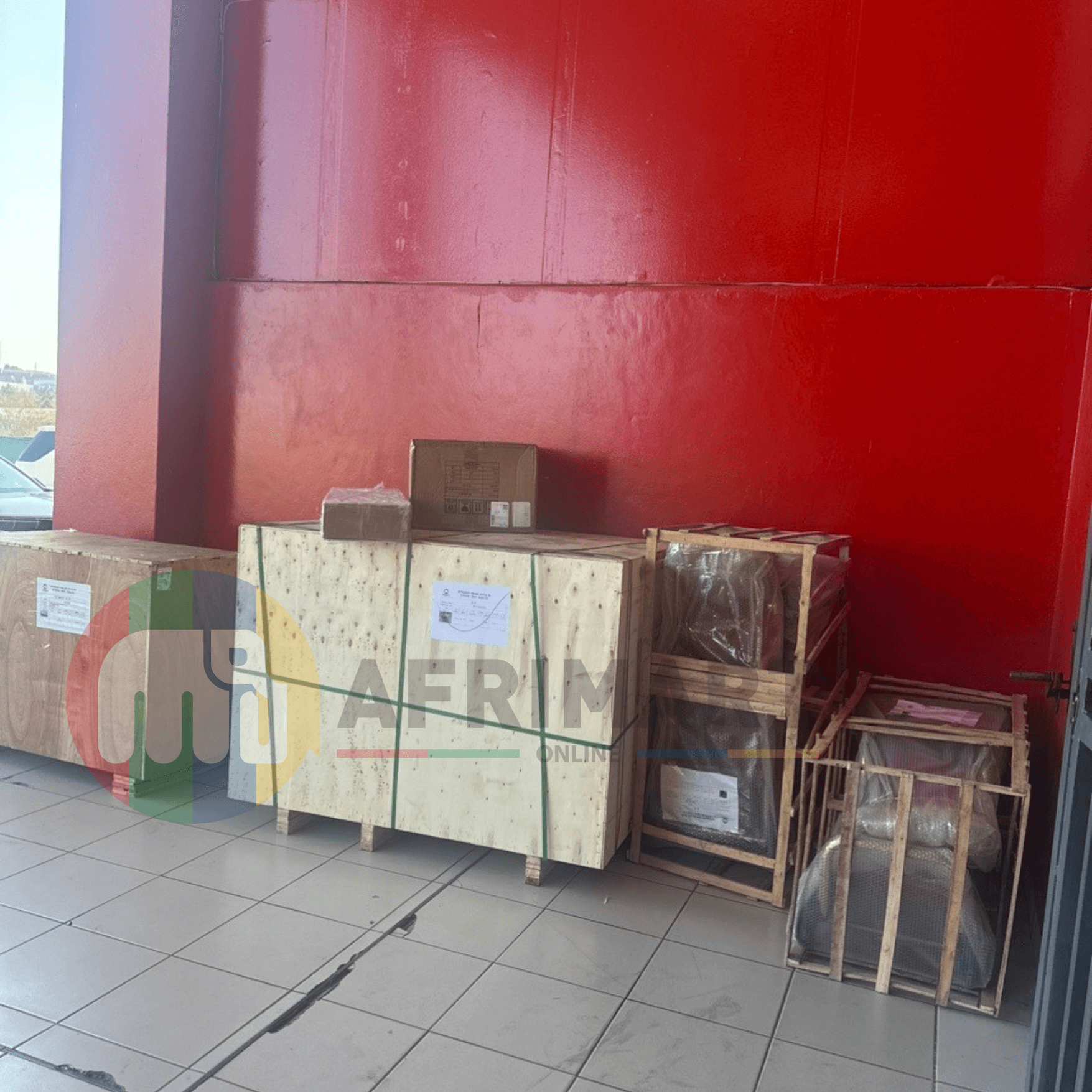
Packaging Machine and accessories
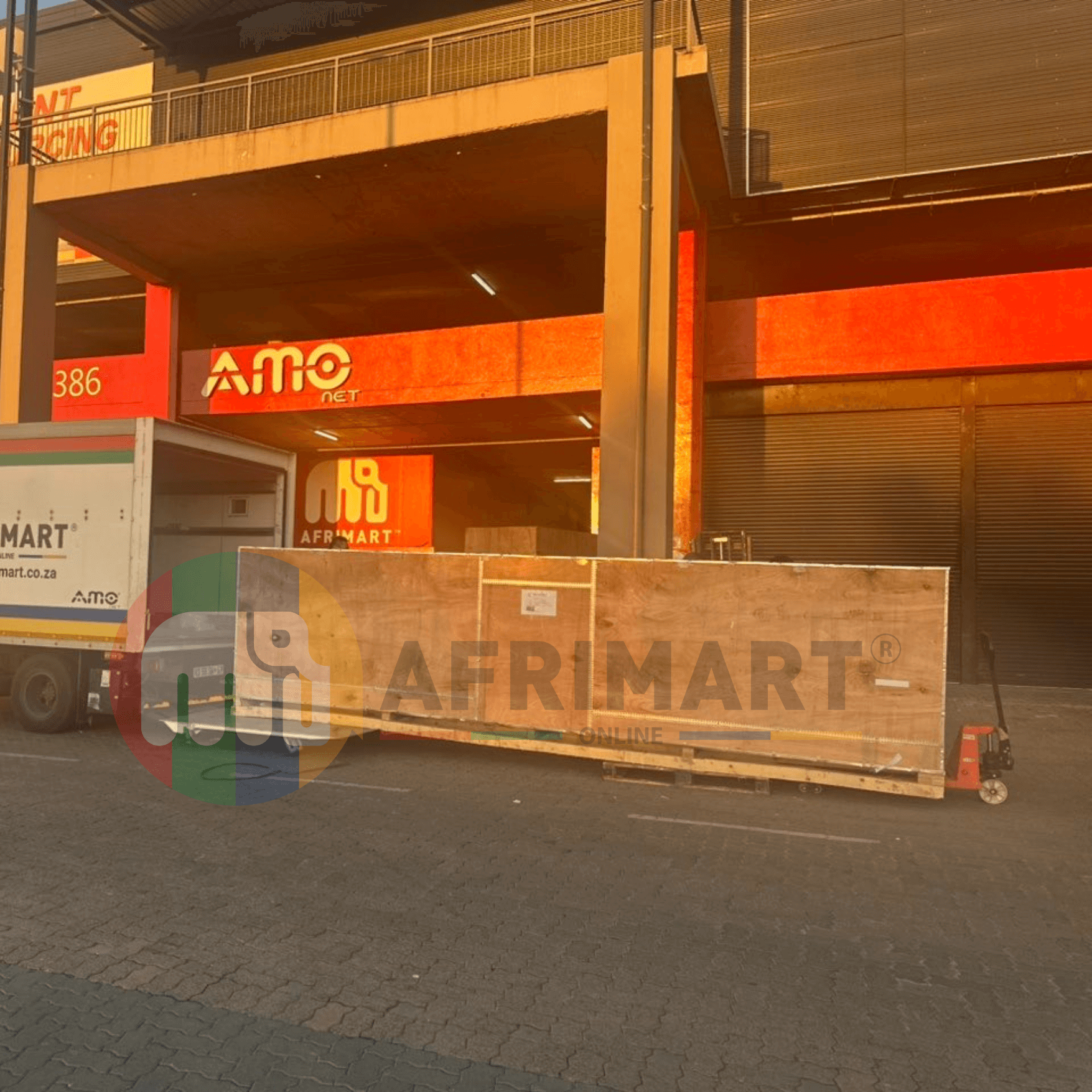
Fabrics Manufacturing Equipment
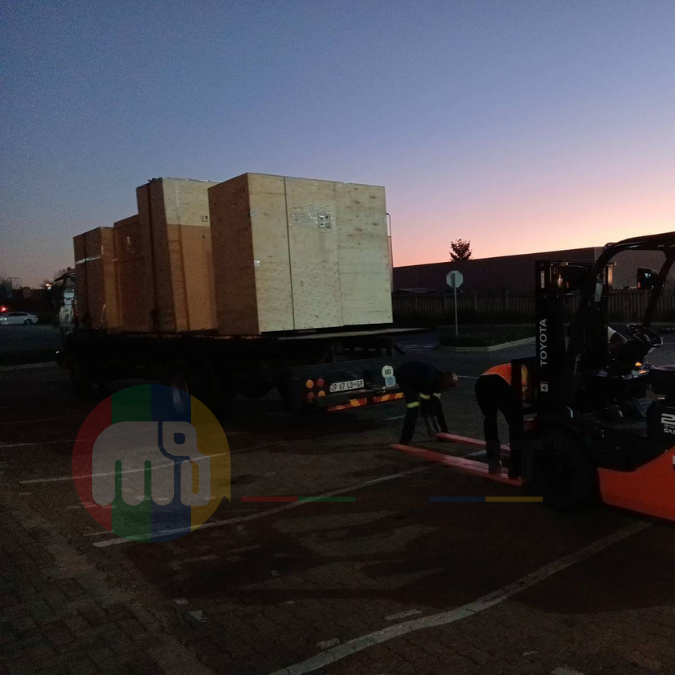
Mining Equipments
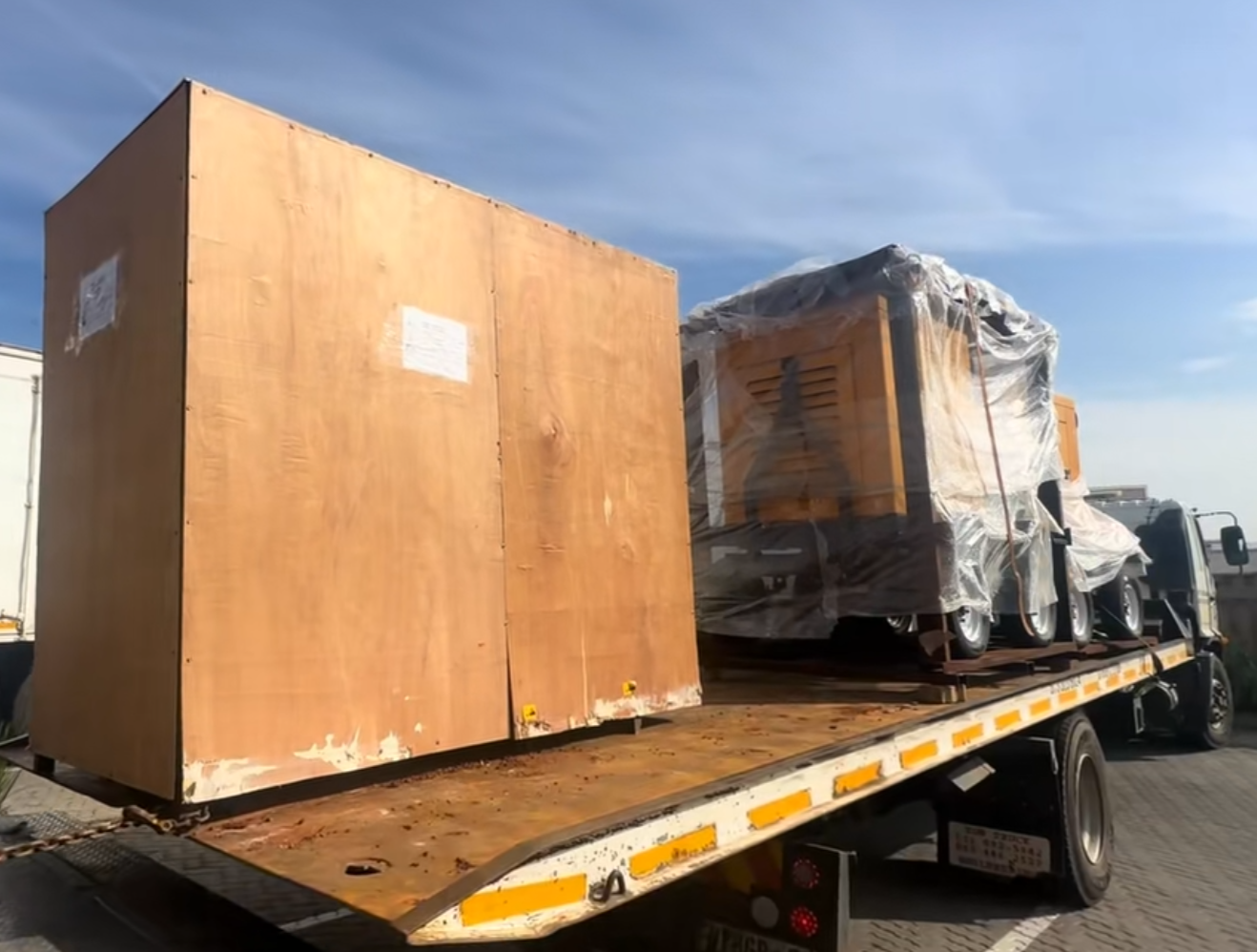
Food Processing Machine
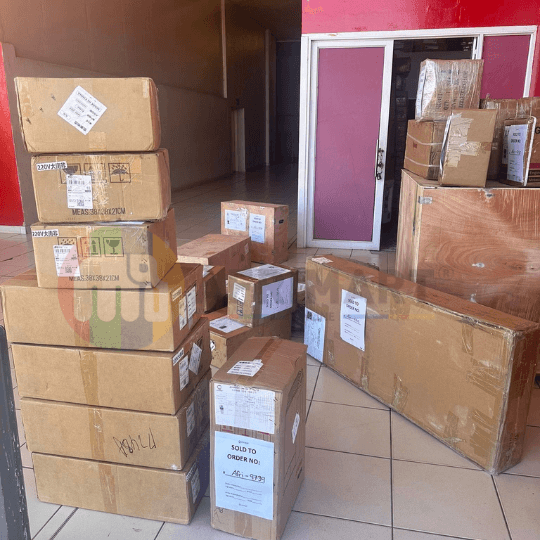
Batch of Orders
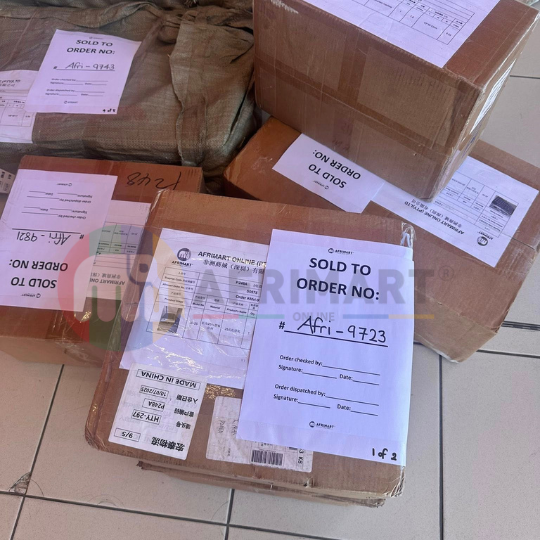
Batch of Orders
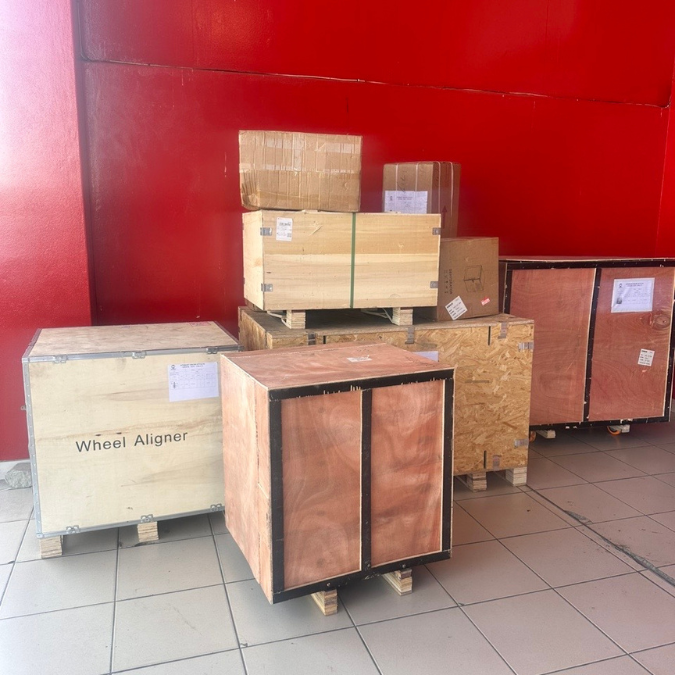
Latest Orders Labelled
wheel alignment machines
new arrivals
Pre Orders Offloading
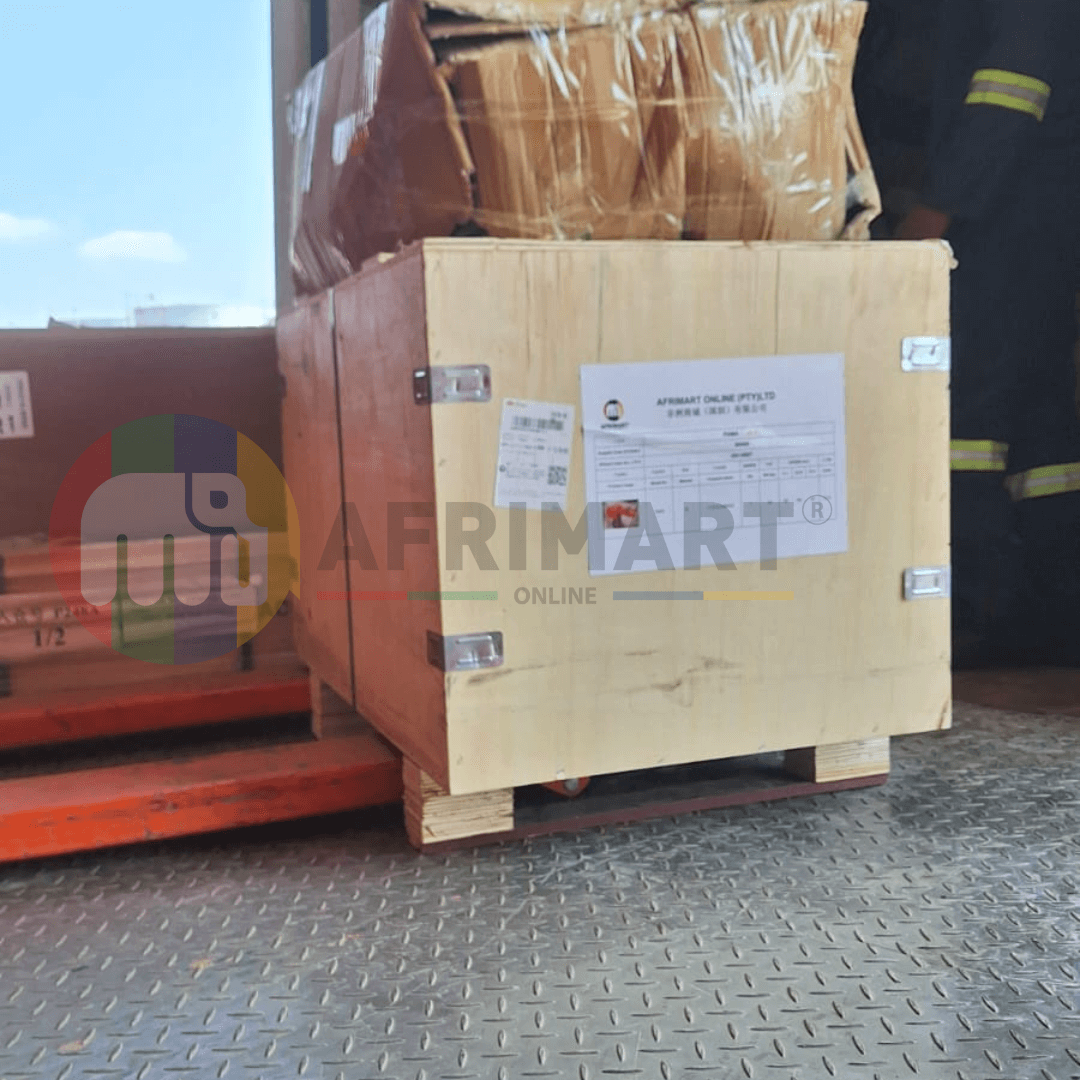
Latest Arrivals
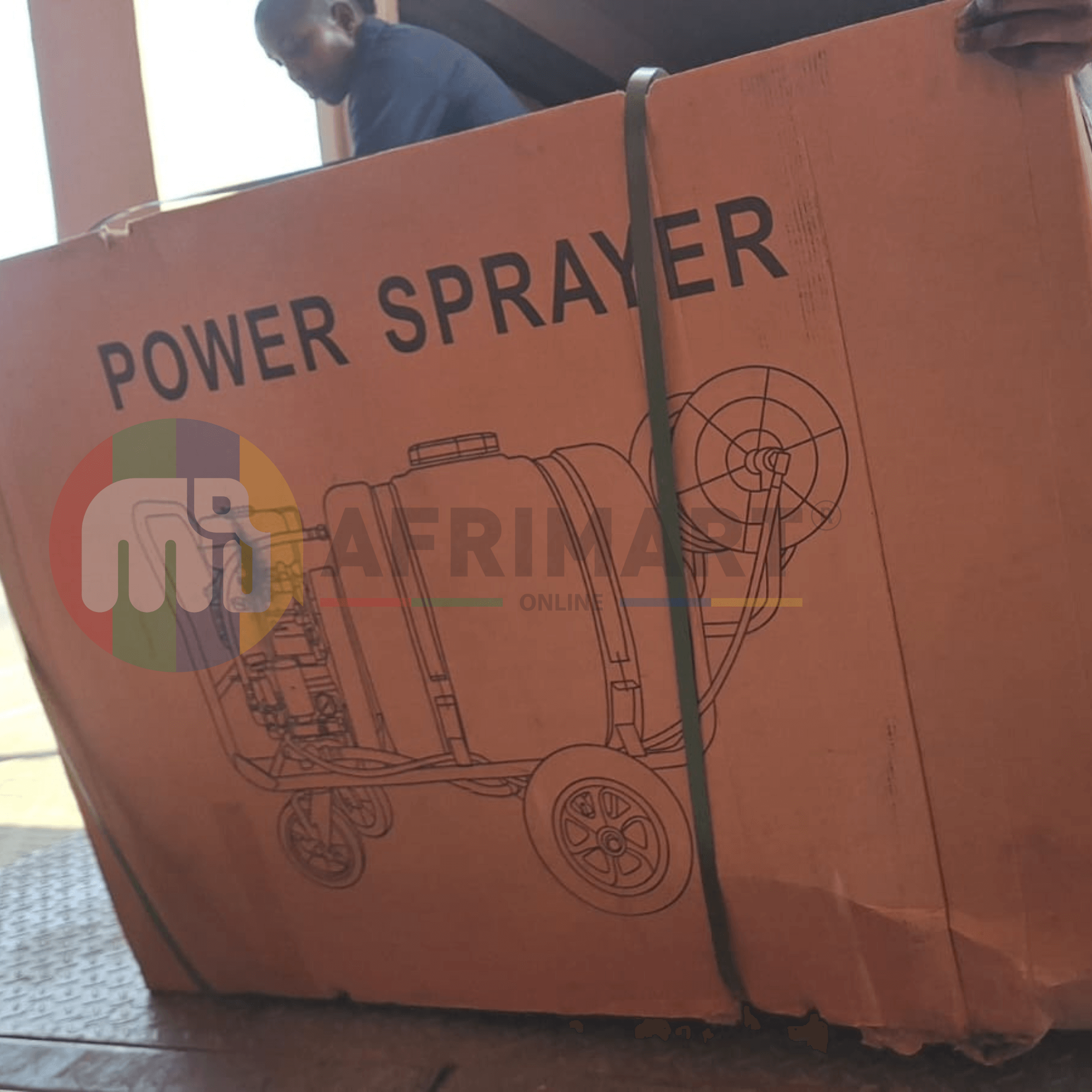
Latest Arrivals
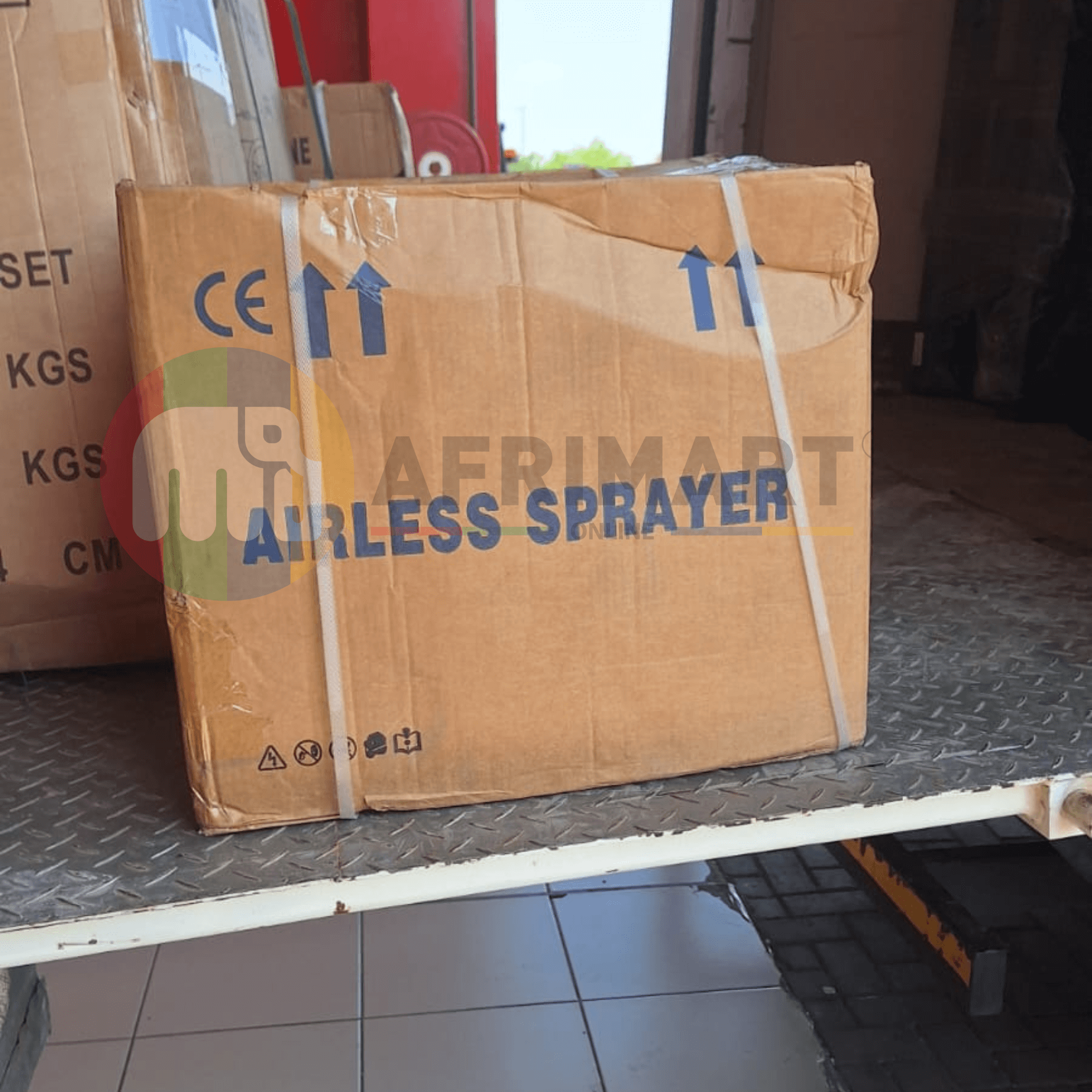
Latest Arrivals
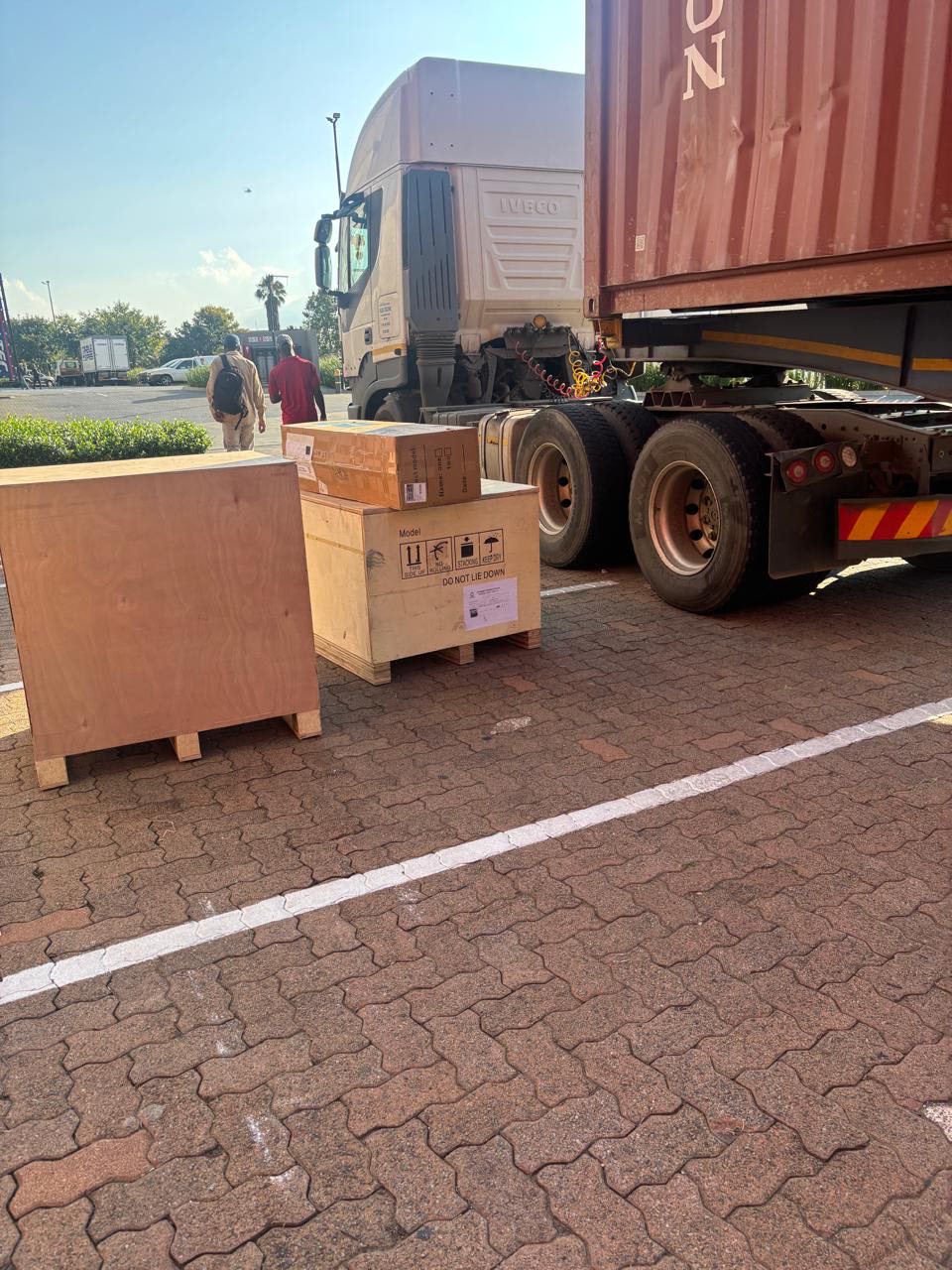
26 January 2026
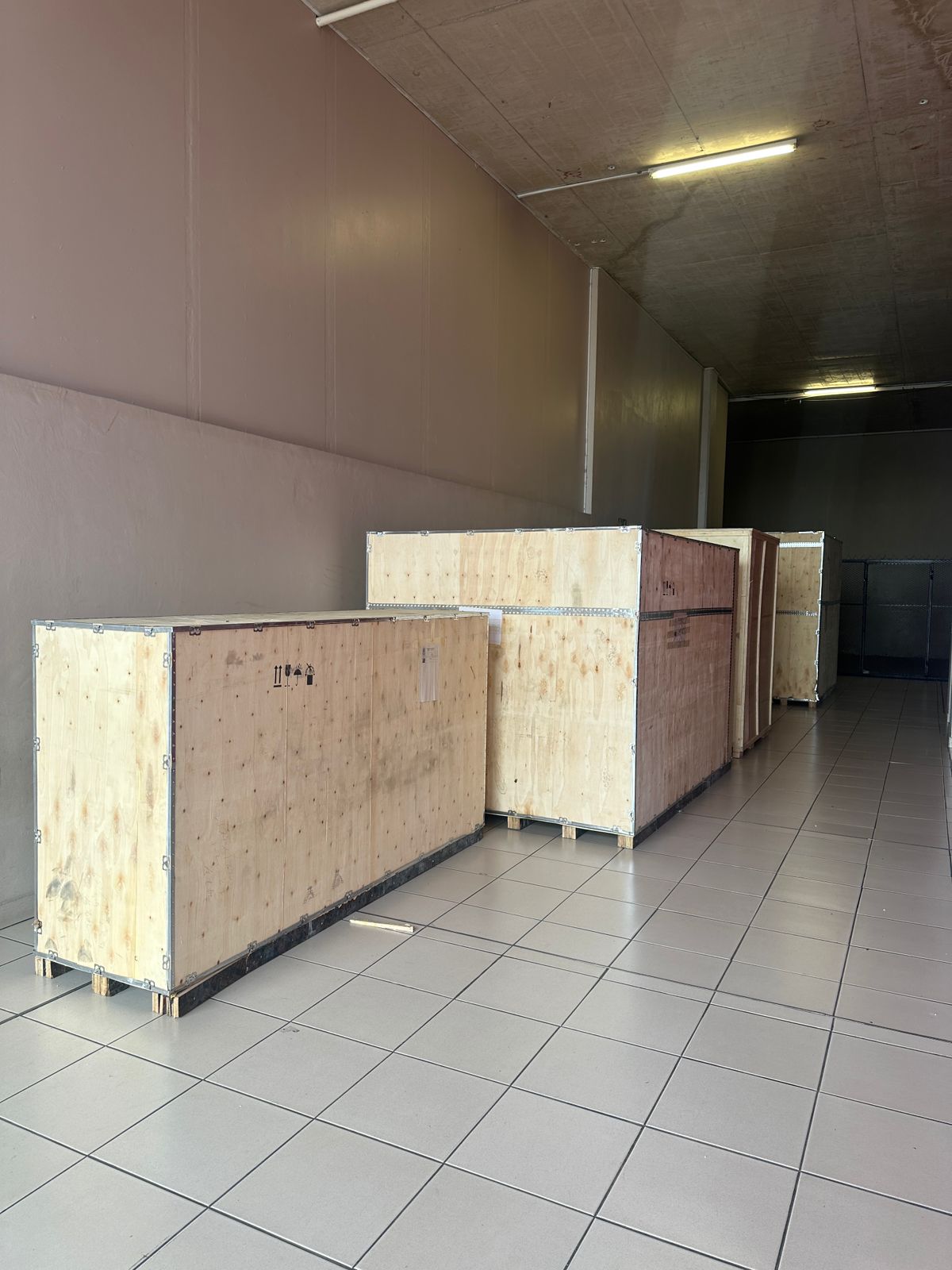
Toilet paper making machine
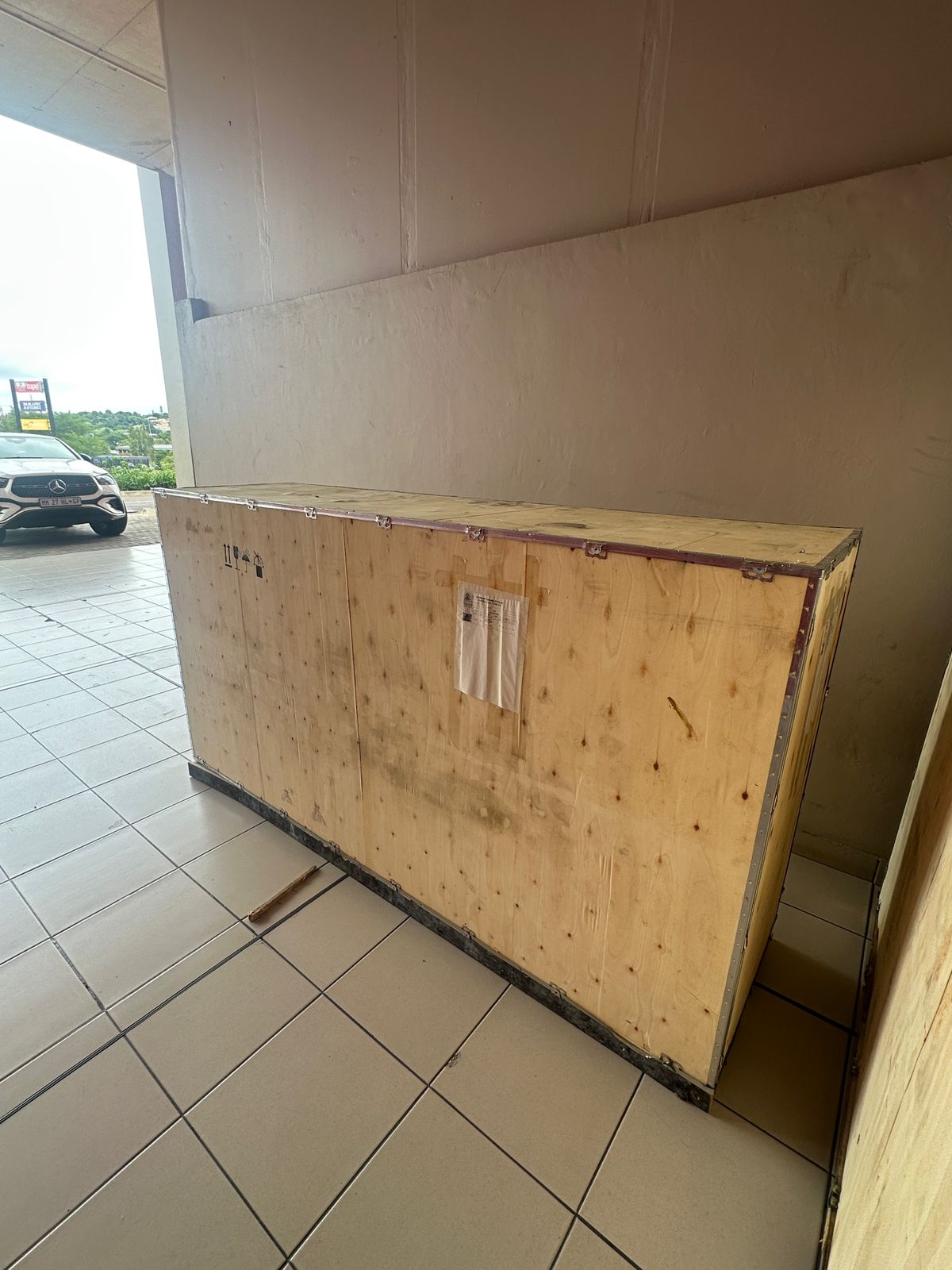
Toilet paper making machine
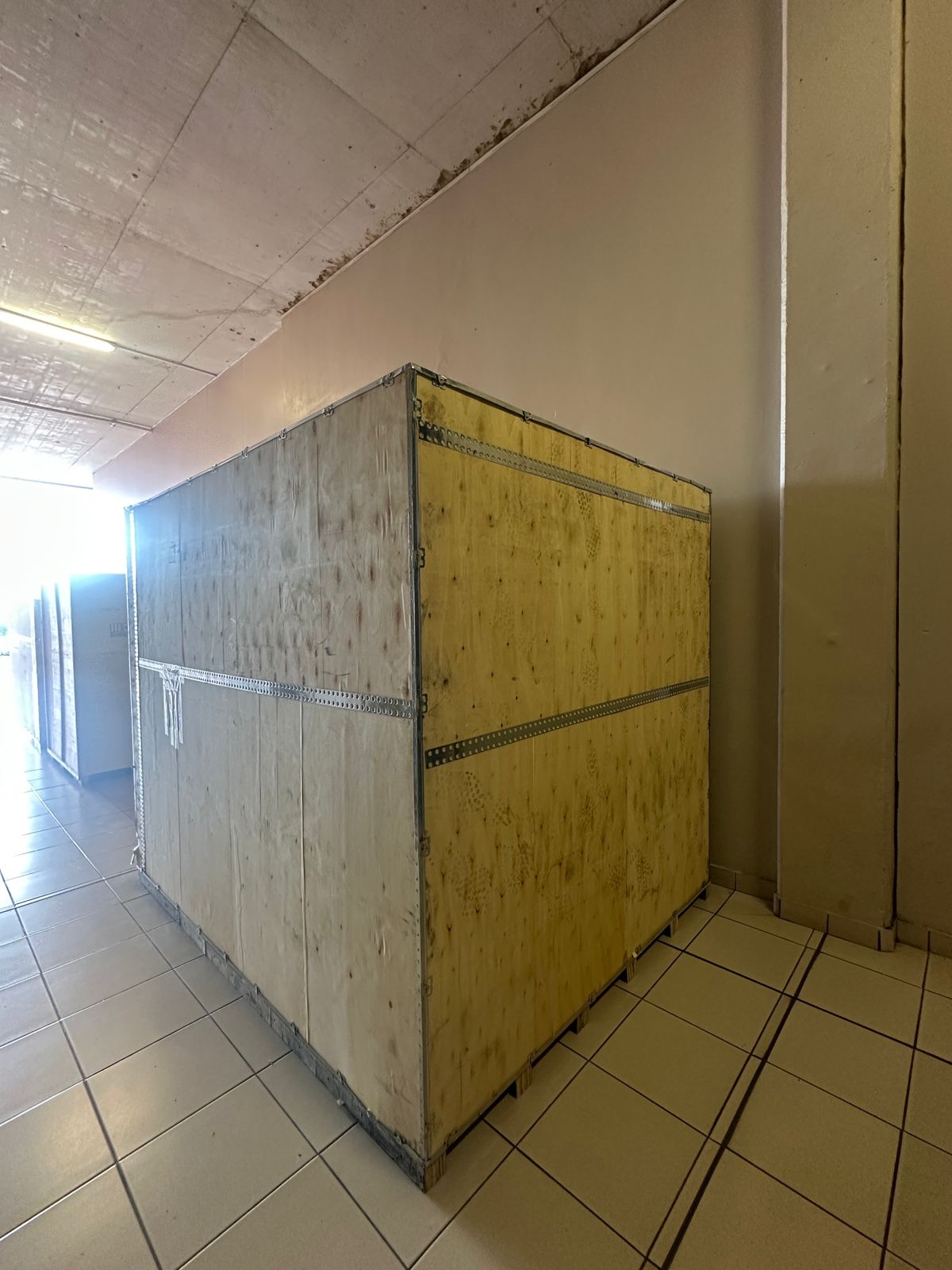
Toilet paper Rewinding Machine
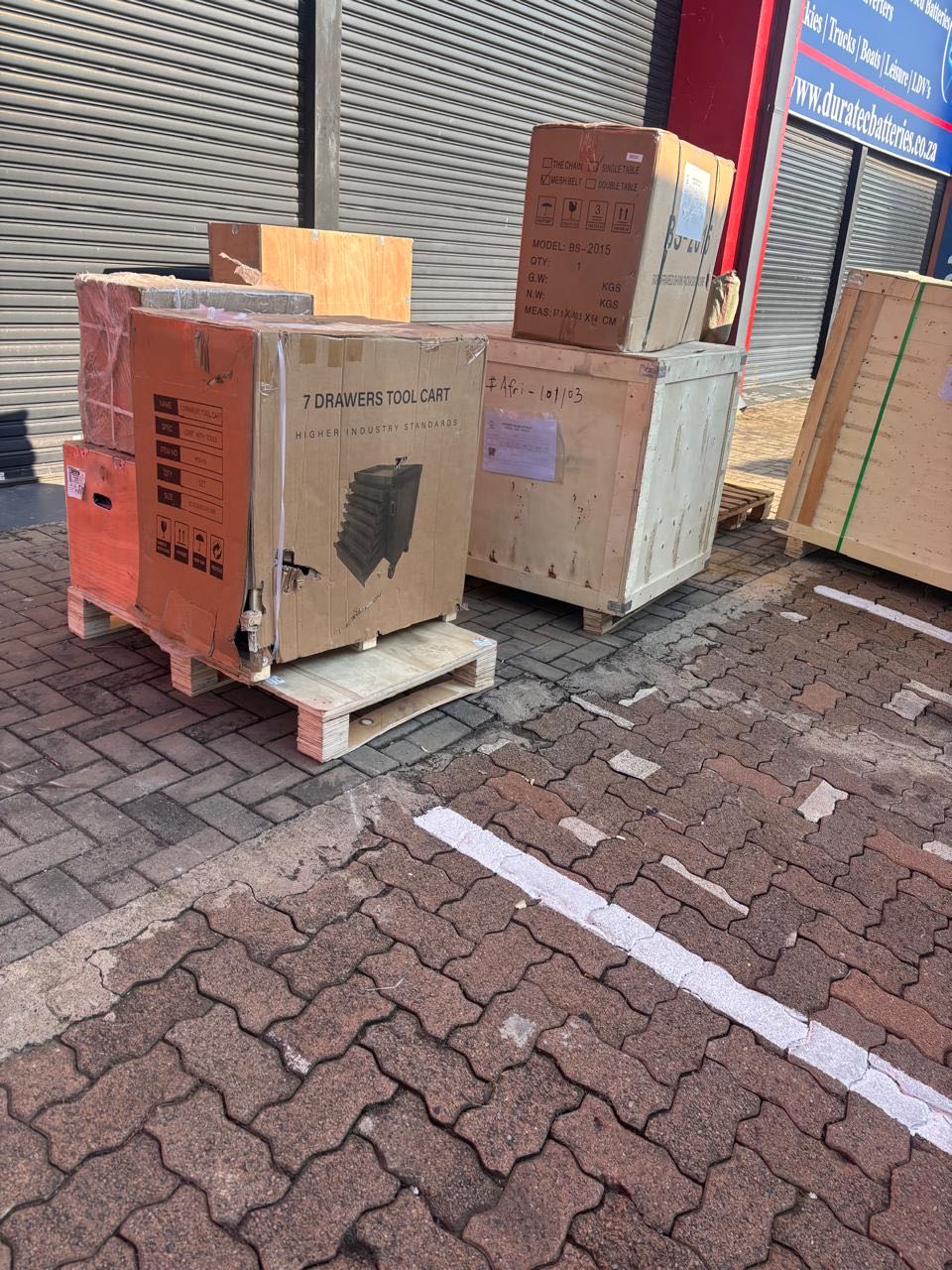
latest arrivals
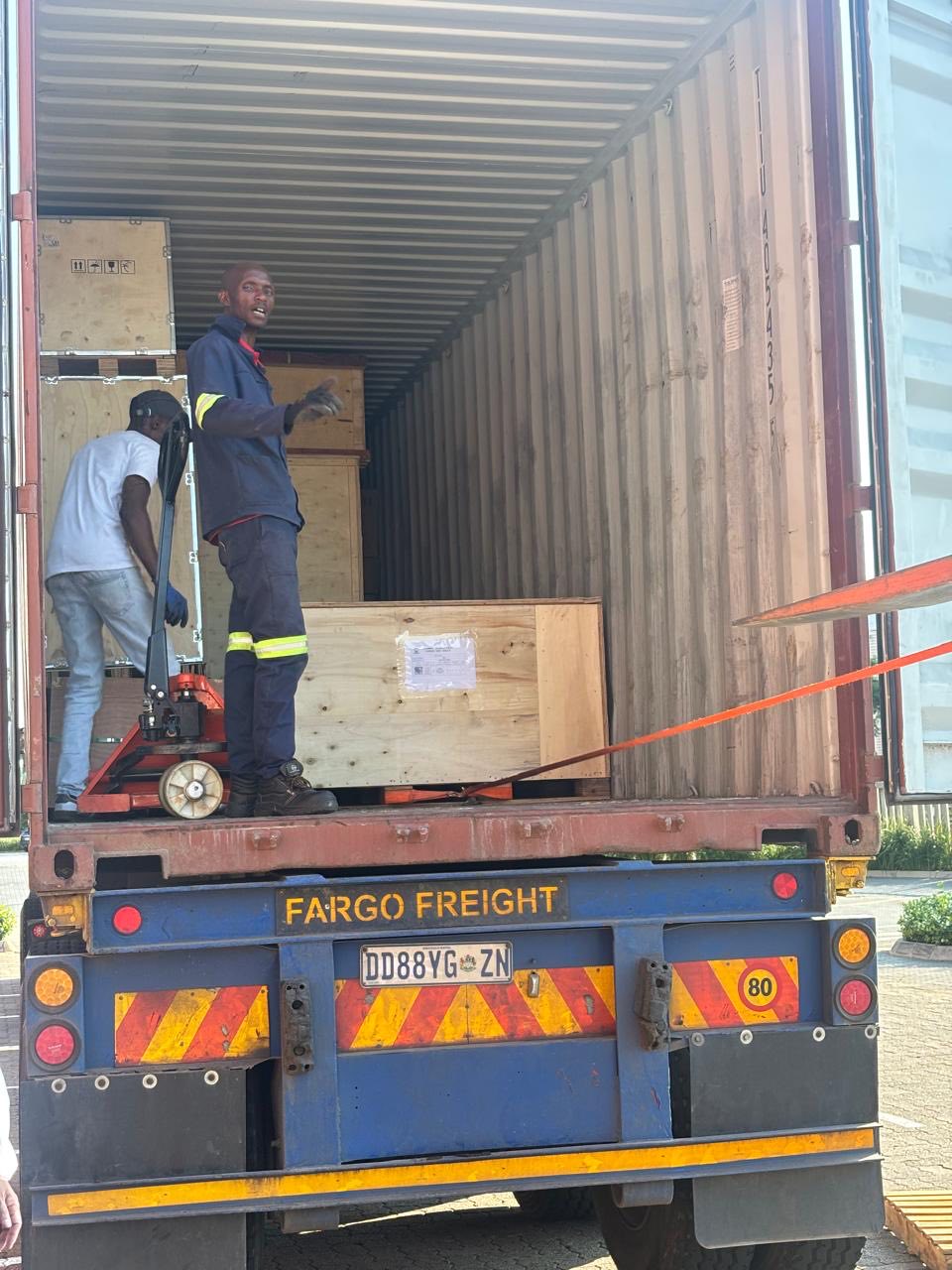
offloading
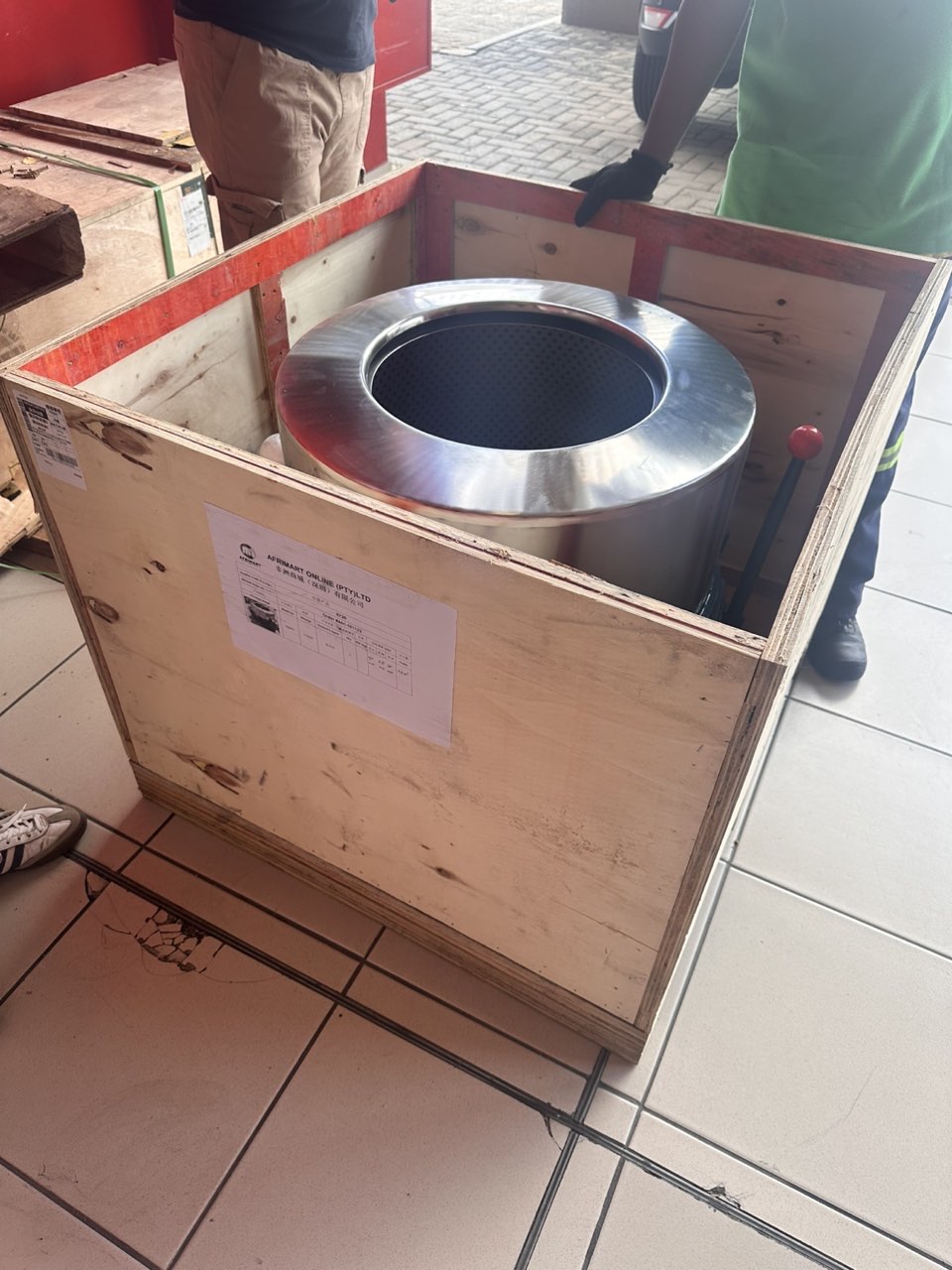
order success
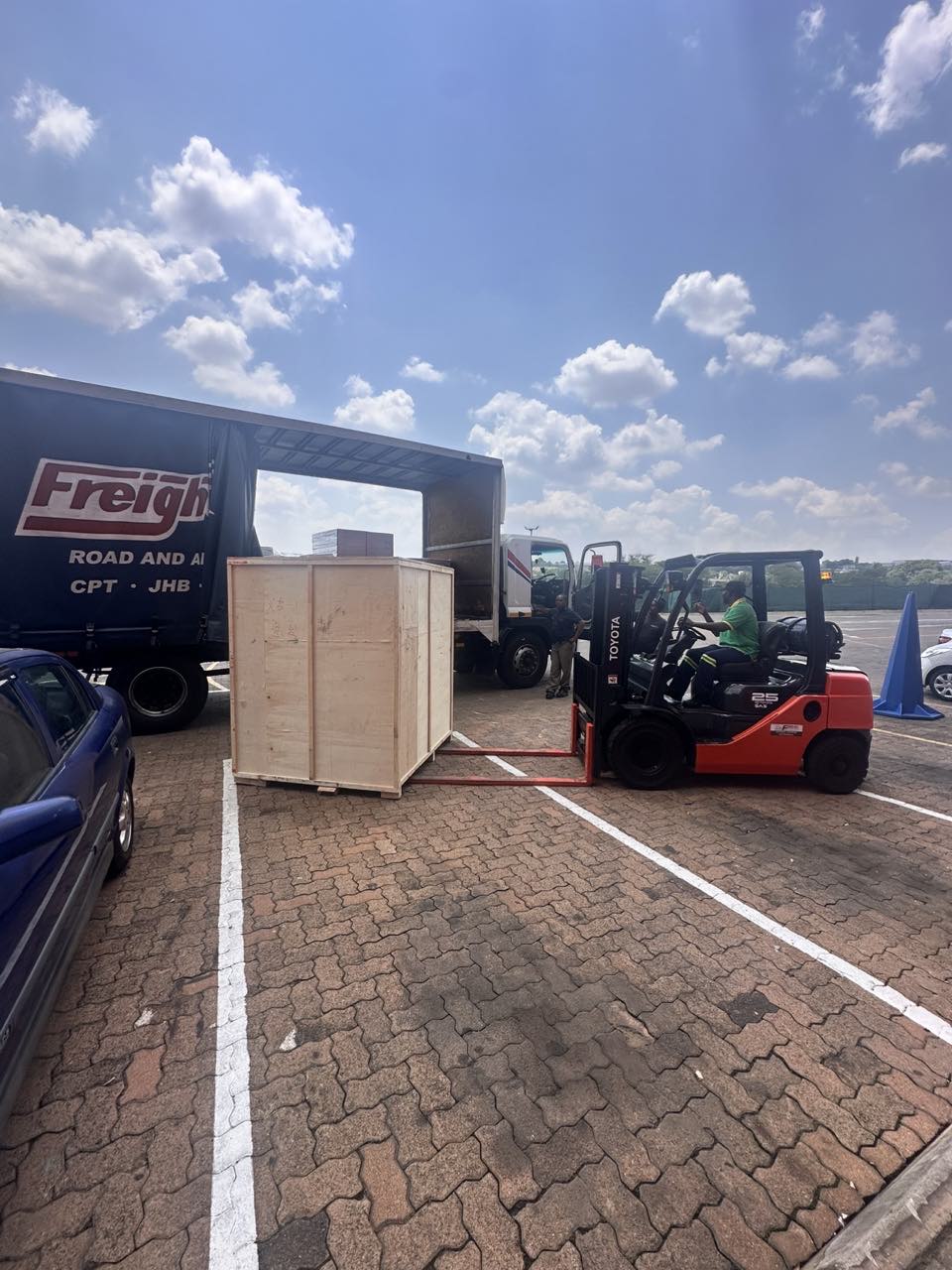
order collection
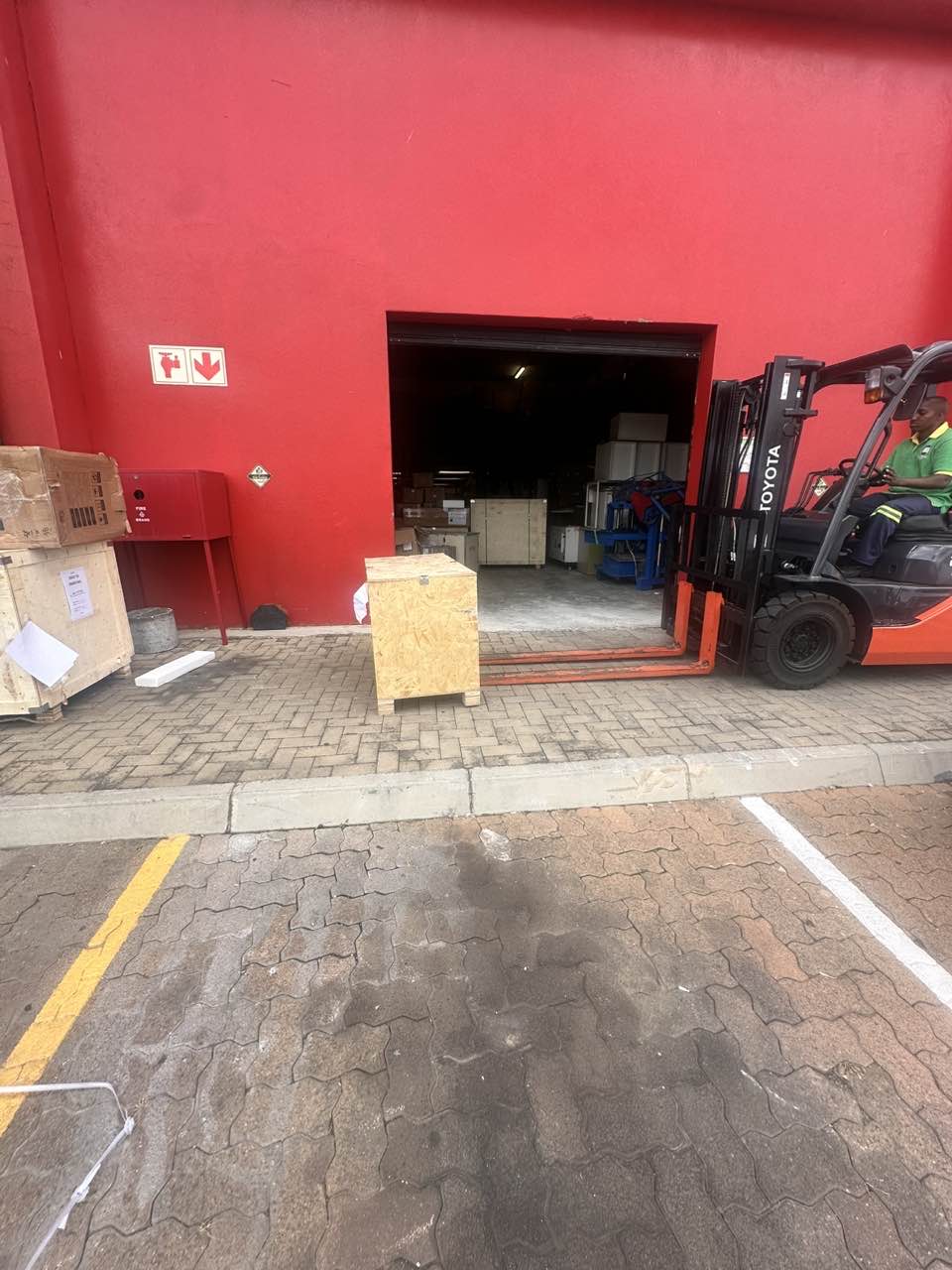
order offloading