B21, China Town Mall, Midrand


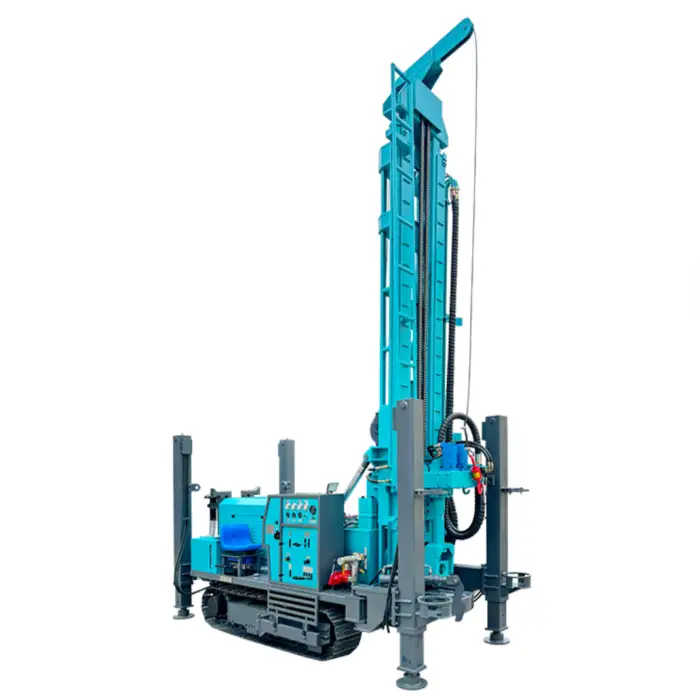
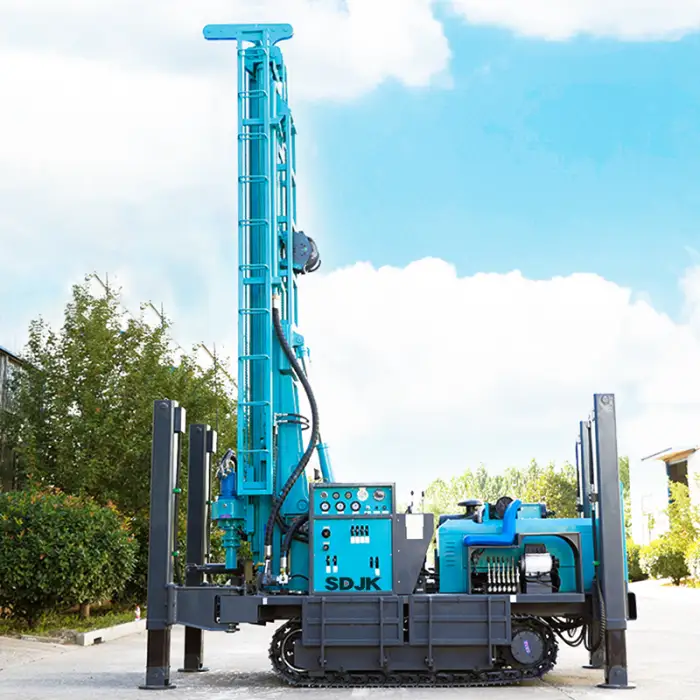
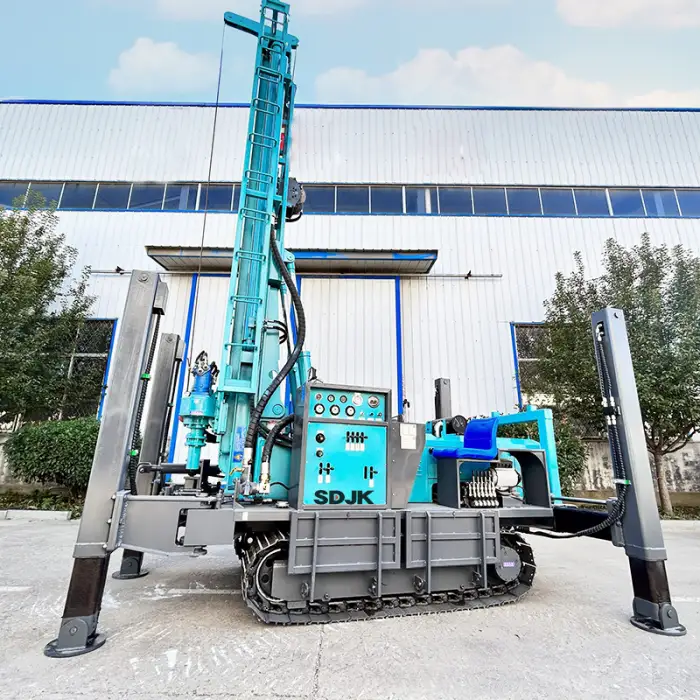
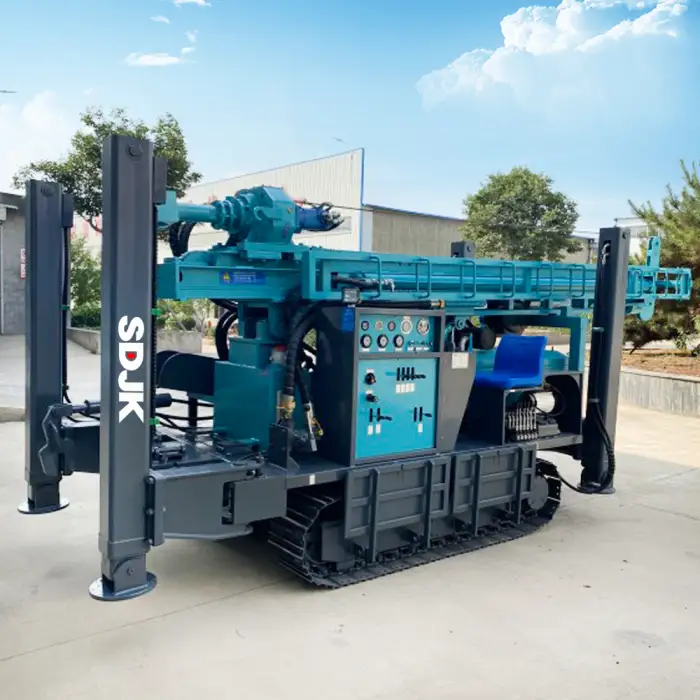
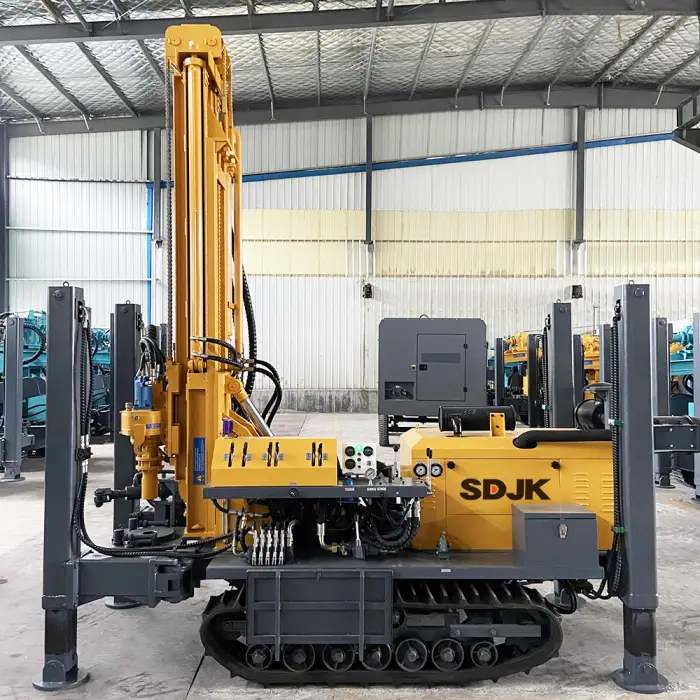
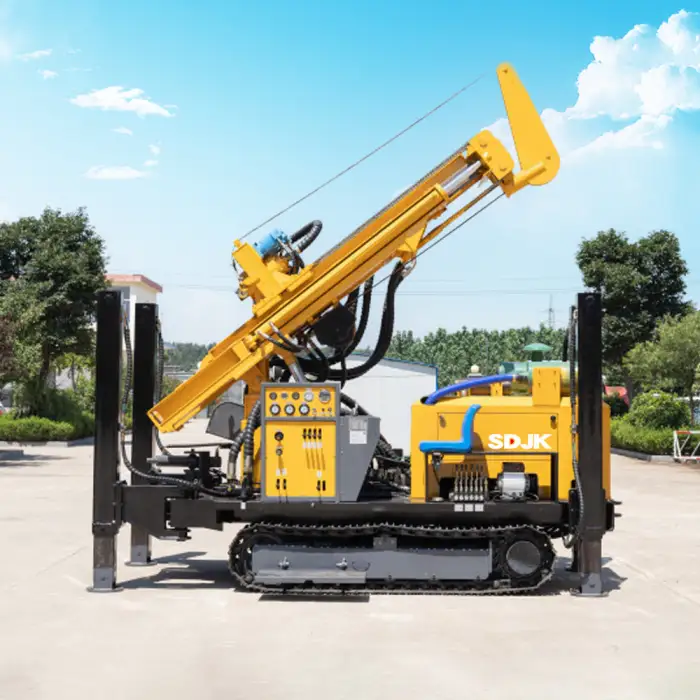
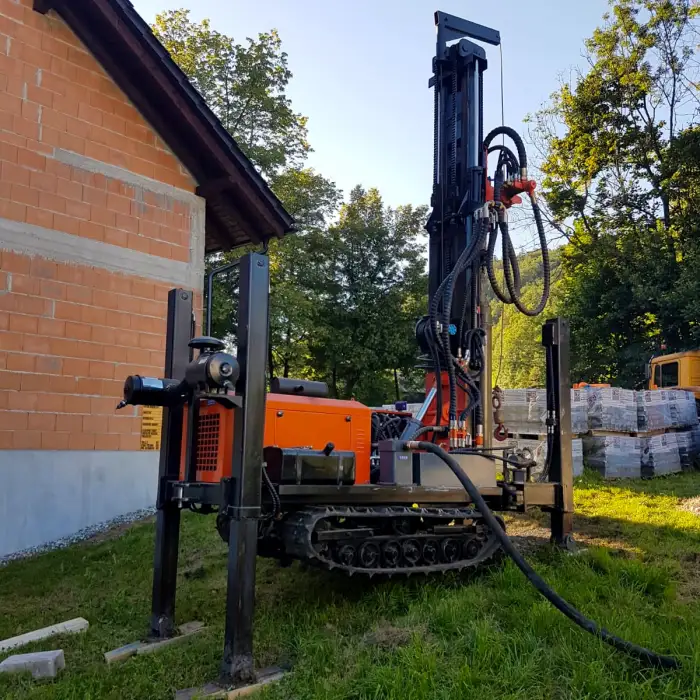
100Meters Steel Crawler Mounted Diesel Mine Water Well Drilling Rig Machine 300mm diameter
Asset finance available
Do you want funding for this equipment?
Afrimart can connect you with trusted funding partners who specialise in asset finance for businesses like yours. Compare options and apply in minutes — final approval is subject to provider review.
Check funding options
Secure & no obligation

- Section : Machinery
- Category : Mining Machinery
- SKU : 62000774609

100 Meters Steel Crawler Mounted Diesel Mine Water Well Drilling Rig Machine 300mm Diameter
The 100 Meters Steel Crawler Mounted Diesel Mine Water Well Drilling Rig Machine is a powerful and efficient tool for drilling water wells. With a drilling depth of up to 600 meters and a diameter of 300 mm, this machine is perfect for various mining and agricultural applications. Its robust design and diesel power ensure reliable performance in tough conditions.
Specifications
| Attribute | Details |
|---|---|
| Type | Rotary Drilling Rig |
| Power Type | Diesel |
| Use | Water Well |
| Voltage | 24V |
| Drilling Diameter | 200mm |
| Drilling Depth | 100, 180, 200, 300, 350, 400, 500, 600m |
| Weight | 4.5 KG |
| Dimensions (L*W*H) | 5200*2000*2780mm |
| Engine Model | Quanchai |
| Travelling System | Rubber Crawler |
| Travelling Speed | 2.5km/h |
| Certification | CE, ISO |
Key Features
- High drilling depth of up to 600 meters.
- Durable steel construction for long-lasting use.
- Powered by diesel for efficient operation.
- Portable and easy to transport with a crawler system.
- CE and ISO certified for safety and quality.
Applications
- Drilling water wells in farms and agricultural fields.
- Mining operations for extracting water or minerals.
- Geological surveys and exploration projects.
- Construction sites requiring deep water wells.
- Environmental studies needing water source access.
Product Info Gallery
- Shipping Timeframes: All orders are processed within 2-5 business days (excluding weekends and holidays). After your order has been processed, the estimated delivery time is before 04 Aug, 2026, depending on customs, Please note that due to high demand, some items may experience longer shipping times, which will be communicated at order confirmation email.
- Order Processing Time: Please allow 2-5 business days for us to process your order before it is shipped . Orders placed after 16:00 on Fridays, or during weekends and public holidays, will begin processing on the next business day. Processing times may be extended during peak seasons or sales events.
- Manufacturing Time: Some products needs manufacturing time, the manufacturing process will take approximately 10-30 business days depending on the product. This timeframe may vary depending on the complexity of the product and current demand. but this will be communicated with you during order confirmation.
- Returns and Exchanges: We offer a 30-day return policy for most items. If you are not completely satisfied with your purchase, you may return it within 30 days of receipt for a refund or exchange. Items must be unused, in their original packaging, and accompanied by proof of purchase. Return shipping costs are the responsibility of the customer, unless the item was damaged or defective upon arrival.
1. What is the actual maximum drilling depth of this rig?
The product listing includes multiple depth configurations (100, 180, 200, 300, 350, 400, 500, 600 m). Although the name references '100 Meters', this rig platform is offered in versions that can reach up to 600 meters. Confirm the specific depth configuration with the seller before ordering.
2. What drilling diameters are supported?
The name states 300 mm but the specifications list 200 mm. Diameter options commonly vary by configuration and tooling. Please confirm the exact drilling diameter (e.g., 200 mm or 300 mm) with the supplier when placing an order.
3. What power source does the rig use?
The rig is diesel-powered with a Quanchai engine model listed. It also includes a 24 V electrical system for controls and starting. Verify the engine model and electrical accessories with the manufacturer for precise details.
4. Is the rig mobile and easy to move on site?
Yes. The rig uses a rubber crawler travelling system with a travelling speed of about 2.5 km/h, so it can move around sites under its own power. For long-distance transport you will likely need a flatbed trailer or truck.
5. What are the machine dimensions and weight?
Dimensions are listed as 5200 × 2000 × 2780 mm. The specification lists a weight of 4.5 KG, which is almost certainly a typographical error for a machine of this size—please request the correct operating and shipping weights from the supplier.
6. What drilling method does this rig use?
This unit is a rotary drilling rig, suitable for conventional rotary water-well drilling operations. For extremely hard rock or special formations, additional down-the-hole hammers or different tooling may be required.
7. What certifications and safety standards does the rig meet?
The listing indicates CE and ISO certification. Ask the supplier to provide copies of certificates and any applicable test reports or CE conformity documents if required for import or site compliance.
8. Which applications is this rig best suited for?
Typical uses include drilling water wells for agriculture and farms, mine water and dewatering wells, geological surveys, exploration projects, and construction-site water supply drilling. Confirm tooling and configuration for specific applications.
9. What routine maintenance is required?
Routine maintenance includes daily visual inspections, checking and topping engine oil and coolant, cleaning/replacing air and fuel filters, greasing moving parts, inspecting crawler tracks and track tension, monitoring hydraulic oil levels, and tightening fasteners. Follow the manufacturer's maintenance schedule for detailed intervals.
10. Are spare parts and consumables available?
Most manufacturers provide common spare parts and consumables (drill bits, reamers, seals, filters, belts, hydraulic hoses). Confirm spare-parts availability, lead times, and recommended spare kits with the supplier before purchase.
11. What safety precautions should operators follow?
Operators should be trained in rig operation, wear appropriate PPE (helmets, ear and eye protection, gloves, boots), follow lockout/tagout when servicing, maintain safe exclusion zones during drilling, secure the mast and blocks, and follow the manufacturer's safety manual and local regulations.
12. Does the rig come with warranty and after-sales support?
Warranty and support policies vary by vendor. Ask the supplier for warranty terms (duration, coverage), after-sales service options, commissioning support, operator training, and local service contacts prior to purchase.
13. What site requirements and preparation are needed before drilling?
Prepare a stable, reasonably level pad for the rig; ensure adequate access for transport and fuel deliveries; provide water supply if mud drilling is used; obtain necessary permits; and check underground utilities. The supplier can advise on pad size and ground-bearing requirements.
14. How do soil and rock types affect drilling performance?
Rotary rigs perform well in unconsolidated soils, sands, clays and many rock types. Very hard or abrasive rock may slow penetration and increase wear on bits; in fractured formations, casing or mud control may be needed. Discuss expected formations with the supplier to select appropriate tooling and configuration.
15. How do I order the correct configuration for my project?
Provide the seller with your required maximum drilling depth and target bore diameter, expected ground conditions, site access limitations, and any regulatory requirements. The supplier can recommend the correct model, tooling package, and optional accessories (mud pumps, casing equipment, spare kits) to meet your needs.
Latest Order Arrivals
Discover our latest orders
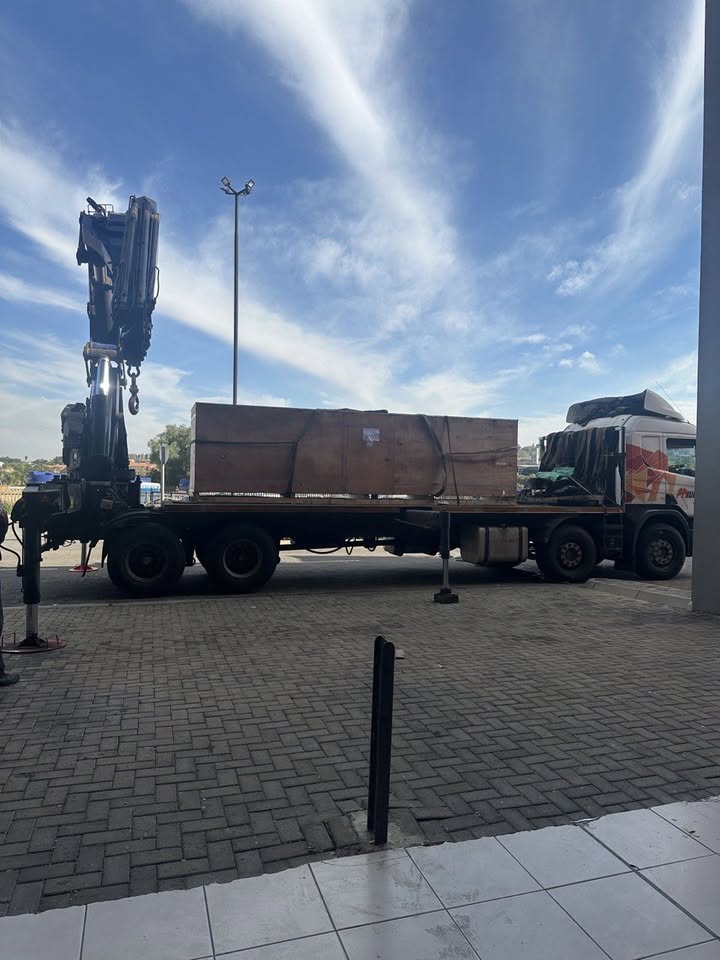
12 Heads Embroidery Machine
Toilet Paper Machine Machine
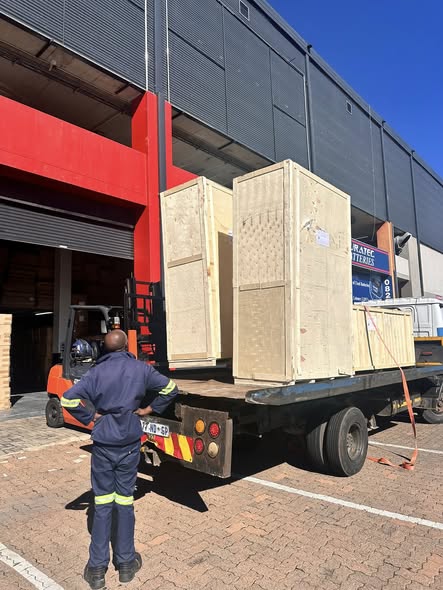
Order Collection
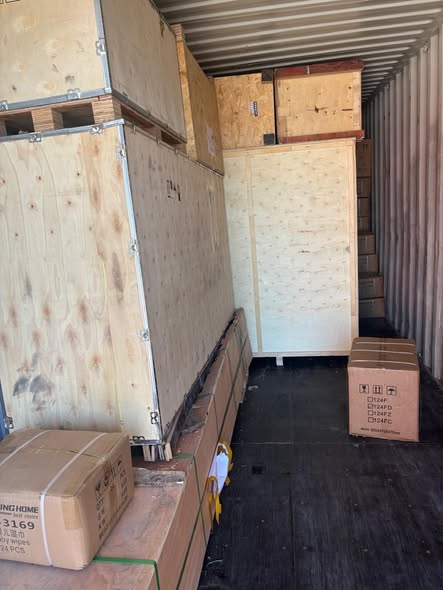
Cross Border Clients
Order cros border countries Collected
Industrial Machine Cllection
Agriculture Processing Machines
Ready for collection
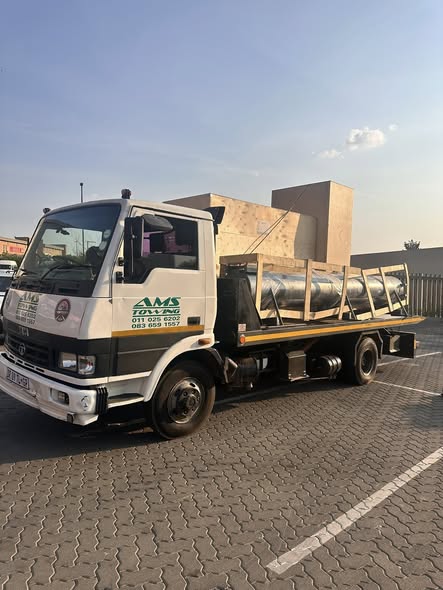
Water Pump Equipment
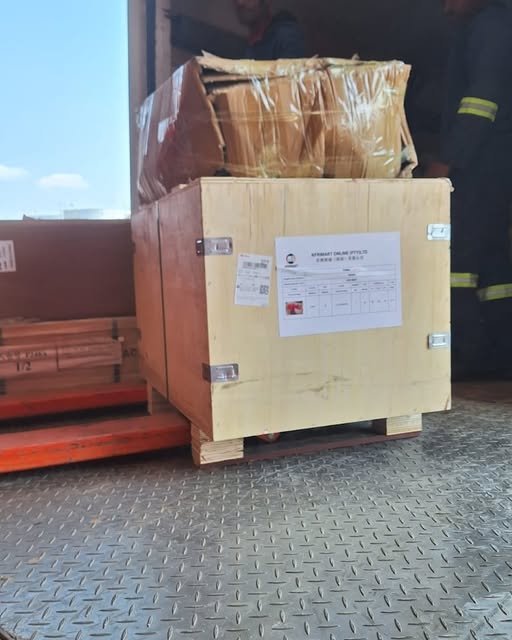
Packaging Machine and accessories
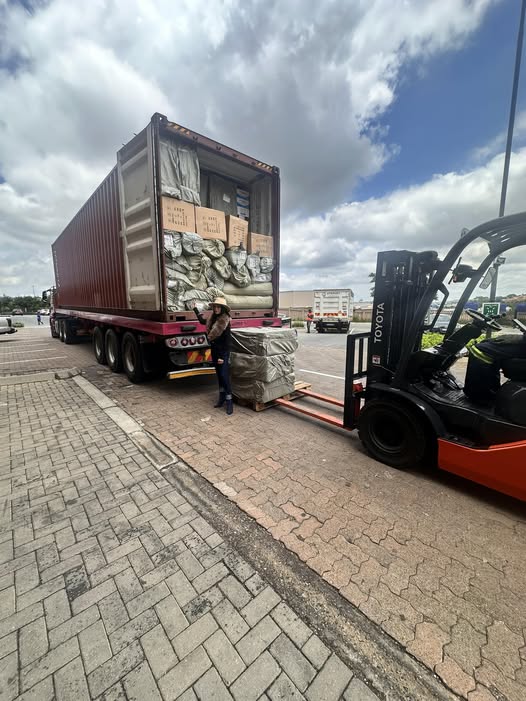
Fabrics Manufacturing Equipment
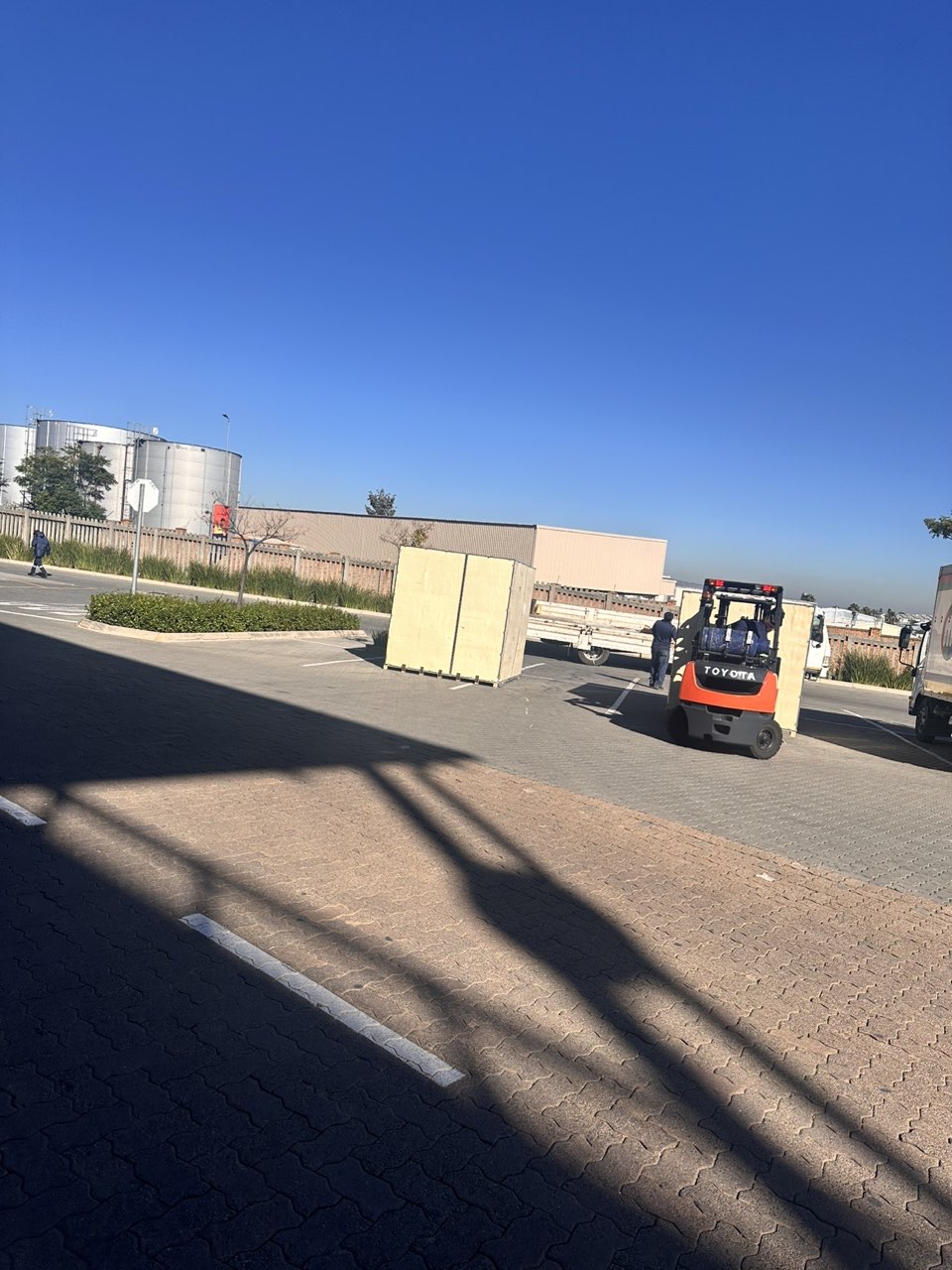
Mining Equipments
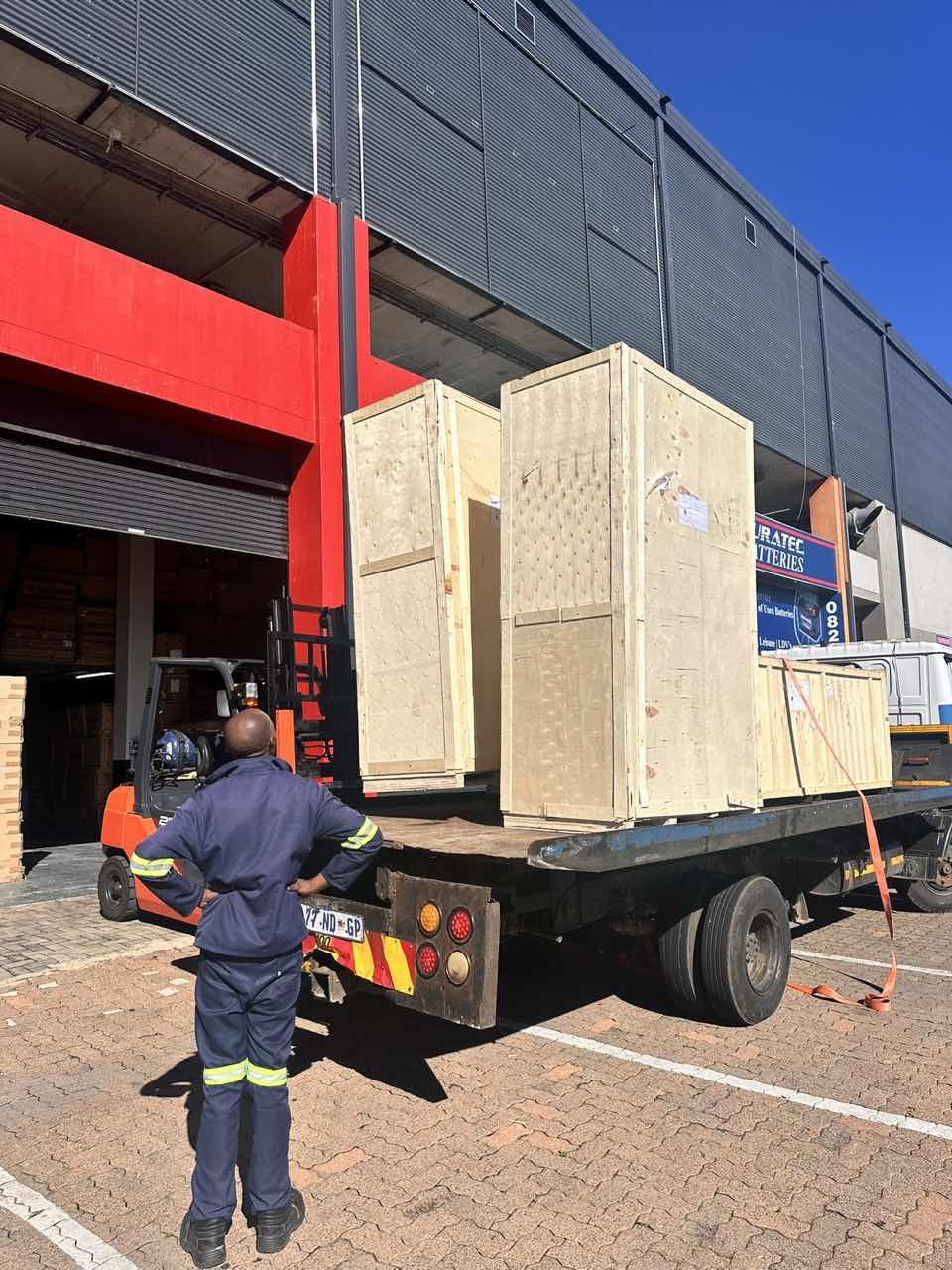
Food Processing Machine
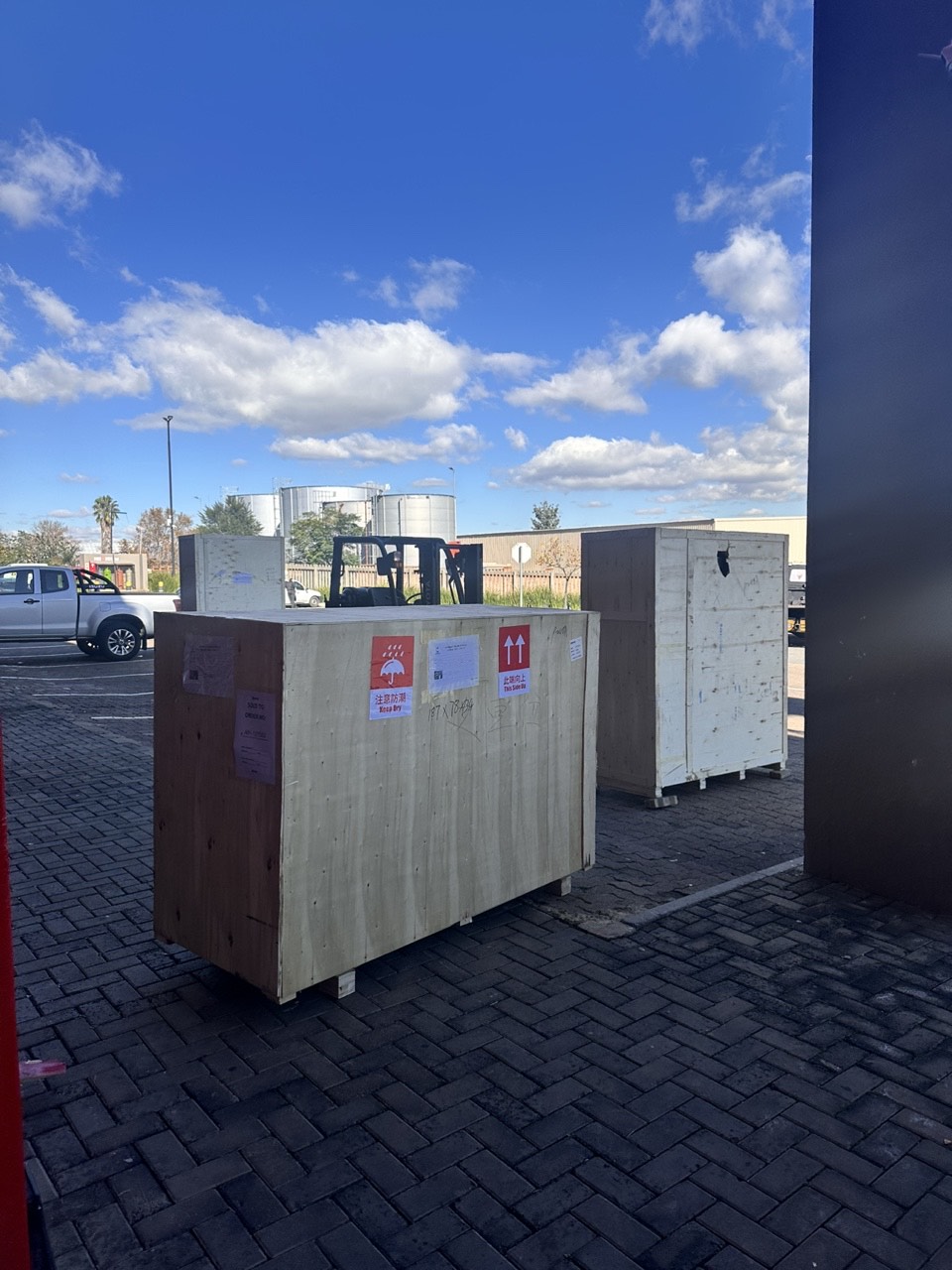
Batch of Orders
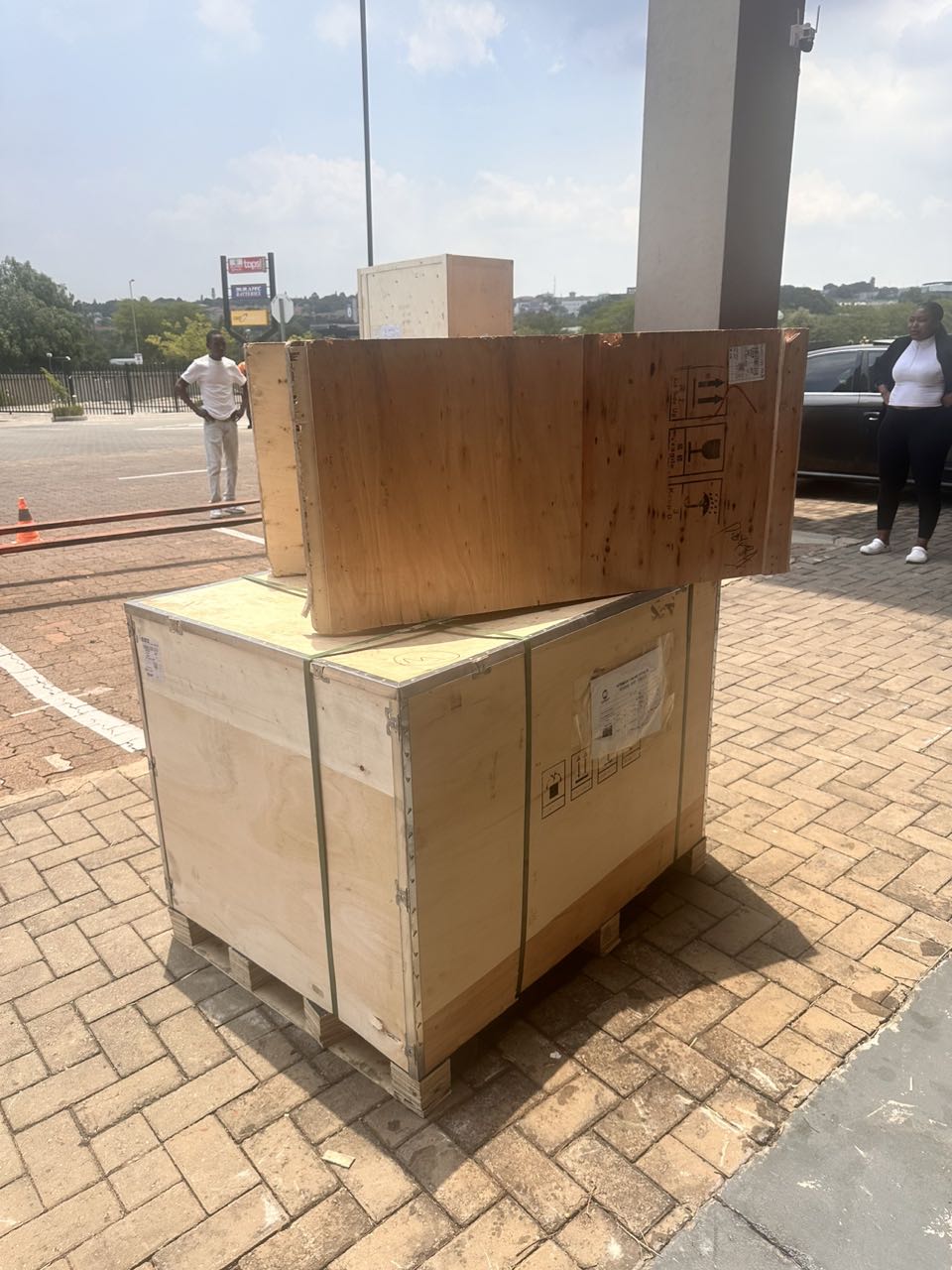
Batch of Orders
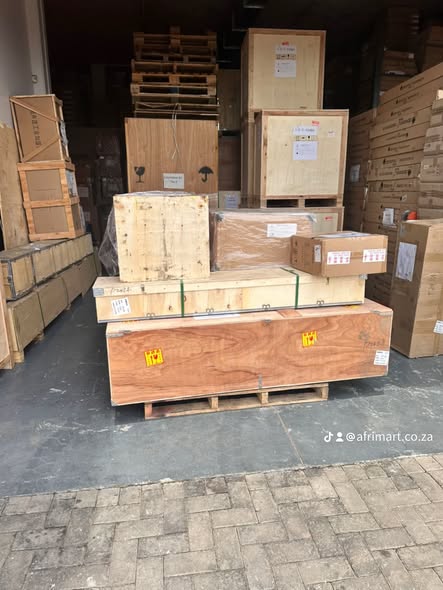
Latest Orders Labelled
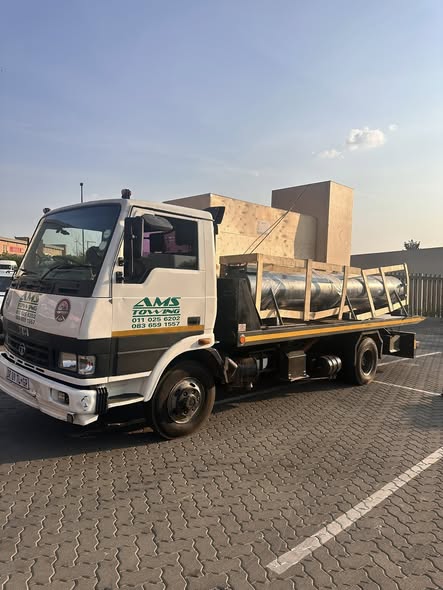
wheel alignment machines
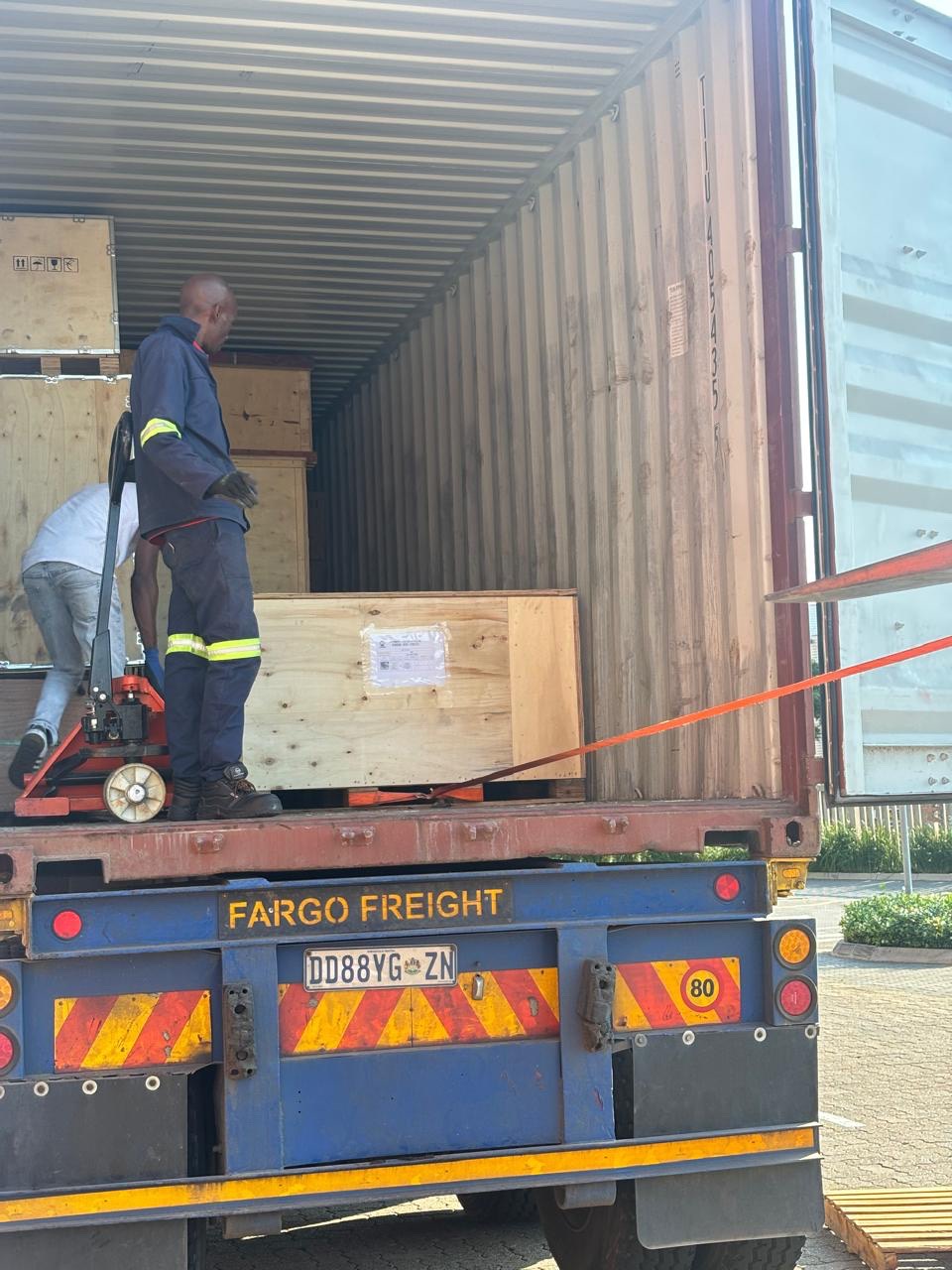
new arrivals
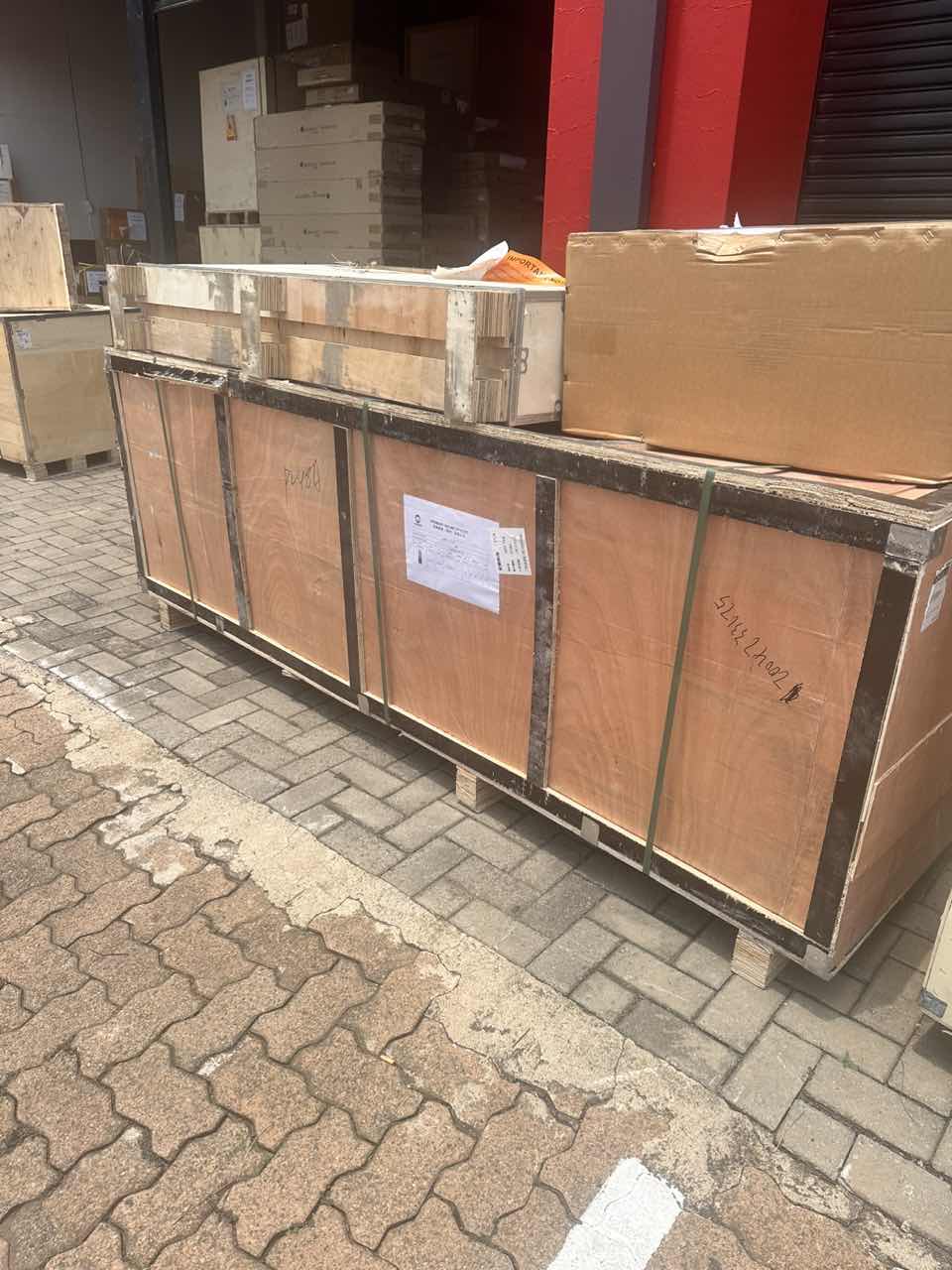
Pre Orders Offloading
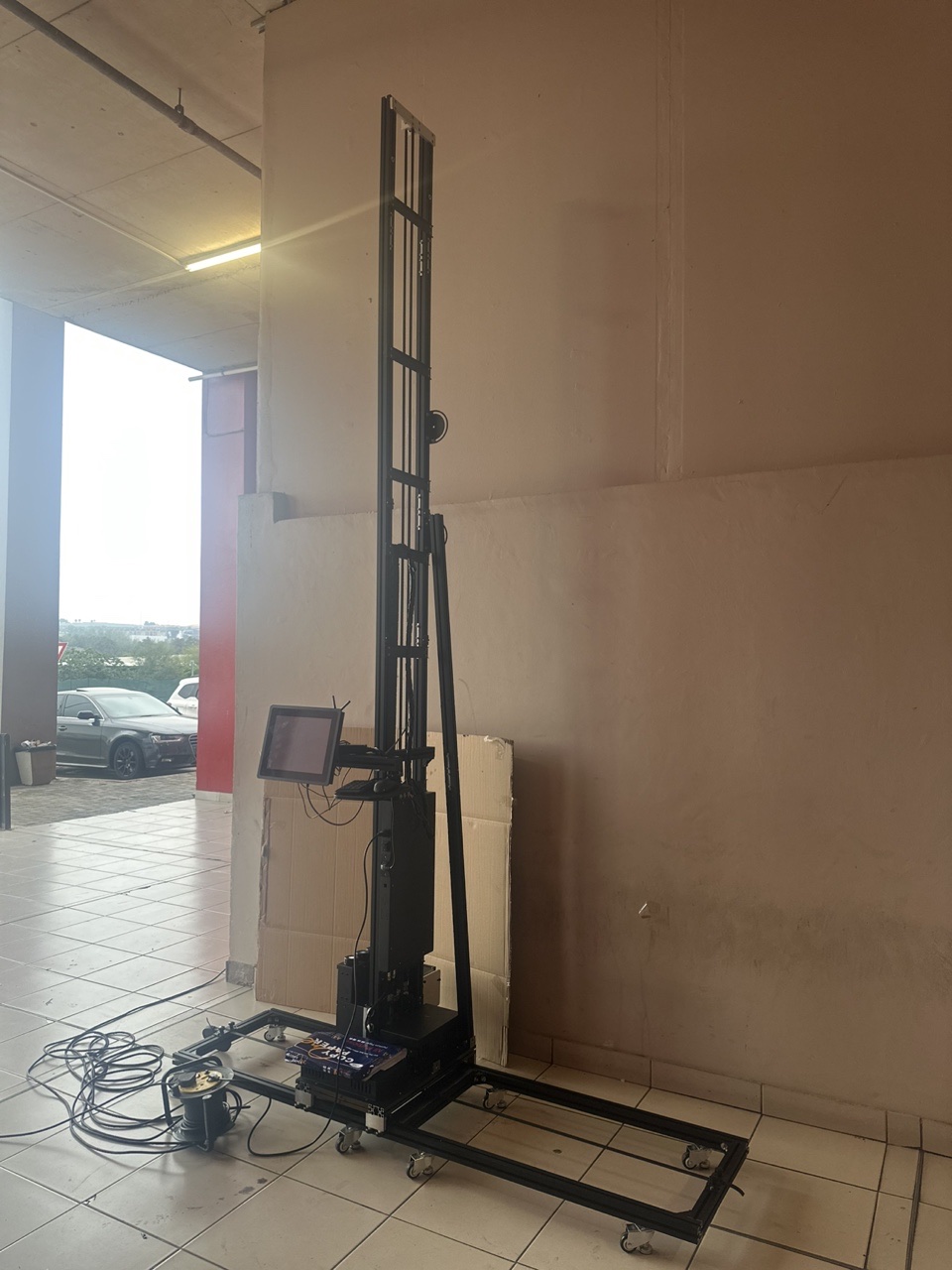
Latest Arrivals
Latest Arrivals
Latest Arrivals
Loading
Toilet paper making machine
Toilet paper making machine
Toilet paper Rewinding Machine
latest arrivals
offloading
order success
order collection
order offloading