B21, China Town Mall, Midrand

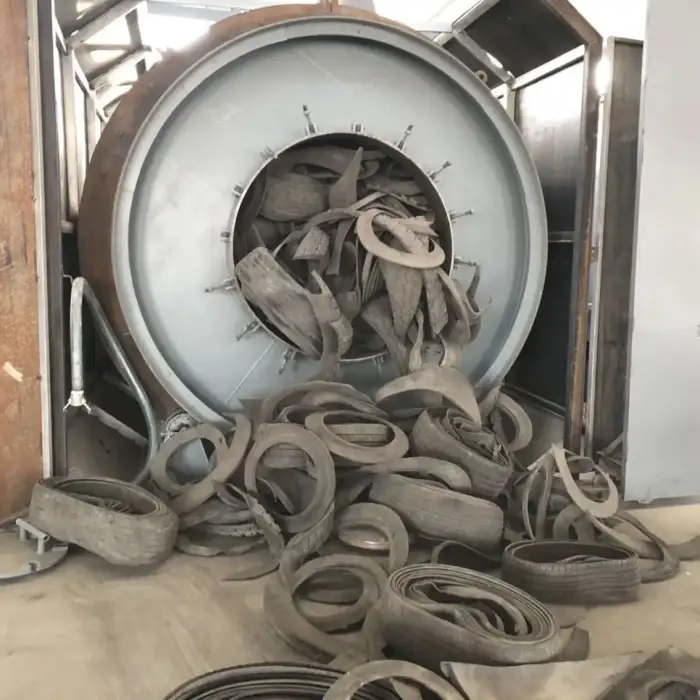
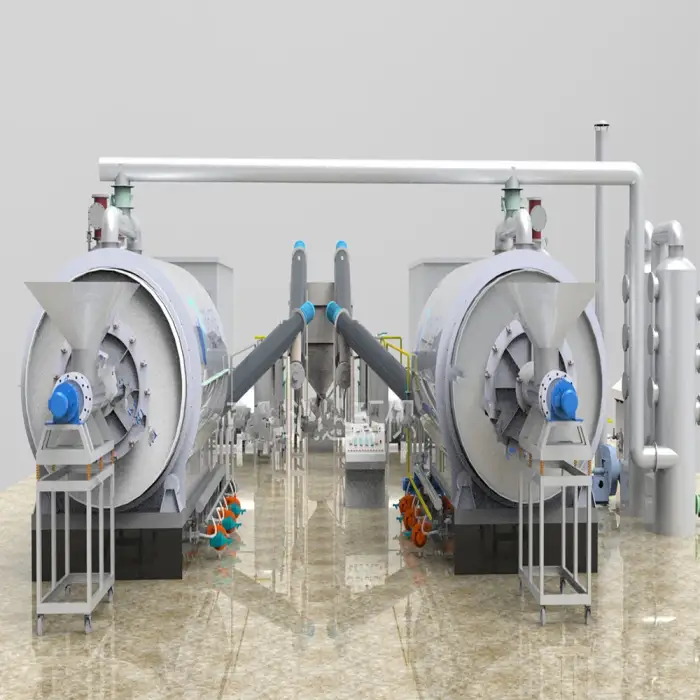
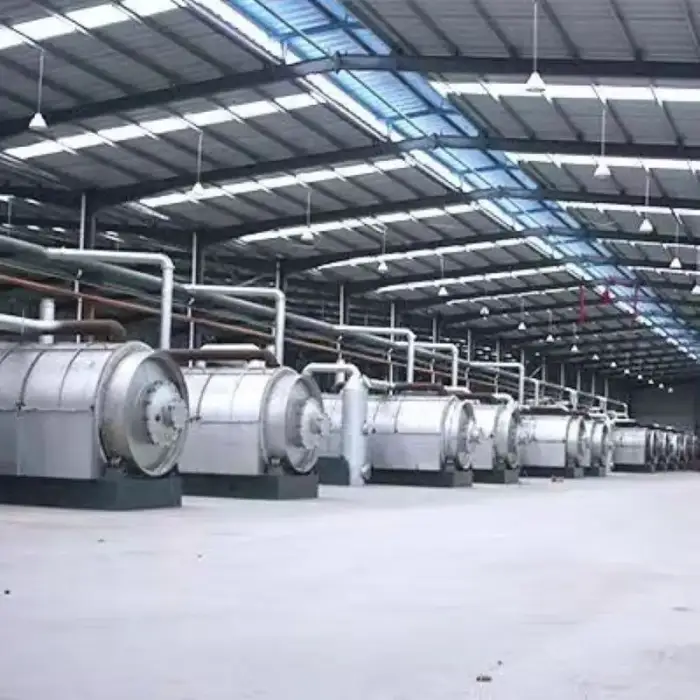
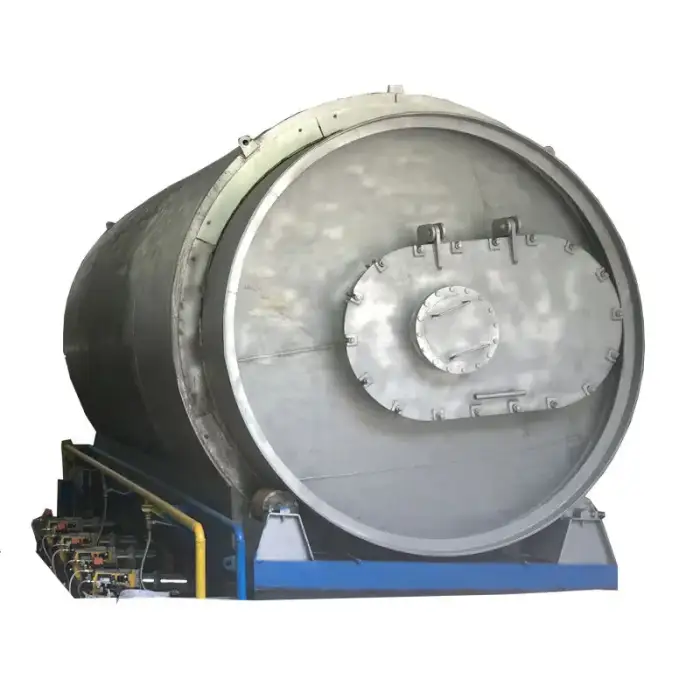
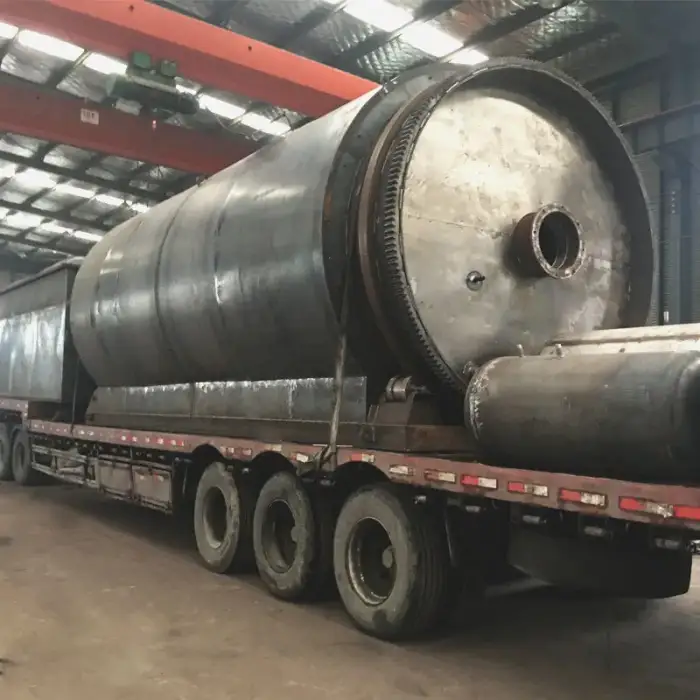
1 ton waste plastic pyrolysis plant turning plastic into fuel plastic waste recycling to gas and oil
Asset finance available
Do you want funding for this equipment?
Afrimart can connect you with trusted funding partners who specialise in asset finance for businesses like yours. Compare options and apply in minutes — final approval is subject to provider review.
Check funding options
Secure & no obligation

- Section : Machinery
- Category : Environmental Machinery
- SKU : 1600646256729

1 ton waste plastic pyrolysis plant turning plastic into fuel plastic waste recycling to gas and oil
Product Description

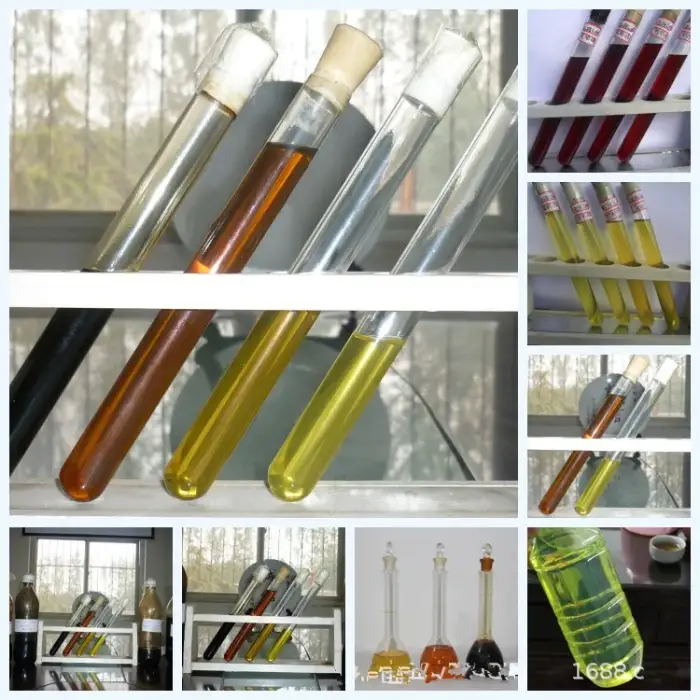
Waste tire refining unit is used to recover waste tires as fuel oil. Compared with landfill and combustion, waste tire pyrolysis oil is a green technology and a better waste management method.Low investment:The cost of waste tire pyrolysis device is very low. Raw materials can use tires, waste plastics and waste rubber, which can be easily found from the garbage collection station. You can even get subsidies through the pollution caused by garbage in many countries.Raw material:Pyrolysis equipment can treat all kinds of waste plastics, including PP, PE, PS, ABS, rubber products, tires, circuit boards, etc.

High profit:The pyrolysis unit will produce pyrolysis fuel oil, carbon black, steel wire, waste gas, etc. All products can be transformed into value.

| Oil yield of different raw materials | |||
| PE/Idpe/hdpe | 50%-75% | House garbage | 35%-50% |
| PP | 50%-75% | Plastic cable | 80% |
| PS | 50%-75% | Plastic bag | 50% |
| Waste paper | Wet 15-20%, dry 60% | Submarine cable | 75% |
| ABS | 40% | Rubber cable | 35% |
Application of output products of pyrolysis unit:Four kinds of products can be obtained from waste tire pyrolysis unit: fuel oil, carbon black, steel wire and non condensable gas. Fuel oil is widely used in iron and steel plants, heavy oil generator sets, cement plants, boiler heating and other industries. Carbon black can be made into particles for the manufacture of new rubber products. Steel wires can be sold to recycling stations or steel mills for remelting. The non condensable gas is recycled, and the pyrolysis reactor is heated to save energy.


- Shipping Timeframes: All orders are processed within 2-5 business days (excluding weekends and holidays). After your order has been processed, the estimated delivery time is before 05 Aug, 2026, depending on customs, Please note that due to high demand, some items may experience longer shipping times, which will be communicated at order confirmation email.
- Order Processing Time: Please allow 2-5 business days for us to process your order before it is shipped . Orders placed after 16:00 on Fridays, or during weekends and public holidays, will begin processing on the next business day. Processing times may be extended during peak seasons or sales events.
- Manufacturing Time: Some products needs manufacturing time, the manufacturing process will take approximately 10-30 business days depending on the product. This timeframe may vary depending on the complexity of the product and current demand. but this will be communicated with you during order confirmation.
- Returns and Exchanges: We offer a 30-day return policy for most items. If you are not completely satisfied with your purchase, you may return it within 30 days of receipt for a refund or exchange. Items must be unused, in their original packaging, and accompanied by proof of purchase. Return shipping costs are the responsibility of the customer, unless the item was damaged or defective upon arrival.
1. What is a waste plastic pyrolysis plant?
A waste plastic pyrolysis plant is a facility that processes waste plastics, tires, and rubber into fuel oil, carbon black, steel wire, and non-condensable gases through a thermal decomposition process.
2. How does the pyrolysis process work?
The pyrolysis process involves heating waste materials in the absence of oxygen, which breaks them down into smaller molecules, resulting in fuel oil, gas, and solid residues.
3. What types of raw materials can be processed?
The pyrolysis plant can process various types of waste plastics including PP, PE, PS, ABS, rubber products, tires, circuit boards, and more.
4. What is the oil yield from different raw materials?
Oil yield varies by material: for example, PE can yield 50%-75%, PP also 50%-75%, while house garbage yields about 35%-50%.
5. What are the benefits of using a pyrolysis plant for waste management?
The pyrolysis plant offers a green technology alternative to landfill and combustion, helping to reduce waste and recover valuable materials while generating fuel.
6. What products can I expect from the pyrolysis process?
You can expect four main products: fuel oil, carbon black, steel wire, and non-condensable gas, each of which has various applications in industries.
7. How is the fuel oil produced used?
The fuel oil produced can be used in iron and steel plants, heavy oil generators, cement plants, and for boiler heating.
8. Is the investment for a pyrolysis plant high?
No, the investment cost for a waste plastic pyrolysis plant is relatively low compared to other waste management solutions, and subsidies may be available in some regions.
9. How can this plant contribute to environmental sustainability?
By converting waste into reusable resources and reducing landfill use, the pyrolysis plant helps lower pollution and promotes recycling and circular economy principles.
10. What happens to the non-condensable gas produced?
Non-condensable gas is recycled and used to heat the pyrolysis reactor, which saves energy and increases the overall efficiency of the process.
11. Can I sell the by-products from the pyrolysis process?
Yes, by-products like carbon black and steel wire can be sold to recycling stations or industries for further processing, generating additional revenue.
12. What are the safety measures taken in operating the pyrolysis plant?
Safety measures include proper ventilation, pressure regulation, and temperature control systems to mitigate risks associated with high-temperature operations.
13. How long does the pyrolysis process take?
The duration of the pyrolysis process can vary based on the type and amount of material being processed, but it typically takes several hours to complete.
14. Is training provided for operating the pyrolysis plant?
Yes, training is usually provided to ensure that operators understand the processes, safety protocols, and maintenance requirements of the pyrolysis plant.
15. What maintenance does a pyrolysis plant require?
Regular maintenance includes checking the reactor, cleaning filters, monitoring safety systems, and ensuring all components are functioning correctly to maintain efficiency.
Latest Order Arrivals
Discover our latest orders
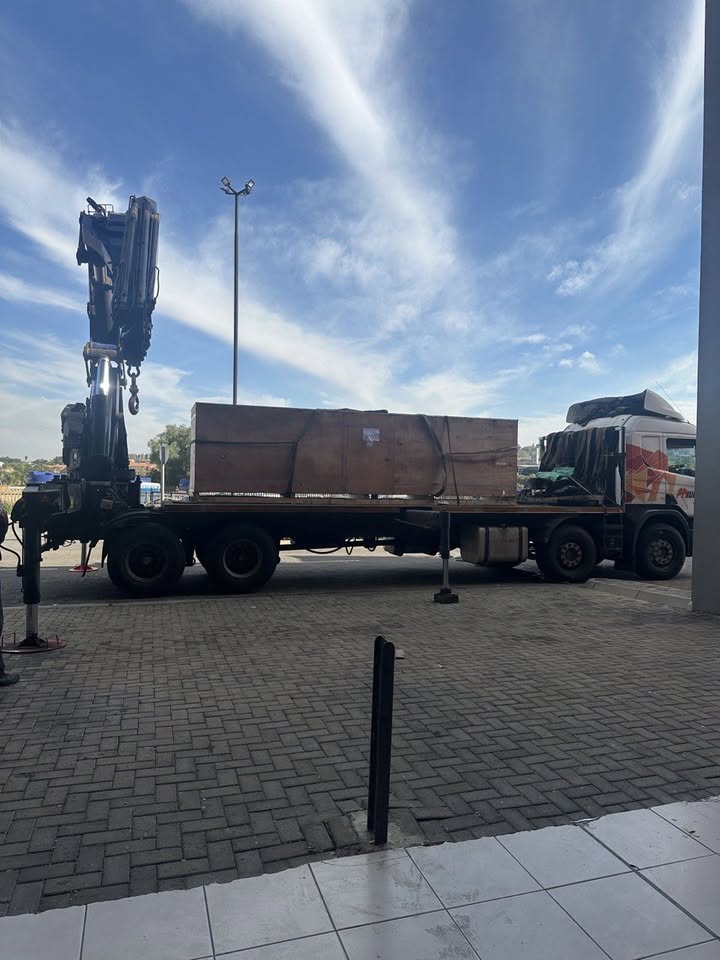
12 Heads Embroidery Machine
Toilet Paper Machine Machine
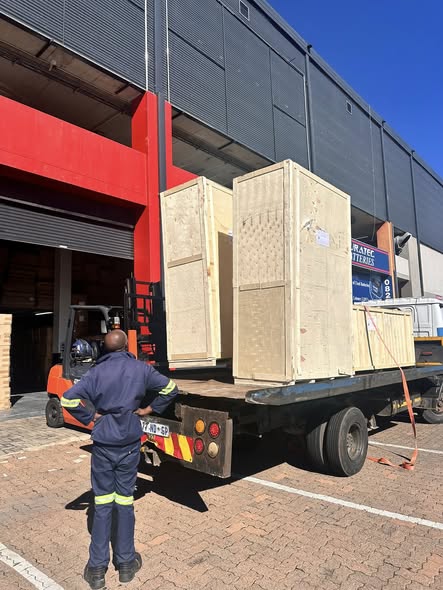
Order Collection
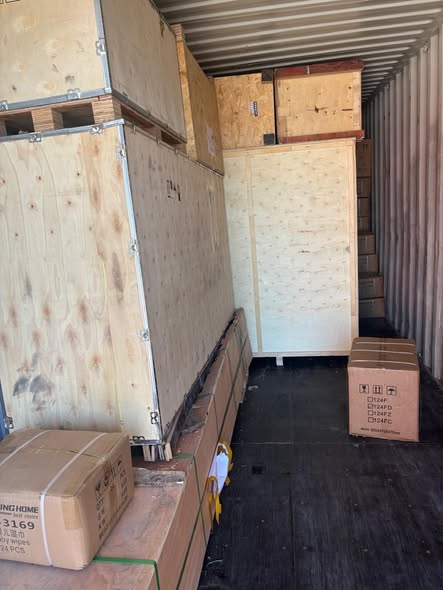
Cross Border Clients
Order cros border countries Collected
Industrial Machine Cllection
Agriculture Processing Machines
Ready for collection
Water Pump Equipment
Packaging Machine and accessories
Fabrics Manufacturing Equipment
Mining Equipments
Food Processing Machine
Batch of Orders
Batch of Orders
Latest Orders Labelled
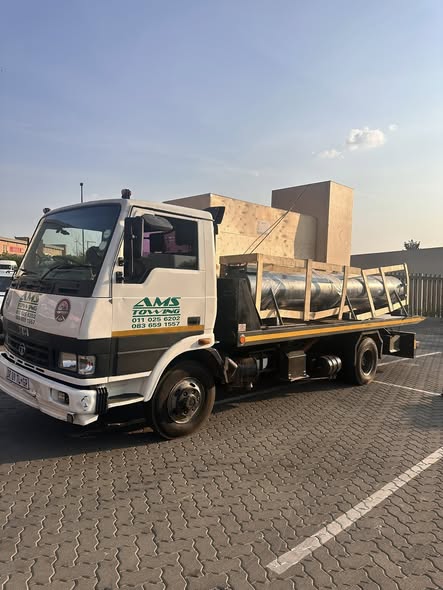
wheel alignment machines
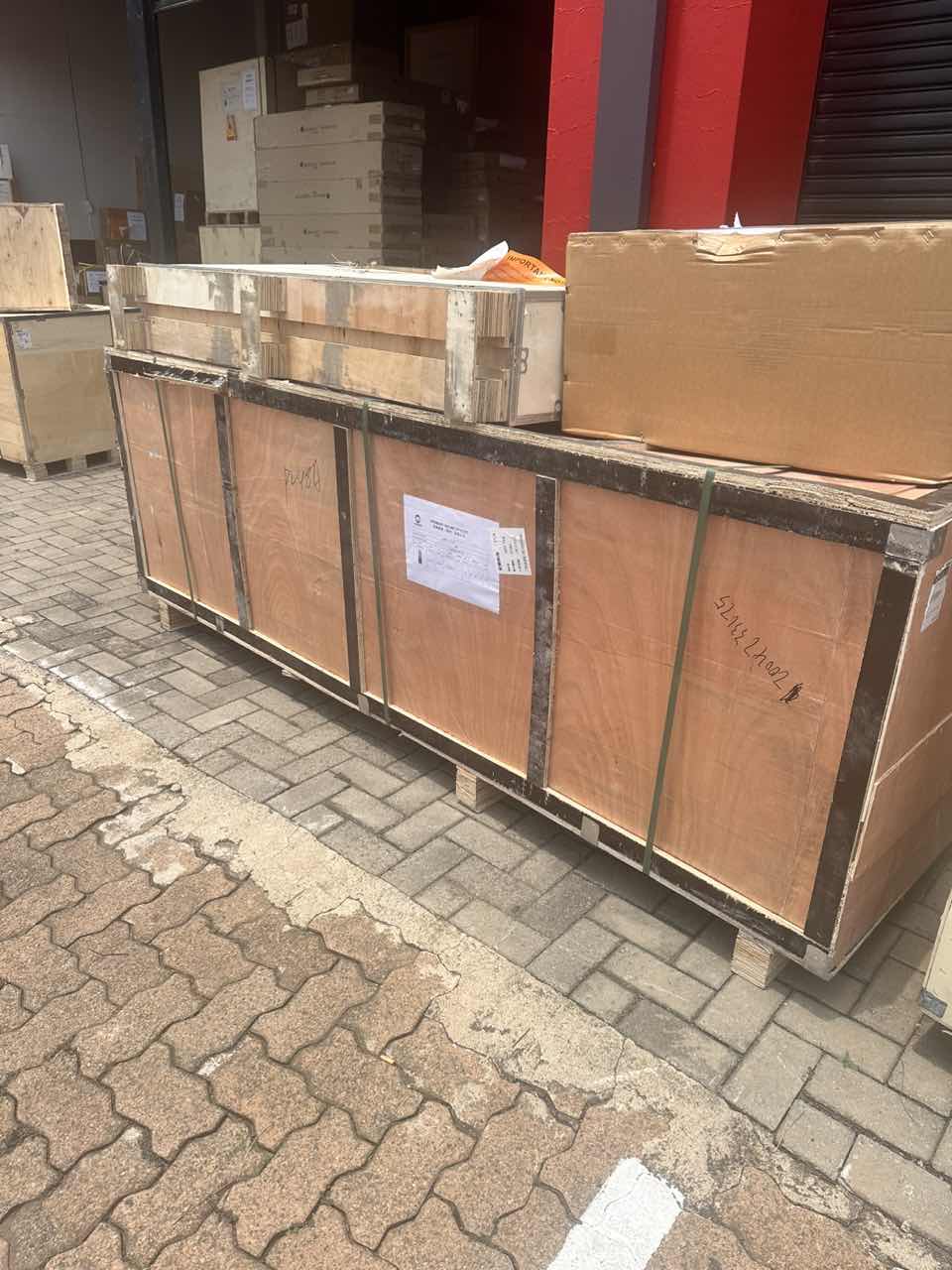
new arrivals
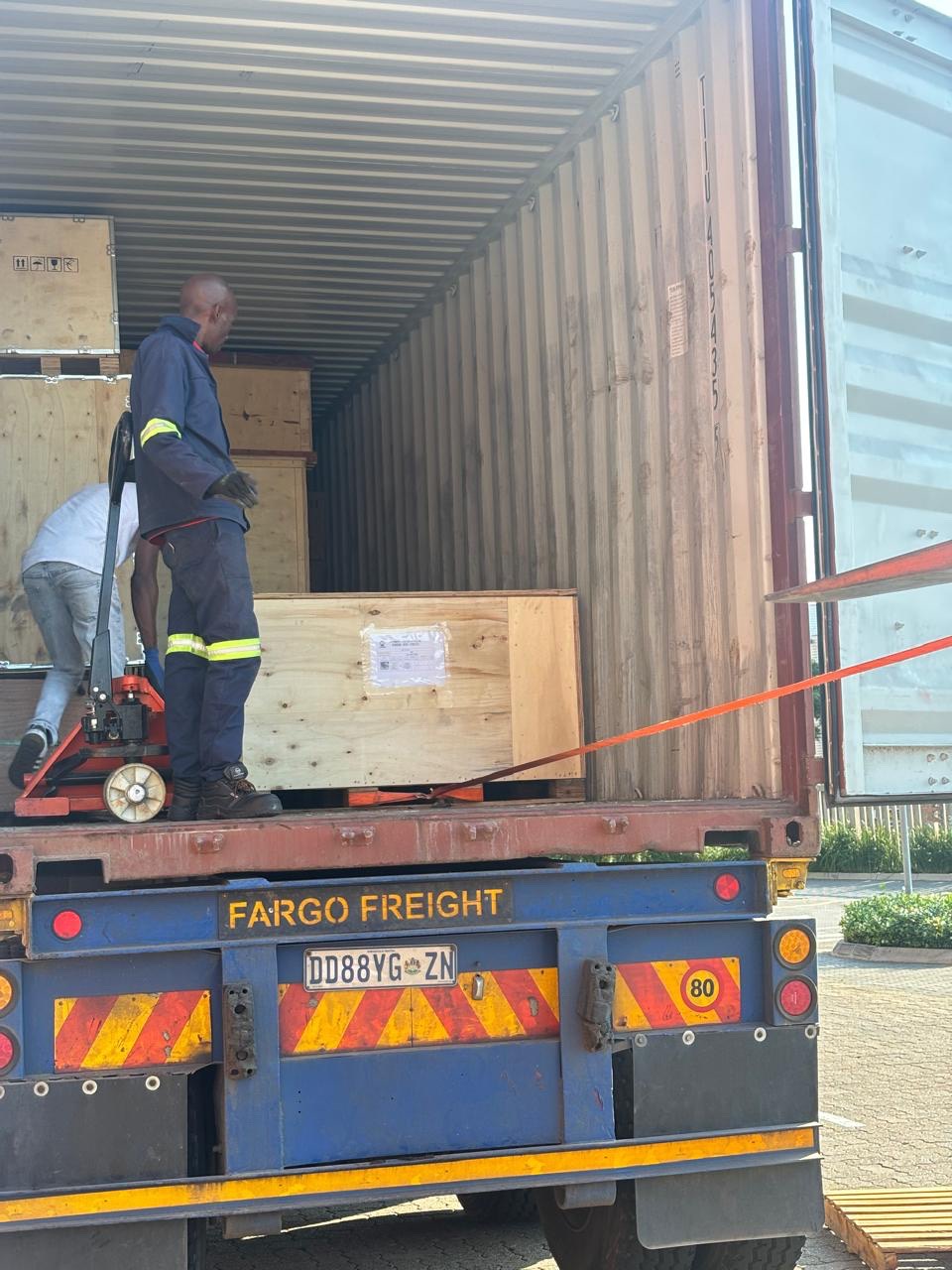
Pre Orders Offloading
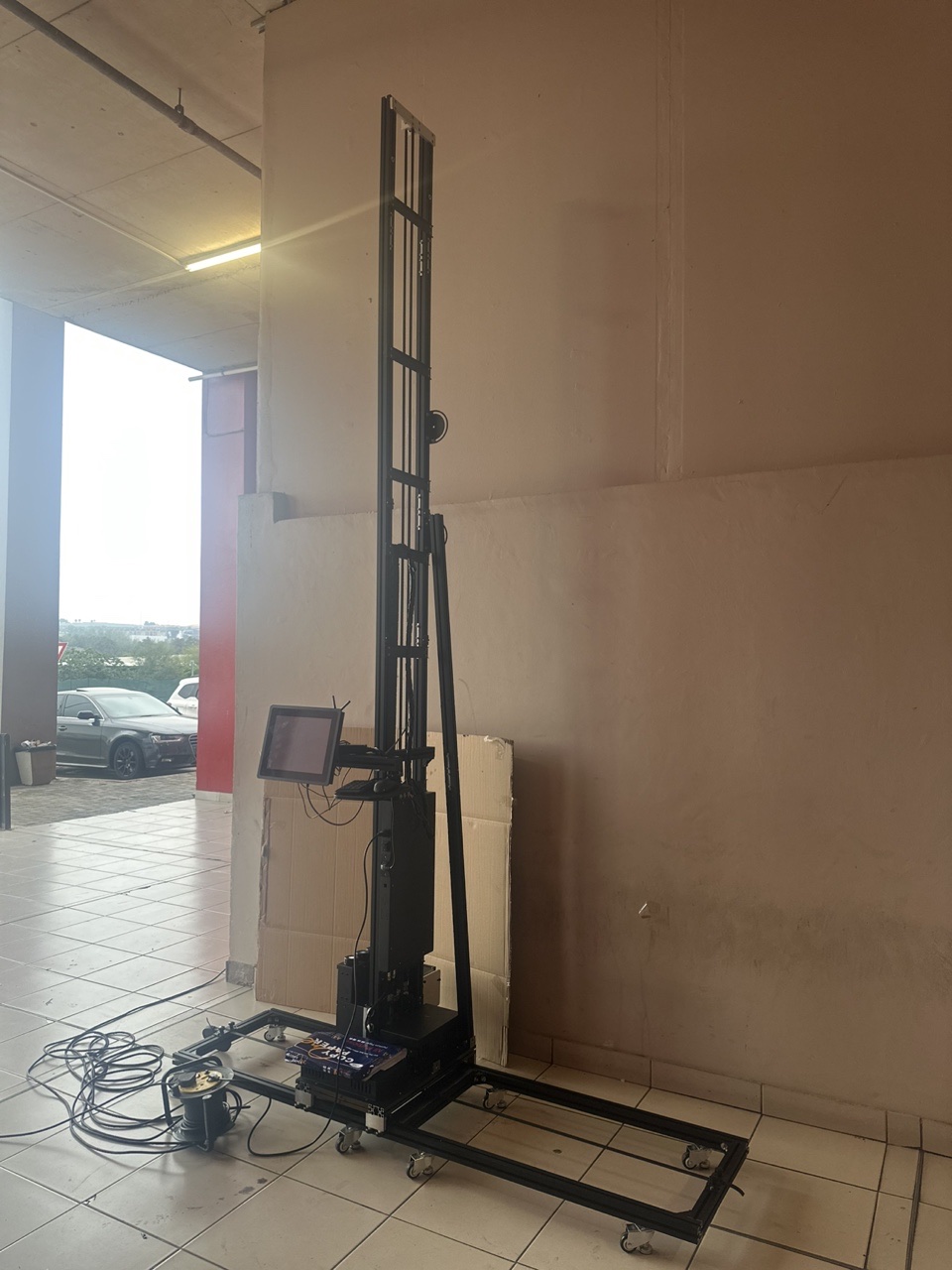
Latest Arrivals
Latest Arrivals
Latest Arrivals
Loading
Toilet paper making machine
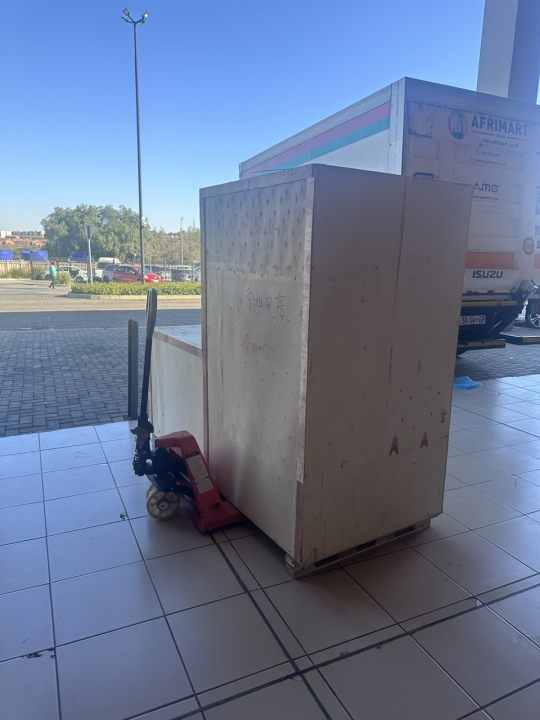
Toilet paper making machine
Toilet paper Rewinding Machine
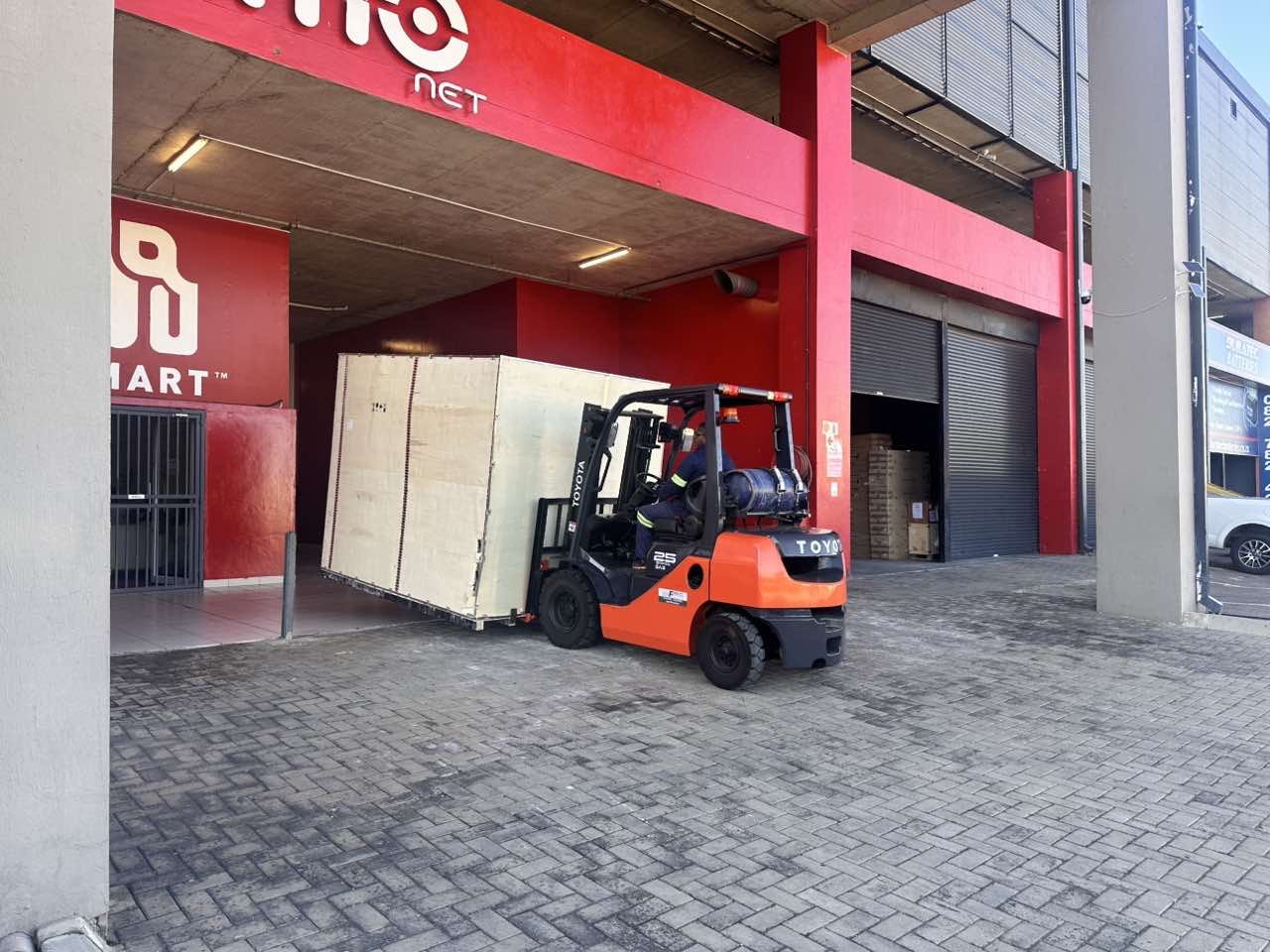
latest arrivals
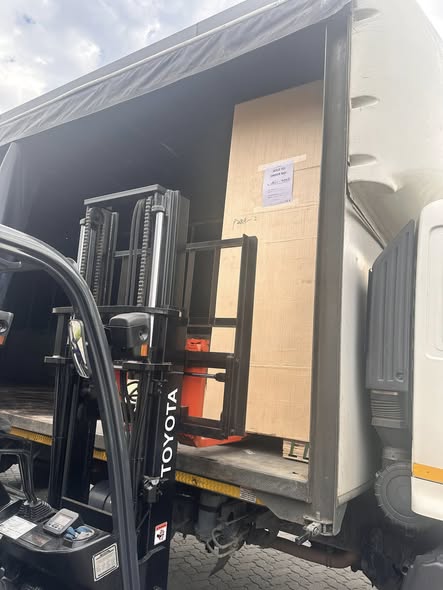
offloading
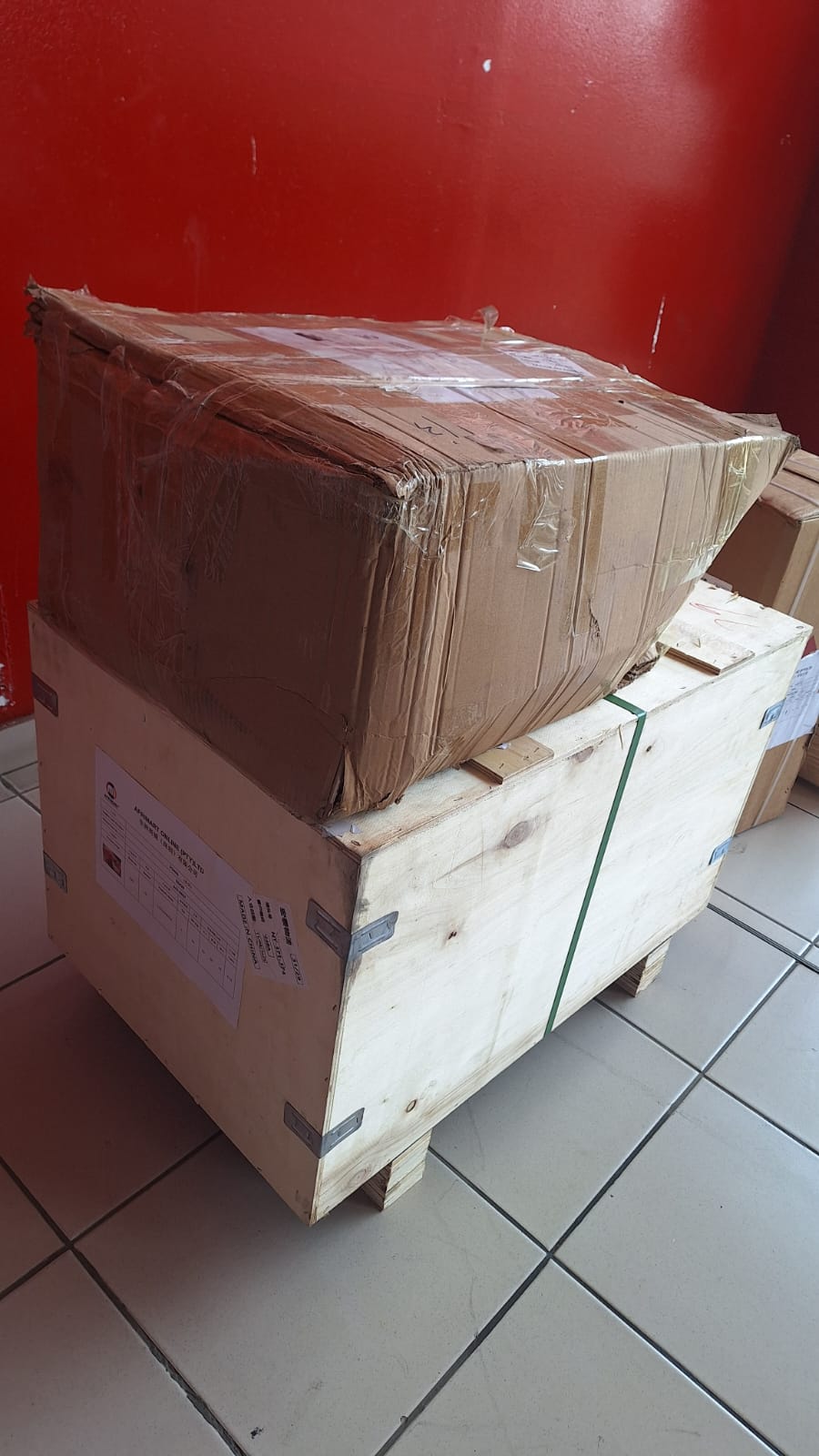
order success
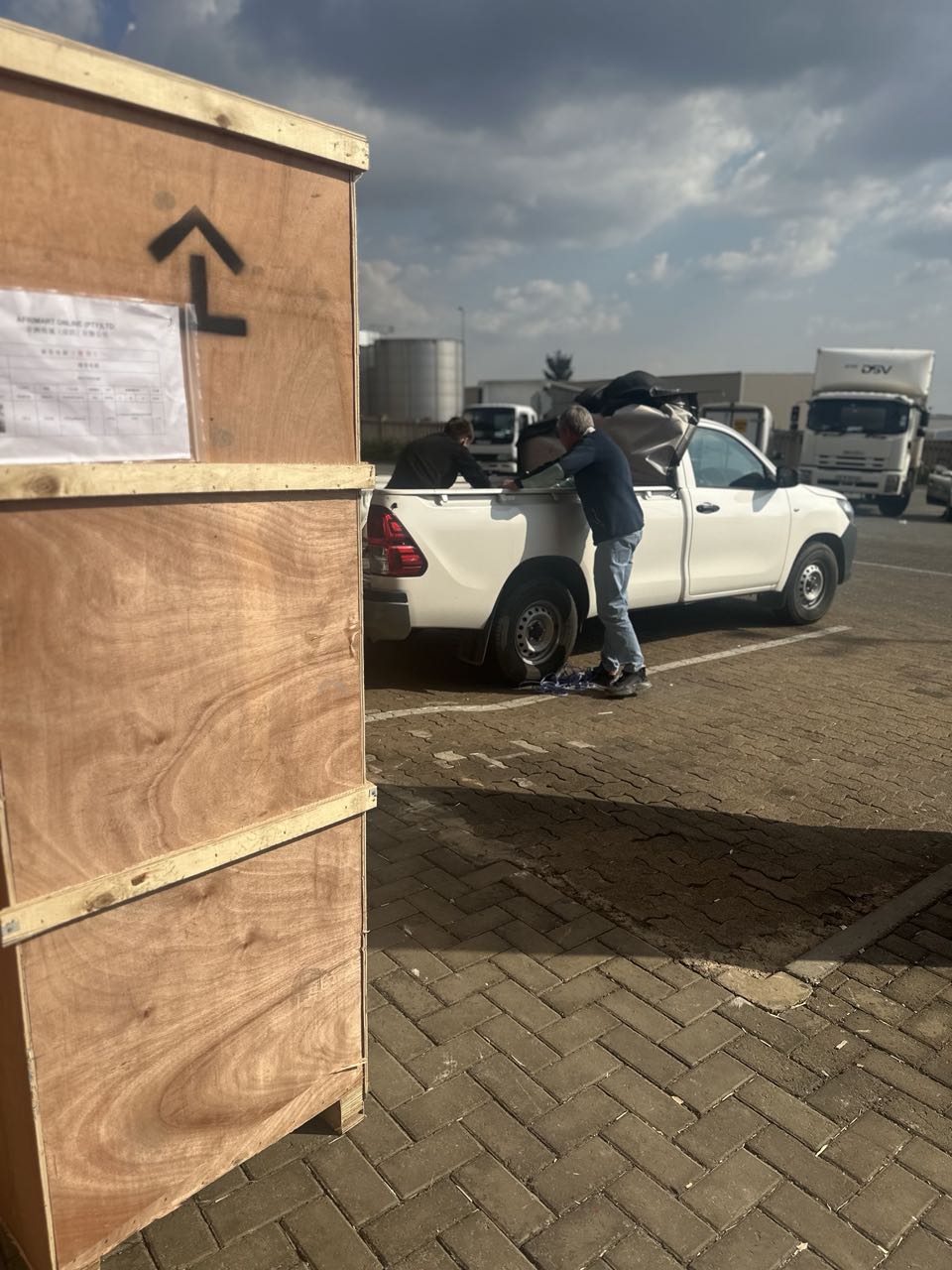
order collection
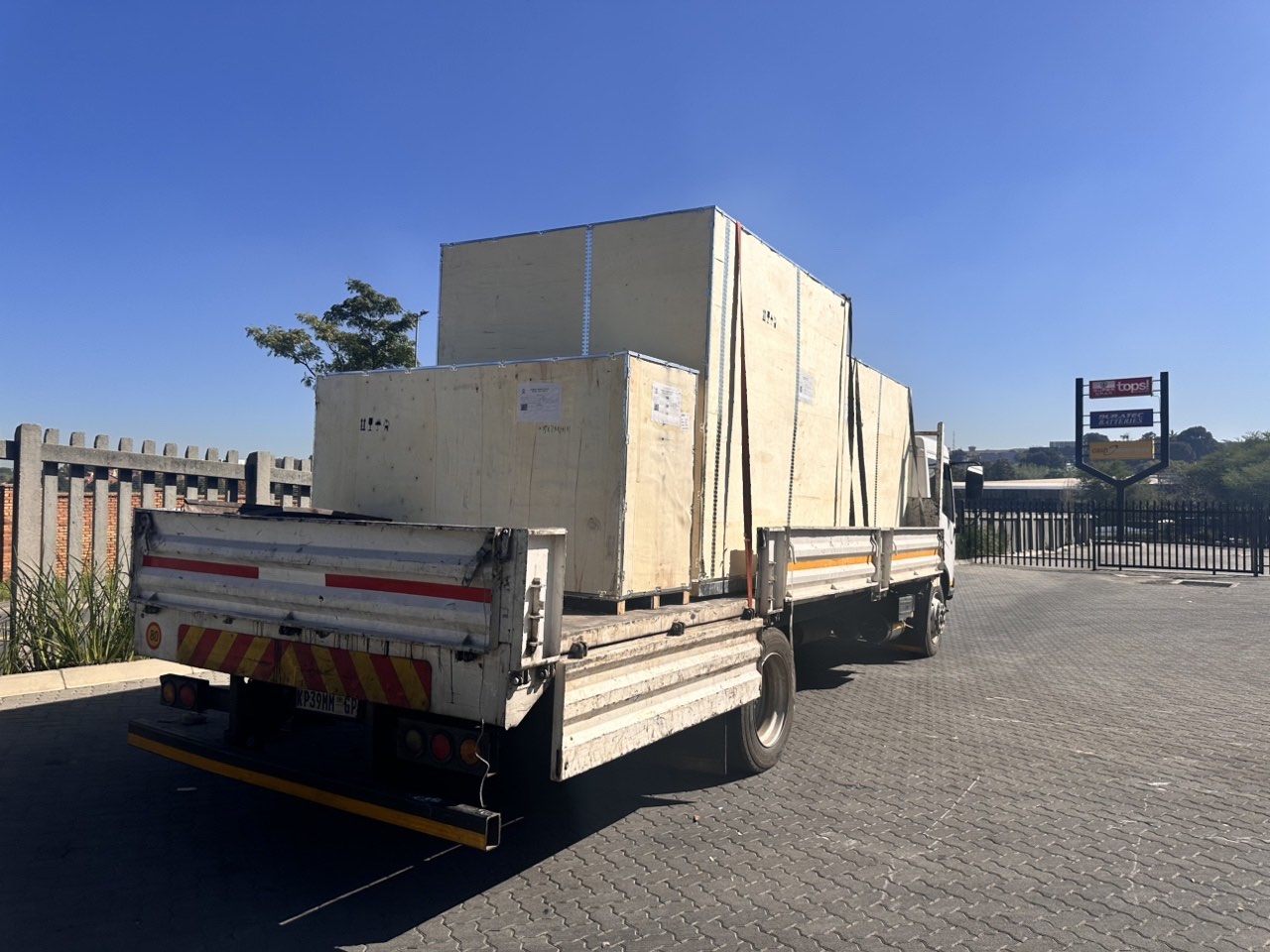
order offloading