B21, China Town Mall, Midrand

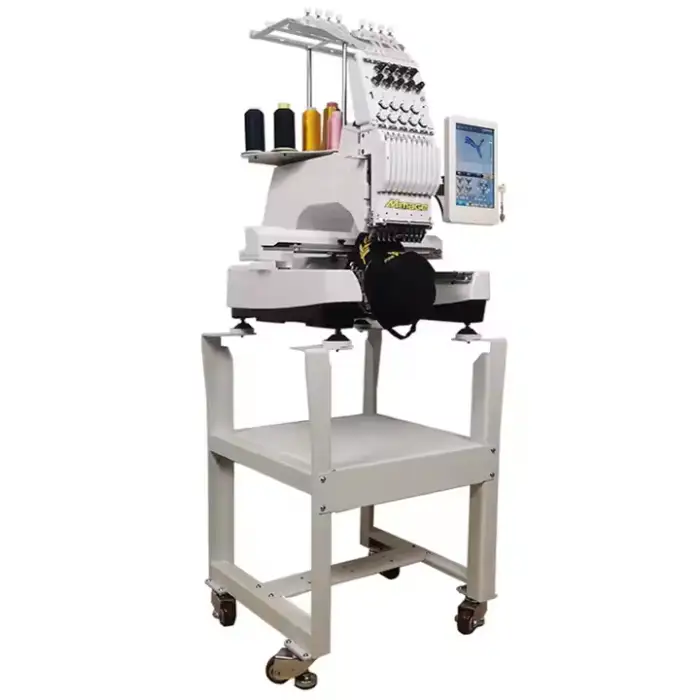
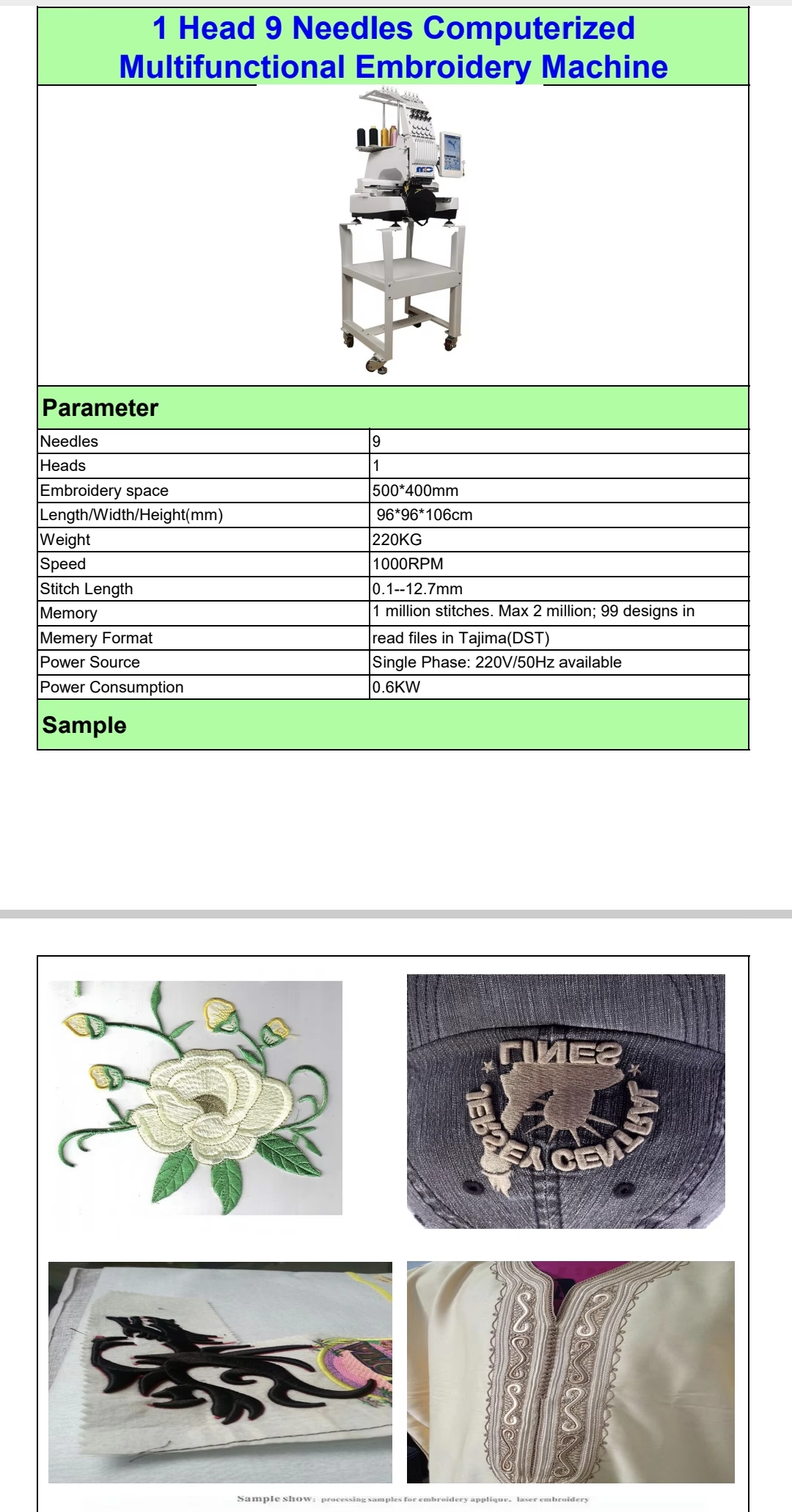
1 Head 9 Needles Computerized Multifunctional Embroidery Machine
Asset finance available
Do you want funding for this equipment?
Afrimart can connect you with trusted funding partners who specialise in asset finance for businesses like yours. Compare options and apply in minutes — final approval is subject to provider review.
Check funding options
Secure & no obligation
- Section : Machinery
- Category : Embroidery Machines
- SKU : 1600535385330

- Shipping Timeframes: All orders are processed within 2-5 business days (excluding weekends and holidays). After your order has been processed, the estimated delivery time is before 04 Aug, 2026, depending on customs, Please note that due to high demand, some items may experience longer shipping times, which will be communicated at order confirmation email.
- Order Processing Time: Please allow 2-5 business days for us to process your order before it is shipped . Orders placed after 16:00 on Fridays, or during weekends and public holidays, will begin processing on the next business day. Processing times may be extended during peak seasons or sales events.
- Manufacturing Time: Some products needs manufacturing time, the manufacturing process will take approximately 10-30 business days depending on the product. This timeframe may vary depending on the complexity of the product and current demand. but this will be communicated with you during order confirmation.
- Returns and Exchanges: We offer a 30-day return policy for most items. If you are not completely satisfied with your purchase, you may return it within 30 days of receipt for a refund or exchange. Items must be unused, in their original packaging, and accompanied by proof of purchase. Return shipping costs are the responsibility of the customer, unless the item was damaged or defective upon arrival.
1. What is the primary function of the 1 Head 9 Needles Computerized Multifunctional Embroidery Machine?
This machine is designed for embroidery, allowing you to create intricate designs and patterns on various fabrics using its 9 needles for multi-color embroidery.
2. What types of fabrics can I use with this embroidery machine?
You can use a variety of fabrics including cotton, denim, polyester, and more. It's important to select the right needle and stabilizer for the fabric type.
3. Is this embroidery machine suitable for beginners?
Yes, this machine is suitable for beginners as it features user-friendly controls and a computerized interface that simplifies the embroidery process.
4. What features does the computerized interface offer?
The computerized interface offers features such as built-in designs, the ability to upload custom designs, adjustable stitch settings, and a clear LCD display for easy navigation.
5. Can I connect the embroidery machine to my computer?
Yes, this machine typically includes USB connectivity, allowing you to transfer custom embroidery designs from your computer directly to the machine.
6. How do I maintain the 1 Head 9 Needles Computerized Multifunctional Embroidery Machine?
Regular maintenance includes cleaning the machine after each use, oiling the moving parts, and checking the needles and threads to ensure optimal performance.
7. What is the maximum embroidery speed of this machine?
The maximum embroidery speed varies by model, but many machines in this category can reach speeds of up to 1000 stitches per minute.
8. Does the machine come with built-in embroidery designs?
Yes, this machine typically comes with several built-in embroidery designs, allowing you to start creating right away without needing additional software.
9. What is the warranty period for this embroidery machine?
Warranty periods can vary, but most manufacturers offer a warranty of at least 1 year for parts and labor. Be sure to check the specific warranty details when purchasing.
10. Can I use my own embroidery designs with this machine?
Yes, you can upload your own embroidery designs in compatible formats, allowing for endless customization and creativity.
11. What accessories are included with the embroidery machine?
Included accessories typically consist of embroidery hoops, a starter kit of threads, needles, and a user manual. Additional accessories may be available for purchase.
12. How large is the embroidery area on this machine?
The embroidery area size can vary, but many models offer a generous embroidery field of around 12 inches by 8 inches, allowing for larger designs.
13. Is there a specific type of thread I should use?
It is recommended to use high-quality embroidery threads, such as polyester or rayon, to ensure vibrant colors and durability in your finished designs.
14. What is the power requirement for this embroidery machine?
The power requirements can vary by model, but most computerized embroidery machines operate on standard household voltage, typically around 110-120V.
15. Where can I find support or assistance for this embroidery machine?
Support can usually be found through the manufacturer's website, which may offer manuals, troubleshooting guides, and customer service contact information.
Latest Order Arrivals
Discover our latest orders
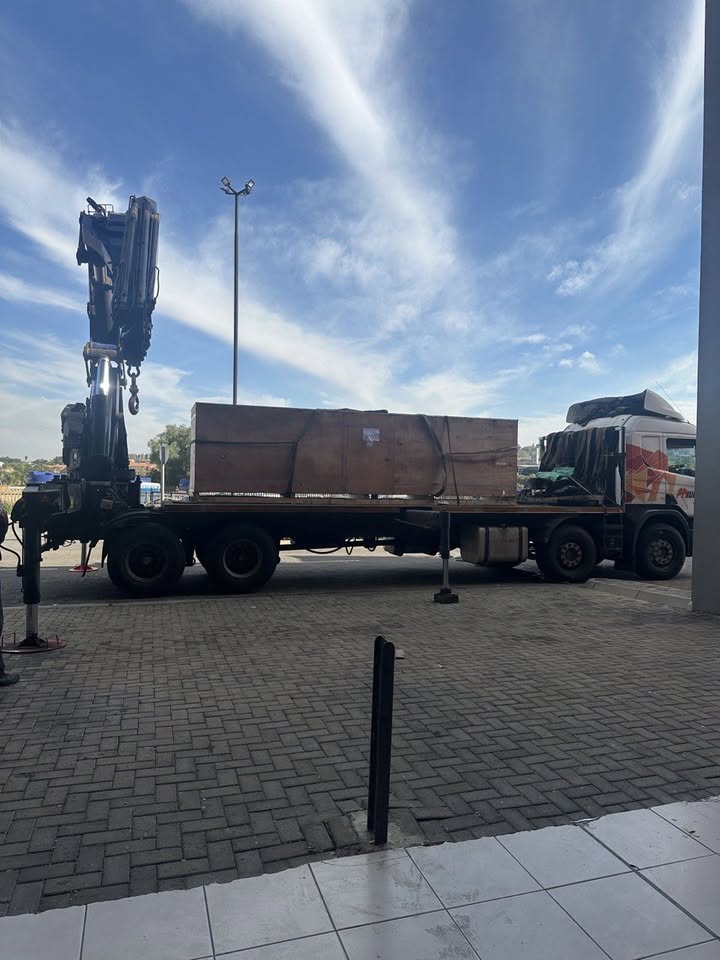
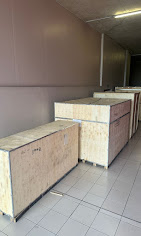
12 Heads Embroidery Machine
Toilet Paper Machine Machine
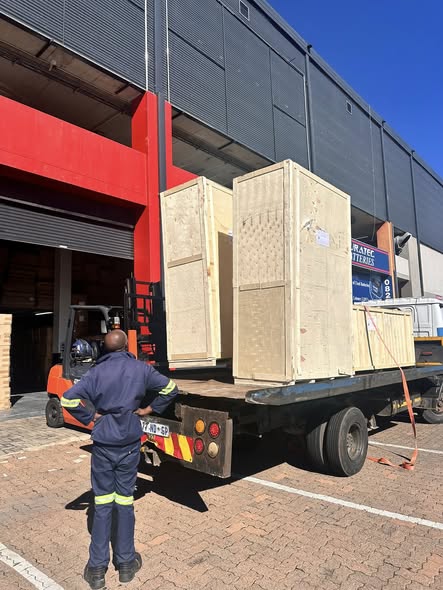
Order Collection
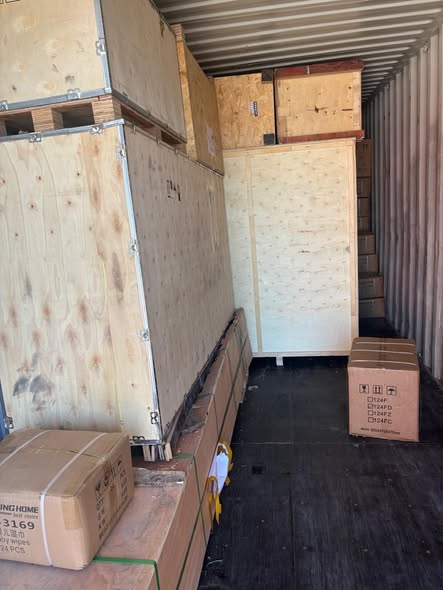
Cross Border Clients
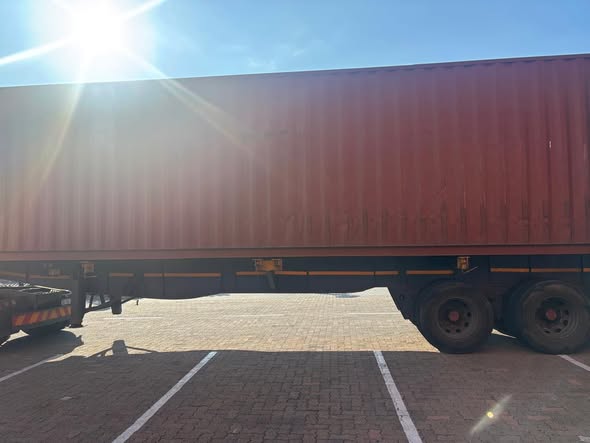
Order cros border countries Collected
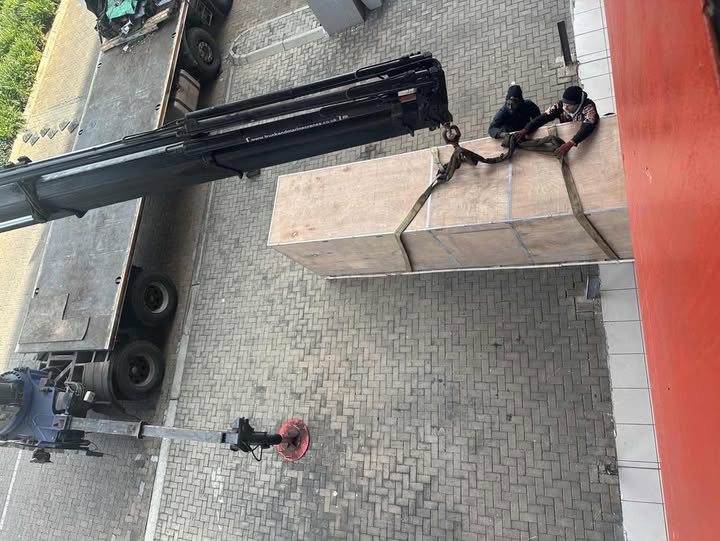
Industrial Machine Cllection
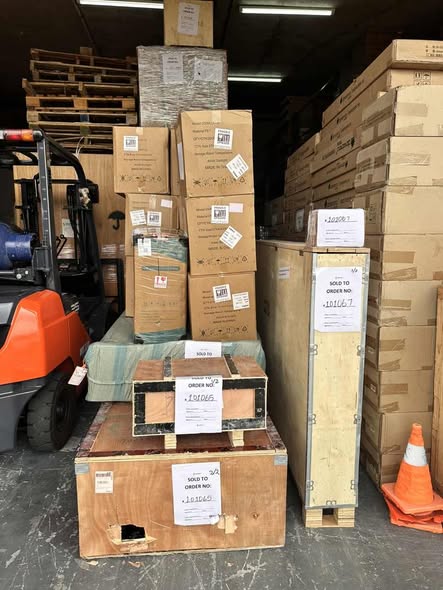
Agriculture Processing Machines
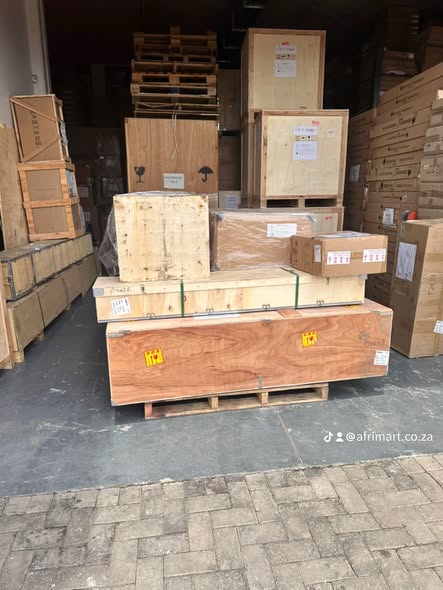
Ready for collection
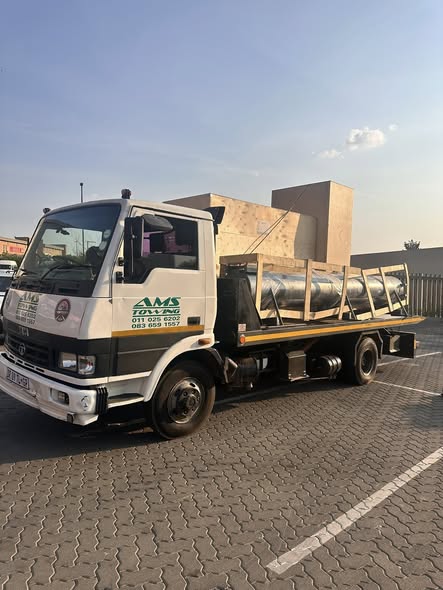
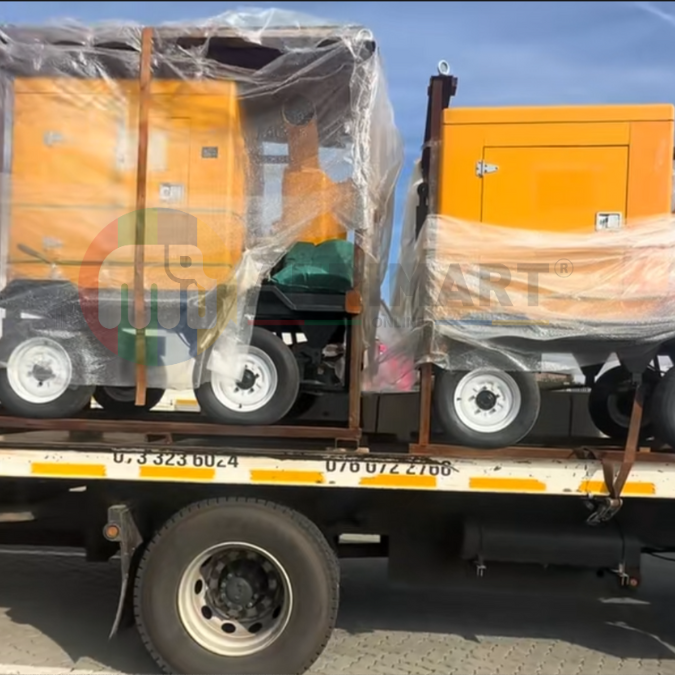
Water Pump Equipment
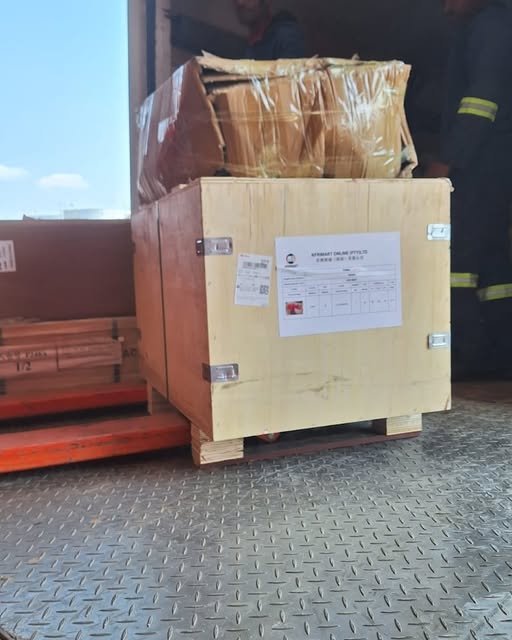
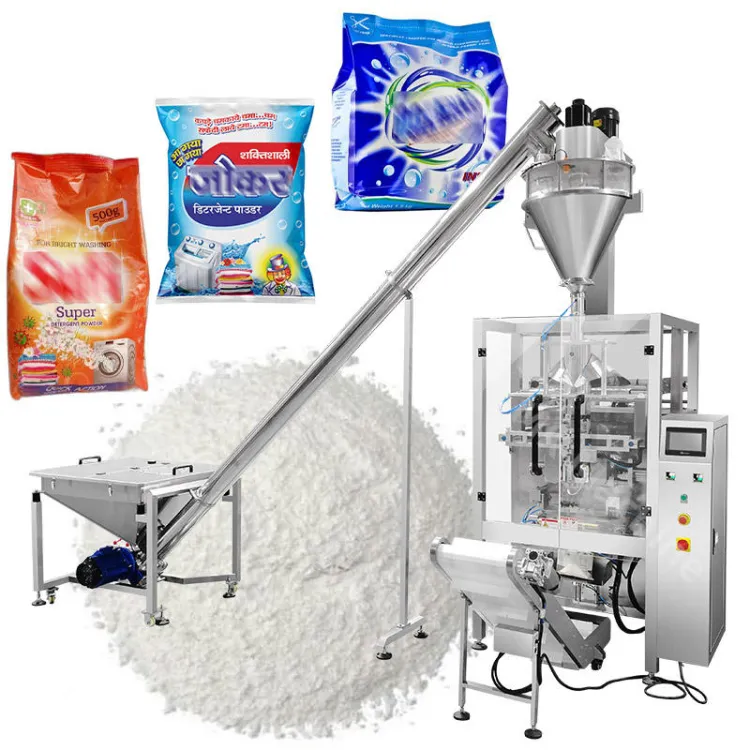
Packaging Machine and accessories
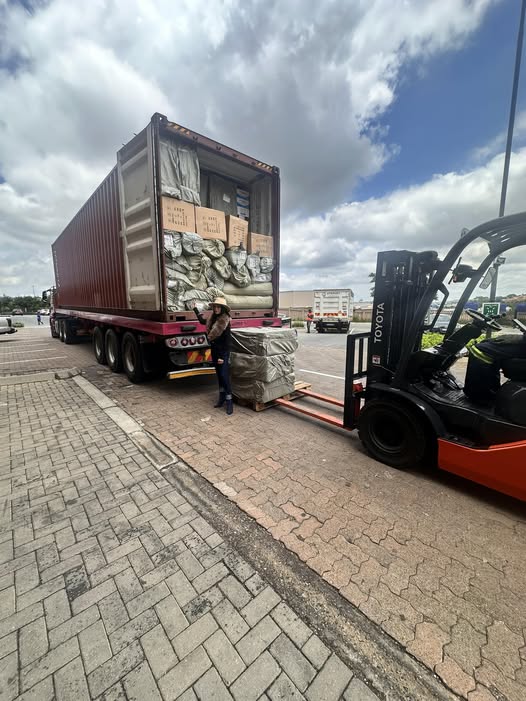
Fabrics Manufacturing Equipment
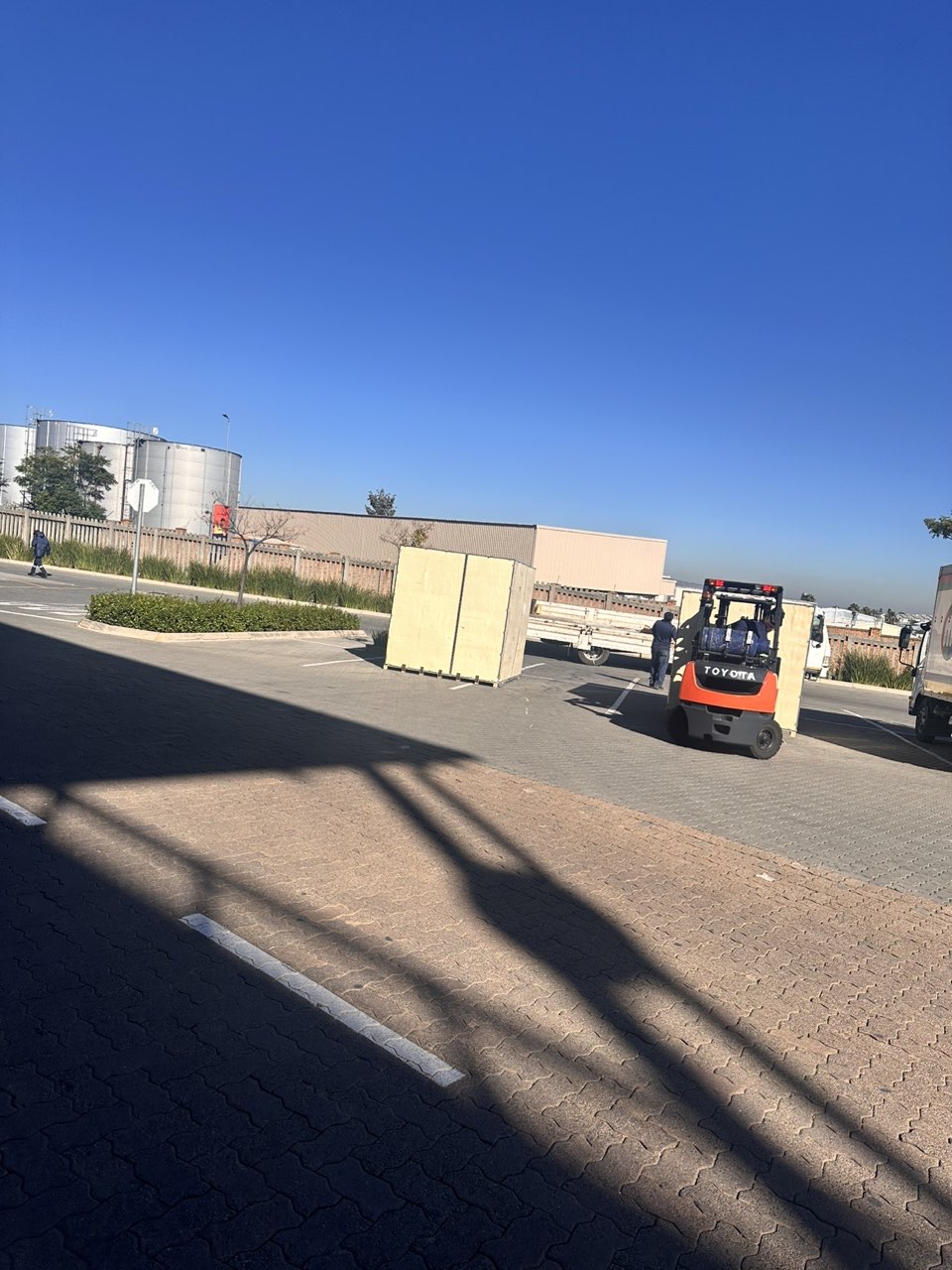
Mining Equipments
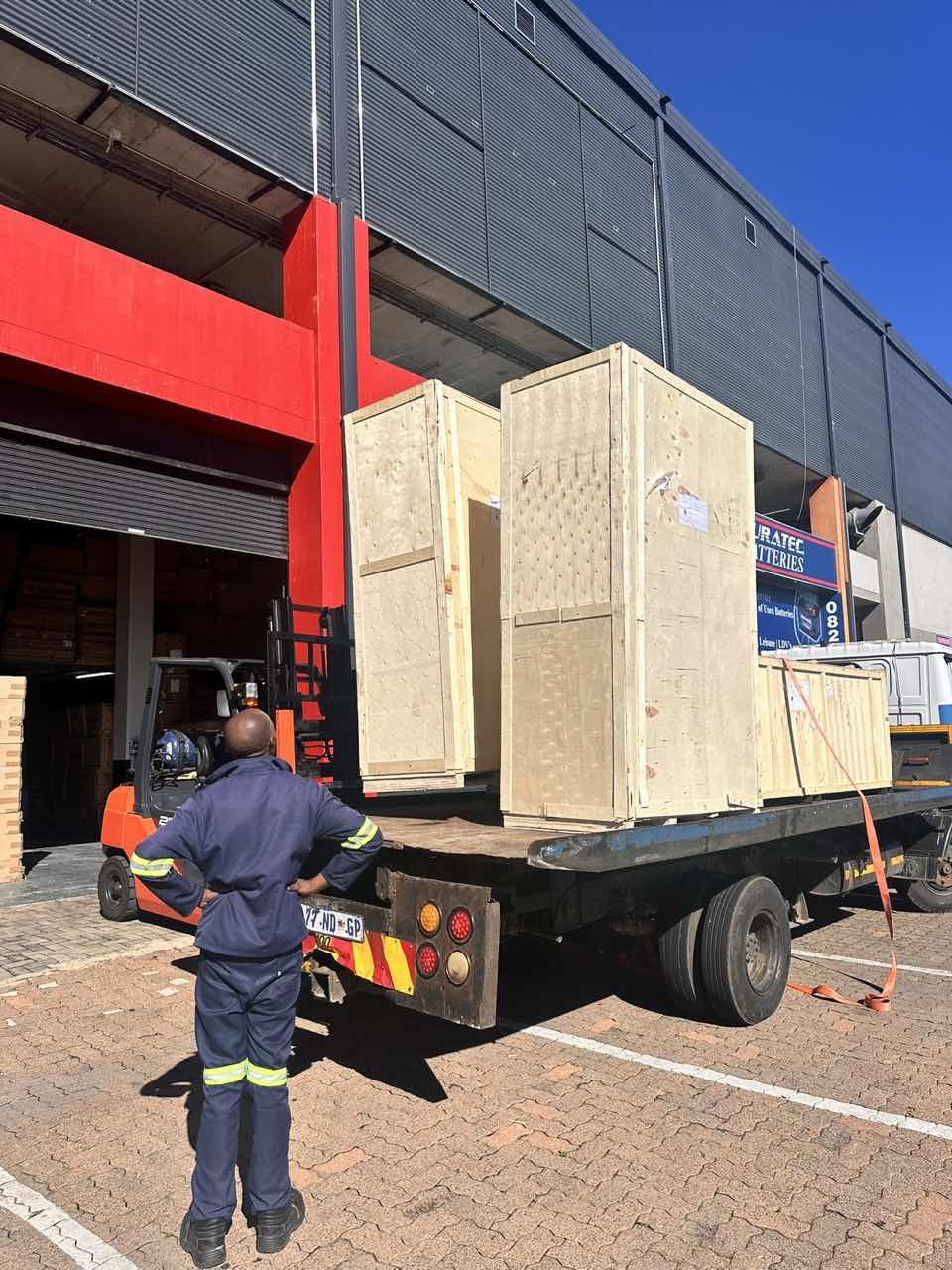
Food Processing Machine
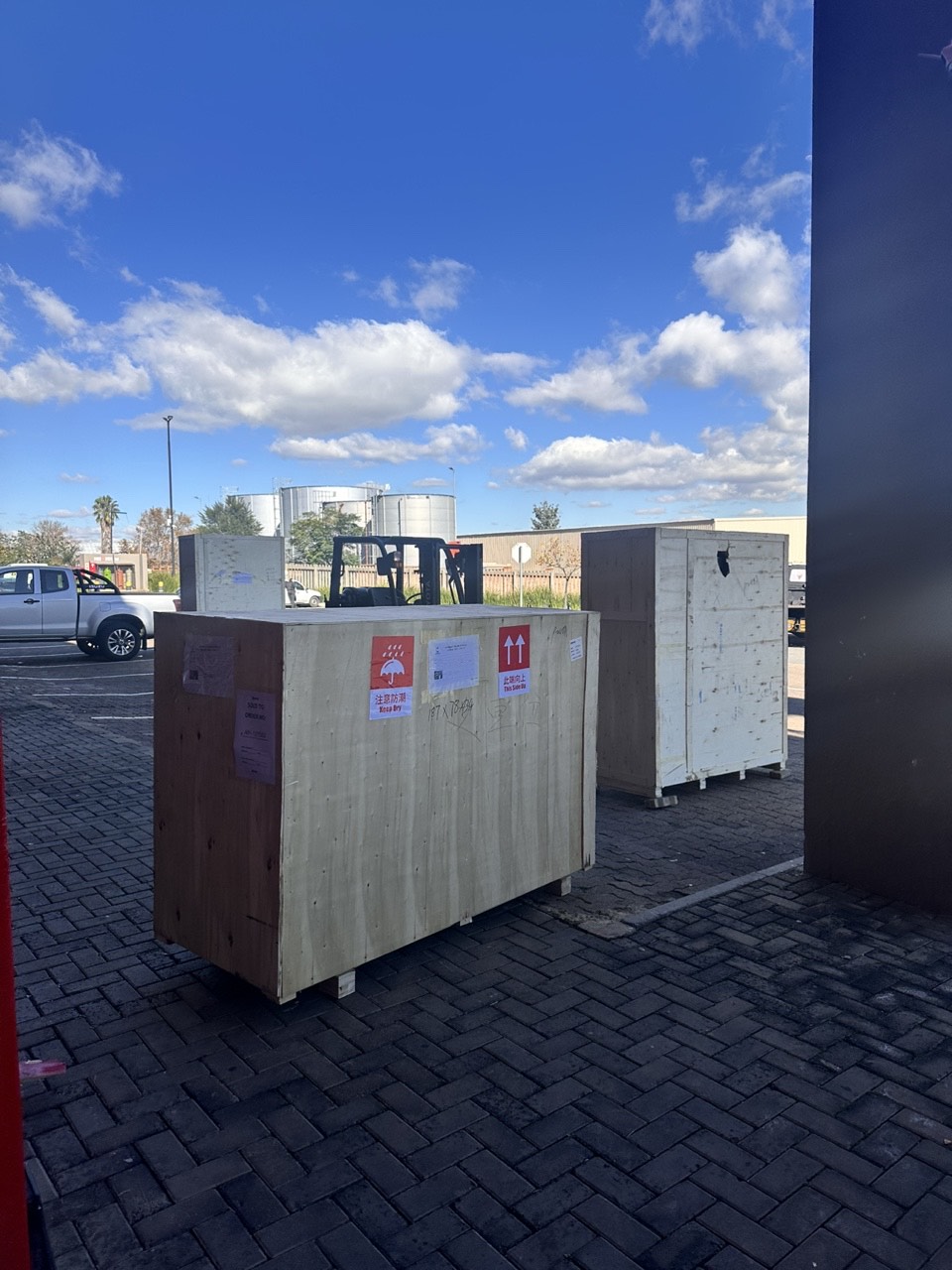
Batch of Orders
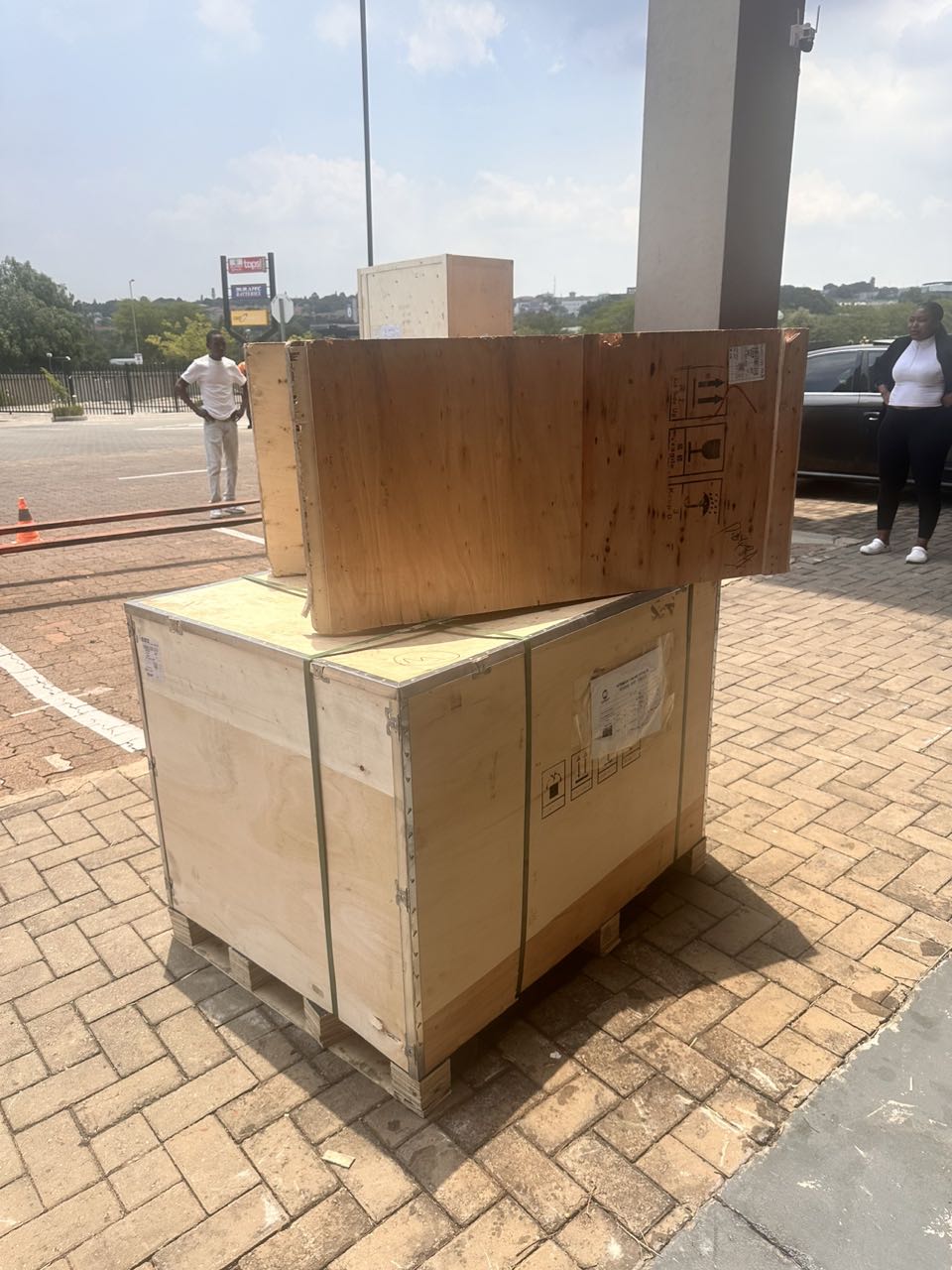
Batch of Orders
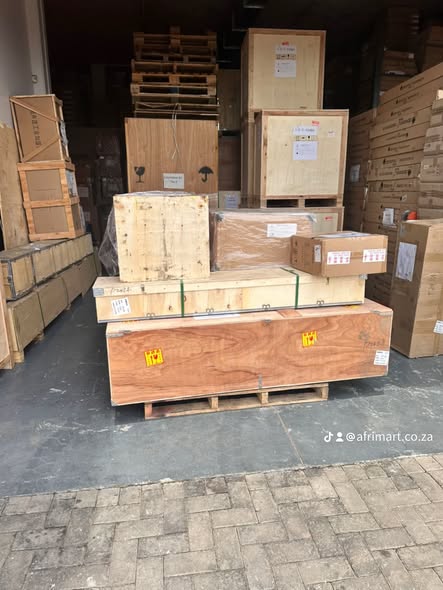
Latest Orders Labelled
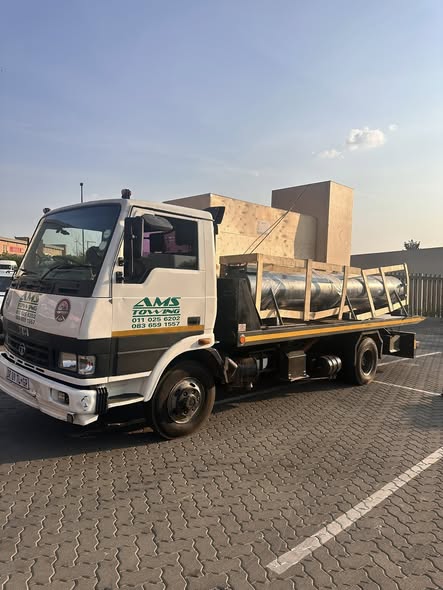
wheel alignment machines
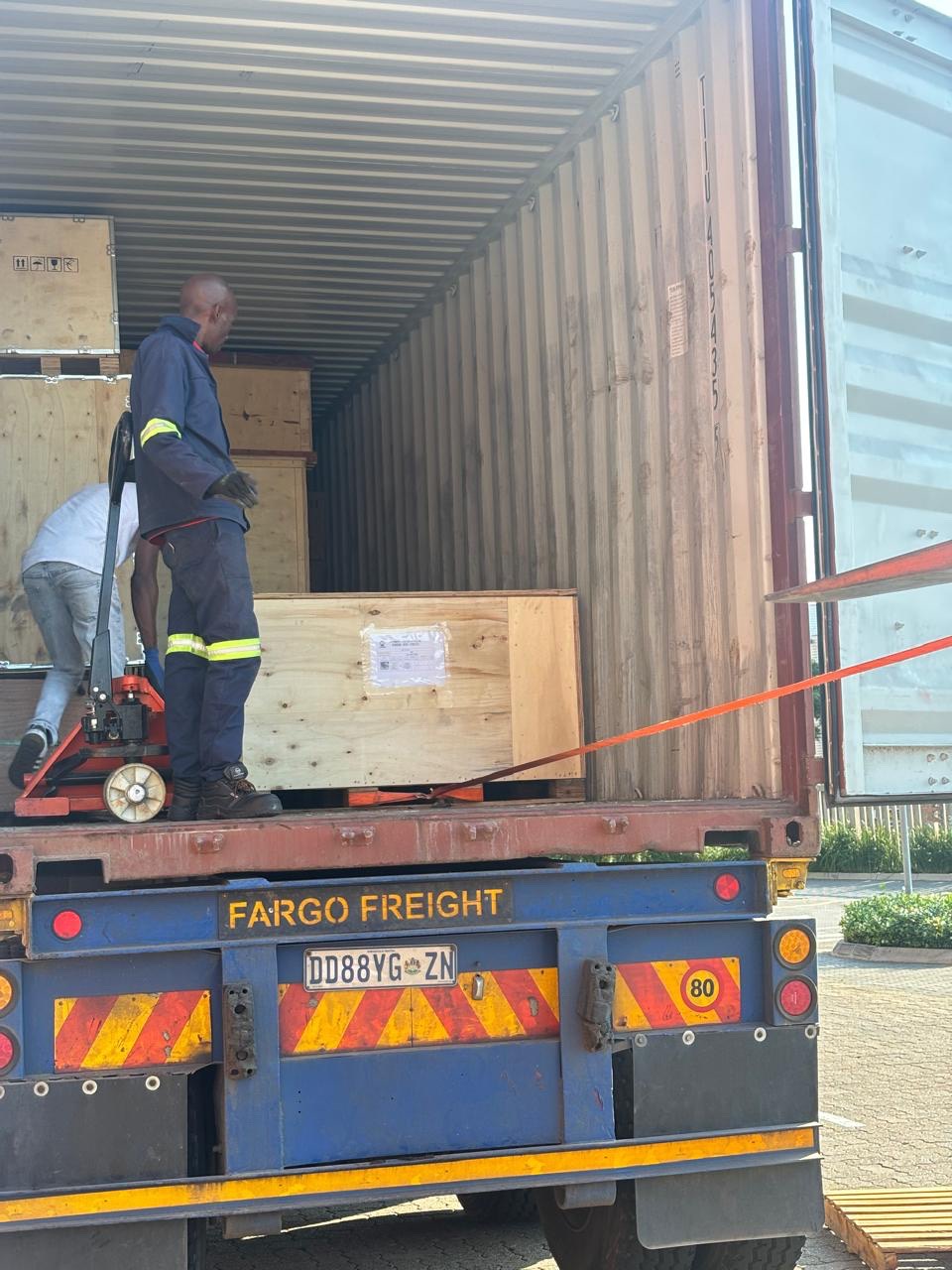
new arrivals
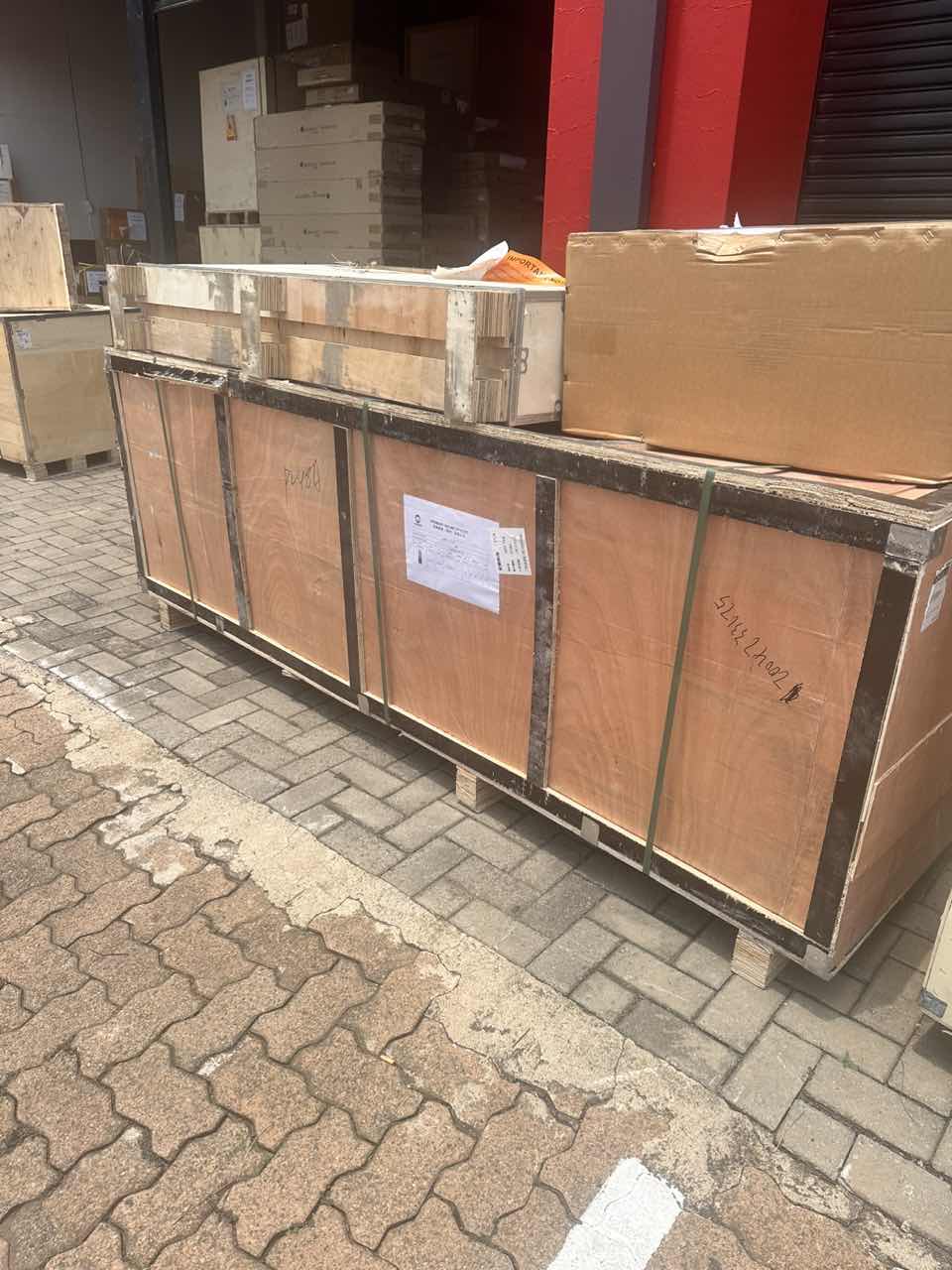
Pre Orders Offloading
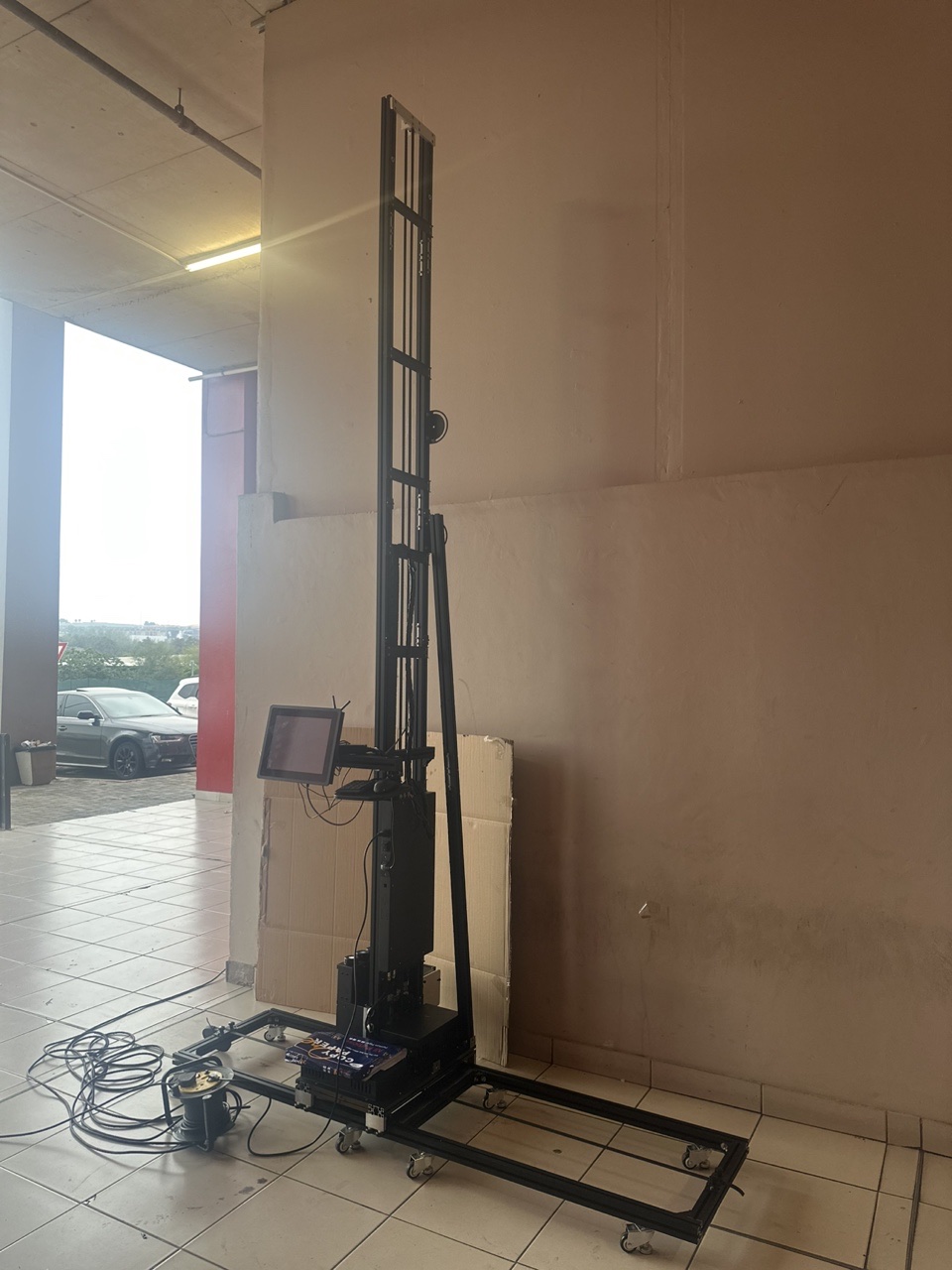
Latest Arrivals
Latest Arrivals
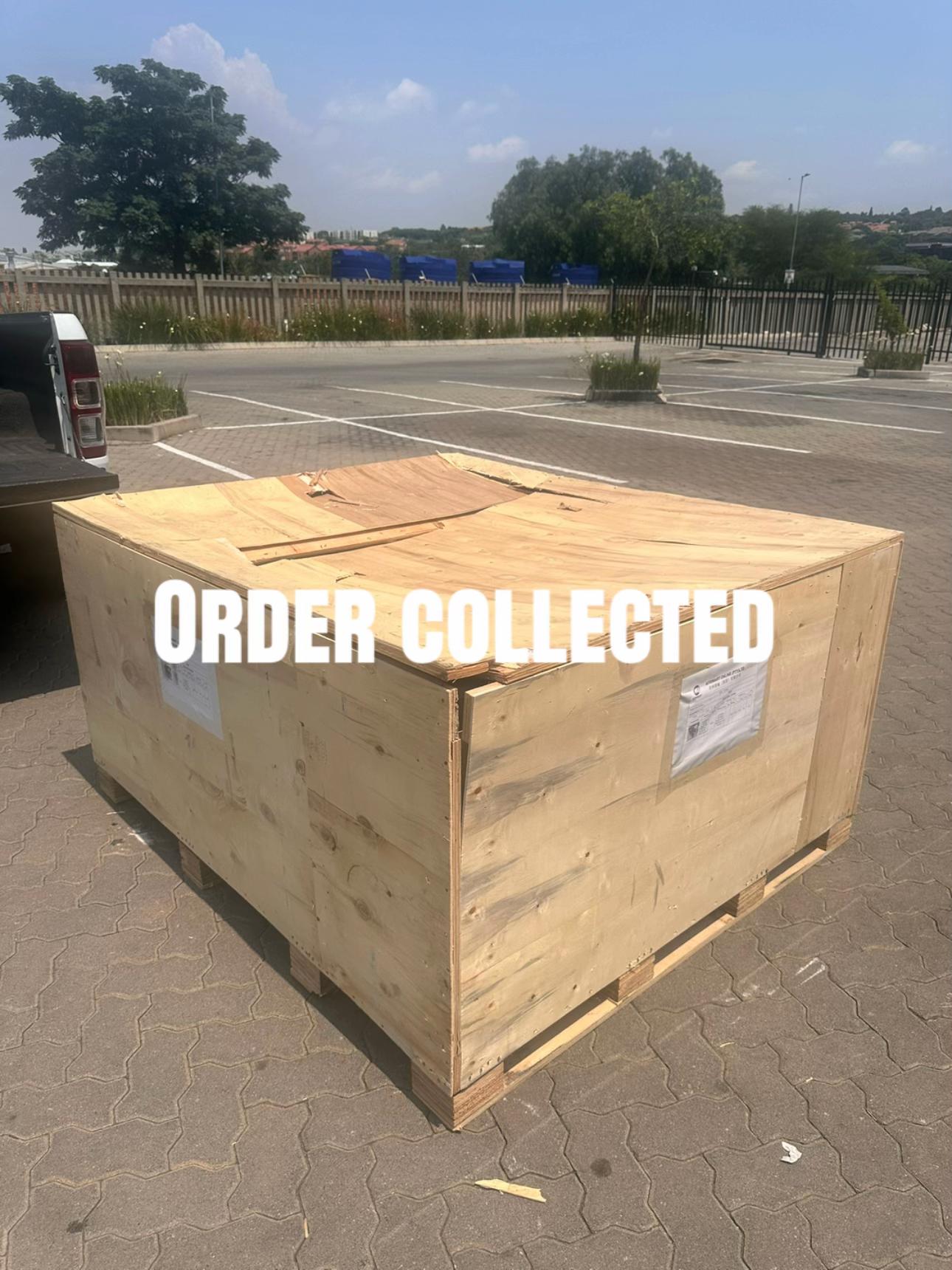
Latest Arrivals
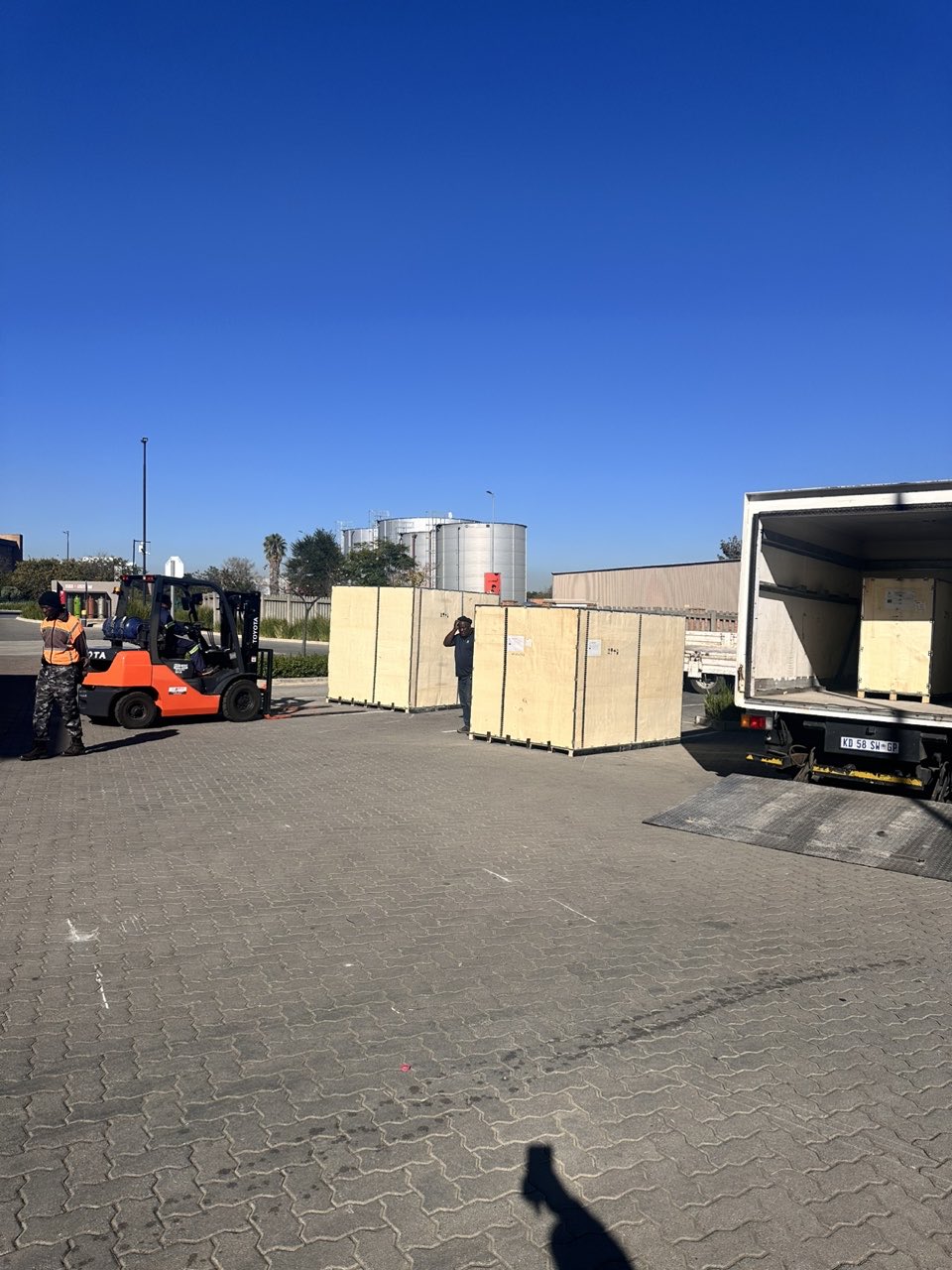
Loading
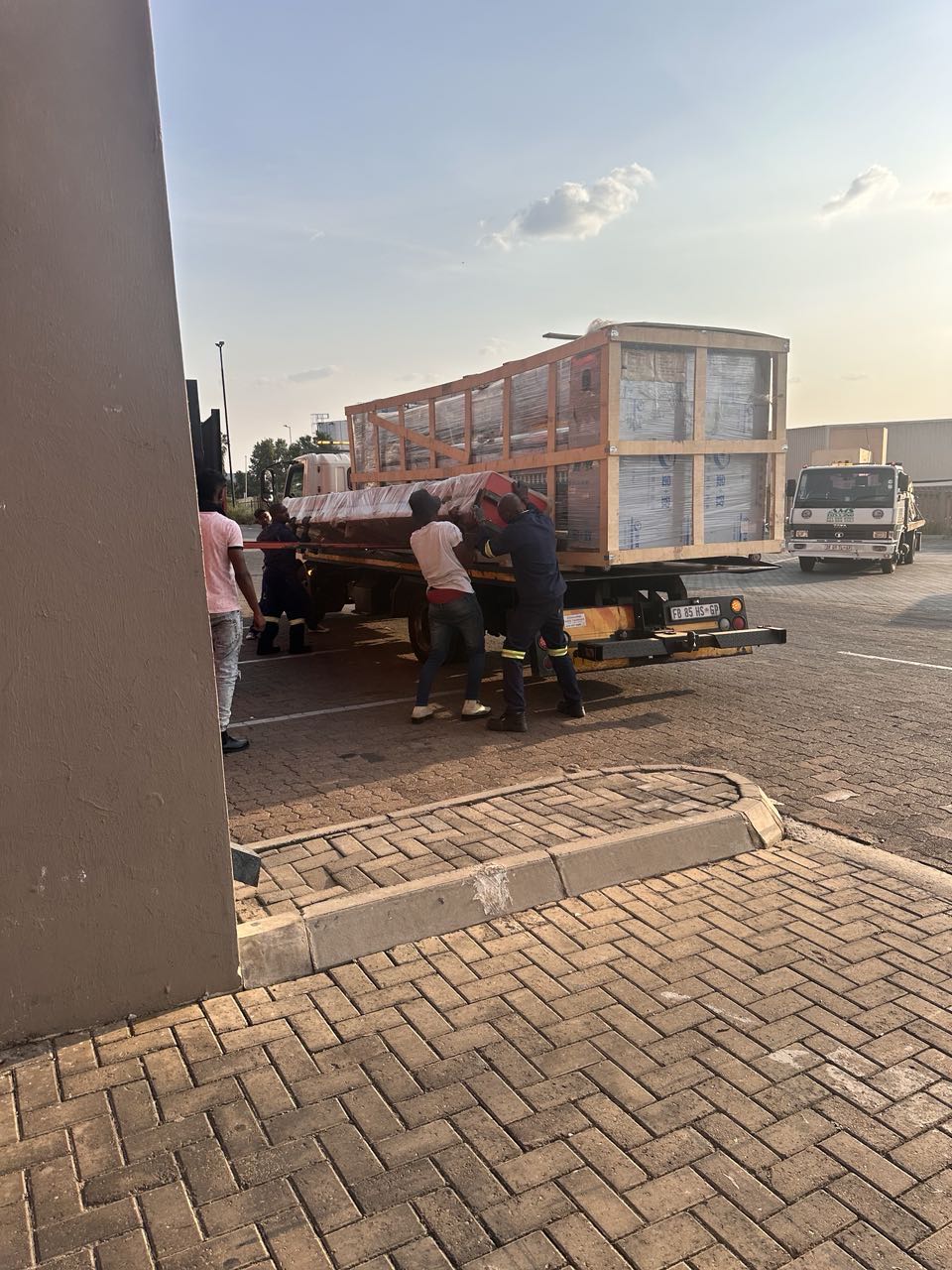
Toilet paper making machine
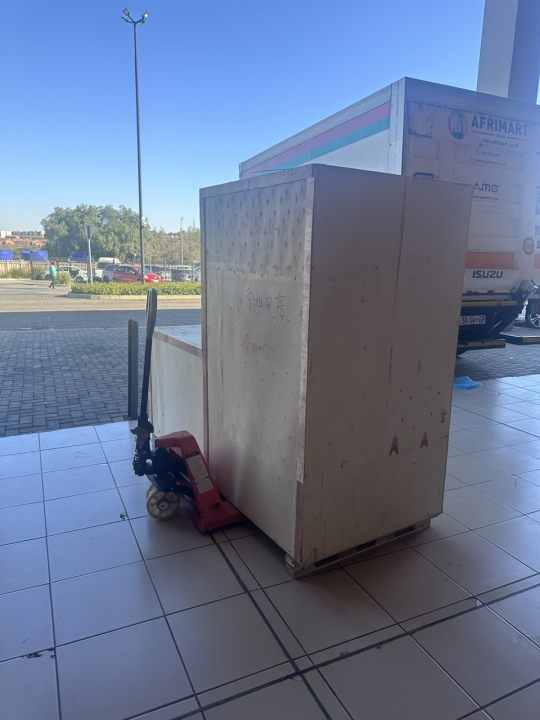
Toilet paper making machine
Toilet paper Rewinding Machine
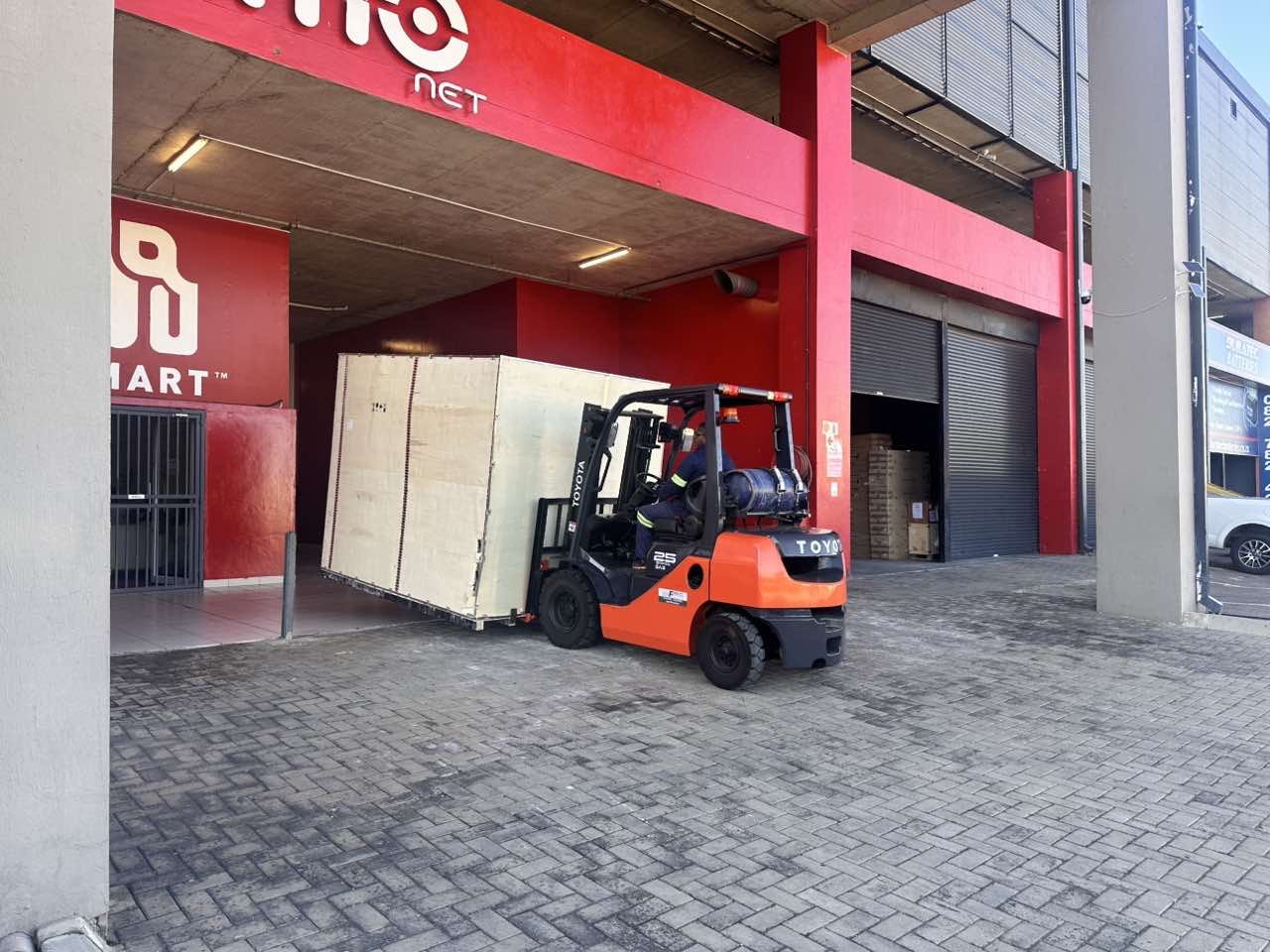
latest arrivals
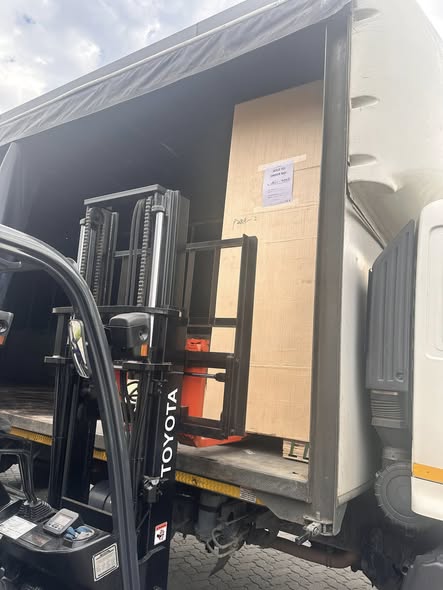
offloading
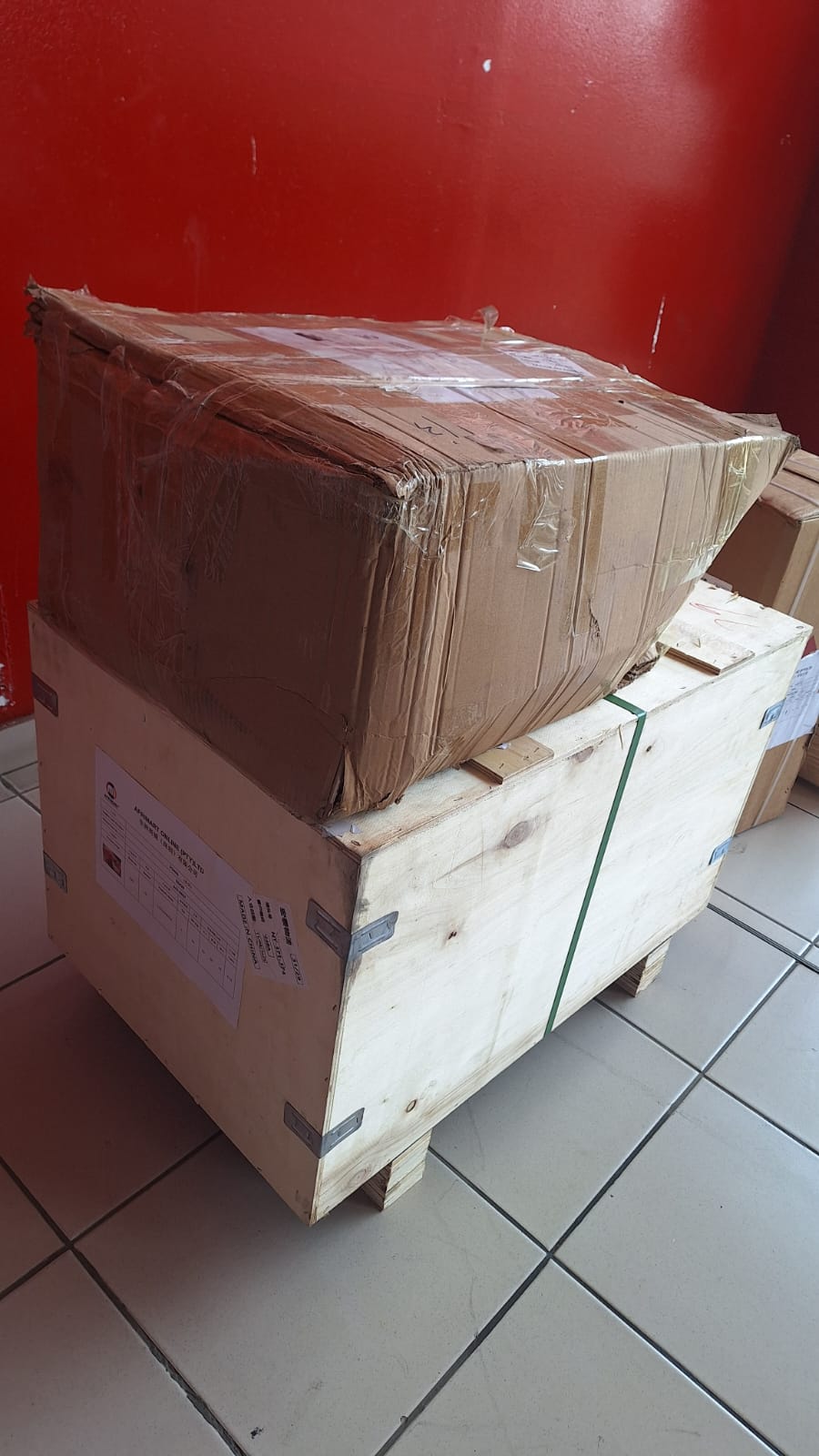
order success
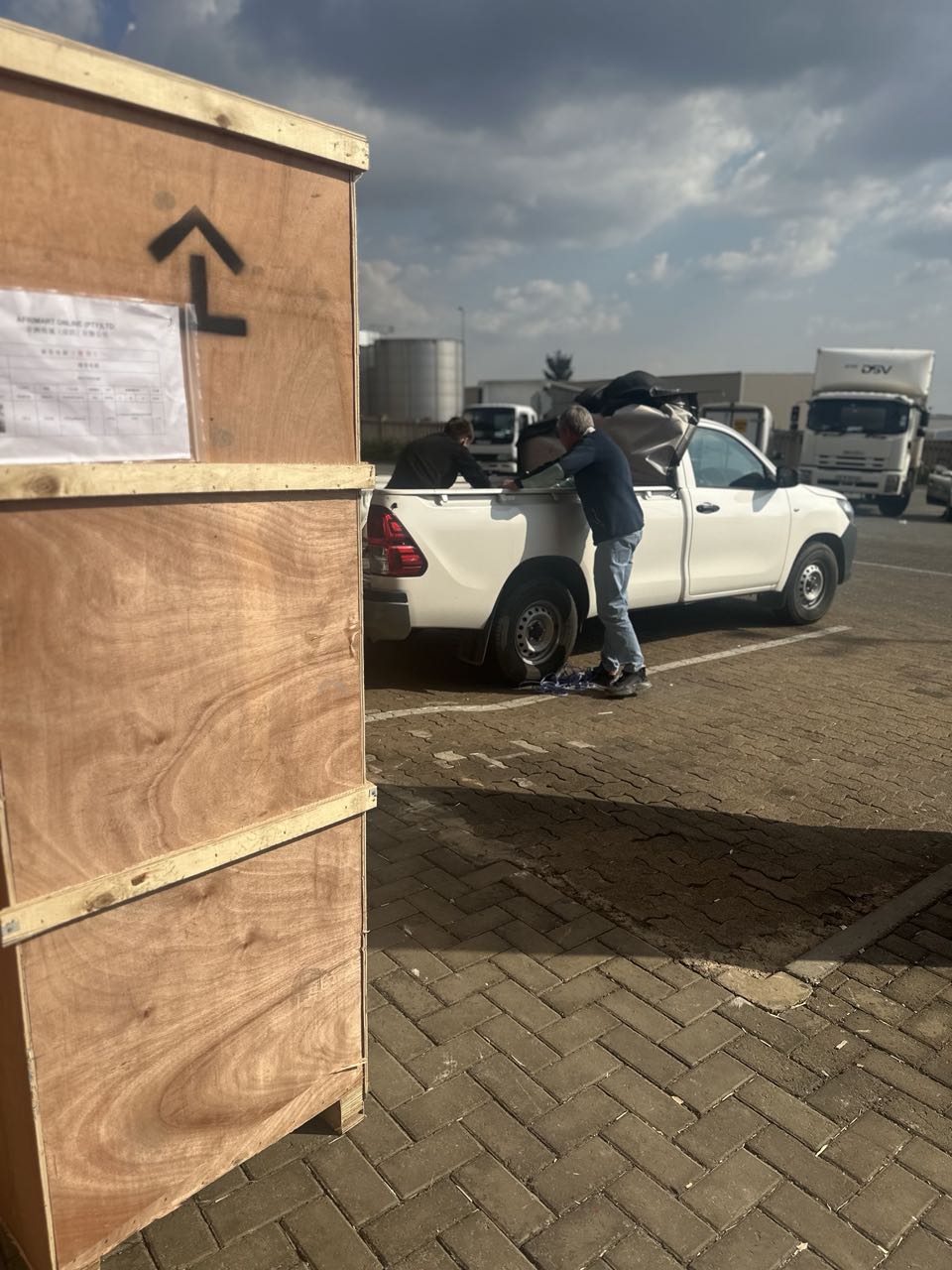
order collection
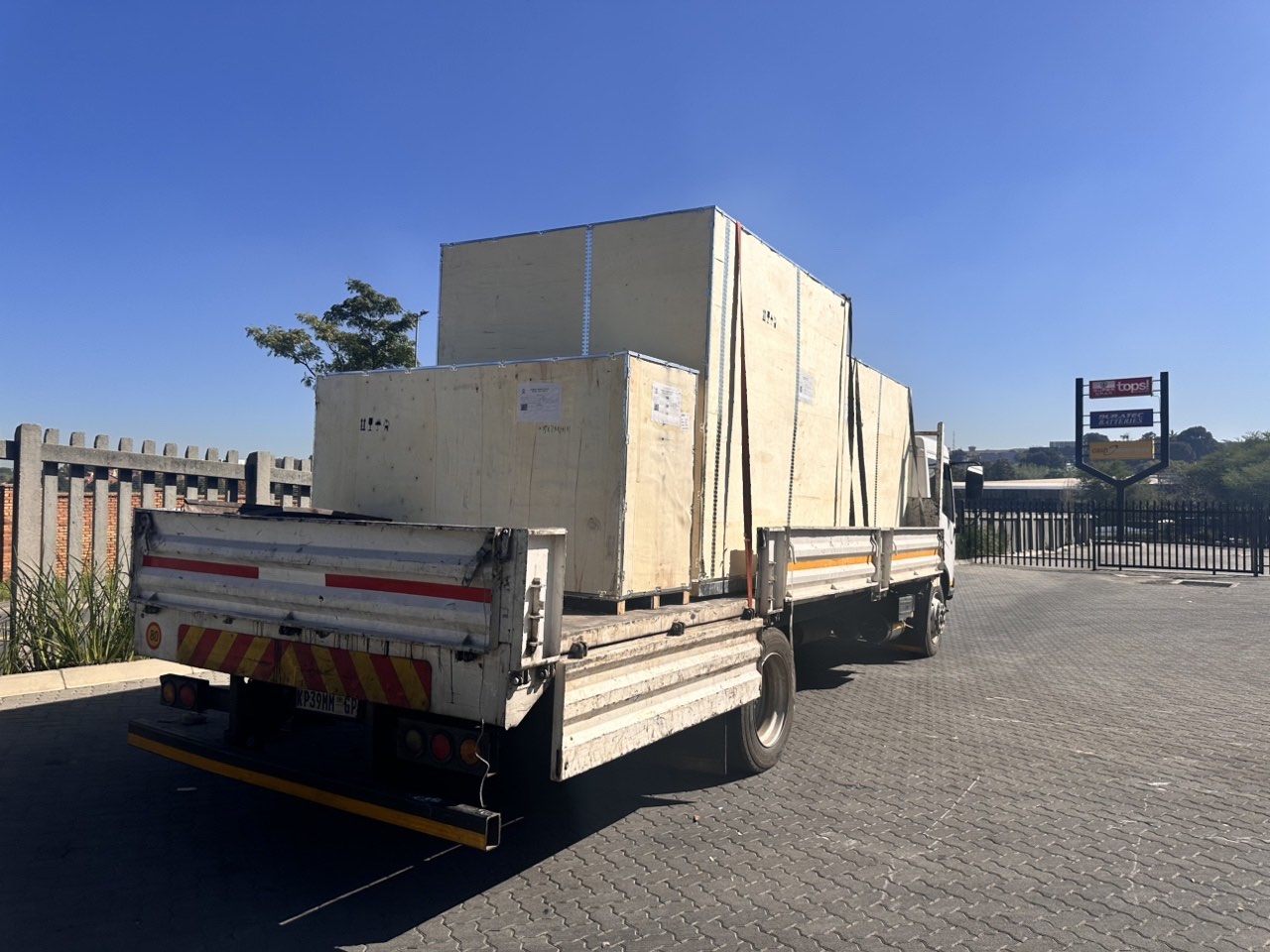
order offloading