B21, China Town Mall, Midrand

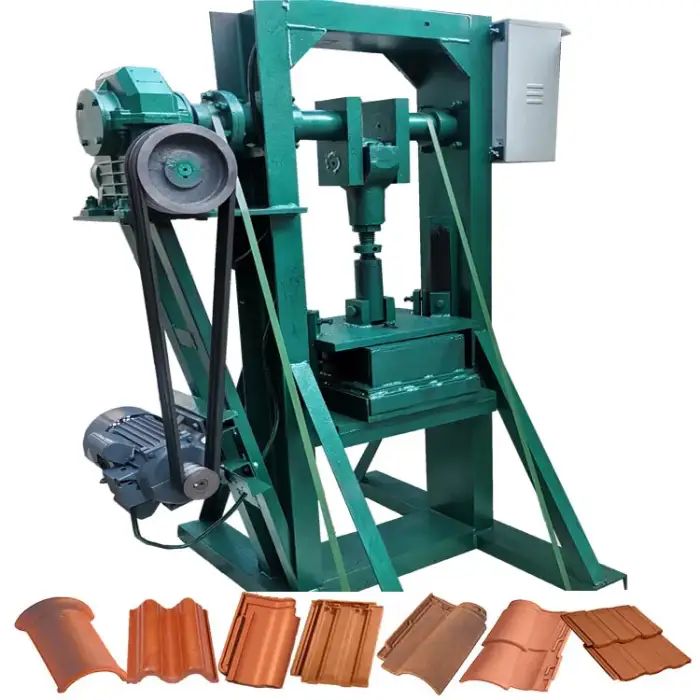
Tile making machinery 30 m per min capacity sldb
- Section : Machinery
- Category : Tile Making Machinery
- SKU : 996930201881

Overview

tile machines:
The automatic hydraulic tile making machine uses crushed shale, clay, and coal gangue as raw materials to automatically press tiles through a program controller. It is an ideal forming equipment for ancient buildings, civil tile companies and glazed tile factories. Using this machine, let Users save electricity, labor, effort, worry, and make money.
Products Description

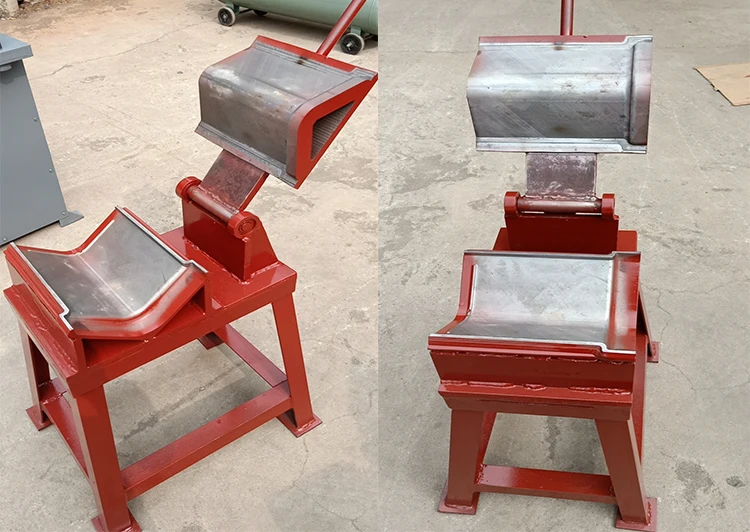
Manual tile machine
The manual tile press machine is easy to operate and can be operated independently by one person. If your budget is insufficient, you can choose this device.
Electric tile machine
The electric tile press machine has a high degree of automation and can save manpower in the process of use. Bricks and tiles with more shapes can be made with high forming rate.


Pneumatic tile machine
Pneumatic tile press machine, fully automatic operation, strong and durable The mould can be replaced, and the bricks and tiles made have higher pressure and high forming rate.


Features:
1. The output is more than twice as high as the general tile press. Such as pressing flat tiles, it can produce about 1500 pieces per hour, so it is highly efficient;
2. Automatically apply mold release oil to save oil;
3. The tile blanks do not need to be manually trimmed, and are directly put on the shelf, without using a tile, which saves money;
4. Complete machine production, one person cuts the material, two people picks up the blank, less labor, low labor intensity, and labor saving;
5. Press bricks and tiles to reduce the drying sensitivity of the green body, reduce product rupture and loss, and increase economic benefits;
6. Brick and tile products, smooth, clean, beautiful and generous, are popular with users and make more money;
- Shipping Timeframes: All orders are processed within 2-5 business days (excluding weekends and holidays). After your order has been processed, the estimated delivery time is before 19 Jun, 2026, depending on customs, Please note that due to high demand, some items may experience longer shipping times, which will be communicated at order confirmation email.
- Order Processing Time: Please allow 2-5 business days for us to process your order before it is shipped . Orders placed after 16:00 on Fridays, or during weekends and public holidays, will begin processing on the next business day. Processing times may be extended during peak seasons or sales events.
- Manufacturing Time: Some products needs manufacturing time, the manufacturing process will take approximately 10-30 business days depending on the product. This timeframe may vary depending on the complexity of the product and current demand. but this will be communicated with you during order confirmation.
- Returns and Exchanges: We offer a 30-day return policy for most items. If you are not completely satisfied with your purchase, you may return it within 30 days of receipt for a refund or exchange. Items must be unused, in their original packaging, and accompanied by proof of purchase. Return shipping costs are the responsibility of the customer, unless the item was damaged or defective upon arrival.
1. What materials can be used with the tile making machinery?
The automatic hydraulic tile making machine can use crushed shale, clay, and coal gangue as raw materials.
2. What is the production capacity of the machine?
The tile making machinery has a capacity of 30 meters per minute and can produce about 1500 pieces of tiles per hour.
3. Is the machine easy to operate?
Yes, the manual tile press machine is designed for easy operation and can be operated independently by one person.
4. What are the advantages of using the electric tile machine?
The electric tile machine offers a high degree of automation, saving manpower and allowing for the production of bricks and tiles in various shapes with a high forming rate.
5. How does the pneumatic tile machine differ from other models?
The pneumatic tile press machine features fully automatic operation, strong durability, and the ability to replace molds, resulting in higher pressure and forming rates.
6. Can the machine help reduce production costs?
Yes, the machine saves electricity, labor, and effort, which ultimately helps in reducing overall production costs.
7. What is the benefit of automatic mold release oil application?
The automatic application of mold release oil helps to save oil, improving the efficiency of the tile production process.
8. Do the tile blanks require manual trimming?
No, the tile blanks do not need to be manually trimmed; they can be directly placed on the shelf, saving both time and money.
9. How many people are required to operate the machine?
Typically, one person is needed to cut the material, and two people are required to pick up the blanks, making it a low labor intensity operation.
10. What are the aesthetic qualities of the produced bricks and tiles?
The brick and tile products produced are smooth, clean, beautiful, and generous, making them popular among users.
11. How does the machine improve economic benefits?
By reducing drying sensitivity of the green body and minimizing product rupture and loss, the machine enhances overall economic benefits.
12. What types of tiles can be produced with this machine?
The machine can produce various types of tiles, including flat tiles and glazed tiles, suitable for ancient buildings and tile companies.
13. Is there a warranty for the tile making machinery?
Please refer to the manufacturer's warranty policy for specific information regarding warranty coverage and duration.
14. Can the machine be customized for specific tile designs?
Yes, the machine allows for mold replacement, enabling customization for various tile designs.
15. What maintenance is required for the tile making machinery?
Regular maintenance includes checking hydraulic systems, cleaning molds, and ensuring proper lubrication to keep the machine functioning optimally.
Latest Order Arrivals
Discover our latest orders
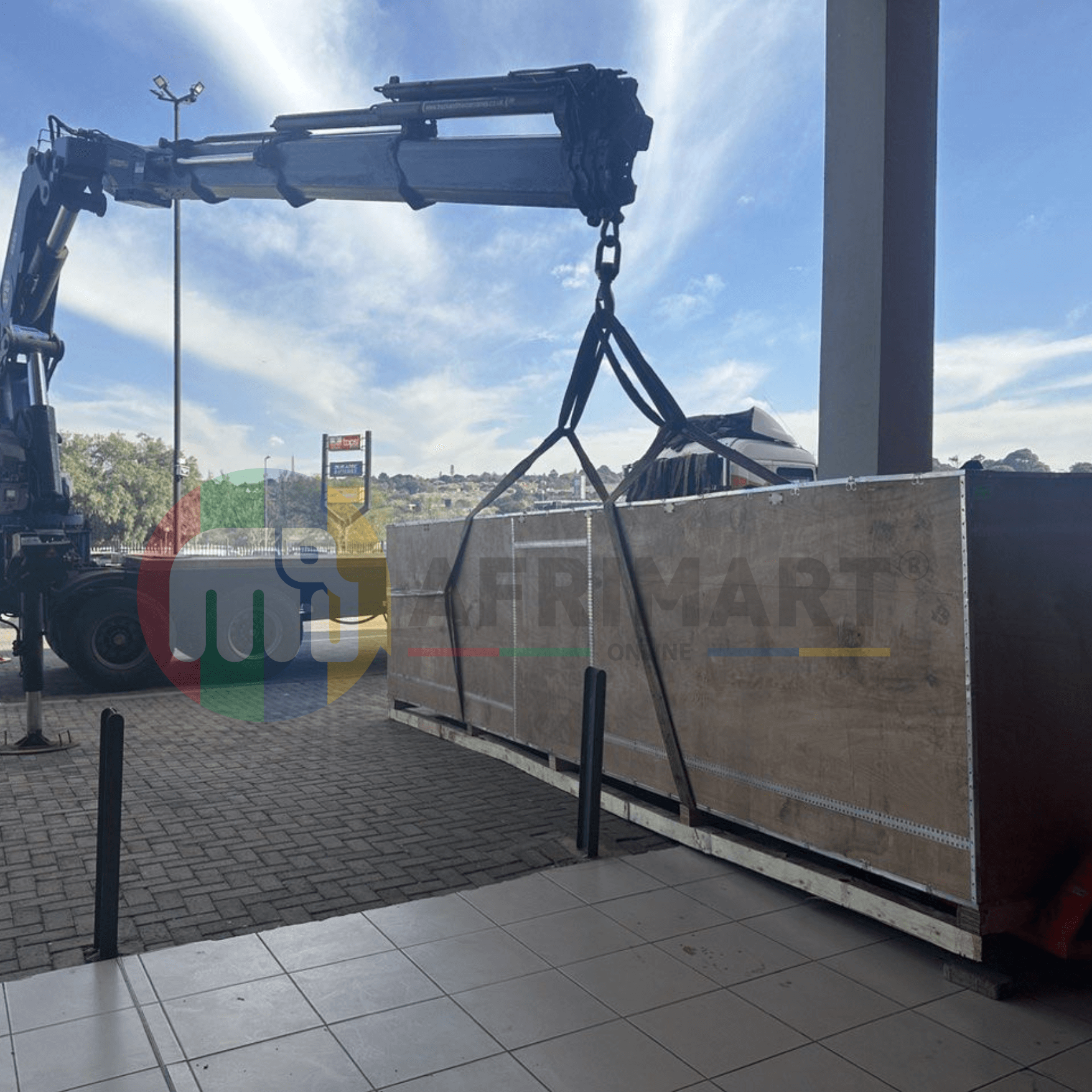
12 Heads Embroidery Machine
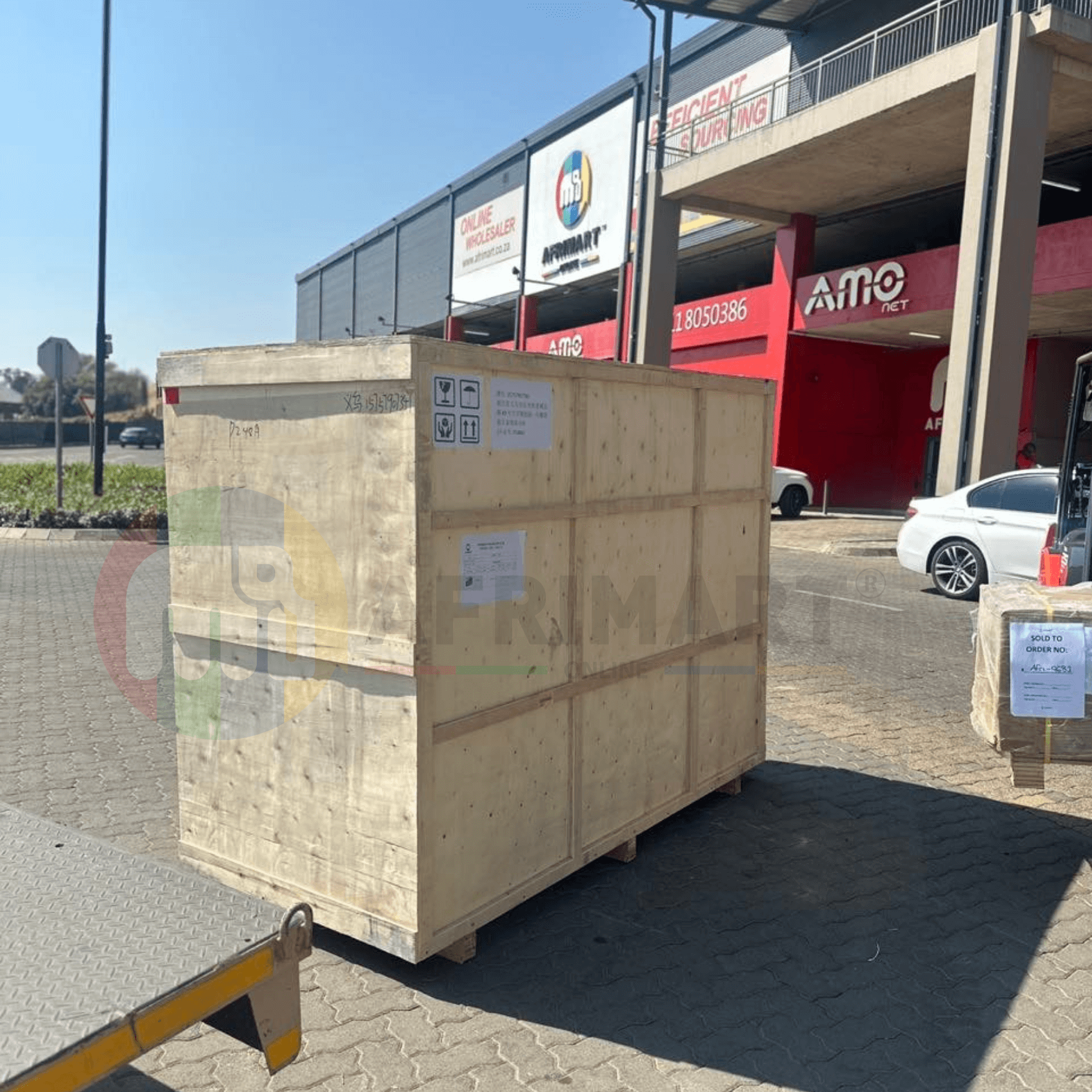
Dewatering Pump Machine
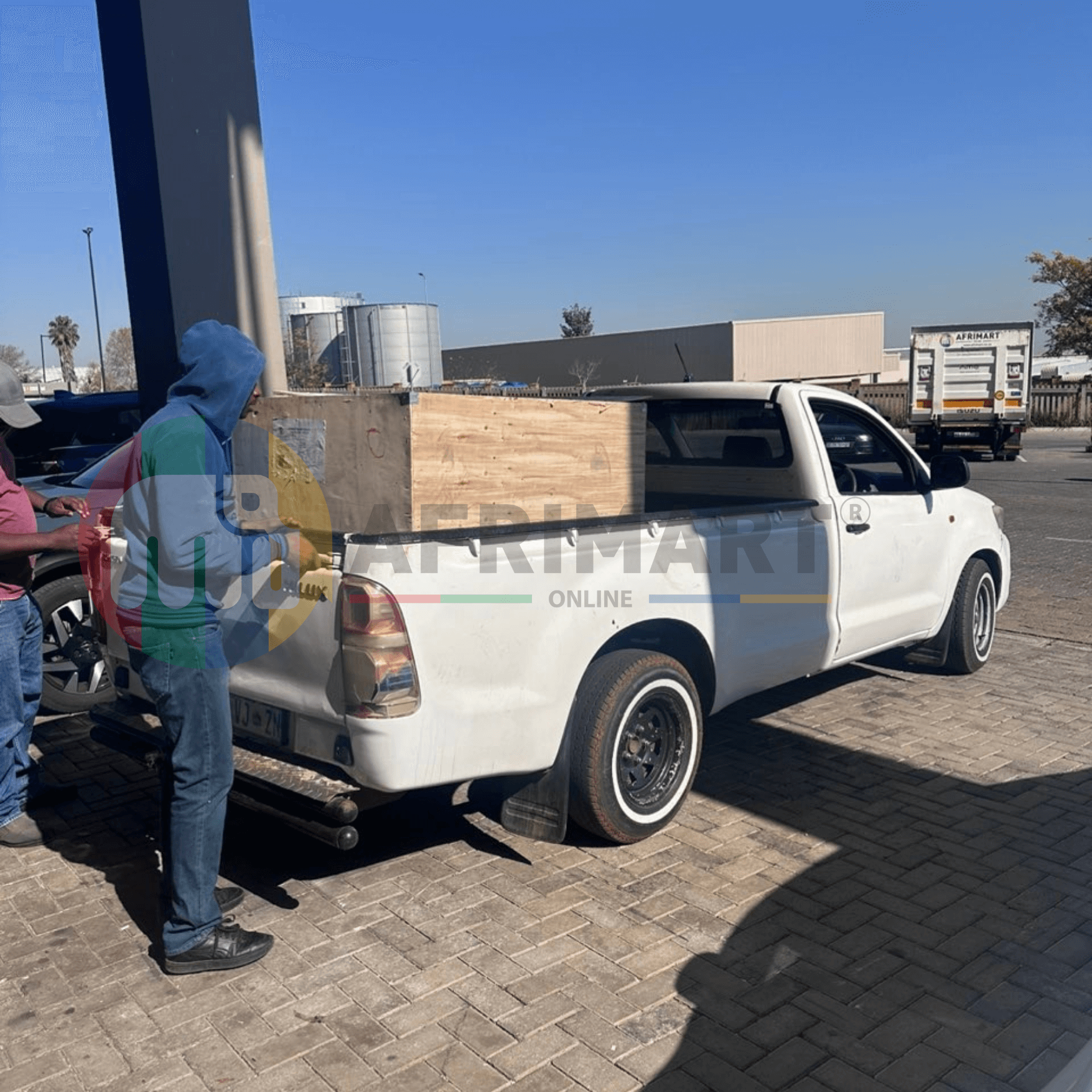
Order Collection
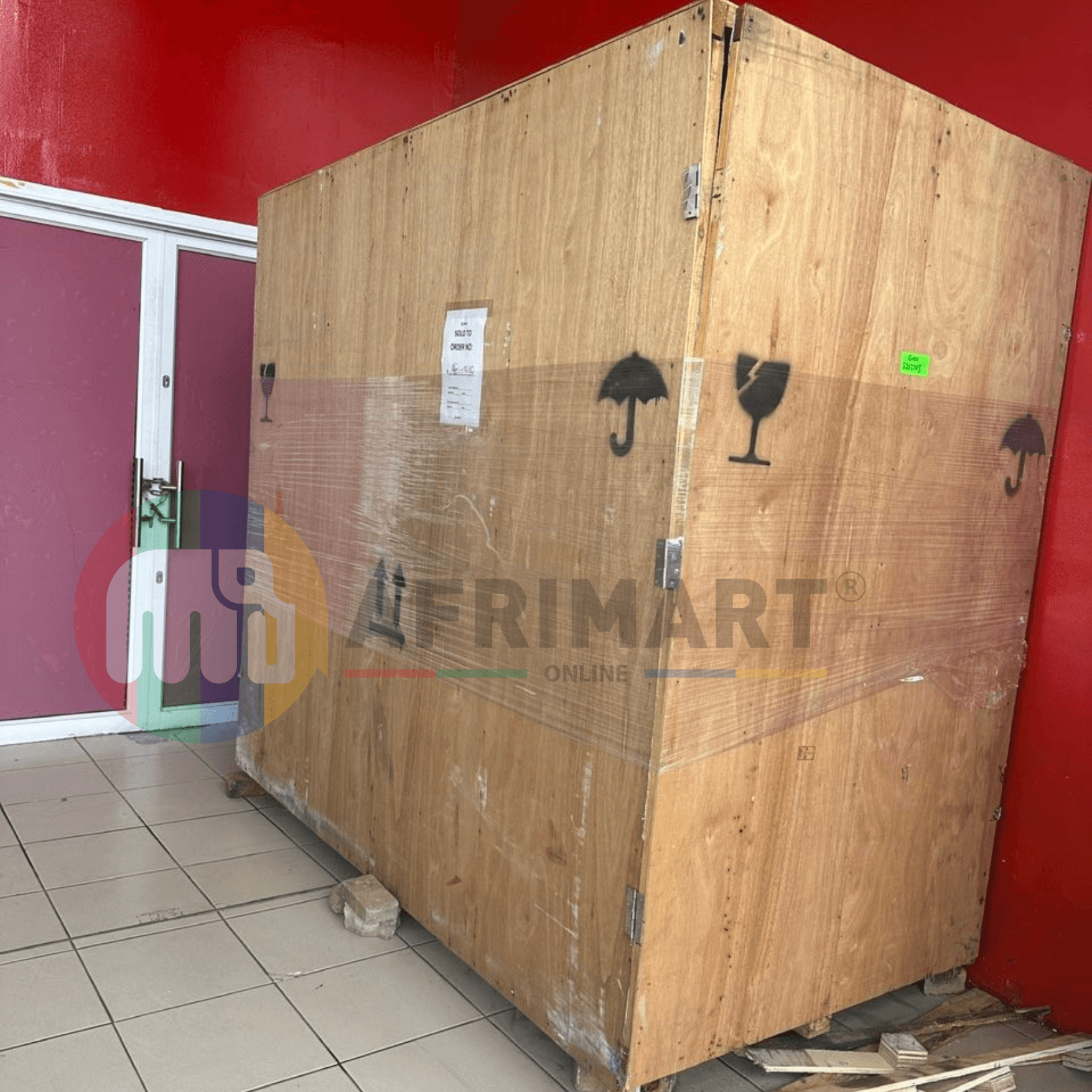
Portable Water Drilling Rig
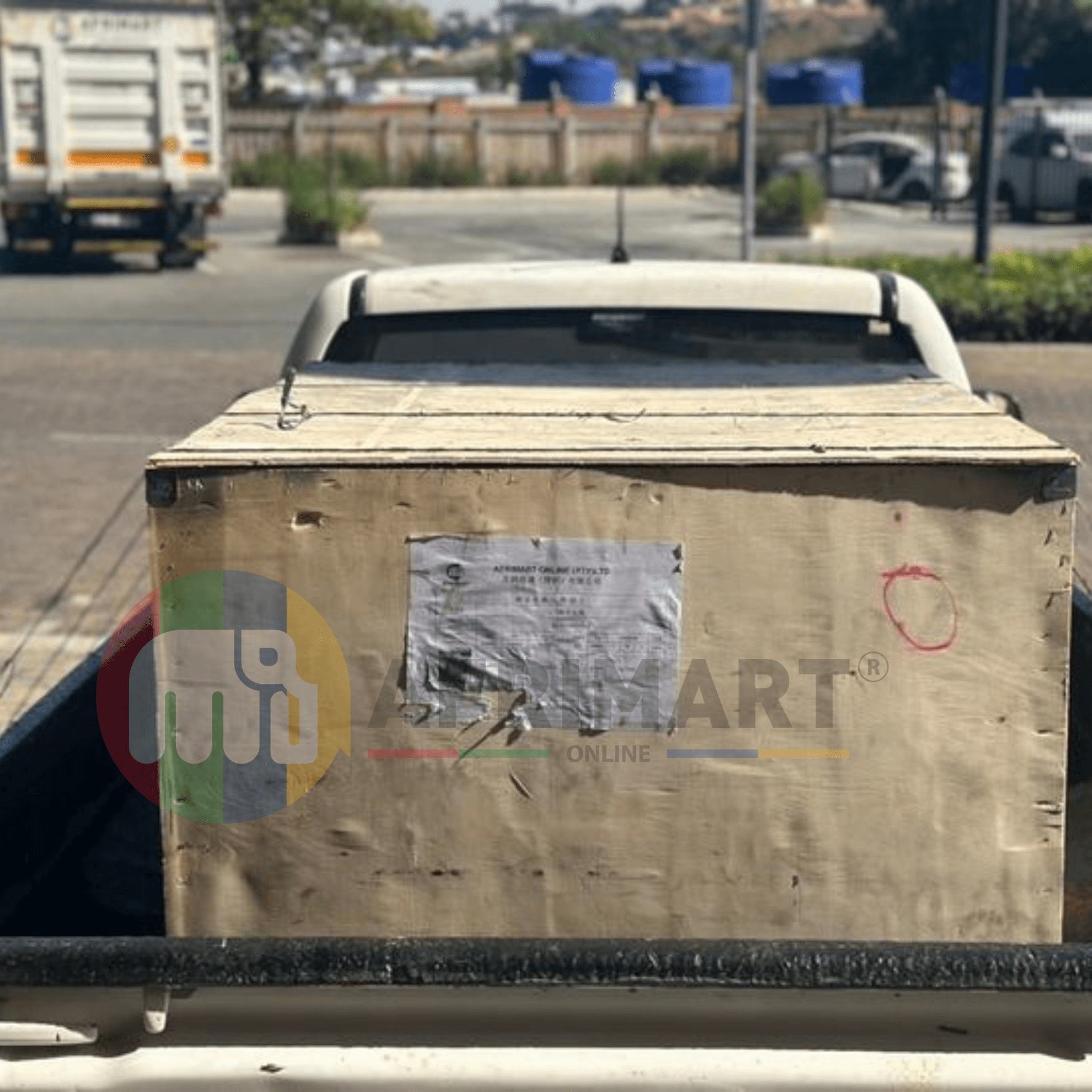
Order Usefully Collected
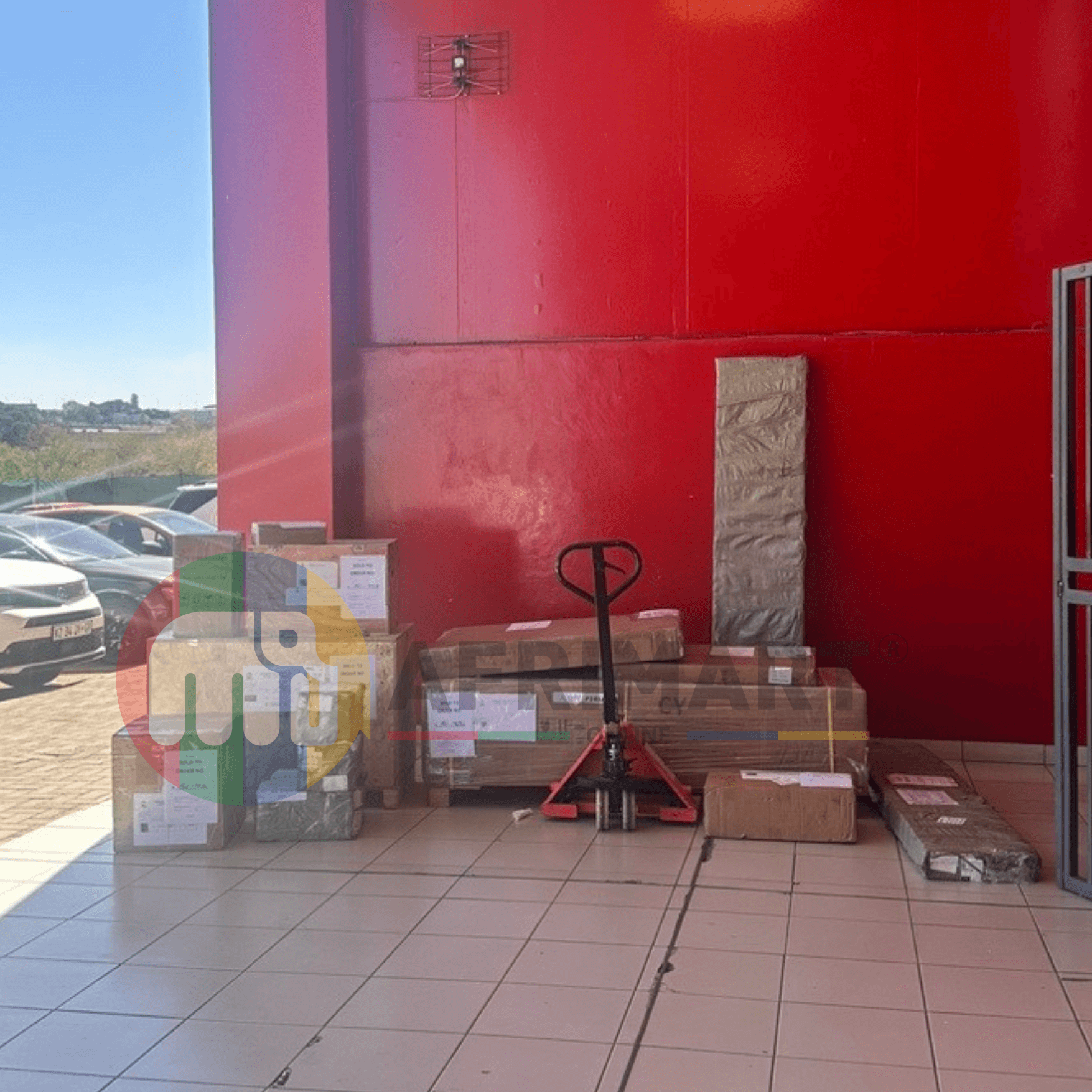
Batch of Orders
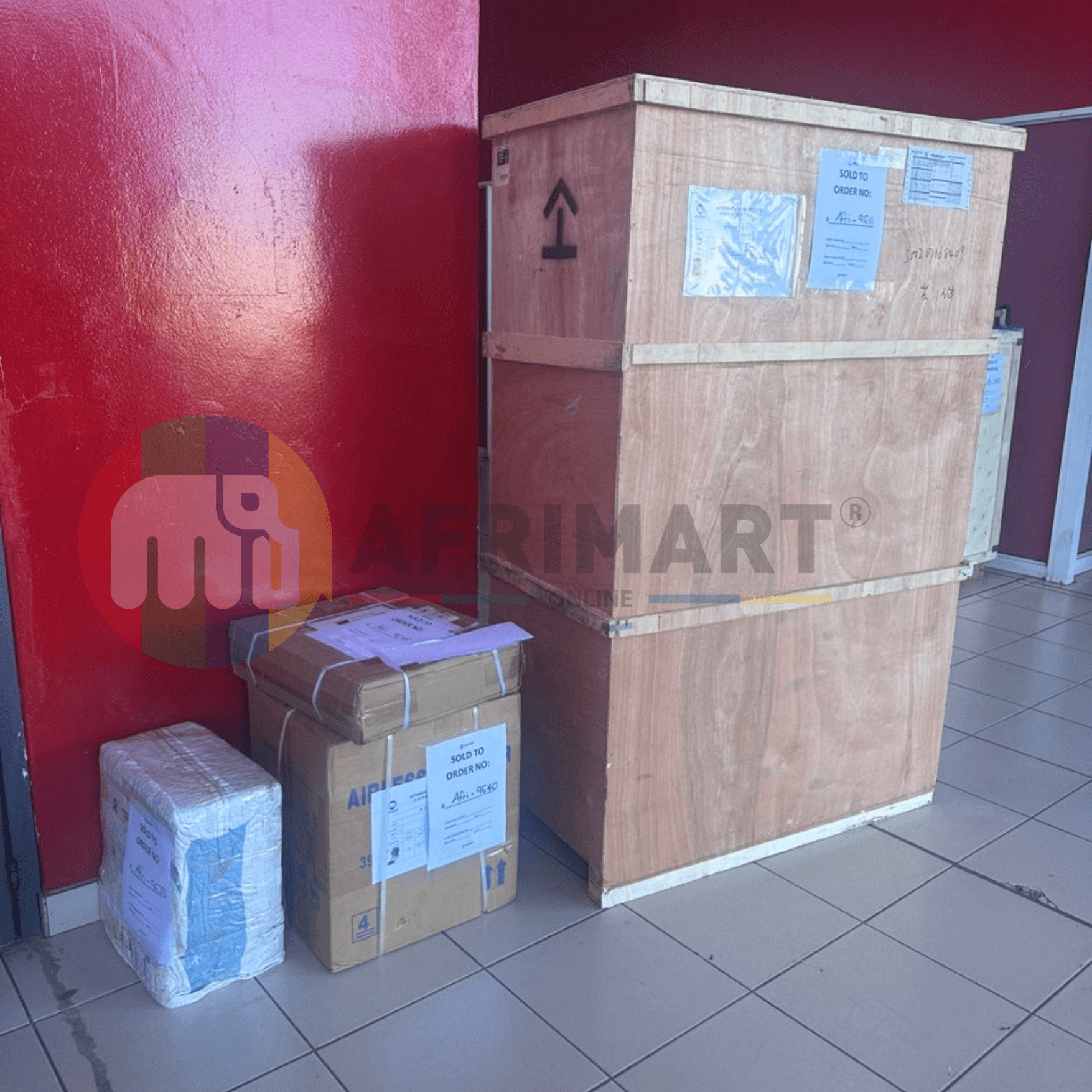
Agriculture Processing Machines
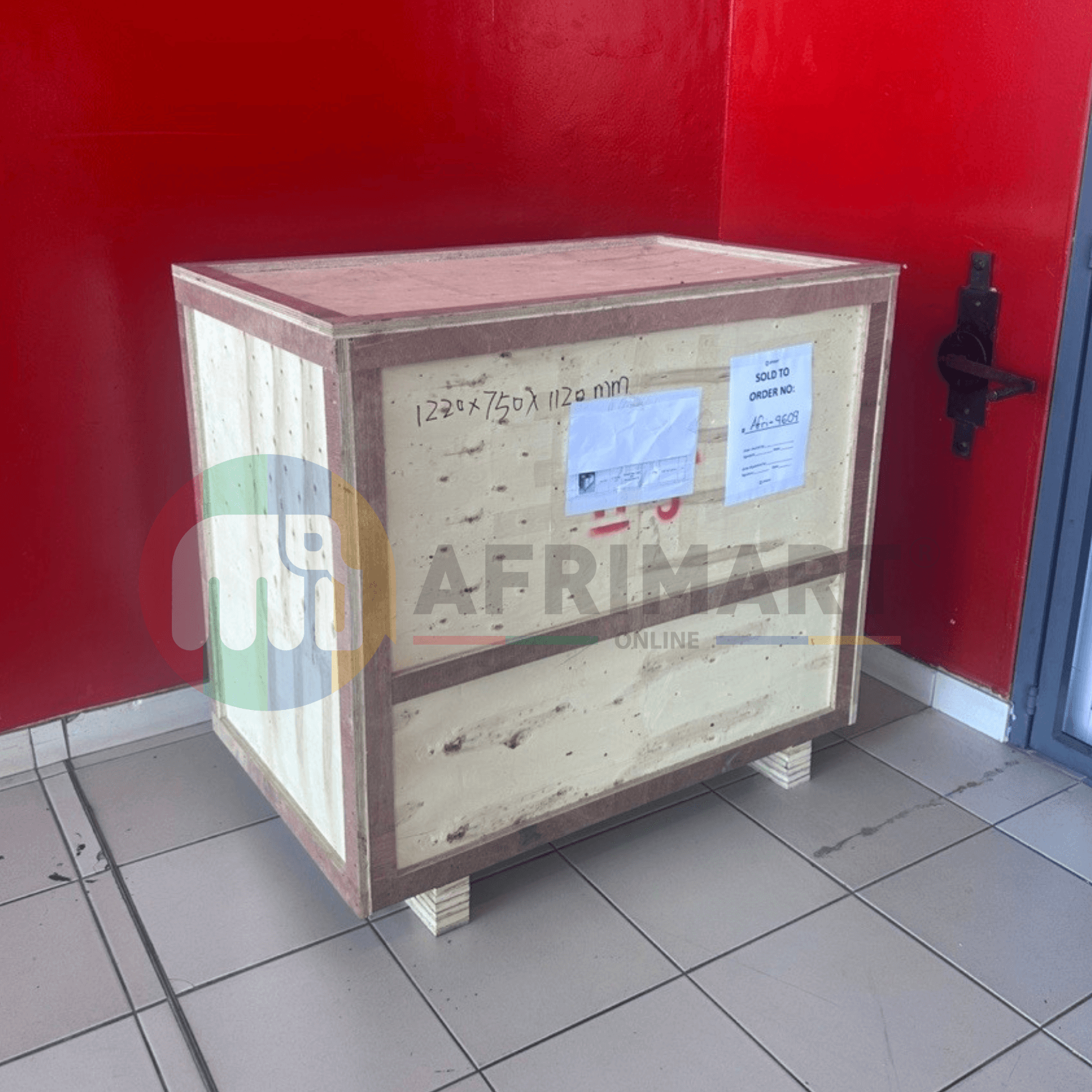
Meat Grinder Machine
Water Pump Equipment
Packaging Machine and accessories
Fabrics Manufacturing Equipment
Mining Equipments
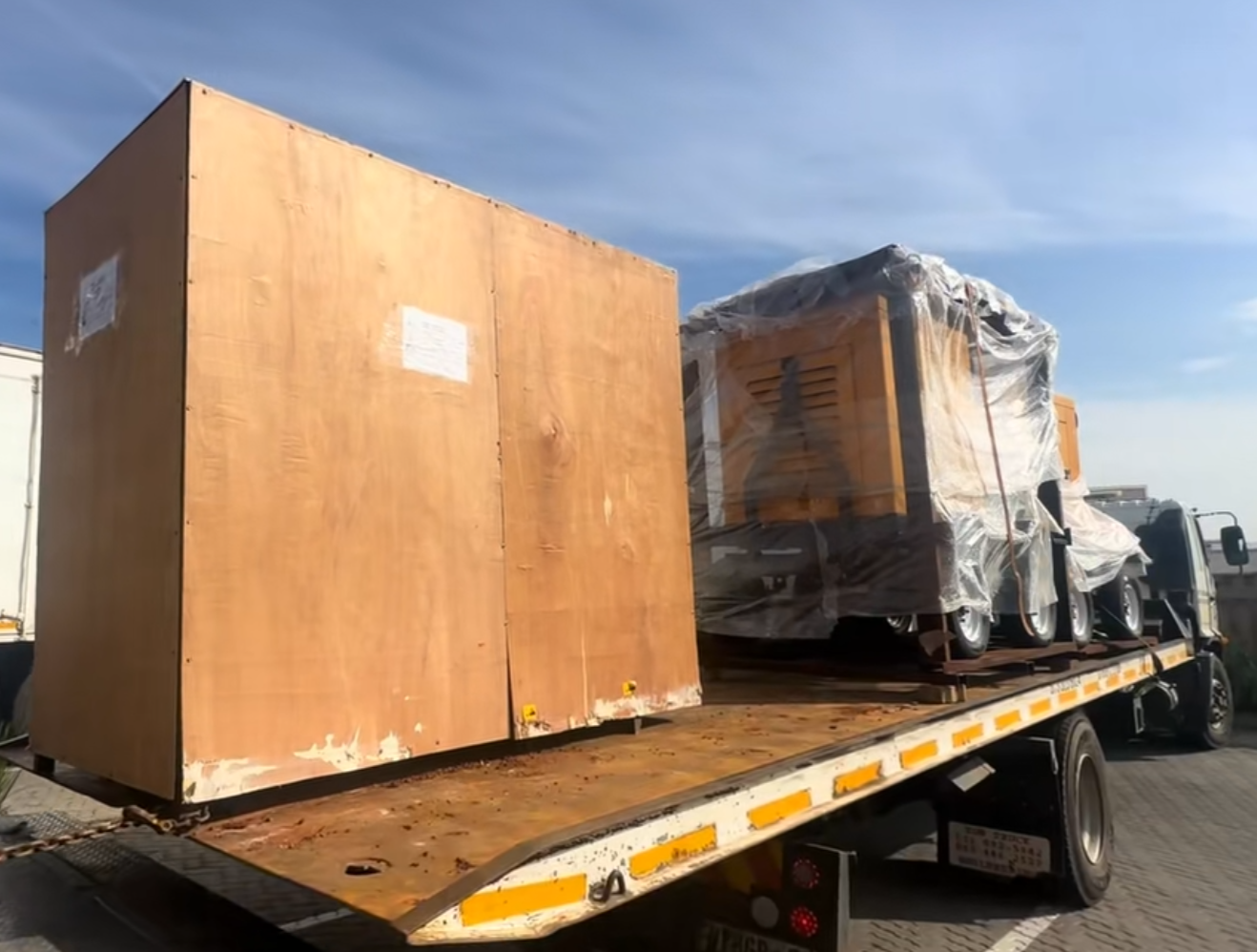
Food Processing Machine
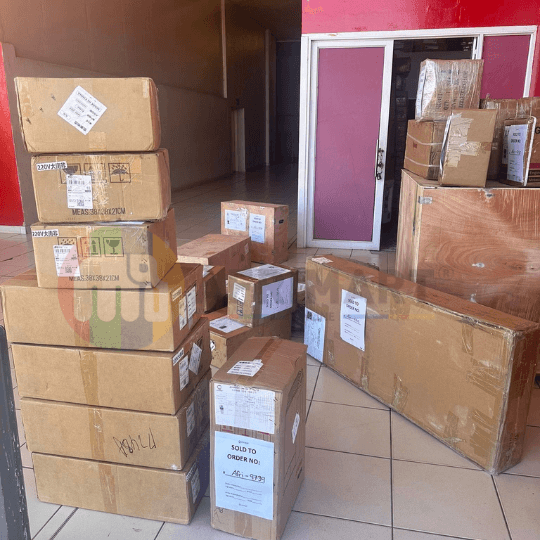
Batch of Orders
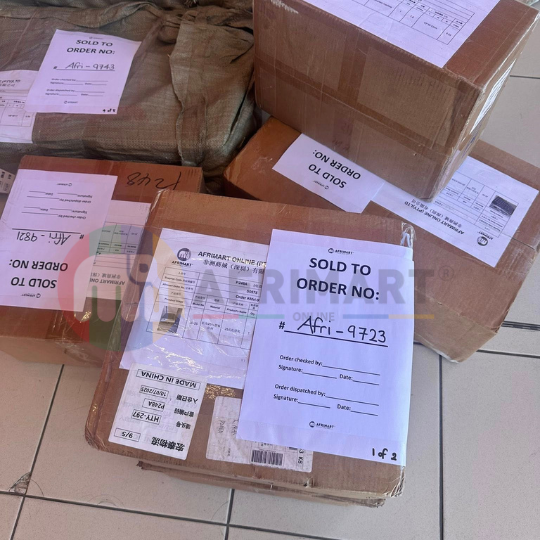
Batch of Orders
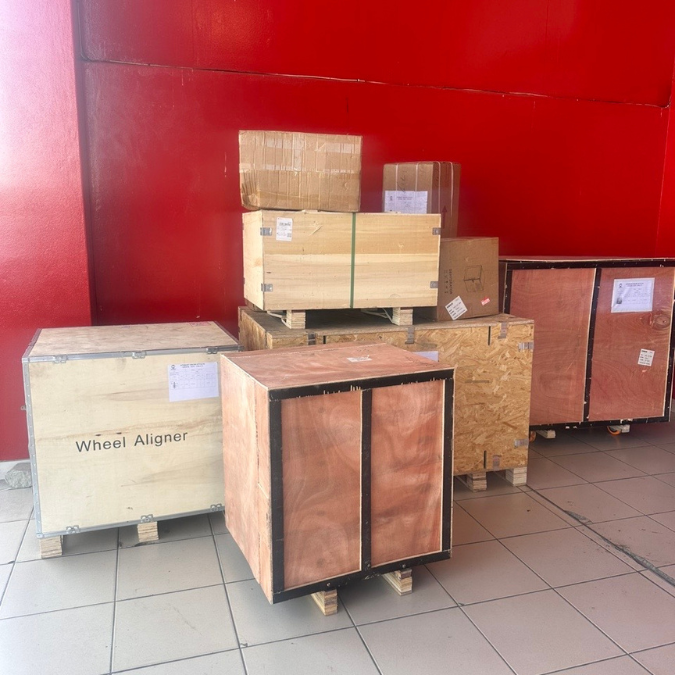
Latest Orders Labelled
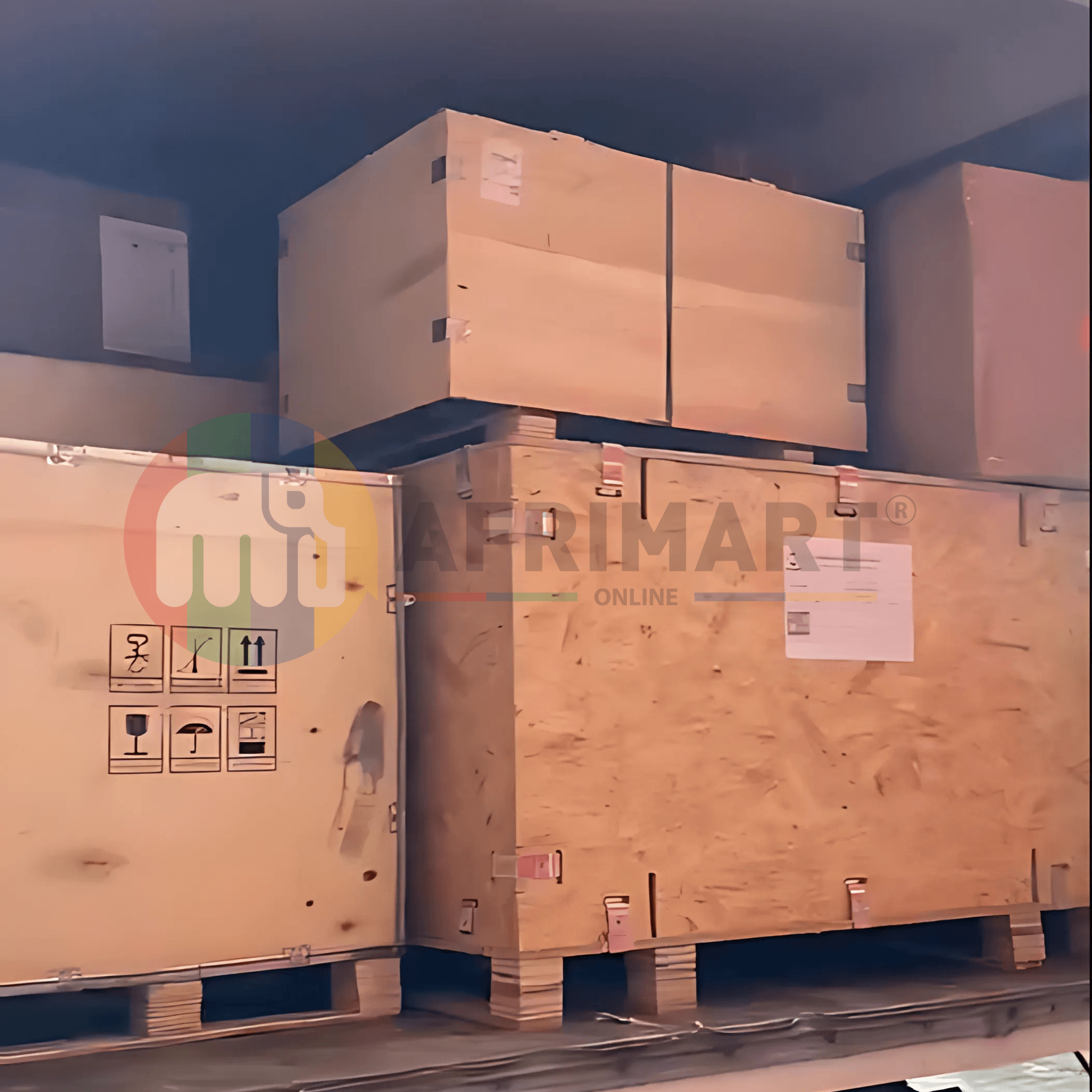
wheel alignment machines
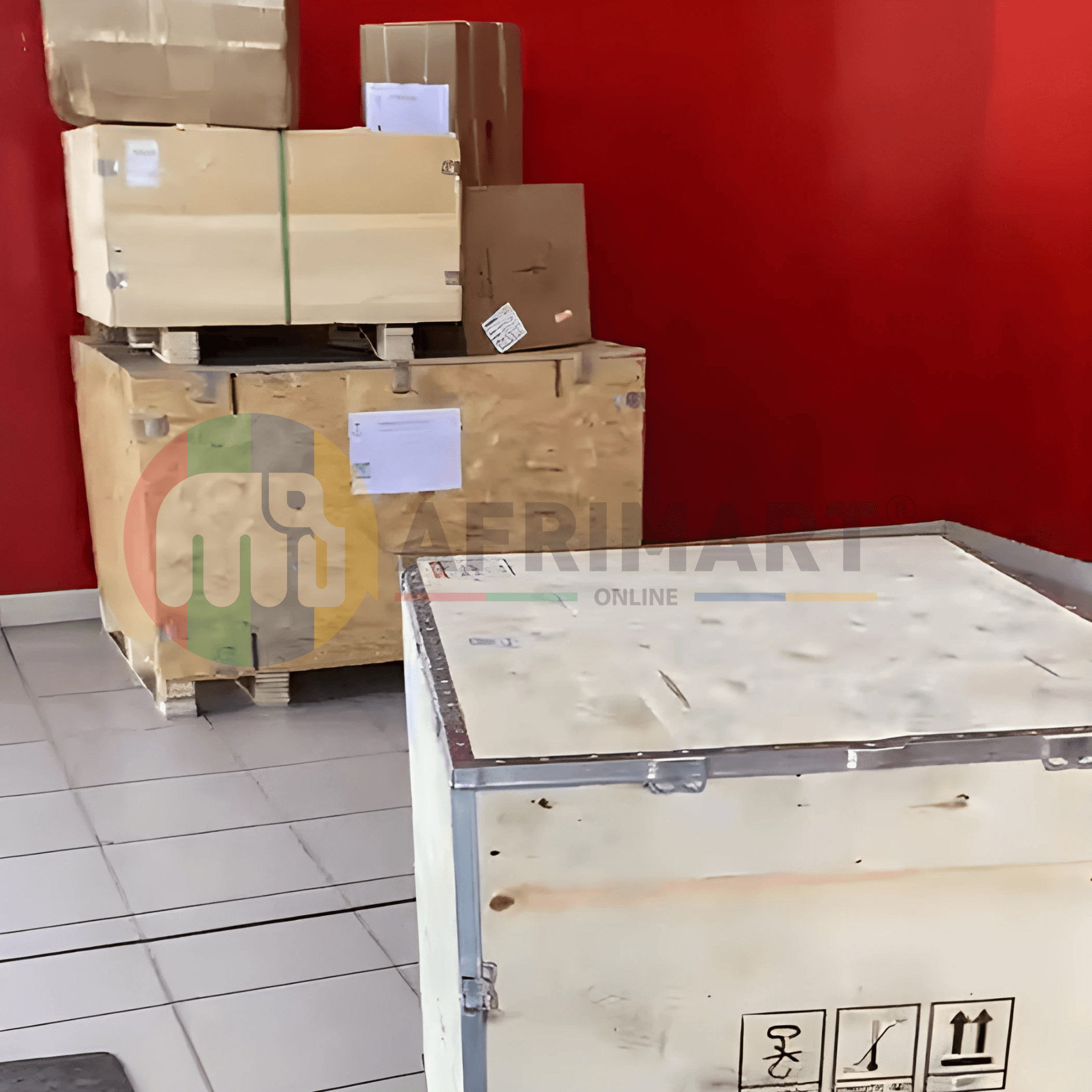
new arrivals
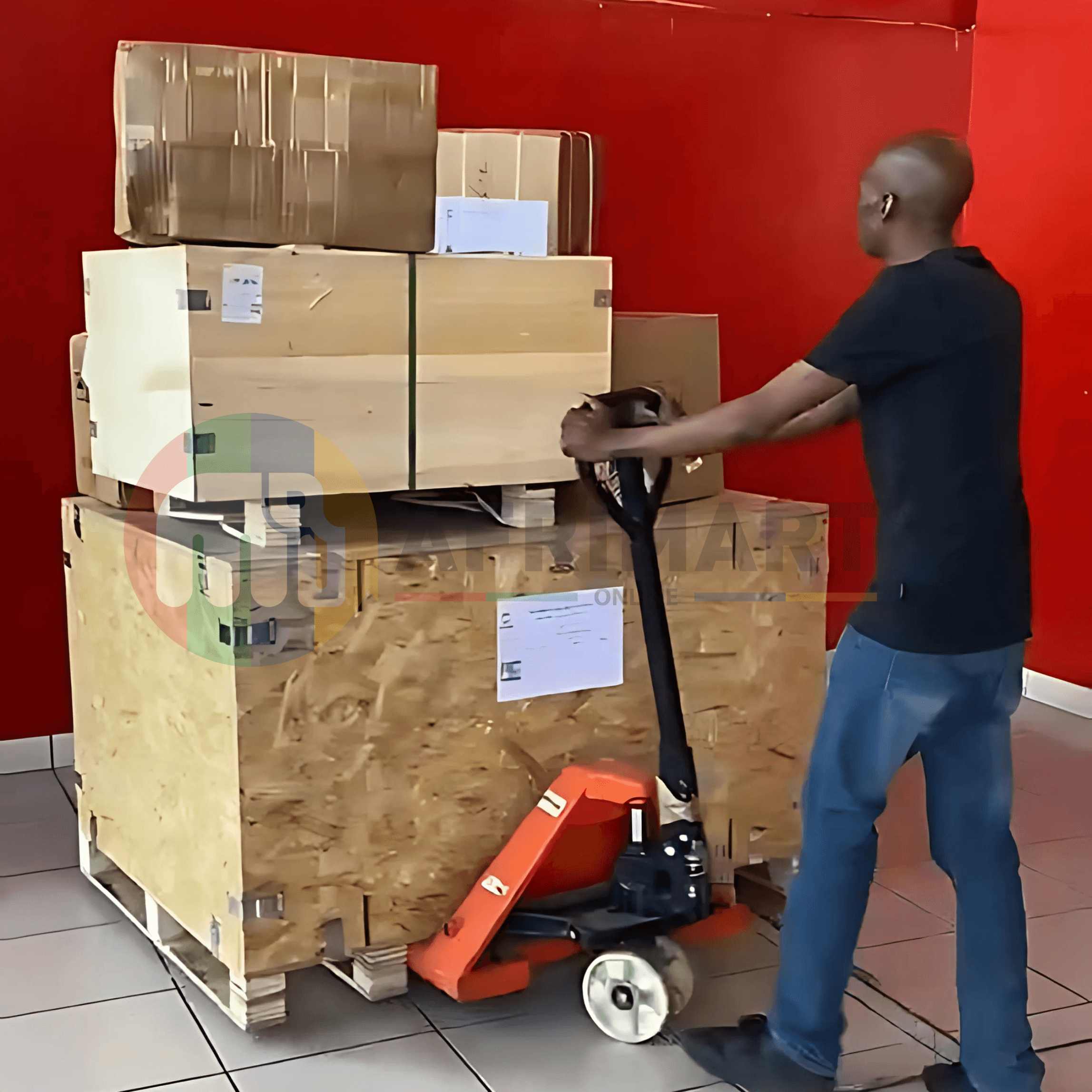
Pre Orders Offloading
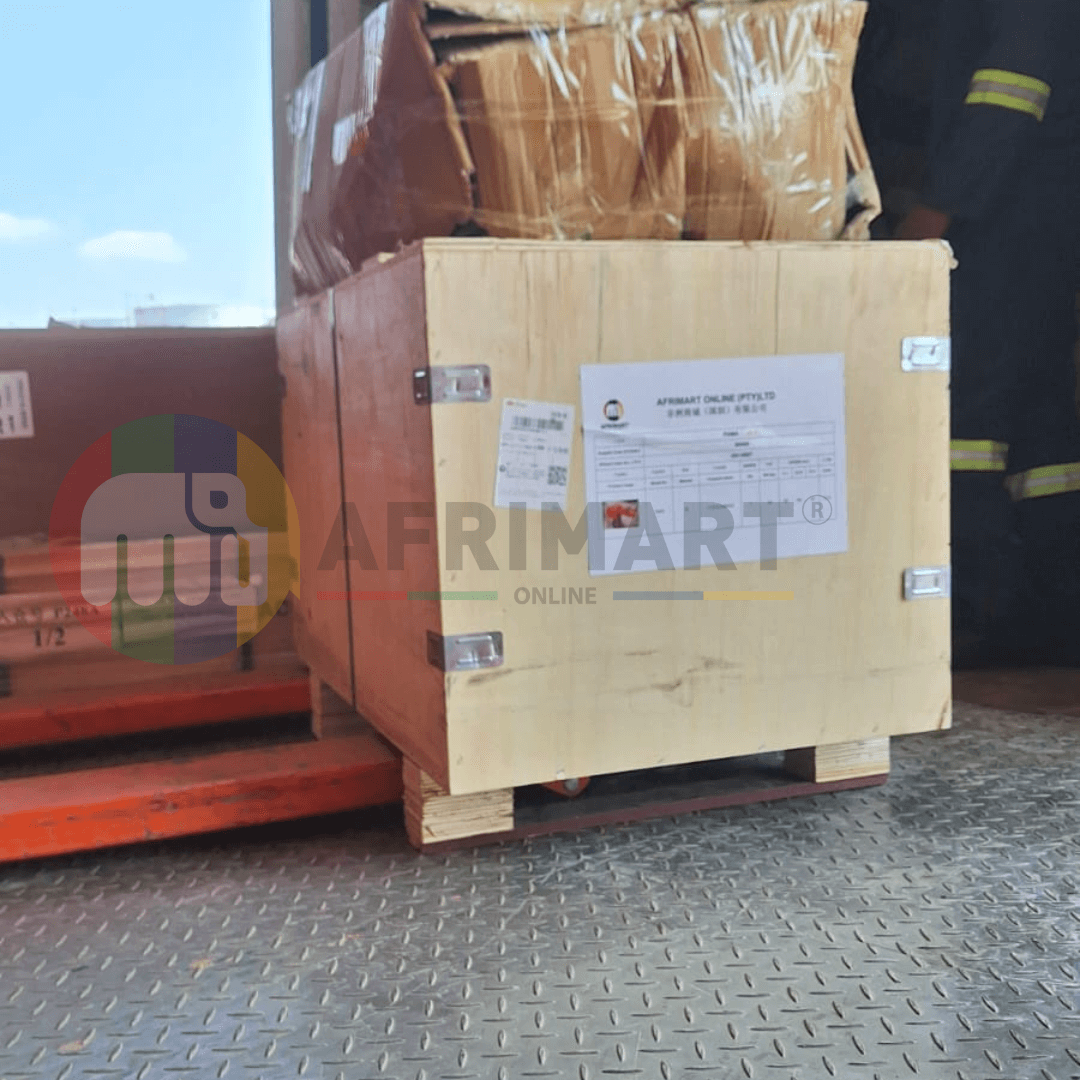
Latest Arrivals
Latest Arrivals
Latest Arrivals
26 January 2026
Toilet paper making machine
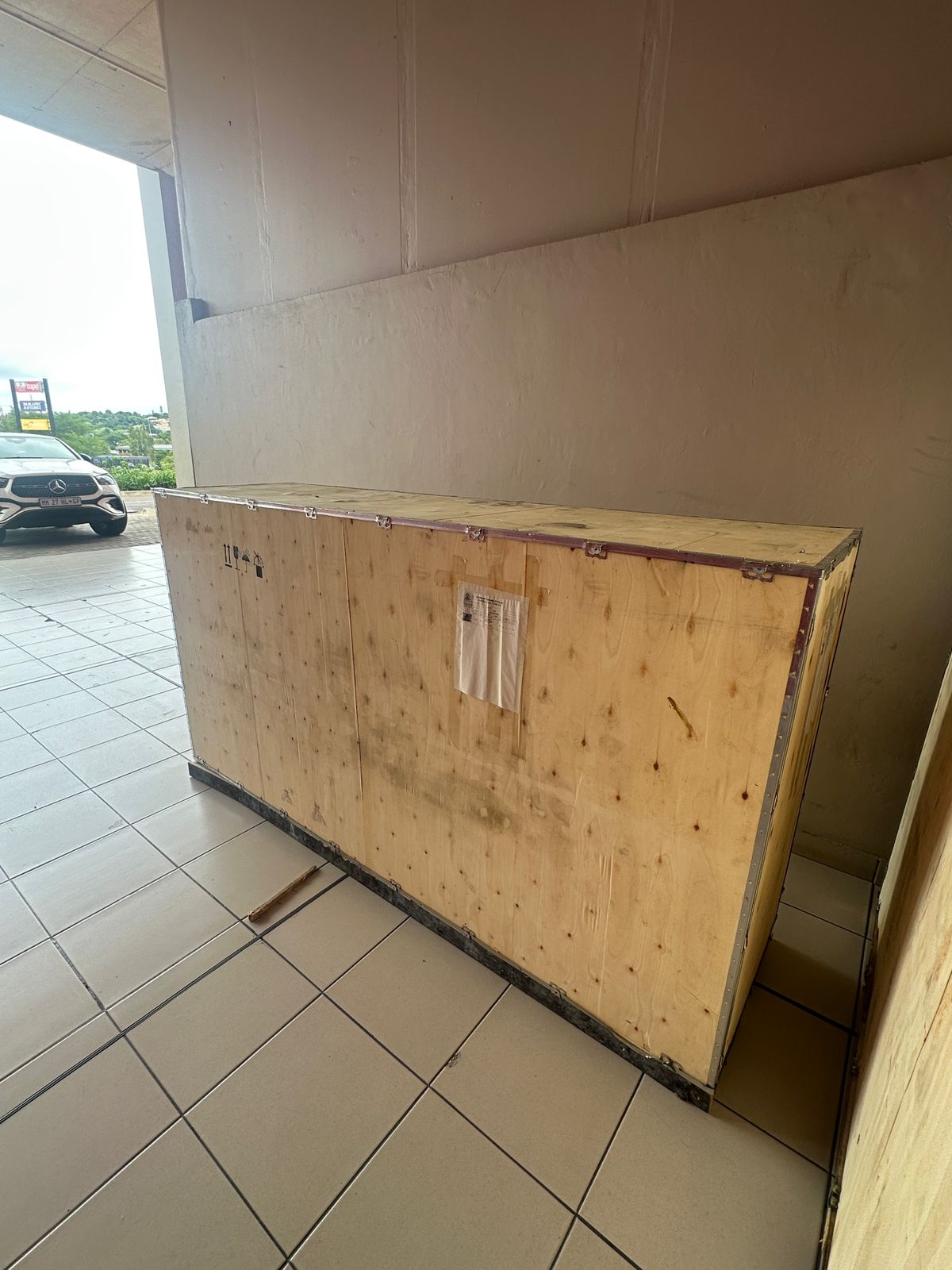
Toilet paper making machine
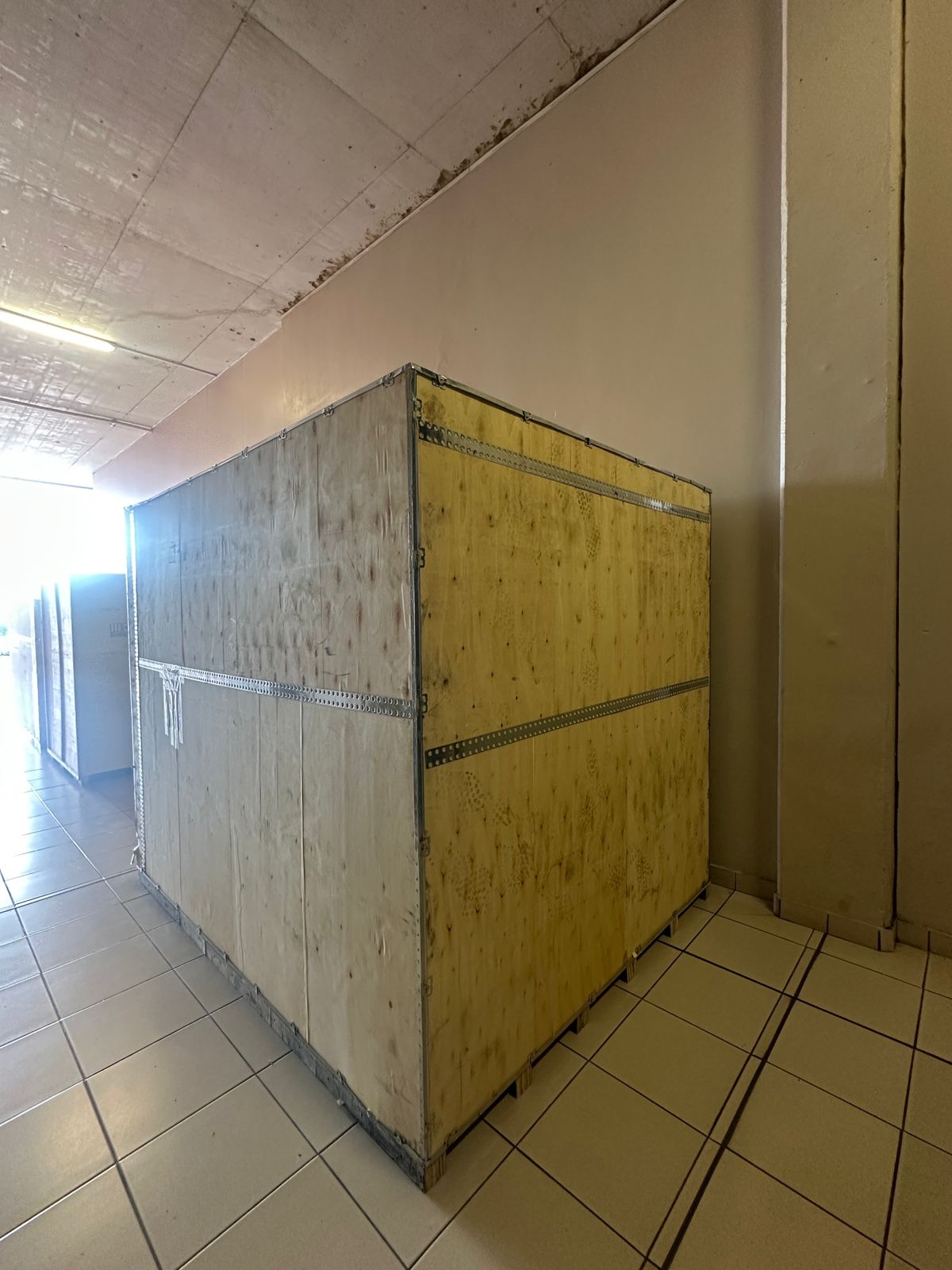
Toilet paper Rewinding Machine
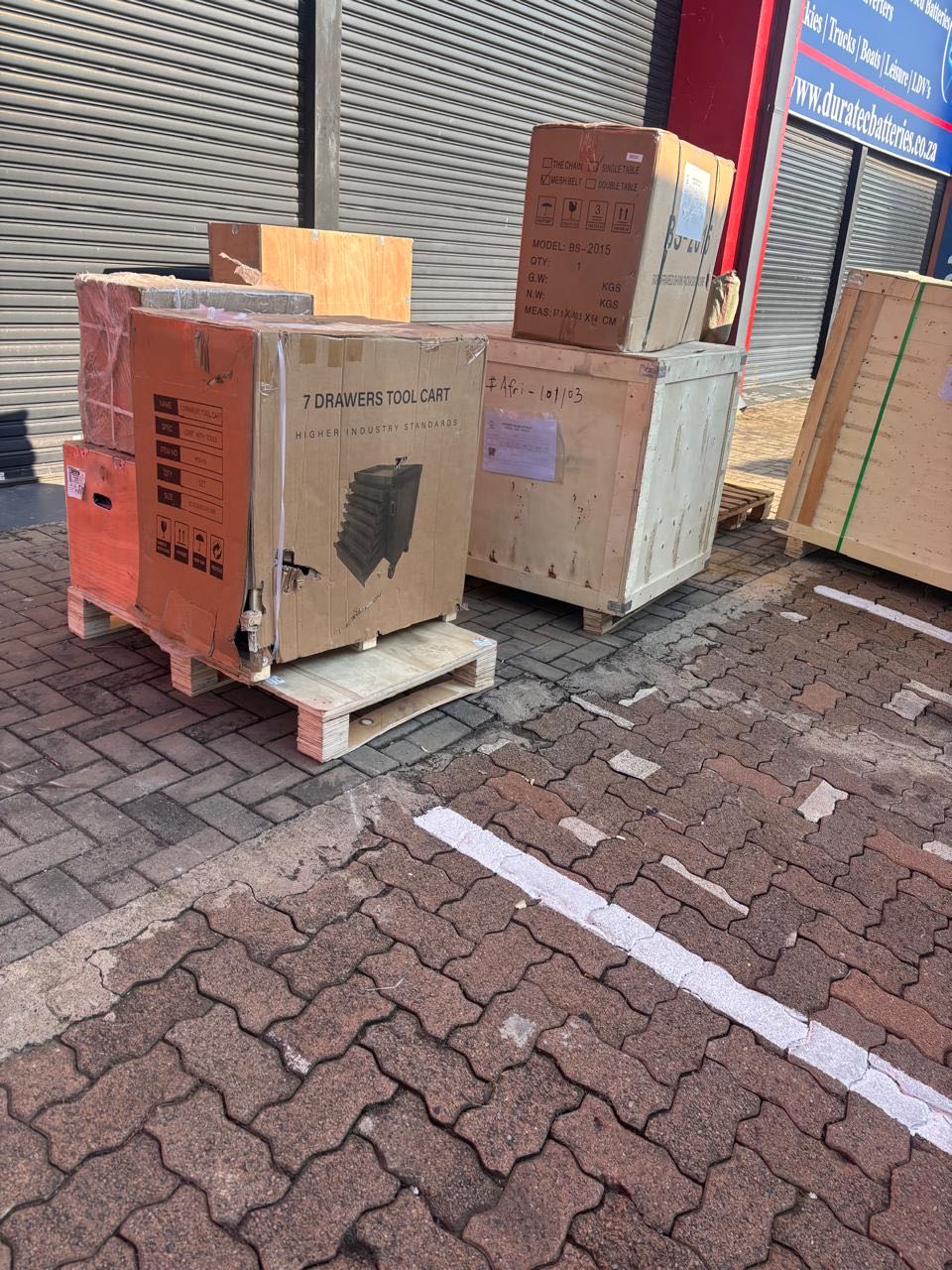
latest arrivals
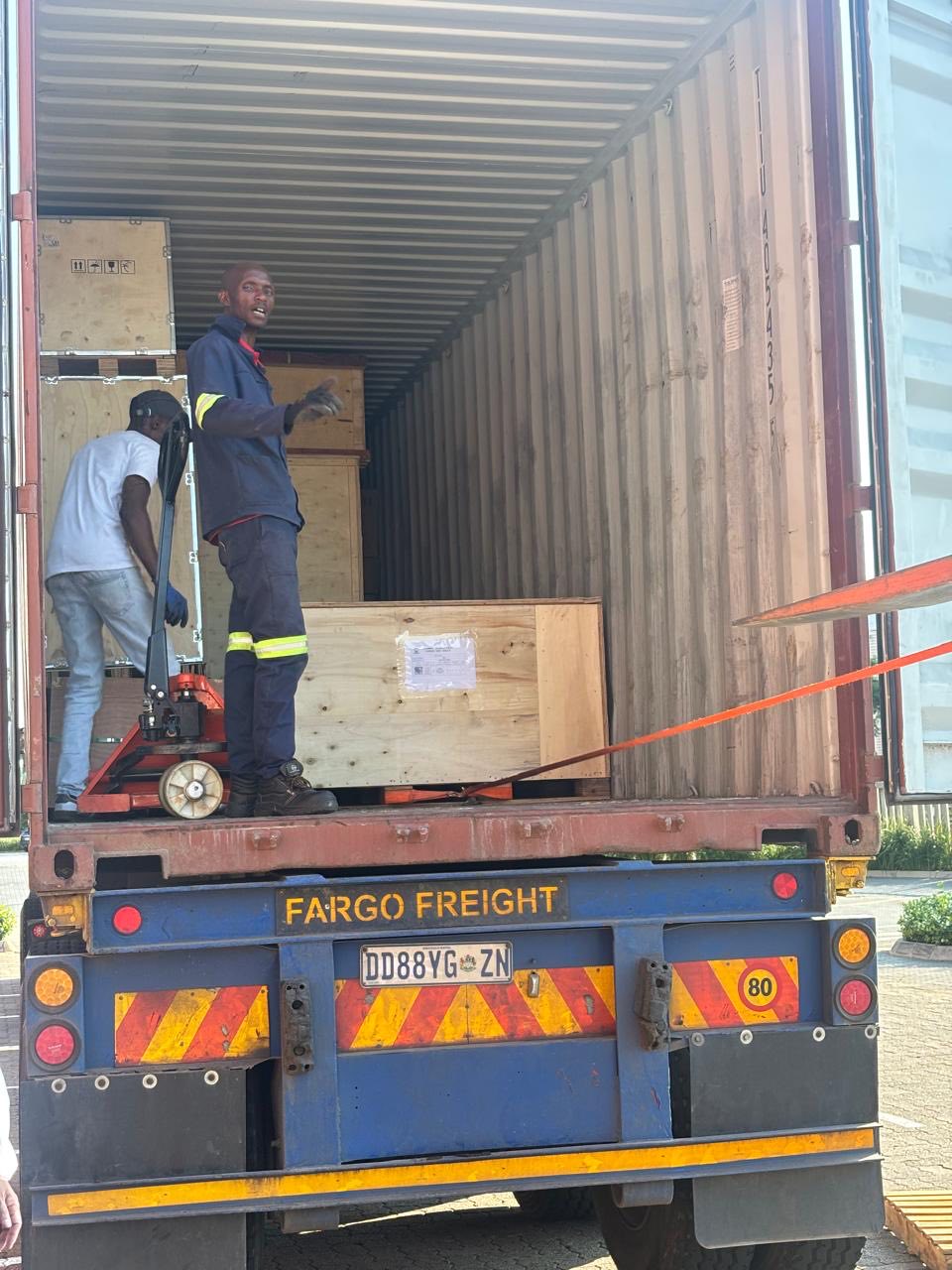
offloading
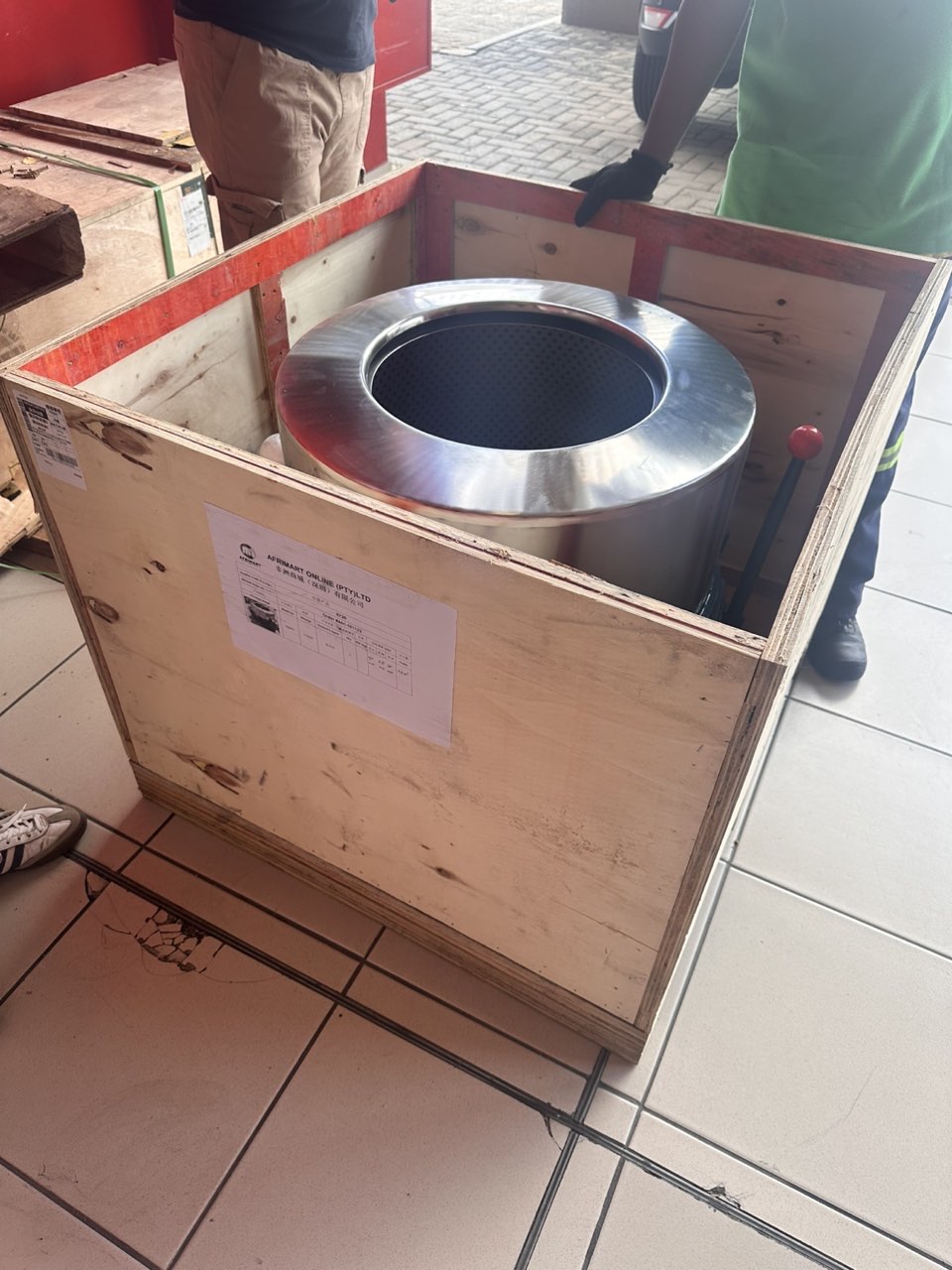
order success
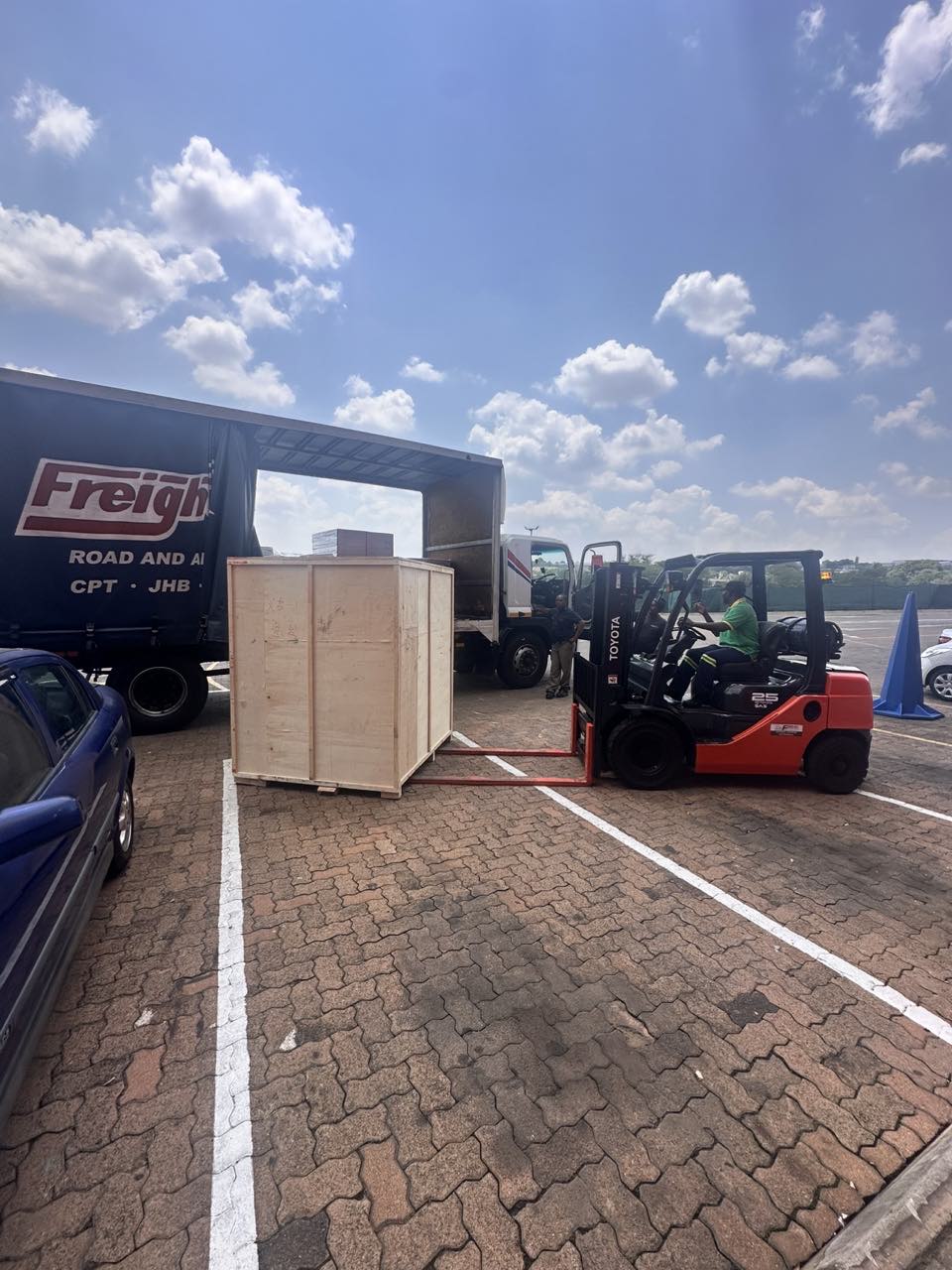
order collection
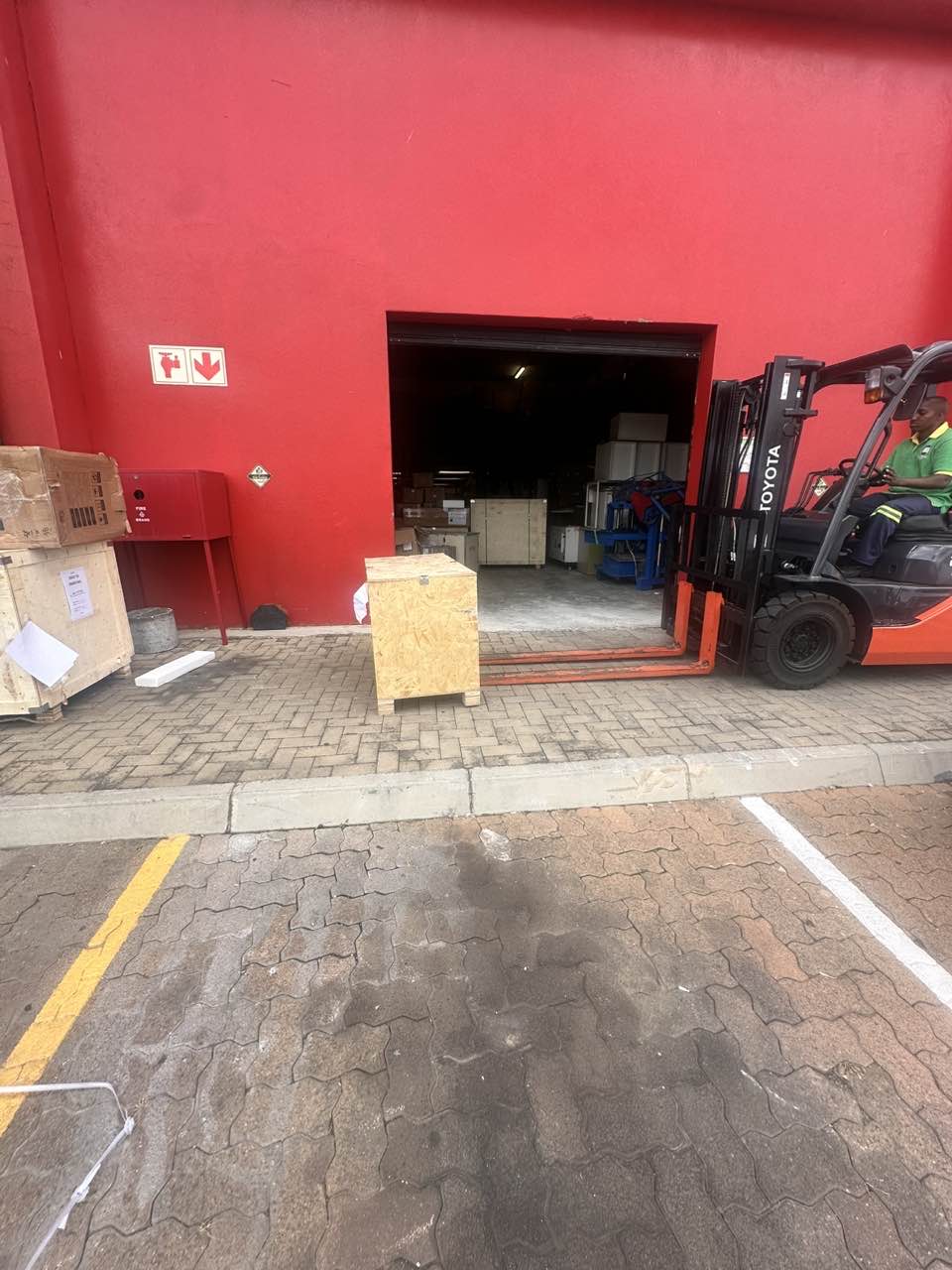
order offloading