B21, China Town Mall, Midrand

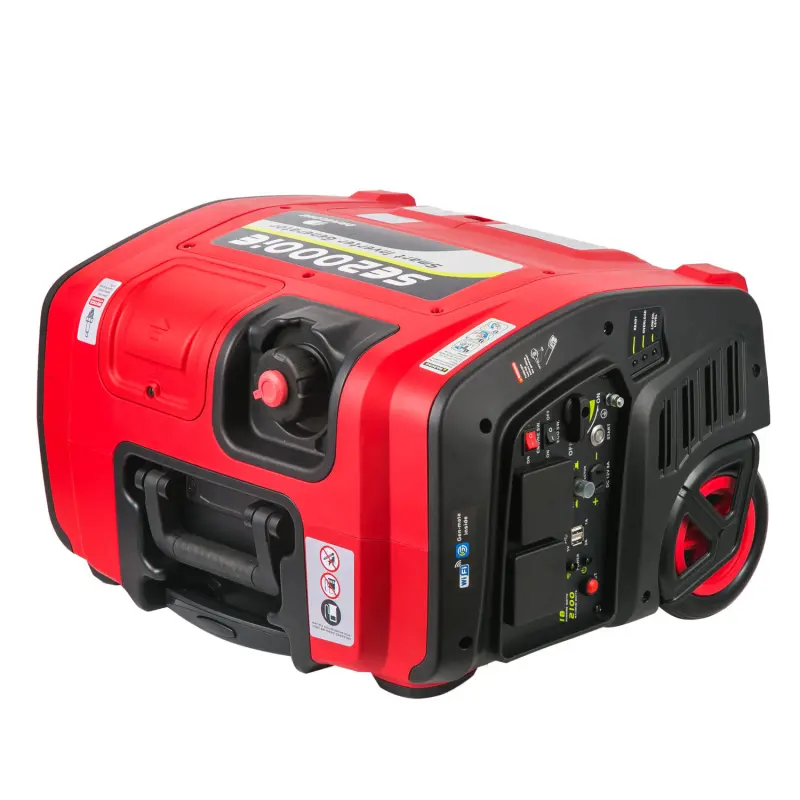
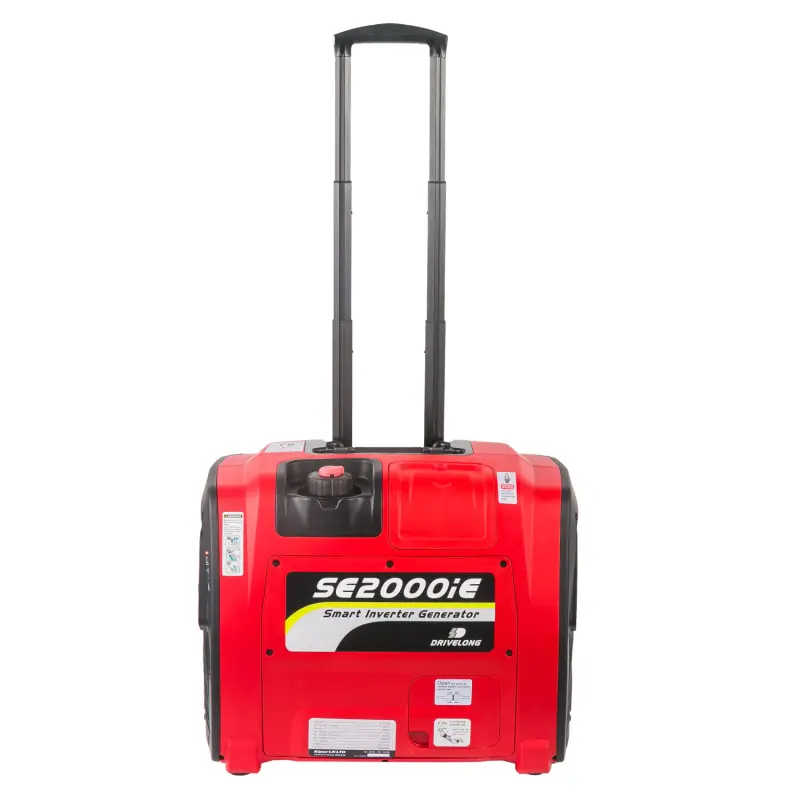
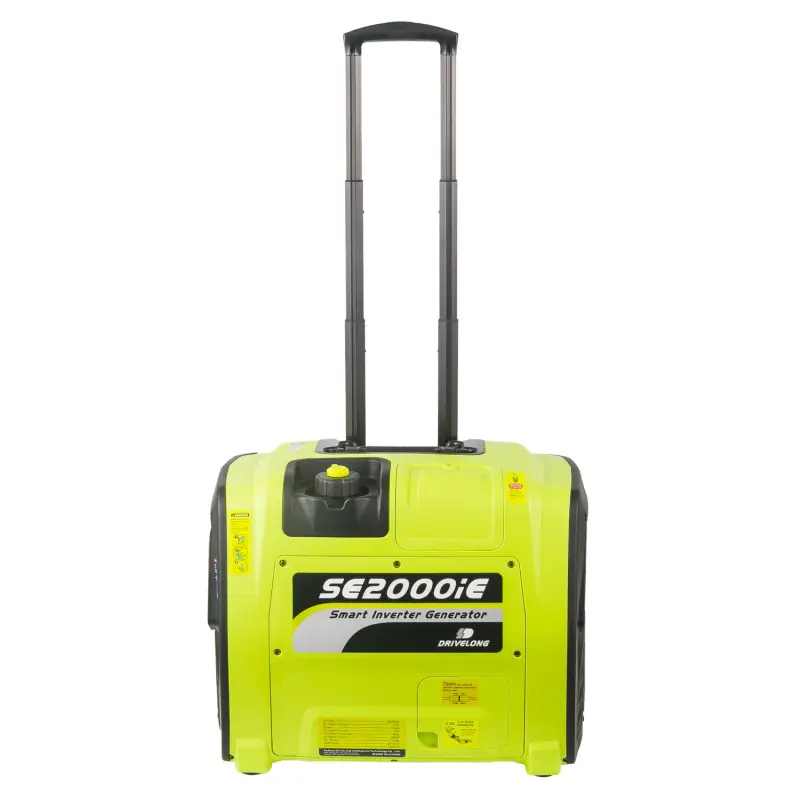
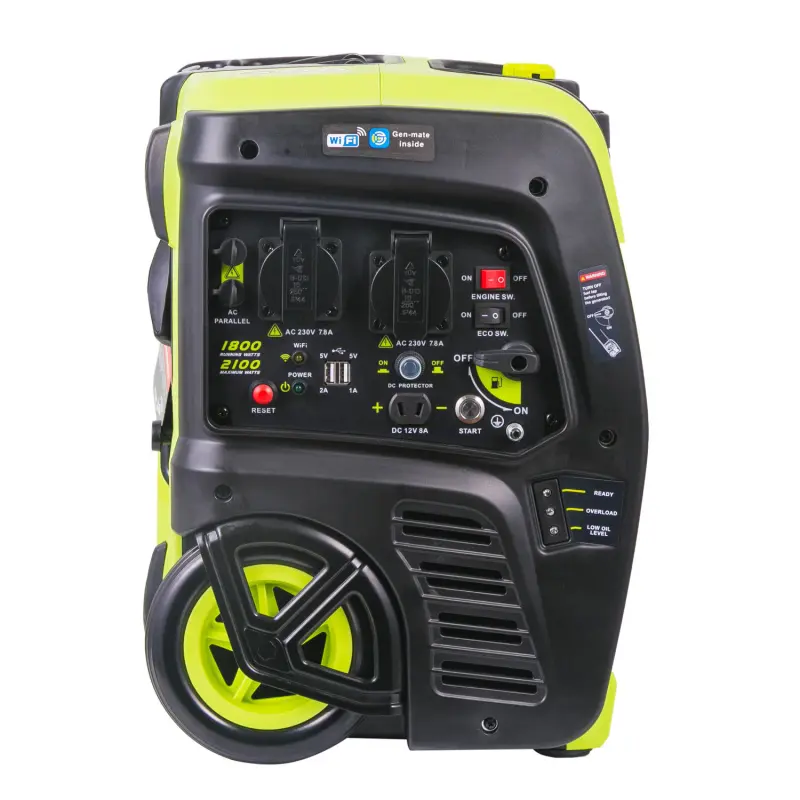
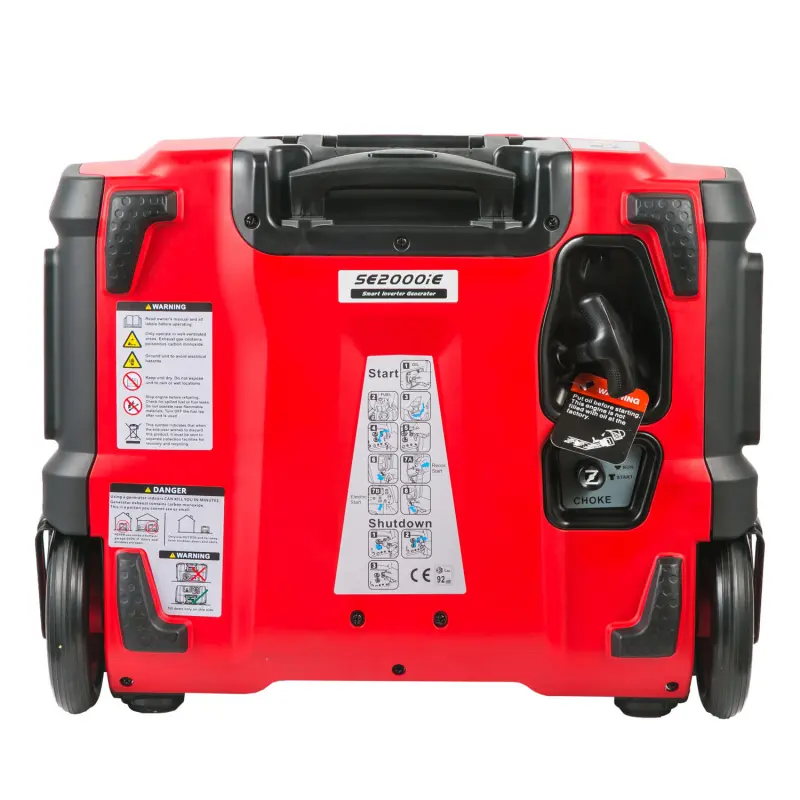
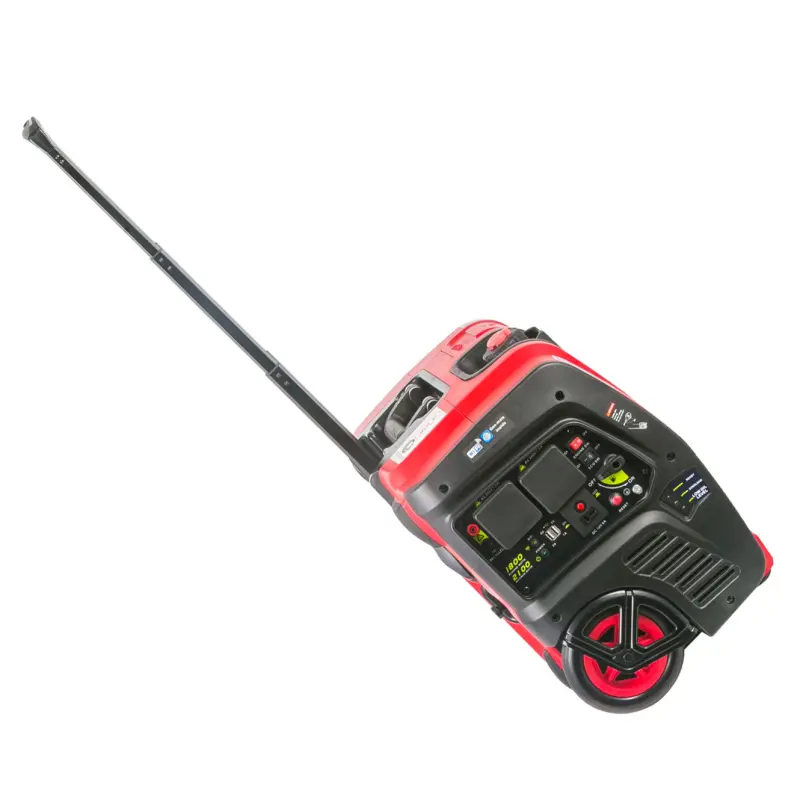
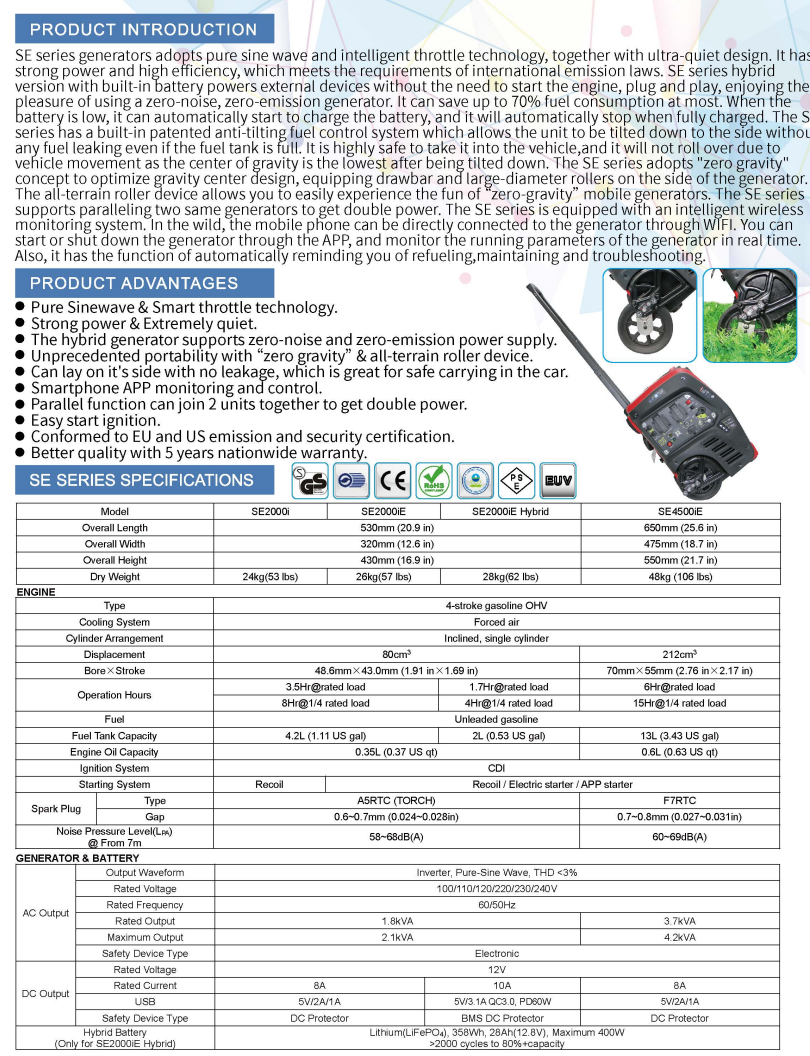
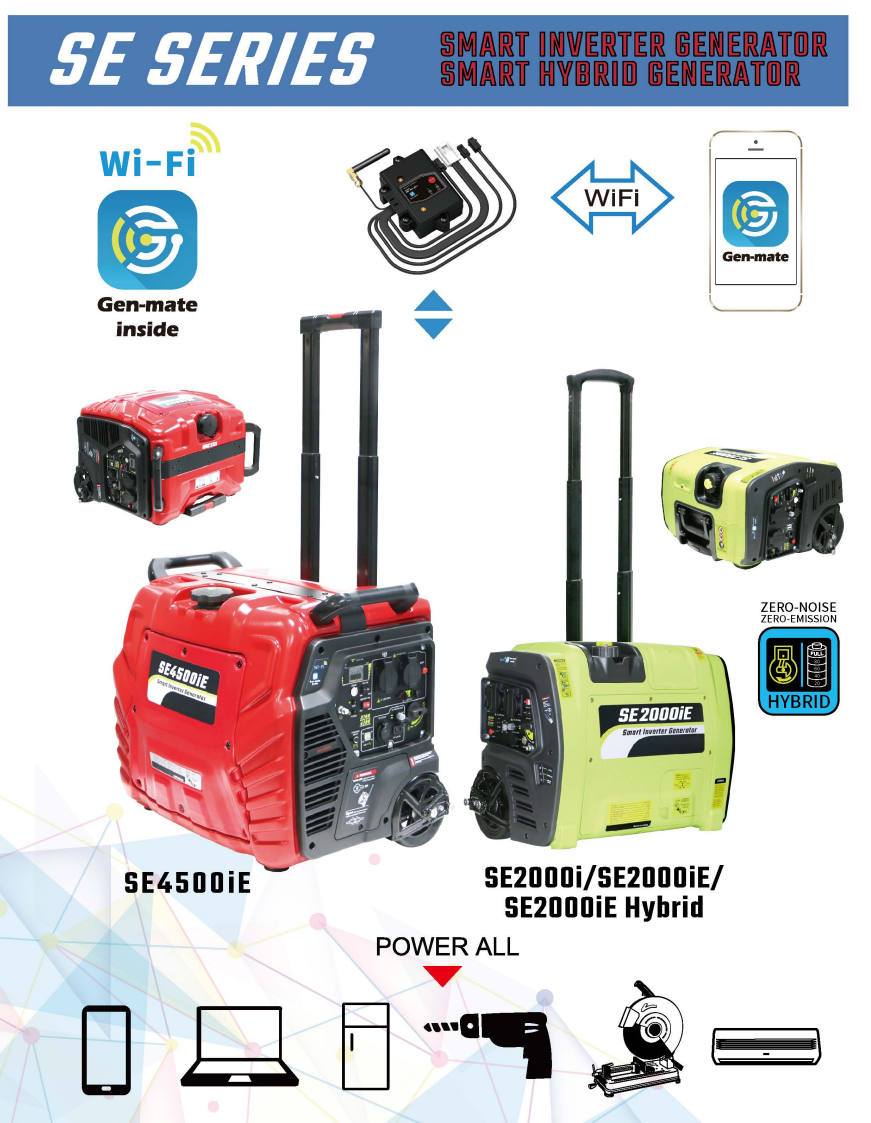
Smart Inverter Generator

Model:
- Section : Electrical & Tools
- Category : Gasoline Generators
- SKU : 16+00261053645

Smart Inverter Generator
Product Info Gallery
- Shipping Timeframes: All orders are processed within 2-5 business days (excluding weekends and holidays). After your order has been processed, the estimated delivery time is before 04 Aug, 2026, depending on customs, Please note that due to high demand, some items may experience longer shipping times, which will be communicated at order confirmation email.
- Order Processing Time: Please allow 2-5 business days for us to process your order before it is shipped . Orders placed after 16:00 on Fridays, or during weekends and public holidays, will begin processing on the next business day. Processing times may be extended during peak seasons or sales events.
- Manufacturing Time: Some products needs manufacturing time, the manufacturing process will take approximately 10-30 business days depending on the product. This timeframe may vary depending on the complexity of the product and current demand. but this will be communicated with you during order confirmation.
- Returns and Exchanges: We offer a 30-day return policy for most items. If you are not completely satisfied with your purchase, you may return it within 30 days of receipt for a refund or exchange. Items must be unused, in their original packaging, and accompanied by proof of purchase. Return shipping costs are the responsibility of the customer, unless the item was damaged or defective upon arrival.
1. What is a Smart Inverter Generator?
A Smart Inverter Generator combines inverter technology (which produces clean, stable AC power) with smart features such as connectivity, automatic engine management, and built-in diagnostics to improve efficiency, safety, and usability.
2. How does inverter technology benefit me?
Inverter technology produces stable, low-distortion AC power (often pure sine wave) that is safe for sensitive electronics, is more fuel-efficient at variable loads, and typically allows the engine to run at lower speeds to reduce noise and wear.
3. What makes this generator 'smart'?
Smart features typically include Bluetooth or Wi‑Fi connectivity, a mobile app or remote control for monitoring and starting/stopping, automatic eco-throttle/idle control, real-time diagnostics, and firmware updates for performance and safety improvements.
4. Is the power safe for laptops, phones and other sensitive electronics?
Yes — inverter generators produce clean, stable power (true or near-pure sine wave) suitable for computers, TVs, chargers, and other sensitive devices. Check the model's total harmonic distortion (THD) rating; under 3% is optimal.
5. What types of outlets are typically included?
Common outlets include 120V/240V AC household receptacles, a 30A RV-style outlet on some models, 12V DC output, USB ports for charging small devices, and GFCI protection on AC outlets. Exact configuration depends on the model.
6. How long will the generator run on a tank of fuel?
Run time varies by tank size and load. Many inverter generators run 6–12 hours at light to moderate loads (e.g., 25–50% load). Consult the product's spec sheet for exact fuel capacity and runtime estimates.
7. What fuel does it use and are there dual-fuel options?
Most smart inverter generators run on gasoline; however some models offer dual-fuel capability (gasoline and propane). Check the specific model for fuel type and conversion requirements.
8. How loud is a Smart Inverter Generator?
They are generally quieter than conventional generators because of inverter technology and eco modes. Typical noise levels are in the 50–65 dB range at rated distances, but actual noise depends on load and model.
9. Can I connect two units together for more power?
Many inverter generators support parallel operation with a manufacturer-supplied parallel kit or cable to increase available wattage. Verify parallel capability and compatible models before attempting to parallel units.
10. Does the generator have an electric start and remote control?
Some models include electric push-button start, key start, or remote start via the app or a dedicated remote fob. Feature sets vary — check the product description for the starting options included.
11. What safety features are included?
Common safety features are low-oil shutdown, overload protection, automatic voltage regulation, GFCI-protected outlets, and, on many newer units, CO (carbon monoxide) detection/shutdown systems. Always operate outdoors and follow safety guidelines.
12. Can I run a transfer switch to power my home?
Many inverter generators can be connected to a home via a transfer switch, but you must use a properly rated interlock or manual transfer switch and follow local codes. Consult an electrician and the generator's installation instructions.
13. What routine maintenance is required?
Regular maintenance includes changing engine oil and filter, inspecting/replacing the air filter and spark plug, checking fuel lines, and running the generator periodically. Follow the manufacturer's maintenance schedule for intervals and procedures.
14. Is it safe to use the generator indoors or in an enclosed space?
No. Generators produce carbon monoxide, which is lethal in enclosed or poorly ventilated spaces. Always operate the generator outdoors, away from windows, doors and vents, and follow clearance recommendations in the manual.
15. What warranty and support are available?
Warranty terms vary by brand and model; common coverage is 1–3 years for consumer models. Register your product, keep the sales receipt, and consult the manufacturer's support resources for warranty details, service centers, and replacement parts.
Latest Order Arrivals
Discover our latest orders
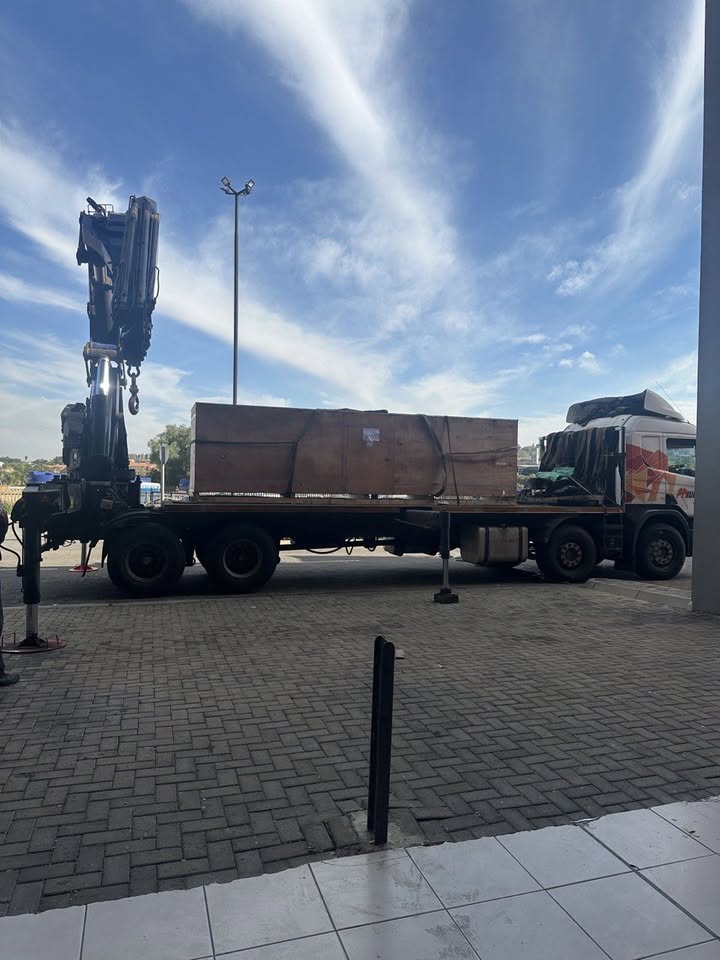
12 Heads Embroidery Machine
Toilet Paper Machine Machine
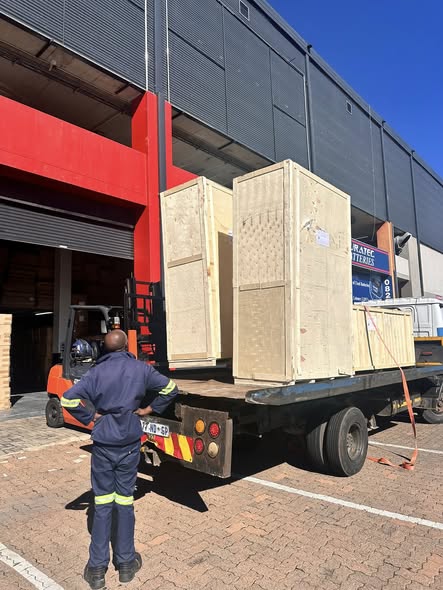
Order Collection
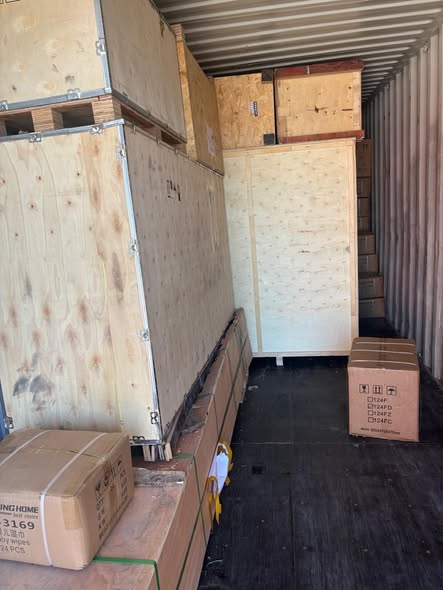
Cross Border Clients
Order cros border countries Collected
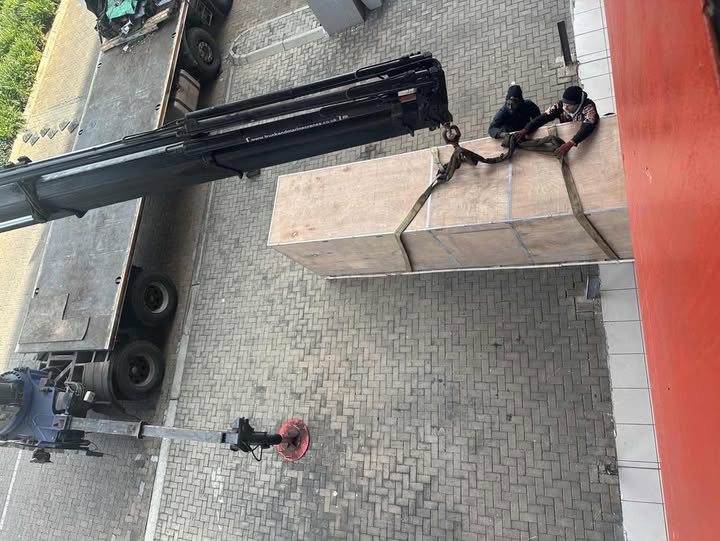
Industrial Machine Cllection
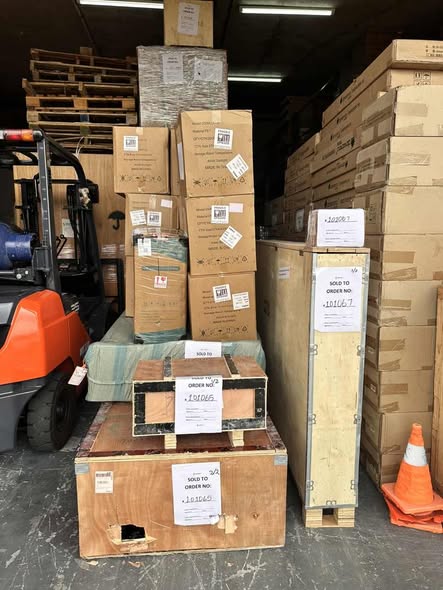
Agriculture Processing Machines
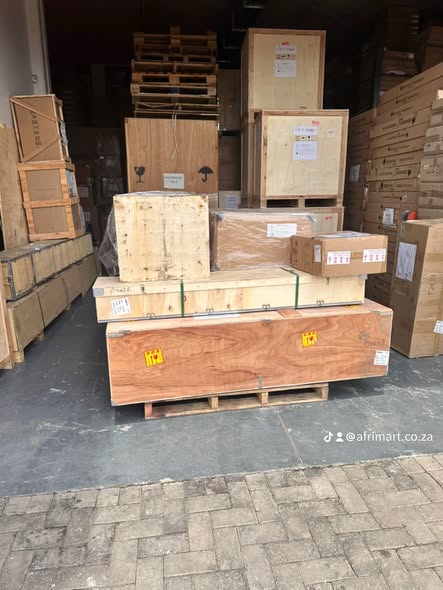
Ready for collection
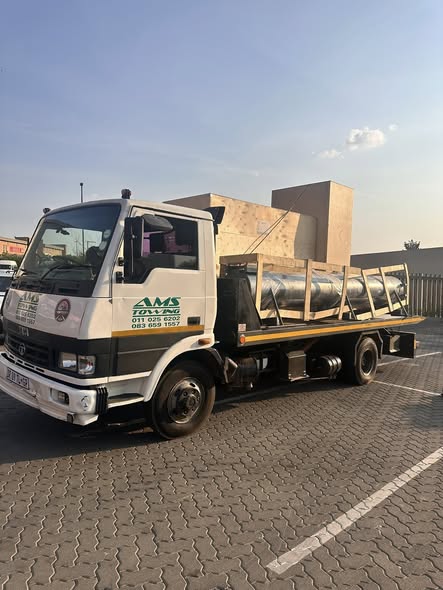
Water Pump Equipment
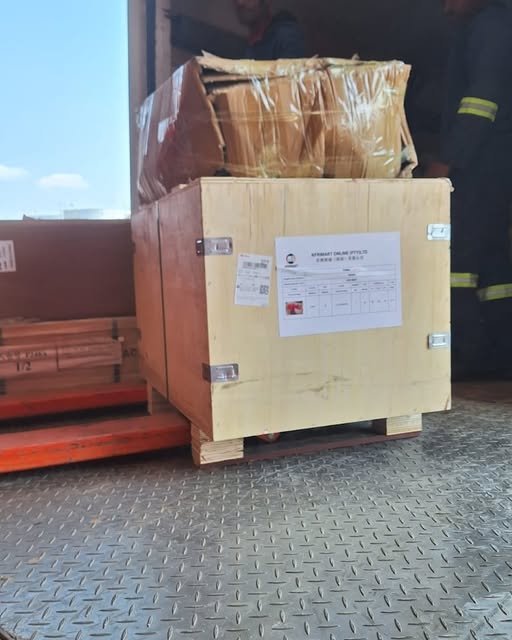
Packaging Machine and accessories
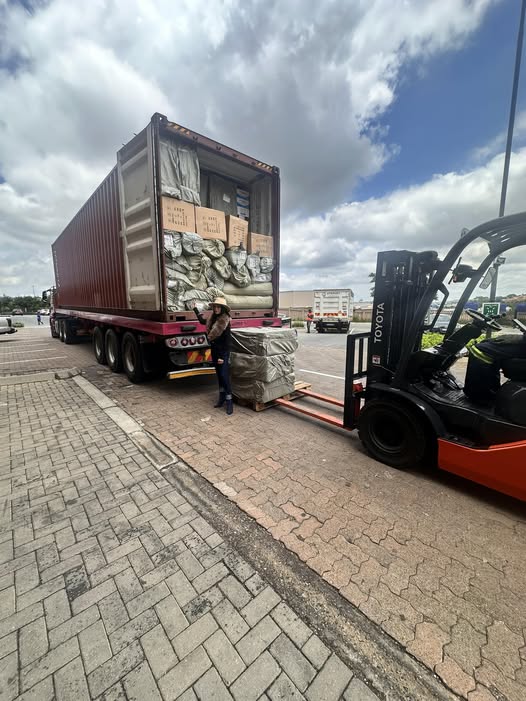
Fabrics Manufacturing Equipment
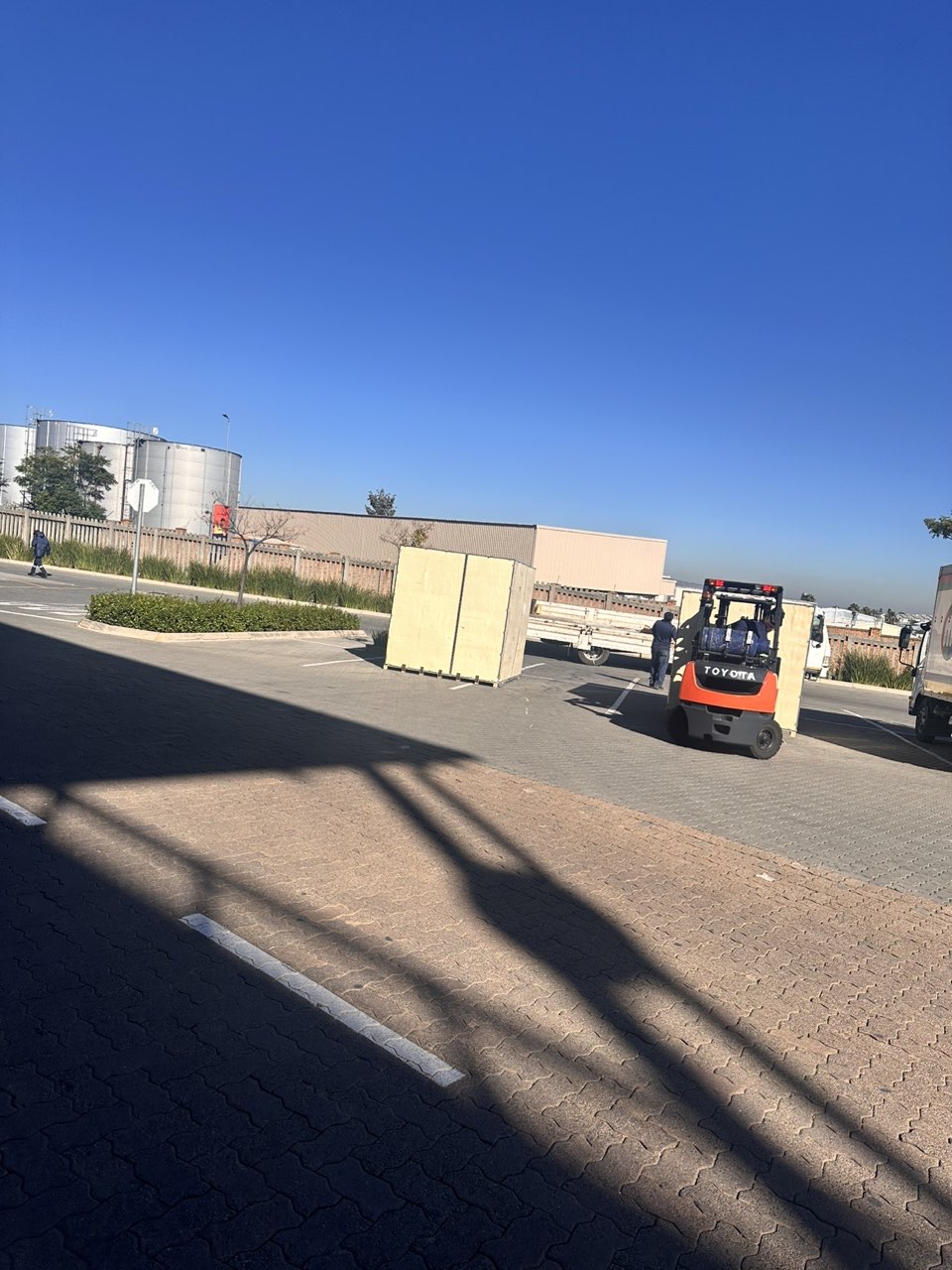
Mining Equipments
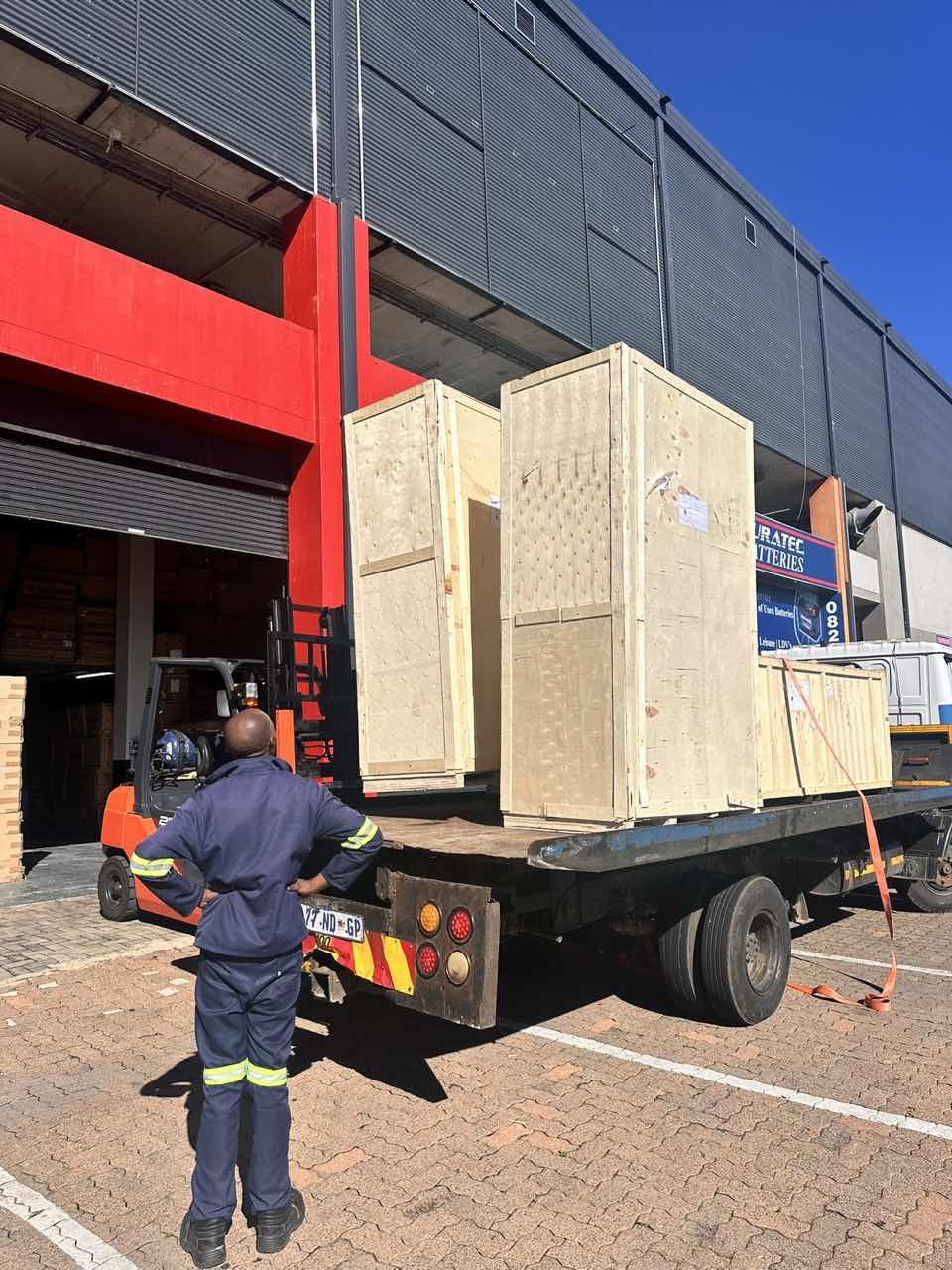
Food Processing Machine
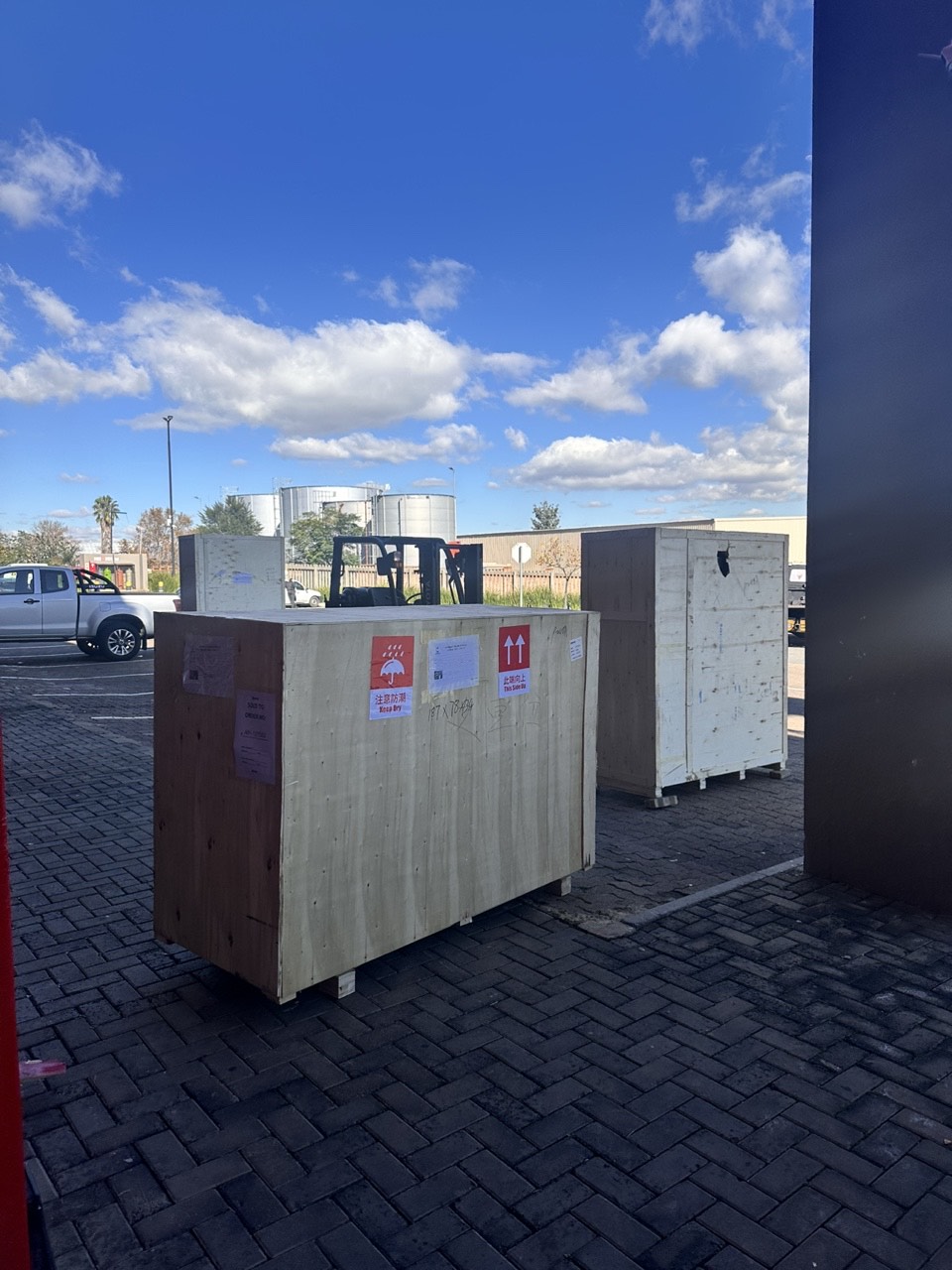
Batch of Orders
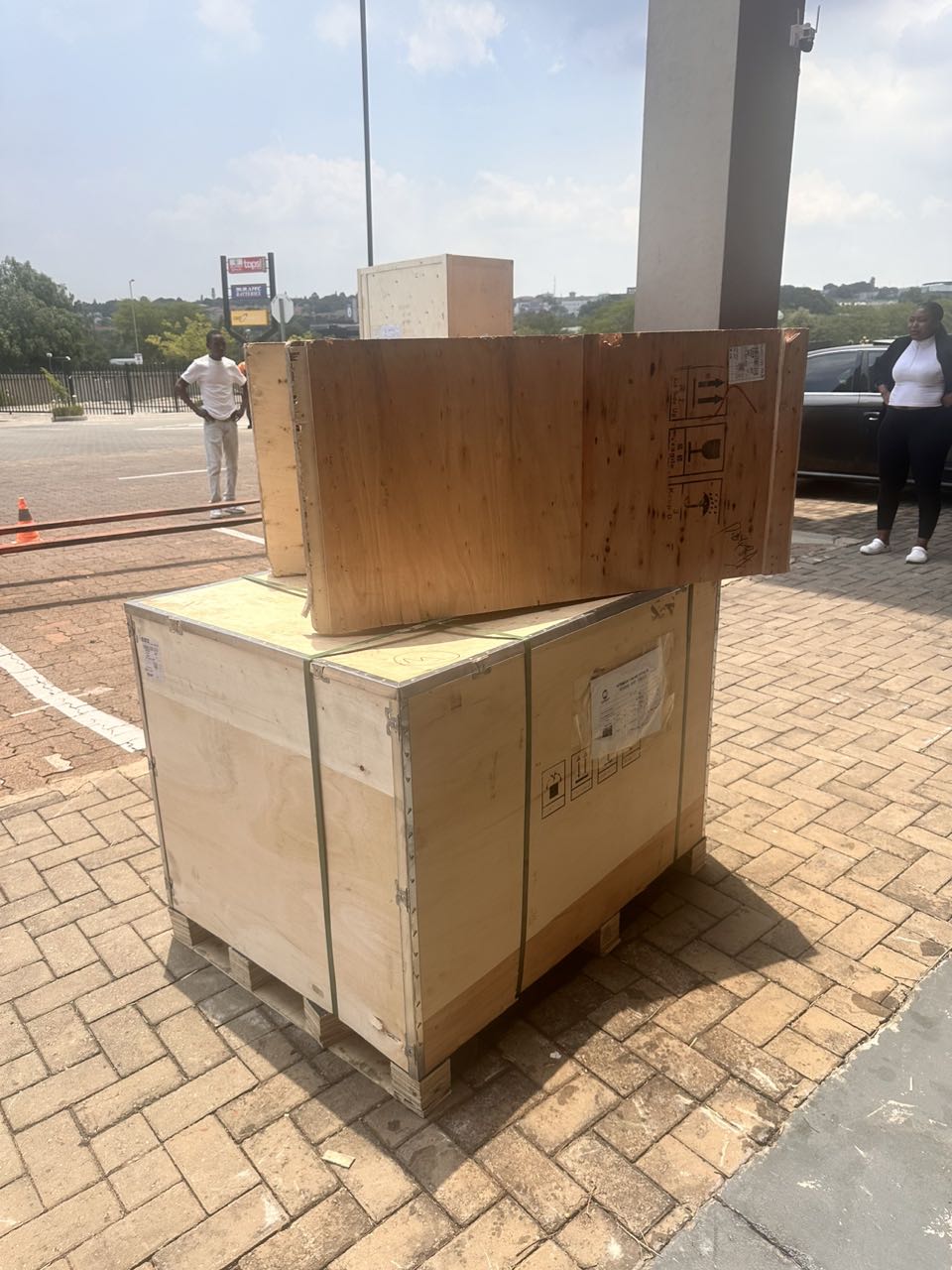
Batch of Orders
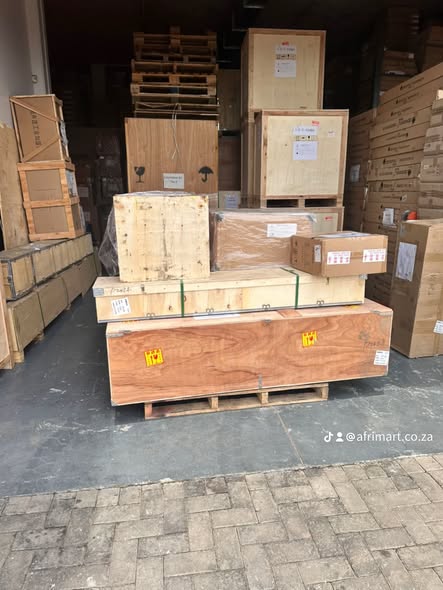
Latest Orders Labelled
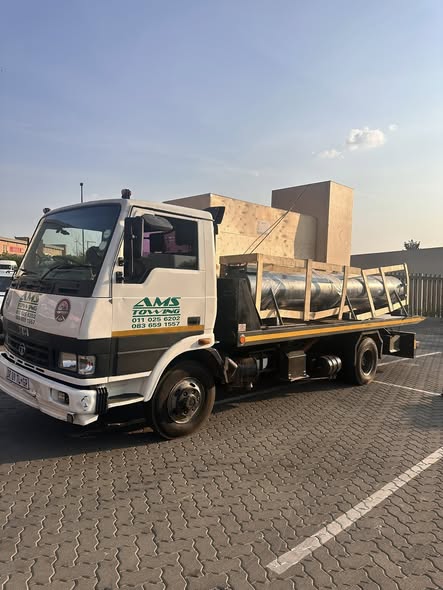
wheel alignment machines
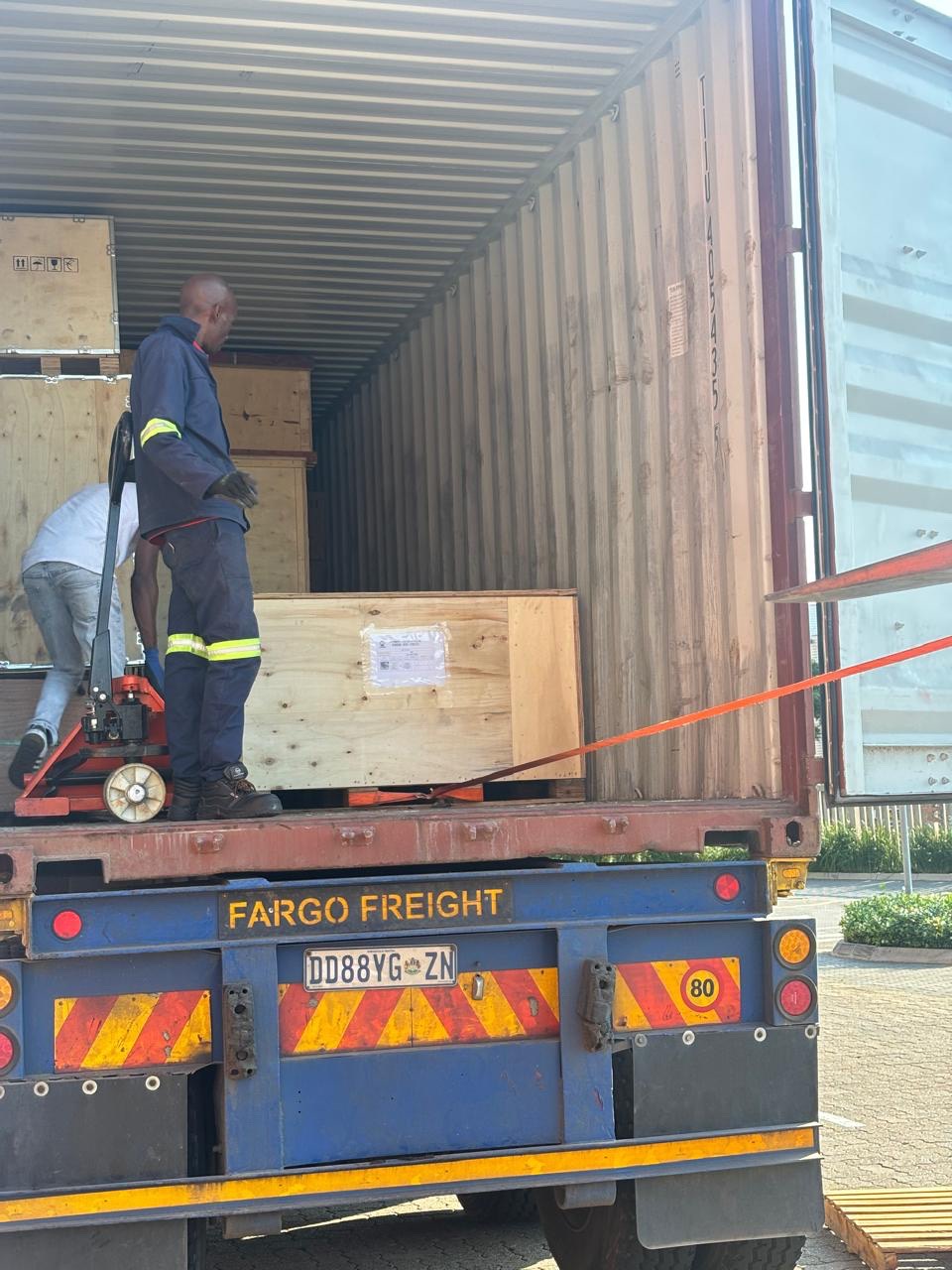
new arrivals
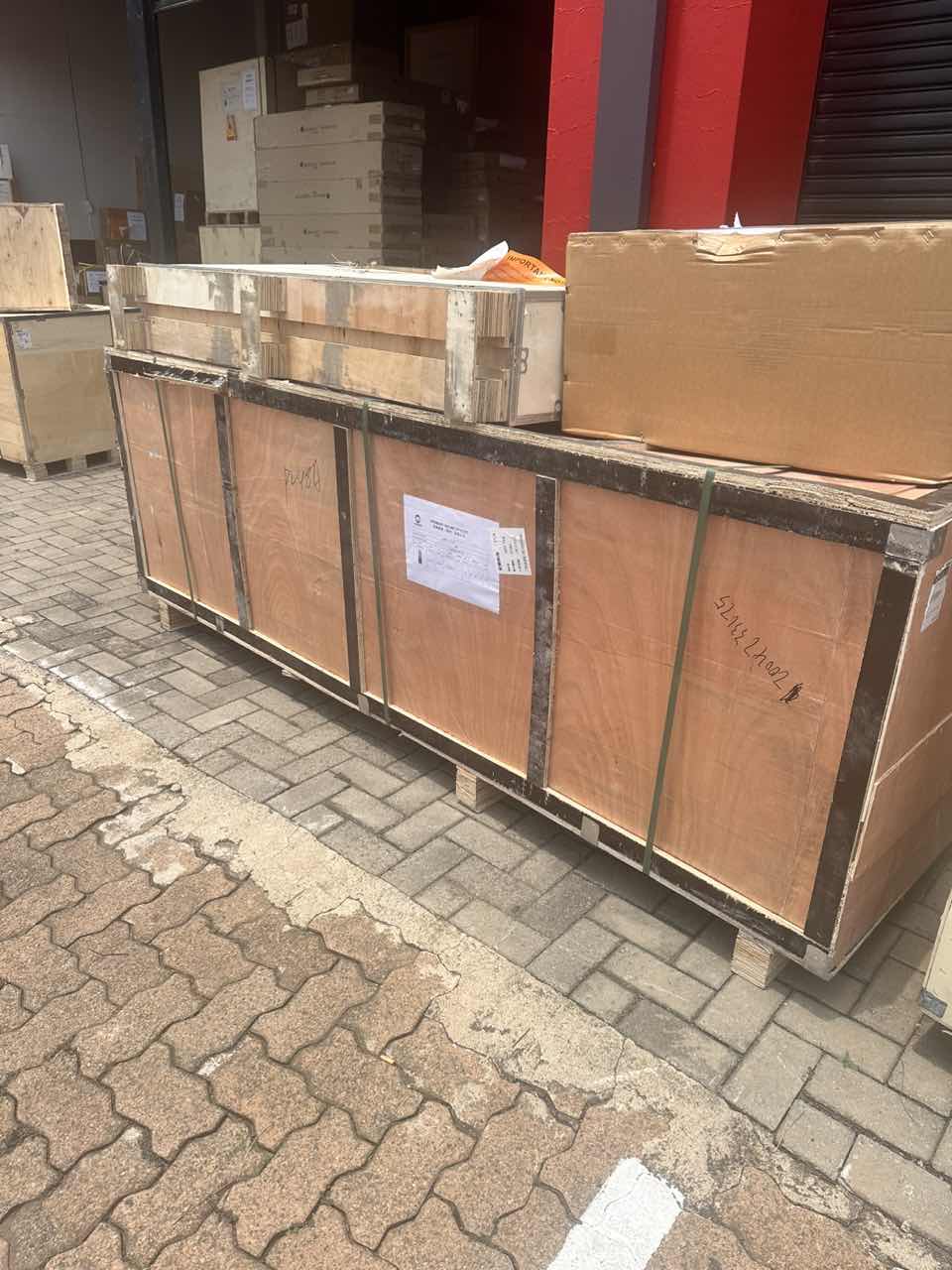
Pre Orders Offloading
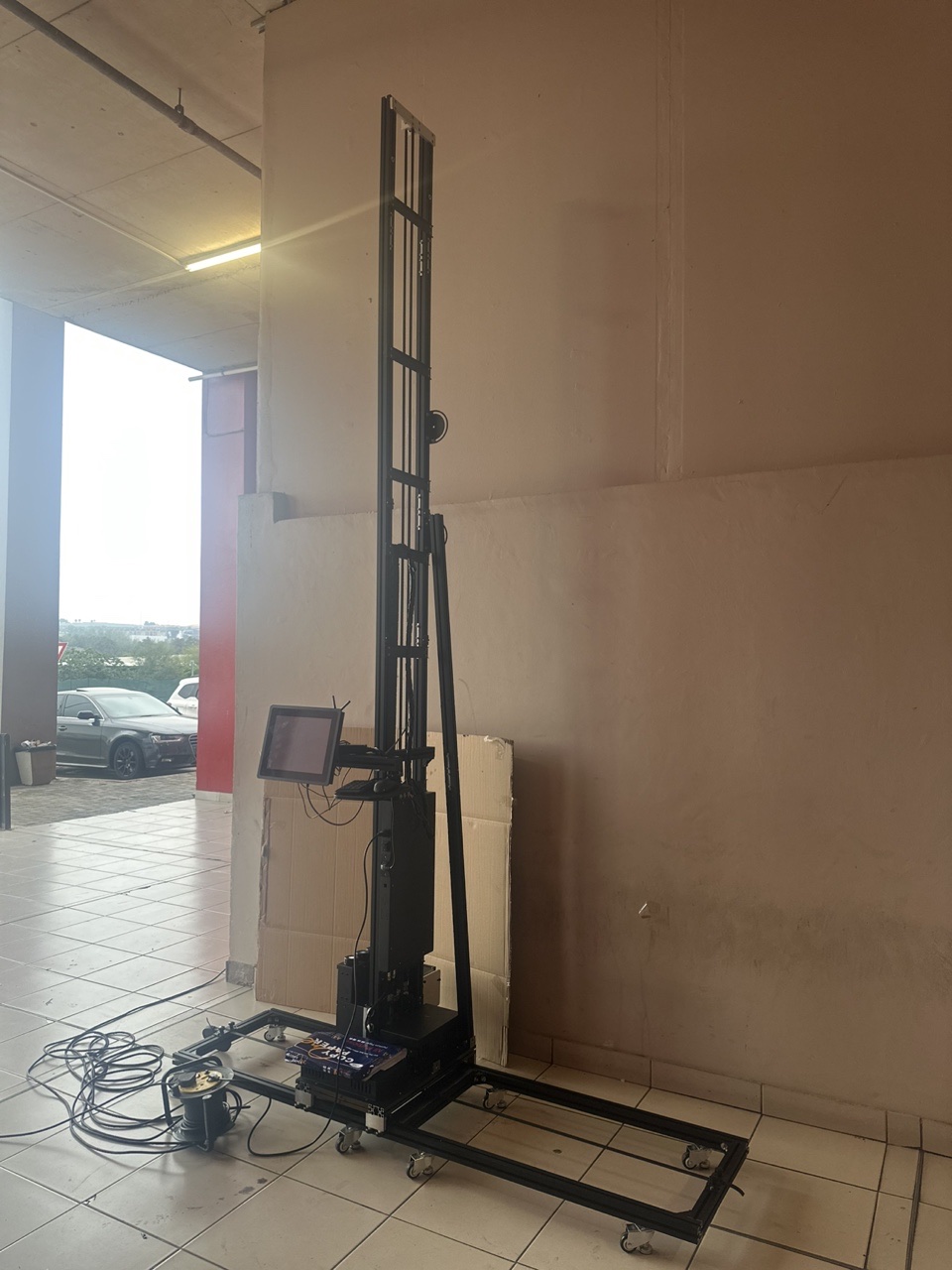
Latest Arrivals
Latest Arrivals
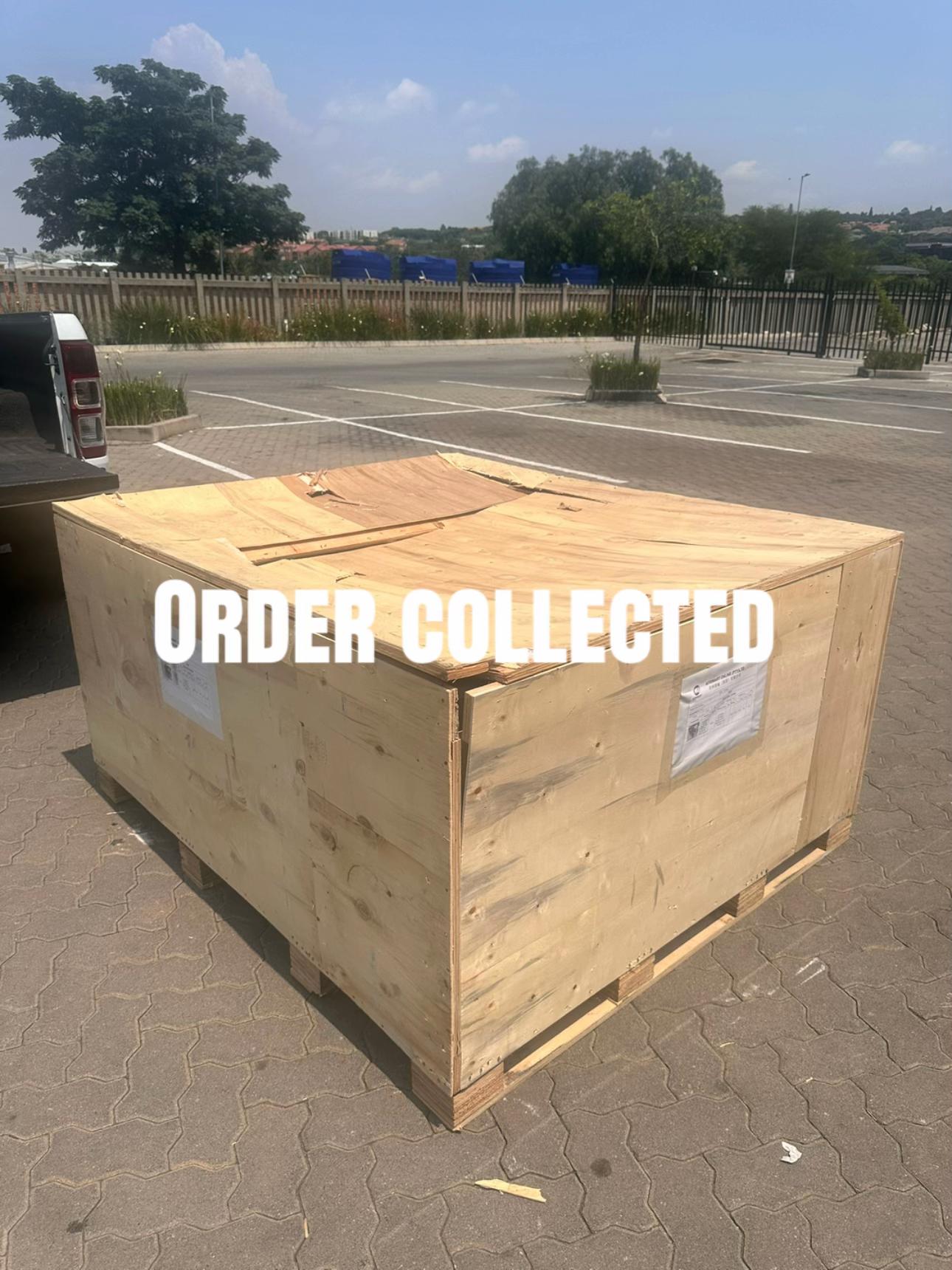
Latest Arrivals
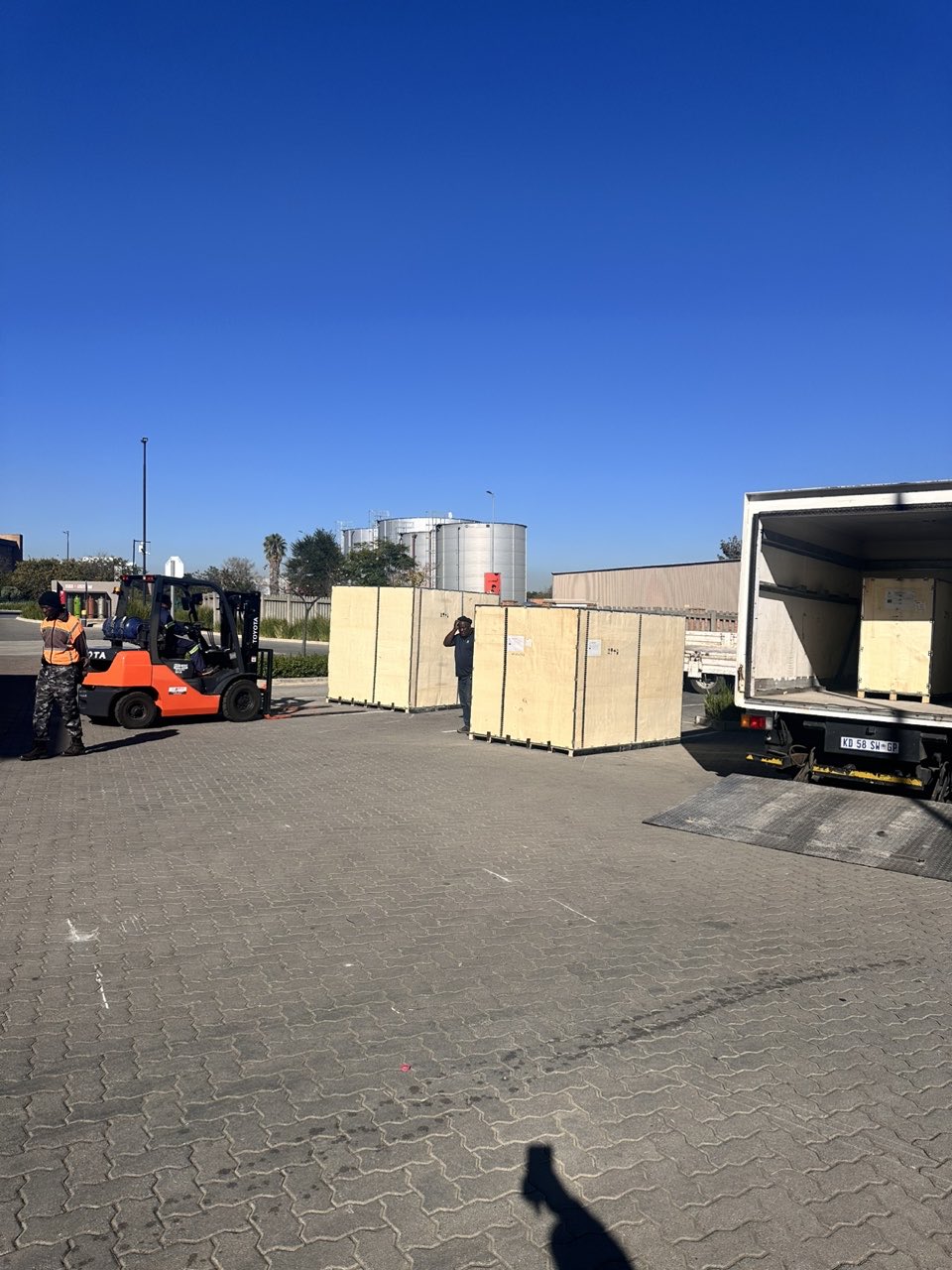
Loading
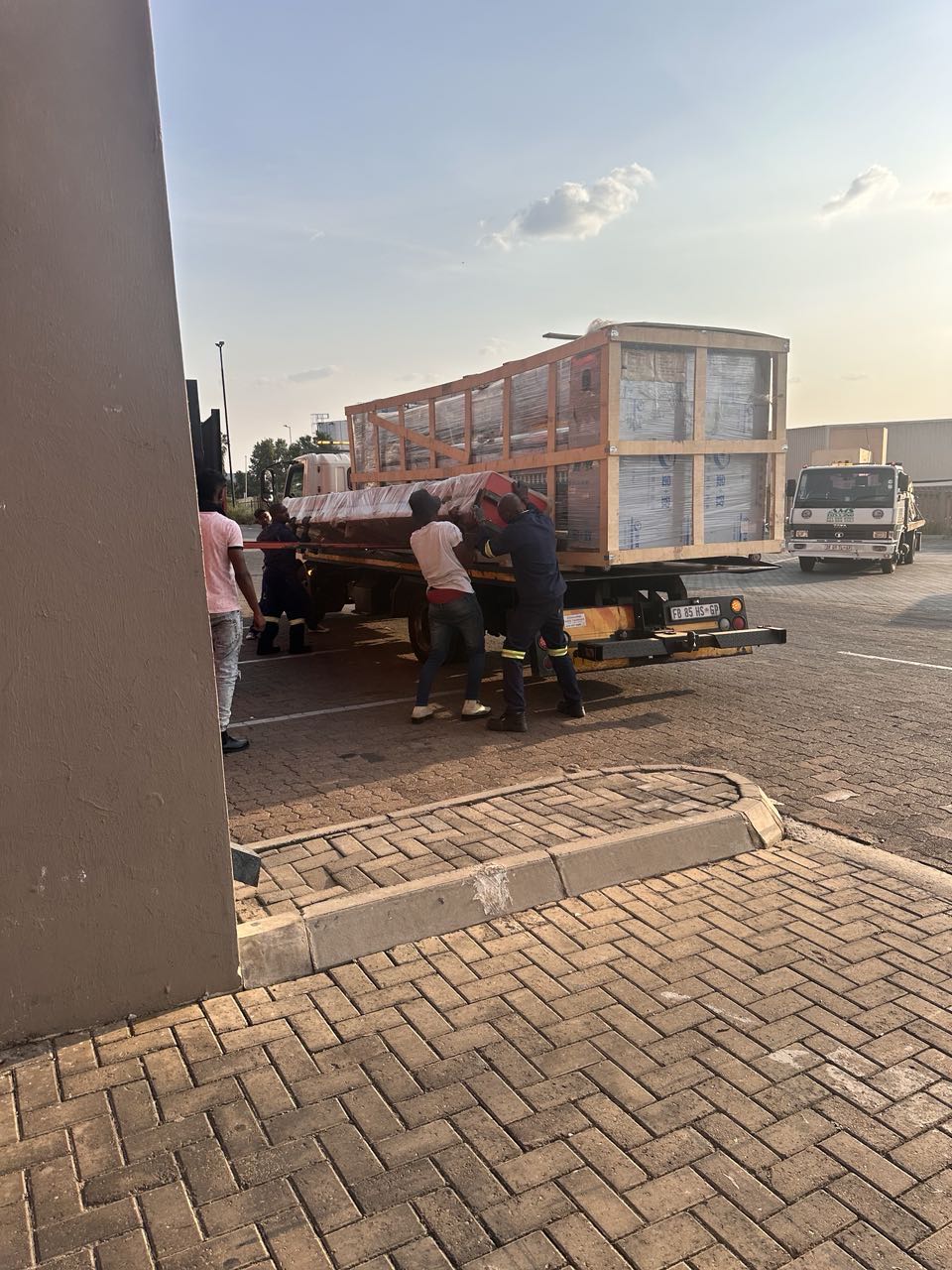
Toilet paper making machine
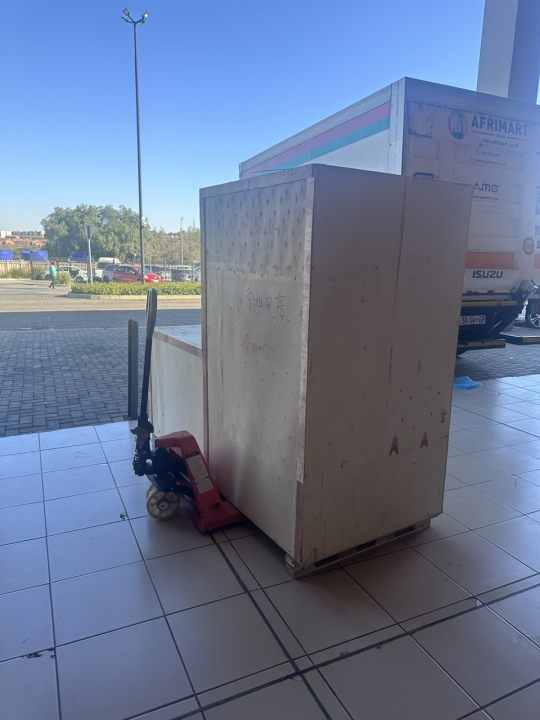
Toilet paper making machine
Toilet paper Rewinding Machine
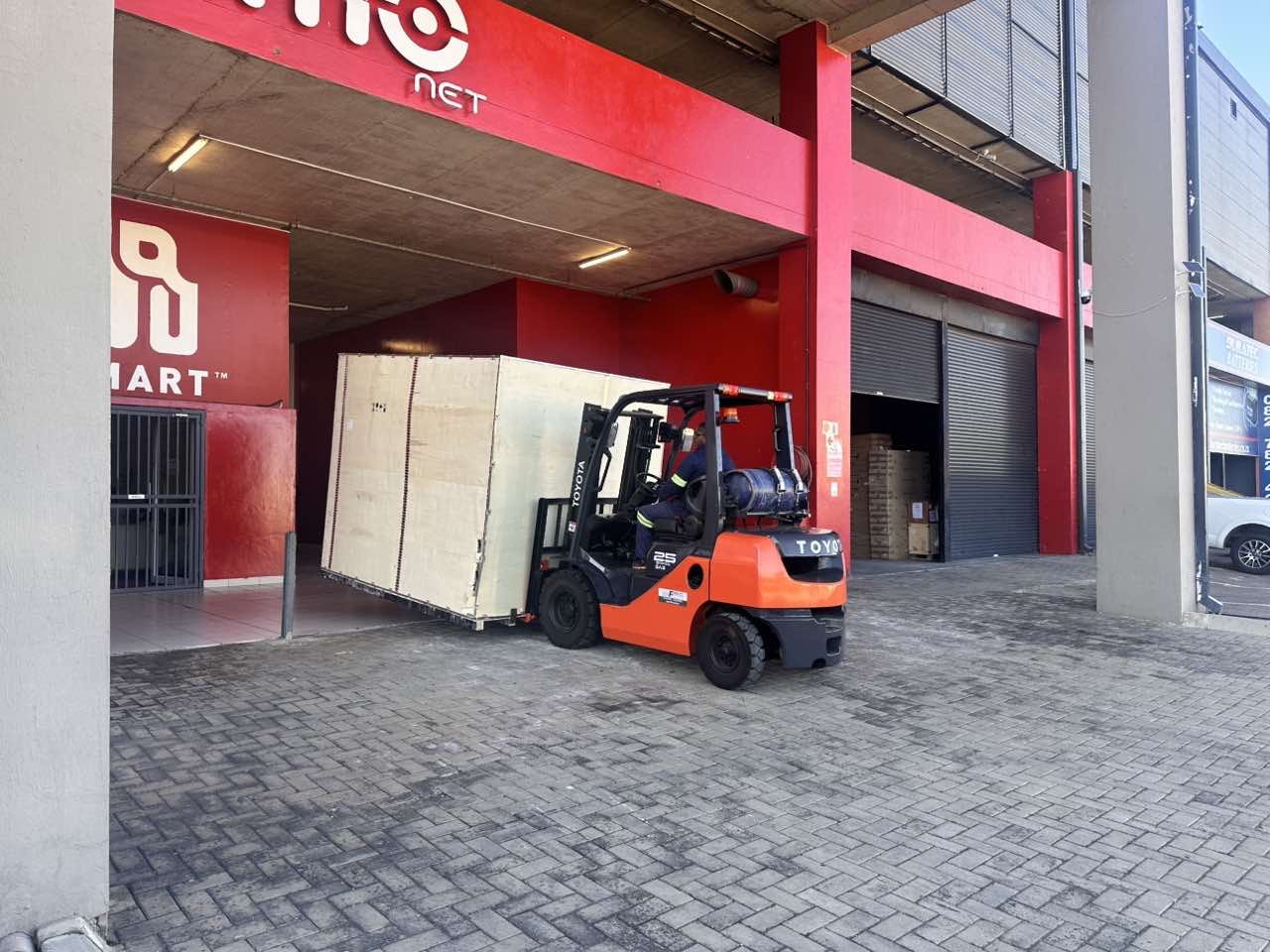
latest arrivals
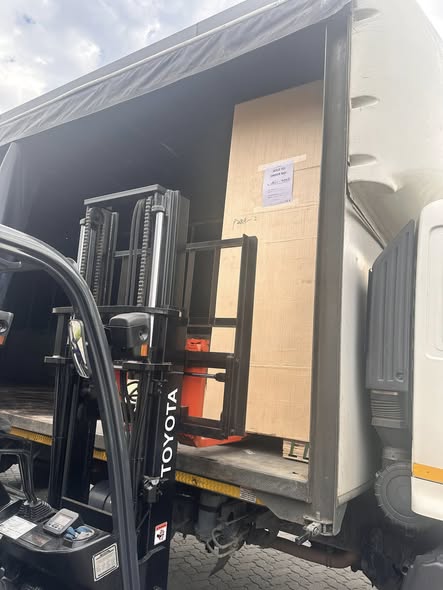
offloading
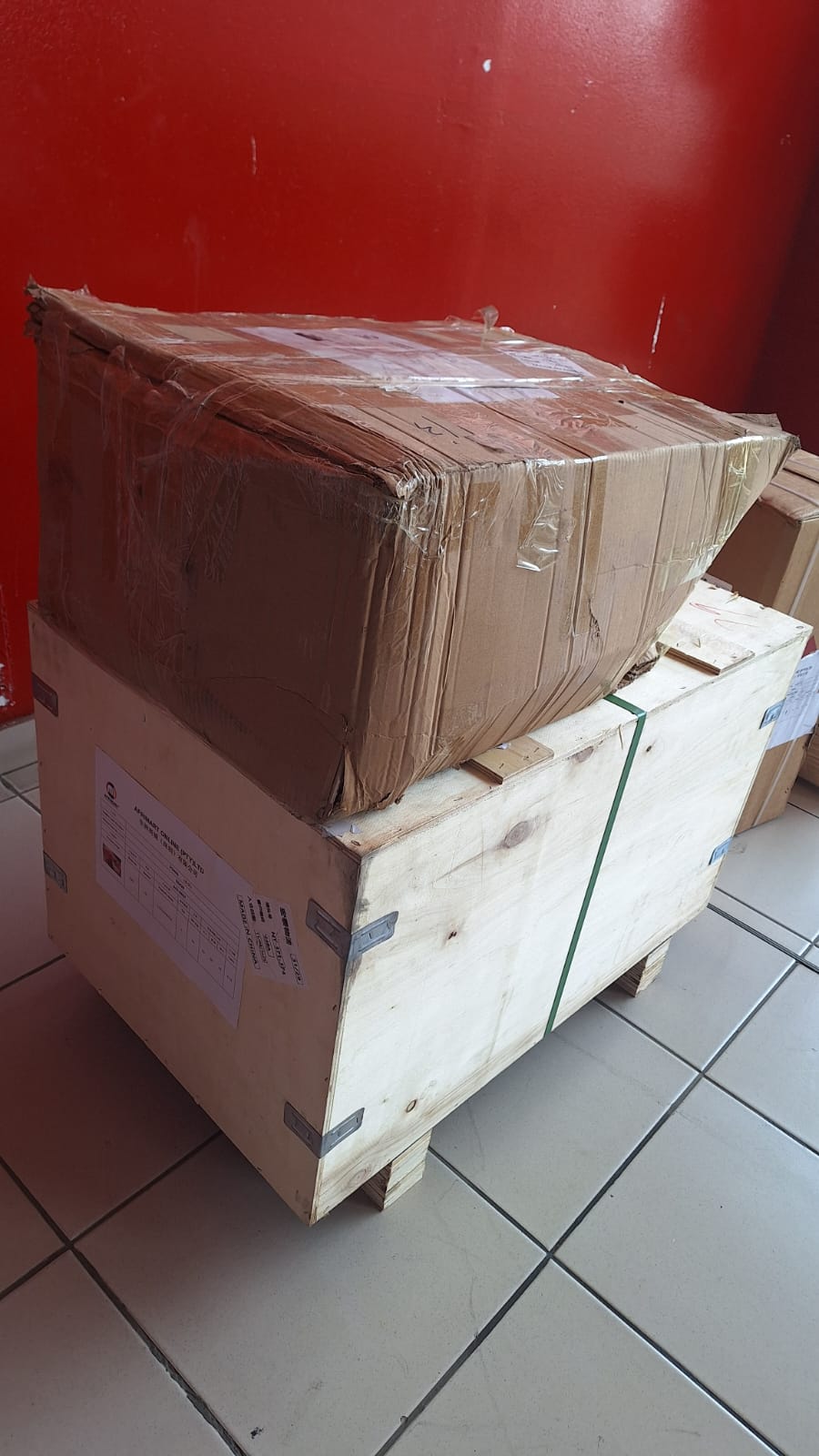
order success
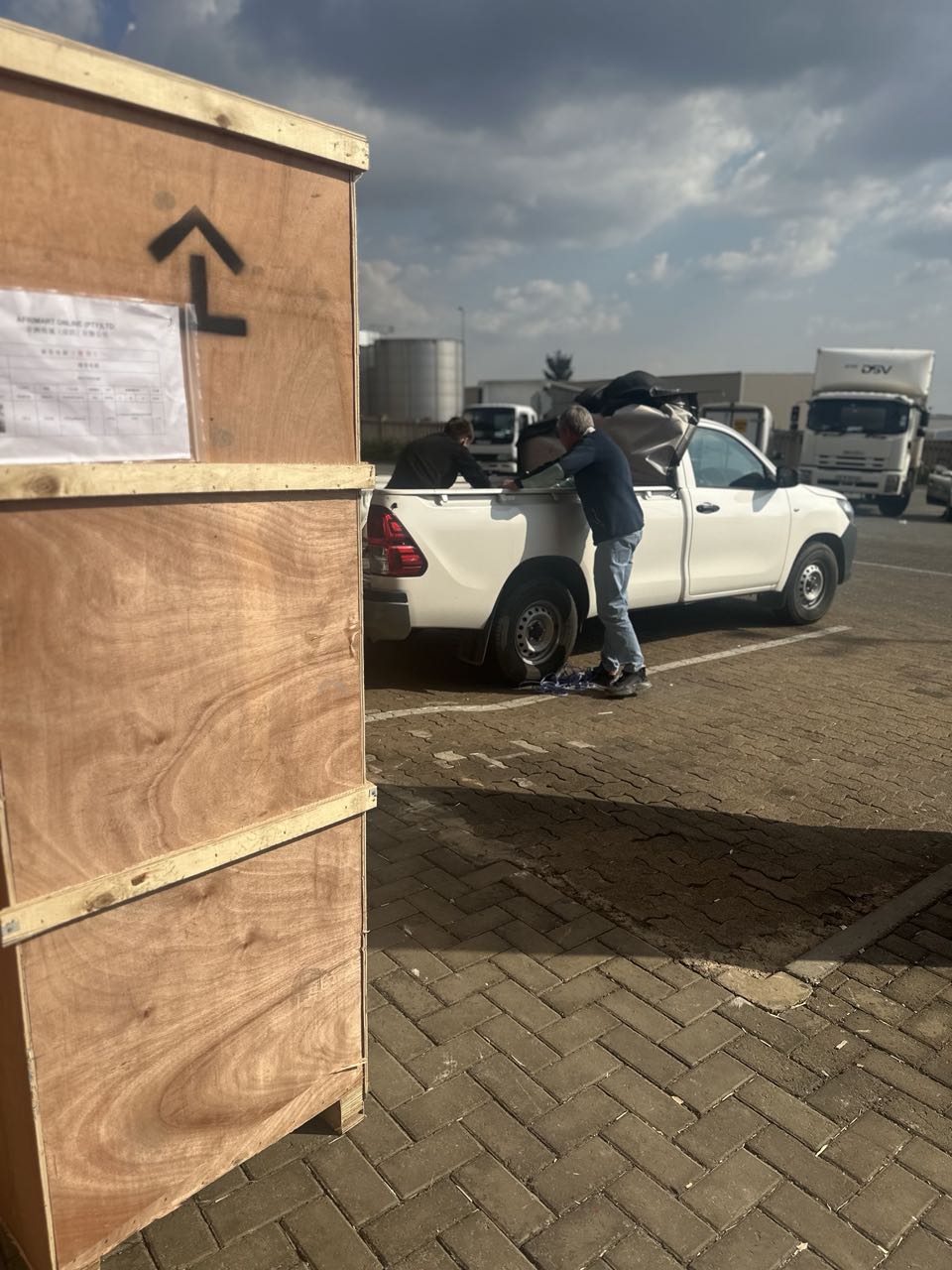
order collection
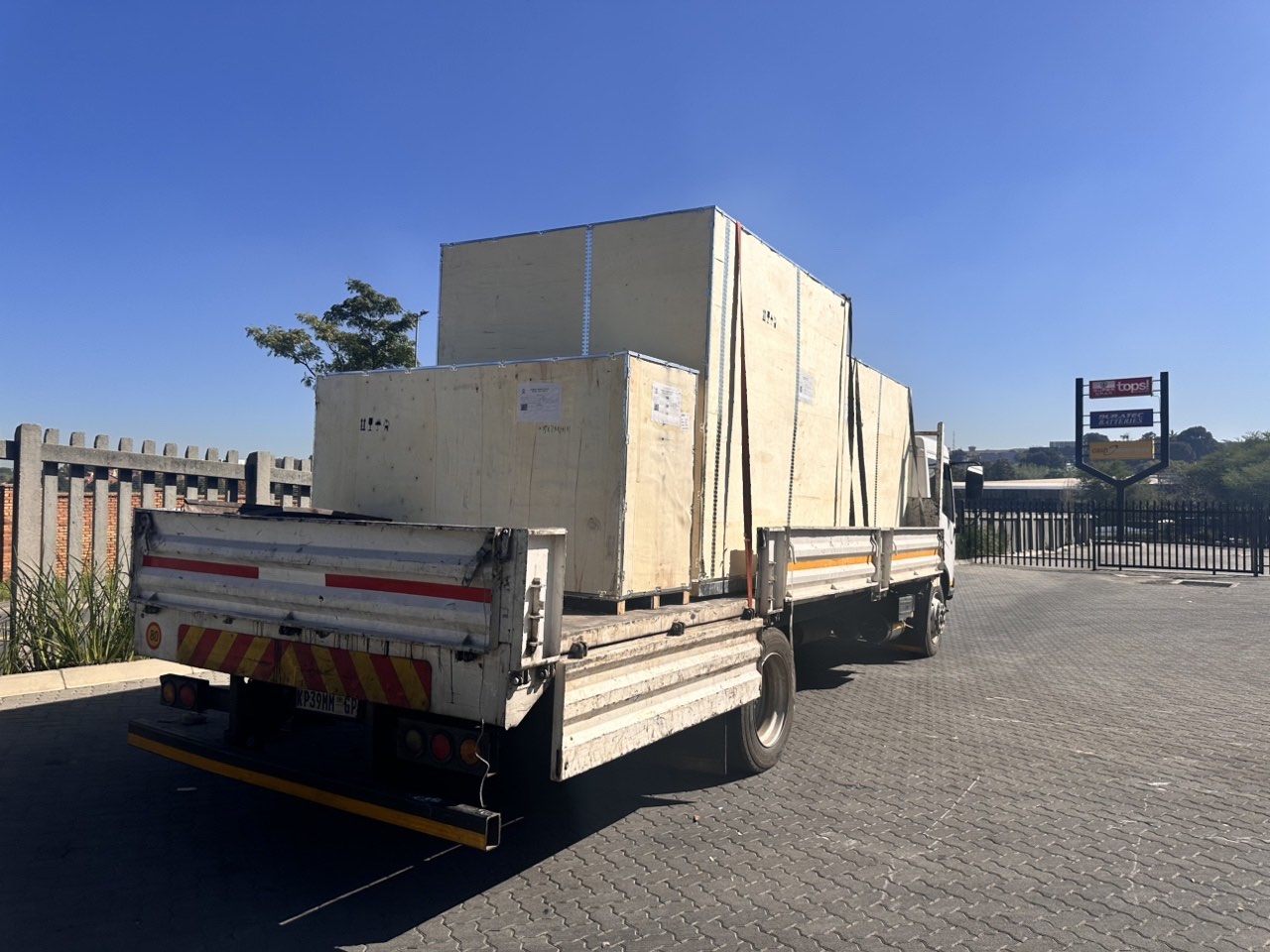
order offloading