B21, China Town Mall, Midrand




Rotary Tiller
Introducing the Rotary Tiller, an essential tool for any farm operation! This powerful machine is designed to efficiently turn the soil, making it ideal for agricultural work.
Key Features
High Productivity: Designed for maximum efficiency, this rotary tiller ensures quick and effective soil preparation for your farming needs.
Weight: Weighing 200 kg, it offers stability and robustness during operation.
Core Components: The machine features high-quality components that enhance durability and performance.
Application: Perfect for various farm work, it excels in turning the soil to prepare it for planting.
Function: The primary function of the rotary tiller is to efficiently turn the soil, breaking it up for better aeration and nutrient distribution.
After-Sales Service: Comprehensive after-sales service is provided to ensure your satisfaction and address any concerns.
Conclusion
The Rotary Tiller is an invaluable addition to any farming operation. Its efficient design and robust build make it perfect for turning the soil quickly and effectively. Enhance your farming productivity with this reliable machine today!
Product Info Gallery
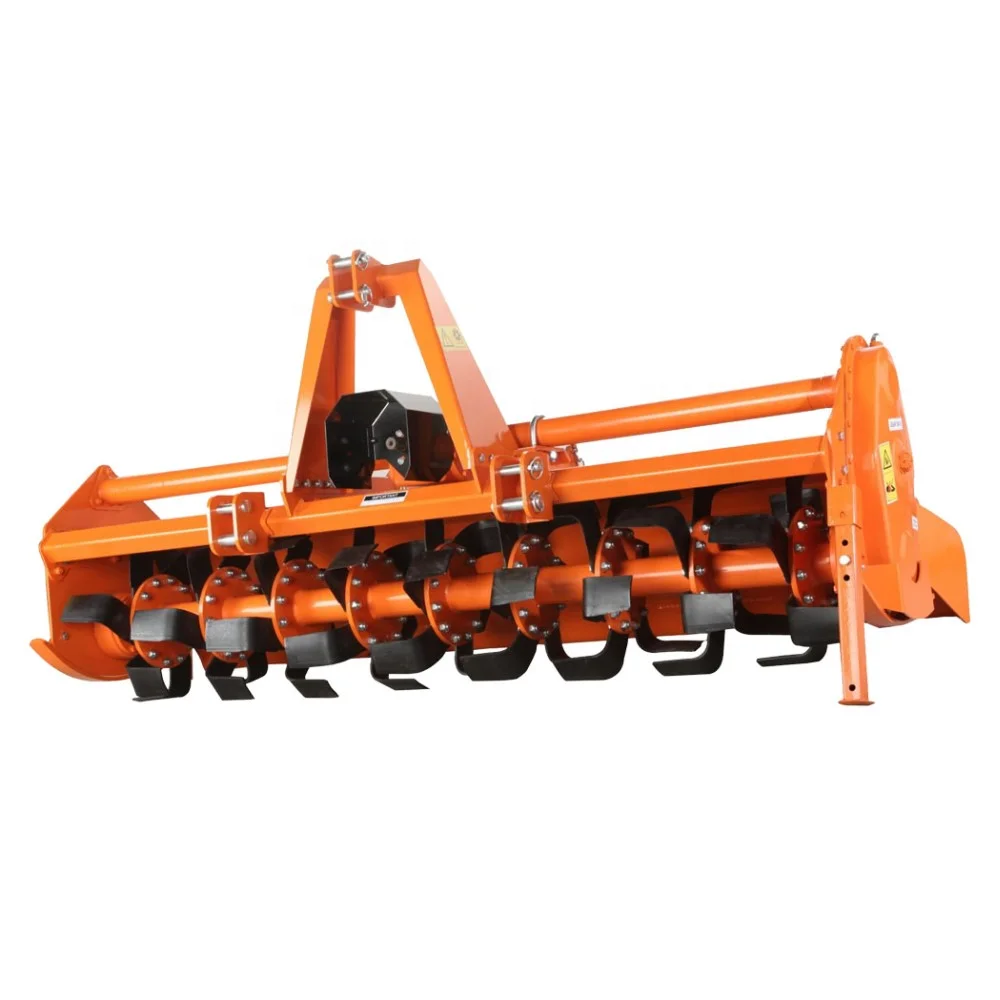
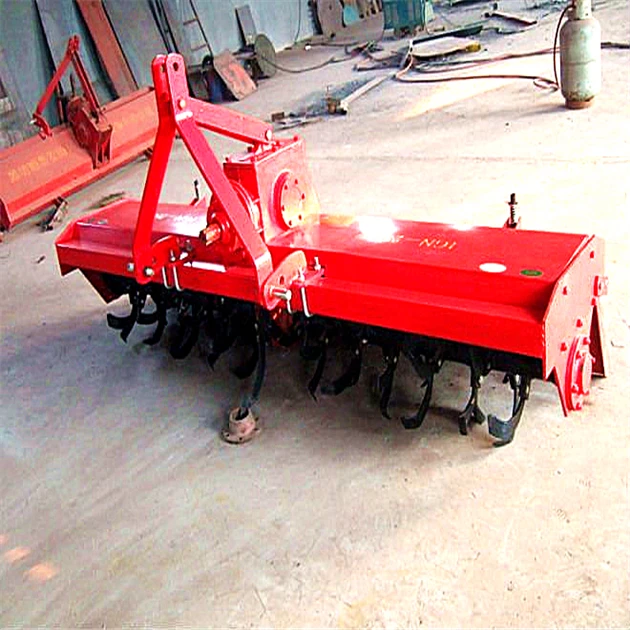
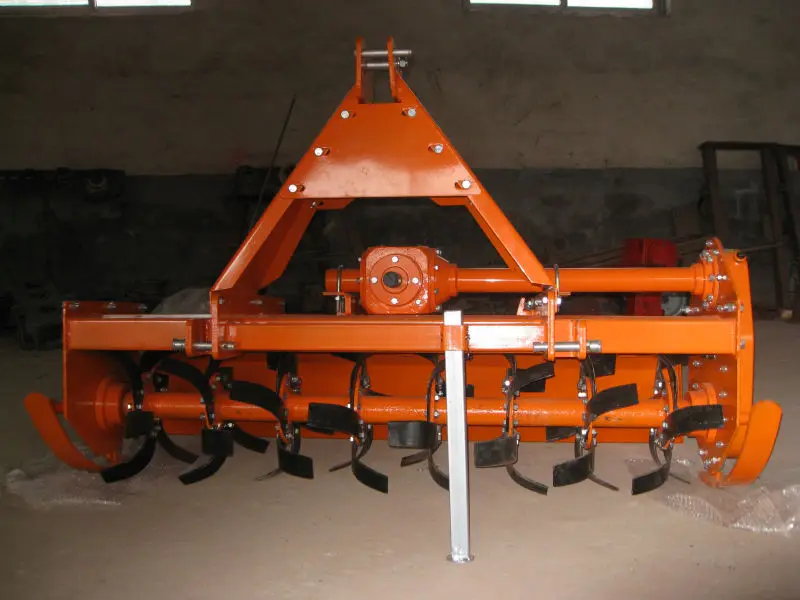
| Model | 1GQN-100 | 1GQN-120 | 1GQN-125 | |
| Working Width (mm) | 1000 | 1200 | 1250 | |
| Working Depth (mm) | Dry Land | 80-140 | ||
| Water Land | 100-160 | |||
| Quantity of Blade (pcs) | 22 | 26 | 26 | |
| Weight (kgs) | 200 | 215 | 220 | |
| Linkage | Three Point Mounted | |||
| Matched Power (HP) | 12-20 | 15-20 | 15-20 |
| Model | 1GQN-140 | 1GQN-150 | 1GQN-160 | 1GQN-180 | |
| Working Width (mm) | 1400 | 1500 | 1600 | 1800 | |
| Working Depth (mm) | Dry Land | 120-180 | |||
| Water Land | 140-200 | ||||
| Quantity of Blade (pcs) | 30 | 34 | 38 | 50 | |
| Weight (kgs) | 230 | 240 | 250 | 415 | |
| Linkage | Three Point Mounted | ||||
| Matched Power (HP) | 20-25 | 25-30 | 30-40 | 50-55 |
| Model | 1GQN-200 | 1GQN-220 | 1GQN-250 | 1GQN-300 | |
| Working Width (mm) | 2000 | 2200 | 2500 | 3000 | |
| Working Depth (mm) | Dry Land | 160-180 | |||
| Water Land | 160-200 | ||||
| Quantity of Blade (pcs) | 54 | 58 | 62 | 66 | |
| Weight (kgs) | 420 | 460 | 480 | 540 | |
| Linkage | Three Point Mounted | ||||
| Matched Power (HP) | 55-75 | 60-80 | 75-100 | 80-120 |
- Shipping Timeframes: All orders are processed within 2-5 business days (excluding weekends and holidays). After your order has been processed, the estimated delivery time is before 03 Aug, 2026, depending on customs, Please note that due to high demand, some items may experience longer shipping times, which will be communicated at order confirmation email.
- Order Processing Time: Please allow 2-5 business days for us to process your order before it is shipped . Orders placed after 16:00 on Fridays, or during weekends and public holidays, will begin processing on the next business day. Processing times may be extended during peak seasons or sales events.
- Manufacturing Time: Some products needs manufacturing time, the manufacturing process will take approximately 10-30 business days depending on the product. This timeframe may vary depending on the complexity of the product and current demand. but this will be communicated with you during order confirmation.
- Returns and Exchanges: We offer a 30-day return policy for most items. If you are not completely satisfied with your purchase, you may return it within 30 days of receipt for a refund or exchange. Items must be unused, in their original packaging, and accompanied by proof of purchase. Return shipping costs are the responsibility of the customer, unless the item was damaged or defective upon arrival.
1. What is a Rotary Tiller and what does it do?
A rotary tiller is a farm implement that uses rotating blades to break up, turn and aerate soil to prepare seedbeds, incorporate residues and improve soil structure for planting.
2. What models and working widths are available?
Models range from compact to wide: working widths available are 1000, 1200, 1250, 1400, 1500, 1600, 1800, 2000, 2200, 2500 and 3000 mm. Choose based on field width, tractor power and desired coverage.
3. What are the working depth capabilities for dry land and water land?
Depth capability varies by model group: small models (1000–1250 mm) dry 80–140 mm, water 100–160 mm; mid models (1400–1800 mm) dry 120–180 mm, water 140–200 mm; large models (2000–3000 mm) dry 160–180 mm, water 160–200 mm.
4. What tractor horsepower is required to operate the rotary tiller?
Matched tractor power depends on model: ranges are approximately 12–20 HP for the smallest models, 15–30 HP for mid sizes, 20–55 HP for larger mid sizes, and 55–120 HP for the largest widths. Select a model whose matched HP range includes your tractor's rated output.
5. How much does the rotary tiller weigh and how many blades does it have?
Weight varies by model from about 200 kg (smallest) up to 540 kg (largest). Blade quantity ranges from 22 blades on the smallest units up to 66 blades on the widest models.
6. How is the tiller mounted to the tractor?
All models are three-point mounted. Confirm your tractor's three-point hitch category and lower link spacing to ensure compatibility.
7. Can the rotary tiller be used on both dry land and wet/paddy fields?
Yes. The product offers specific working depth ranges for dry land and water land (paddy). Choose a model with the appropriate depth range for your field conditions.
8. How do I choose the right model for my farm?
Match the tiller to your tractor HP, field width and soil conditions. For small plots and low-power tractors pick a narrower model with lower matched HP; for larger fields and heavier soils choose wider models with higher matched HP and more blade count. Contact the seller if unsure.
9. What basic maintenance does the rotary tiller need?
Regular maintenance includes checking and tightening bolts, greasing bearings and linkages, inspecting and replacing worn blades, checking gearbox oil level, ensuring PTO shaft and shields are intact, and cleaning mud/residue after use to prevent corrosion.
10. How often should blades be inspected or replaced?
Inspect blades frequently — ideally before each use and after every 50–100 operating hours depending on soil abrasiveness. Replace blades that are bent, cracked or worn beyond effective cutting profile. Always use manufacturer-approved replacement blades.
11. What safety precautions should I follow when operating the tiller?
Always stop the tractor engine and disengage PTO before servicing, keep PTO shields in place, wear appropriate PPE (gloves, boots, eye protection), keep bystanders clear, operate at safe speeds, and follow tractor/tiller operator manuals for safe hookup and use.
12. What after-sales service and support is provided?
Comprehensive after-sales service is offered, typically including spare parts supply, technical support, installation guidance and service assistance. Specific terms (response time, warranty) should be confirmed with the dealer or manufacturer.
13. Are spare parts available and how can I order them?
Yes — common spare parts (blades, bolts, PTO shafts, gearbox parts) are normally available through the manufacturer's dealer network or after-sales service. Contact your supplier with the model number to order parts.
14. How should I transport and store the rotary tiller?
For transport secure the unit on a trailer or truck bed using appropriate tie-downs and lifting gear at designated points. For storage clean the tiller, lubricate exposed metal, drain or check fluids as recommended, and store indoors or under cover to prevent corrosion.
15. What is included with purchase and who should I contact for warranty details?
Typical deliveries include the rotary tiller assembly, likely a PTO shaft and an operator manual, but exact inclusions vary. For warranty length, coverage and registration, contact the seller or manufacturer directly for the specific terms applicable to your purchase.
Latest Order Arrivals
Discover our latest orders
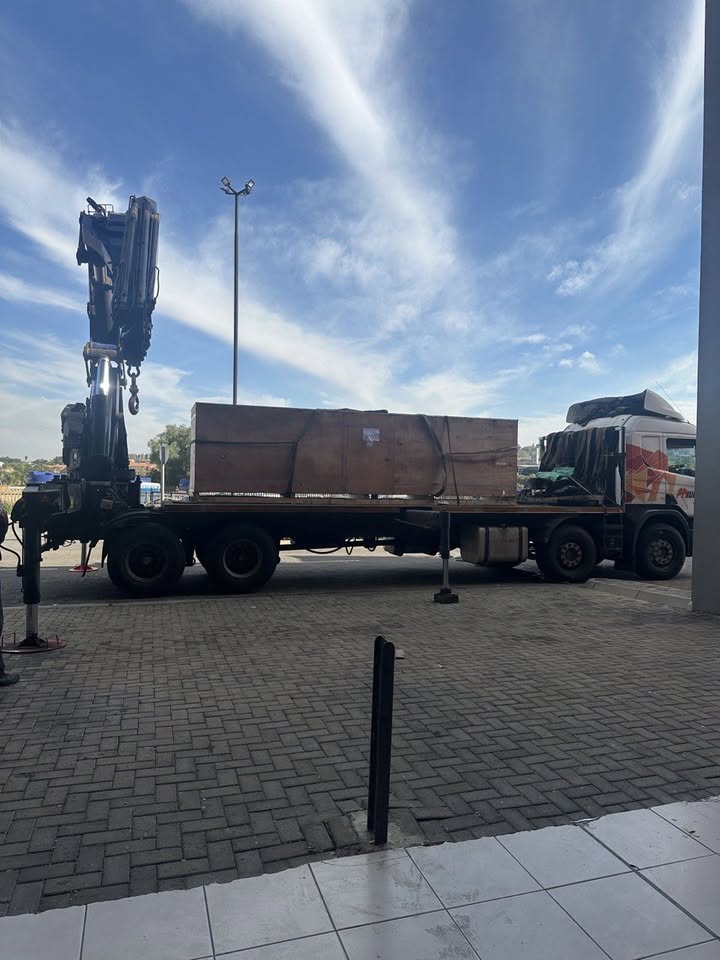
12 Heads Embroidery Machine
Toilet Paper Machine Machine
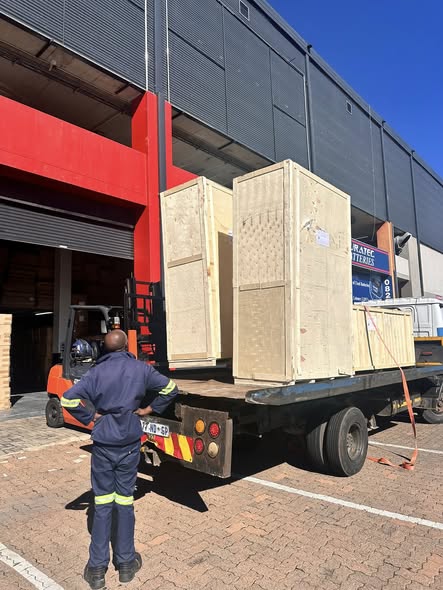
Order Collection
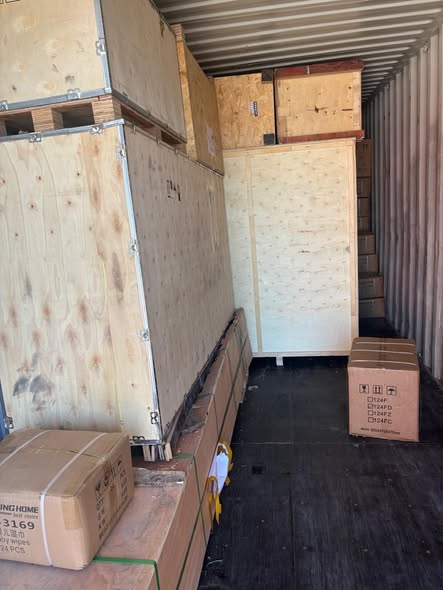
Cross Border Clients
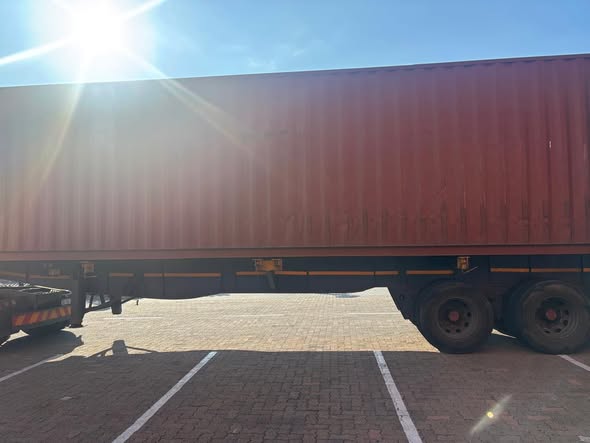
Order cros border countries Collected
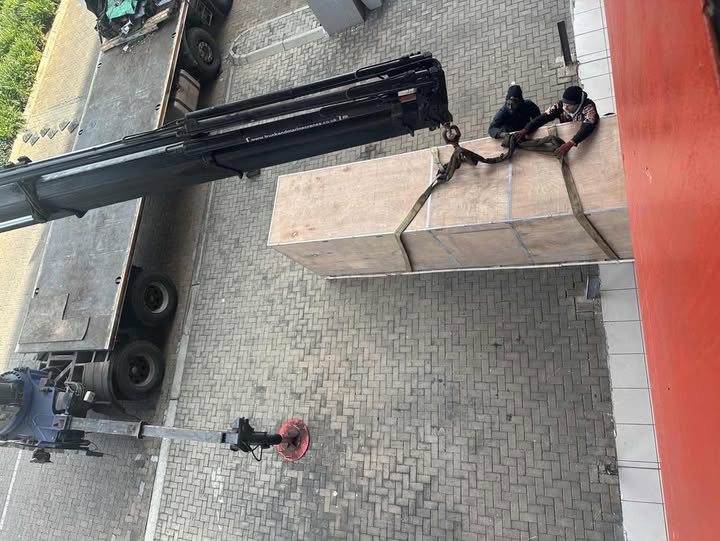
Industrial Machine Cllection
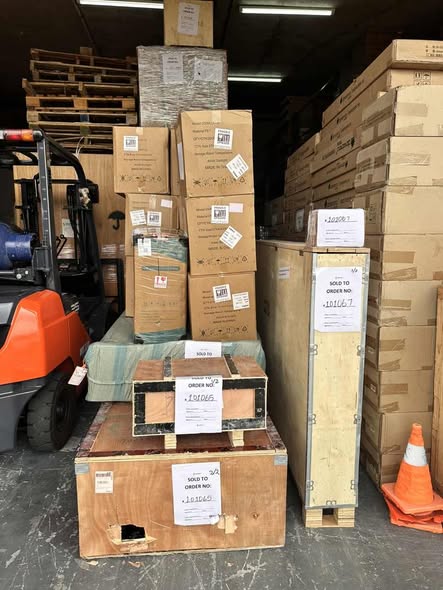
Agriculture Processing Machines
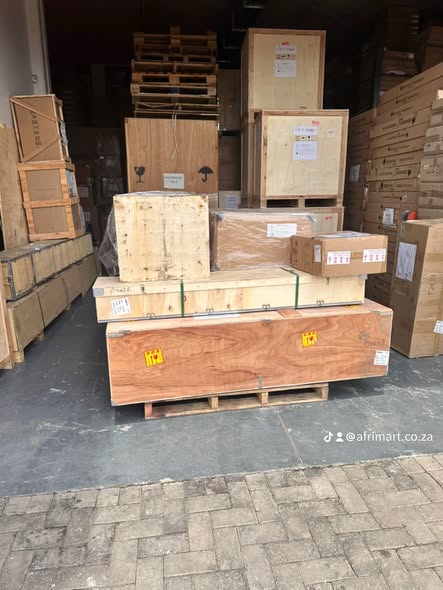
Ready for collection
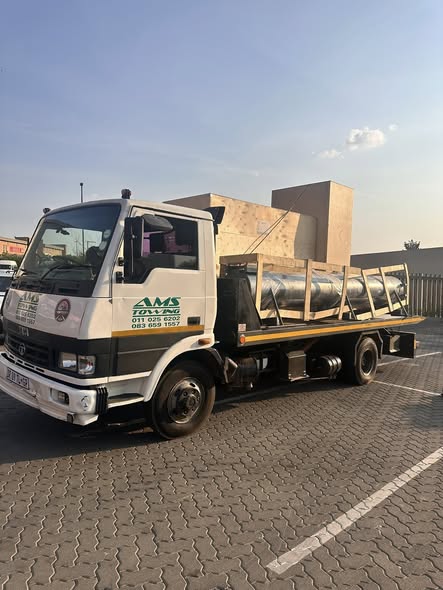
Water Pump Equipment
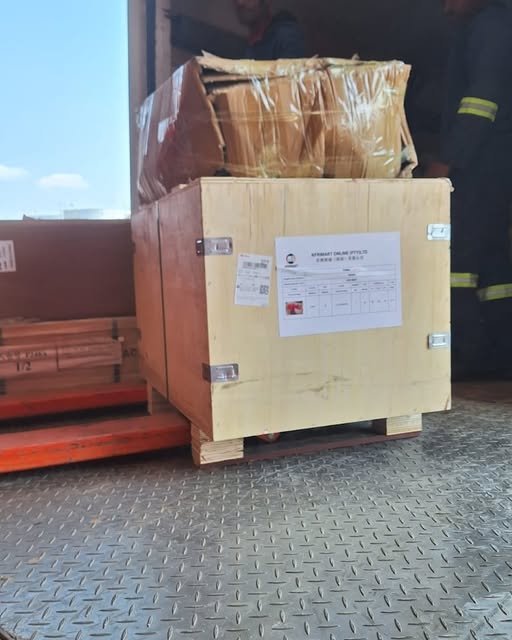
Packaging Machine and accessories
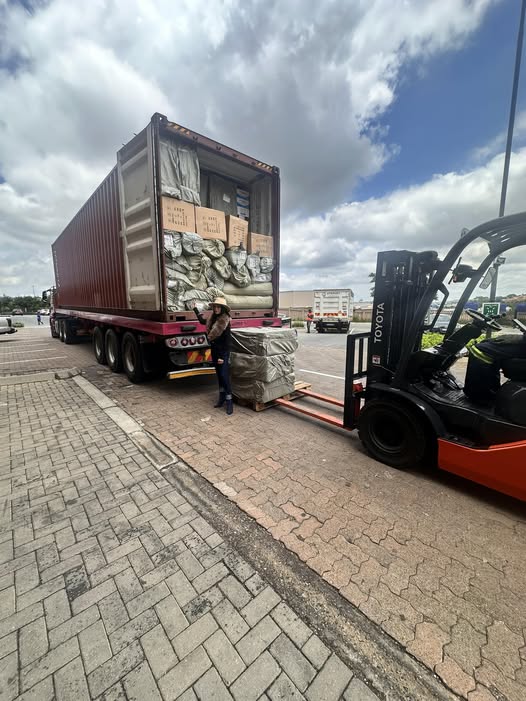
Fabrics Manufacturing Equipment
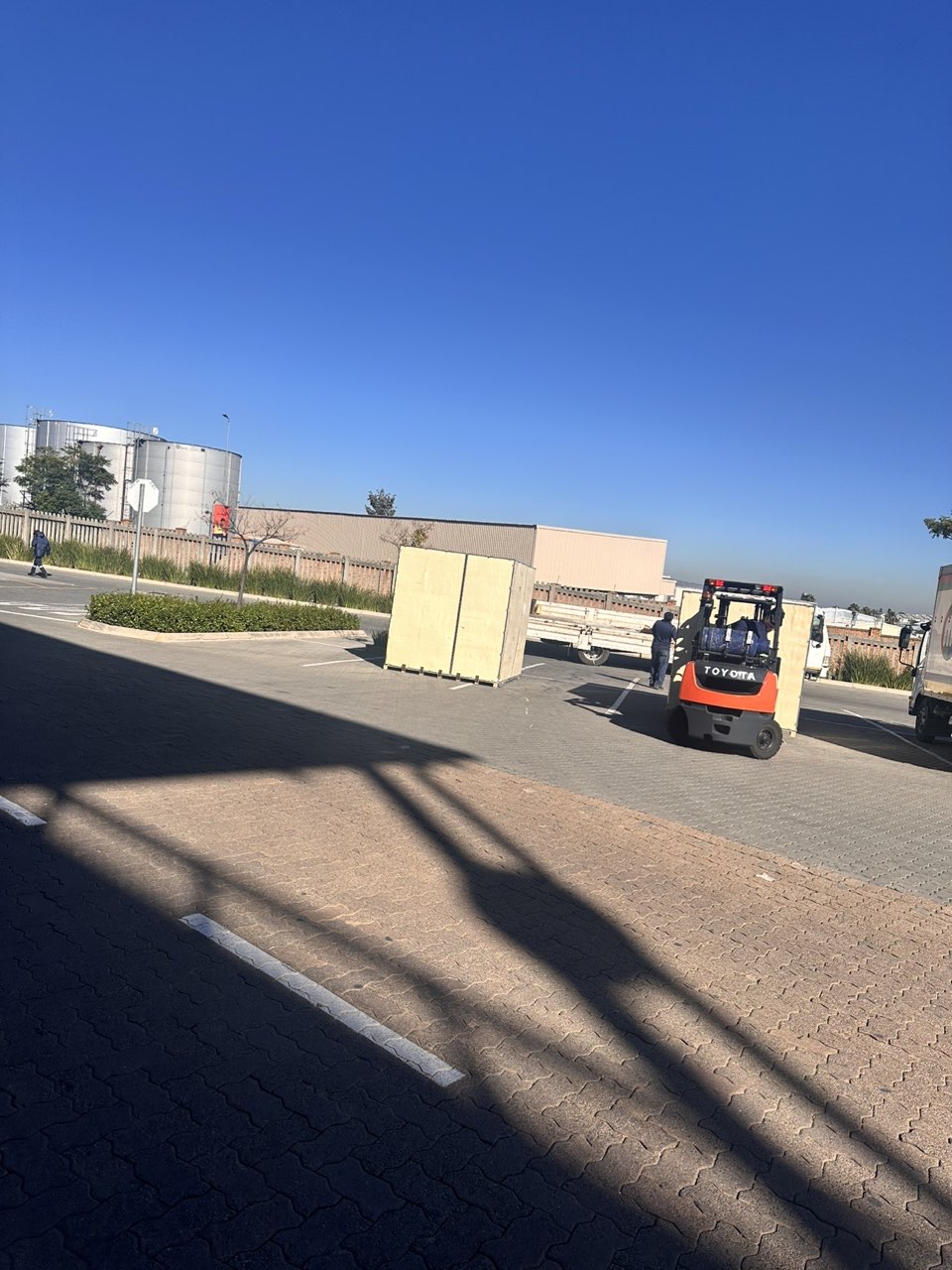
Mining Equipments
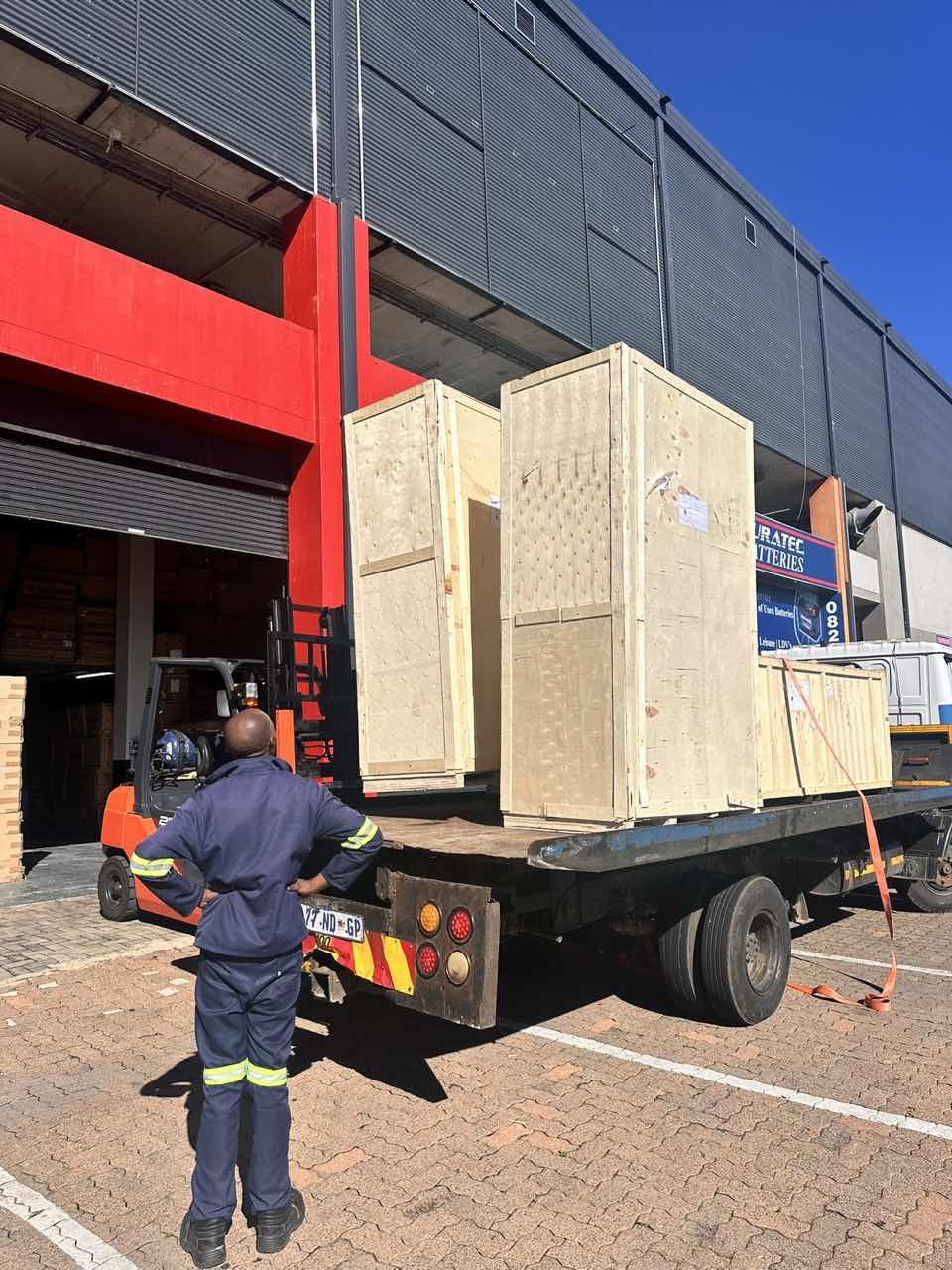
Food Processing Machine
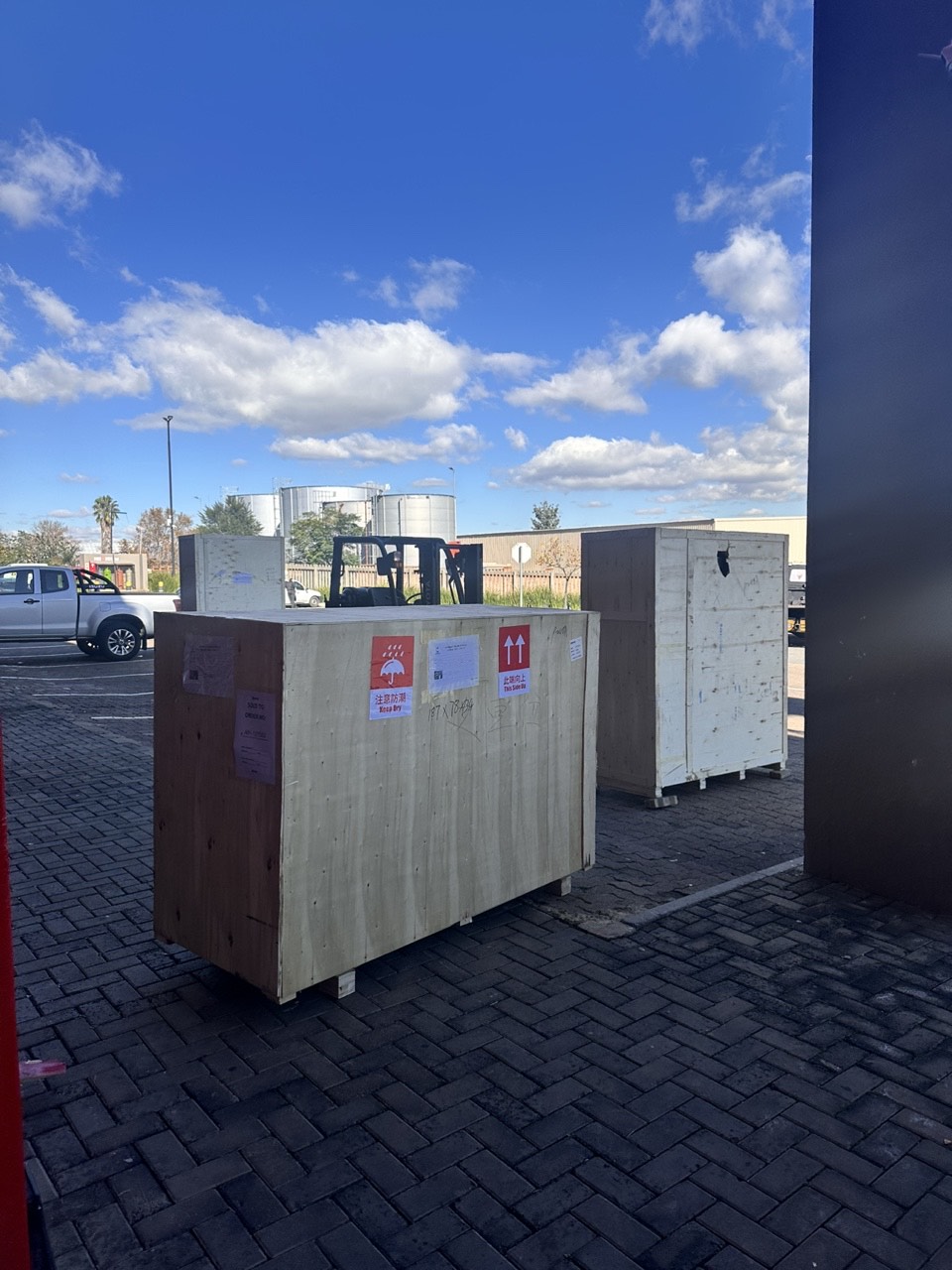
Batch of Orders
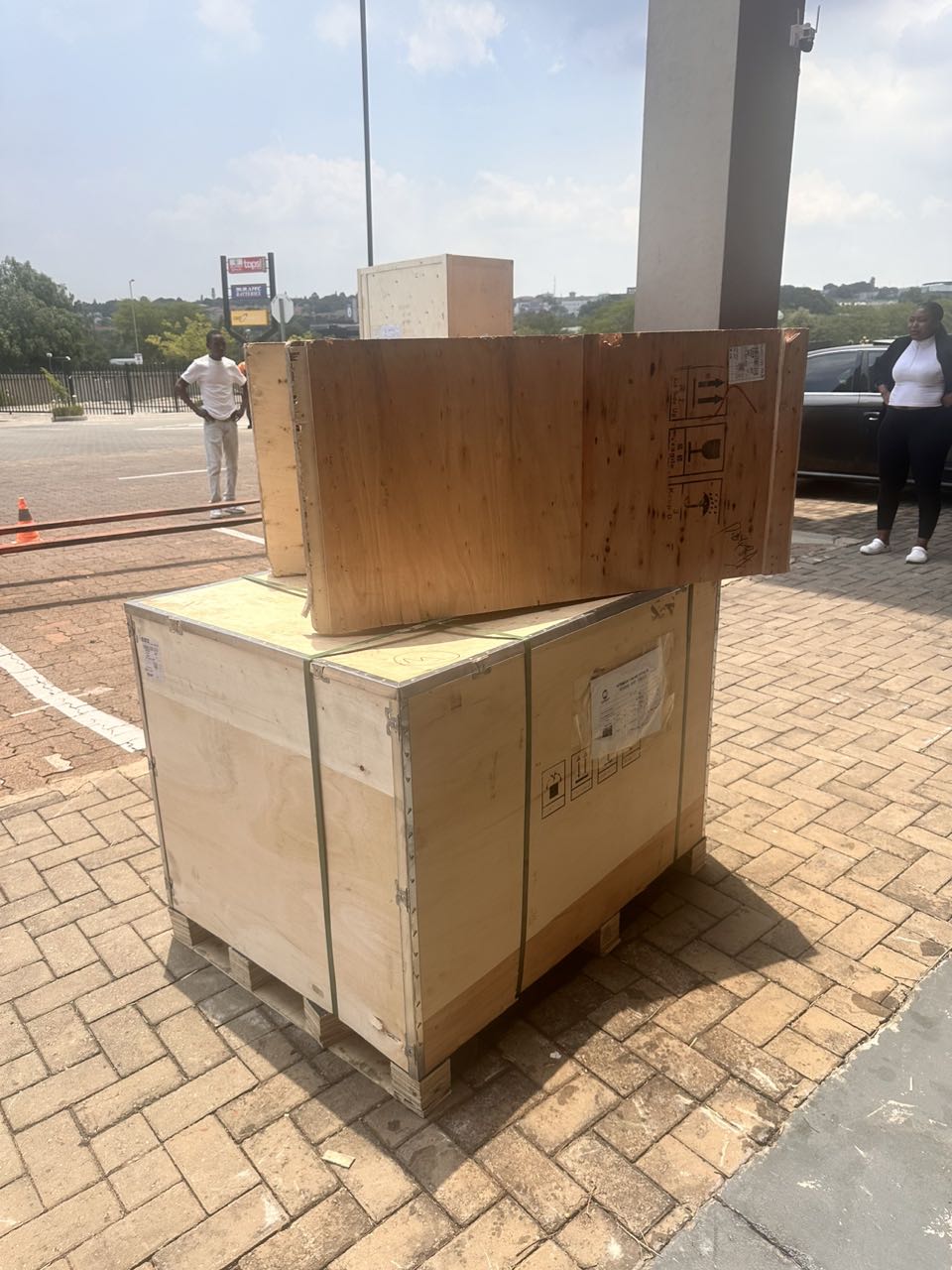
Batch of Orders
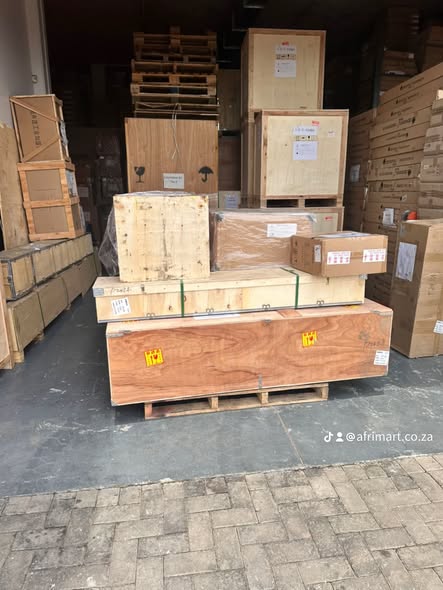
Latest Orders Labelled
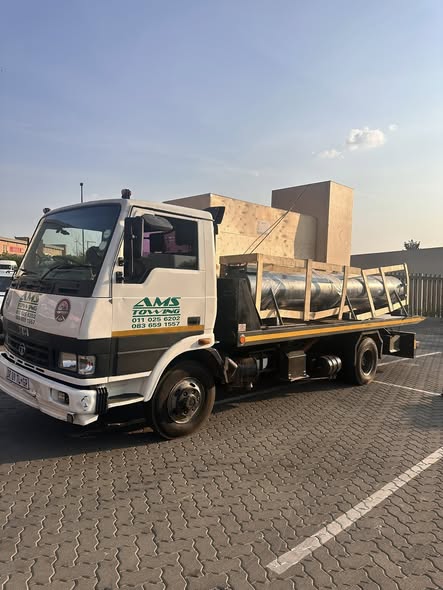
wheel alignment machines
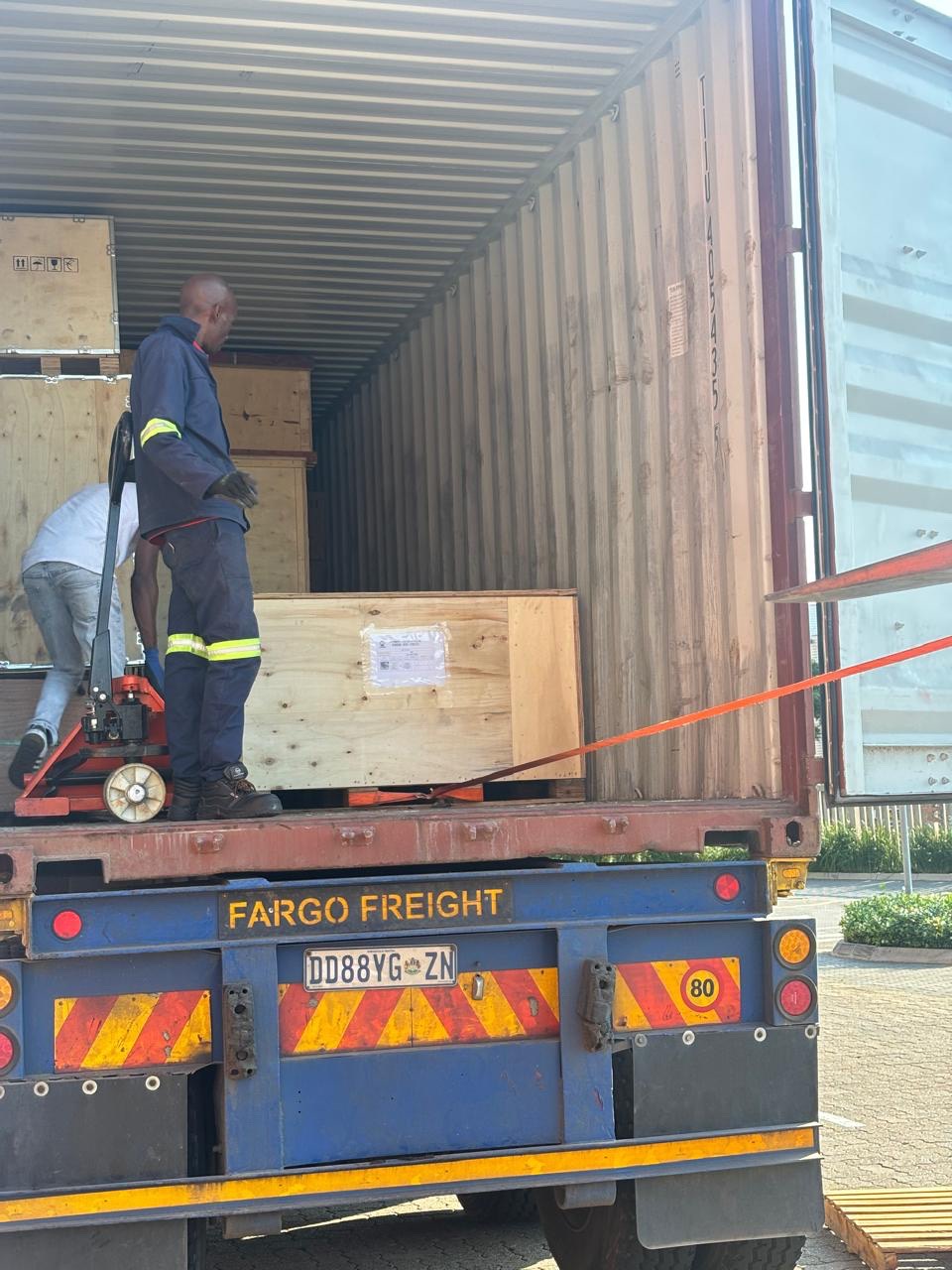
new arrivals
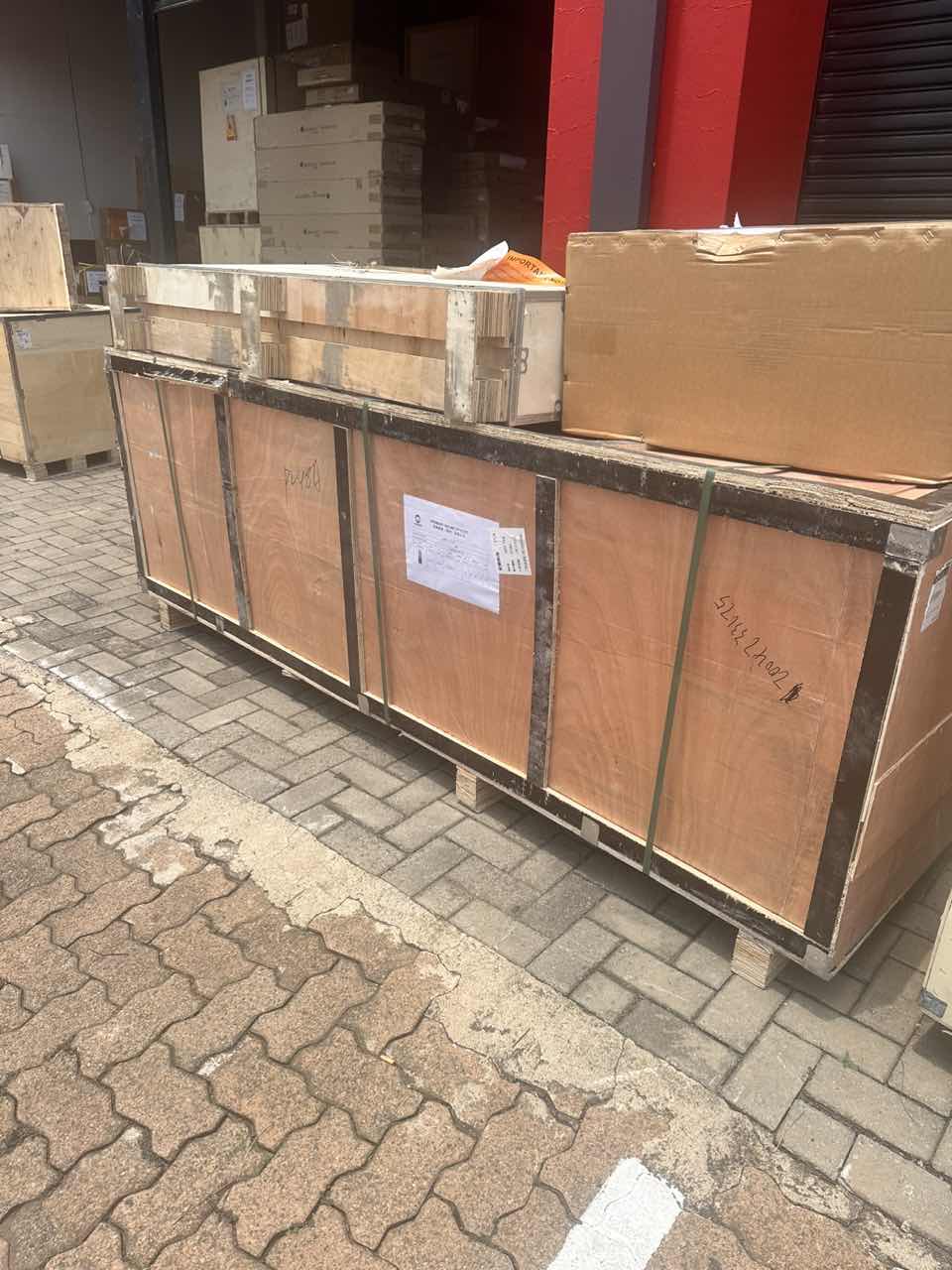
Pre Orders Offloading
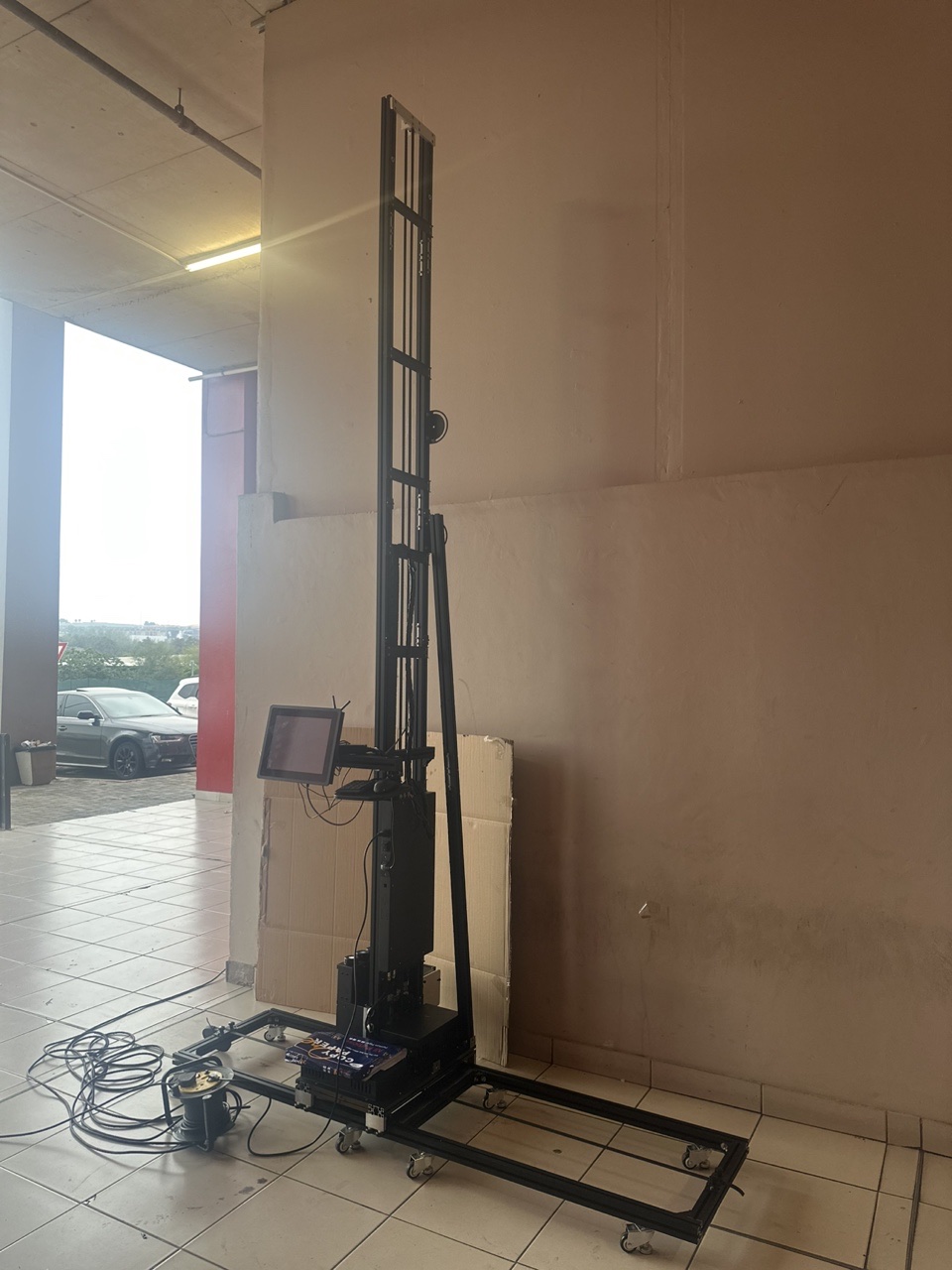
Latest Arrivals
Latest Arrivals
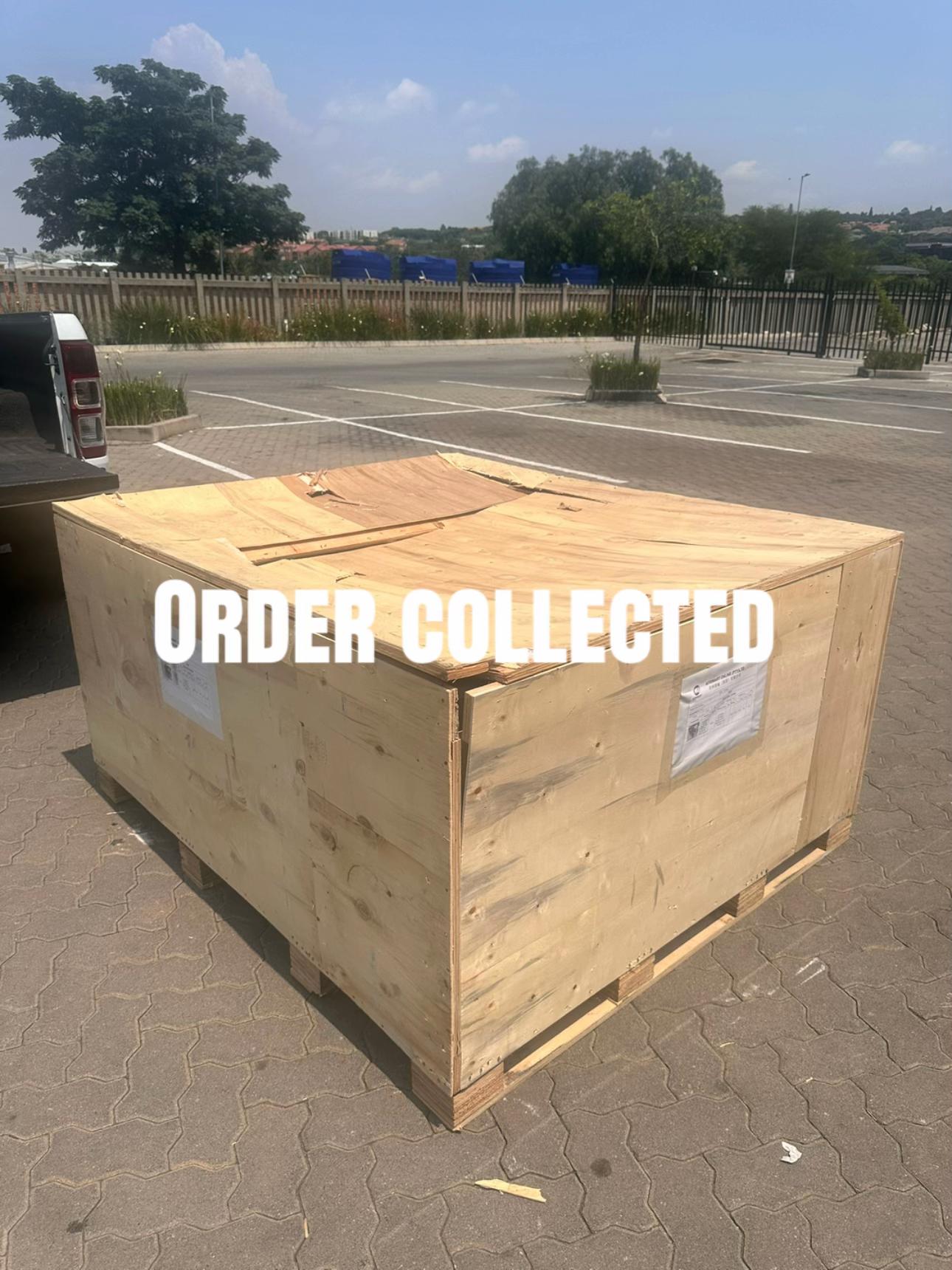
Latest Arrivals
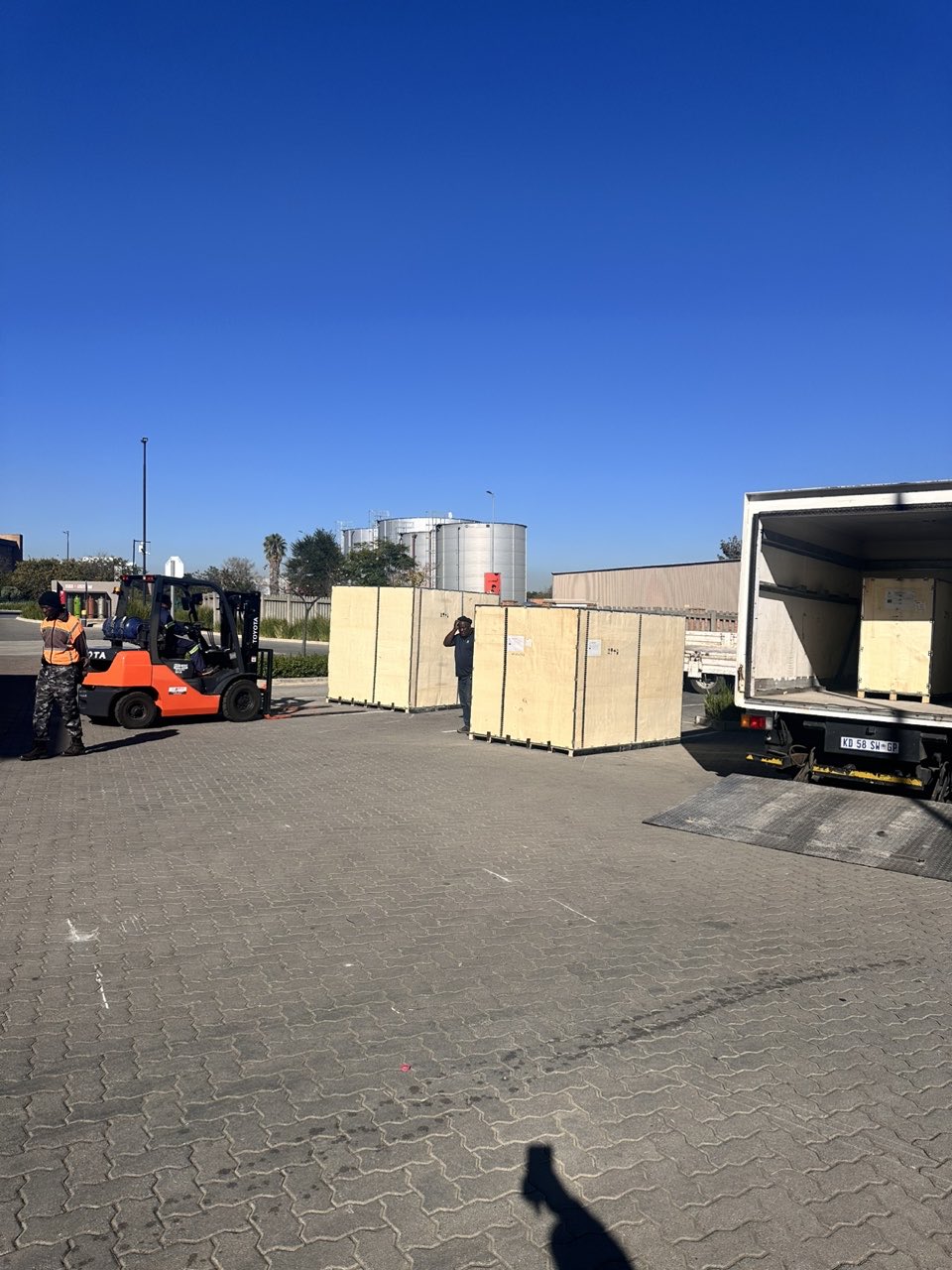
Loading
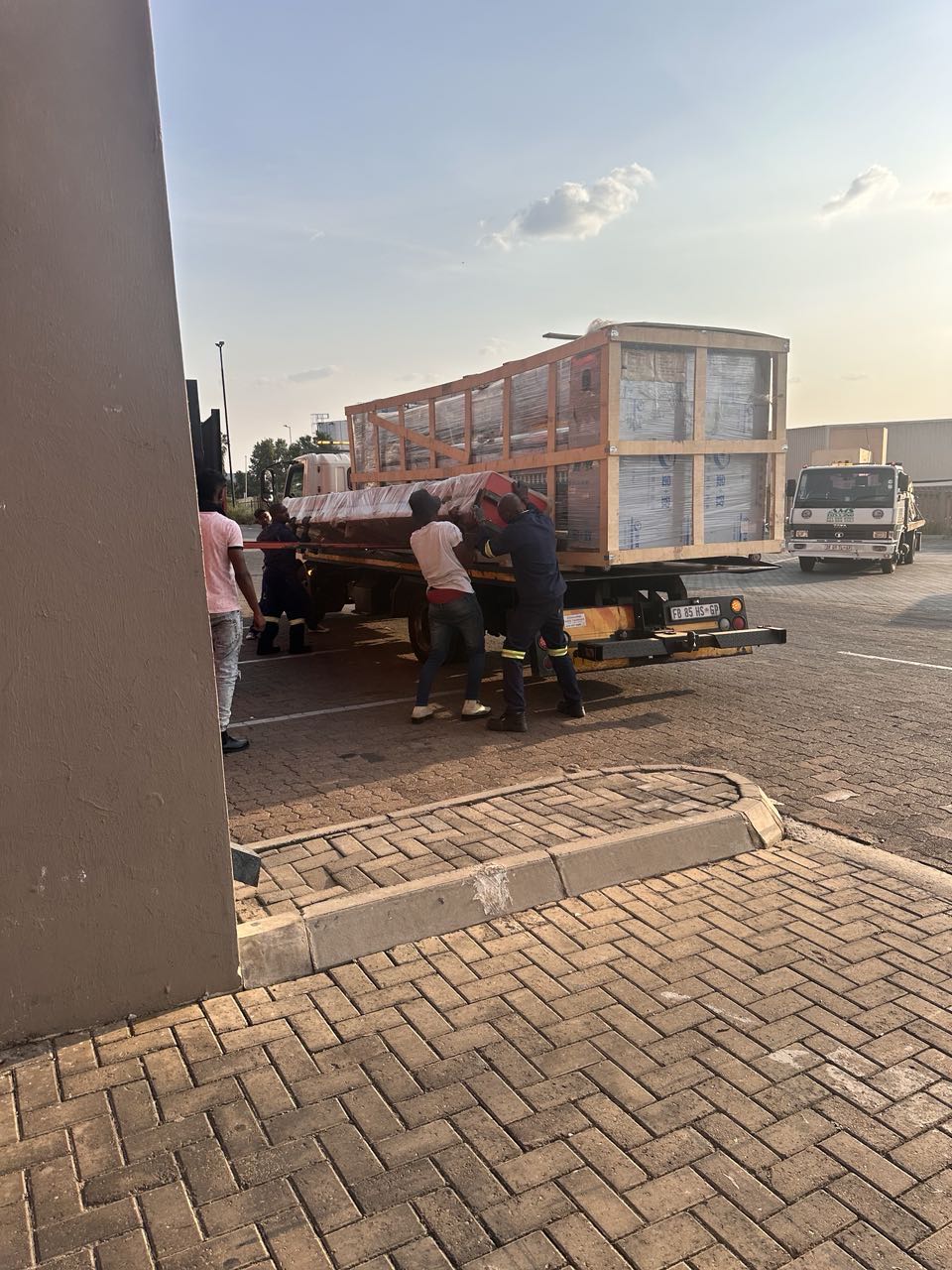
Toilet paper making machine
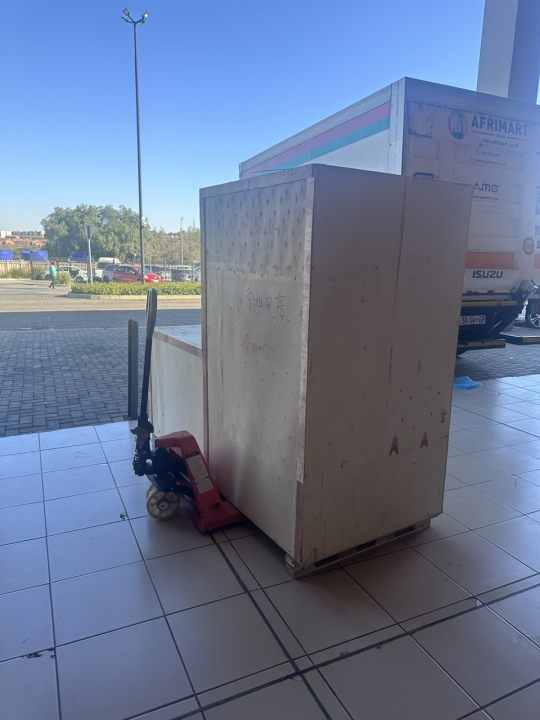
Toilet paper making machine
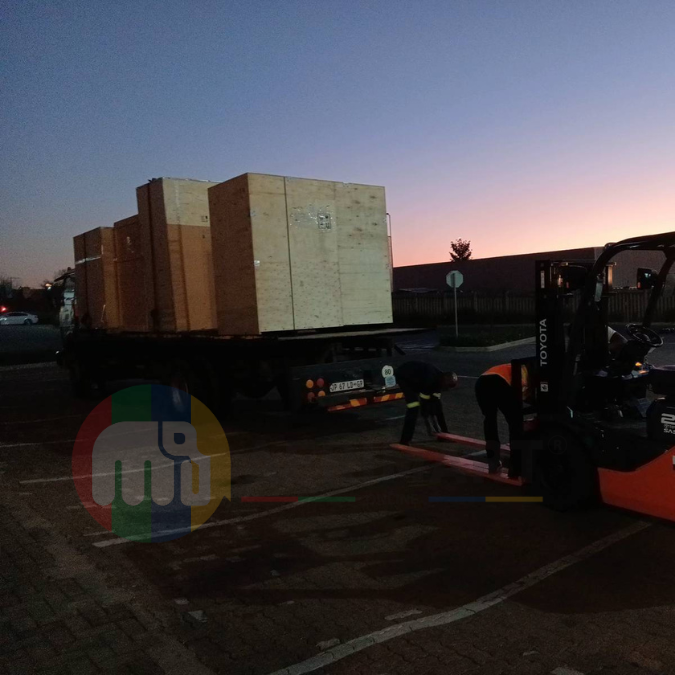
Toilet paper Rewinding Machine
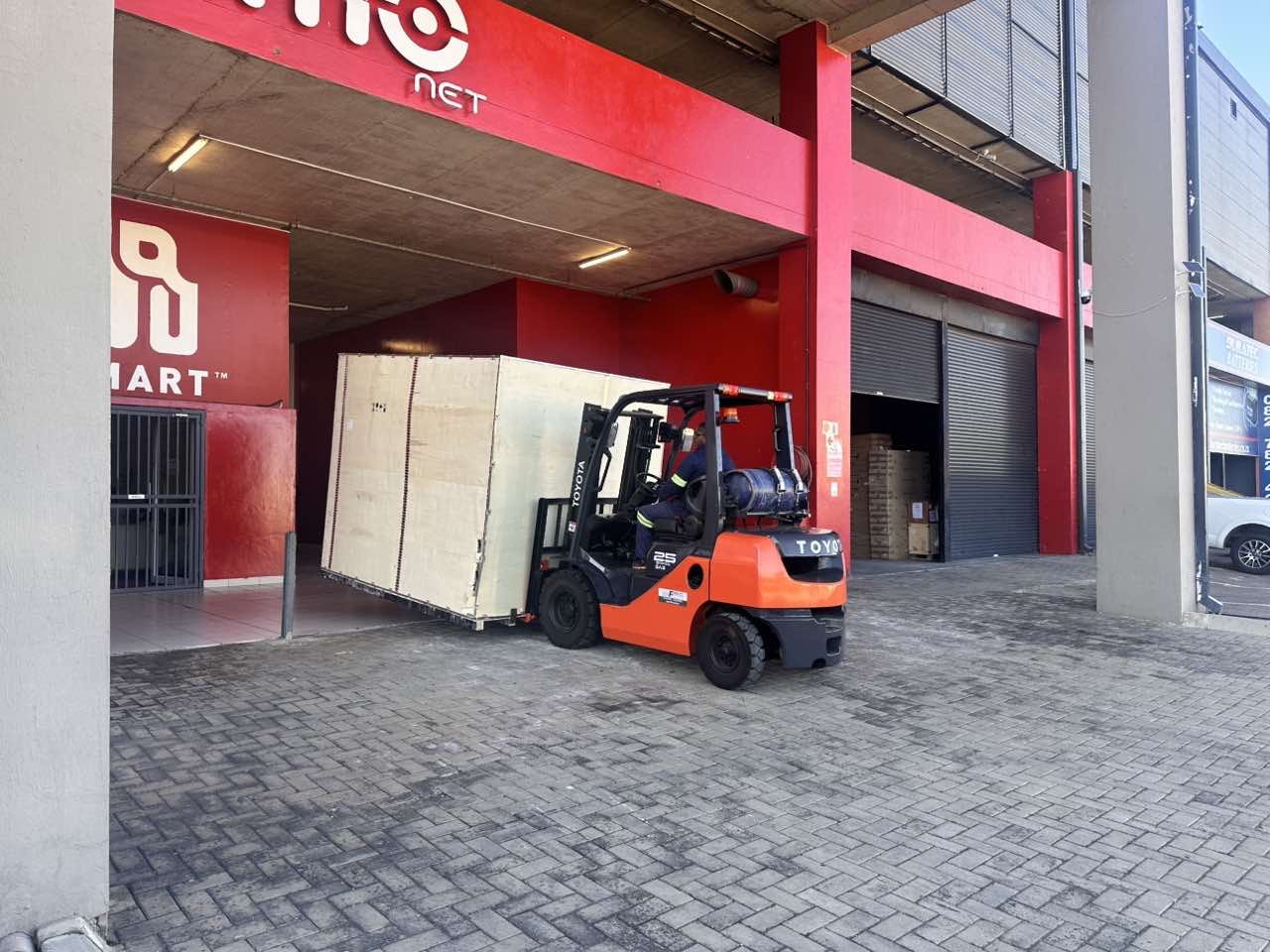
latest arrivals
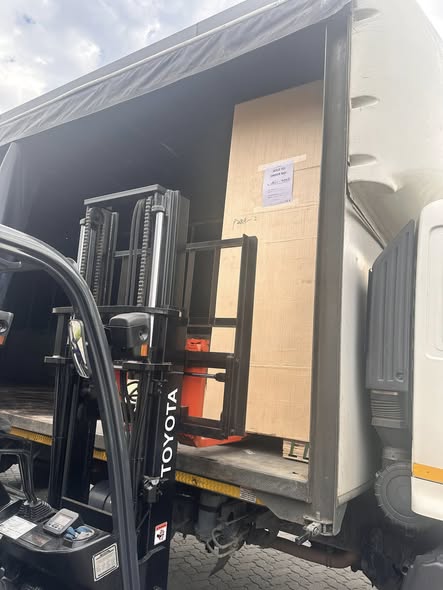
offloading
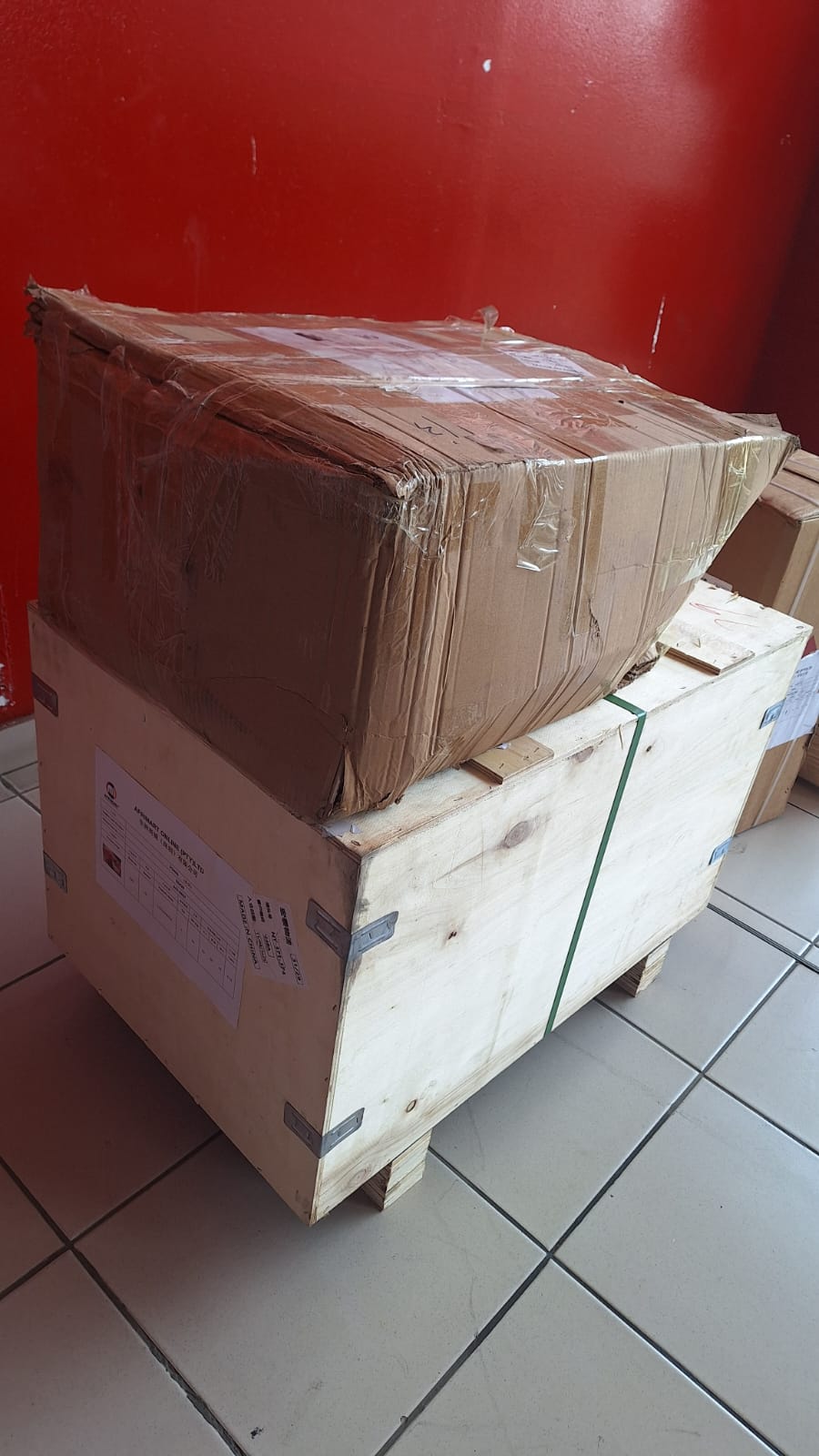
order success
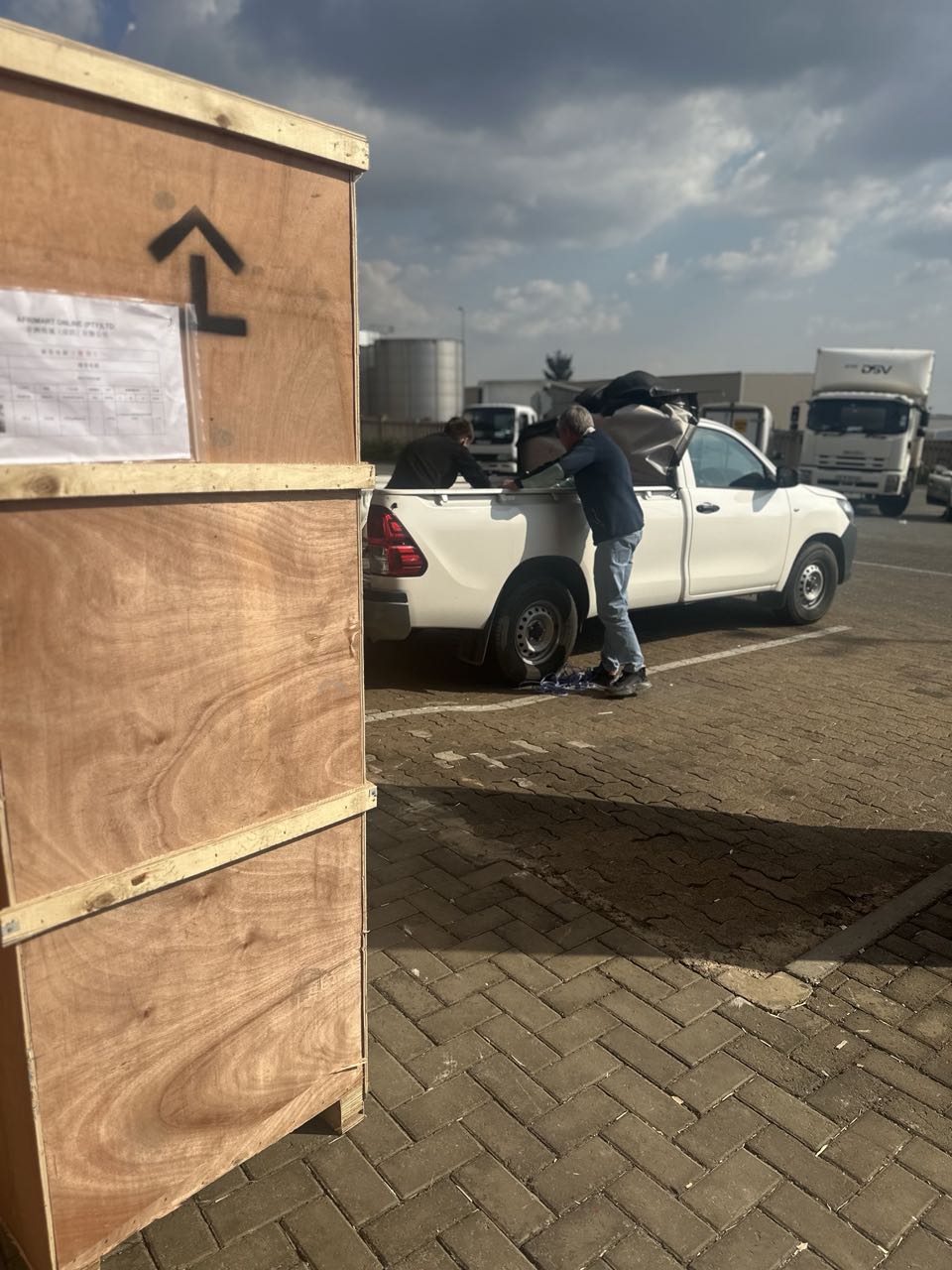
order collection
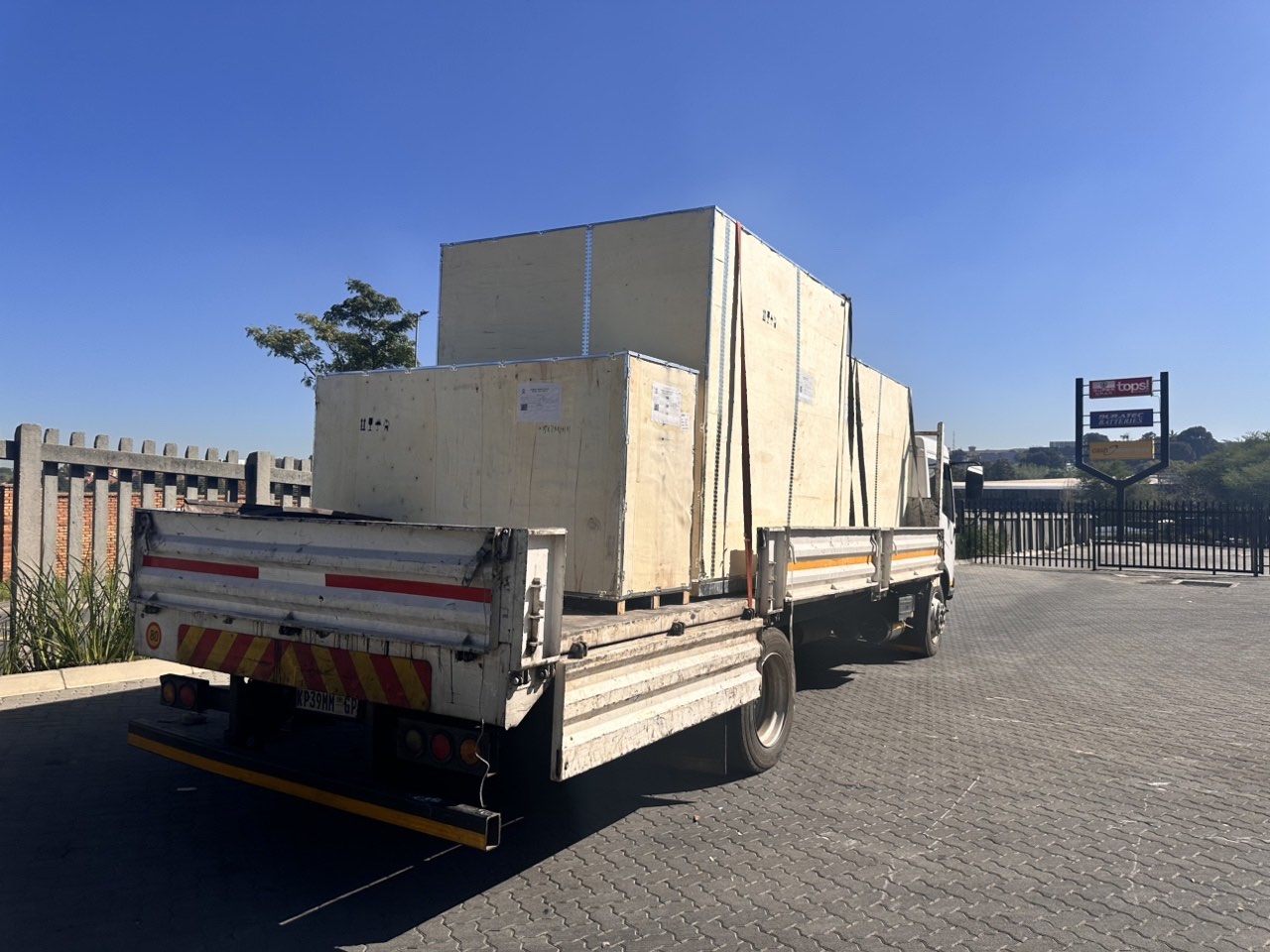
order offloading