B21, China Town Mall, Midrand


RMX Industrial Rotary Baking Oven (8-64 Trays)
Asset finance available
Do you want funding for this equipment?
Afrimart can connect you with trusted funding partners who specialise in asset finance for businesses like yours. Compare options and apply in minutes — final approval is subject to provider review.
Check funding options
Secure & no obligation

- Section : Appliances
- Category : Built-in Ovens
- SKU : 1600175816299



Using the vehicle out of the mode of operation, each time can bake 32 trays, easy to operate, saving time and effort.which provides high volume and excellent baking
The amount of bread produced in rotary oven can be several times higher than in conventional ovens.


Detailed Images

Reasonable Hot Air Circulation Design Ensure uniformity of baking. Adjustable vent suitable for different products 360 DEGREE HEAT CIRCULATION DESIGIN SPPRNG
Advantages

- Shipping Timeframes: All orders are processed within 2-5 business days (excluding weekends and holidays). After your order has been processed, the estimated delivery time is before 04 Aug, 2026, depending on customs, Please note that due to high demand, some items may experience longer shipping times, which will be communicated at order confirmation email.
- Order Processing Time: Please allow 2-5 business days for us to process your order before it is shipped . Orders placed after 16:00 on Fridays, or during weekends and public holidays, will begin processing on the next business day. Processing times may be extended during peak seasons or sales events.
- Manufacturing Time: Some products needs manufacturing time, the manufacturing process will take approximately 10-30 business days depending on the product. This timeframe may vary depending on the complexity of the product and current demand. but this will be communicated with you during order confirmation.
- Returns and Exchanges: We offer a 30-day return policy for most items. If you are not completely satisfied with your purchase, you may return it within 30 days of receipt for a refund or exchange. Items must be unused, in their original packaging, and accompanied by proof of purchase. Return shipping costs are the responsibility of the customer, unless the item was damaged or defective upon arrival.
1. What tray capacities are available for the RMX Industrial Rotary Baking Oven?
The oven is offered in models supporting between 8 and 64 trays. Specific capacity depends on the model you choose and the tray size/configuration.
2. How many trays can be baked per cycle?
Capacity per cycle depends on the model and rack configuration — certain configurations allow baking 32 trays per cycle. Exact per-cycle capacity will vary by model and tray layout.
3. What does 'vehicle out of the mode of operation' mean?
This refers to a removable rack/cart (sometimes called a trolley or truck) used for loading and unloading trays. You can roll the rack out for easy loading, then slide it back into the oven for baking, which speeds up handling and reduces downtime.
4. How does the oven ensure uniform baking?
The oven uses a reasoned hot-air circulation design and 360-degree heat circulation to distribute heat evenly around each tray. Adjustable vents and internal airflow management help maintain consistent results across all trays.
5. Can I adjust airflow and heating for different products?
Yes. The oven features adjustable vents and controllable airflow so you can optimize heat and circulation for different products (bread, rolls, pastries, etc.) and different baking profiles.
6. How does a rotary oven compare to a conventional oven in output?
Rotary ovens are designed for high-volume production and often produce several times more bread per hour than many conventional ovens, mainly due to continuous loading, uniform heat distribution, and efficient airflow.
7. What types of products can I bake in this oven?
Typical applications include loaves, rolls, buns, pastries, and other yeast-leavened bakery products. The adjustable ventilation and temperature control make it suitable for a range of baked goods.
8. What controls and settings are available?
The oven provides adjustable baking time and temperature settings plus airflow/vent adjustments. Exact control options (analog or digital/PID controller, programmable recipes) depend on the selected model and configuration—check the spec sheet for details.
9. What are the electrical and power requirements?
Power requirements vary by model and heating type (gas or electric) and by regional electrical standards. Many industrial units require three-phase power. Please consult the technical specification or contact the supplier with your local power details.
10. What safety features are included?
Standard safety features typically include over-temperature protection, door interlocks or secure door latches, emergency stop, and insulated chamber design. Exact safety options may vary by model—confirm with the manufacturer.
11. How easy is the oven to clean and maintain?
The oven is designed for industrial bakery use with accessible racks, removable trolleys, and serviceable components. Regular cleaning of the chamber, fans, and vents along with routine checks of bearings, seals and heating elements will keep the oven operating reliably.
12. Are spare parts and consumables available?
Yes. Common spare parts include trays, racks, heating elements, fans, bearings, seals and control components. Contact the supplier or manufacturer for a parts list and availability.
13. Do you offer installation, commissioning and after-sales service?
Most suppliers offer installation and commissioning services and can provide after-sales support or maintenance contracts. Confirm the exact services, lead times and coverage with your vendor before purchase.
14. What warranty comes with the RMX Industrial Rotary Baking Oven?
Warranty terms vary by supplier and region. Typical industrial equipment warranties cover manufacturing defects for a fixed period; extended warranties or service packages may be available. Ask your supplier for the specific warranty details for the model you’re buying.
15. How do I order or specify a custom configuration?
Contact the supplier with your required tray count, desired tray dimensions, product types, expected throughput, and local utilities (gas/electric and voltage). The manufacturer can recommend the appropriate model and offer customization options to meet your production needs.
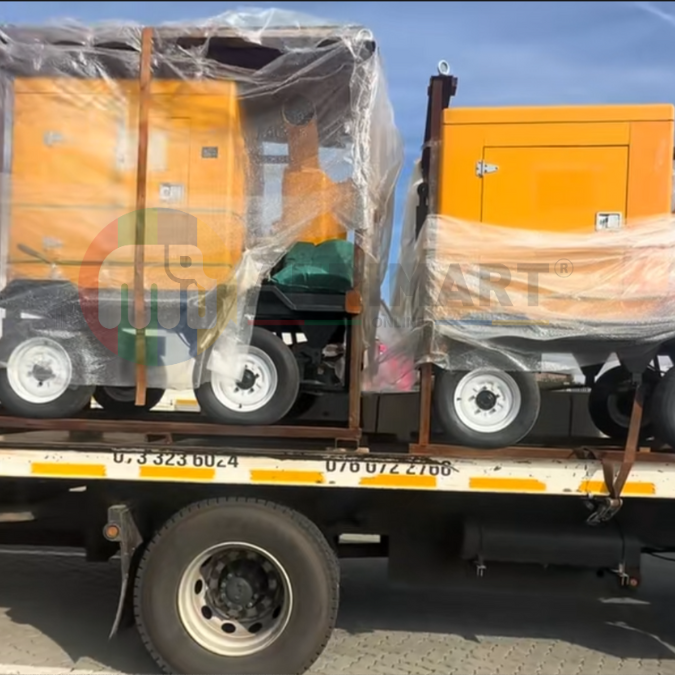
Latest Order Arrivals
Discover our latest orders
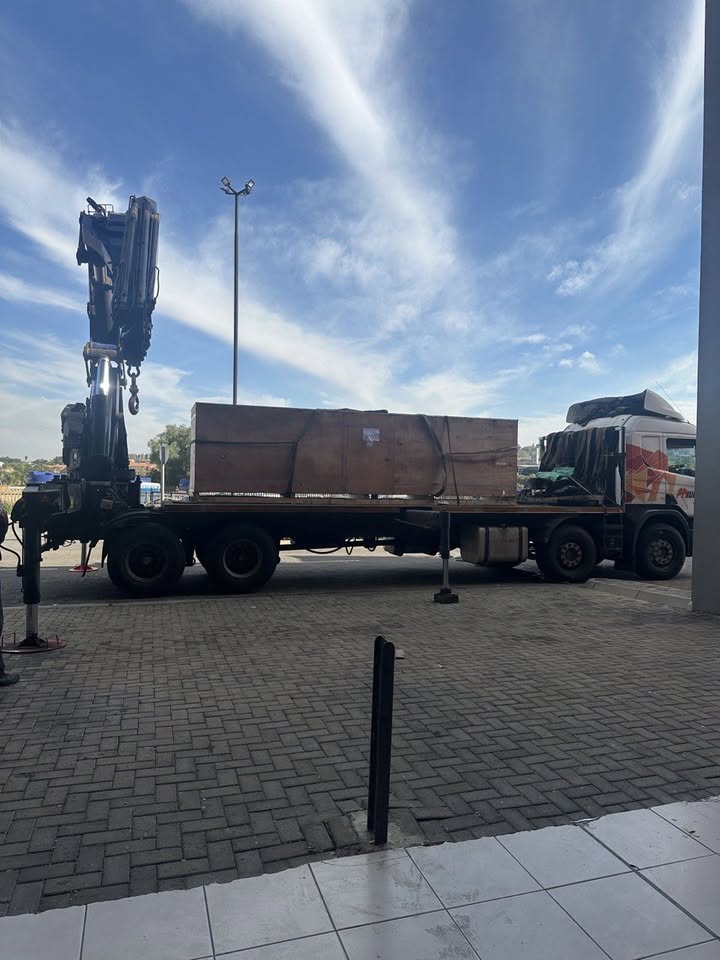
12 Heads Embroidery Machine
Toilet Paper Machine Machine
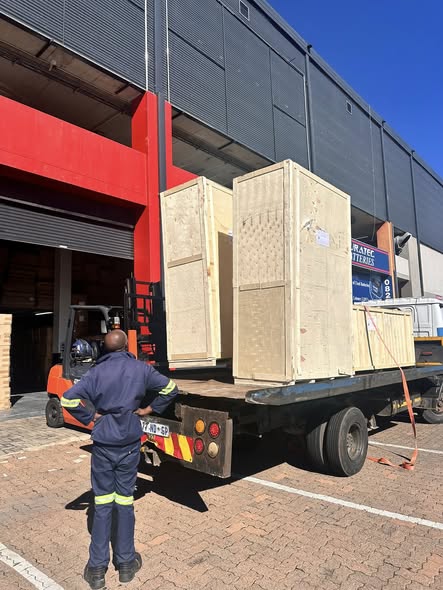
Order Collection
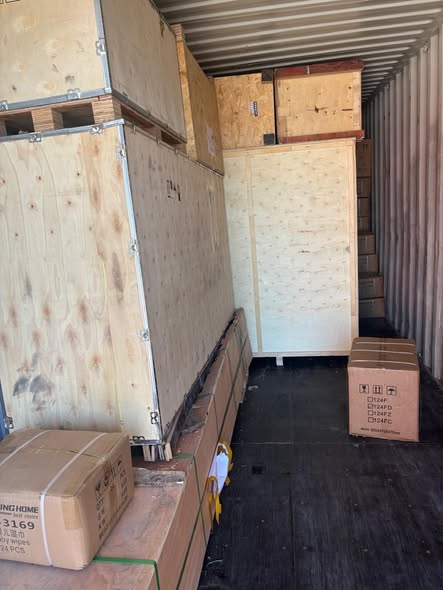
Cross Border Clients
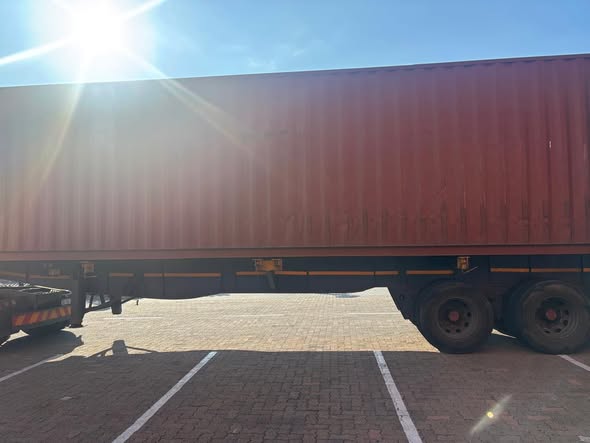
Order cros border countries Collected
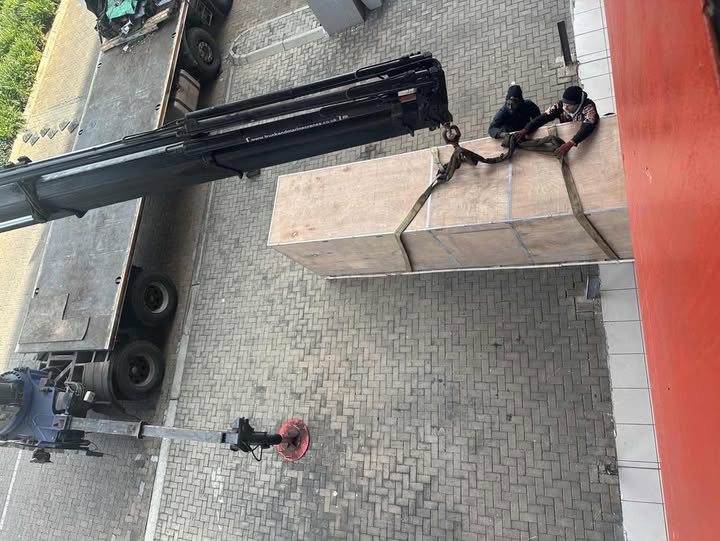
Industrial Machine Cllection
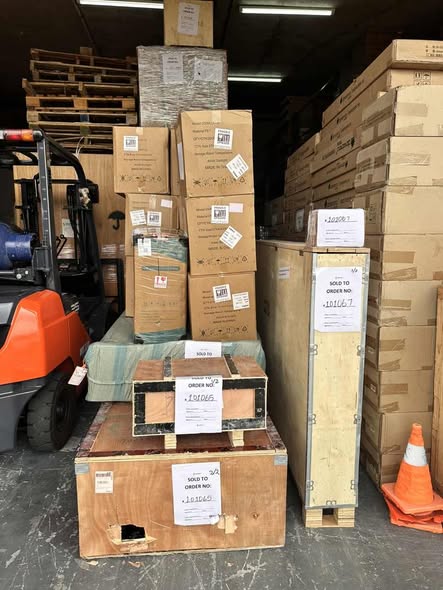
Agriculture Processing Machines
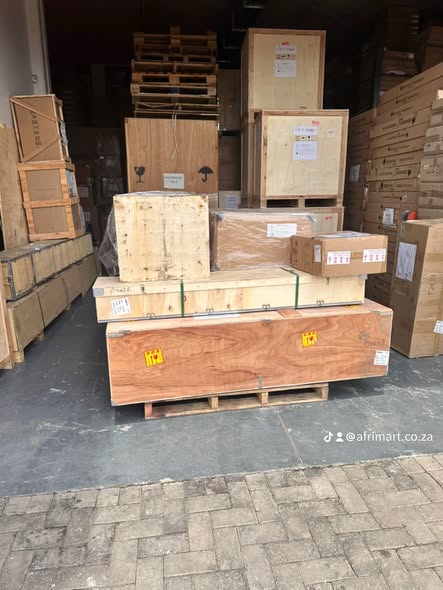
Ready for collection
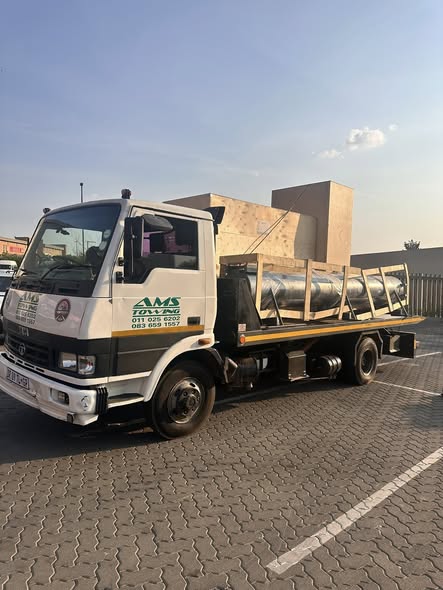
Water Pump Equipment
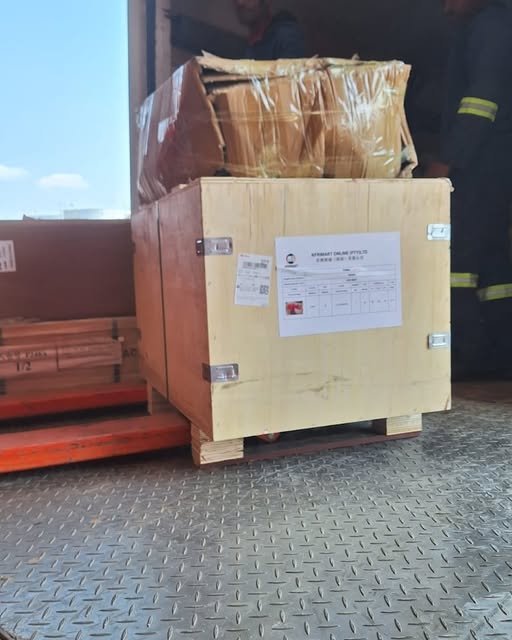
Packaging Machine and accessories
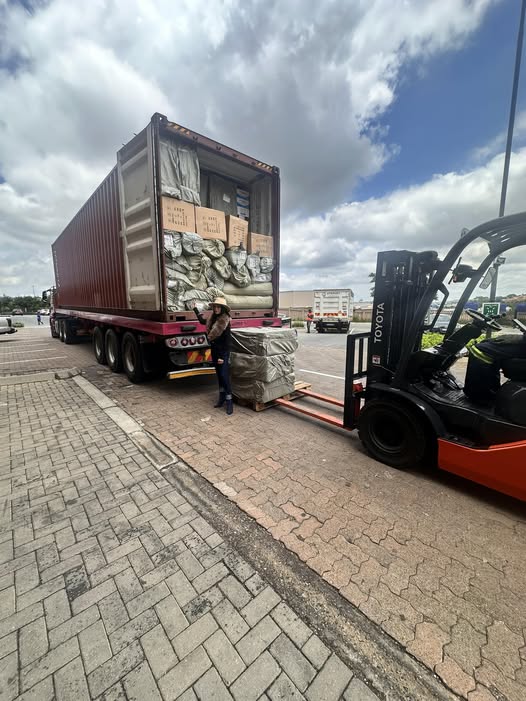
Fabrics Manufacturing Equipment
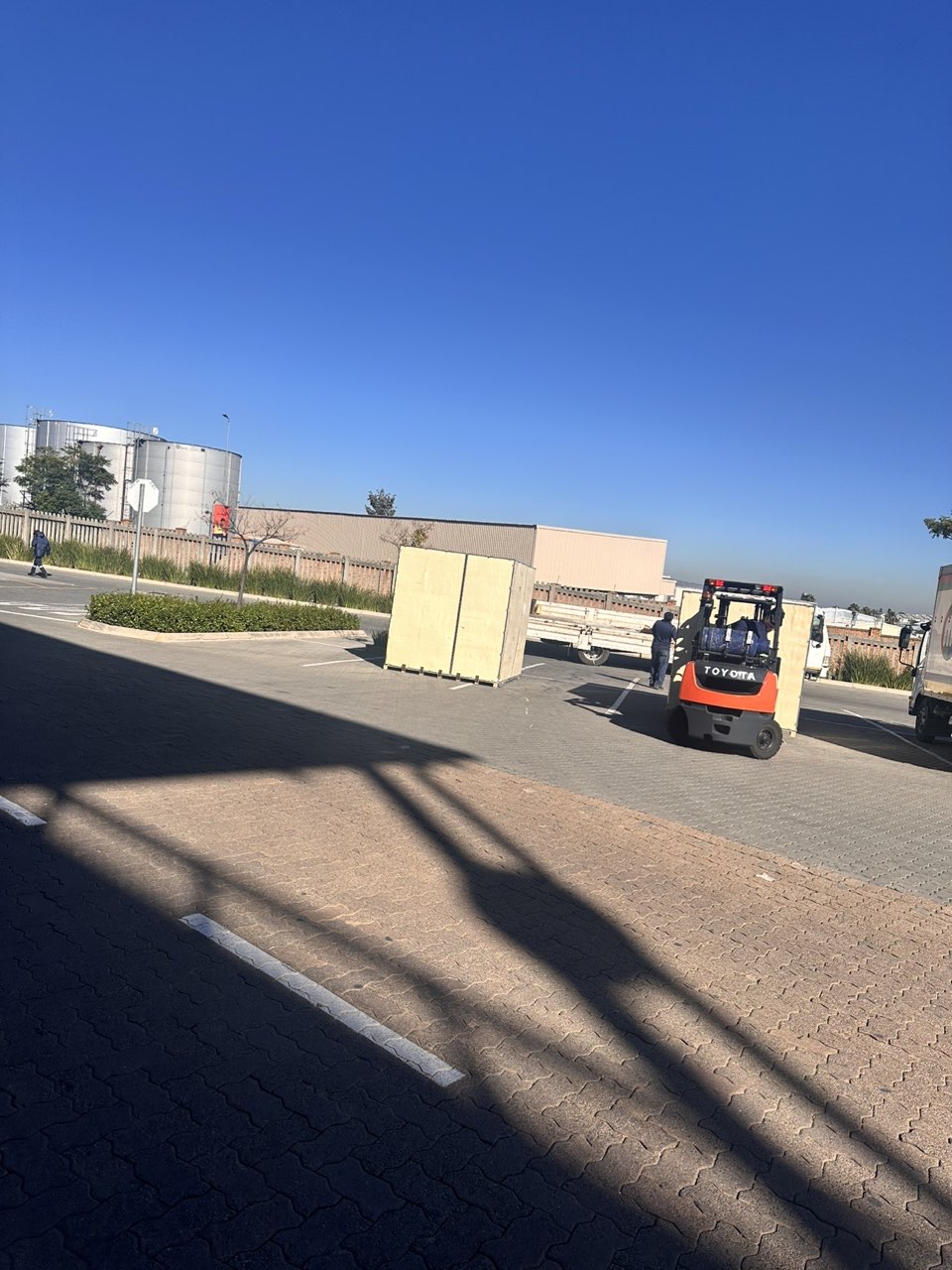
Mining Equipments
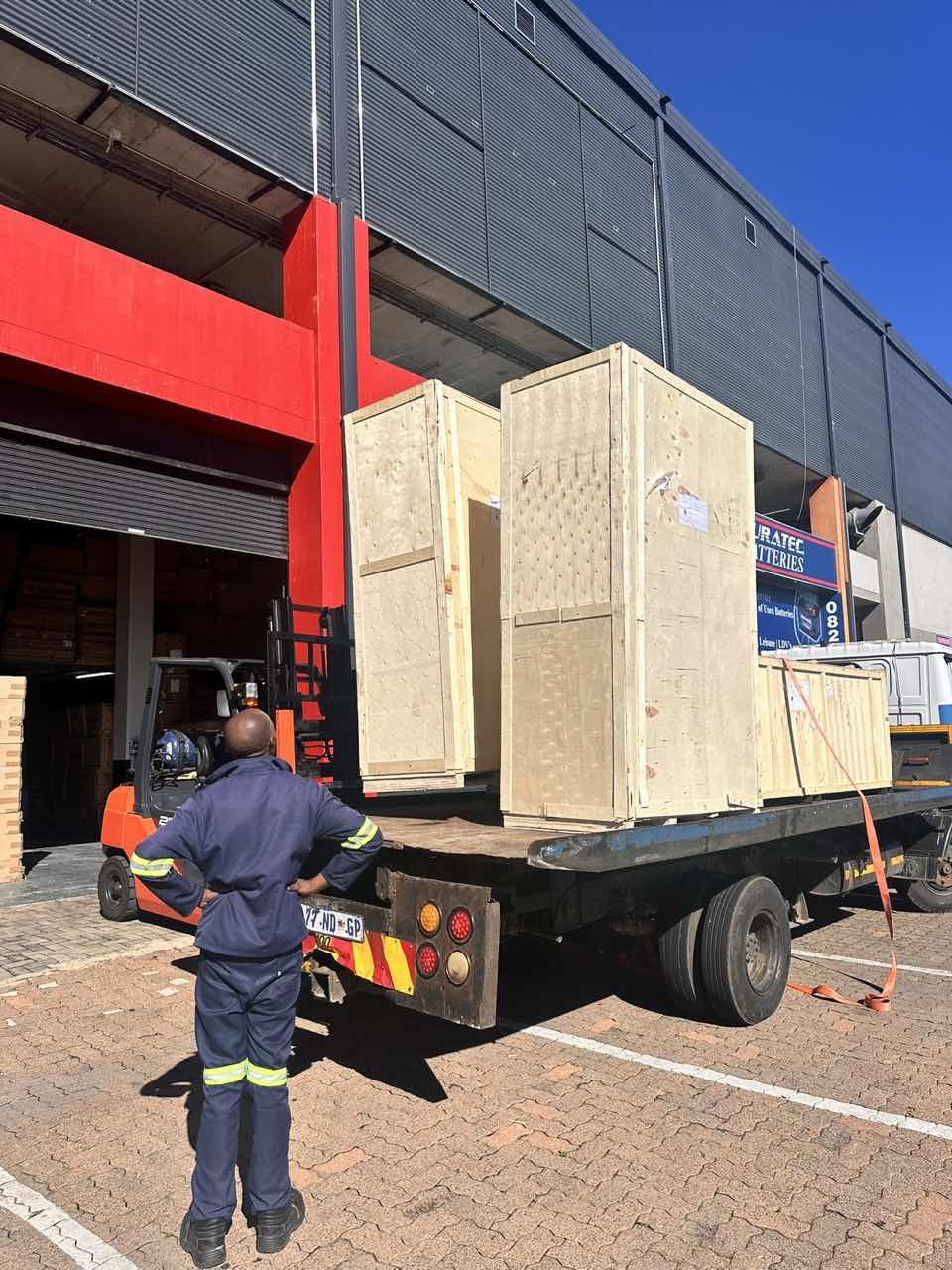
Food Processing Machine
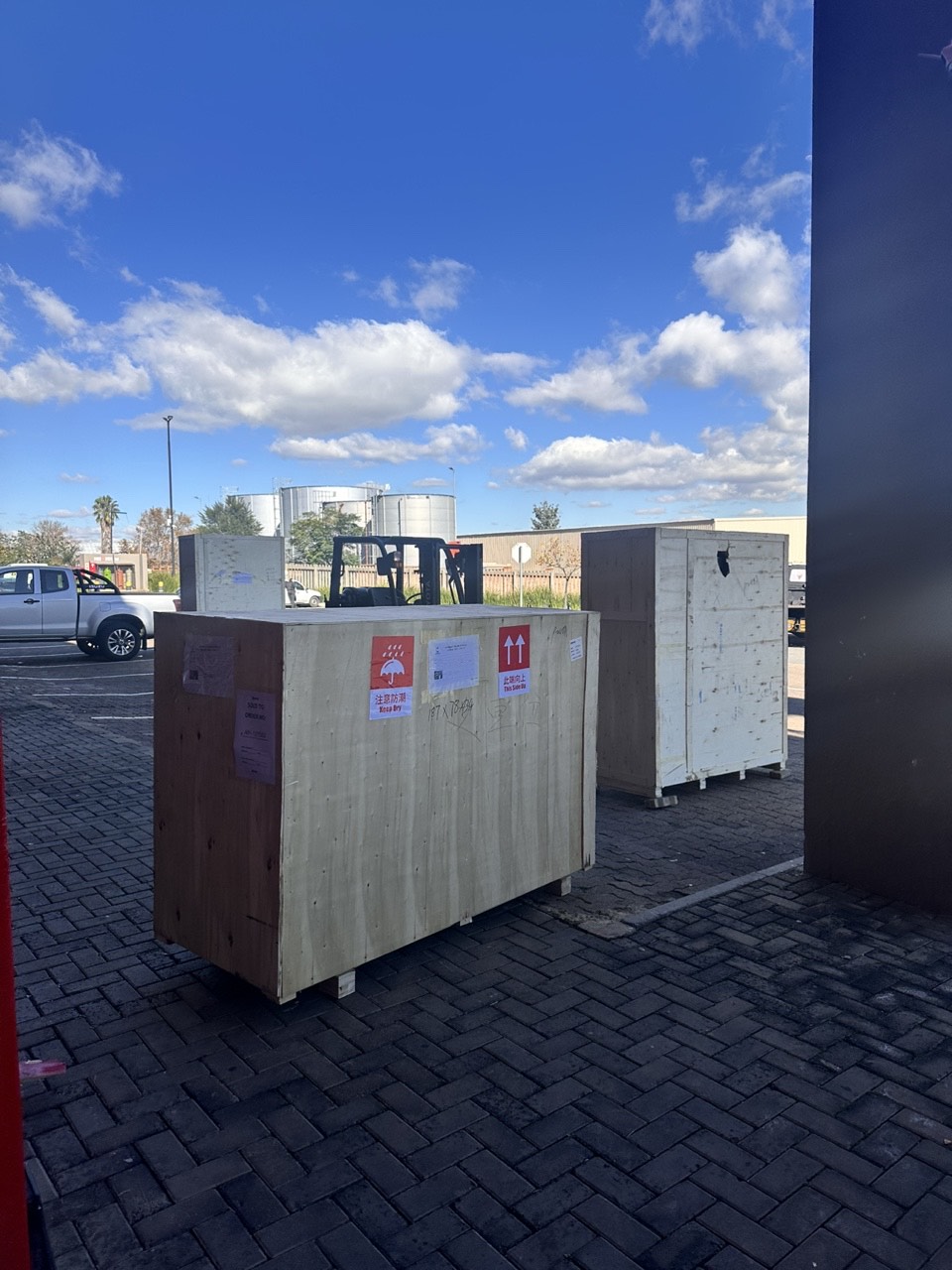
Batch of Orders
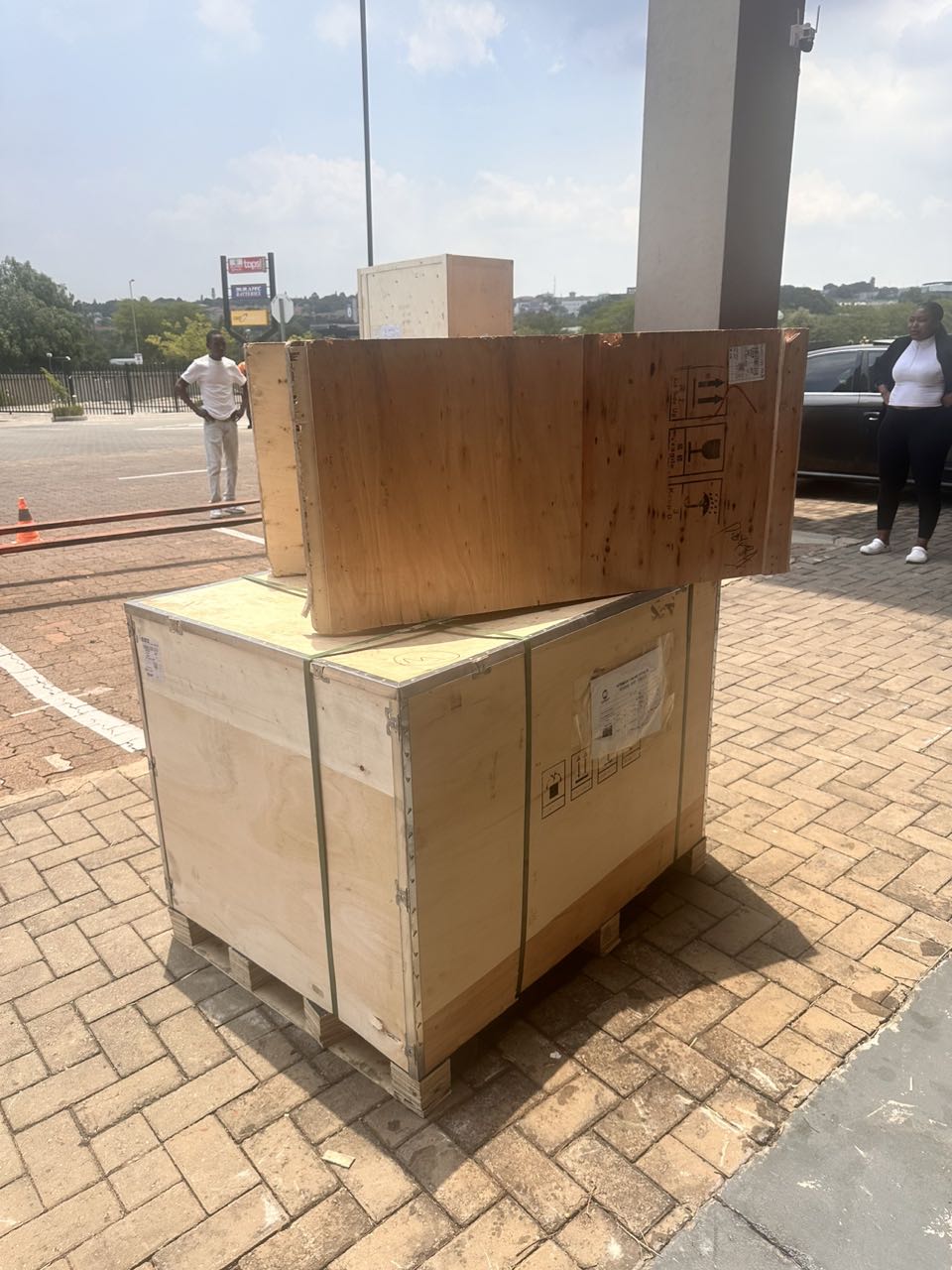
Batch of Orders
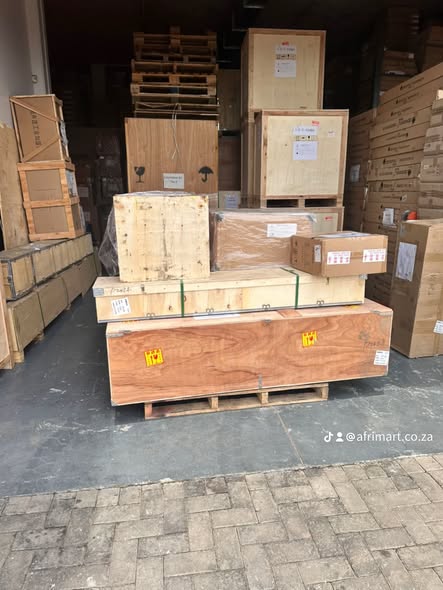
Latest Orders Labelled
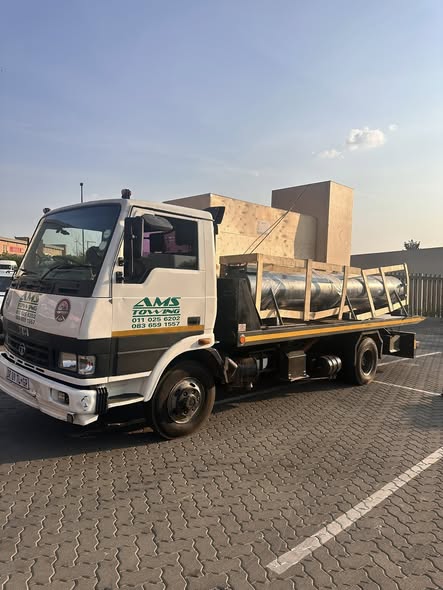
wheel alignment machines
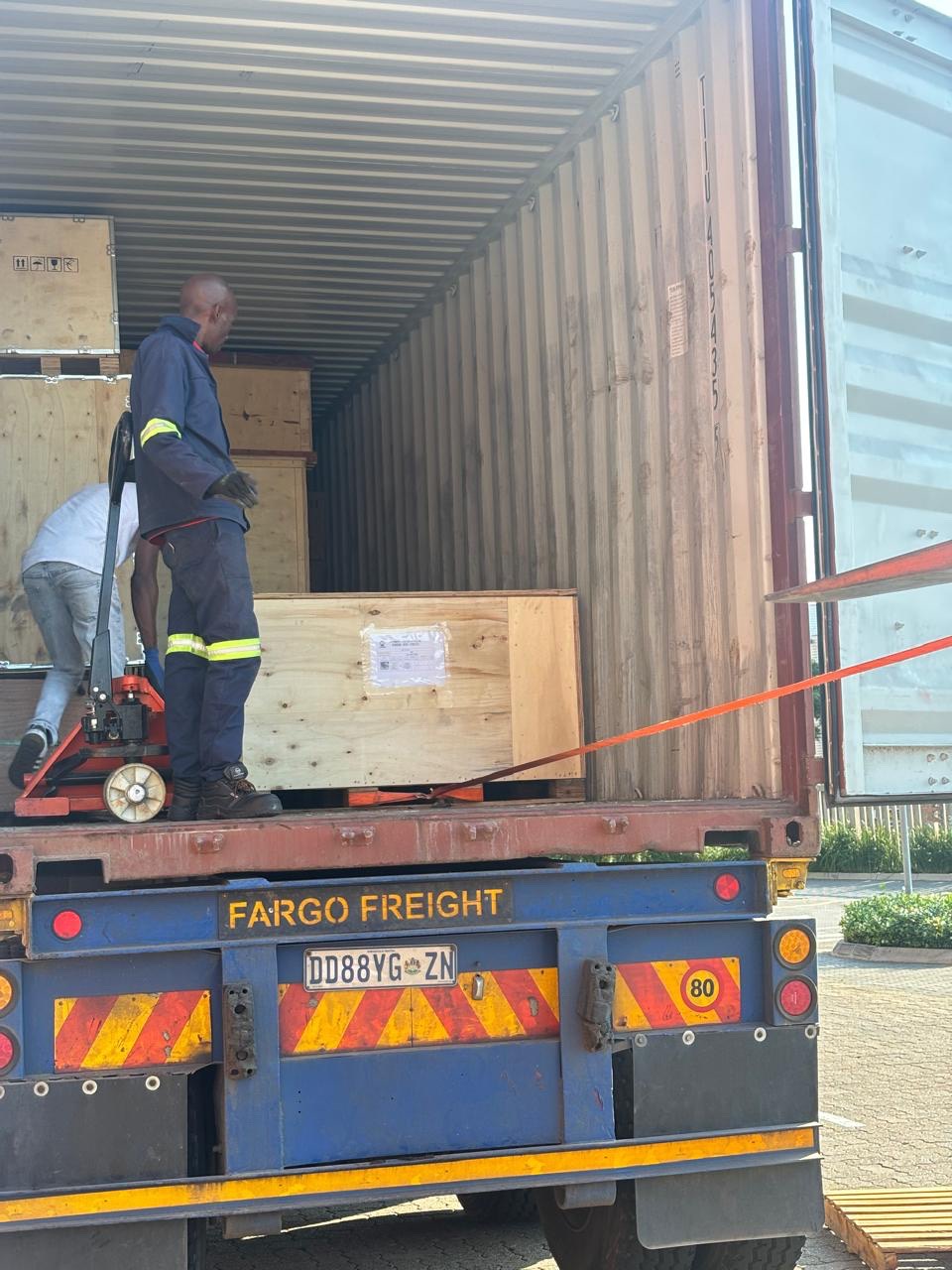
new arrivals
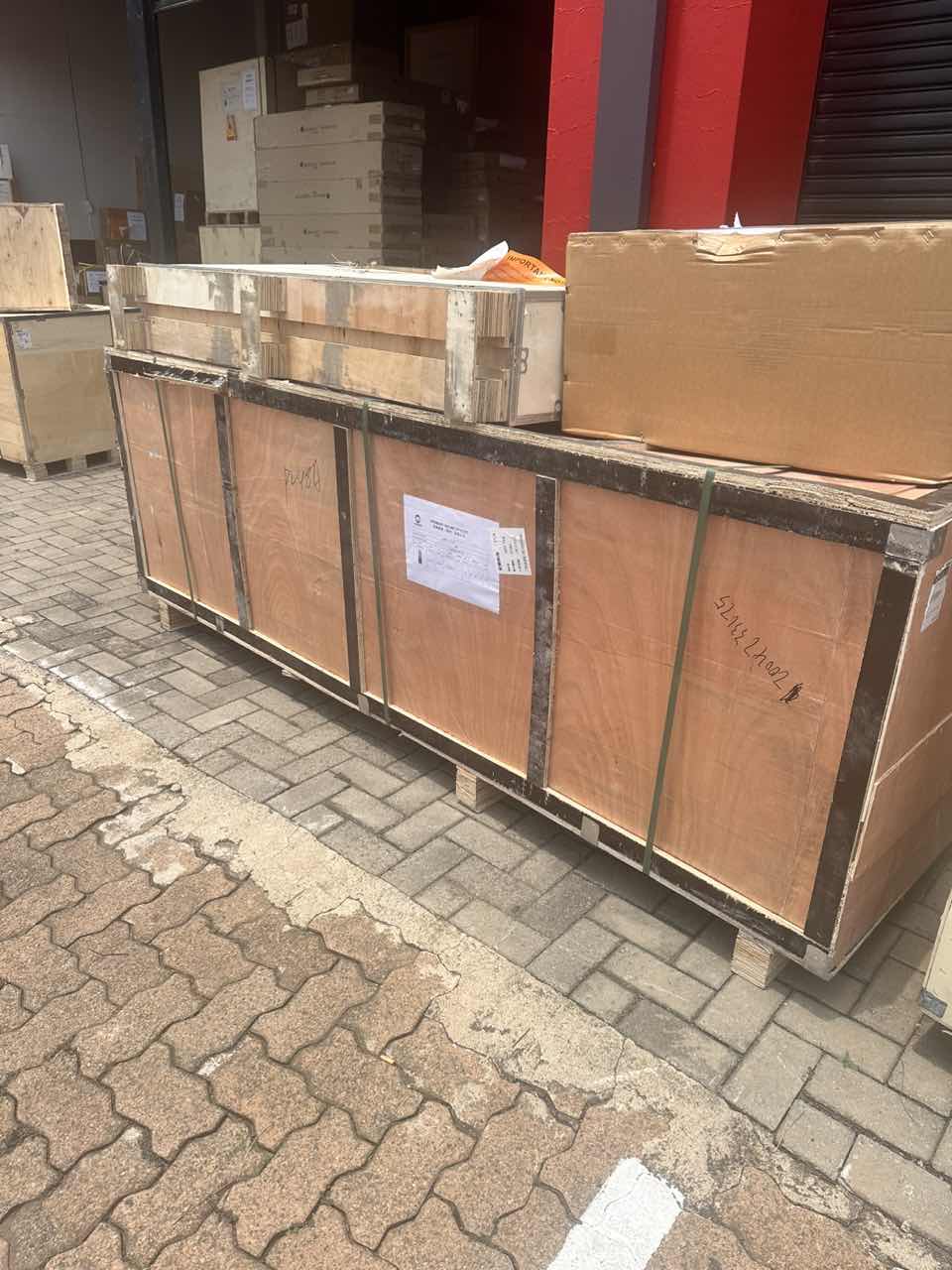
Pre Orders Offloading
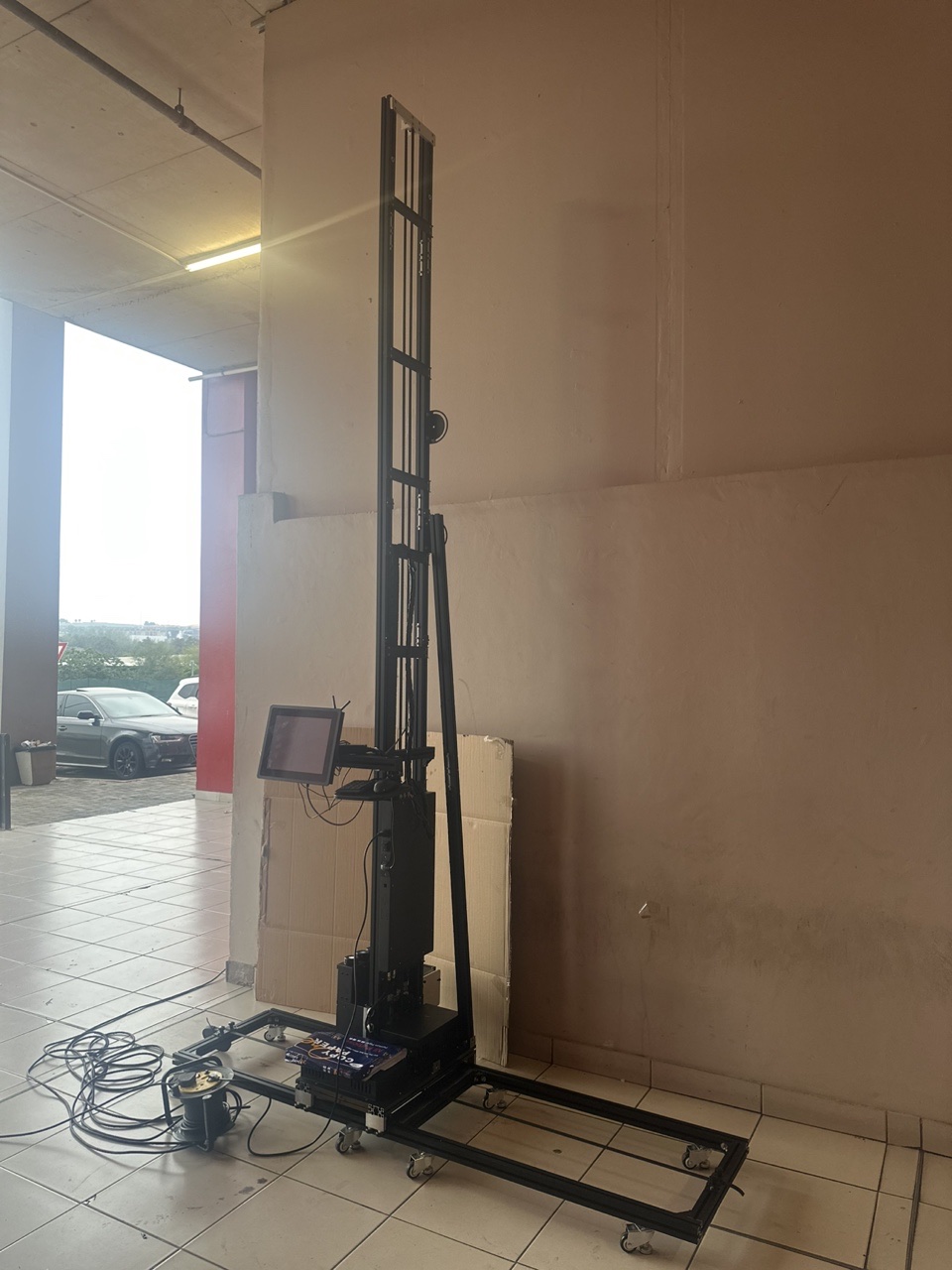
Latest Arrivals
Latest Arrivals
Latest Arrivals
Loading
Toilet paper making machine
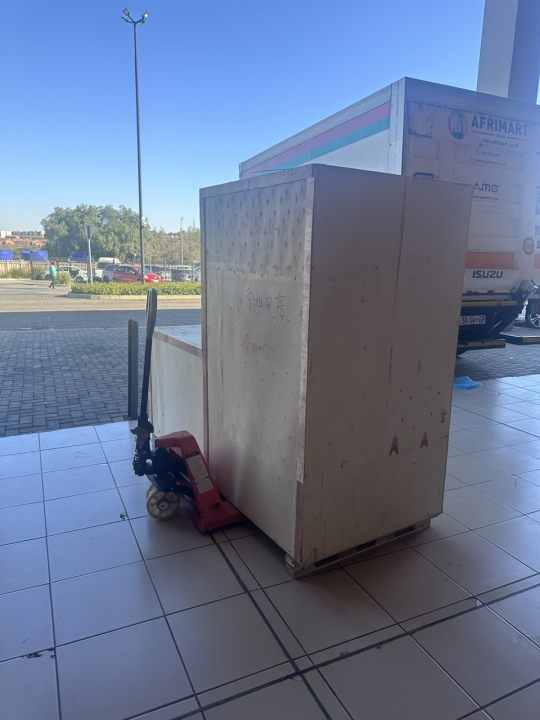
Toilet paper making machine
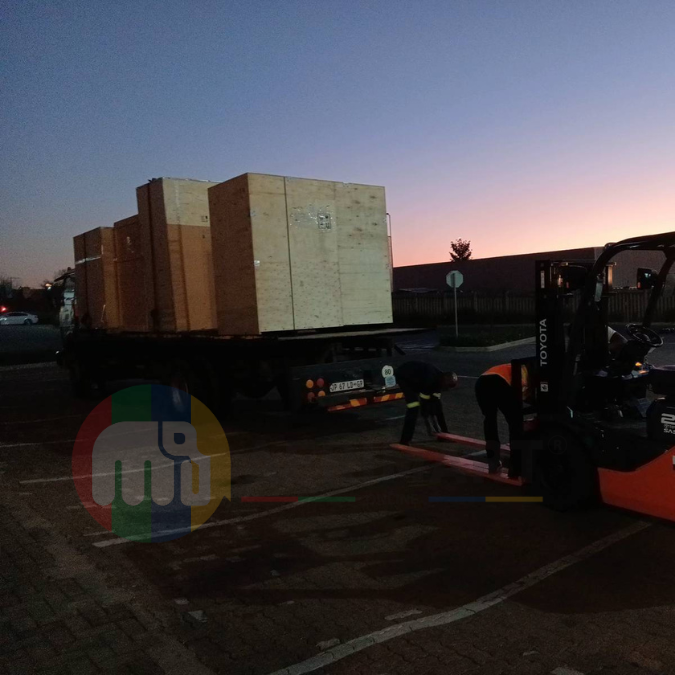
Toilet paper Rewinding Machine
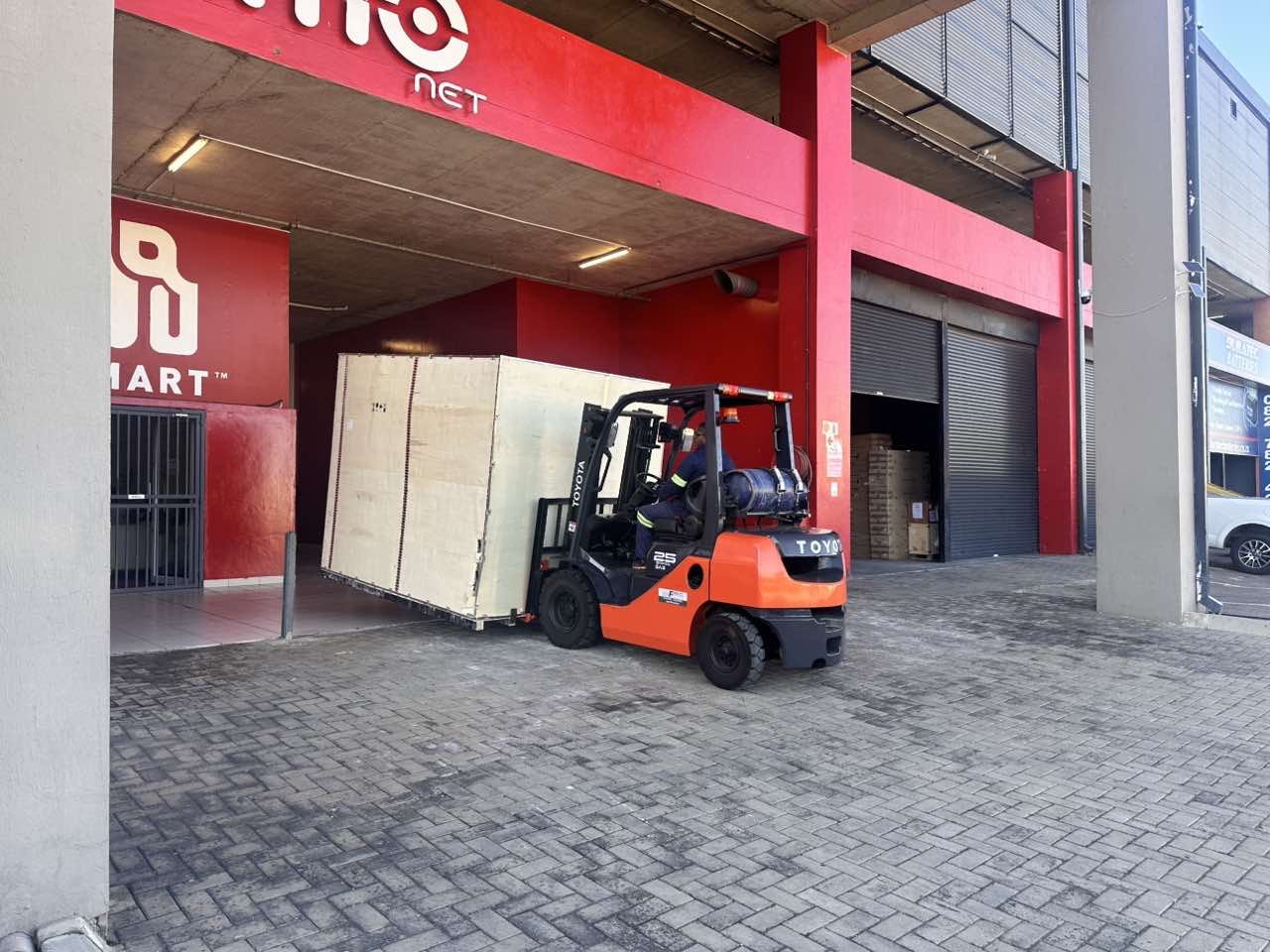
latest arrivals
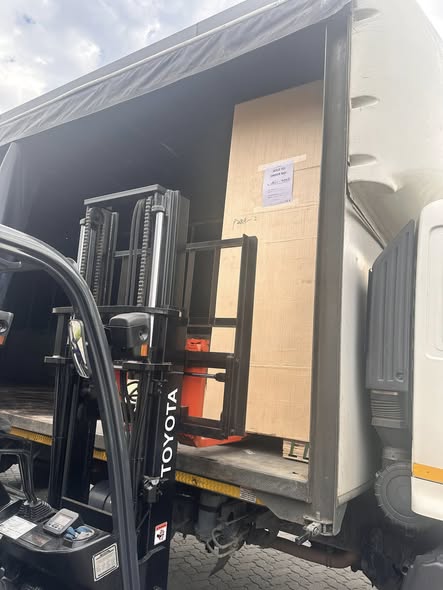
offloading
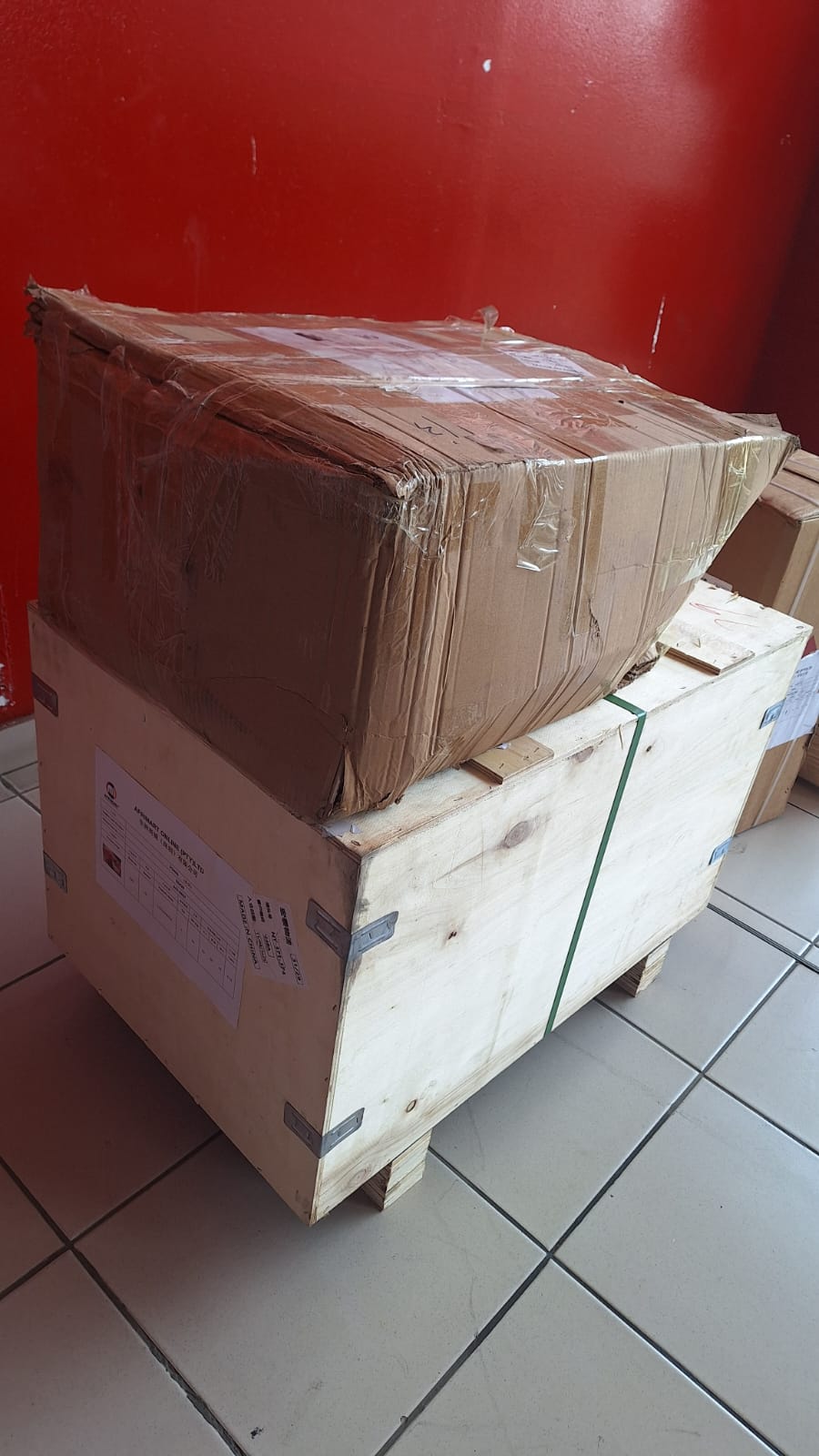
order success
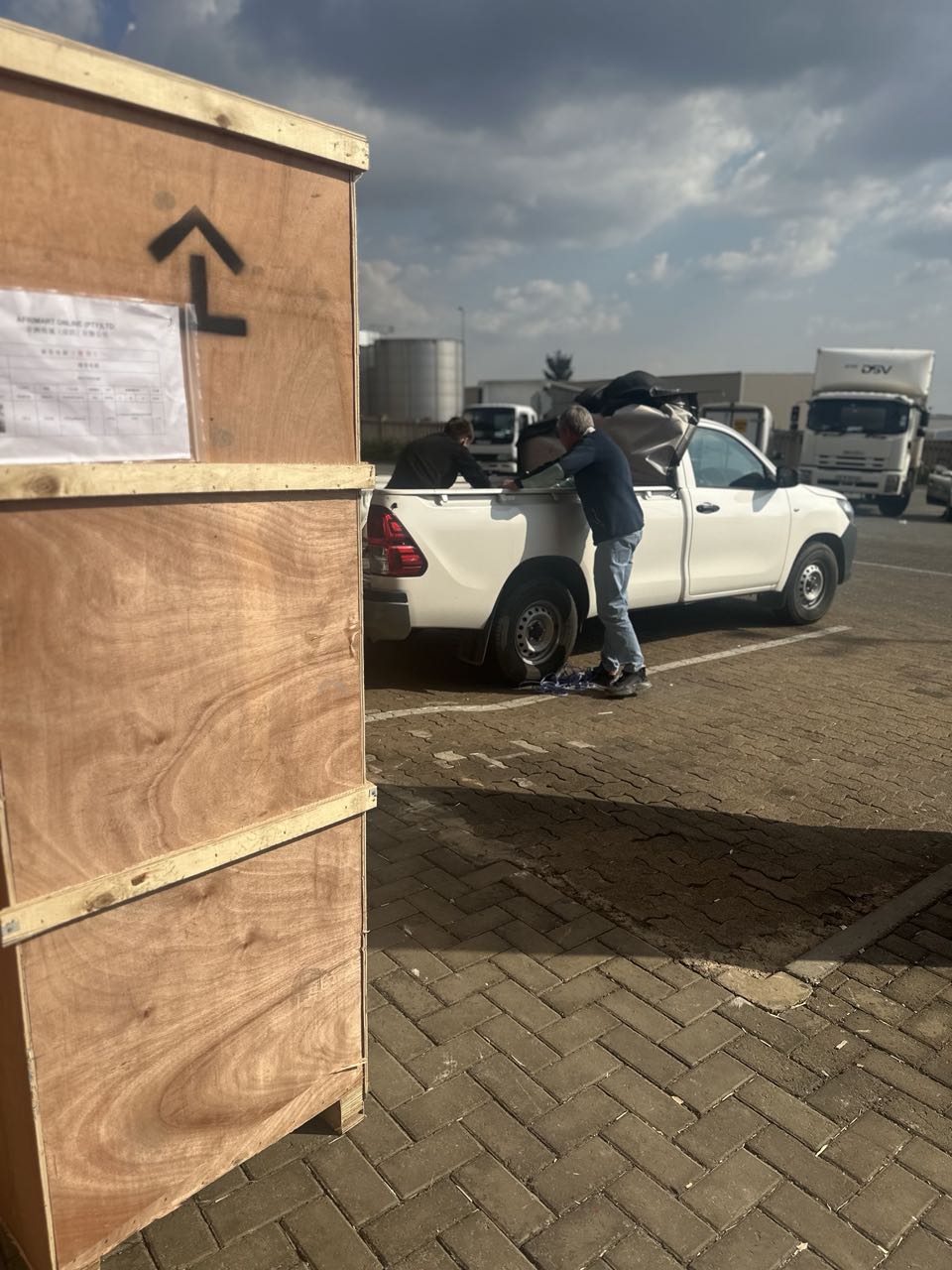
order collection
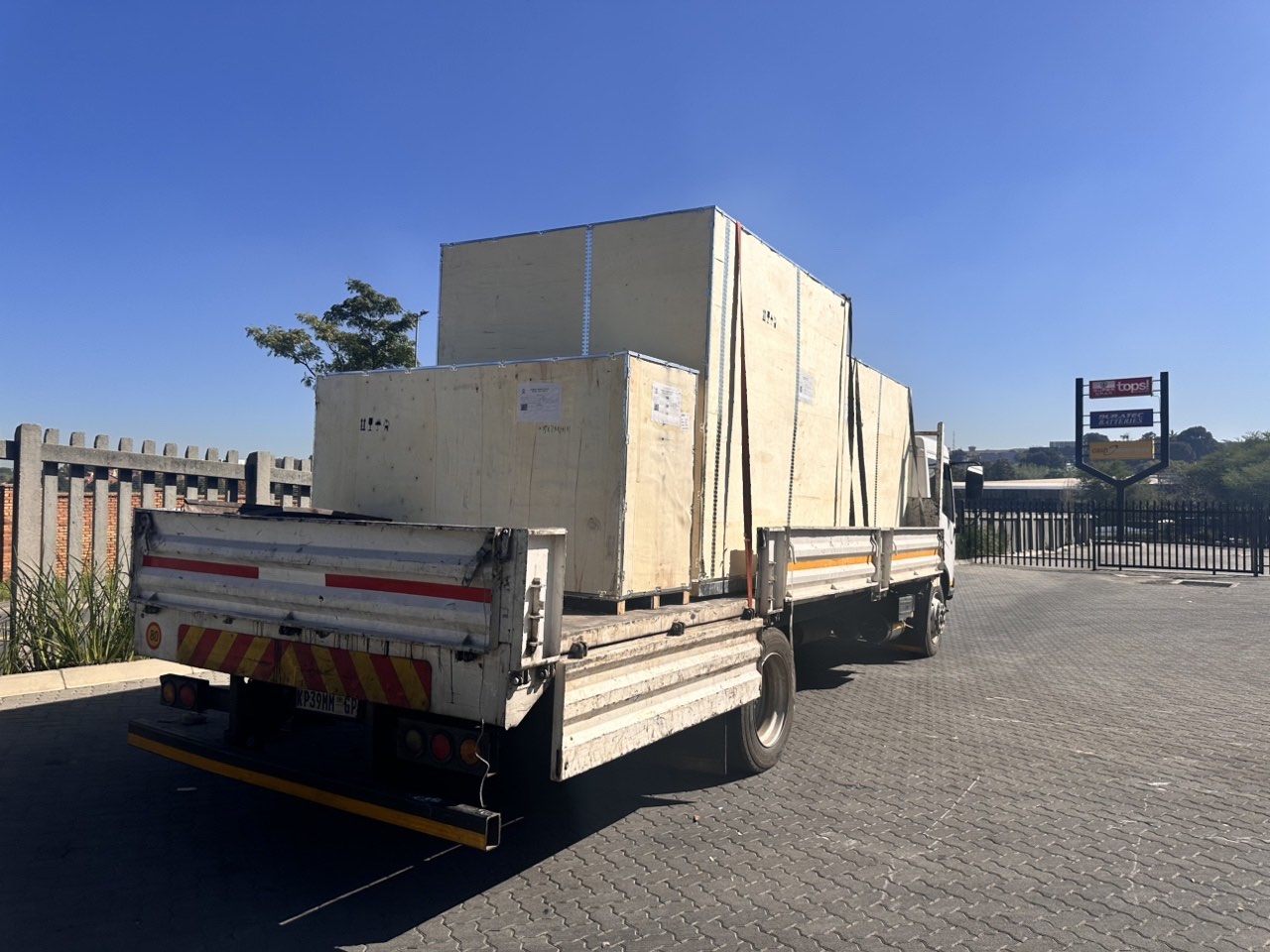
order offloading