B21, China Town Mall, Midrand

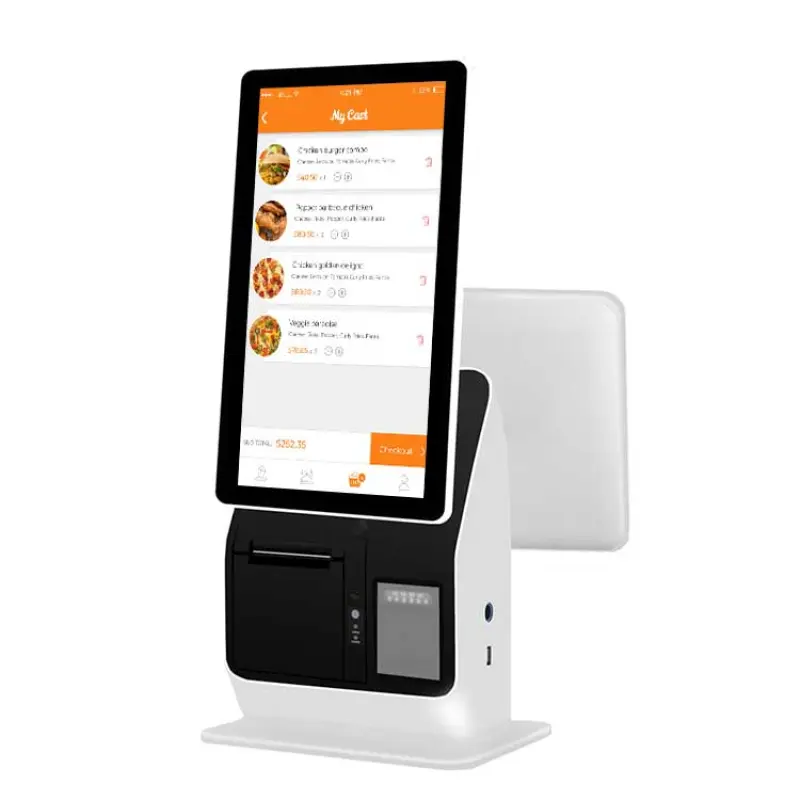
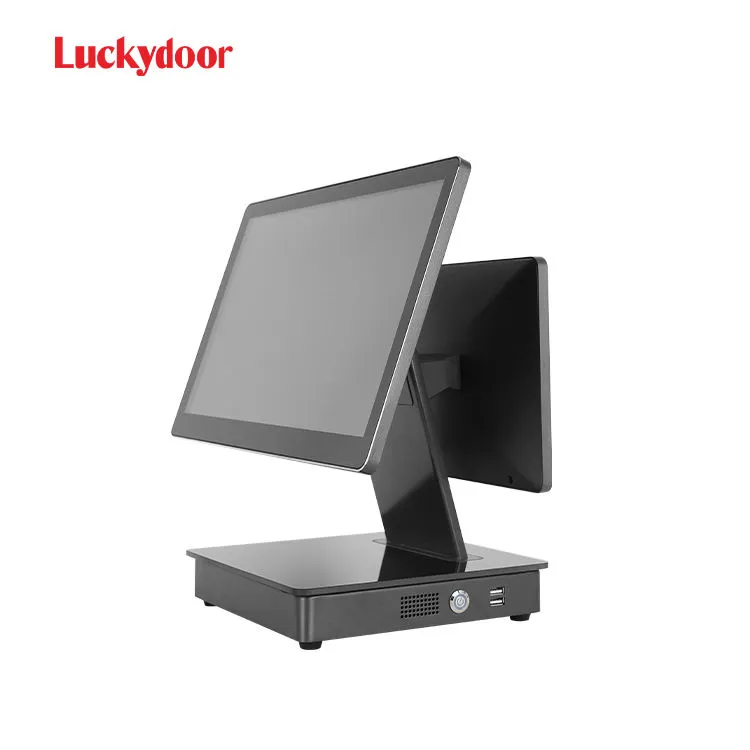
Pos Hardwareall In One Pc Touch Screen For Payment Kiosk Carding Machines Cash Register Tablet Pos Touch Screen Monitor
- Section : Computers
- Category : All in One PCs
- SKU : 1600836092158



- Shipping Timeframes: All orders are processed within 2-5 business days (excluding weekends and holidays). After your order has been processed, the estimated delivery time is before 05 Aug, 2026, depending on customs, Please note that due to high demand, some items may experience longer shipping times, which will be communicated at order confirmation email.
- Order Processing Time: Please allow 2-5 business days for us to process your order before it is shipped . Orders placed after 16:00 on Fridays, or during weekends and public holidays, will begin processing on the next business day. Processing times may be extended during peak seasons or sales events.
- Manufacturing Time: Some products needs manufacturing time, the manufacturing process will take approximately 10-30 business days depending on the product. This timeframe may vary depending on the complexity of the product and current demand. but this will be communicated with you during order confirmation.
- Returns and Exchanges: We offer a 30-day return policy for most items. If you are not completely satisfied with your purchase, you may return it within 30 days of receipt for a refund or exchange. Items must be unused, in their original packaging, and accompanied by proof of purchase. Return shipping costs are the responsibility of the customer, unless the item was damaged or defective upon arrival.
1. What is the Pos Hardware All‑In‑One PC Touch Screen?
It’s an all‑in‑one point‑of‑sale unit combining a touchscreen display, compact PC, and optional peripheral interfaces designed for payment kiosks, card machines, cash registers and tablet style POS applications.
2. Which operating systems does the device support?
Models are available with Windows (including Windows IoT), Android and Linux. Available OS depends on the specific model — confirm with the seller when ordering.
3. What type of touchscreen and what sizes are offered?
Most models use projected capacitive (PCAP) multi‑touch for fast, accurate input. Typical screen sizes range from around 10" to 15.6", though exact options depend on the configuration.
4. Can this unit process card payments (MSR/EMV/NFC)?
Yes — it can support magnetic stripe readers (MSR), EMV chip readers and NFC/contactless (for mobile payments) either built‑in or as attachable modules. Payment functionality depends on the chosen configuration and payment terminal module.
5. Is the device PCI or EMV compliant out of the box?
Compliance depends on the installed payment module and payment software rather than the base hardware. You can configure the system to be PCI‑DSS/EMV compliant by integrating a certified PIN pad/payment module and working with a compliant payment provider.
6. What connectivity options are available?
Common connectivity options include Gigabit Ethernet, Wi‑Fi, Bluetooth, multiple USB ports, RS‑232 serial ports, HDMI/VGA output (on some models) and an RJ11 for cash drawers. Exact ports vary by model.
7. Does it include an integrated receipt printer?
Some SKUs include an integrated thermal receipt printer; others are printerless. If you need a built‑in printer, request a model with the internal thermal printer option or pair the unit with an external USB/serial printer.
8. Can I connect a barcode scanner and a cash drawer?
Yes. Barcode scanners can be connected via USB or RS‑232. Cash drawers typically connect through an RJ11/RJ12 port on the printer or directly to a drawer port on the unit, depending on configuration.
9. Is there a POS software or SDK available?
Manufacturers commonly provide device drivers, APIs and SDKs (for Windows and Android) to integrate touchscreen, peripheral and payment functions. Check with the vendor for available SDK packages and documentation.
10. What mounting and installation options are supported?
Units generally support countertop placement and may include VESA mounting options for wall or pole mounts. Some models are designed specifically for kiosks or upright installations.
11. What are the power requirements and is battery operation possible?
Most units use an external DC adapter (commonly 12–19V DC) with typical power consumption depending on configuration. Some models offer an internal battery or optional UPS for temporary backup, but many are AC‑powered for fixed installations.
12. How secure is the device for handling sensitive payment data?
Security depends on a combination of hardware, payment module, OS configuration and payment application. Use certified payment terminals, keep software up to date, enable OS security features and work with a PCI‑compliant payment processor to meet regulatory requirements.
13. What warranty and support are provided?
Standard warranties are commonly 12 months, with optional extended warranties and depot/onsite service contracts available from some vendors. Confirm warranty length and support terms prior to purchase.
14. Can the device be customized (branding, I/O, peripherals)?
Yes — many manufacturers offer customization for colors, logo printing, I/O configurations, integrated peripherals (printer, MSR, NFC) and software preload. Minimum order quantities and lead times may apply.
15. How long does it take to order and receive a customized unit?
Lead times vary by vendor, customization scope and quantity. Stock (standard) units may ship in days, while custom builds typically take 2–6 weeks or longer. Ask the supplier for an estimated lead time when placing an order.
Latest Order Arrivals
Discover our latest orders
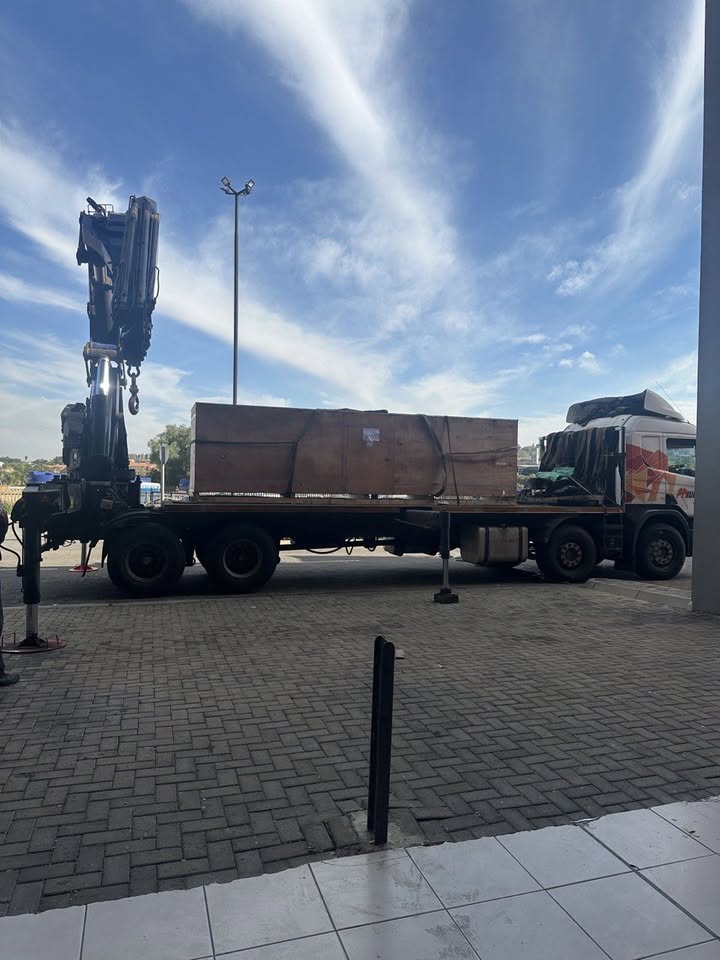
12 Heads Embroidery Machine
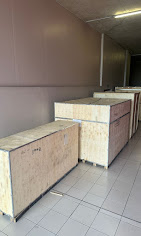
Toilet Paper Machine Machine
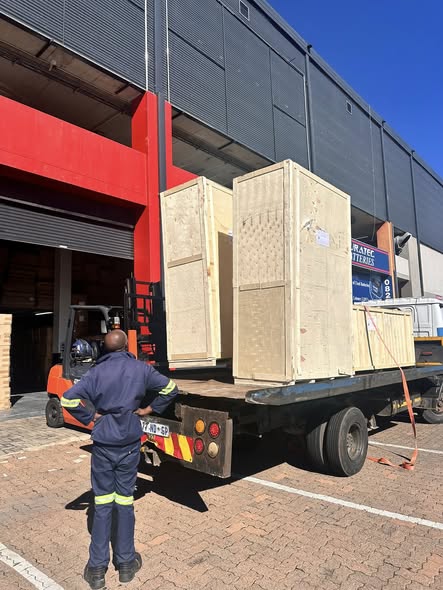
Order Collection
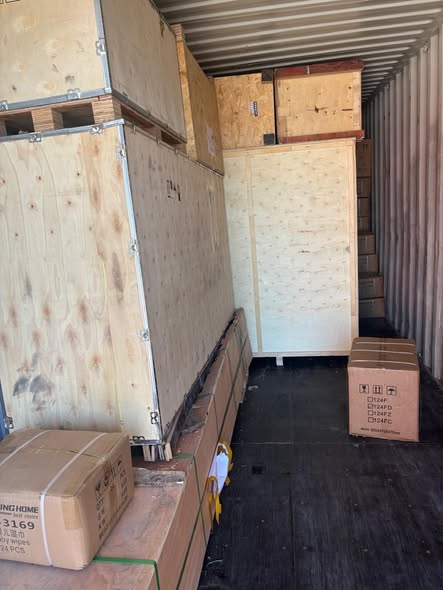
Cross Border Clients
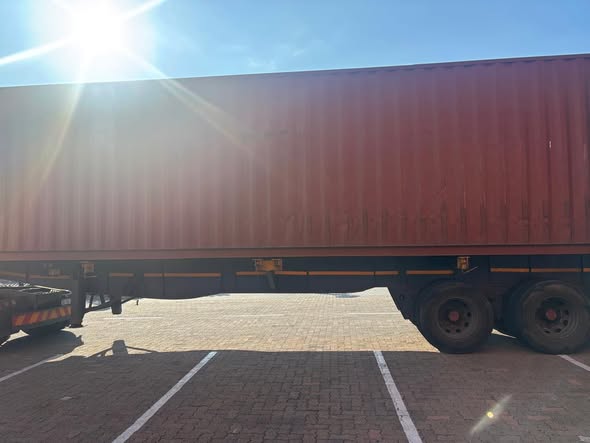
Order cros border countries Collected
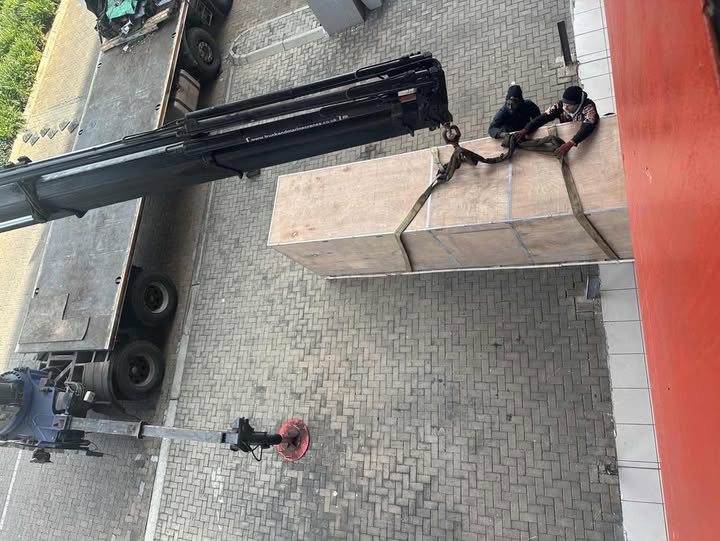
Industrial Machine Cllection
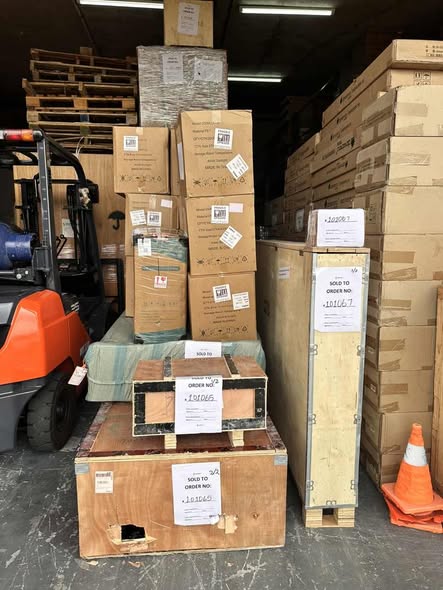
Agriculture Processing Machines
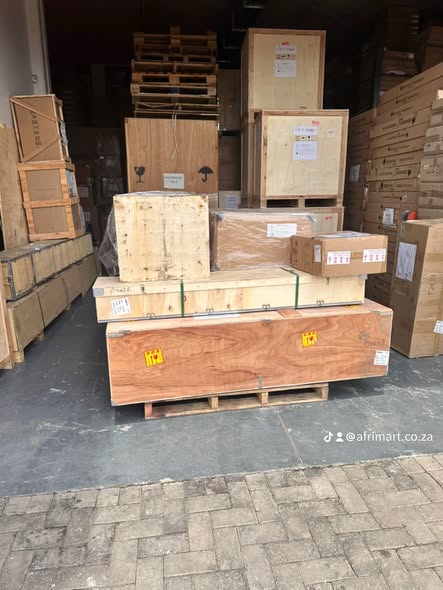
Ready for collection
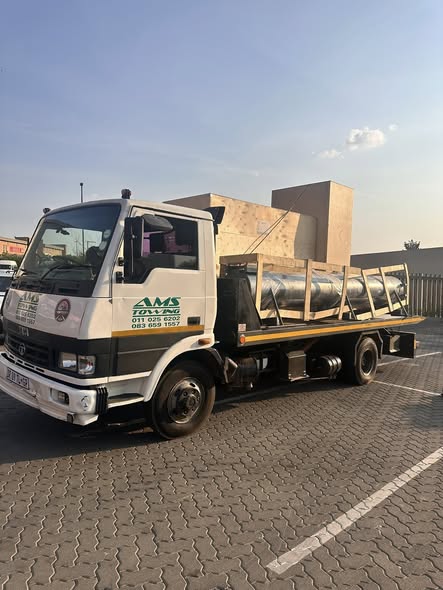
Water Pump Equipment
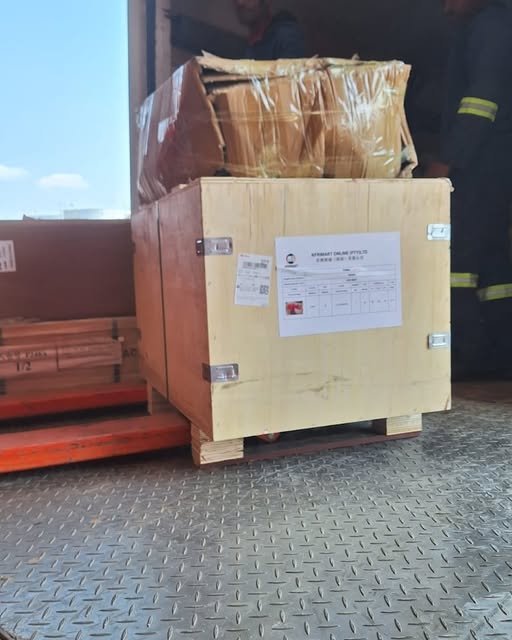
Packaging Machine and accessories
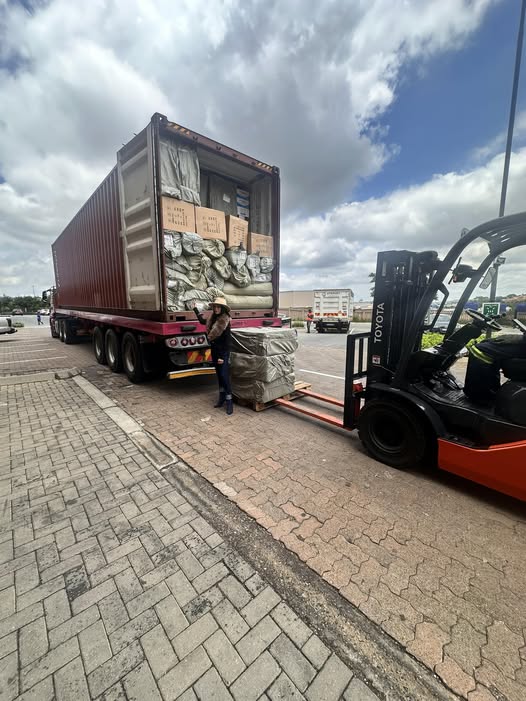
Fabrics Manufacturing Equipment
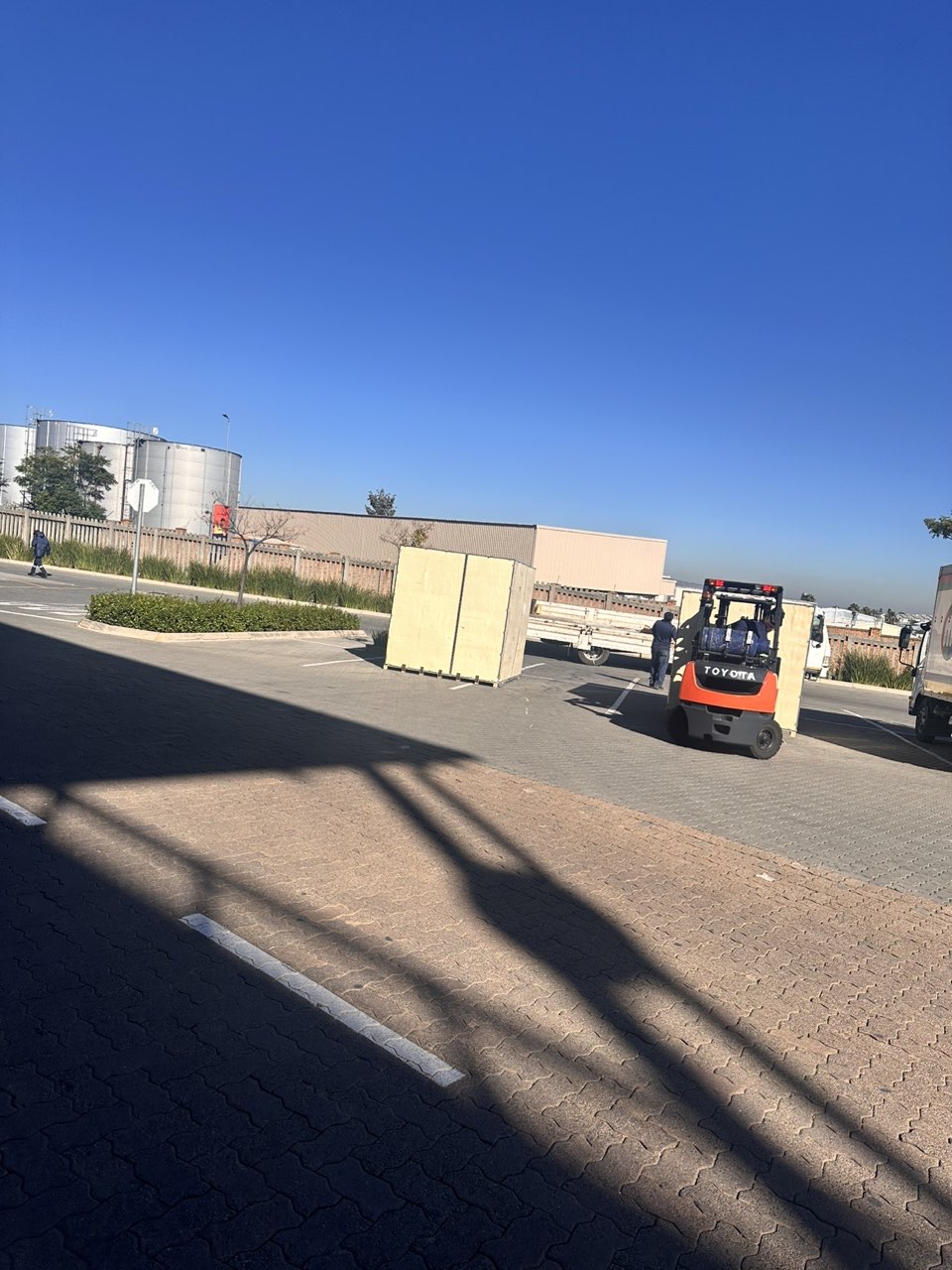
Mining Equipments
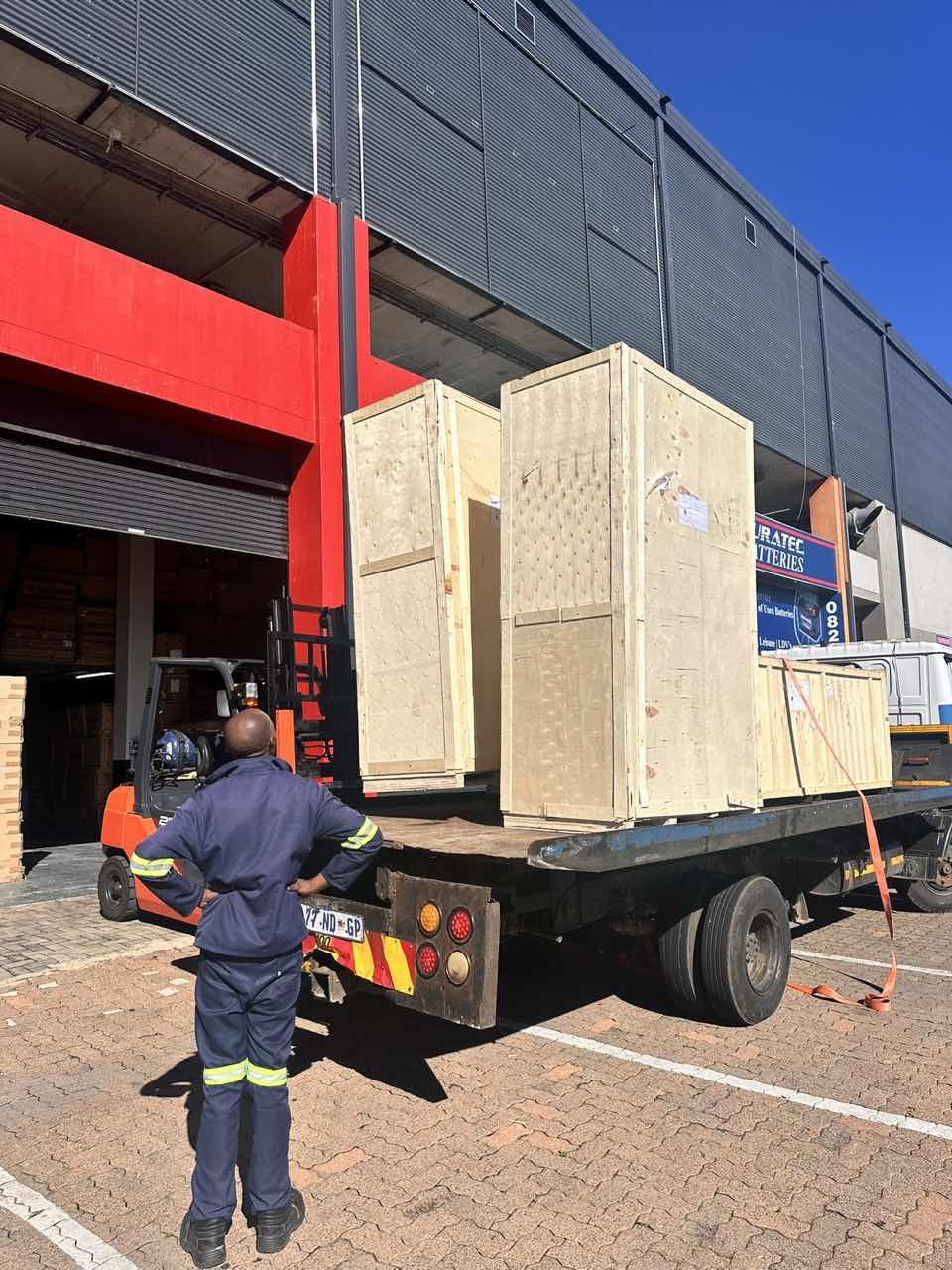
Food Processing Machine
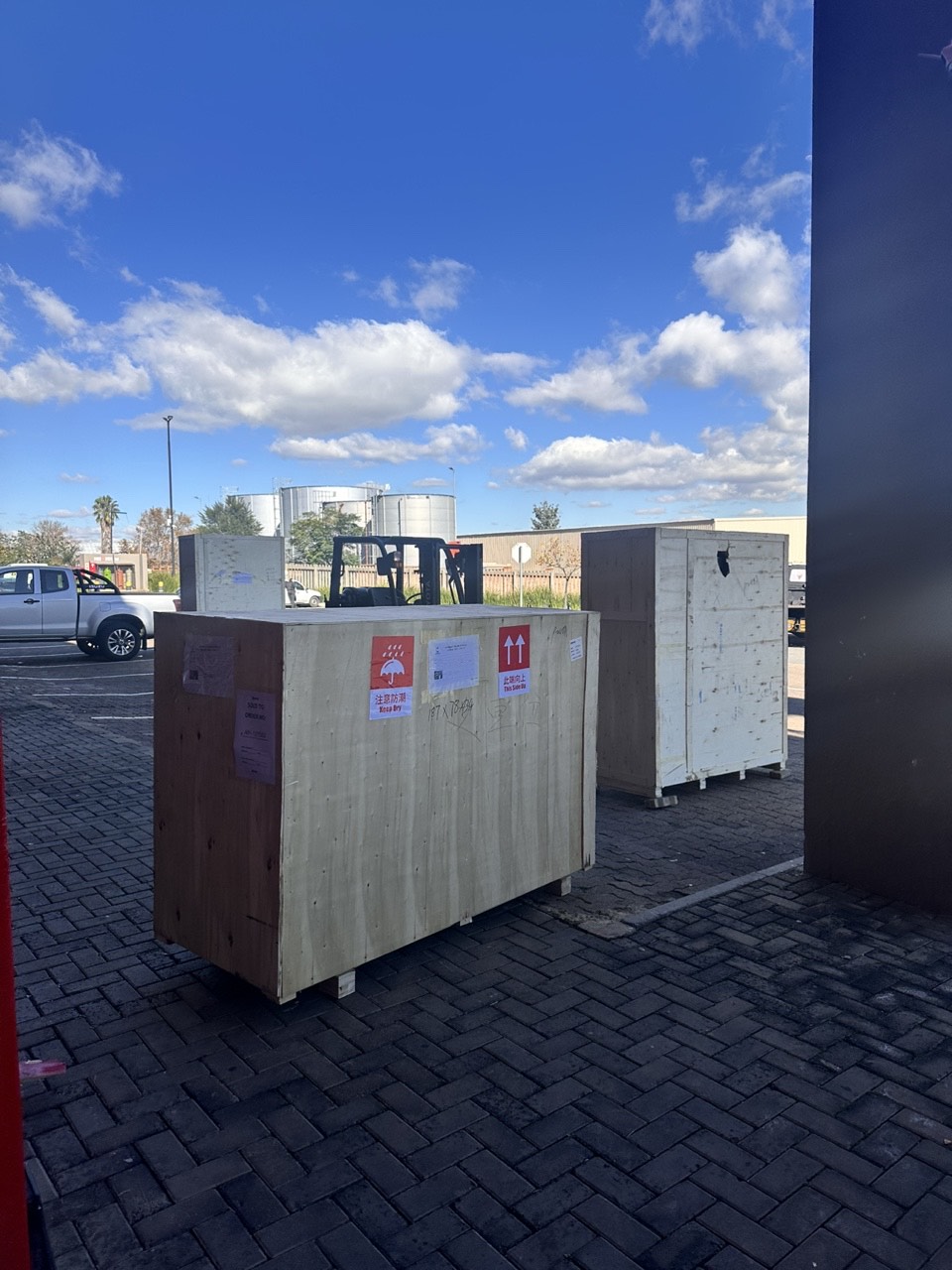
Batch of Orders
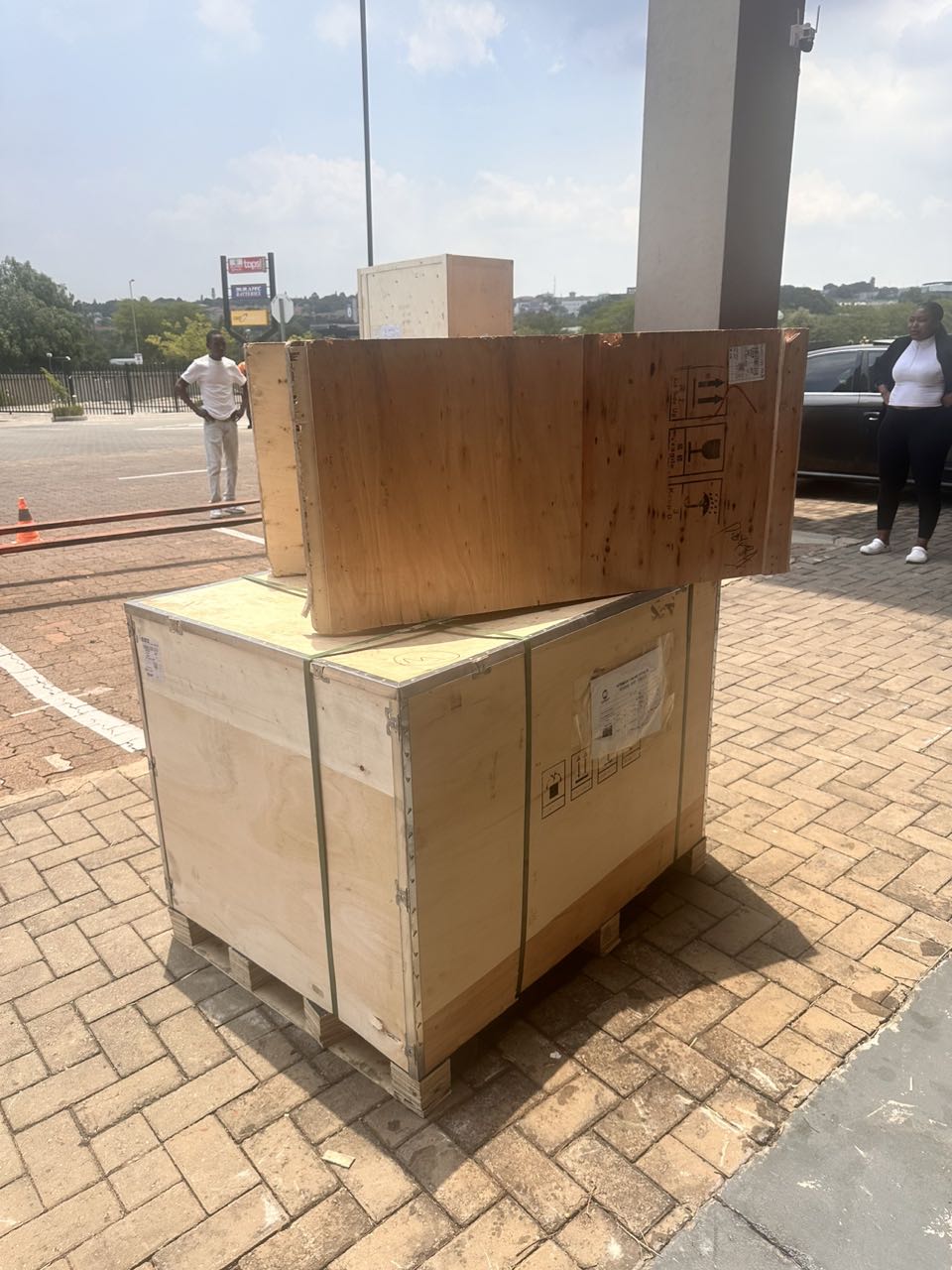
Batch of Orders
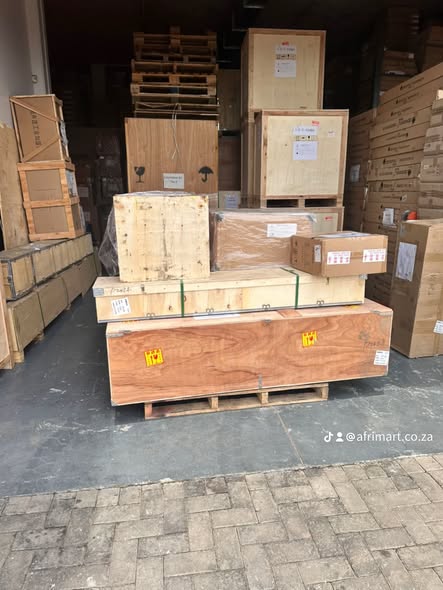
Latest Orders Labelled
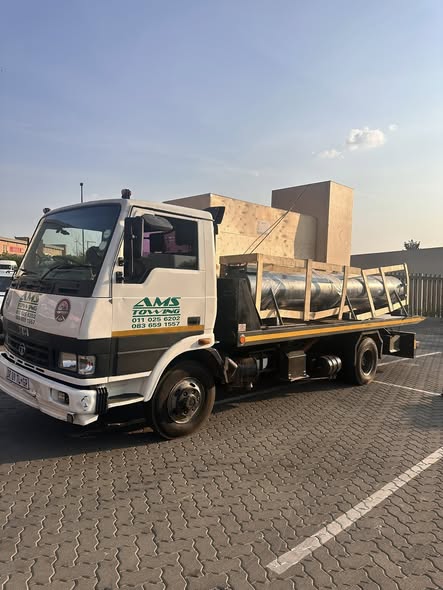
wheel alignment machines
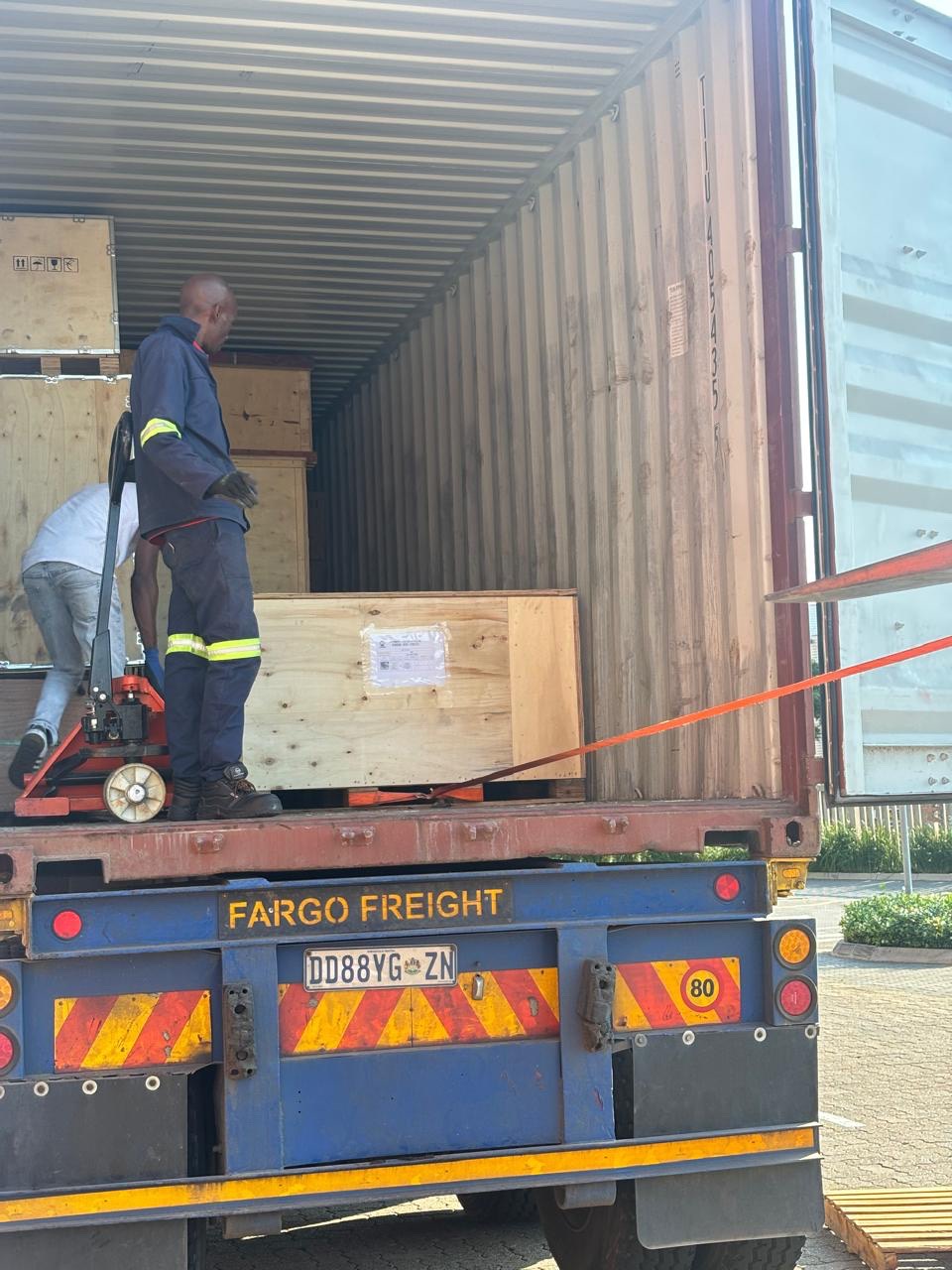
new arrivals
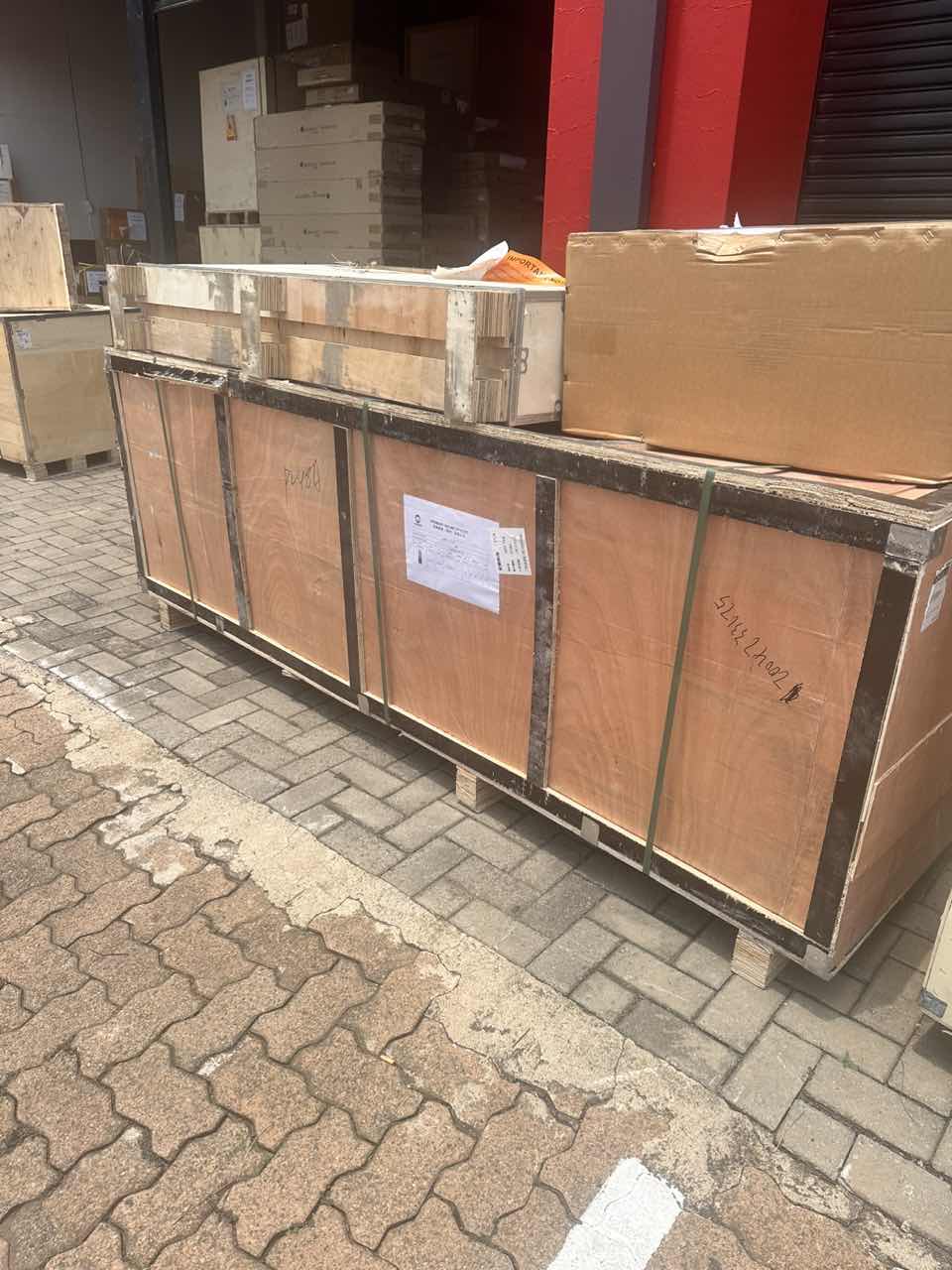
Pre Orders Offloading
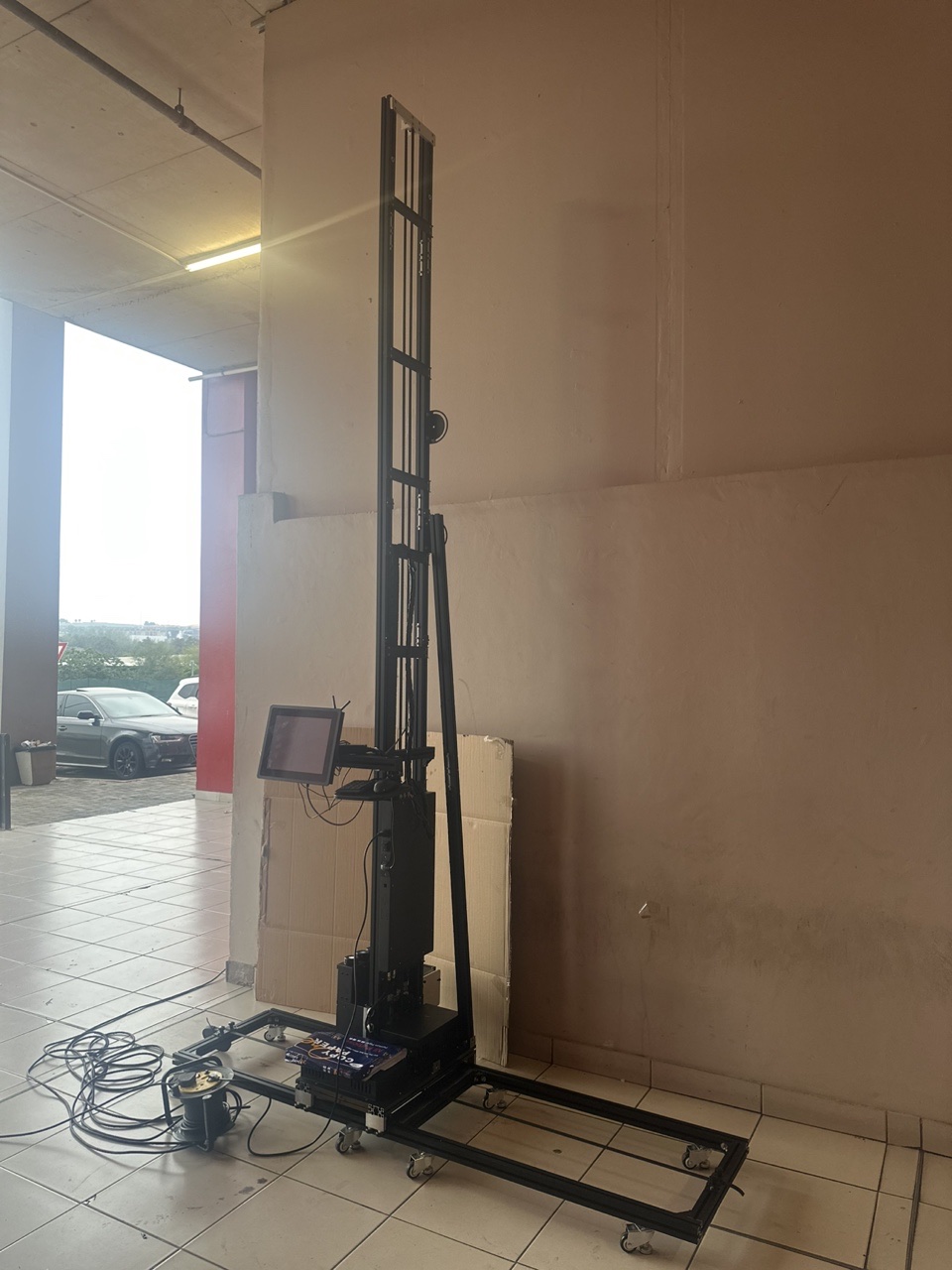
Latest Arrivals
Latest Arrivals
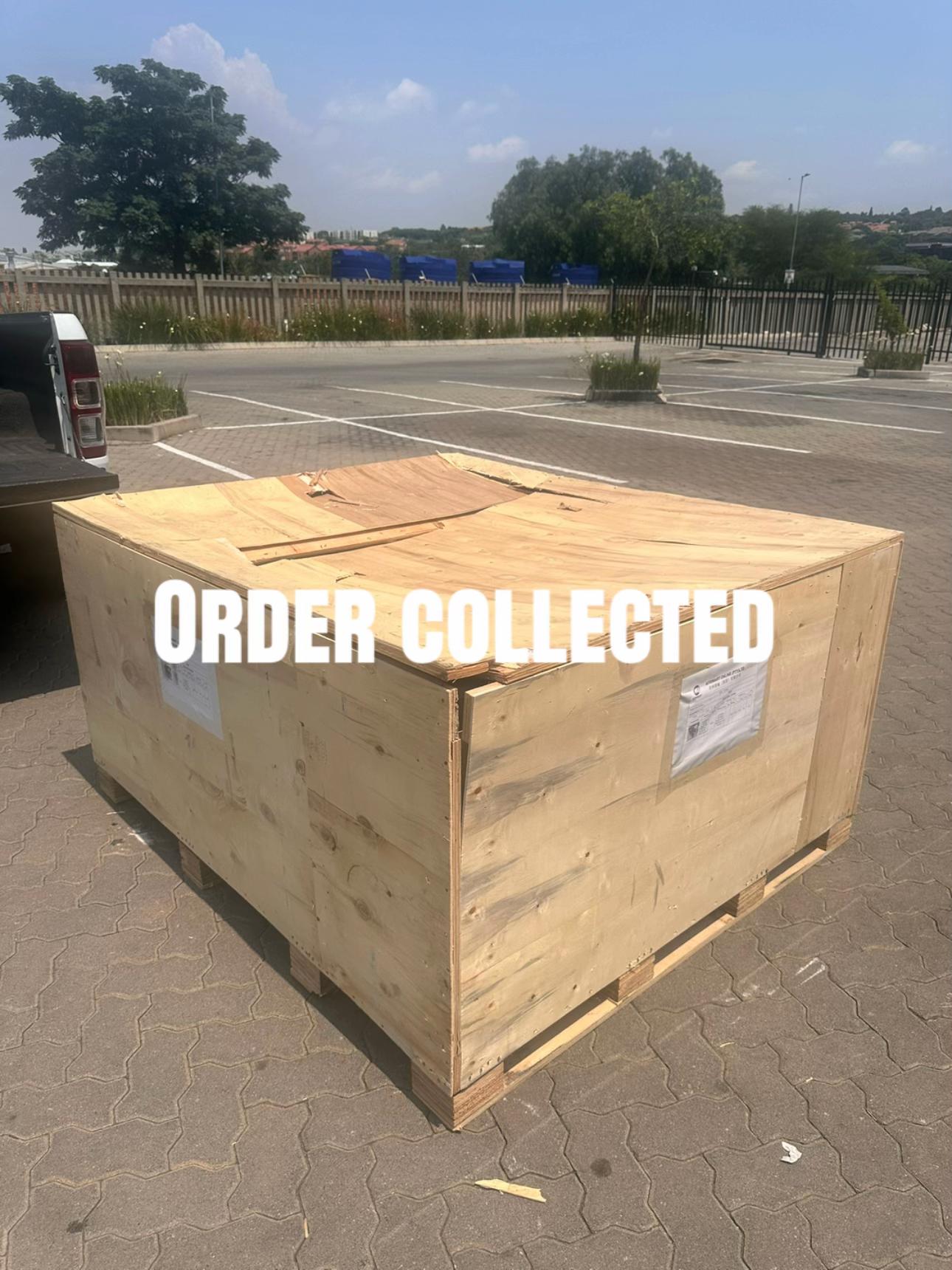
Latest Arrivals
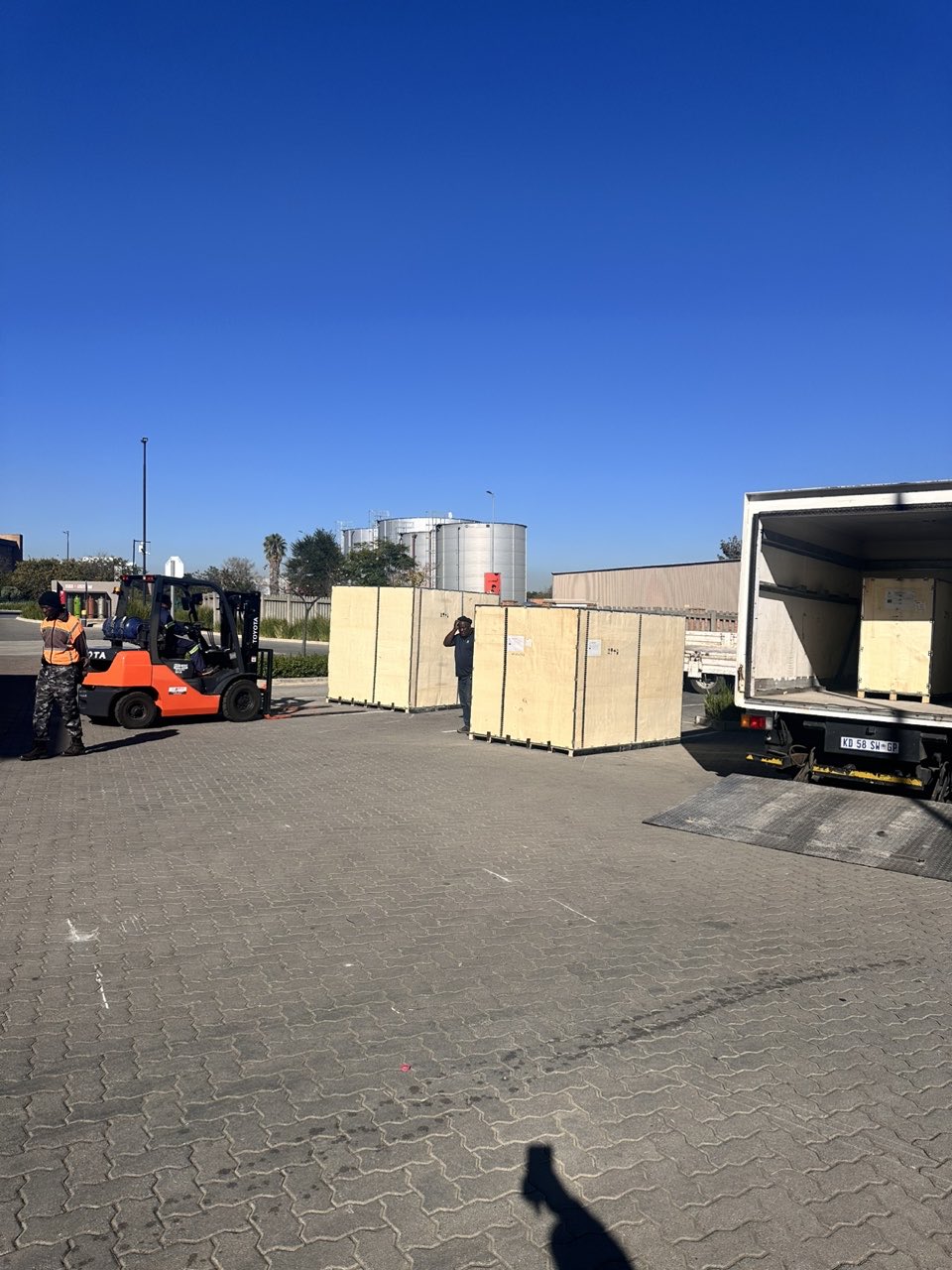
Loading
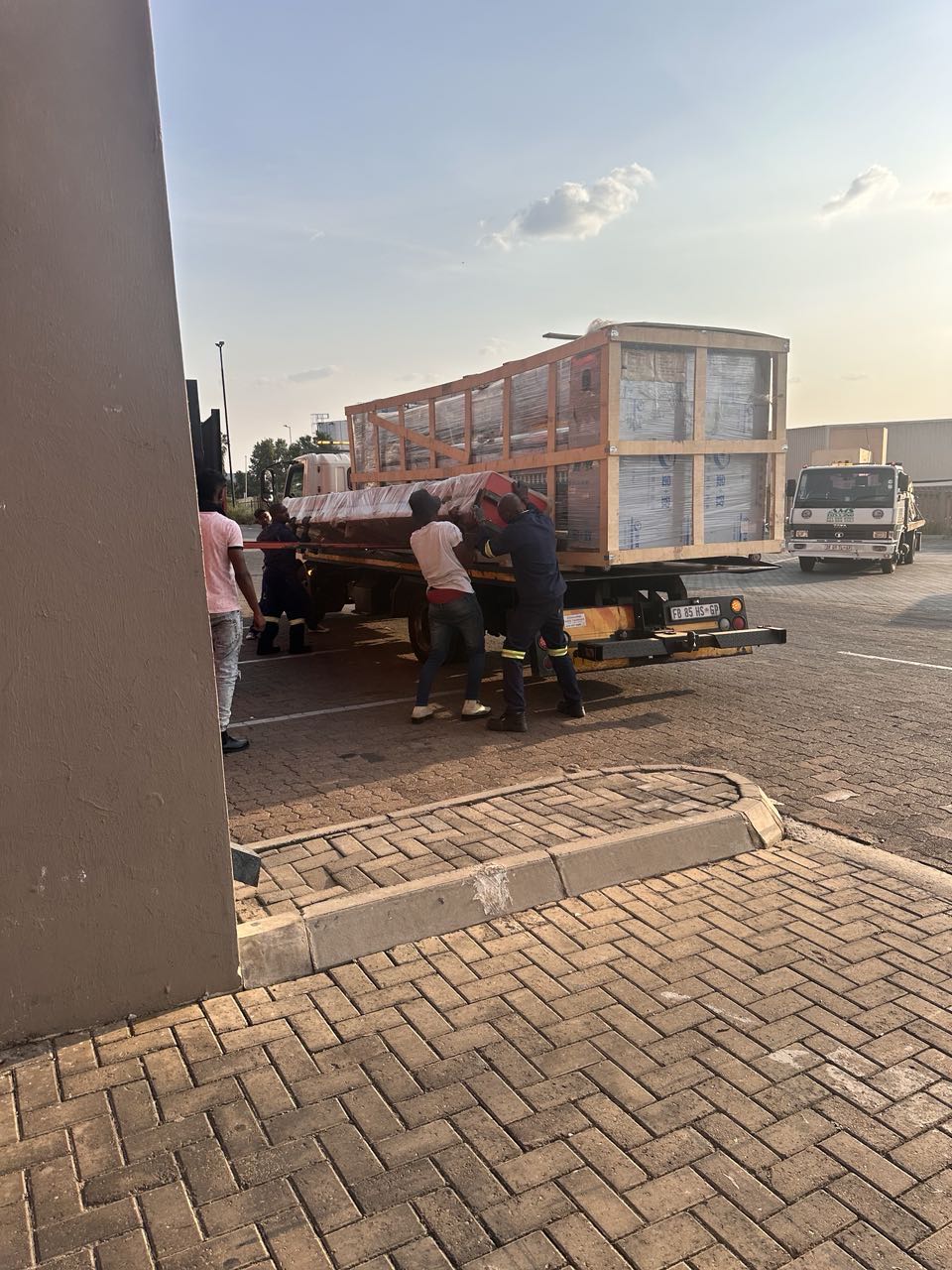
Toilet paper making machine
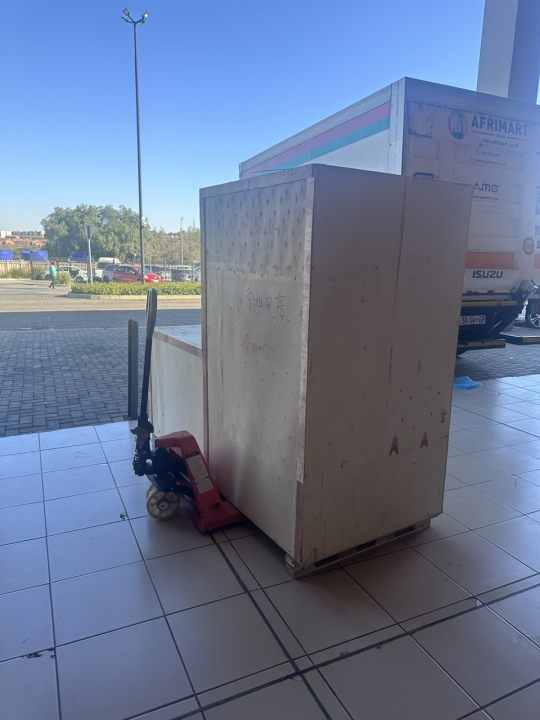
Toilet paper making machine
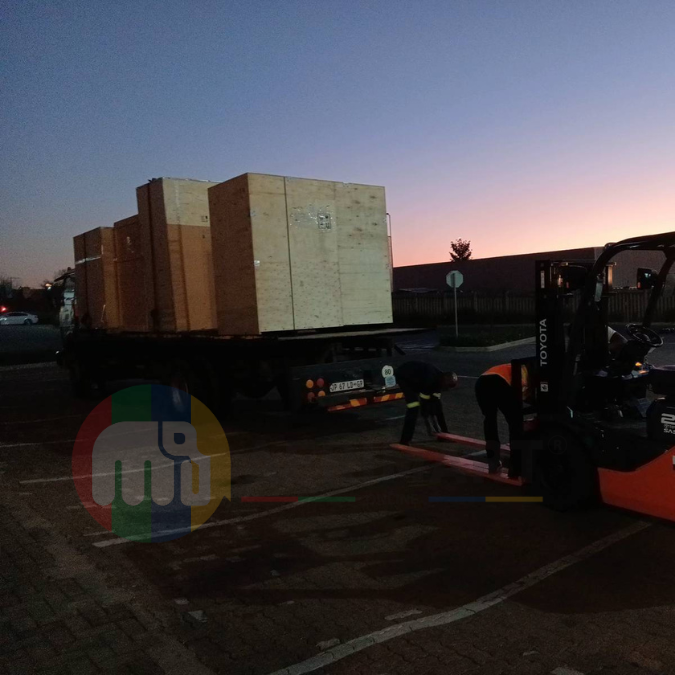
Toilet paper Rewinding Machine
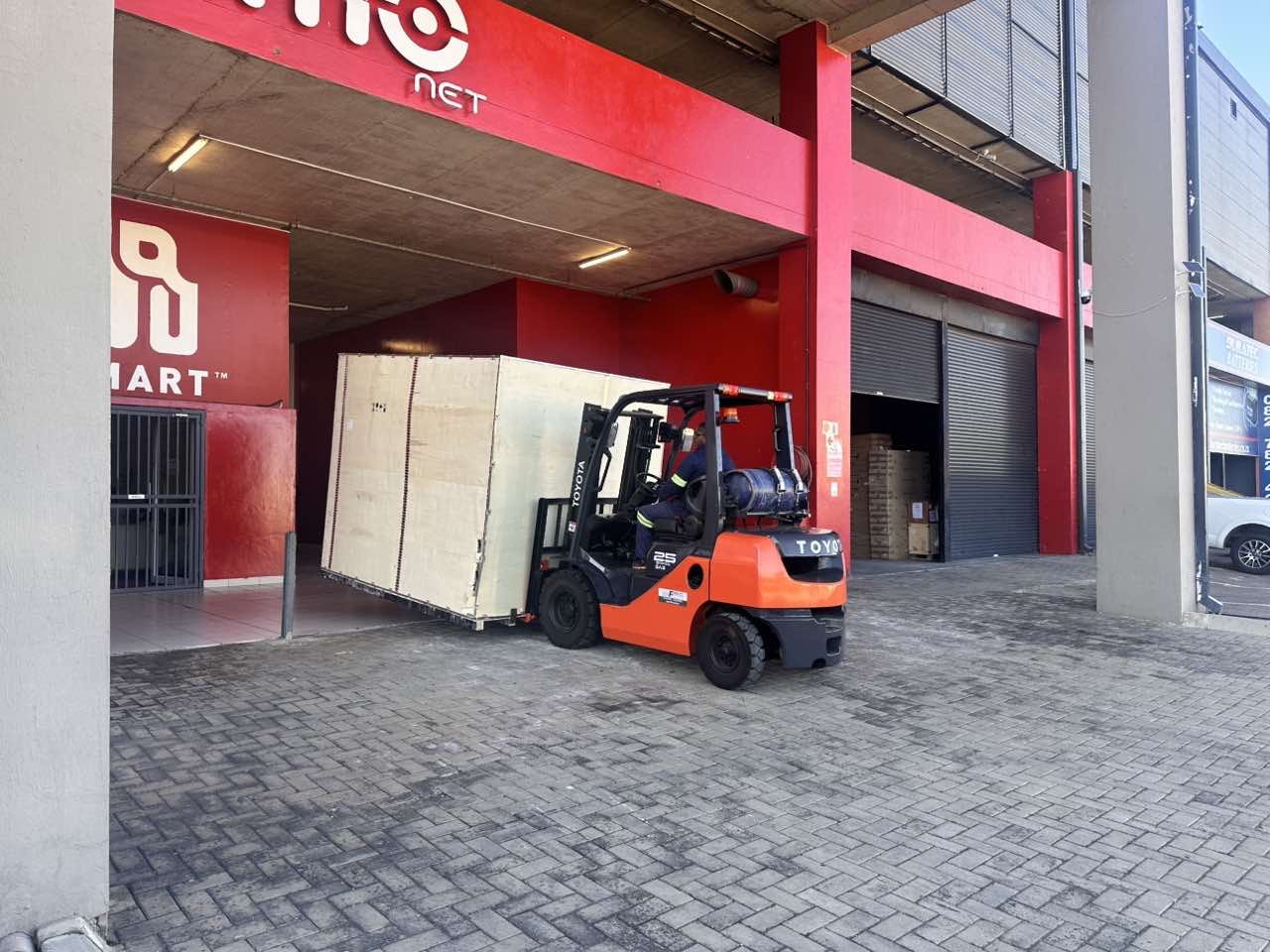
latest arrivals
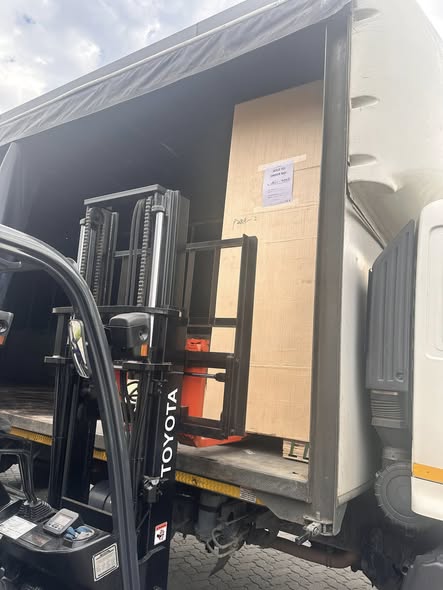
offloading
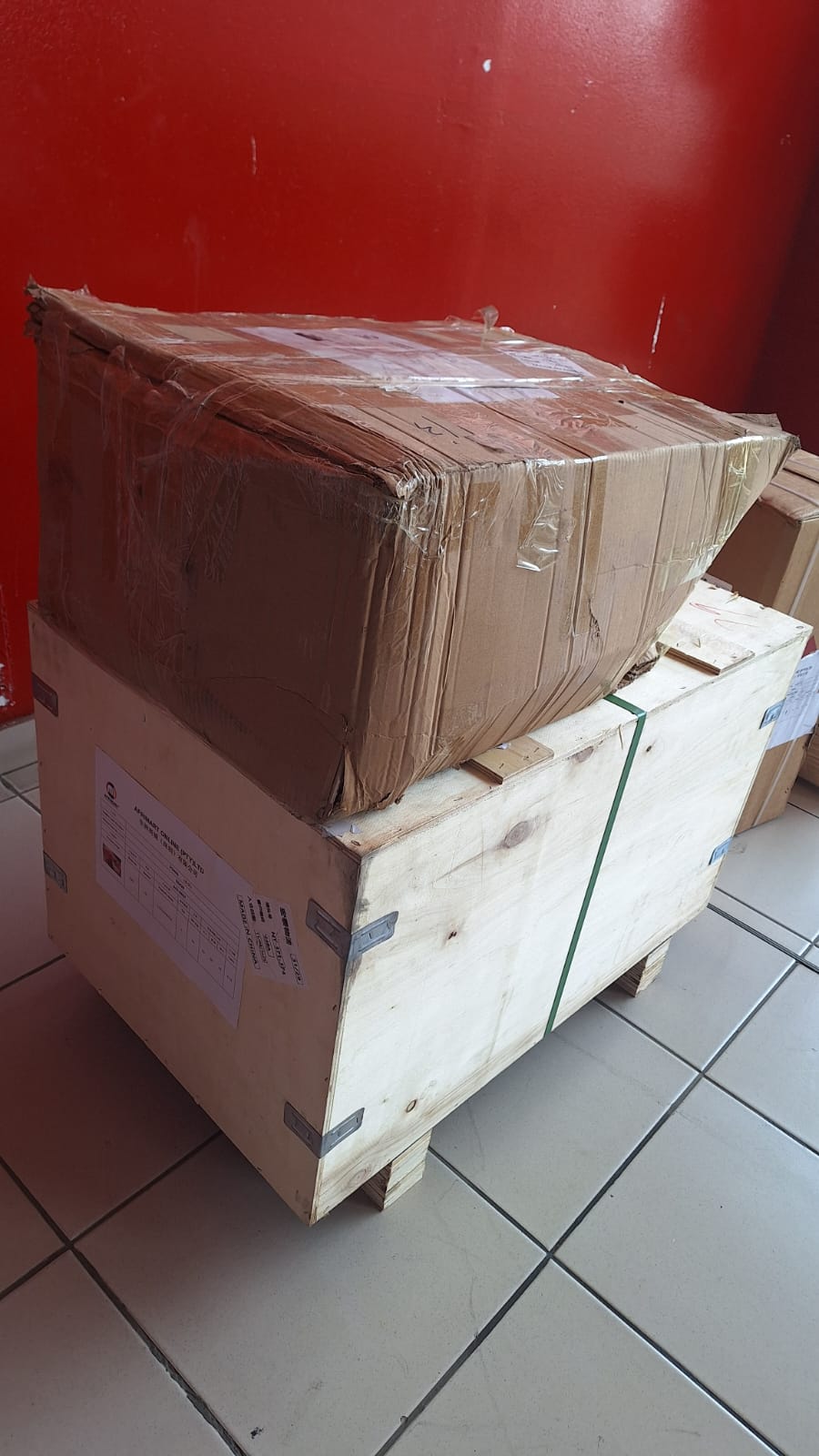
order success
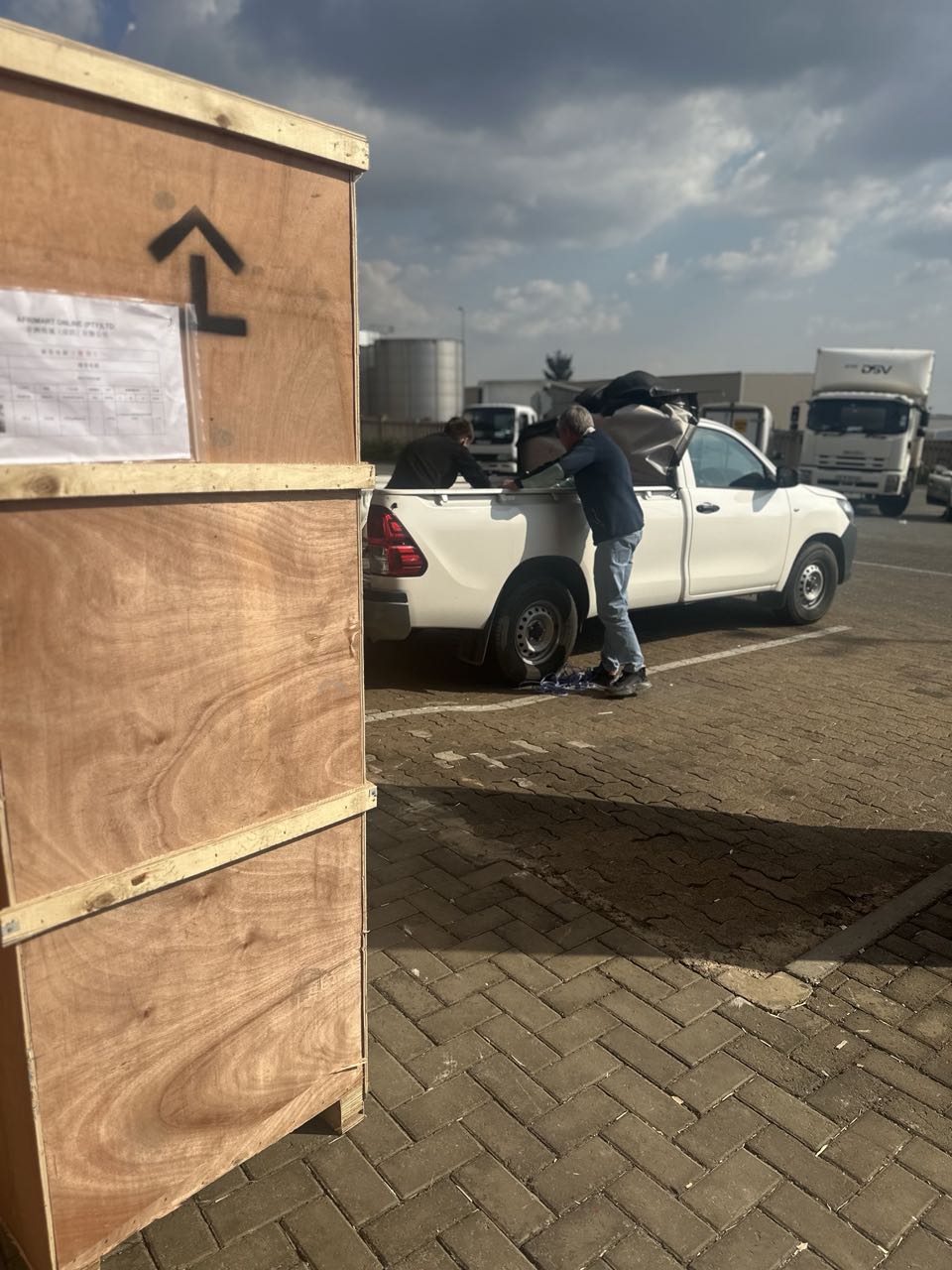
order collection
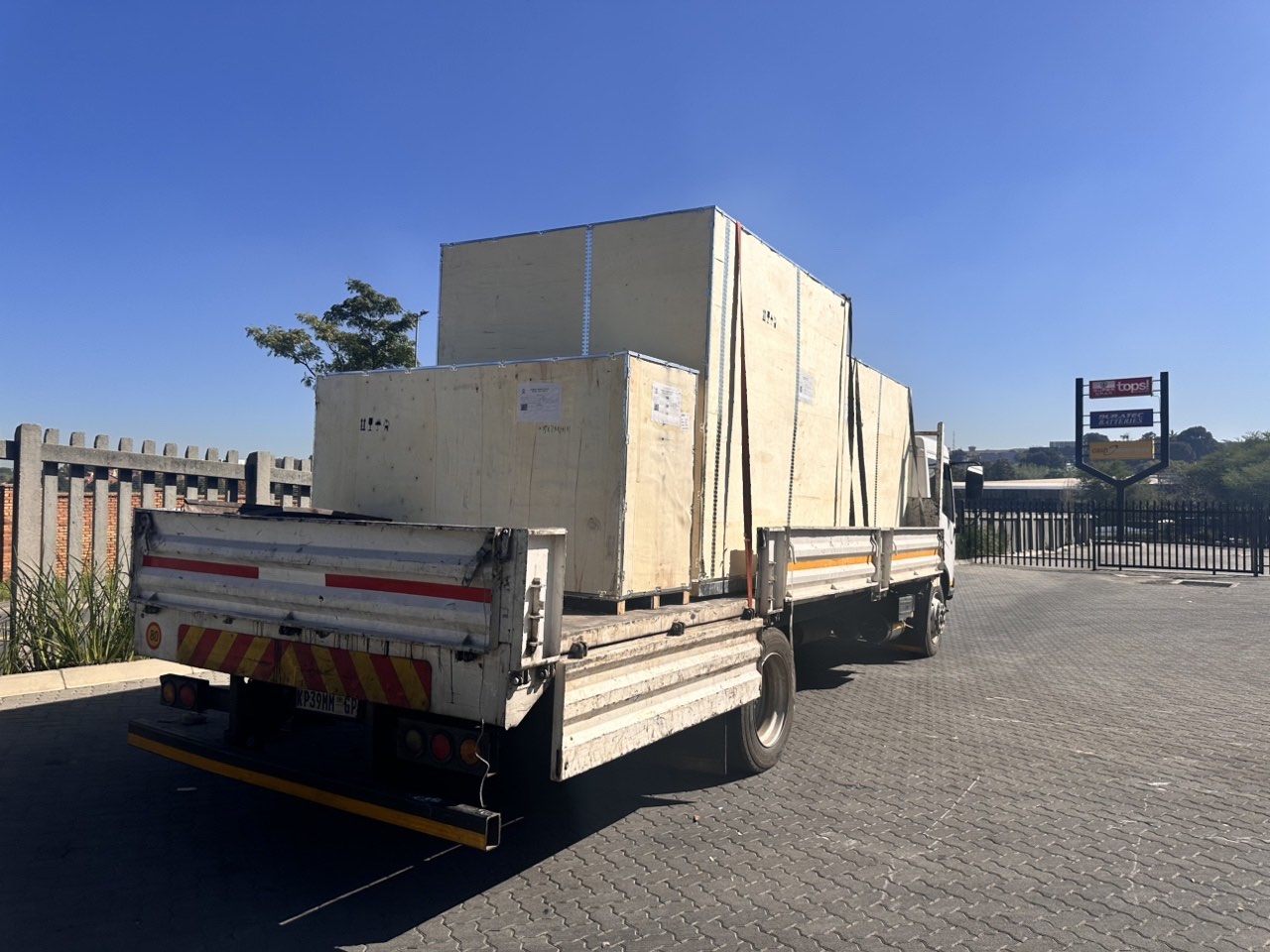
order offloading