B21, China Town Mall, Midrand

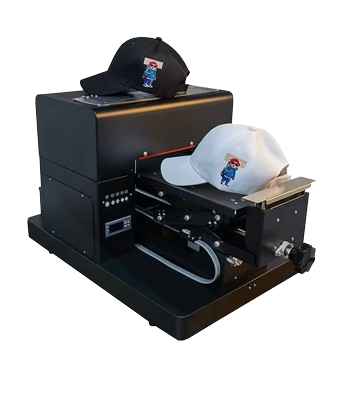
MZ-230F Commercial DTF Printer (3min/A4, Epson L805)

- Section : Consumer Electronics
- Category : DTF Printers
- SKU : 1600978482977

- Shipping Timeframes: All orders are processed within 2-5 business days (excluding weekends and holidays). After your order has been processed, the estimated delivery time is before 04 Aug, 2026, depending on customs, Please note that due to high demand, some items may experience longer shipping times, which will be communicated at order confirmation email.
- Order Processing Time: Please allow 2-5 business days for us to process your order before it is shipped . Orders placed after 16:00 on Fridays, or during weekends and public holidays, will begin processing on the next business day. Processing times may be extended during peak seasons or sales events.
- Manufacturing Time: Some products needs manufacturing time, the manufacturing process will take approximately 10-30 business days depending on the product. This timeframe may vary depending on the complexity of the product and current demand. but this will be communicated with you during order confirmation.
- Returns and Exchanges: We offer a 30-day return policy for most items. If you are not completely satisfied with your purchase, you may return it within 30 days of receipt for a refund or exchange. Items must be unused, in their original packaging, and accompanied by proof of purchase. Return shipping costs are the responsibility of the customer, unless the item was damaged or defective upon arrival.
1. What is the MZ-230F Commercial DTF Printer?
The MZ-230F is a commercial Direct-to-Film (DTF) printer built around the Epson L805 print engine, designed to produce transfer prints for garment and textile decoration. The model name indicates commercial use and a stated throughput of about 3 minutes per A4 print.
2. How fast does it print?
The MZ-230F is rated at approximately 3 minutes per A4-size print. Actual speed depends on print mode, image coverage (amount of white underbase), RIP settings and print resolution.
3. Which printhead does the printer use?
This model uses the Epson L805 print engine/printhead. The L805 is a compact Epson-based head known for reliable nozzle quality and color output when paired with appropriate DTF inks and workflow.
4. Does it print white ink (underbase)?
Yes — DTF production requires white ink for underbase prints. Confirm with your vendor whether the specific MZ-230F configuration includes a white ink system with agitation/recirculation (important to prevent white pigment settling).
5. What consumables are required?
Key consumables are DTF-compatible inks (color + white), PET transfer film or sheets, hot-melt adhesive powder (DTF powder) and cleaning fluids/spare maintenance parts (caps, wipers, filters).
6. What substrates can I transfer to with DTF prints?
DTF transfers adhere to a wide range of substrates including cotton, polyester, blends, denim, leather, polyester-coated materials and many other fabrics. Some rigid substrates can also be decorated if compatible adhesive and pressing methods are used.
7. What is the basic DTF workflow with this printer?
Typical workflow: RIP and print image (CMYK + white underbase) onto PET film → apply hot-melt adhesive powder to wet ink → shake off excess powder → cure the printed film (oven or heat press) to melt the powder and fix it → transfer to garment with heat press and peel according to powder/spec instructions.
8. What heat-press/curing settings should I use?
Curing and transfer settings vary by powder and fabric. As a general starting point: cure powder with an oven or heat press long enough to melt the adhesive (follow powder manufacturer guidance), then transfer typically at ~150–170°C (300–340°F) for 10–20 seconds. Always test with your materials and powder supplier recommendations.
9. What software and file formats are supported?
DTF printers work with standard design files (PNG, TIFF, PSD, PDF). For best results use a RIP software that supports white underbase generation, ink limiting, and color separation (examples: Ergosoft, Cadlink, or specialized DTF RIPs). Check with the seller which RIP is bundled or recommended.
10. How is print quality and resolution?
Print quality is governed by the Epson L805 print engine, ink formulation, RIP settings and media. When set up and tuned properly, the MZ-230F can produce high-quality, photo-realistic transfers suitable for commercial garment decoration.
11. What maintenance is required?
Routine maintenance includes daily/regular printhead cleaning cycles, white-ink agitation/recirculation (if equipped), wiping capping stations and wipers, replacing dampers/filters as recommended, and flushing heads when changing inks or if print quality degrades.
12. What workspace, ventilation and power requirements are needed?
You will need a stable, level work surface sized for the printer and post-processing (powder application and curing/pressing). Provide ventilation for powder handling and curing operations and ensure electrical supply matches the unit specification (confirm voltage and amperage with vendor).
13. How durable are DTF transfers produced by this printer?
DTF transfers are known for good washability and stretch resistance when properly printed, powdered, cured and applied. Durability depends on ink/powder quality, curing parameters and correct pressing; testing on your target fabrics is recommended.
14. How does DTF compare to DTG or heat transfer vinyl?
DTF offers advantages like fast setup for short runs, good color and white underbase control, applicability to many fabric types (including polyester and blends) and lower cost per design than some vinyl workflows. Compared to DTG, DTF requires transfer steps but avoids fabric pre-treatment for many materials.
15. What warranty, training and support are available?
Warranty terms, included training and technical support vary by seller/distributor. Ask your vendor for details on warranty length/coverage, start-up training, spare parts availability and service options before purchase.
Latest Order Arrivals
Discover our latest orders
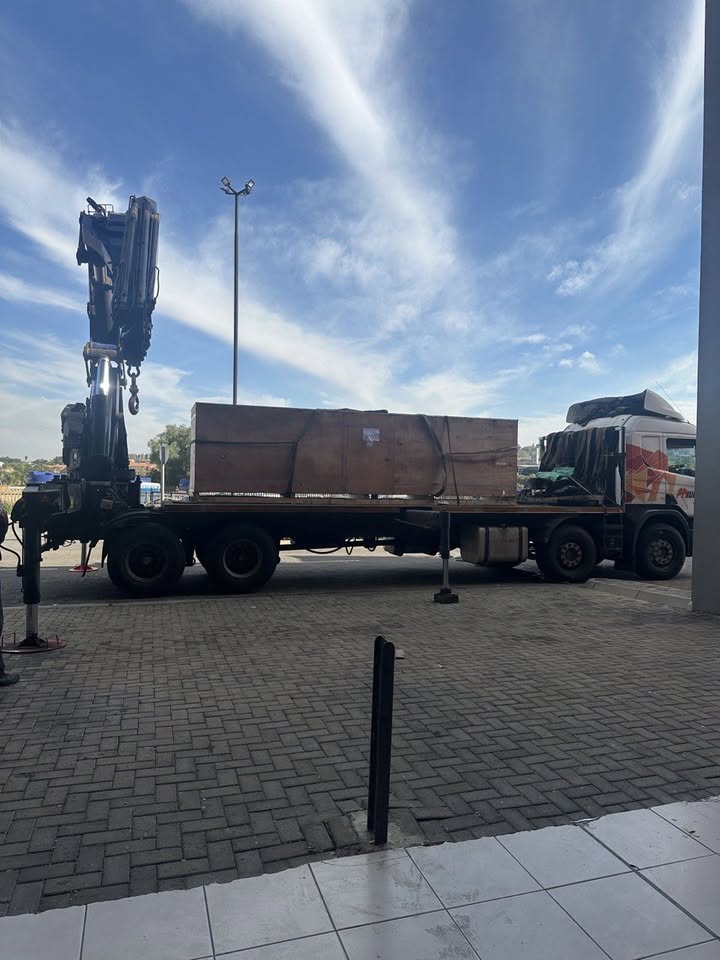
12 Heads Embroidery Machine
Toilet Paper Machine Machine
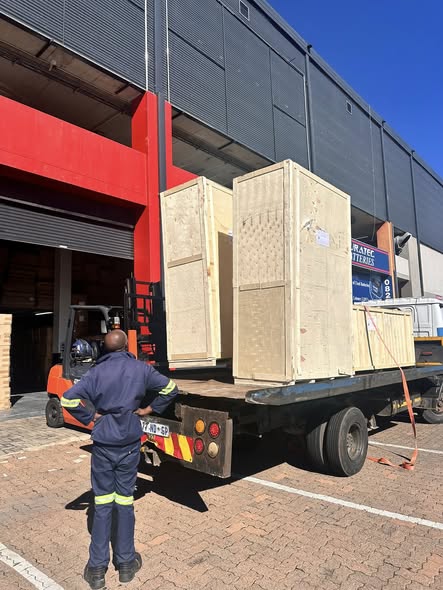
Order Collection
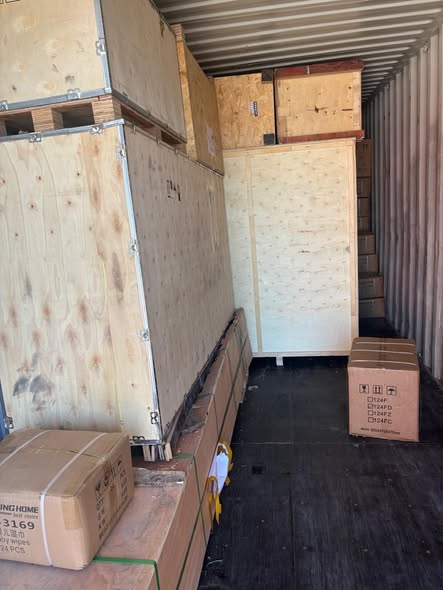
Cross Border Clients
Order cros border countries Collected
Industrial Machine Cllection
Agriculture Processing Machines
Ready for collection
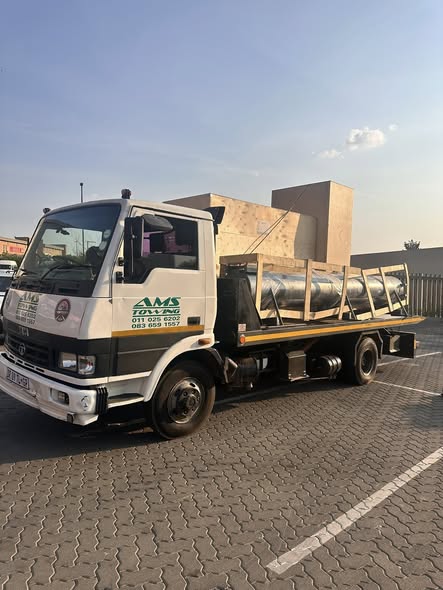
Water Pump Equipment
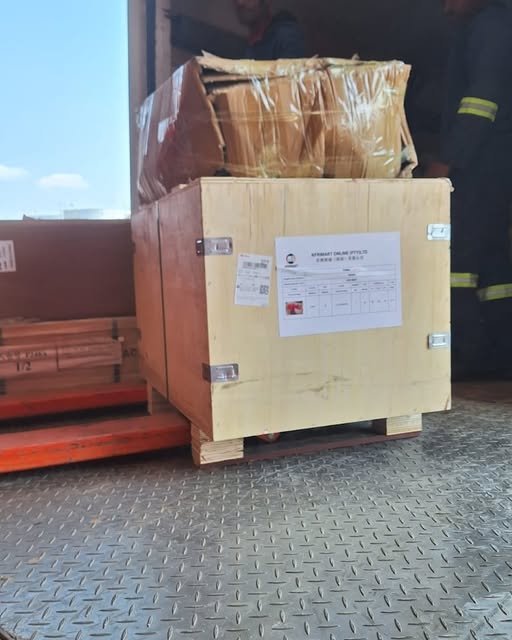
Packaging Machine and accessories
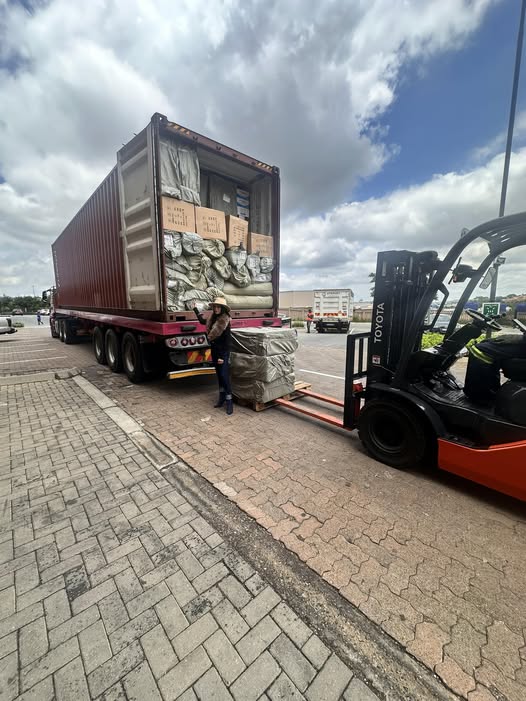
Fabrics Manufacturing Equipment
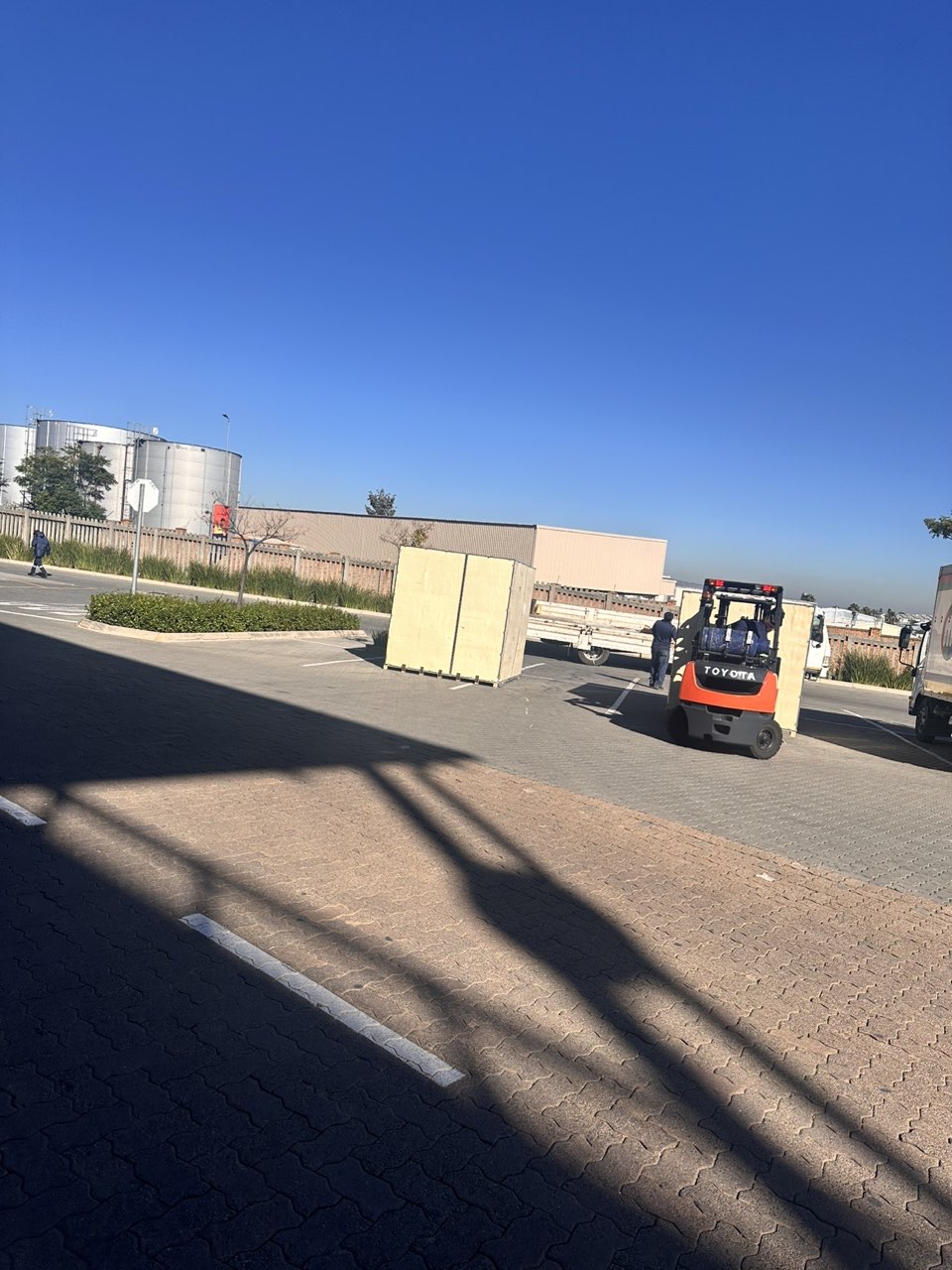
Mining Equipments
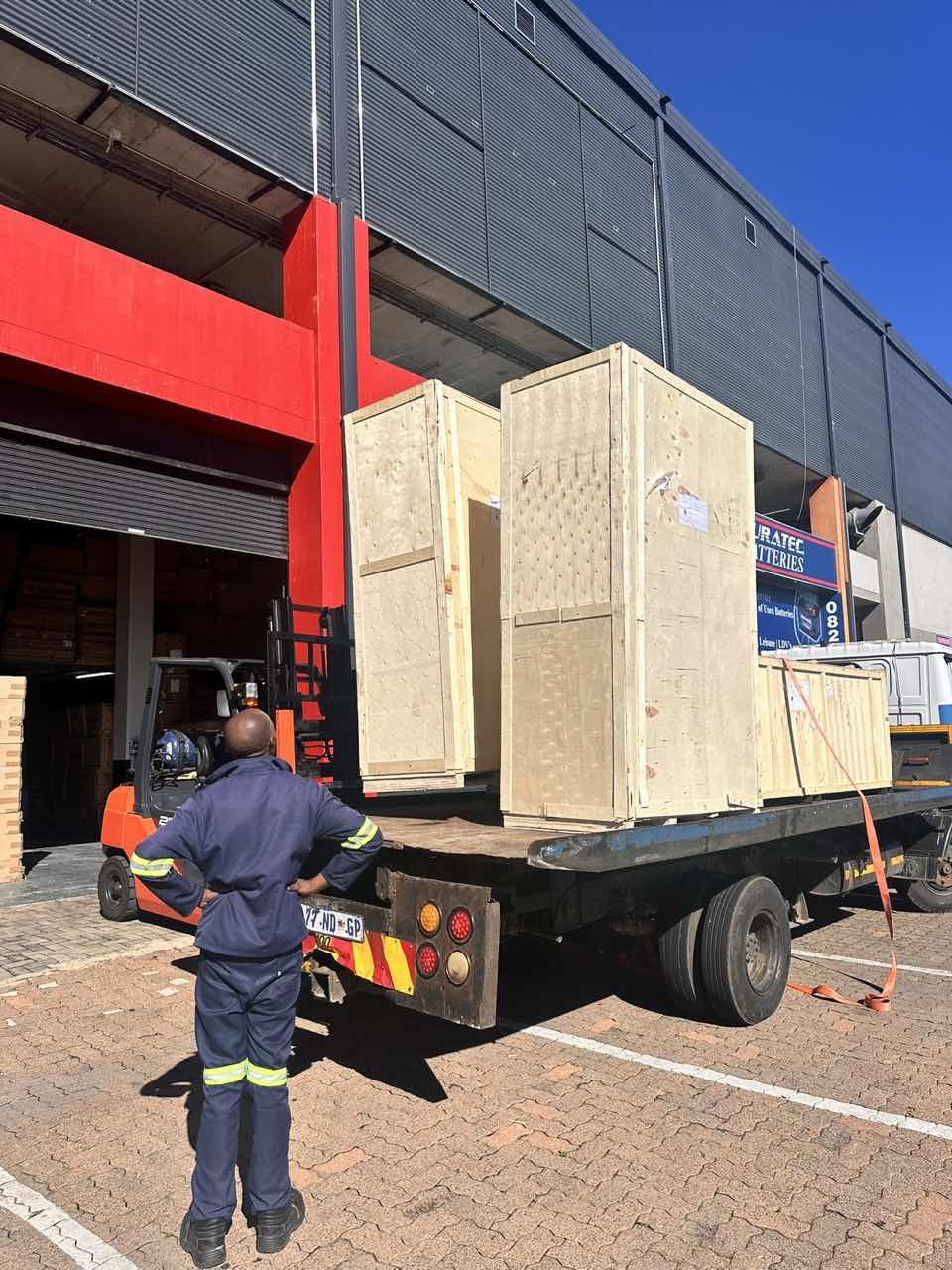
Food Processing Machine
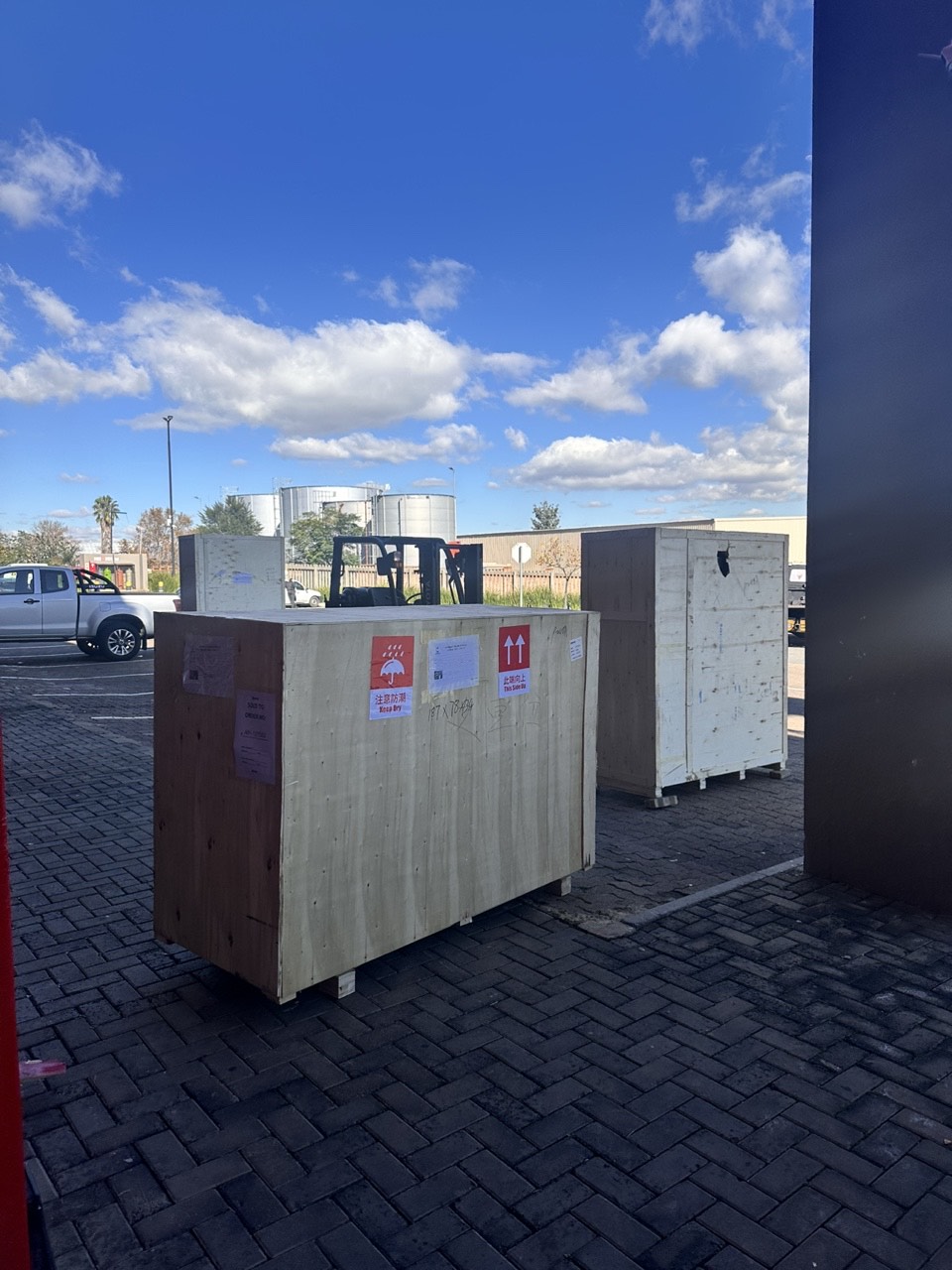
Batch of Orders
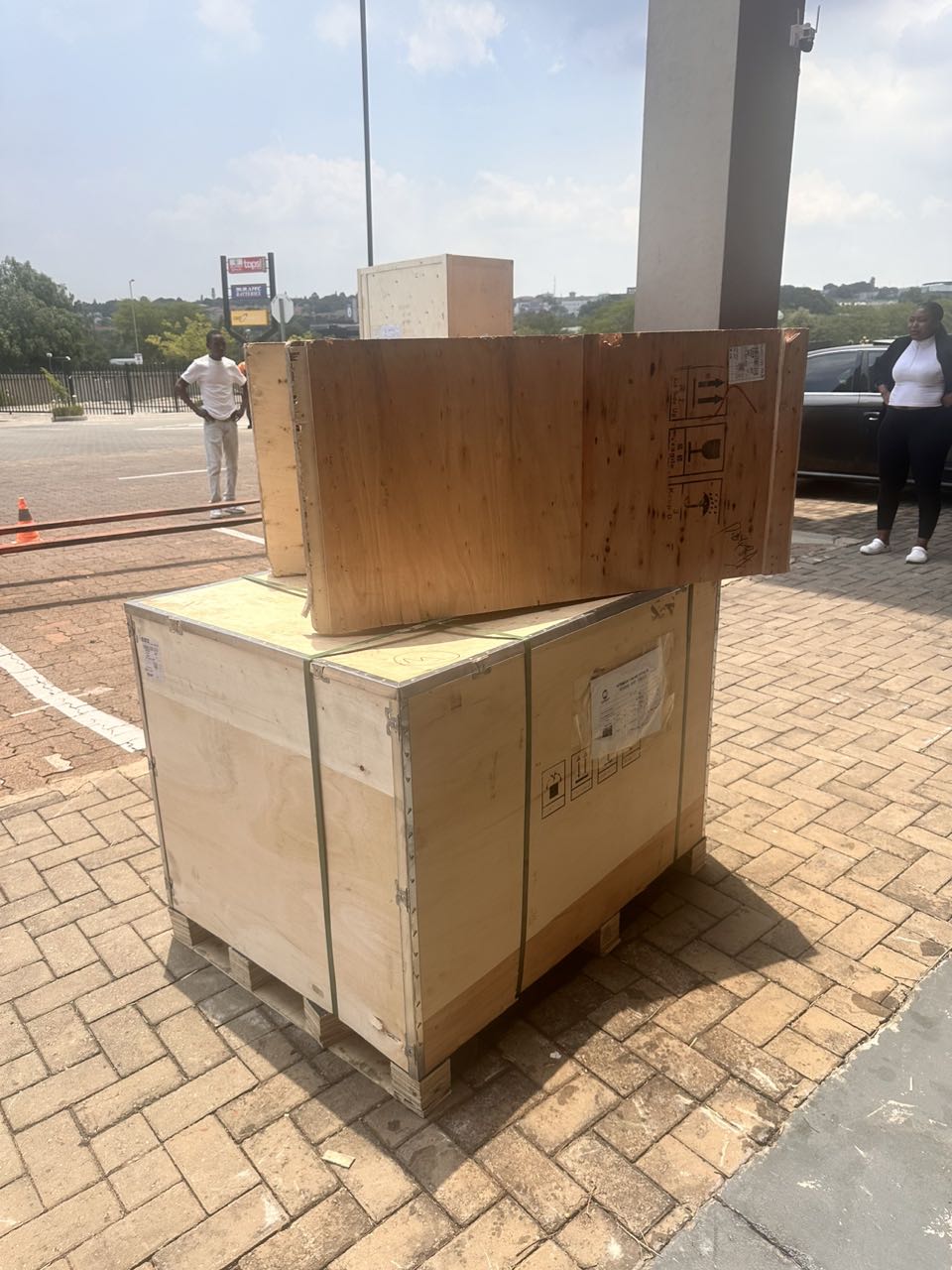
Batch of Orders
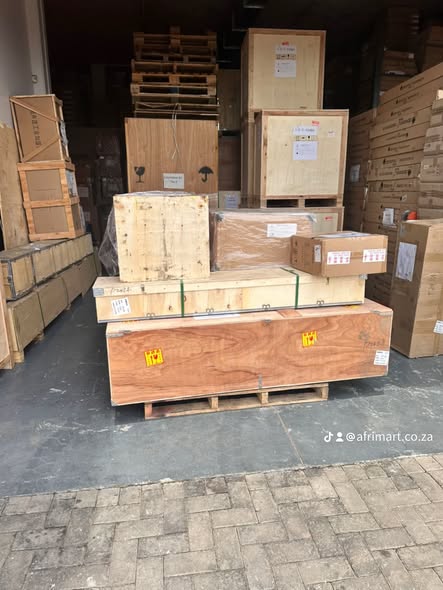
Latest Orders Labelled
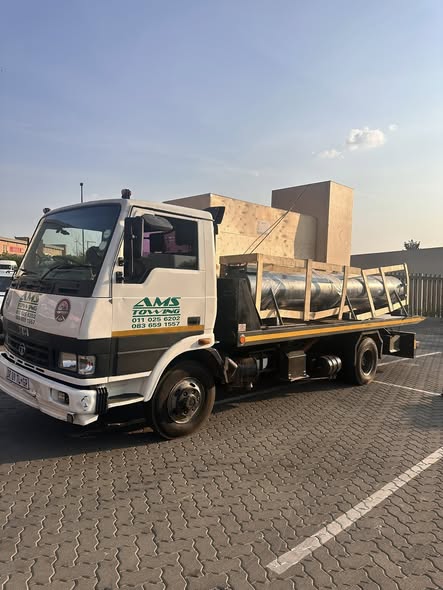
wheel alignment machines
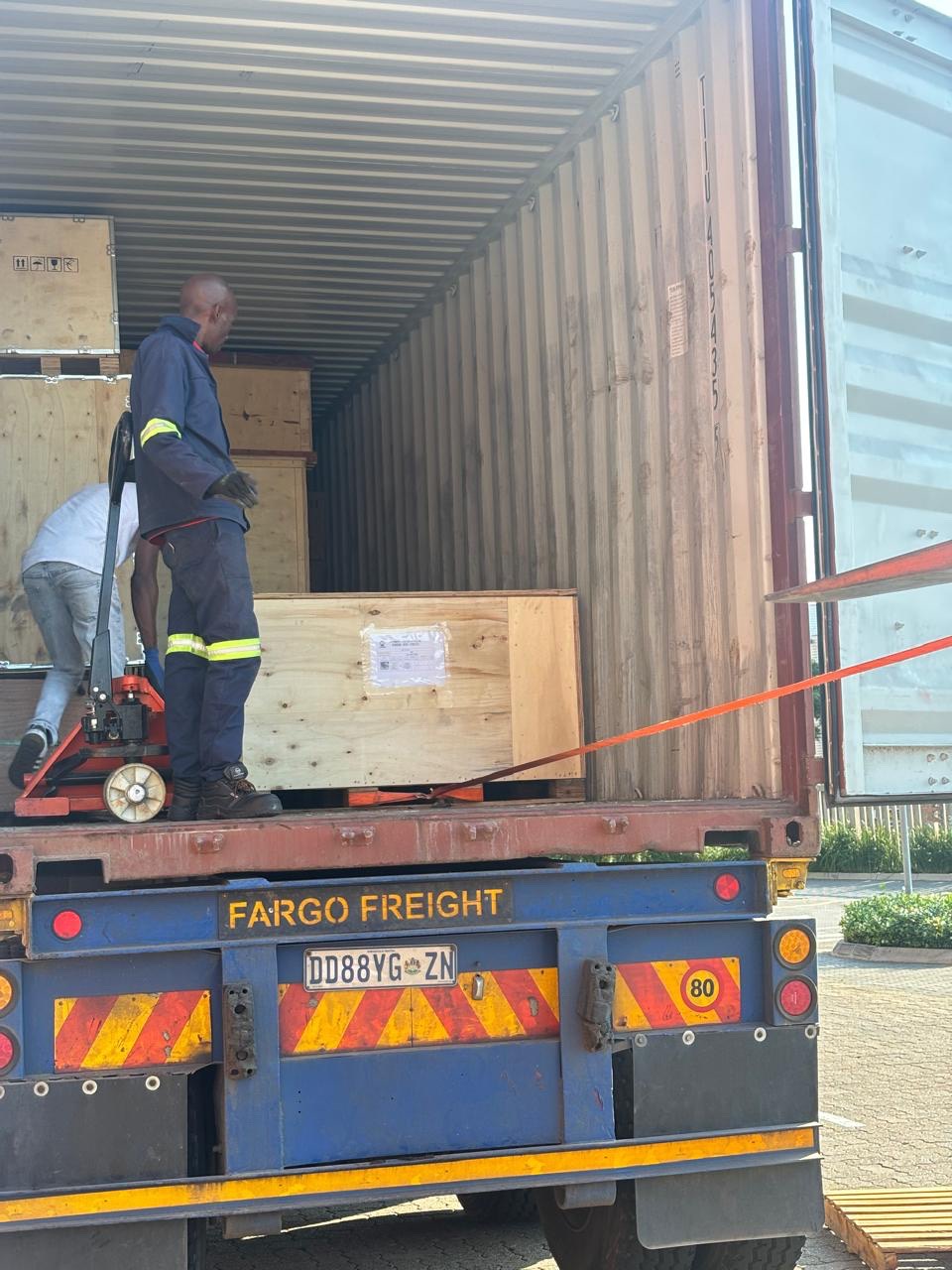
new arrivals
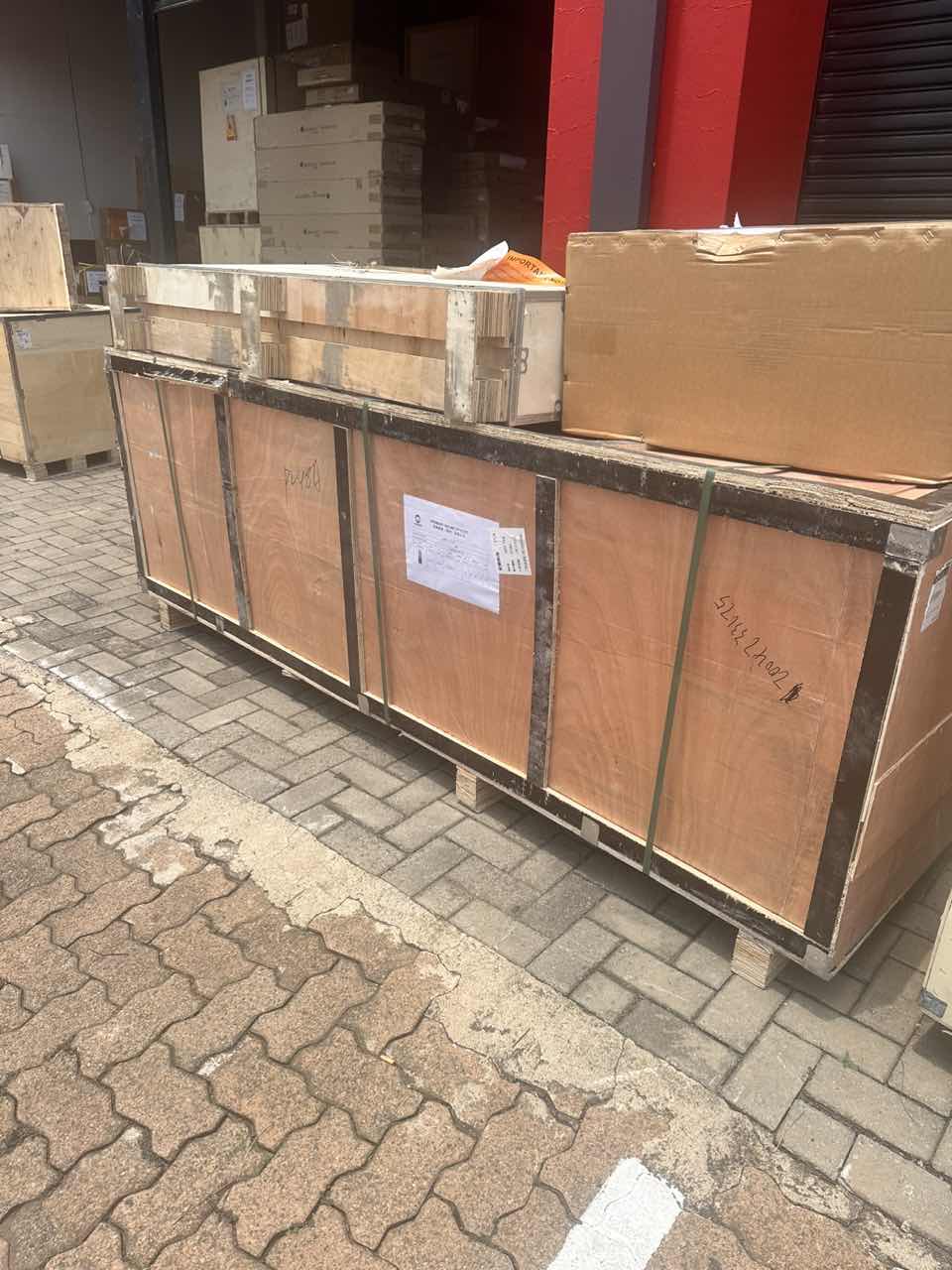
Pre Orders Offloading
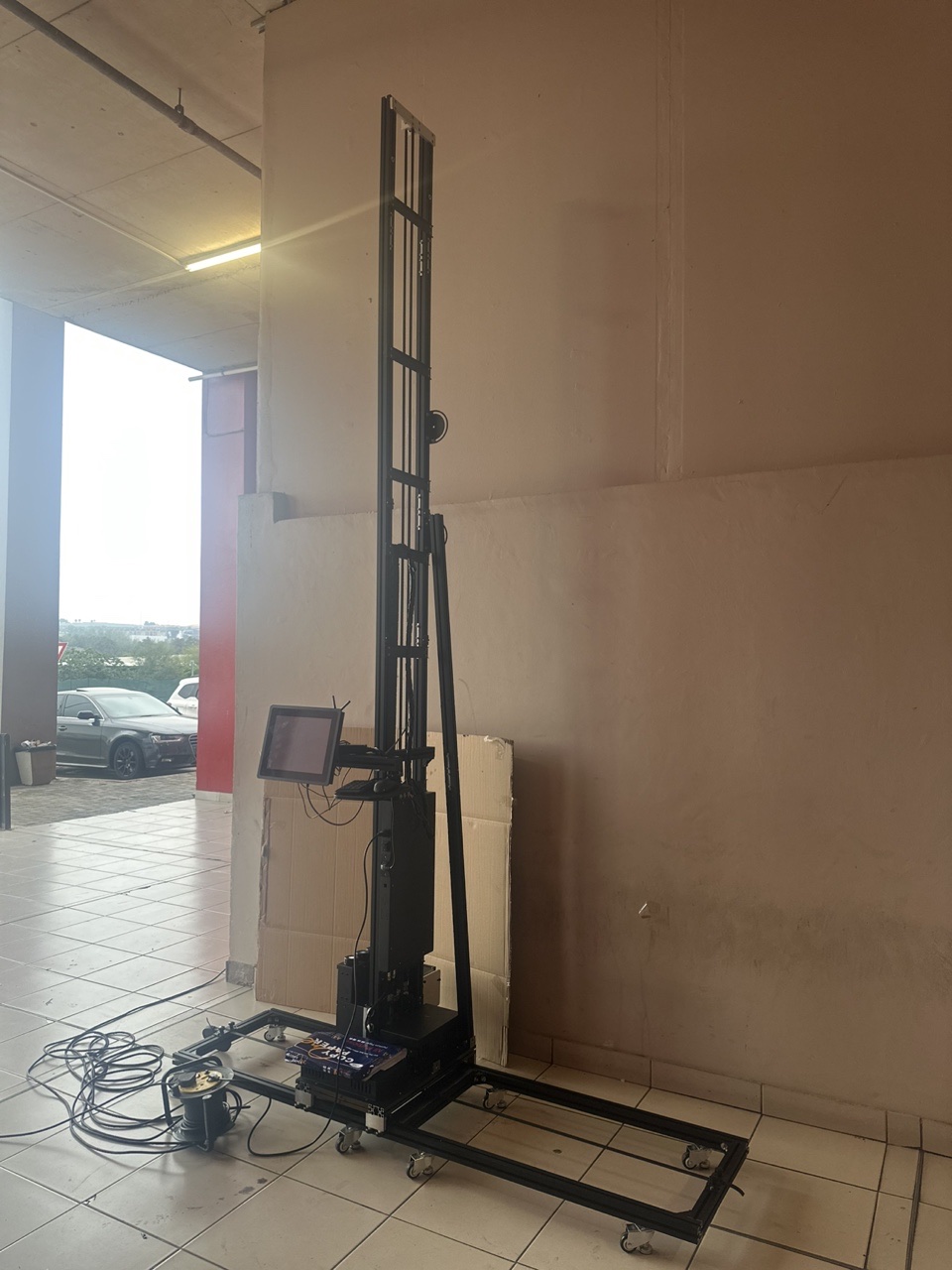
Latest Arrivals
Latest Arrivals
Latest Arrivals
Loading
Toilet paper making machine
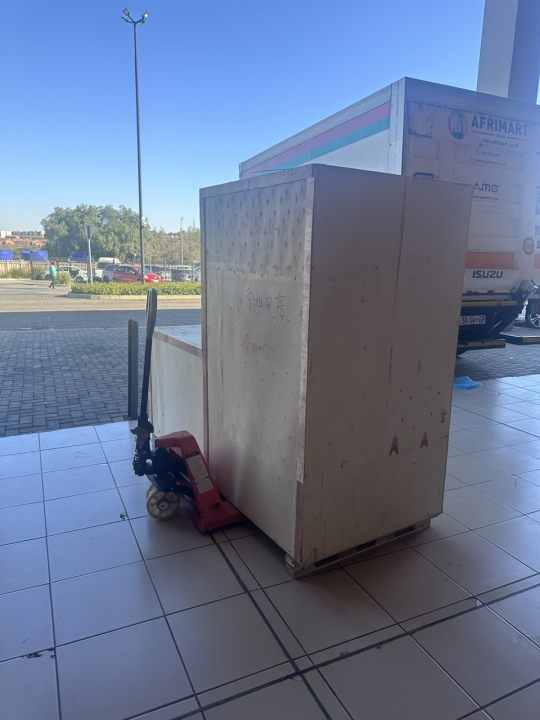
Toilet paper making machine
Toilet paper Rewinding Machine
latest arrivals
offloading
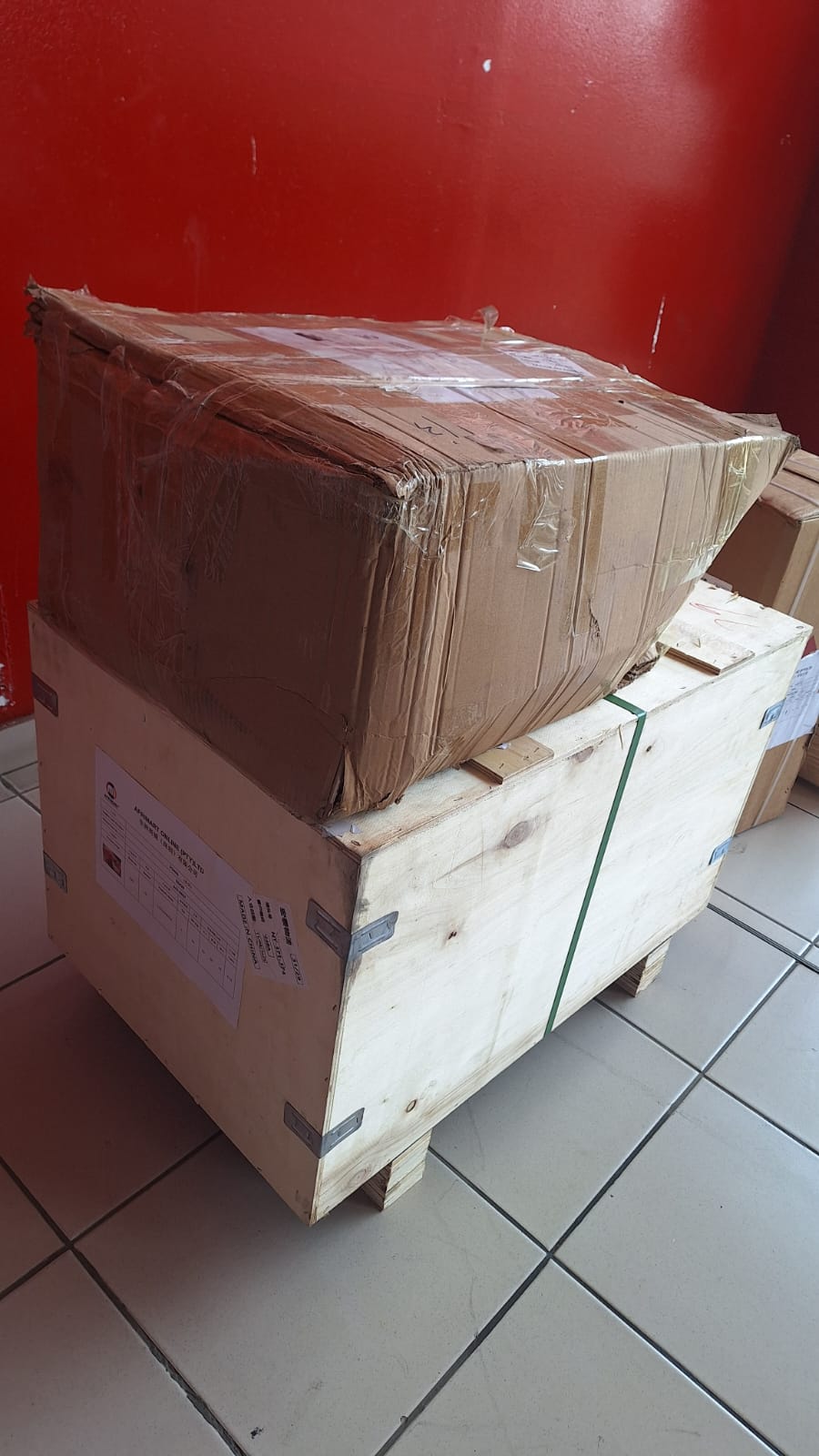
order success
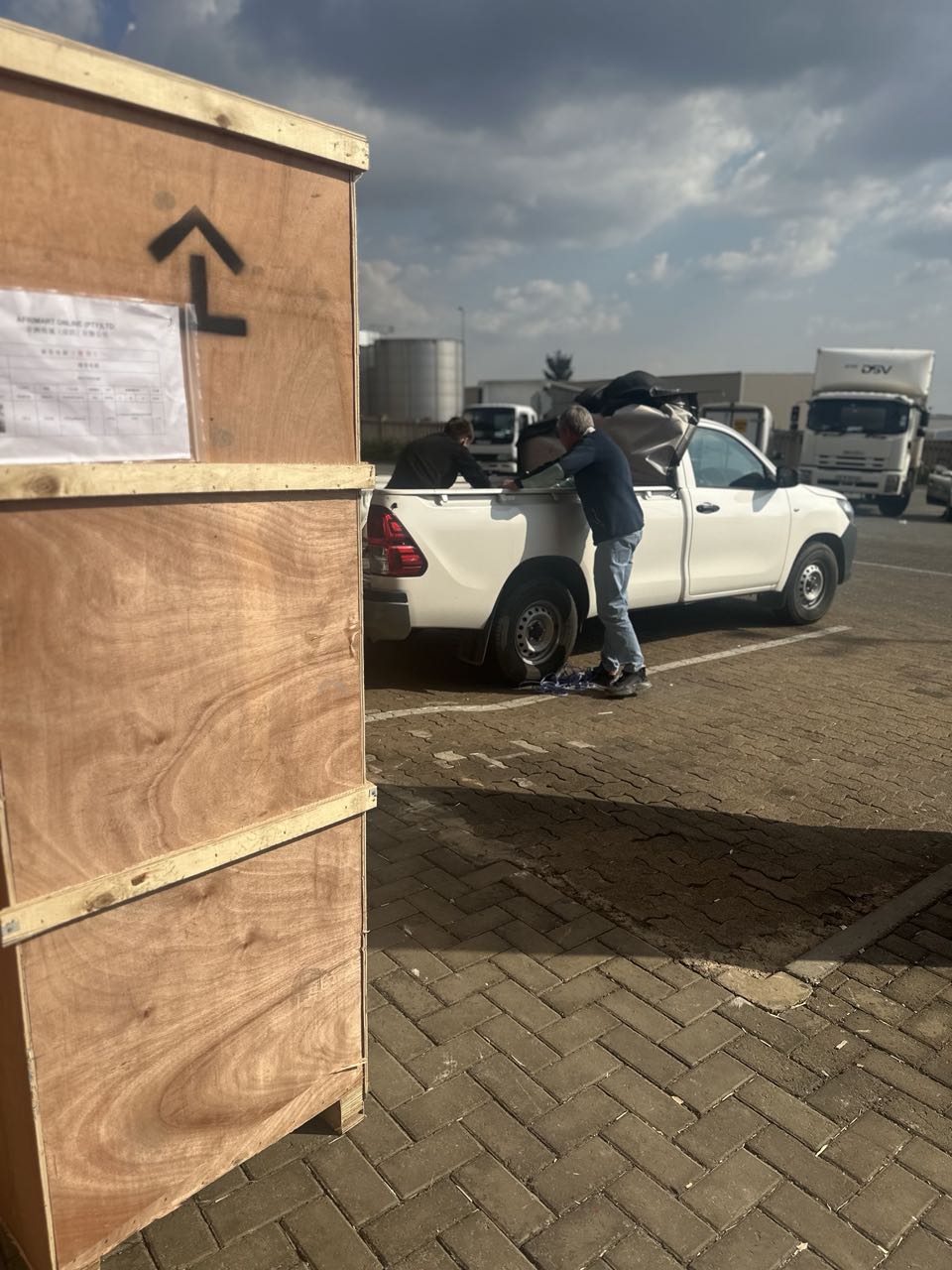
order collection
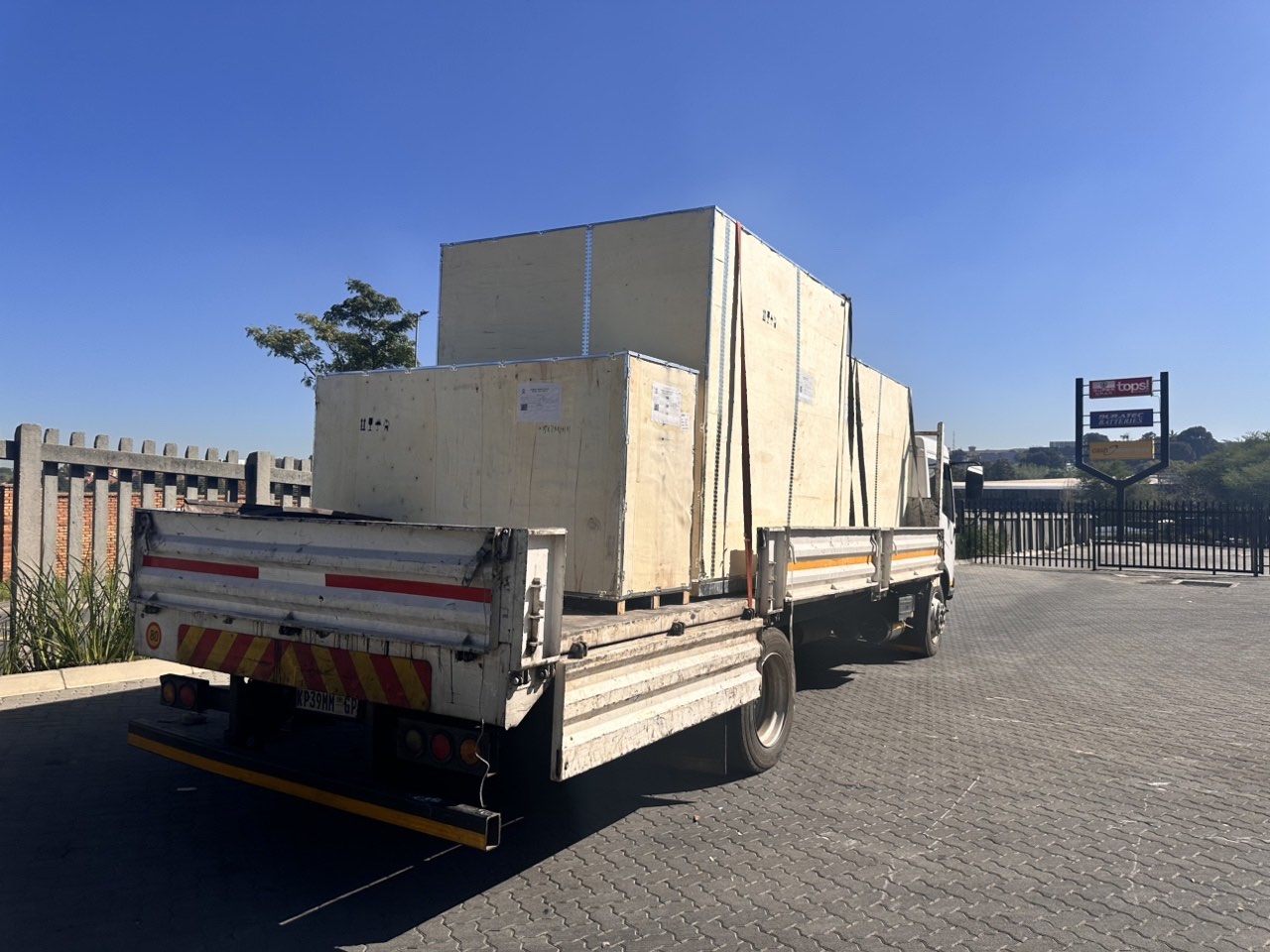
order offloading