B21, China Town Mall, Midrand


Mining crushing Machinery Rock Jaw Crusher Machine Stone Crushing machine Ore Jaw Crusher
Asset finance available
Do you want funding for this equipment?
Afrimart can connect you with trusted funding partners who specialise in asset finance for businesses like yours. Compare options and apply in minutes — final approval is subject to provider review.
Check funding options
Secure & no obligation
- Section : Machinery
- Category : Mining Machinery
- SKU : 1600845840089

Products Description


- Shipping Timeframes: All orders are processed within 2-5 business days (excluding weekends and holidays). After your order has been processed, the estimated delivery time is before 03 Aug, 2026, depending on customs, Please note that due to high demand, some items may experience longer shipping times, which will be communicated at order confirmation email.
- Order Processing Time: Please allow 2-5 business days for us to process your order before it is shipped . Orders placed after 16:00 on Fridays, or during weekends and public holidays, will begin processing on the next business day. Processing times may be extended during peak seasons or sales events.
- Manufacturing Time: Some products needs manufacturing time, the manufacturing process will take approximately 10-30 business days depending on the product. This timeframe may vary depending on the complexity of the product and current demand. but this will be communicated with you during order confirmation.
- Returns and Exchanges: We offer a 30-day return policy for most items. If you are not completely satisfied with your purchase, you may return it within 30 days of receipt for a refund or exchange. Items must be unused, in their original packaging, and accompanied by proof of purchase. Return shipping costs are the responsibility of the customer, unless the item was damaged or defective upon arrival.
1. What is a jaw crusher and how does it work?
A jaw crusher is a type of crushing machinery that uses a pair of jaws to compress and break down materials. The material is fed into the top of the machine and moves down between the jaws, where it is crushed into smaller pieces.
2. What materials can the jaw crusher process?
The jaw crusher is designed to crush a variety of materials, including rocks, ores, and stones. It is particularly effective for hard and abrasive materials.
3. What are the key features of the Mining Crushing Machinery Rock Jaw Crusher?
Key features include high crushing ratio, uniform product size, simple structure, reliable operation, and easy maintenance. It is designed for both primary and secondary crushing.
4. What is the capacity of the jaw crusher?
The capacity of the jaw crusher can vary depending on the model and size, but it typically ranges from 1 ton per hour to several hundred tons per hour.
5. Is the jaw crusher easy to maintain?
Yes, the jaw crusher is designed for easy maintenance. Regular checks and maintenance can ensure optimal performance and longevity of the machine.
6. What is the power requirement for the jaw crusher?
Power requirements vary by model, but most jaw crushers operate on a range from 5 to 300 kW, depending on the size and capacity of the machine.
7. Can the jaw crusher be used for recycling materials?
Yes, the jaw crusher is often used in recycling applications to break down concrete, bricks, and other construction materials for reuse.
8. What safety features are included in the jaw crusher?
Common safety features include overload protection, emergency stop buttons, and safety guards to prevent accidents during operation.
9. What is the difference between a primary and a secondary jaw crusher?
A primary jaw crusher is used for the initial stage of crushing, handling larger rocks, while a secondary jaw crusher processes the output from the primary crusher into smaller, more refined pieces.
10. Where can I purchase the Mining Crushing Machinery Rock Jaw Crusher?
You can purchase the jaw crusher from authorized distributors, equipment suppliers, or directly from manufacturers specializing in mining and crushing machinery.
11. What kind of warranty is offered with the jaw crusher?
Most manufacturers offer a warranty that covers defects in materials and workmanship, typically ranging from 6 months to 2 years, depending on the model.
12. What is the typical lifespan of a jaw crusher?
The lifespan of a jaw crusher can vary greatly depending on usage, maintenance, and conditions, but they are designed to last for several years with proper care.
13. Are there different sizes of jaw crushers available?
Yes, jaw crushers come in various sizes, from small units suitable for laboratories to large industrial models capable of handling massive rocks.
14. How does the jaw crusher affect the environment?
While jaw crushers are essential for material processing, they can generate dust and noise. Using dust suppression systems and adhering to noise regulations can mitigate environmental impacts.
15. Can I see a demonstration of the jaw crusher in action?
Many manufacturers and distributors offer live demonstrations or videos showcasing the jaw crusher's performance. Contact them to arrange a visit or access demo materials.
Latest Order Arrivals
Discover our latest orders
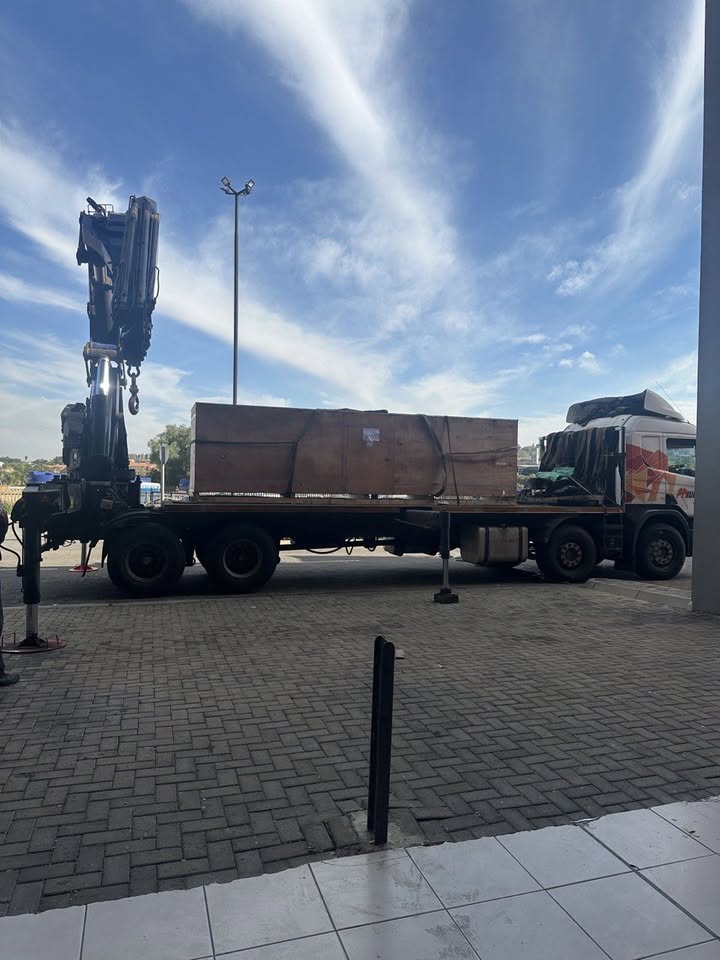
12 Heads Embroidery Machine
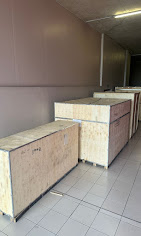
Toilet Paper Machine Machine
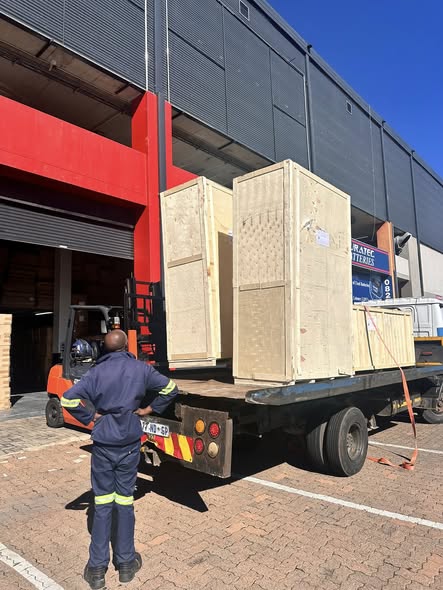
Order Collection
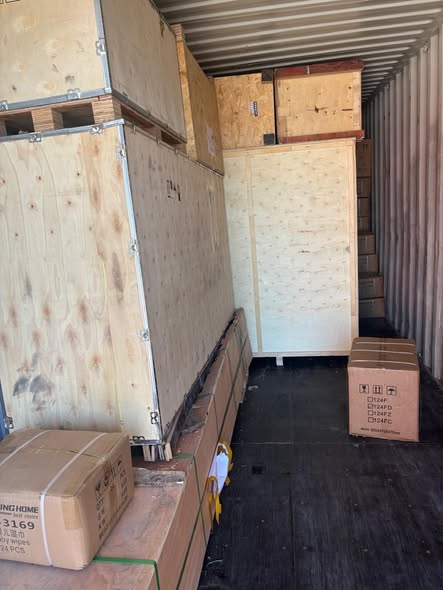
Cross Border Clients
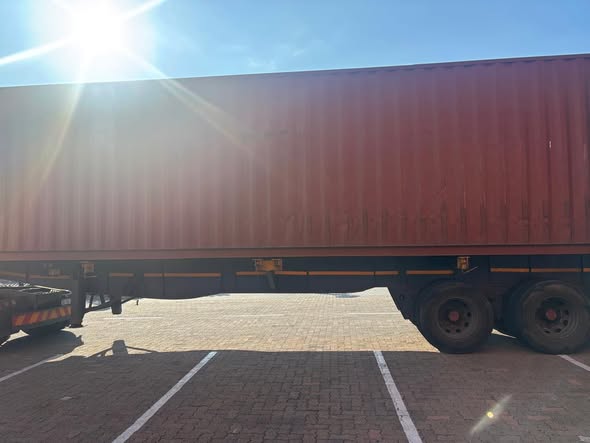
Order cros border countries Collected
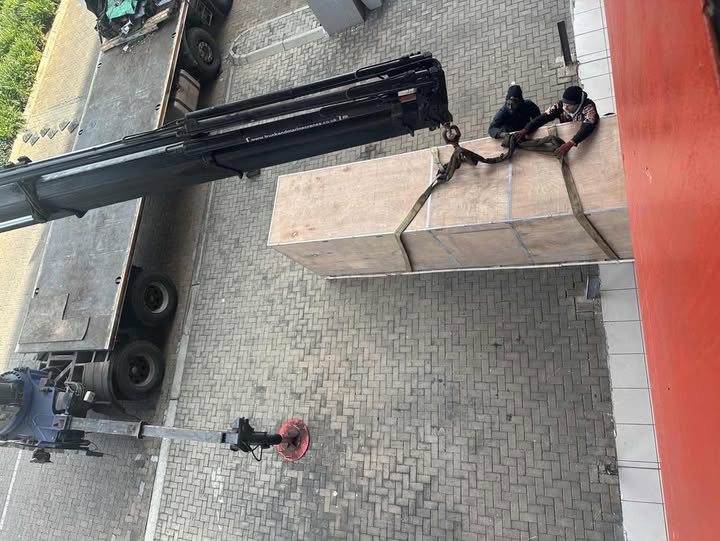
Industrial Machine Cllection
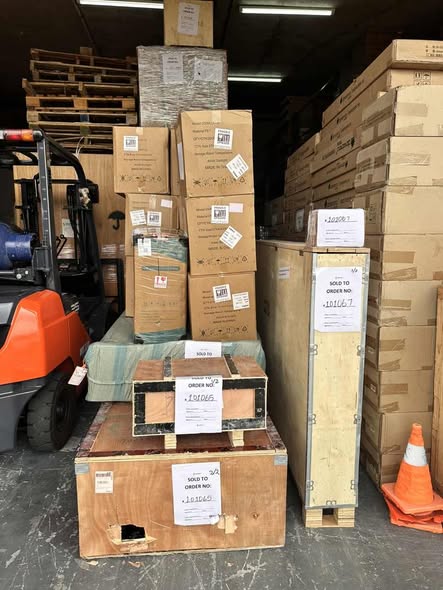
Agriculture Processing Machines
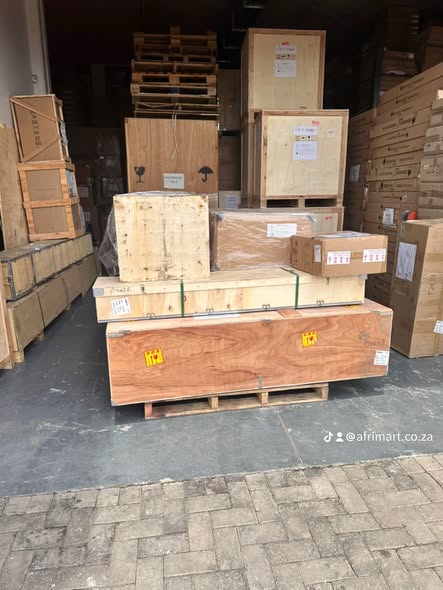
Ready for collection
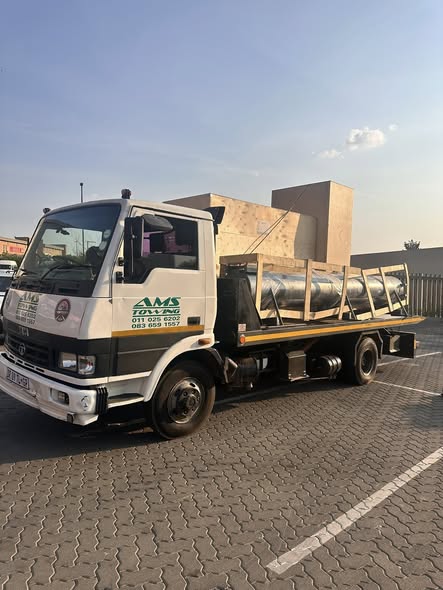
Water Pump Equipment
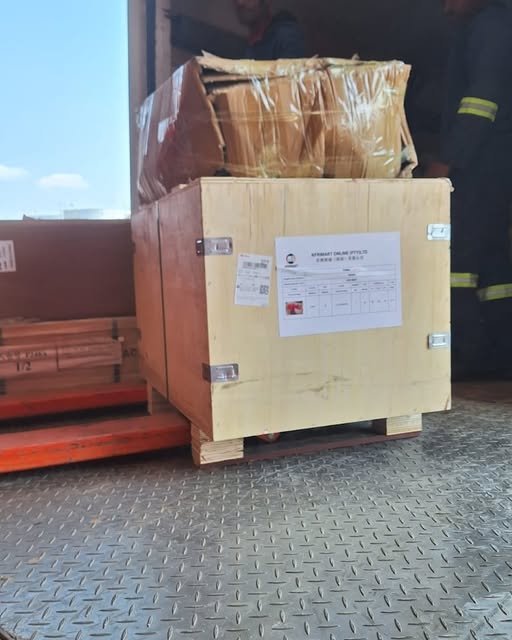
Packaging Machine and accessories
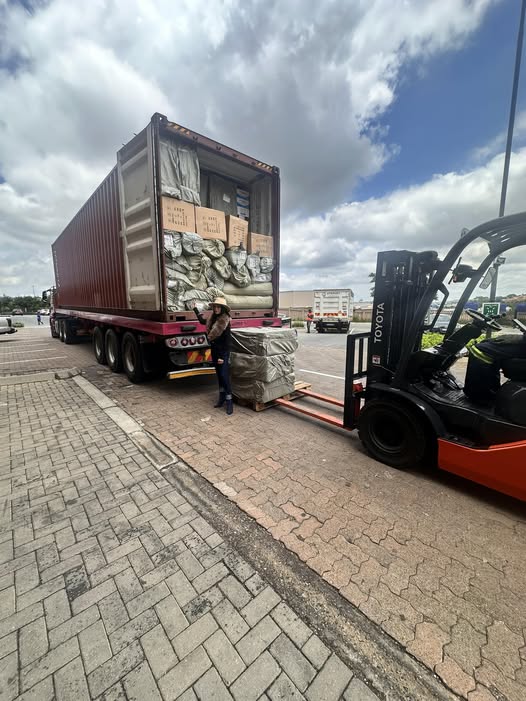
Fabrics Manufacturing Equipment
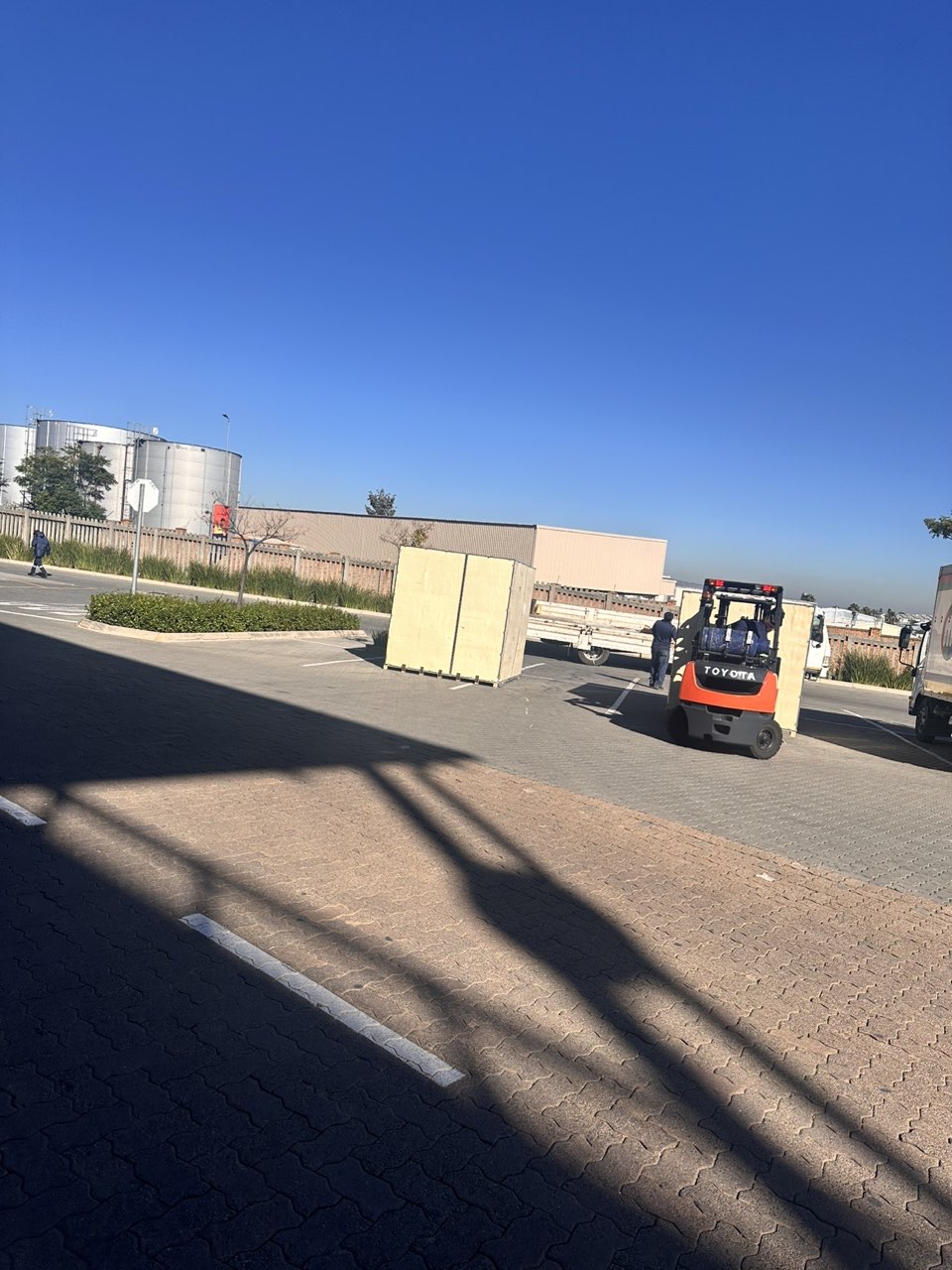
Mining Equipments
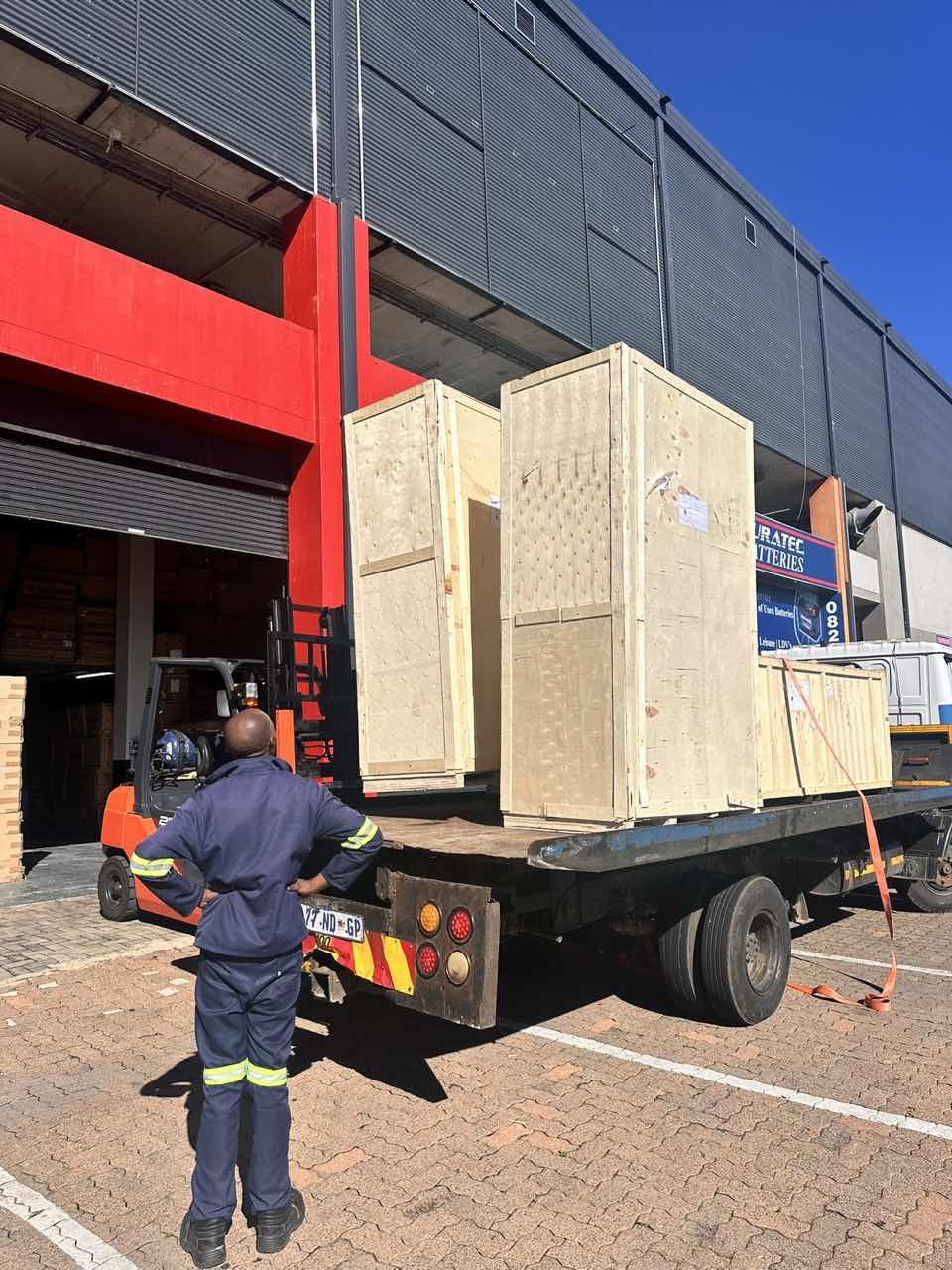
Food Processing Machine
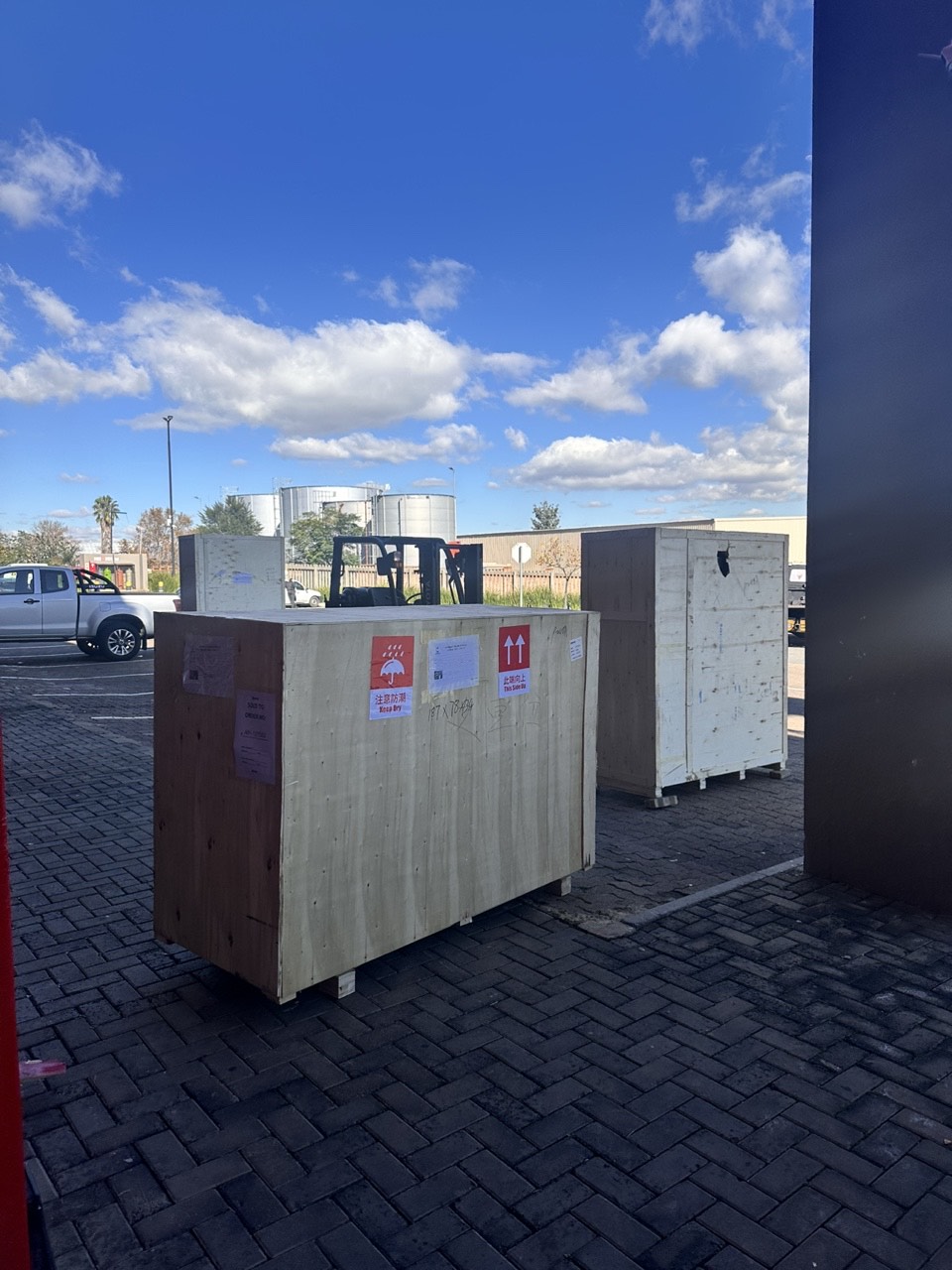
Batch of Orders
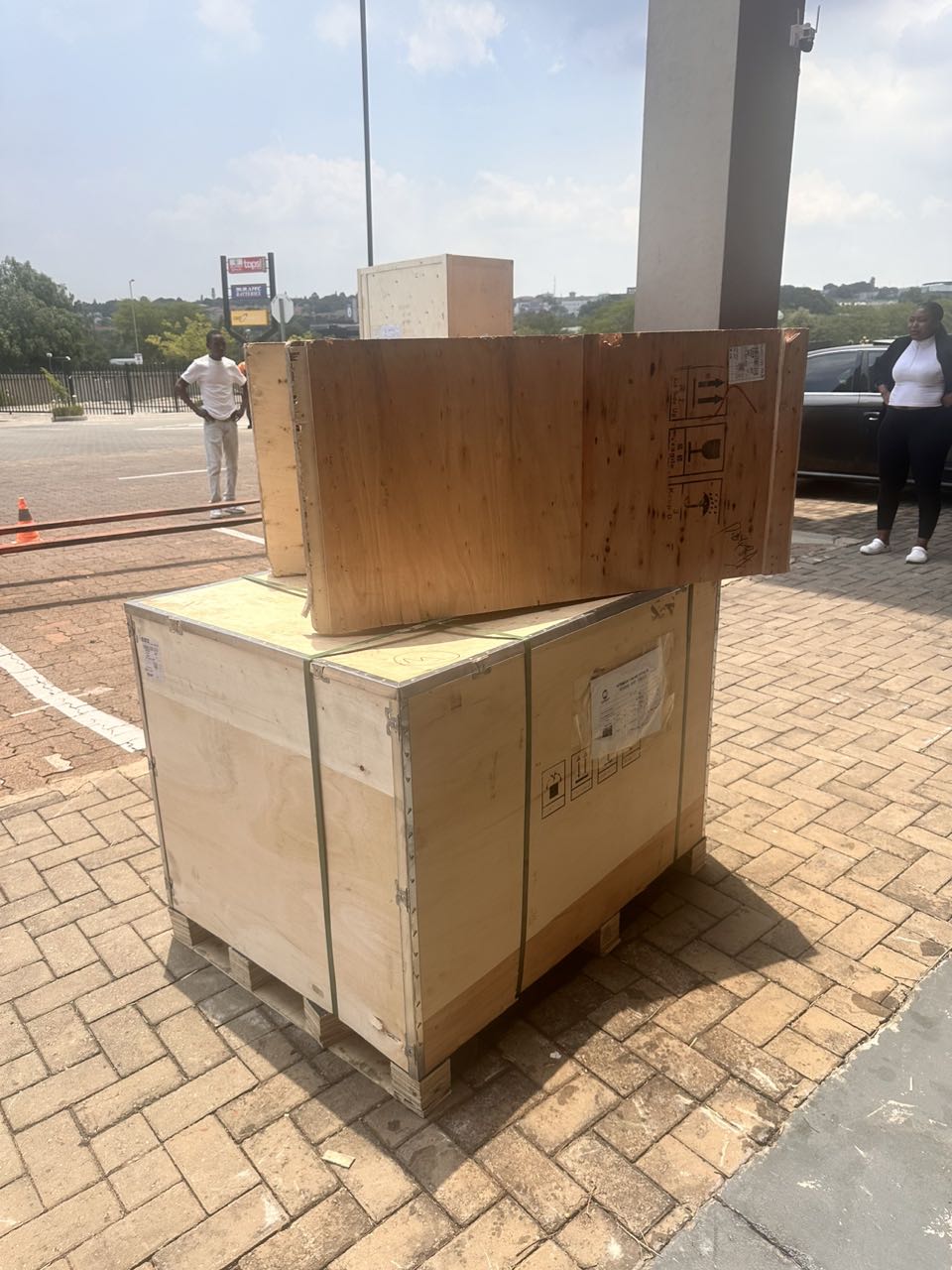
Batch of Orders
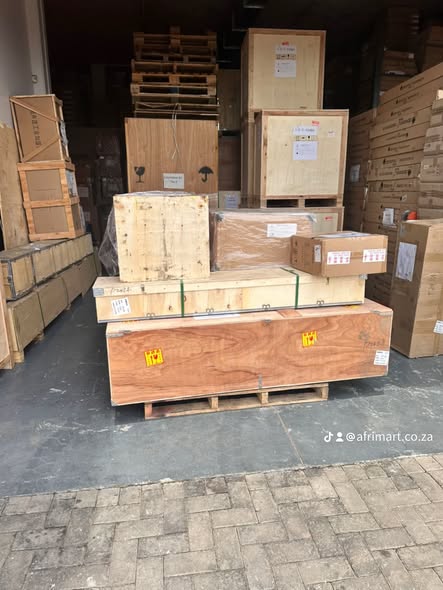
Latest Orders Labelled
wheel alignment machines
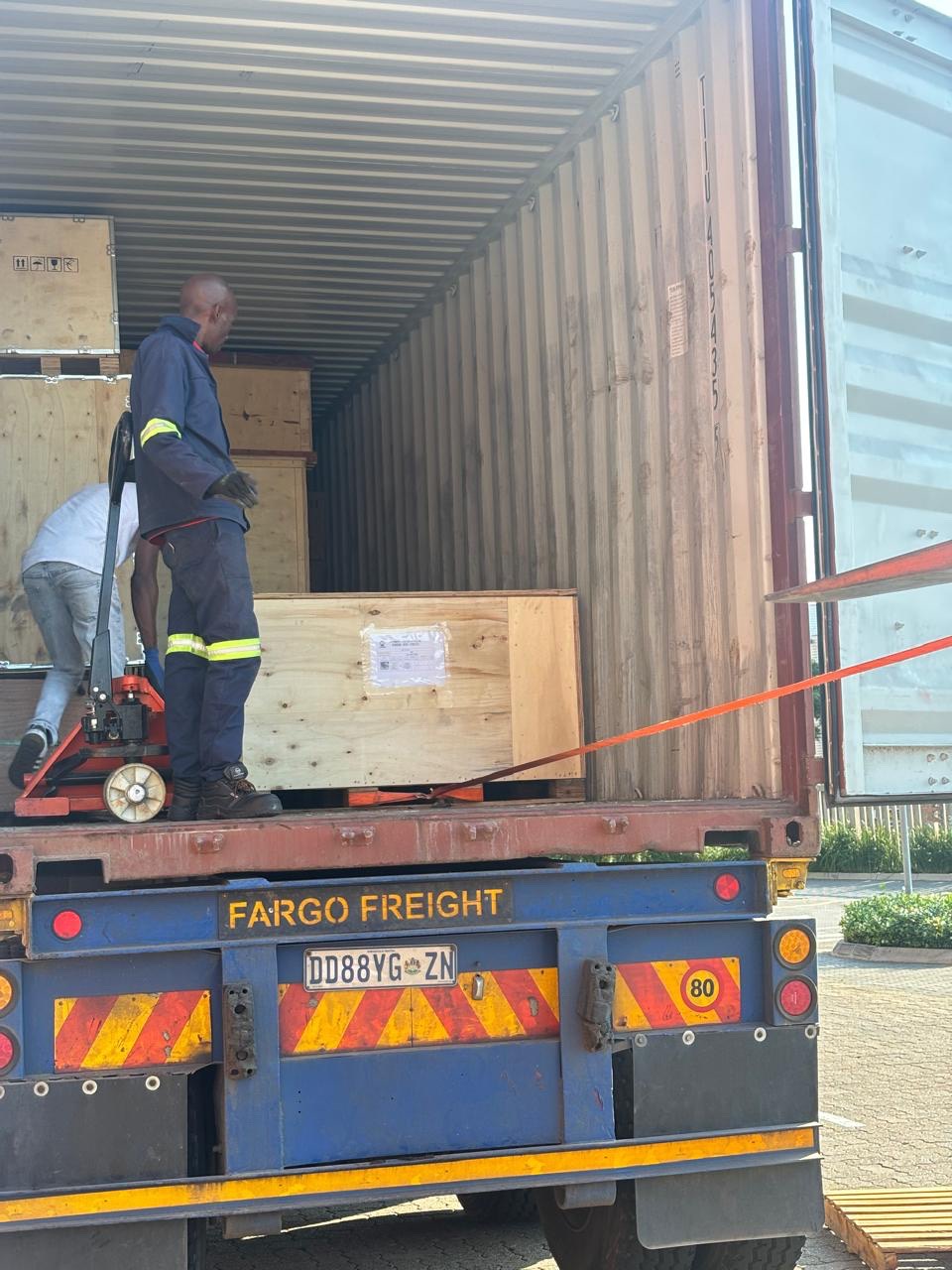
new arrivals
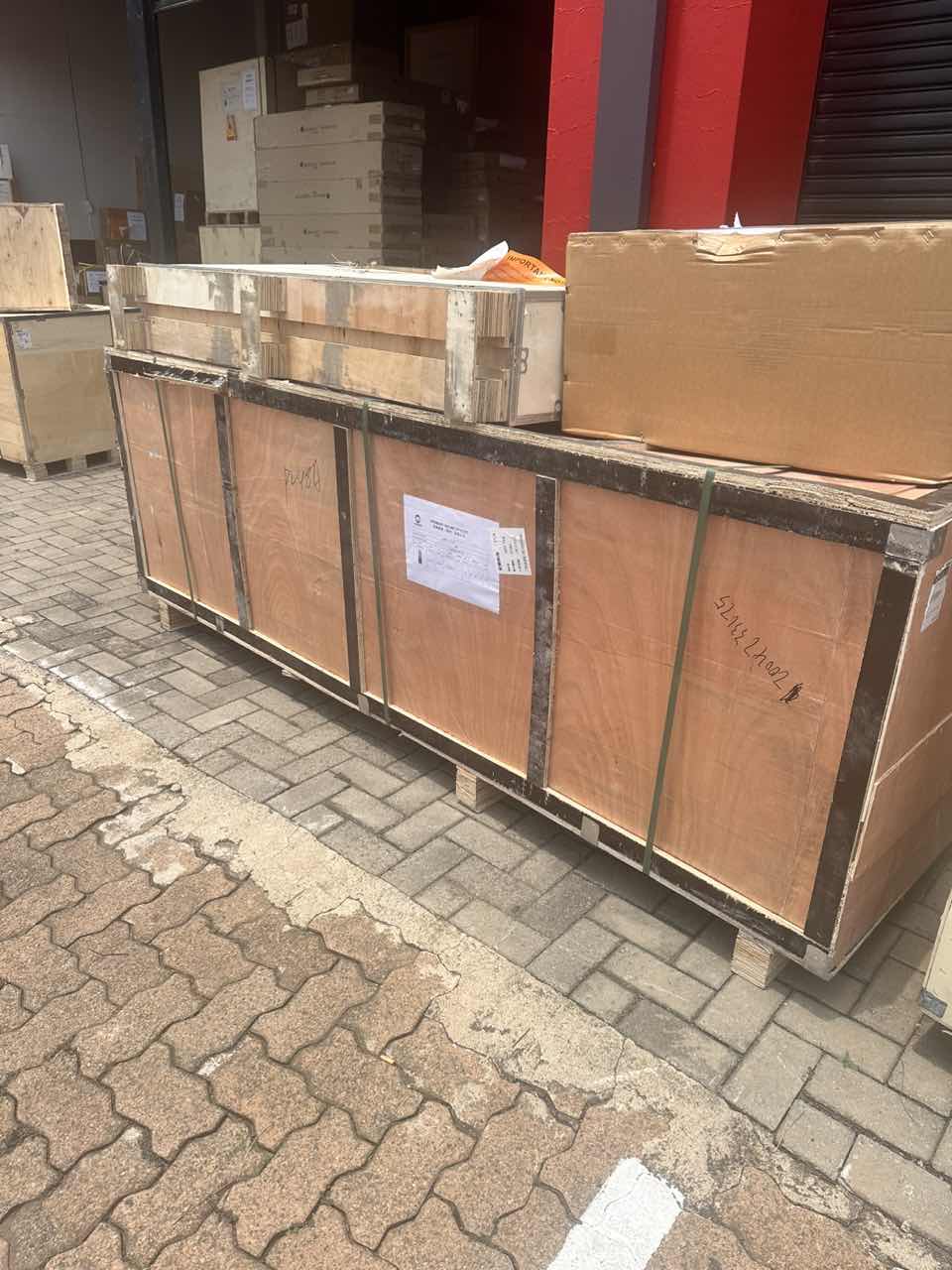
Pre Orders Offloading
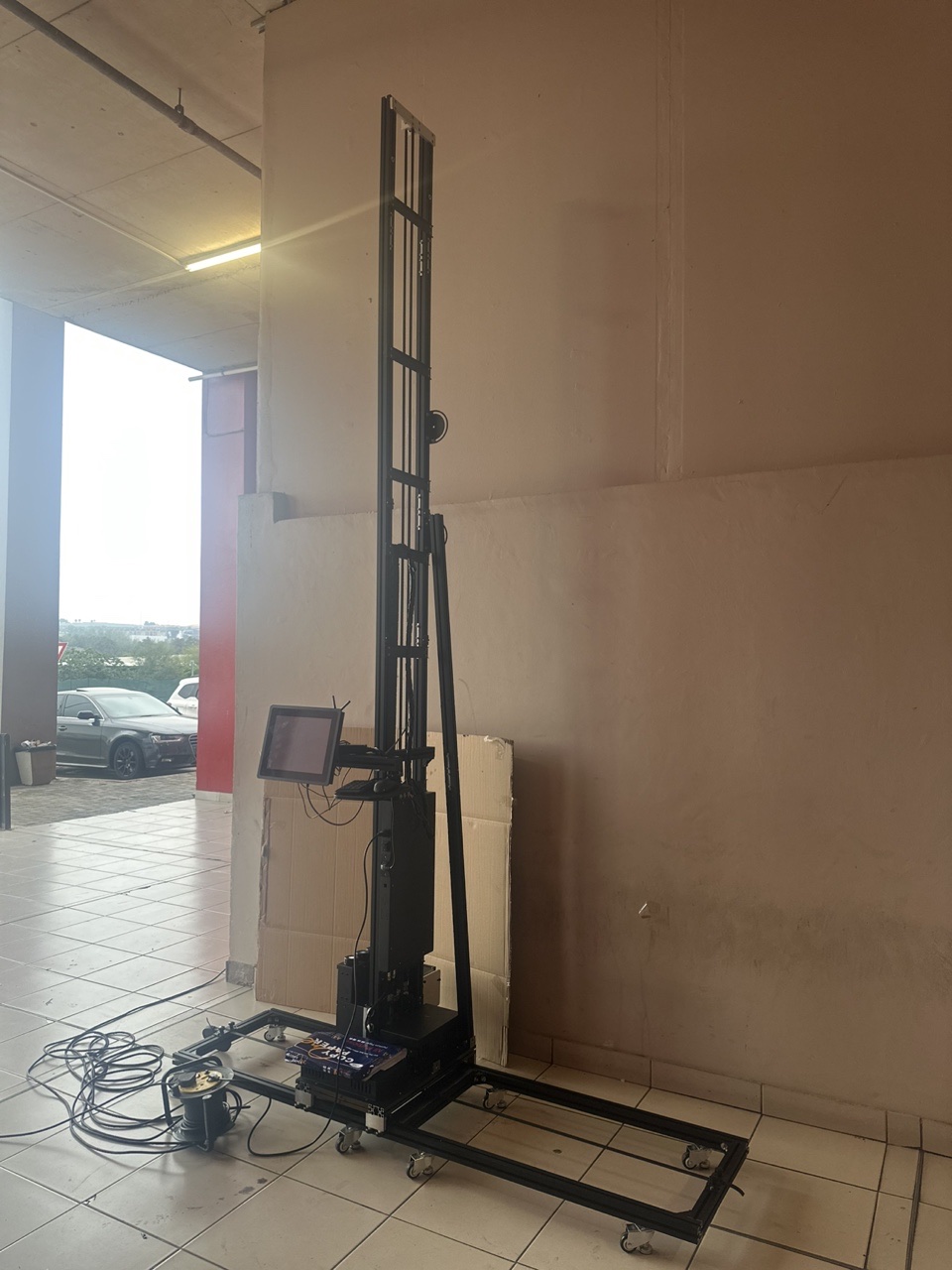
Latest Arrivals
Latest Arrivals
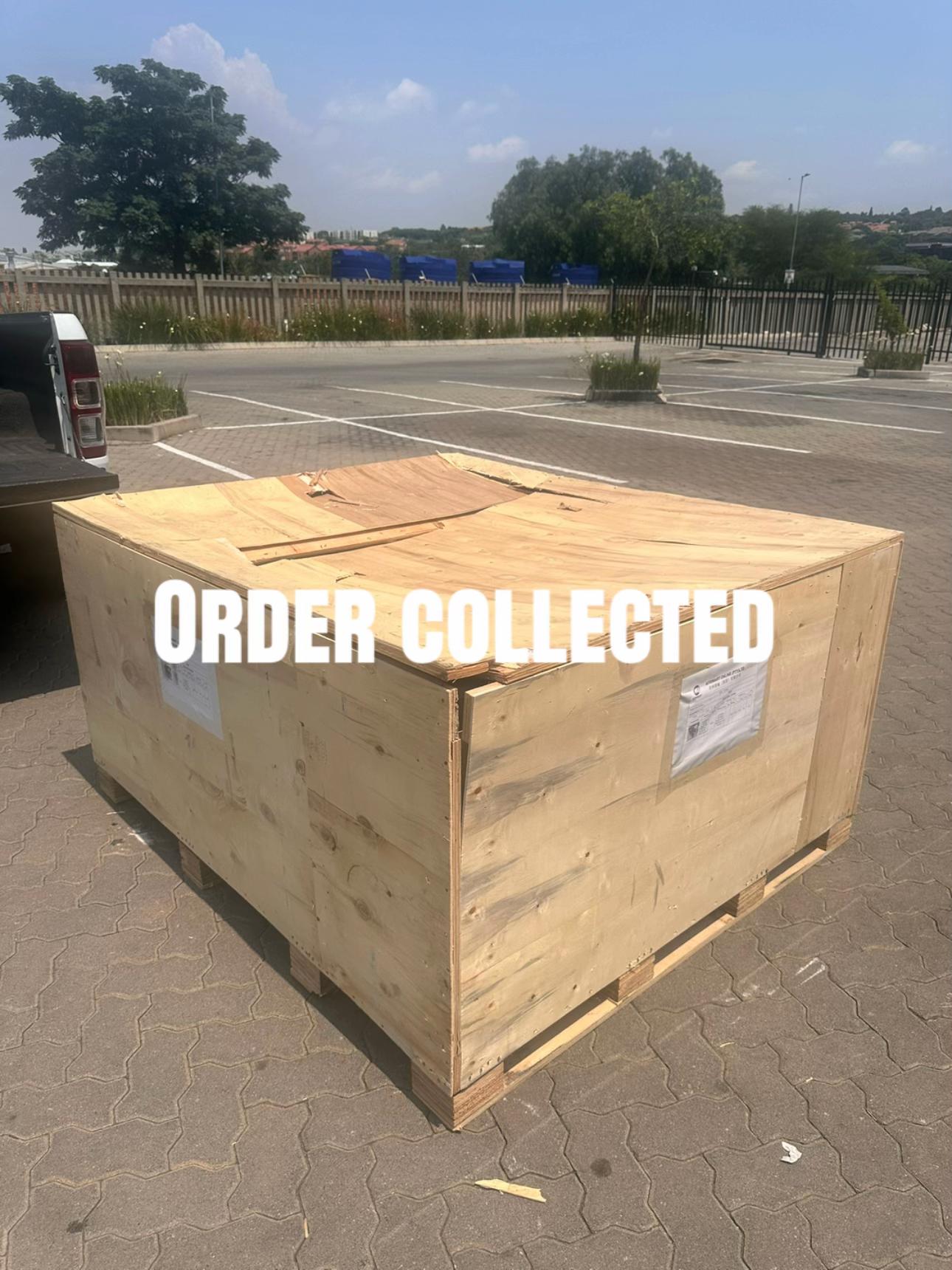
Latest Arrivals
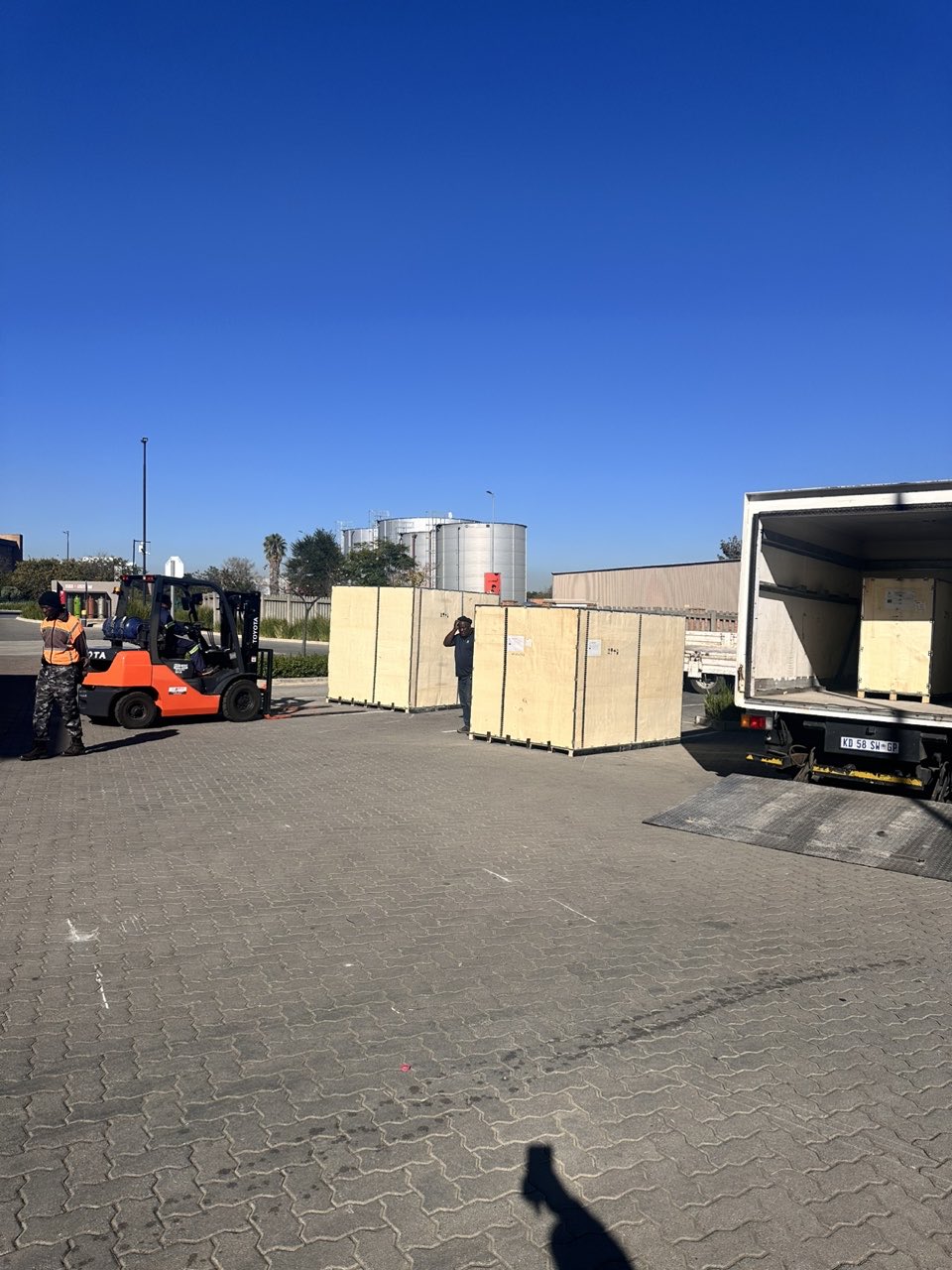
Loading
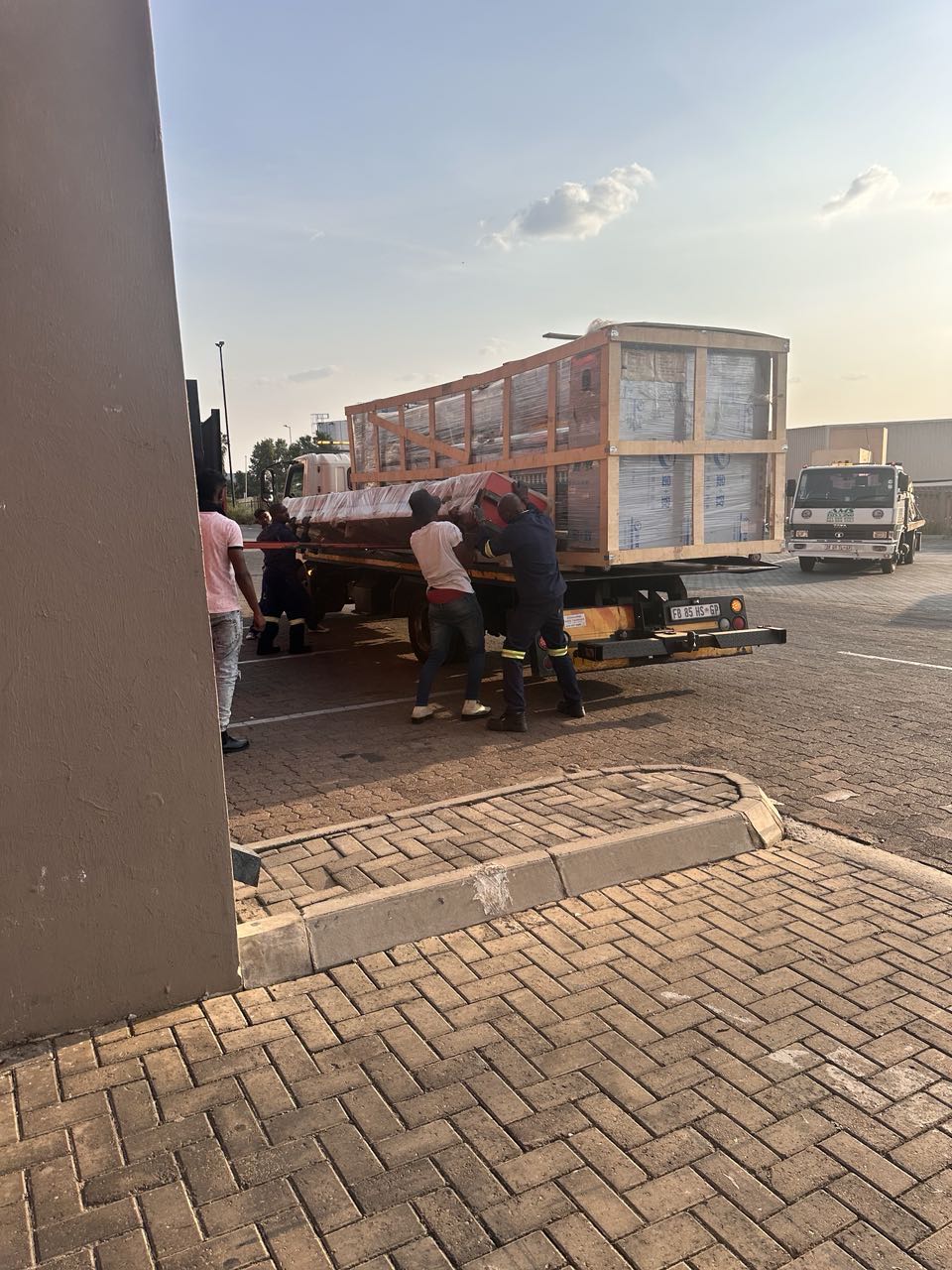
Toilet paper making machine
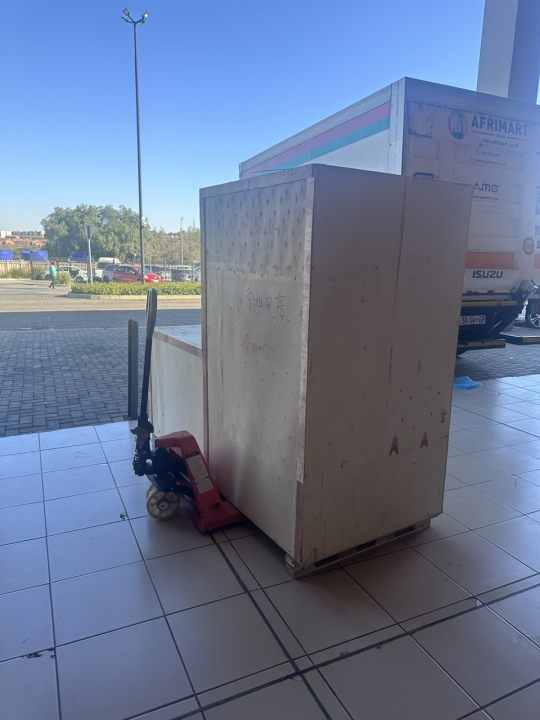
Toilet paper making machine
Toilet paper Rewinding Machine
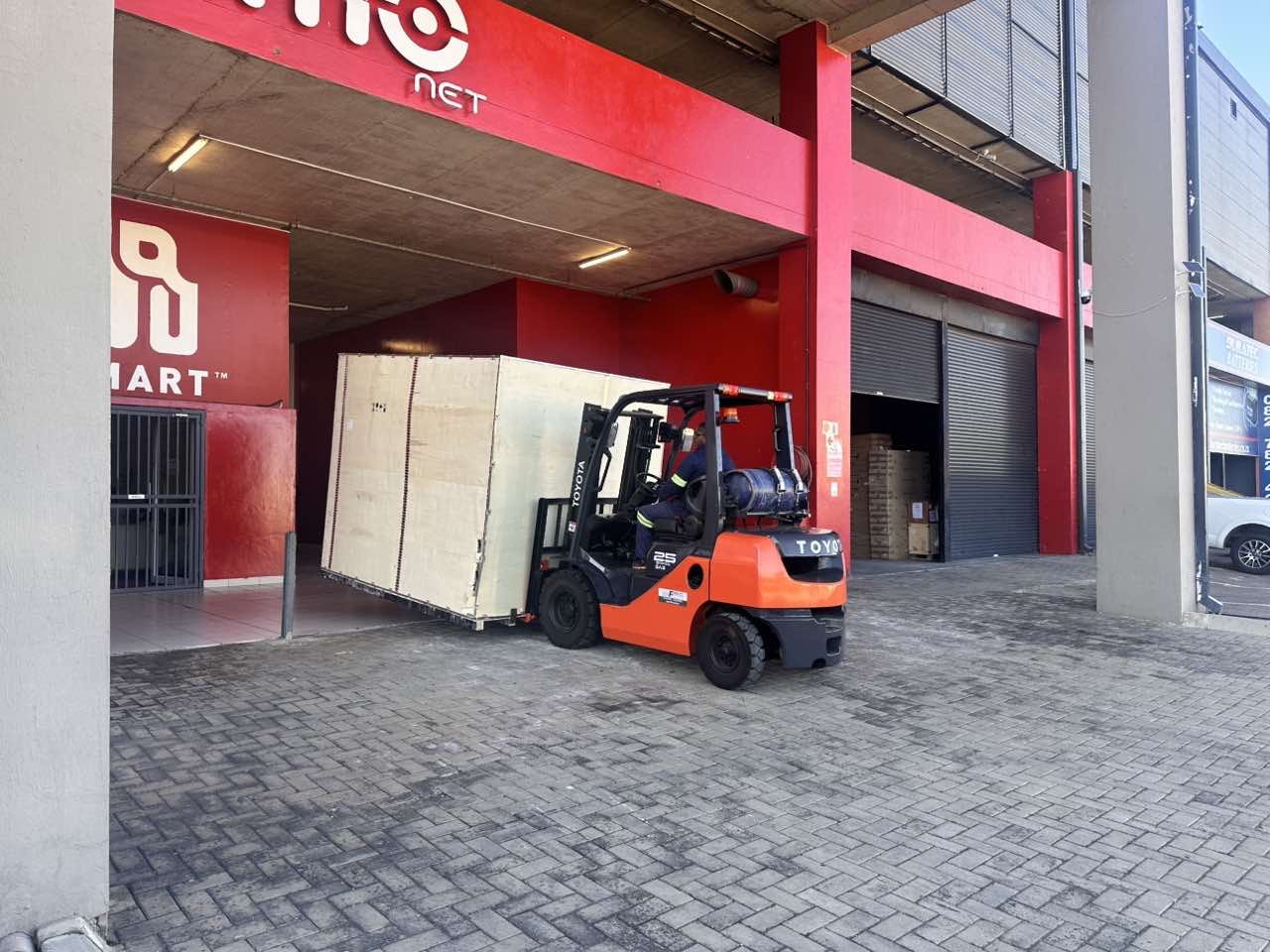
latest arrivals
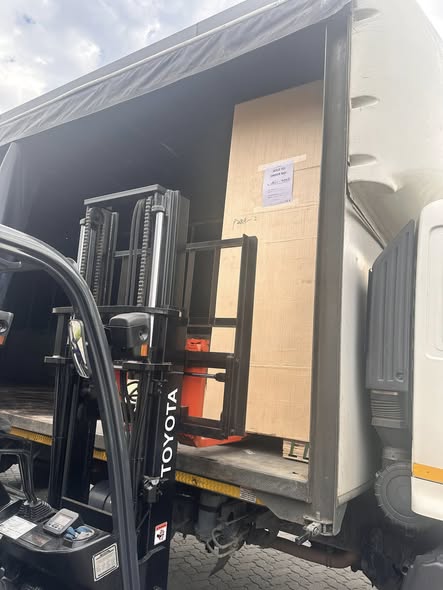
offloading
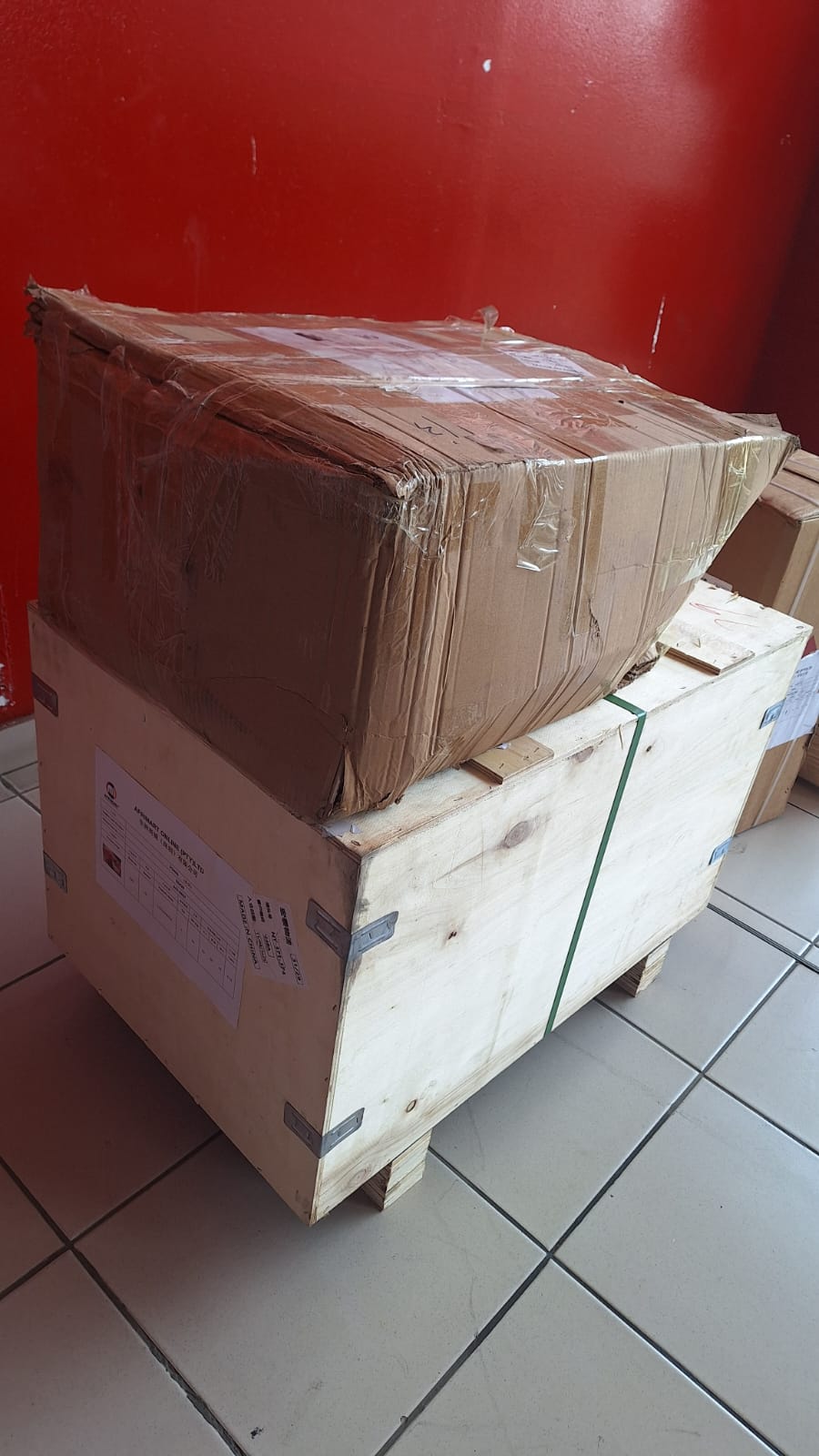
order success
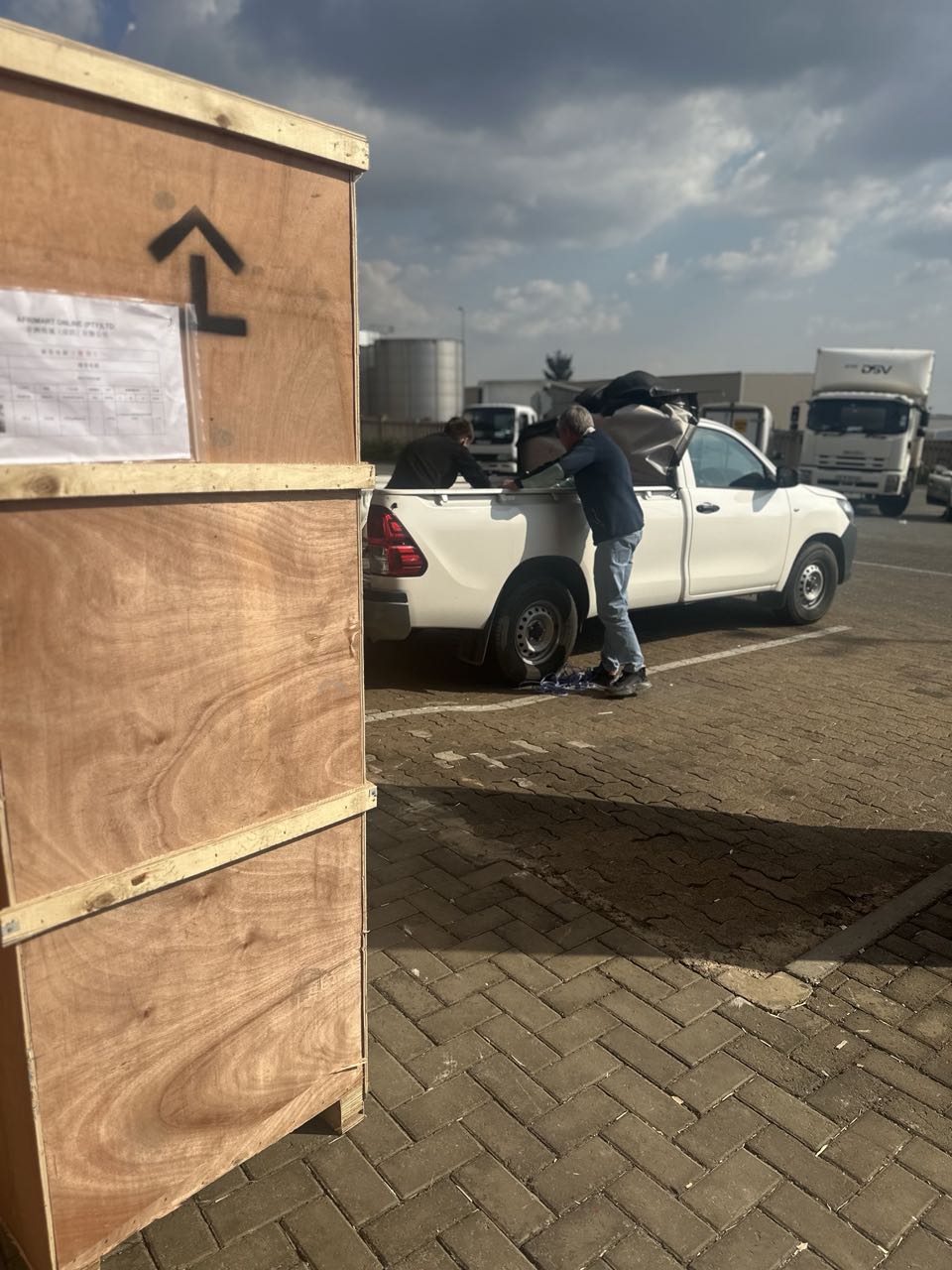
order collection
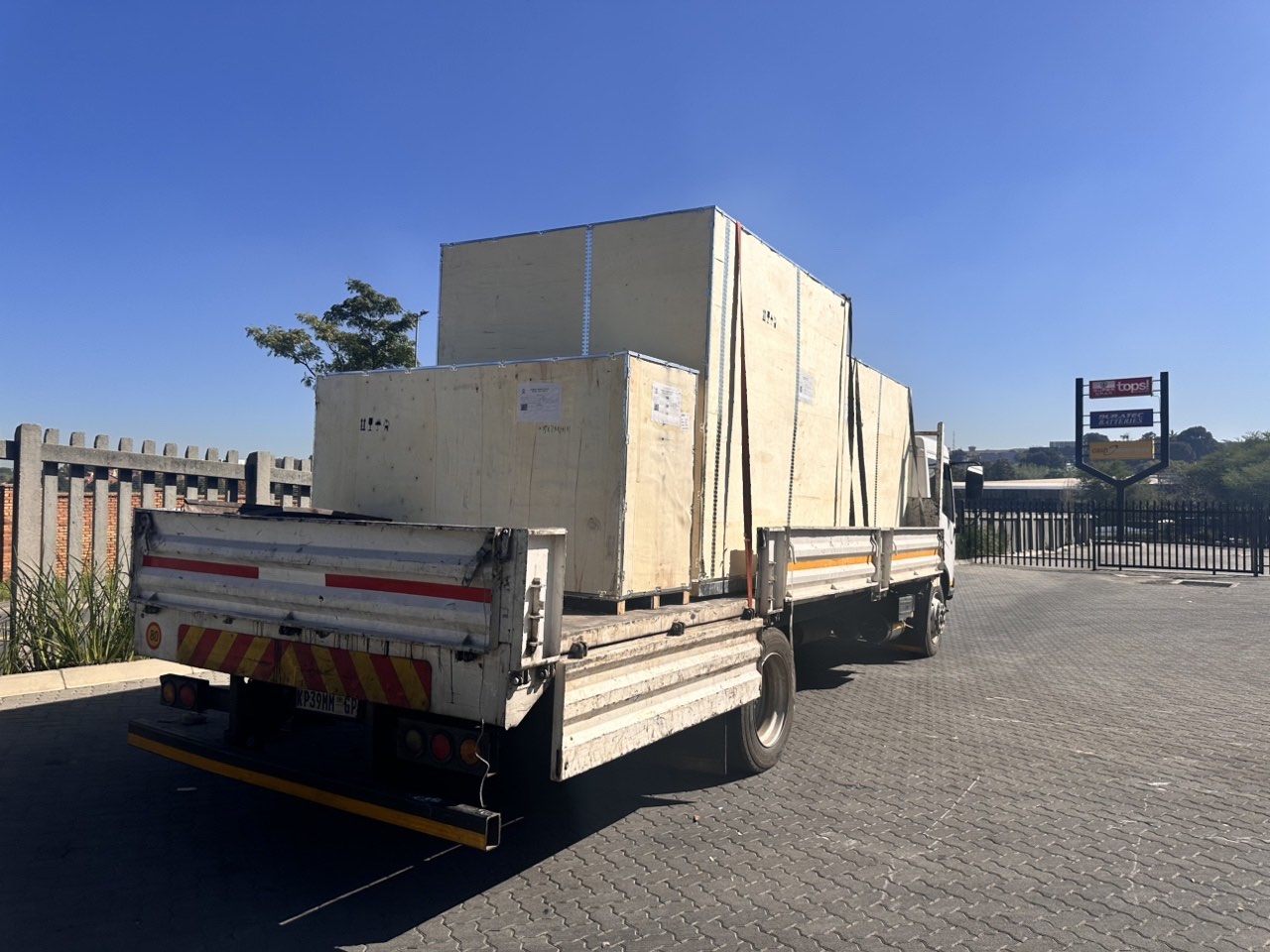
order offloading