B21, China Town Mall, Midrand

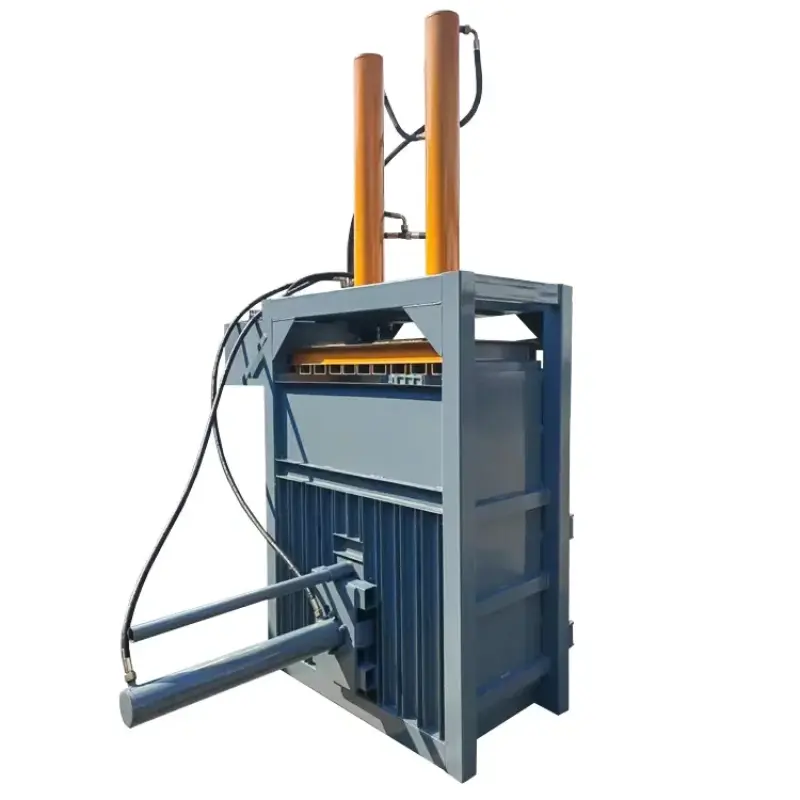
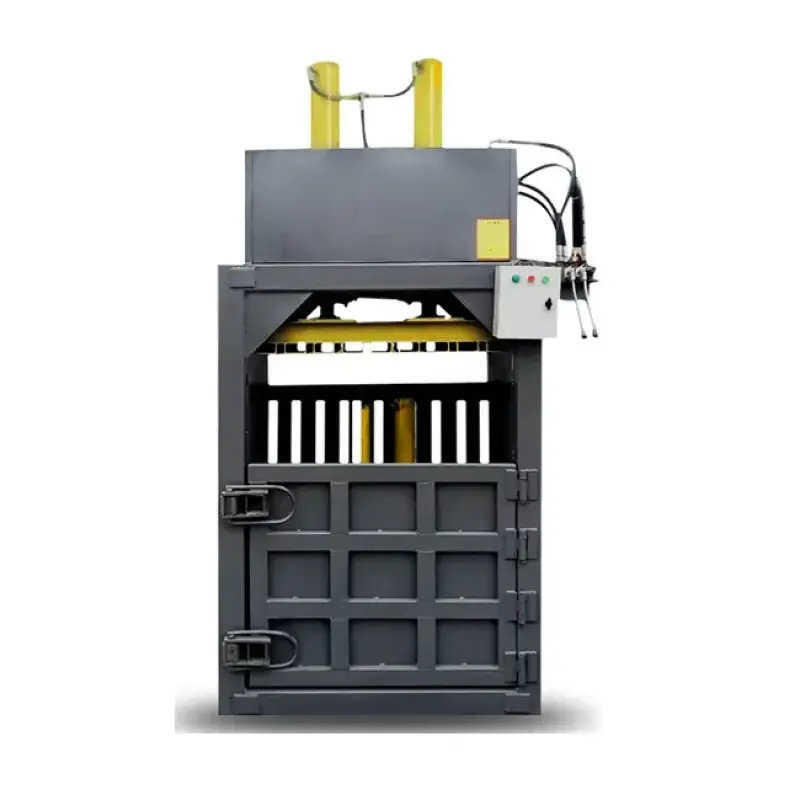
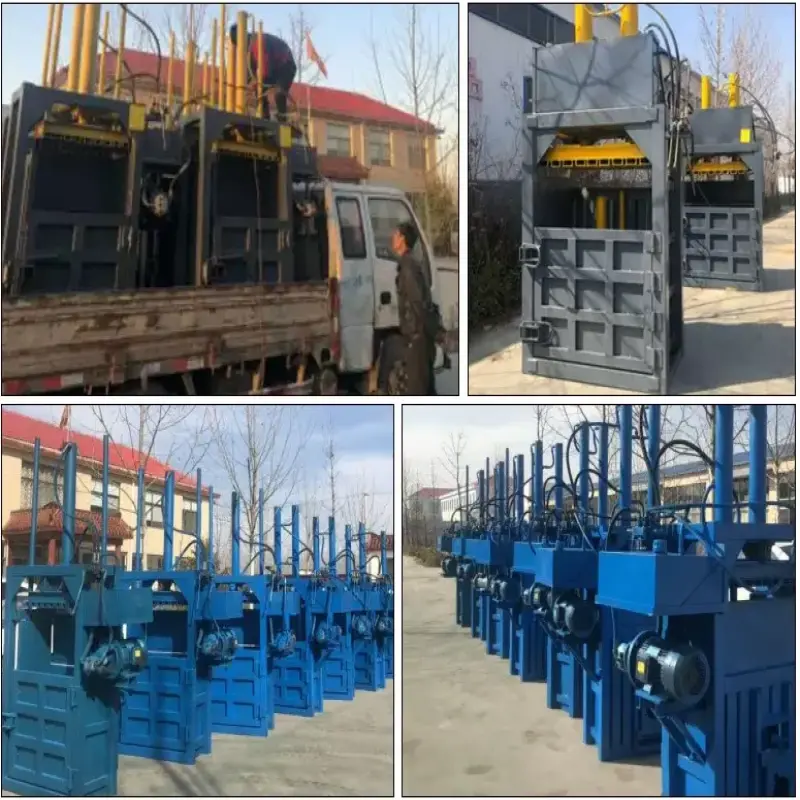
Metallurgy Baler Machine Metal Scrap Hydraulic Bailing Press VB-1250
Asset finance available
Do you want funding for this equipment?
Afrimart can connect you with trusted funding partners who specialise in asset finance for businesses like yours. Compare options and apply in minutes — final approval is subject to provider review.
Check funding options
Secure & no obligation

- Section : Machinery
- Category : Balers
- SKU : 1600883681036

Product Description


Hydraulic vertical baler is mainly used for packing all kinds of light and thin plastic black and non-ferrous metal waste in cold state bundle blocks, to form a compact cuboid block, which is convenient for storage and transportation.
It is the ideal equipment for metal scrap treatment in steel plants, nonferrous metal plants, and smelting plants.

| Model | Pressure (TON) | Press Room | Weight(Kg) | Machine Size (M) | Power (KW) |
| V-S004 | 10 | 0.8*0.4*1.3 | 570 | 1.4*0.7*2.8 | 4 |
| V-S175 | 10 | 0.8*0.4*1.3 | 570 | 1.4*0.7*2.8 | 7.5 |
| V-S275 | 20 | 0.8*0.4*1.3 | 620 | 1.4*0.7*2.8 | 7.5 |
| V-S311 | 30 | 1*0.6*1.35 | 720 | 1.6*0.9*2.8 | 11 |
| V-D311 | 30 | 1*0.6*1.35 | 800 | 1.6*0.9*2.8 | 11 |
| V-D411 | 40 | 1*0.6*1.35 | 850 | 1.6*0.9*2.8 | 11 |
| V-D615 | 60 | 1.2*0.8*1.6 | 1550 | 1.5*1.1*3.2 | 15 |

Features:
1.With a rotary closed cover structure, the opening area of the material box is large and it is especially convenient for the feeding of large and empty thin materials.
2.Each moving part adopts hydraulic drive, working steadily, packing pressure is big, bundle block is tight, packing efficiency is high.
3.The operation of the manual reversing valve is simple convenient,safe and reliable.


- Shipping Timeframes: All orders are processed within 2-5 business days (excluding weekends and holidays). After your order has been processed, the estimated delivery time is before 07 Aug, 2026, depending on customs, Please note that due to high demand, some items may experience longer shipping times, which will be communicated at order confirmation email.
- Order Processing Time: Please allow 2-5 business days for us to process your order before it is shipped . Orders placed after 16:00 on Fridays, or during weekends and public holidays, will begin processing on the next business day. Processing times may be extended during peak seasons or sales events.
- Manufacturing Time: Some products needs manufacturing time, the manufacturing process will take approximately 10-30 business days depending on the product. This timeframe may vary depending on the complexity of the product and current demand. but this will be communicated with you during order confirmation.
- Returns and Exchanges: We offer a 30-day return policy for most items. If you are not completely satisfied with your purchase, you may return it within 30 days of receipt for a refund or exchange. Items must be unused, in their original packaging, and accompanied by proof of purchase. Return shipping costs are the responsibility of the customer, unless the item was damaged or defective upon arrival.
1. What is the Metallurgy Baler Machine Metal Scrap Hydraulic Bailing Press VB-1250 used for?
The VB-1250 is a vertical hydraulic baler designed to compact light and thin metal scrap (including black steel and non‑ferrous metals) and thin plastic waste into dense cuboid bales for easier storage and transport. It’s commonly used in steel plants, nonferrous plants and smelting operations.
2. What materials can this baler process?
It is suitable for cold-state light and thin materials such as sheet metal offcuts, light gauge steel, aluminium scrap, copper scrap and some thin plastics. It is not intended for hot materials or very thick solid pieces without pre‑cutting.
3. What are the typical bale size and weight produced?
Bale size and weight depend on feed material, bale chamber dimensions and packing pressure. The VB series produces compact cuboid bales whose dimensions match the pressroom size; typical bale weights range from a few dozen kilograms up to several hundred kilograms. For exact bale dimensions/weights for the VB-1250 please request the model specification sheet from the manufacturer or supplier.
4. What is the working principle and main structural feature?
The machine uses hydraulic cylinders to drive moving parts and compress material into a closed chamber. It features a rotary closed cover (large opening) that facilitates feeding of large or empty thin materials. All moving parts are hydraulically driven for steady work and high packing pressure.
5. How is the machine operated and controlled?
Operation is typically via a control panel with start/stop and cycle controls. The unit uses a manual reversing valve for hydraulic control, which makes operation straightforward. Specific control layouts and automation options vary by model and supplier.
6. What are the power and hydraulic requirements?
Power and hydraulic system size vary by model. The VB series uses an electric motor driving a hydraulic pump; motor power depends on the pressure rating and machine size. For the exact electrical power (kW), supply voltage and hydraulic oil capacity for VB-1250, consult the product datasheet or your supplier.
7. What safety features should I expect?
Expected safety features include mechanical/hydraulic interlocks, emergency stop, guarded feed area, the rotary closed cover to prevent accidental access during pressing, and pressure relief valves. Local safety standards may require additional guards, signage and lockout/tagout procedures.
8. What maintenance is required and how often?
Regular maintenance includes checking hydraulic fluid level and condition, inspecting hoses and fittings for leaks, greasing pivot points, checking seals and cylinder rods, and keeping the feed area and controls clean. Perform visual checks daily and scheduled servicing (hydraulic fluid and filter changes, seal replacement) per manufacturer intervals—typically every few hundred to a few thousand operating hours.
9. How fast is the compression cycle / what is throughput?
Cycle time depends on the model pressure, hydraulic pump flow and operator feeding speed. Typical vertical balers have cycle times from 20–90 seconds per cycle. Throughput (tons/hour or bales/day) varies with material type and feeding method; request specific cycle-time data for VB-1250 from the supplier.
10. Can the machine be customized or supplied with options?
Yes. Common customizations include different bale sizes, higher-pressure cylinder packages, automatic tying/wiring systems, conveyor or hopper feed integration, electrical control options, and special paint or corrosion protection. Discuss required options with the manufacturer or dealer.
11. What hydraulic oil and consumables are recommended?
Use a high‑quality hydraulic oil meeting the viscosity and ISO cleanliness class specified by the manufacturer (typical ISO VG 46/32 depending on ambient temperature). Replace filters and oil at intervals recommended in the maintenance manual. Use only manufacturer‑approved seal kits and wear parts.
12. What are the installation and site requirements?
You need a level concrete foundation capable of supporting the machine weight, suitable electrical supply (voltage and phase matching the motor), adequate space for feeding and removal of bales, and appropriate ventilation and lighting. Exact footprint and weight depend on the model—obtain the installation drawing for VB-1250 before site preparation.
13. Do you provide spare parts, training and after‑sales support?
Most suppliers provide spare parts, maintenance kits, operator training and after‑sales technical support. Confirm available local service, spare parts lead times and warranty terms with your vendor when ordering.
14. How do I choose the right model for my operation?
Consider the type and volume of scrap, desired bale weight and size, available floor space, required throughput, electrical supply and budget. Provide sample material details to the supplier so they can recommend the appropriate model (such as VB-1250 versus other VB series models) and any necessary options or automation.
Latest Order Arrivals
Discover our latest orders
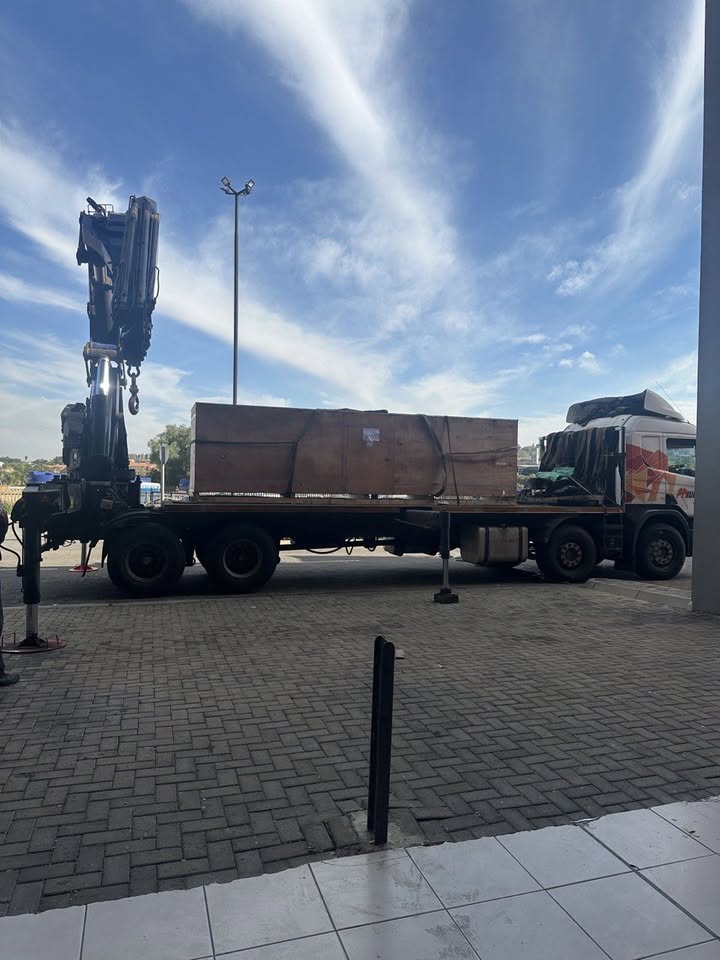
12 Heads Embroidery Machine
Toilet Paper Machine Machine
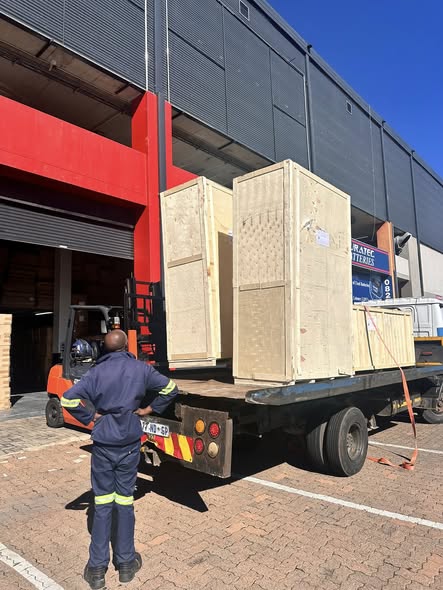
Order Collection
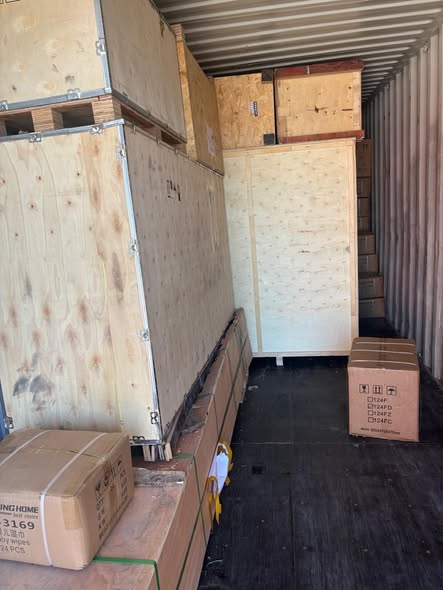
Cross Border Clients
Order cros border countries Collected
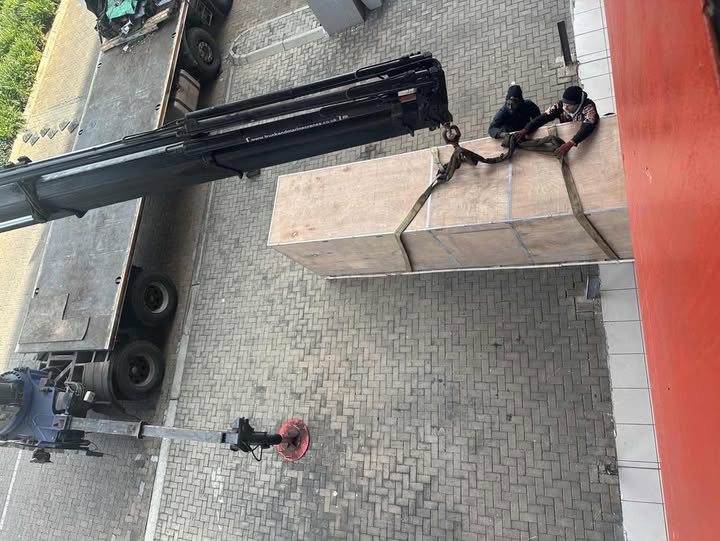
Industrial Machine Cllection
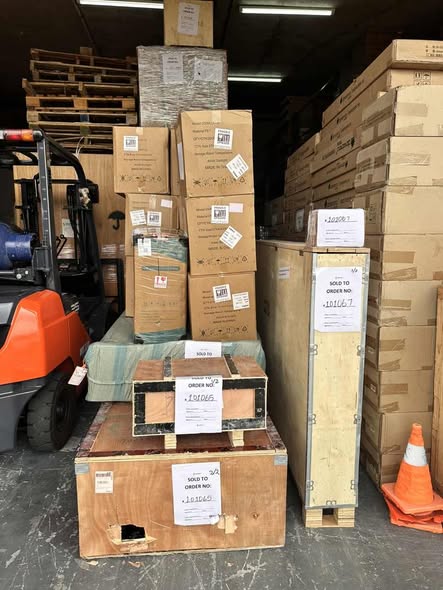
Agriculture Processing Machines
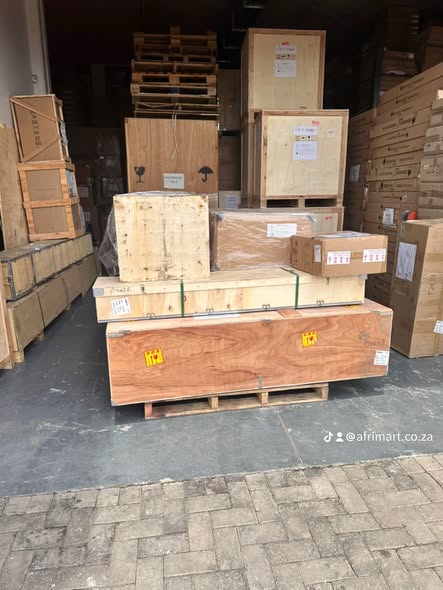
Ready for collection
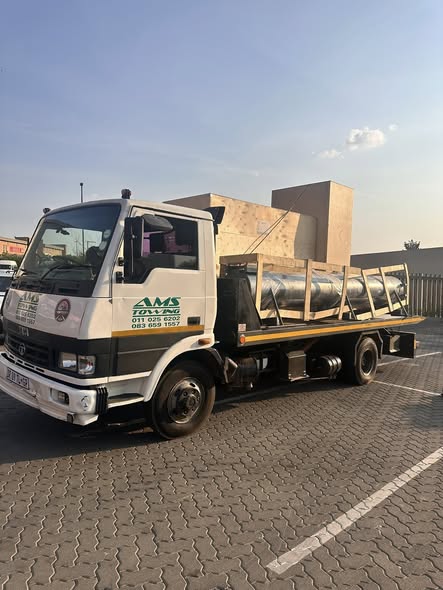
Water Pump Equipment
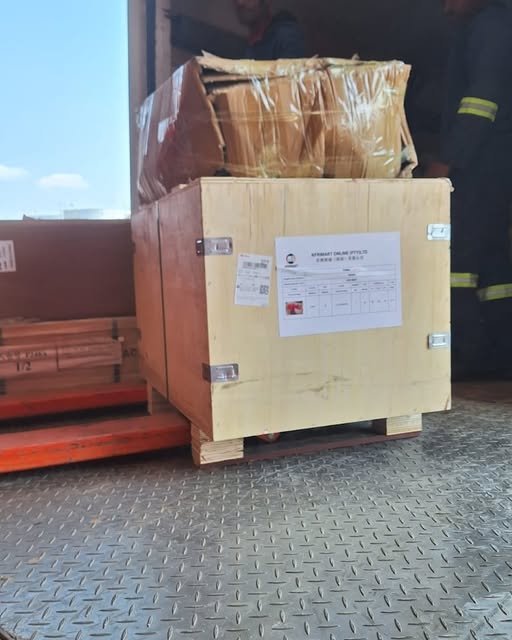
Packaging Machine and accessories
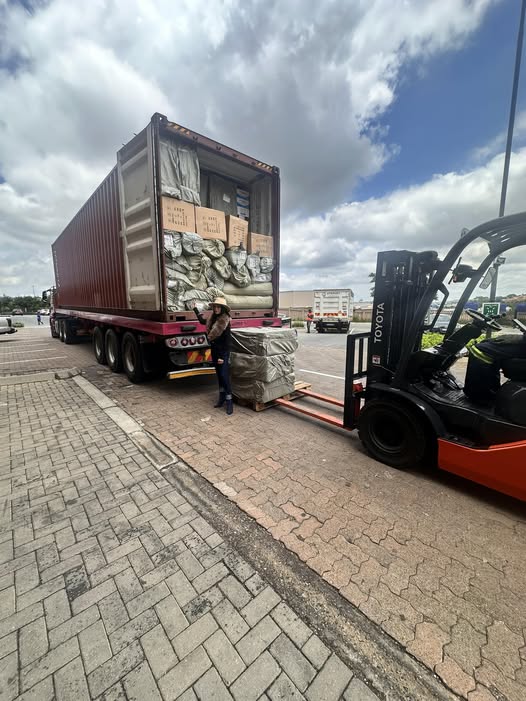
Fabrics Manufacturing Equipment
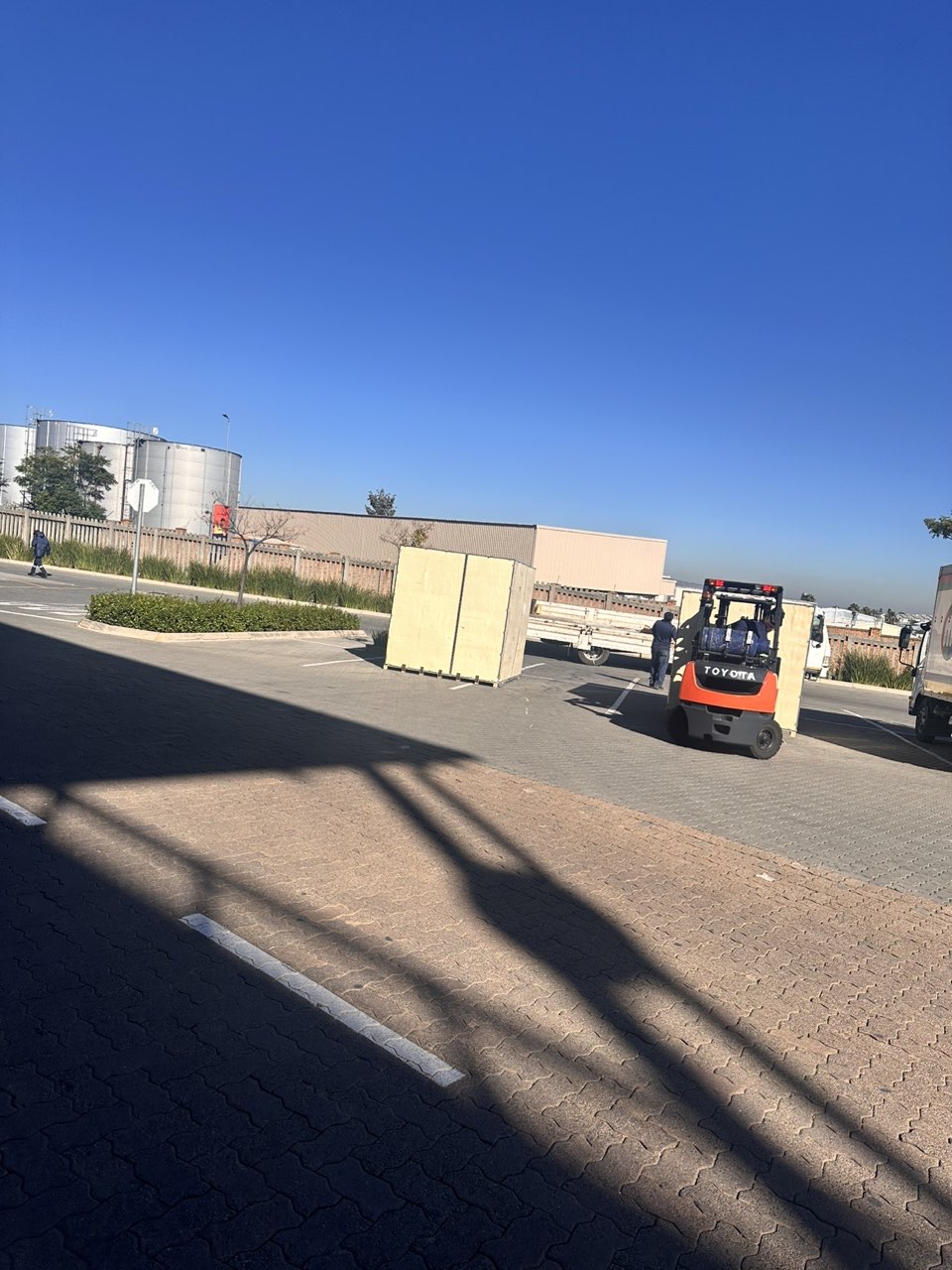
Mining Equipments
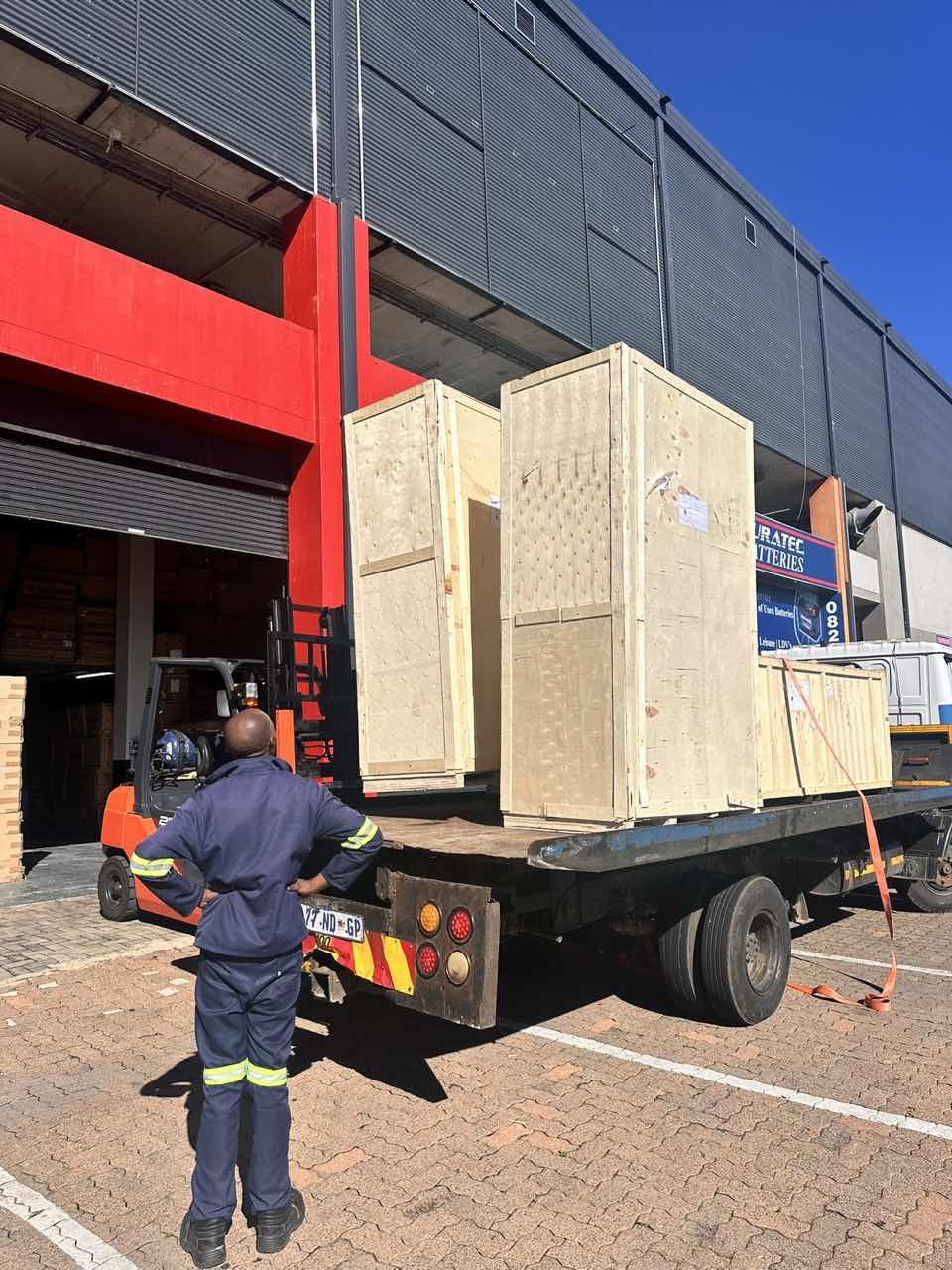
Food Processing Machine
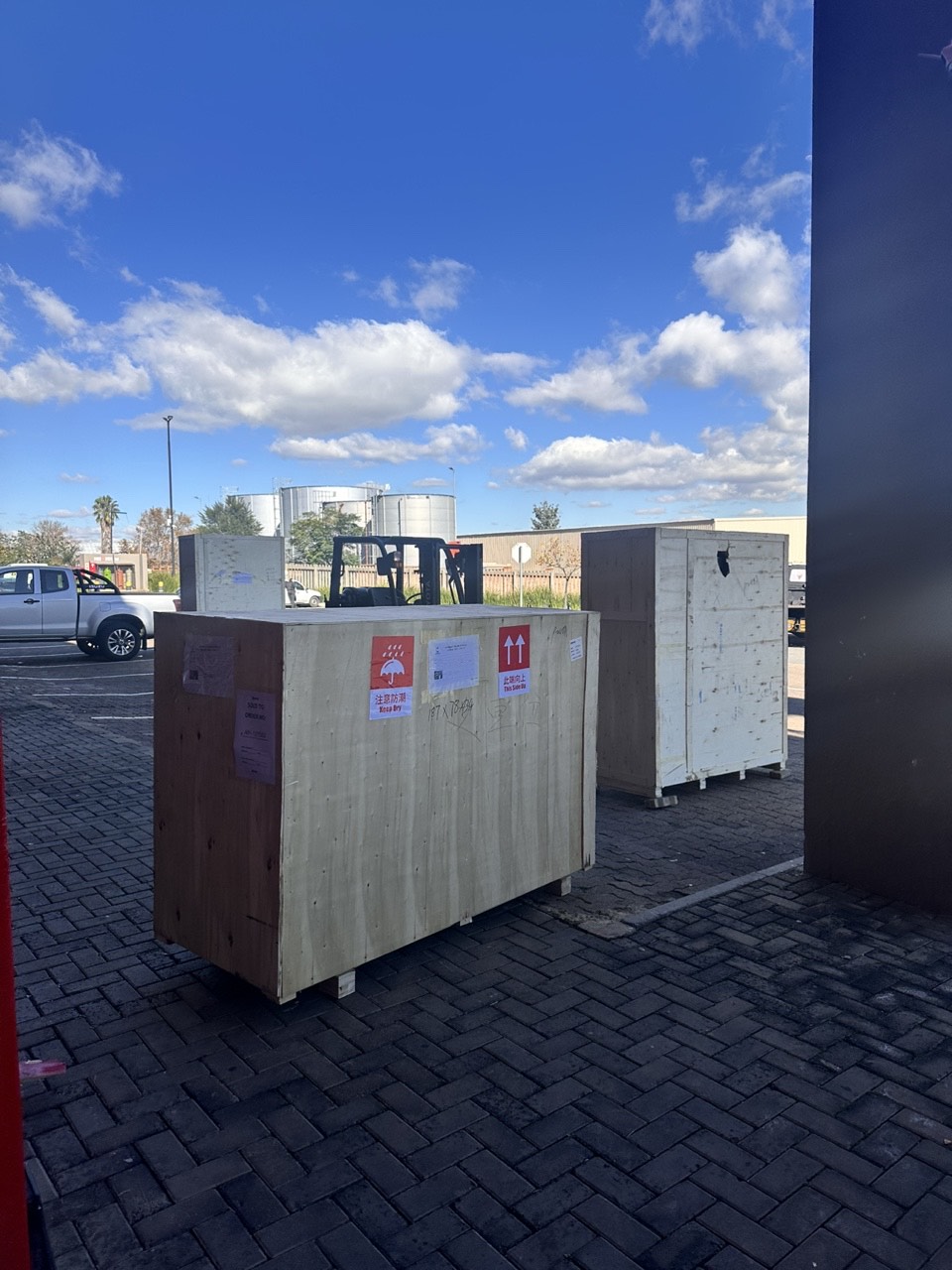
Batch of Orders
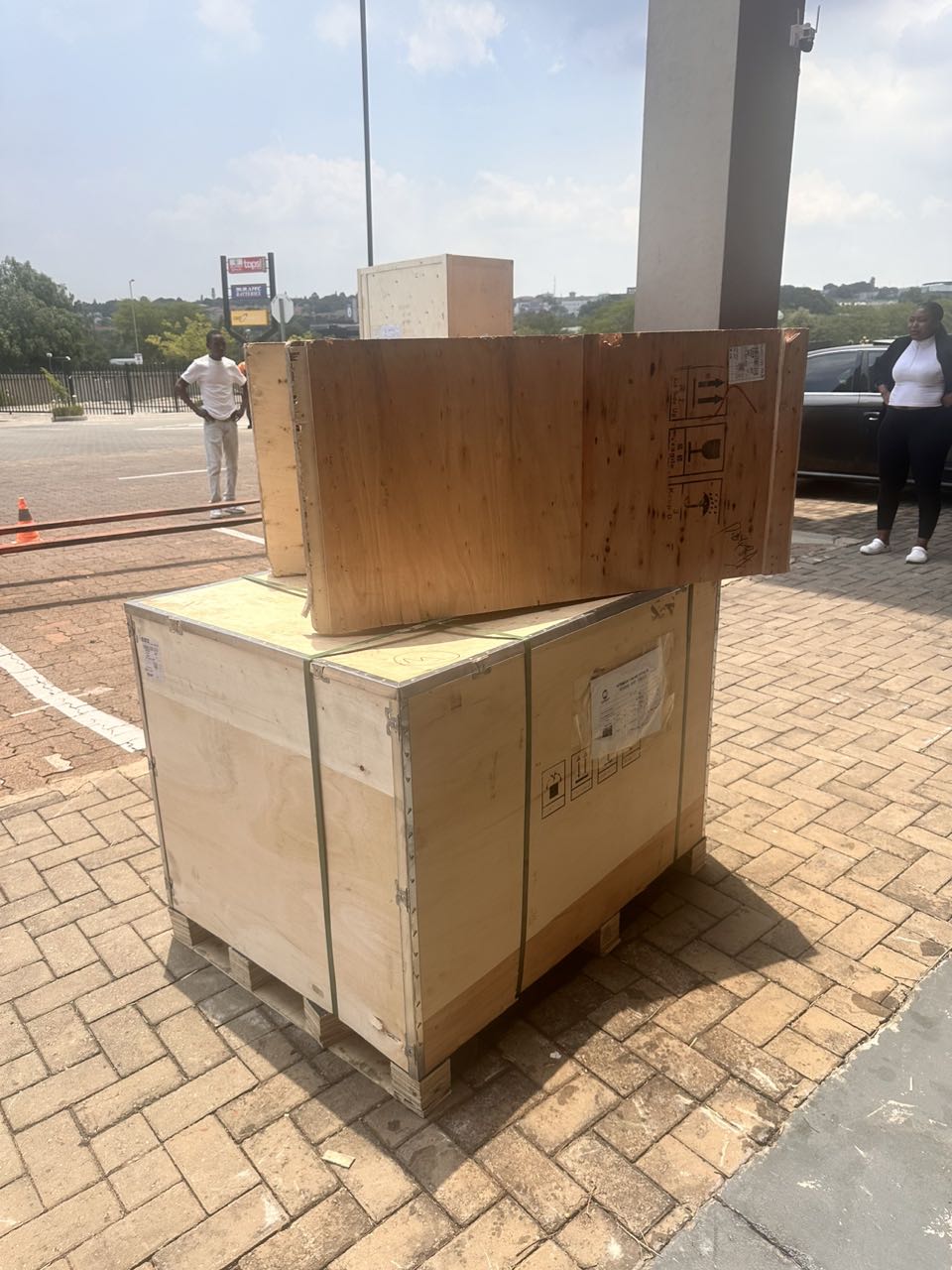
Batch of Orders
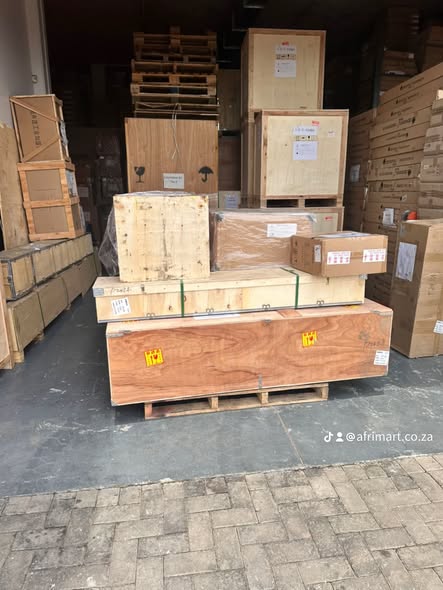
Latest Orders Labelled
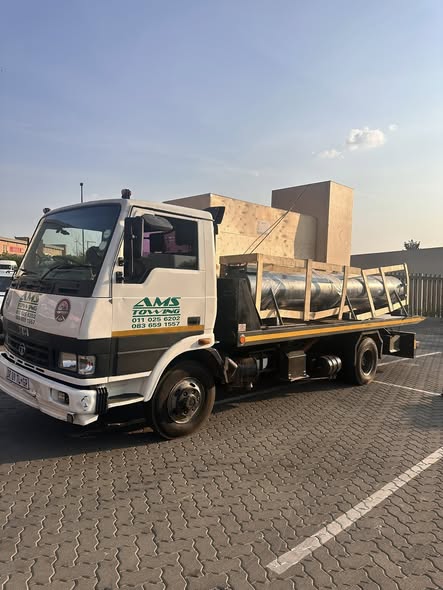
wheel alignment machines
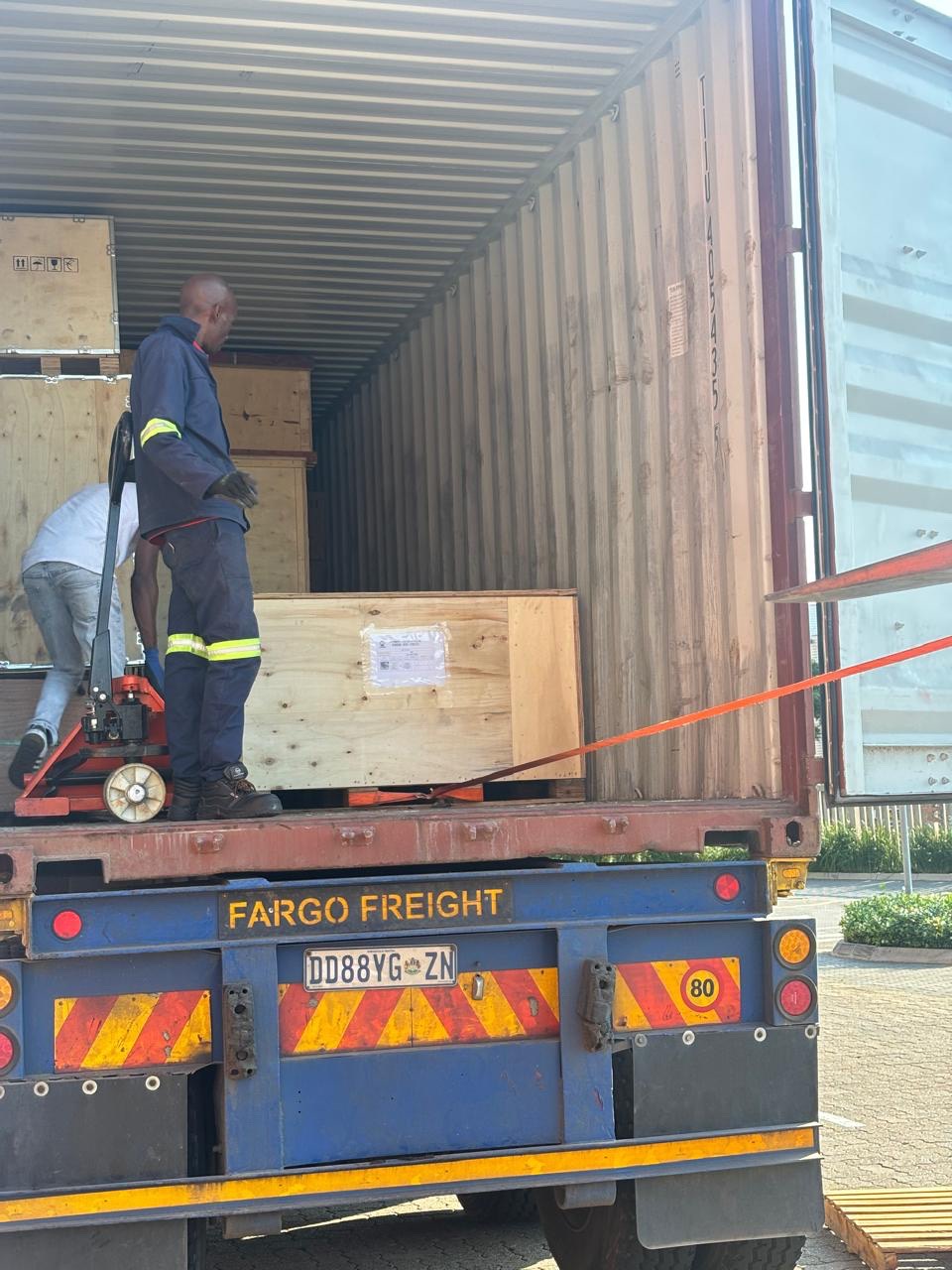
new arrivals
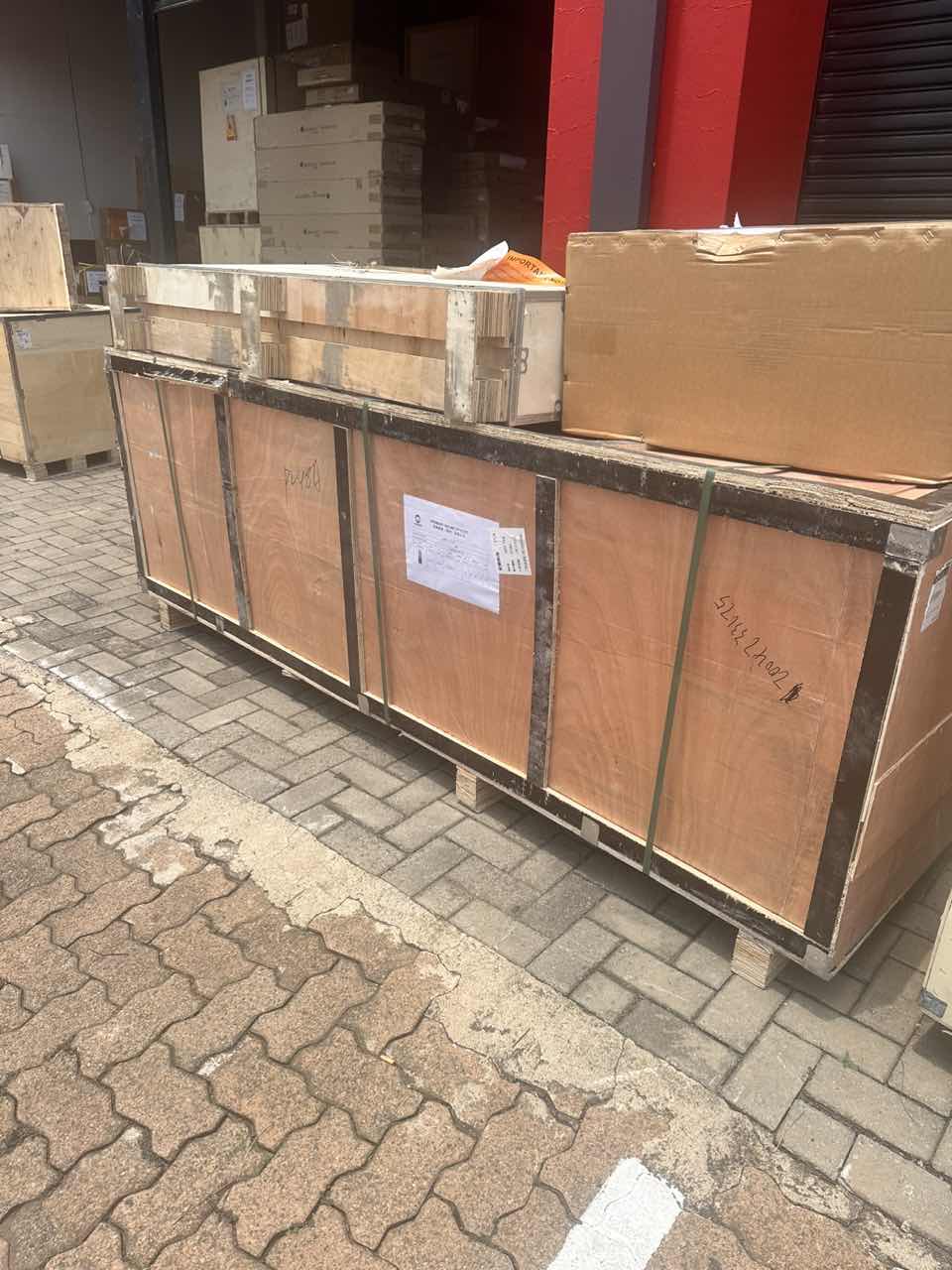
Pre Orders Offloading
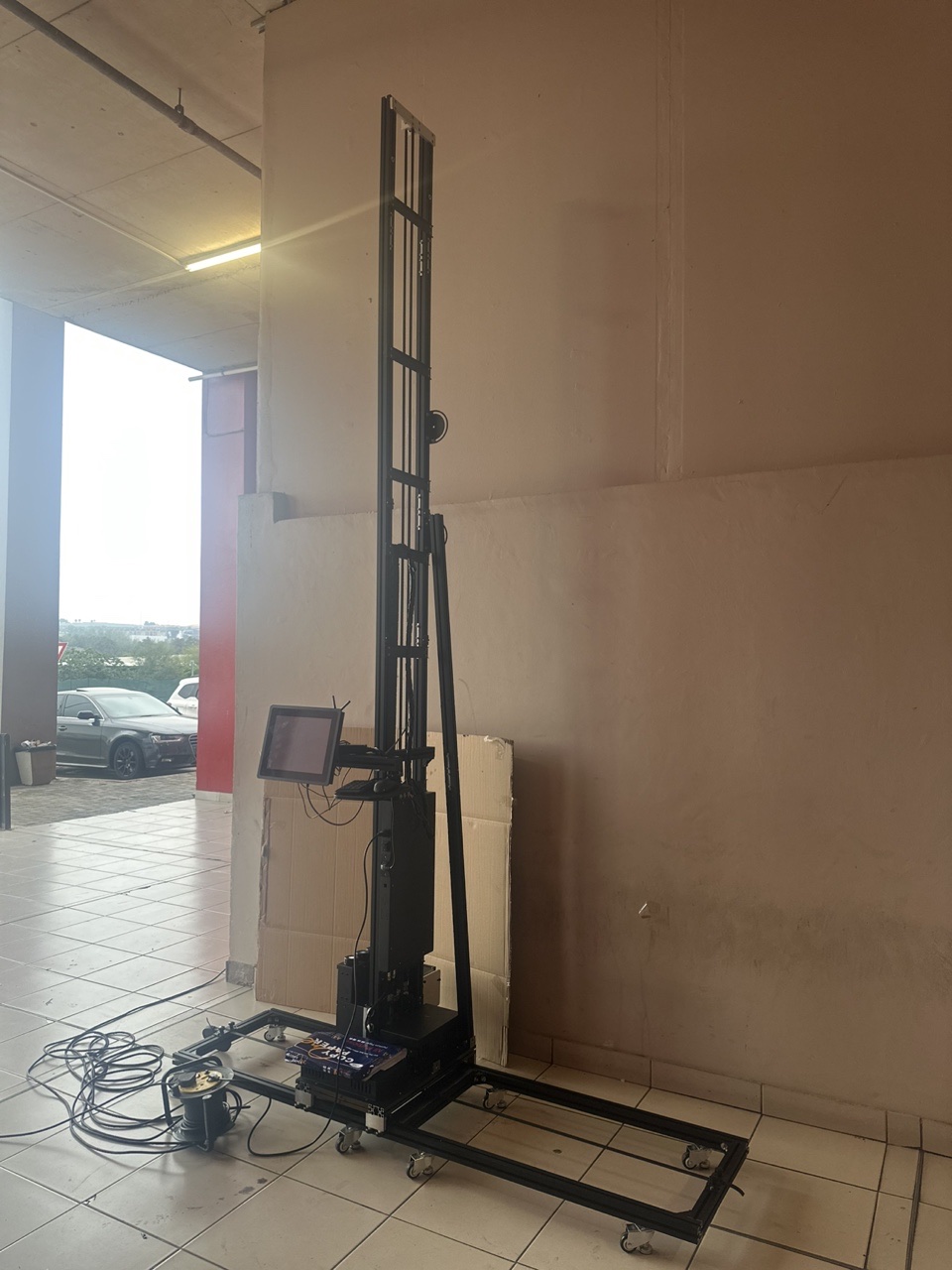
Latest Arrivals
Latest Arrivals
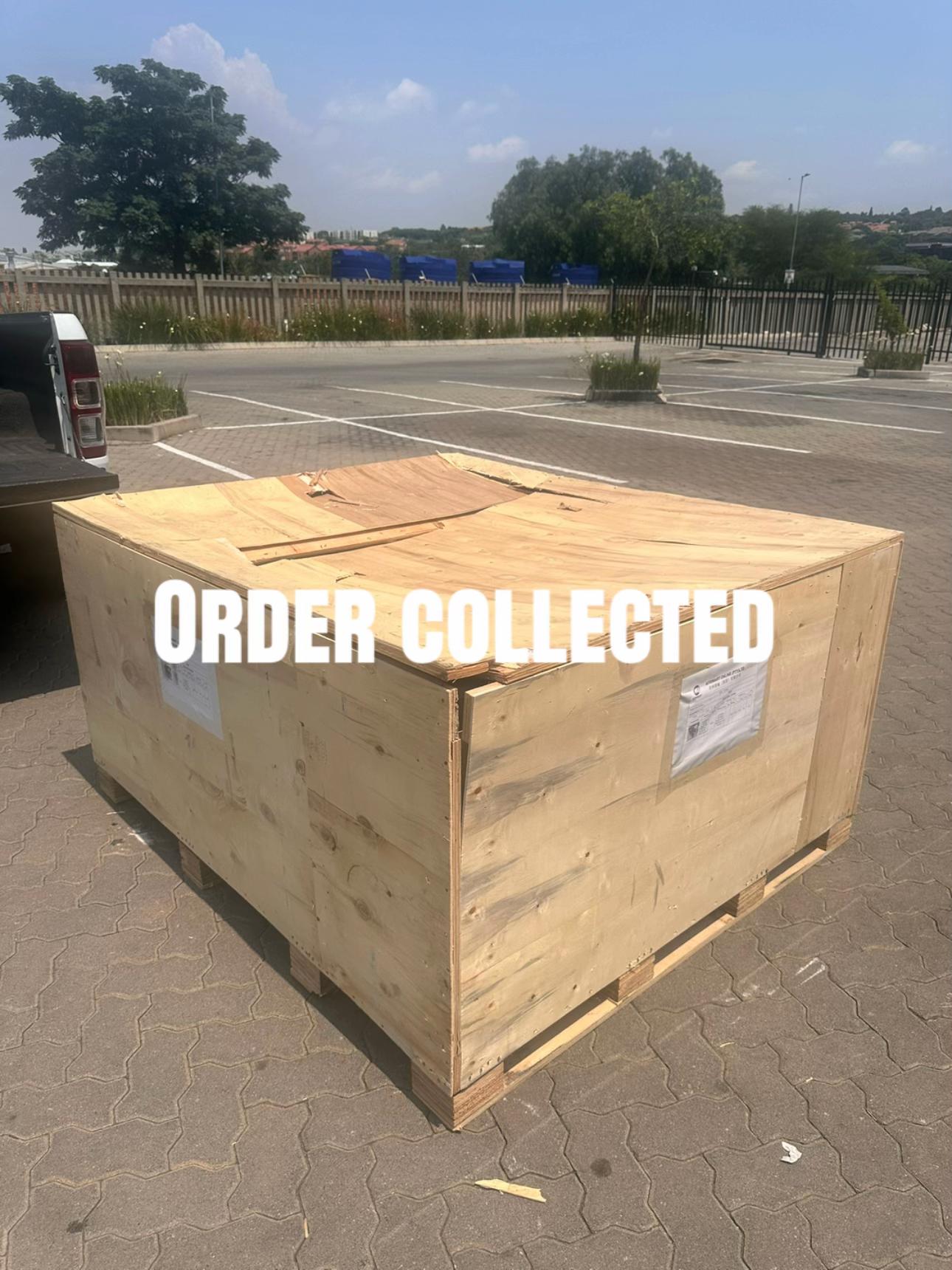
Latest Arrivals
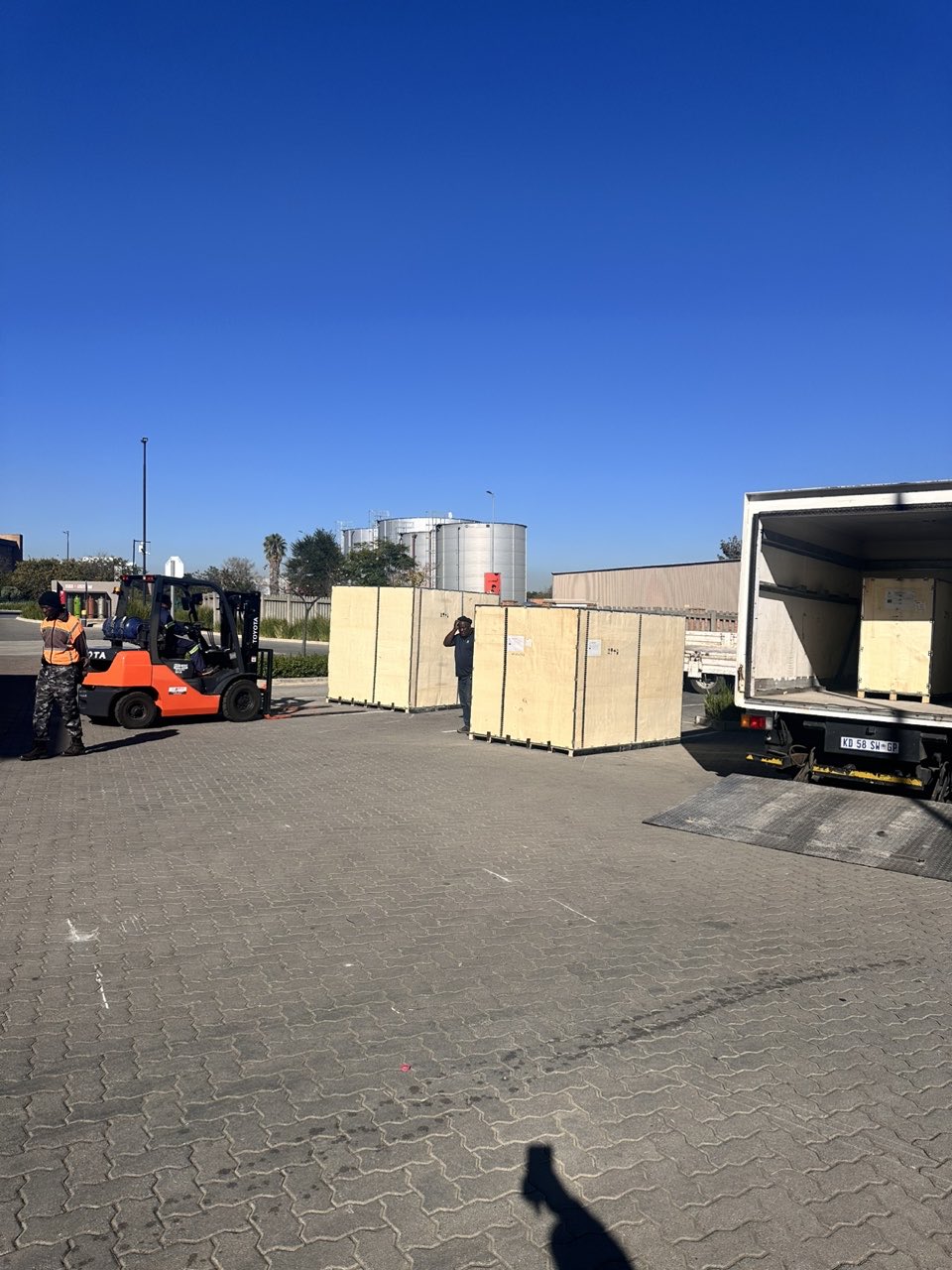
Loading
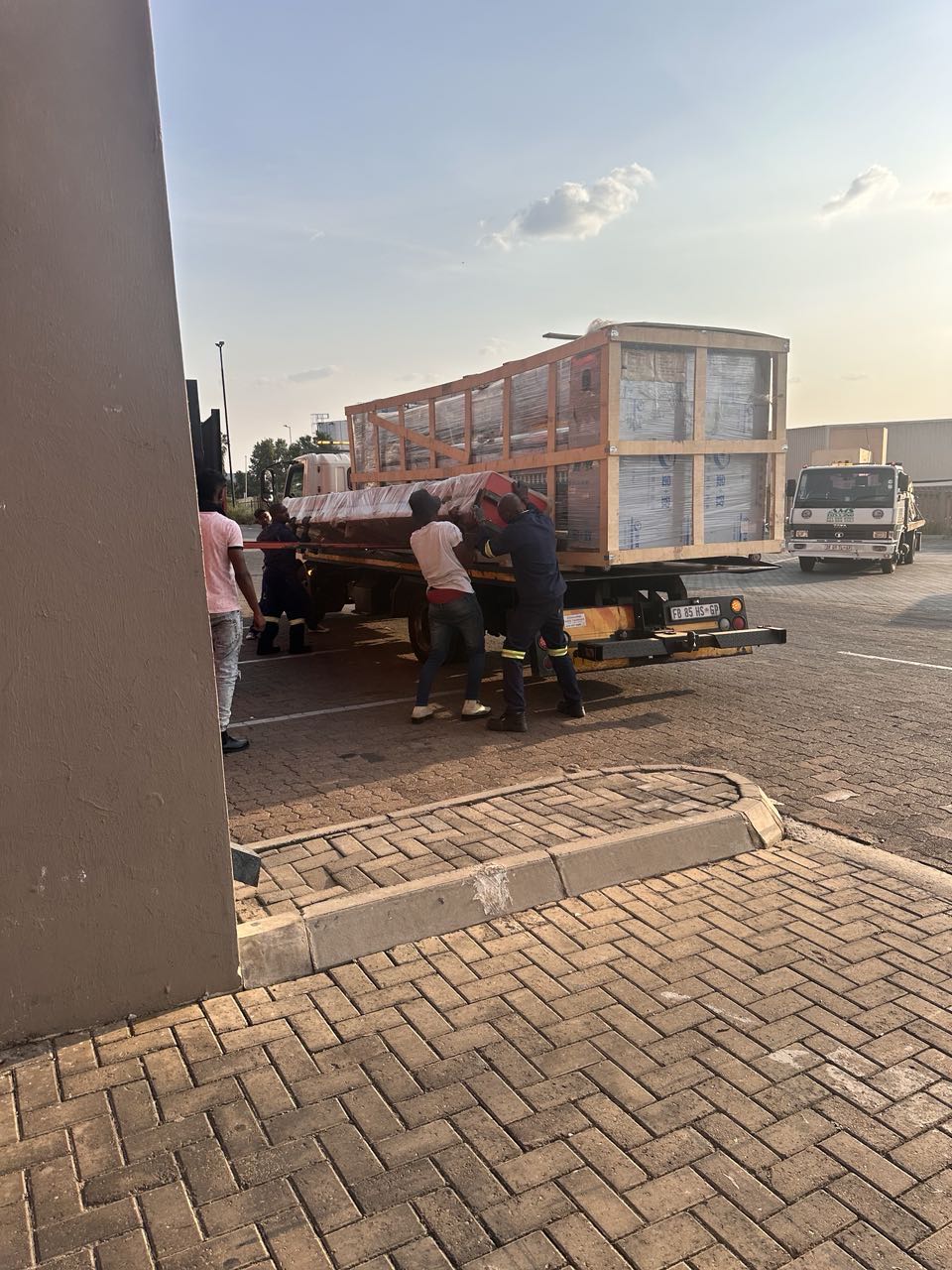
Toilet paper making machine
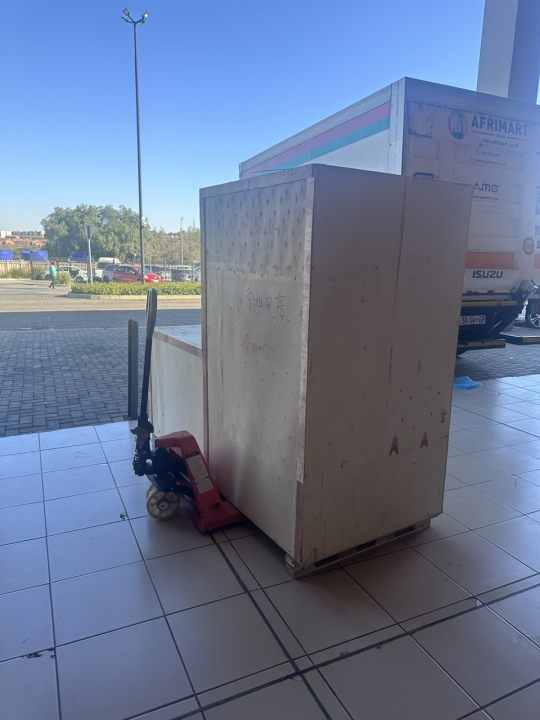
Toilet paper making machine
Toilet paper Rewinding Machine
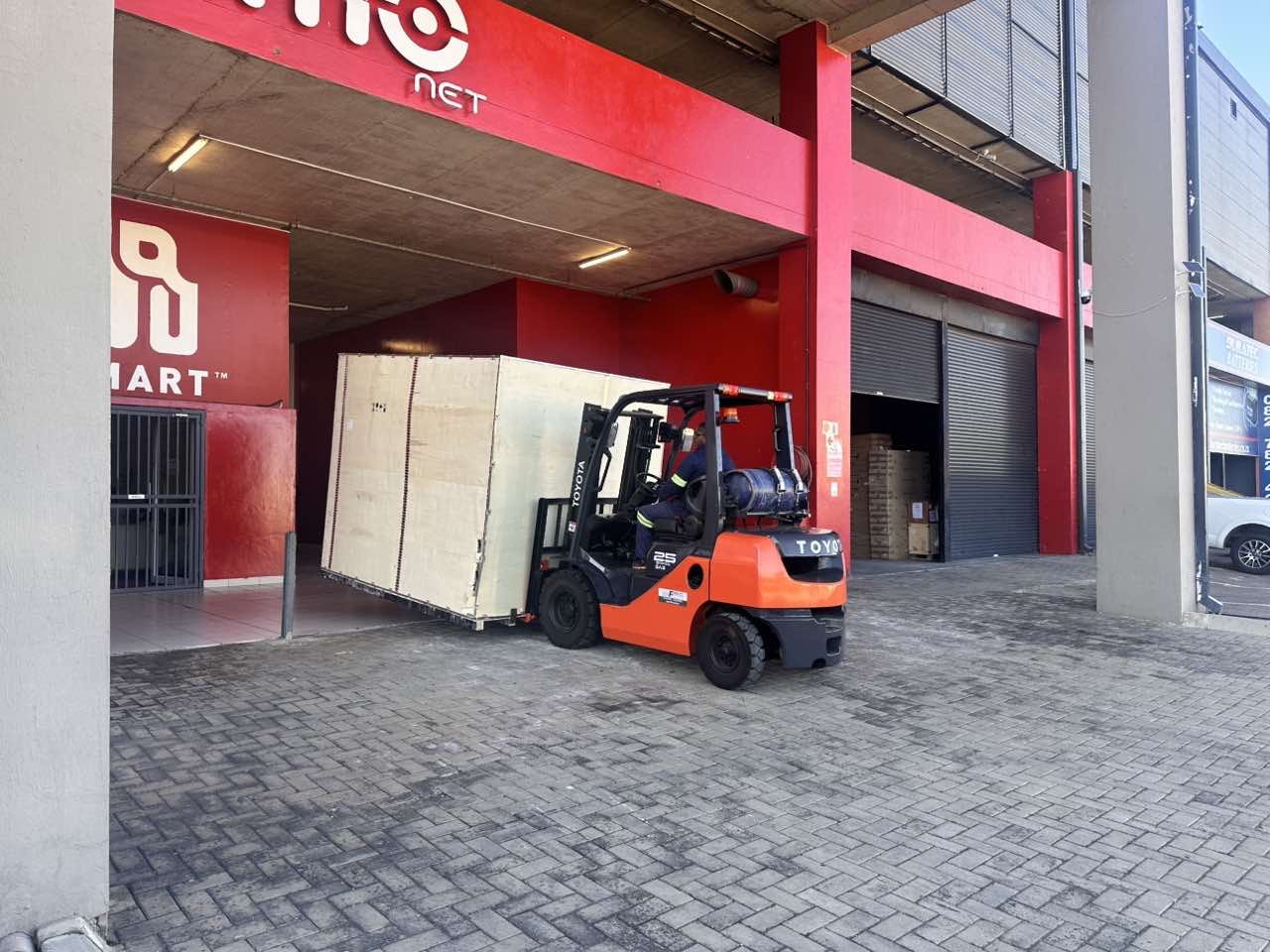
latest arrivals
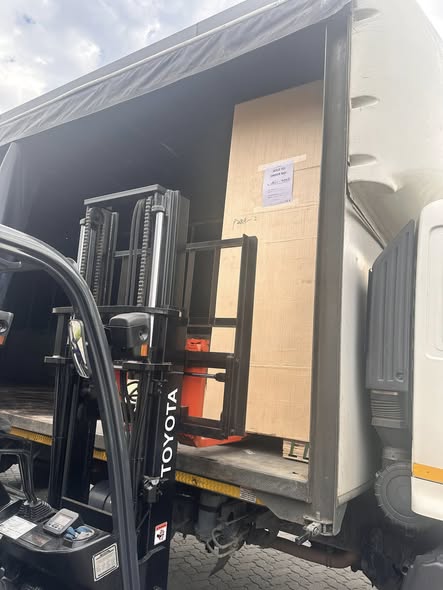
offloading
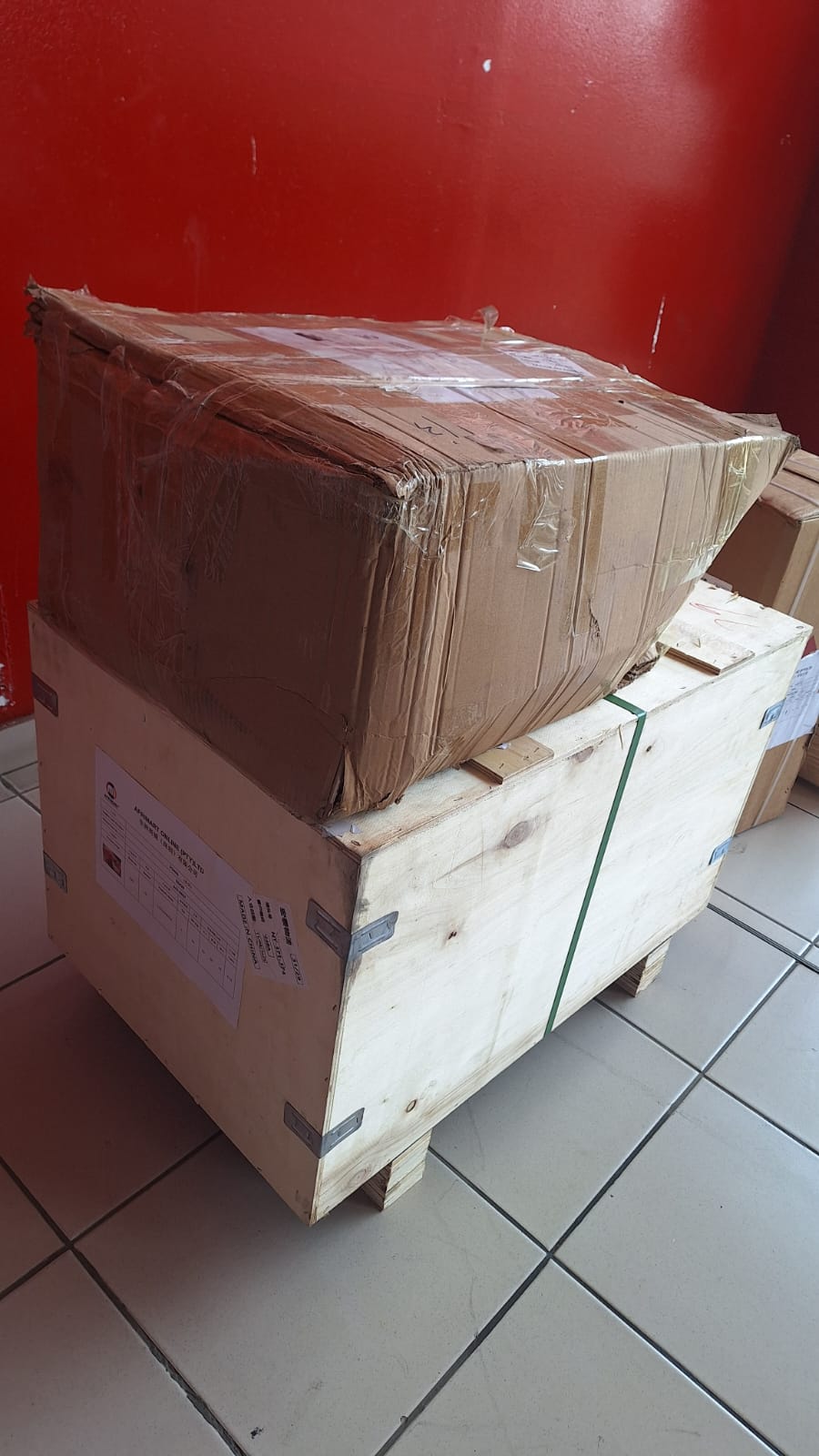
order success
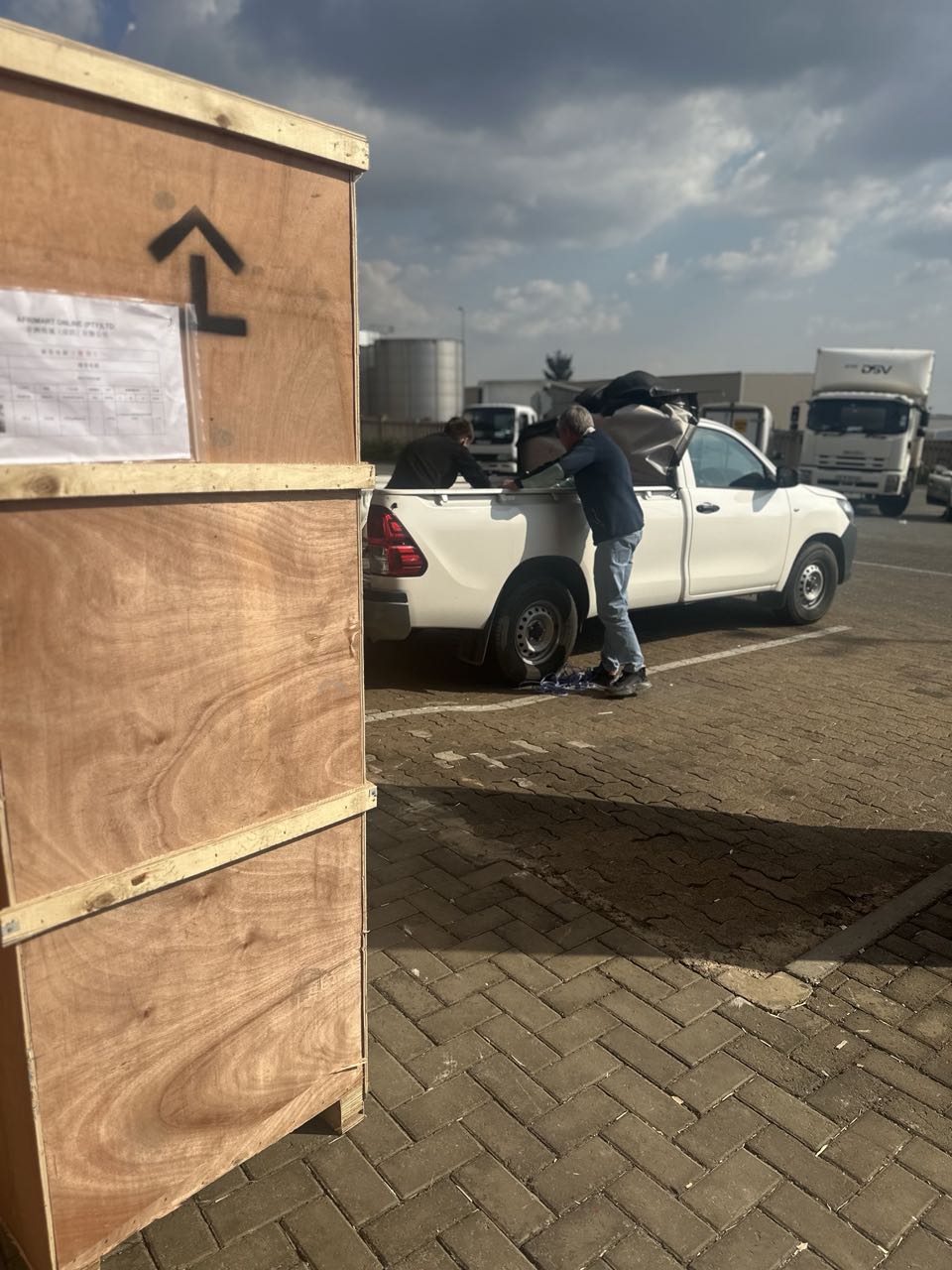
order collection
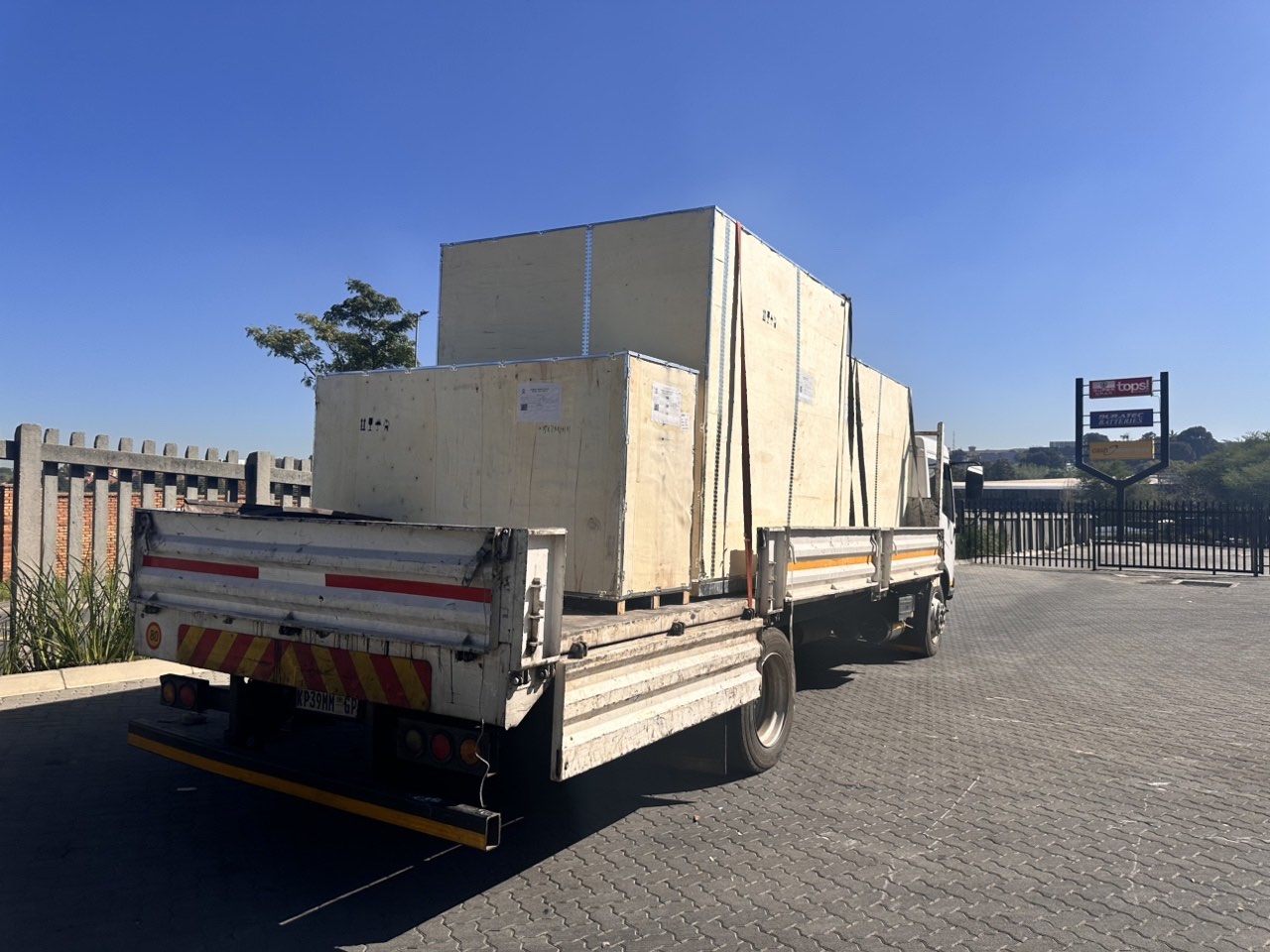
order offloading