B21, China Town Mall, Midrand

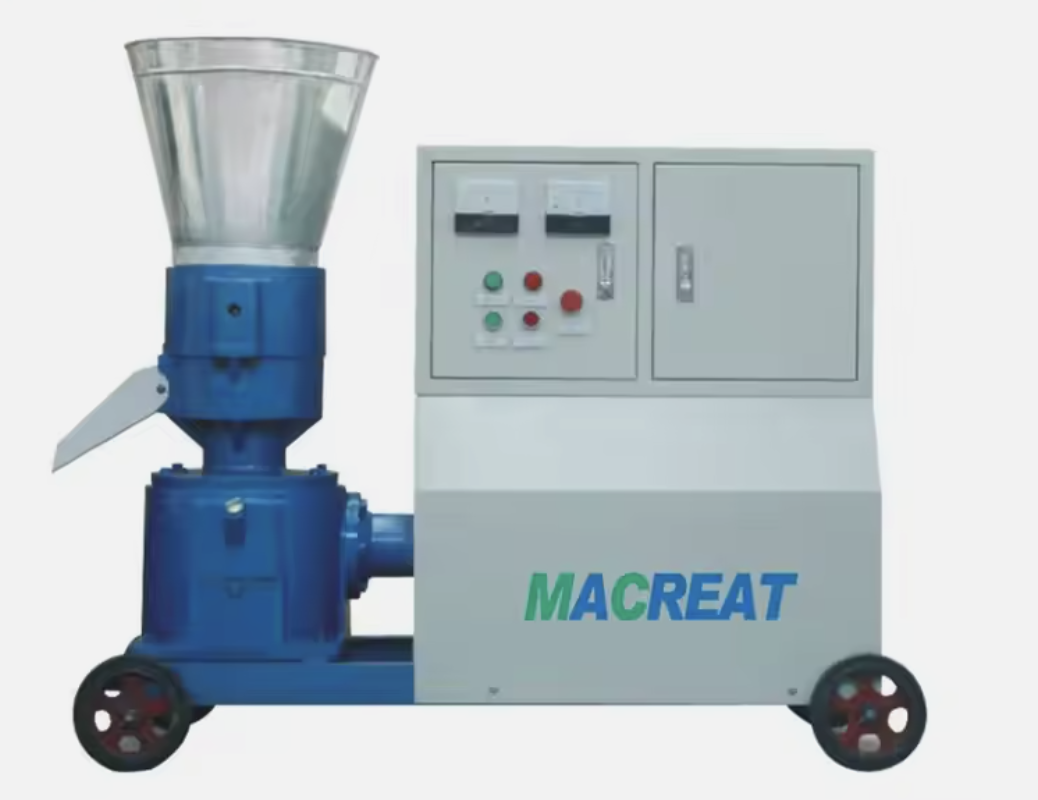
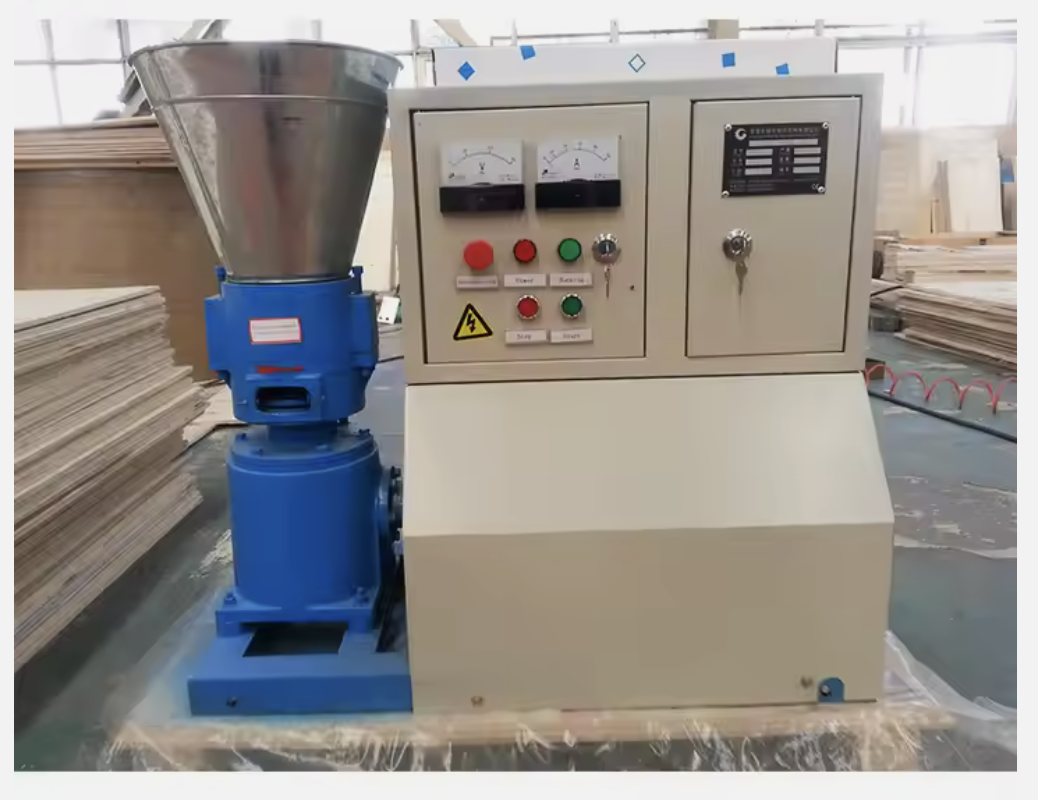
MACREAT Flat Die Pellet Machine Model: LDP150C

- Section : Machinery
- Category : Agriculture Machinery
- SKU : 1600548049722

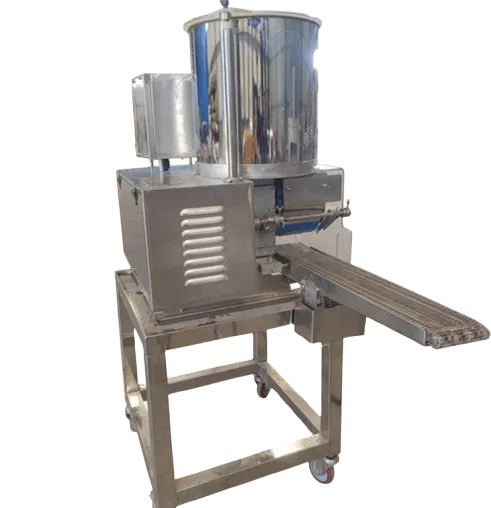
MACREAT Flat Die Pellet Machine
The MACREAT Flat Die Pellet Machine is a high-efficiency solution for producing sawdust pellets, ideal for various agricultural and industrial applications.
Key Features
High Productivity: Designed for optimal performance, this machine can produce between 60-110 kg of pellets per hour, making it a valuable asset for businesses.
Versatile Raw Material Use: Capable of processing a variety of materials, including sawdust, straw, rice husk, and wood waste, this machine caters to diverse production needs.
Compact Design: With dimensions of 1000480780 mm and a weight of 125 kg, it is easy to integrate into any workspace.
Adjustable Pellet Size: Produces pellets in sizes ranging from 2 to 12 mm, allowing for customization based on specific requirements.
Durable Construction: Built with high-quality materials, the machine offers longevity and reliability, backed by a warranty of over 5 years.
In summary, the MACREAT Flat Die Pellet Machine is an efficient and durable choice for anyone looking to produce sawdust pellets with high productivity and versatility.
Product Info Gallery


Flat Die Pellet Machine With Motor
● It is suitable for granulating a variety of biomass raw materials.
● Finely processed by grinding, smooth transmission, low noise, large carrying capacity, low temperature rise and long life.
● Moulds of various raw materials can be customized .


Flat Die Pellet Machine Materials:Sawdust,Rice Husk,Wood Chips,Straw etc.The flat die pellet machine is applied to the materials with low adhesiveness and low shaping rate such as the rice husk,sunflower seed husk,peanut shell and other fruit shell;branch,trunk,bark and other wood waste;a variety of corp straws,rubber,cement,ash and other chemical materials.

Biomass Pellet Mill Applications:Make Biomass Pellets,Biomass Industry,Burning,Making Wood Fuel etc.
This type of pellet mill is widely used in the biomass-energy fuels plant,wood processing plant,fertilizer plant,chemical plant etc,It is ideal pressing shaping equipment with low investment and high profit.
| Type | Power(kW) | Output(kg/h) | Weight(kg) | Package size (mm) |
| LDP150C | 5.5 | 60-110 | 105/125 | 1000×480×780 |
| LDP200C | 7.5 | 80-120 | 210/230 | 1050×550×830 |
| LDP260C | 15 | 160-250 | 340/370 | 1240×580×1000 |
| LDP300C | 22 | 250-400 | 425/465 | 1300×620×1100 |
Product Details

- Shipping Timeframes: All orders are processed within 2-5 business days (excluding weekends and holidays). After your order has been processed, the estimated delivery time is before 25 Jun, 2026, depending on customs, Please note that due to high demand, some items may experience longer shipping times, which will be communicated at order confirmation email.
- Order Processing Time: Please allow 2-5 business days for us to process your order before it is shipped . Orders placed after 16:00 on Fridays, or during weekends and public holidays, will begin processing on the next business day. Processing times may be extended during peak seasons or sales events.
- Manufacturing Time: Some products needs manufacturing time, the manufacturing process will take approximately 10-30 business days depending on the product. This timeframe may vary depending on the complexity of the product and current demand. but this will be communicated with you during order confirmation.
- Returns and Exchanges: We offer a 30-day return policy for most items. If you are not completely satisfied with your purchase, you may return it within 30 days of receipt for a refund or exchange. Items must be unused, in their original packaging, and accompanied by proof of purchase. Return shipping costs are the responsibility of the customer, unless the item was damaged or defective upon arrival.
1. What is the MACREAT Flat Die Pellet Machine used for?
The MACREAT Flat Die Pellet Machine is used to produce biomass pellets from materials such as sawdust, straw, rice husk, wood chips and other wood waste. It is commonly applied for making biomass fuel pellets for heating, industrial burning, wood-fuel production and use in wood processing, fertilizer and chemical plants.
2. What models and outputs are available?
There are multiple models. Typical model data: LDP150C (5.5 kW) — 60–110 kg/h; LDP200C (7.5 kW) — 80–120 kg/h; LDP260C (15 kW) — 160–250 kg/h; LDP300C (22 kW) — 225–400 kg/h. Choose a model based on your desired hourly production.
3. What pellet sizes can this machine produce?
The machine can produce pellets with diameters adjustable between 2 mm and 12 mm to meet different application requirements.
4. What raw materials can be processed?
It can process a wide variety of low-adhesiveness biomass and low-shaping-rate materials including sawdust, rice husk, wood chips, straw, peanut shells, sunflower seed husk, bark and other agricultural and wood wastes. It can also work with some chemical materials like ash or cement additives where applicable.
5. What are the machine dimensions, weight and packaging?
The compact footprint for smaller units is around 1000 × 480 × 780 mm. Weight and package size vary by model (for example LDP150C package: 1000×480×780 mm with machine weight around 105–125 kg). Check the specific model spec sheet for exact shipping dimensions and weight.
6. What power supply is required?
Power requirements depend on model: LDP150C is 5.5 kW, LDP200C is 7.5 kW, LDP260C is 15 kW and LDP300C is 22 kW. Ensure your site electrical supply matches the chosen model and complies with local electrical codes.
7. How durable is the machine and what warranty is provided?
The machine is built from high-quality materials for longevity and reliable operation. MACREAT provides a warranty period of over 5 years. Warranty terms and coverage details should be confirmed at purchase.
8. Can the die and rollers be customized or replaced?
Yes. Moulds (dies) of various sizes and configurations can be customized to suit different raw materials and pellet size requirements. Wear parts like dies and rollers are replaceable; spare parts availability should be confirmed with the supplier.
9. What pre-processing is recommended for raw materials?
Raw materials should be finely ground or milled and have an appropriate moisture content for pelleting. Typical recommended moisture content is in the general biomass range (around 10–20%, with many operations targeting ~12–15% for optimal pellet quality). Remove large contaminants or stones before feeding.
10. How do I operate the machine (basic steps)?
Basic steps: prepare and pre-process raw material to the right size and moisture; start the grinder/feeder (if separate); switch on the pellet machine and allow it to reach operating speed; feed material steadily into the hopper; monitor pellet formation and adjust die/roller clearances or feed rate as needed; collect pellets and cool/dry if required.
11. What maintenance is required?
Regular maintenance includes cleaning the machine and hopper, checking and lubricating bearings and moving parts, inspecting dies and rollers for wear, tightening fasteners, and replacing worn parts promptly. Follow the manufacturer's maintenance schedule and safety instructions to maximize service life.
12. Is the machine noisy or does it generate high temperatures?
The unit is designed for smooth transmission and low noise with low temperature rise during operation. Actual noise and temperature depend on model, load and operating conditions; use appropriate PPE and ventilation as required.
13. What are the typical applications for the pellets produced?
Produced pellets are primarily used as biomass fuel for heating, industrial boilers and wood-fuel applications. They can also be used in biomass-energy plants, wood processing operations and as feedstock in certain fertilizer or chemical processes (depending on material).
14. How do I choose the right model for my needs?
Select a model based on your target hourly output, available power supply, and the type of raw material you will process. For small-scale or pilot production, the LDP150C (60–110 kg/h) may be suitable; larger operations should consider LDP260C or LDP300C. Contact the supplier with your material type and production goals for a tailored recommendation.
15. What safety features or precautions should I be aware of?
Operate the machine with proper training, keep guards in place, disconnect power before maintenance, avoid overfeeding, and use appropriate PPE (gloves, eye protection, hearing protection). Ensure machine grounding and compliance with local electrical/safety regulations. Verify whether emergency stop and overload protection are included on the purchased model.
Latest Order Arrivals
Discover our latest orders
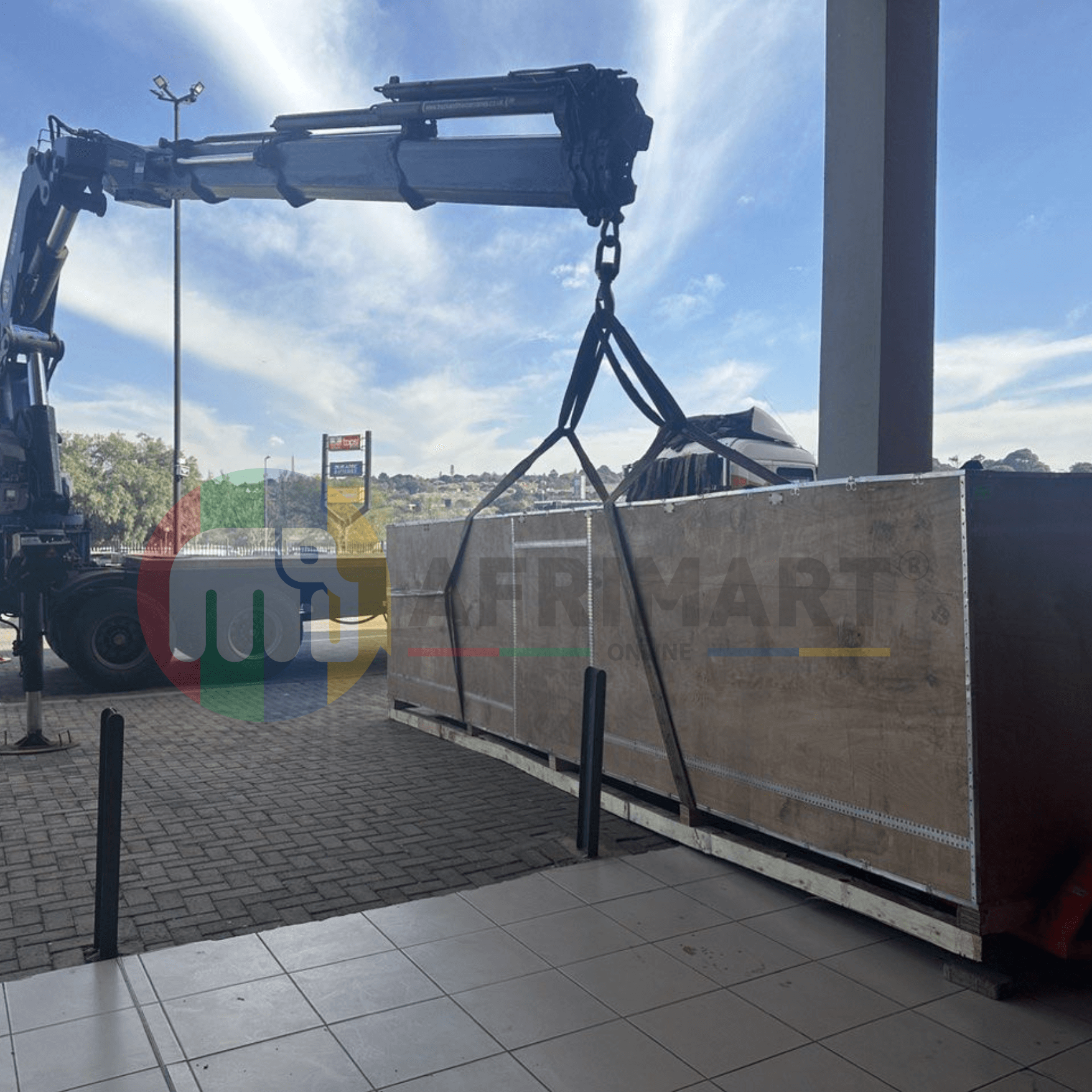
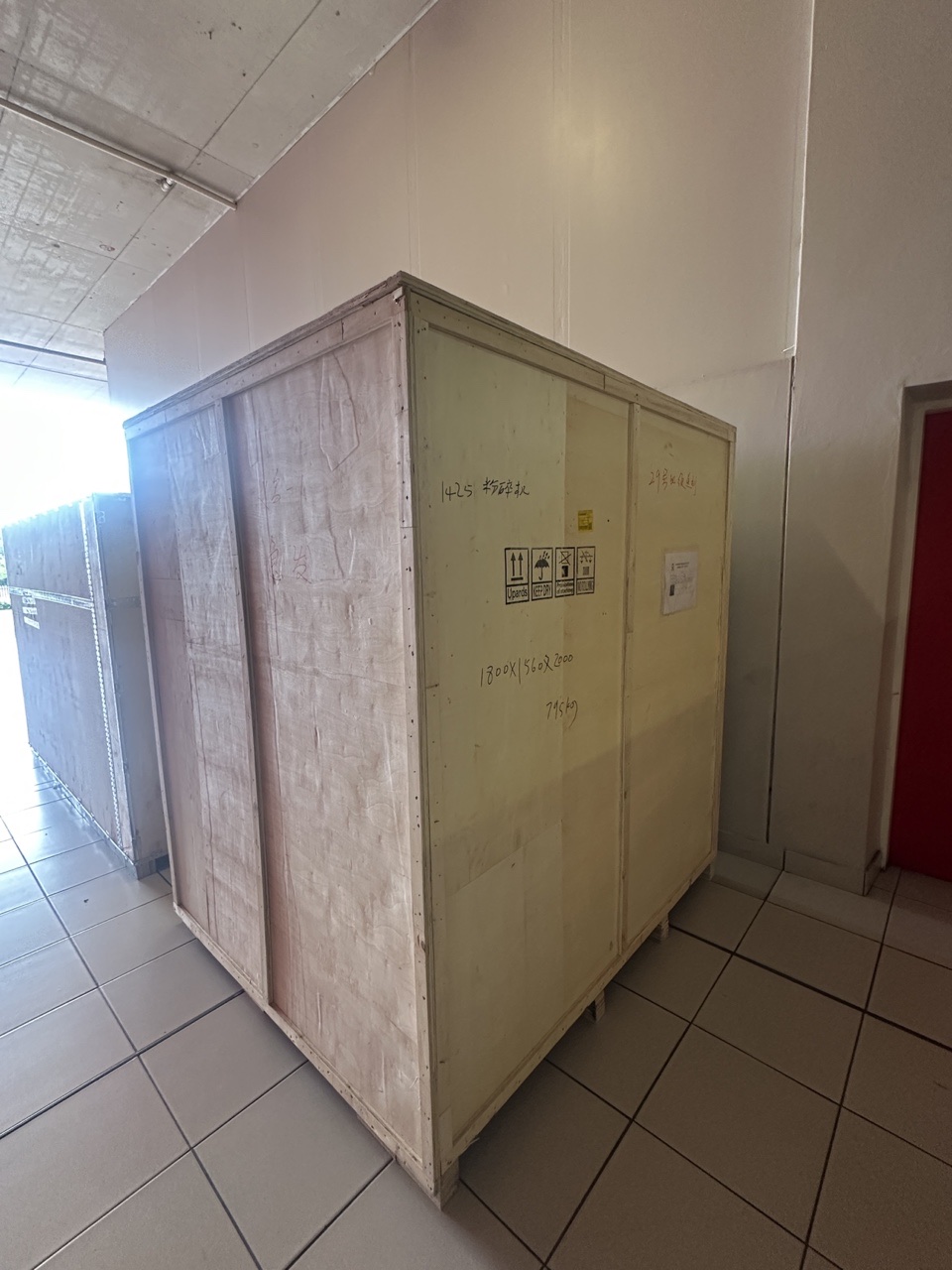
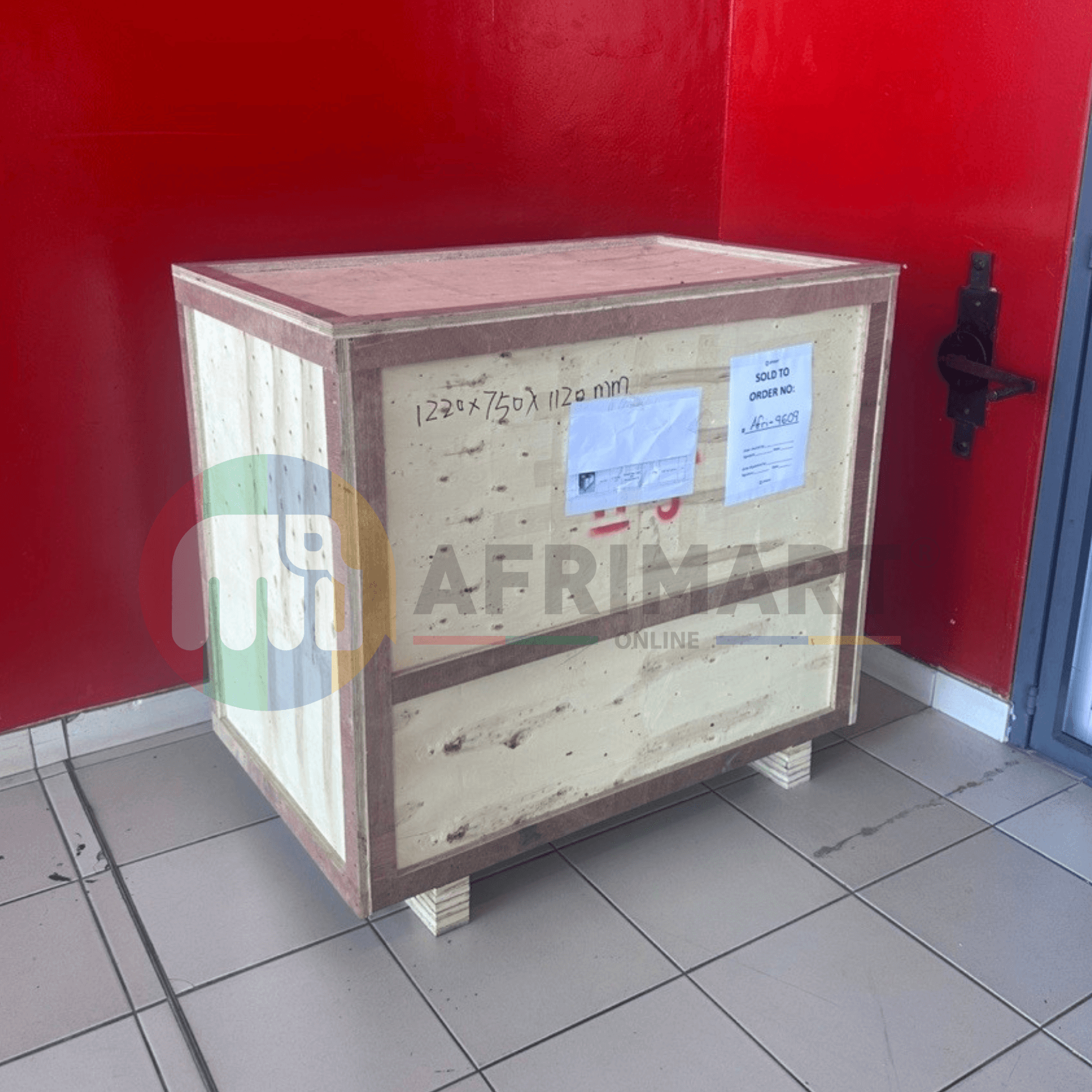
12 Heads Embroidery Machine
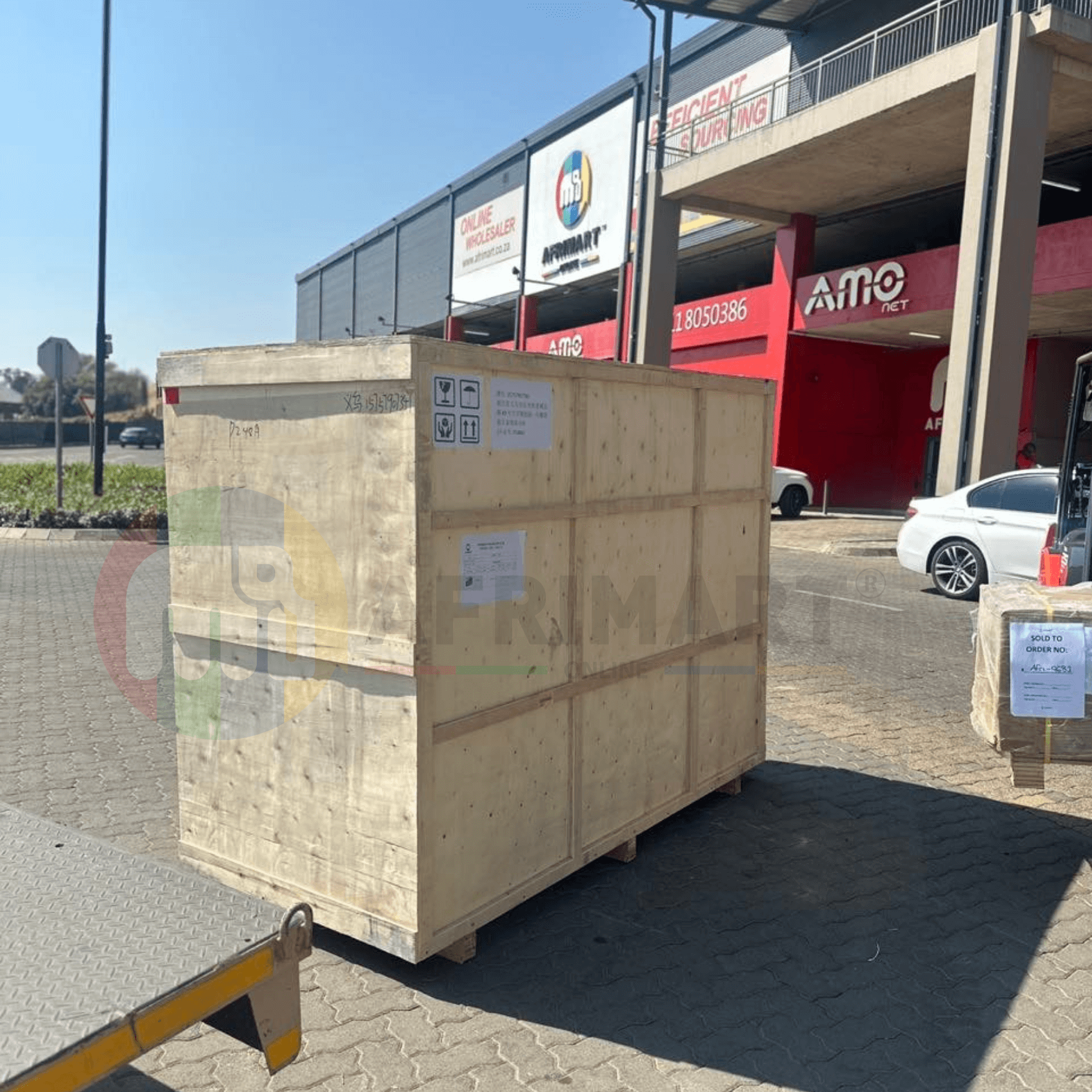
Dewatering Pump Machine
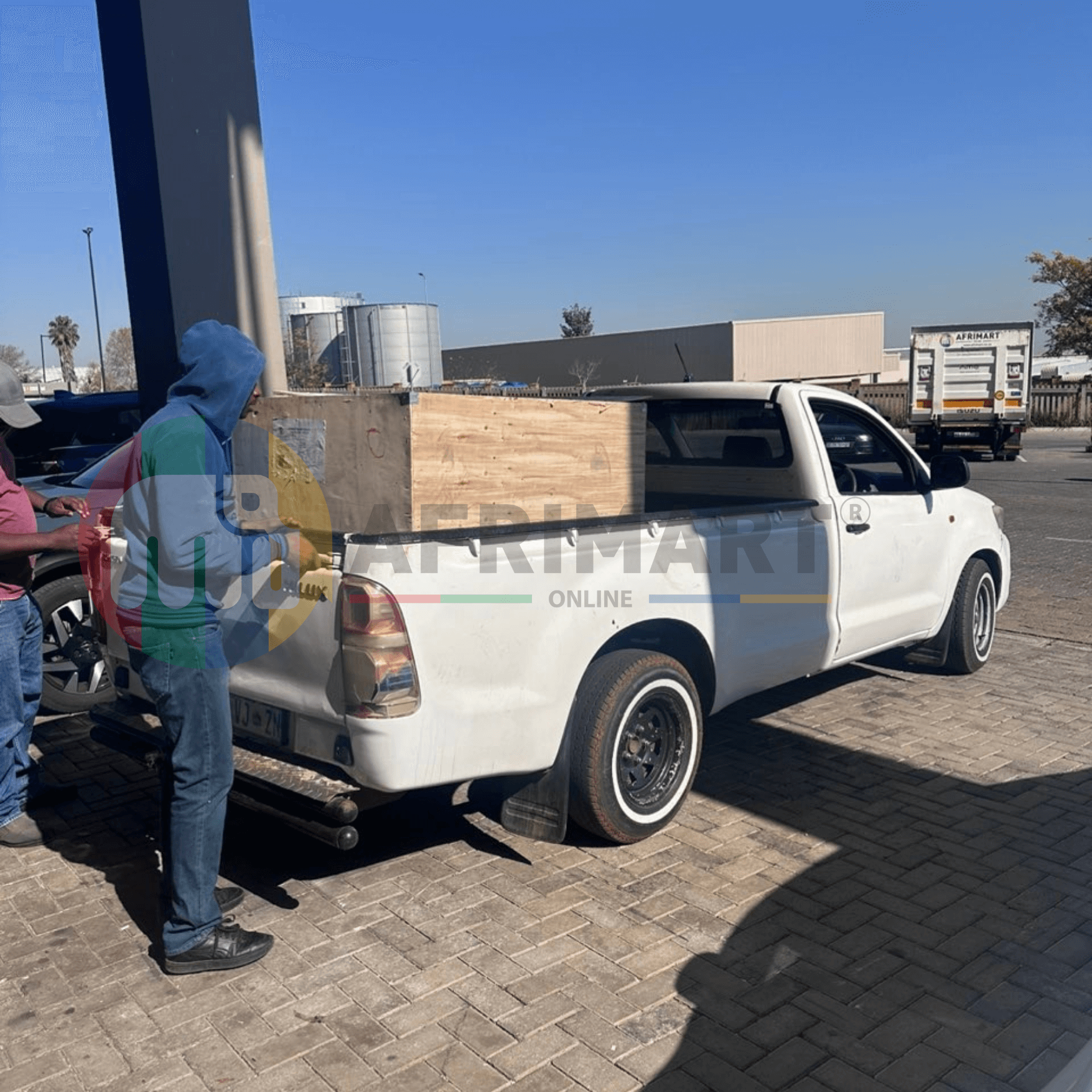
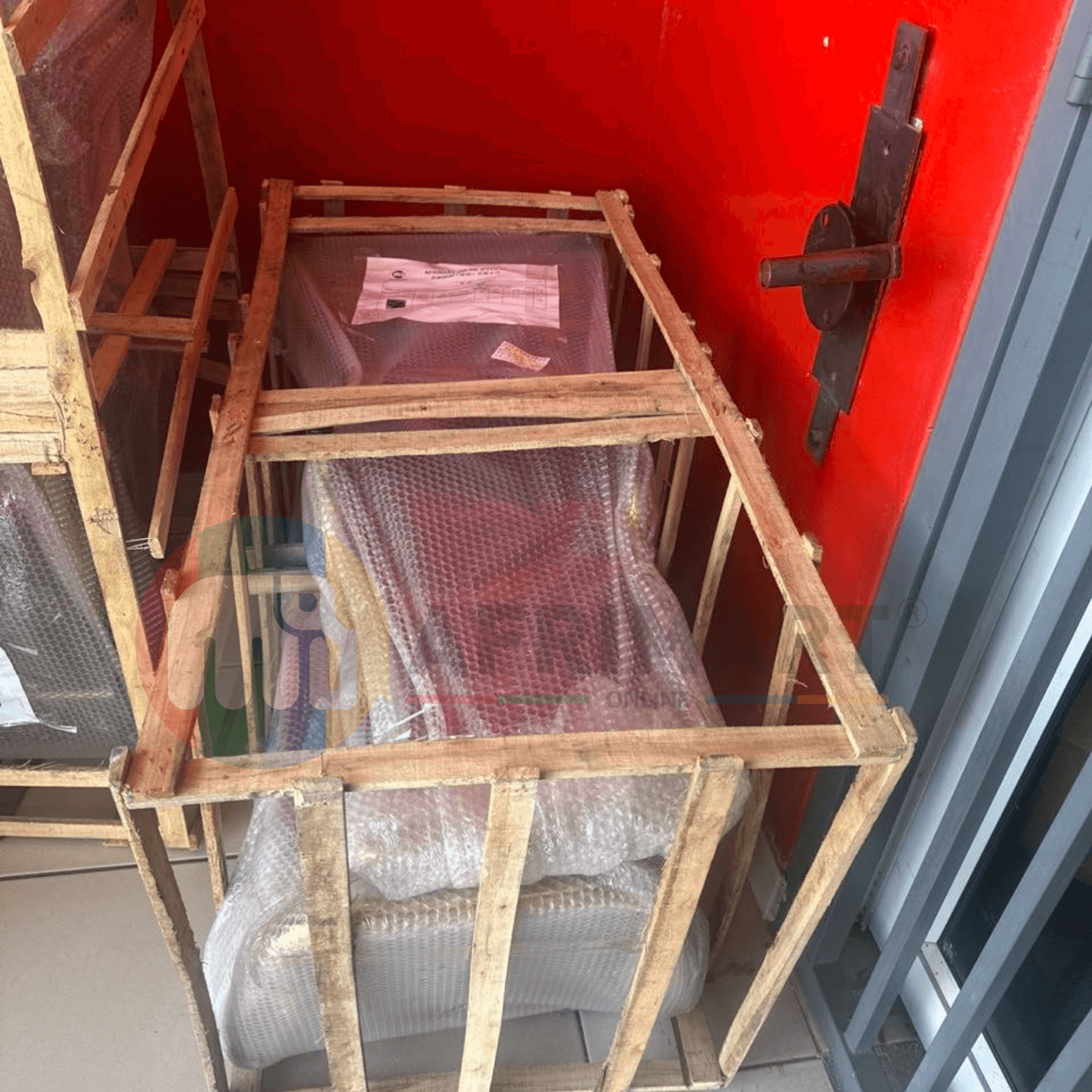
Order Collection
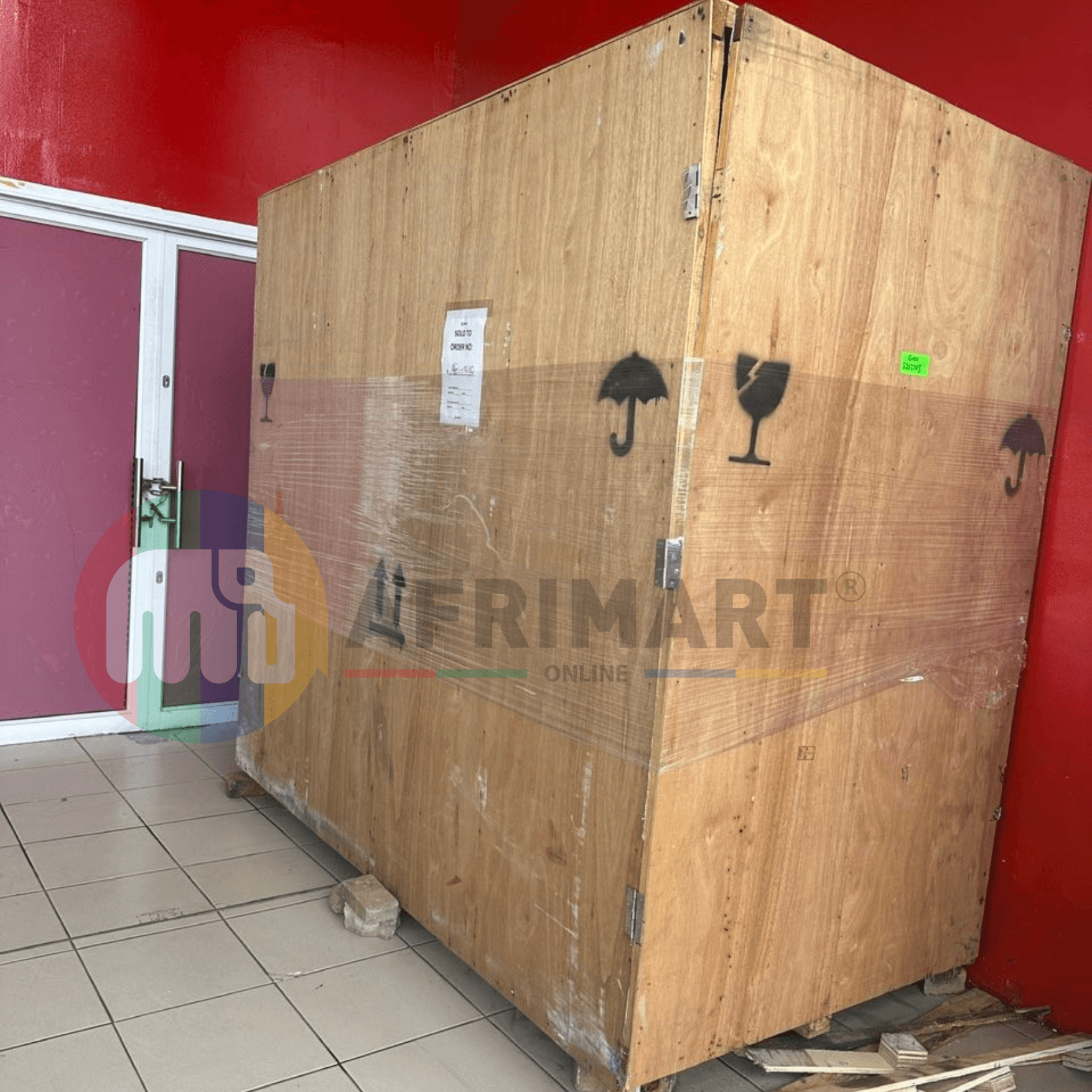
Portable Water Drilling Rig
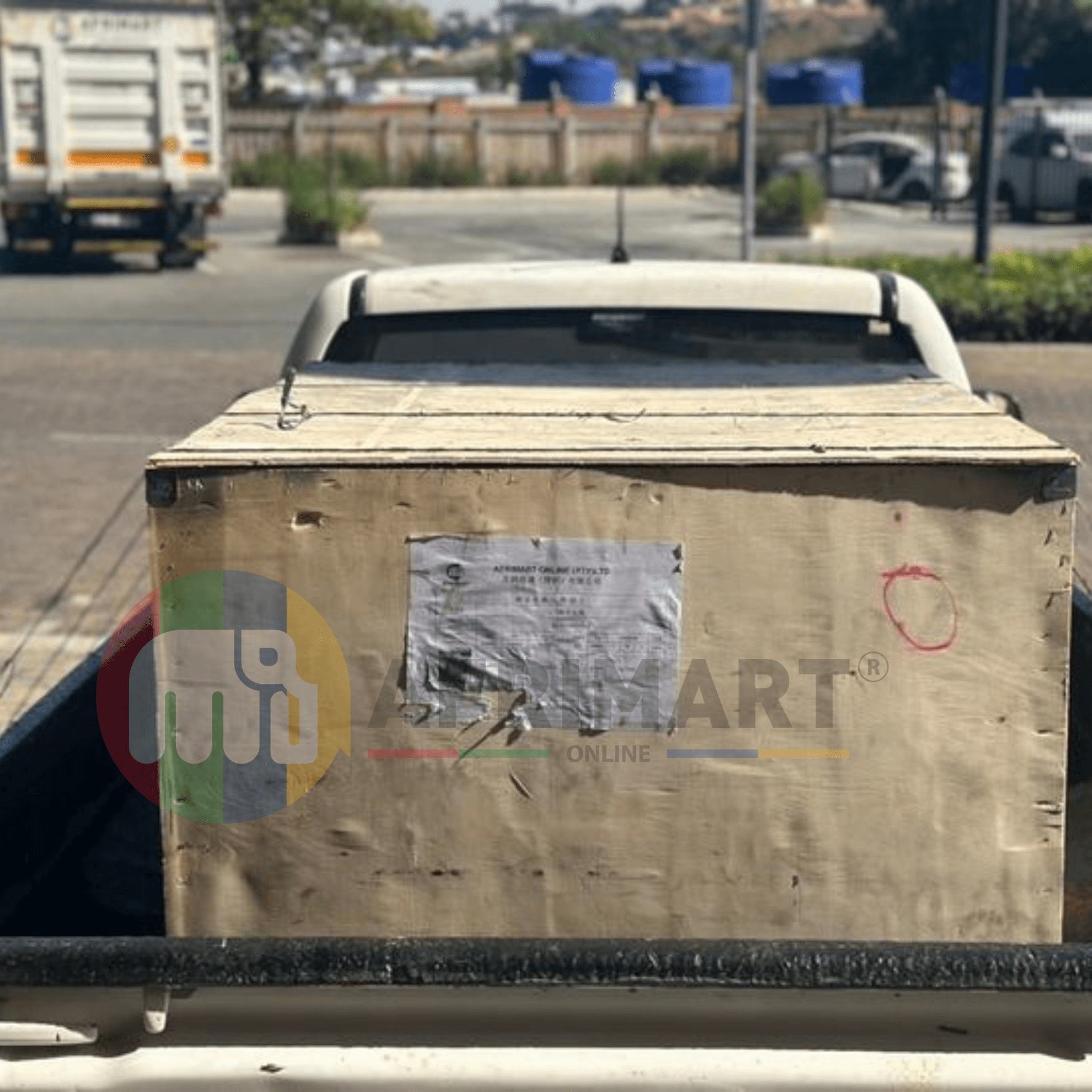
Order Usefully Collected
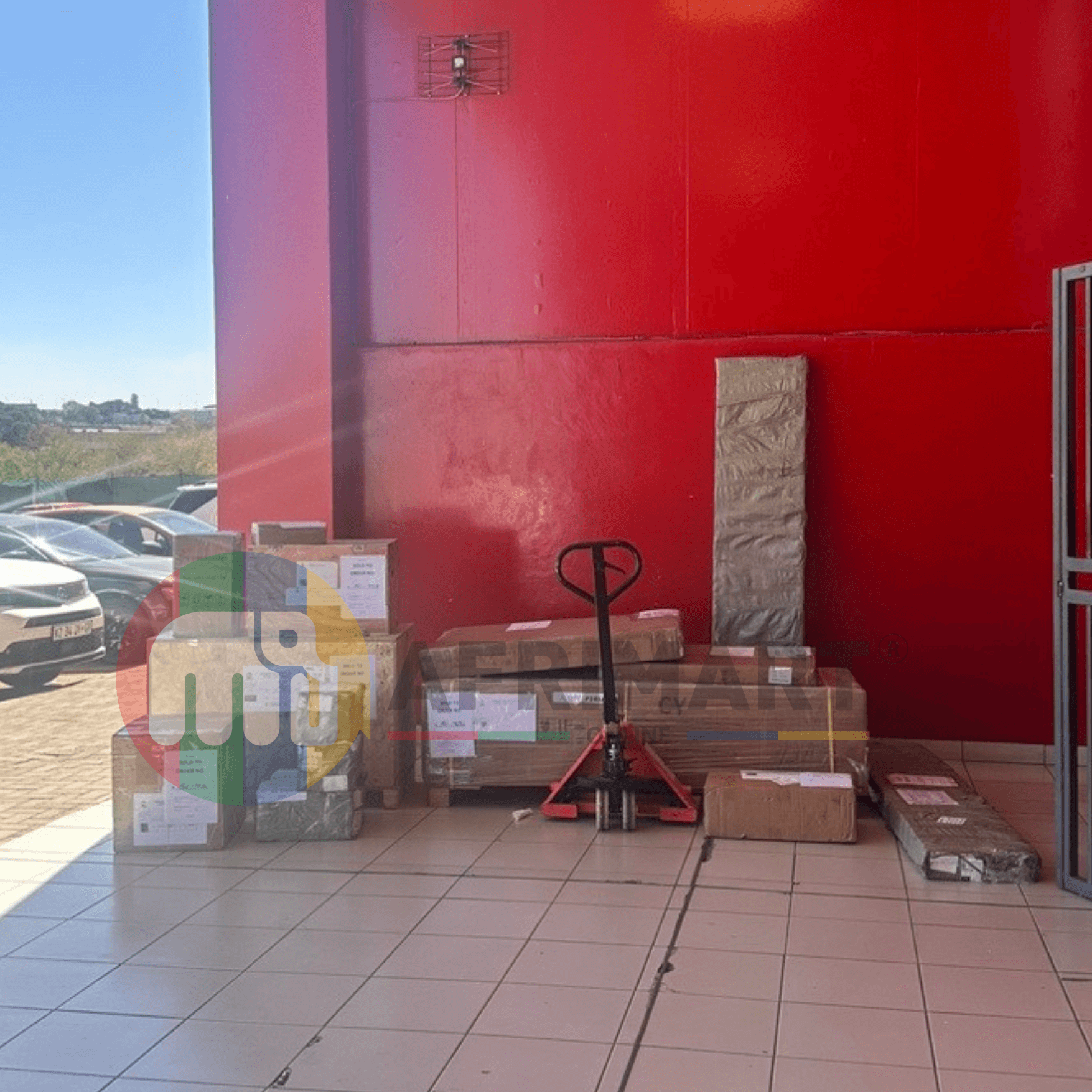
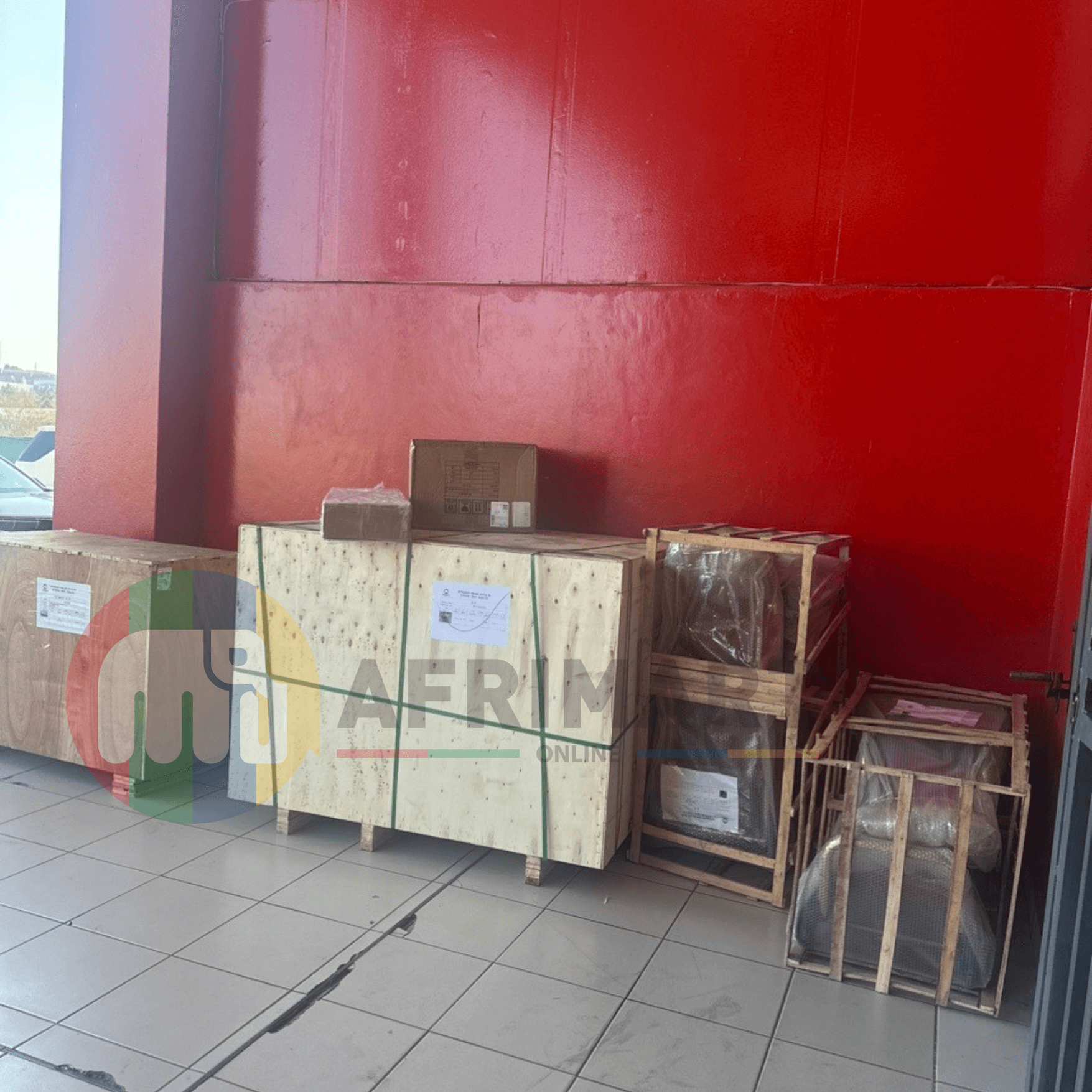
Batch of Orders
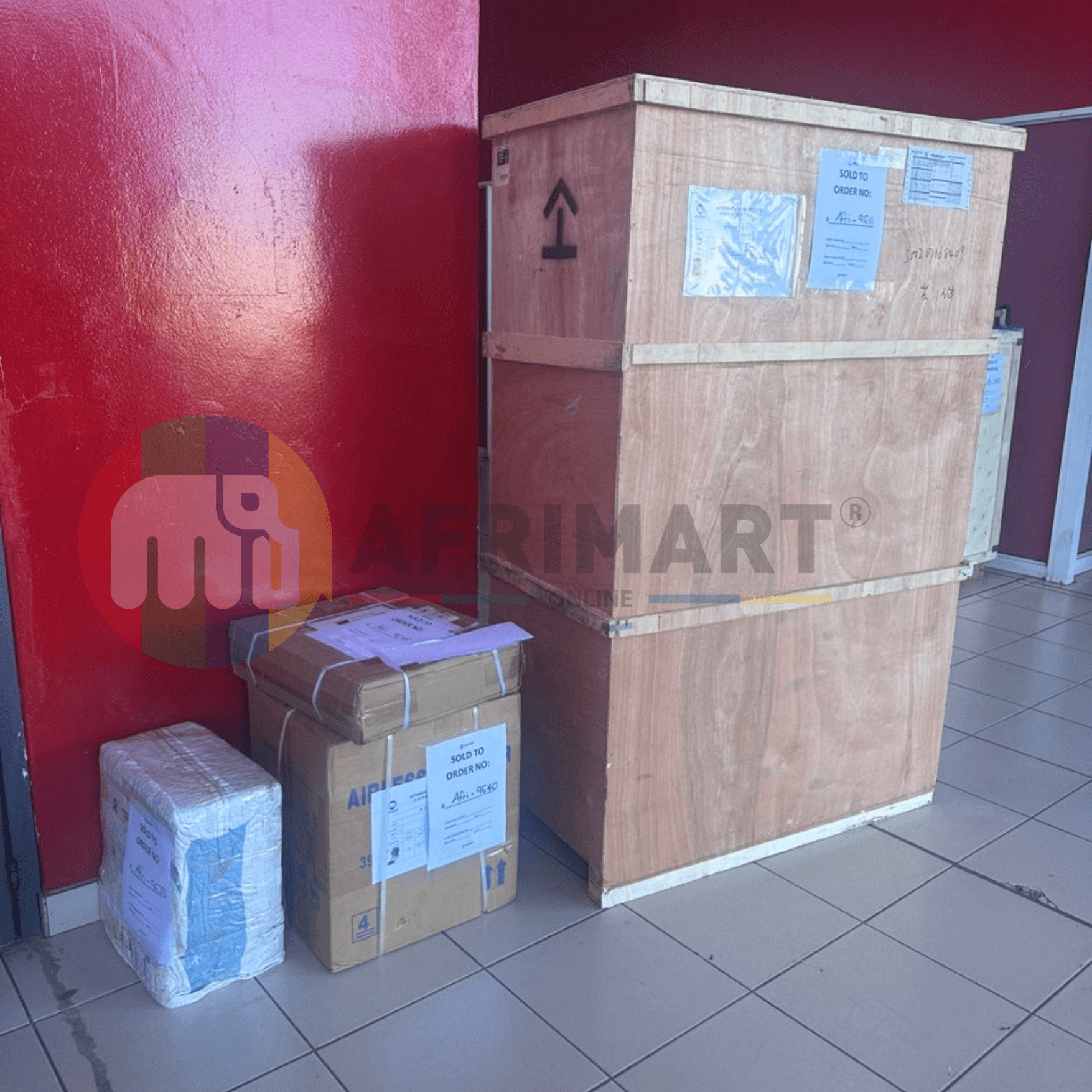
Agriculture Processing Machines
Meat Grinder Machine
Water Pump Equipment
Packaging Machine and accessories
Fabrics Manufacturing Equipment
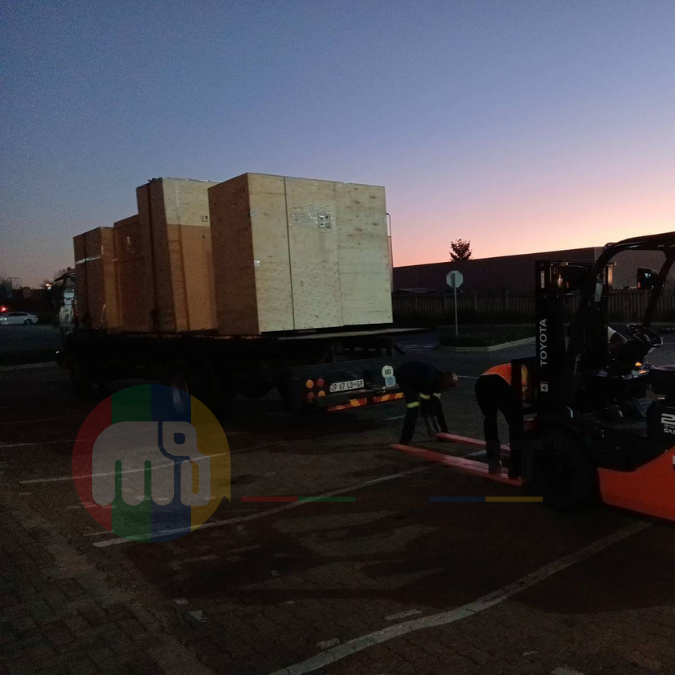
Mining Equipments
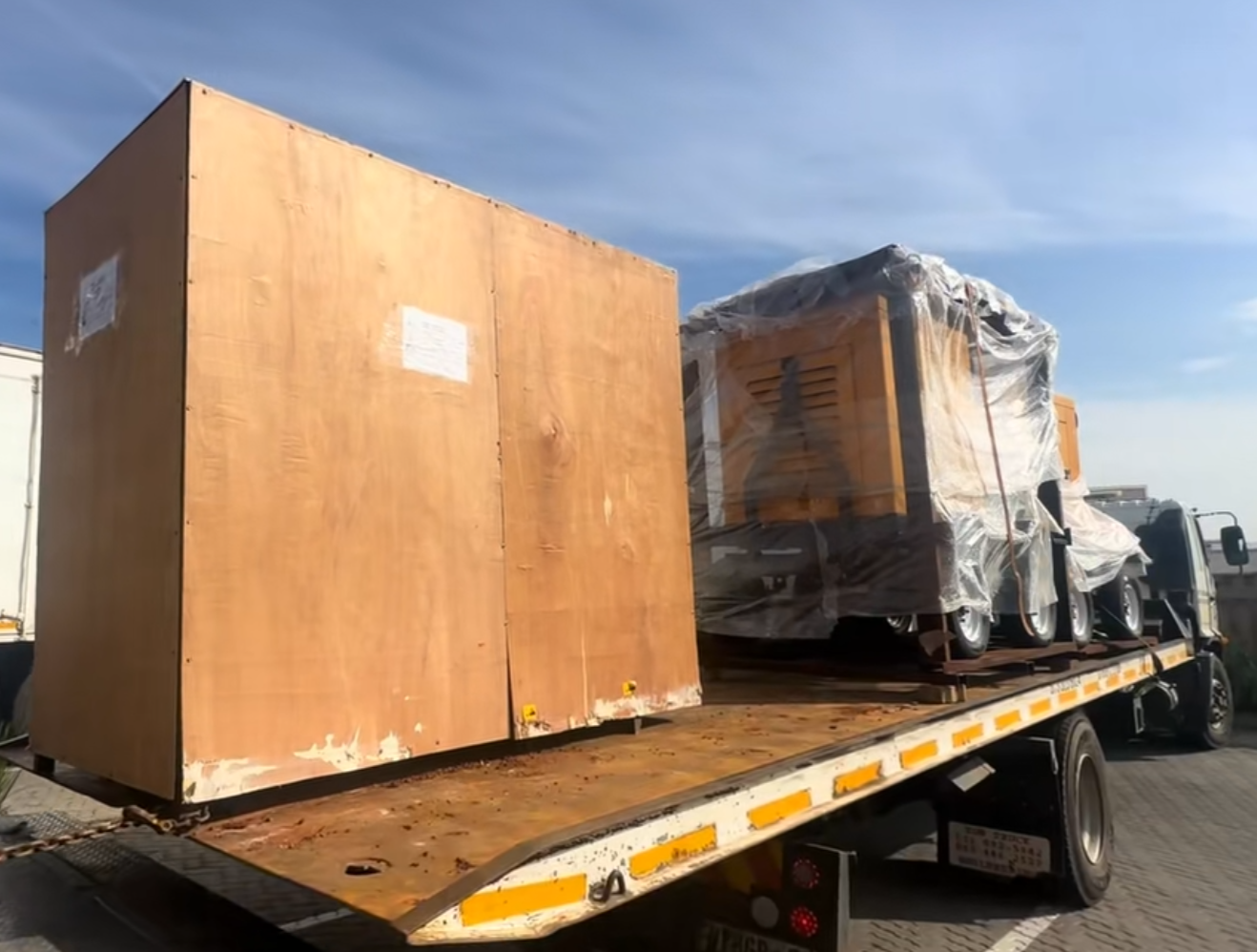
Food Processing Machine
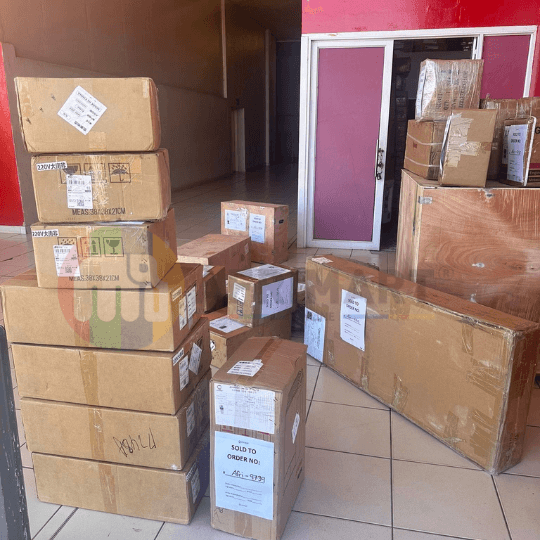
Batch of Orders
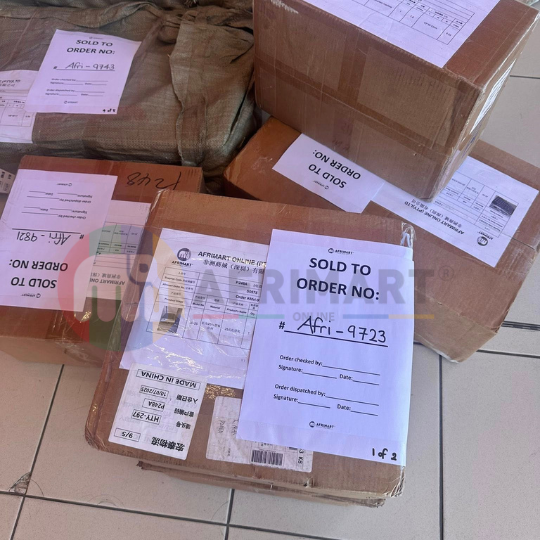
Batch of Orders
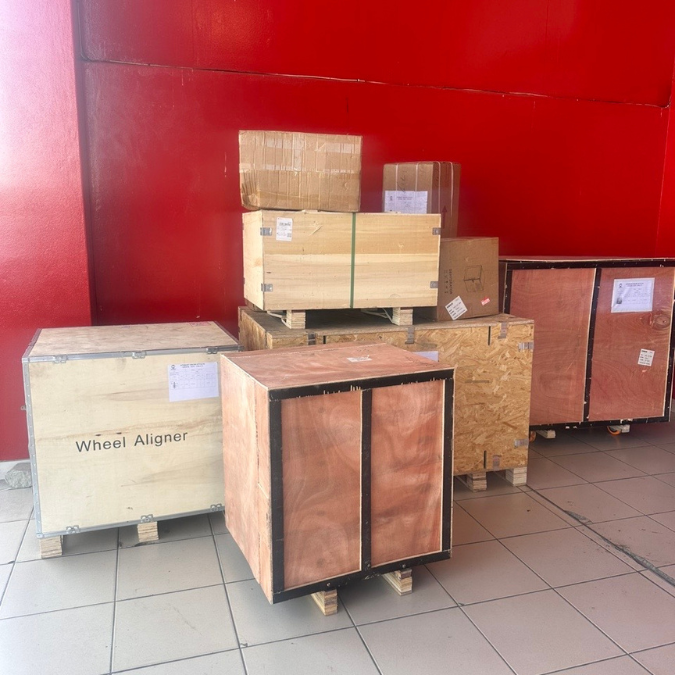
Latest Orders Labelled
wheel alignment machines
new arrivals
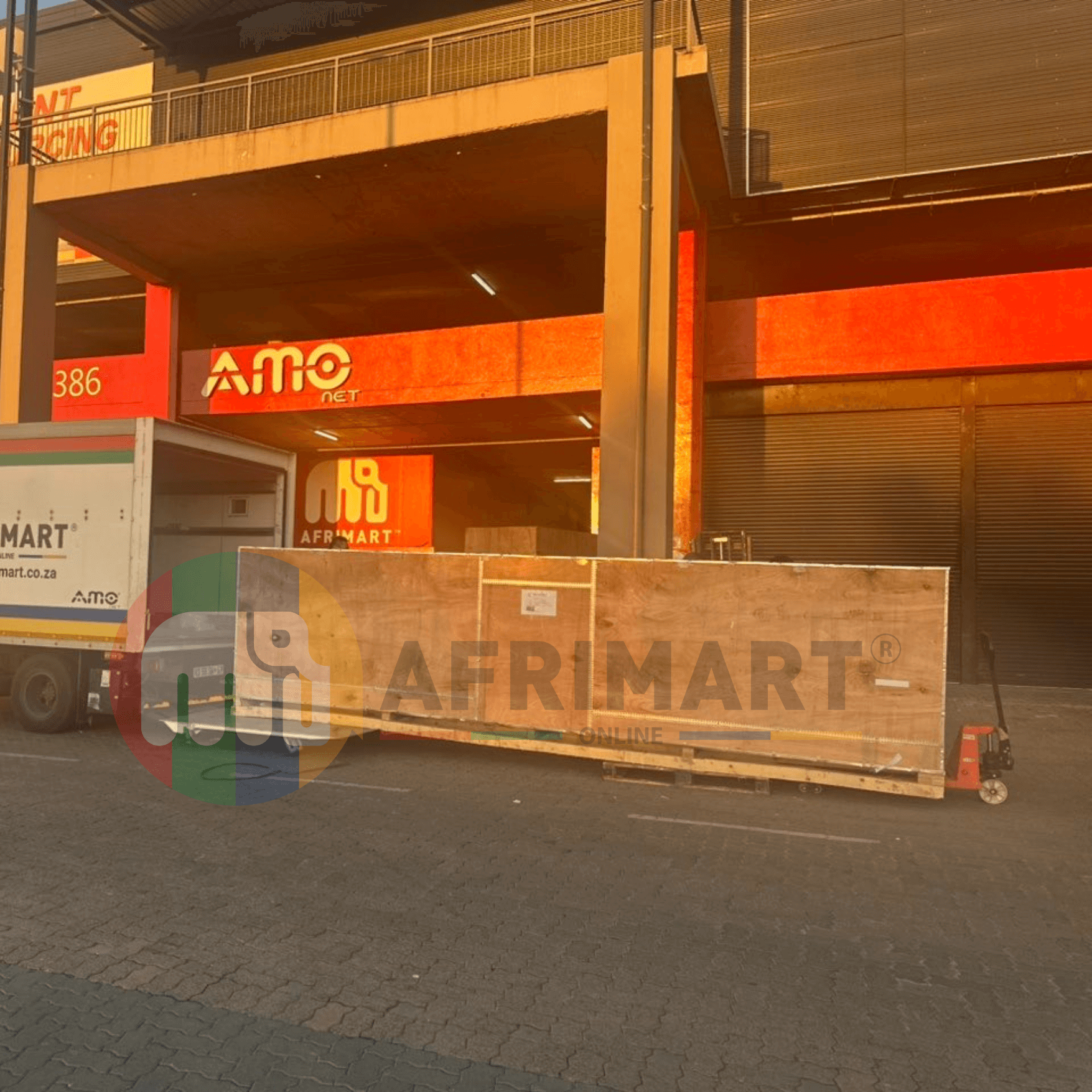
Pre Orders Offloading
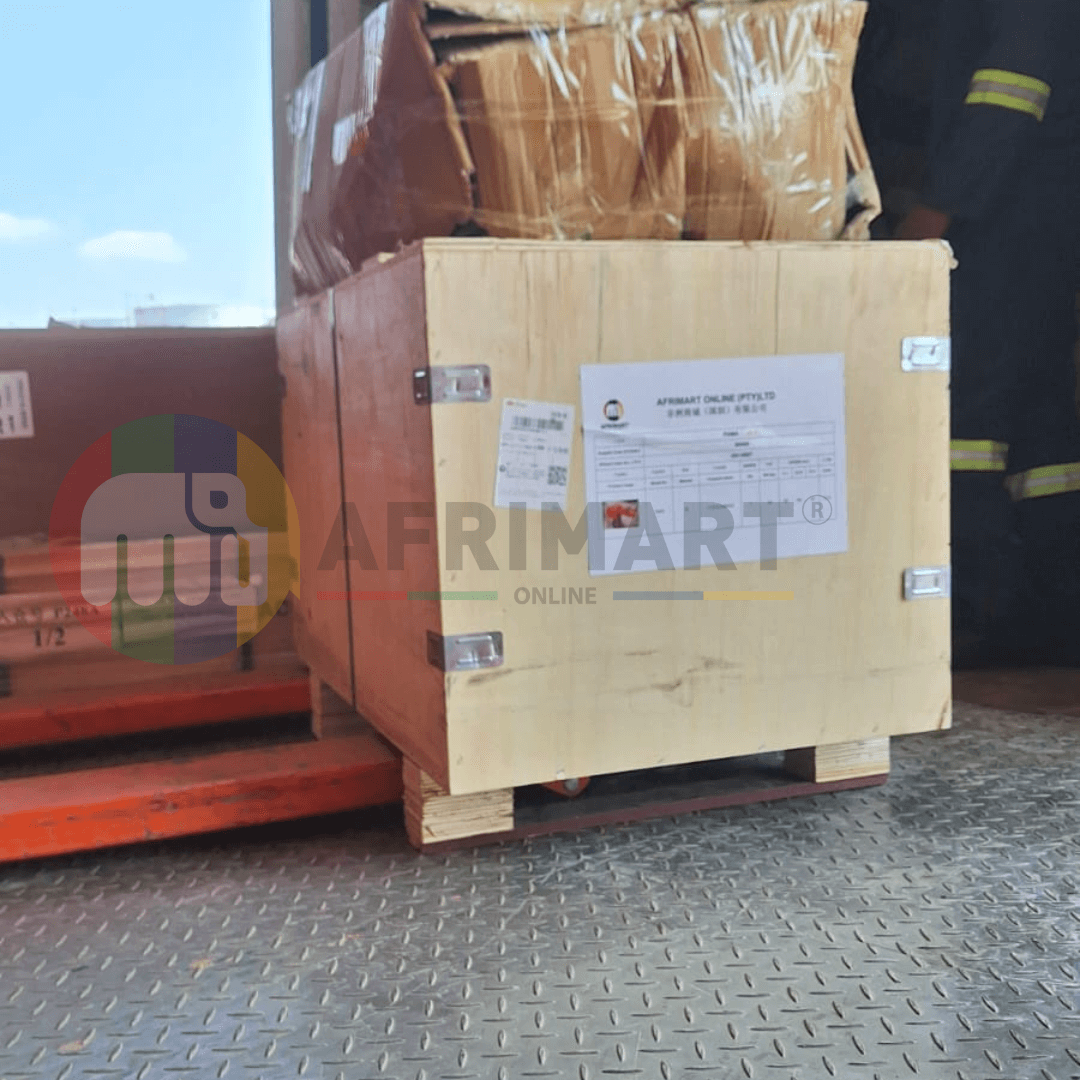
Latest Arrivals
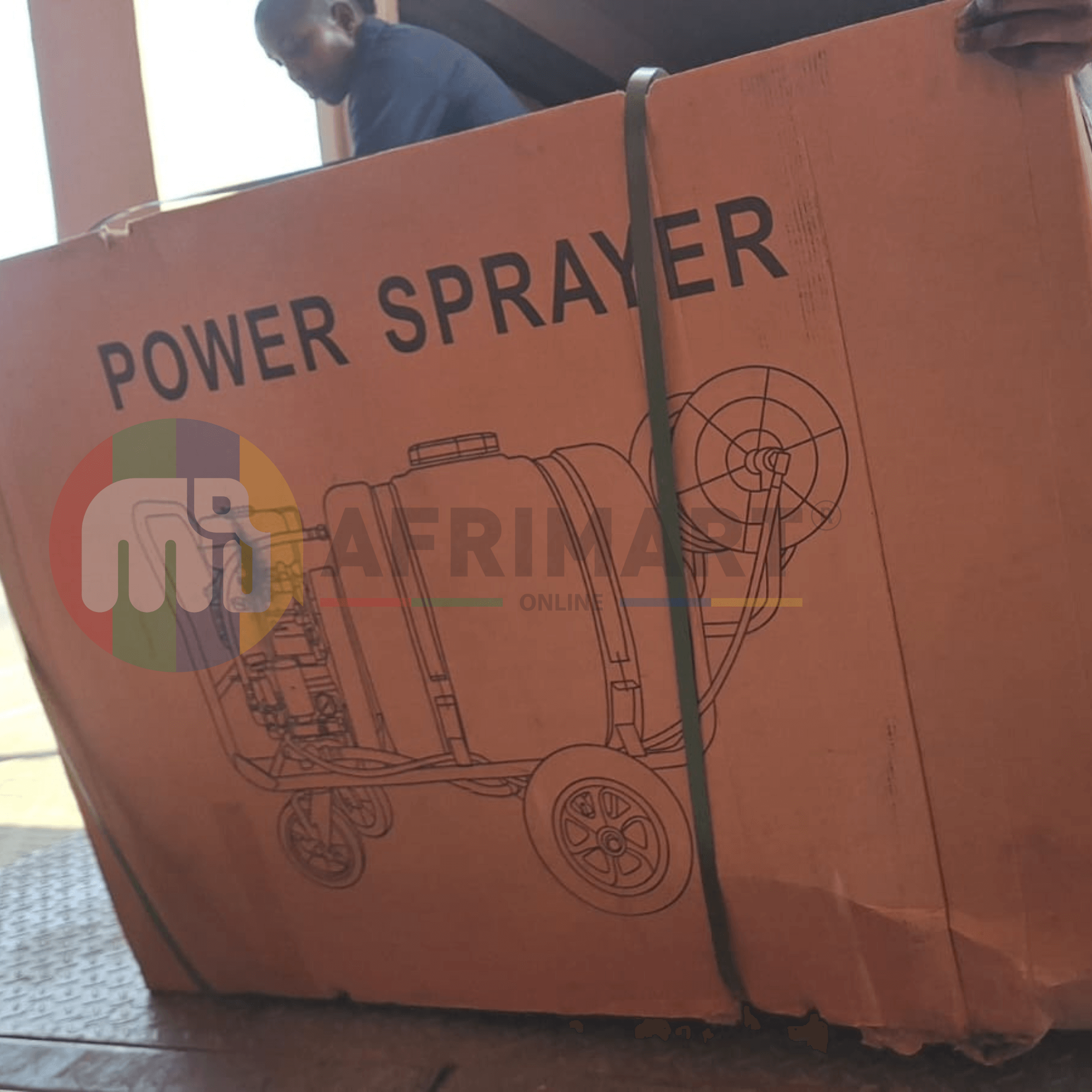
Latest Arrivals
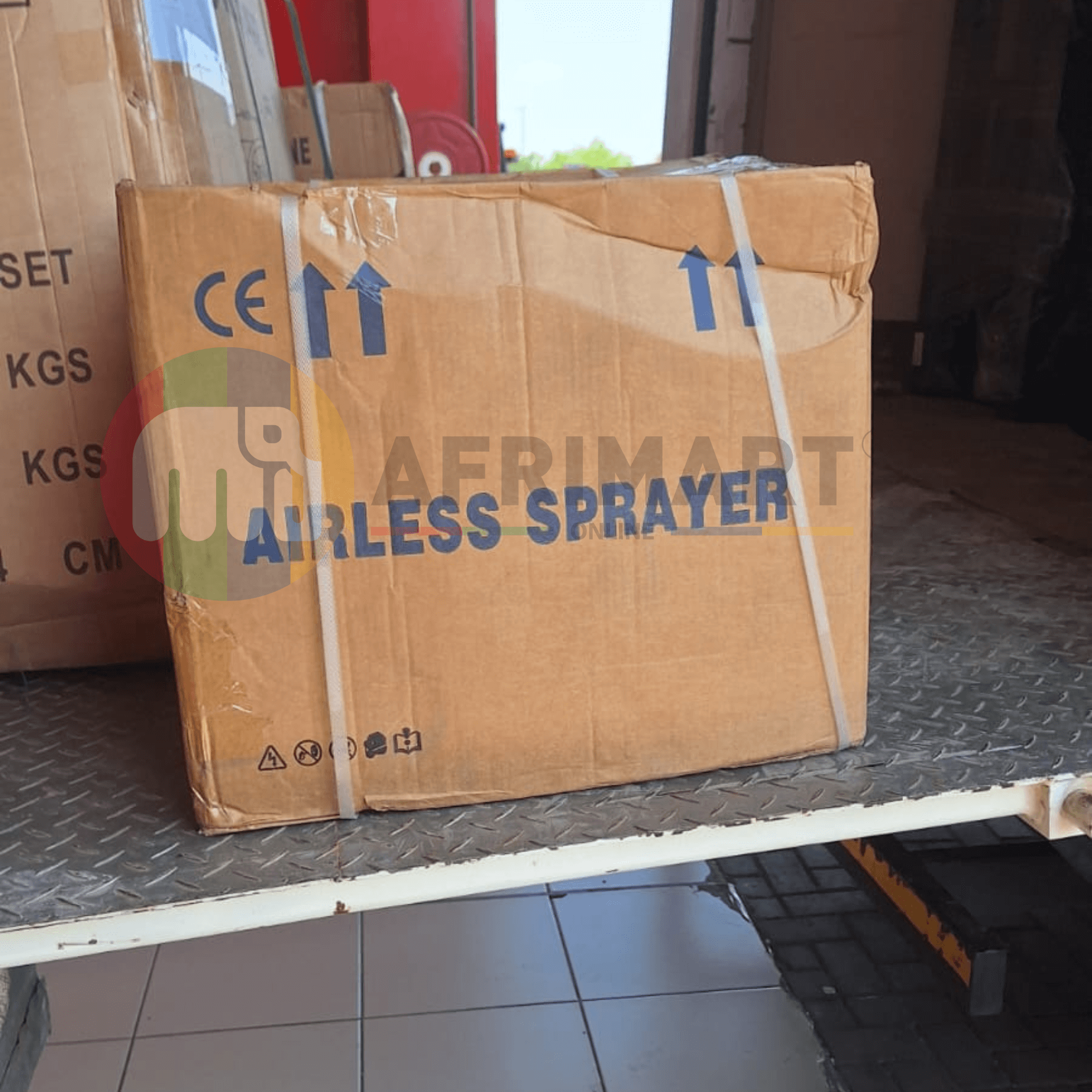
Latest Arrivals
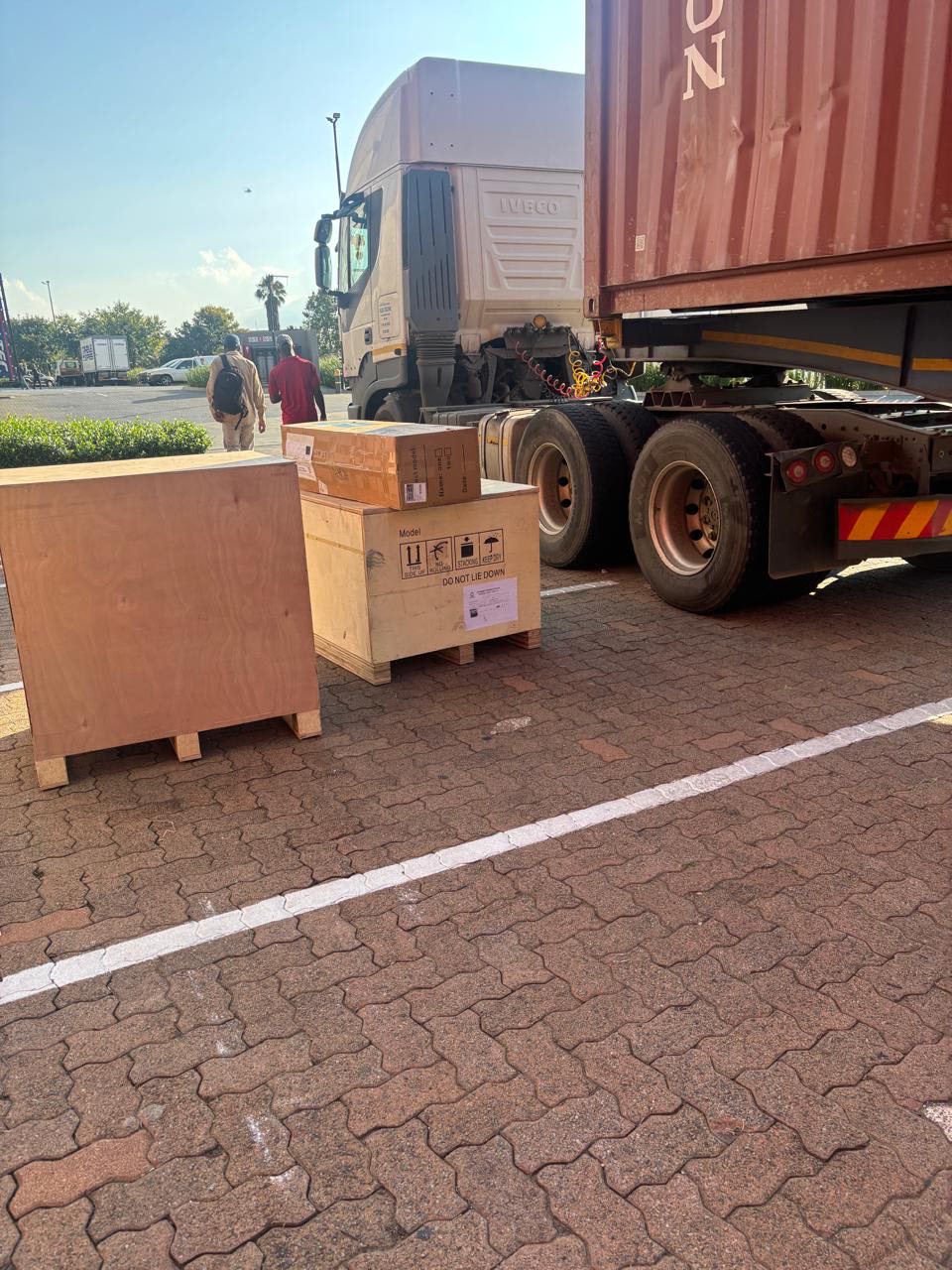
26 January 2026
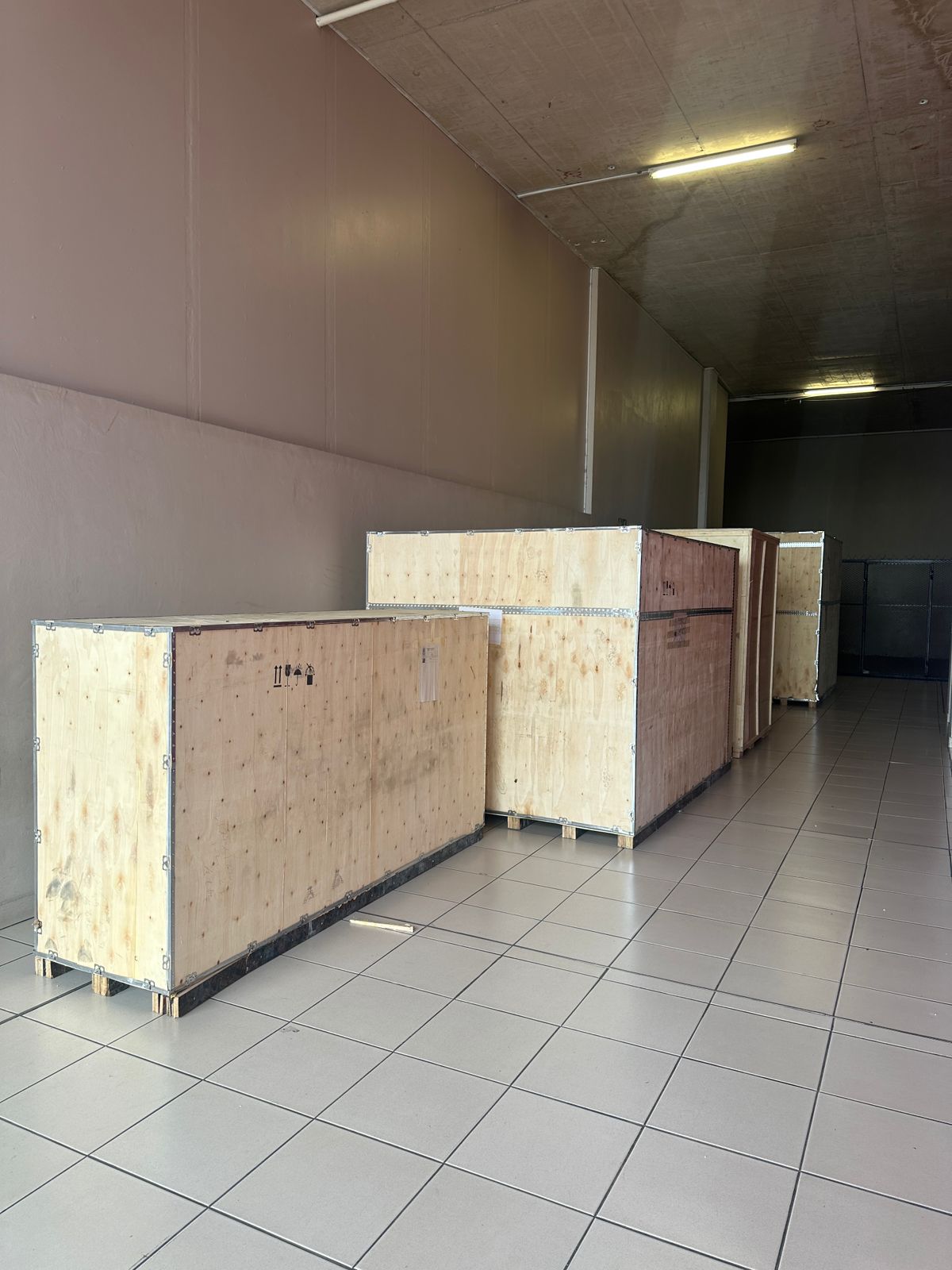
Toilet paper making machine
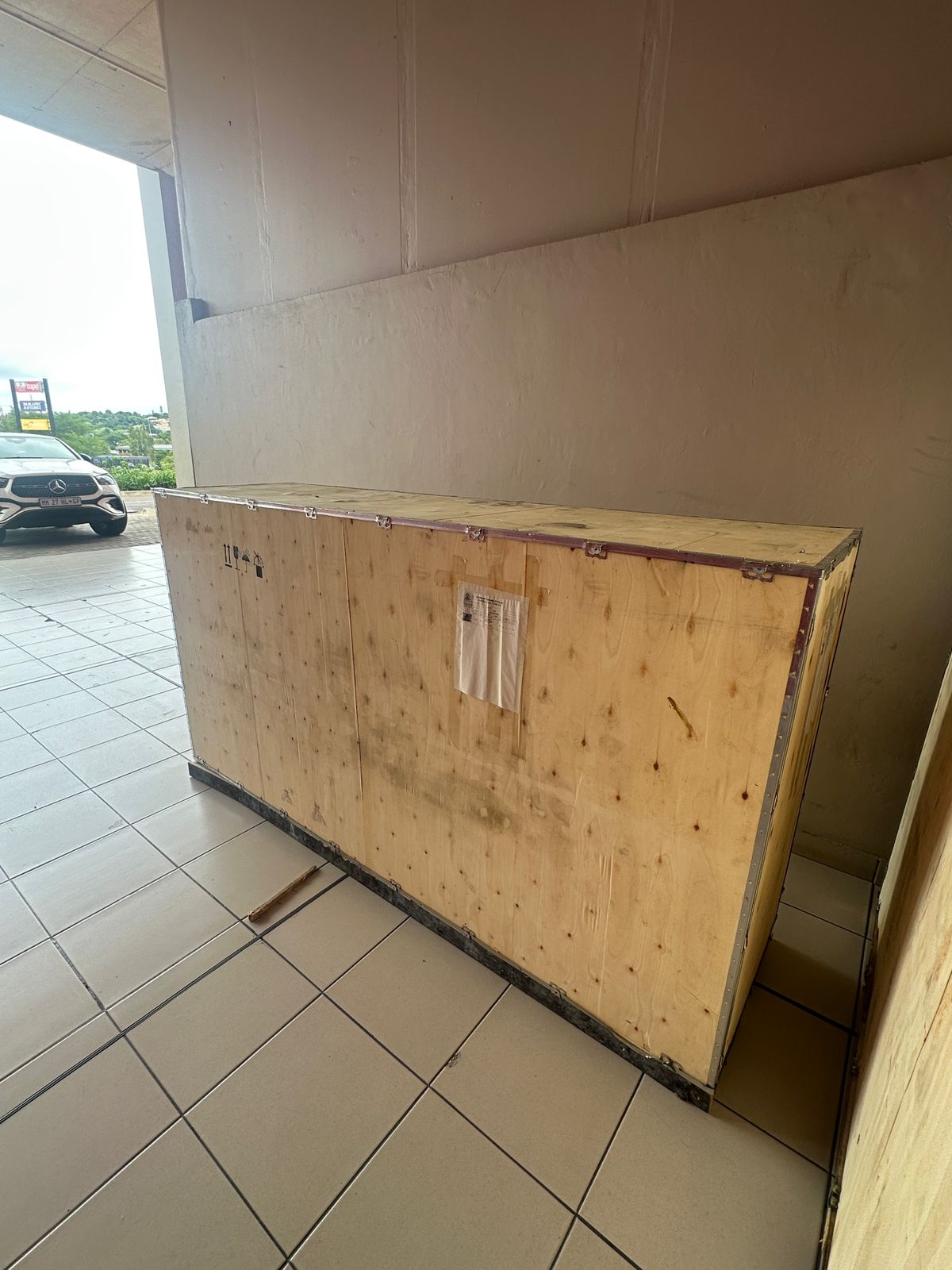
Toilet paper making machine
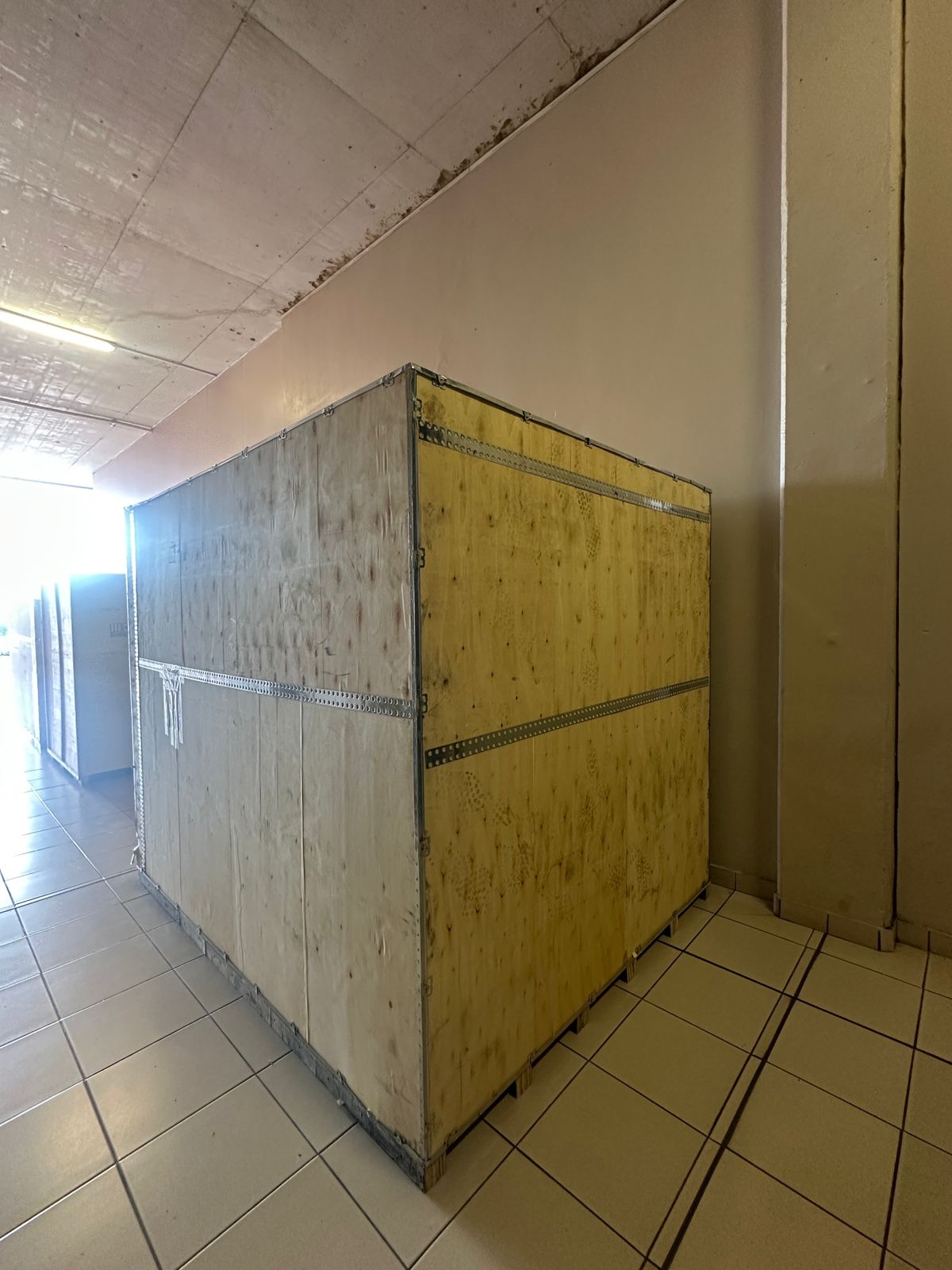
Toilet paper Rewinding Machine
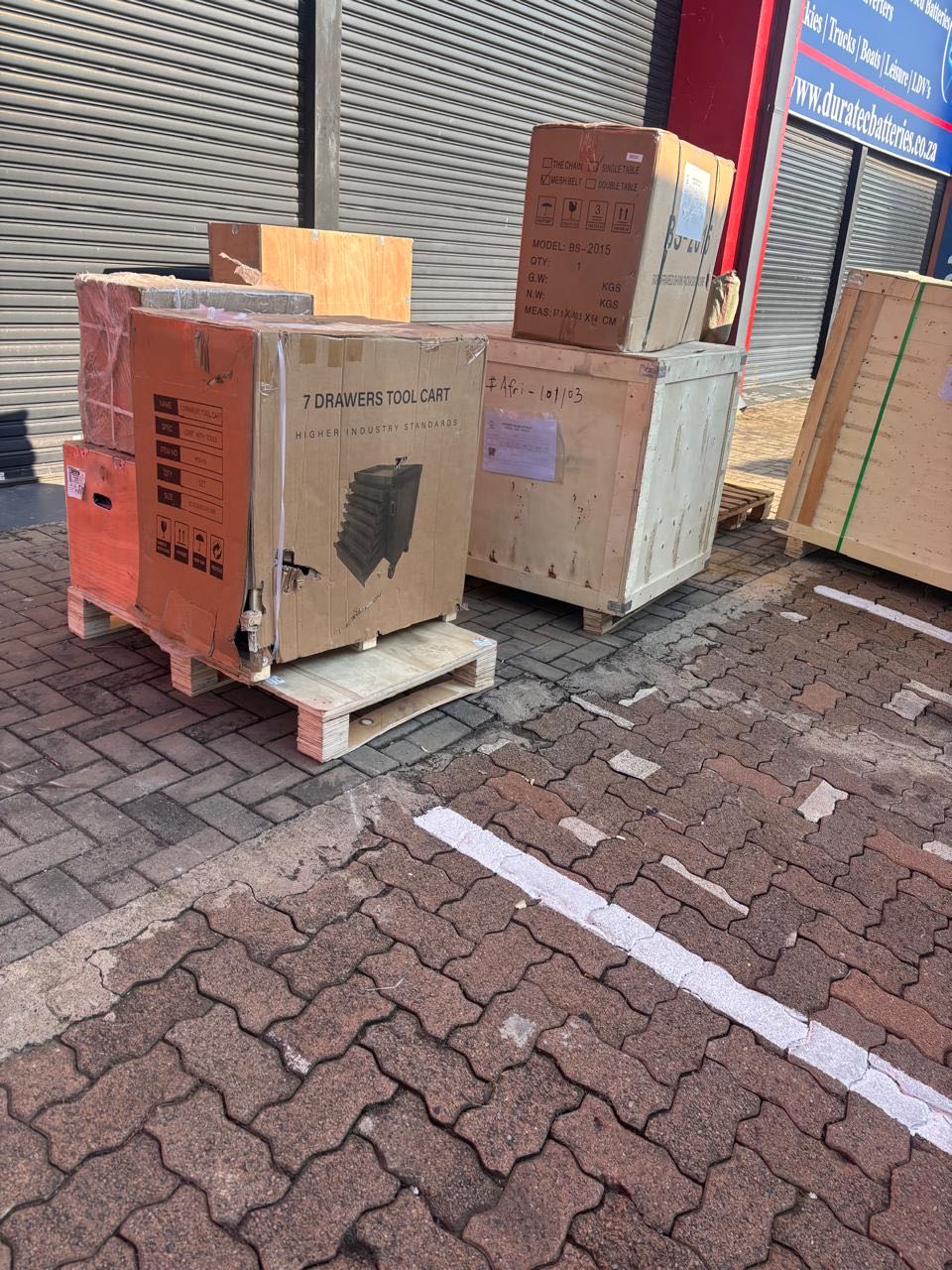
latest arrivals
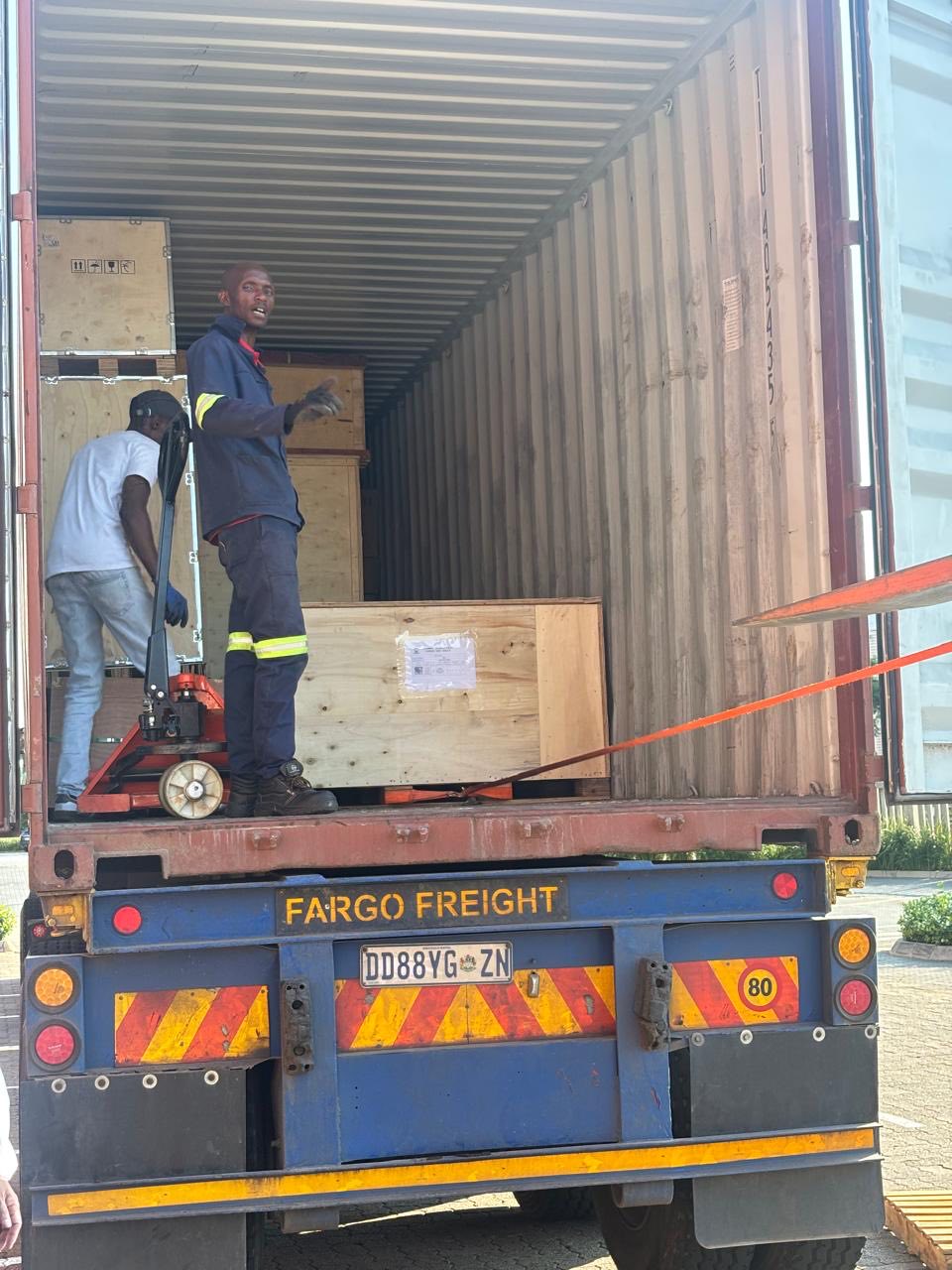
offloading
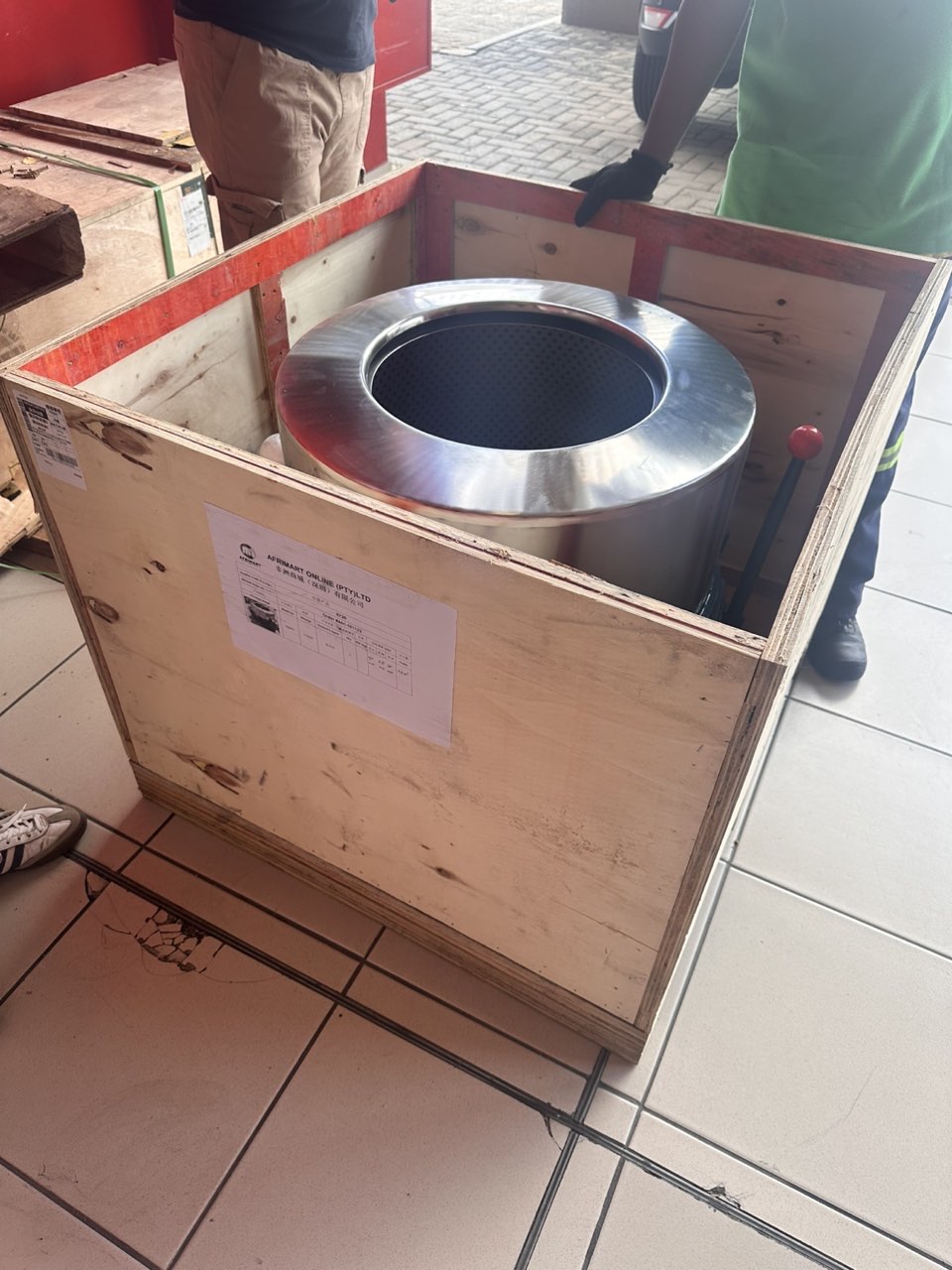
order success
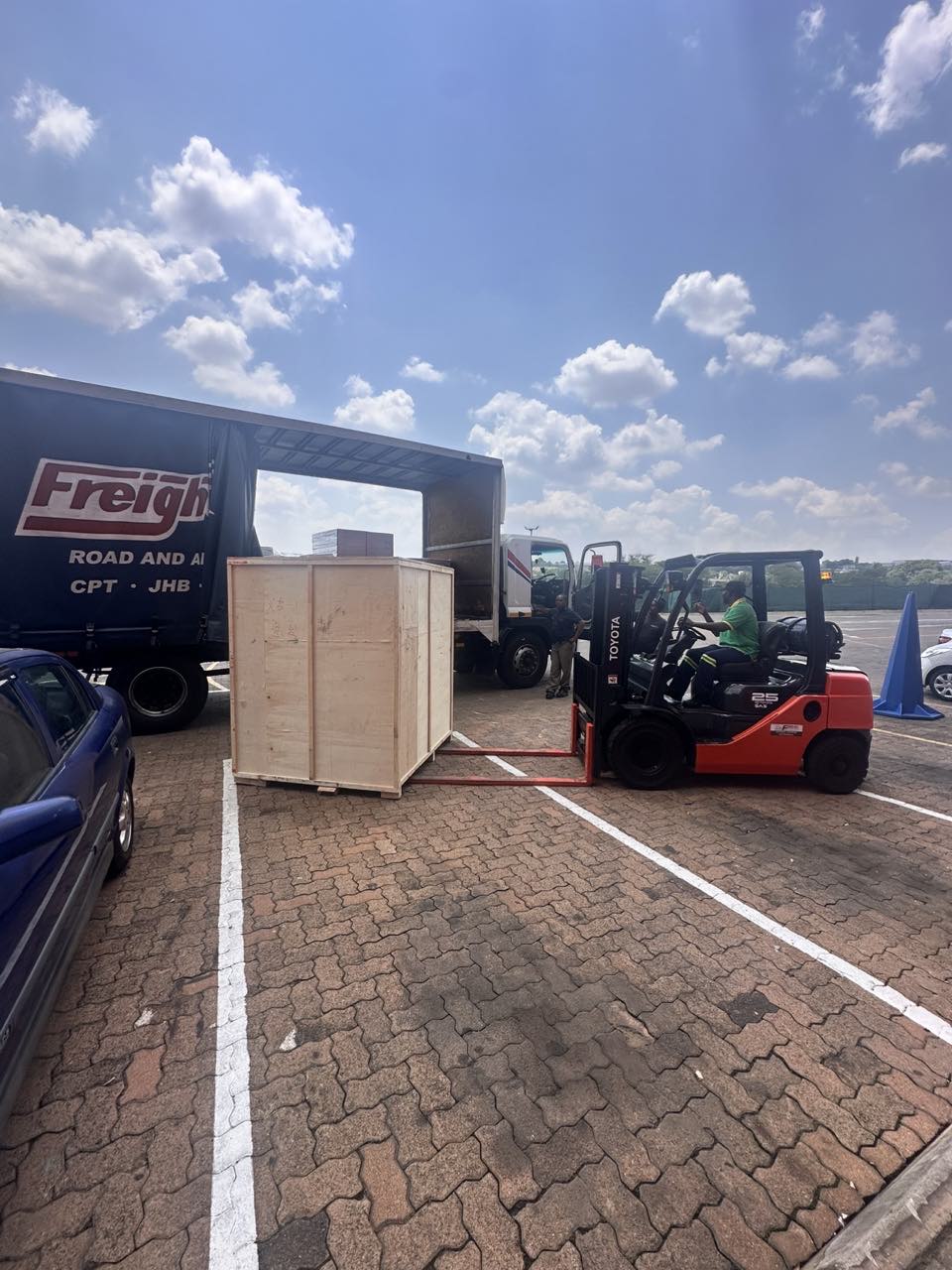
order collection
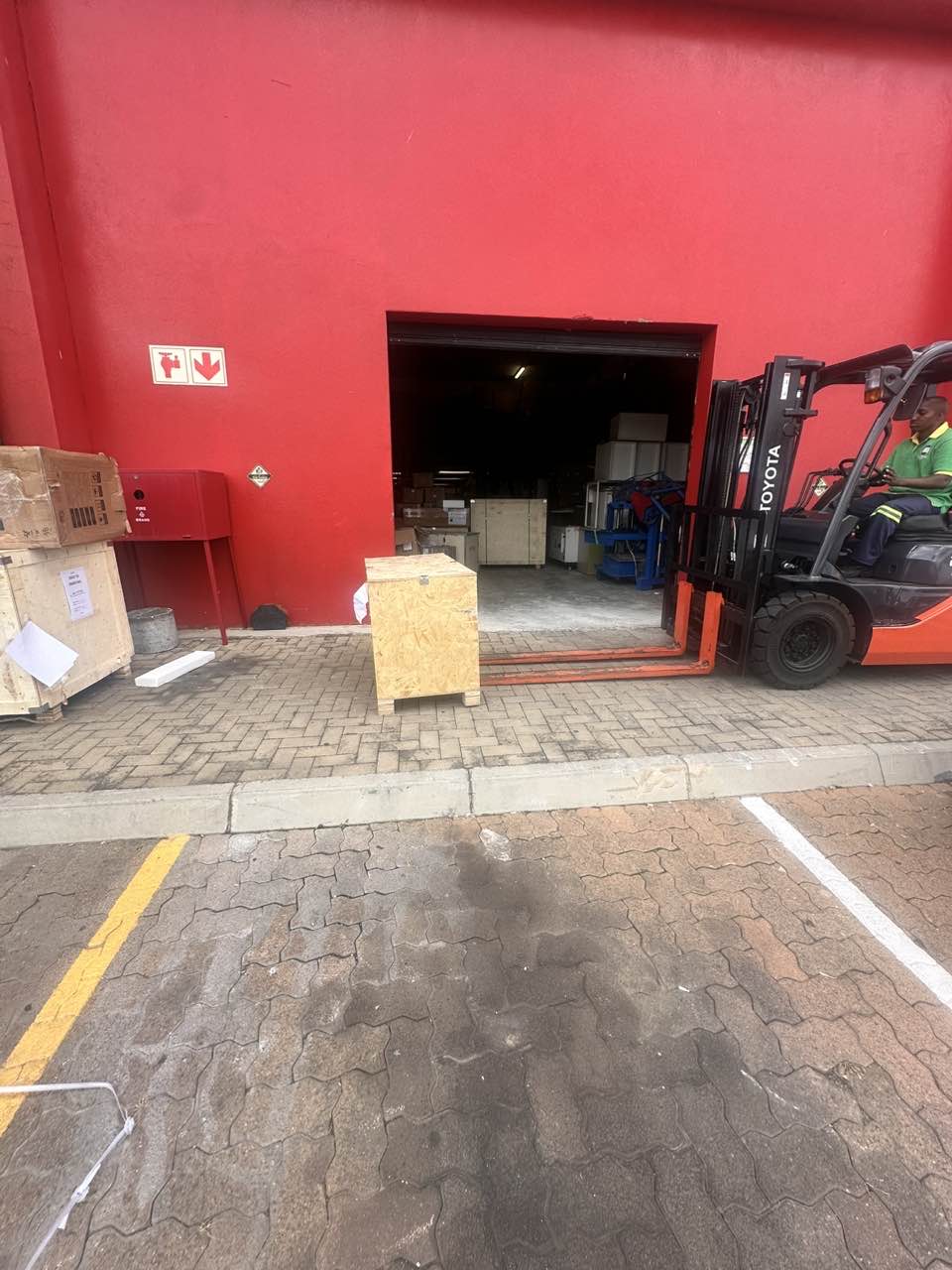
order offloading