B21, China Town Mall, Midrand



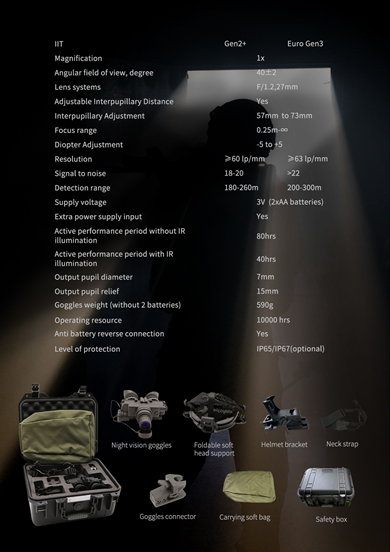
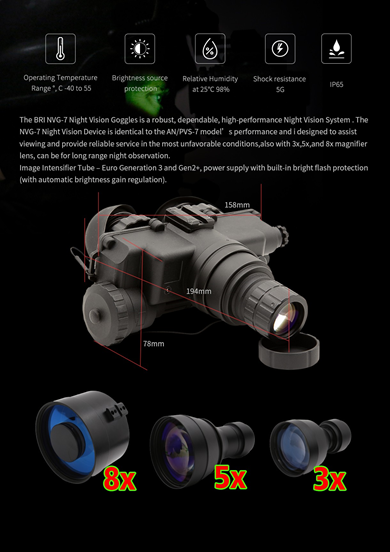
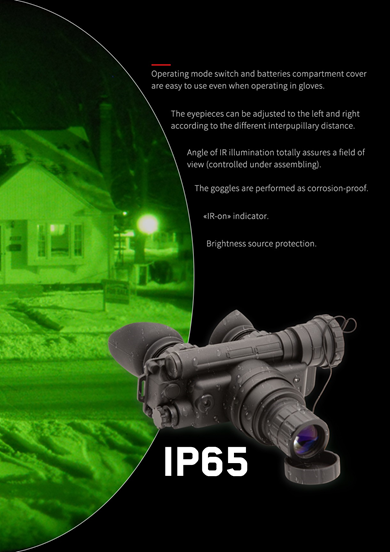
Low light night vision device night vision binocular
Asset finance available
Do you want funding for this equipment?
Afrimart can connect you with trusted funding partners who specialise in asset finance for businesses like yours. Compare options and apply in minutes — final approval is subject to provider review.
Check funding options
Secure & no obligation

- Section : Consumer Electronics
- Category : Tactical & Personal Defense Equipment
- SKU : 1600586930131

Product Description


- Shipping Timeframes: All orders are processed within 2-5 business days (excluding weekends and holidays). After your order has been processed, the estimated delivery time is before 04 Aug, 2026, depending on customs, Please note that due to high demand, some items may experience longer shipping times, which will be communicated at order confirmation email.
- Order Processing Time: Please allow 2-5 business days for us to process your order before it is shipped . Orders placed after 16:00 on Fridays, or during weekends and public holidays, will begin processing on the next business day. Processing times may be extended during peak seasons or sales events.
- Manufacturing Time: Some products needs manufacturing time, the manufacturing process will take approximately 10-30 business days depending on the product. This timeframe may vary depending on the complexity of the product and current demand. but this will be communicated with you during order confirmation.
- Returns and Exchanges: We offer a 30-day return policy for most items. If you are not completely satisfied with your purchase, you may return it within 30 days of receipt for a refund or exchange. Items must be unused, in their original packaging, and accompanied by proof of purchase. Return shipping costs are the responsibility of the customer, unless the item was damaged or defective upon arrival.
1. What is a "low light night vision device night vision binocular"?
It's a binocular-style optical device designed to enhance vision in very low ambient light. It may use image intensifier tubes (analog) or digital sensors plus infrared (IR) illumination to provide a visible image at night.
2. How does low-light night vision differ from thermal imaging?
Low-light night vision amplifies existing light (starlight, moonlight) or uses IR illumination to form an image. Thermal imaging detects emitted heat (infrared radiation) and works in total darkness and through some obscurants; the two technologies produce different kinds of images and are used for different tasks.
3. What kind of image quality can I expect?
Image quality depends on the technology and generation: analog Gen 1 is entry-level with grainier images, Gen 2/3 provide much better clarity and range, while digital units vary by sensor resolution (e.g., 640×480 or higher). Built-in IR illumination and objective lens size also affect clarity.
4. Does this binocular provide magnification and what is typical?
Yes — night vision binoculars typically offer fixed or variable magnification. Common ranges are 1× to 6×. Higher magnification narrows field of view and may require stabilization or a tripod for steady images.
5. What is the effective detection/viewing range?
Range depends on device generation, optics, and lighting. Under good conditions, low-light night vision can allow detection from a few dozen meters up to several hundred meters; with powerful IR illumination and higher-generation tubes it can be greater. Exact range varies by model and environment.
6. Does it have a built-in infrared (IR) illuminator?
Many low-light binoculars include a built-in IR illuminator to improve performance in very dark conditions. Some models offer adjustable IR power or detachable IR modules. Check the product specs to confirm.
7. What type of power/batteries does it use and how long does battery life last?
Common power options are AA/CR123 batteries or an internal rechargeable battery pack. Runtime varies widely — typically from 4–12 hours depending on illumination use, battery chemistry, and settings. Models with high-power IR or display brightness will consume more power.
8. Can it record video or take photos?
Some modern digital night vision binoculars include onboard recording (video/photo) with internal storage or microSD card slots, and may offer USB/HDMI output. Analog image-intensifier binoculars typically do not include recording unless a digital module is added.
9. Is it waterproof or weather resistant?
Many outdoor night vision binoculars are weather-resistant or waterproof to an IP rating (e.g., IPX4, IP67). Check the specific IP or ATM rating in the product specifications to confirm suitability for rain or immersion.
10. How do I focus and adjust for my eyesight?
Night vision binoculars typically have a central focus wheel and diopter adjustment on one eyepiece to compensate for differences between eyes. Adjust the diopter first (with the other eye covered), then use the central focus for target distance.
11. Can I mount the binoculars on a tripod or weapon?
Many models include a tripod socket for stable viewing and some are designed to be weapon-mountable with appropriate adapters. Always verify the mounting options in the product specs and follow local regulations for weapon-mounted devices.
12. What maintenance is required?
Keep optics clean using a soft lens cloth and blower; avoid abrasive cleaning. Remove batteries for long-term storage, keep the unit dry, and store in a padded case. Do not expose image-intensifier devices to bright sunlight without the protective caps.
13. Are there legal or regulatory restrictions on use?
Regulations vary by country and region. Some places restrict sales, possession, or use of certain night vision technologies (especially high-generation image intensifiers or weapon-mounted devices). Check local laws before purchase or use.
14. What are common use cases for these binoculars?
Typical uses include wildlife observation, search and rescue, security and surveillance, boating, camping, and certain law-enforcement or professional applications. Choose features (range, recording, ruggedness) based on intended use.
15. How do I compare models when shopping?
Compare key specs: technology type (image intensifier generation vs digital), objective lens diameter, magnification, detection range, IR illuminator presence and power, resolution (for digital), battery type/runtime, weight, ruggedness (IP rating), and included accessories/warranty.
Latest Order Arrivals
Discover our latest orders
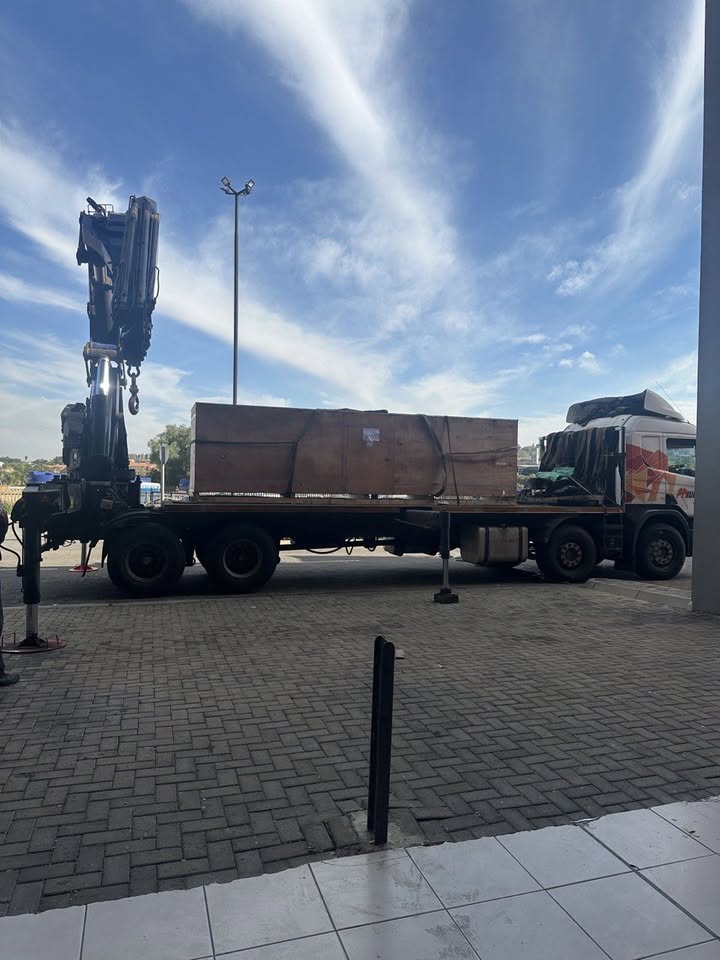
12 Heads Embroidery Machine
Toilet Paper Machine Machine
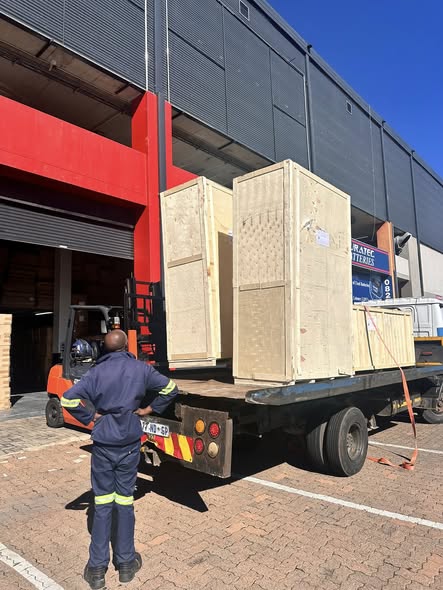
Order Collection
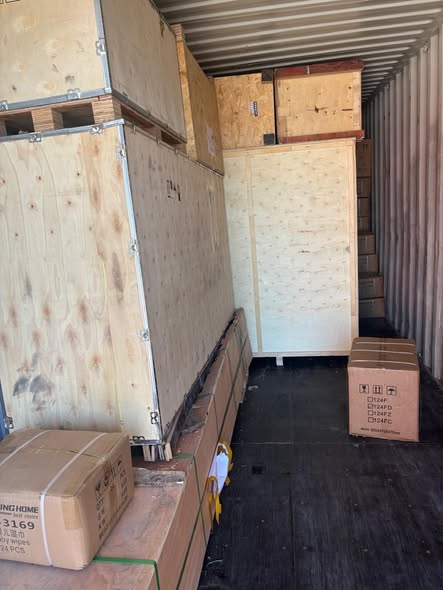
Cross Border Clients
Order cros border countries Collected
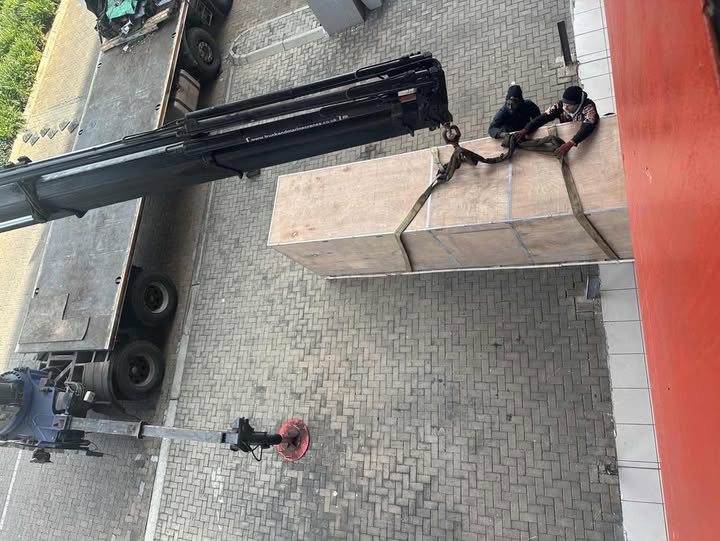
Industrial Machine Cllection
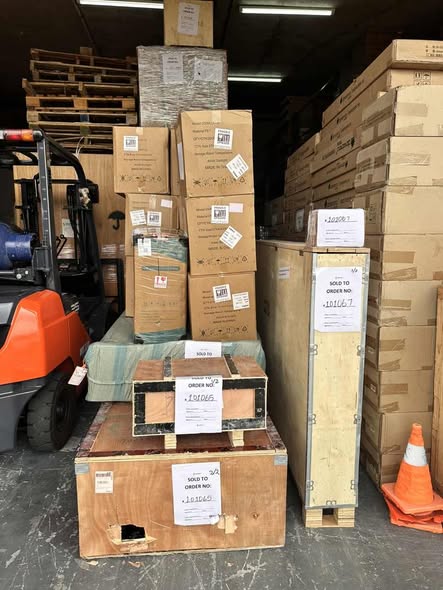
Agriculture Processing Machines
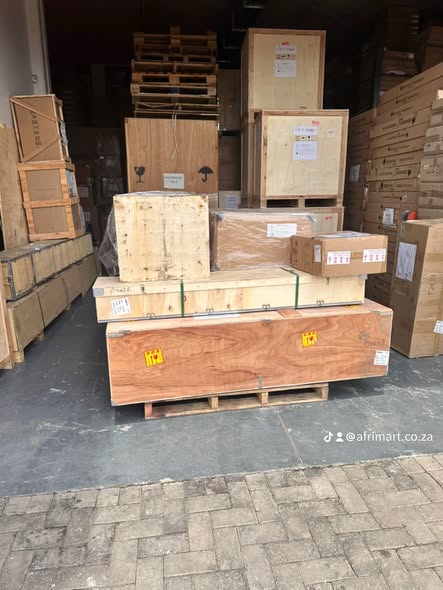
Ready for collection
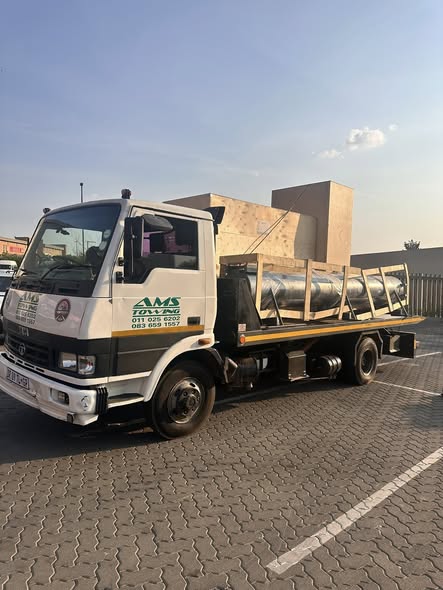
Water Pump Equipment
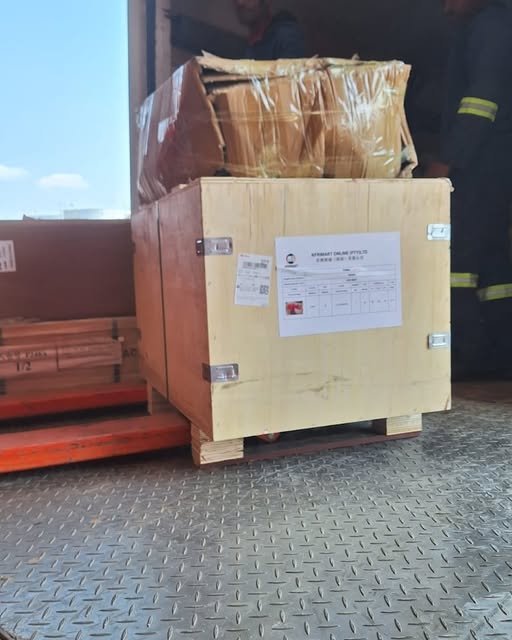
Packaging Machine and accessories
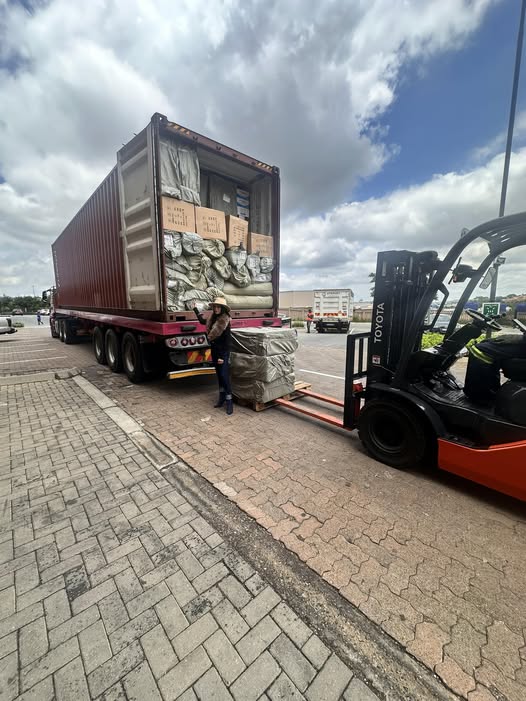
Fabrics Manufacturing Equipment
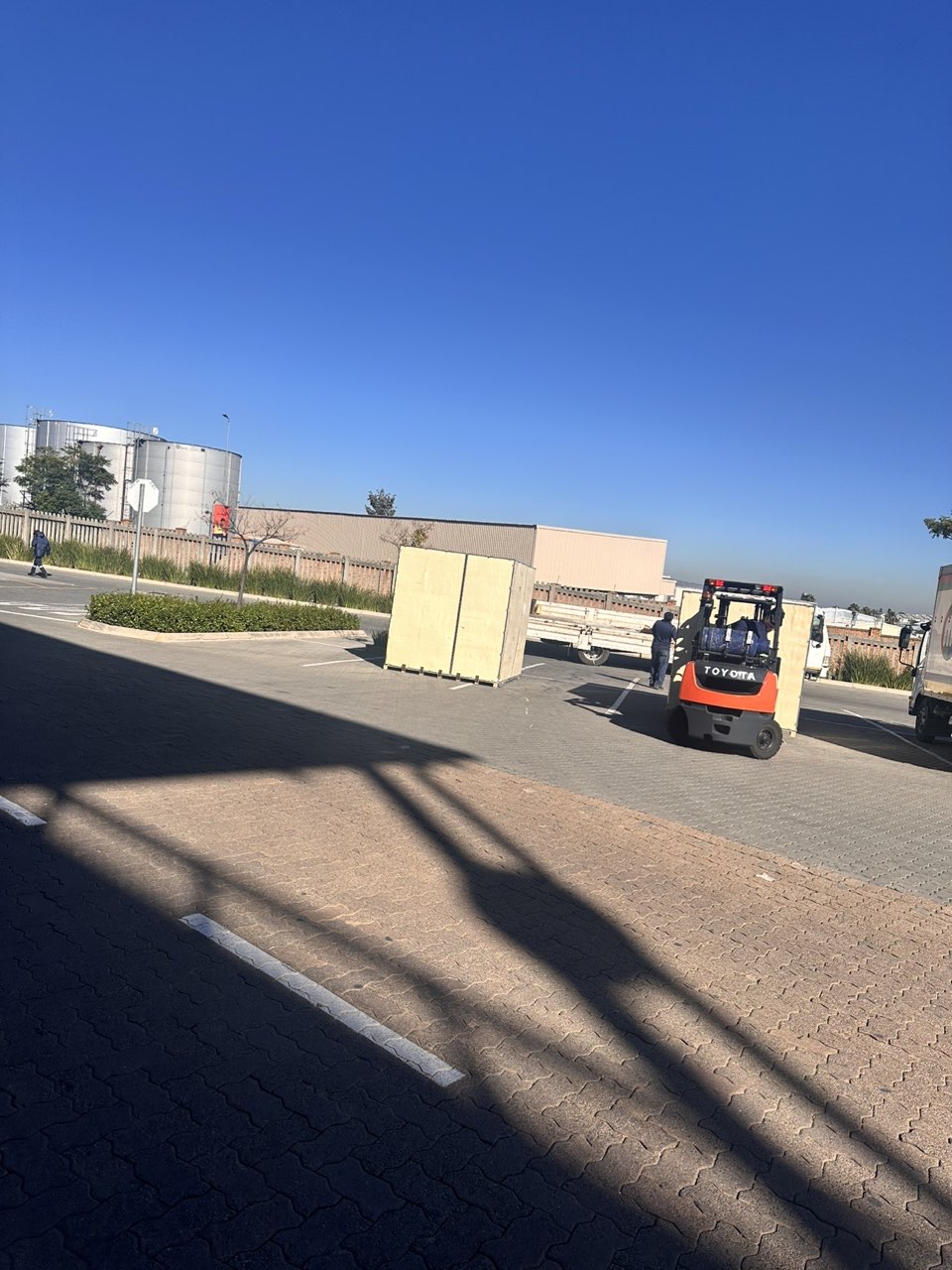
Mining Equipments
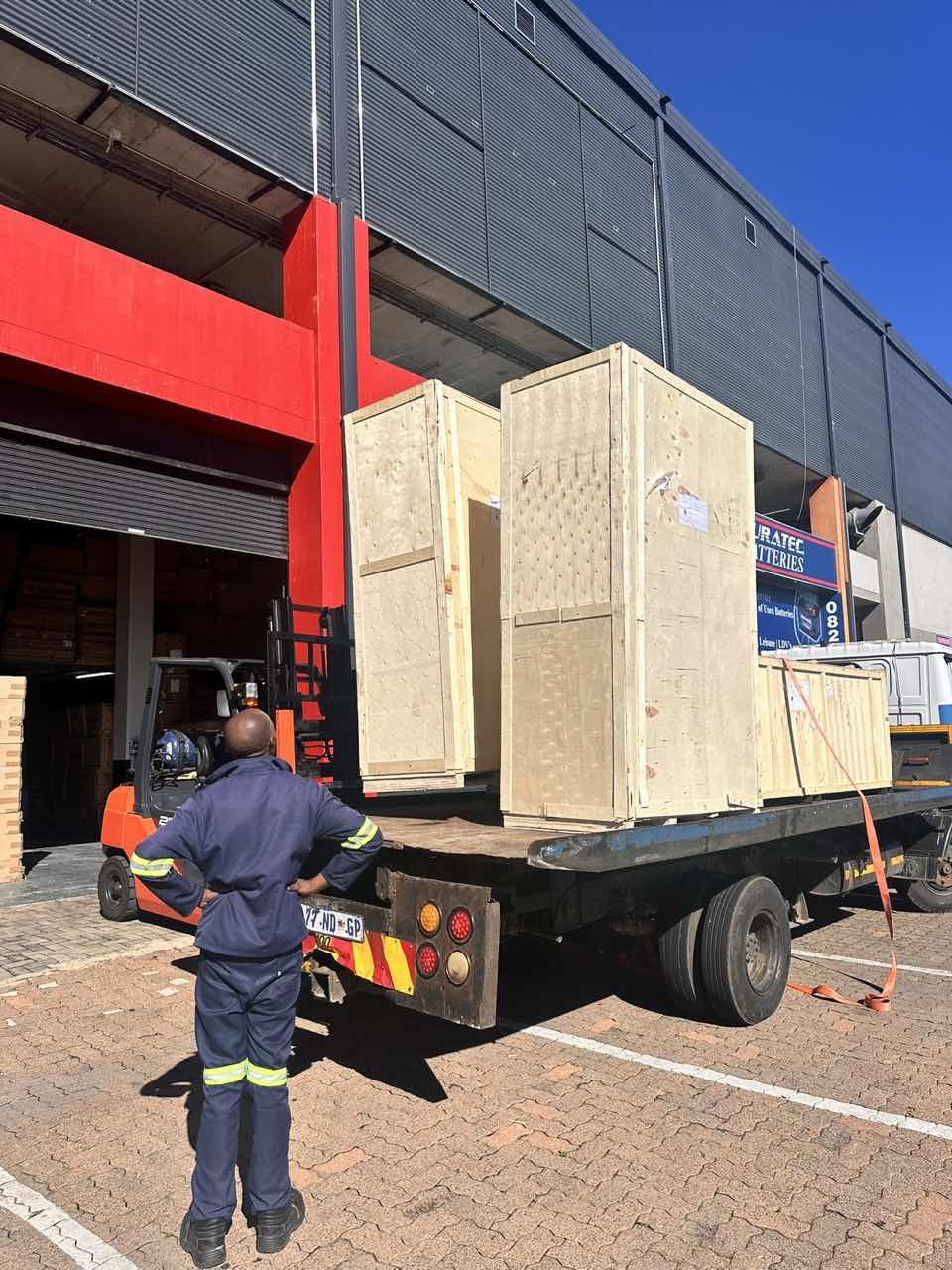
Food Processing Machine
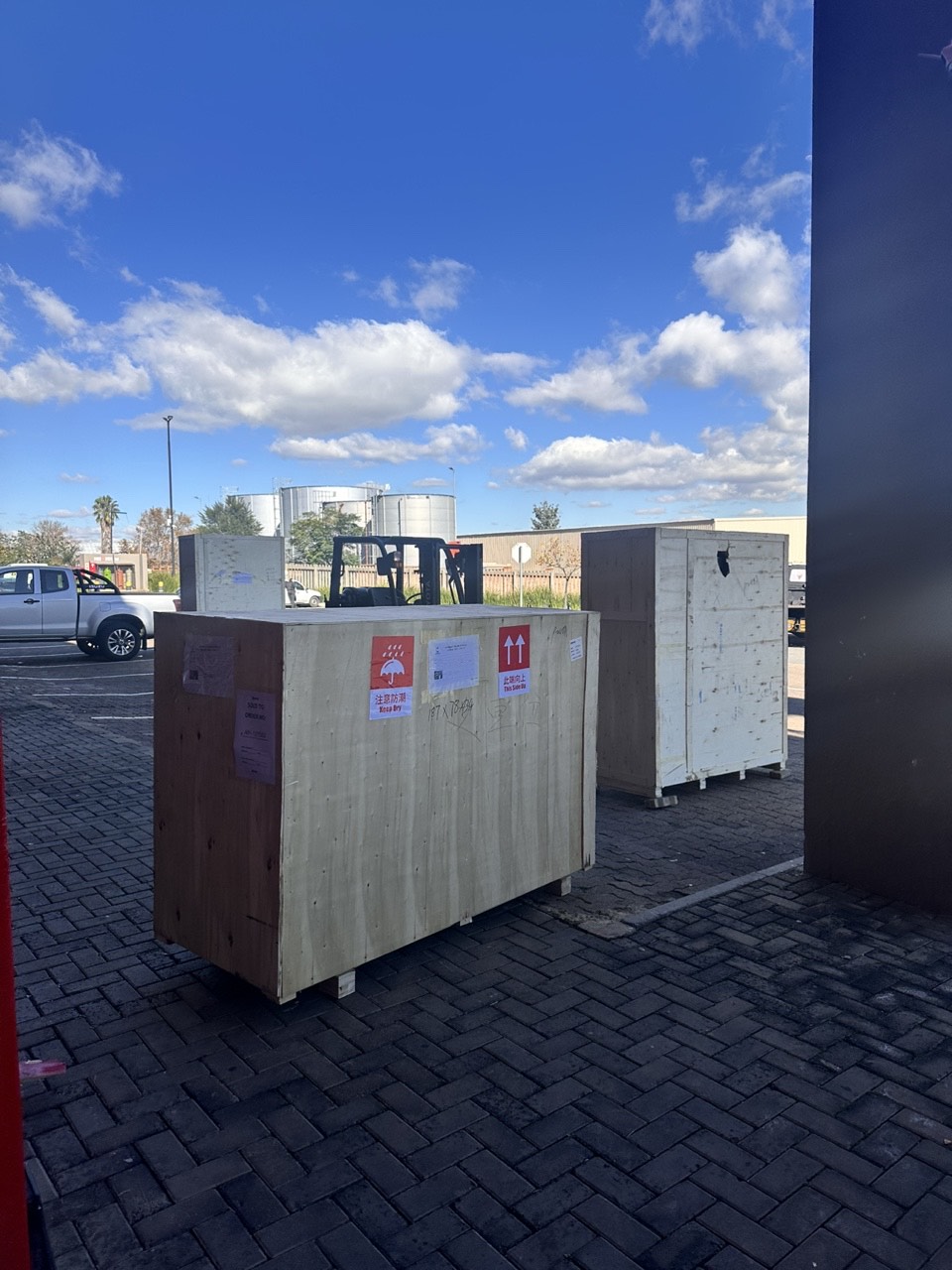
Batch of Orders
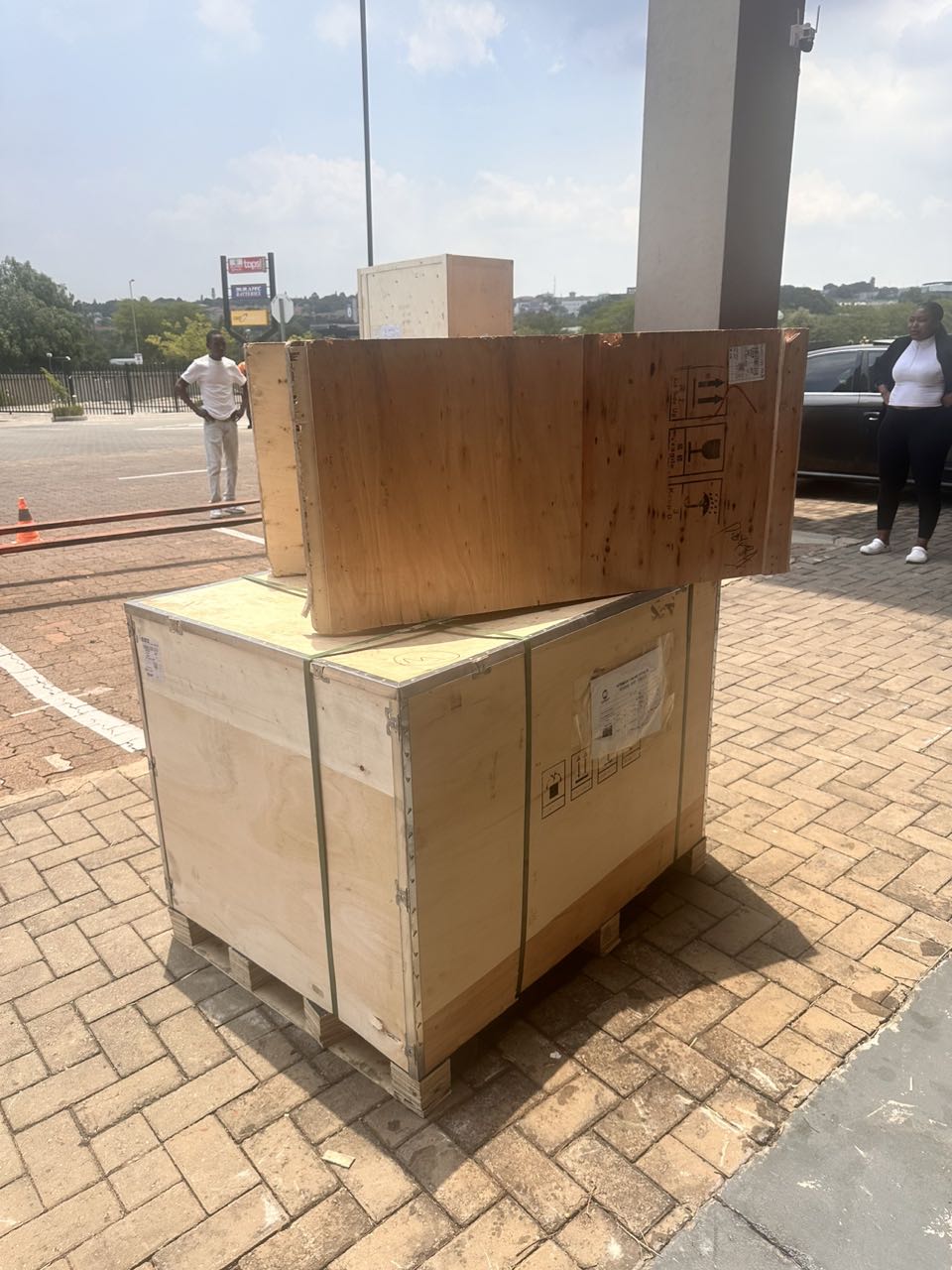
Batch of Orders
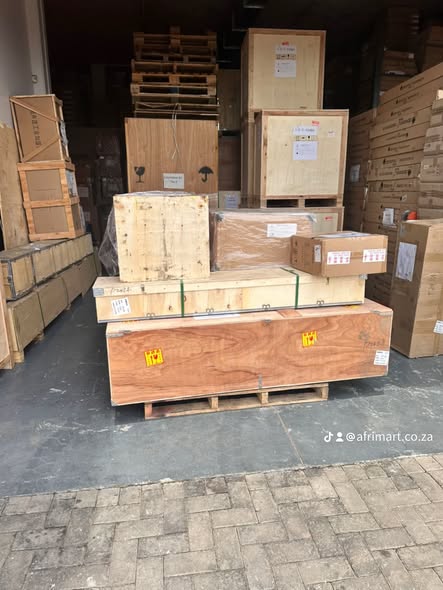
Latest Orders Labelled
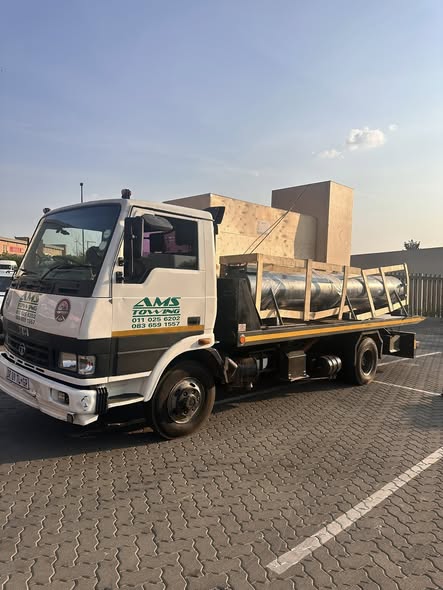
wheel alignment machines

new arrivals
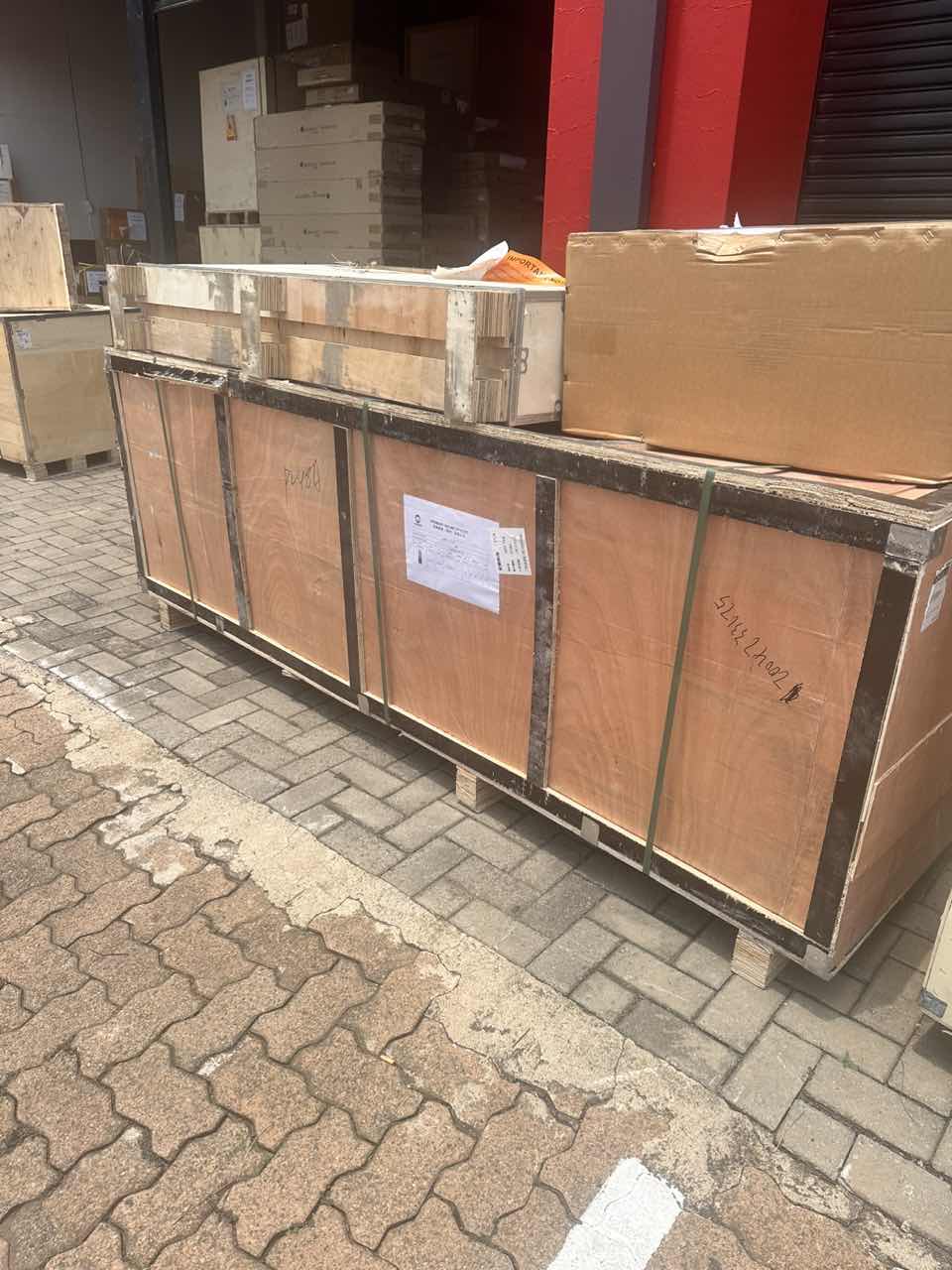
Pre Orders Offloading
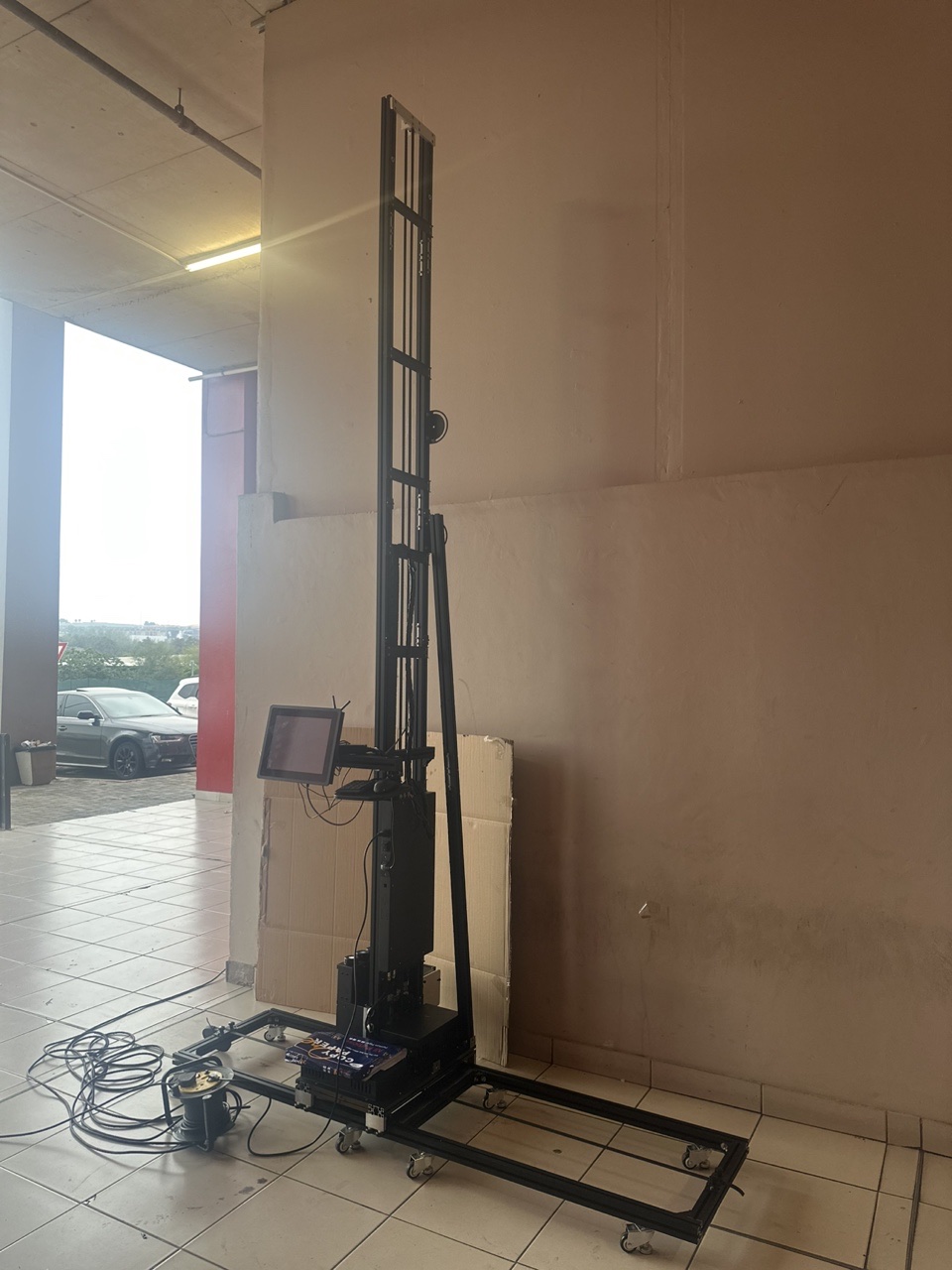
Latest Arrivals
Latest Arrivals
Latest Arrivals
Loading
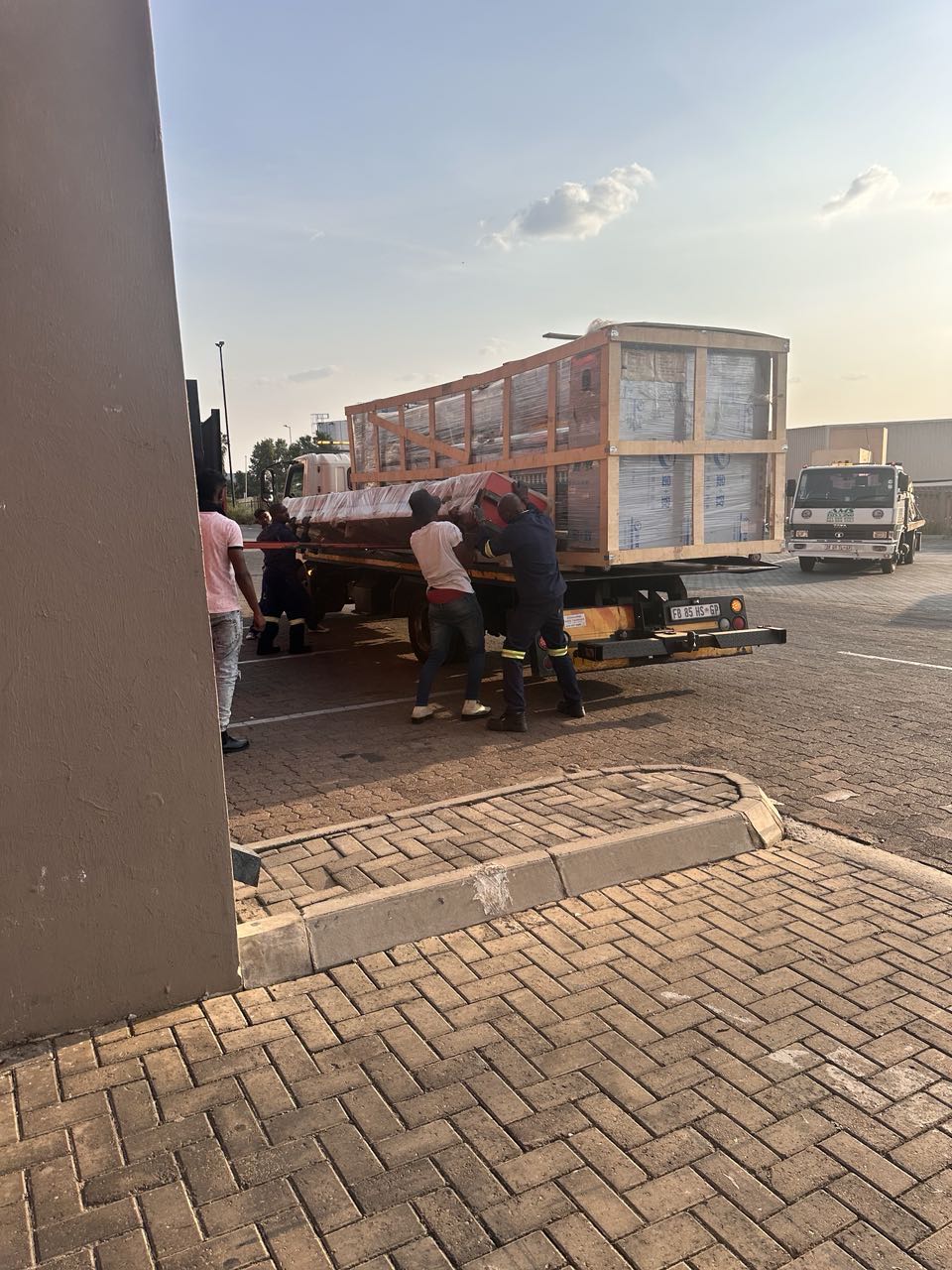
Toilet paper making machine
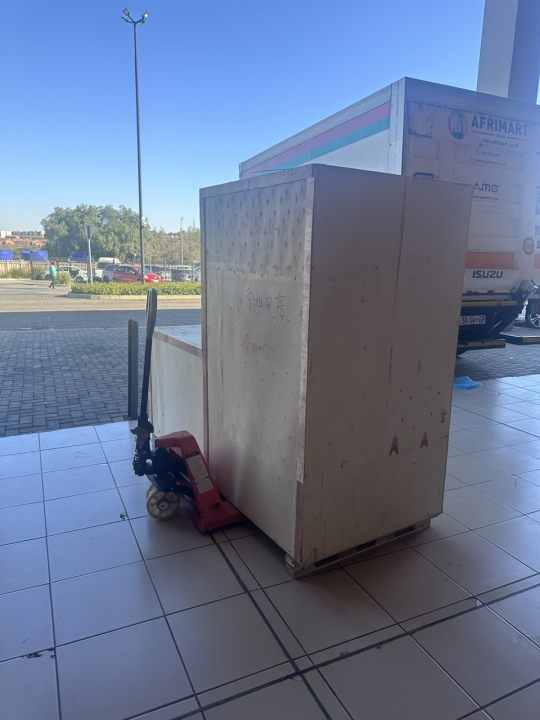
Toilet paper making machine
Toilet paper Rewinding Machine
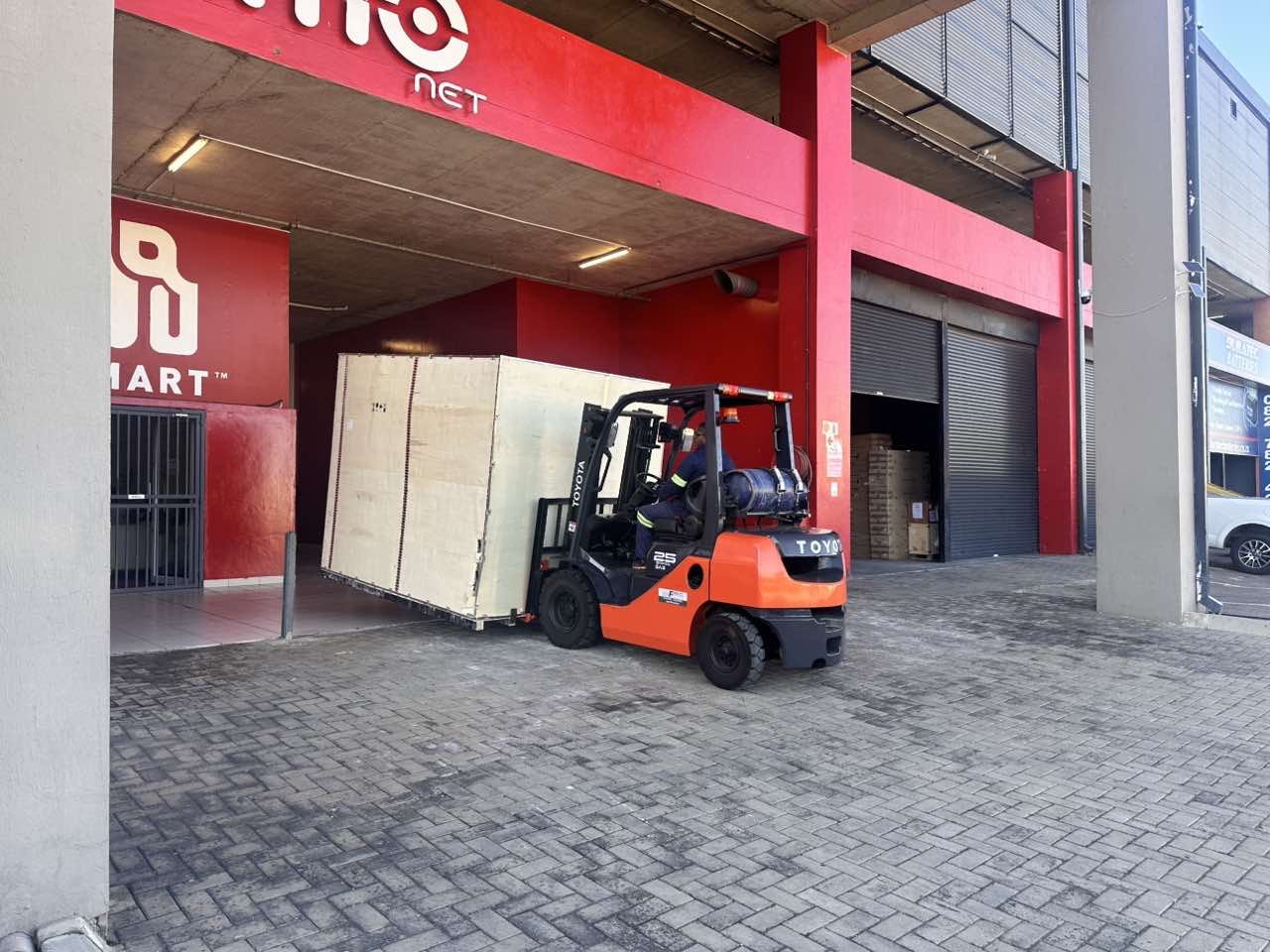
latest arrivals
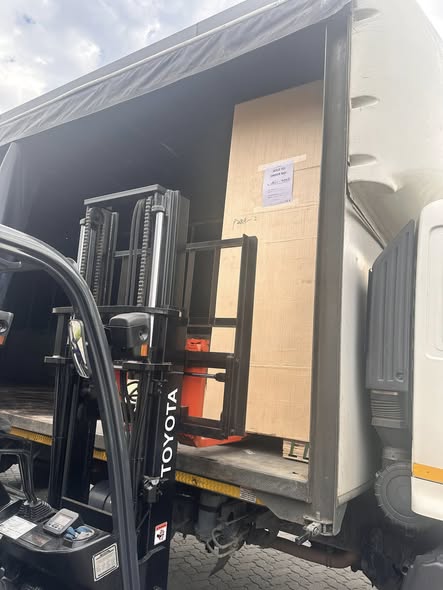
offloading
order success
order collection
order offloading