B21, China Town Mall, Midrand

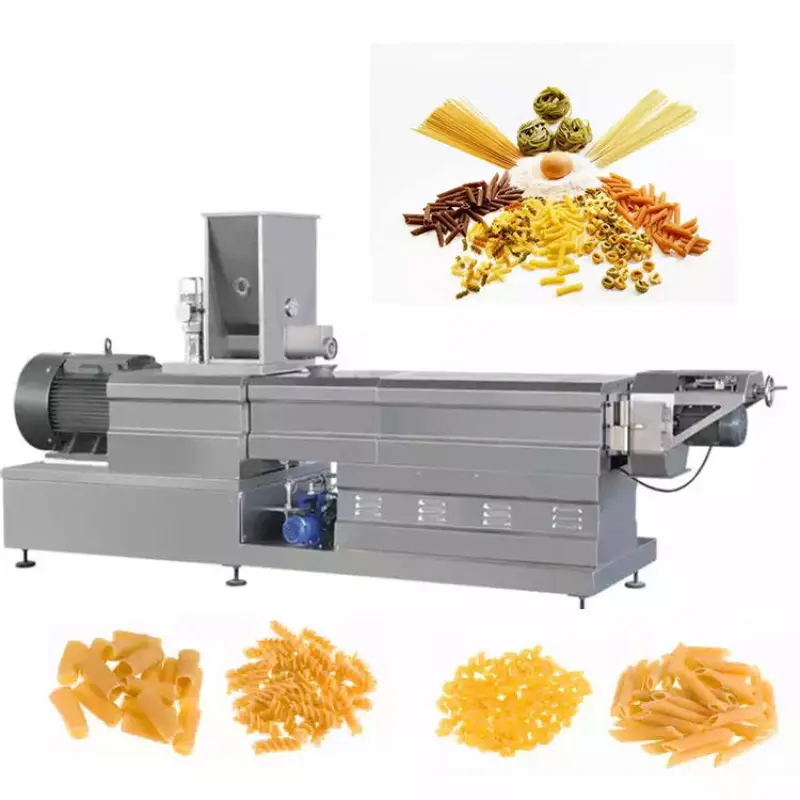
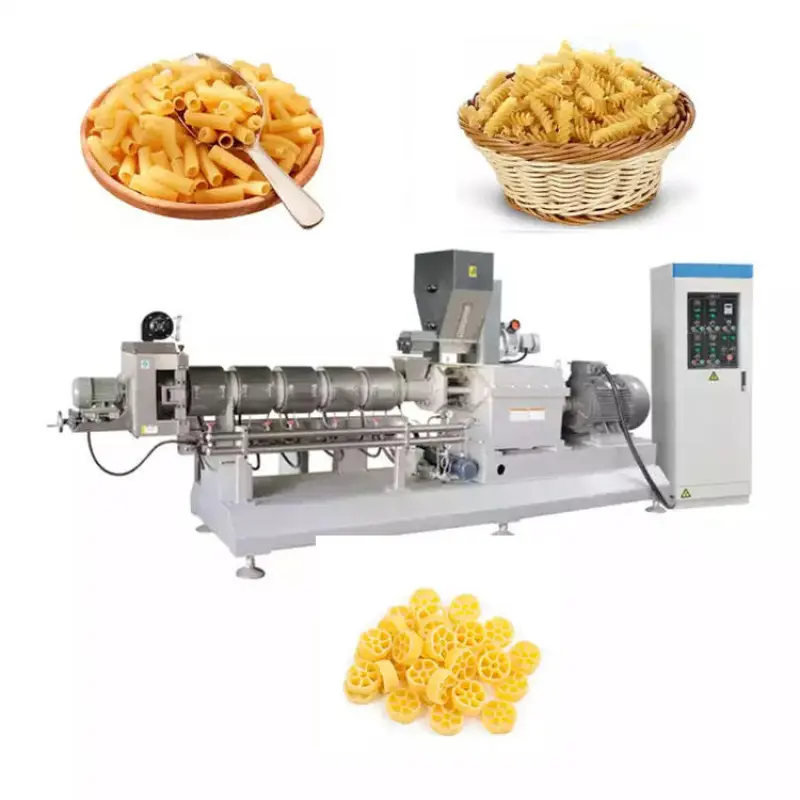
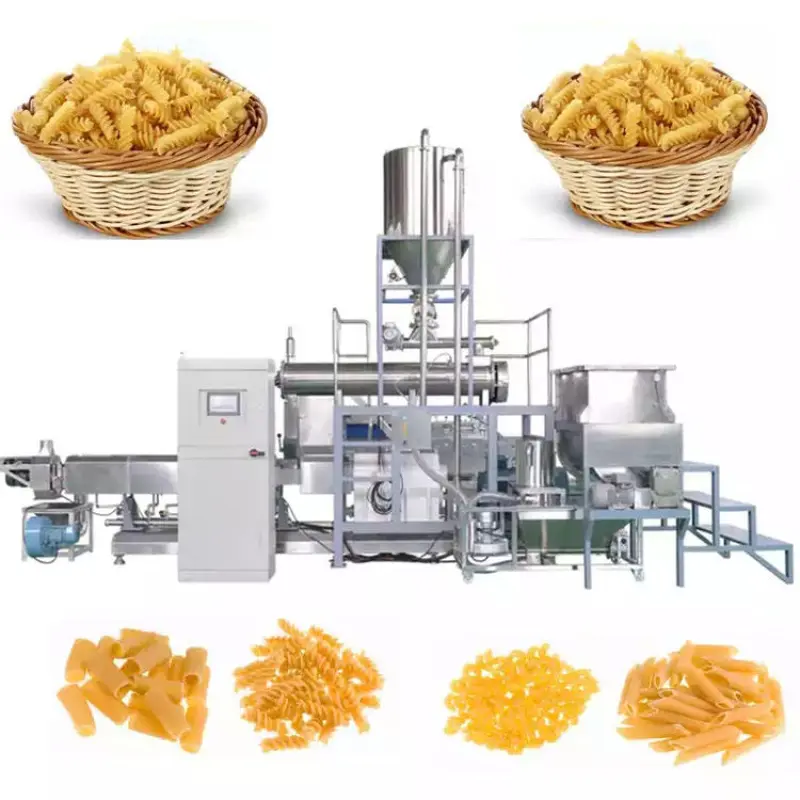
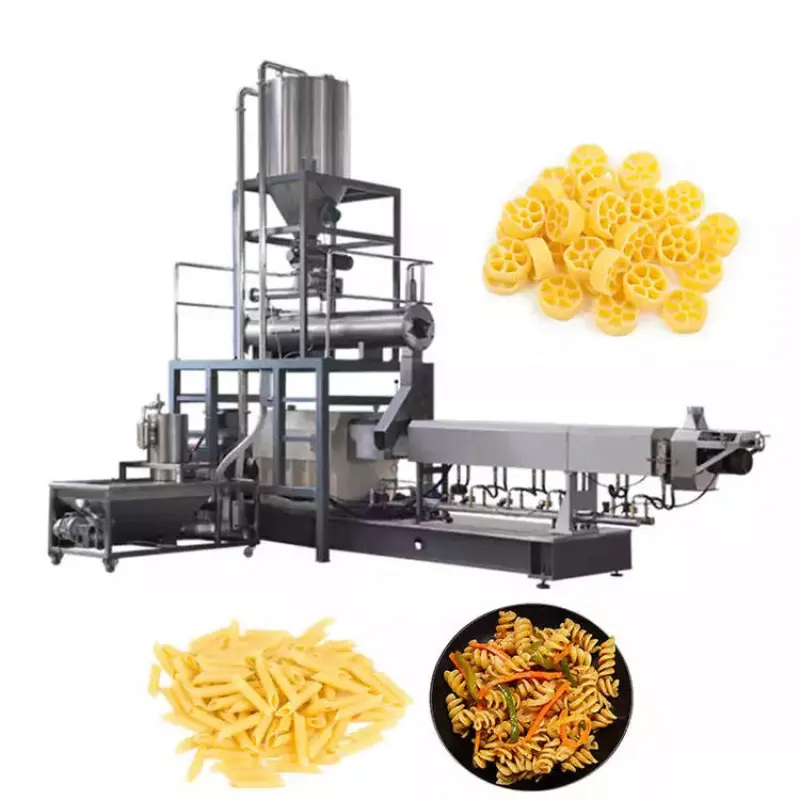
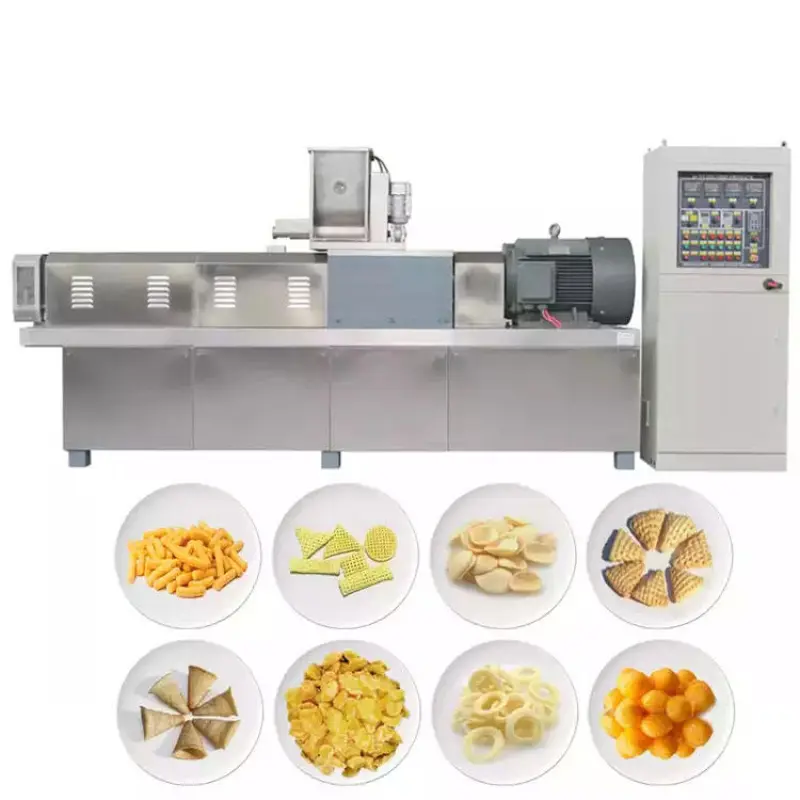
Industrial Pasta Making Machine Line Processing Equipment Pasta Macaroni Machine Industrial Machine For Making pasta
Asset finance available
Do you want funding for this equipment?
Afrimart can connect you with trusted funding partners who specialise in asset finance for businesses like yours. Compare options and apply in minutes — final approval is subject to provider review.
Check funding options
Secure & no obligation

- Section : Machinery
- Category : Food & Beverage Machinery
- SKU : 1600251070883

Product Description

Industrial Pasta Making Machine Line
Pasta is one kind of noodles in meals. As pasta is one of the main meal for people, the demand of high-quality product is increasing. Our Industrial Pasta Making Machine Line is a high-automatic processing line for suppliers to produce high-quality pasta and macaroni with perfect taste and various shapes.
High Automatic aquatic fish feed processing line multi functional fish feed processing machine

Highlights of production line
*High automation and convenient operation
*Low energy and small space coverage
*Low cost for small-size of self-owned enterprises.
*Flexible collocation


| Model | Install Power | Real Power | Capacity | Size |
| DLG100 | 105KW | 73KW | 150KG/HOUR | 100㎡ |
| DLG150 | 190KW | 135KW | 300KG/HOUR | 150㎡ |
| DLG160 | 250KW | 175KW | 500KG/HOUR | 250㎡ |
- Shipping Timeframes: All orders are processed within 2-5 business days (excluding weekends and holidays). After your order has been processed, the estimated delivery time is before 06 Aug, 2026, depending on customs, Please note that due to high demand, some items may experience longer shipping times, which will be communicated at order confirmation email.
- Order Processing Time: Please allow 2-5 business days for us to process your order before it is shipped . Orders placed after 16:00 on Fridays, or during weekends and public holidays, will begin processing on the next business day. Processing times may be extended during peak seasons or sales events.
- Manufacturing Time: Some products needs manufacturing time, the manufacturing process will take approximately 10-30 business days depending on the product. This timeframe may vary depending on the complexity of the product and current demand. but this will be communicated with you during order confirmation.
- Returns and Exchanges: We offer a 30-day return policy for most items. If you are not completely satisfied with your purchase, you may return it within 30 days of receipt for a refund or exchange. Items must be unused, in their original packaging, and accompanied by proof of purchase. Return shipping costs are the responsibility of the customer, unless the item was damaged or defective upon arrival.
1. What types of pasta and shapes can this industrial line produce?
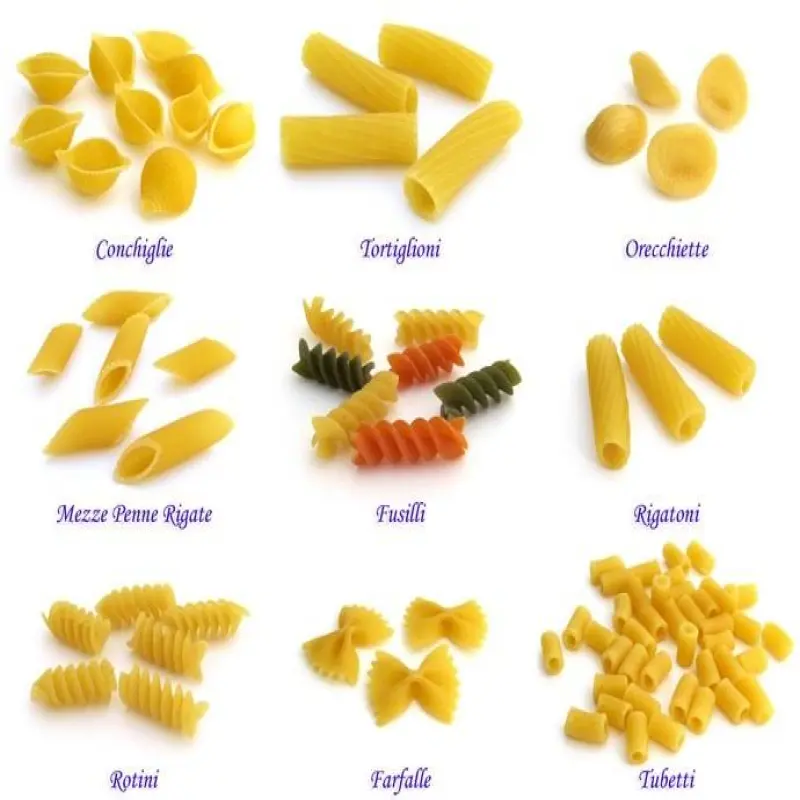
The line can produce a wide range of pasta and macaroni products — e.g., spaghetti, linguine, penne, macaroni, fusilli, shells and many custom shapes — by changing dies/molds and cutting attachments.
2. Which models are available and what are their capacities and space requirements?
Available models include: DLG100 — capacity ~150 kg/h, installed power 105 kW, operational power ~73 kW, recommended area ~100 m²; DLG150 — capacity ~300 kg/h, installed 190 kW, operational ~135 kW, area ~150 m²; DLG160 — capacity ~500 kg/h, installed 250 kW, operational ~175 kW, area ~250 m².
3. What does 'installed power' vs 'real (operational) power' mean?
Installed power is the total electrical capacity reserved for the whole line (sum of rated motors, heaters, etc.). Real (operational) power is the typical power draw during normal production. Peak consumption may approach installed power during start-up or heavy loads.
4. What does 'flexible collocation' mean for this production line?
Flexible collocation means the line is modular: you can configure and combine modules (mixers, extruders, cutters, dryers, coolers, oiling units, packaging machines) according to your product mix, capacity and plant layout.
5. What raw materials can the machine handle?
The line processes common pasta raw materials such as durum wheat semolina, wheat flour, water and optional ingredients (eggs, vegetable purees, additives). Formulations depend on the desired product texture and specifications.
6. How automated is the machine and how easy is it to operate?
This is a high-automation line designed for convenient operation. Typical setups include automated feeding, extrusion, cutting and drying stages. Control systems (PLC/touchscreen options available) allow recipe storage and simple operator control; one or a few operators can supervise production.
7. What is the energy consumption per model?
Approximate operational power consumption when running at full capacity: DLG100 ~73 kW (150 kg/h) — about 0.49 kWh per kg; DLG150 ~135 kW (300 kg/h) — about 0.45 kWh per kg; DLG160 ~175 kW (500 kg/h) — about 0.35 kWh per kg. Actual consumption varies with recipes and operating conditions.
8. What materials are used for construction and how sanitary is the equipment?
The line is manufactured from food-grade materials (typically stainless steel for frames and product-contact parts) and designed for hygienic operation. Surfaces are smooth and accessible for cleaning to meet food safety requirements; verify specific material grades with the supplier.
9. What maintenance and spare parts support is needed?
Routine maintenance includes lubrication of moving parts, inspection/replacement of wear parts (dies, cutters, seals), and periodic calibration. Suppliers usually provide spare-parts kits and technical documentation; regular preventive maintenance will maximize uptime.
10. Can the line be integrated with drying and packaging equipment?
Yes — the system is modular and can be supplied with continuous dryers, coolers, oiling units, and automatic packaging machines to create a complete end-to-end production line.
11. Are custom dies and shapes available?
Yes. Custom extrusion dies can be manufactured to produce specific shapes or proprietary profiles. Provide drawings or samples to the supplier for die development.
12. What commissioning, training and after‑sales services are provided?
Most suppliers offer on-site installation, commissioning, start-up assistance and operator training. After-sales support typically includes technical troubleshooting, spare parts supply and remote assistance — confirm the exact service package with the seller.
13. What are the typical lead time and minimum order quantity (MOQ)?
Lead times and MOQs vary by supplier, model configuration and customization. Contact the seller for current lead time estimates (commonly several weeks to a few months) and minimum order details.
14. What factory requirements (power, utilities, floor space) should I prepare?
Prepare adequate electrical supply matching the installed power rating of your chosen model, stable power distribution, compressed air if required, sufficient water supply/drainage for cleaning, and floor space per the recommended area. Exact utility specs and layout drawings should be obtained from the supplier.
15. How can I get a quote or more technical specifications?
Contact the manufacturer or authorized distributor with your desired model, capacity, product types, local electrical voltage and any customization needs. They can provide a detailed quotation, technical drawings, and performance data.
Latest Order Arrivals
Discover our latest orders

12 Heads Embroidery Machine

Toilet Paper Machine Machine

Order Collection

Cross Border Clients

Order cros border countries Collected

Industrial Machine Cllection

Agriculture Processing Machines

Ready for collection

Water Pump Equipment

Packaging Machine and accessories

Fabrics Manufacturing Equipment

Mining Equipments

Food Processing Machine

Batch of Orders

Batch of Orders

Latest Orders Labelled

wheel alignment machines

new arrivals

Pre Orders Offloading

Latest Arrivals

Latest Arrivals

Latest Arrivals

Loading

Toilet paper making machine

Toilet paper making machine

Toilet paper Rewinding Machine

latest arrivals

offloading

order success

order collection

order offloading