B21, China Town Mall, Midrand

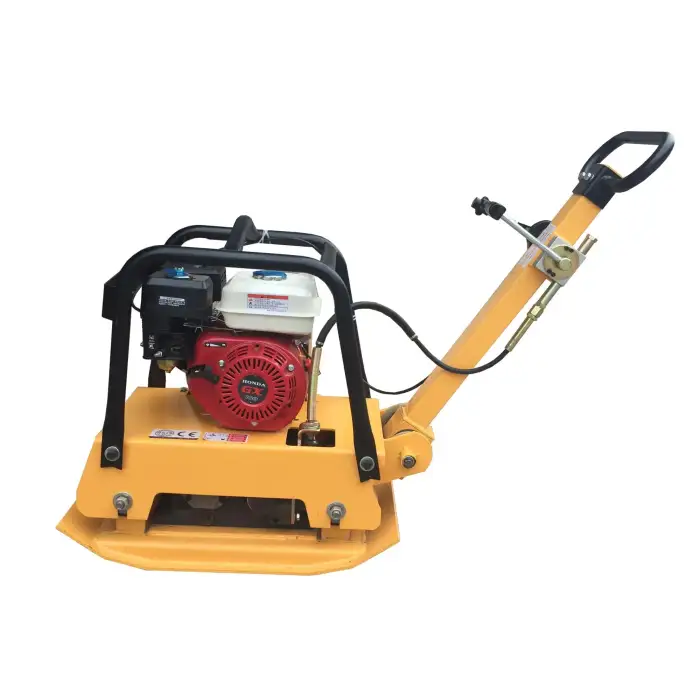
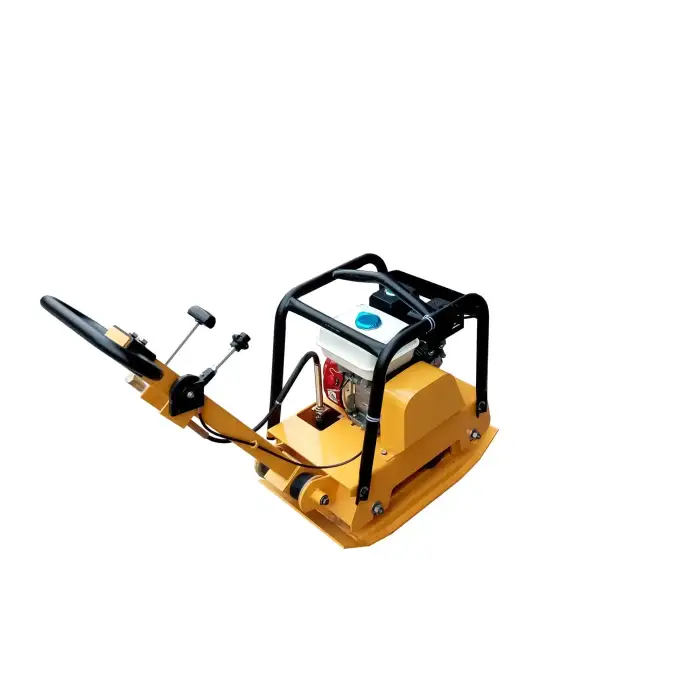
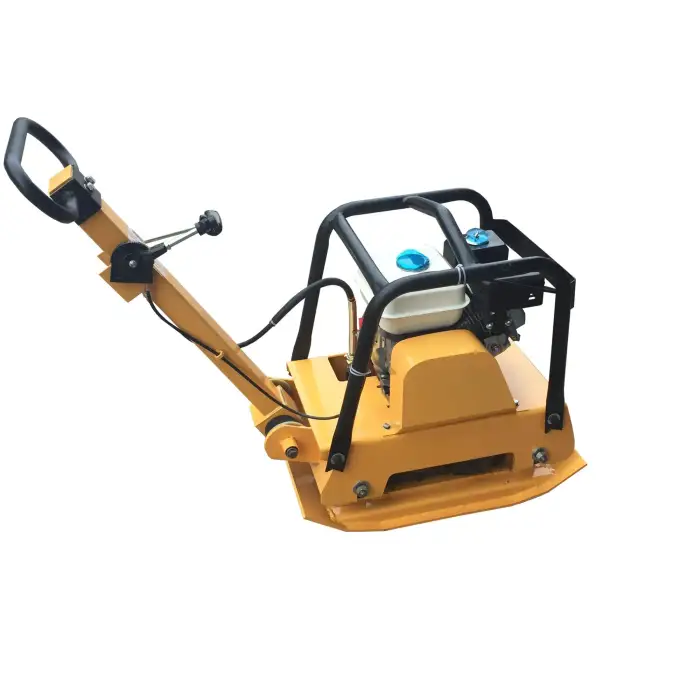
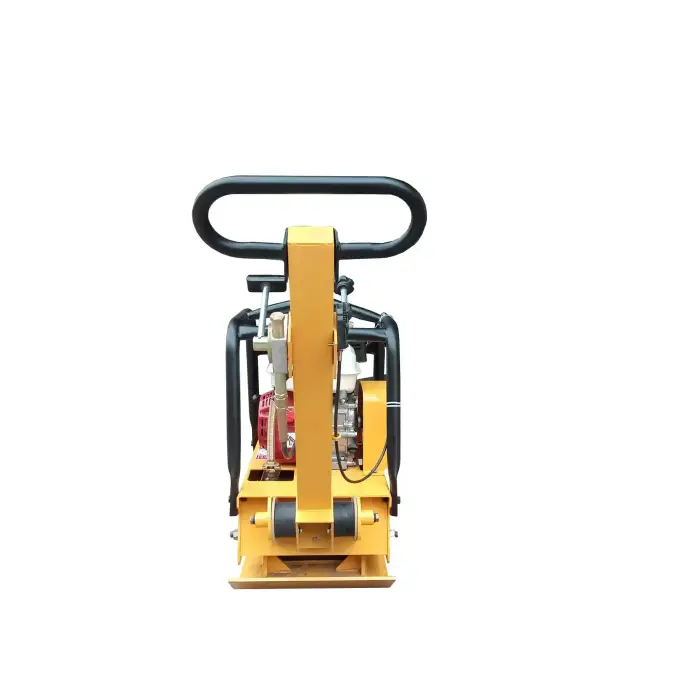
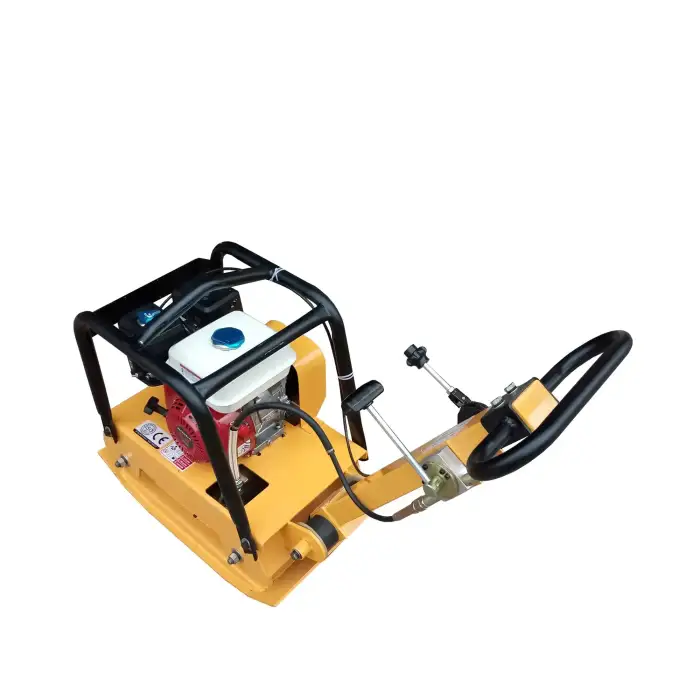
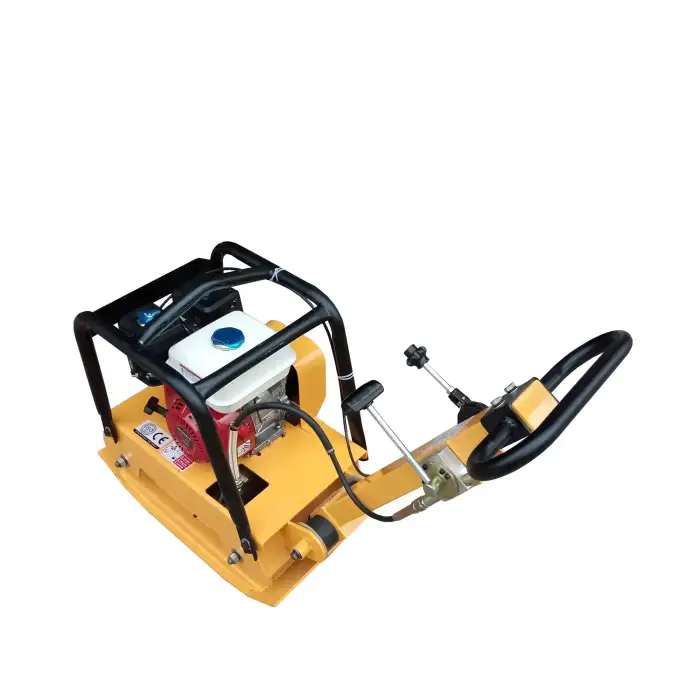
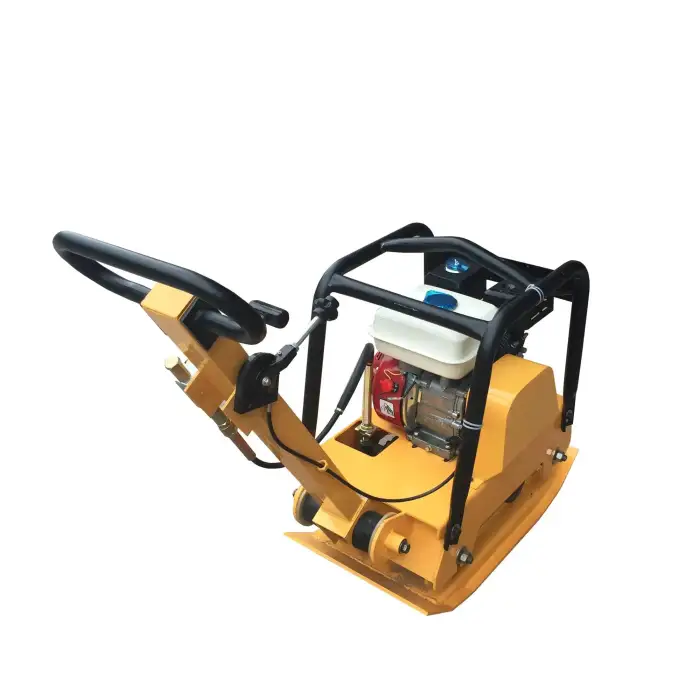
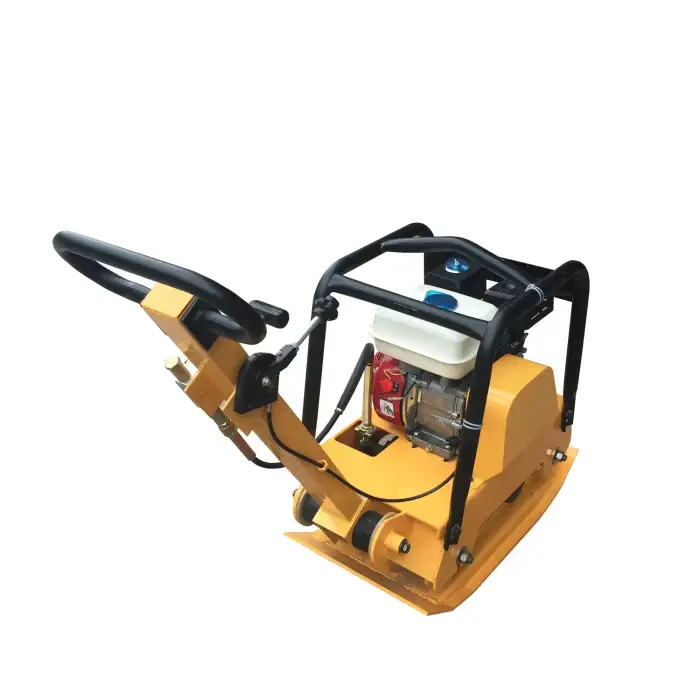
Hydraulic vibratory

- Section : Machinery
- Category : Engineering & Construction Machinery
- SKU : 1600427688380


The machine is often used in small building foundation, various backfill construction, earth foundation compaction. Suitable for materials with low adhesion and friction between rammed particles, especially for non-viscous sand. The compaction effect of crushed stone is remarkable.

Gasoline Model

- Shipping Timeframes: All orders are processed within 2-5 business days (excluding weekends and holidays). After your order has been processed, the estimated delivery time is before 03 Aug, 2026, depending on customs, Please note that due to high demand, some items may experience longer shipping times, which will be communicated at order confirmation email.
- Order Processing Time: Please allow 2-5 business days for us to process your order before it is shipped . Orders placed after 16:00 on Fridays, or during weekends and public holidays, will begin processing on the next business day. Processing times may be extended during peak seasons or sales events.
- Manufacturing Time: Some products needs manufacturing time, the manufacturing process will take approximately 10-30 business days depending on the product. This timeframe may vary depending on the complexity of the product and current demand. but this will be communicated with you during order confirmation.
- Returns and Exchanges: We offer a 30-day return policy for most items. If you are not completely satisfied with your purchase, you may return it within 30 days of receipt for a refund or exchange. Items must be unused, in their original packaging, and accompanied by proof of purchase. Return shipping costs are the responsibility of the customer, unless the item was damaged or defective upon arrival.
1. What is a hydraulic vibratory machine used for?
The hydraulic vibratory machine is used for small building foundations, backfill construction, and earth foundation compaction. It is particularly effective for materials with low adhesion and friction, such as non-viscous sand.
2. What type of materials can I use with this machine?
This machine is suitable for materials that have low adhesion and friction, particularly non-viscous sand and crushed stone, which shows remarkable compaction effects.
3. Is the hydraulic vibratory machine suitable for large construction projects?
The hydraulic vibratory machine is primarily designed for small building foundations and may not be ideal for large-scale construction projects.
4. What is the power source for the gasoline model?
The gasoline model of the hydraulic vibratory machine operates using gasoline as its power source, ensuring portability and ease of use.
5. How does the hydraulic vibratory mechanism work?
The hydraulic vibratory mechanism uses controlled hydraulic pressure to create vibrations that compact the material, ensuring effective densification of the ground.
6. Can this machine be used in wet conditions?
While the hydraulic vibratory machine can be used in various conditions, it performs best in dry conditions, as wet materials can increase adhesion and reduce compaction efficiency.
7. What are the benefits of using a hydraulic vibratory machine?
Benefits include efficient compaction of loose materials, ease of operation with gasoline power, and the ability to work in tight spaces where larger machines cannot operate.
8. How heavy is the hydraulic vibratory machine?
The weight of the hydraulic vibratory machine can vary by model, but it is generally designed to be portable and manageable for one or two operators.
9. What is the required maintenance for the gasoline model?
Regular maintenance includes checking oil levels, replacing air filters, and ensuring the fuel system is clean. Always refer to the manufacturer's manual for specific maintenance guidelines.
10. Can I rent a hydraulic vibratory machine?
Yes, many equipment rental companies offer hydraulic vibratory machines for rent, allowing you to use the machine for short-term projects without the need for a full purchase.
11. Is operator training required for using this machine?
While not always mandatory, it is highly recommended that operators receive proper training to ensure safe and effective use of the hydraulic vibratory machine.
12. What safety precautions should I take while operating the machine?
Always wear appropriate personal protective equipment (PPE), ensure the work area is clear of obstacles, and follow the manufacturer's safety guidelines to prevent accidents.
13. What is the maximum depth of compaction achievable with this machine?
The maximum depth of compaction can vary based on soil type and moisture content, but typically, it is effective for shallow to moderate compaction depths.
14. Are there any specific soil types that should be avoided?
Yes, avoid using the hydraulic vibratory machine on highly viscous soils or those with high clay content, as these materials may not compact effectively.
15. What is the typical compaction rate of this machine?
The compaction rate can vary based on material type and conditions, but the machine is designed to efficiently compact loose materials quickly.
Latest Order Arrivals
Discover our latest orders
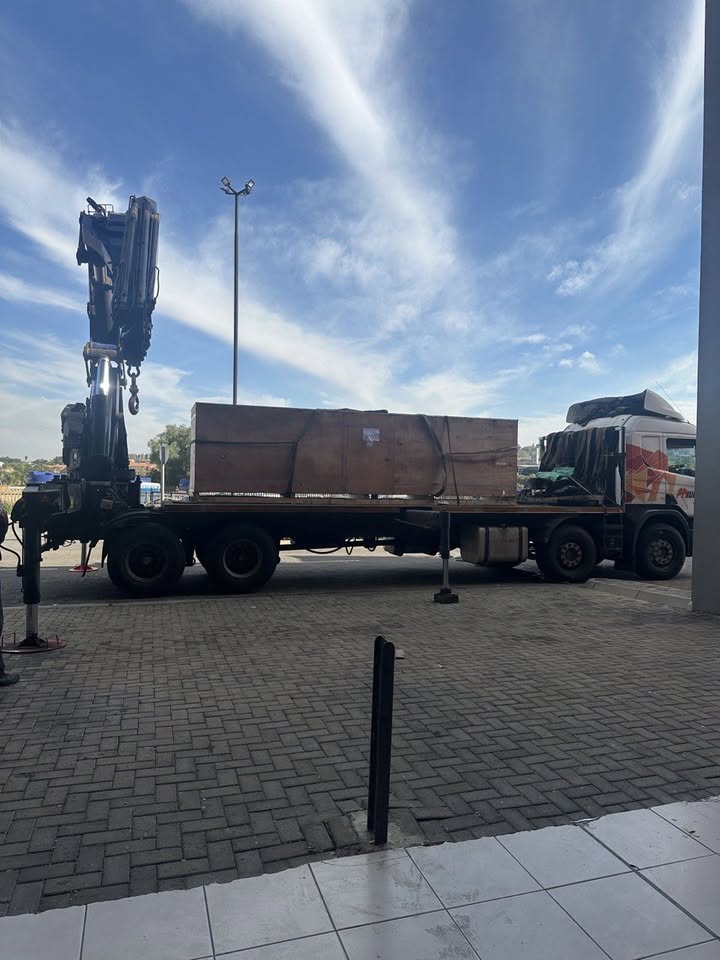
12 Heads Embroidery Machine
Toilet Paper Machine Machine
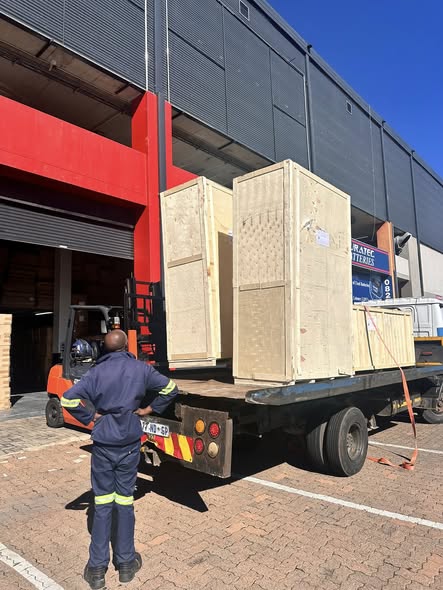
Order Collection
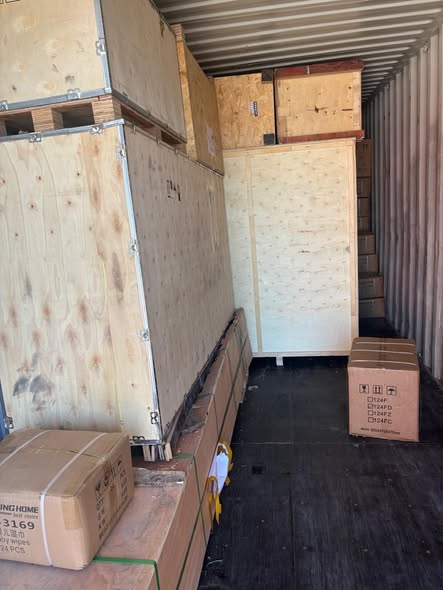
Cross Border Clients
Order cros border countries Collected
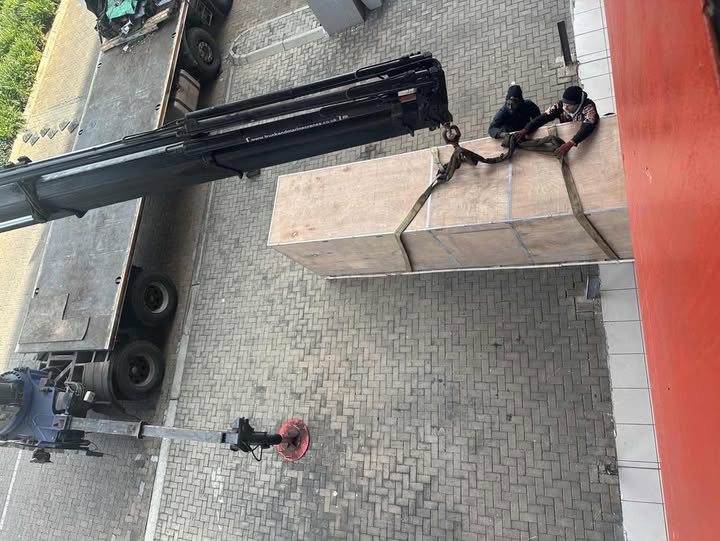
Industrial Machine Cllection
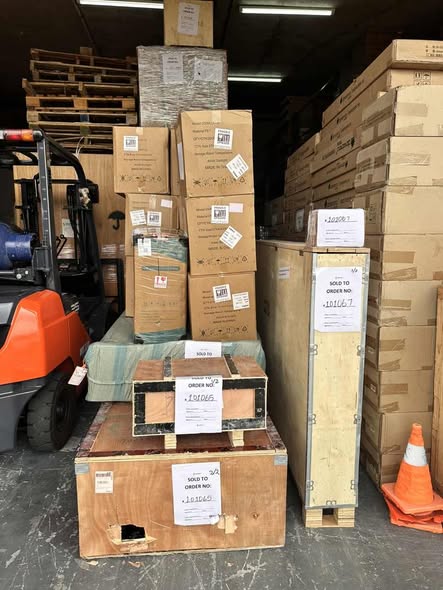
Agriculture Processing Machines
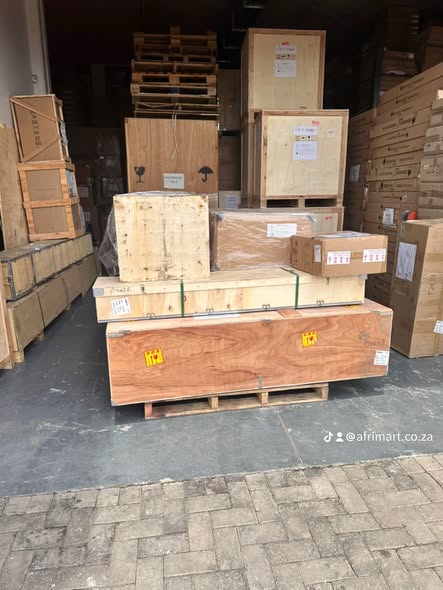
Ready for collection
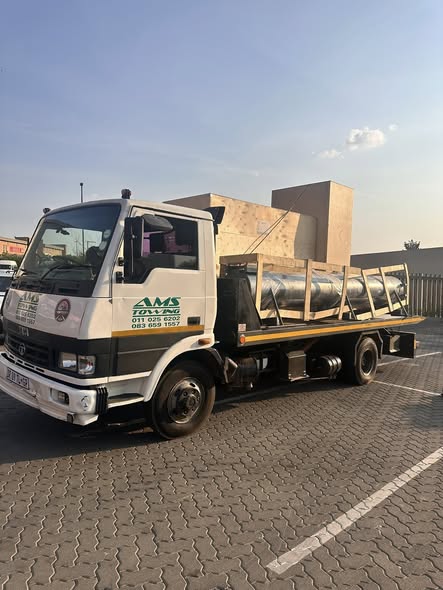
Water Pump Equipment
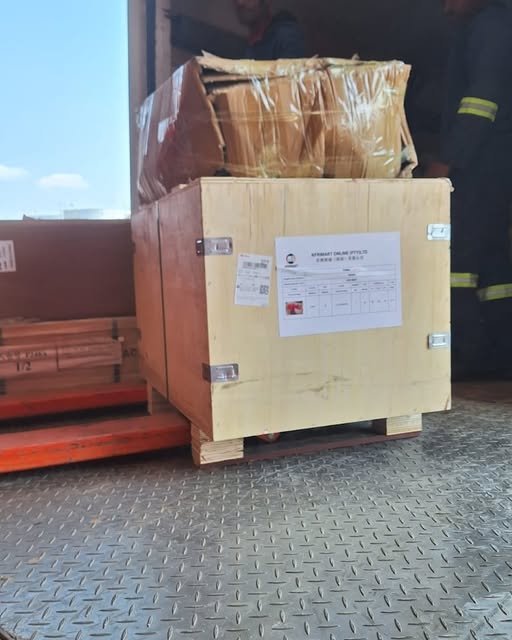
Packaging Machine and accessories
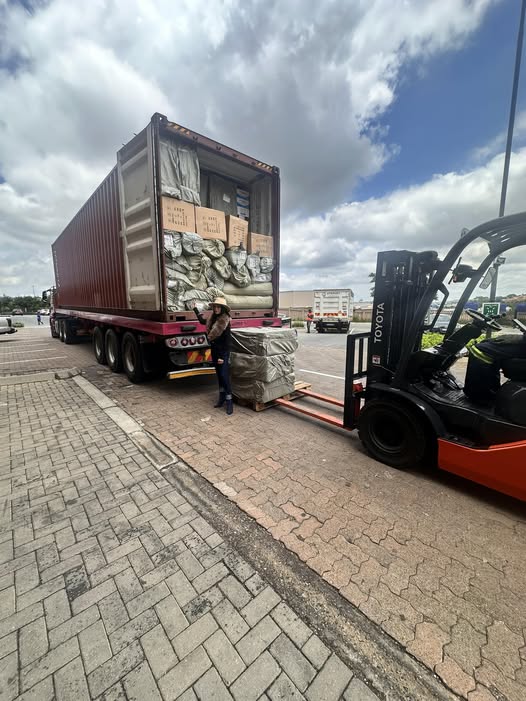
Fabrics Manufacturing Equipment
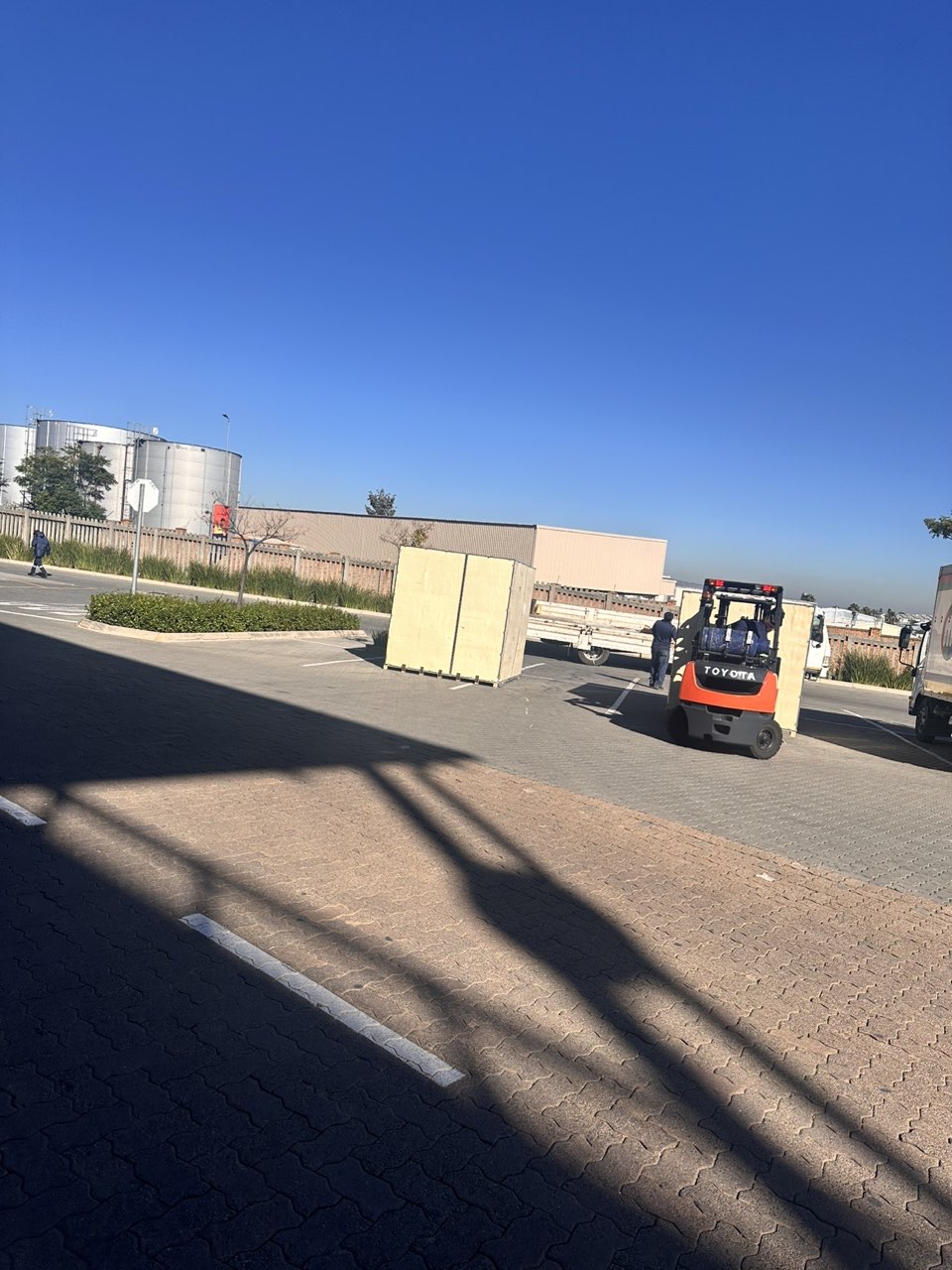
Mining Equipments
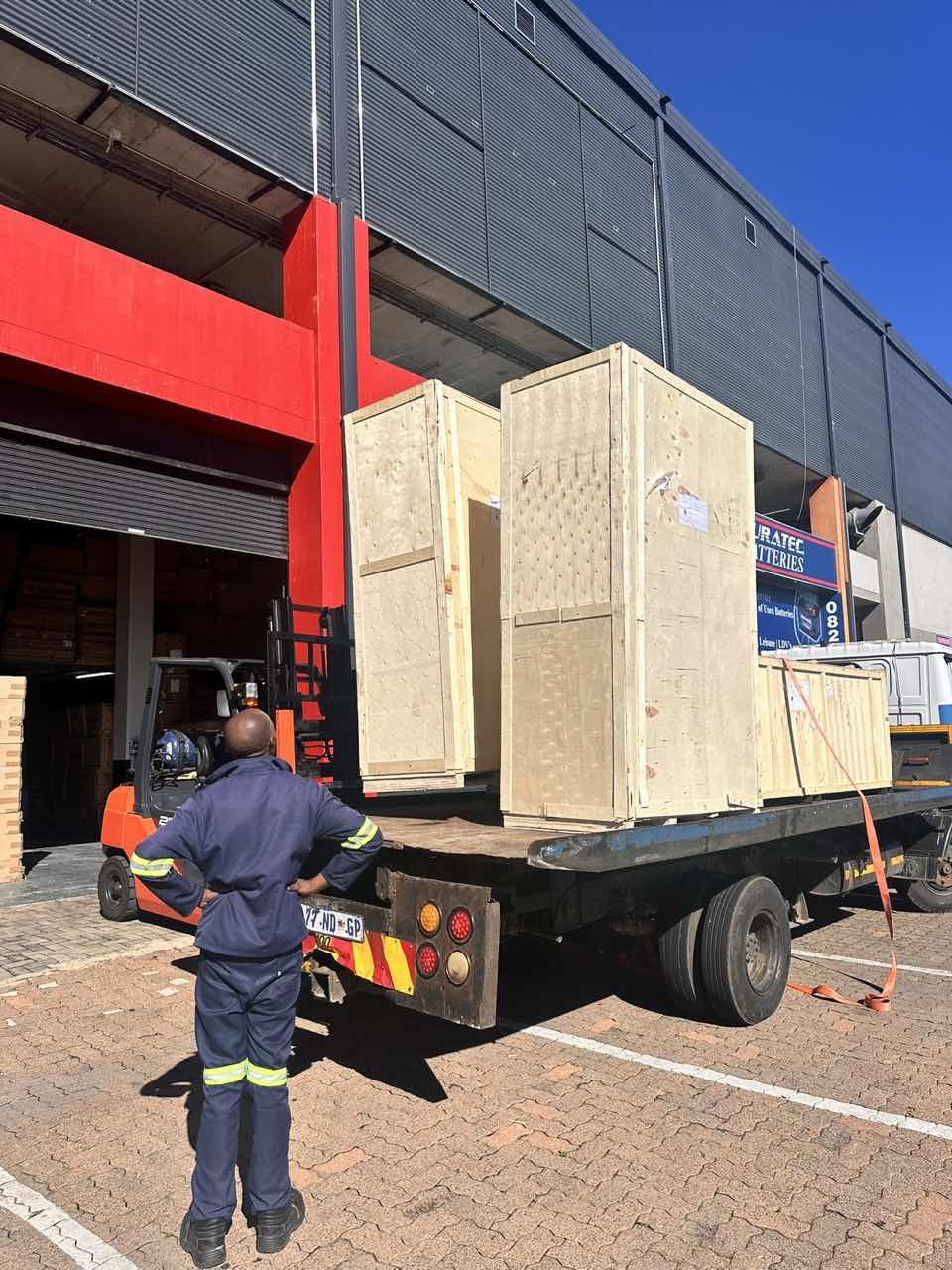
Food Processing Machine
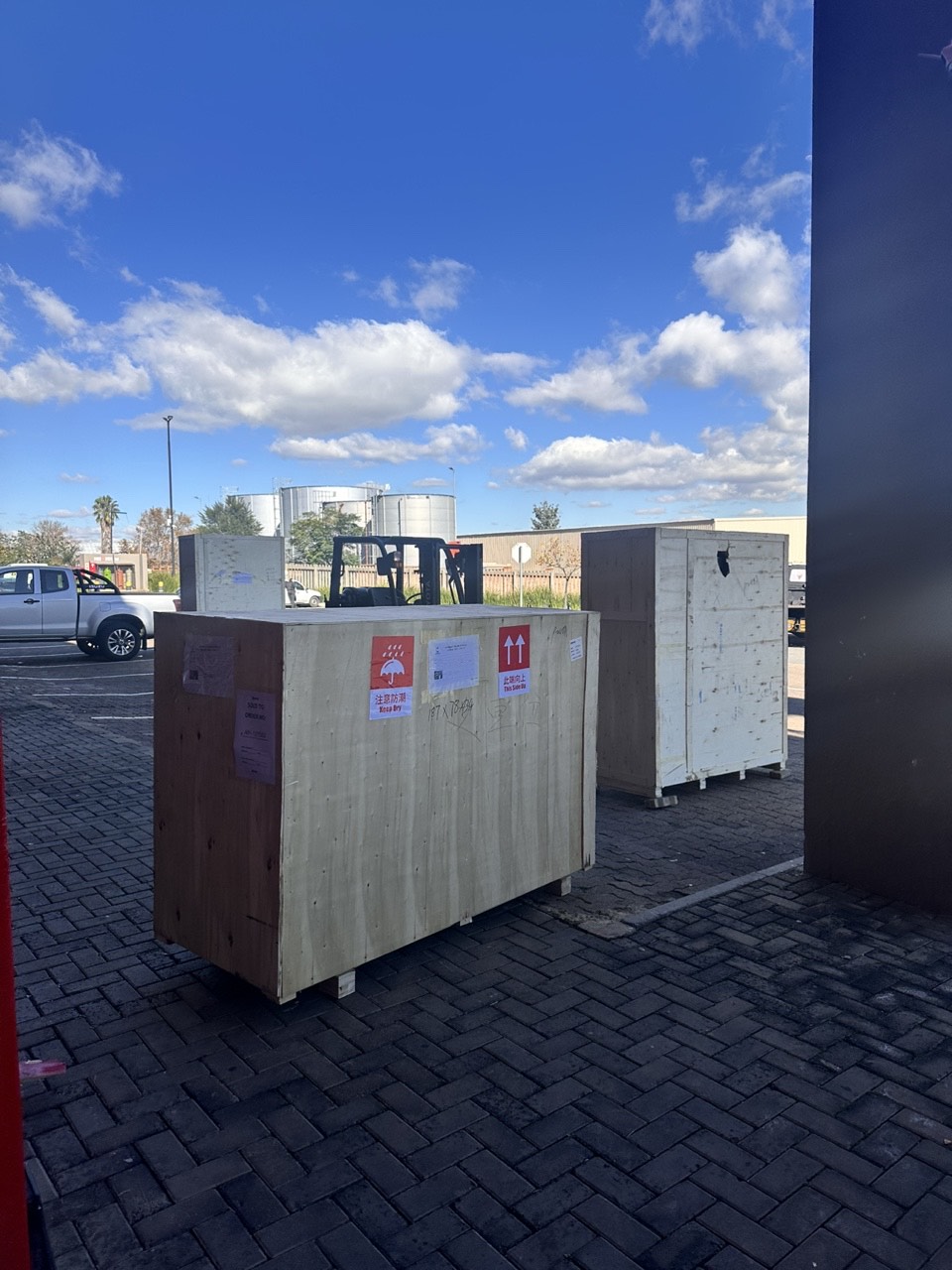
Batch of Orders
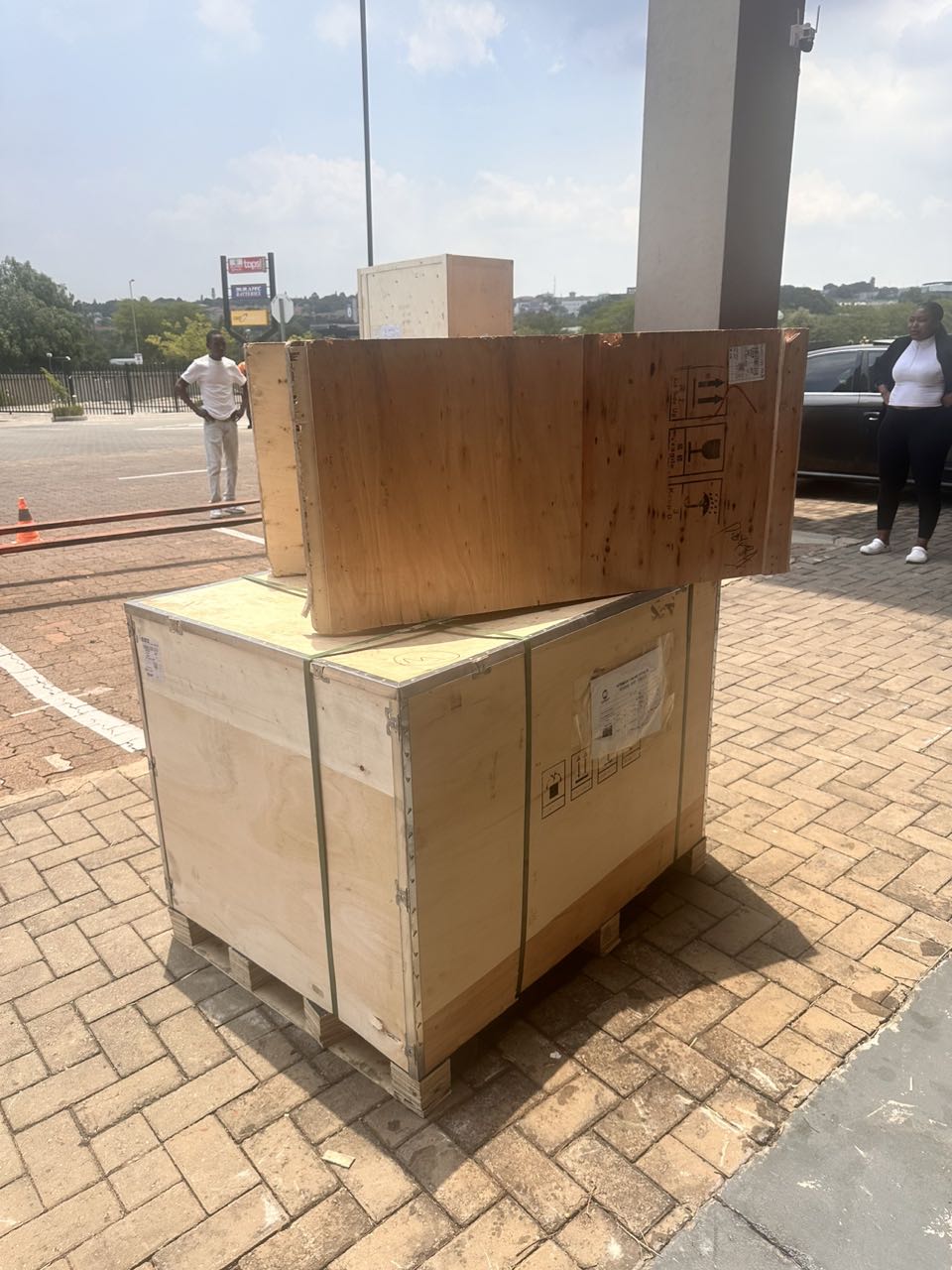
Batch of Orders
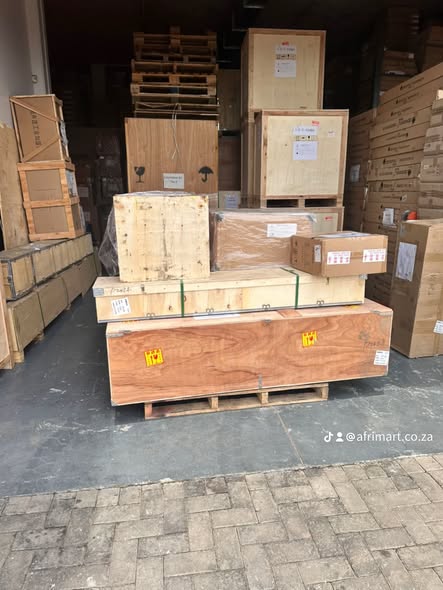
Latest Orders Labelled
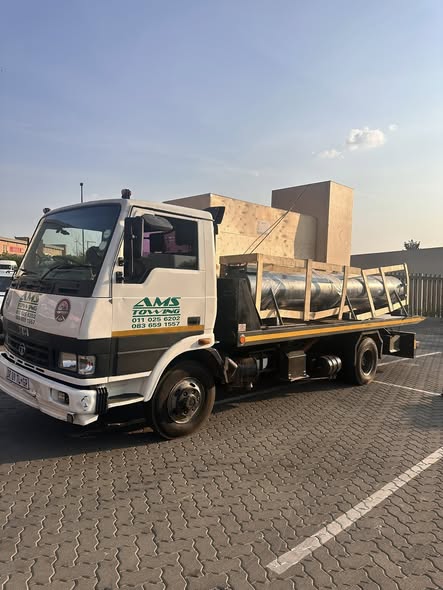
wheel alignment machines
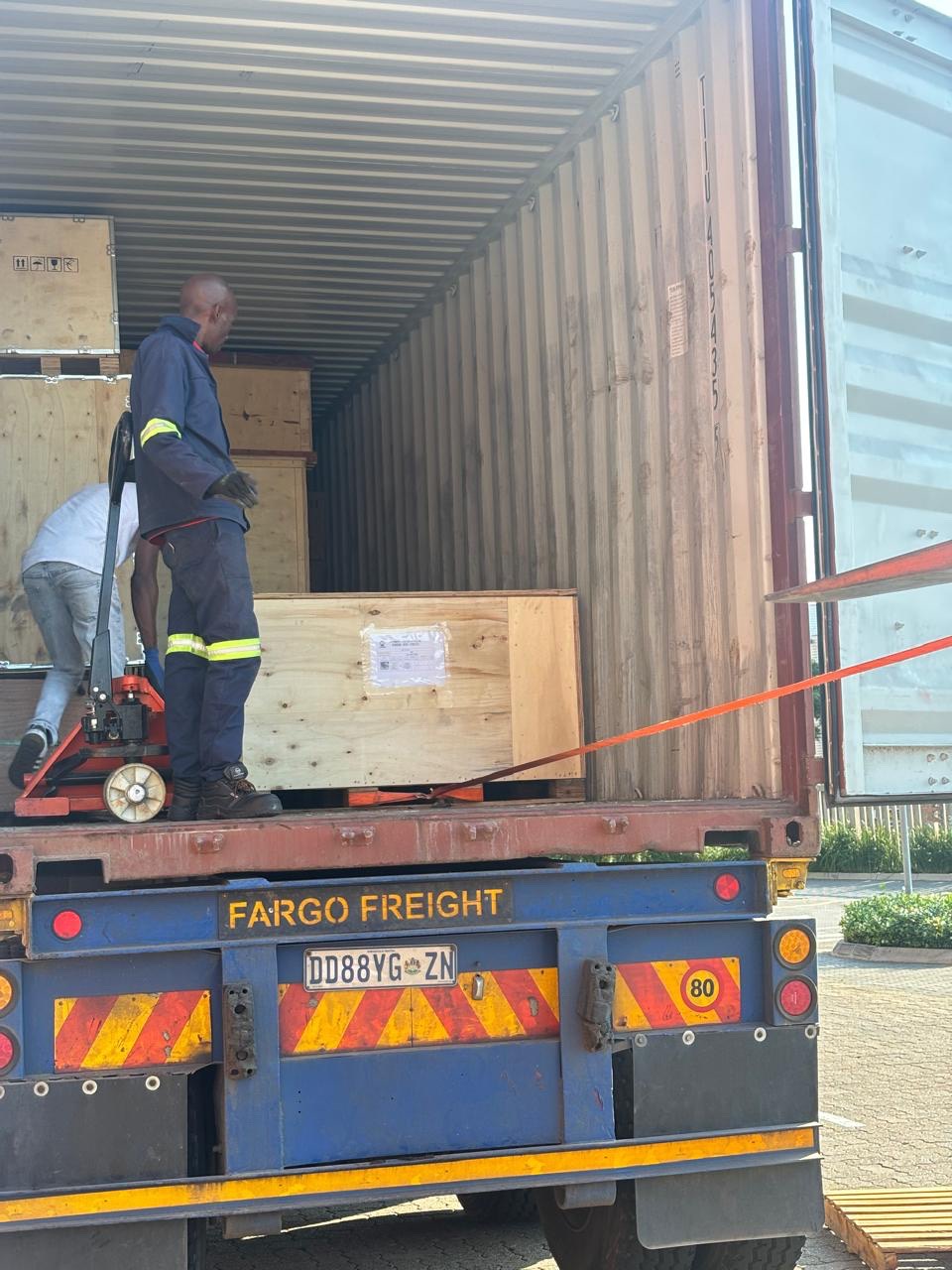
new arrivals
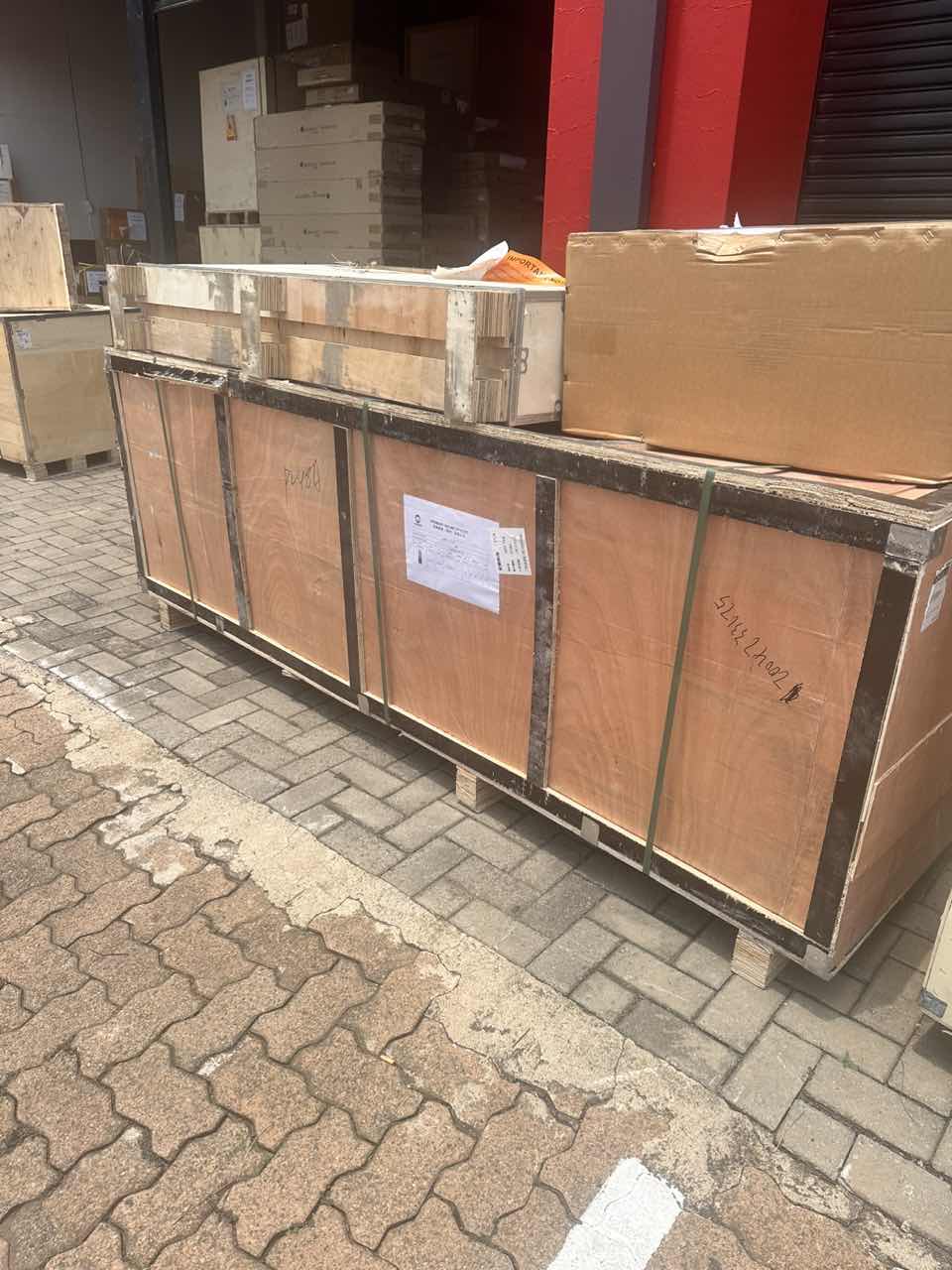
Pre Orders Offloading
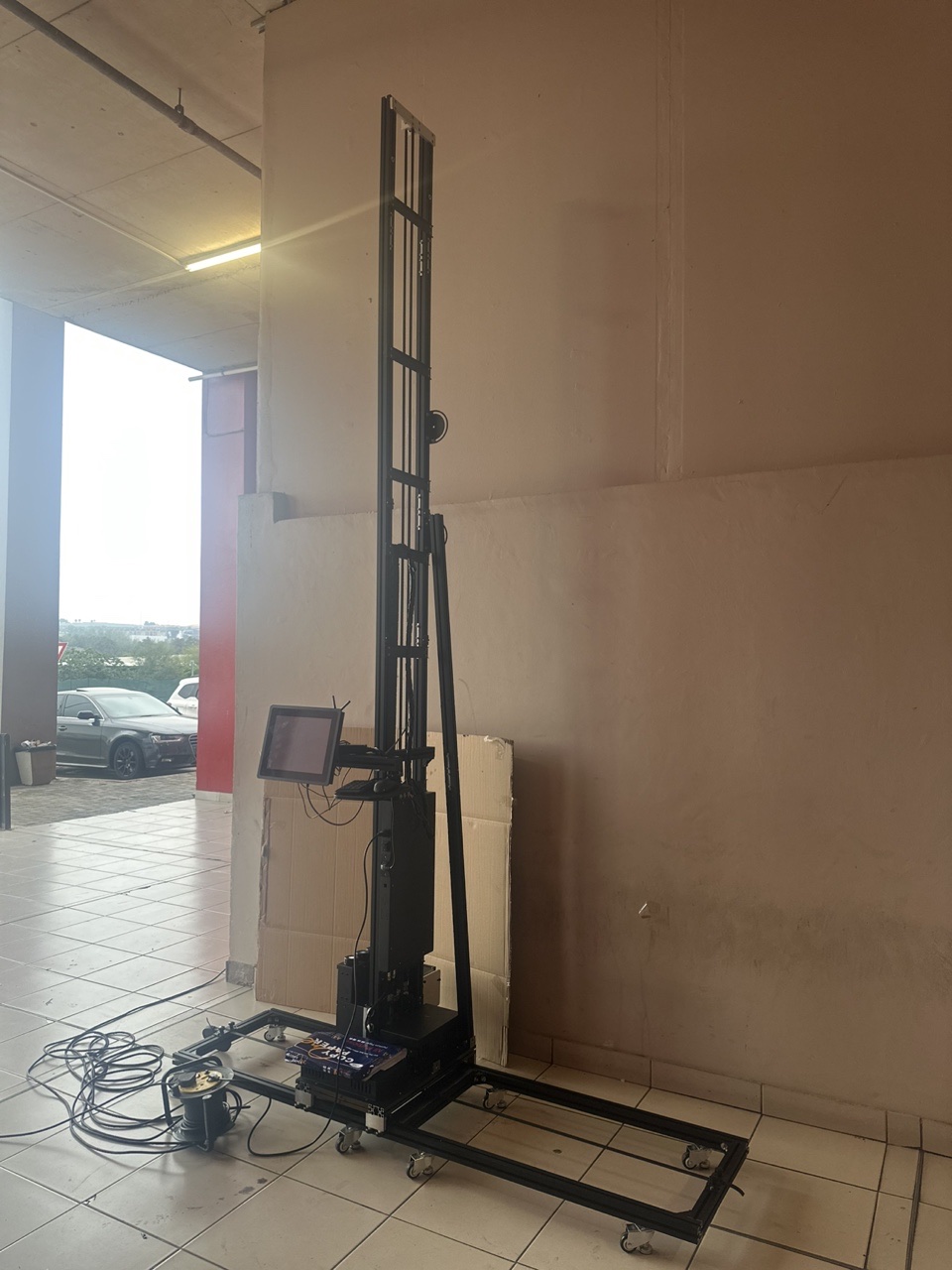
Latest Arrivals
Latest Arrivals
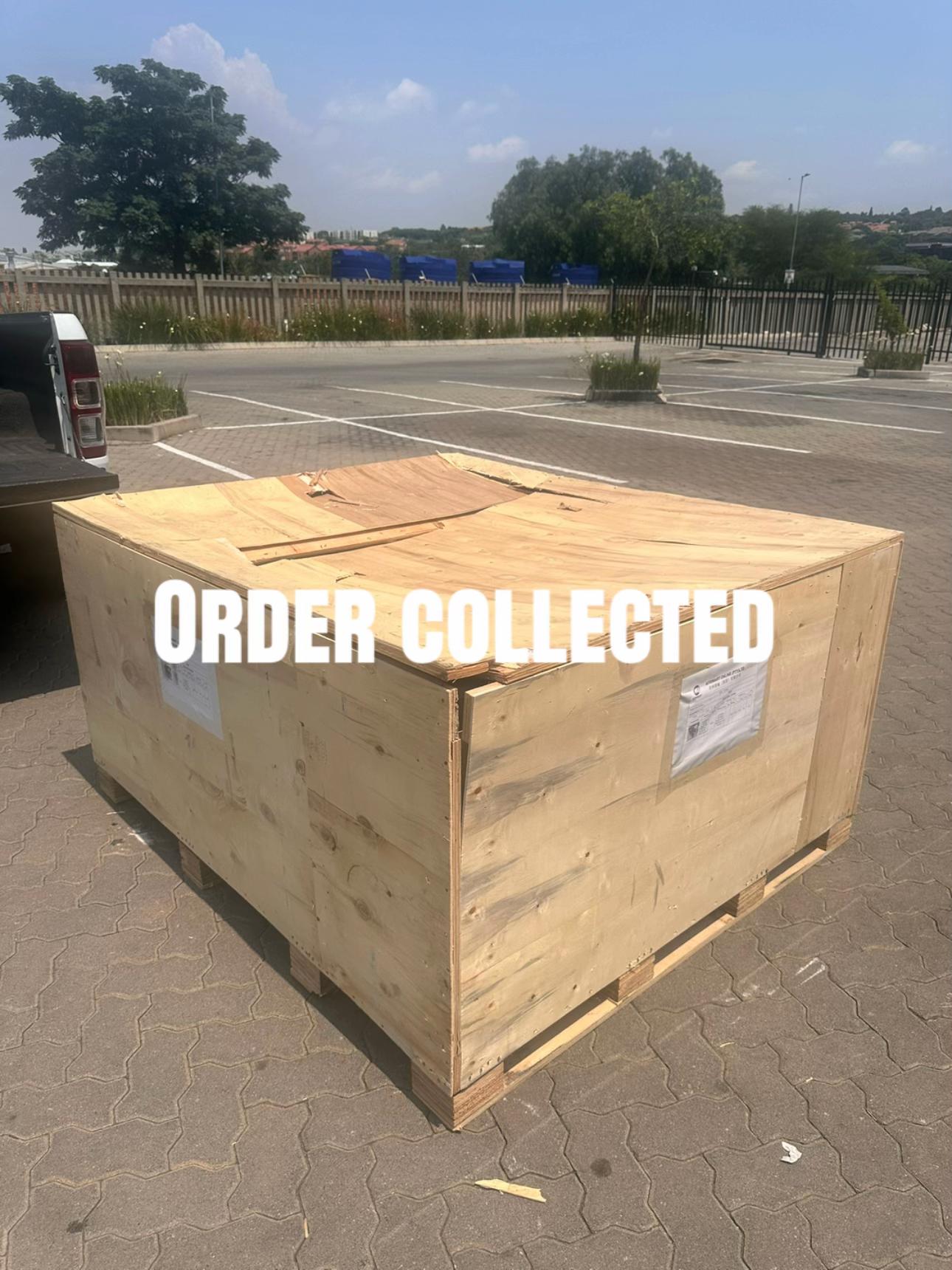
Latest Arrivals
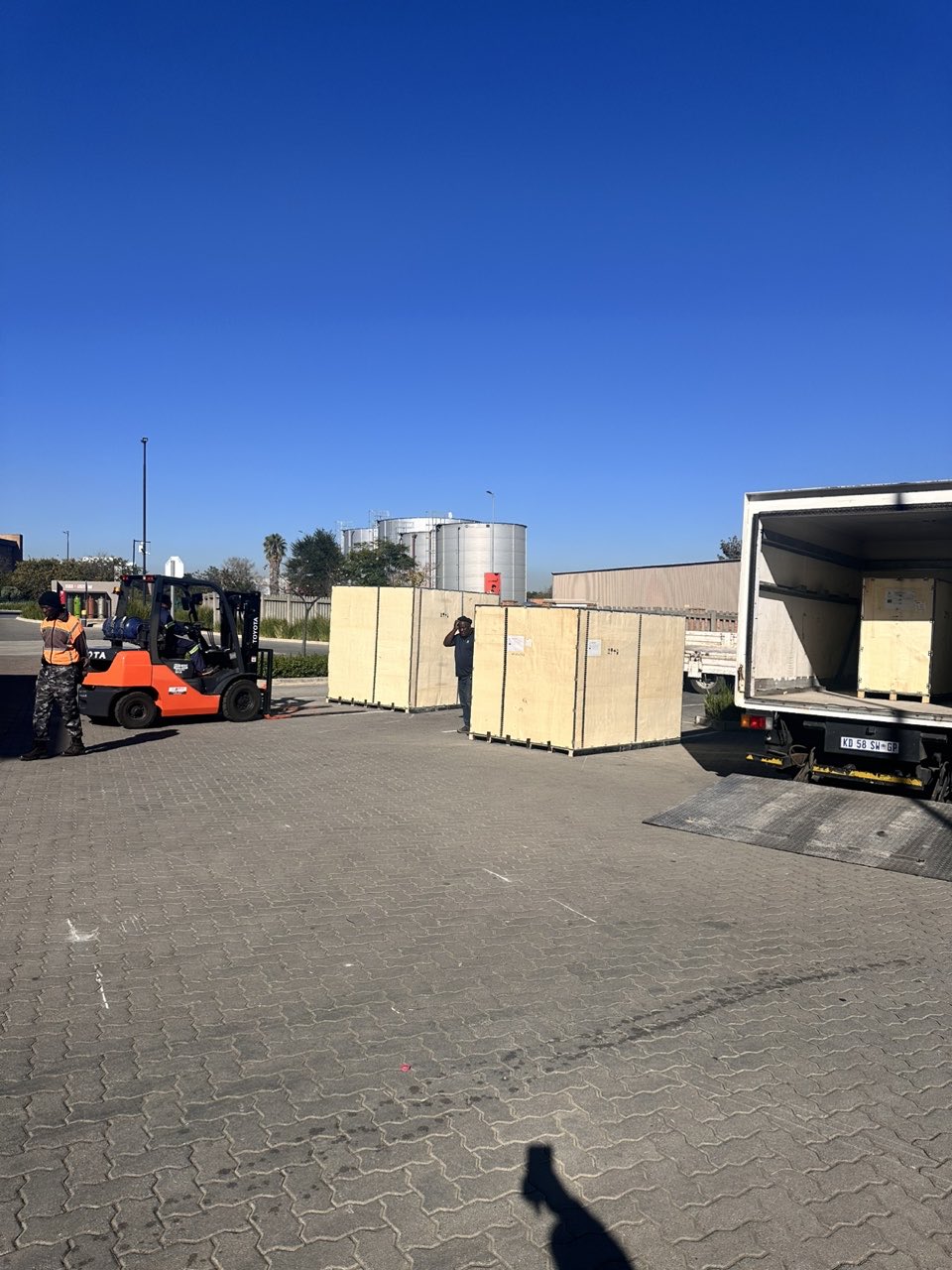
Loading
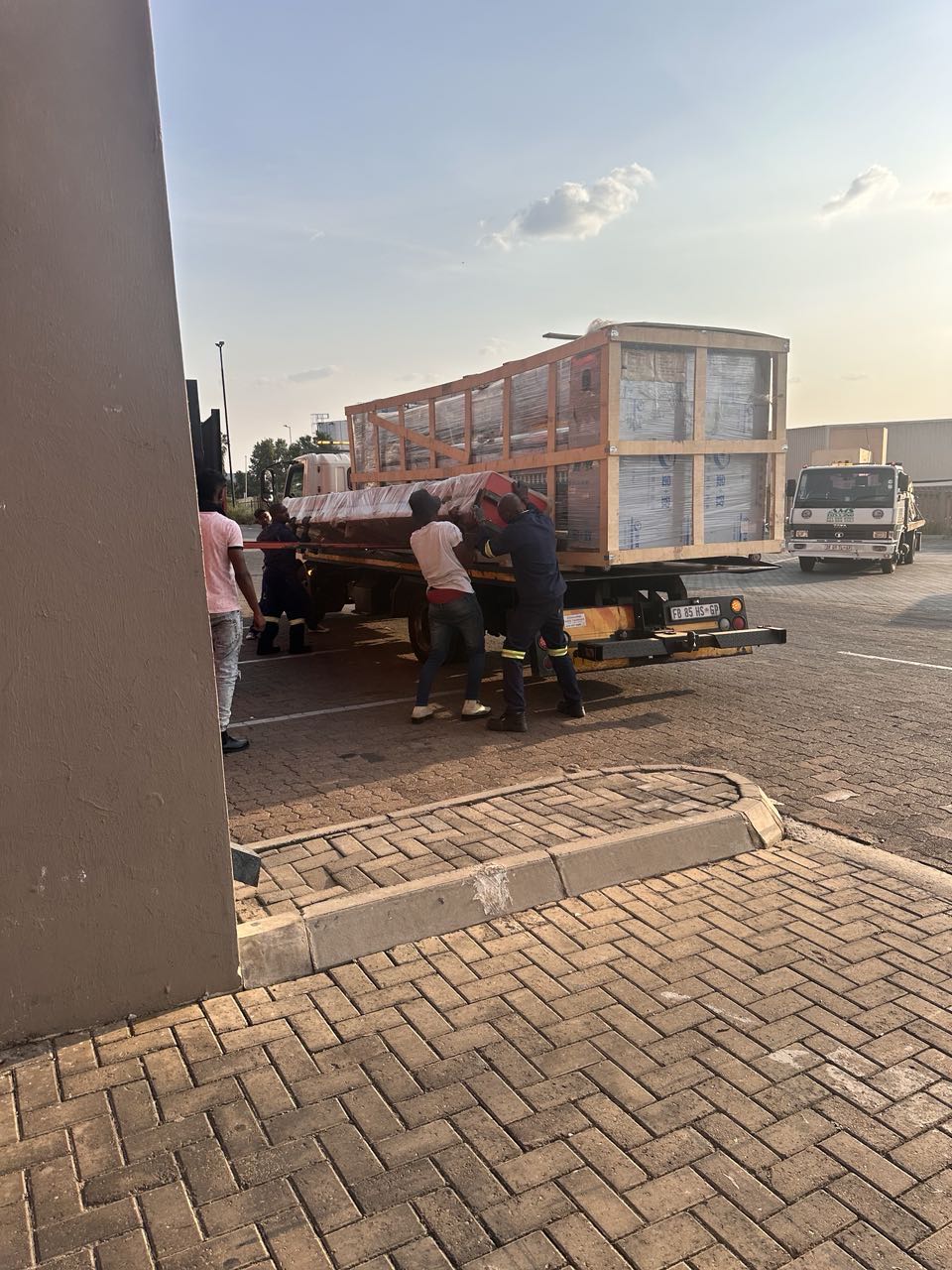
Toilet paper making machine
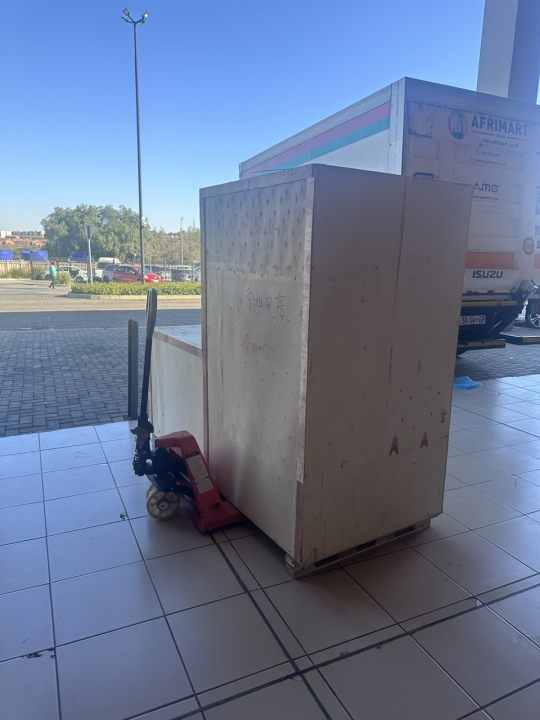
Toilet paper making machine
Toilet paper Rewinding Machine
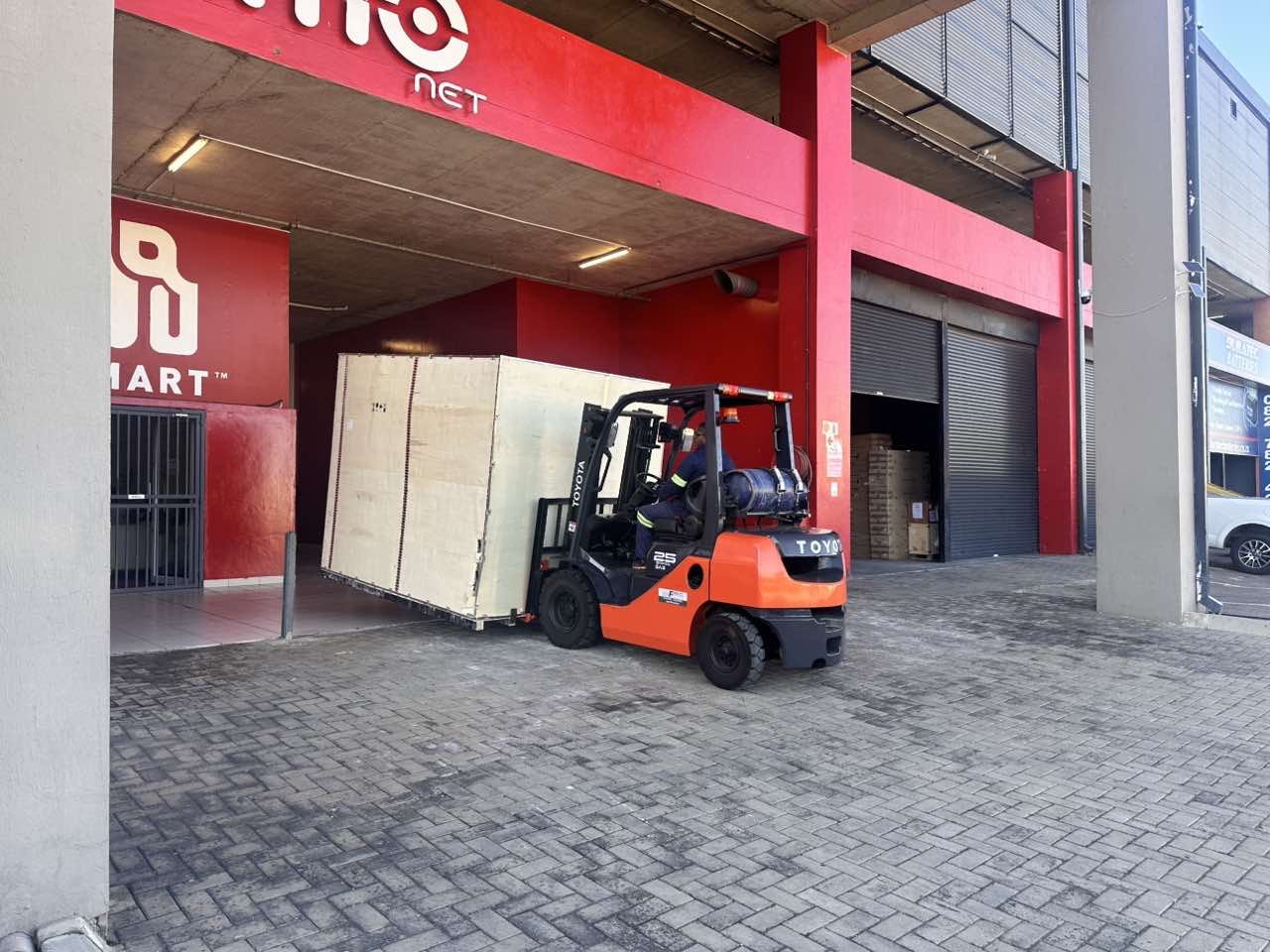
latest arrivals
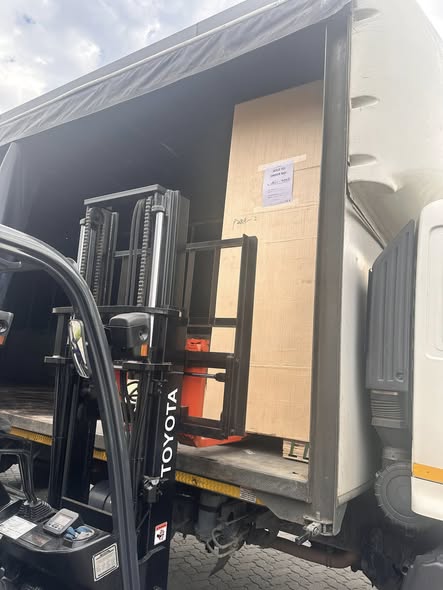
offloading
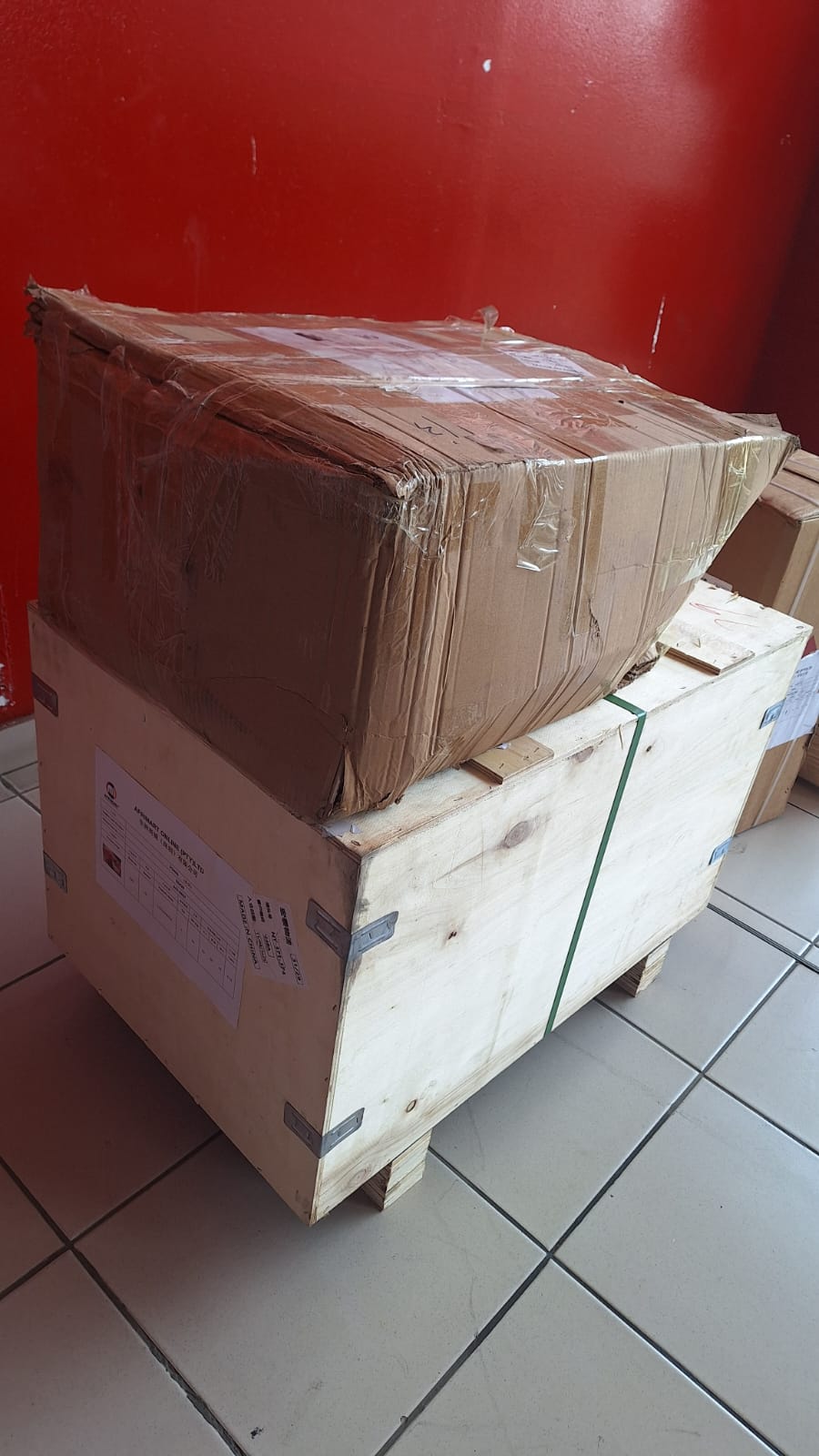
order success
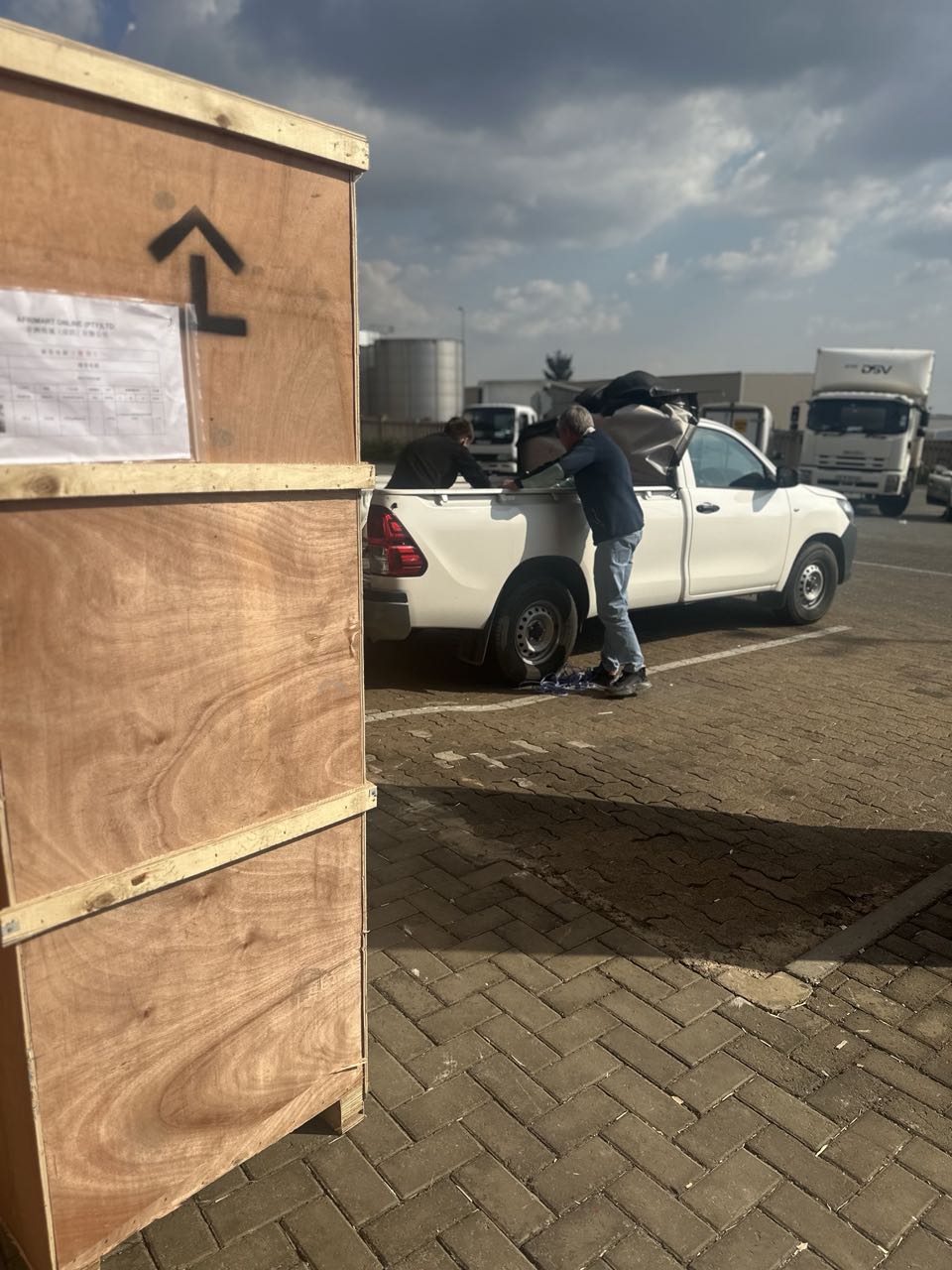
order collection
order offloading