B21, China Town Mall, Midrand


Hydraulic Excavator Using Tailings Treatment Dredge Pump Sand Pump for Mining
Asset finance available
Do you want funding for this equipment?
Afrimart can connect you with trusted funding partners who specialise in asset finance for businesses like yours. Compare options and apply in minutes — final approval is subject to provider review.
Check funding options
Secure & no obligation

- Section : Machinery
- Category : Mining Machinery
- SKU : 1600460464822

- Shipping Timeframes: All orders are processed within 2-5 business days (excluding weekends and holidays). After your order has been processed, the estimated delivery time is before 04 Aug, 2026, depending on customs, Please note that due to high demand, some items may experience longer shipping times, which will be communicated at order confirmation email.
- Order Processing Time: Please allow 2-5 business days for us to process your order before it is shipped . Orders placed after 16:00 on Fridays, or during weekends and public holidays, will begin processing on the next business day. Processing times may be extended during peak seasons or sales events.
- Manufacturing Time: Some products needs manufacturing time, the manufacturing process will take approximately 10-30 business days depending on the product. This timeframe may vary depending on the complexity of the product and current demand. but this will be communicated with you during order confirmation.
- Returns and Exchanges: We offer a 30-day return policy for most items. If you are not completely satisfied with your purchase, you may return it within 30 days of receipt for a refund or exchange. Items must be unused, in their original packaging, and accompanied by proof of purchase. Return shipping costs are the responsibility of the customer, unless the item was damaged or defective upon arrival.
1. What is the primary function of the Hydraulic Excavator Using Tailings Treatment Dredge Pump?
The primary function of the dredge pump is to desilt, dredge, and remove mud and sand from various water bodies such as ports, rivers, and lakes.
2. Can this dredge pump be used for municipal pipeline cleaning?
Yes, the dredge pump is designed for mud cleaning of municipal pipelines and can also be used in rainwater pumping stations.
3. What types of materials can the dredge pump transport?
The dredge pump can transport slurry materials containing various impurities and can convey media with larger solid particles.
4. Is the dredge pump effective for road repairing and bridging?
Yes, the dredge pump is used for road repairing and bridging, particularly in extracting pile bottom sediment and mud.
5. What are the different models available for this dredge pump?
The dredge pump is available in multiple models including PLE-WNB-5.5, PLE-WNB-7.5, PLE-WNB-11, PLE-WNB-15, PLE-WNB-22, PLE-WNB-37, PLE-WNB-55, and PLE-WNB-75, each with varying specifications.
6. How do I determine the right model for my needs?
To determine the right model, consider the flow rate, head of delivery, and the specific application requirements. Contact the manufacturer for personalized guidance.
7. What is the flow rate of the PLE-WNB-15 model?
The PLE-WNB-15 model has a flow rate of 165 cubic meters per hour.
8. What is the maximum head of delivery for the PLE-WNB-22 model?
The PLE-WNB-22 model has a maximum head of delivery of 18 meters.
9. How fast does the PLE-WNB-5.5 model rotate?
The PLE-WNB-5.5 model has a rotate speed of 1600 revolutions per minute (r/min).
10. What is the outlet diameter of the PLE-WNB-37 model?
The PLE-WNB-37 model has an outlet diameter of 150 mm.
11. Can this dredge pump be used for cleaning wetland sediment?
Yes, the dredge pump is suitable for cleaning wetland sedimentary silt and can also be used in mining and excavation applications.
12. What is the cost of the dredge pump?
The cost varies based on different configurations. It is recommended to contact the manufacturer for detailed pricing.
13. Is there a warranty for the dredge pump?
Warranty information may vary by manufacturer. Please check with the manufacturer for specific warranty details.
14. What maintenance is required for the dredge pump?
Regular maintenance includes checking for wear and tear, ensuring the pump is free from debris, and performing routine inspections as per the manufacturer's guidelines.
15. Can the dredge pump handle large solid particles?
Yes, the dredge pump is designed to convey media containing larger solid particles effectively.
Latest Order Arrivals
Discover our latest orders
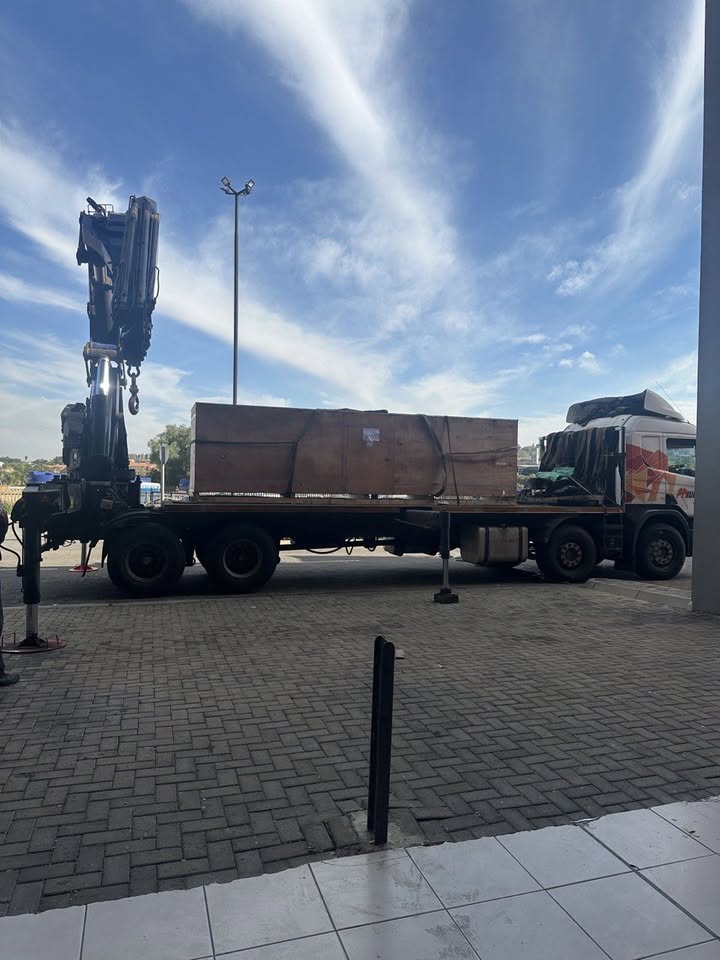
12 Heads Embroidery Machine
Toilet Paper Machine Machine
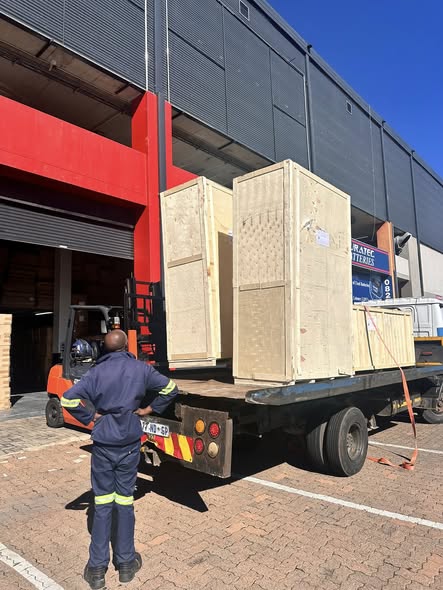
Order Collection
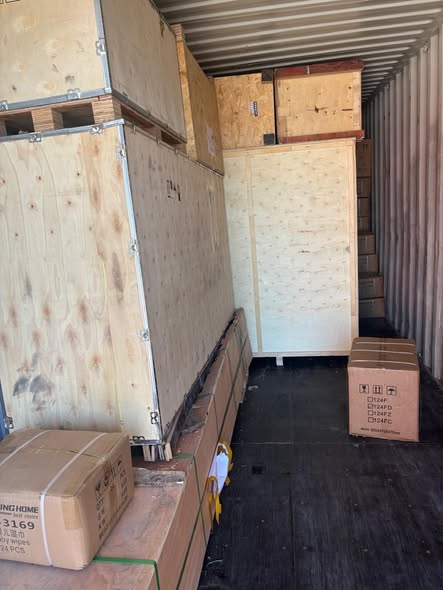
Cross Border Clients
Order cros border countries Collected
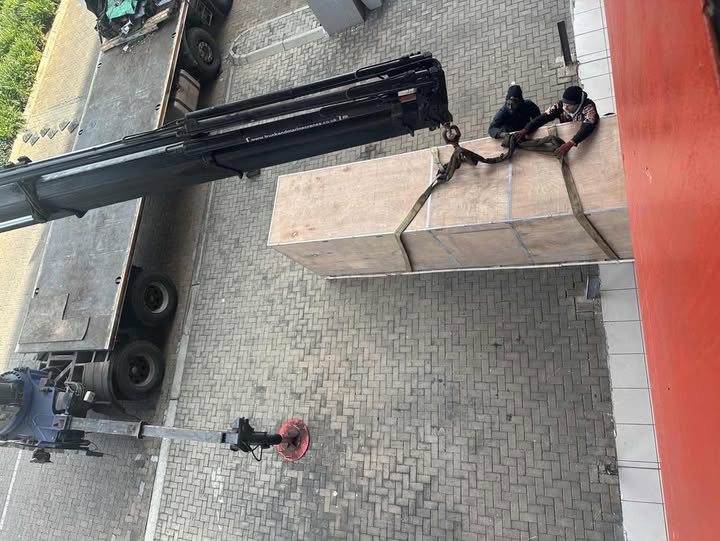
Industrial Machine Cllection
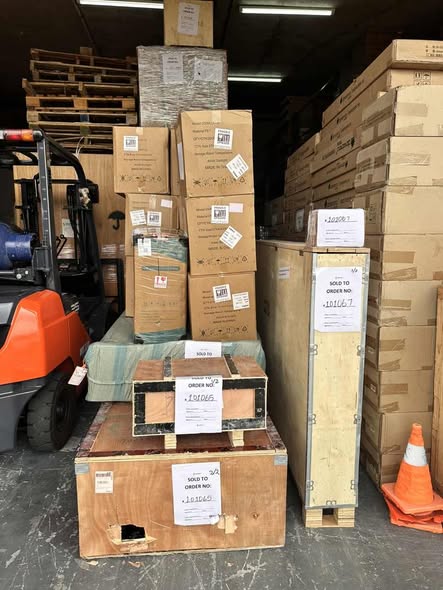
Agriculture Processing Machines
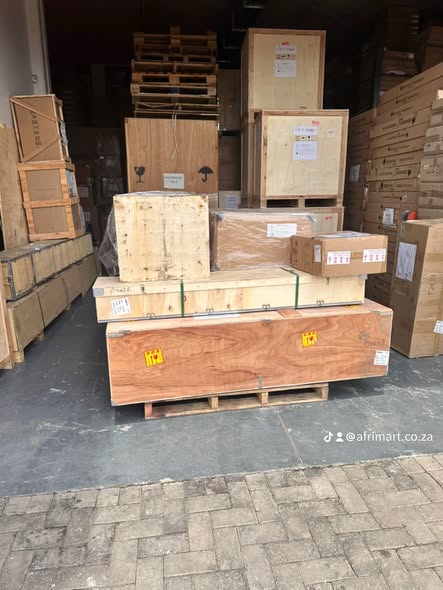
Ready for collection
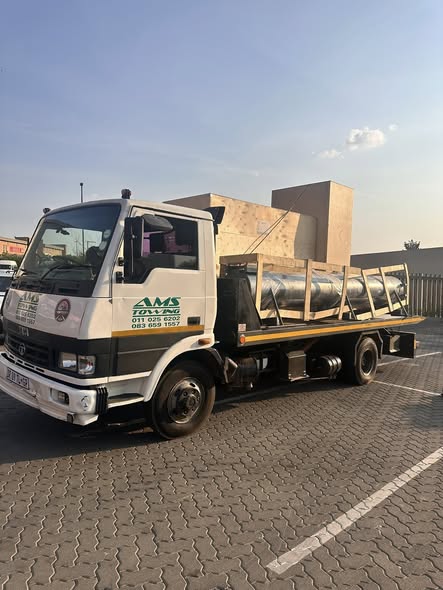
Water Pump Equipment
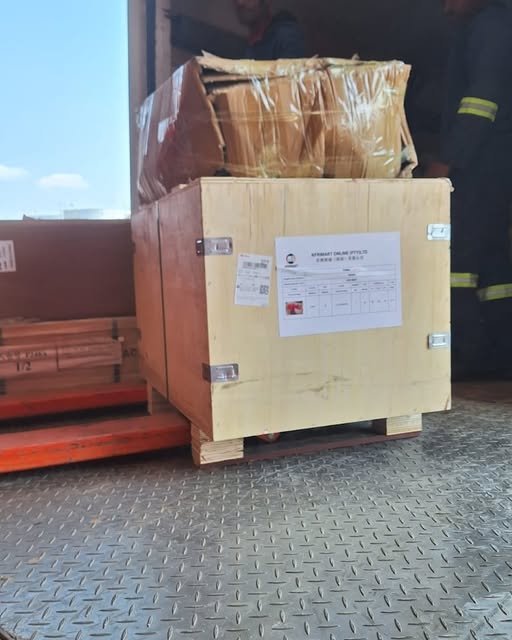
Packaging Machine and accessories
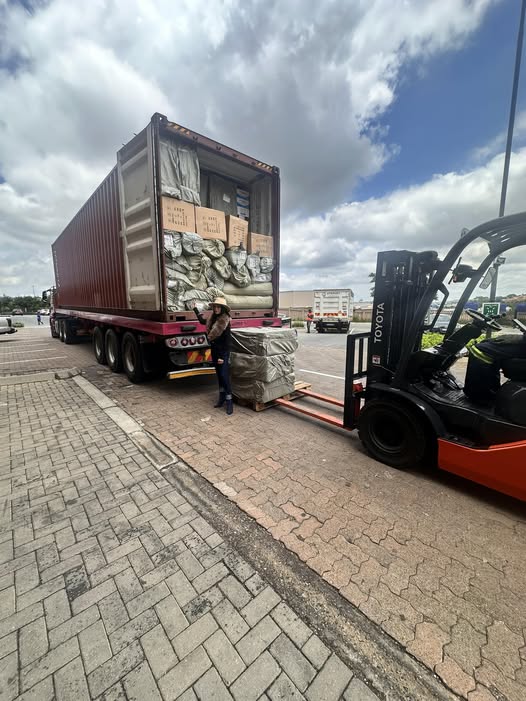
Fabrics Manufacturing Equipment
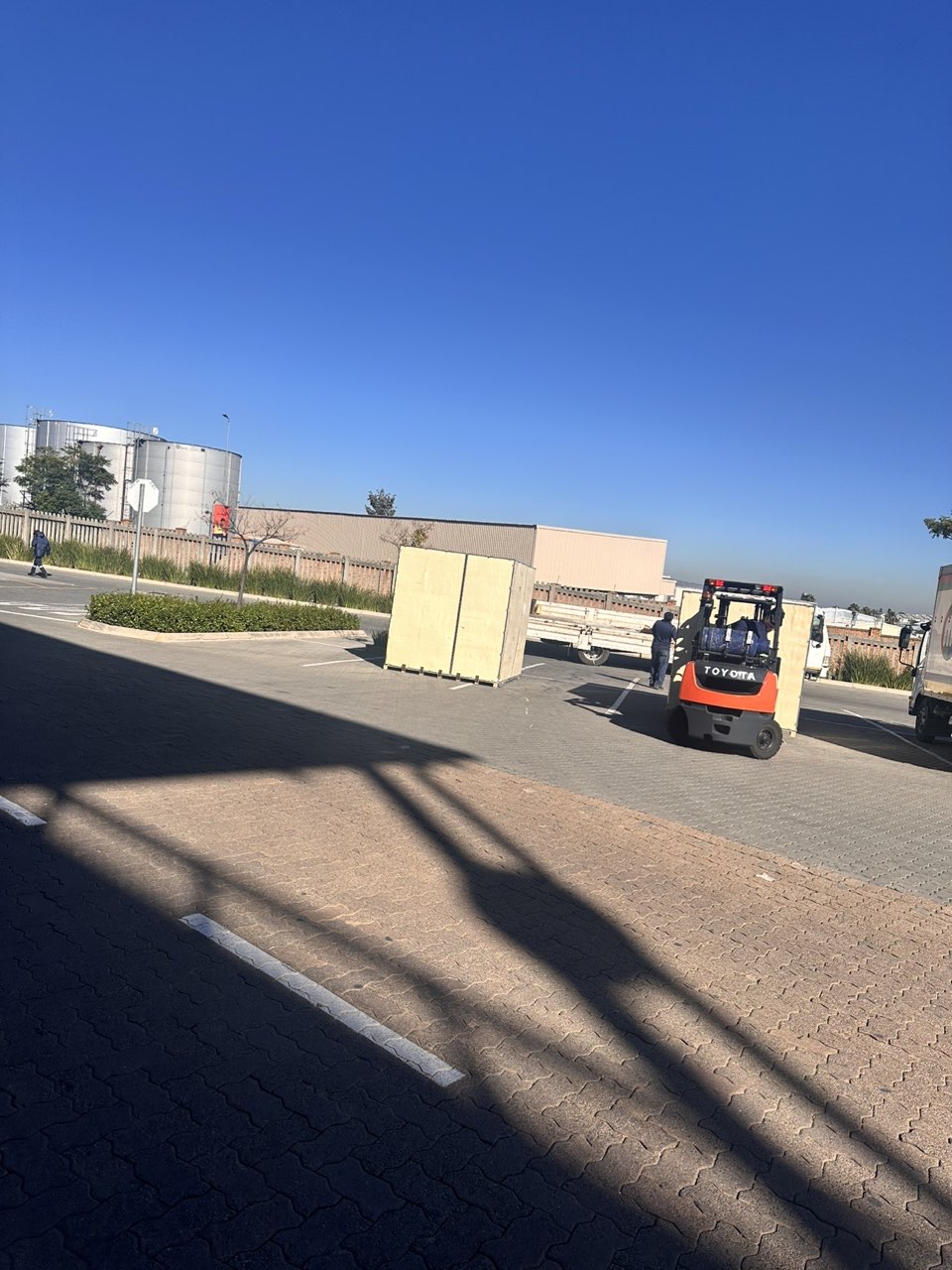
Mining Equipments
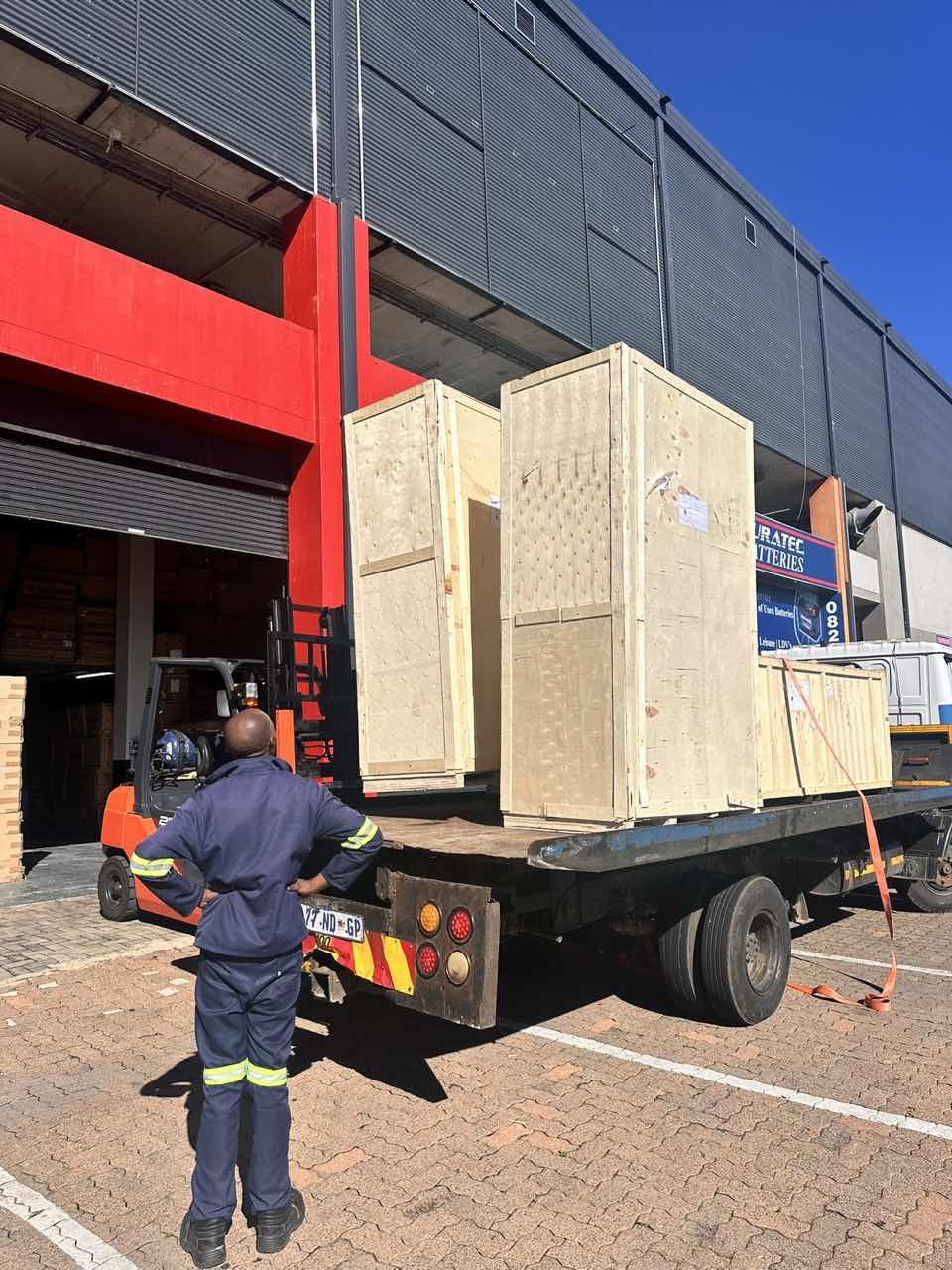
Food Processing Machine
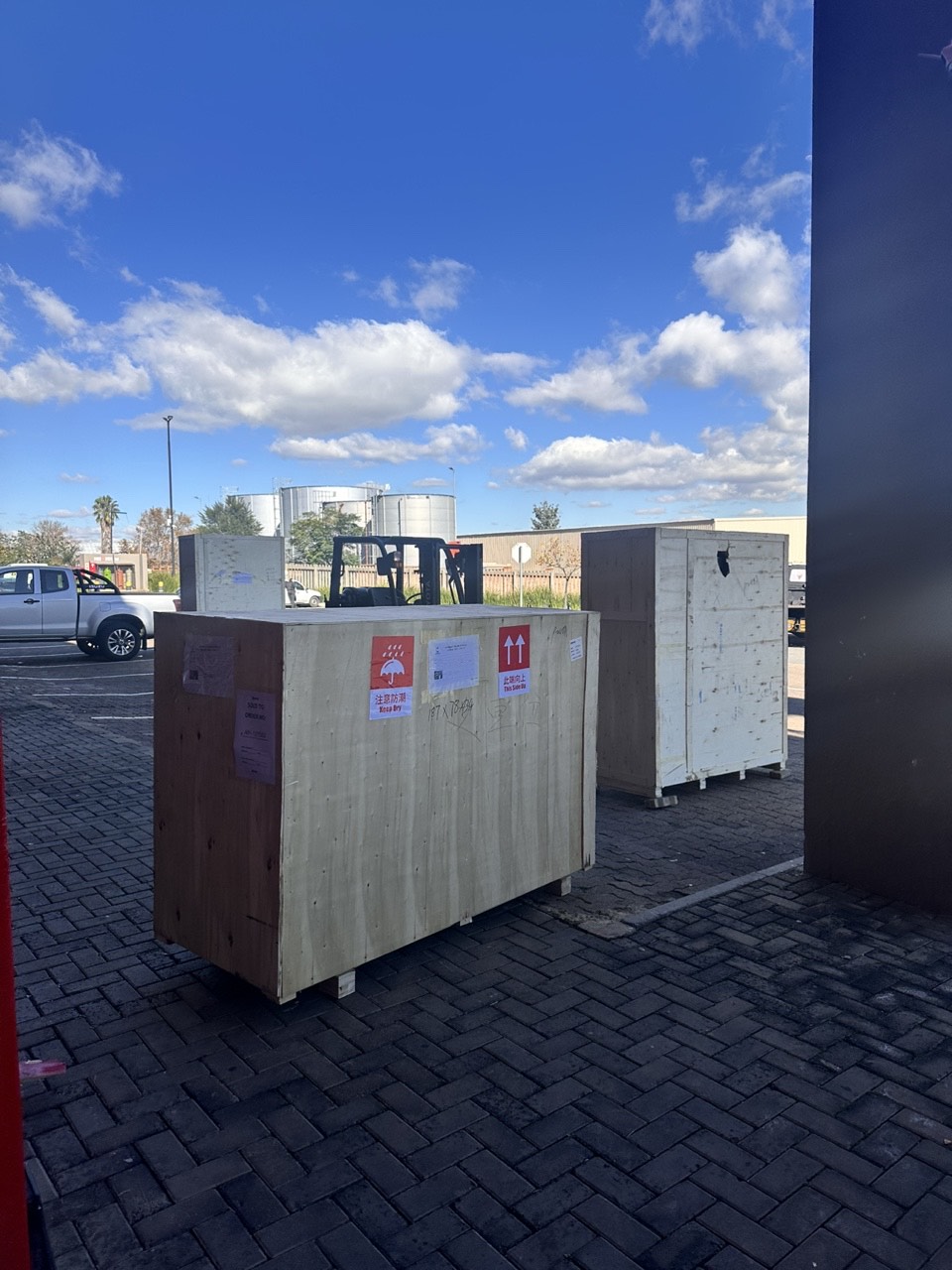
Batch of Orders
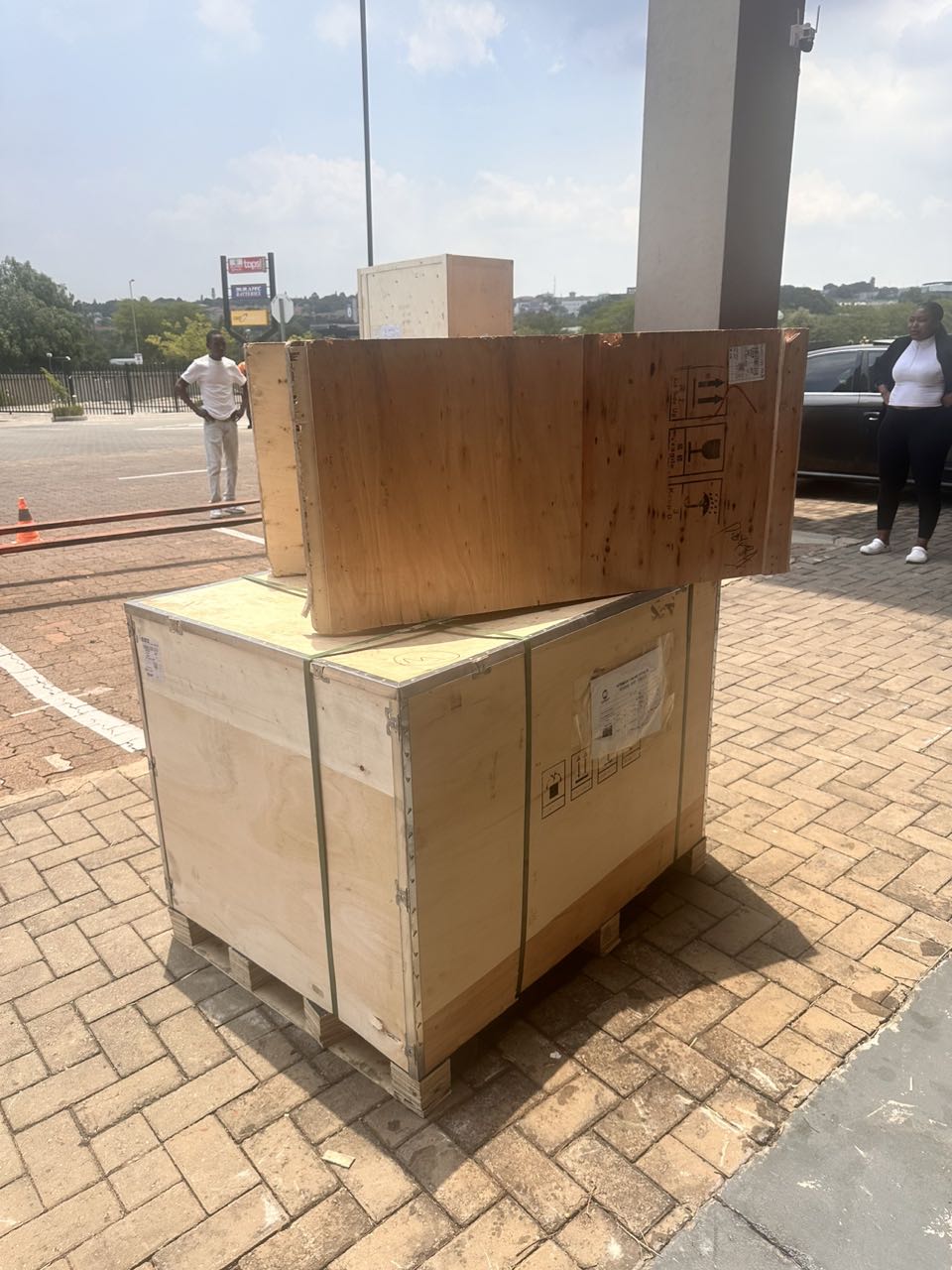
Batch of Orders
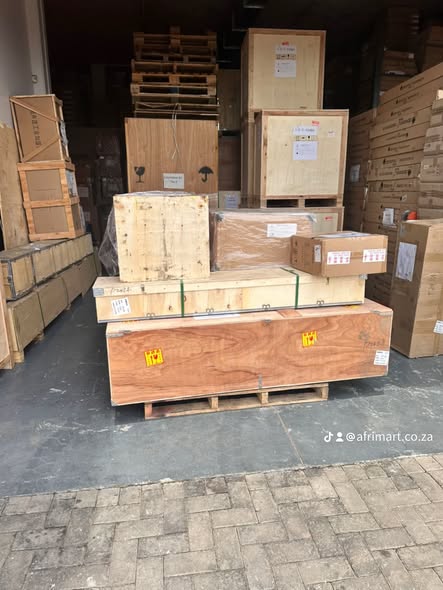
Latest Orders Labelled
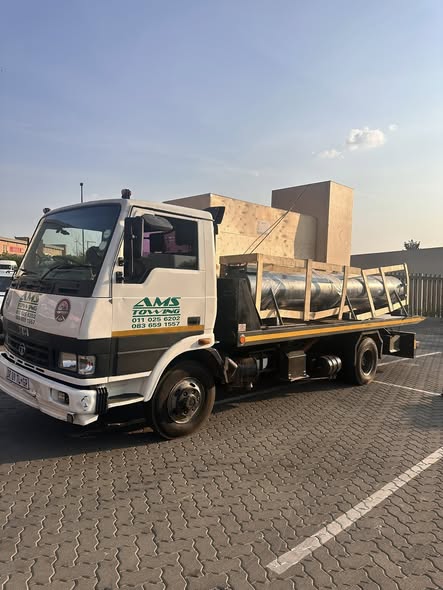
wheel alignment machines
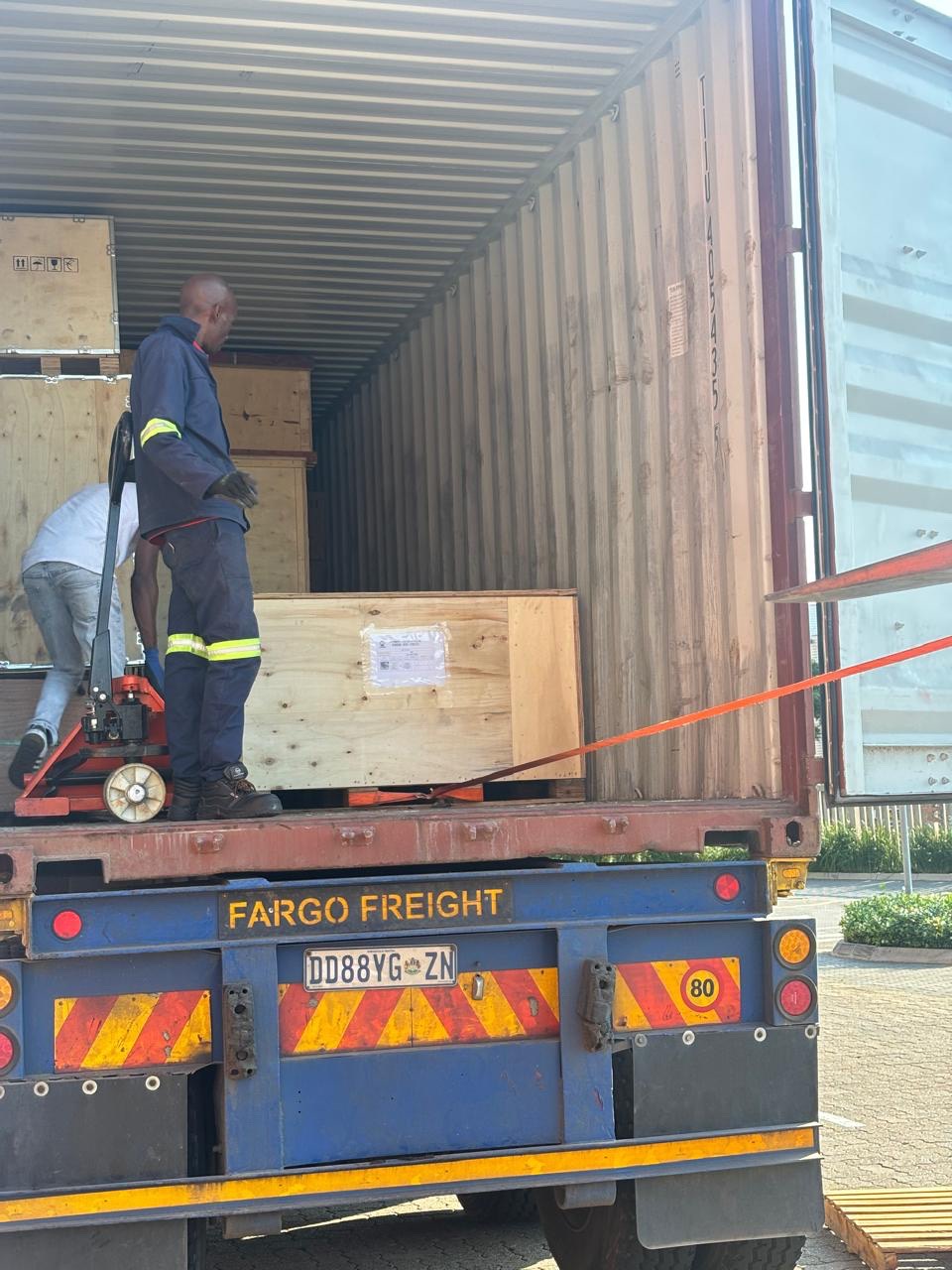
new arrivals
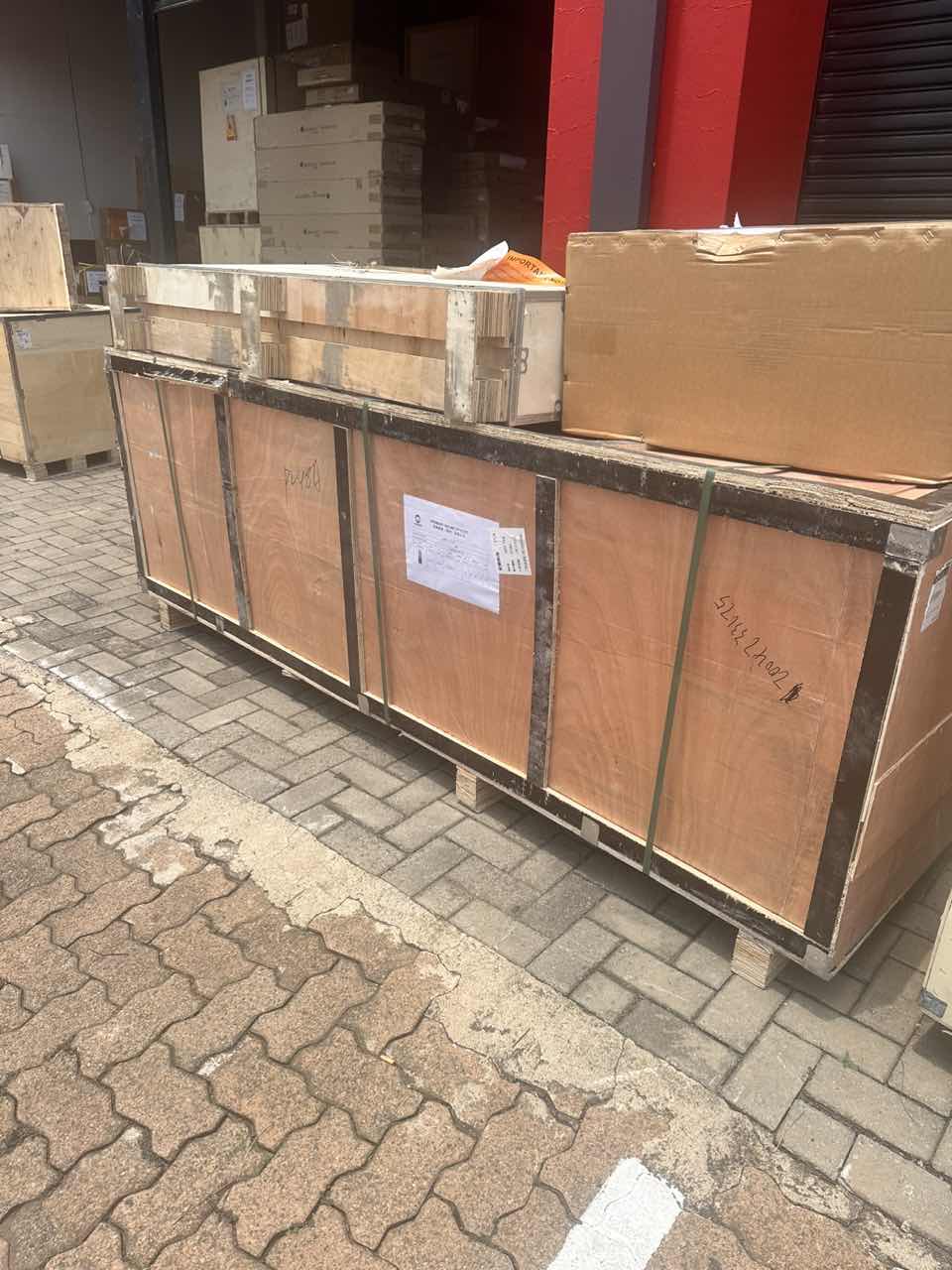
Pre Orders Offloading
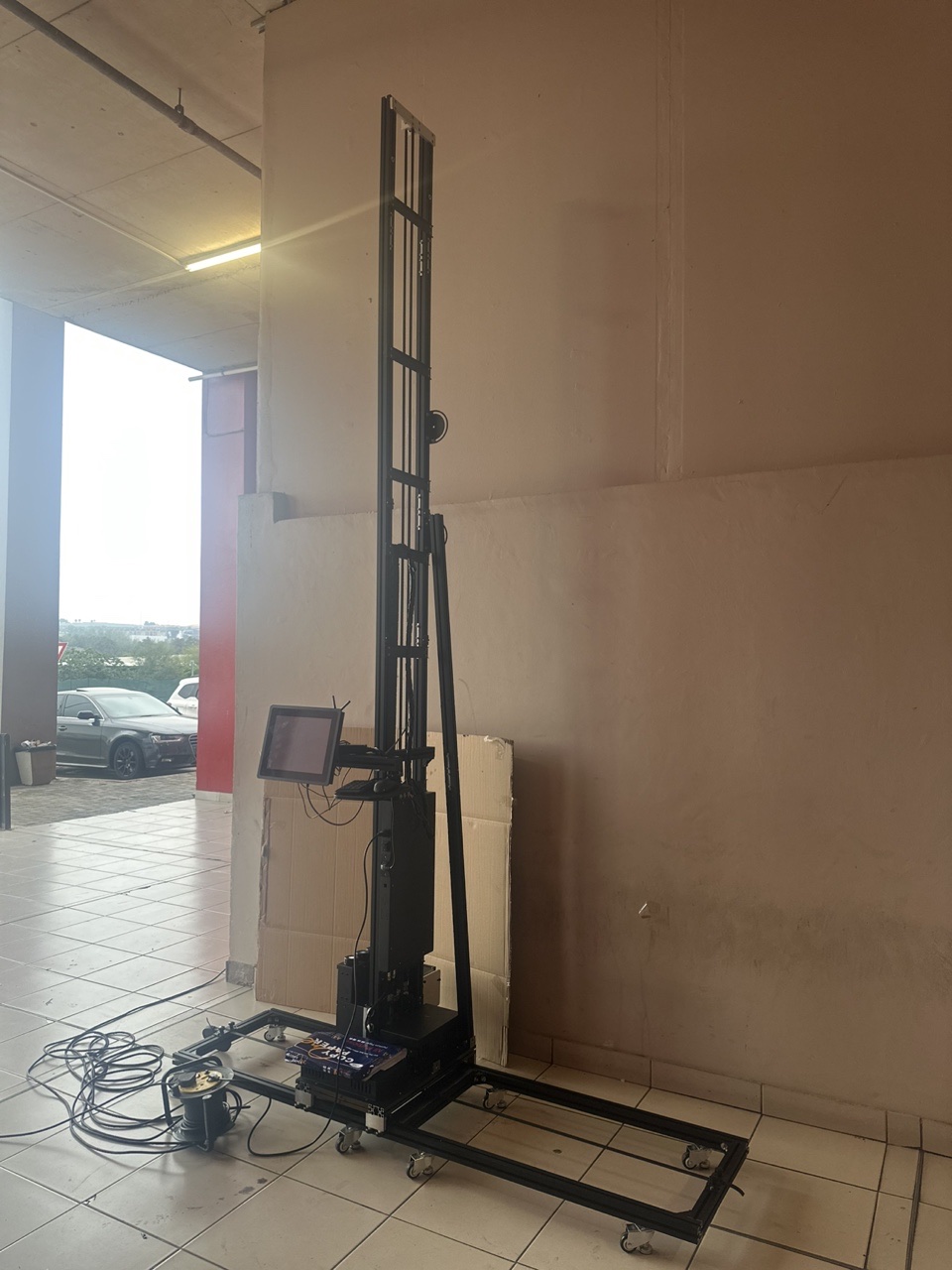
Latest Arrivals
Latest Arrivals
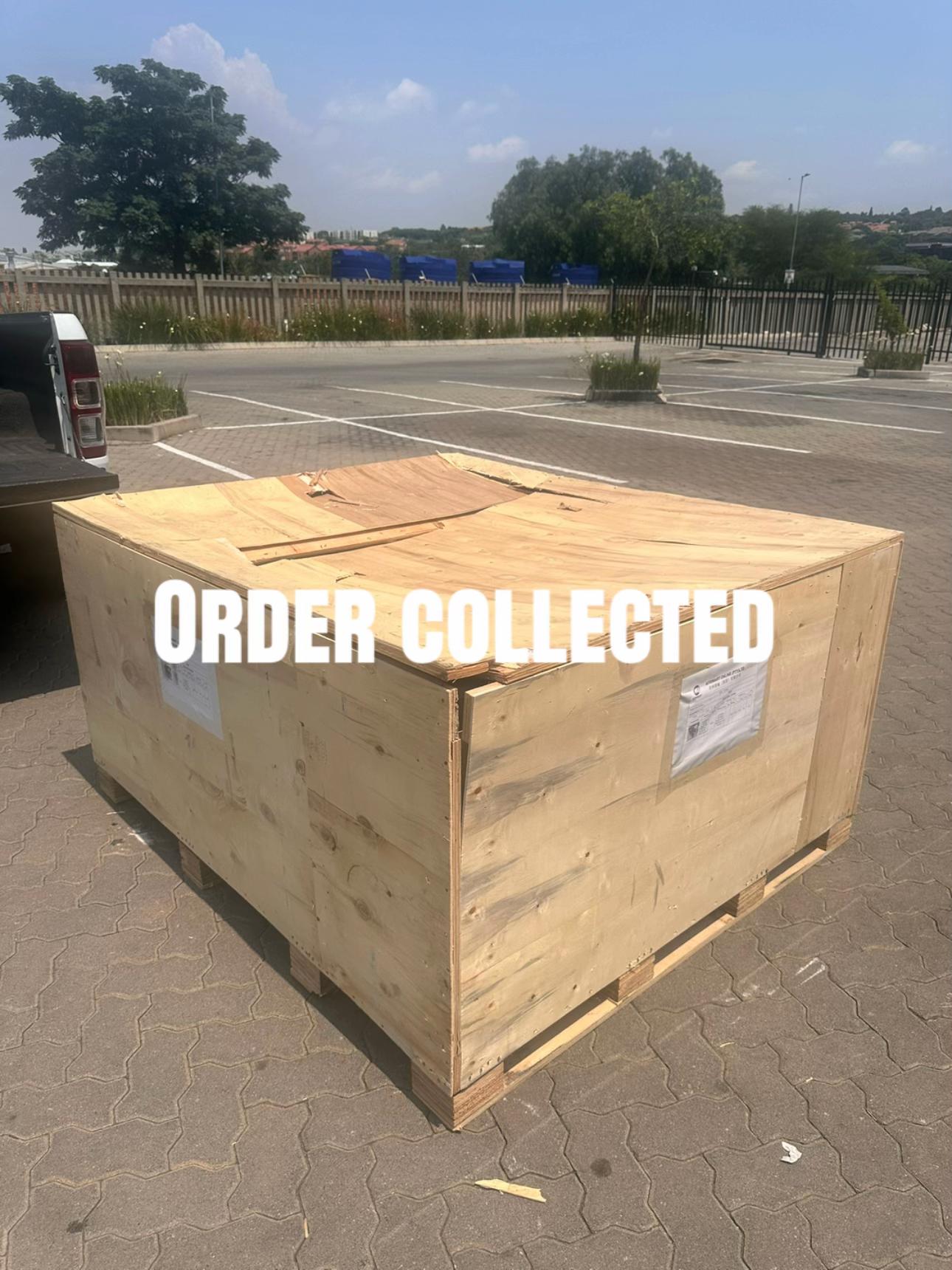
Latest Arrivals
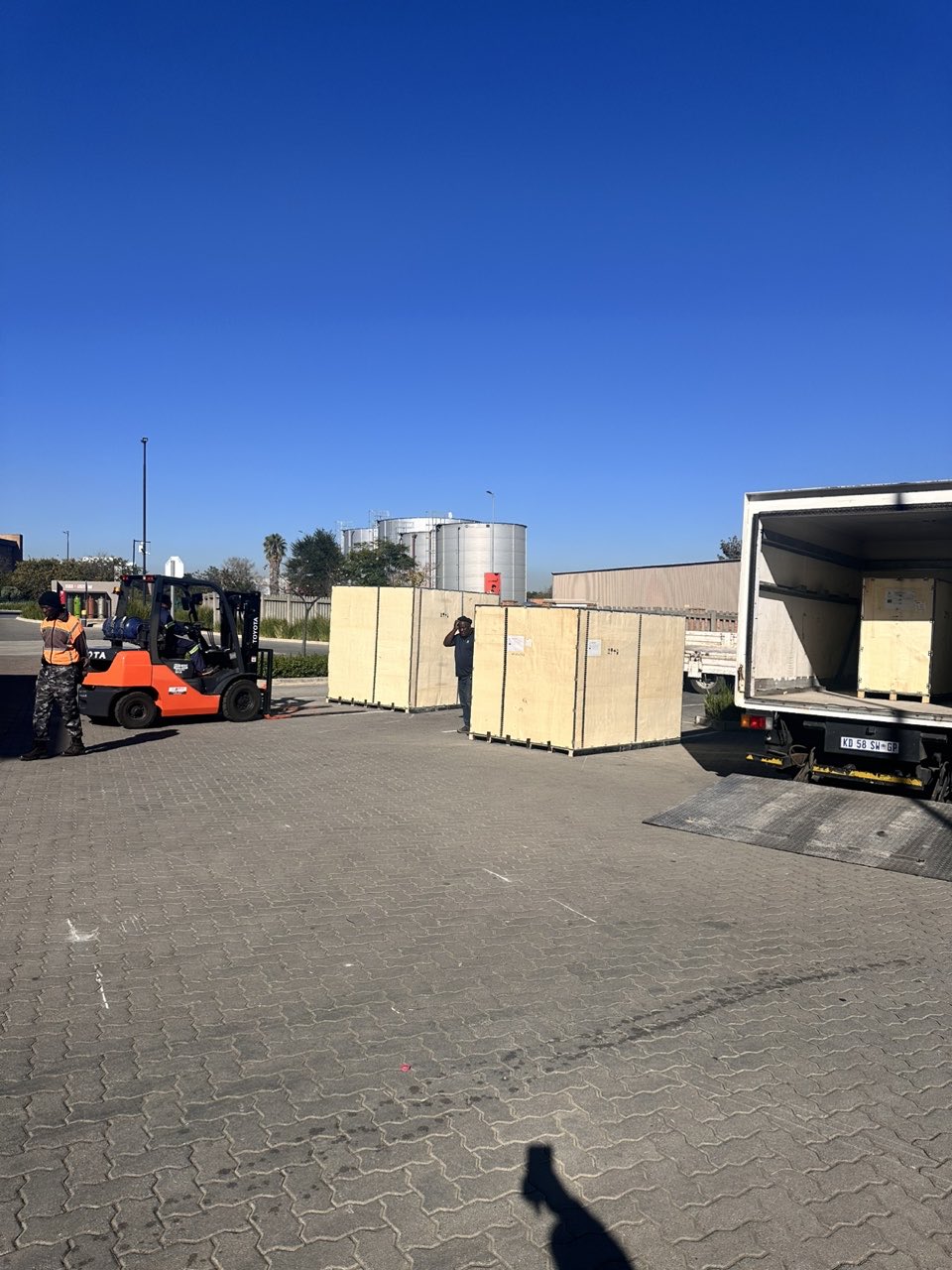
Loading
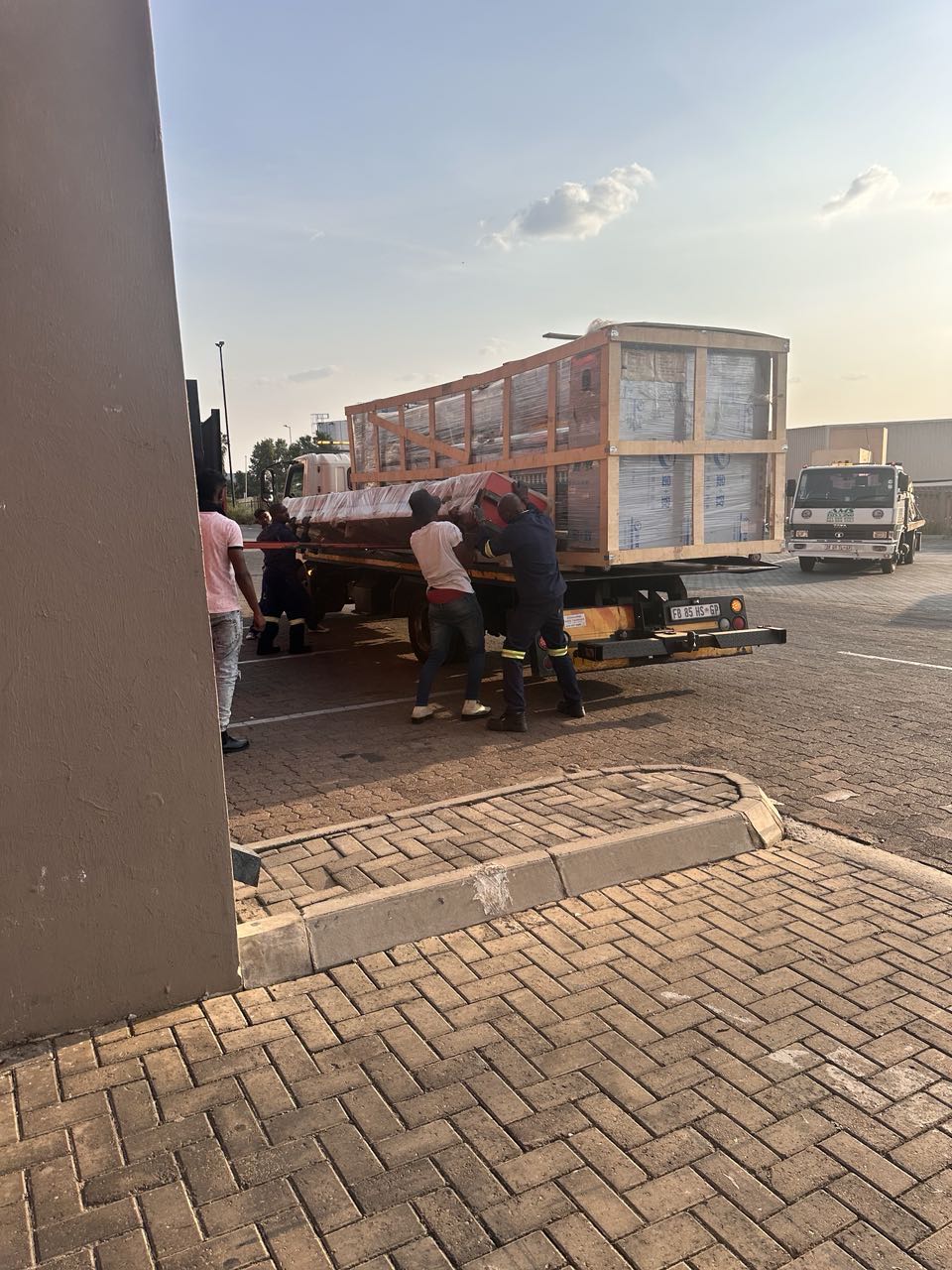
Toilet paper making machine
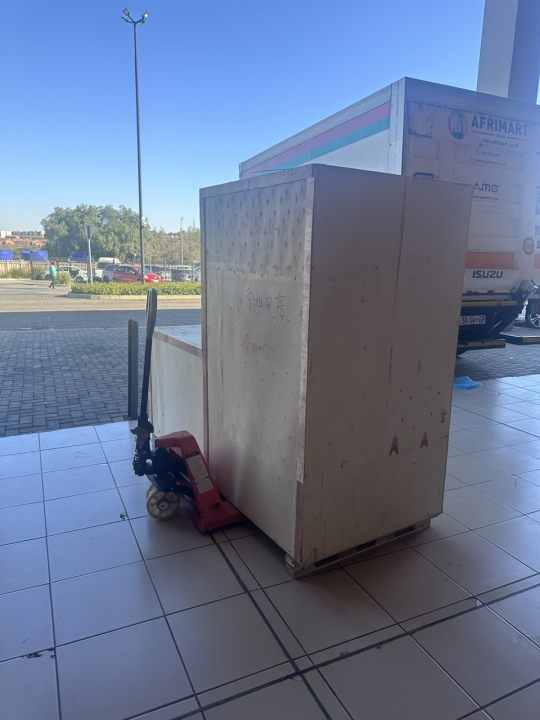
Toilet paper making machine
Toilet paper Rewinding Machine
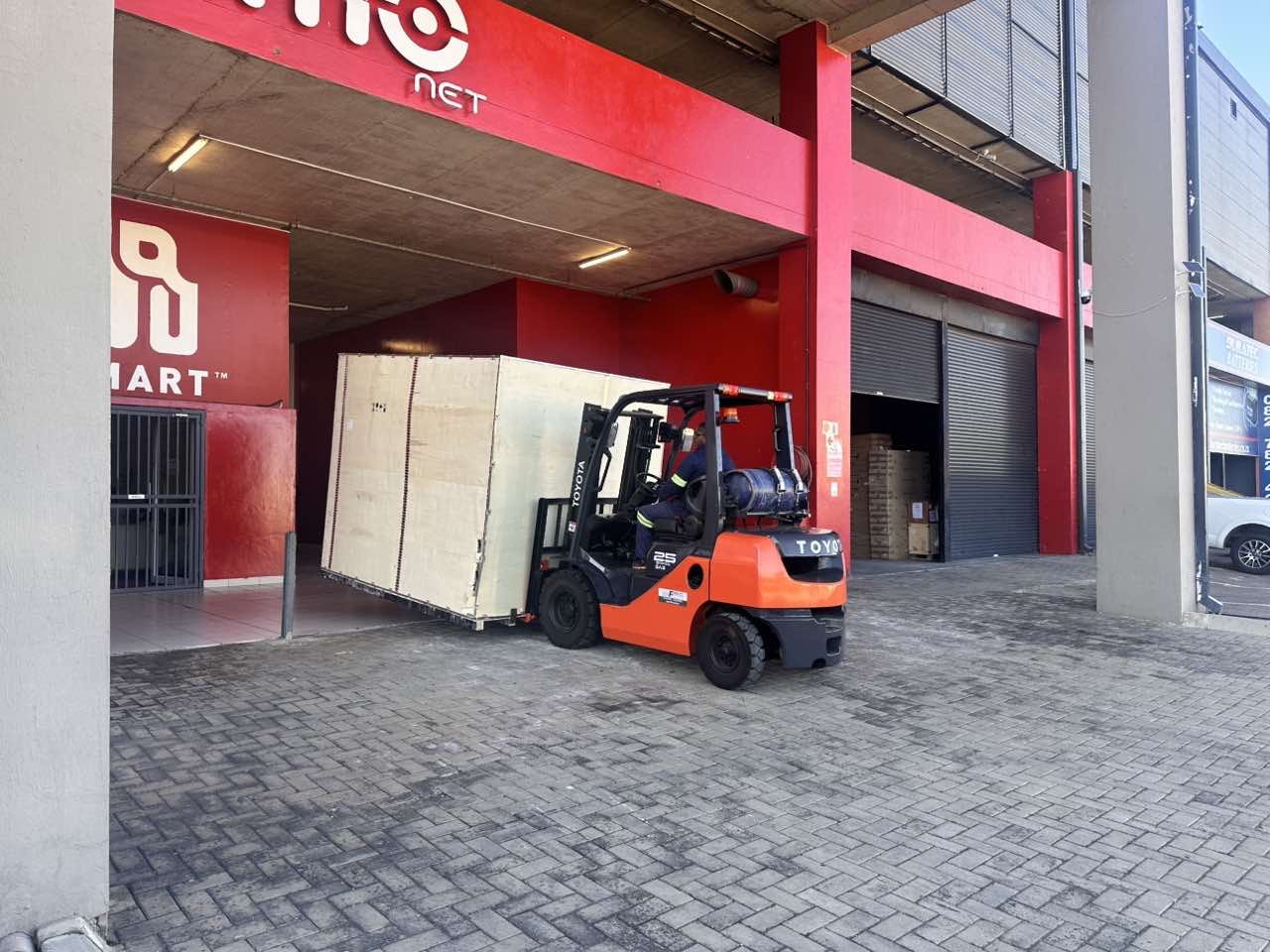
latest arrivals
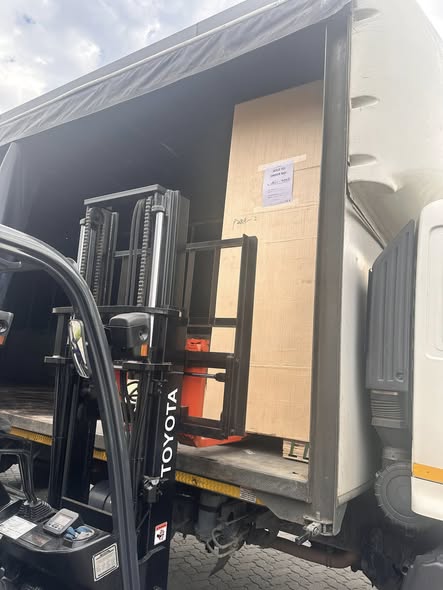
offloading
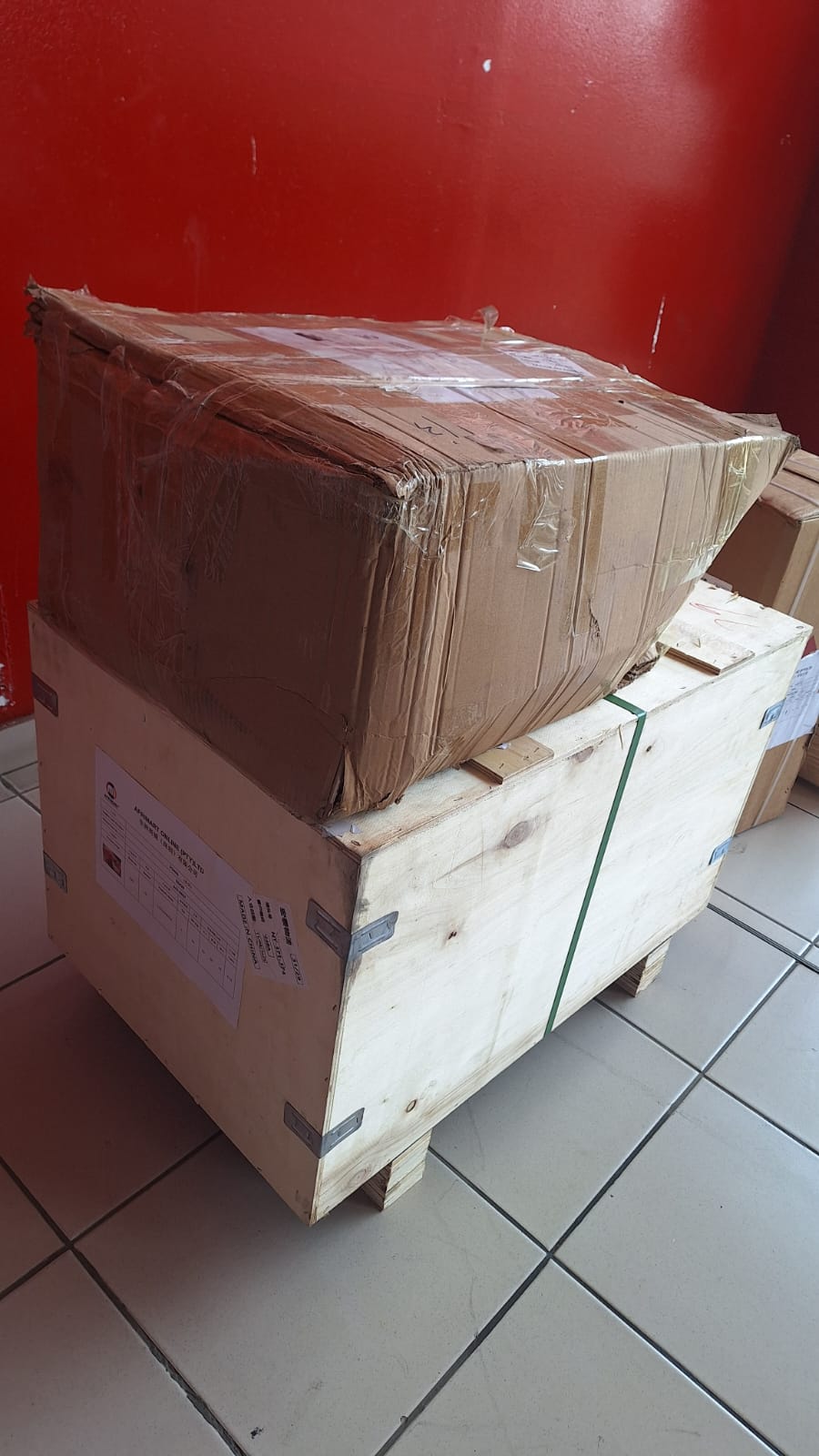
order success
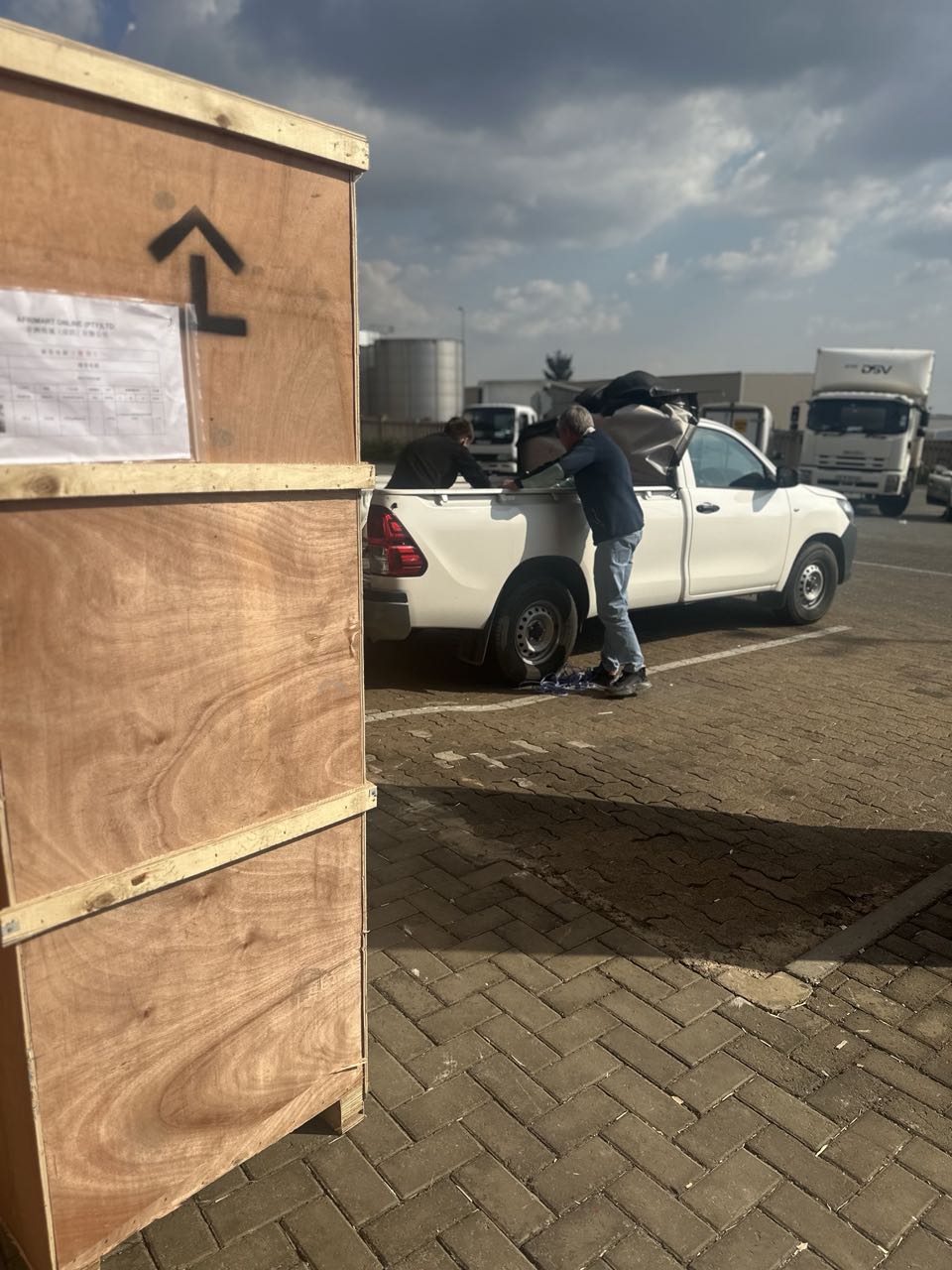
order collection
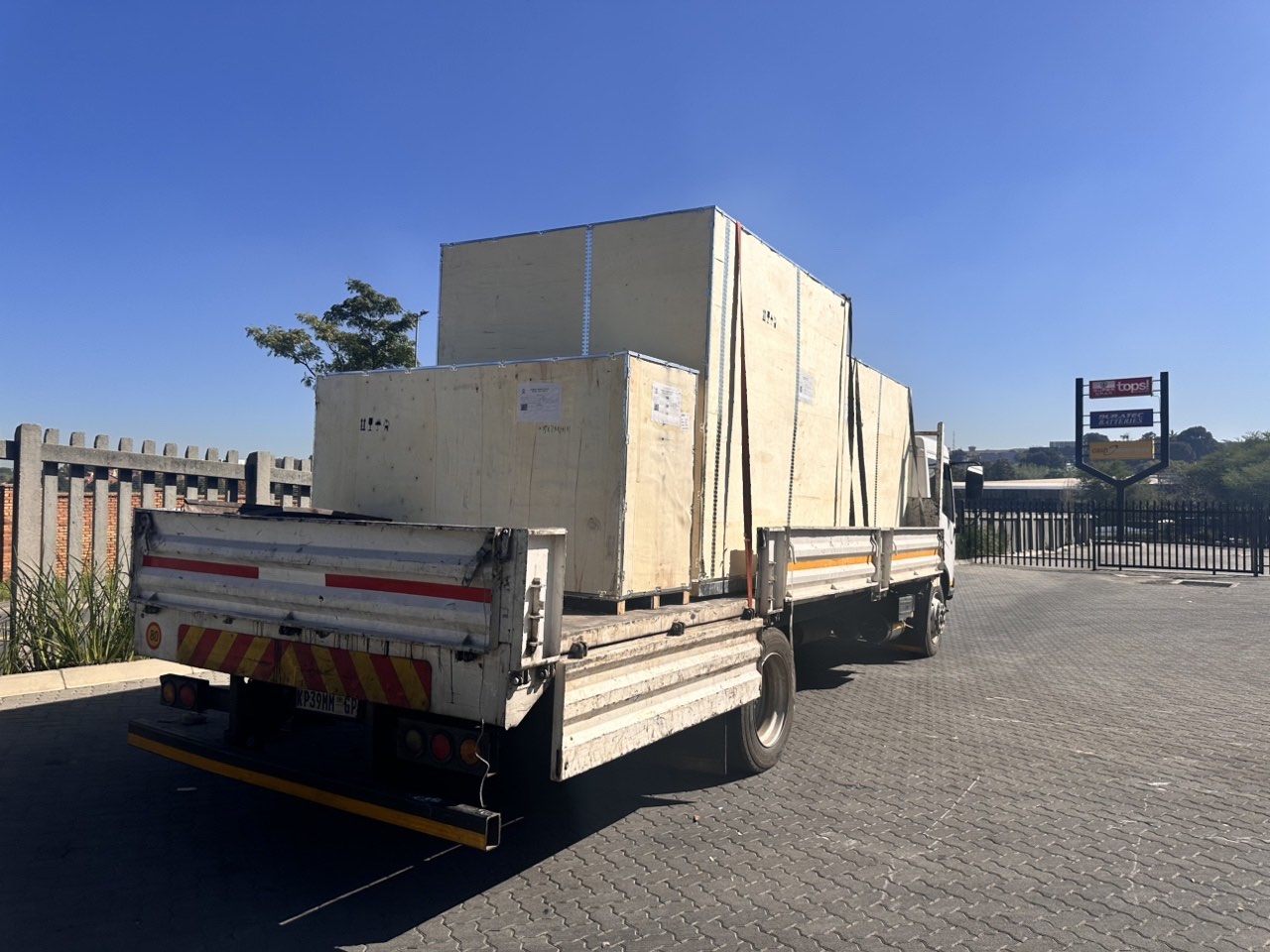
order offloading