B21, China Town Mall, Midrand

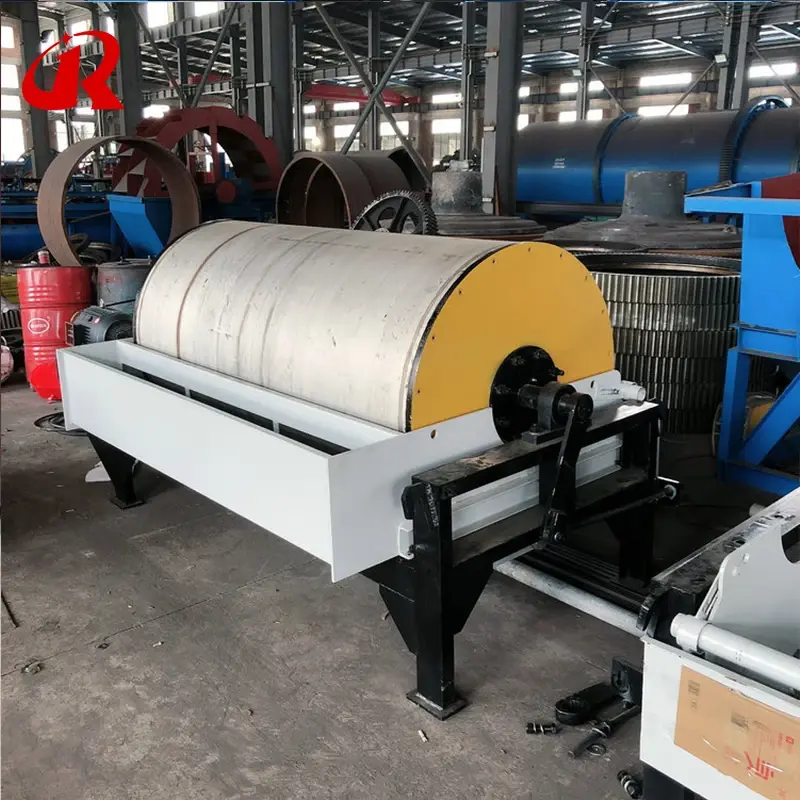
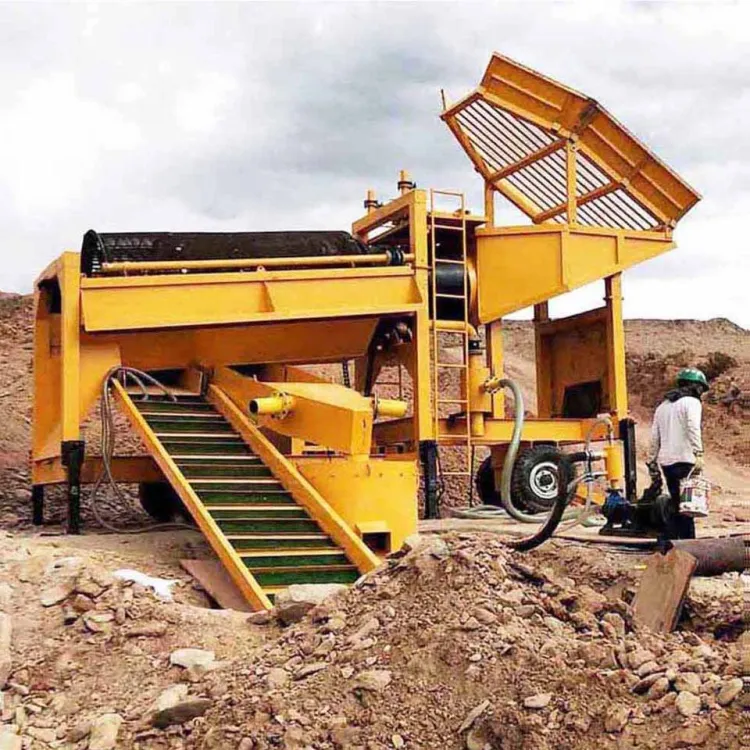
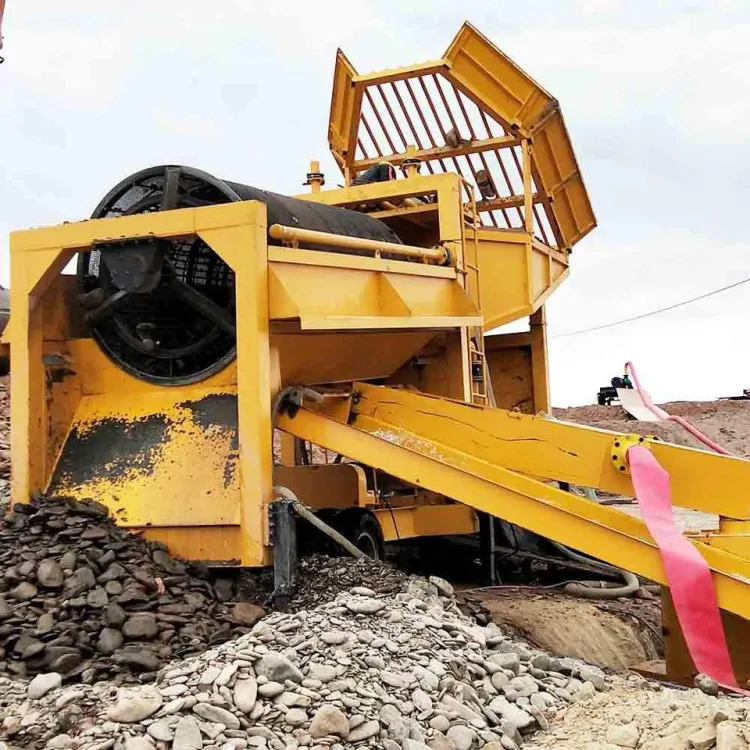
High efficiency stainless steel trommel revolving vibrating screen equipment
Asset finance available
Do you want funding for this equipment?
Afrimart can connect you with trusted funding partners who specialise in asset finance for businesses like yours. Compare options and apply in minutes — final approval is subject to provider review.
Check funding options
Secure & no obligation

- Section : Machinery
- Category : Industrial Machinery
- SKU : 1600934186405

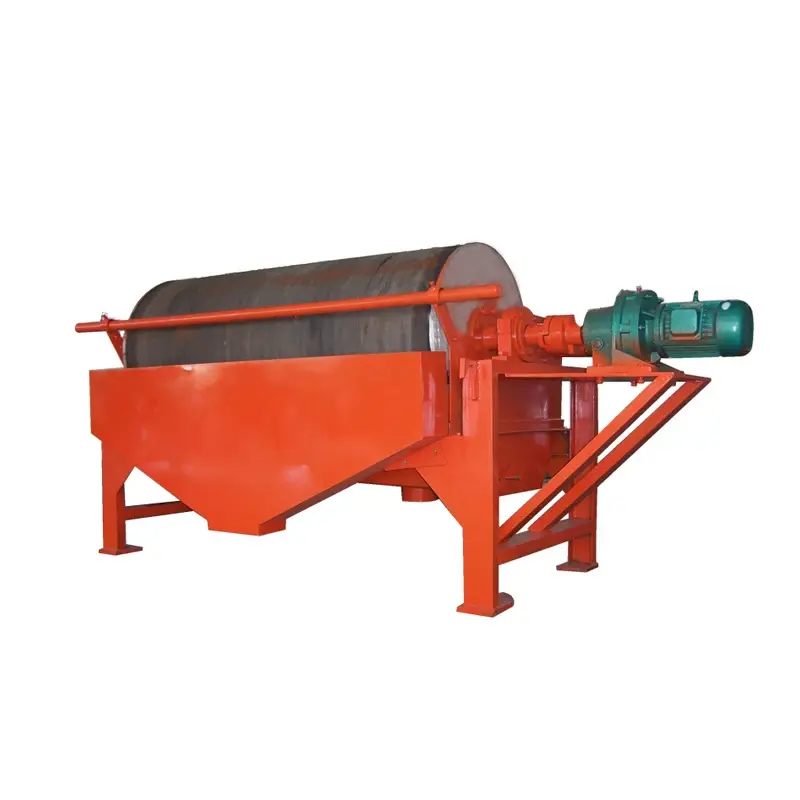
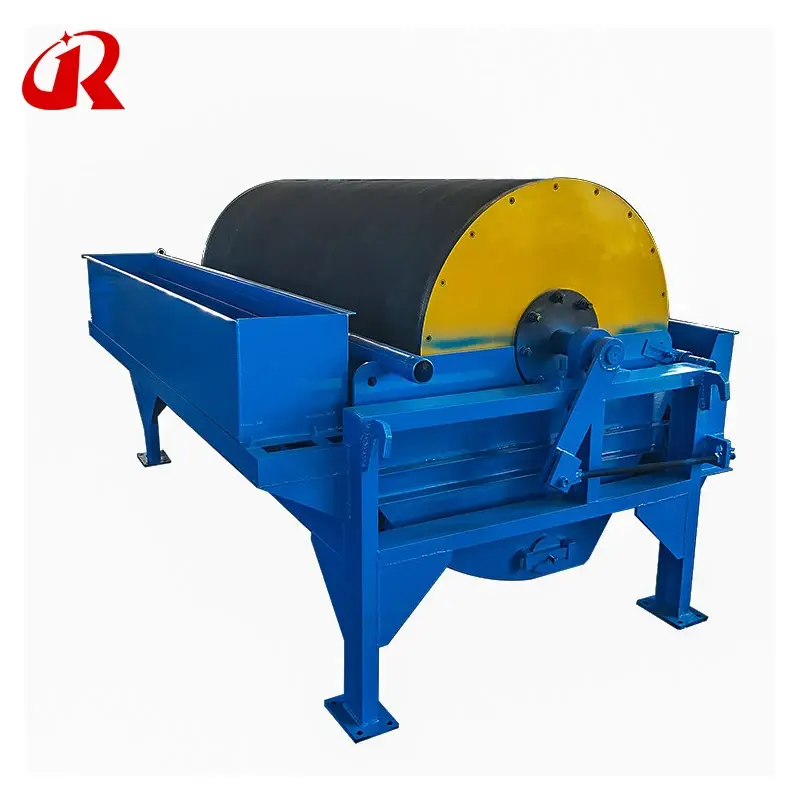
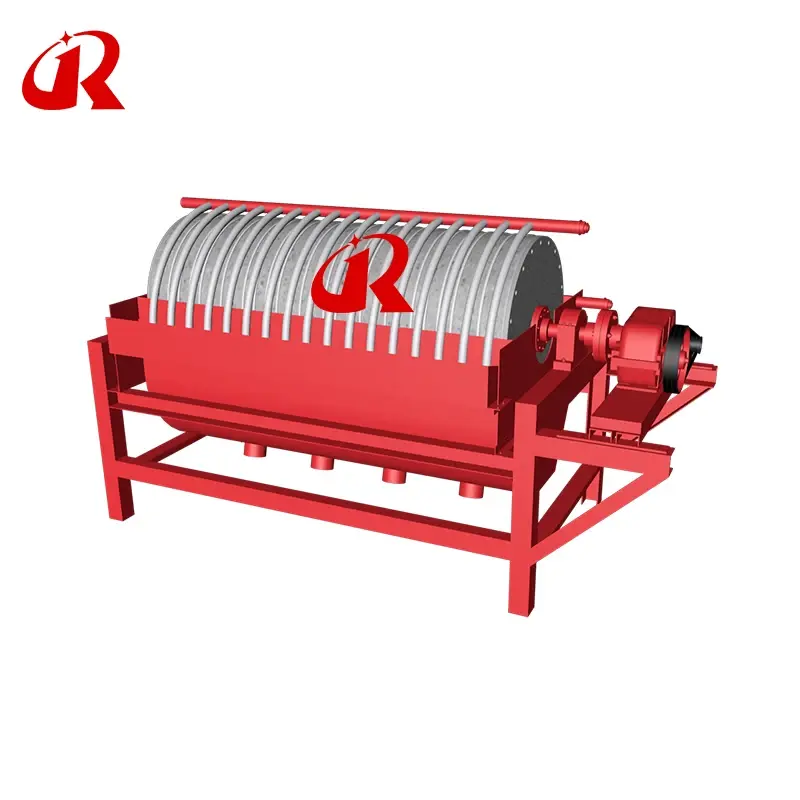
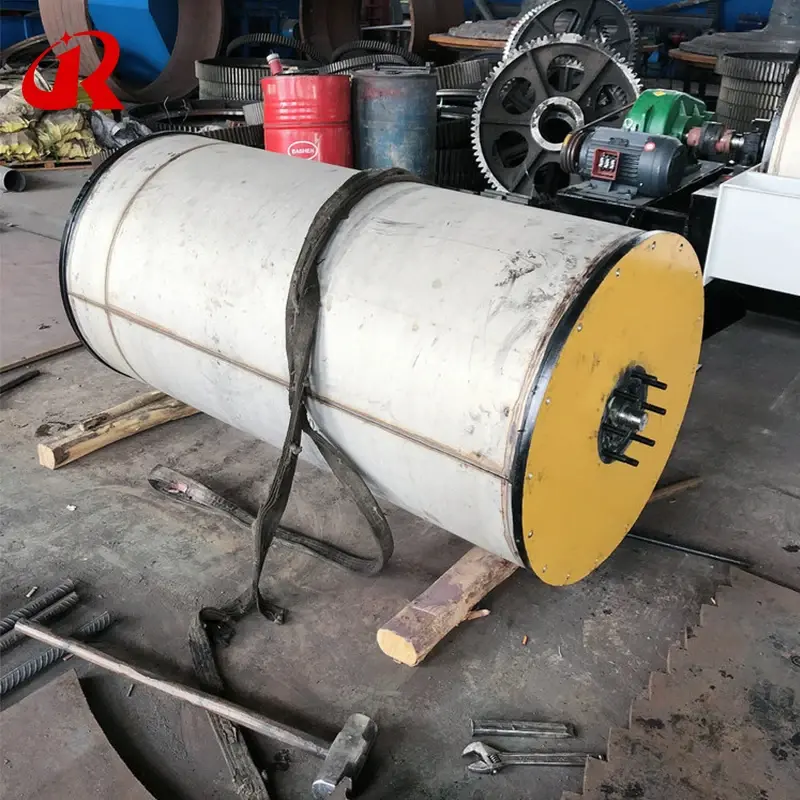
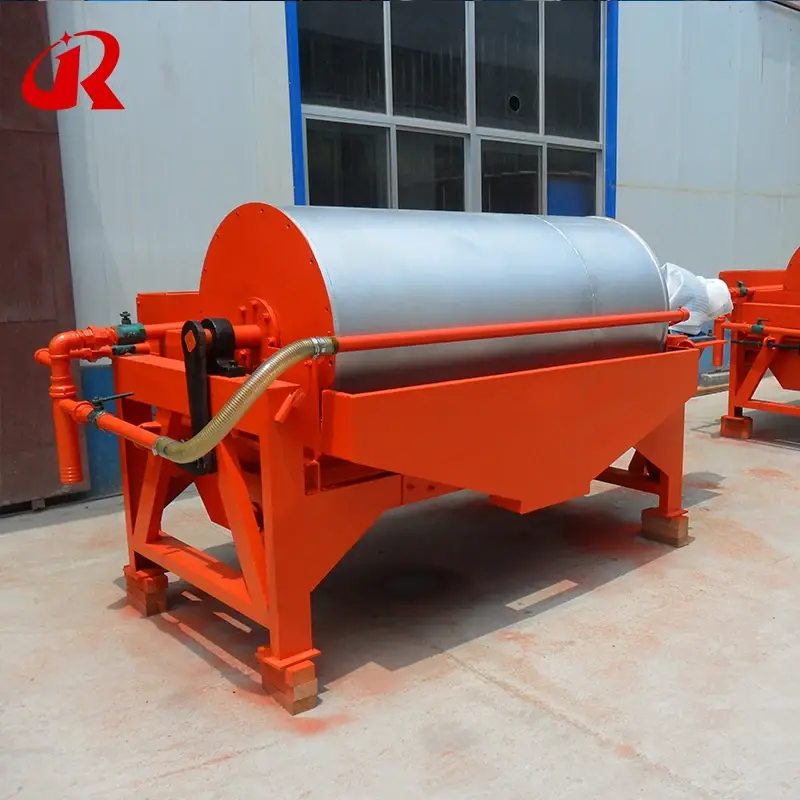
Magnetic Separator
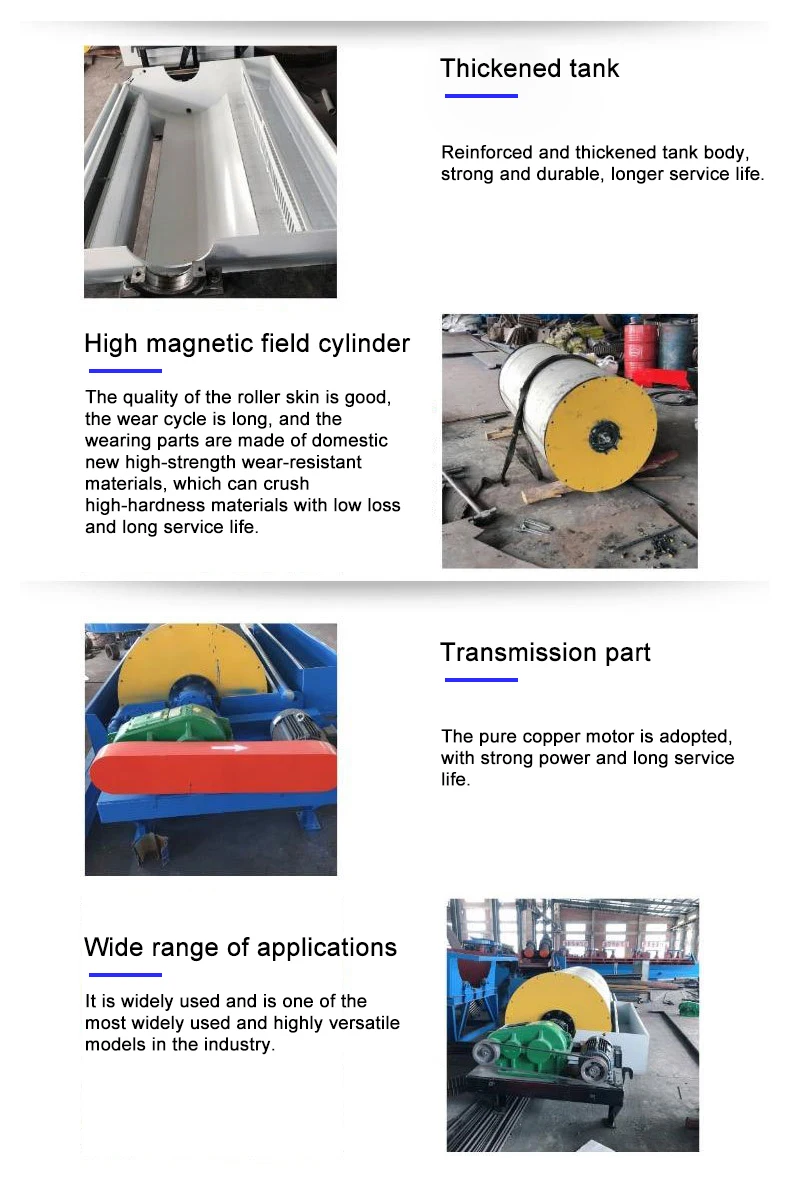
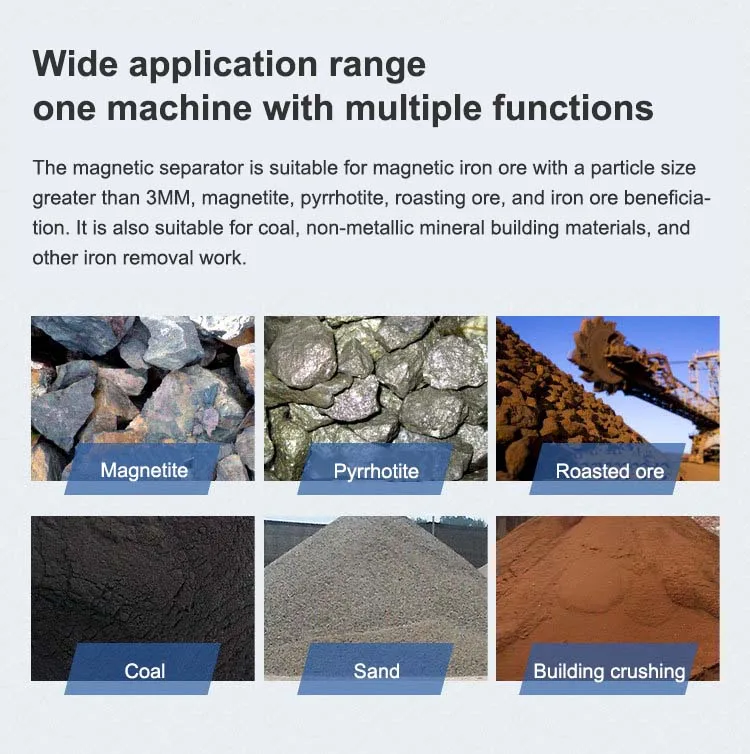
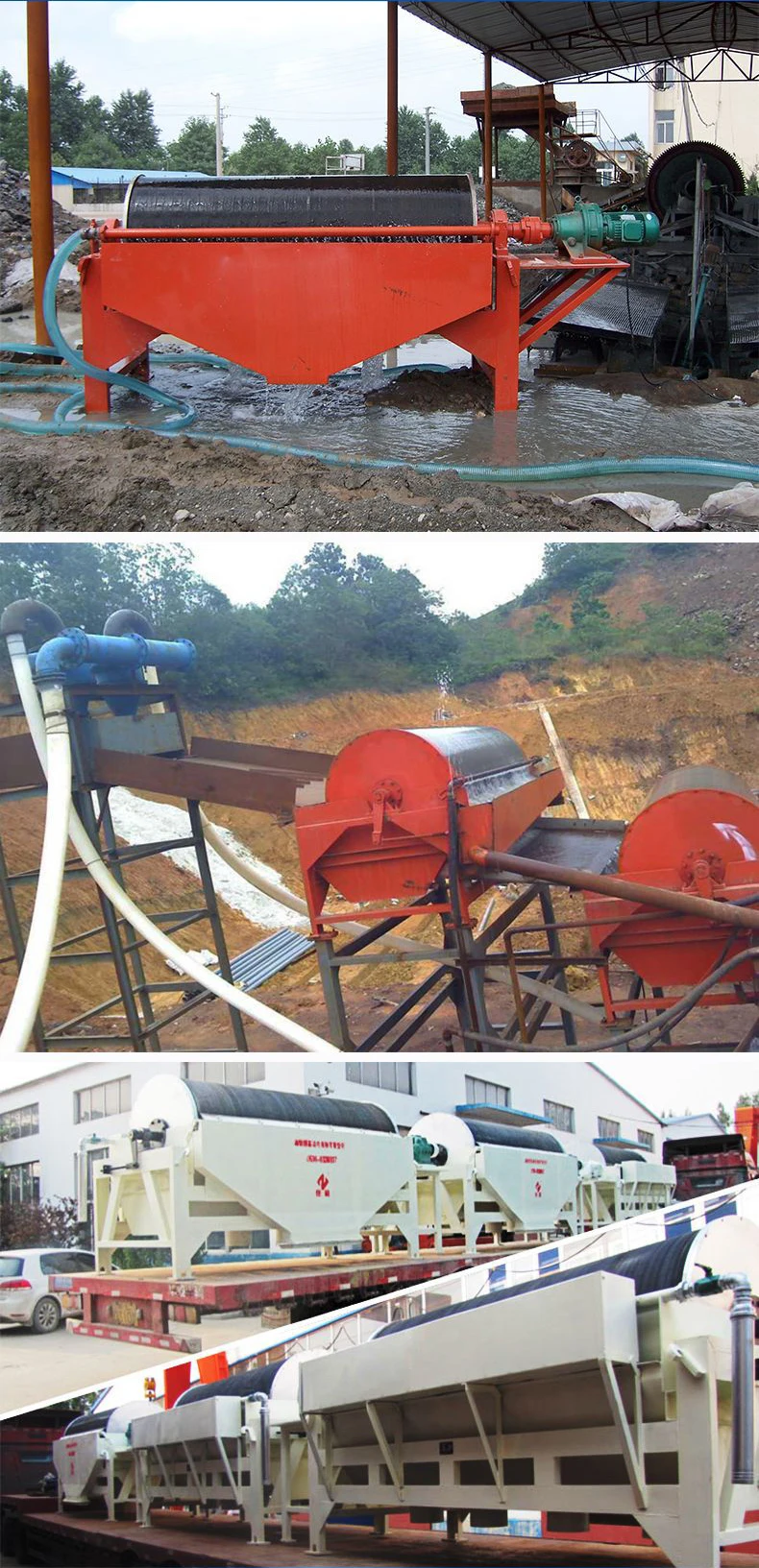
The magnetic separator is designed for the wet magnetic separation of materials like magnetite, pyrrhotite, roasted ore, ilmenite, and other materials with particle sizes less than 3mm. It is also used for iron removal from coal, non-metallic ores, building materials, and other materials. The magnetic system utilizes ferrite materials or is compounded with rare earth magnetic steel, with an average magnetic induction intensity of 100-600mT. Depending on user requirements, the separator can be customized with different surface strengths, including downstream, semi-countercurrent, and countercurrent types.
Key Advantages:
- Wide Range of Applications: Ideal for coal-fired mines, foundry sand, refractory materials, and iron removal operations across various industries.
- Resource Saving: Used in the closed-circuit roasting operation of hematite reduction to separate raw ore that hasn't been fully reduced, allowing for re-burning.
- High Efficiency: Efficiently removes waste rocks from lean iron ore after coarse or medium crushing, improving ore grade and reducing subsequent processing loads.
- High Product Quality: In the ceramic industry, the magnetic separator removes iron from porcelain clay, enhancing the quality of ceramic products.
Working Principle:
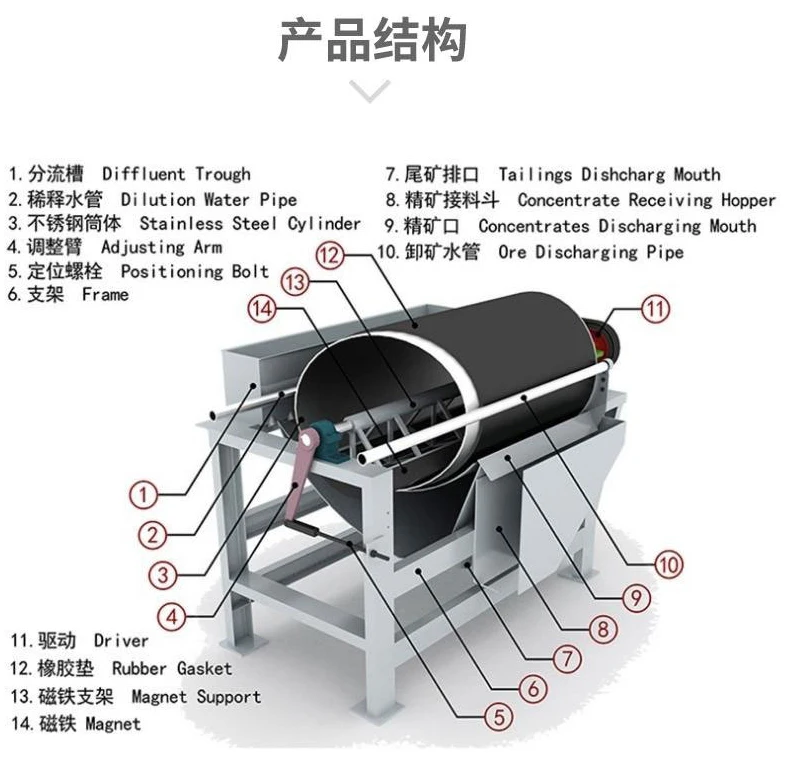
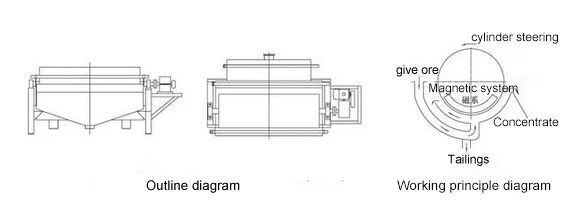
- The ore pulp flows into the tank through the ore feeding box and is loosened by the water flow from the ore feeding water spray pipe.
- Under the influence of the magnetic field, the magnetic ore particles form magnetic groups or magnetic chains that are attracted to the cylinder’s surface.
- As the cylinder rotates, the magnetic poles alternate, creating a magnetic stirring effect that causes the non-magnetic materials to fall off.
- The concentrate is separated from the slurry and collected in the concentrate tank, while non-magnetic minerals are discharged as tailings.
Technical Parameters:
| Model | Barrel Diameter (mm) | Barrel Length (mm) | Cylinder Speed (r/min) | Feed Size (mm) | Capacity (t/h) | Power (kw) |
|---|---|---|---|---|---|---|
| CTB6012 | 600 | 1200 | <35 | 2-0 | 10-20 | 1.5 |
| CTB6018 | 600 | 1800 | <35 | 2-0 | 15-30 | 2.2 |
| CTB7518 | 750 | 1800 | <35 | 2-0 | 20-45 | 2.2 |
| CTB9018 | 900 | 1800 | <35 | 3-0 | 40-60 | 3 |
| CTB9021 | 900 | 2100 | <35 | 3-0 | 45-60 | 3 |
| CTB9024 | 900 | 2400 | <28 | 3-0 | 45-70 | 4 |
| CTB1018 | 1050 | 1800 | <20 | 3-0 | 50-75 | 5.5 |
| CTB1021 | 1050 | 2100 | <20 | 3-0 | 50-100 | 5.5 |
| CTB1024 | 1050 | 2400 | <20 | 3-0 | 60-120 | 5.5 |
| CTB1218 | 1200 | 1800 | <18 | 3-0 | 80-140 | 5.5 |
| CTB1224 | 1200 | 2400 | <18 | 3-0 | 85-180 | 7.5 |
| CTB1230 | 1200 | 3000 | <18 | 3-0 | 100-180 | 7.5 |
| CTB1530 | 1500 | 3000 | <14 | 3-0 | 170-280 | 11 |
Materials:
- Applicable Materials: Copper ore, pyrrhotite, hematite, limonite, molybdenum ore, gold ore, iron ore, etc.
Applications:
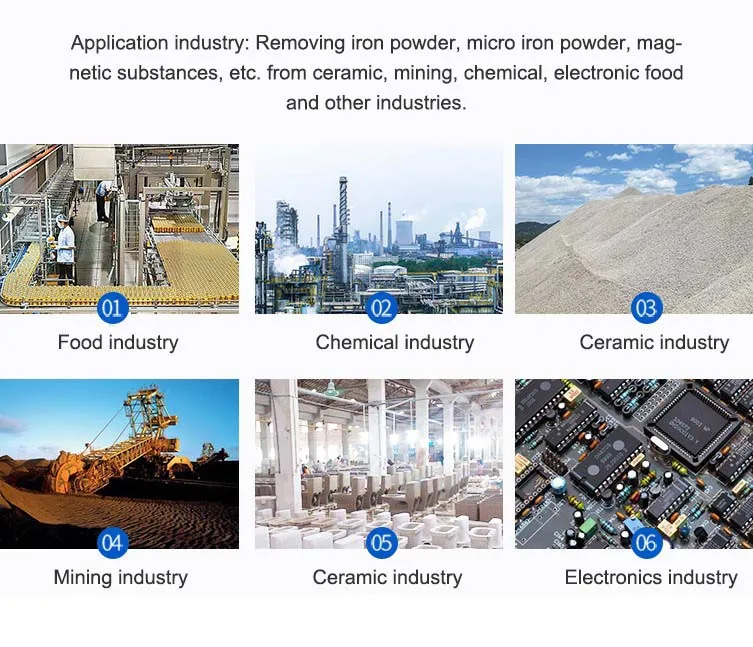
- Industries: Cement, silicate products, building materials, refractory materials, fertilizers, ferrous and non-ferrous metal beneficiation, glass ceramics, and other production industries.

Technical parameters
| Model | Barrel diameter(mm) | Barrel length(mm) | Cylinder speed(r/min) | Feed size (mm) | Capacity (t/h) | power(kw) |
| CTB6012 | 600 | 1200 | <35 | 2-0 | 10-20 | 1.5 |
| CTB6018 | 600 | 1800 | <35 | 2-0 | 15-30 | 2.2 |
| CTB7518 | 750 | 1800 | <35 | 2-0 | 20-45 | 2.2 |
| CTB9018 | 900 | 1800 | <35 | 3-0 | 40-60 | 3 |
| CTB9021 | 900 | 2100 | <35 | 3-0 | 45-60 | 3 |
| CTB9024 | 900 | 2400 | <28 | 3-0 | 45-70 | 4 |
| CTB1018 | 1050 | 1800 | <20 | 3-0 | 50-75 | 5.5 |
| CTB1021 | 1050 | 2100 | <20 | 3-0 | 50-100 | 5.5 |
| CTB1024 | 1050 | 2400 | <20 | 3-0 | 60-120 | 5.5 |
| CTB1218 | 1200 | 1800 | <18 | 3-0 | 80-140 | 5.5 |
| CTB1224 | 1200 | 2400 | <18 | 3-0 | 85-180 | 7.5 |
| CTB1230 | 1200 | 3000 | <18 | 3-0 | 100-180 | 7.5 |
| CTB1530 | 1500 | 3000 | <14 | 3-0 | 170-280 | 11 |
- Shipping Timeframes: All orders are processed within 2-5 business days (excluding weekends and holidays). After your order has been processed, the estimated delivery time is before 06 Aug, 2026, depending on customs, Please note that due to high demand, some items may experience longer shipping times, which will be communicated at order confirmation email.
- Order Processing Time: Please allow 2-5 business days for us to process your order before it is shipped . Orders placed after 16:00 on Fridays, or during weekends and public holidays, will begin processing on the next business day. Processing times may be extended during peak seasons or sales events.
- Manufacturing Time: Some products needs manufacturing time, the manufacturing process will take approximately 10-30 business days depending on the product. This timeframe may vary depending on the complexity of the product and current demand. but this will be communicated with you during order confirmation.
- Returns and Exchanges: We offer a 30-day return policy for most items. If you are not completely satisfied with your purchase, you may return it within 30 days of receipt for a refund or exchange. Items must be unused, in their original packaging, and accompanied by proof of purchase. Return shipping costs are the responsibility of the customer, unless the item was damaged or defective upon arrival.
1. What is the main function of the high efficiency stainless steel trommel revolving vibrating screen equipment?
The main function is to efficiently separate and classify materials such as ores, waste rocks, and other minerals using magnetic separation technology.
2. What materials can be processed with this equipment?
This equipment is suitable for processing materials like copper ore, pyrrhotite, hematite, limonite, molybdenum ore, gold ore, iron ore, and more.
3. How does the magnetic separator work?
The magnetic separator operates by allowing ore pulp to flow into a tank where it is influenced by a magnetic field, causing magnetic particles to form groups that are attracted to the cylinder's surface while non-magnetic materials fall off.
4. What are the advantages of using this trommel screen equipment?
Key advantages include a wide range of applications, resource saving during operations, high efficiency in waste removal, and improved product quality in various industries.
5. Can the equipment be customized for different applications?
Yes, the magnetic separator can be customized based on user requirements, including different surface strengths and configurations such as downstream, semi-countercurrent, and countercurrent types.
6. What is the maximum feed size that this equipment can handle?
The equipment can handle feed sizes of less than 3 mm for effective separation.
7. What industries benefit from using this equipment?
Industries such as cement, silicate products, building materials, refractory materials, fertilizers, and ferrous and non-ferrous metal beneficiation benefit from this equipment.
8. What is the power consumption of this equipment?
The power consumption varies by model, ranging from 1.5 kW to 11 kW, depending on the capacity and specifications.
9. How does the equipment improve ore grade?
The trommel screen efficiently removes waste rocks from lean iron ore after crushing, which enhances the ore grade and reduces the processing load in subsequent operations.
10. What is the average magnetic induction intensity of the separator?
The average magnetic induction intensity of the separator ranges from 100 to 600 mT, depending on the configuration.
11. Is maintenance required for the trommel screen equipment?
Yes, regular maintenance is recommended to ensure optimal performance, which includes checking the magnetic system, cleaning, and inspecting for wear and tear.
12. What are the technical parameters for the different models available?
Technical parameters vary by model, including barrel diameter, barrel length, cylinder speed, feed size, capacity, and power. Please refer to the specifications for detailed information.
13. Can this equipment be used for iron removal from non-metallic ores?
Yes, the magnetic separator is effective for iron removal from non-metallic ores, building materials, and other materials.
14. What is the role of the magnetic field in the separation process?
The magnetic field causes magnetic particles to group together, which are then attracted to the cylinder surface, allowing for the separation of non-magnetic materials.
15. How does the design of the equipment contribute to its efficiency?
The design includes a rotating cylinder with alternating magnetic poles that enhances the magnetic stirring effect, ensuring effective separation and reducing processing loads.
Latest Order Arrivals
Discover our latest orders
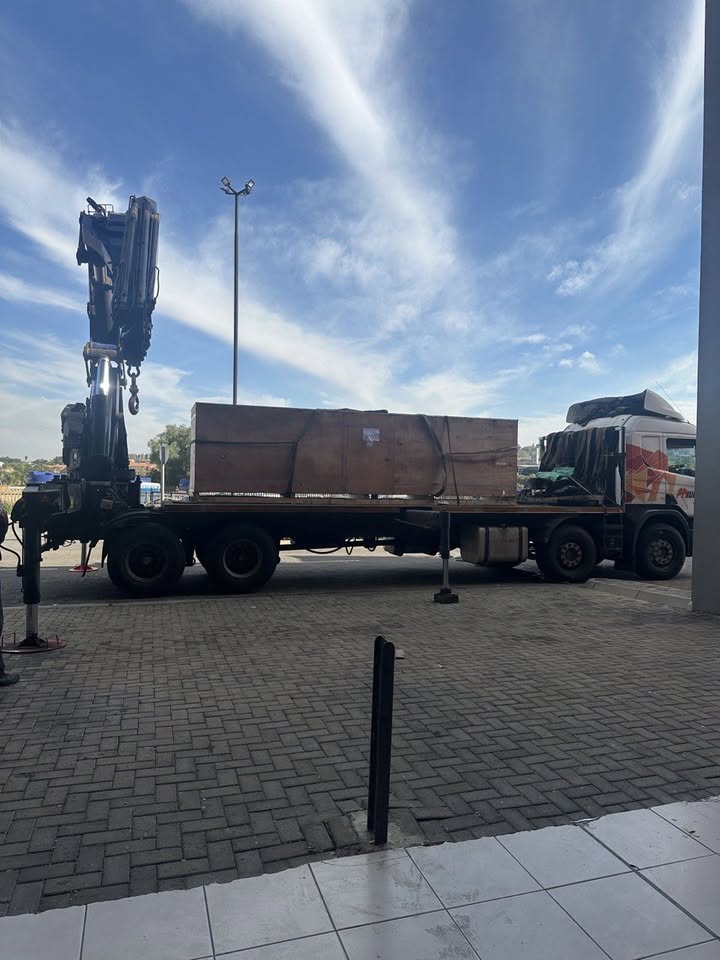
12 Heads Embroidery Machine
Toilet Paper Machine Machine
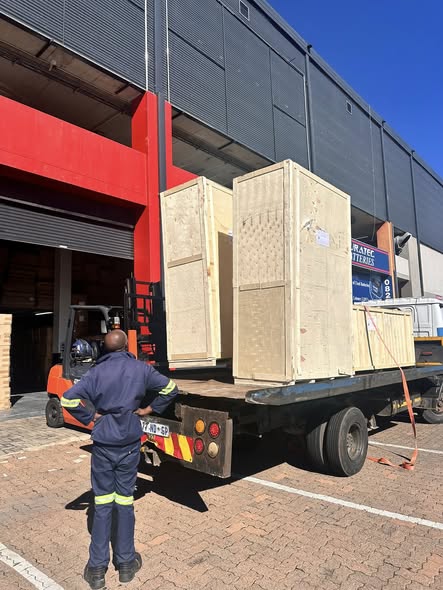
Order Collection
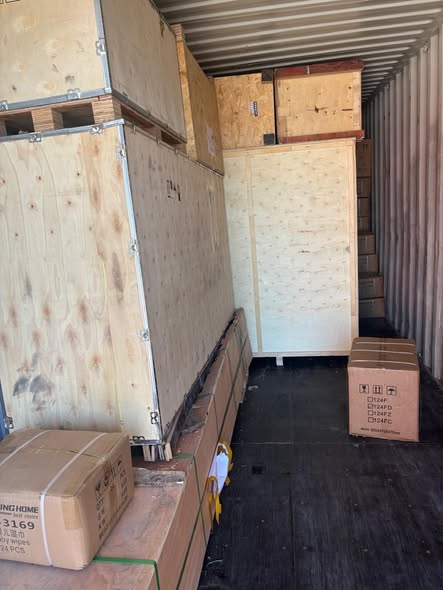
Cross Border Clients
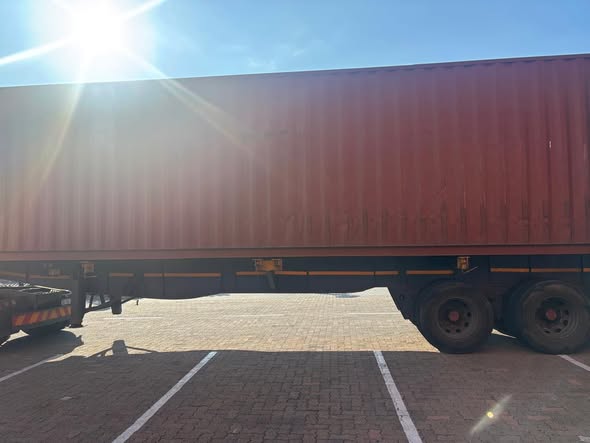
Order cros border countries Collected
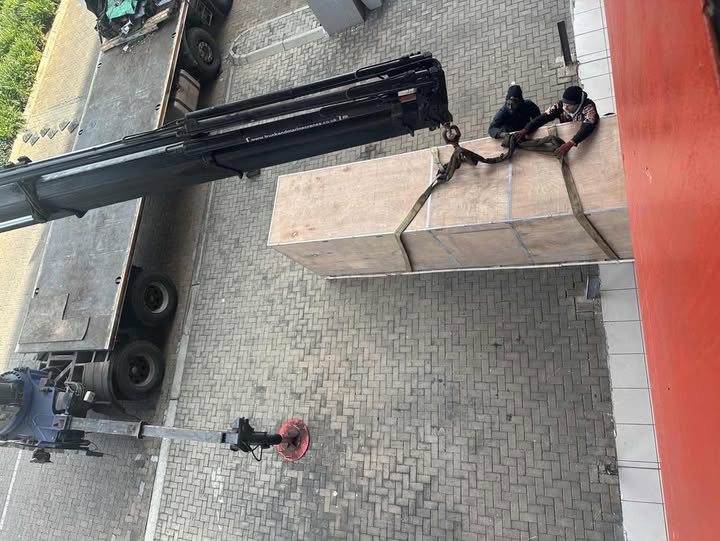
Industrial Machine Cllection
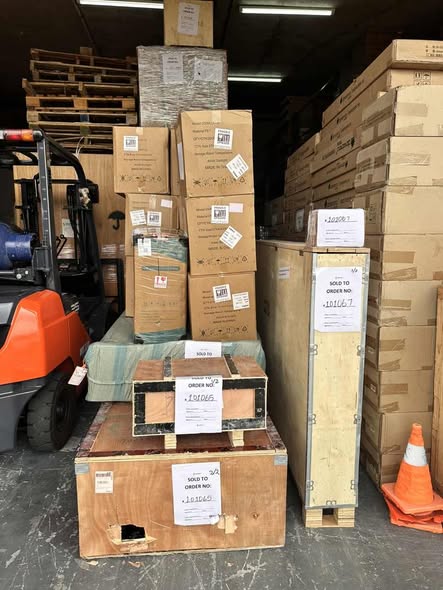
Agriculture Processing Machines
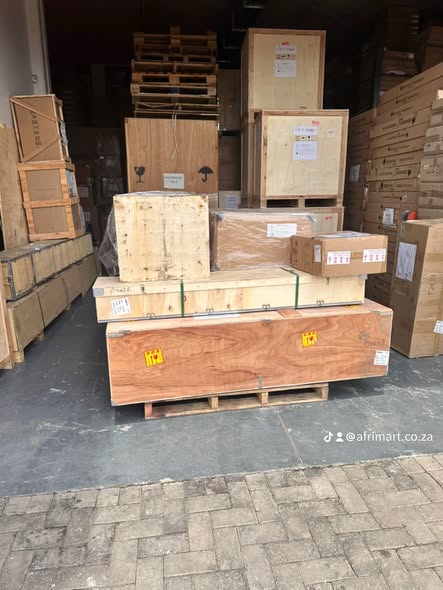
Ready for collection
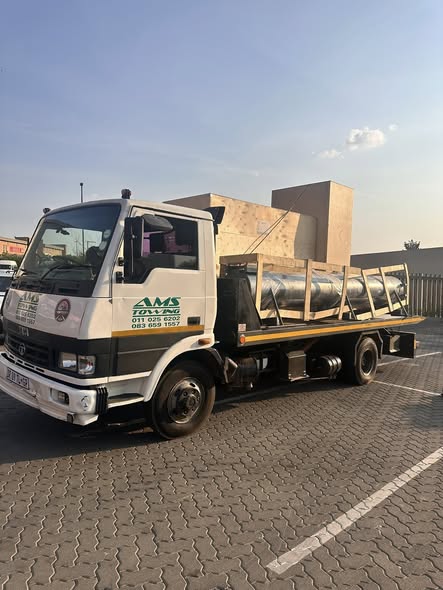
Water Pump Equipment
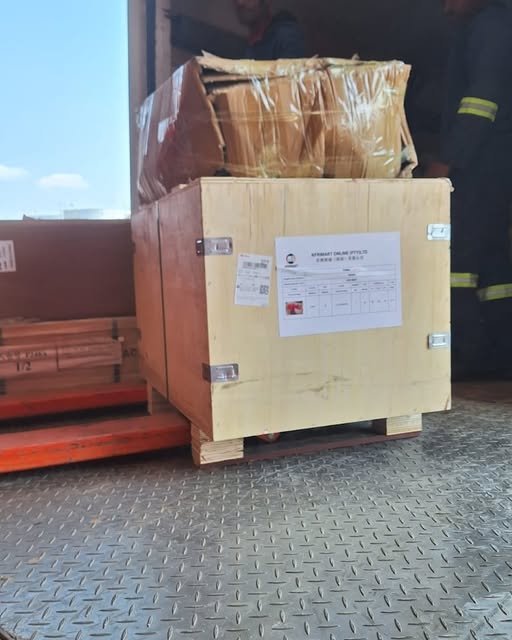
Packaging Machine and accessories
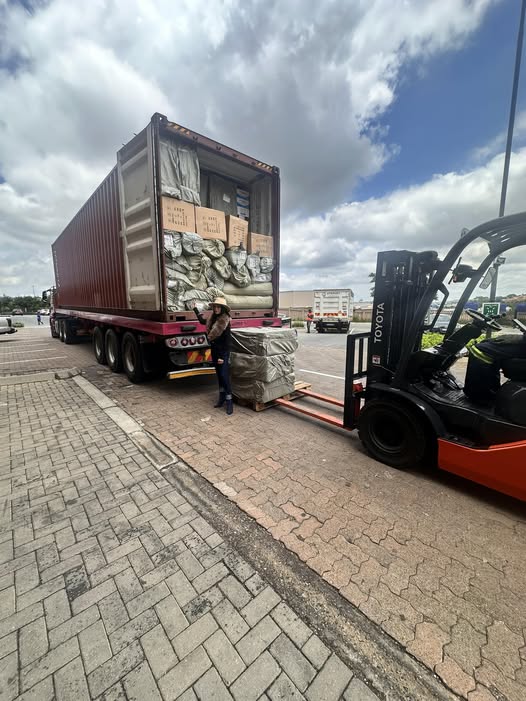
Fabrics Manufacturing Equipment
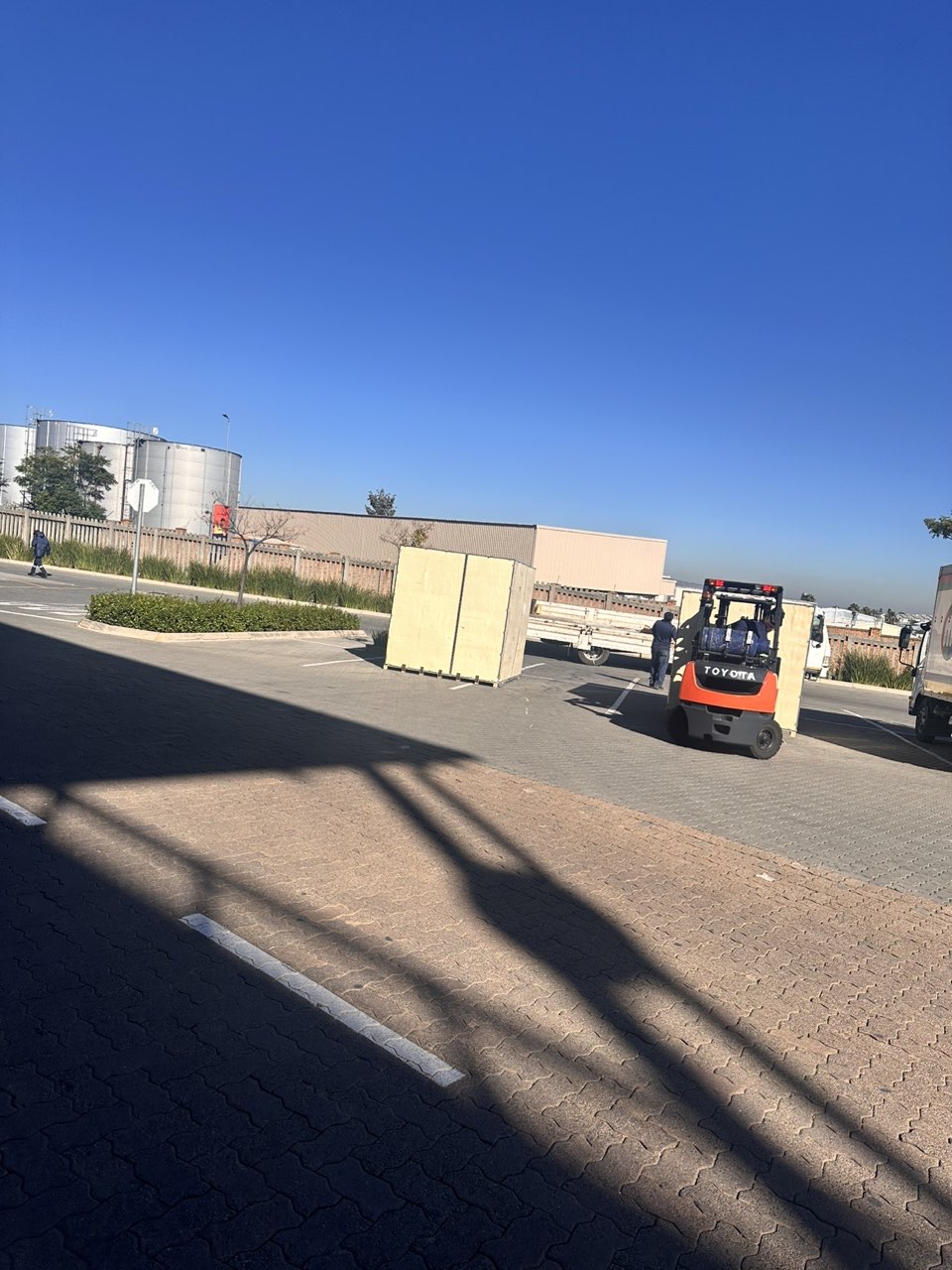
Mining Equipments
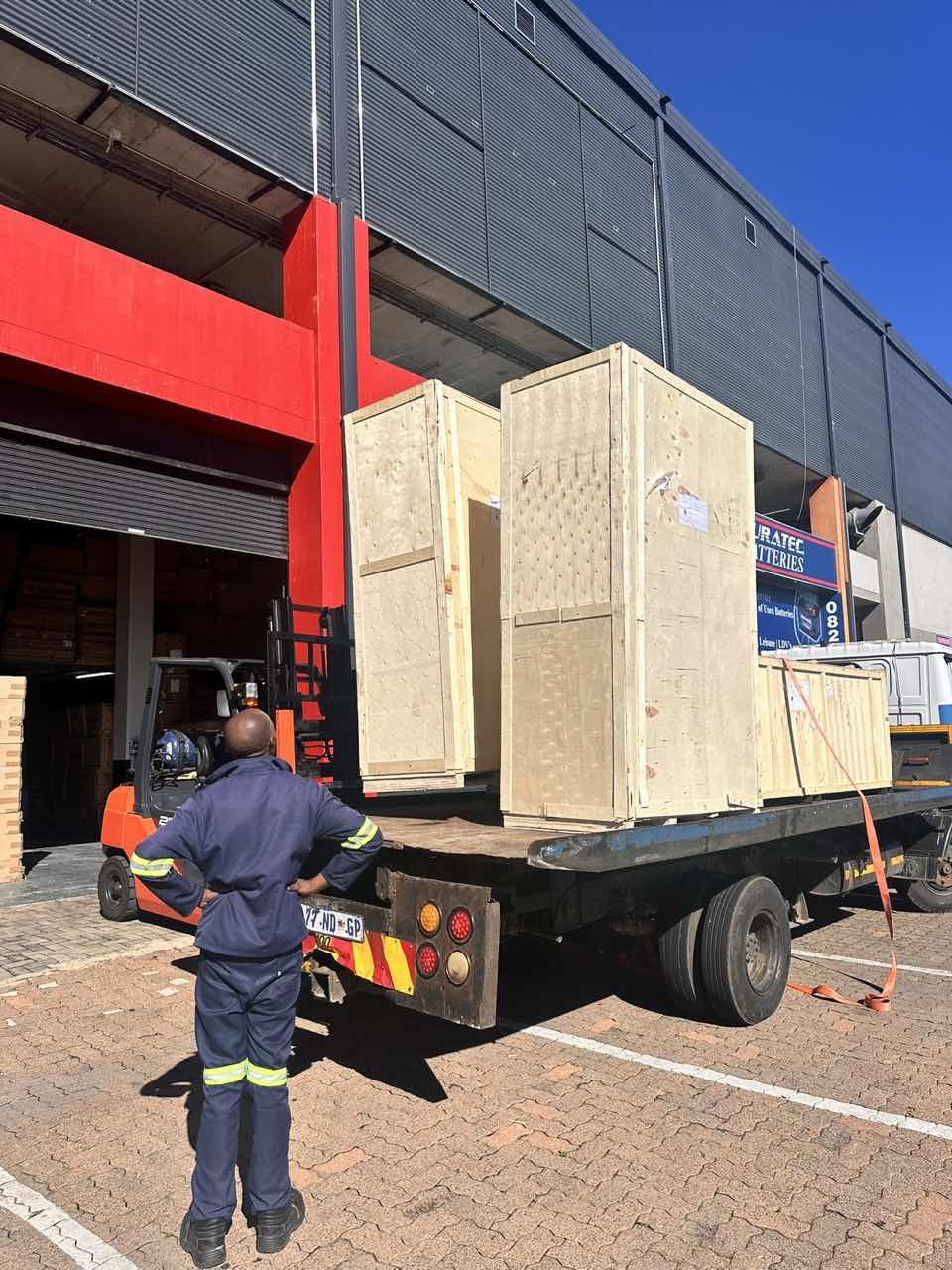
Food Processing Machine
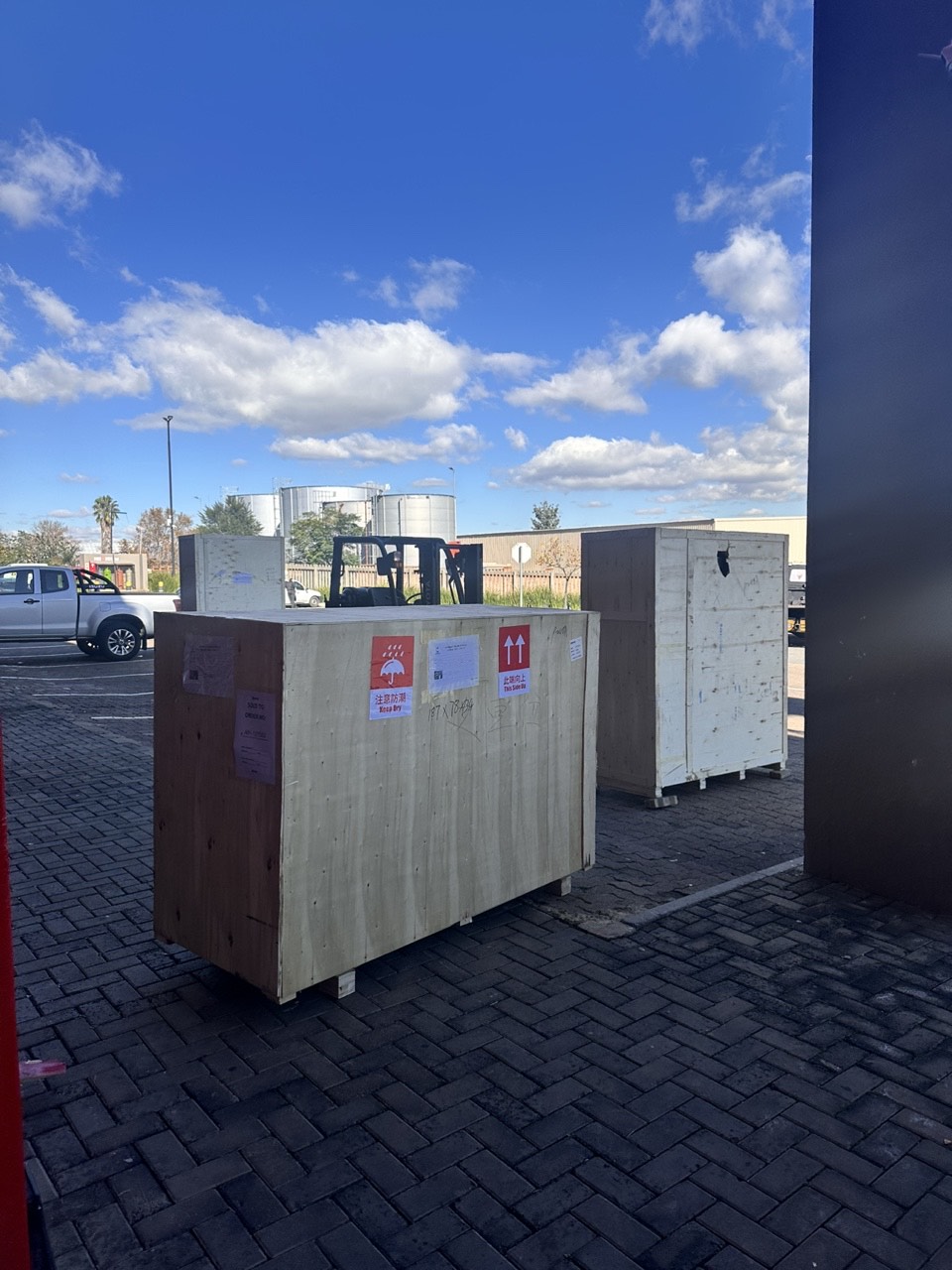
Batch of Orders
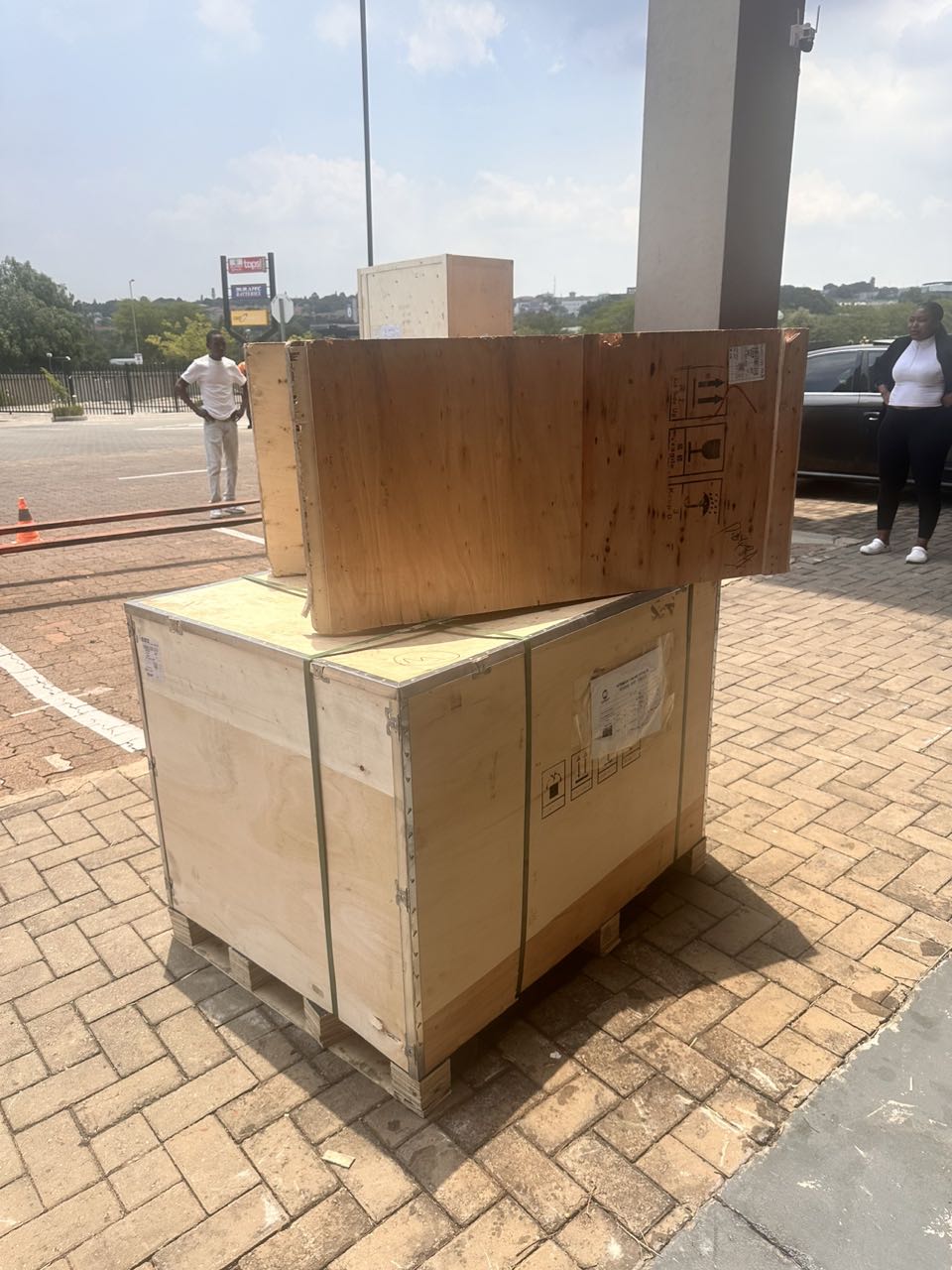
Batch of Orders
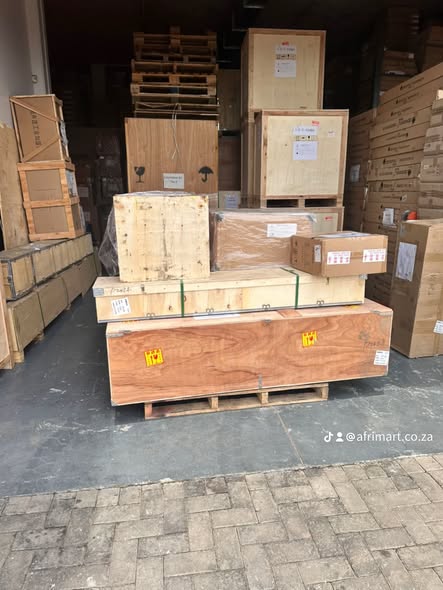
Latest Orders Labelled
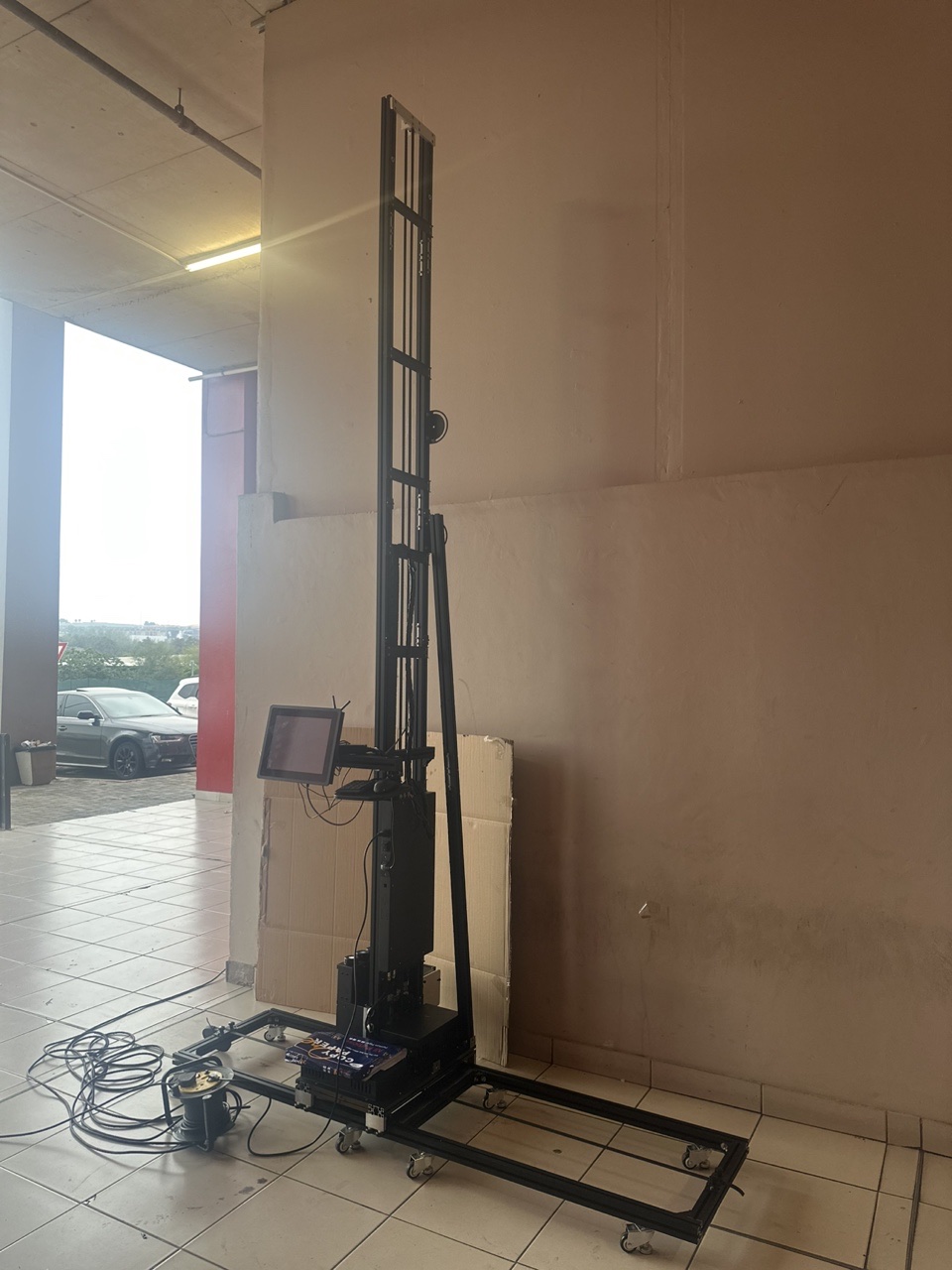
wheel alignment machines
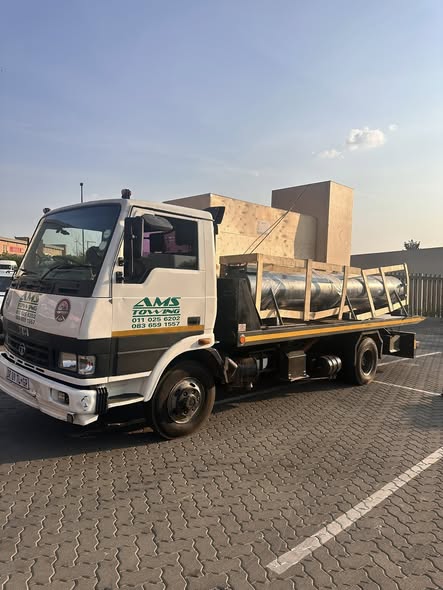
new arrivals
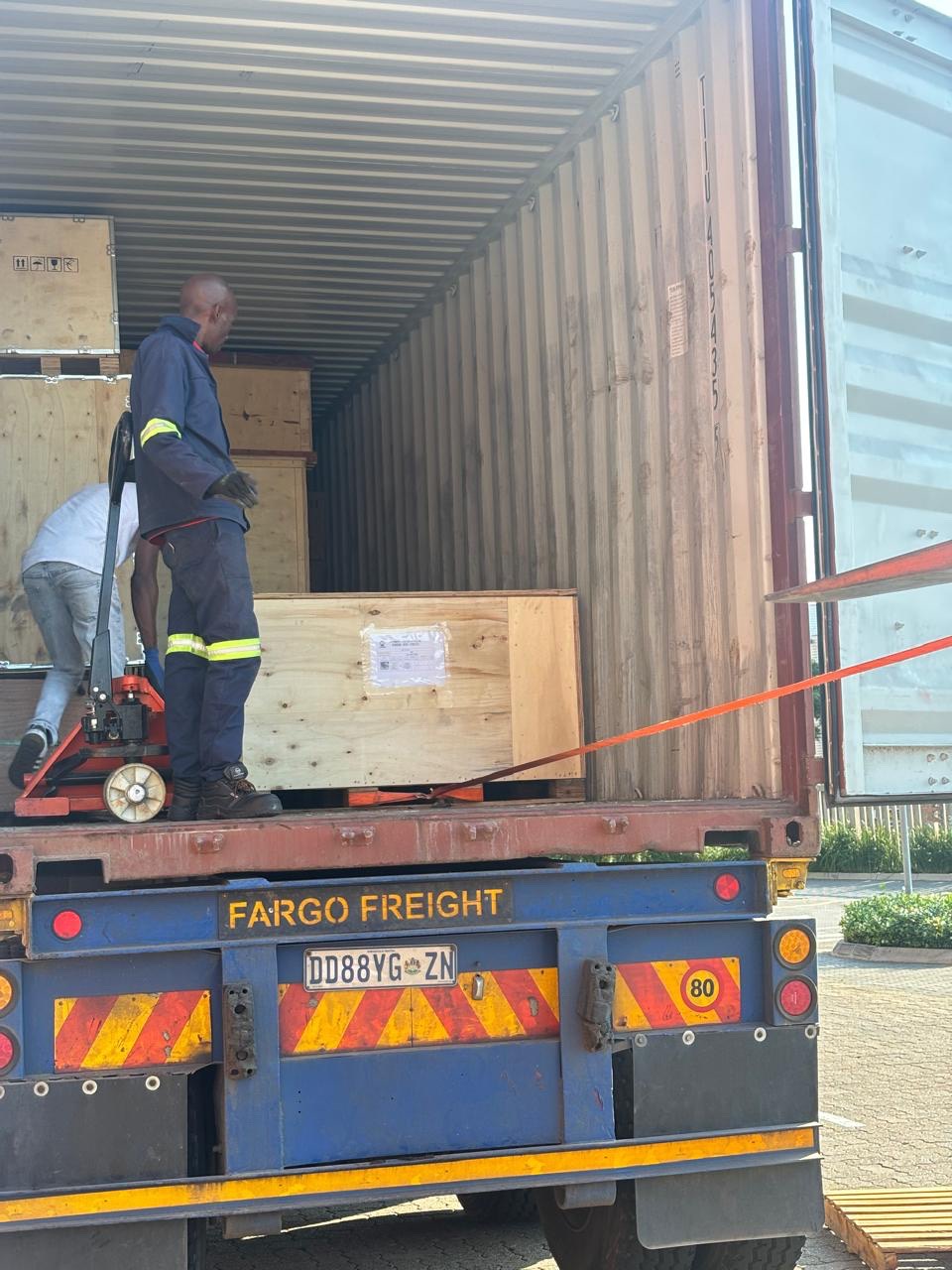
Pre Orders Offloading
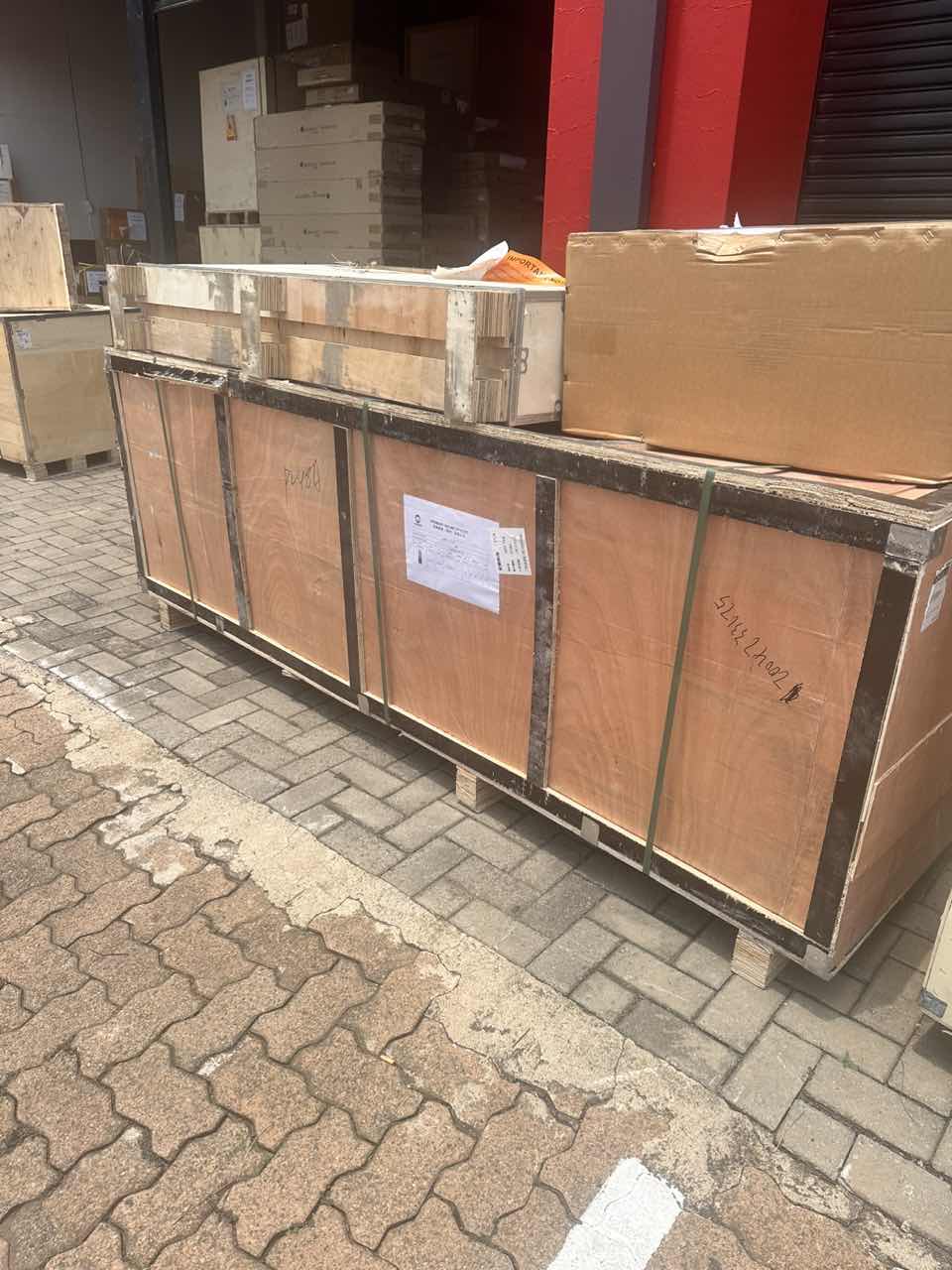
Latest Arrivals
Latest Arrivals
Latest Arrivals
Loading
Toilet paper making machine
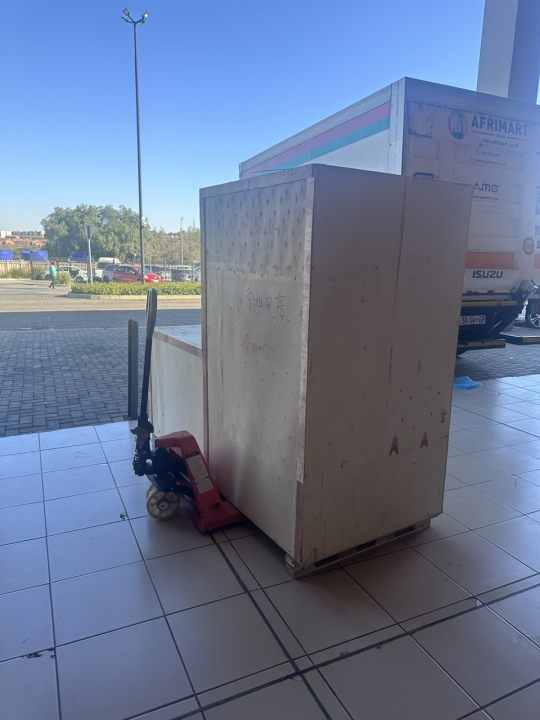
Toilet paper making machine
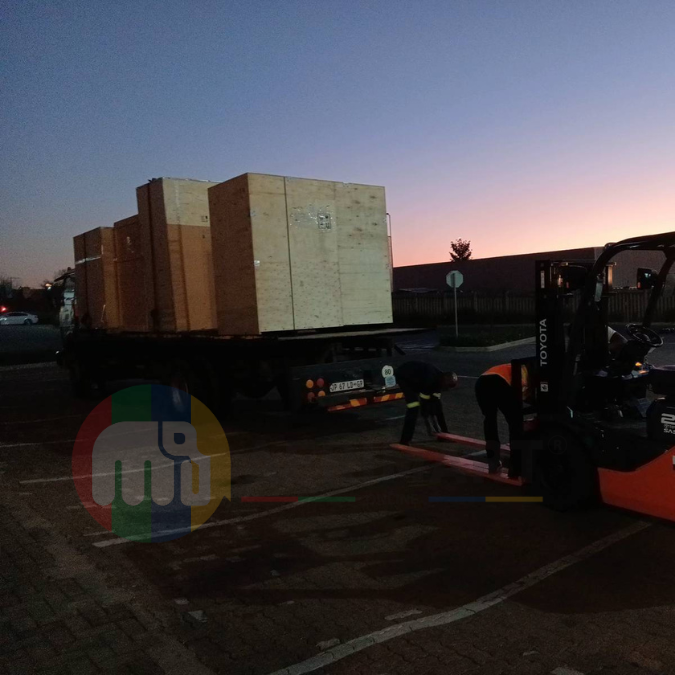
Toilet paper Rewinding Machine
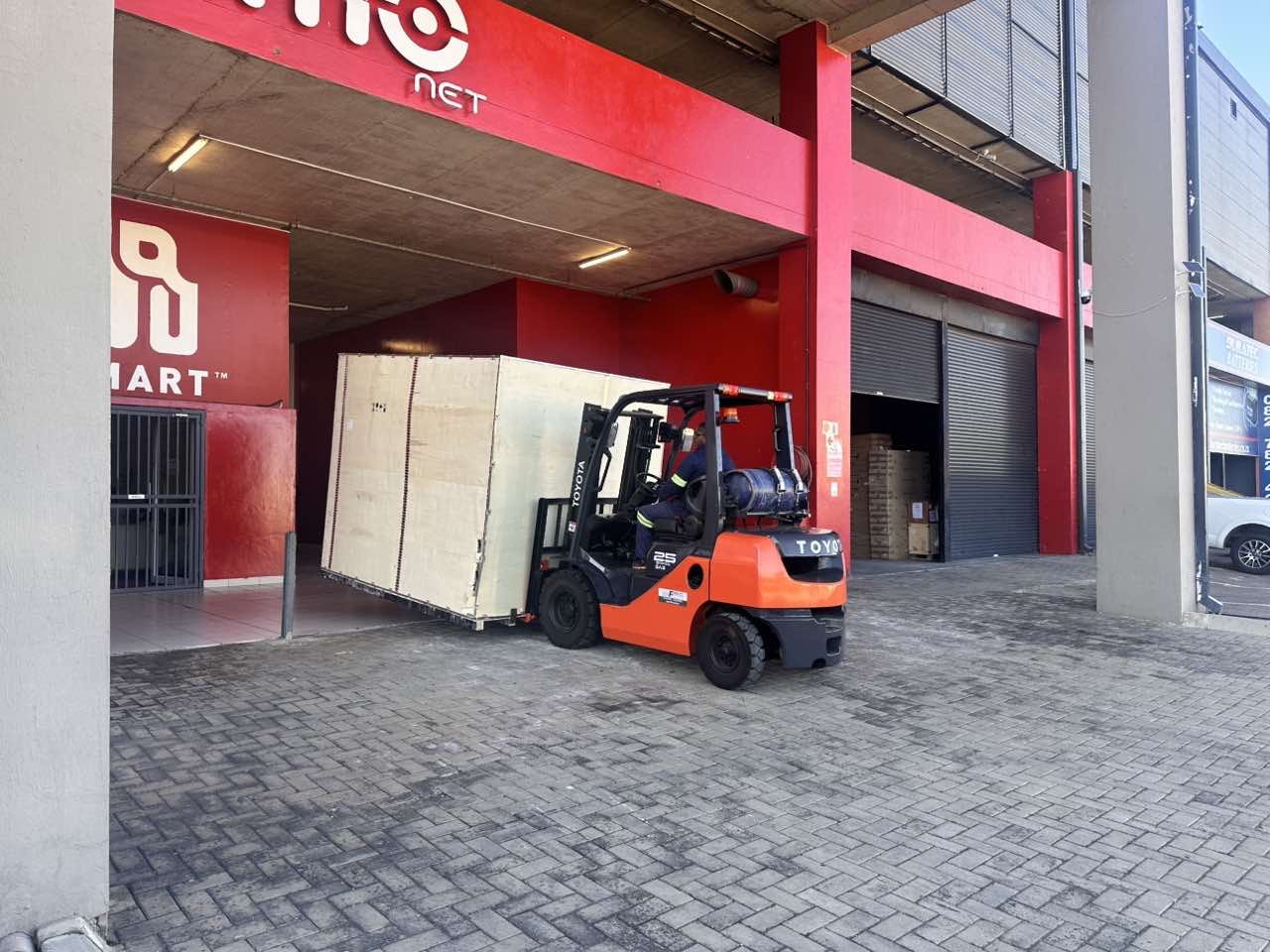
latest arrivals
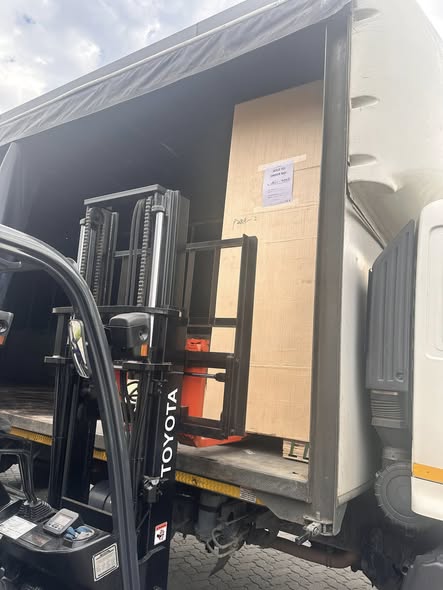
offloading
order success
order collection
order offloading