B21, China Town Mall, Midrand

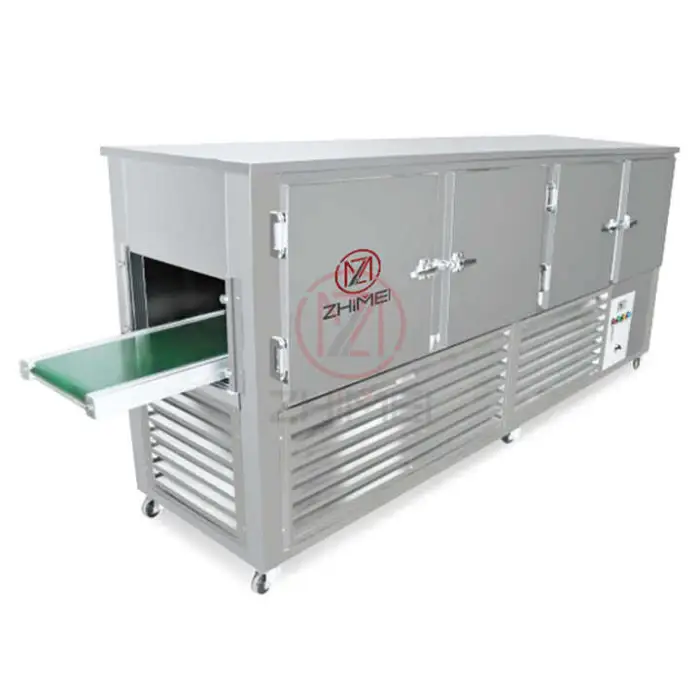
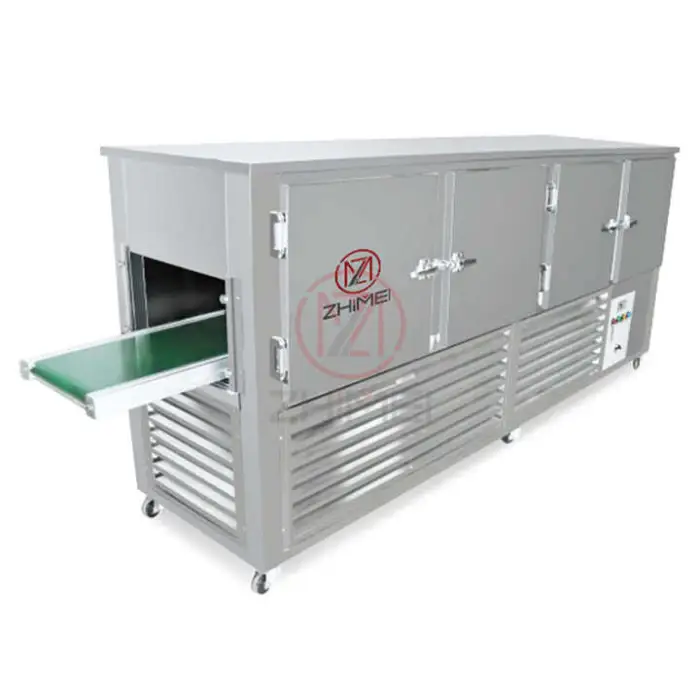
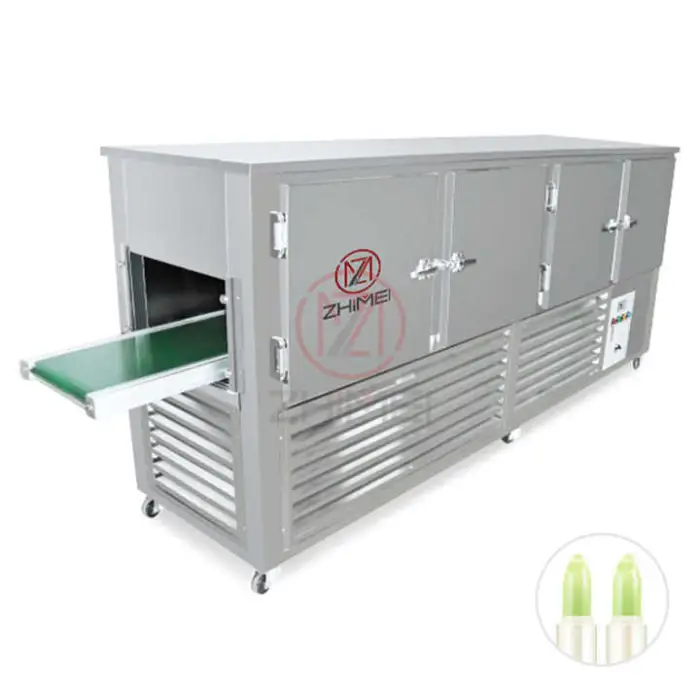
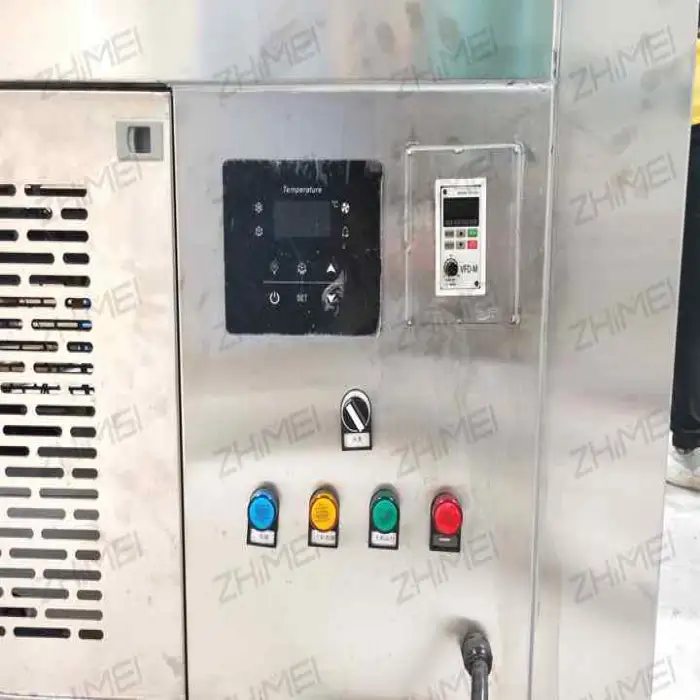
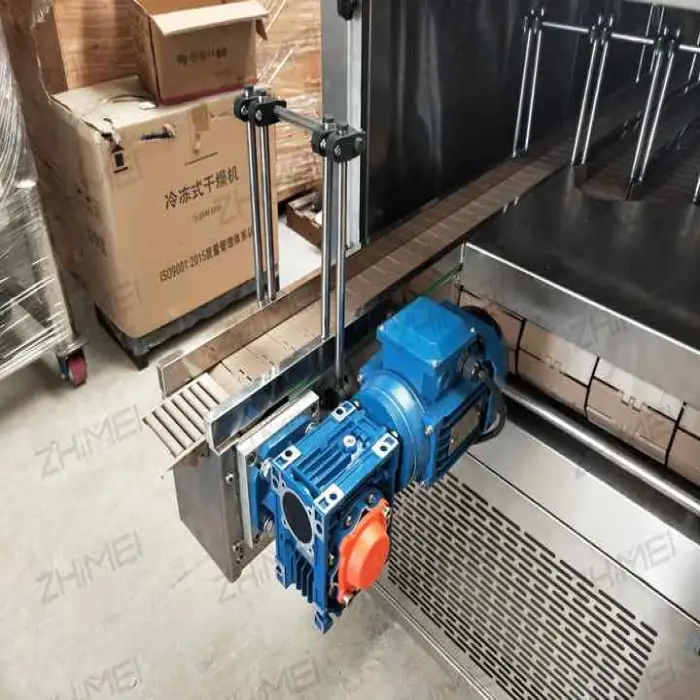
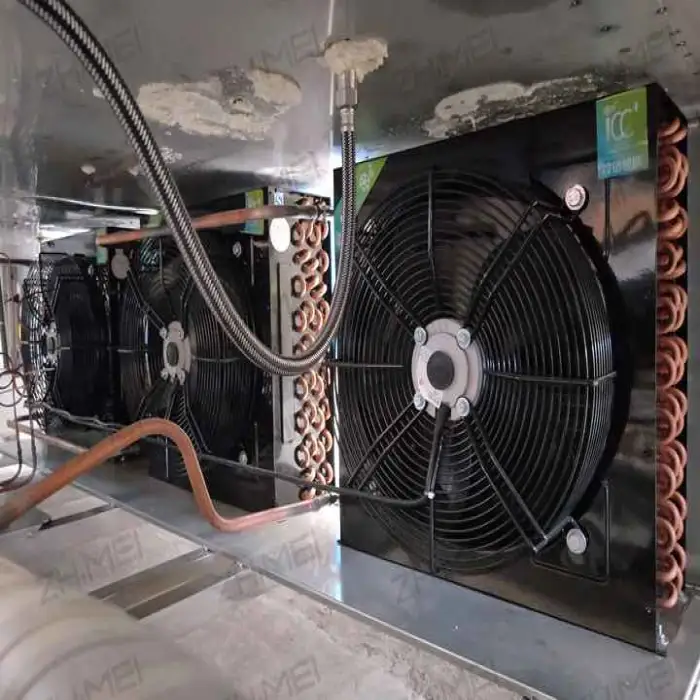
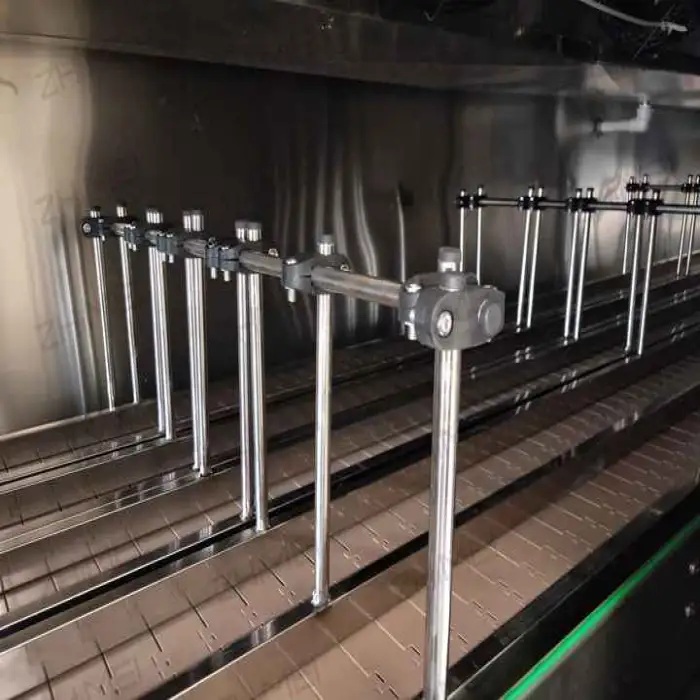
High Efficiency and Freezing Quickly Freezing Tunnel
Asset finance available
Do you want funding for this equipment?
Afrimart can connect you with trusted funding partners who specialise in asset finance for businesses like yours. Compare options and apply in minutes — final approval is subject to provider review.
Check funding options
Secure & no obligation

- Section : Machinery
- Category : Refrigeration Equipment
- SKU : 1601213328817

High Efficiency and Freezing Quickly Freezing Tunnel
The High Efficiency and Freezing Quickly Freezing Tunnel is designed for quick and effective freezing of food products. This tunnel freezer is easy to operate and built with high-quality components. It is perfect for businesses that need to freeze large quantities efficiently. With its powerful cooling capacity, it ensures your products are frozen quickly and uniformly.
Specifications
| Attribute | Details |
|---|---|
| Type | Tunnel Freezer |
| Key Selling Points | Easy to Operate |
| Core Components | Motor, Gear, Engine, PLC |
| Machinery Test Report | Provided |
| Video Outgoing Inspection | Provided |
| Voltage | 220/380V |
| Cooling Capacity | 21000 Kcal/hr |
| Dimension (L*W*H) | 3500*760*1400 MM |
| Function | Homogenizing |
| Selling Units | Single item |
Key Features
- High efficiency for quick freezing.
- Easy to operate for all users.
- Robust construction with quality components.
- Powerful cooling capacity of 21000 Kcal/hr.
- Compact design for space-saving.
Applications
- Food processing industries.
- Restaurants and catering services.
- Supermarkets and grocery stores.
- Frozen food manufacturers.
- Any business needing rapid freezing solutions.
Product Info Gallery
- Shipping Timeframes: All orders are processed within 2-5 business days (excluding weekends and holidays). After your order has been processed, the estimated delivery time is before 05 Aug, 2026, depending on customs, Please note that due to high demand, some items may experience longer shipping times, which will be communicated at order confirmation email.
- Order Processing Time: Please allow 2-5 business days for us to process your order before it is shipped . Orders placed after 16:00 on Fridays, or during weekends and public holidays, will begin processing on the next business day. Processing times may be extended during peak seasons or sales events.
- Manufacturing Time: Some products needs manufacturing time, the manufacturing process will take approximately 10-30 business days depending on the product. This timeframe may vary depending on the complexity of the product and current demand. but this will be communicated with you during order confirmation.
- Returns and Exchanges: We offer a 30-day return policy for most items. If you are not completely satisfied with your purchase, you may return it within 30 days of receipt for a refund or exchange. Items must be unused, in their original packaging, and accompanied by proof of purchase. Return shipping costs are the responsibility of the customer, unless the item was damaged or defective upon arrival.
1. What is the High Efficiency and Freezing Quickly Freezing Tunnel?
It is a tunnel-style industrial freezer designed for quick and uniform freezing of food products. Built with quality components (motor, gear, engine, PLC), it targets businesses that need fast, reliable freezing of large volumes while remaining compact and easy to operate.
2. What are the key specifications of this freezing tunnel?
Type: Tunnel Freezer; Voltage: 220/380V; Cooling capacity: 21,000 Kcal/hr; Dimensions (L*W*H): 3500*760*1400 mm. Core components include motor, gear, engine and PLC. Machinery test report and outgoing inspection video are provided.
3. What kinds of food products can be processed in this tunnel?
It is suitable for a wide range of food items including meats, seafood, poultry, prepared meals, bakery items, fruits and vegetables. Compatibility depends on product size, shape, packaging and required freezing profile—contact the supplier for application-specific guidance.
4. How fast does the tunnel freeze products?
Freezing speed varies by product type, thickness, starting temperature, loading density and process settings. The machine offers high-efficiency rapid freezing, but exact freeze times should be determined by a product test or by reviewing the provided machinery test report.
5. What is the throughput (kg/hour) of the freezing tunnel?
Throughput depends on the specific product, belt speed and freezing profile. Because these variables differ widely, the supplier typically provides throughput estimates after reviewing product samples or results from the machinery test report.
6. What are the electrical and installation requirements?
Standard supply options are 220 V or 380 V; final requirements depend on configuration and local electrical codes. Installation requires a level floor capable of supporting the unit’s weight, adequate space for access and ventilation, and a qualified electrician for electrical hook-up.
7. How is the tunnel controlled and operated?
The unit uses a PLC‑based control system for setting belt speed, temperature profiles and alarms. It is designed to be user-friendly; basic operator training is recommended and often provided by the supplier.
8. What routine maintenance is required?
Regular maintenance includes cleaning and sanitizing the conveyor and contact surfaces, inspecting and lubricating motors/gears, checking belts and seals for wear, monitoring refrigeration system performance and refrigerant levels, and following any manufacturer-recommended service intervals.
9. How should the freezing tunnel be cleaned and sanitized?
Follow food-industry sanitation practices: remove loose debris, use approved cleaning agents suitable for food equipment, rinse and sanitize surfaces. Avoid directing high-pressure water at electrical components—isolate or protect them during cleaning. Confirm cleaning protocols with your local food-safety regulations.
10. What safety features does the machine include?
Typical safety features include emergency stop buttons, guards around moving parts, PLC alarms for fault conditions and safe electrical protection. Operators should be trained on safe operation and lockout/tagout procedures for maintenance.
11. Are spare parts and service available?
Yes — core components such as motors, gears, belts and PLC modules are typically available through the manufacturer or authorized service partners. Contact the supplier for recommended spare parts lists and service agreements.
12. Is a machinery test report or inspection documentation provided?
Yes. A machinery test report and a video of the outgoing inspection are provided to verify performance and quality prior to shipment.
13. Does the product come with warranty and certifications?
Warranty terms and certifications may vary by supplier and region. The machine comes with test documentation; for warranty details and applicable food-safety or electrical certifications (CE, NSF, etc.), request specific documentation from the seller.
14. Can the freezing tunnel be customized to fit my process?
Yes. Common customizations include conveyor type and width, belt speed range, tunnel length, refrigeration capacity, voltage options and product-handling accessories. Discuss your product dimensions, throughput targets and layout constraints with the supplier to define suitable custom options.
Latest Order Arrivals
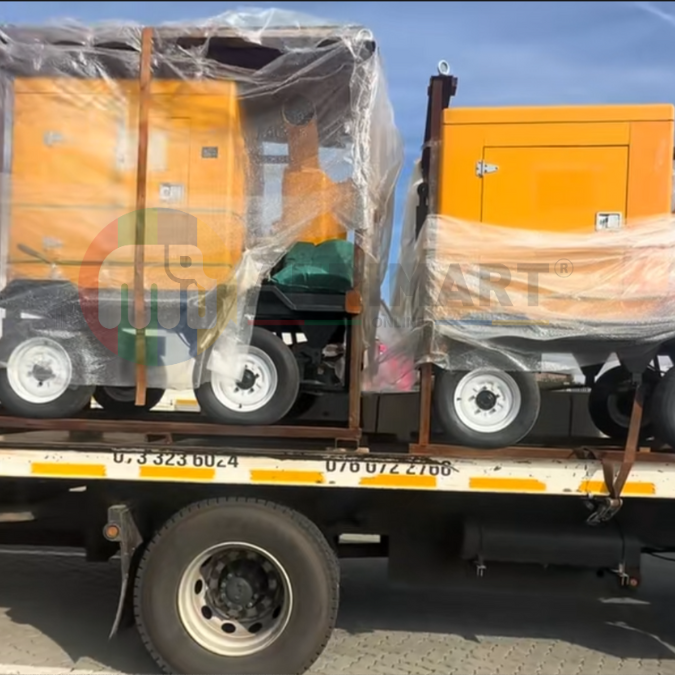
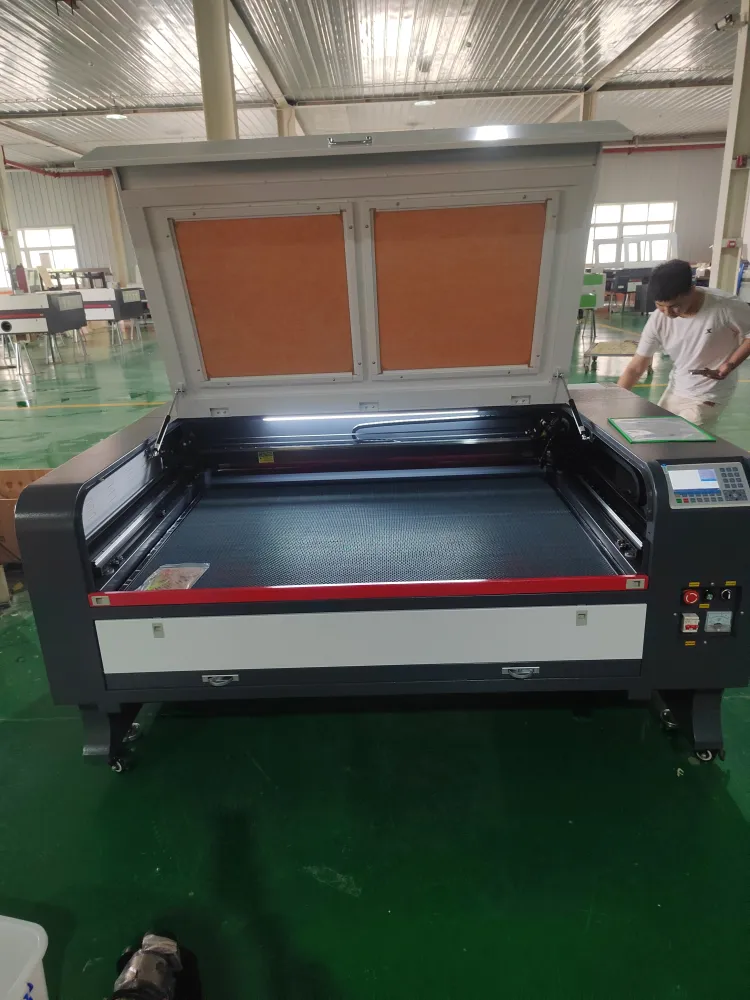
Discover our latest orders
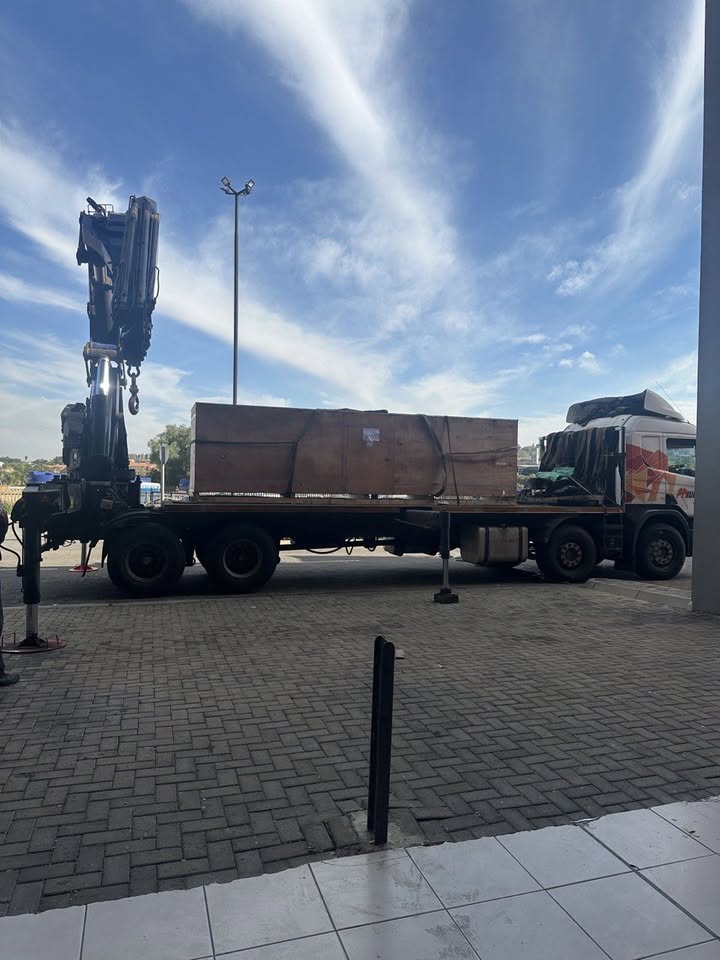
12 Heads Embroidery Machine
Toilet Paper Machine Machine
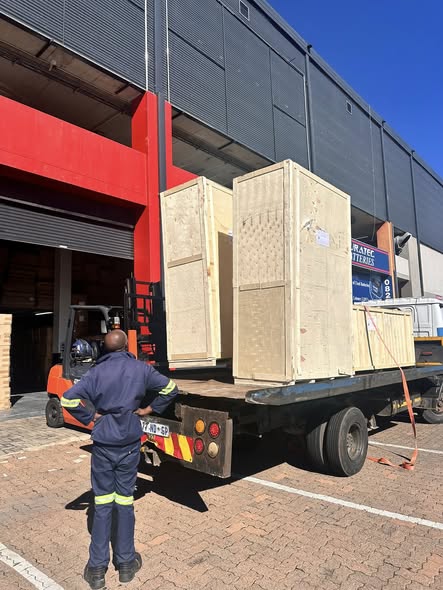
Order Collection
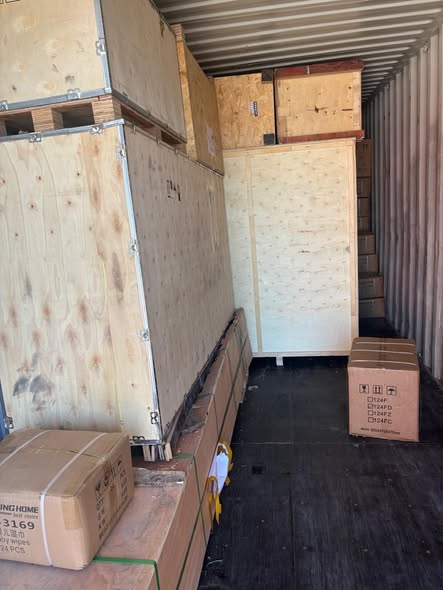
Cross Border Clients
Order cros border countries Collected
Industrial Machine Cllection
Agriculture Processing Machines
Ready for collection
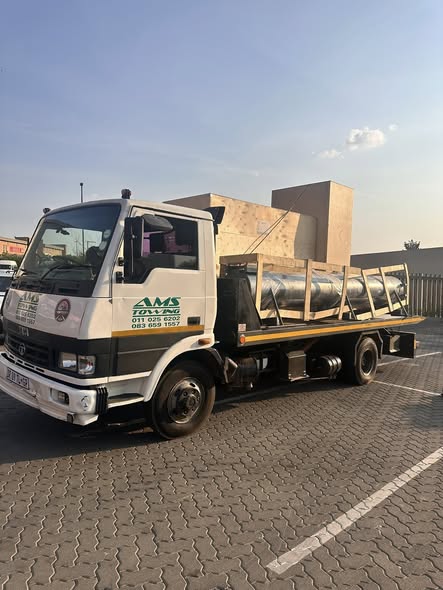
Water Pump Equipment
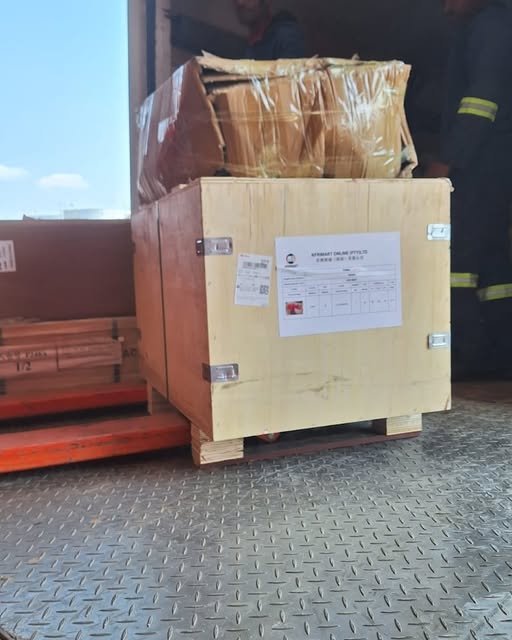
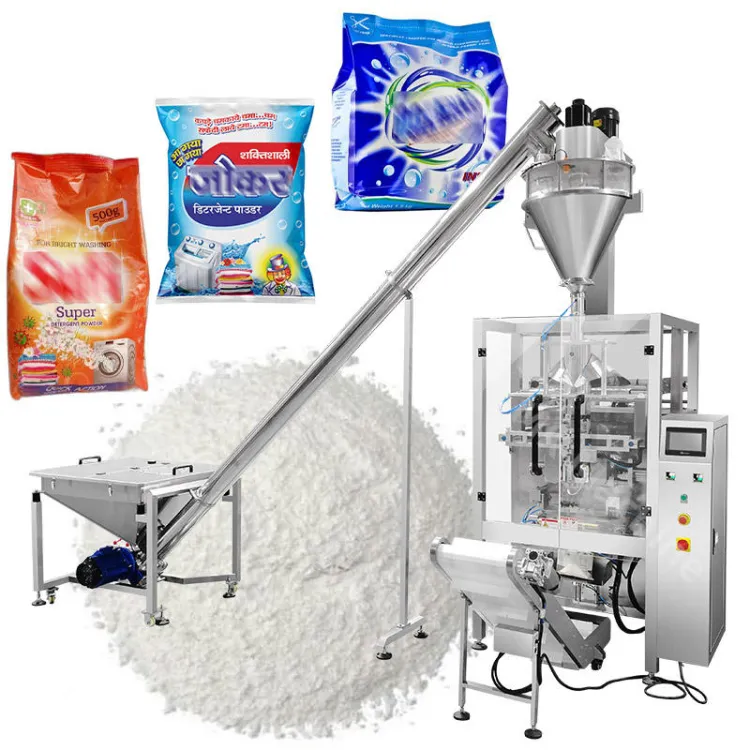
Packaging Machine and accessories
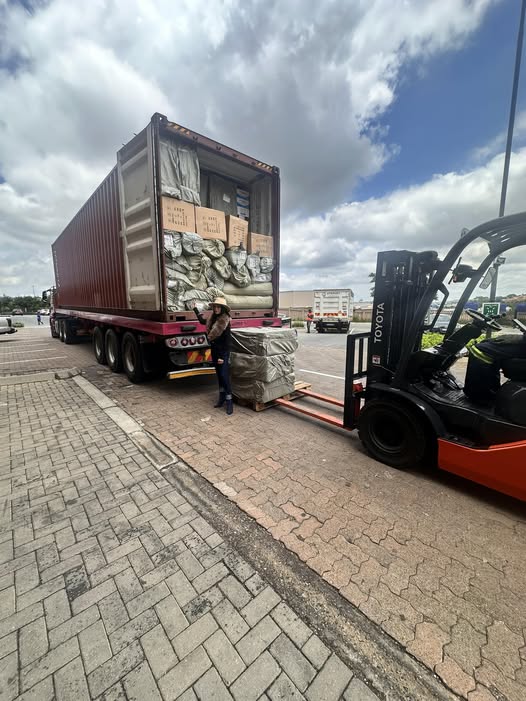
Fabrics Manufacturing Equipment
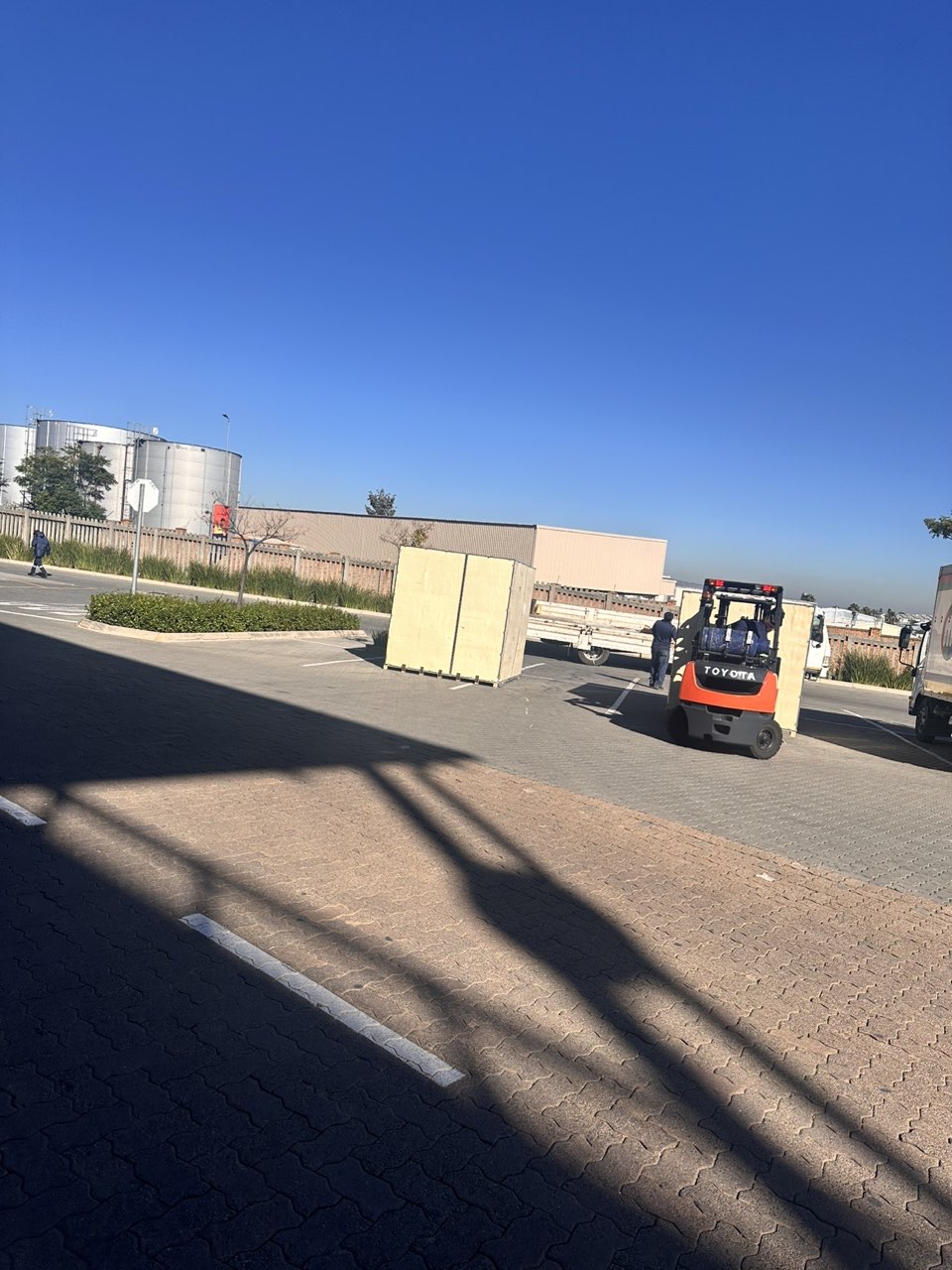
Mining Equipments
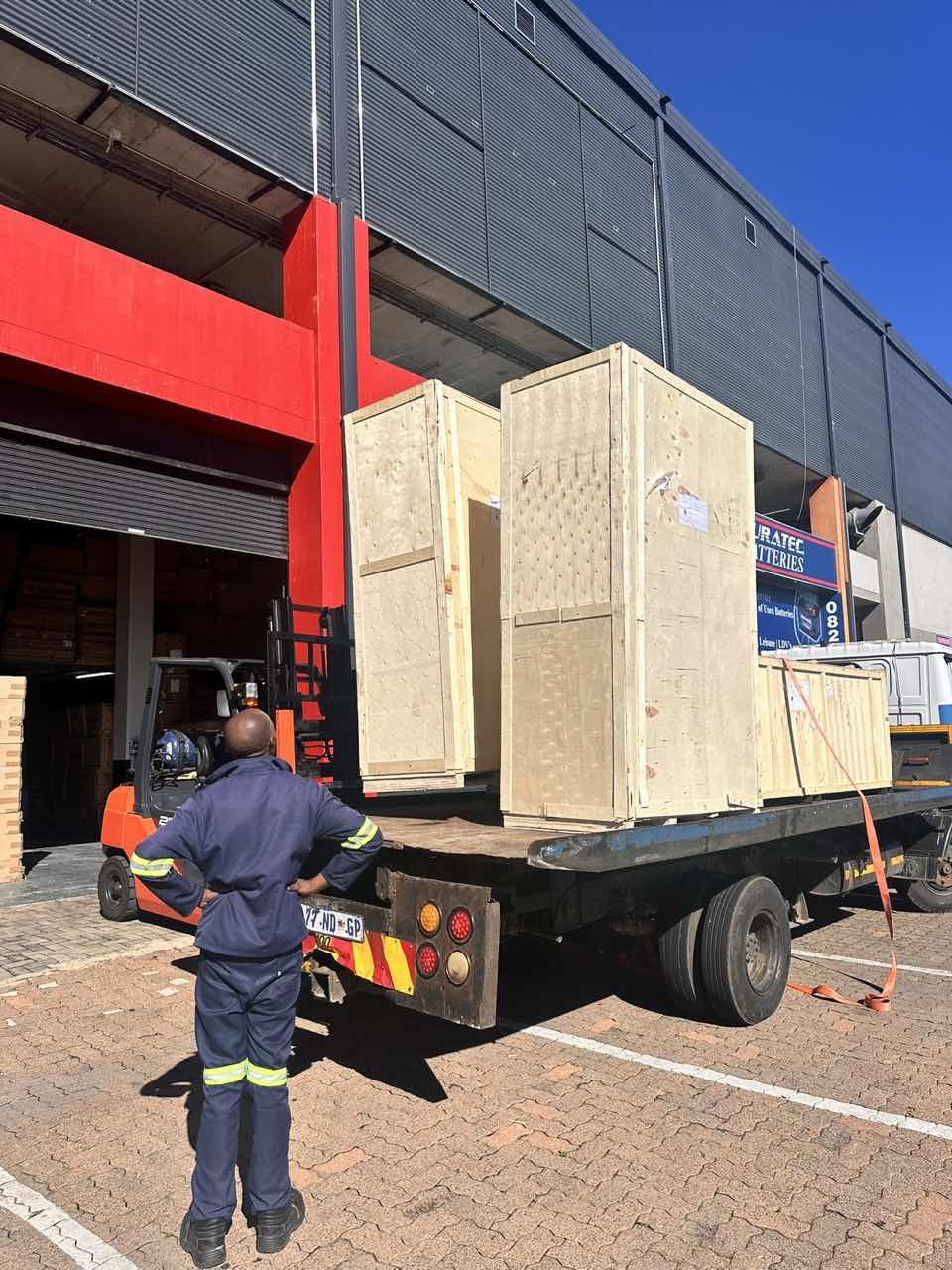
Food Processing Machine
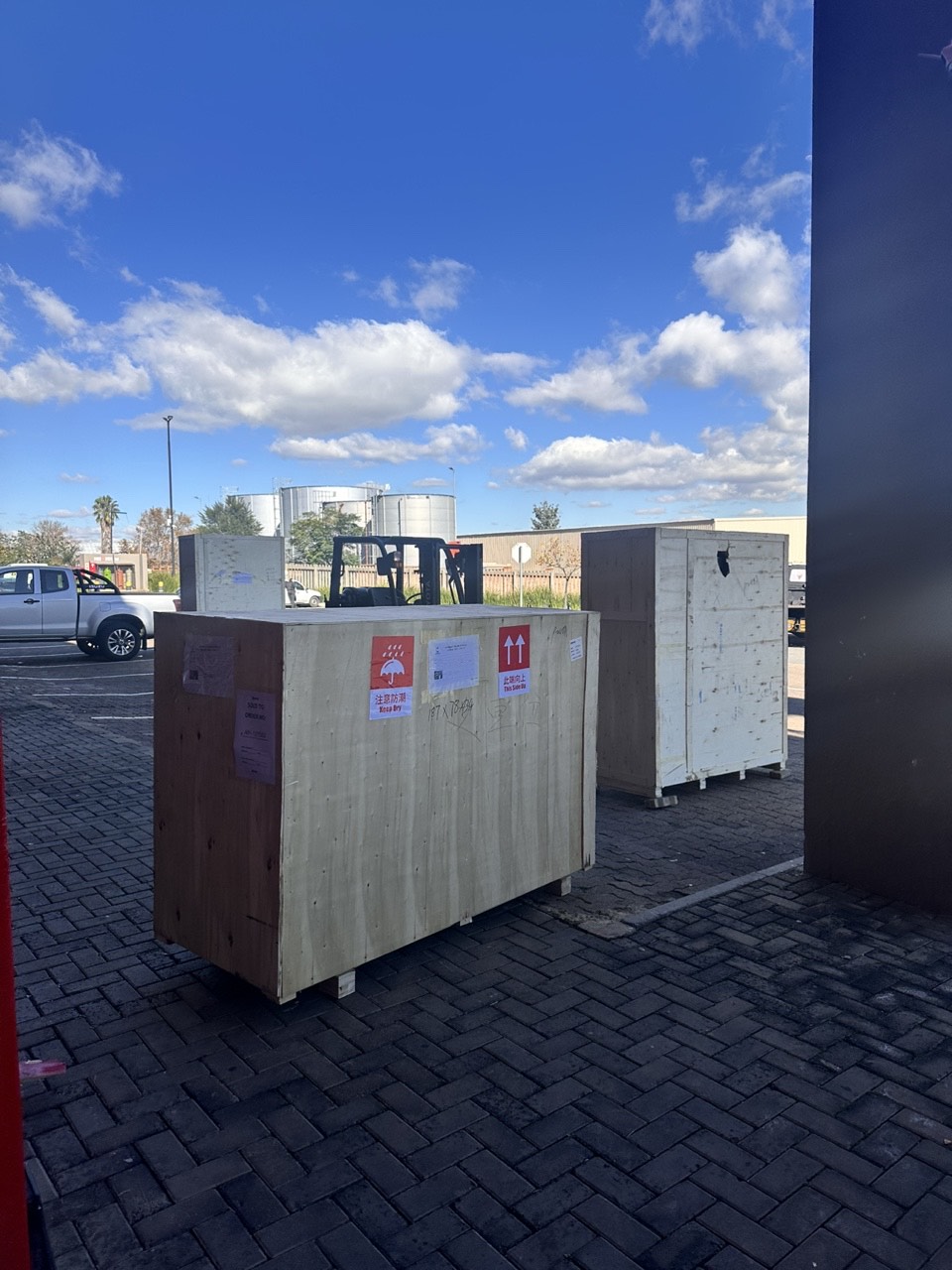
Batch of Orders
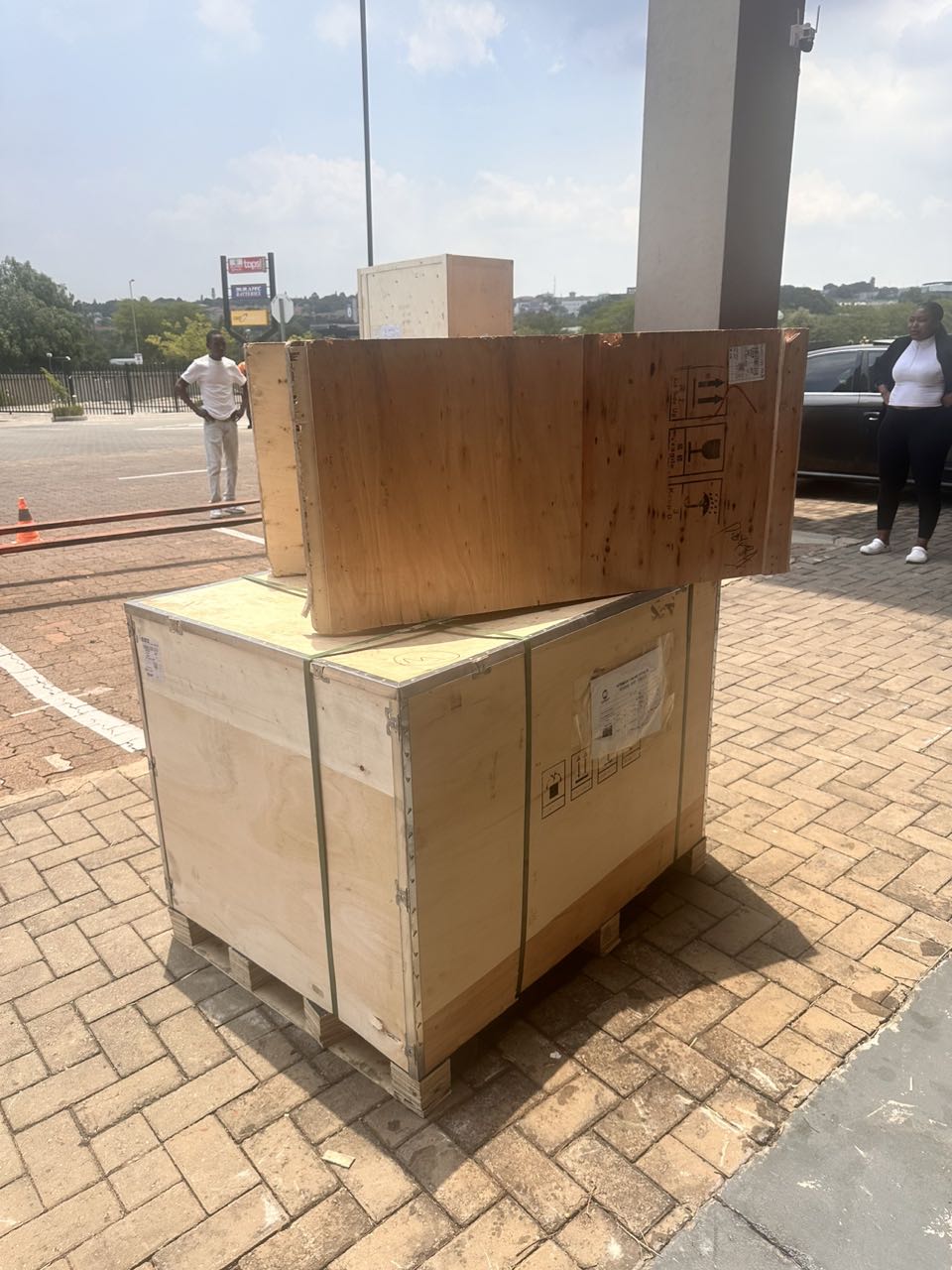
Batch of Orders
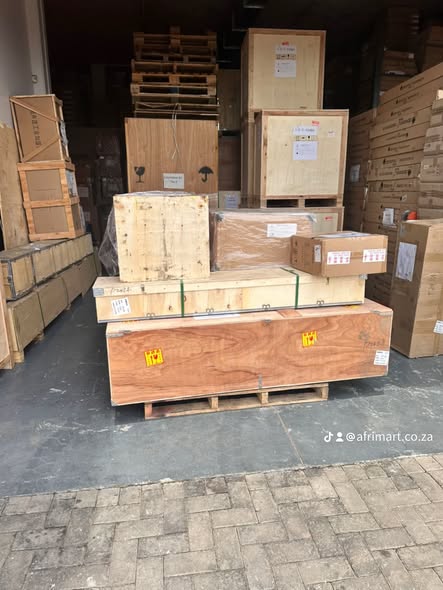
Latest Orders Labelled
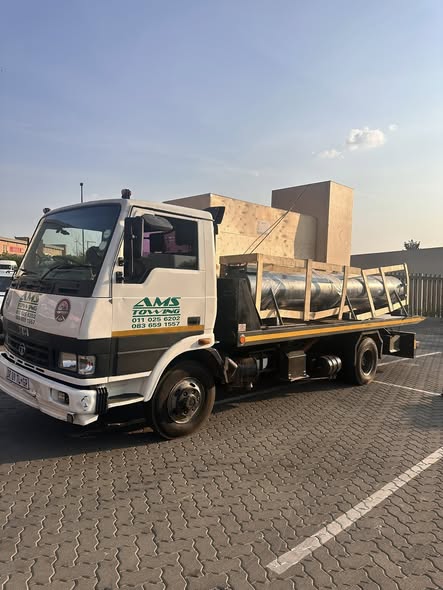
wheel alignment machines
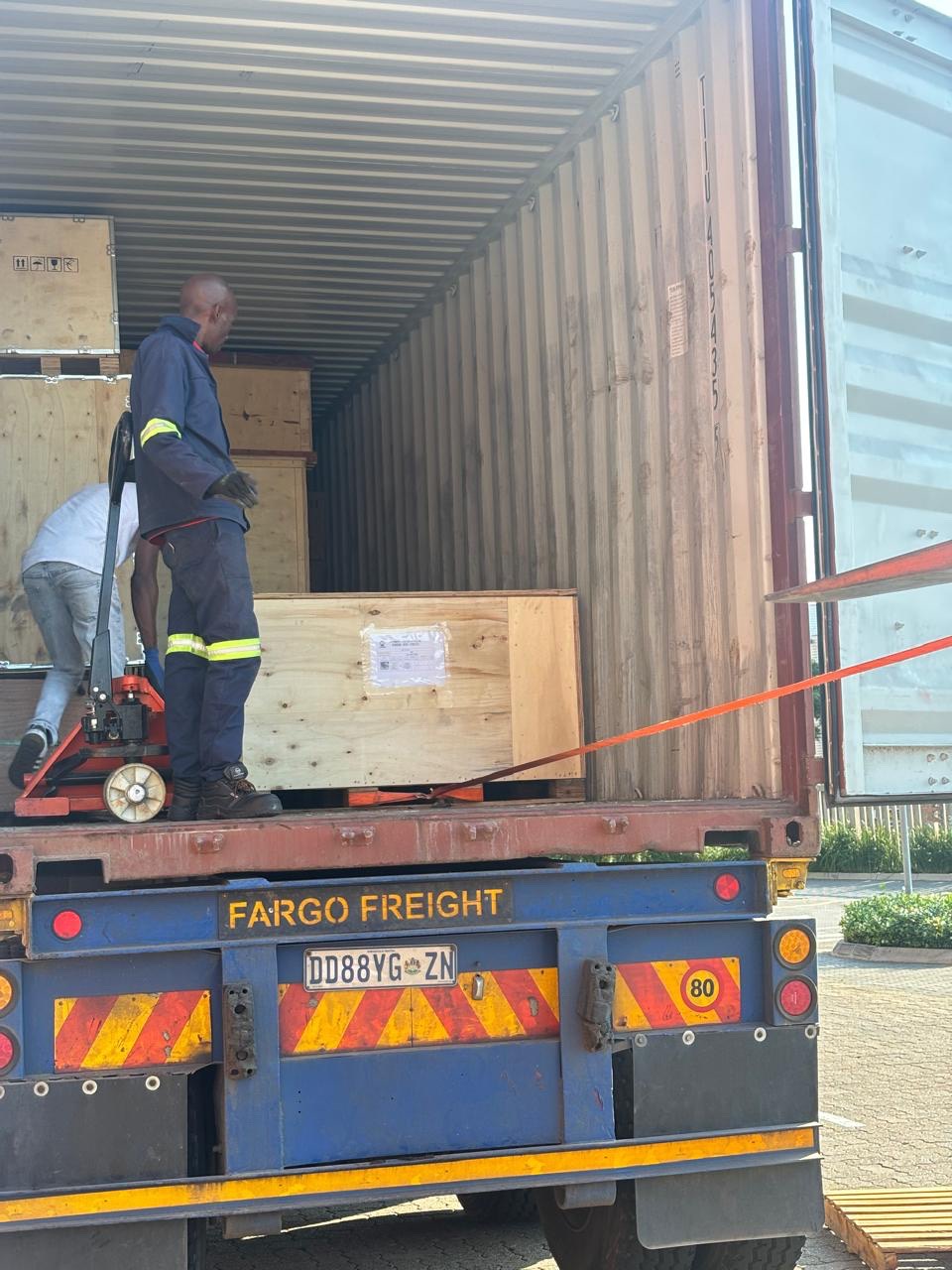
new arrivals
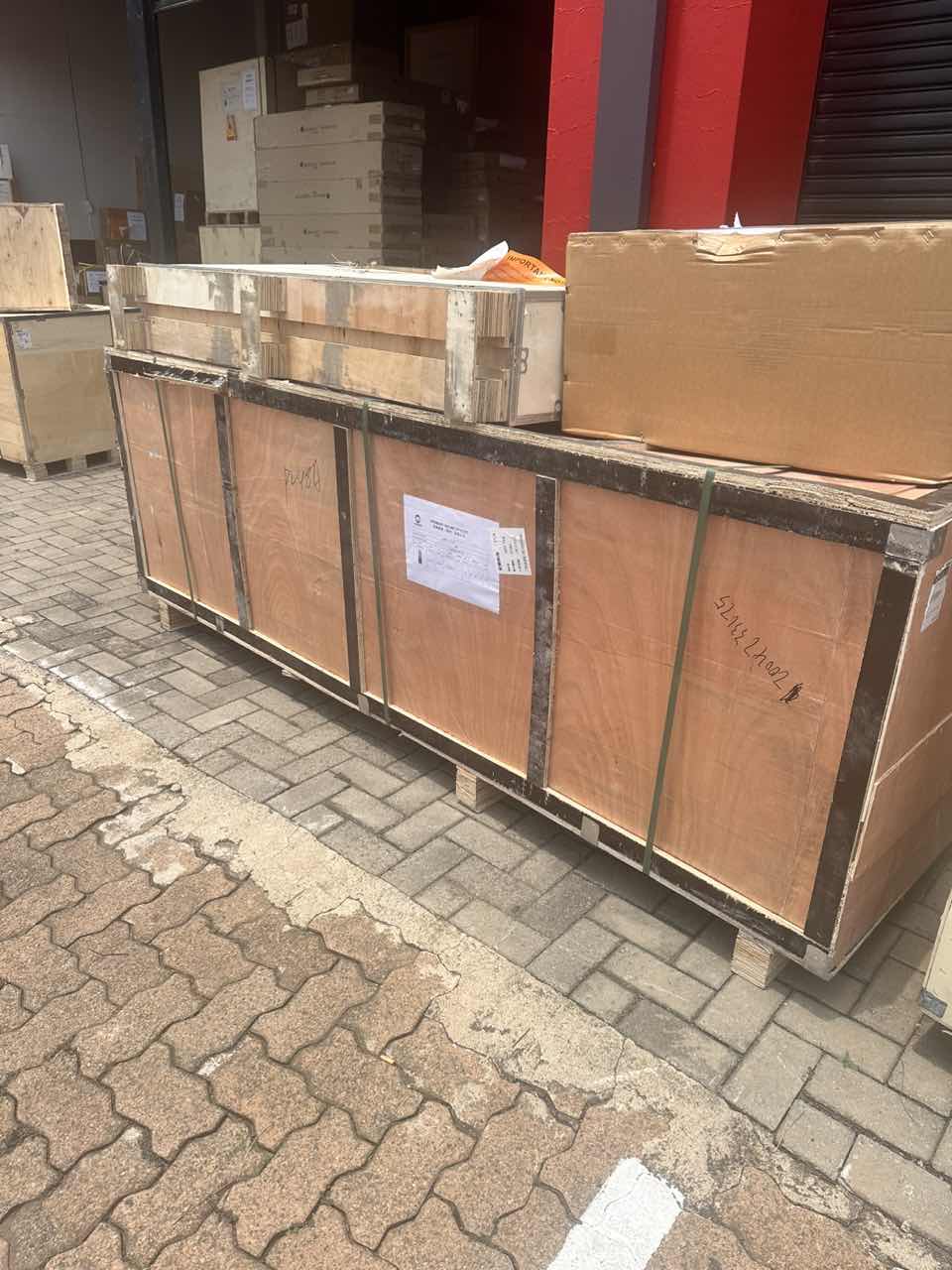
Pre Orders Offloading
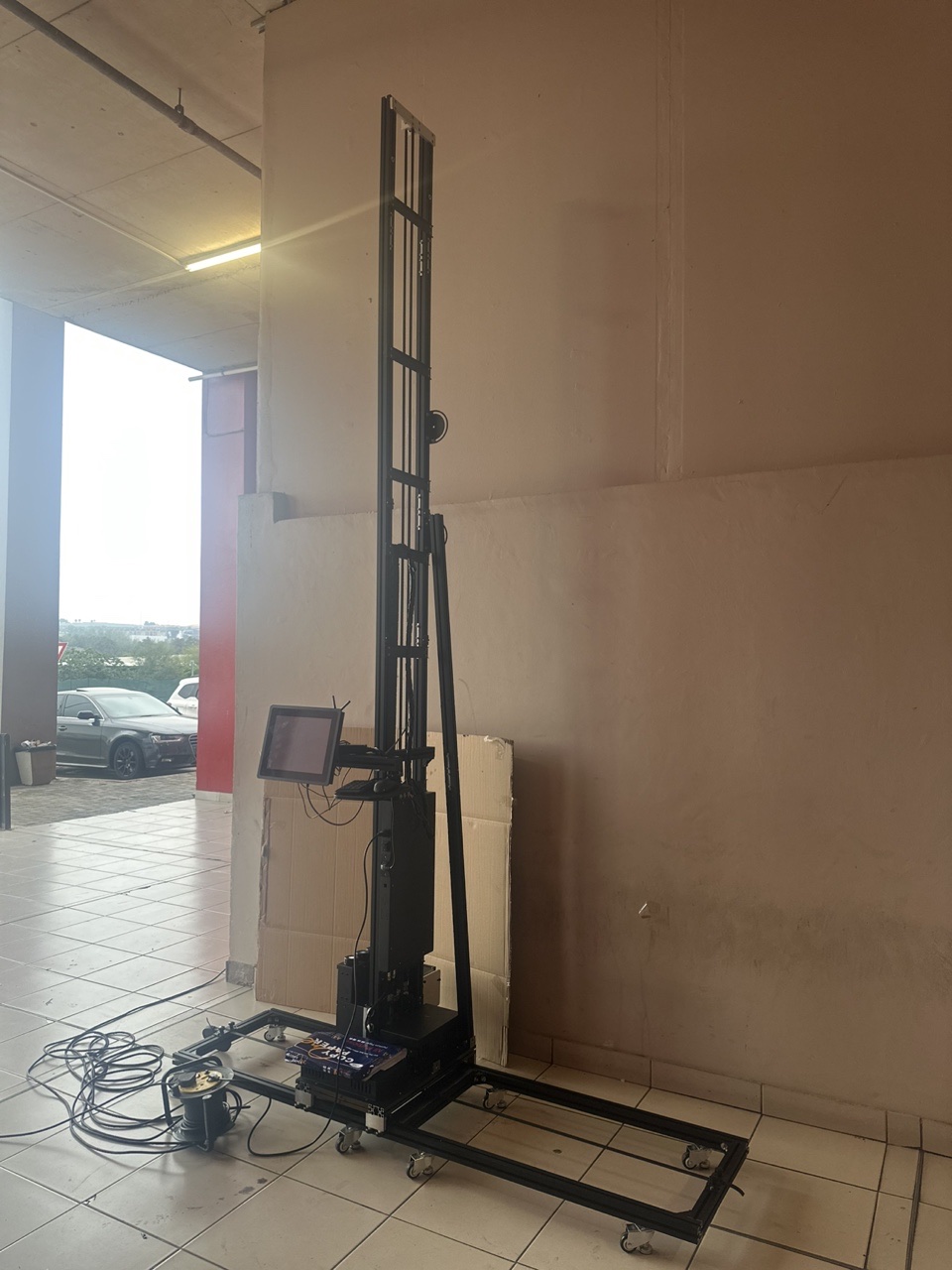
Latest Arrivals
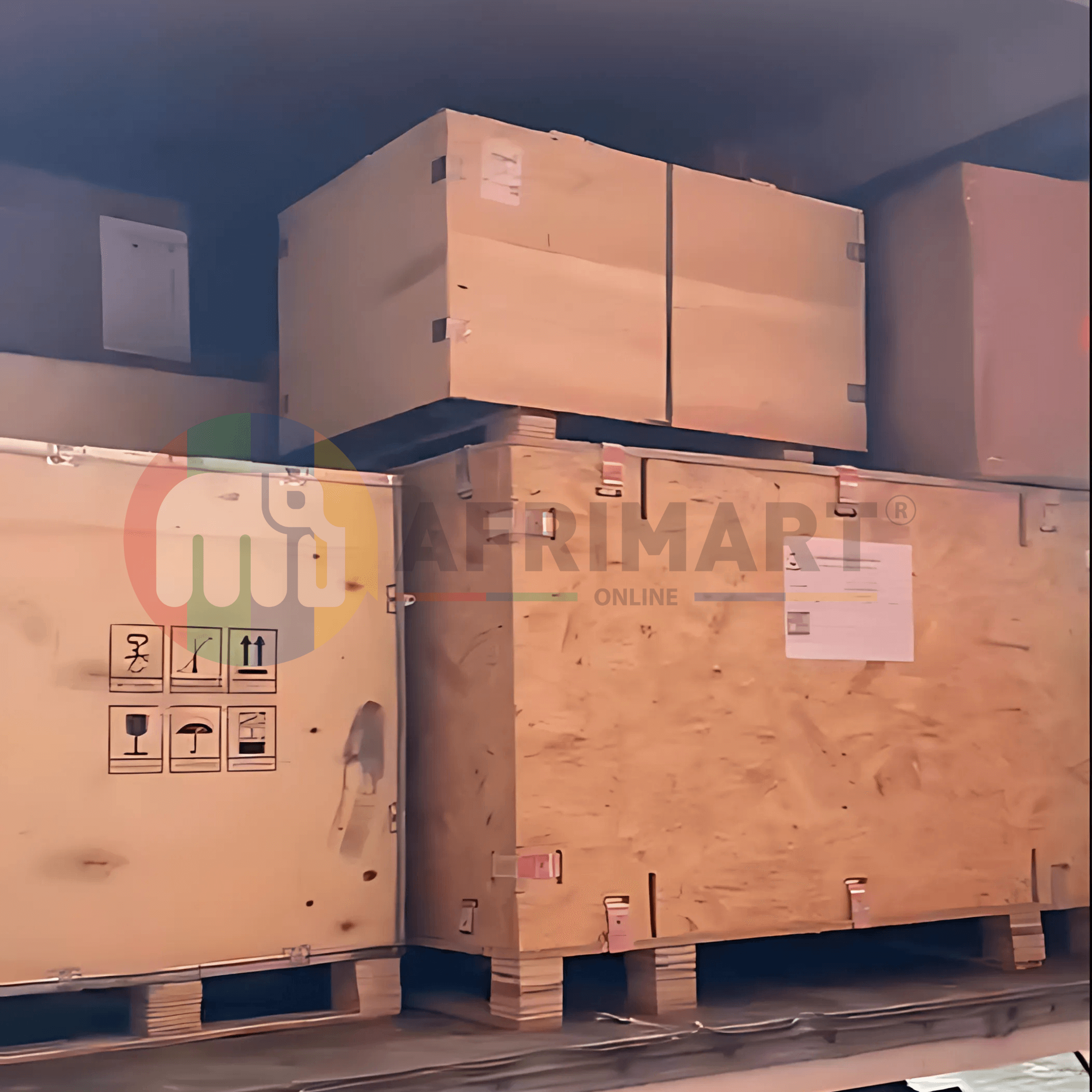
Latest Arrivals
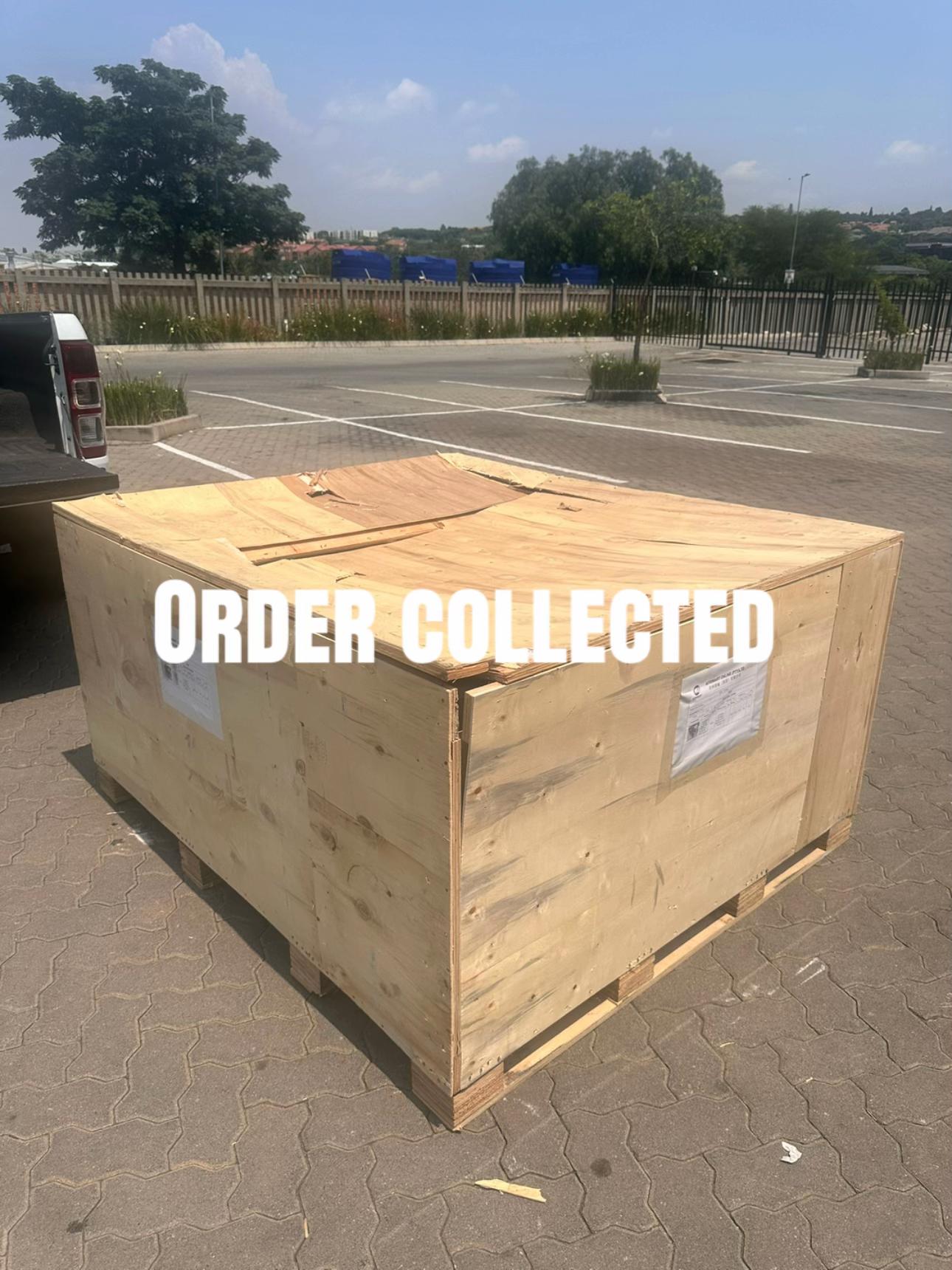
Latest Arrivals
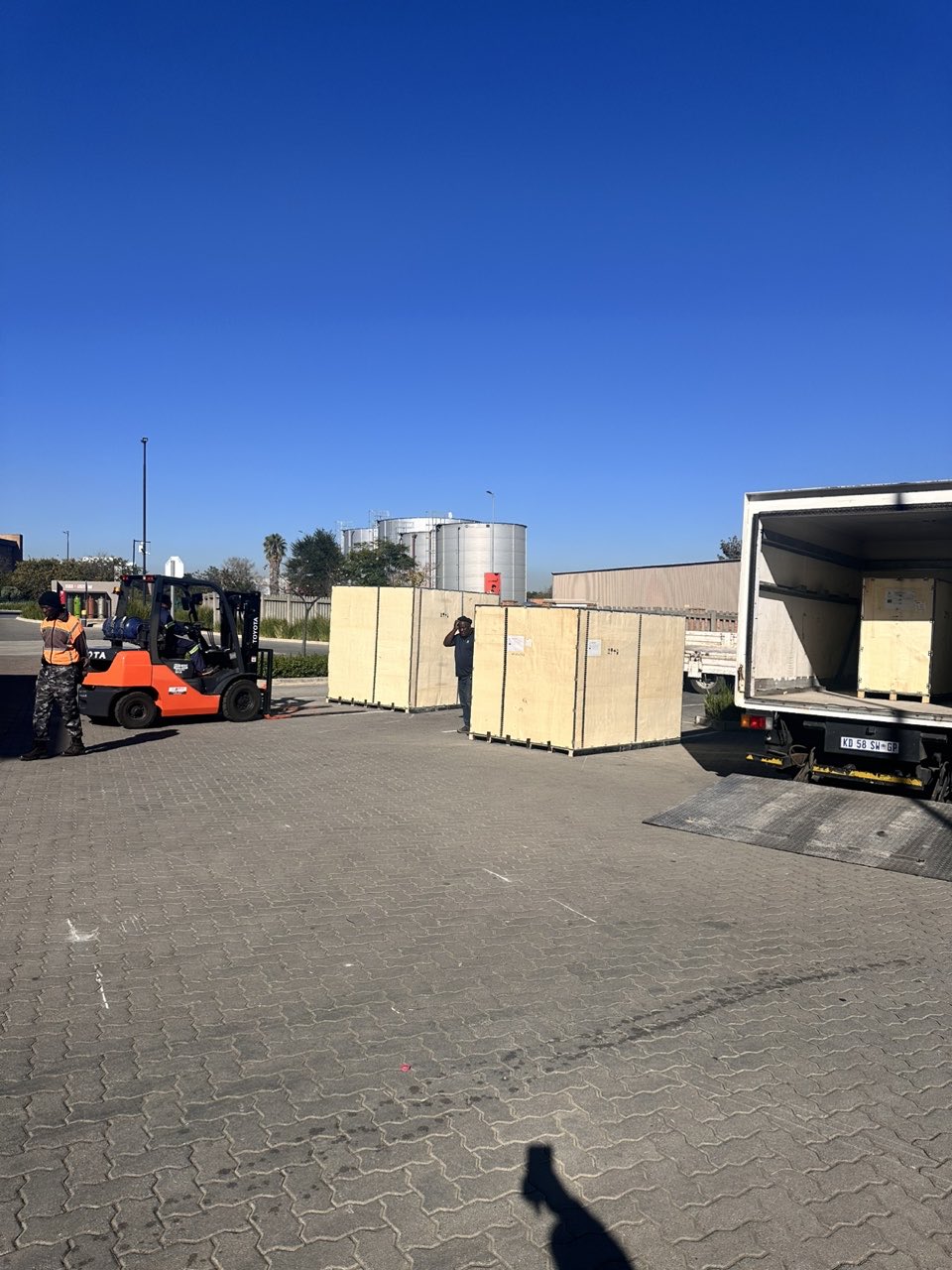
Loading
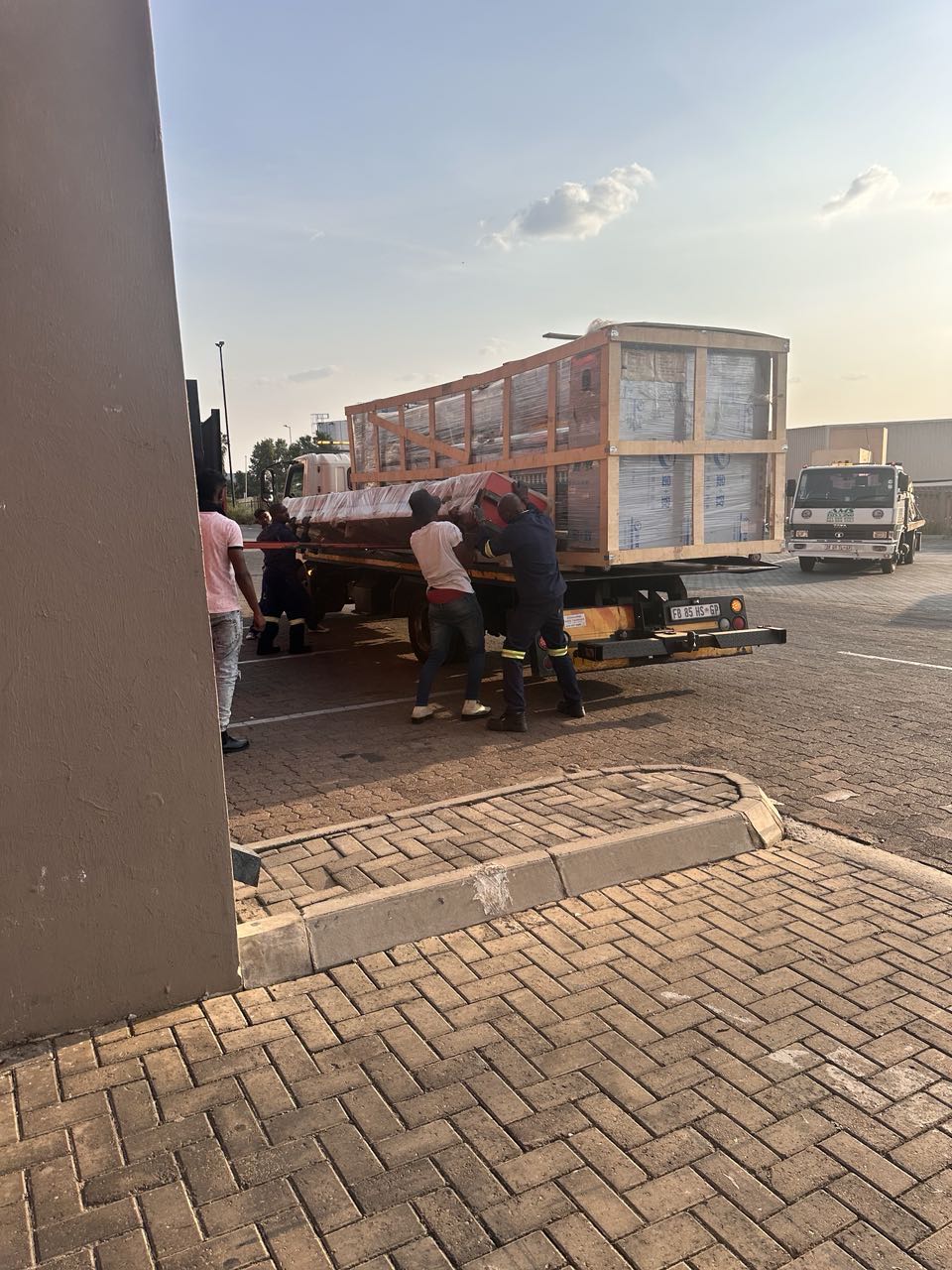
Toilet paper making machine
Toilet paper making machine
Toilet paper Rewinding Machine
latest arrivals
offloading
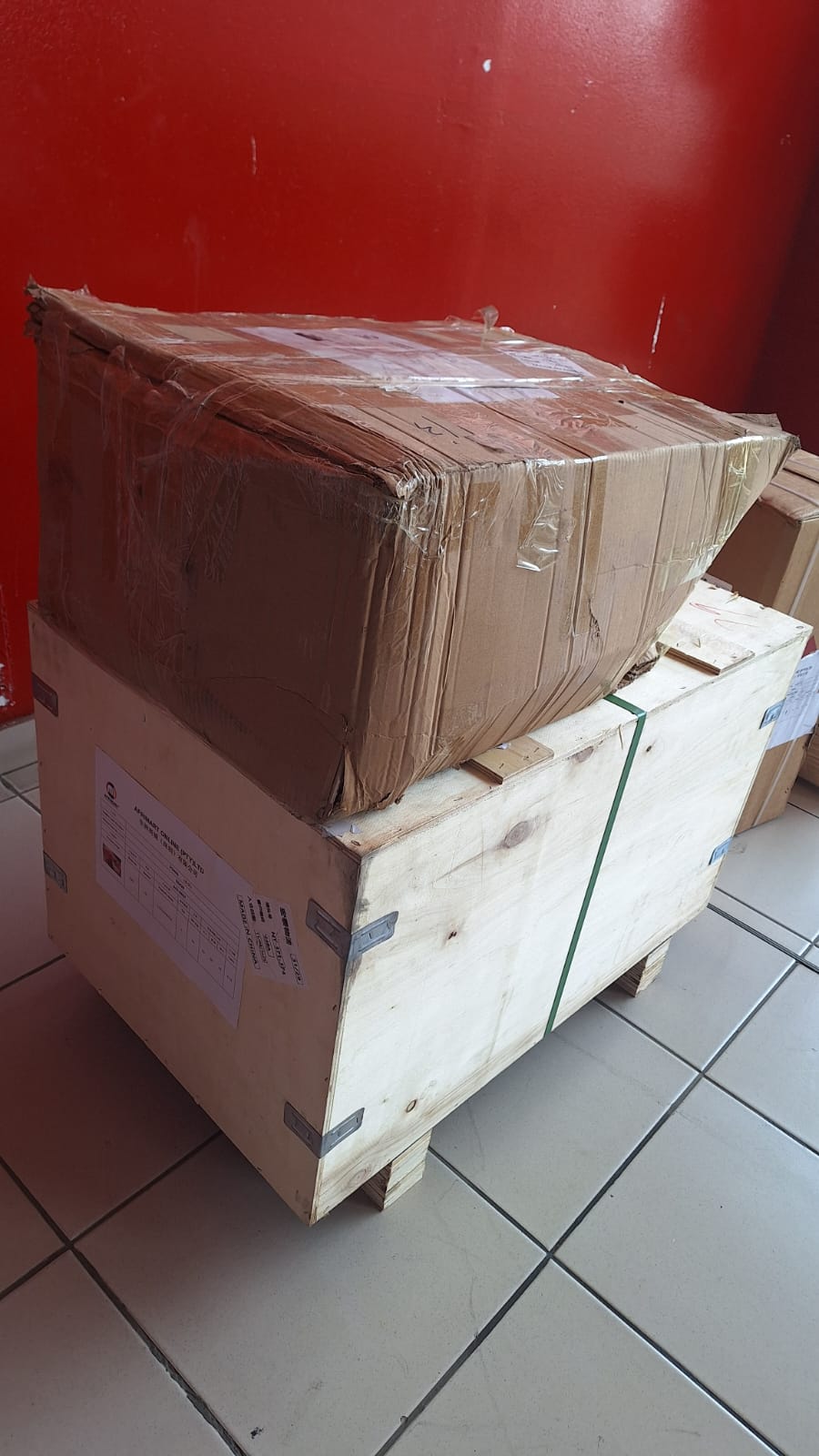
order success
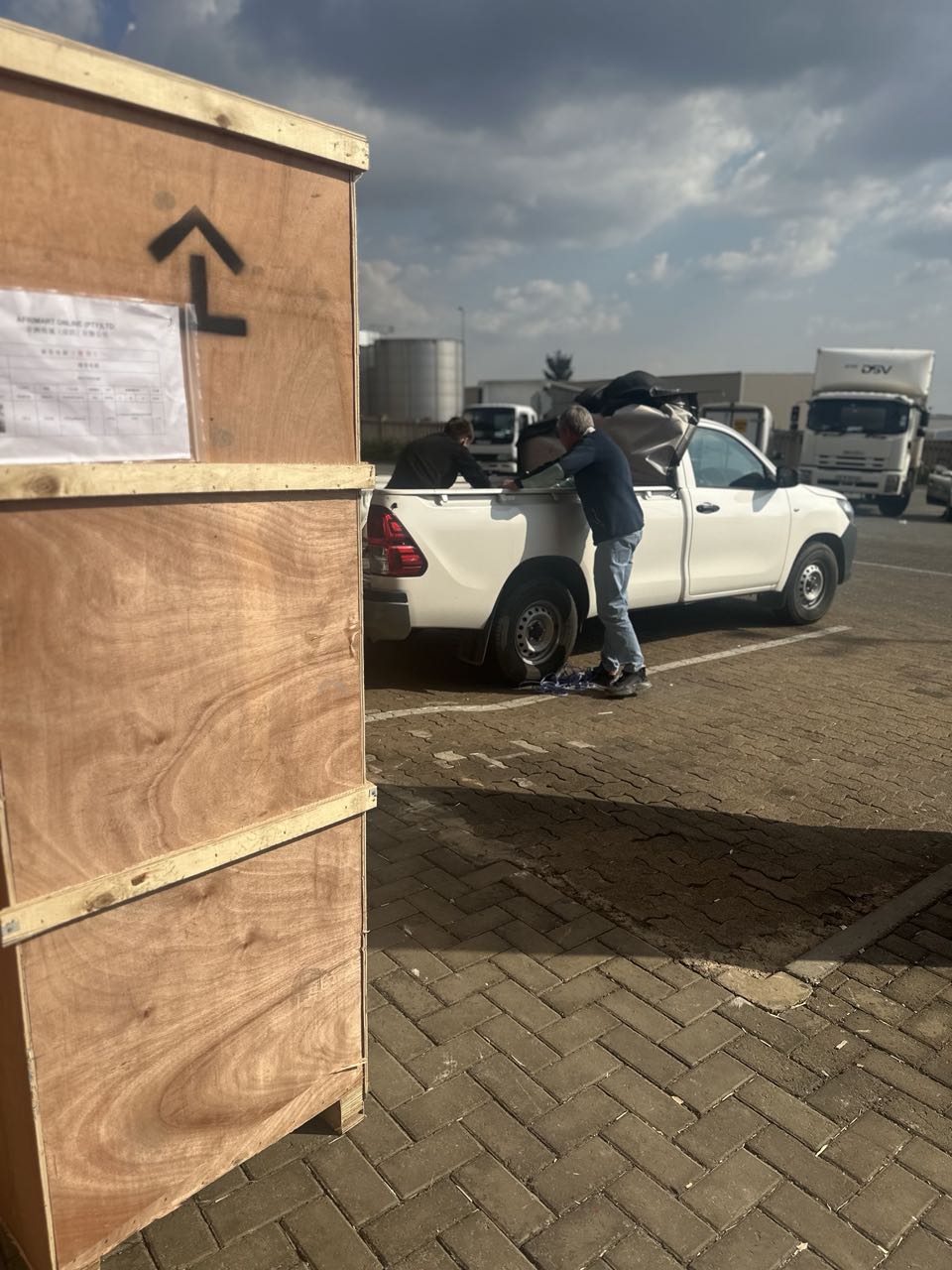
order collection
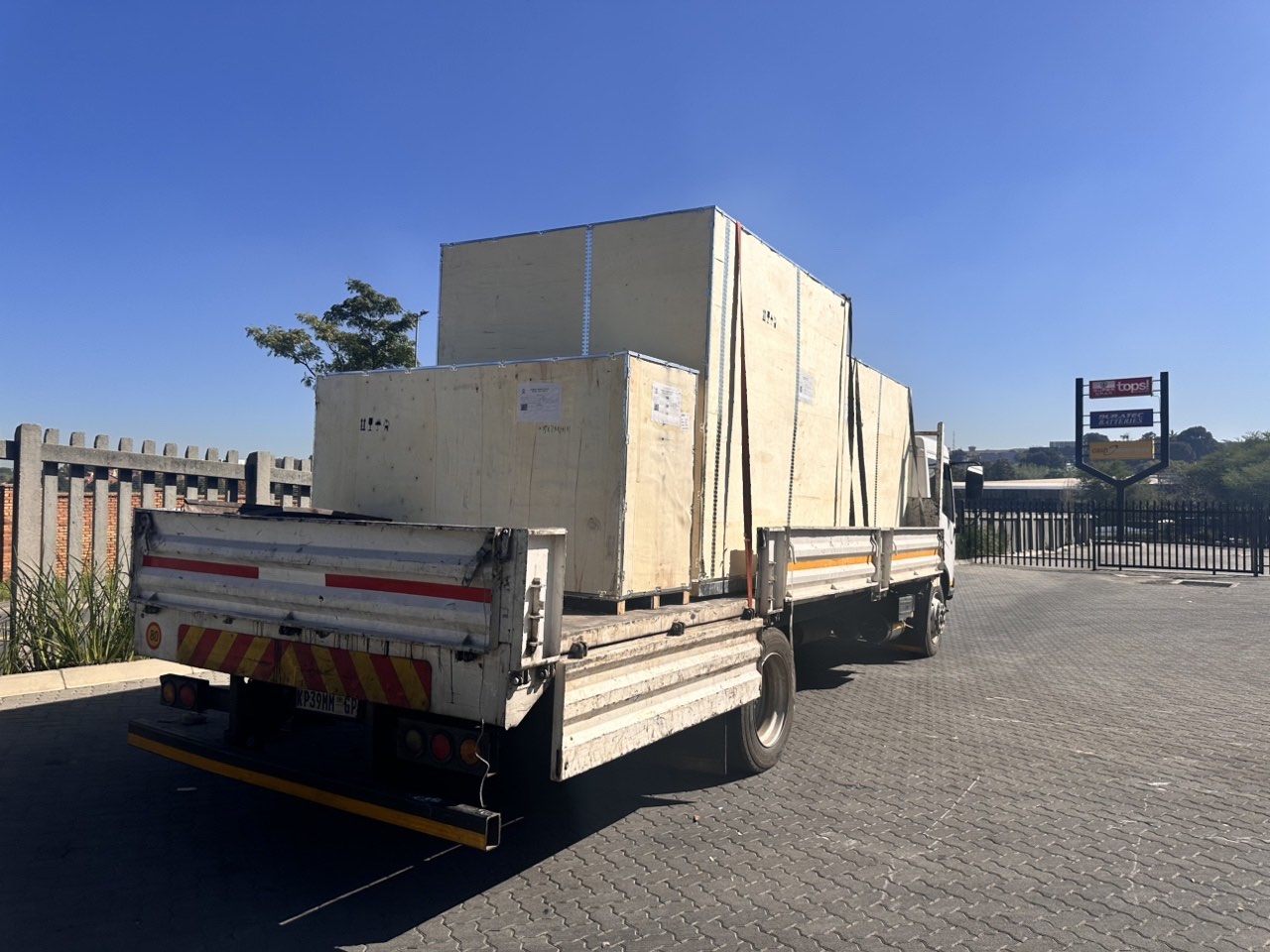
order offloading