B21, China Town Mall, Midrand

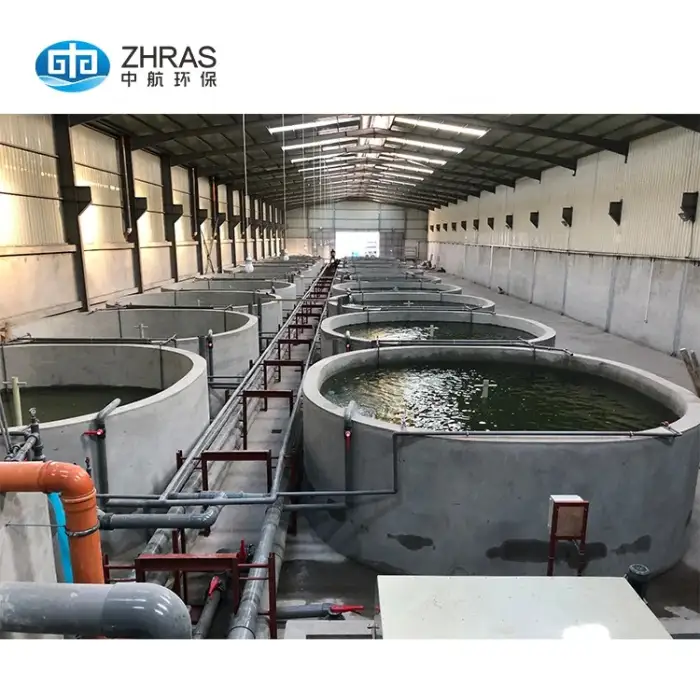
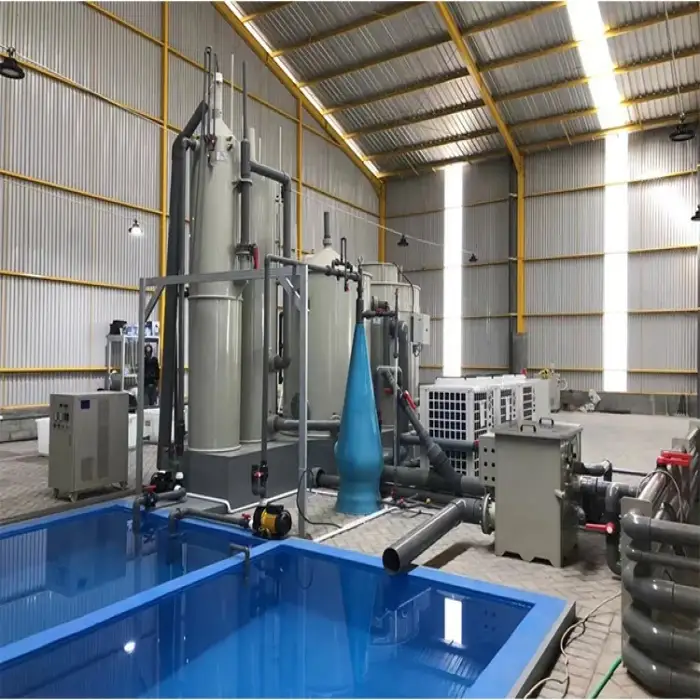
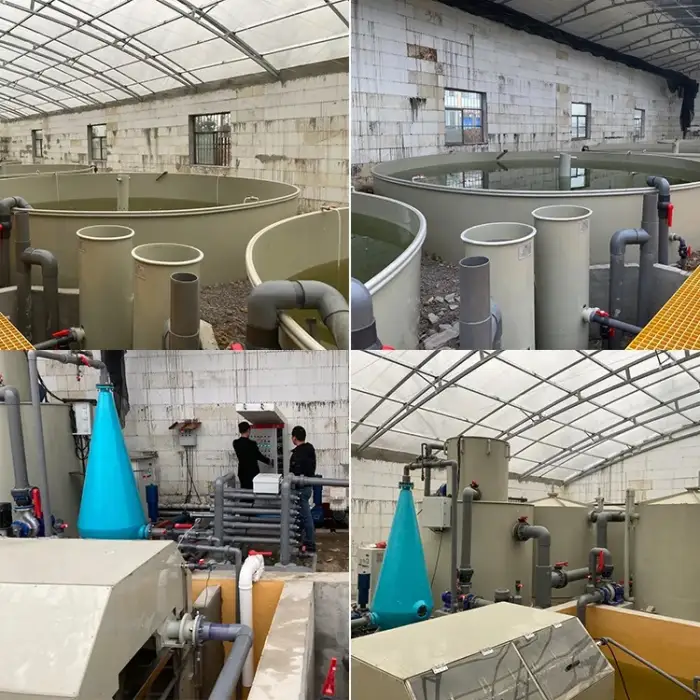
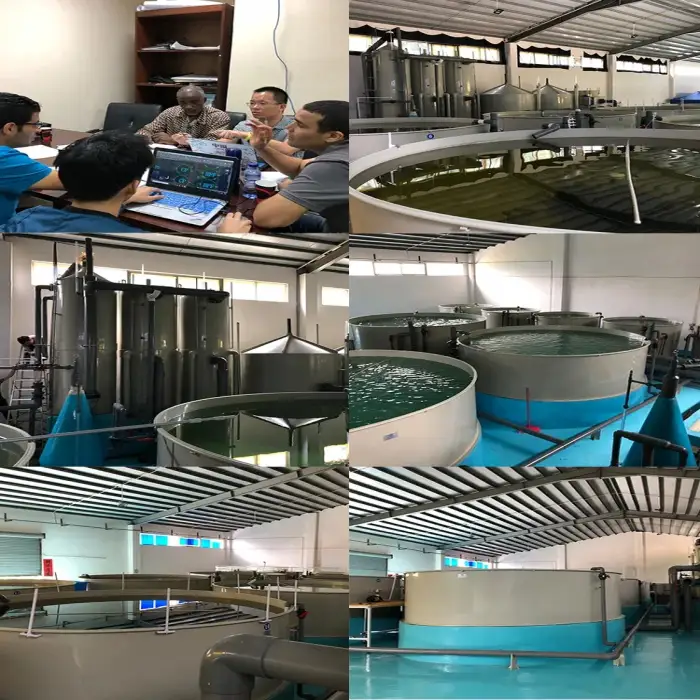
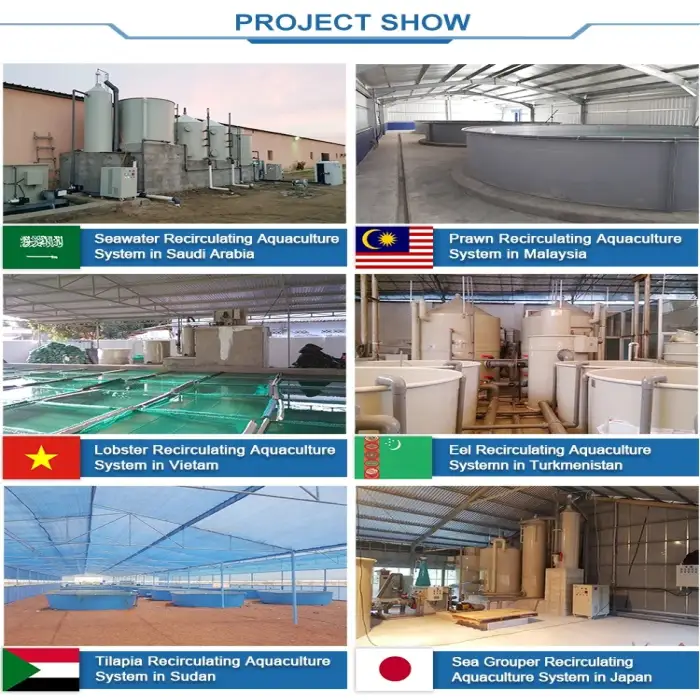
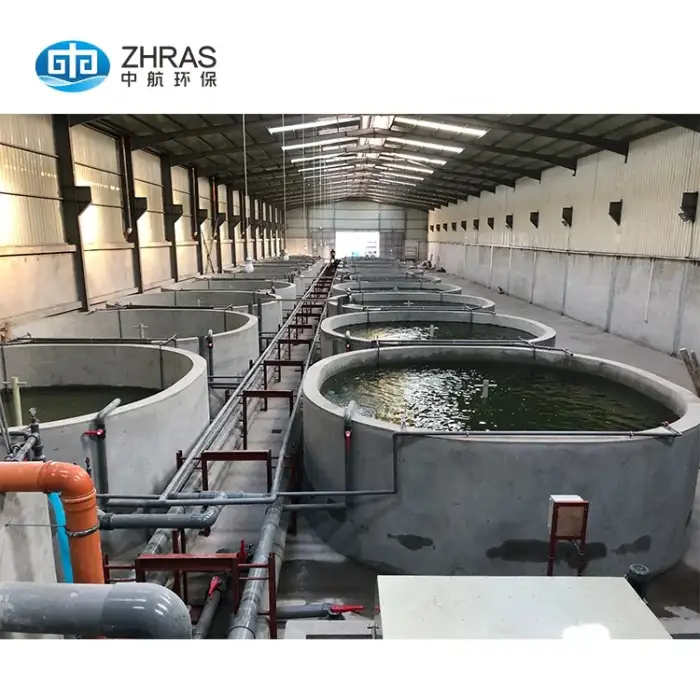
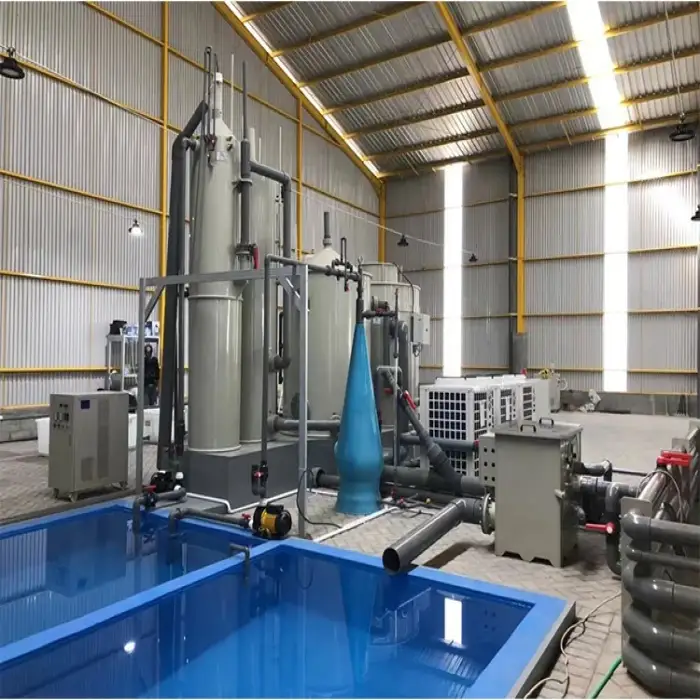
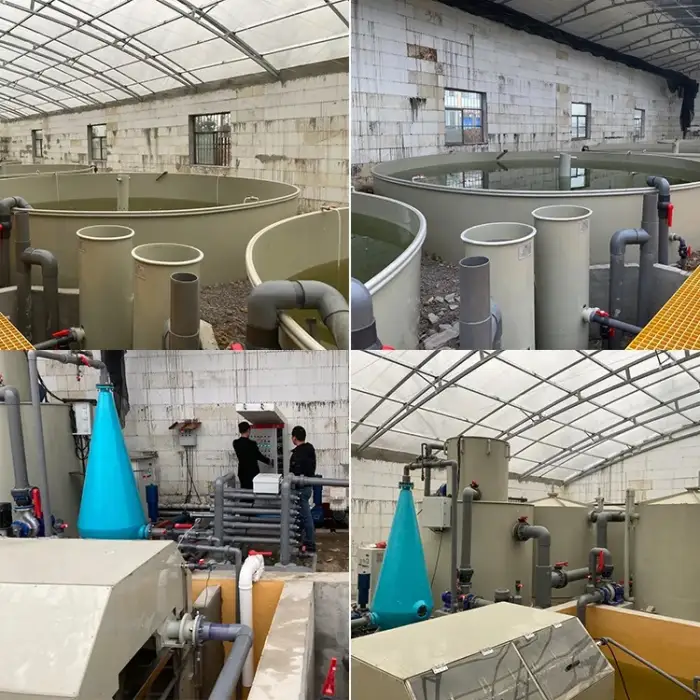
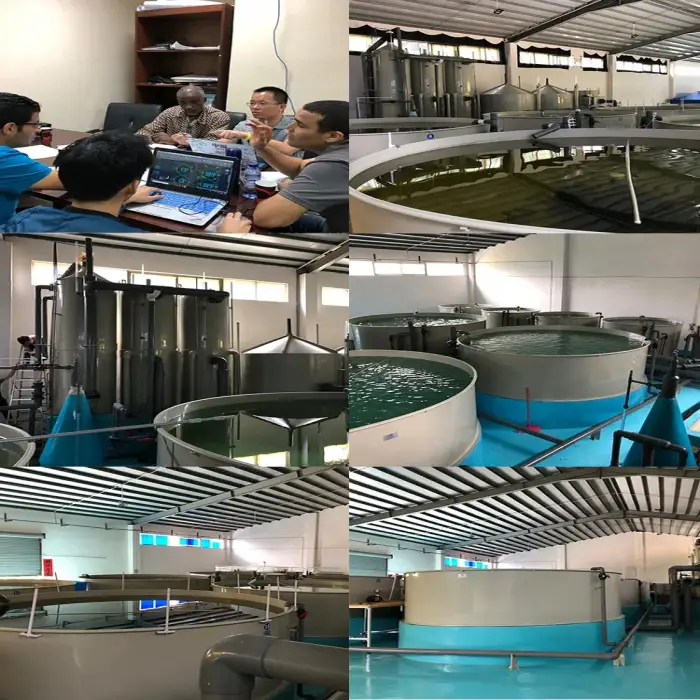
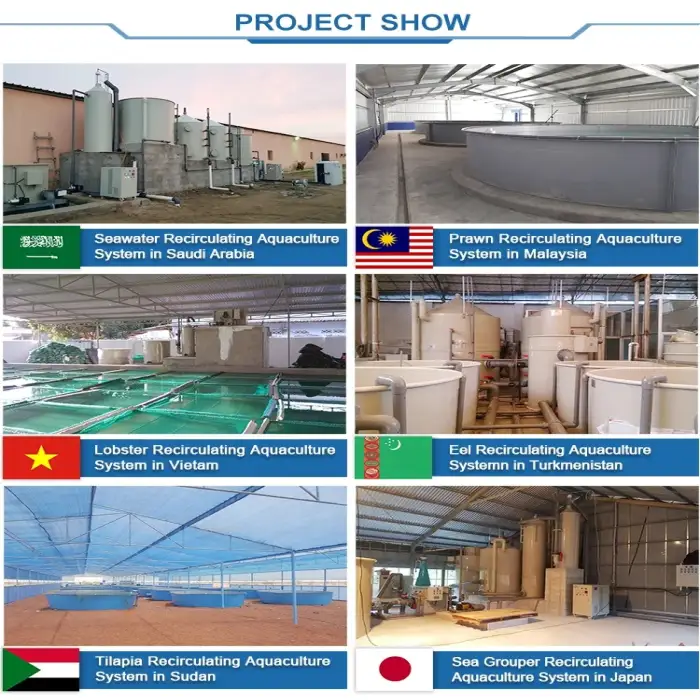
High density recirculating aquaculture systems ras prawn for fish farming
Asset finance available
Do you want funding for this equipment?
Afrimart can connect you with trusted funding partners who specialise in asset finance for businesses like yours. Compare options and apply in minutes — final approval is subject to provider review.
Check funding options
Secure & no obligation

- Section : Machinery
- Category : Agriculture Machinery
- SKU : 62500226805


Products Description

Recirculating Aquaculture System(RAS)
Recirculating aquaculture system is a new breeding mode that uses water treatment equipment to purify and recycle aquaculture water. Compared with traditional farming, it has the advantages of low water consumption, less land occupation, less environmental pollution, safer and healthier products, which replaced traditional farm gradually.

We have three standard systems for your choice, other requirement can also customize.

| Treatment Capacity: 0-30M3/H; 0-150M3/H; 0-350M3/H | Treatment Capacity: 0-30M3/H; 0-150M3/H; 0-350M3/H |
| Main System | Automatic Drum Filter |
| Protein Skimmer | |
| Biological Filter | |
| Degassing & UV Sterilizer | |
| Ozone Generator | |
| UV Sterilizer | |
| Water Pump | |
| Air Blower | |
| Electric Control Box | |
| PP Fish Tank | |
| Swirling Tank | |
| Aeration System | |
| Pure Oxygen System | Oxygen Generator |
| Oxygen Cone | |
| Constant Temperature System | Chiller & Heater Machine |
| Optional Items | Pipe and Valves |
| Water Quality Monitor |
The pictures and videos provided above are for reference only, and the actual product shall prevail!


- Shipping Timeframes: All orders are processed within 2-5 business days (excluding weekends and holidays). After your order has been processed, the estimated delivery time is before 24 Jun, 2026, depending on customs, Please note that due to high demand, some items may experience longer shipping times, which will be communicated at order confirmation email.
- Order Processing Time: Please allow 2-5 business days for us to process your order before it is shipped . Orders placed after 16:00 on Fridays, or during weekends and public holidays, will begin processing on the next business day. Processing times may be extended during peak seasons or sales events.
- Manufacturing Time: Some products needs manufacturing time, the manufacturing process will take approximately 10-30 business days depending on the product. This timeframe may vary depending on the complexity of the product and current demand. but this will be communicated with you during order confirmation.
- Returns and Exchanges: We offer a 30-day return policy for most items. If you are not completely satisfied with your purchase, you may return it within 30 days of receipt for a refund or exchange. Items must be unused, in their original packaging, and accompanied by proof of purchase. Return shipping costs are the responsibility of the customer, unless the item was damaged or defective upon arrival.
1. What is a Recirculating Aquaculture System (RAS)?
A Recirculating Aquaculture System (RAS) is a modern fish farming method that purifies and recycles water, minimizing water use and environmental impact compared to traditional farming methods.
2. What are the key benefits of using RAS for prawn farming?
RAS offers several advantages including low water consumption, reduced land usage, decreased environmental pollution, and the production of safer and healthier seafood.
3. What treatment capacities are available for the RAS?
We offer three standard treatment capacities for our RAS: 0-30M3/H, 0-150M3/H, and 0-350M3/H.
4. What components are included in the RAS?
The main components include an automatic drum filter, protein skimmer, biological filter, degassing and UV sterilizer, ozone generator, water pump, air blower, electric control box, PP fish tank, swirling tank, aeration system, pure oxygen system, oxygen generator, and a constant temperature system with chiller and heater.
5. Can I customize the RAS according to my specific requirements?
Yes, we can customize the RAS to meet your specific needs beyond our standard systems.
6. How does the water treatment process work in RAS?
The water treatment process in RAS involves filtering, skimming, biological filtration, and sterilization to ensure that the water remains clean and safe for the aquatic life.
7. Is the RAS safe for aquatic life?
Yes, RAS is designed to provide a safe and healthy environment for aquatic life, minimizing stress and disease risks.
8. Are there any optional items available for the RAS?
Yes, optional items include pipes and valves, as well as a water quality monitor to help you maintain optimal conditions for your aquaculture.
9. What types of aquatic species can be farmed using RAS?
RAS is suitable for a variety of species, including prawns, fish, and other aquatic organisms, depending on your setup and management practices.
10. How does the constant temperature system work?
The constant temperature system uses a combination of chillers and heaters to maintain optimal water temperature for the species being cultured.
11. What maintenance is required for the RAS?
Regular maintenance includes checking and cleaning filters, monitoring water quality parameters, and ensuring that all components are functioning properly.
12. Can RAS reduce the need for antibiotics in aquaculture?
Yes, by maintaining optimal water quality and reducing stress, RAS can help minimize the need for antibiotics in aquaculture.
13. What are the energy requirements for operating an RAS?
Energy requirements vary based on the system size and components used, but RAS systems are generally designed to be energy-efficient.
14. What is the expected lifespan of a RAS system?
With proper maintenance, a RAS system can have a lifespan of several years, but the longevity may vary depending on usage and environmental conditions.
15. Where can I find more information about setting up an RAS?
For more information on setting up an RAS, please refer to our resource materials or contact our support team for guidance.
Latest Order Arrivals
Discover our latest orders

12 Heads Embroidery Machine
Dewatering Pump Machine
Order Collection
Portable Water Drilling Rig
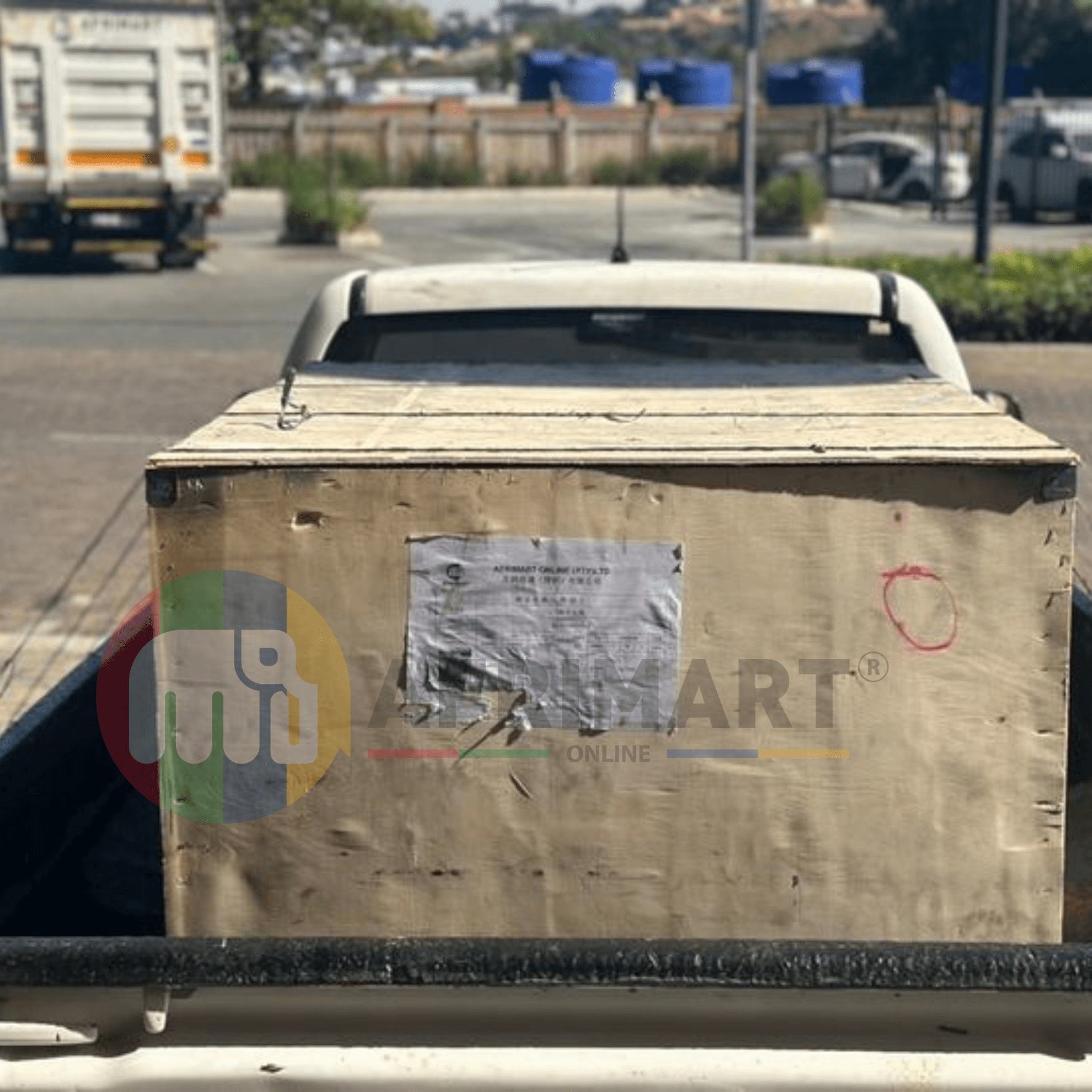
Order Usefully Collected
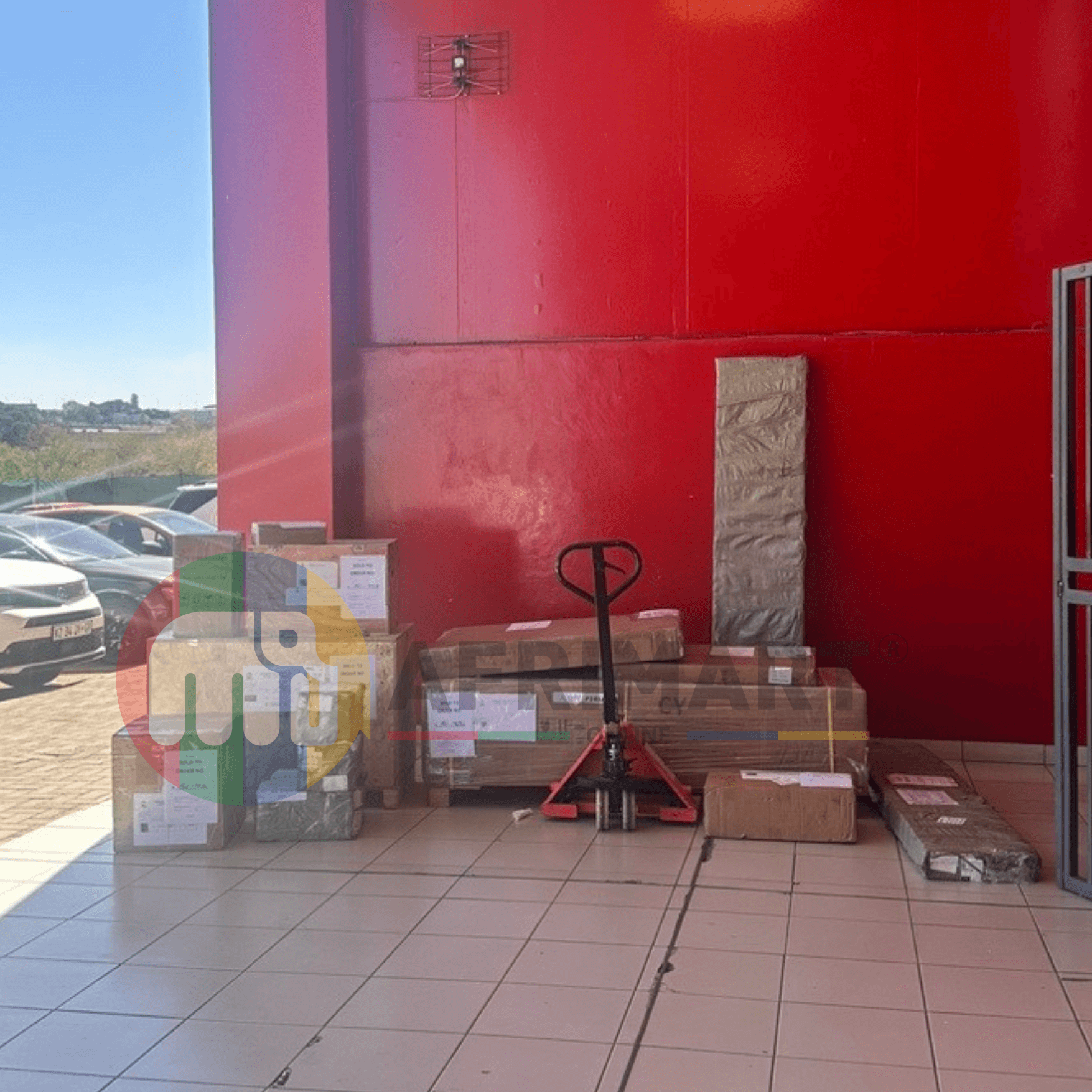
Batch of Orders
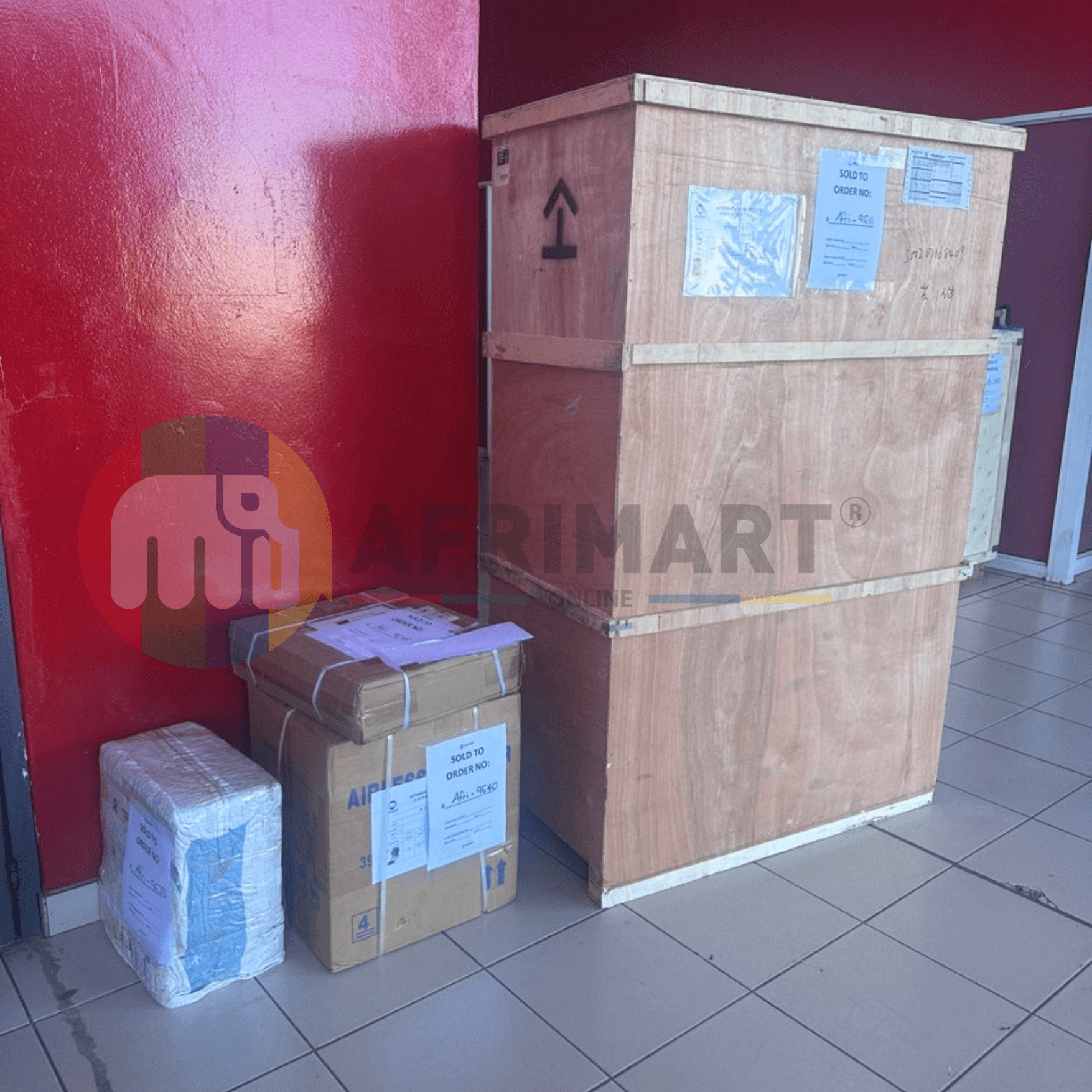
Agriculture Processing Machines
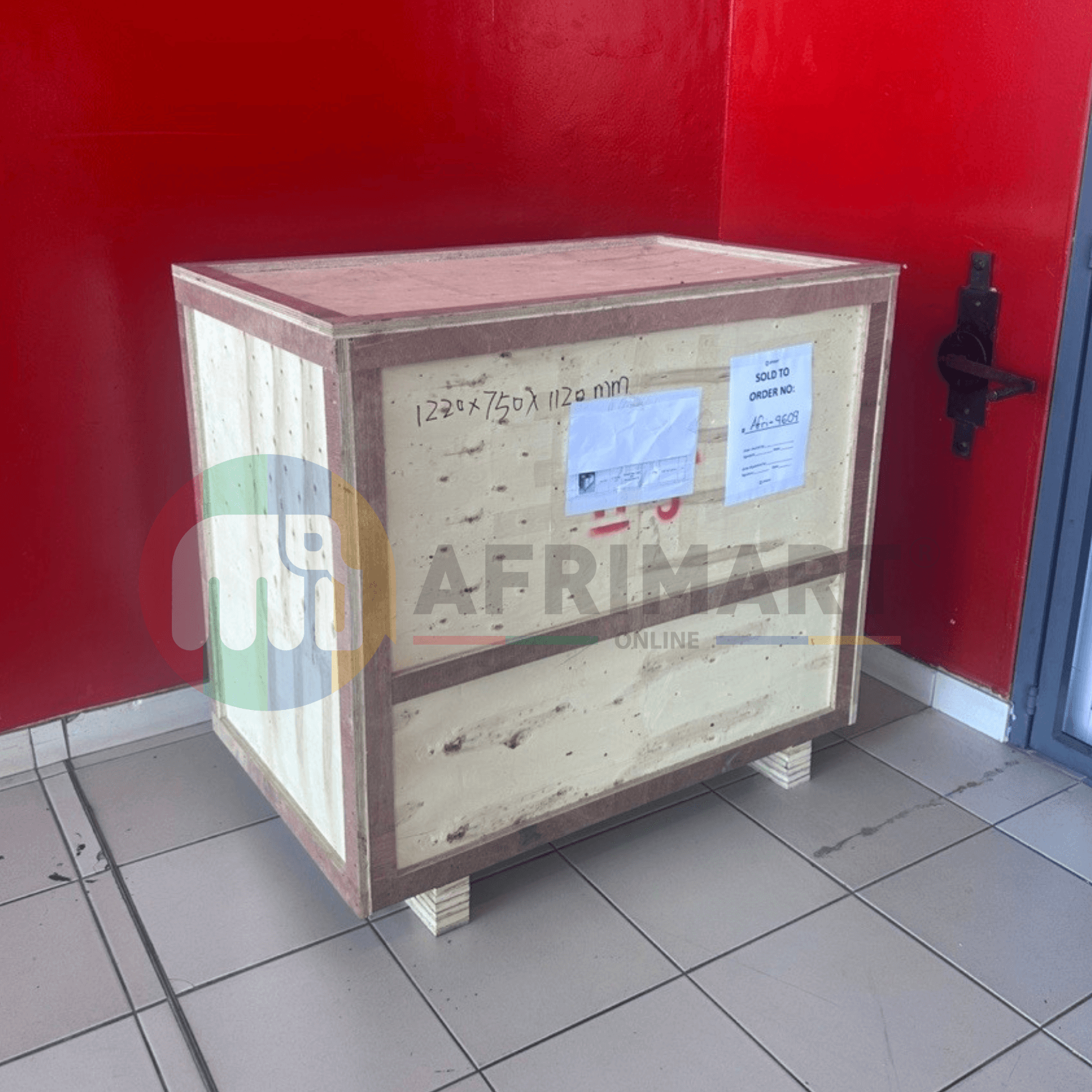
Meat Grinder Machine
Water Pump Equipment
Packaging Machine and accessories
Fabrics Manufacturing Equipment
Mining Equipments
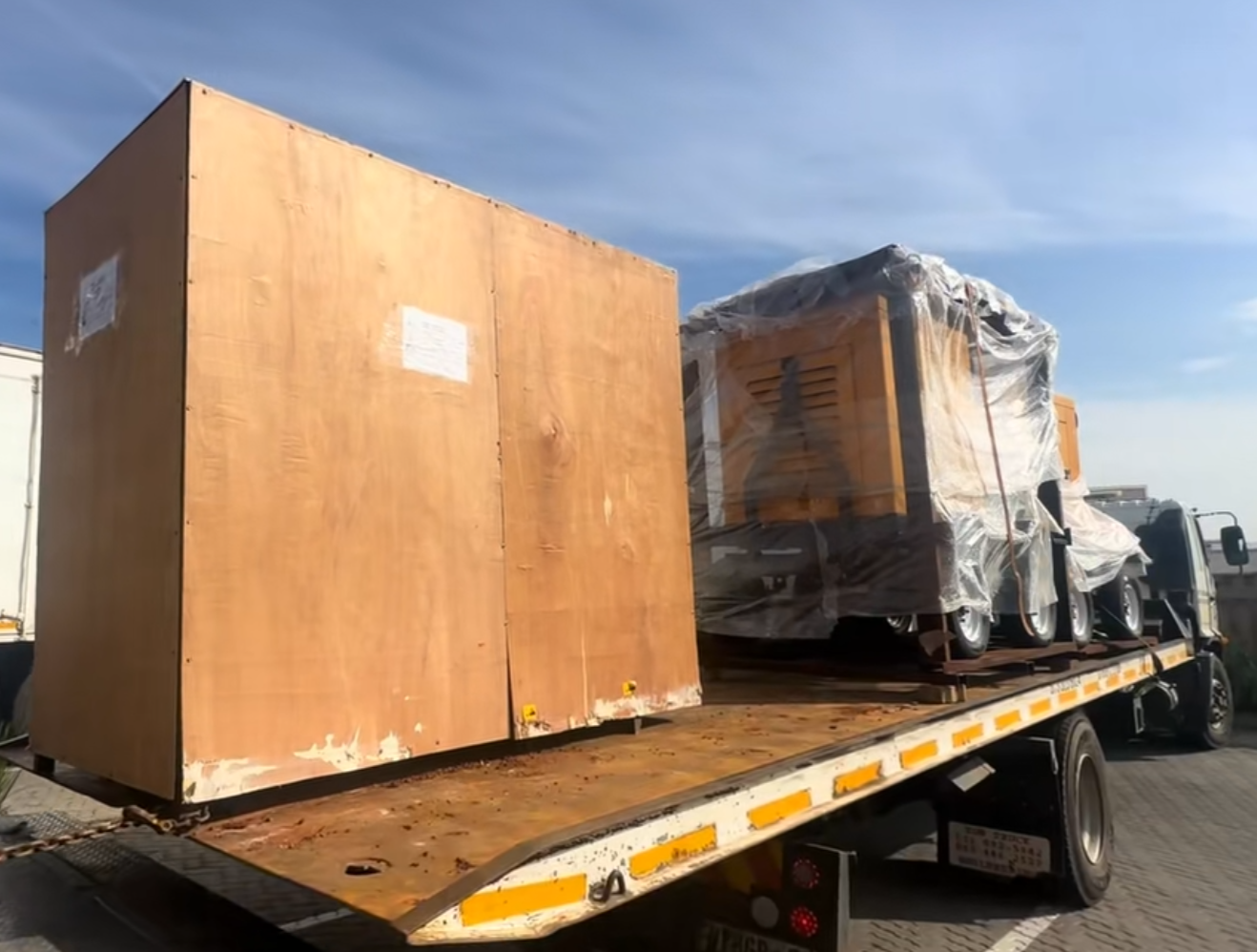
Food Processing Machine
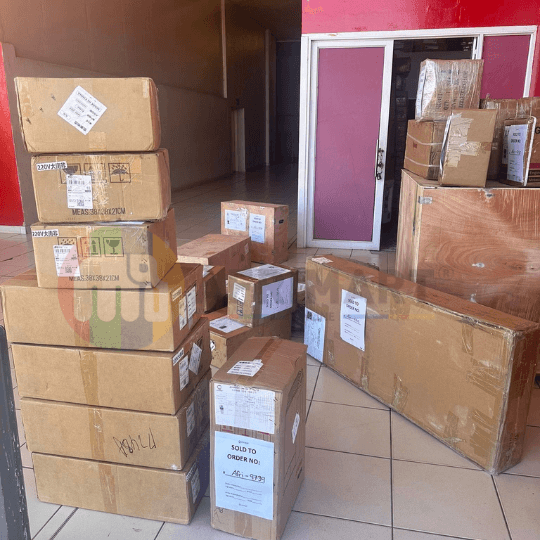
Batch of Orders
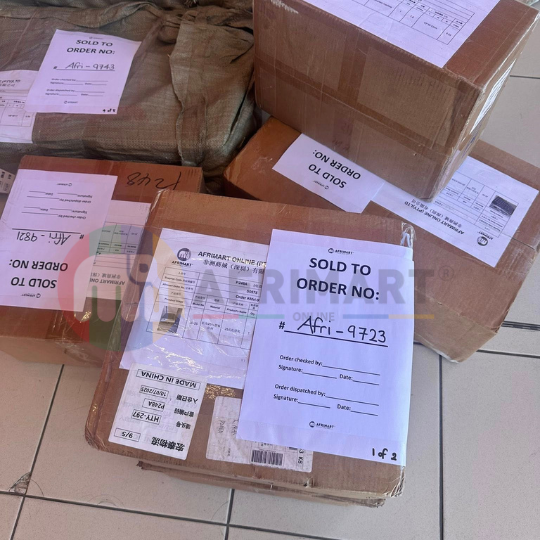
Batch of Orders
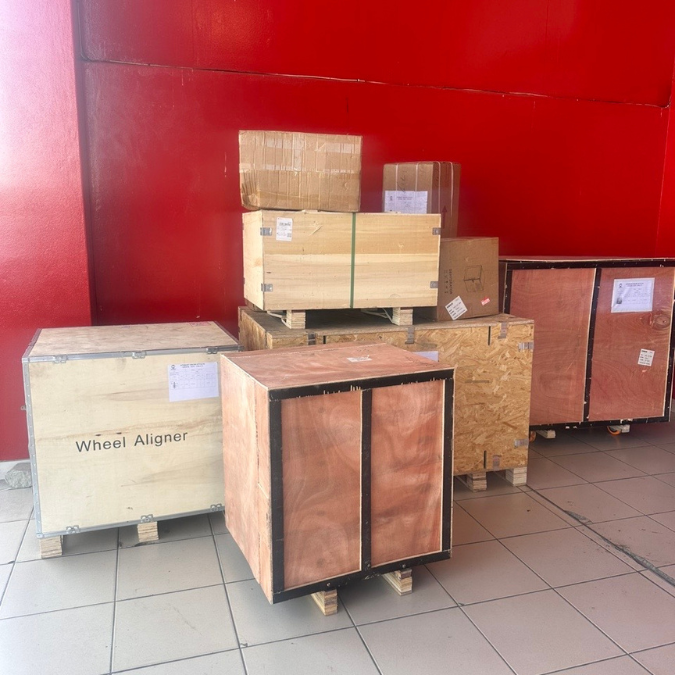
Latest Orders Labelled
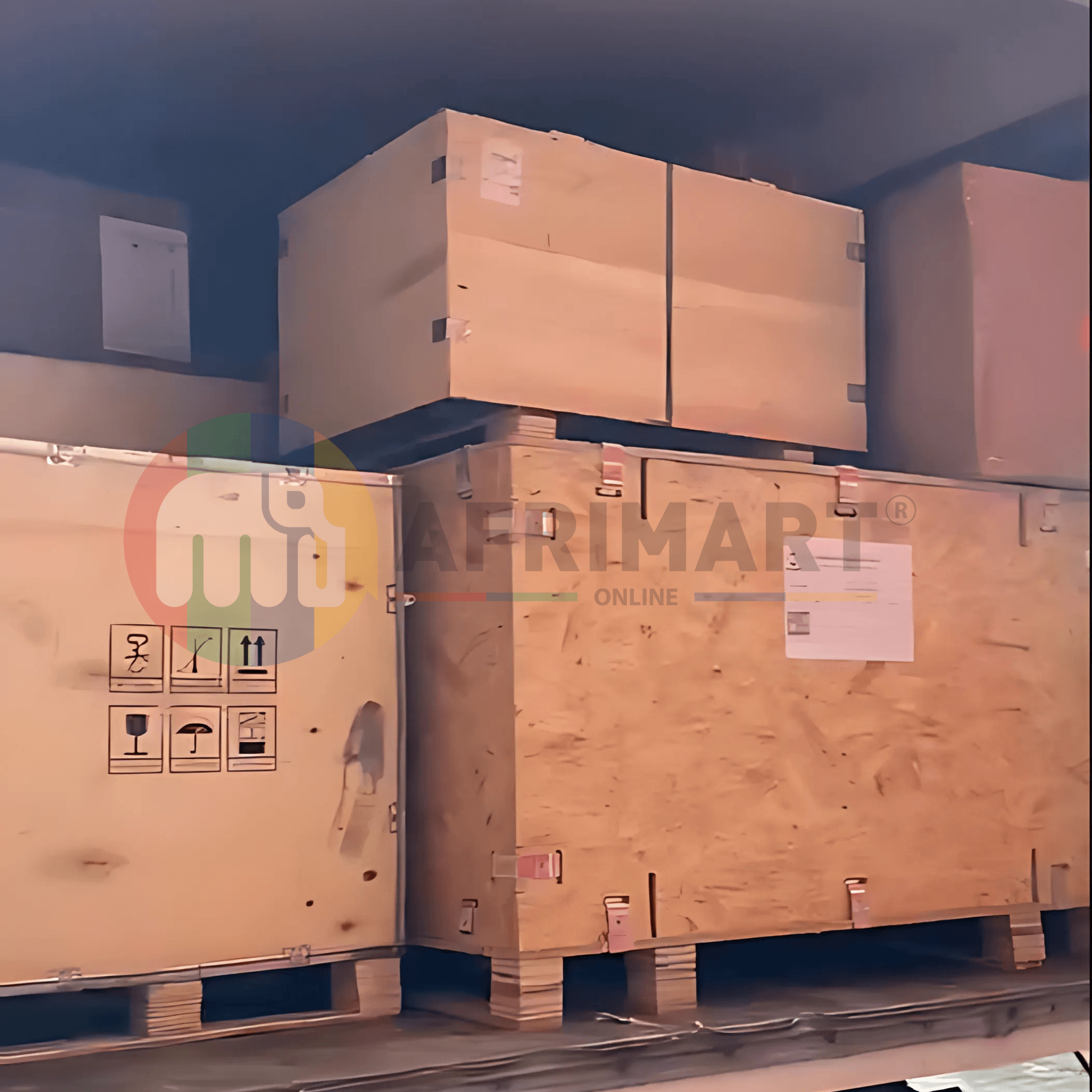
wheel alignment machines
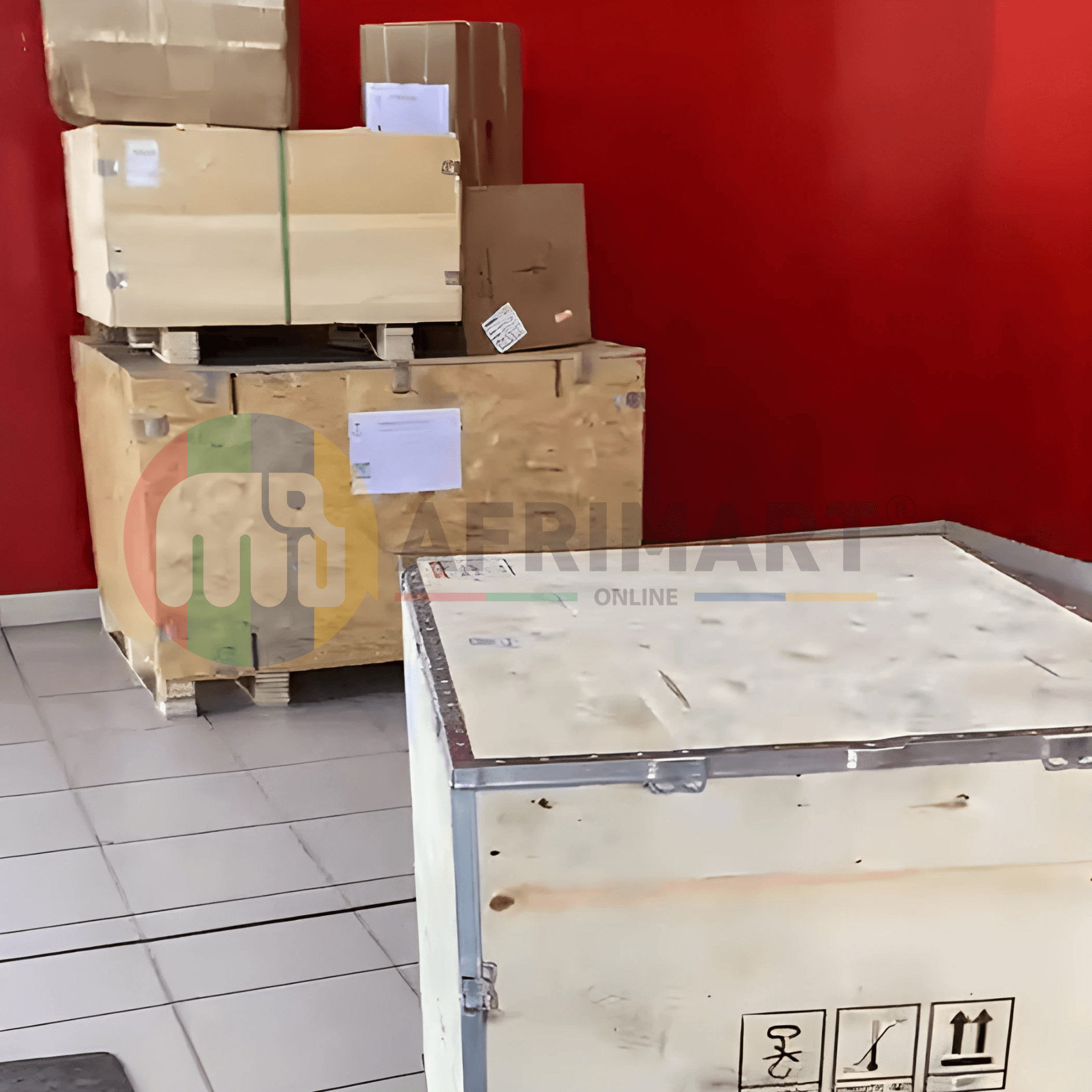
new arrivals
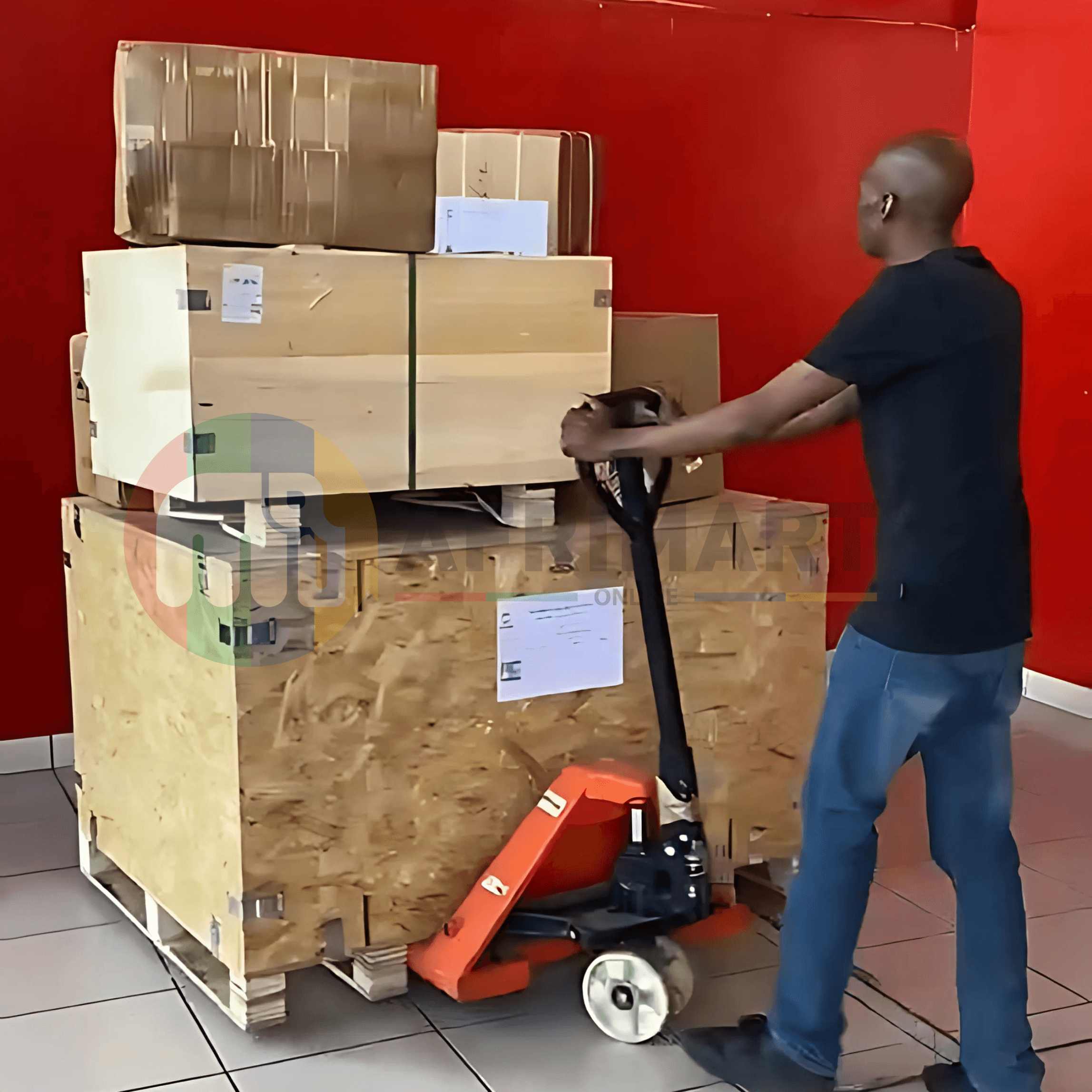
Pre Orders Offloading
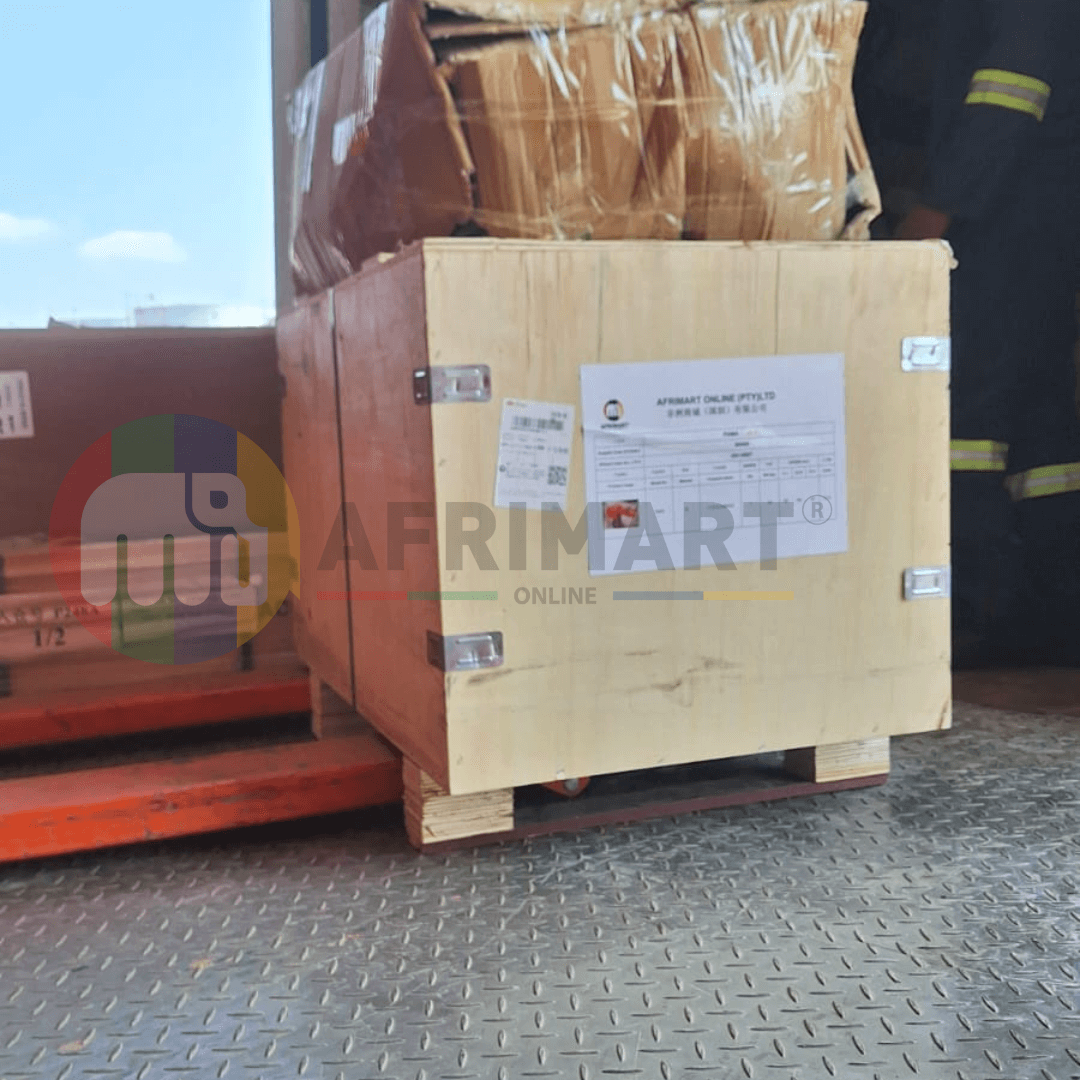
Latest Arrivals
Latest Arrivals
Latest Arrivals
26 January 2026
Toilet paper making machine
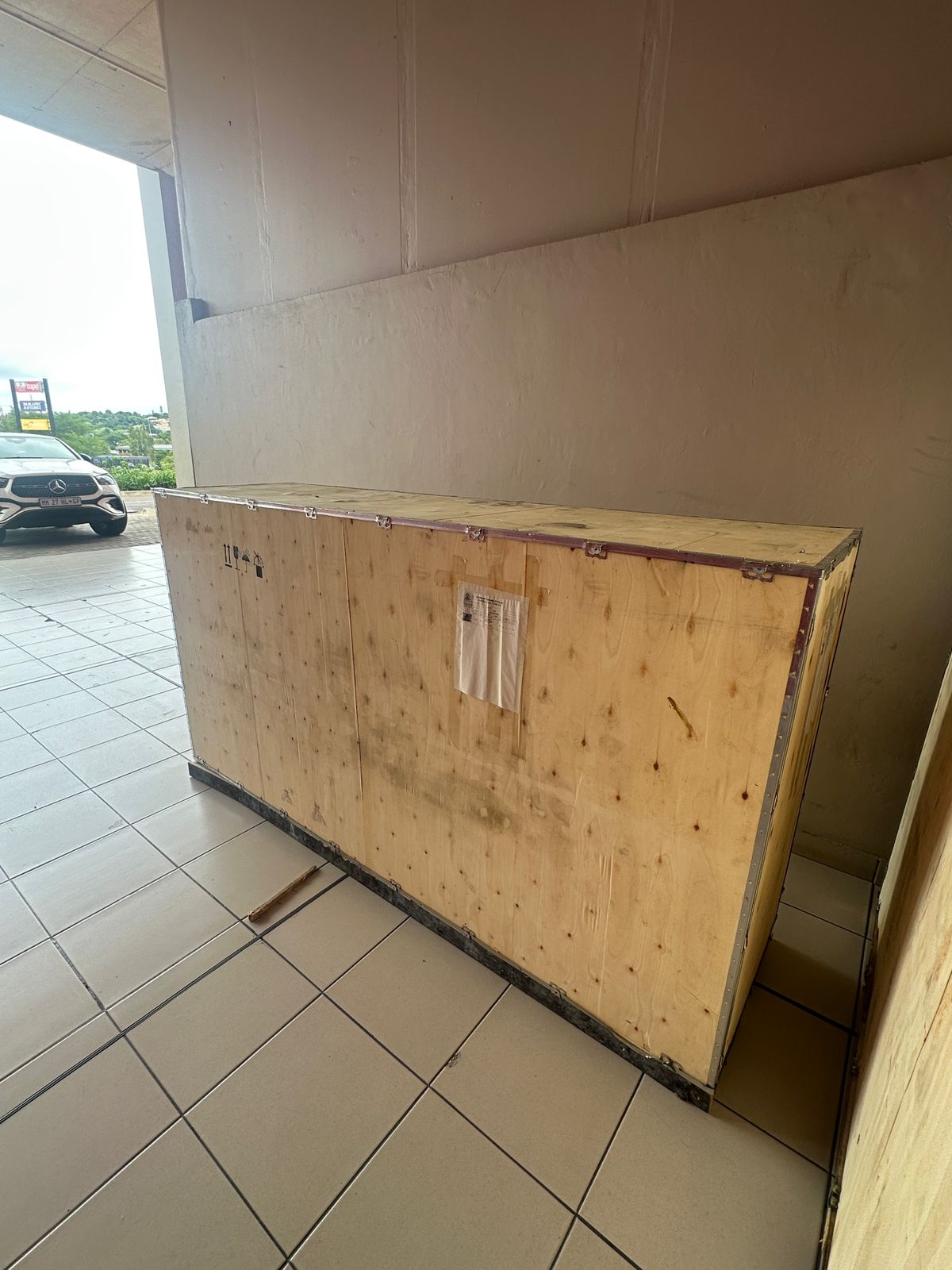
Toilet paper making machine
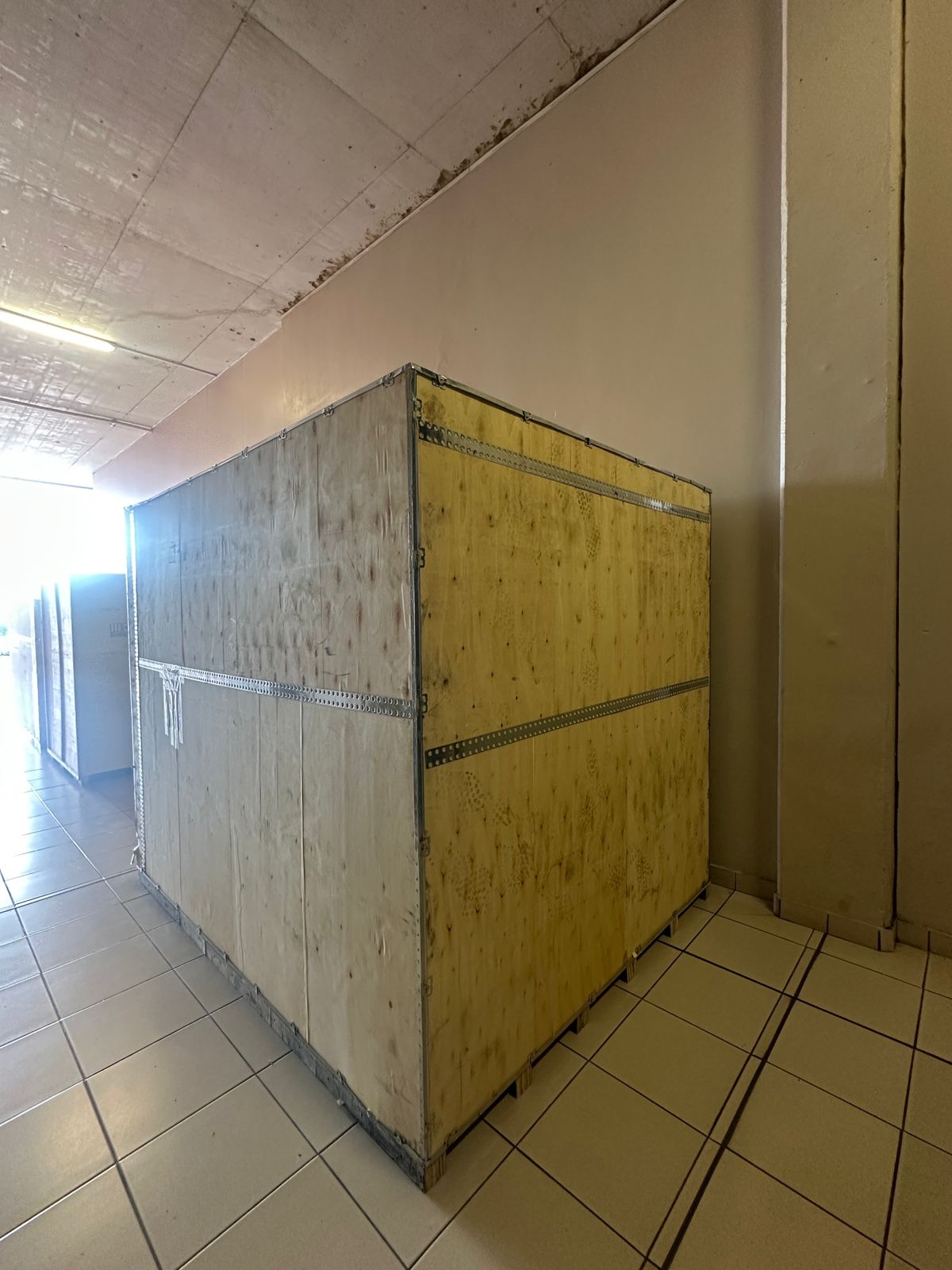
Toilet paper Rewinding Machine
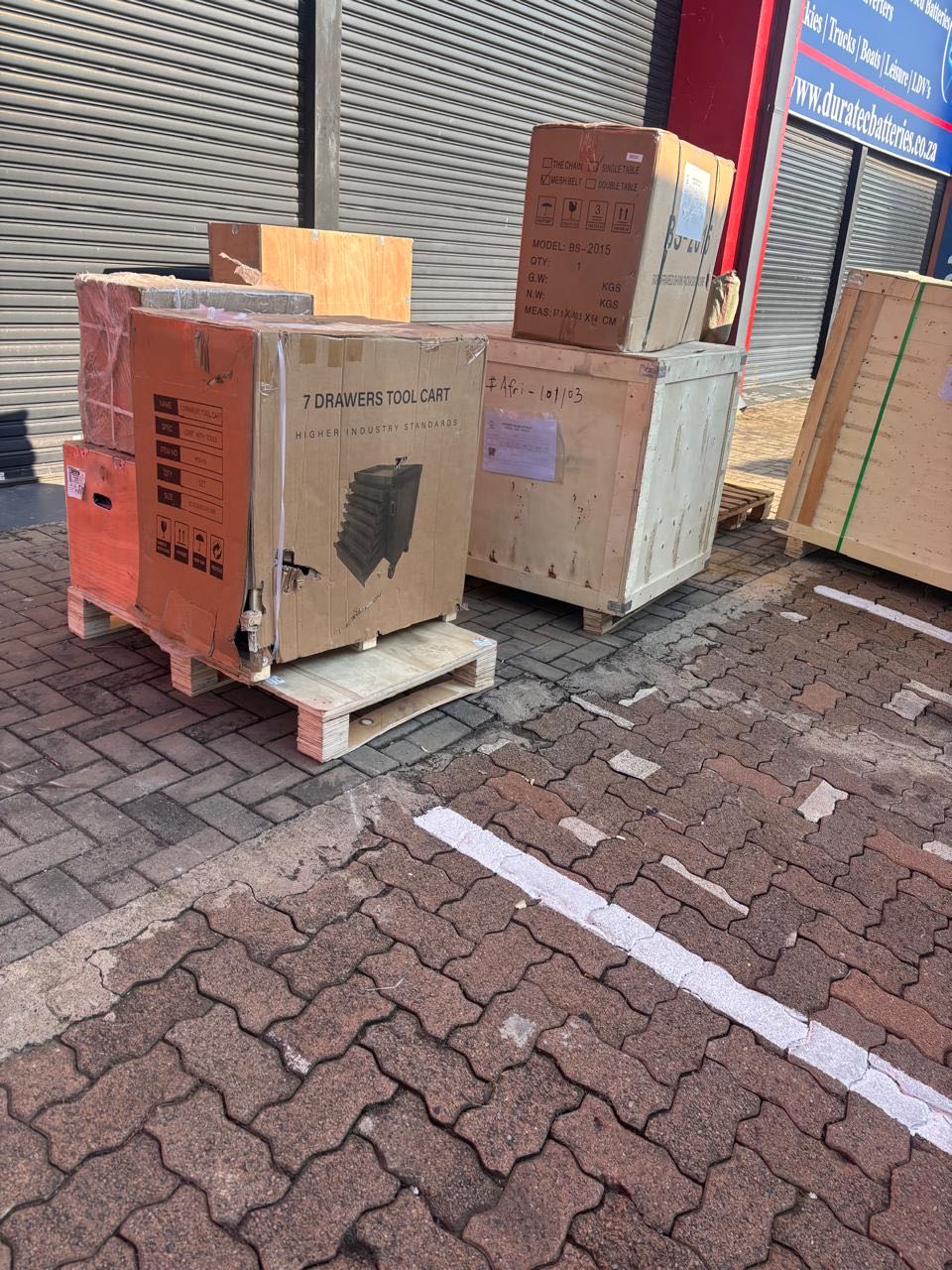
latest arrivals
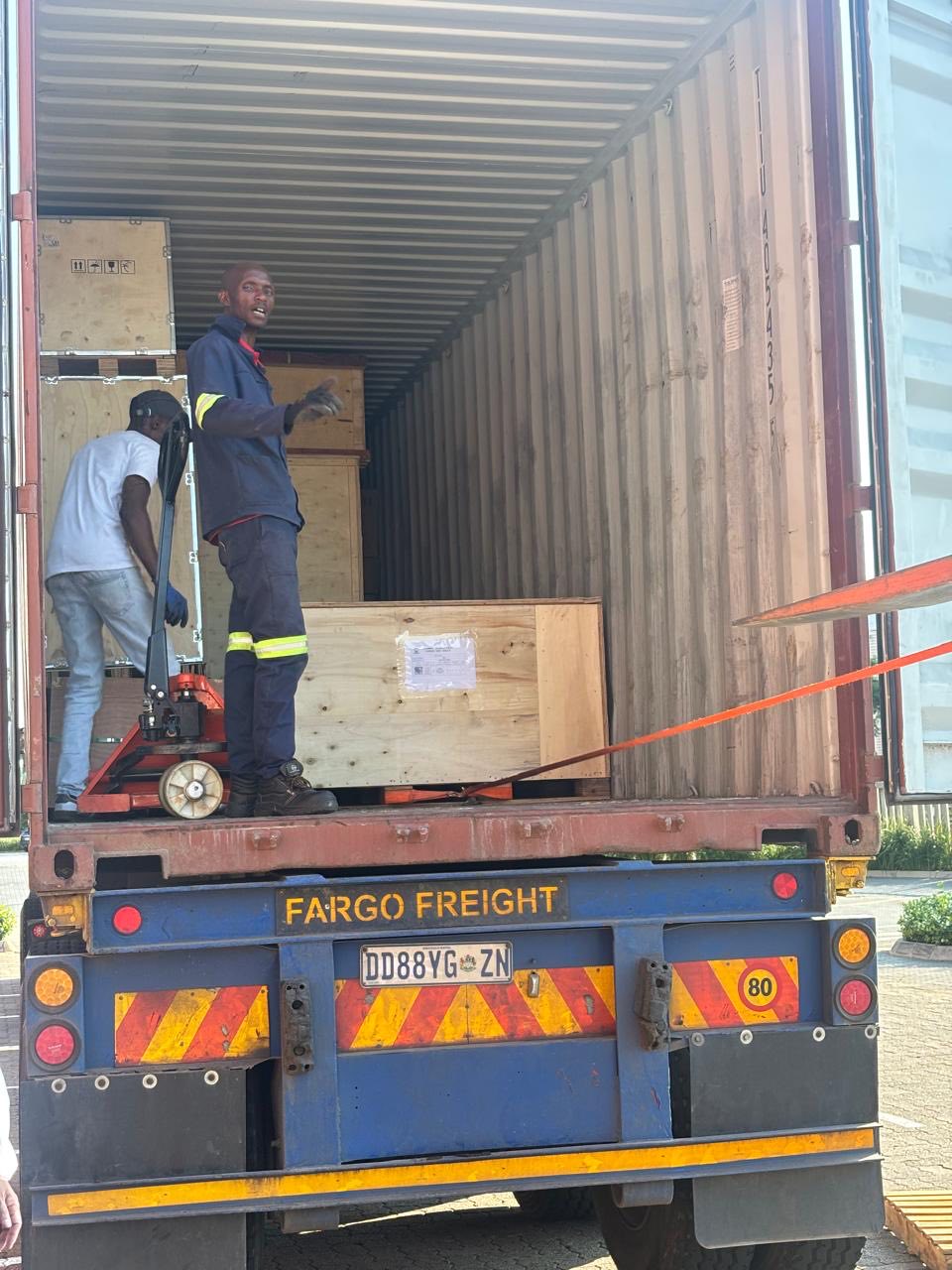
offloading
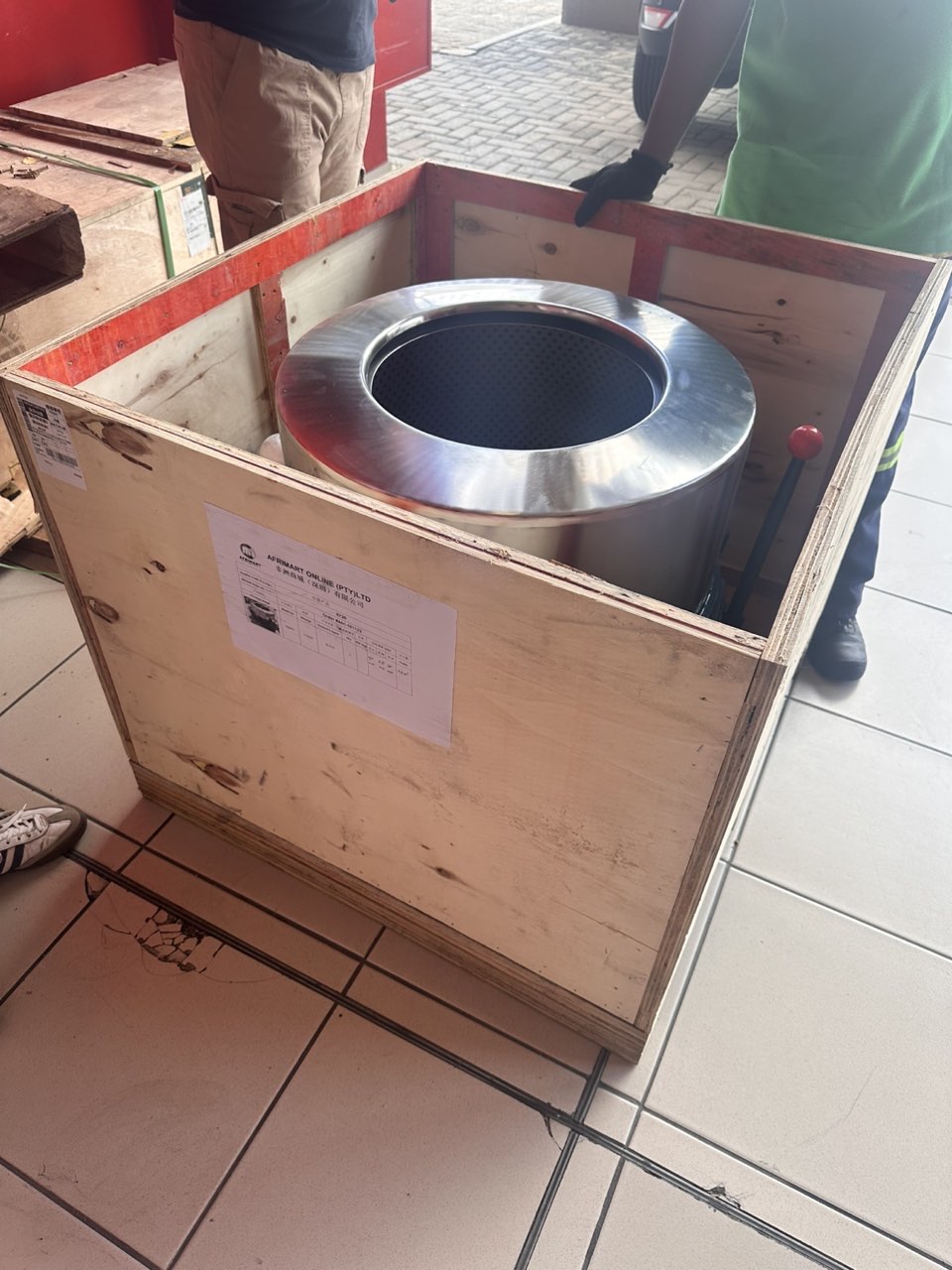
order success
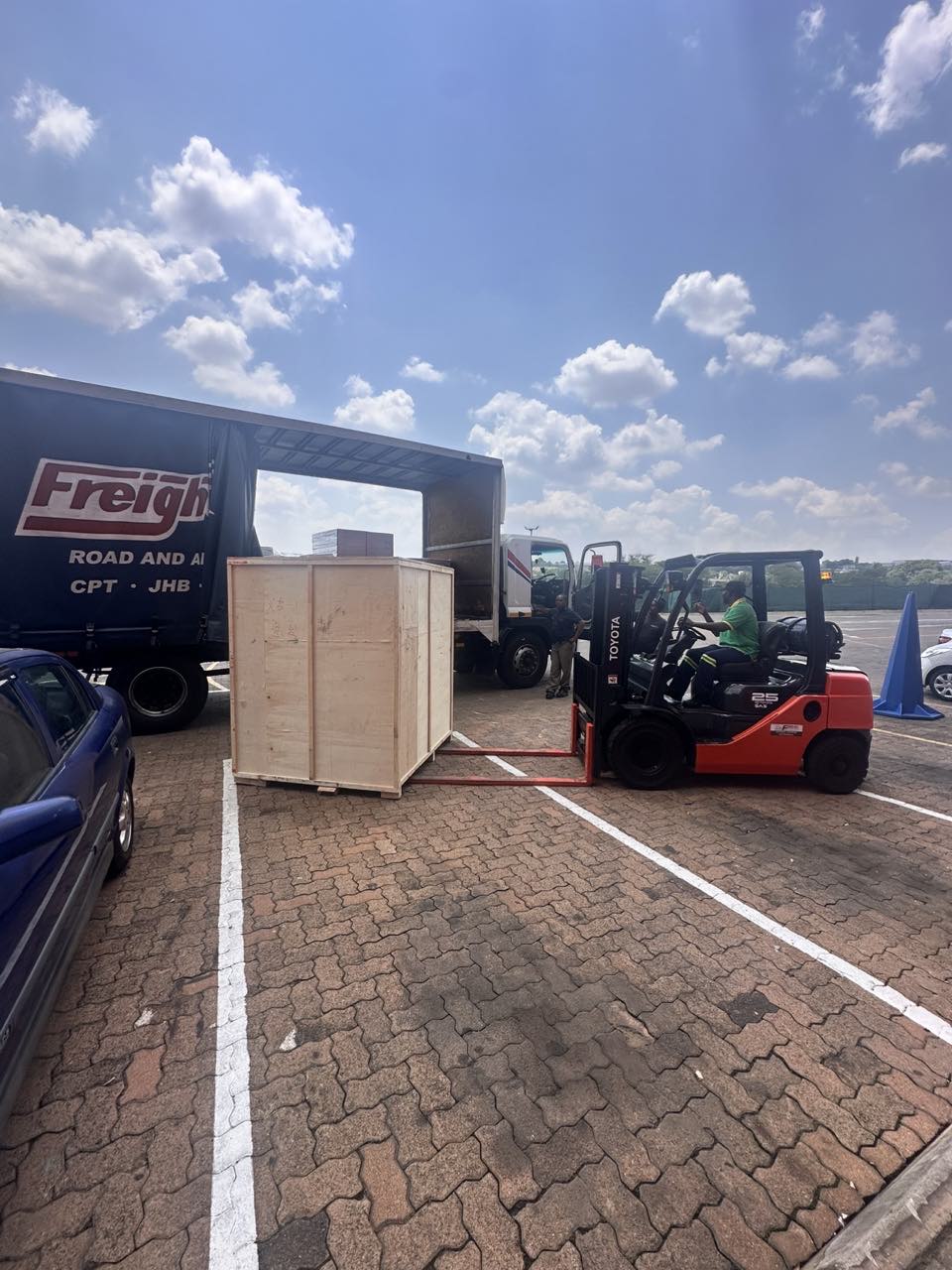
order collection
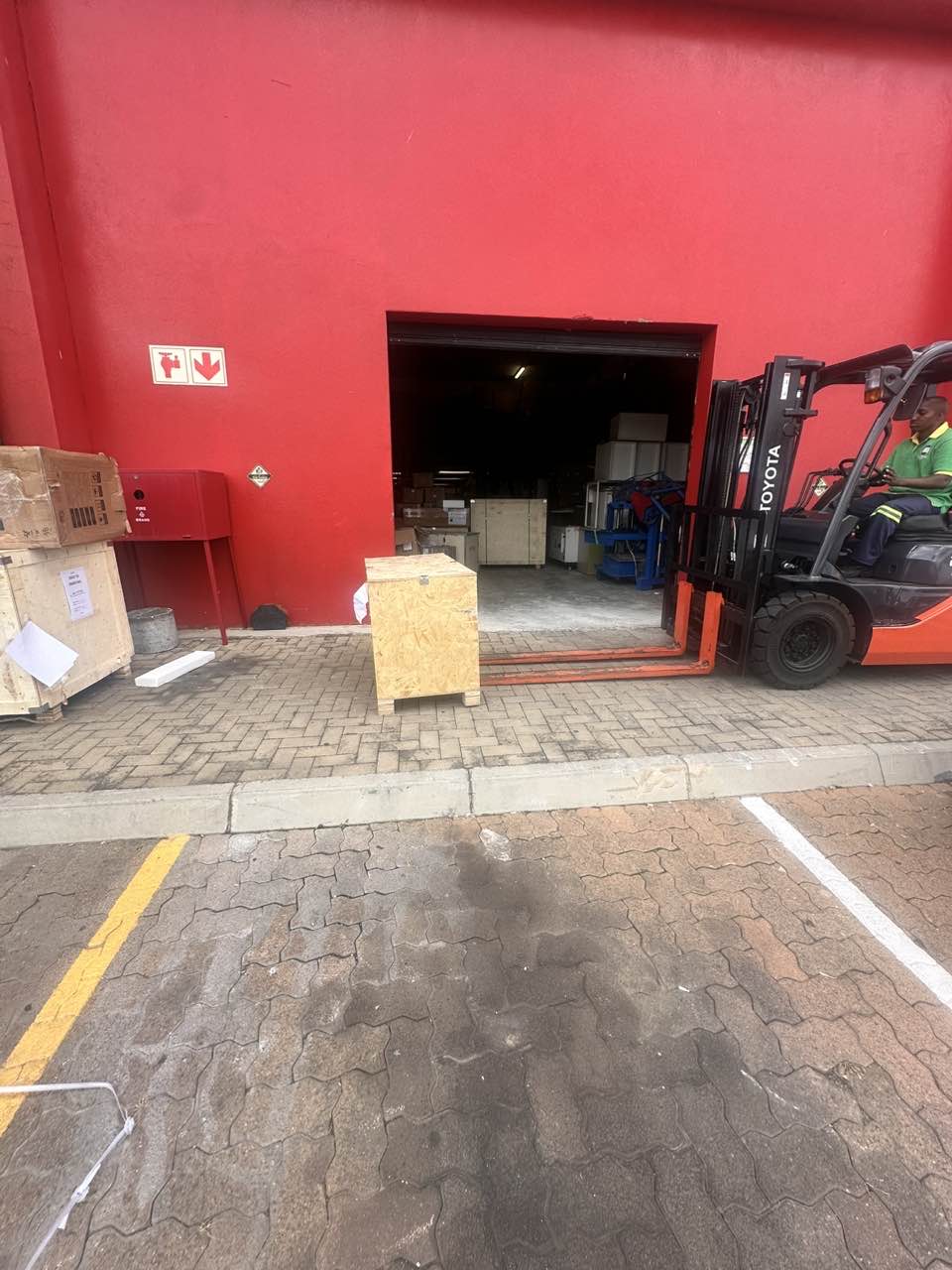
order offloading