B21, China Town Mall, Midrand

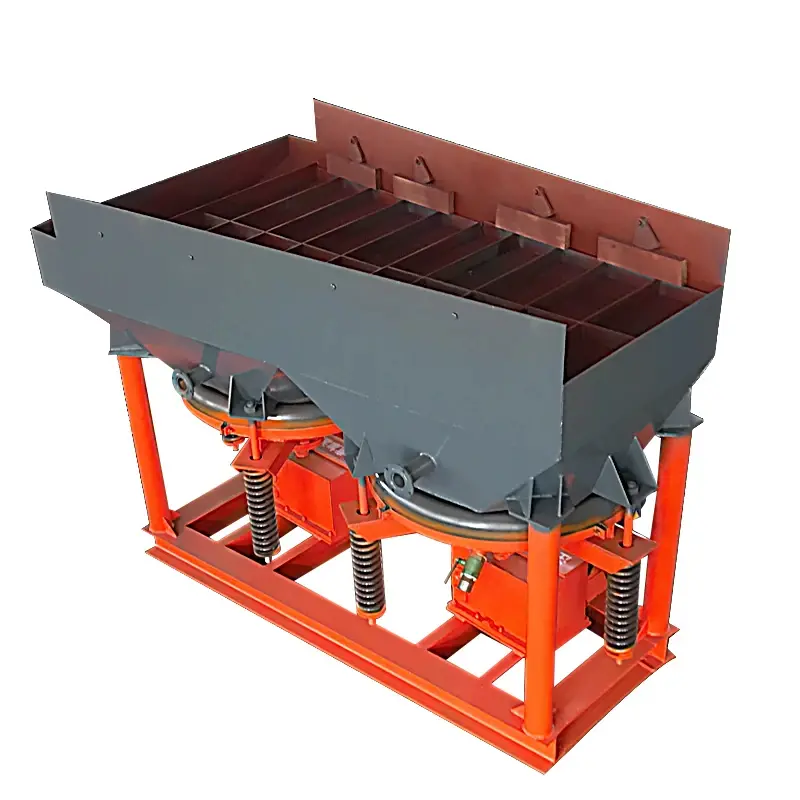
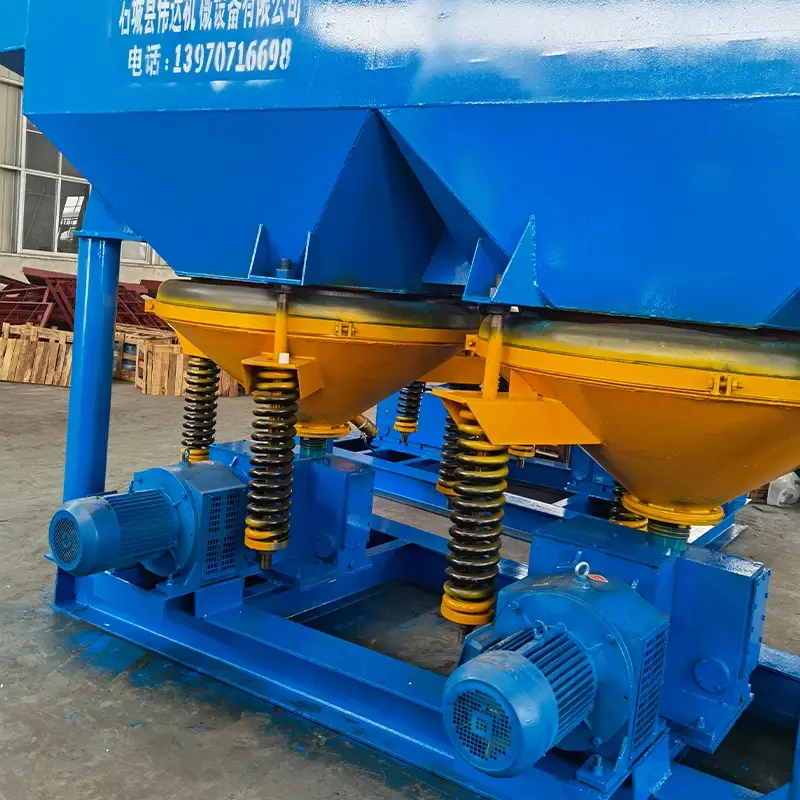
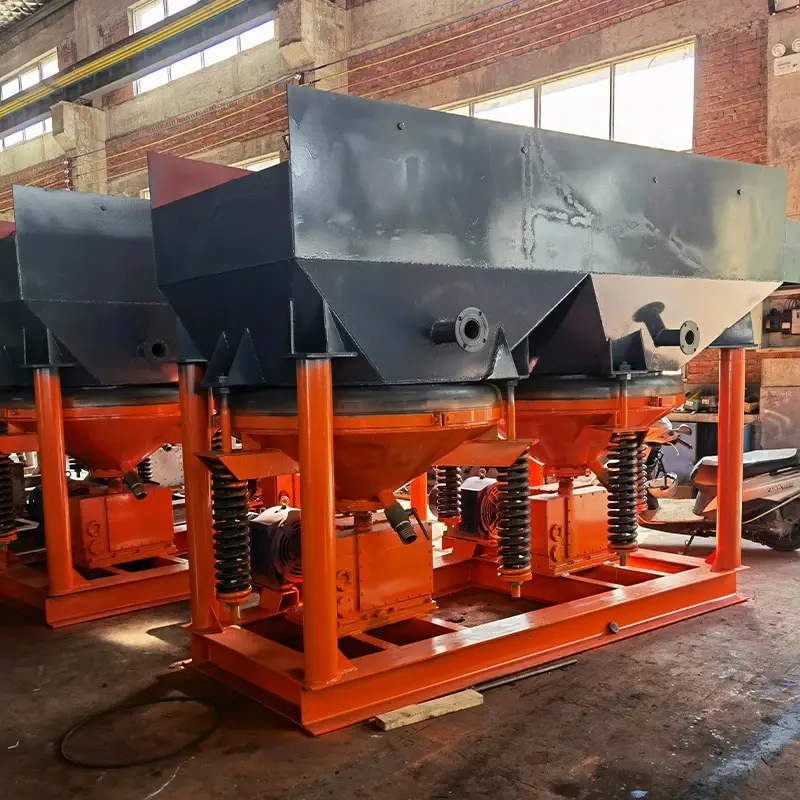
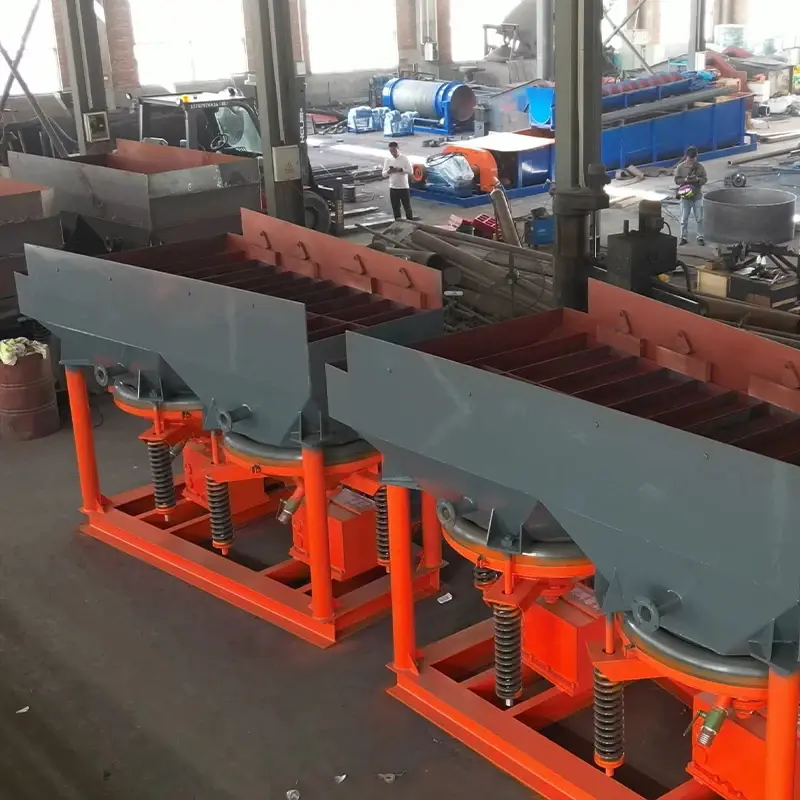
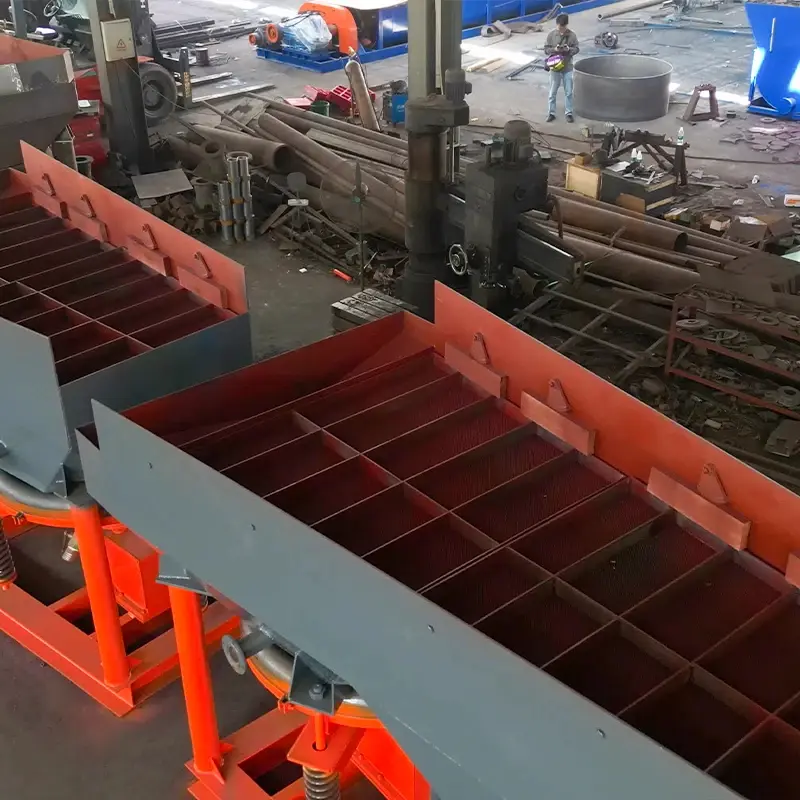
Gravity Separator Sawtooth Wave Jig Machine Mineral Processing Equipment
Asset finance available
Do you want funding for this equipment?
Afrimart can connect you with trusted funding partners who specialise in asset finance for businesses like yours. Compare options and apply in minutes — final approval is subject to provider review.
Check funding options
Secure & no obligation

- Section : Machinery
- Category : Construction Machinery
- SKU : 1600961340263

Gravity Separator Sawtooth Wave Jig Machine Mineral Processing Equipment
High Quality Mining Equipment Duplex Goldfield Sawtooth Wave Jig Machine For Gold Lithium Ore
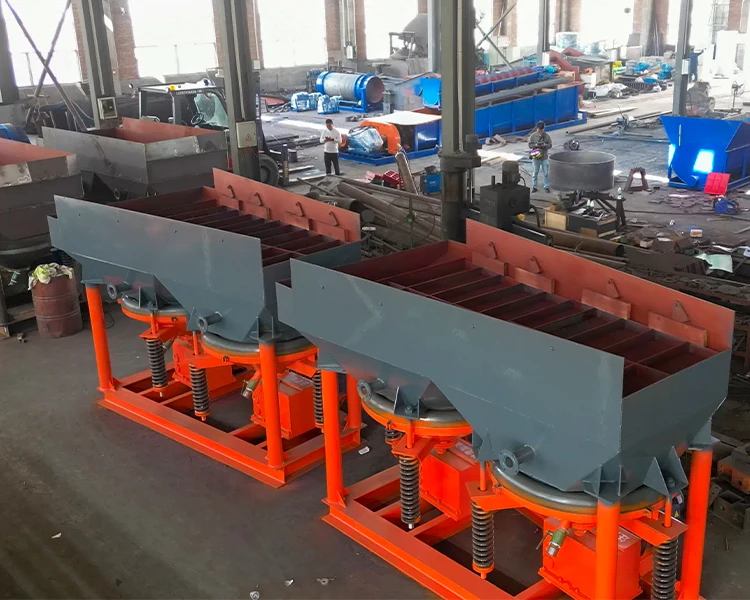
Sawtooth wave jigging machine
The sawtooth wave jigging machine has a small footprint, is easy to operate, and is an efficient, energy-saving, and environmentally friendly ore beneficiation equipment developed and produced in recent years. It has shown excellent results in the beneficiation of various metallic and non-metallic minerals. It is especially suitable for the beneficiation of fine-grained minerals and has played a crucial role in the recovery and treatment of metal smelting slag and the processing of mining tailings.
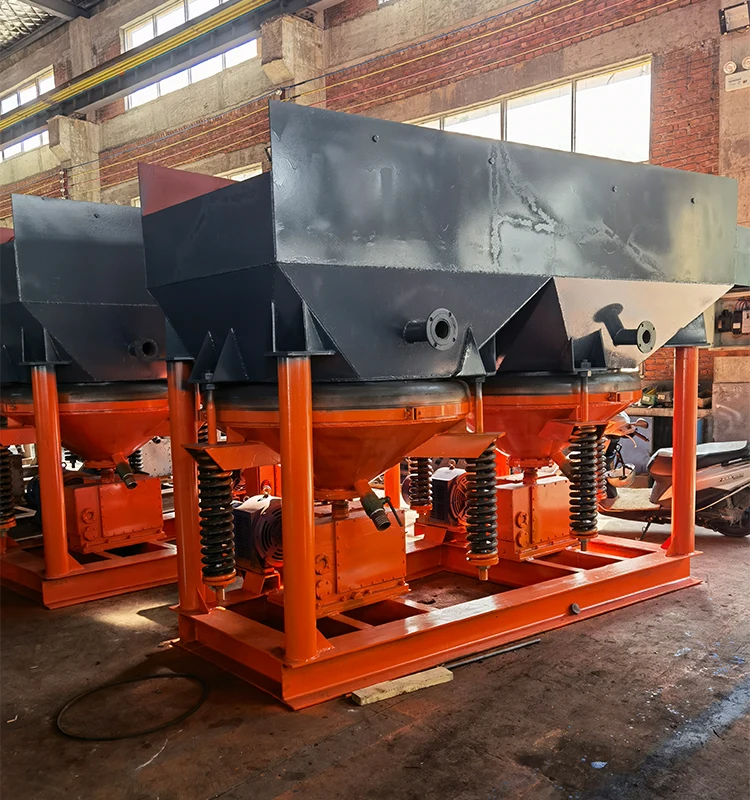
Application
sawtooth wave jig machine" or "sawtooth wave jigging machine." It is a type of mining equipment used primarily for the gravity separation and beneficiation of various minerals, including tungsten, tin, gold, iron, manganese, titanium, lead, chromium, sulfur, and others. Additionally, it is used for recovering alloy particles from manganese slag, chromium slag, stainless steel slag, and recycling metals from mining tailings and tailings processing.
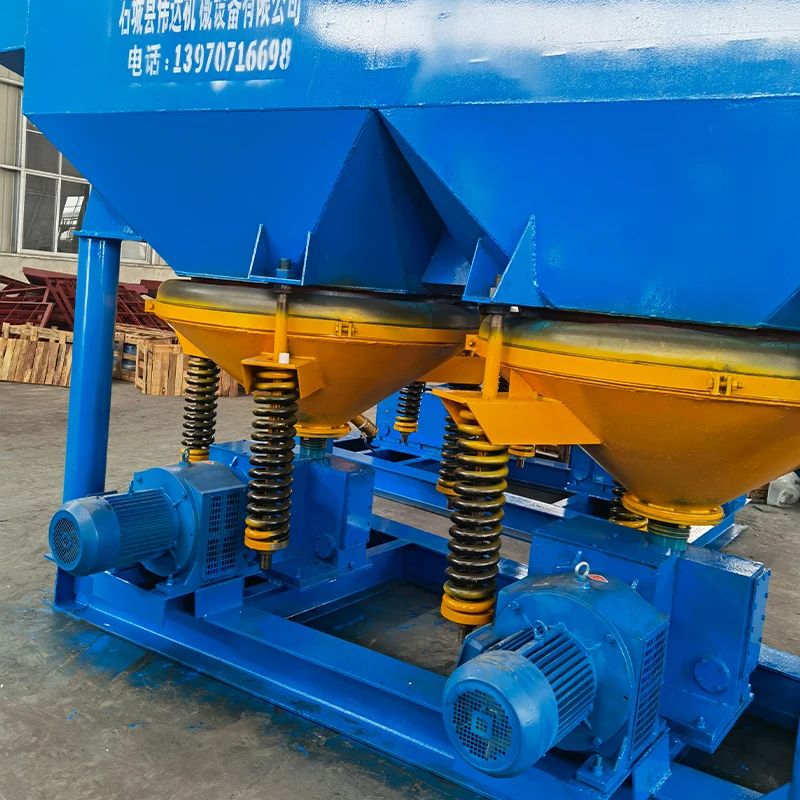
Product Information
| Model | JT-0.57 | JT1-1 | JT2-2 JT2-2A | JT3-1 | JT4-2 JT4-2A | JT5-2 JT5-2C | ||
| Jigging chamber | Cross-sectional shape | Trapezoid | Trapezoid | Trapezoid | Trapezoid | Trapezoid | Trapezoid | |
| L*W(mm) | 450~750*950 | 450~900*1500 | 1070*1070 | 960~2000*1950 | 1510*1510 | 1200~2000*3150 | ||
| Number | Single | Single | Single | Single | Single | Single | ||
| Quantity of jigging chambers | 1 | 1 | 2 | 1 | 2 | 2 | ||
| Single-chamber area(㎡) | 0.57 | 1 | 1.14 | 3.3 | 2.43 | 2.12(single)2.77(double) | ||
| Overall area(㎡) | 0.57 | 1 | 2.28 | 3.3 | 4.86 | 5 | ||
| Stroke ratio | 0.57 | 0.64 | 0.45 | 1 | 0.58(single-drive)0.45(twin power) | 5 | ||
| Maximum feed particle size(mm) | <15 | <20 | <20,automatic ore discharge on the sieve | <20 | <20,automatic ore discharge on the sieve<60 | <20,automatic ore discharge on the sieve<60 | ||
| Screen mesh openings(mm) | 1~4 | 1~6 | 1~8 | 1~10 | 1~10 | 1~10 | ||
| Processing capacity(t/h) | 1~2 | 2~3 | 7.5~10,7.5~15 | 10~15 | 15~20 15~30 | 16~23 16~33 | ||
| Water usage(m³/h) | 5~20 | 8~25 | 35~50 50~65 | 35~50 | 50~65 65~80 | 50~65 65~80 | ||
| Diaphragm | Stroke | 12,17,21 | 12,17,21 | 12,17,21 | 10~47 adjustable | 10~30 | 15,20,25 | |
| Cycle | 60~156 adjustable | 60~156 adjustable | 60~156 adjustable | 80~100 adjustable | 80~120 adjustable | 80~120 adjustable | ||
| Motor | Model | YCT 132-4B | YC T100L-6 | YCT32-4 | YCT-4B | YCT160-4B | YCT200-4A | |
| Power(kw) | 1.5 | 2.2 | 3(single-drive) 2.2*2(twin power) | 5.5 | 7.5(single drive) 5.5*2(twin power) | 7.5(single drive) 5.5*2(twin power) | ||
| outer dimensions(L*W*H)mm | 1530*780*1550 | 2060*1112*1890 | 2870*1520*1880 | 2662*2000*3030 | 4240*1990*2750 | 3940*2006* 2580 | ||
| Weight(kg) | 612 | 989 | 1637 | 3260 | 3500 | 3854 | ||
- Shipping Timeframes: All orders are processed within 2-5 business days (excluding weekends and holidays). After your order has been processed, the estimated delivery time is before 04 Aug, 2026, depending on customs, Please note that due to high demand, some items may experience longer shipping times, which will be communicated at order confirmation email.
- Order Processing Time: Please allow 2-5 business days for us to process your order before it is shipped . Orders placed after 16:00 on Fridays, or during weekends and public holidays, will begin processing on the next business day. Processing times may be extended during peak seasons or sales events.
- Manufacturing Time: Some products needs manufacturing time, the manufacturing process will take approximately 10-30 business days depending on the product. This timeframe may vary depending on the complexity of the product and current demand. but this will be communicated with you during order confirmation.
- Returns and Exchanges: We offer a 30-day return policy for most items. If you are not completely satisfied with your purchase, you may return it within 30 days of receipt for a refund or exchange. Items must be unused, in their original packaging, and accompanied by proof of purchase. Return shipping costs are the responsibility of the customer, unless the item was damaged or defective upon arrival.
1. What is a Gravity Separator Sawtooth Wave Jig Machine and what is it used for?
It is a gravity-separation jigging machine that uses a sawtooth wave motion for stratifying particles by density. It's used for beneficiation and recovery of metallic and non-metallic minerals such as gold, lithium, tungsten, tin, iron, manganese, titanium, lead, chromium, sulfur, slag metals and tailings.
2. What are the main advantages of the sawtooth wave jigging machine?
Key advantages are a small footprint, easy operation, energy efficiency, environmental friendliness and excellent performance on fine-grained minerals and recovery of alloy particles from various slags and tailings.
3. What models are available and how do I choose the right one?
Models range from JT-0.57 up to JT5-2C with single or double jigging chambers and different chamber areas. Choose based on required processing capacity (1–33 t/h across models), maximum feed size, available floor space and desired single- or double-chamber configuration.
4. What is the processing capacity range for these machines?
Processing capacities vary by model, roughly from 1 t/h for the smallest units up to about 33 t/h for larger models.
5. What maximum feed particle size can the machine handle?
Maximum feed sizes depend on model: many models handle <15–20 mm, while some heavier-duty variants support up to <60 mm with automatic ore discharge on the sieve.
6. What screen mesh openings and particle fineness are supported?
Available screen mesh openings range typically from 1 mm up to 10 mm (depending on model and application), making the equipment well suited for fine-grained mineral separation.
7. How much water does the sawtooth wave jig consume?
Water consumption depends on model and operating parameters and ranges approximately from 5 m³/h up to about 80 m³/h.
8. What are the main adjustable operating parameters?
Adjustable parameters include diaphragm stroke (examples: 10–47 mm or other preset values), cycle frequency (commonly 60–156 cycles/min, some models 80–120), stroke ratio and feed flow to optimize separation performance.
9. What power and motors are used on these machines?
Motors vary by model. Examples include YCT132-4, YCT100L-6, YCT32-4 and larger units using YCT160-4 or YCT200-4A, with motor power ranging from about 1.5 kW to 7.5 kW (single-drive) or paired motors for twin-power models.
10. What are the machine dimensions and weight?
Outer dimensions vary by model from roughly 1530×780×1550 mm up to about 4240×1990×2750 mm. Weights range from approximately 612 kg for small units to over 3,800 kg for large units.
11. What minerals and materials are best suited to this jigging method?
It is suitable for a wide range of metallic and non-metallic minerals—gold, lithium, tungsten, tin, iron, manganese, titanium, lead, chromium, sulfur—as well as recovering alloy particles from manganese/chrome/stainless steel slags and treating mining tailings.
12. How is maintenance performed and what spare parts should I stock?
Routine maintenance includes inspecting diaphragms and screens, checking feed and water lines, lubricating bearings and gearboxes, and monitoring motor function. Keep spare diaphragms, screen media, bearings, drive belts/gears and basic electrical components on hand.
13. What are the installation and site requirements?
Provide a stable foundation sized for the model, adequate mains power for the specified motor(s), consistent water supply and proper feed conditioning (max particle size and consistent feed rate). Allow access for service and follow manufacturer commissioning guidance.
14. Can the machine be customized for specific projects?
Yes. Models can be selected or configured (single vs. double chamber, stroke/cycle settings, screen aperture, motor options) to match feed characteristics, capacity targets and on-site conditions. Contact the manufacturer for custom engineering and integration.
15. How do I evaluate separation performance and recovery rates?
Performance depends on ore characteristics, feed size distribution, operating settings and water regime. Conduct bench-scale tests or pilot trials to determine expected grade and recovery for your ore, and fine-tune diaphragm stroke, cycle and screen size for optimal results.
Latest Order Arrivals
Discover our latest orders
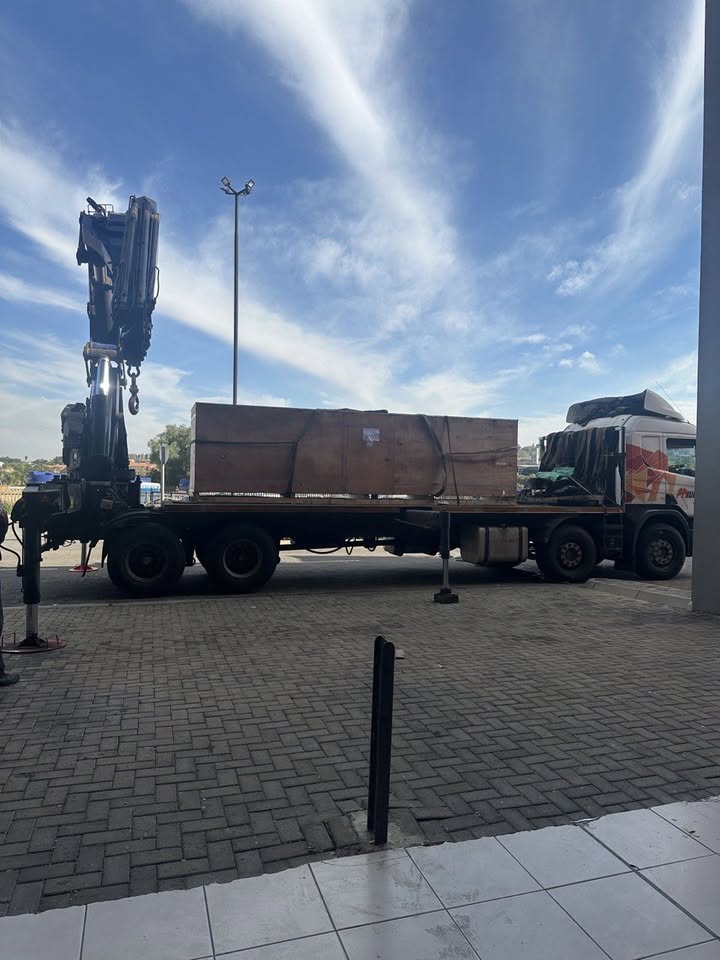
12 Heads Embroidery Machine
Toilet Paper Machine Machine
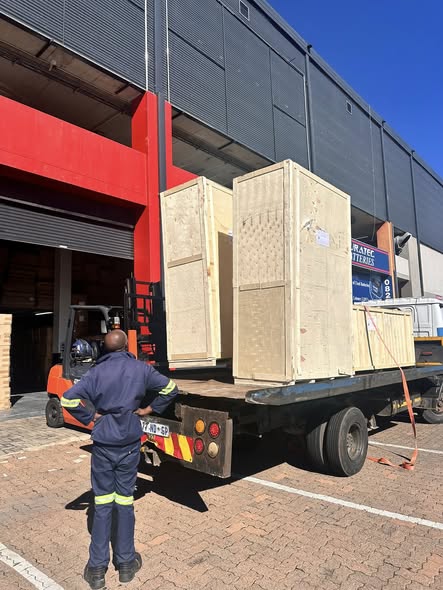
Order Collection
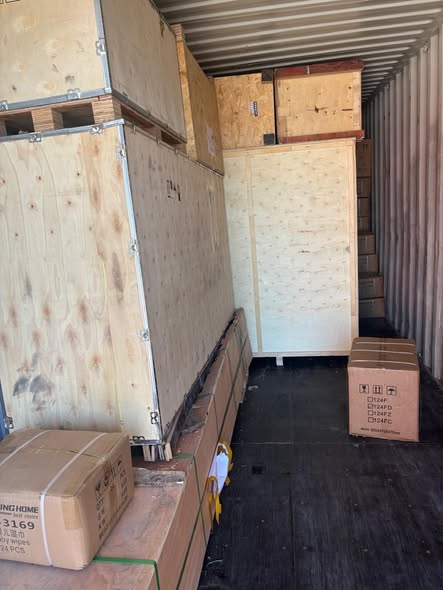
Cross Border Clients
Order cros border countries Collected
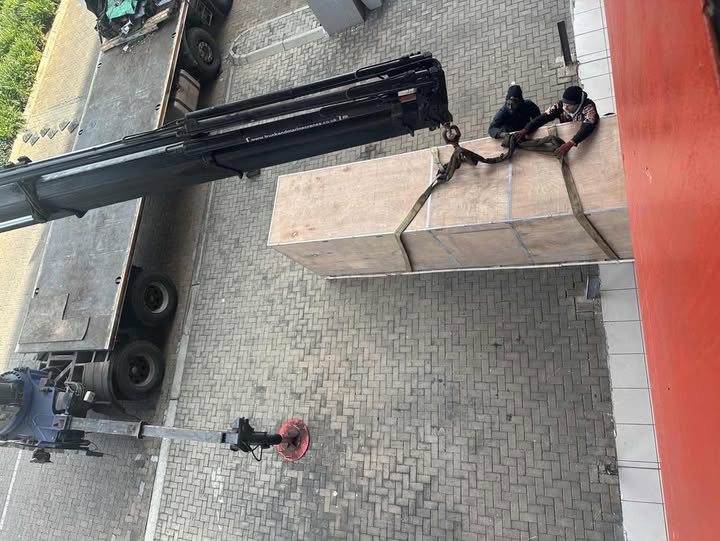
Industrial Machine Cllection
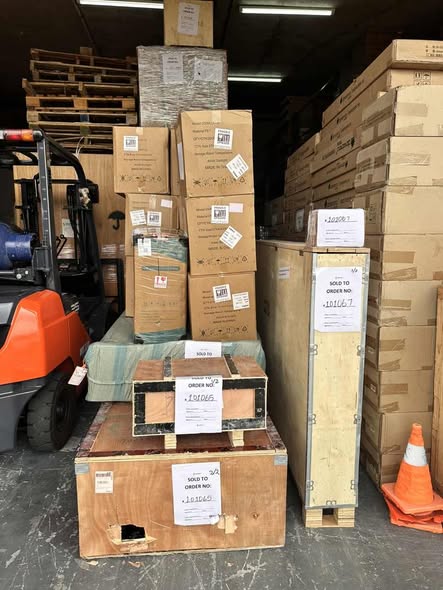
Agriculture Processing Machines
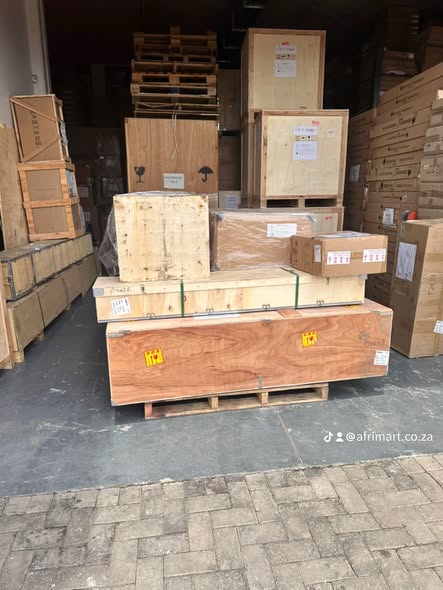
Ready for collection
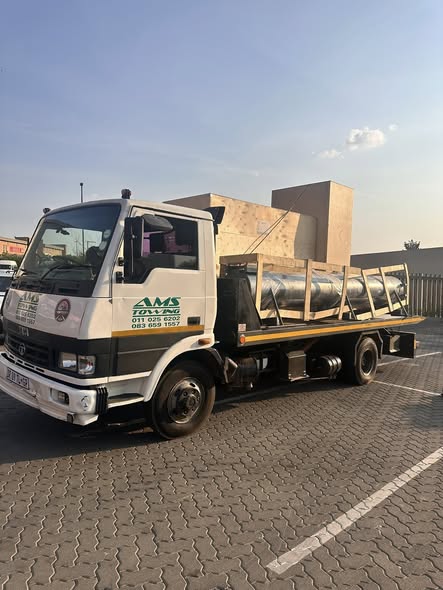
Water Pump Equipment
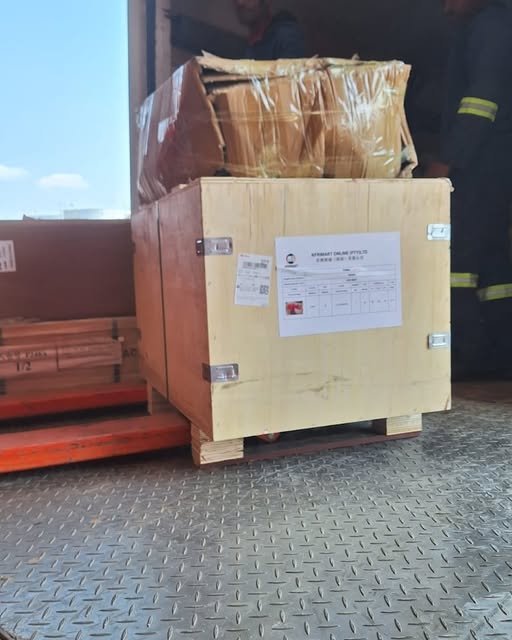
Packaging Machine and accessories
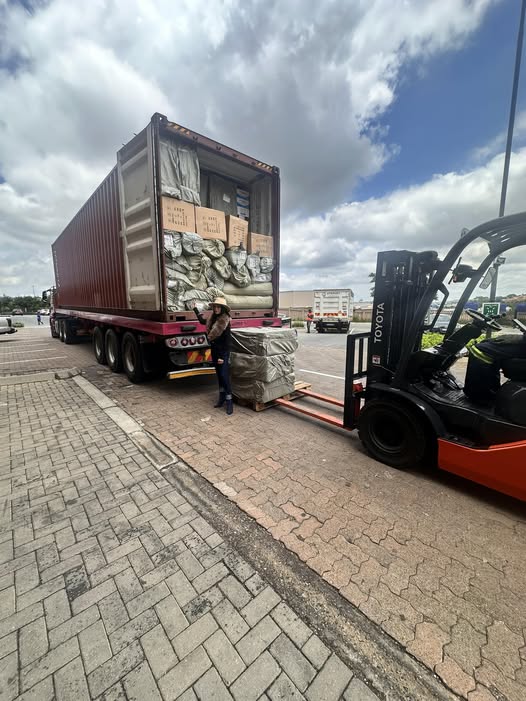
Fabrics Manufacturing Equipment
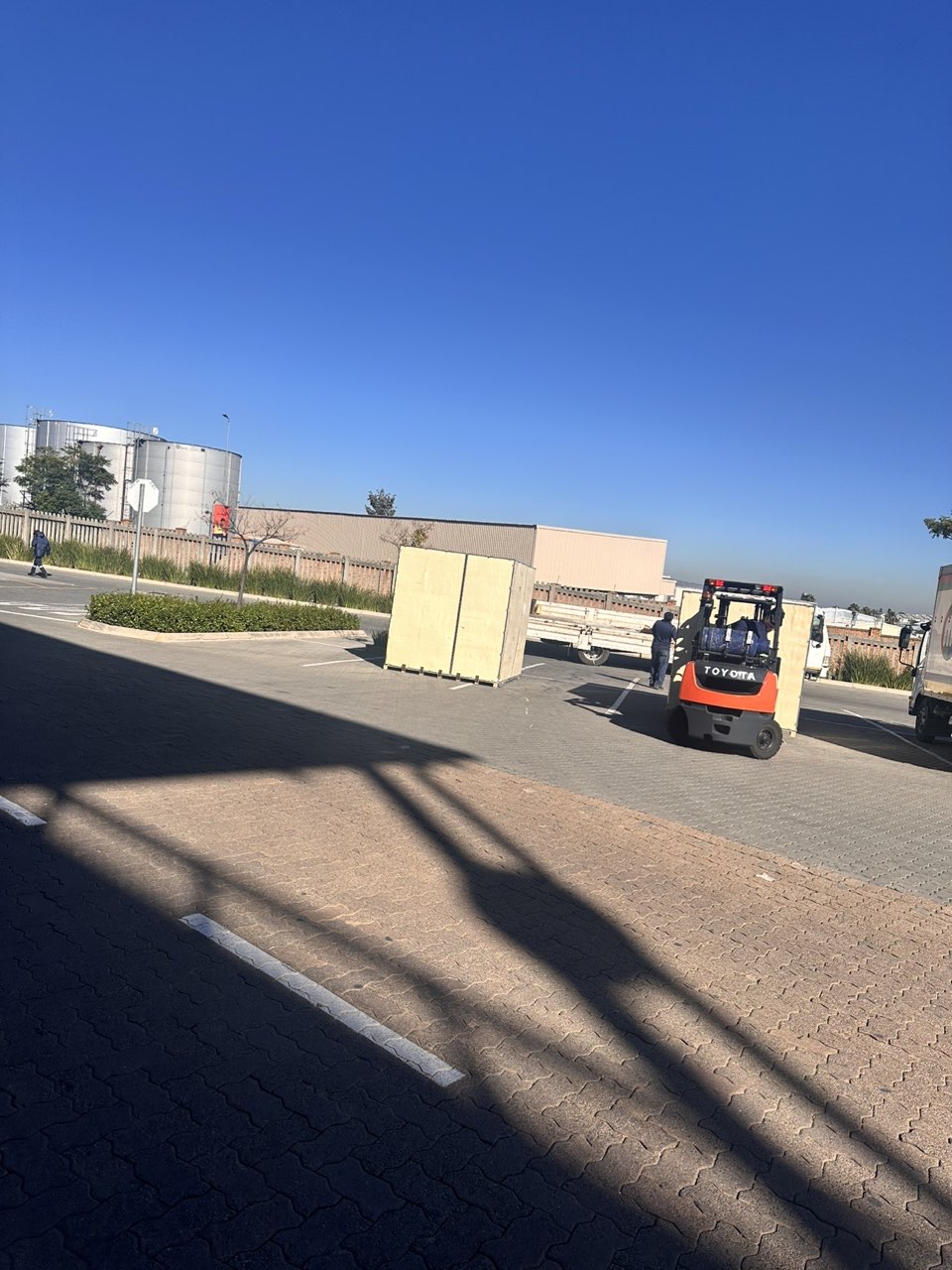
Mining Equipments
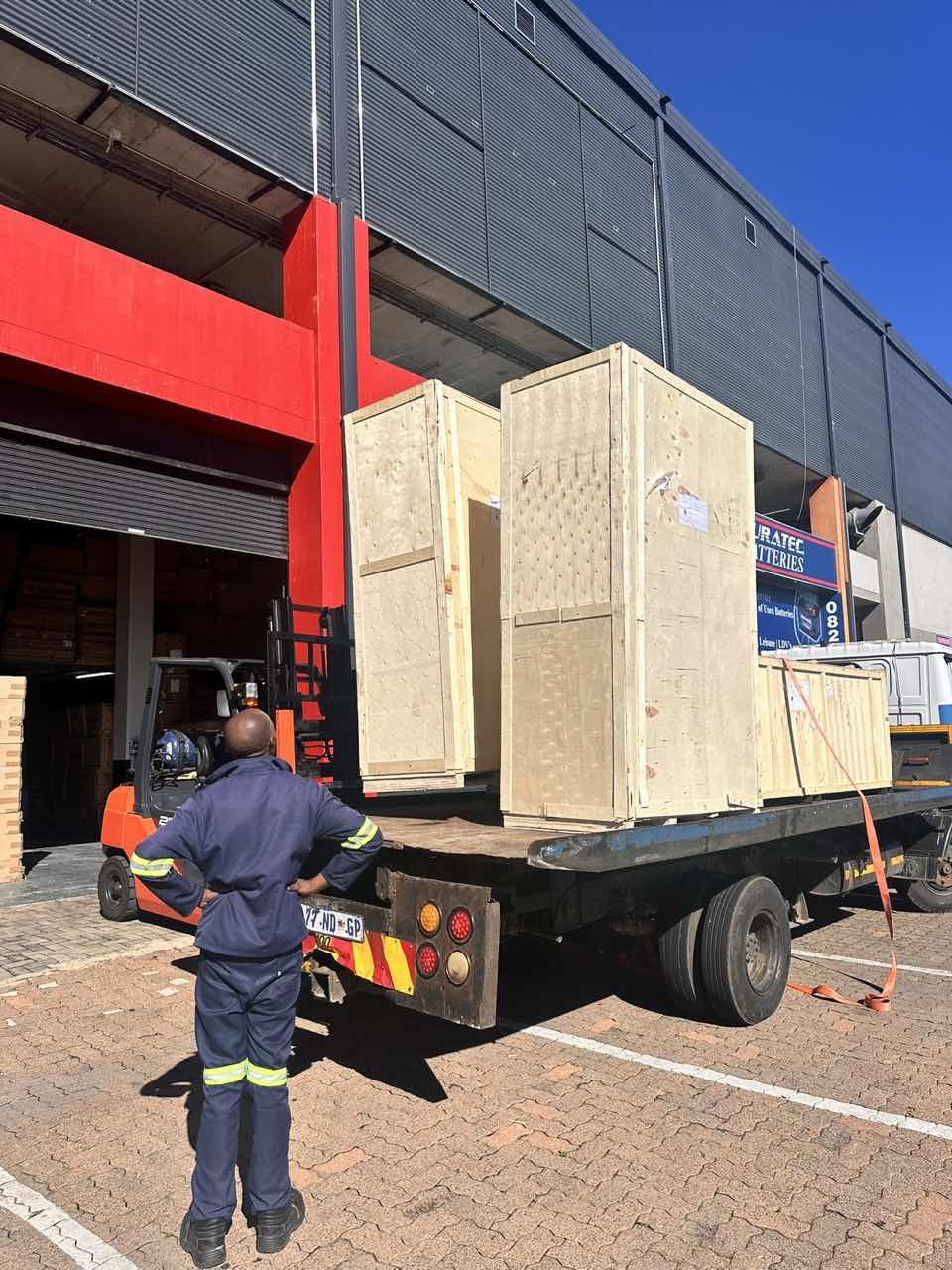
Food Processing Machine
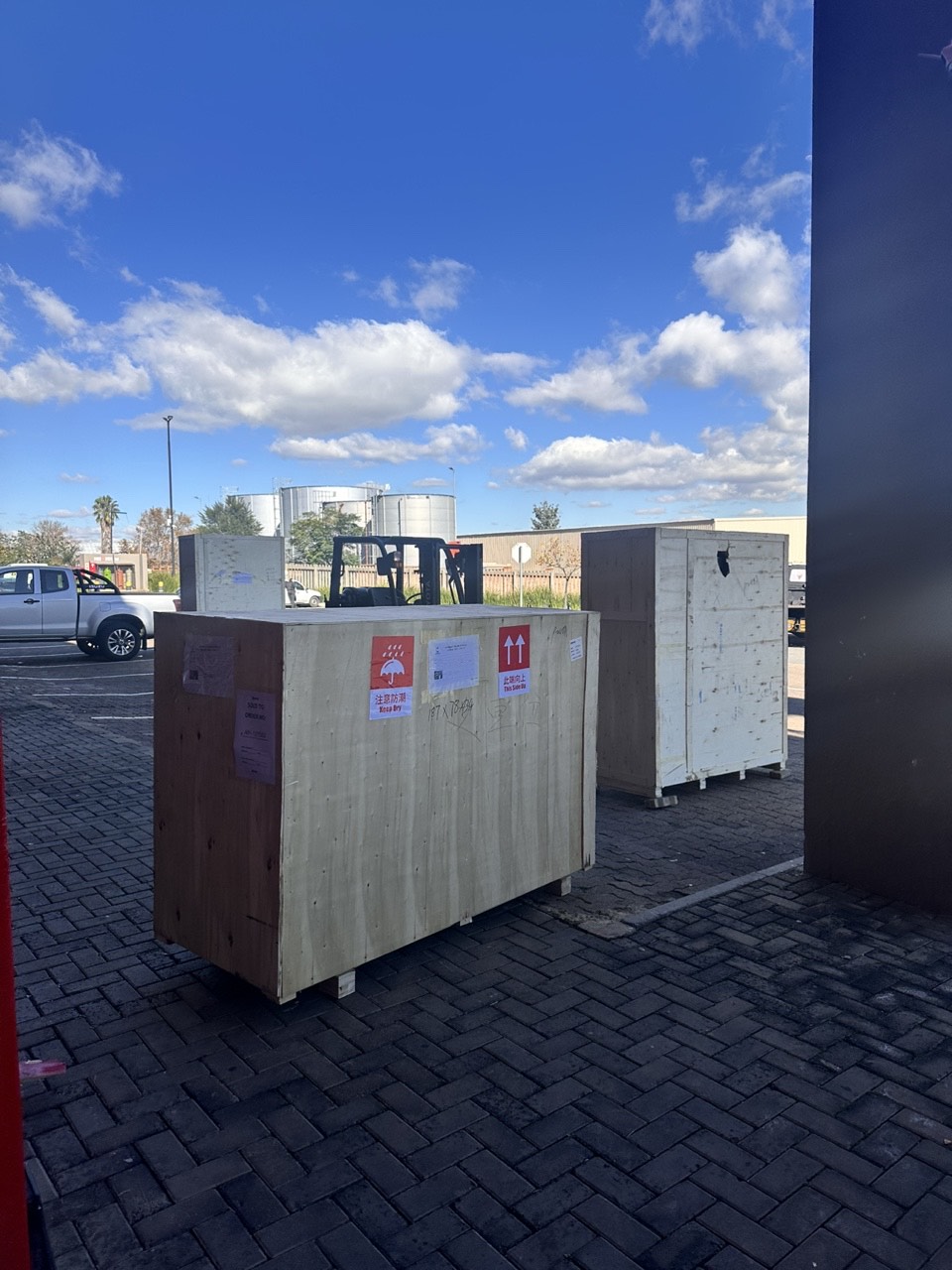
Batch of Orders
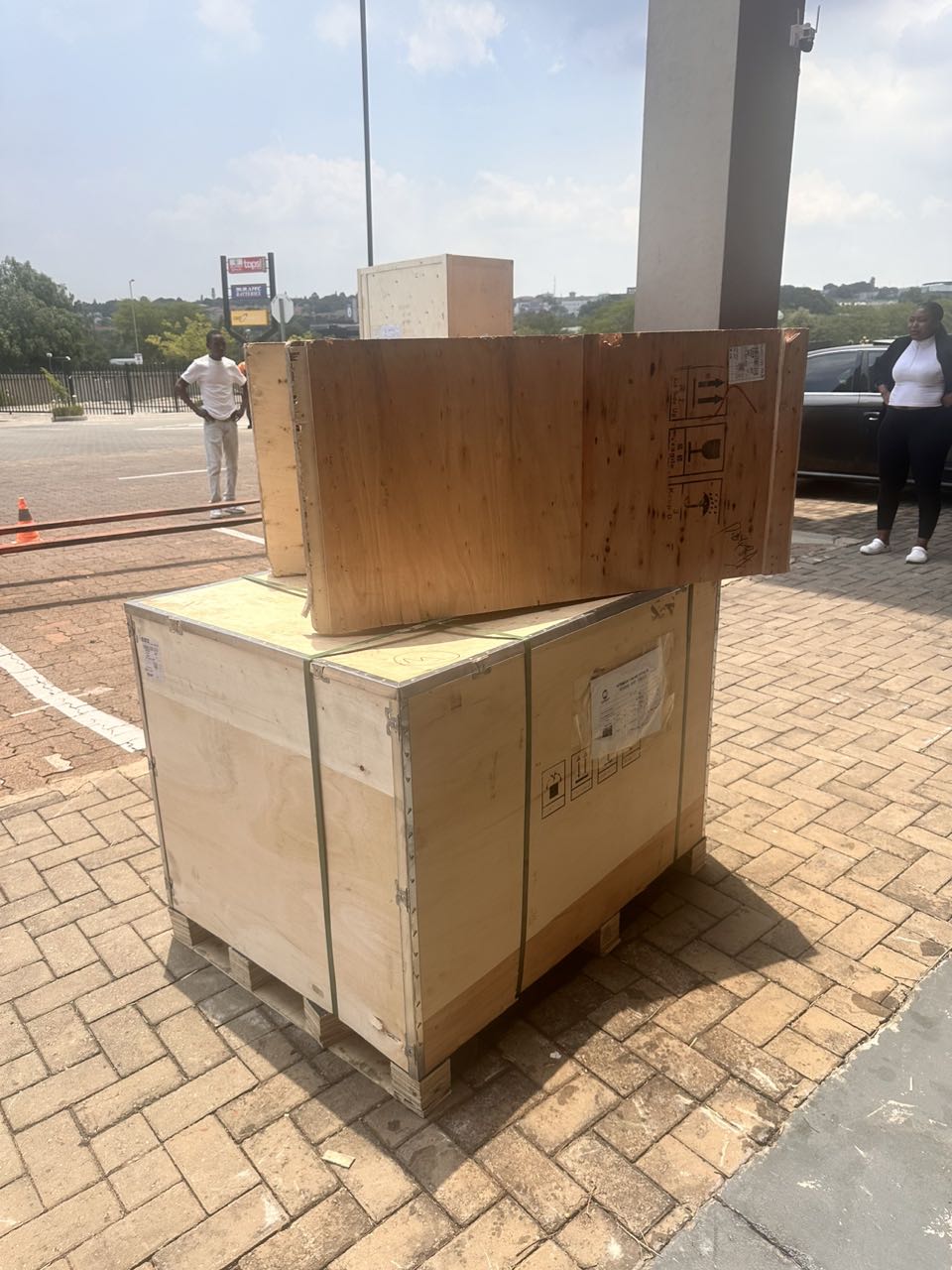
Batch of Orders
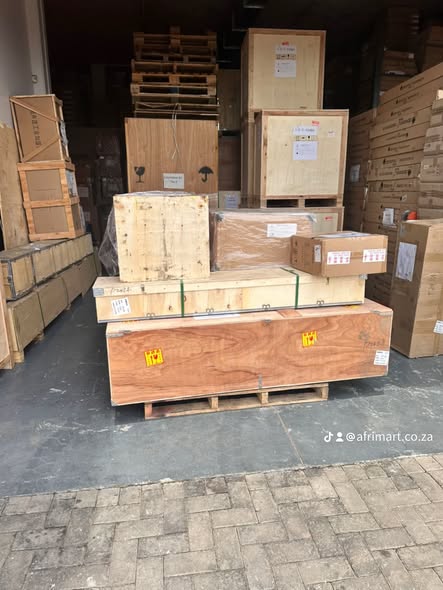
Latest Orders Labelled
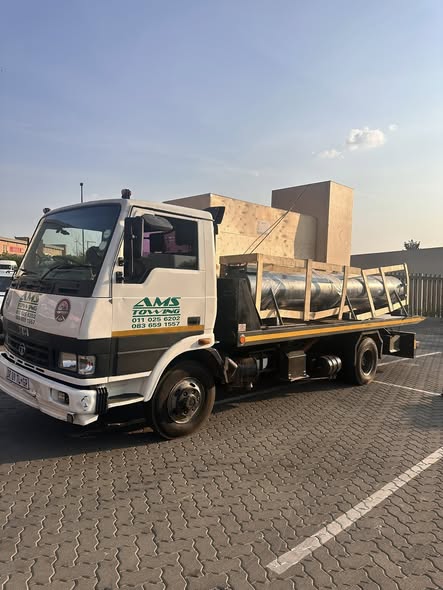
wheel alignment machines
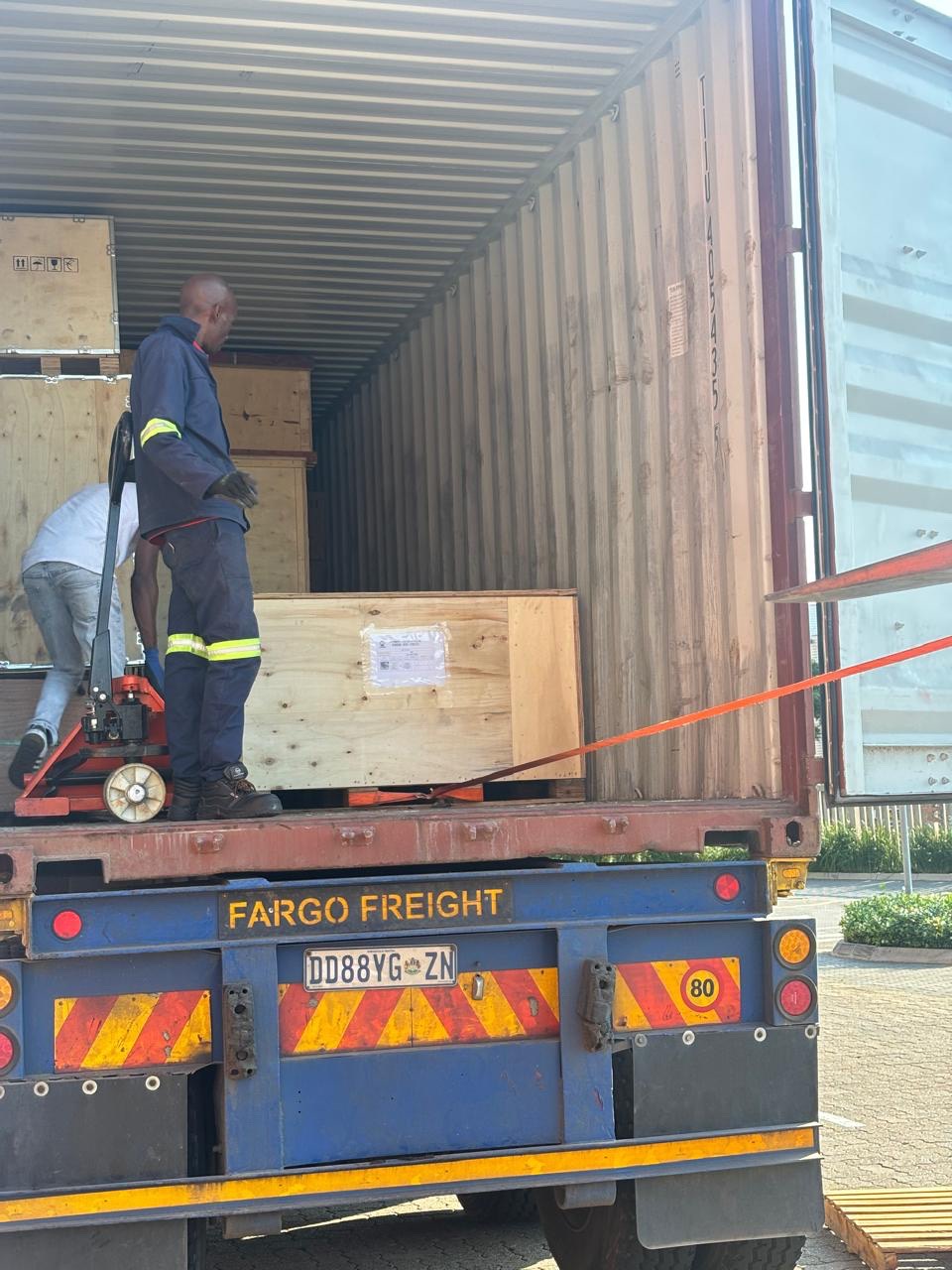
new arrivals
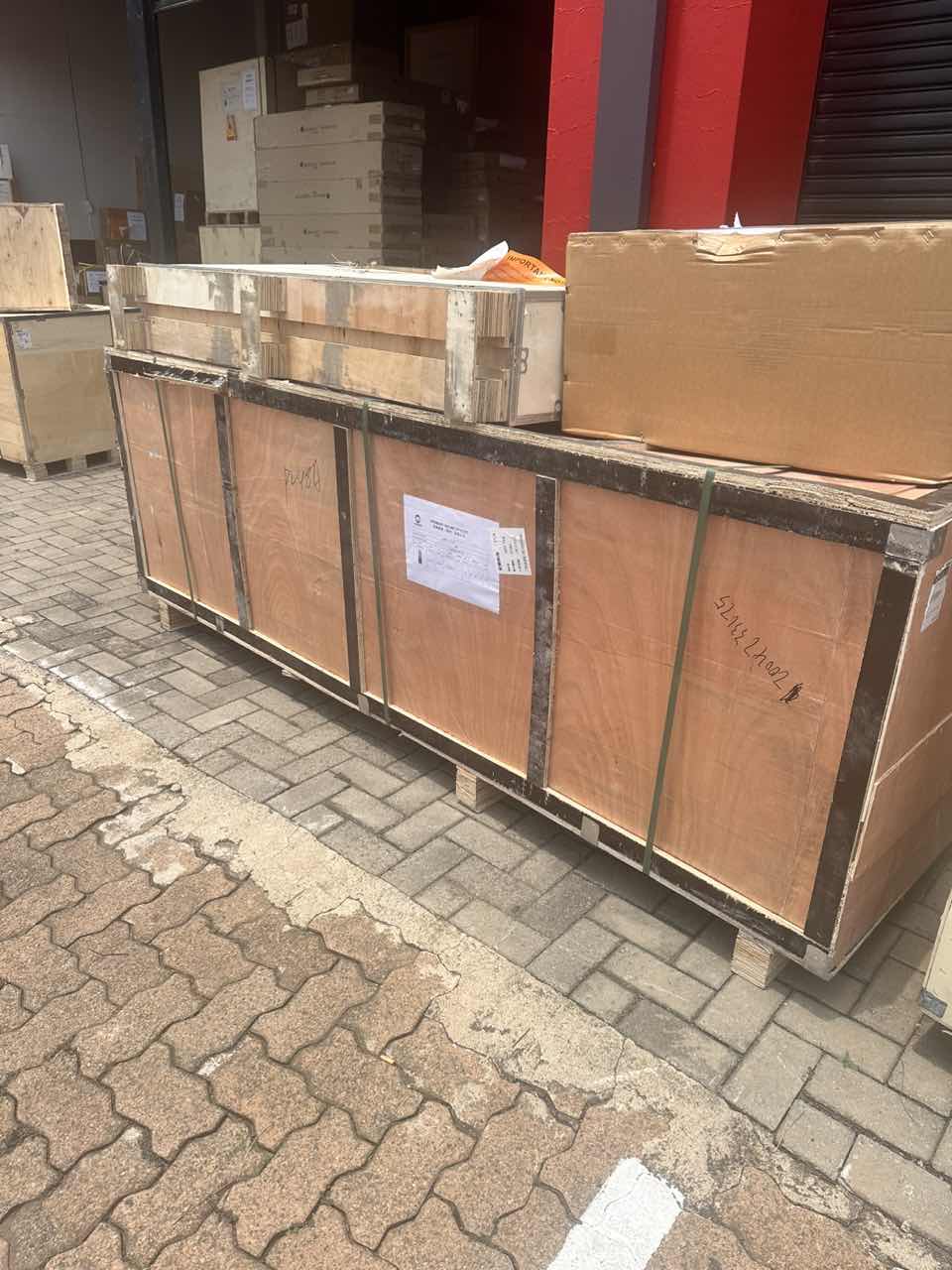
Pre Orders Offloading
Latest Arrivals
Latest Arrivals
Latest Arrivals
Loading
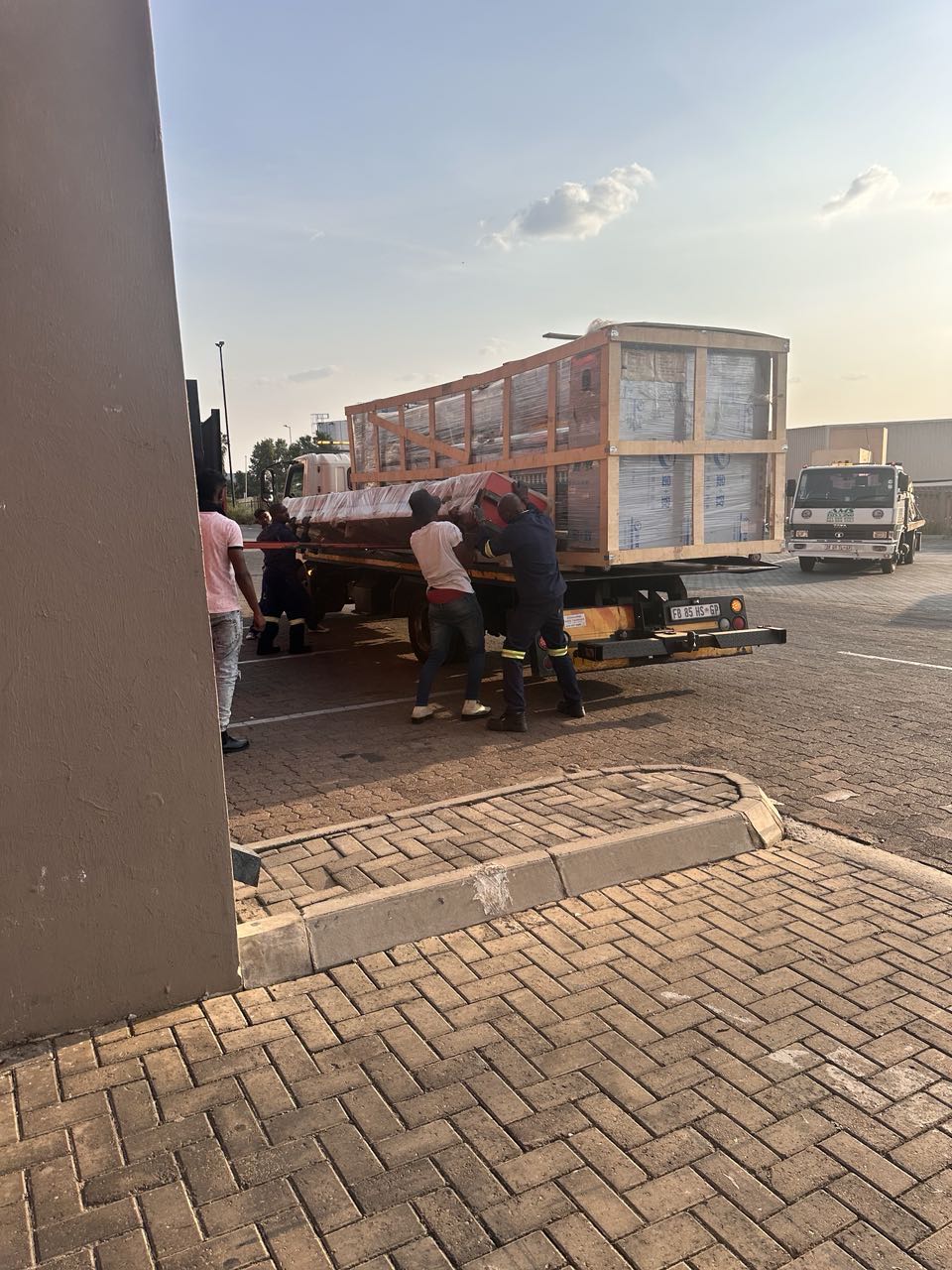
Toilet paper making machine
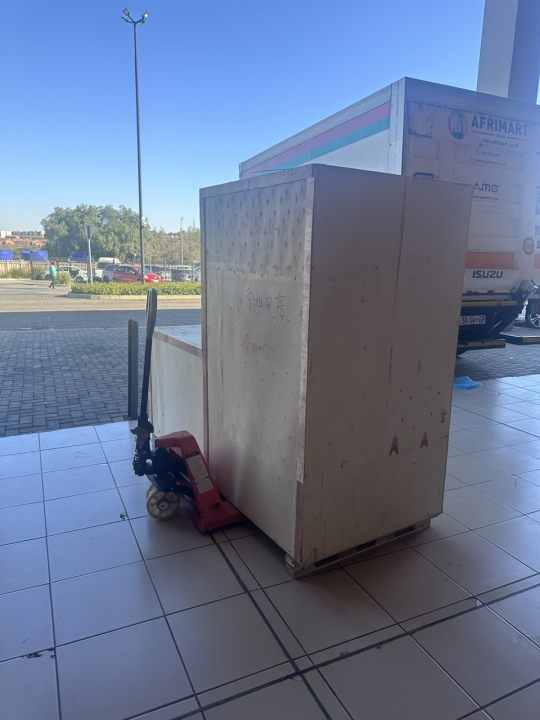
Toilet paper making machine
Toilet paper Rewinding Machine
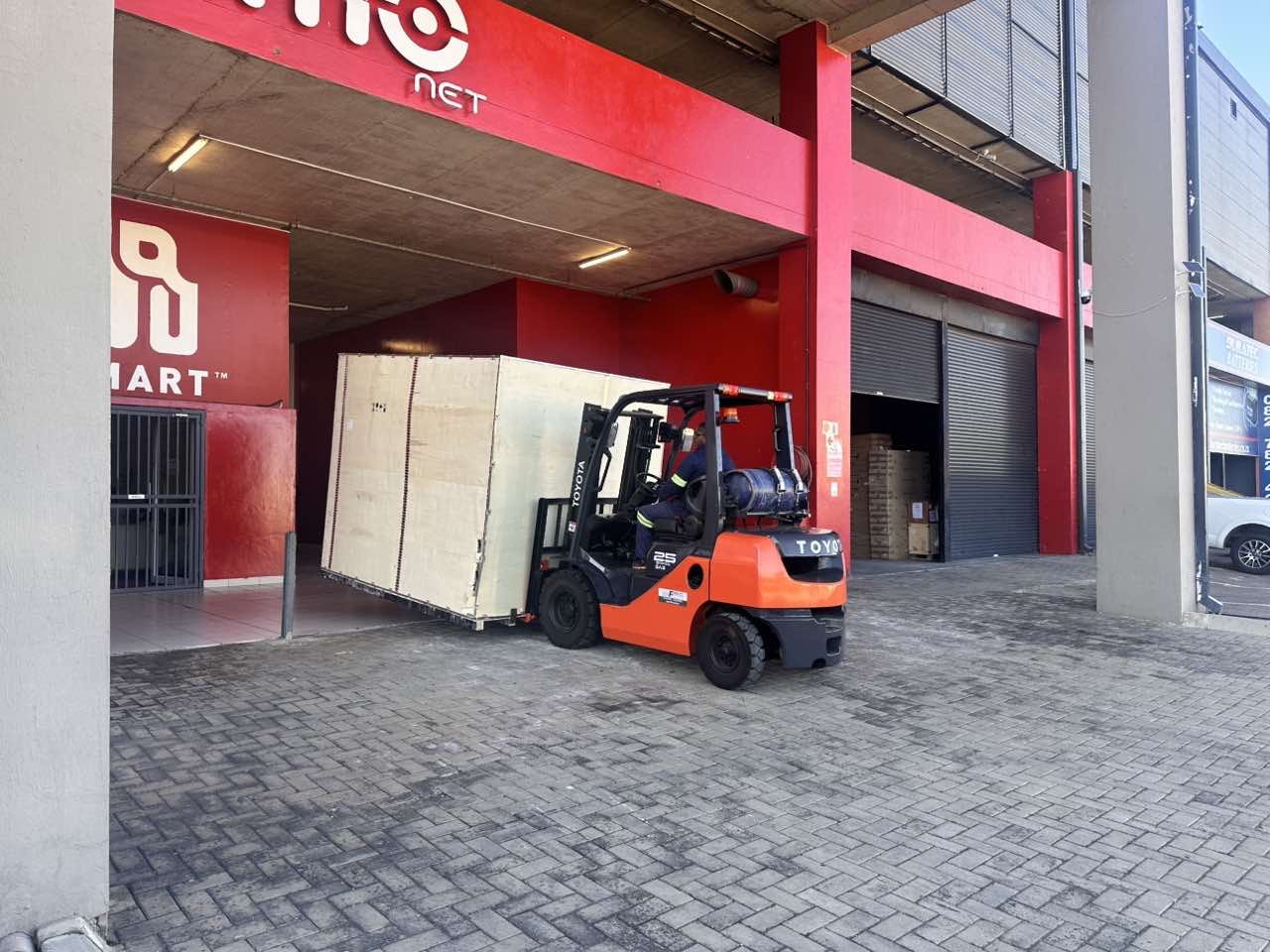
latest arrivals
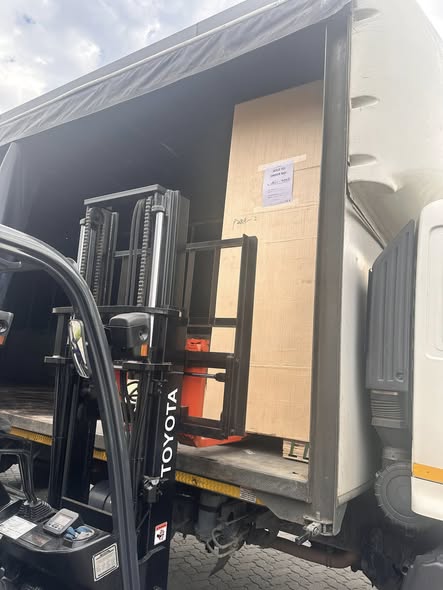
offloading
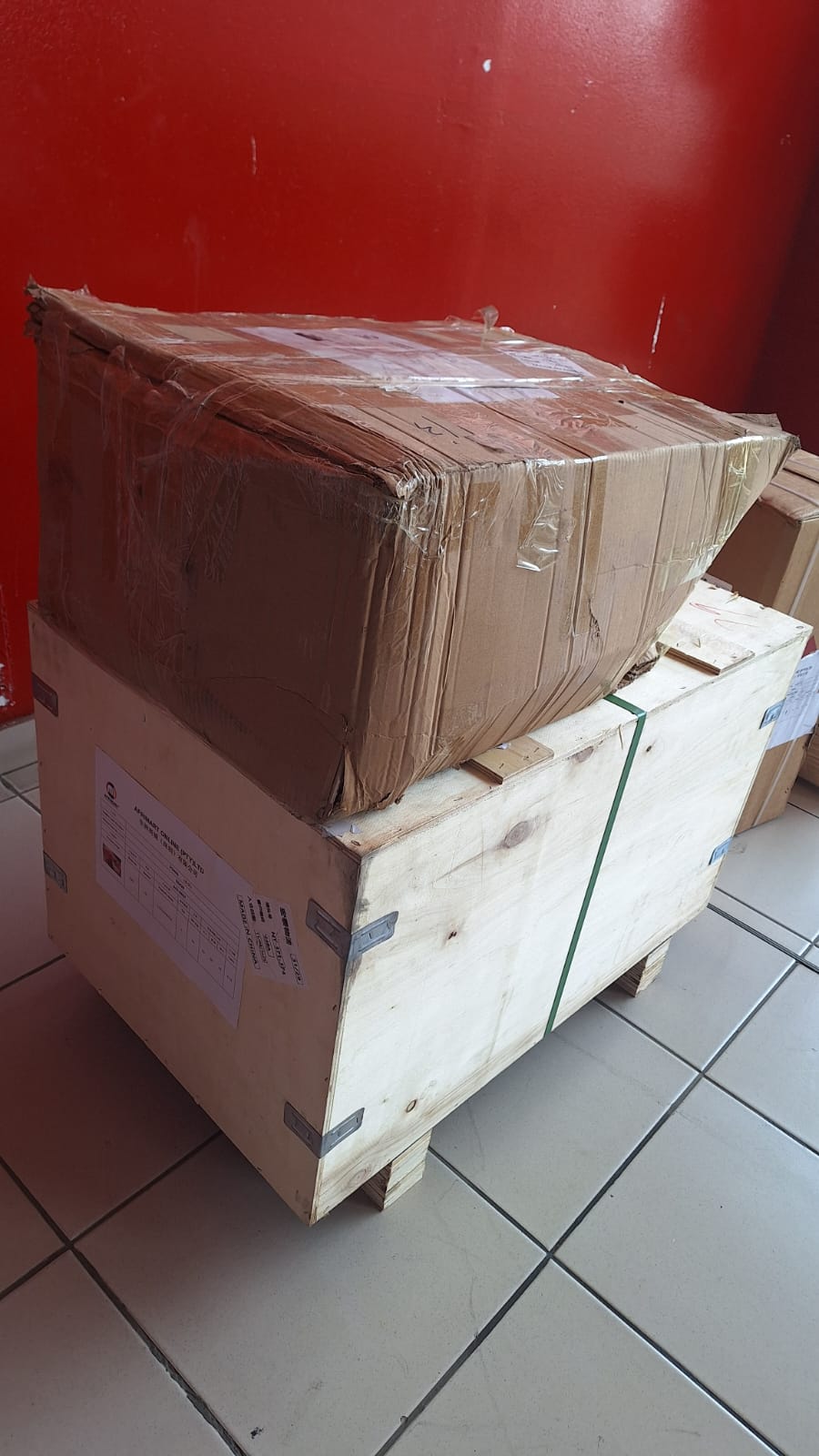
order success
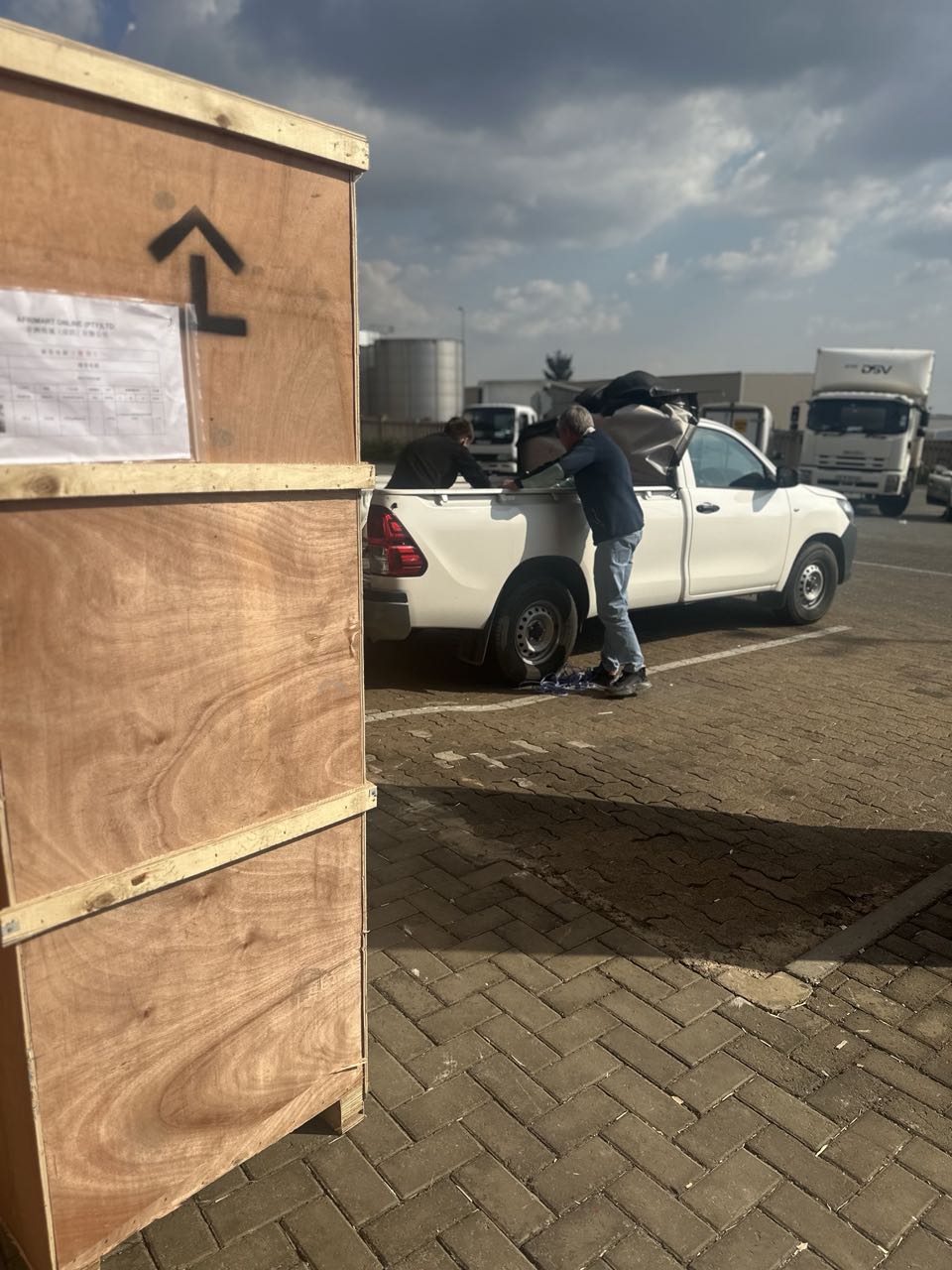
order collection
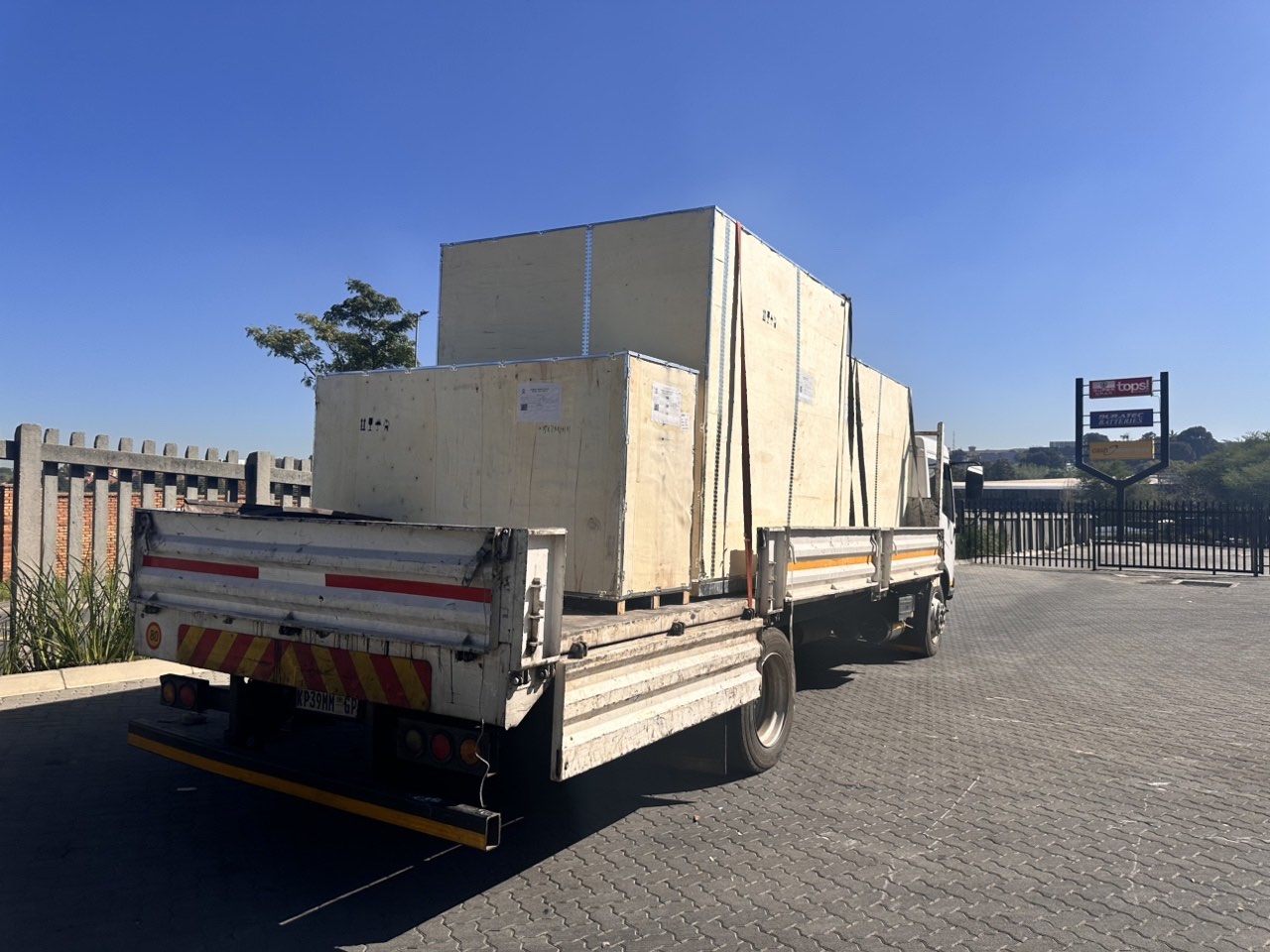
order offloading