B21, China Town Mall, Midrand

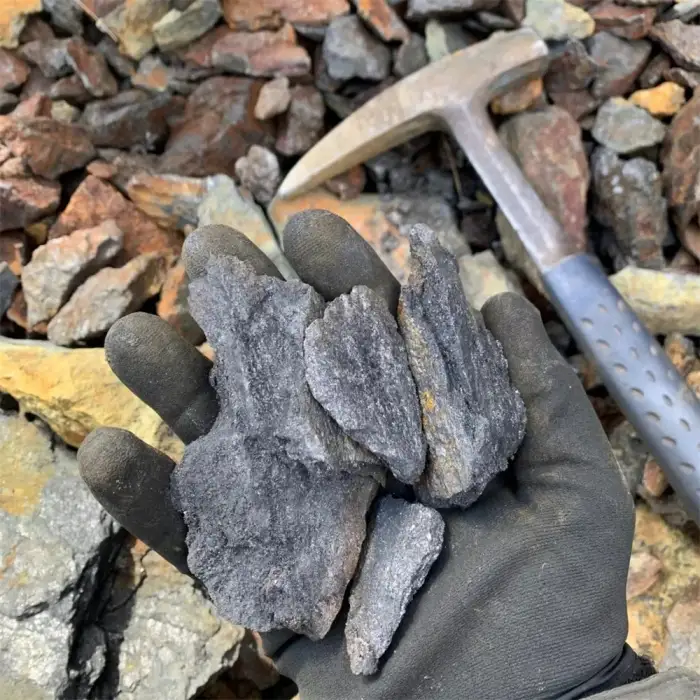
Graphite Benefaction Production Line Graphite Ore Machine Graphite Mineral Processing Plan
- Section : Machinery
- Category : Chemical Machinery
- SKU : 1600923259522


Main Product
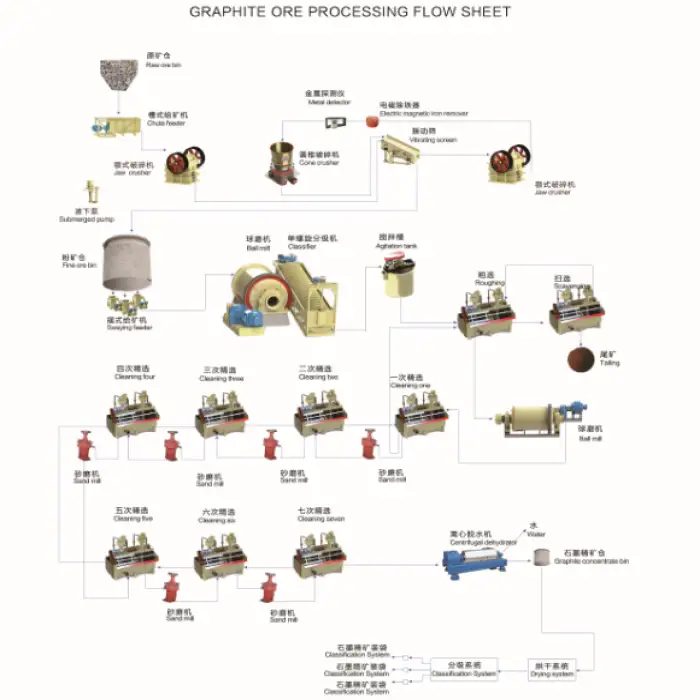
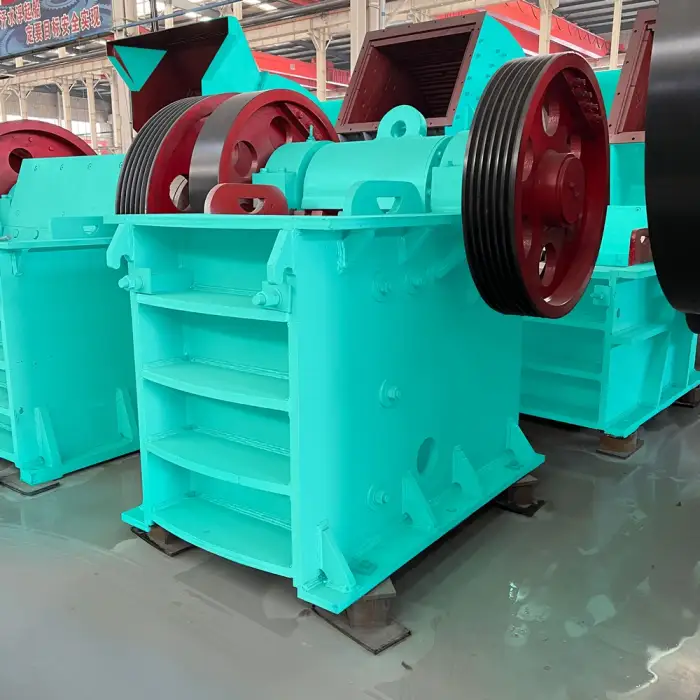
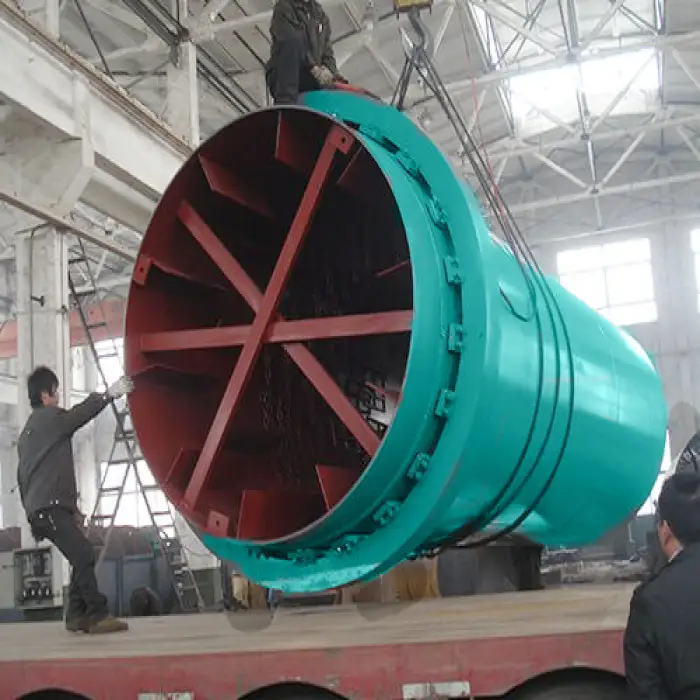
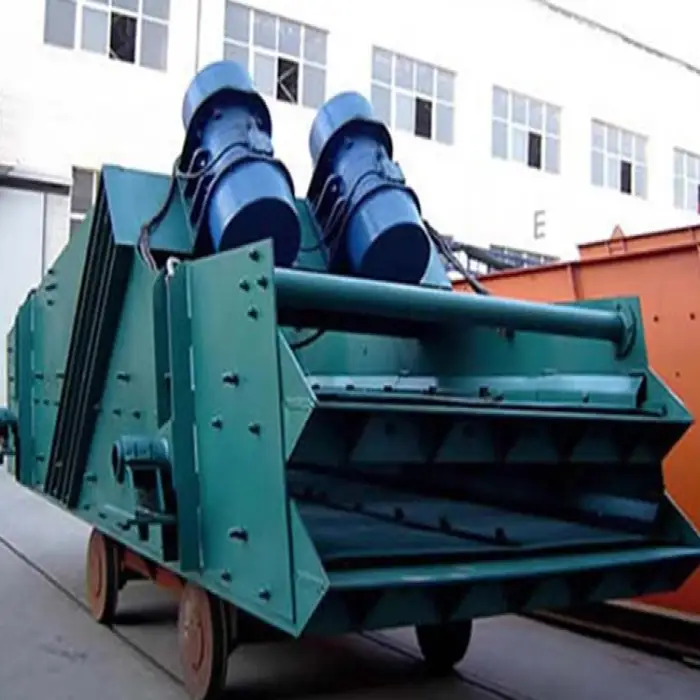
We have professional engineers team to draw flowchart based on customer's ore site details. We supplied full set equipment: Jaw crusher, Ball mill, Spiral classifier, Flotation Machine, Disc filter, Thickener, Agitation tank.
Graphite beneficiation method include flotation, electrostatic separation, gravity separation, etc. Flotation is the most widely used process. Graphite mineral processing are mainly suitable for all kinds of graphite with different crystal habit and graphite accompany with mica, etc silicate minerals or pyrite. Beneficiation method: flotation, electrostatic separation, gravity separation, etc. Flotation is the most widely used process.

Ore knowledge
Graphite ore include amorphous graphite and flaky graphite. Amorphous graphite also call cryptocrystalline graphite.
This ore have small graphite crystal, surface is earthy and industrial performance is not good. But this graphite ore have high grade, general 60-80%. But its flotability is bad. After flotation, the grade have no remarkable increase. Thus, if the grade is lower than 65%, shall not be mined, the grade between 65-80%, selection and then use. The feature of Flaky graphite is the graphite present as flaky or foliated, raw ore grade is not high, general 3-5%, can't Exceed 20-25%. This graphite ore have good flotability and grade can up to 90% after flotation. So, raw ore grade with 2-3% can be mined. Flaky graphite have good performance and can be used to make advanced carbon product. So, we can't only consider the grade for different graphite, but also the type, then decide whether use the flotation process.
Process Flowsheet

Process flowsheet 1. multistage grinding multistage flotation To prevent graphite flakes from breaking, generally use multistage |


Detailed crystalloid graphite mineral processing flowsheet:
Generally, graphite ore's hardness is medium hard or medium hard soft, grade is between 2-10%, crushing process is simple, use three-stage open circuit, two-stage open circuit or one-stage crushing flowsheet. Flotation process include multistage grinding, multistage selection, middlings return in order or concentrated. Multistage process have three form, that is concentrate regrinding, middlings regrinding, tailings regrinding. Crystalloid graphite most use concentrate regrinding process, normally, the recovery ratio can up to around 80%. Cryptocrystalline graphite mineral processing flowsheet: although Cryptocrystalline graphite have high grade, it is different to separate. Cryptocrystalline graphite have low flotability and flotation only can preliminary concentrate, normally, use hand picking and then levigating for sale.
Generally, Cryptocrystalline graphite associate with mica etc silicate minerals. When flotation, can use starch, dextrin, organic glue, cellulose, etc agent to control the silicate minerals, for example, if the pyrite content is high, add lime and oxide.


- Shipping Timeframes: All orders are processed within 2-5 business days (excluding weekends and holidays). After your order has been processed, the estimated delivery time is before 19 Jun, 2026, depending on customs, Please note that due to high demand, some items may experience longer shipping times, which will be communicated at order confirmation email.
- Order Processing Time: Please allow 2-5 business days for us to process your order before it is shipped . Orders placed after 16:00 on Fridays, or during weekends and public holidays, will begin processing on the next business day. Processing times may be extended during peak seasons or sales events.
- Manufacturing Time: Some products needs manufacturing time, the manufacturing process will take approximately 10-30 business days depending on the product. This timeframe may vary depending on the complexity of the product and current demand. but this will be communicated with you during order confirmation.
- Returns and Exchanges: We offer a 30-day return policy for most items. If you are not completely satisfied with your purchase, you may return it within 30 days of receipt for a refund or exchange. Items must be unused, in their original packaging, and accompanied by proof of purchase. Return shipping costs are the responsibility of the customer, unless the item was damaged or defective upon arrival.
1. What is the primary function of the Graphite Benefaction Production Line?
The primary function of the Graphite Benefaction Production Line is to process graphite ore using various beneficiation methods, including flotation, electrostatic separation, and gravity separation, to produce high-quality graphite.
2. What types of graphite ore can be processed with this production line?
The production line can process both amorphous graphite and flaky graphite, as well as graphite associated with other minerals like mica and pyrite.
3. What equipment is included in the full set for graphite processing?
The full set of equipment includes a jaw crusher, ball mill, spiral classifier, flotation machine, disc filter, thickener, and agitation tank.
4. What is the most commonly used beneficiation method for graphite?
Flotation is the most widely used beneficiation method for graphite, as it effectively separates the graphite from other minerals.
5. What are the characteristics of amorphous graphite?
Amorphous graphite has small graphite crystals, an earthy surface, and generally high grades of 60-80%, but poor flotation properties, making it less favorable for mining if the grade is below 65%.
6. How does flaky graphite differ from amorphous graphite?
Flaky graphite is characterized by its flaky or foliated structure, typically has lower raw ore grades (3-5%), but offers good flotation properties and can yield grades up to 90% after processing.
7. What is the typical recovery ratio for crystalloid graphite processing?
The recovery ratio for crystalloid graphite processing can be around 80% when using concentrate regrinding processes.
8. Can low-grade graphite be mined profitably?
Yes, low-grade flaky graphite with grades as low as 2-3% can be mined profitably due to its good flotation properties and potential for high-quality end products.
9. What is the role of multistage grinding and flotation in the processing line?
Multistage grinding and flotation help prevent the breaking of graphite flakes and ensure that the concentrated graphite meets quality requirements.
10. What should be done if the graphite ore contains high levels of pyrite?
If the graphite ore has high pyrite content, it is advisable to add lime and oxide during flotation to control the silicate minerals and enhance separation.
11. What is the benefit of using gravity separation in conjunction with flotation?
Using gravity separation alongside flotation helps effectively separate heavy minerals first, allowing for more efficient processing of light minerals through flotation.
12. How does the production line adapt to different ore site details?
The production line is customized based on the specific characteristics of the customer's ore site, with professional engineers drawing up tailored flowcharts for optimal processing.
13. What are the main steps in the graphite beneficiation process?
The main steps include crushing, multistage grinding, flotation, and possibly gravity separation, depending on the characteristics of the ore.
14. Is it possible to use chemical agents during the flotation process?
Yes, chemical agents such as starch, dextrin, organic glue, and cellulose can be used to control the separation of silicate minerals during flotation.
15. What are the advantages of using a thickener in the graphite processing line?
A thickener is used to reduce the volume of water in the slurry, which helps to concentrate the graphite and improve the efficiency of downstream processing.
Latest Order Arrivals
Discover our latest orders
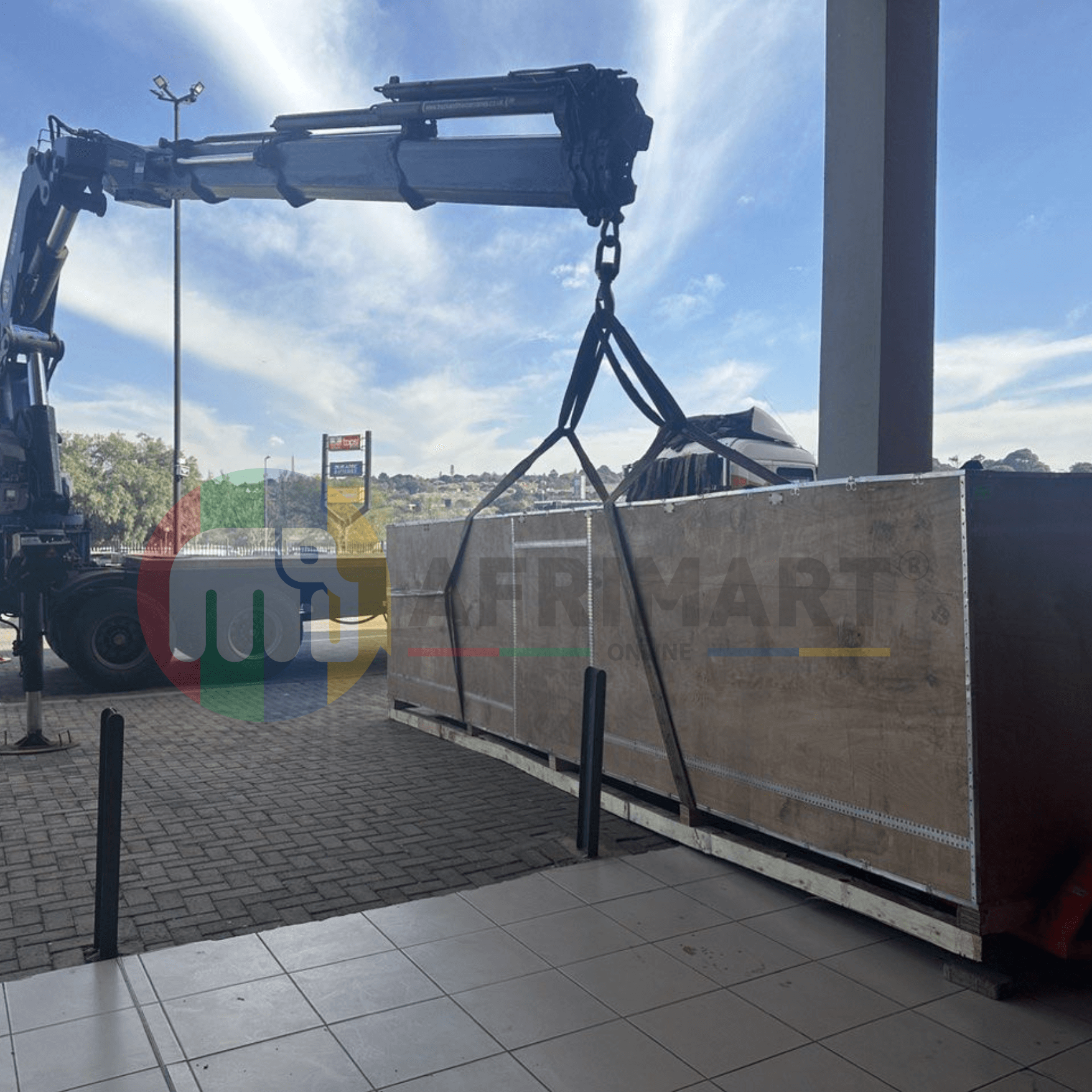
12 Heads Embroidery Machine
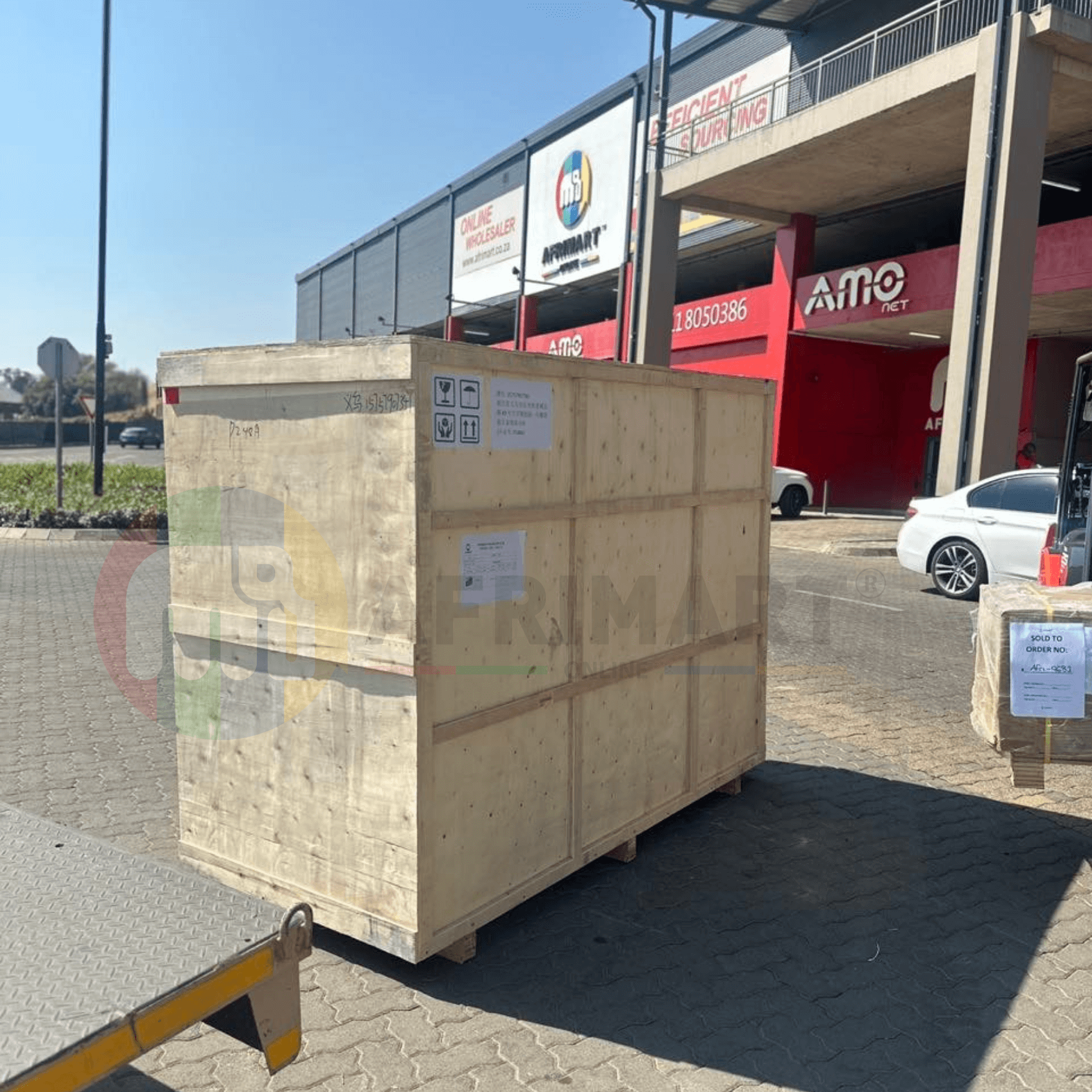
Dewatering Pump Machine
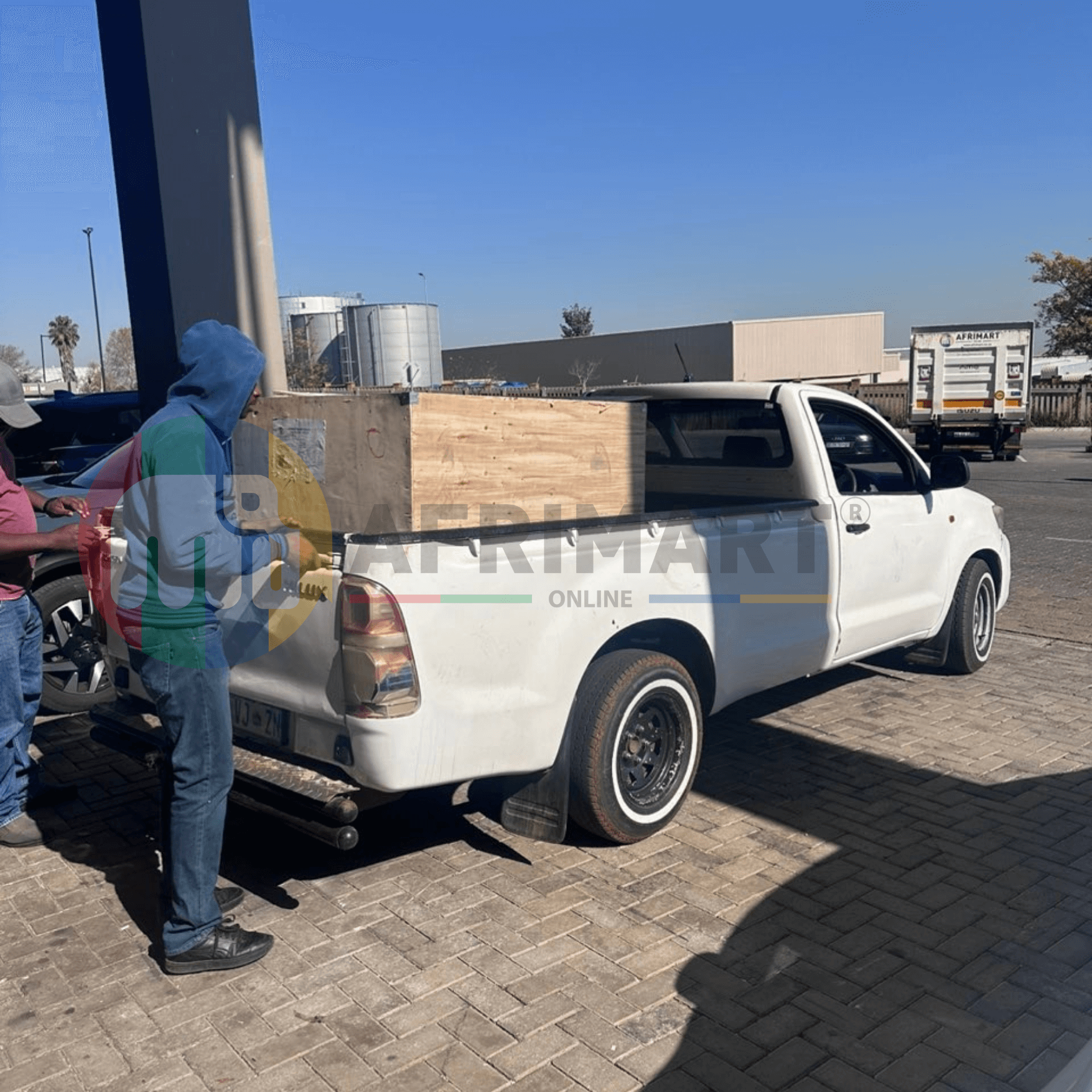
Order Collection
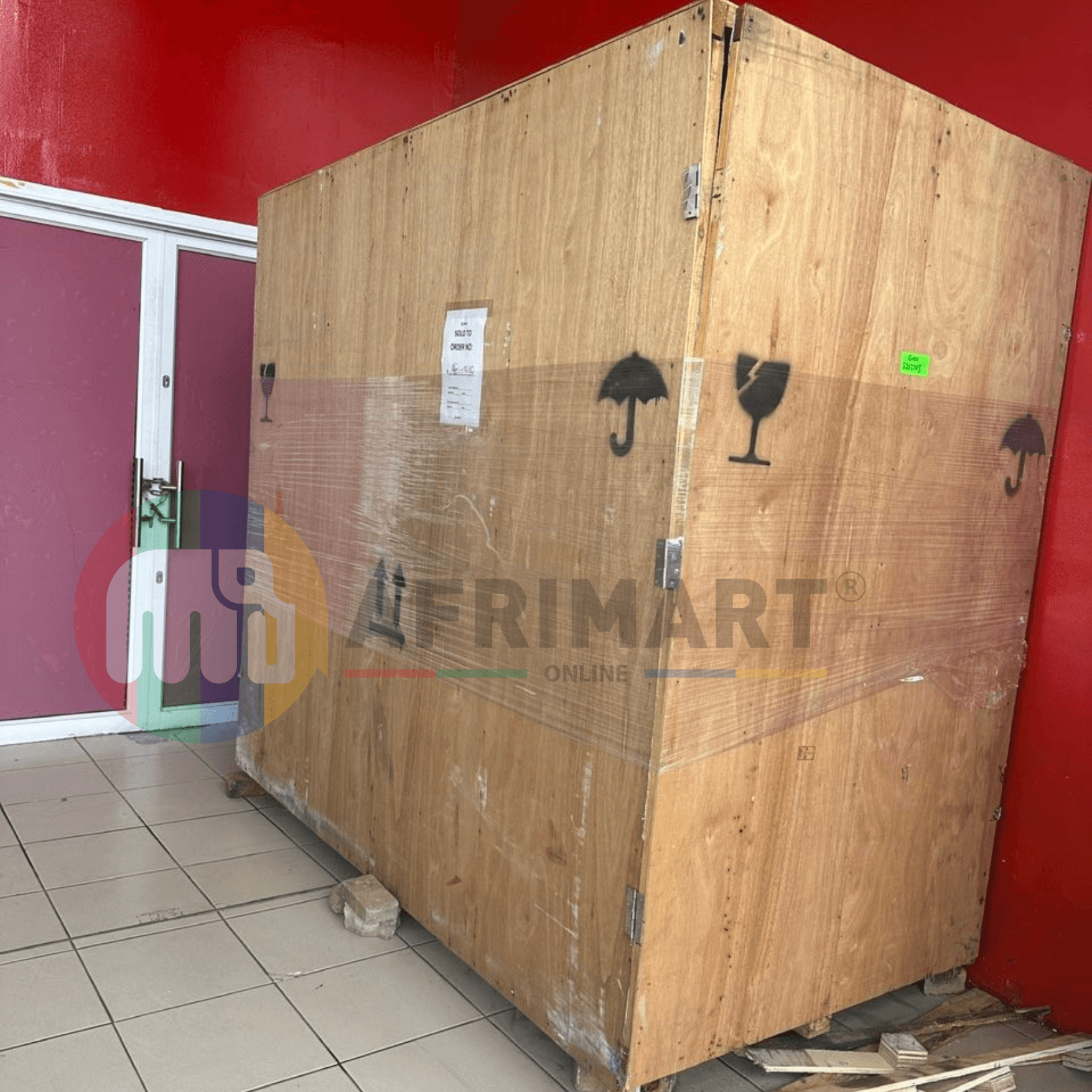
Portable Water Drilling Rig
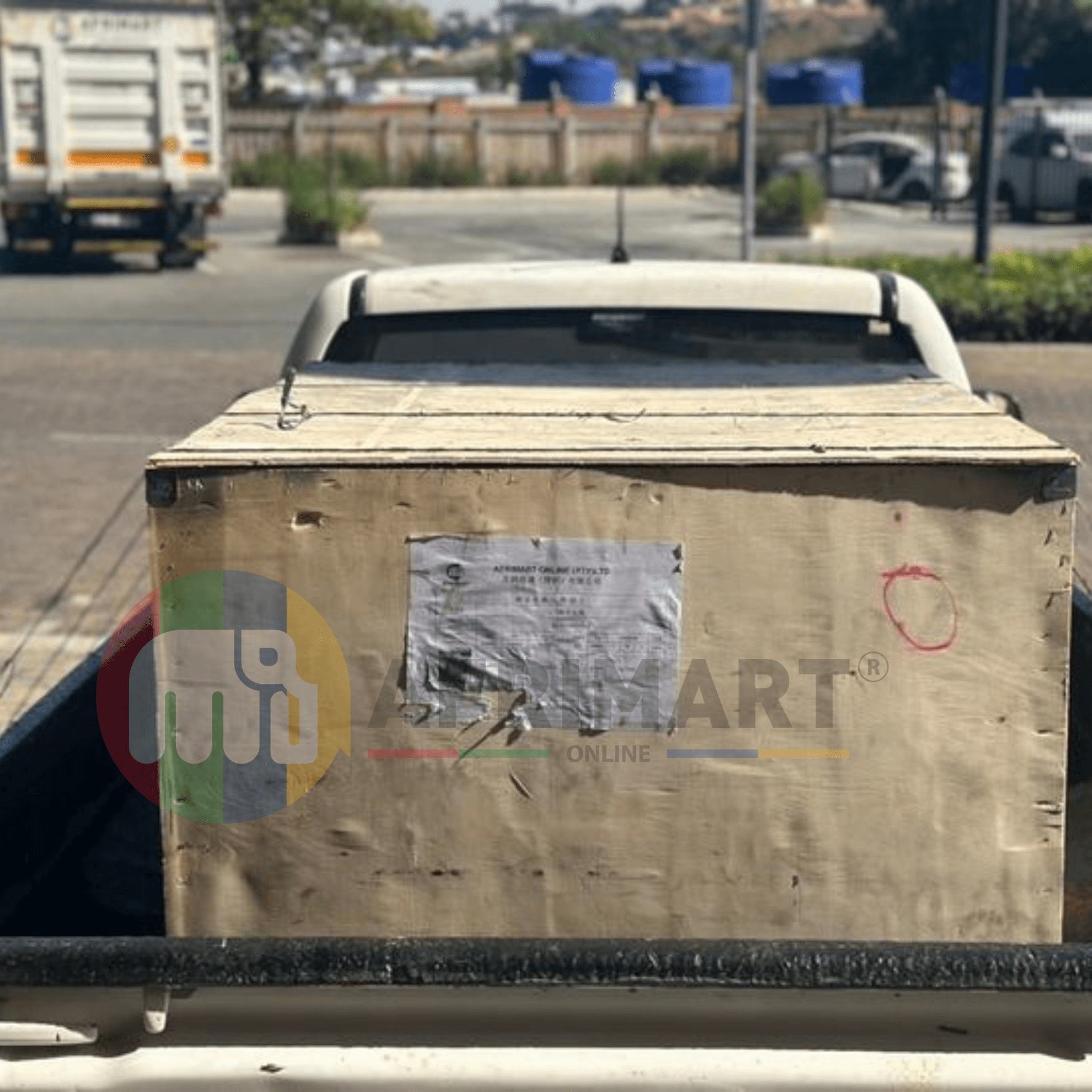
Order Usefully Collected
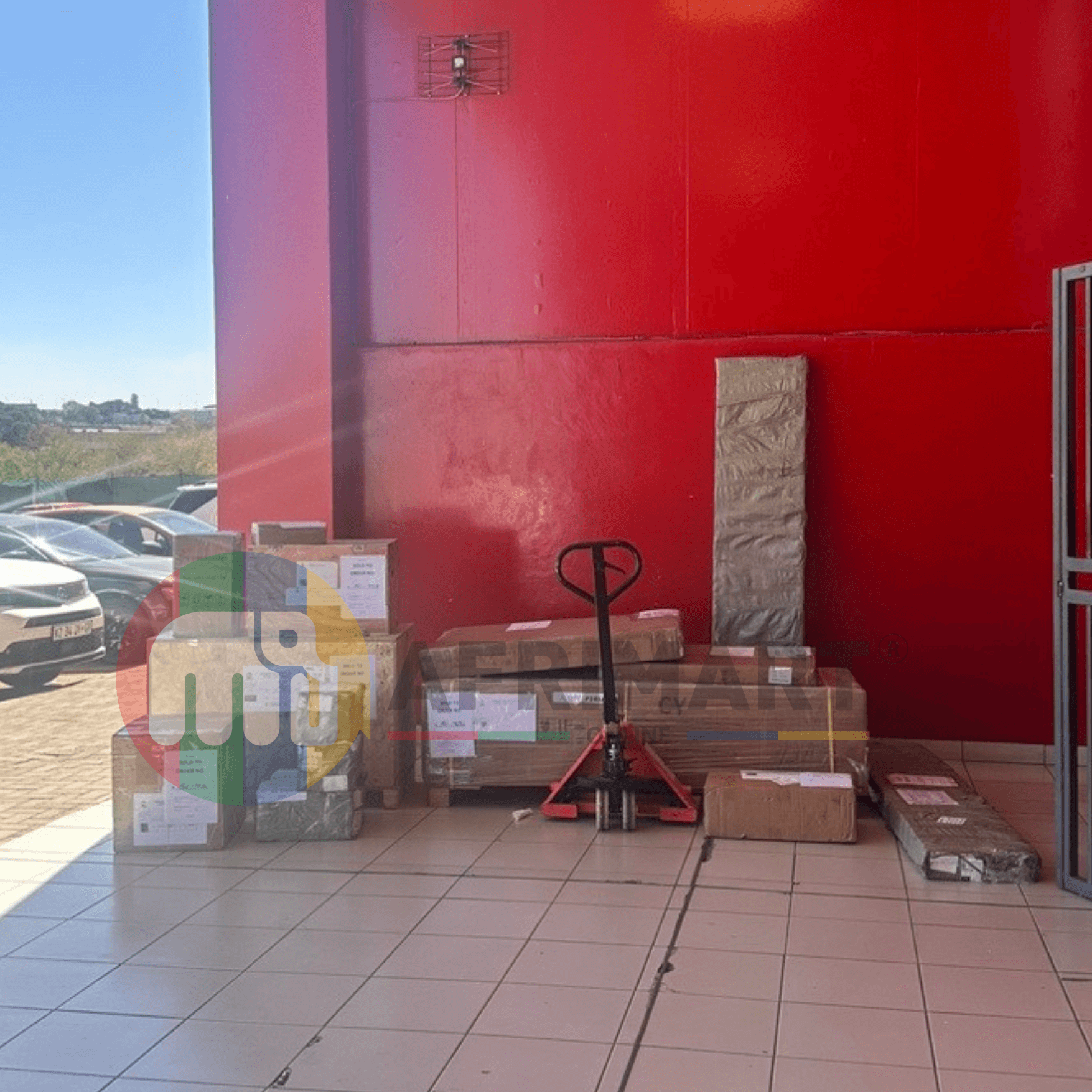
Batch of Orders
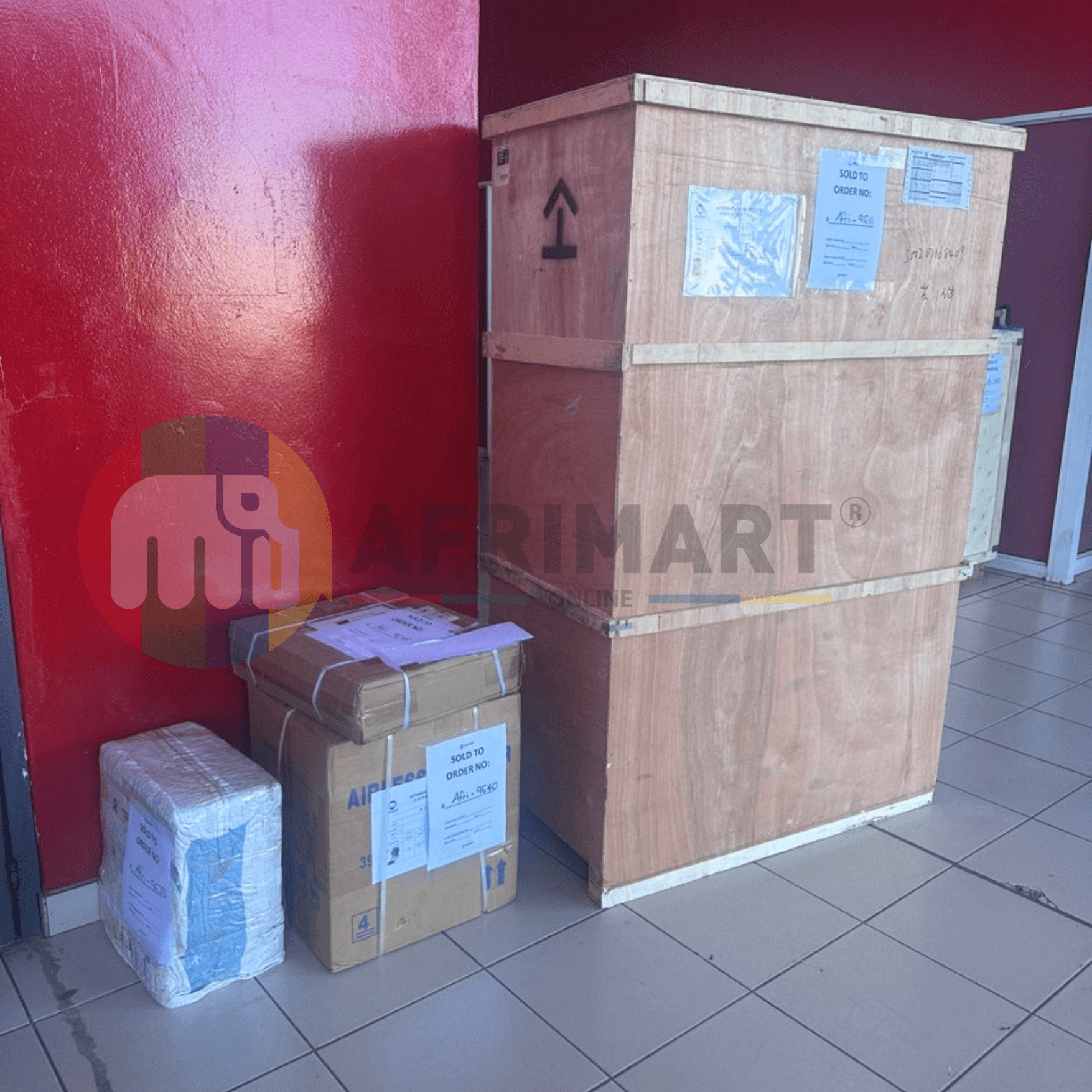
Agriculture Processing Machines
Meat Grinder Machine
Water Pump Equipment
Packaging Machine and accessories
Fabrics Manufacturing Equipment
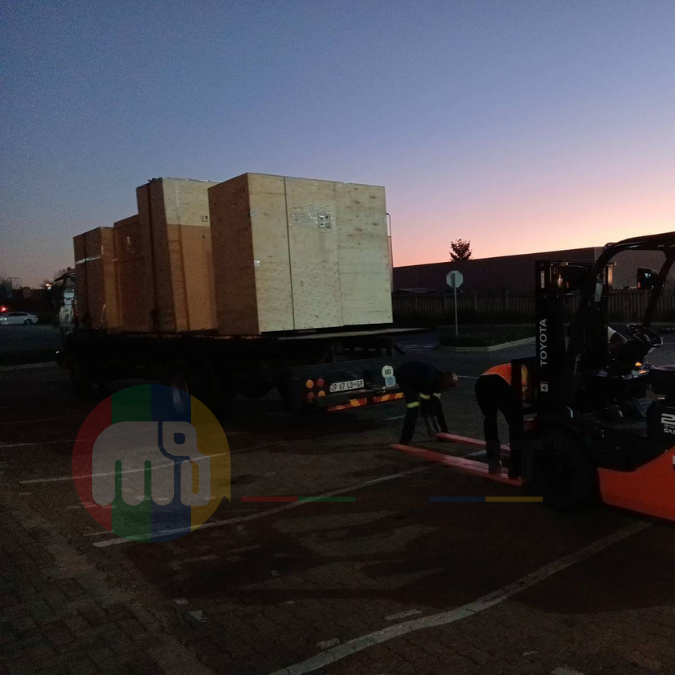
Mining Equipments
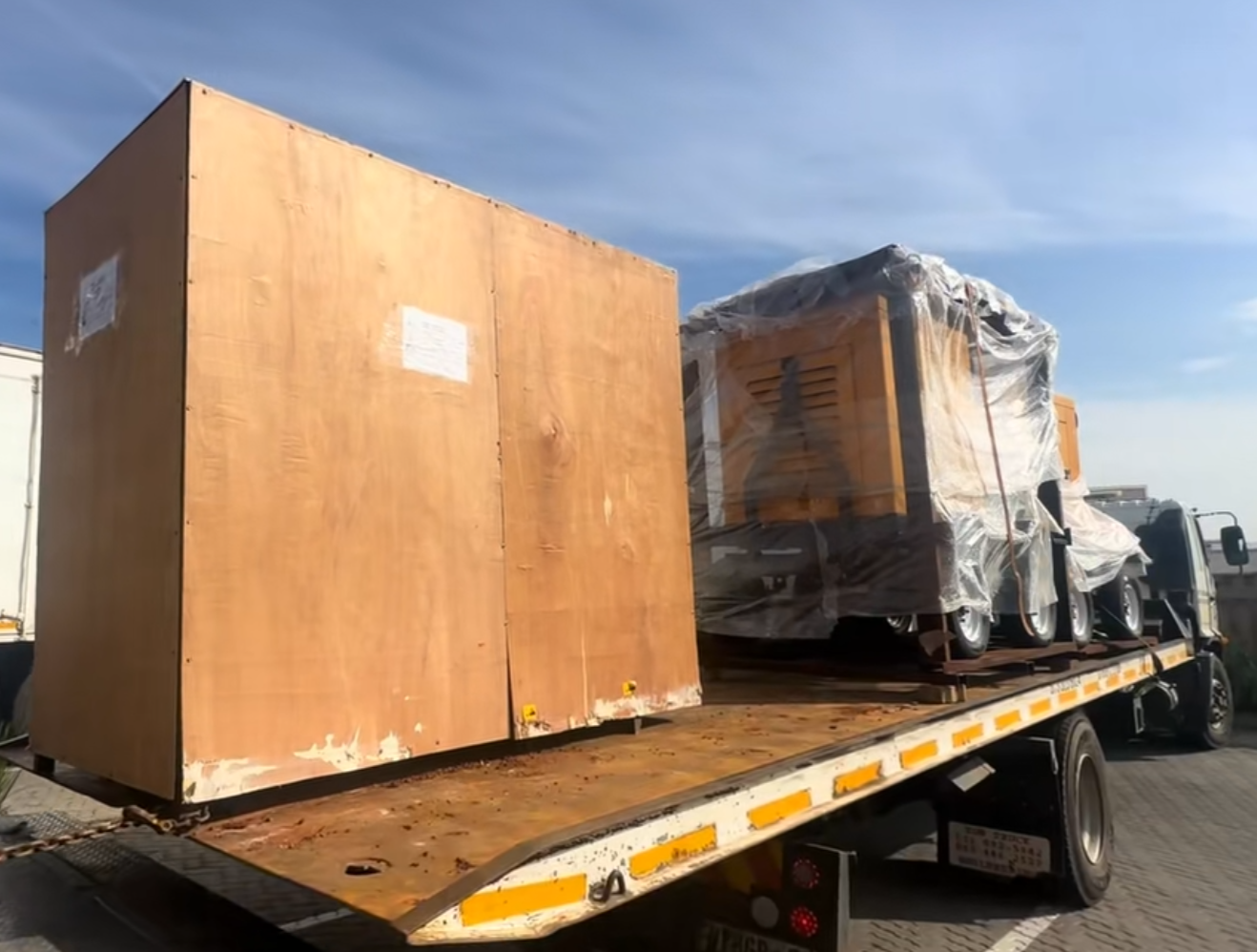
Food Processing Machine
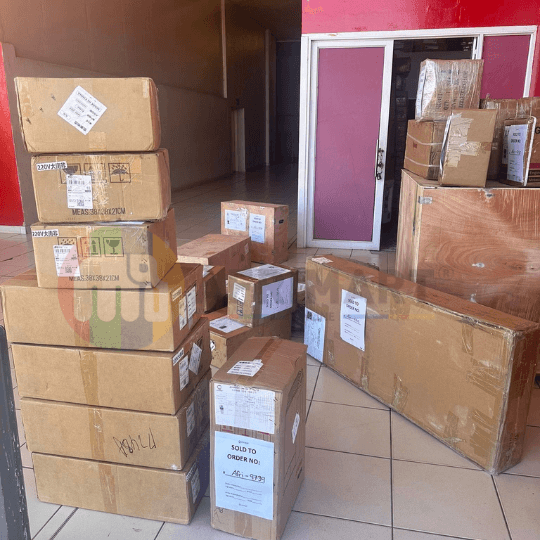
Batch of Orders
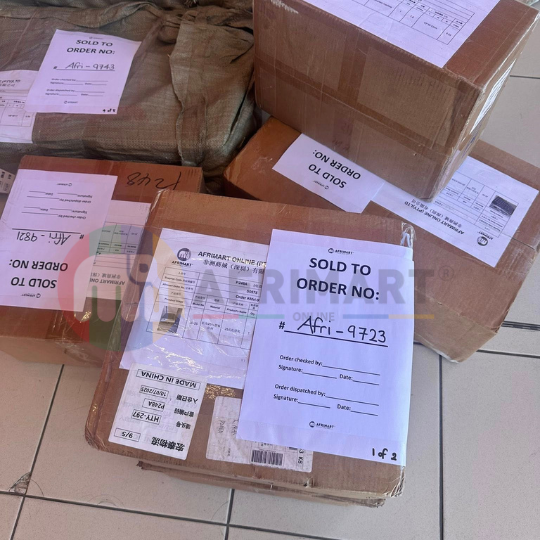
Batch of Orders
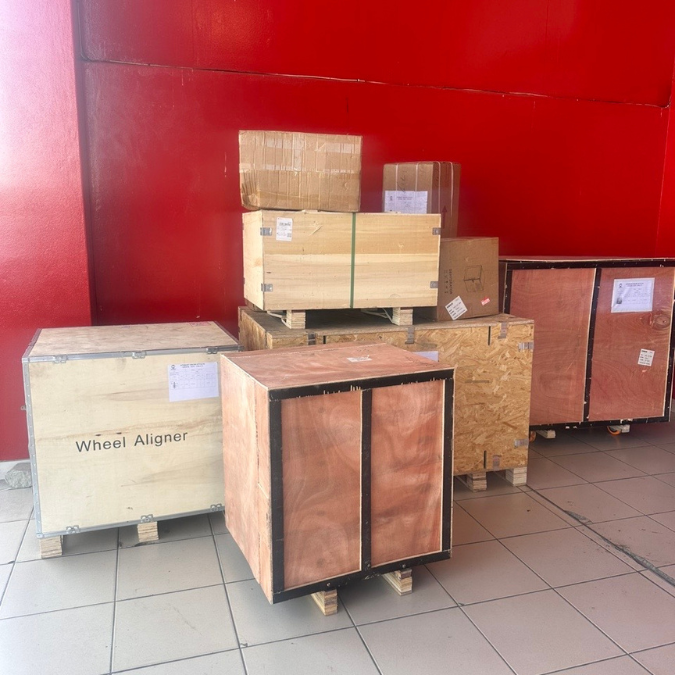
Latest Orders Labelled
wheel alignment machines
new arrivals
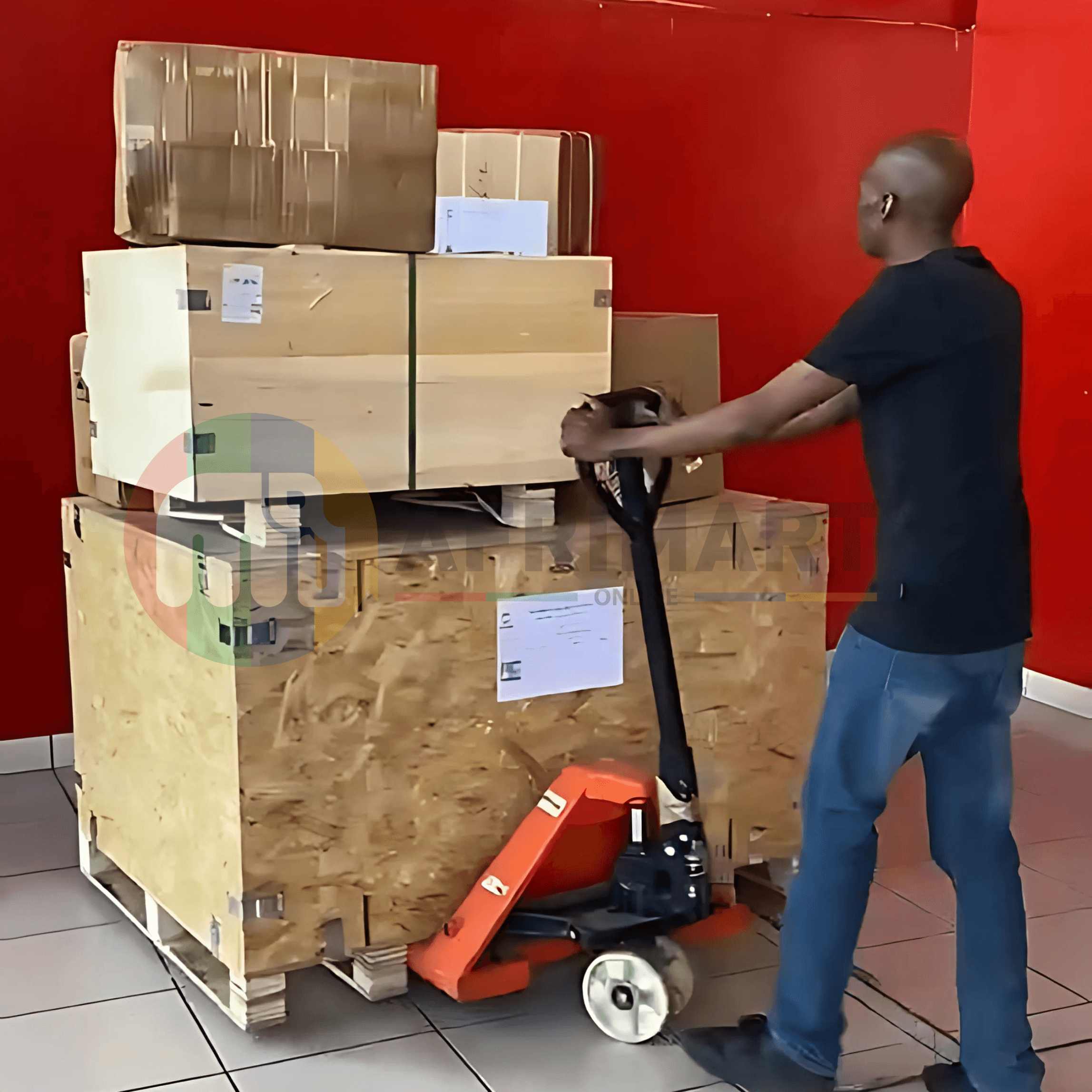
Pre Orders Offloading
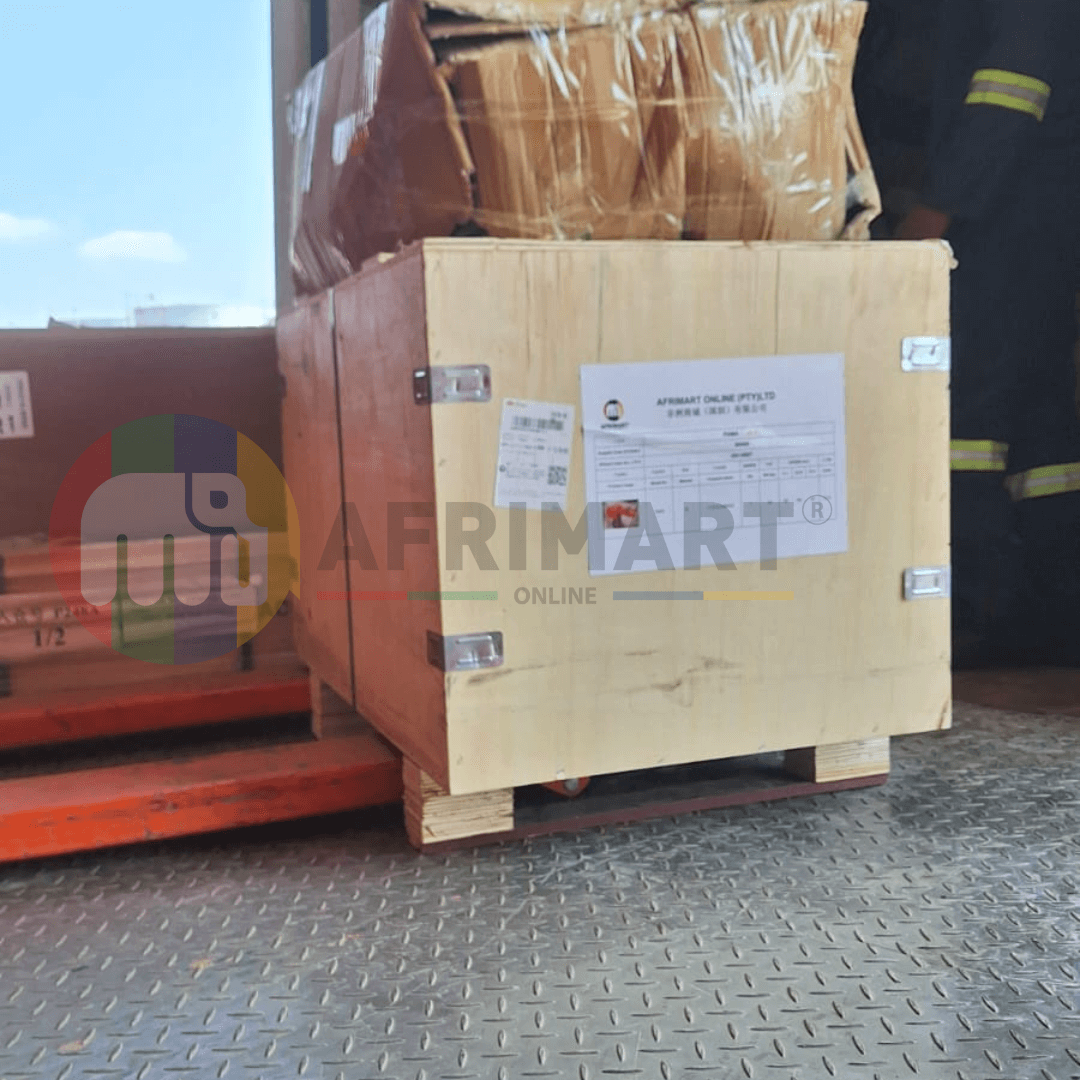
Latest Arrivals
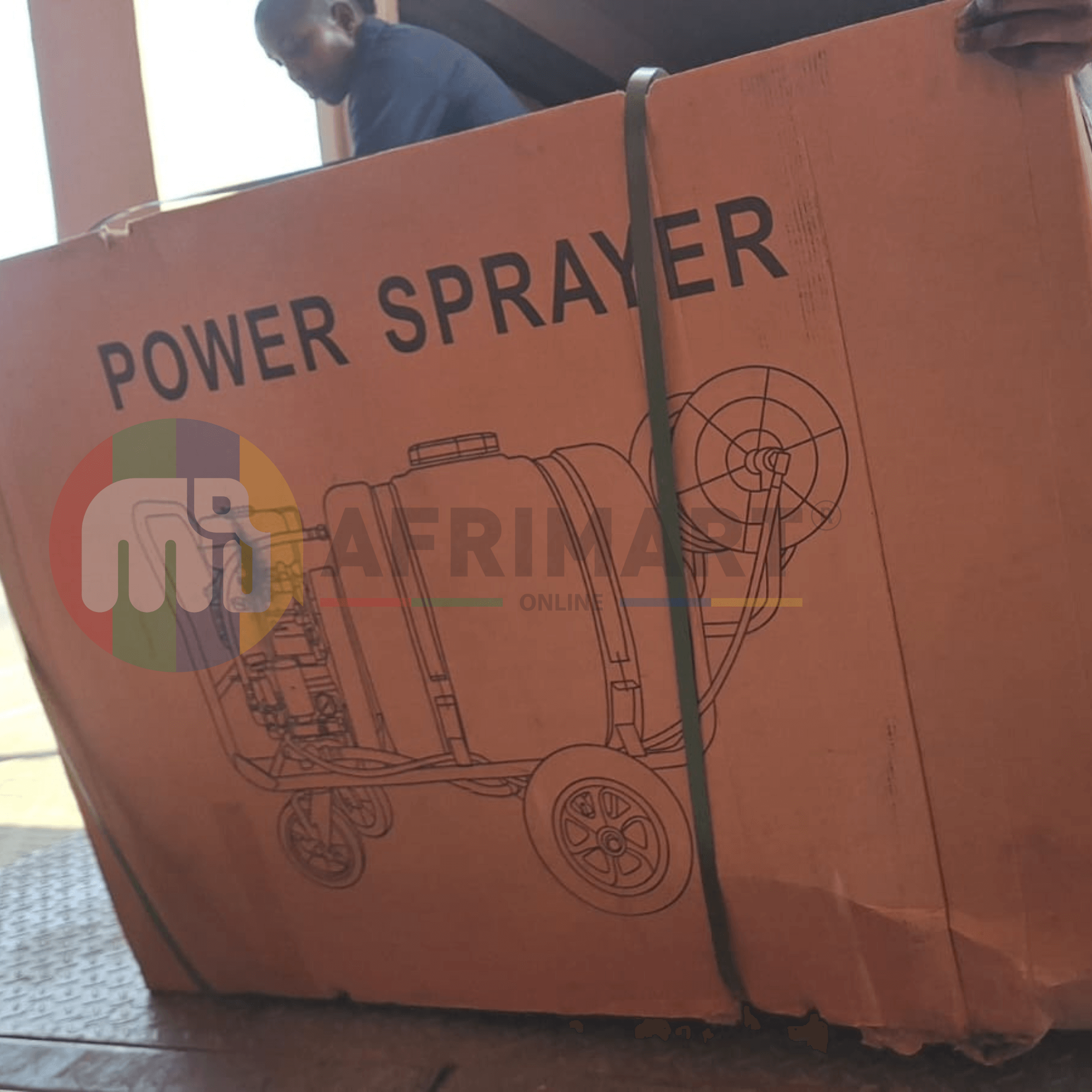
Latest Arrivals
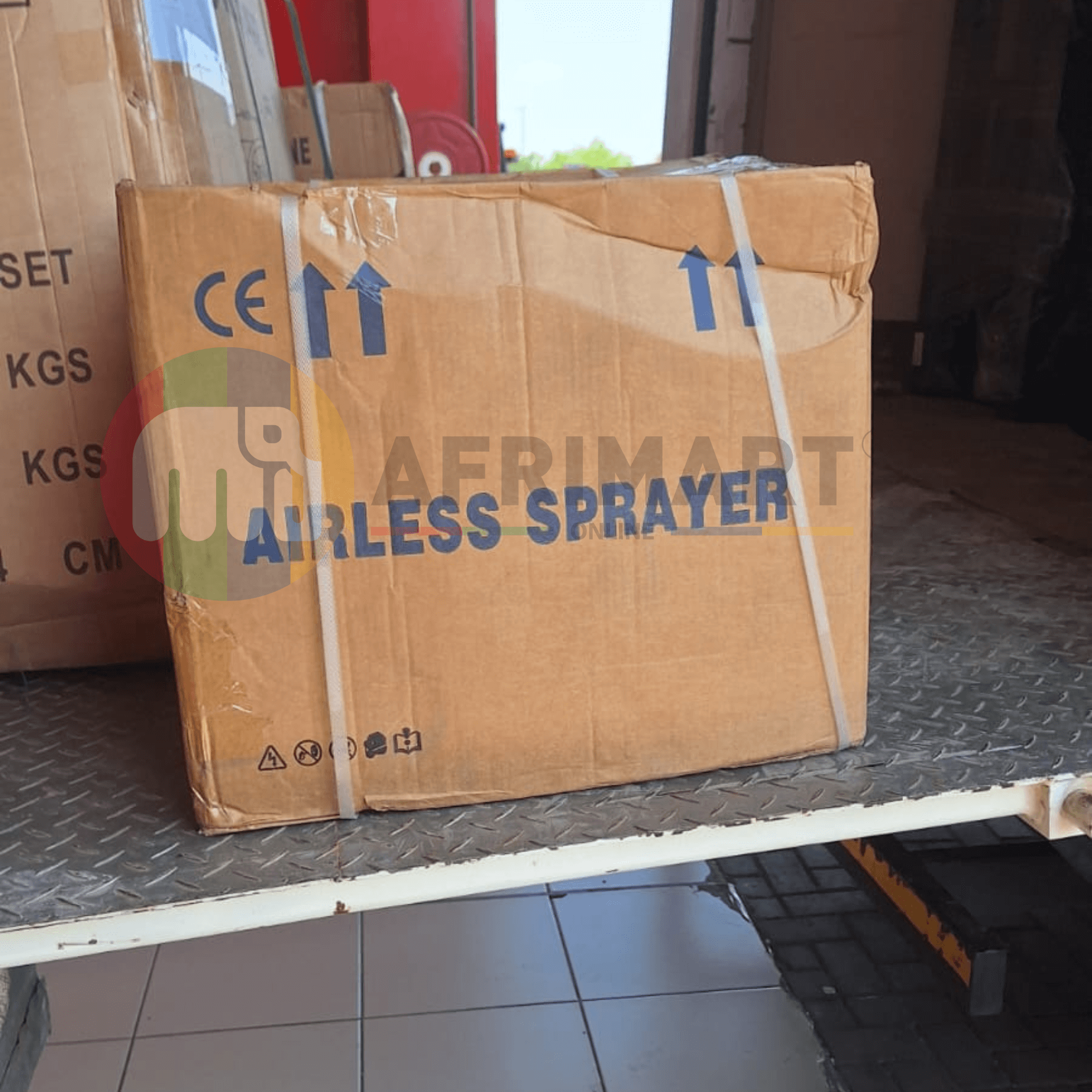
Latest Arrivals
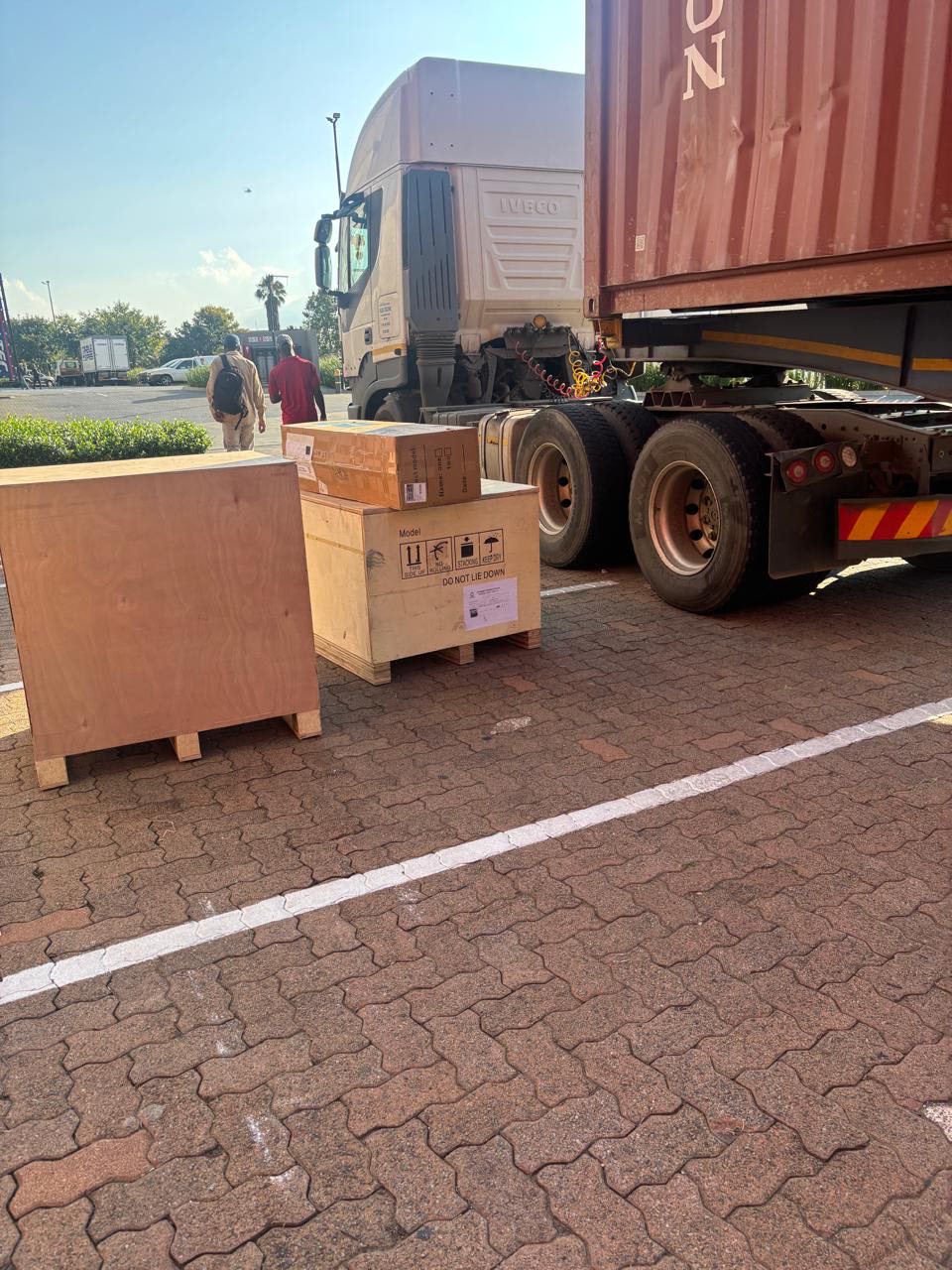
26 January 2026
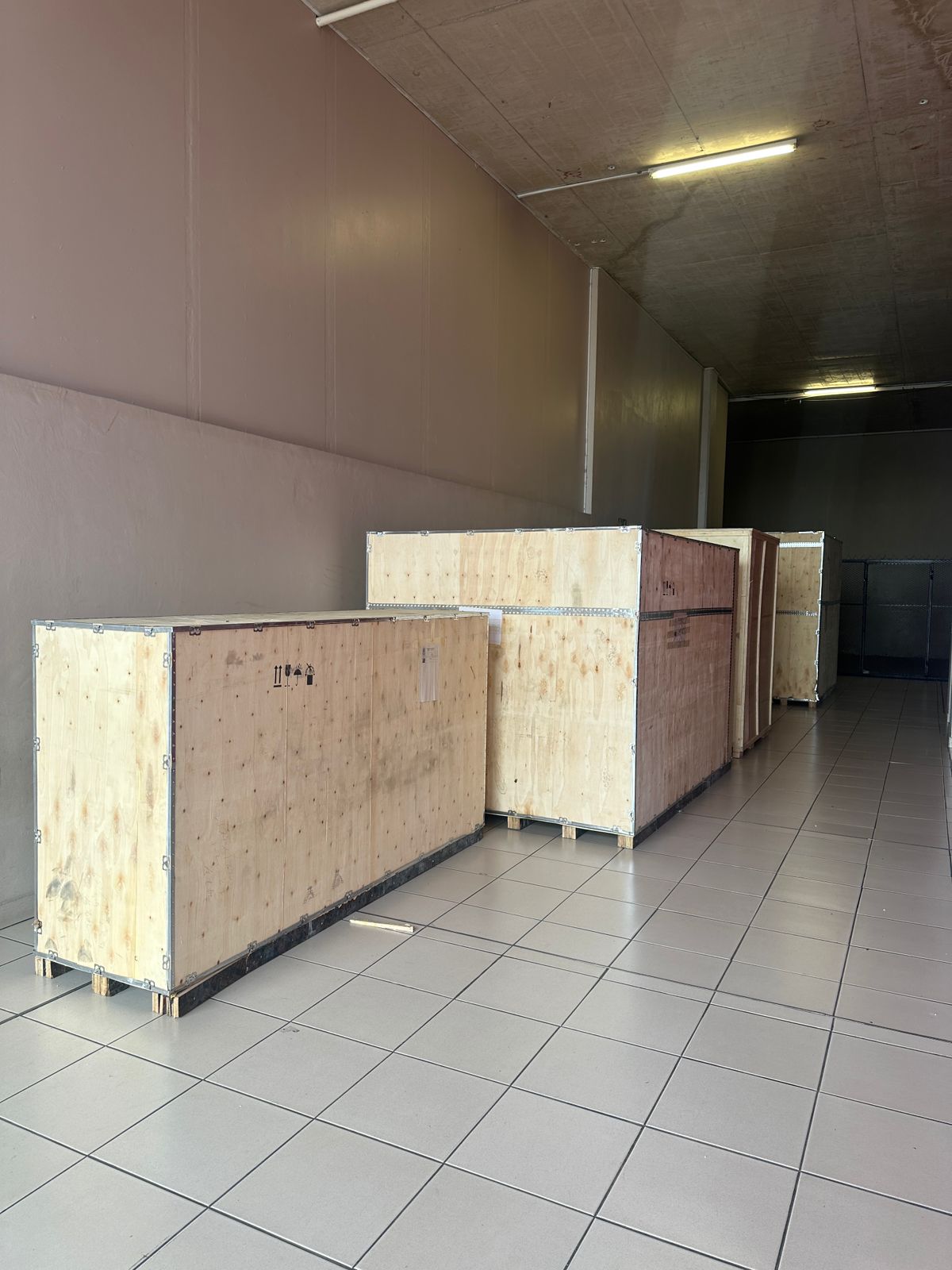
Toilet paper making machine
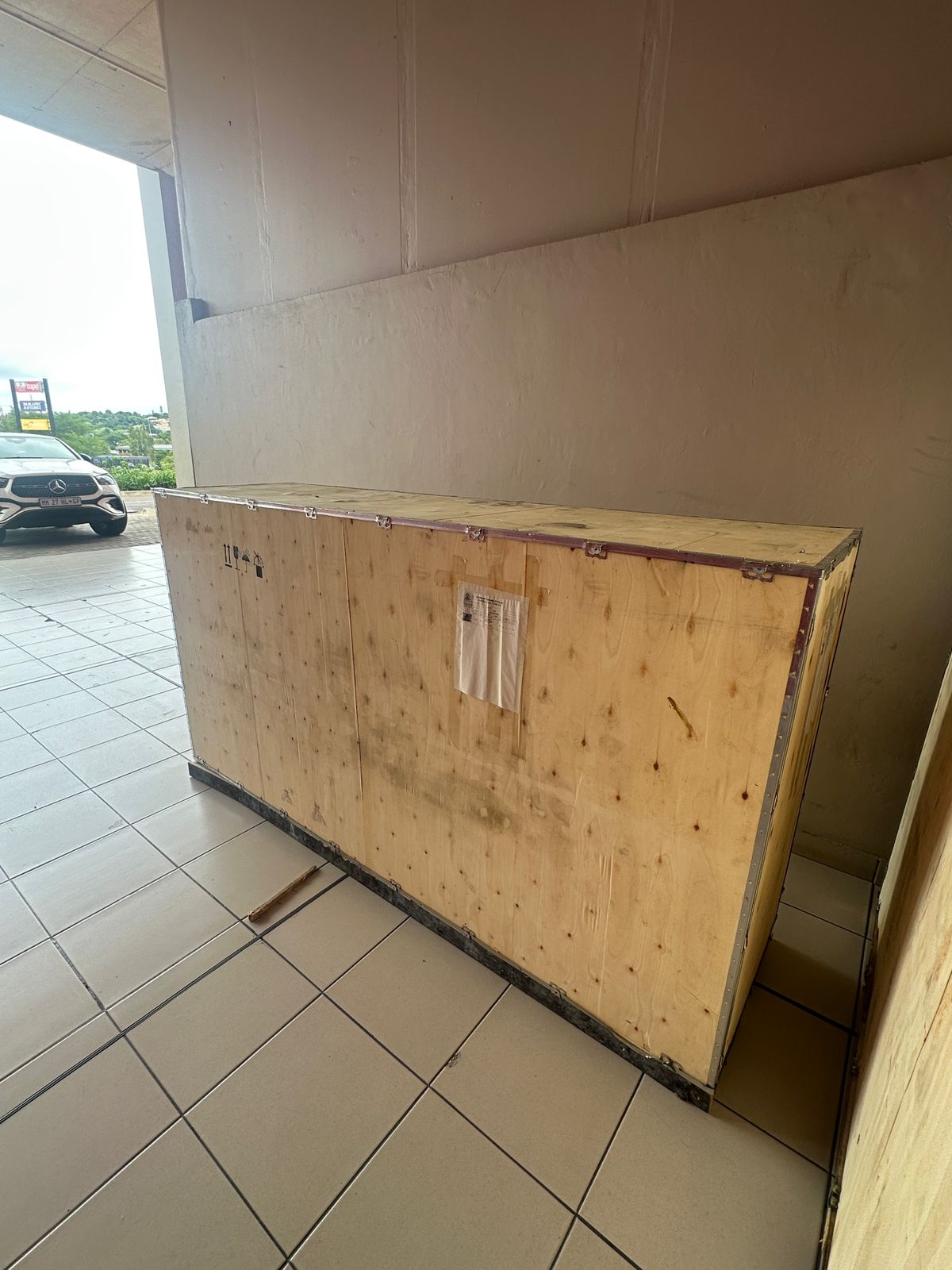
Toilet paper making machine
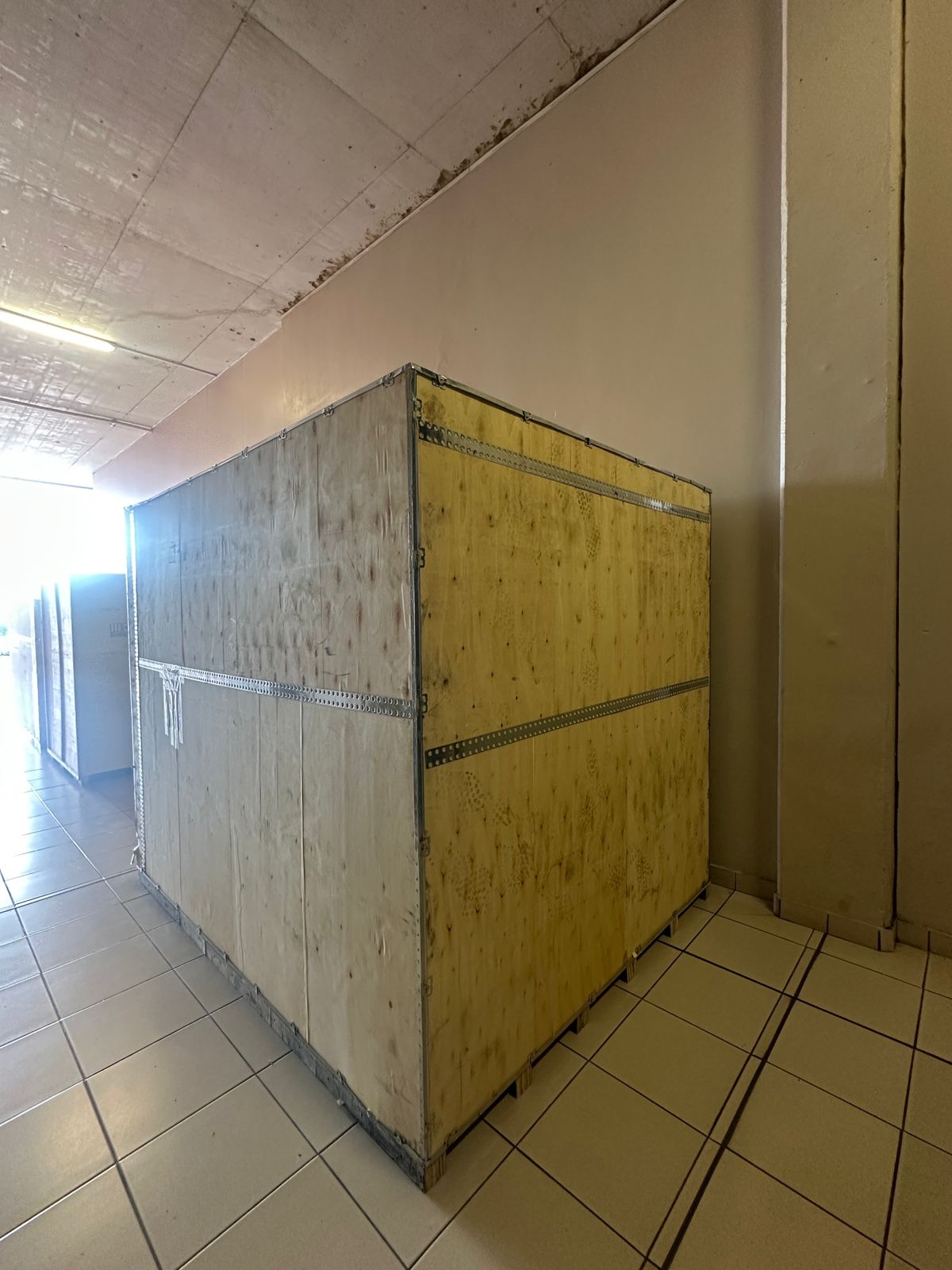
Toilet paper Rewinding Machine
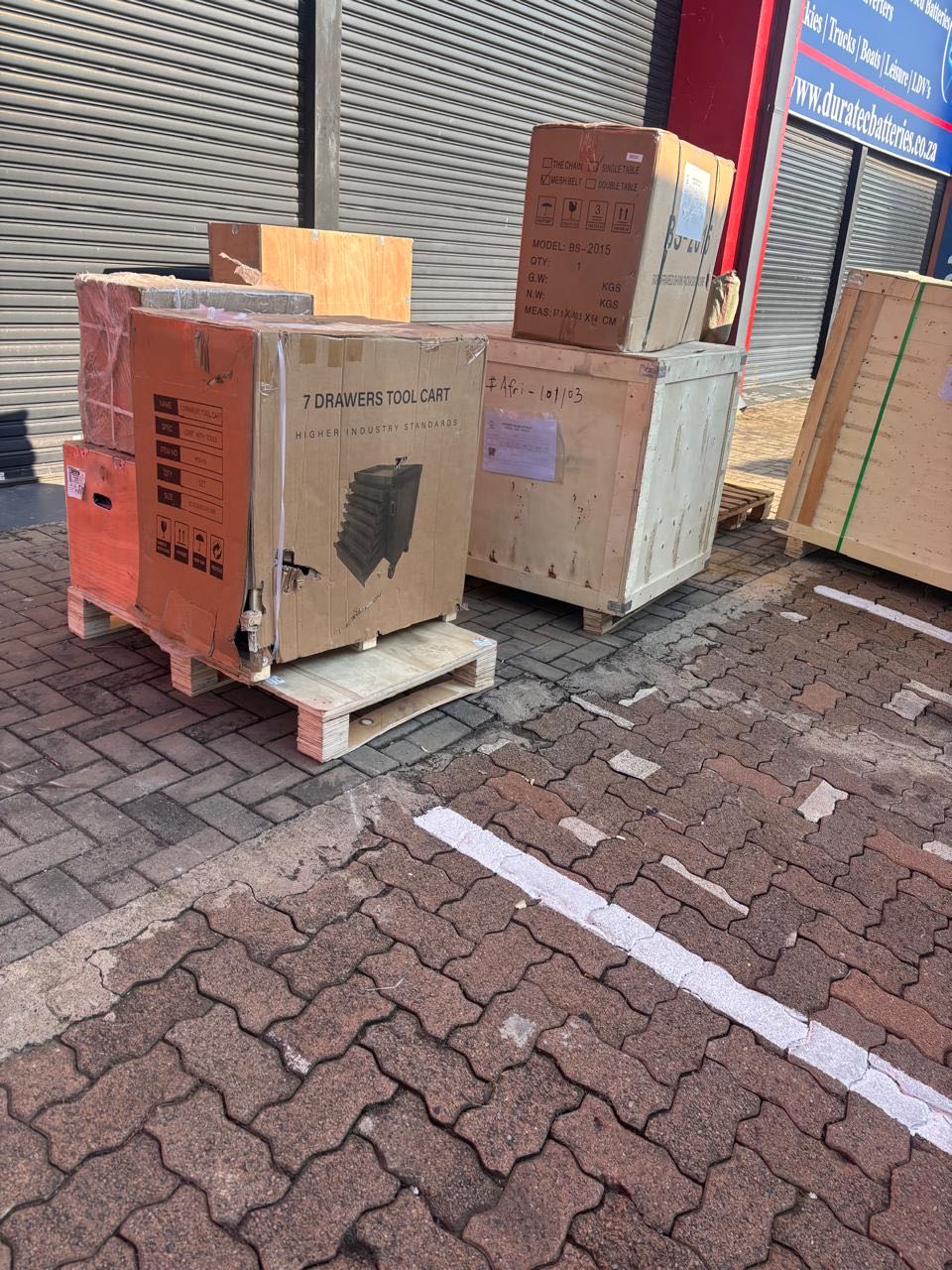
latest arrivals
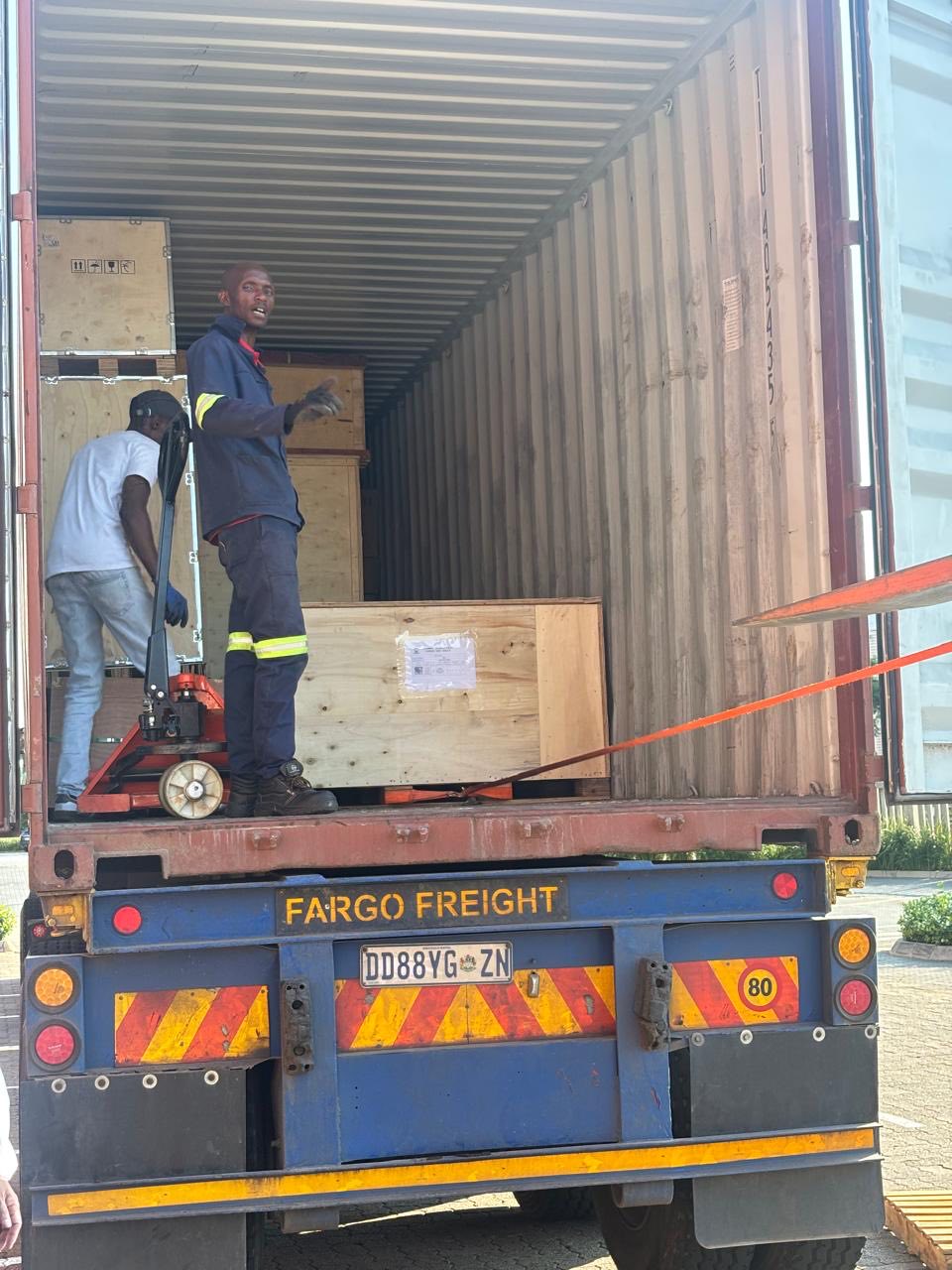
offloading
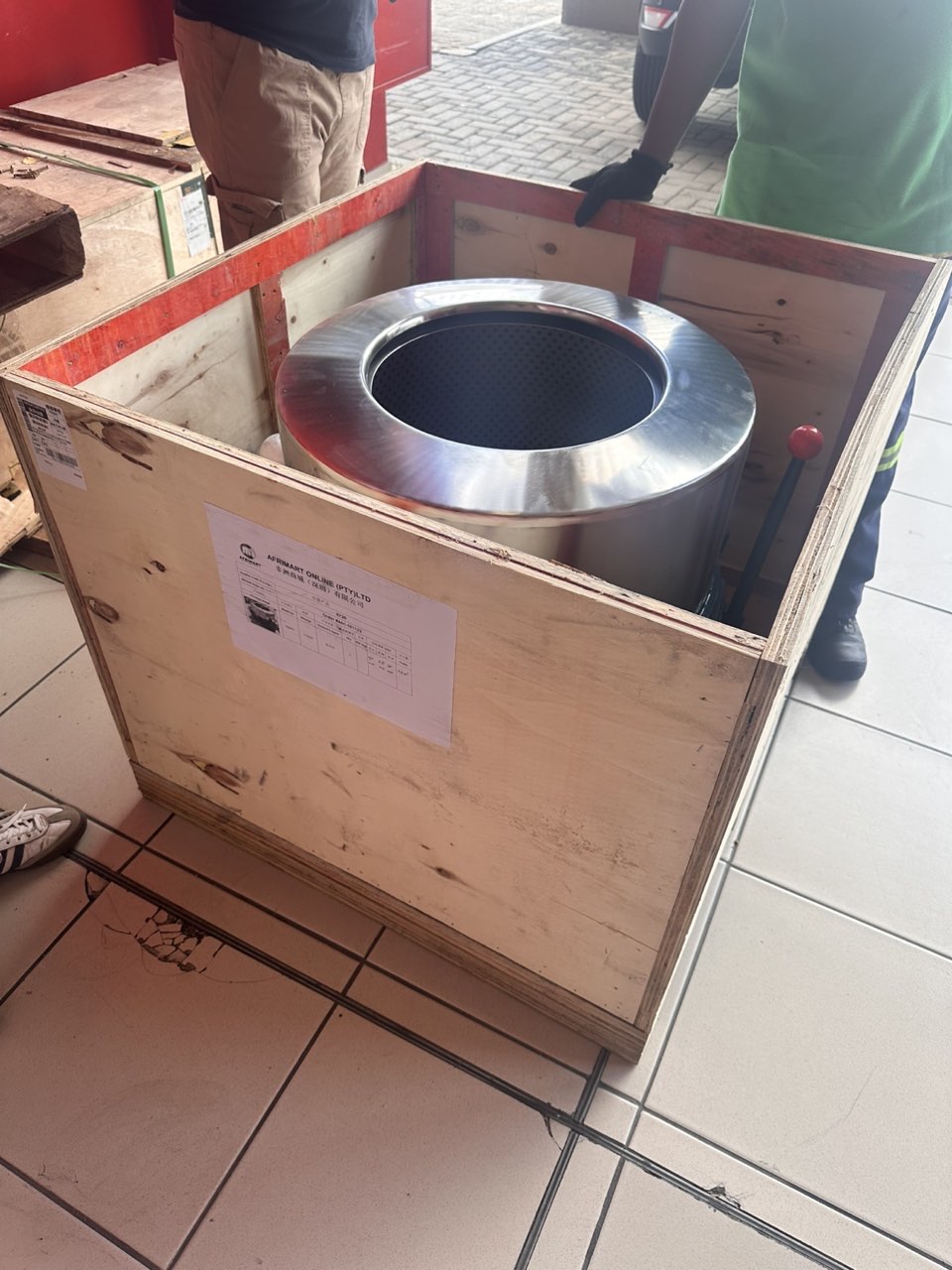
order success
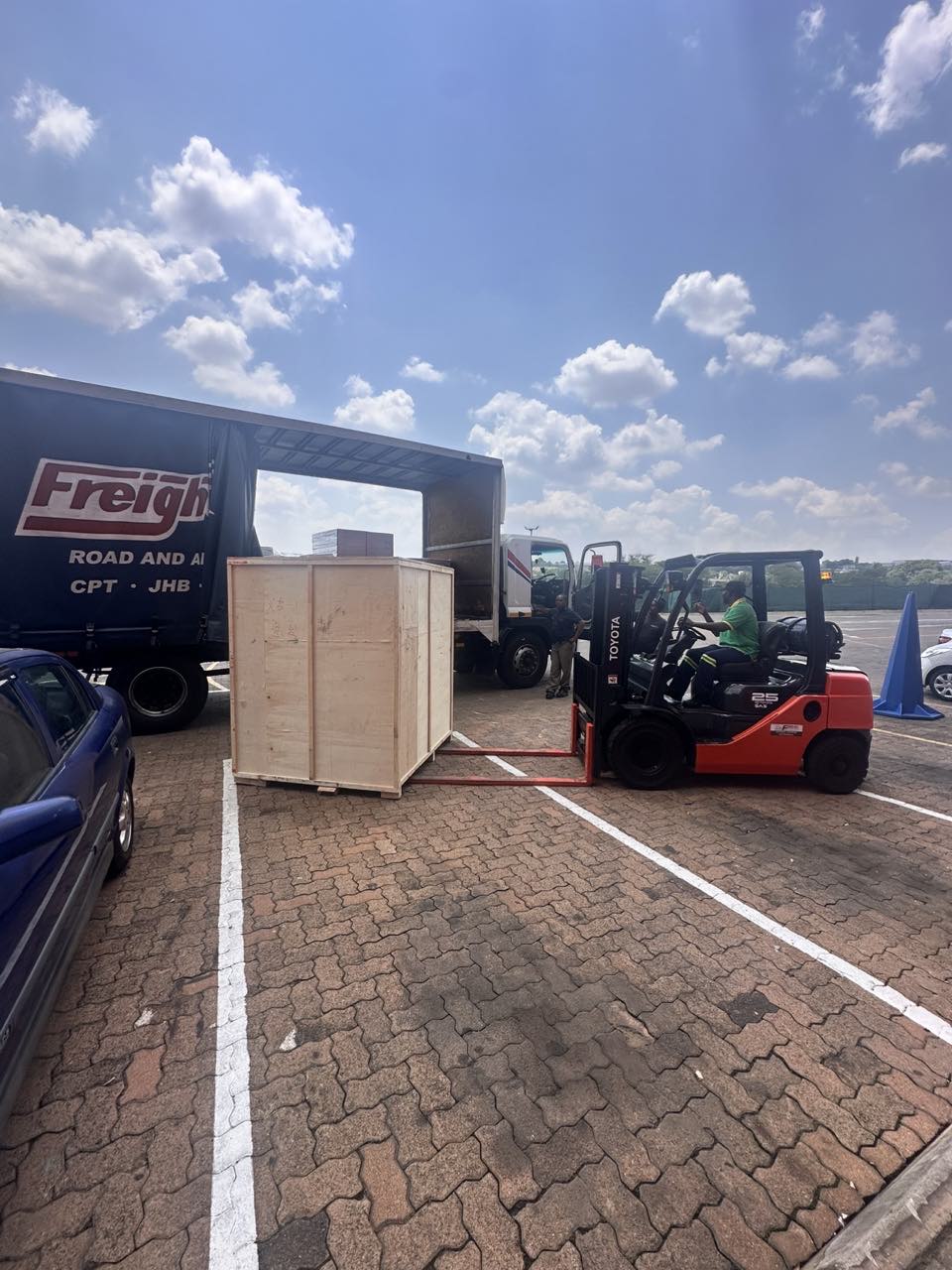
order collection
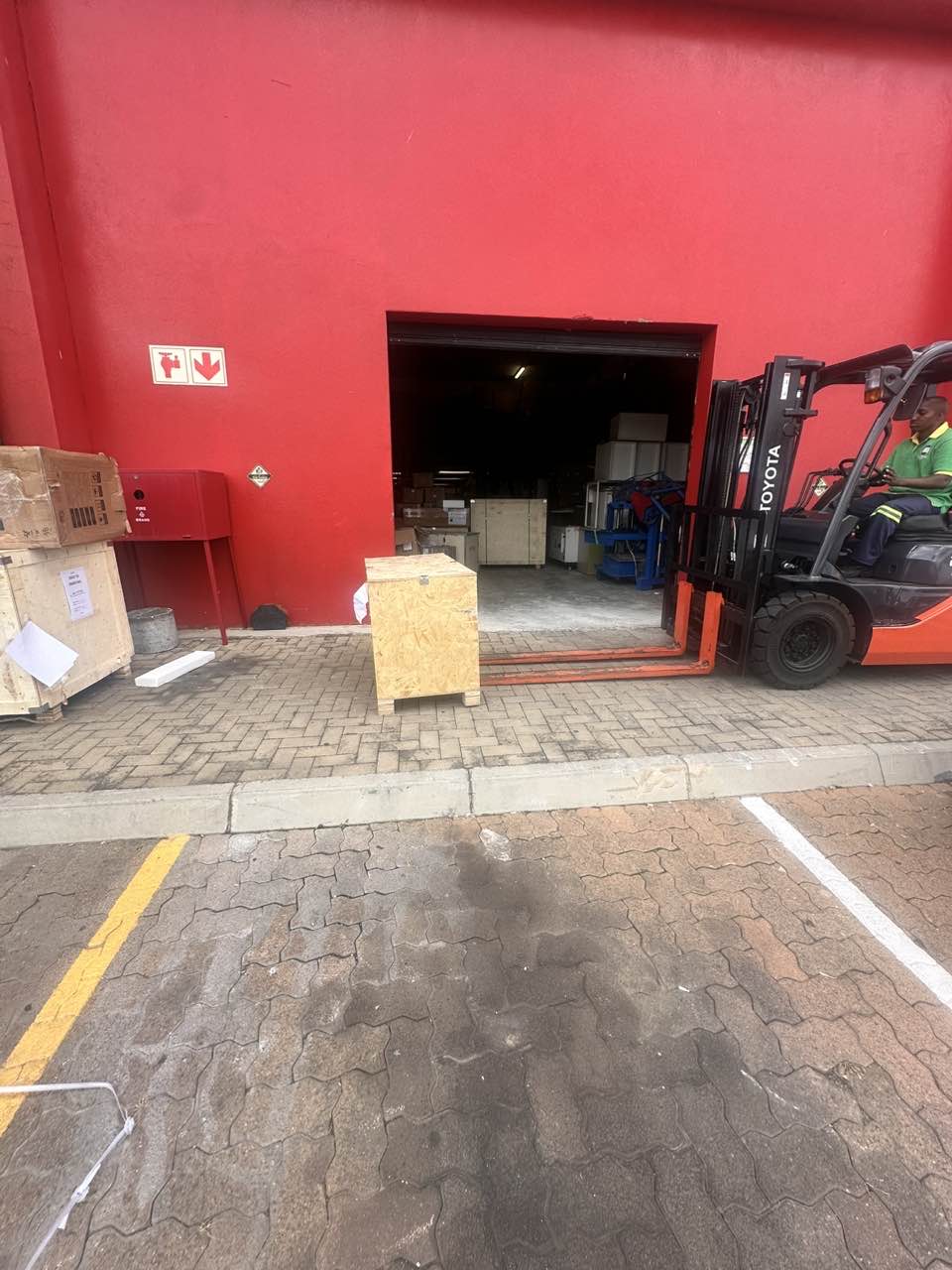
order offloading