B21, China Town Mall, Midrand


Earlybird Mini Core Drilling Rig for Water Wells
Asset finance available
Do you want funding for this equipment?
Afrimart can connect you with trusted funding partners who specialise in asset finance for businesses like yours. Compare options and apply in minutes — final approval is subject to provider review.
Check funding options
Secure & no obligation

- Section : Machinery
- Category : Mining Machinery
- SKU : 1600951766331

Earlybird Mini Core Drilling Rig for Water Wells
Introduction
The Earlybird Mini Core Drilling Rig is a versatile and efficient solution for water well drilling. Designed for both diesel and gasoline operation, this portable rig is ideal for small to medium-scale water well projects. With a drilling diameter range of 80-220mm and a maximum drilling depth of 80 meters, it provides the power and reliability needed for efficient water exploration. Its compact design and easy-to-operate features make it a popular choice for both experienced drillers and beginners in the industry.
Key Features and Benefits
- Power Options: Available in both diesel and gasoline powered versions, providing flexibility to suit your operational environment and power source availability.
- Drilling Diameter & Depth: Capable of drilling holes with a diameter range of 80-220mm and a maximum depth of 80 meters, making it perfect for a variety of water well drilling tasks.
- Compact Design: With dimensions of 1730x860x1360mm, this rig is easy to transport and set up in remote locations, ensuring quick and hassle-free deployment.
- High Drilling Efficiency: Designed for high performance, the rig ensures fast and efficient drilling, saving you both time and labor costs.
- Lightweight & Portable: Weighing just 300 kg, it’s ideal for projects where mobility and ease of transport are critical.
- Easy Operation: Its user-friendly design and controls make it simple for operators to use, even without extensive training.
- Competitive Price: This rig offers great value for money, combining high performance with an affordable price point, making it an excellent investment for water well drilling businesses.
- Customizable: Customization options are available to suit specific operational needs, from drilling depth to power source and mobility options.
- Durability & Longevity: Built with high-quality materials to withstand tough working conditions and provide long-lasting reliability.
Applications
- Water Well Drilling: Perfect for drilling water wells in various environments, including residential, agricultural, and small-scale industrial applications.
- Geological Surveying: Can also be used in basic geological surveys where drilling is required for sample extraction.
- Remote Areas: The compact and portable design makes it suitable for drilling in remote or hard-to-access locations.
Unique Selling Points
- Easy to Operate: Designed with simplicity in mind, making it ideal for operators with little experience.
- Portable & Compact: Its lightweight design and mobility make it ideal for projects in diverse terrains, especially where space and transport are limited.
- High Drilling Efficiency: Delivers consistent results with high drilling efficiency, improving project timelines.
- Customizable Features: Tailored solutions available to meet the specific needs of your drilling projects.

Features:
This well-drilling machine is the ideal tool for drilling and drilling of sound measuring pipe, family draught well, air-conditioning well, vegetable garden well, and it is the ideal tool for workers engaged in well-drilling and surveying.
1、Diversification of power: it can use gas-oil engine as power, and it can also disassemble single-phase electricity and three-phase electricity as power.
2、Wide range of adaptability: Because it covers an area of less than 1 square meter and its height can be controlled at about 2.6 meters, it can be used in the field or indoor.
3, the practical ability is wide: can dredge the sound pipe, available auger rod drilling and punching column holes, can also be used to take samples of the cylinder, but also with positive and negative circulation of water drilling wells.
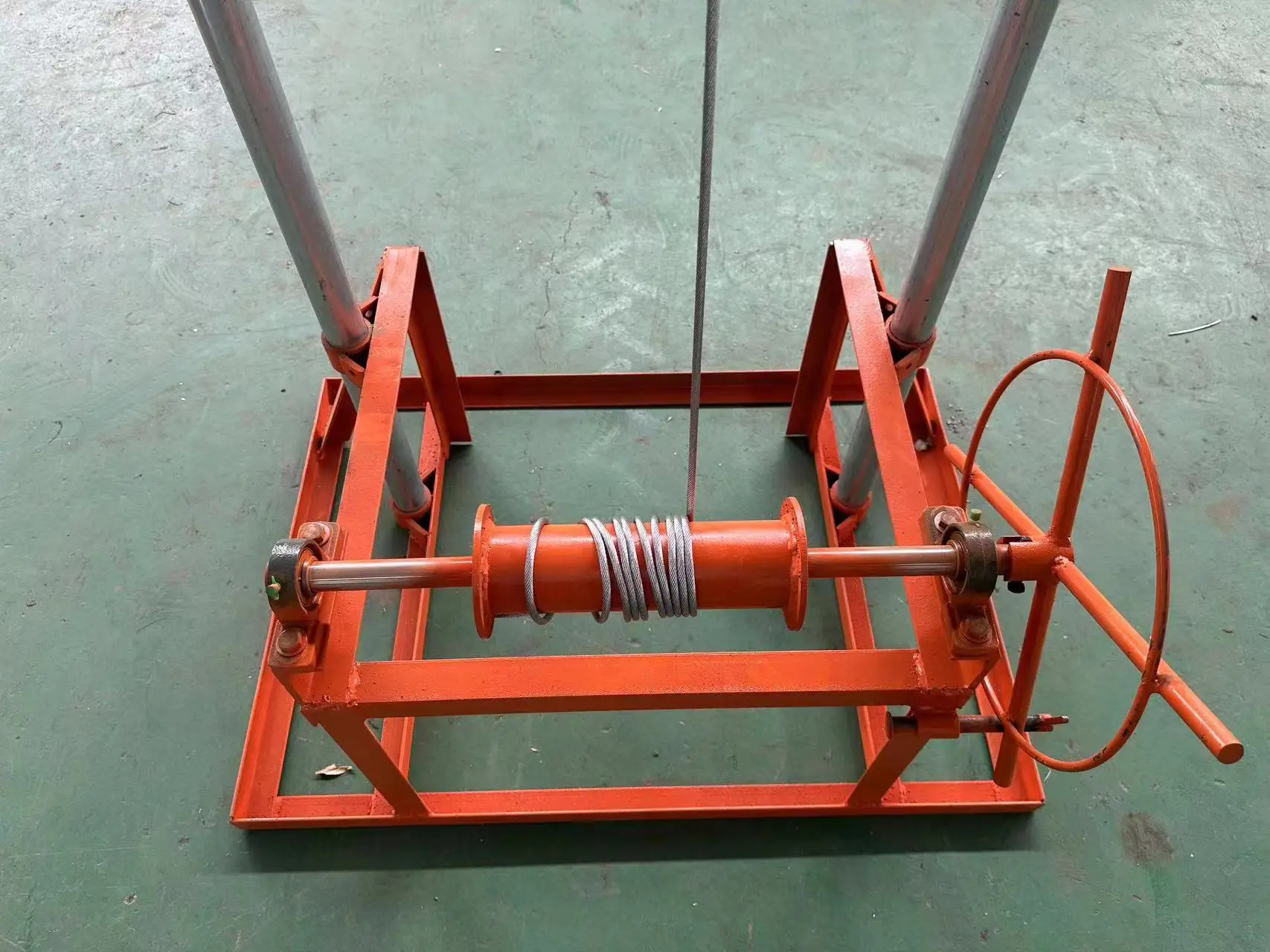
Winch
Convenient to lift the drill, reduce the labor intensity of manual operation, save time and effort. Machine base Exquisite workmanship, high bearing capacity is durable and reliable quality.
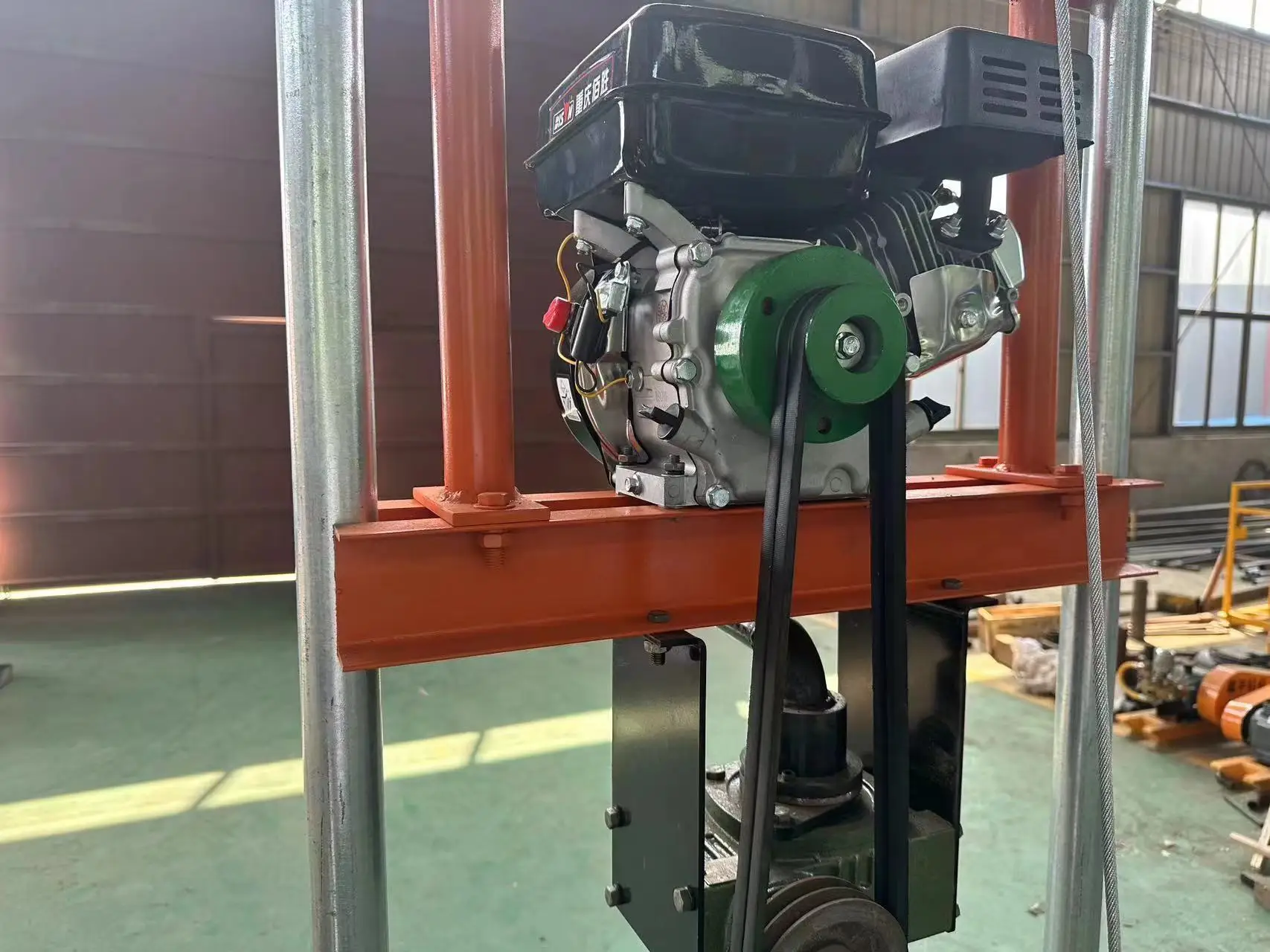
Gasoline engine
Uses gasoline engine power, or can be removed and replaced with two-phase or three-phase electricity for power. Gearbox Increase the torque of the drilling rig and improve the drilling efficiency.
| Drilling rig model | EB-200 |
| Overall dimension | 1900*1100*2600 |
| drill weight | 620KG |
| Applicable voltage | Diesel/Electric/Hydraulic Power |
| Pump power | 4 inch centrifugal pump |
| Drilling and crushing method | Impact Rotary |
| lift height | The highest point of the machine is 2.7 meters |
| Drill pipe length | 1.5M |
| Color | Can be customized |
- Shipping Timeframes: All orders are processed within 2-5 business days (excluding weekends and holidays). After your order has been processed, the estimated delivery time is before 04 Aug, 2026, depending on customs, Please note that due to high demand, some items may experience longer shipping times, which will be communicated at order confirmation email.
- Order Processing Time: Please allow 2-5 business days for us to process your order before it is shipped . Orders placed after 16:00 on Fridays, or during weekends and public holidays, will begin processing on the next business day. Processing times may be extended during peak seasons or sales events.
- Manufacturing Time: Some products needs manufacturing time, the manufacturing process will take approximately 10-30 business days depending on the product. This timeframe may vary depending on the complexity of the product and current demand. but this will be communicated with you during order confirmation.
- Returns and Exchanges: We offer a 30-day return policy for most items. If you are not completely satisfied with your purchase, you may return it within 30 days of receipt for a refund or exchange. Items must be unused, in their original packaging, and accompanied by proof of purchase. Return shipping costs are the responsibility of the customer, unless the item was damaged or defective upon arrival.
1. What drilling diameter and maximum depth can the Earlybird Mini Core Drilling Rig achieve?
The rig is designed to drill hole diameters from 80 mm to 220 mm with a maximum practical drilling depth of up to 80 meters (depending on soil/rock conditions and tooling).
2. What power options are available for this rig?
Multiple power options are offered: diesel and gasoline engines are standard, and the rig can also be configured for single-phase or three-phase electric power. Some configurations support hydraulic power as well.
3. What are the rig's dimensions and weight? Is it truly portable?
There are compact mini configurations and a larger EB-200 configuration. The mini dimensions are approximately 1730 × 860 × 1360 mm with a gross weight around 300 kg. The EB-200 variant measures about 1900 × 1100 × 2600 mm and weighs about 620 kg (highest point up to ~2.7 m). The mini version is lightweight and portable for transport on small trailers or vehicles; larger variants require heavier transport.
4. Which drilling methods and tasks can this rig perform?
The machine supports core/rotary drilling, impact rotary (where applicable), auger drilling, pipe casing installation, and sample (cylinder) extraction. It can also perform water-flushing drilling with positive and negative circulation suitable for many water-well and basic geological surveying tasks.
5. What accessories and standard components come with the rig?
Typical components include the engine (diesel/gasoline/electric), winch for lifting drill strings, gearbox, drill pipes (commonly 1.5 m lengths), and a centrifugal pump (4-inch on some configurations). Specific inclusions vary by package—confirm exact accessories with the supplier.
6. How easy is it to operate the Earlybird Mini Core Drilling Rig?
The rig is designed for user-friendly operation with simple controls, making it suitable for operators with limited experience. Basic training is recommended to ensure safe and efficient use.
7. Can the rig be used in remote or indoor locations?
Yes. Its compact footprint (less than 1 m² for the mini version) and controllable working height (about 2.6–2.7 m) allow use in confined or remote sites. Choose the power option (e.g., engine vs. electric) appropriate for site access and ventilation constraints.
8. What maintenance is required to keep the rig reliable?
Regular maintenance includes engine servicing, gearbox and winch inspections, lubrication of moving parts, checking drill pipes and connections for wear, pump and circulation system checks, and replacing worn bits and seals. Follow the manufacturer's maintenance schedule and use recommended lubricants and parts.
9. Is customization available to match specific project needs?
Yes. Customization options commonly include different power sources (engine/electric), extended drilling depth packages, alternate pump or winch options, mobility/transport solutions, and color or control-system preferences. Discuss your project requirements with the supplier for a tailored configuration.
10. What types of sites and projects is this rig best suited for?
It's ideal for small- to medium-scale water-well drilling for residential, agricultural, and small industrial uses, basic geological surveying, environmental sampling, and sites with limited access where a compact rig is advantageous.
11. How does ground condition affect performance and what soils can it handle?
Performance and advance rates depend heavily on geology. The rig handles unconsolidated sediments, sands, gravels and many softer rocks well. Extremely hard rock or very abrasive formations may require specialized bits, impact/hammer systems, or a larger rig—consult the supplier with site geological details for suitability and tooling recommendations.
12. What safety features and precautions should operators follow?
Operators should use appropriate PPE (helmets, gloves, eye and hearing protection), ensure the rig base is stable and level, verify emergency-stop and control functions, ground electrical versions properly, and follow the operator manual for safe lifting and handling of drill rods. Only trained personnel should operate or maintain the machine.
13. Are spare parts and after-sales support available?
After-sales support and spare parts availability depend on the supplier/distributor. Most suppliers offer replacement parts (drill rods, bits, seals, belts) and technical support or training—confirm warranty terms, lead times and local parts support when ordering.
14. How quickly can the rig be set up and mobilized on site?
Setup time varies with configuration and crew experience. The compact mini version is designed for quick deployment and can typically be set up in a short period by a small crew. Larger variants (e.g., EB-200) will take longer and may require additional lifting or transport preparations.
15. How do I order the rig or get a site-specific quote and technical consultation?
Contact the supplier or dealer with your project details—desired drilling depth and diameter, ground conditions, preferred power source, access and transport constraints, and any customization needs. The supplier can provide quotations, configuration options, lead times, shipping, training and installation support.
Latest Order Arrivals
Discover our latest orders
12 Heads Embroidery Machine
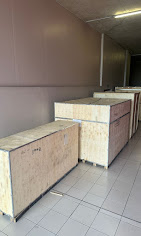
Toilet Paper Machine Machine
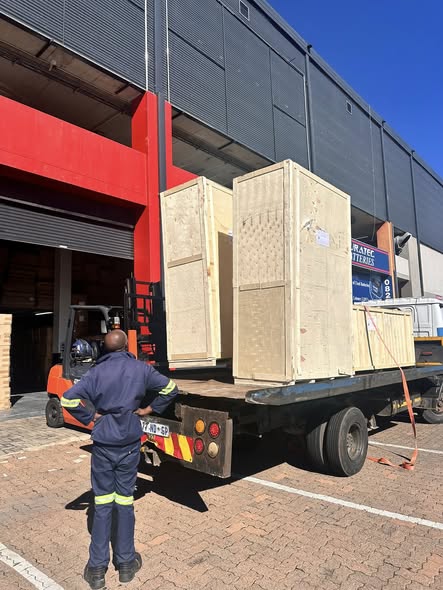
Order Collection
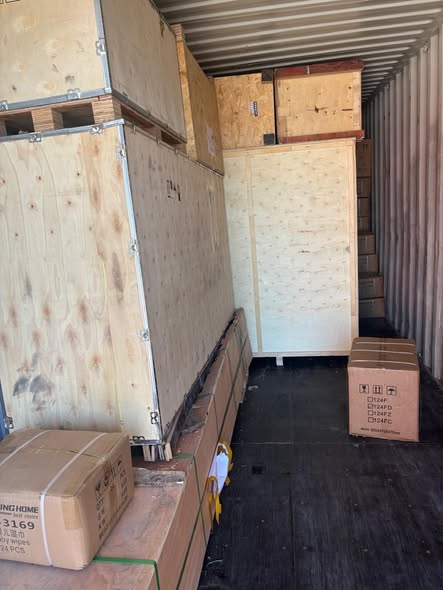
Cross Border Clients
Order cros border countries Collected
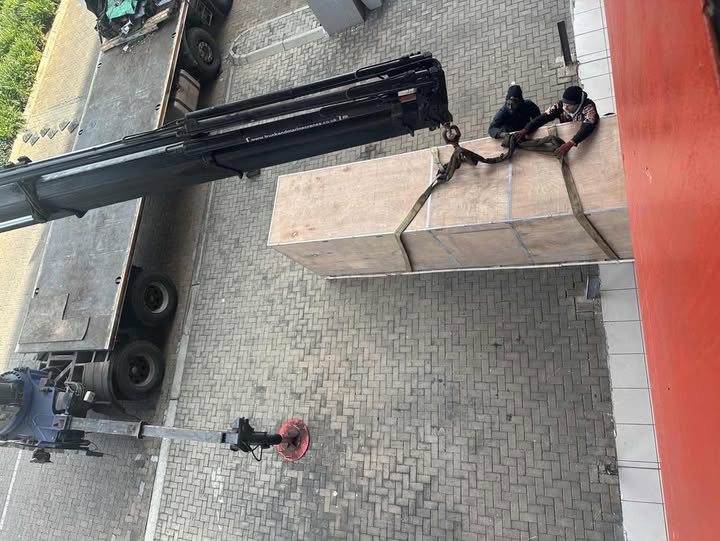
Industrial Machine Cllection
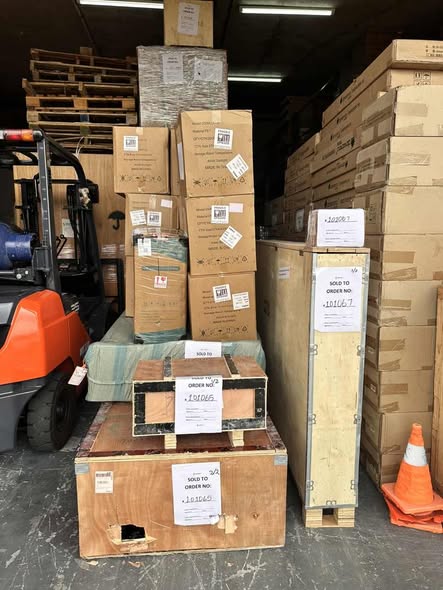
Agriculture Processing Machines
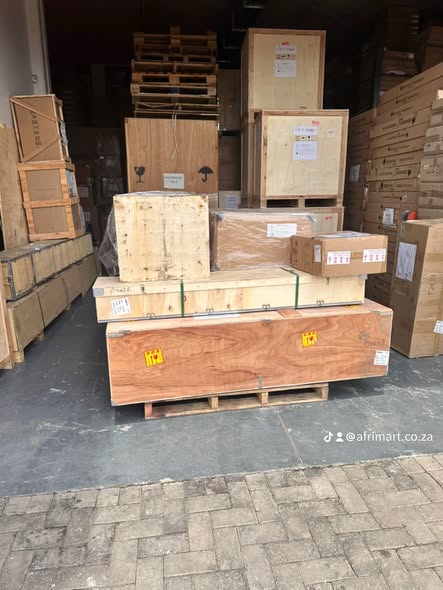
Ready for collection
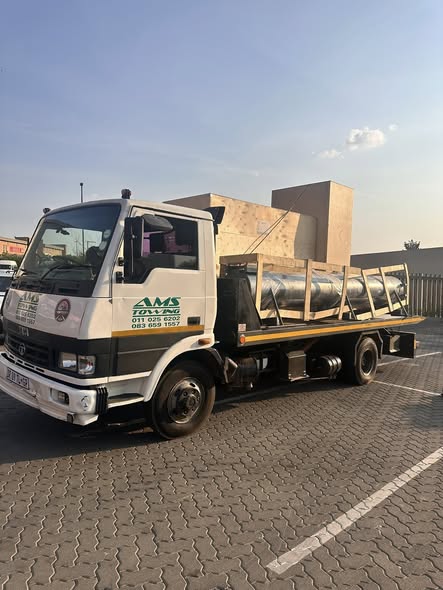
Water Pump Equipment
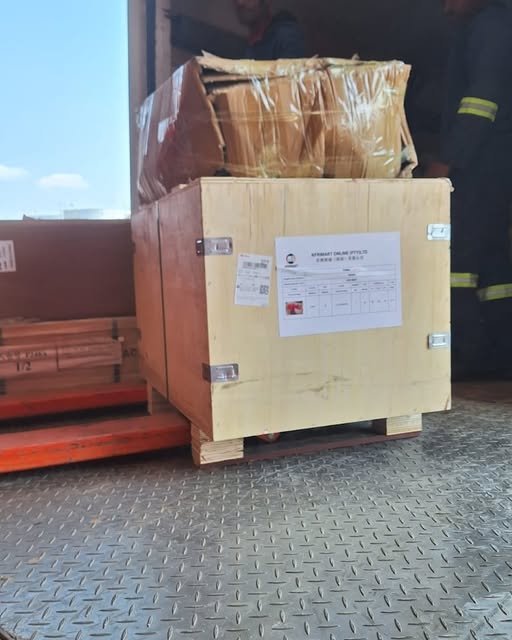
Packaging Machine and accessories
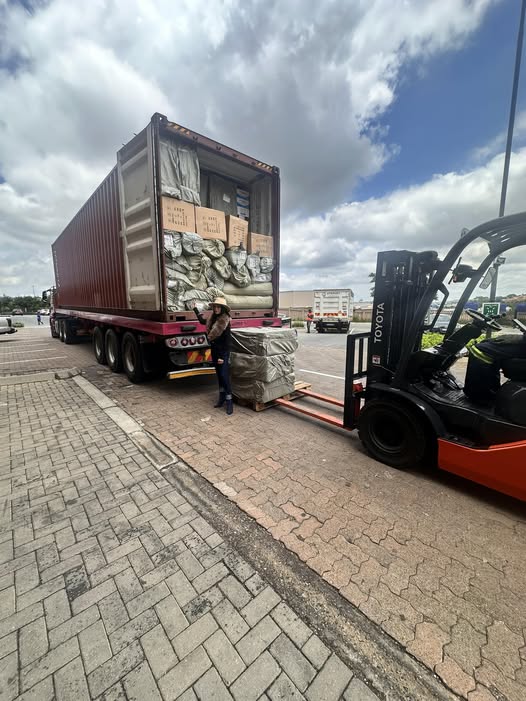
Fabrics Manufacturing Equipment
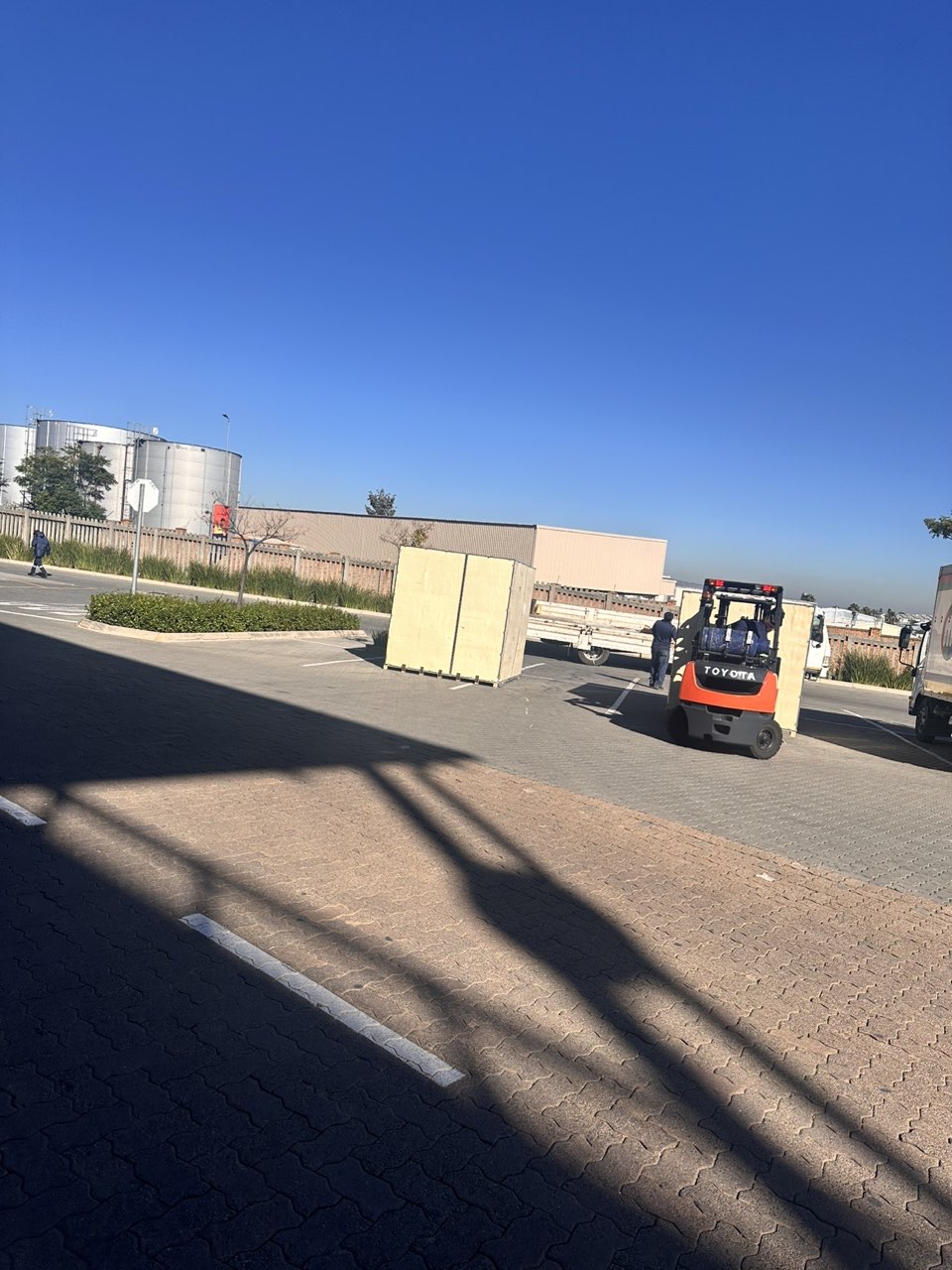
Mining Equipments
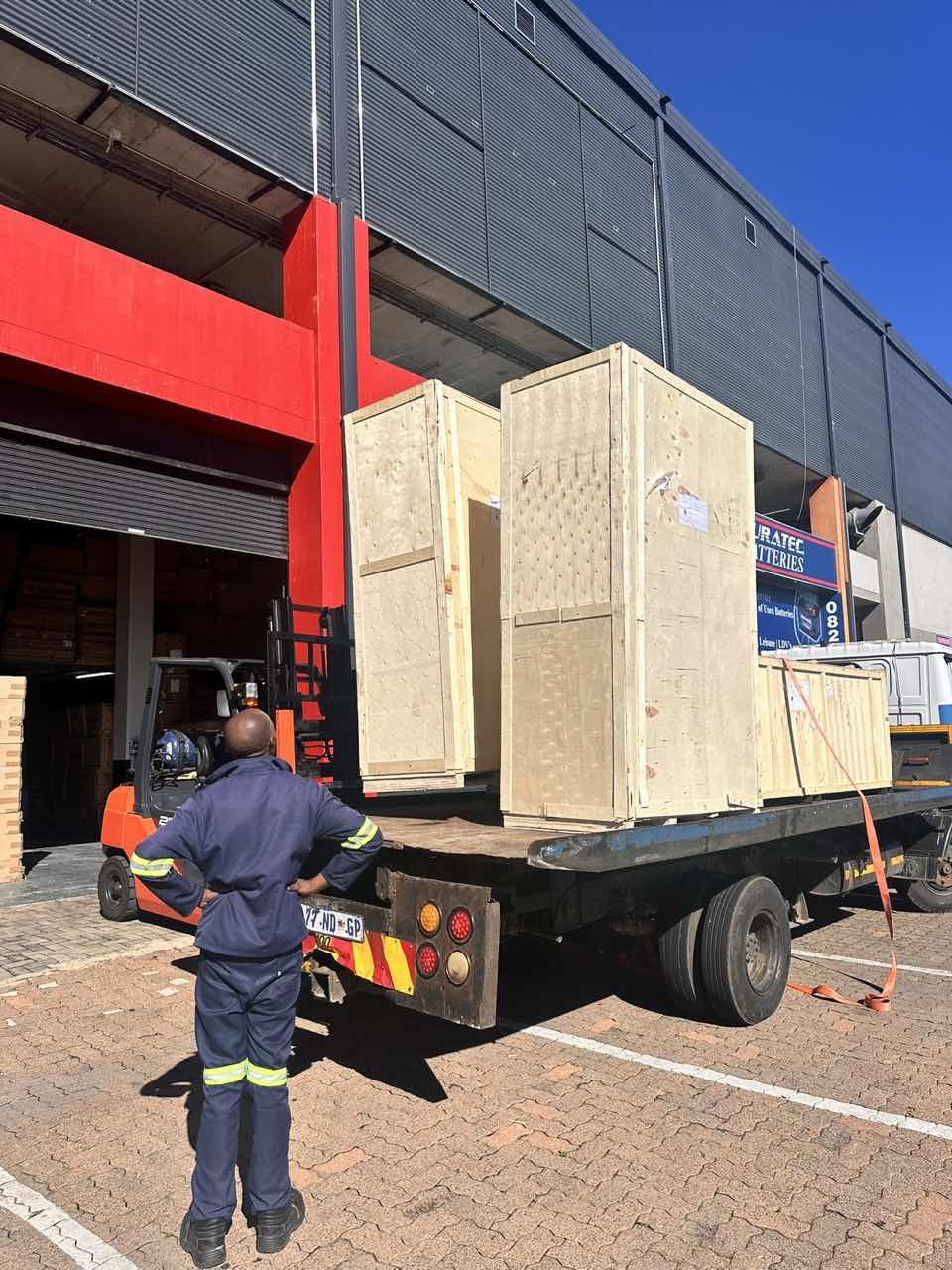
Food Processing Machine
Batch of Orders
Batch of Orders
Latest Orders Labelled
wheel alignment machines
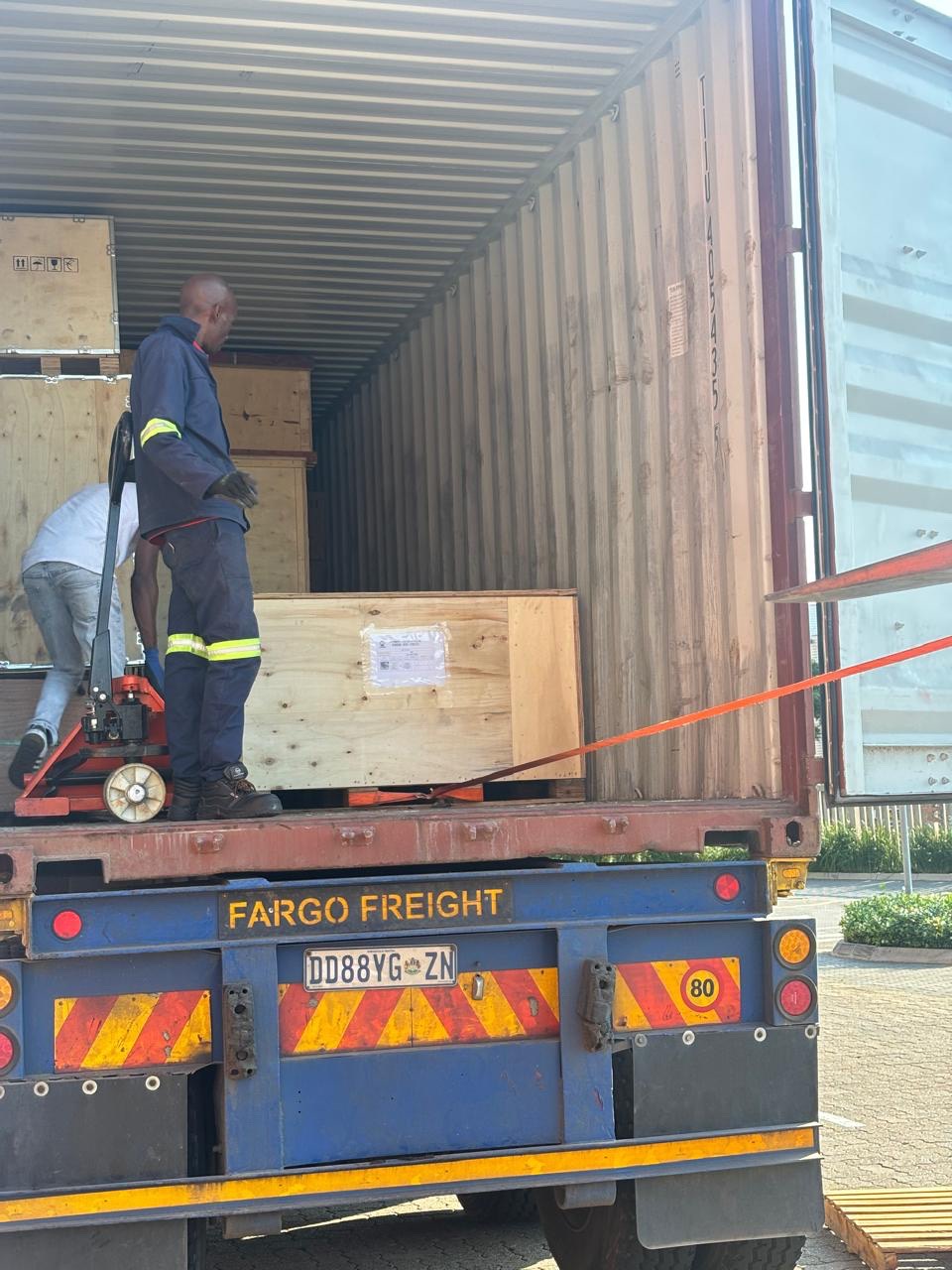
new arrivals
Pre Orders Offloading
Latest Arrivals
Latest Arrivals
Latest Arrivals
Loading
Toilet paper making machine
Toilet paper making machine
Toilet paper Rewinding Machine
latest arrivals
offloading
order success
order collection
order offloading