B21, China Town Mall, Midrand


Double Head 45 Degree Aluminum Cutting Machinery: Precision Equipment for Aluminum Profiles
Asset finance available
Do you want funding for this equipment?
Afrimart can connect you with trusted funding partners who specialise in asset finance for businesses like yours. Compare options and apply in minutes — final approval is subject to provider review.
Check funding options
Secure & no obligation

- Section : Machinery
- Category : Construction Machinery
- SKU : 1600102599042

Double Head 45 Degree Aluminum Profile Cutting Machinery: Precision Equipment for Aluminum Profiles
PRODUCT DESCRIPTION


| Cutting Length | 580-3700mm |
| Max. Cutting Scope | 100*200mm |
| Saw Blade Specification | 450*30mm 120T |
| Cutting angle | 45° ,90° |
| Weight | 1200Kg |
- Shipping Timeframes: All orders are processed within 2-5 business days (excluding weekends and holidays). After your order has been processed, the estimated delivery time is before 04 Aug, 2026, depending on customs, Please note that due to high demand, some items may experience longer shipping times, which will be communicated at order confirmation email.
- Order Processing Time: Please allow 2-5 business days for us to process your order before it is shipped . Orders placed after 16:00 on Fridays, or during weekends and public holidays, will begin processing on the next business day. Processing times may be extended during peak seasons or sales events.
- Manufacturing Time: Some products needs manufacturing time, the manufacturing process will take approximately 10-30 business days depending on the product. This timeframe may vary depending on the complexity of the product and current demand. but this will be communicated with you during order confirmation.
- Returns and Exchanges: We offer a 30-day return policy for most items. If you are not completely satisfied with your purchase, you may return it within 30 days of receipt for a refund or exchange. Items must be unused, in their original packaging, and accompanied by proof of purchase. Return shipping costs are the responsibility of the customer, unless the item was damaged or defective upon arrival.
1. What is the cutting length range of the Double Head 45 Degree Aluminum Cutting Machinery?
The machine supports cutting lengths from 580 mm up to 3,700 mm.
2. What is the maximum cutting scope (section size) this machine can handle?
Maximum cutting scope is 100 mm x 200 mm (width x height) for aluminum profiles.
3. What type and size of saw blade does the machine use?
The machine uses a 450 x 30 mm saw blade with 120 teeth (120T), typically a carbide-tipped blade suitable for aluminum.
4. Which cutting angles does the machine support?
The machine supports fixed 45° miter cuts and 90° straight cuts; the double-head design allows simultaneous angled cuts on both ends of a profile.
5. How much does the machine weigh and what are the installation considerations?
The machine weighs approximately 1,200 kg. It should be installed on a stable, level concrete floor with sufficient clearance for loading/unloading, maintenance and dust extraction connections.
6. Is this machine suitable only for aluminum profiles?
It is optimized for aluminum and other non-ferrous profiles. Cutting harder ferrous metals may require different blades and machine configurations—consult the manufacturer before use.
7. What kind of accuracy and finish can I expect?
The machine is designed for precision profile cutting and delivers clean, accurate miter and straight cuts. Final accuracy and surface finish depend on blade type, feed settings and workholding; consult the supplier for achievable tolerances under your production conditions.
8. Does the machine have dust and chip extraction or coolant options?
Most units can be fitted with dust extraction ports and coolant/misting systems to manage chips and heat. Confirm available options with the supplier and connect to an appropriate extractor for best results.
9. What safety features are included?
Typical safety features include blade guards, emergency stop(s), safety interlocks, and protective covers. Always follow local safety regulations and provide operator training before use.
10. How often should I replace or service the saw blade?
Blade life depends on material, cutting volume and feed settings. Inspect the blade regularly for wear or damage and replace when cutting quality declines. For high-volume production, plan regular blade inspections and keep spare blades on hand.
11. Can the machine perform double-head simultaneous cutting for production efficiency?
Yes — the double-head configuration is designed to cut both ends of a profile in one cycle, reducing handling time and increasing throughput for mitered or matched-length parts.
12. What maintenance is required to keep the machine running reliably?
Routine maintenance includes cleaning chips from the saw area, checking and lubricating guide rails and moving parts, inspecting clamps and guards, and verifying blade condition and alignment. Follow the manufacturer's maintenance schedule for best performance.
13. Do you provide installation, commissioning and operator training?
Many suppliers offer installation, commissioning and operator training packages. Confirm availability and whether they are included or offered as an option when ordering.
14. Can this machine be customized for different production needs?
Yes — common customizations include different blade types, automatic loading/unloading systems, enhanced dust extraction, coolant systems and automation features. Contact the manufacturer with your production requirements for available options.
15. What warranty and technical support are available?
Warranty terms and support services vary by manufacturer. Check the specific product warranty, spare-parts availability and after-sales support options before purchase.
Latest Order Arrivals
Discover our latest orders
12 Heads Embroidery Machine
Toilet Paper Machine Machine
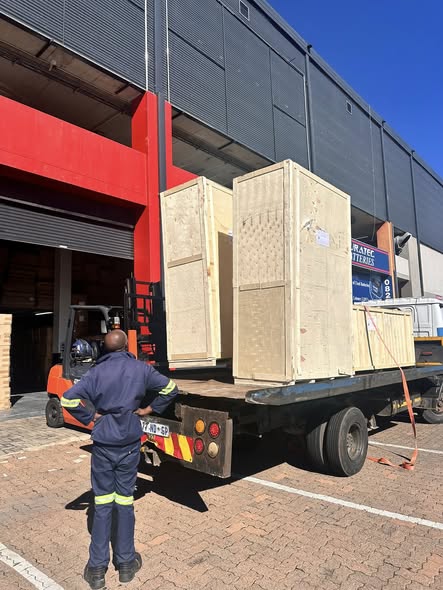
Order Collection
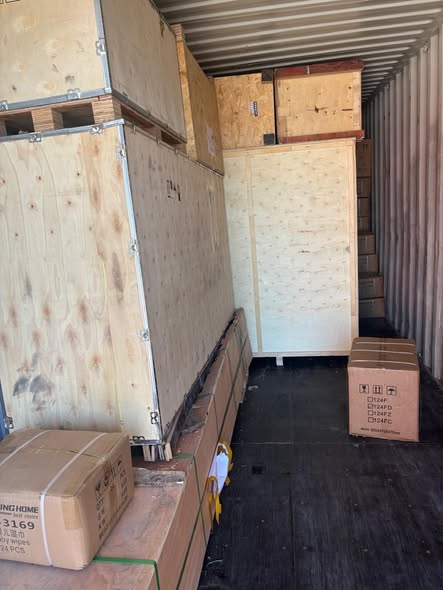
Cross Border Clients
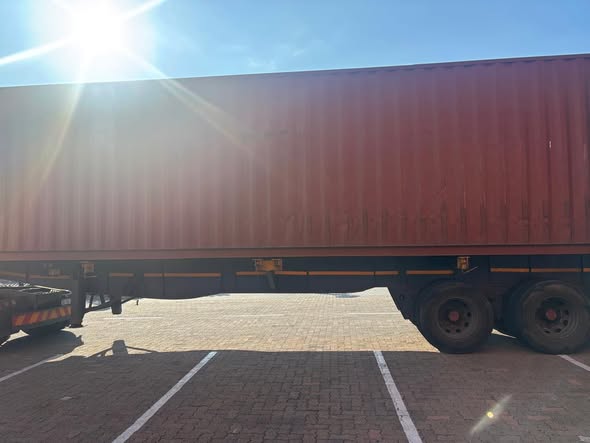
Order cros border countries Collected
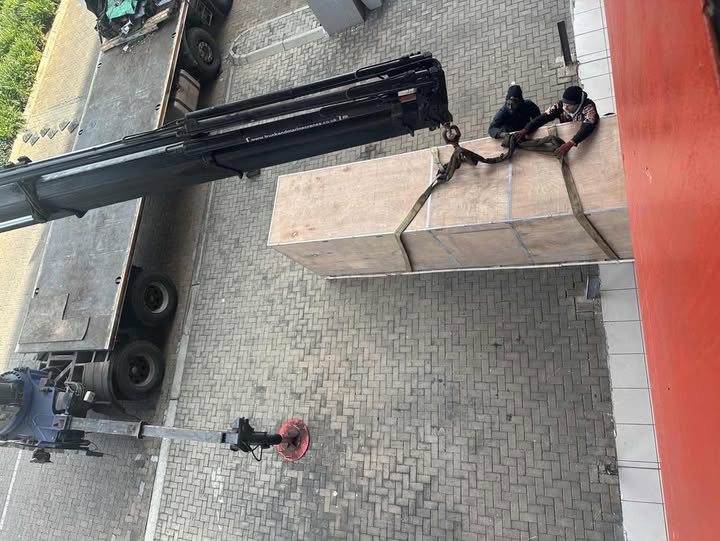
Industrial Machine Cllection
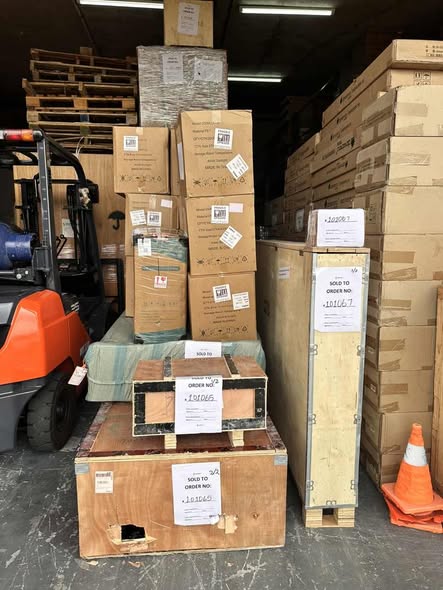
Agriculture Processing Machines
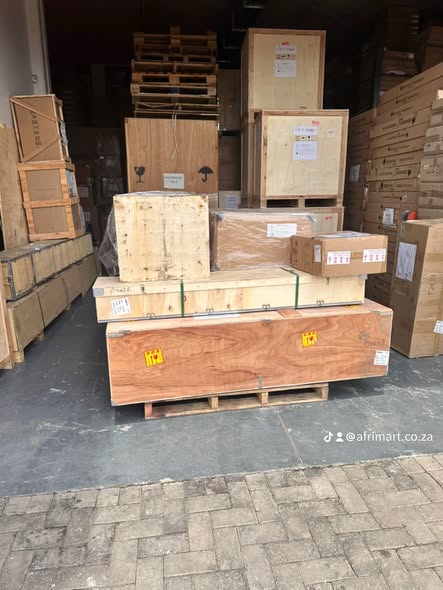
Ready for collection
Water Pump Equipment
Packaging Machine and accessories
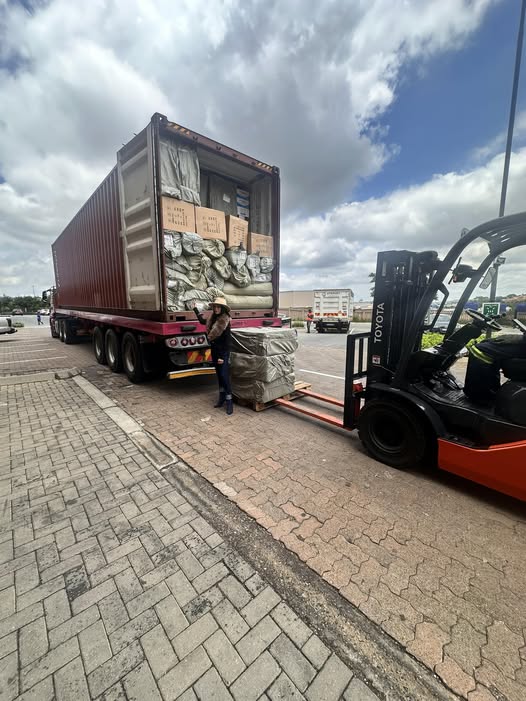
Fabrics Manufacturing Equipment
Mining Equipments
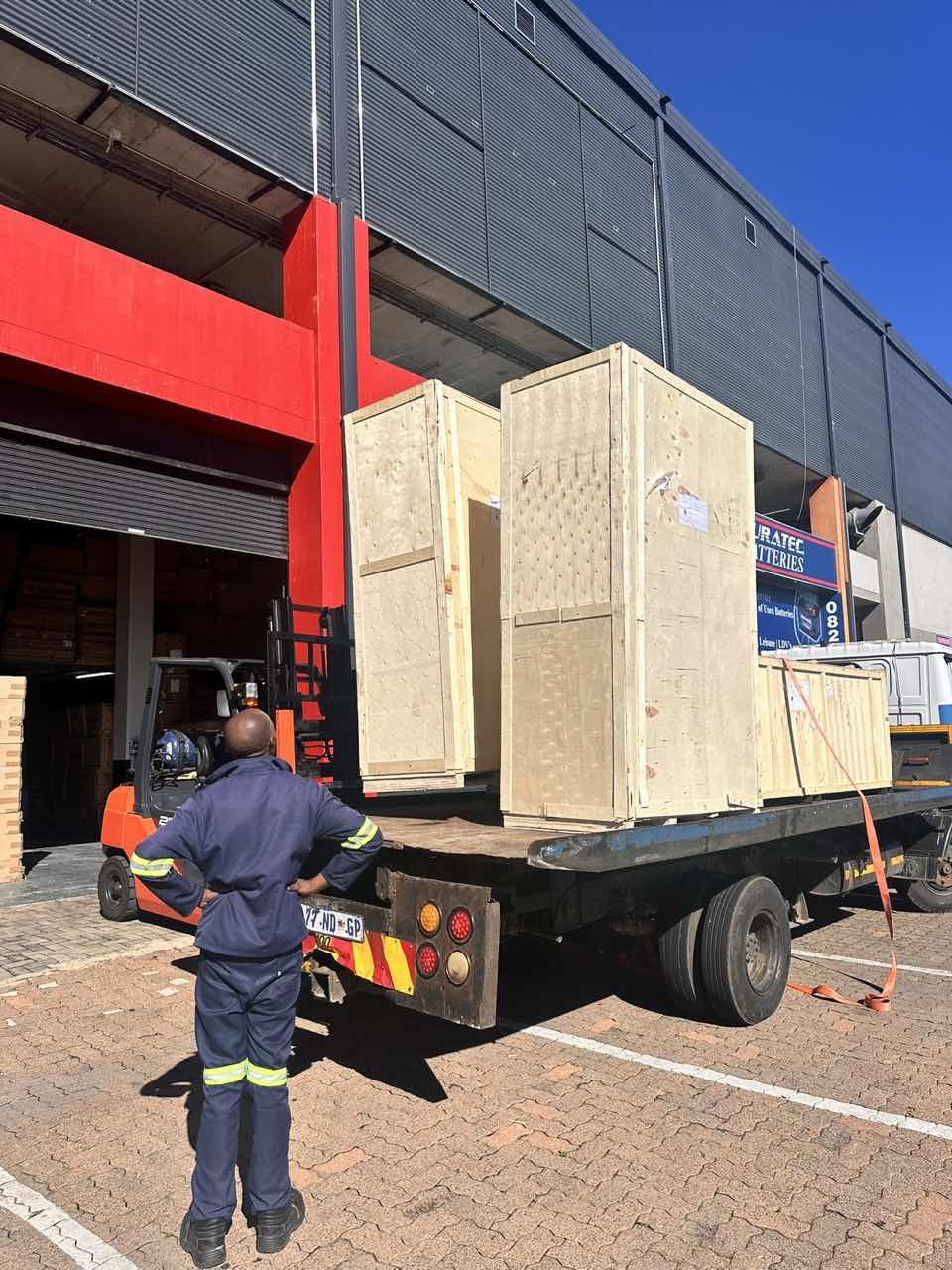
Food Processing Machine
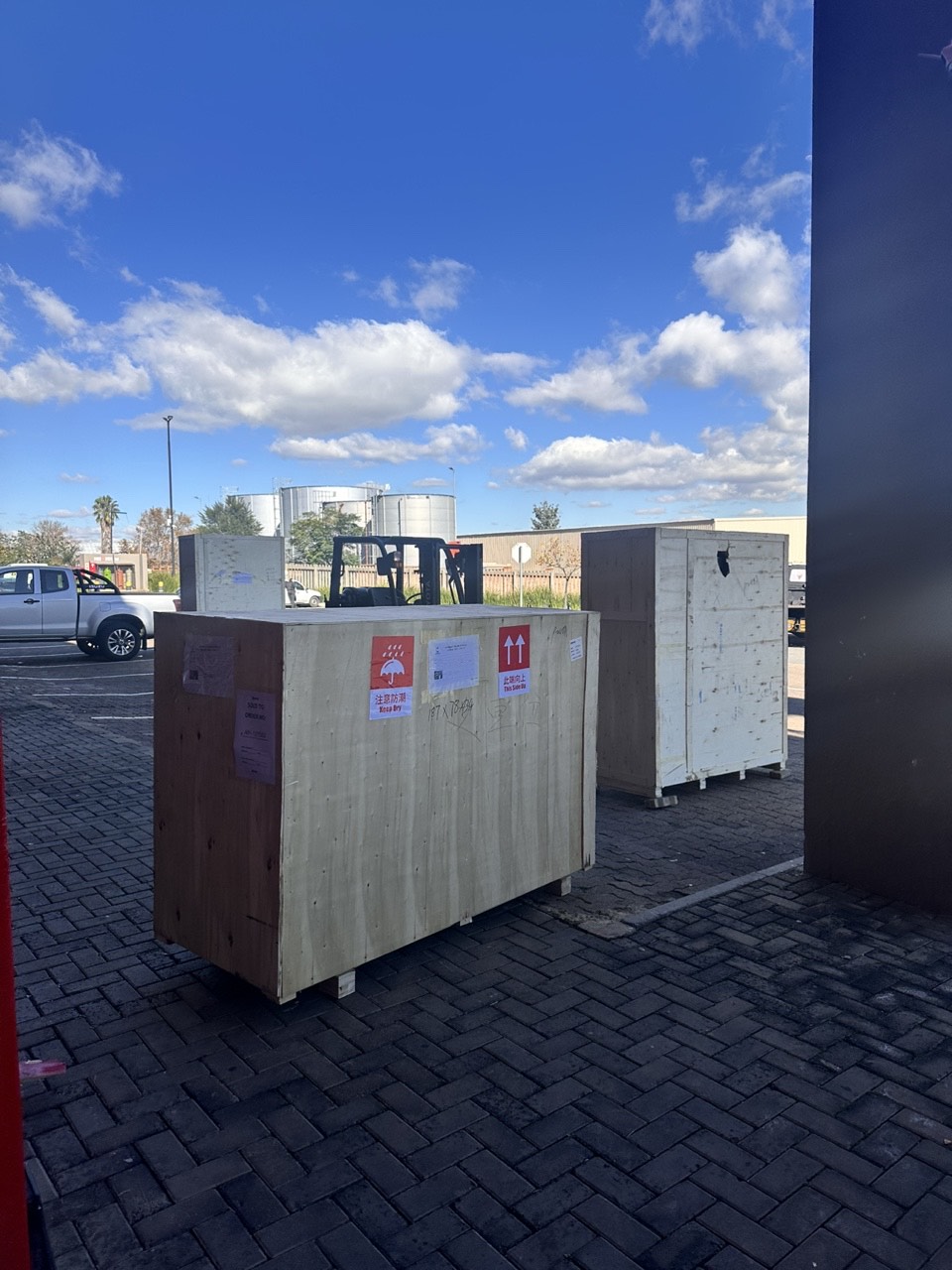
Batch of Orders
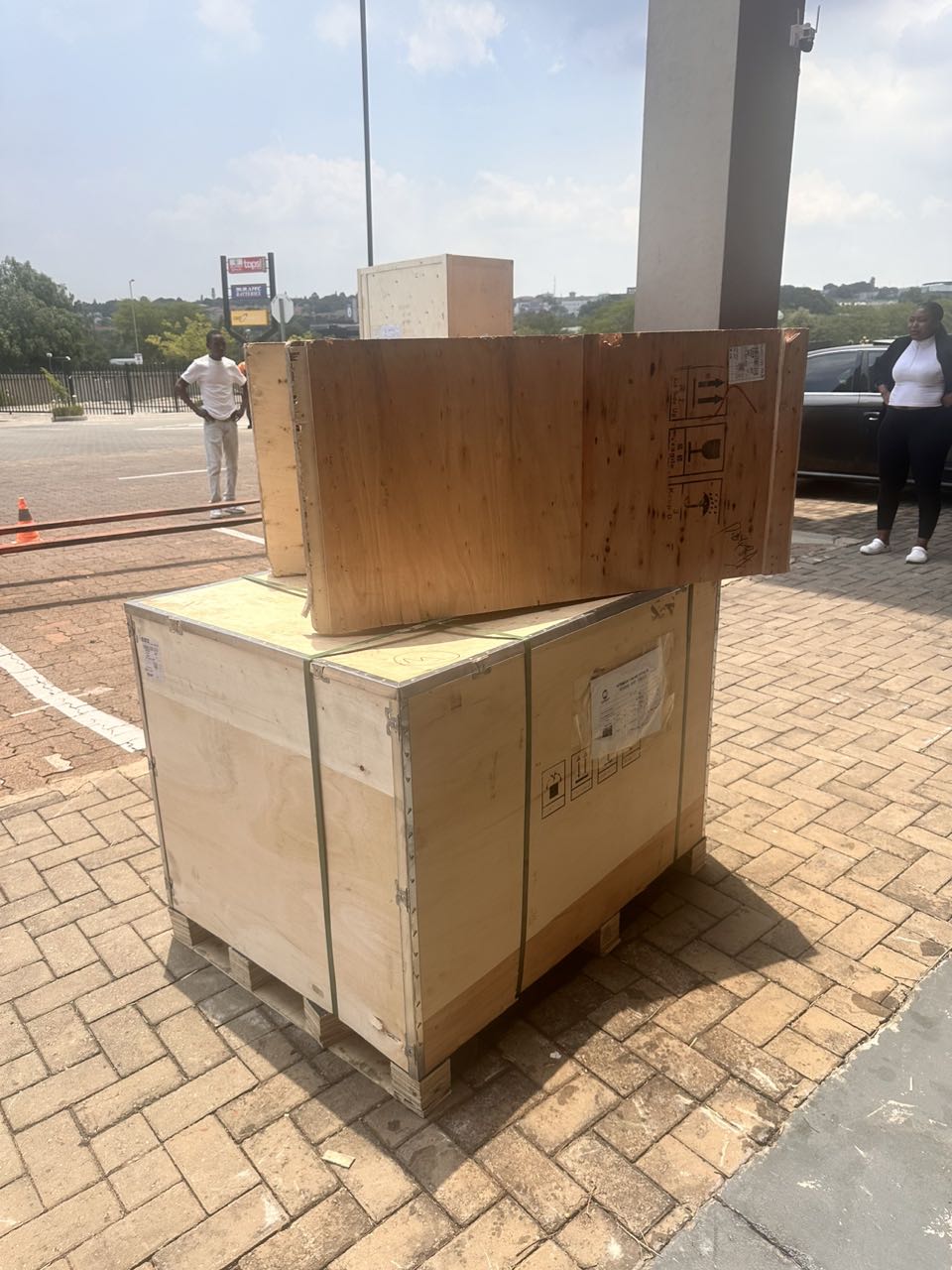
Batch of Orders
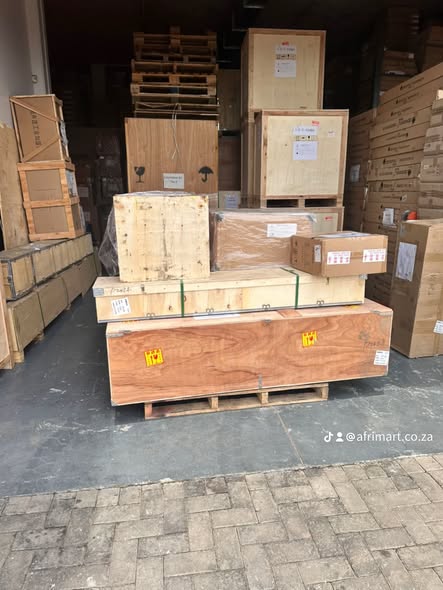
Latest Orders Labelled
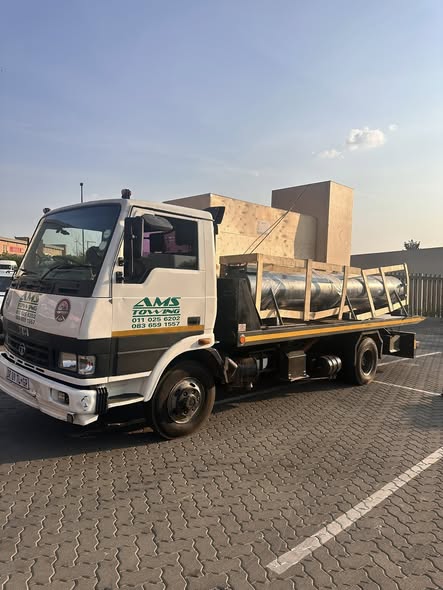
wheel alignment machines
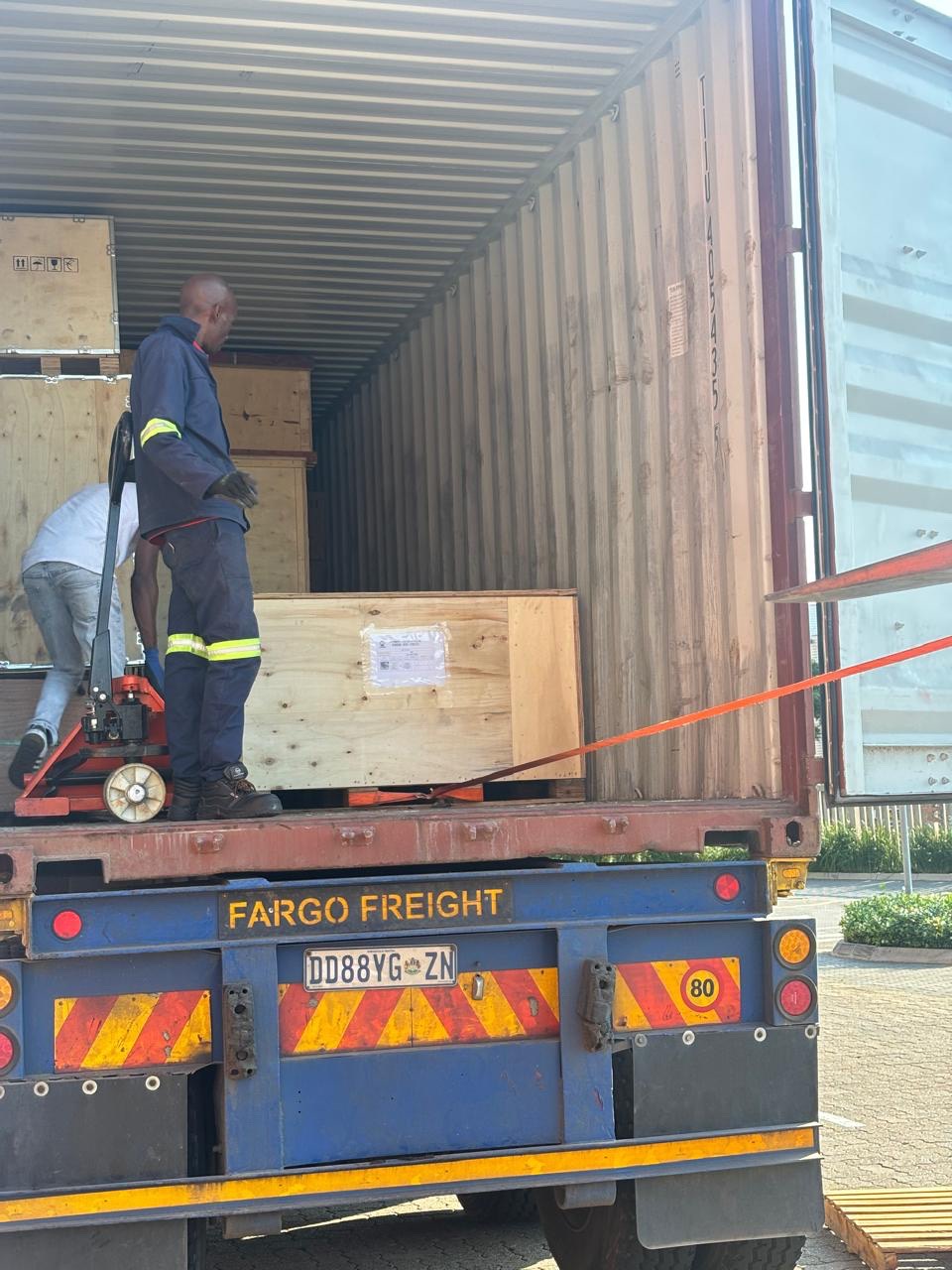
new arrivals
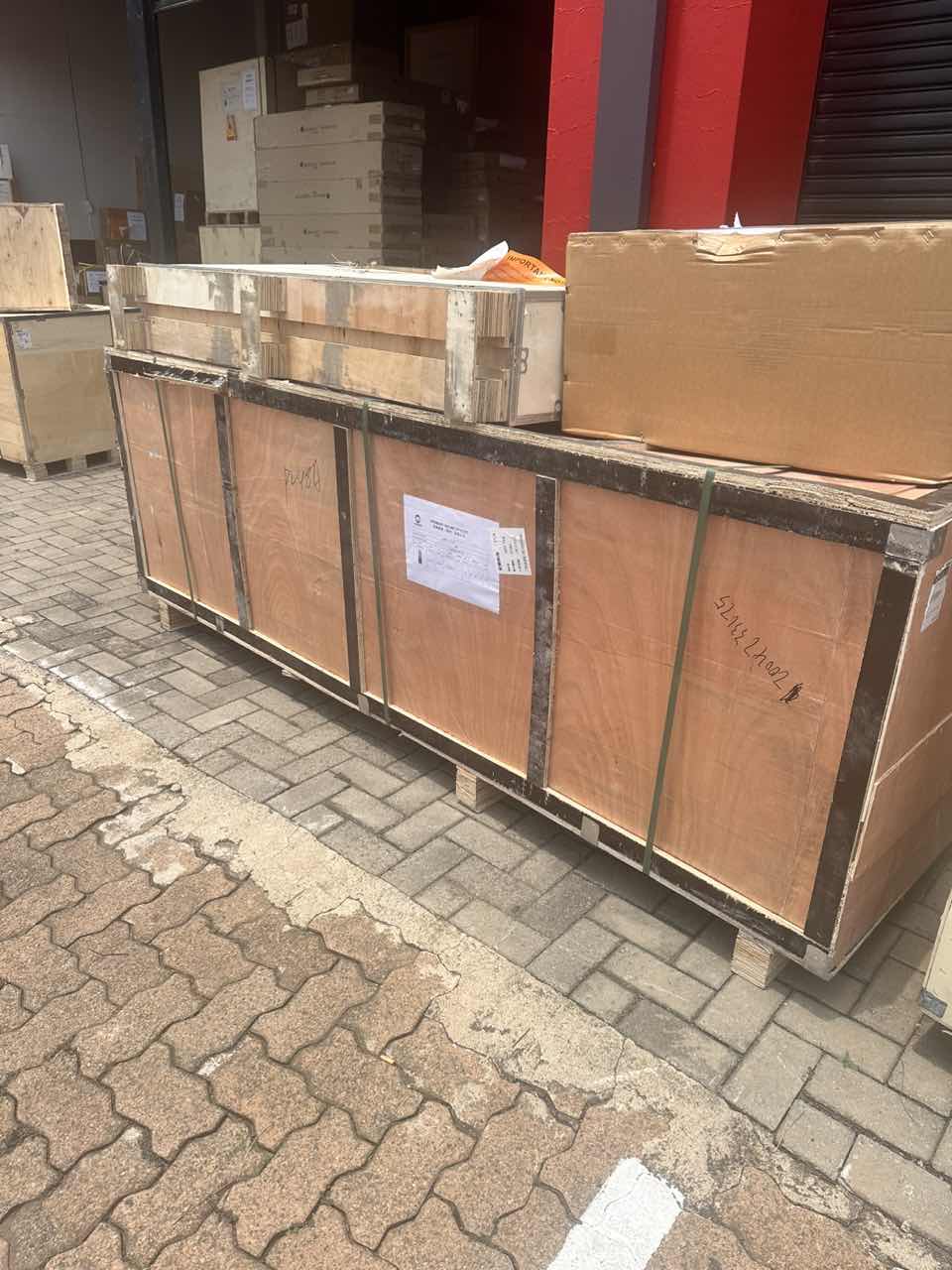
Pre Orders Offloading
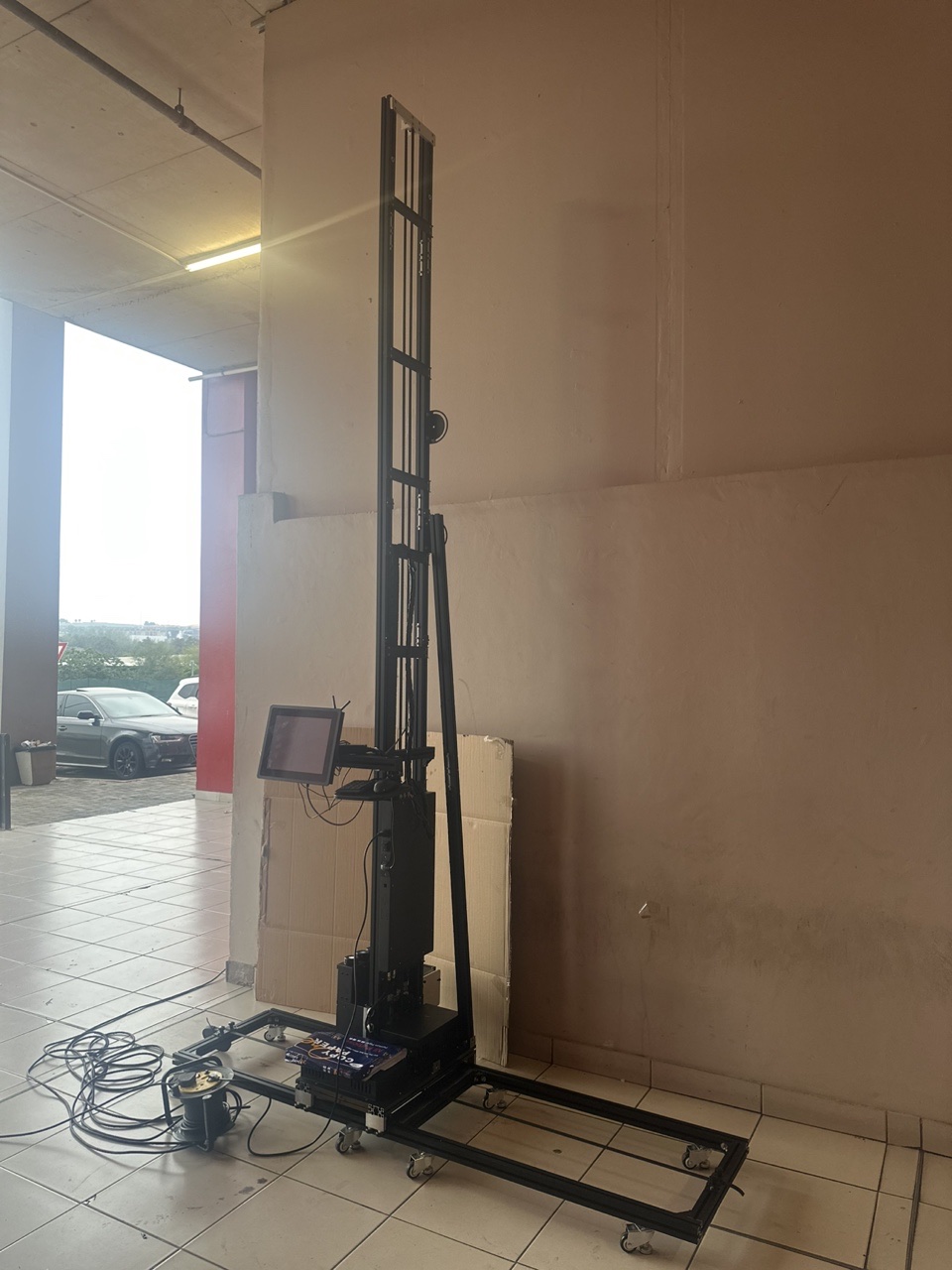
Latest Arrivals
Latest Arrivals
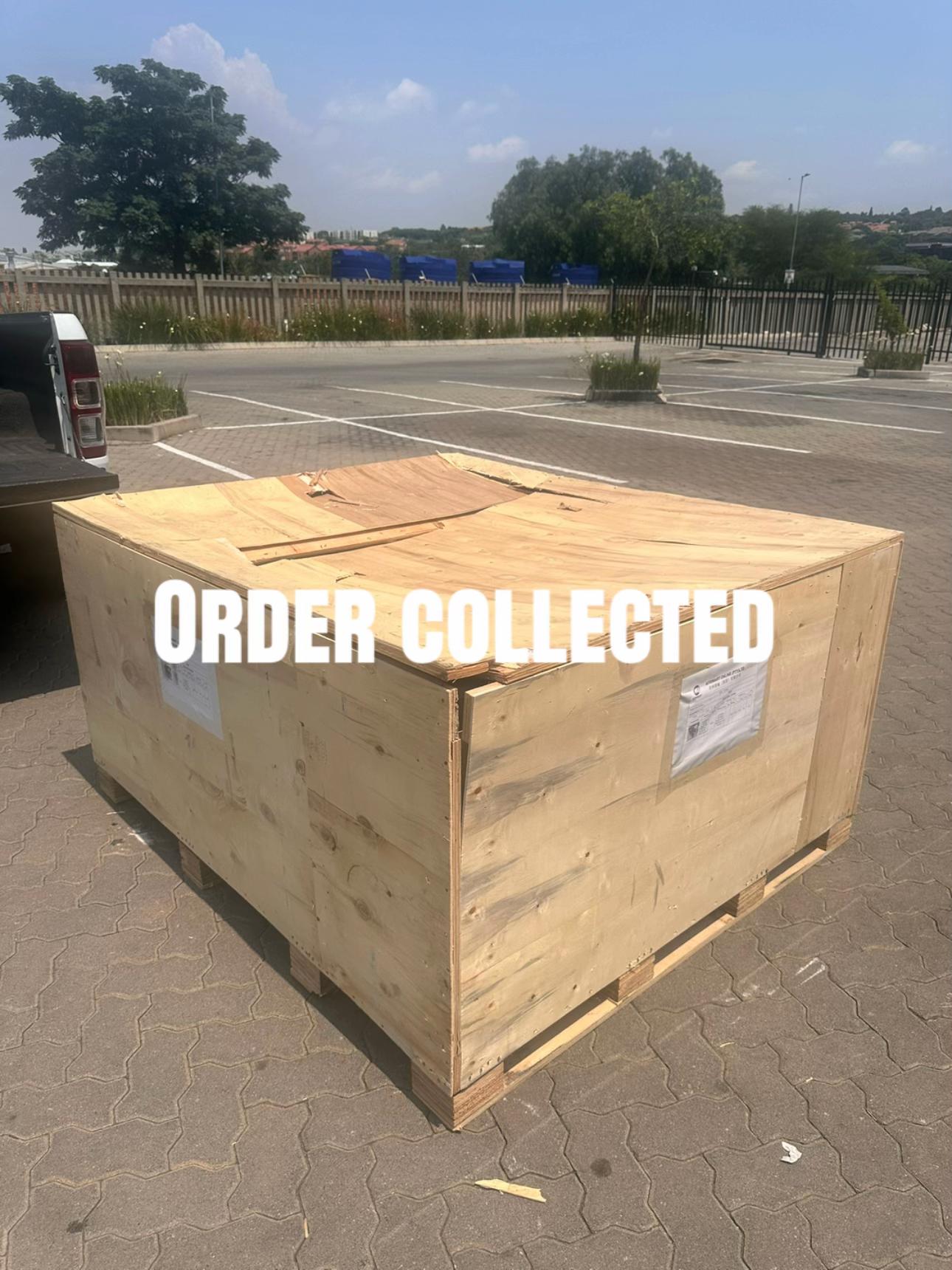
Latest Arrivals
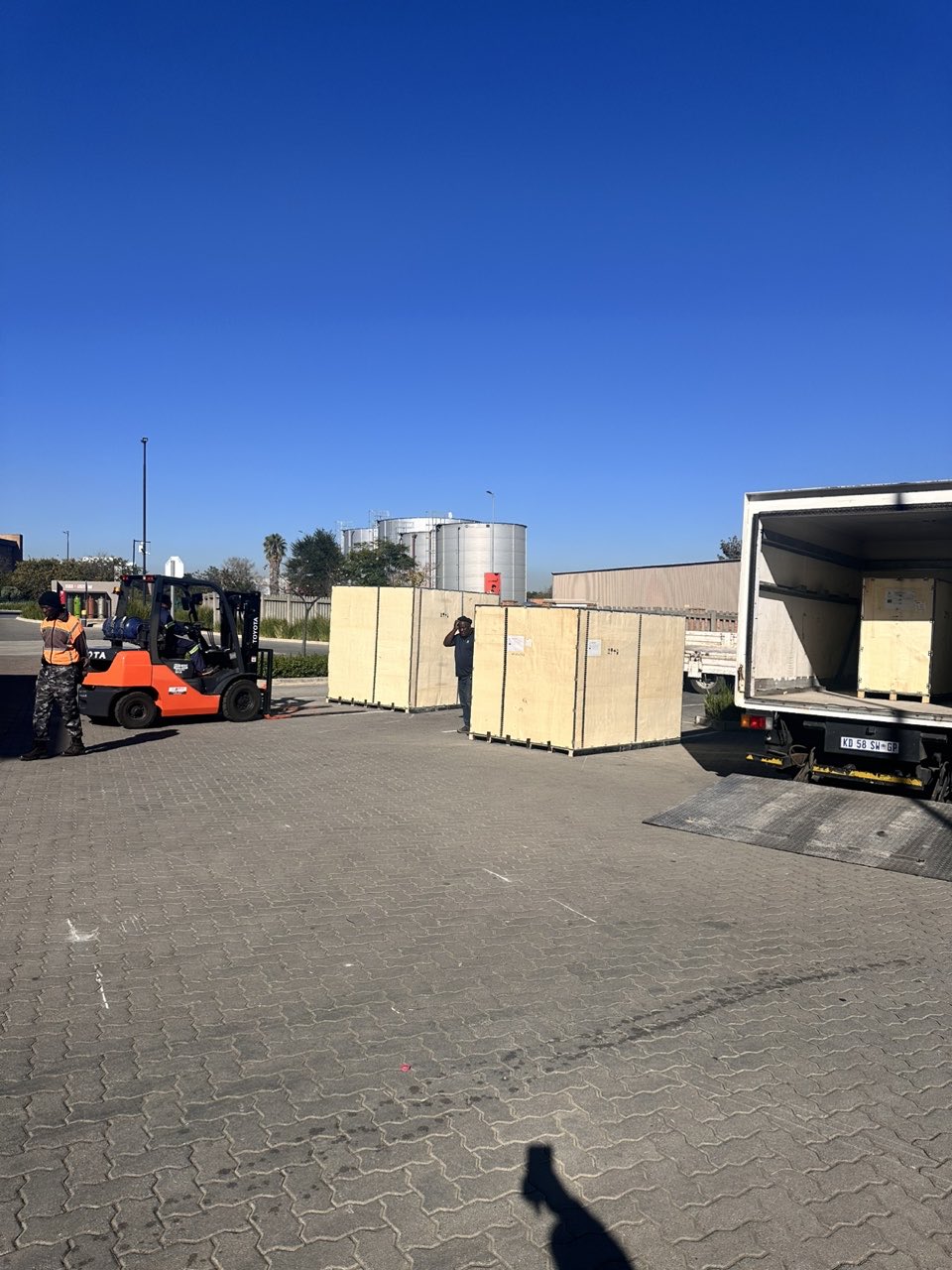
Loading
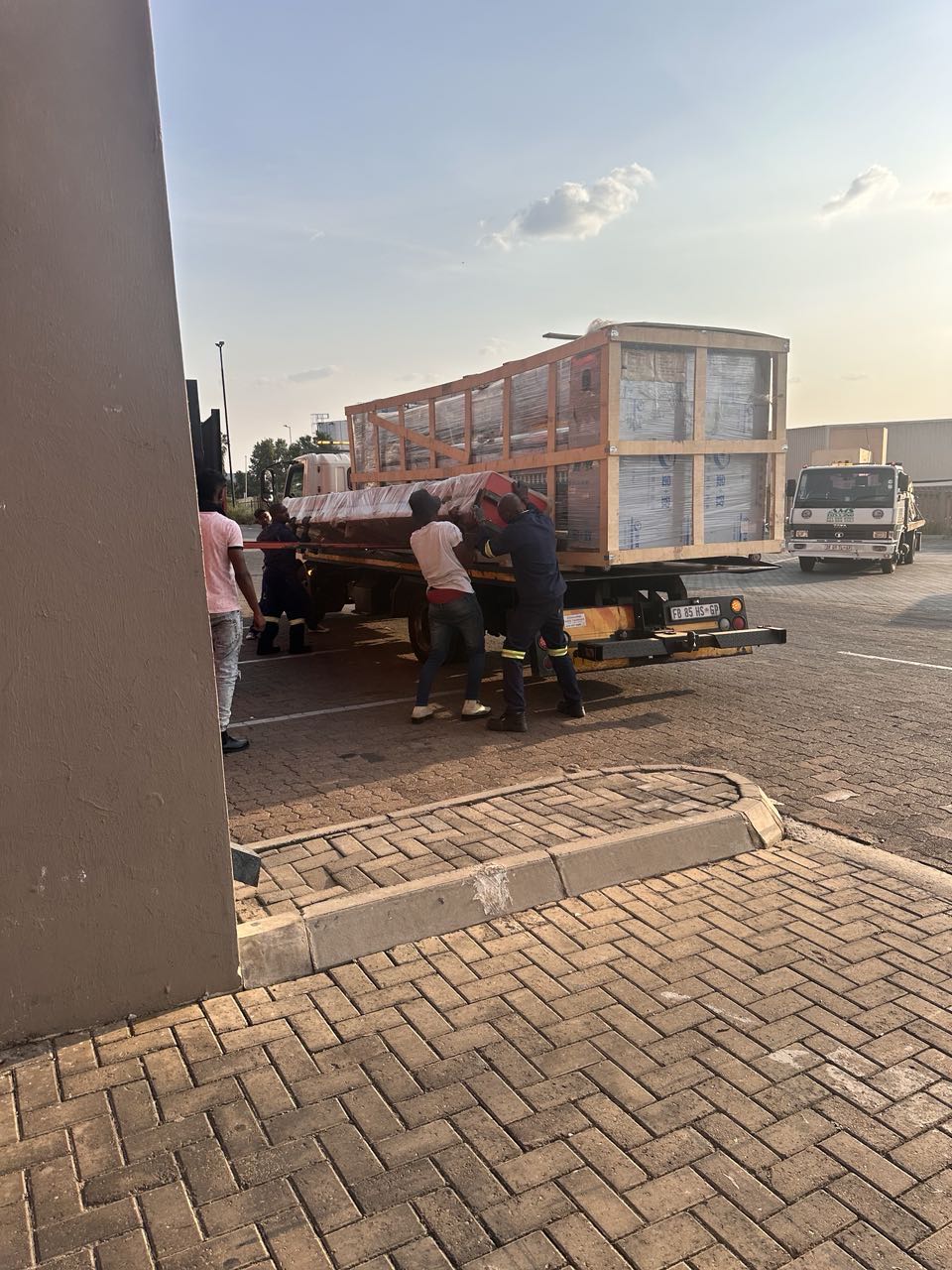
Toilet paper making machine
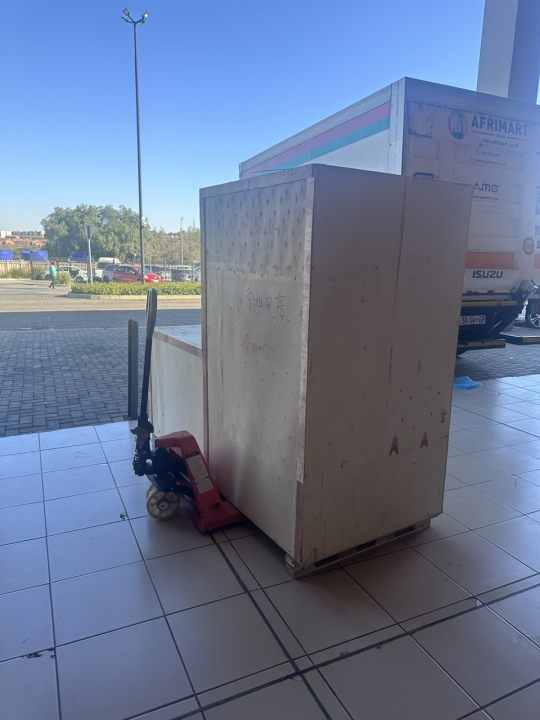
Toilet paper making machine
Toilet paper Rewinding Machine
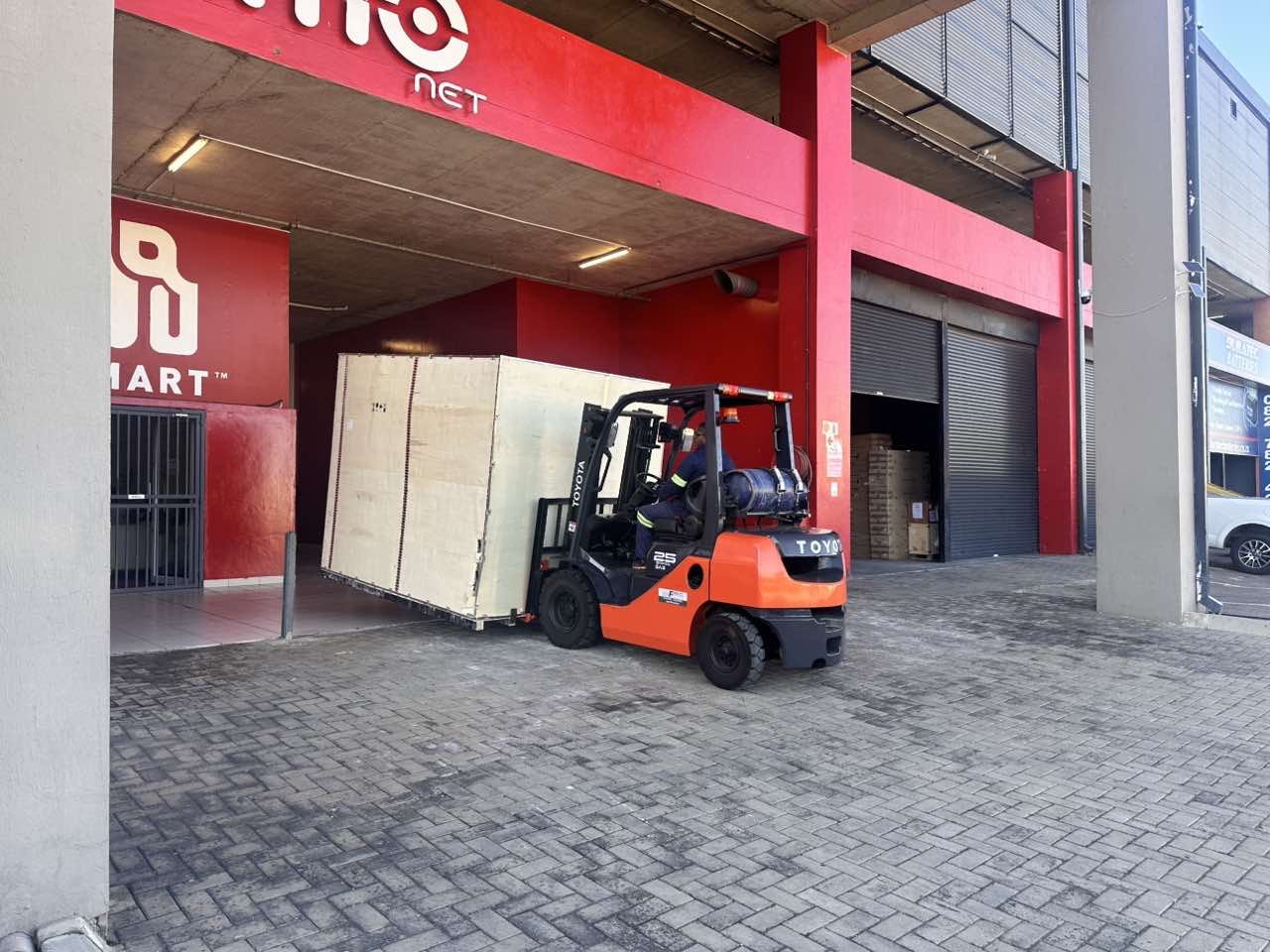
latest arrivals
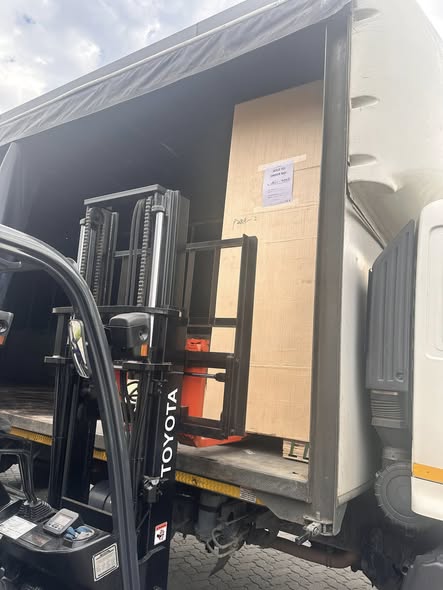
offloading
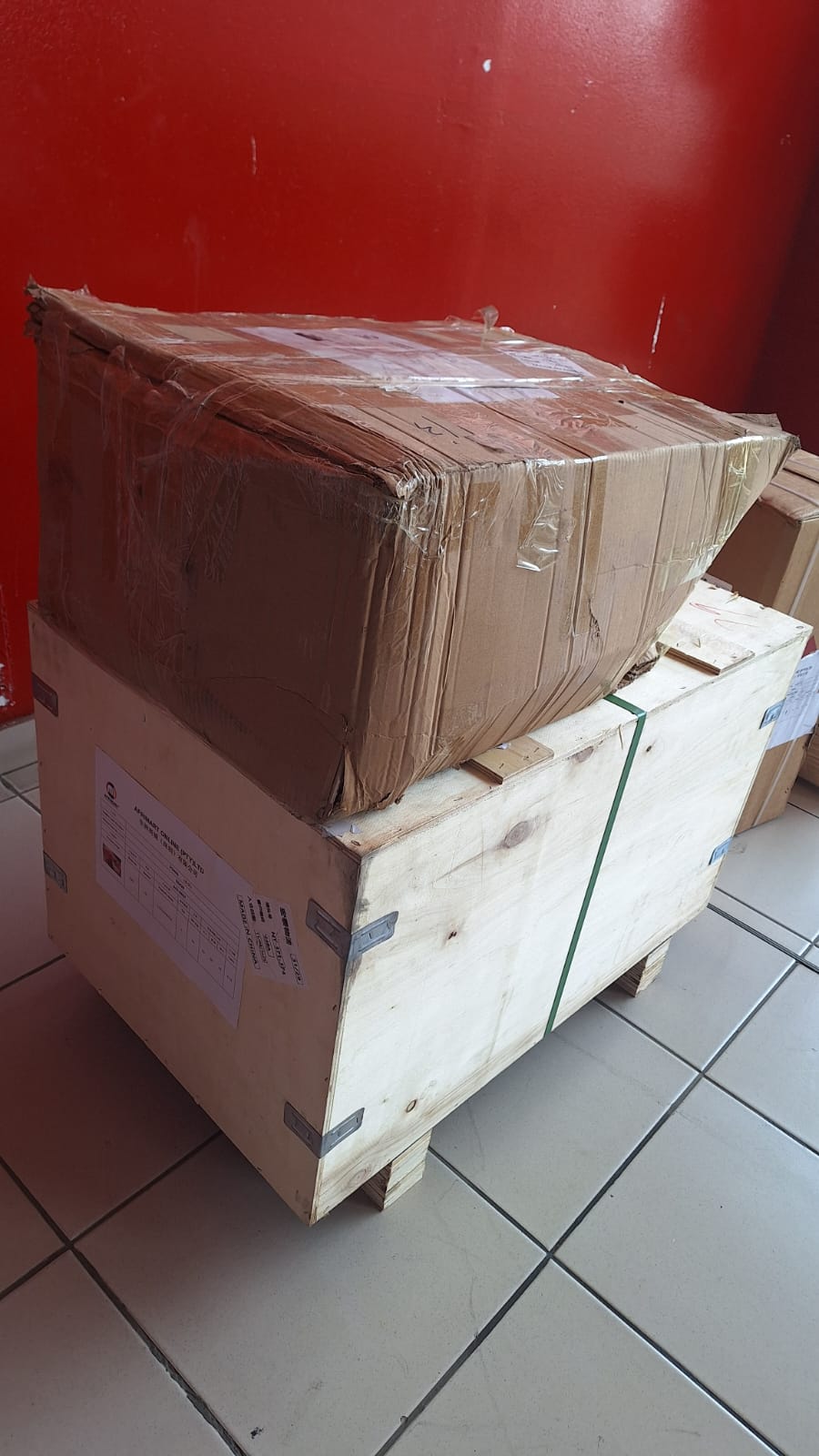
order success
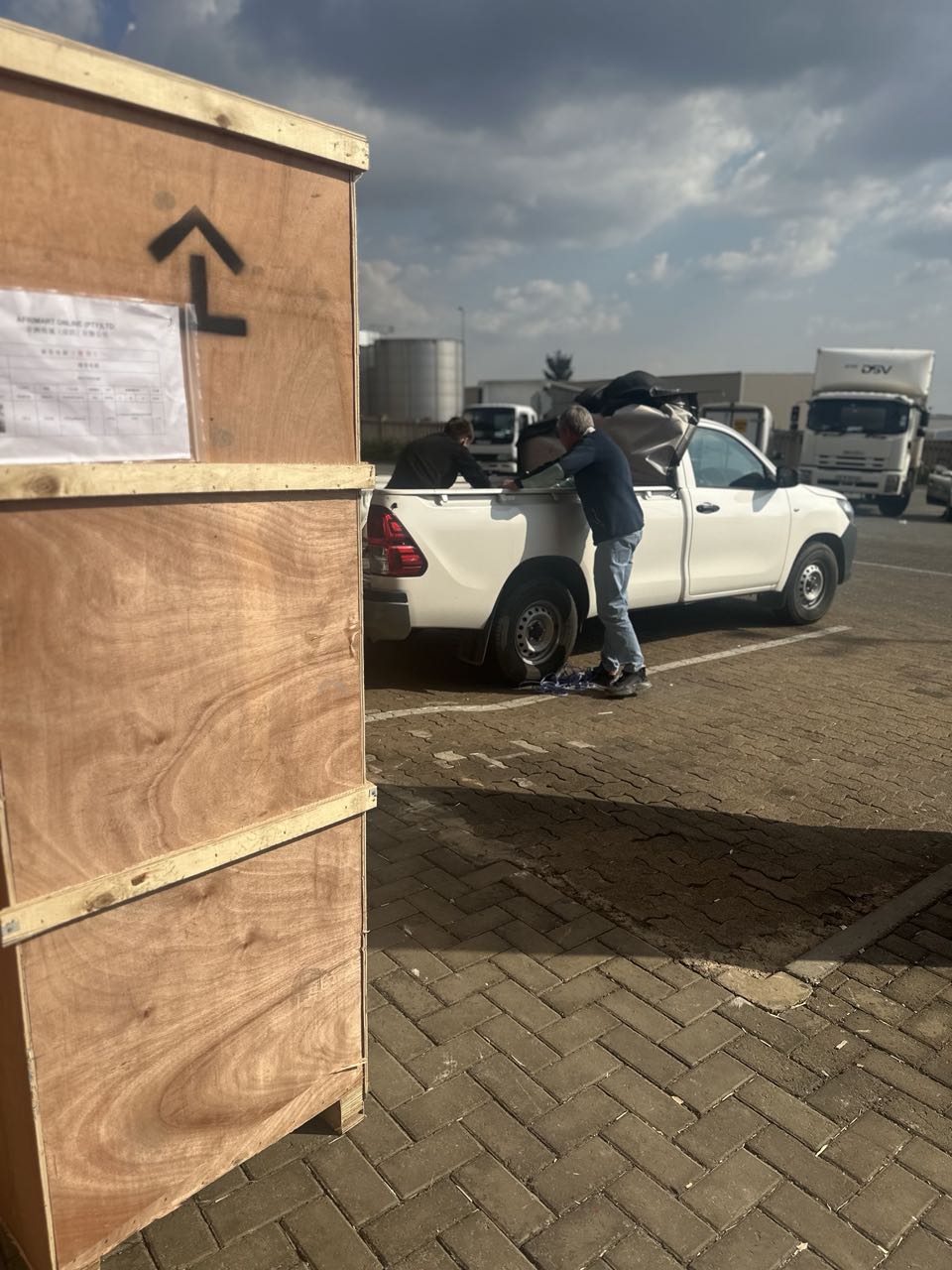
order collection
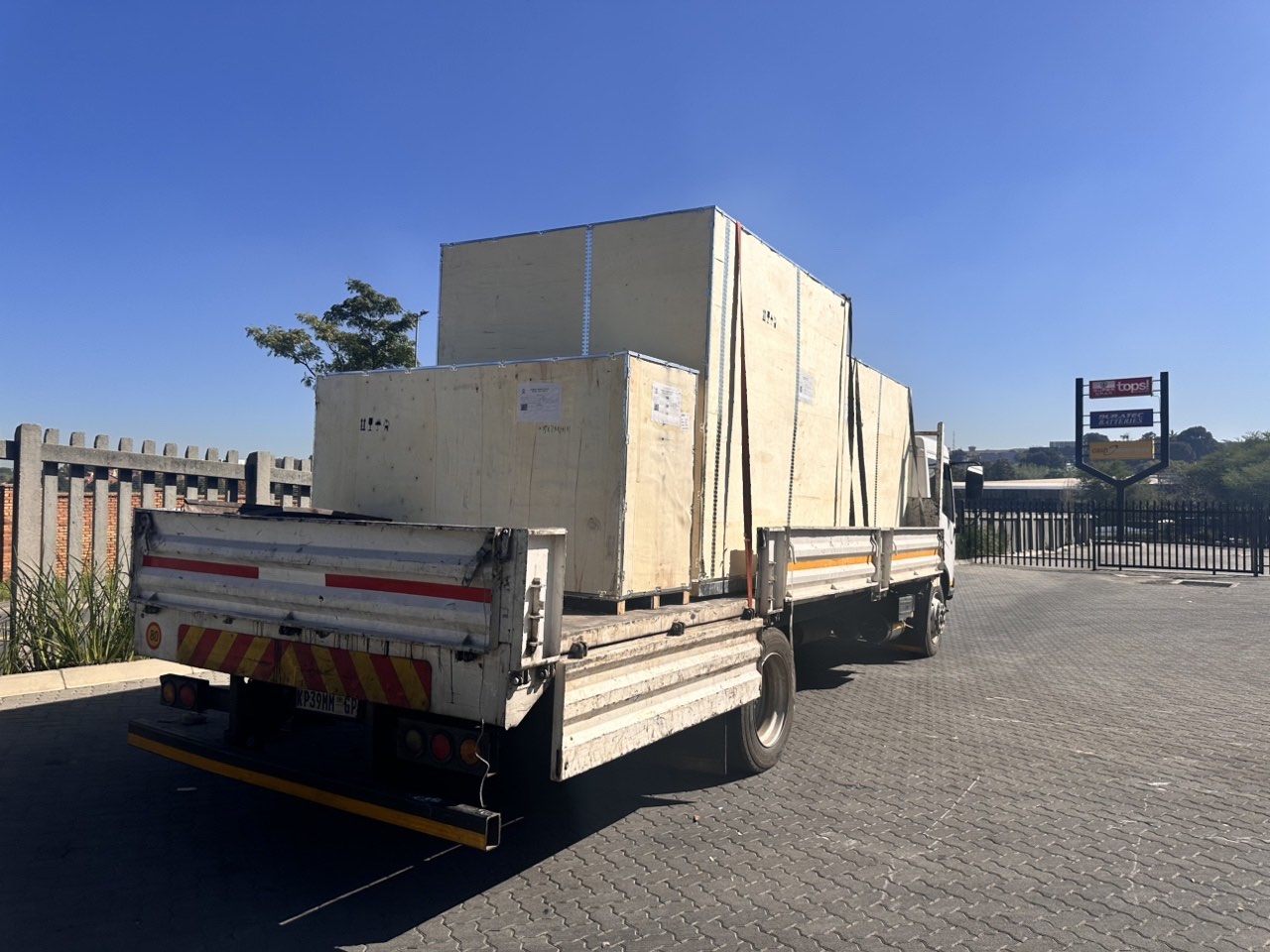
order offloading