B21, China Town Mall, Midrand

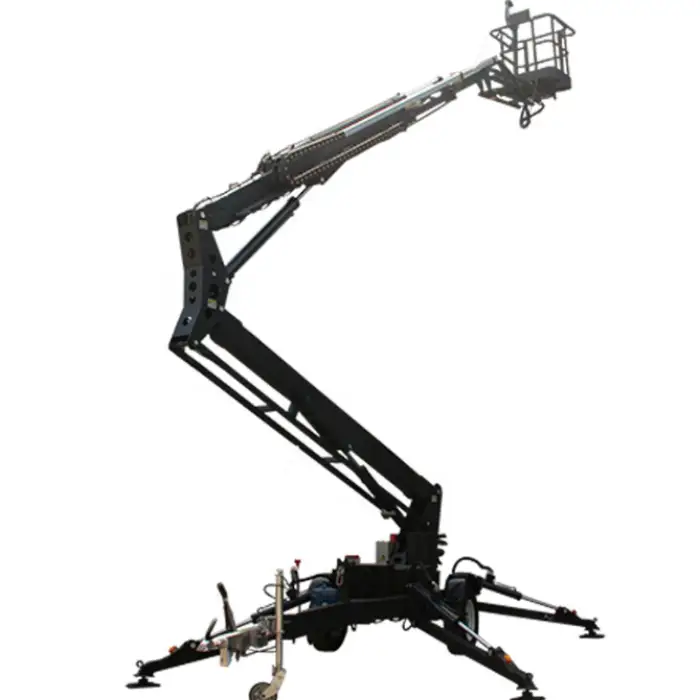
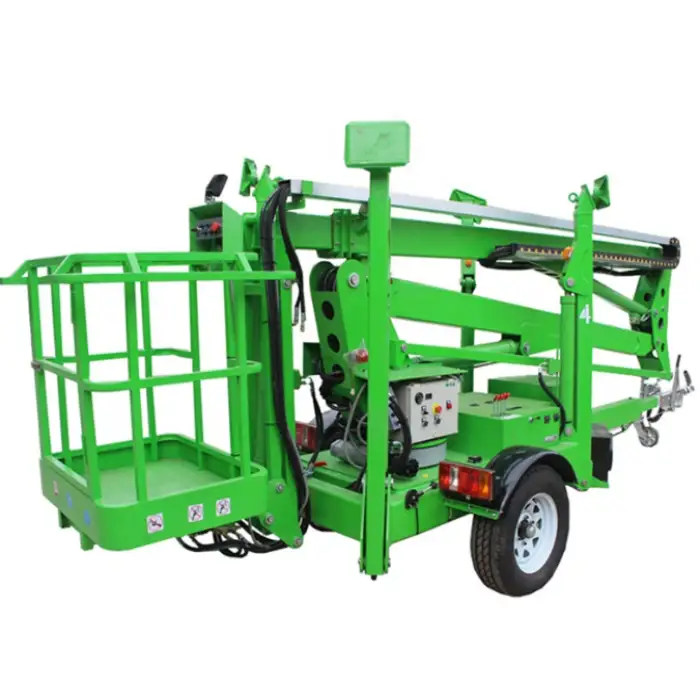
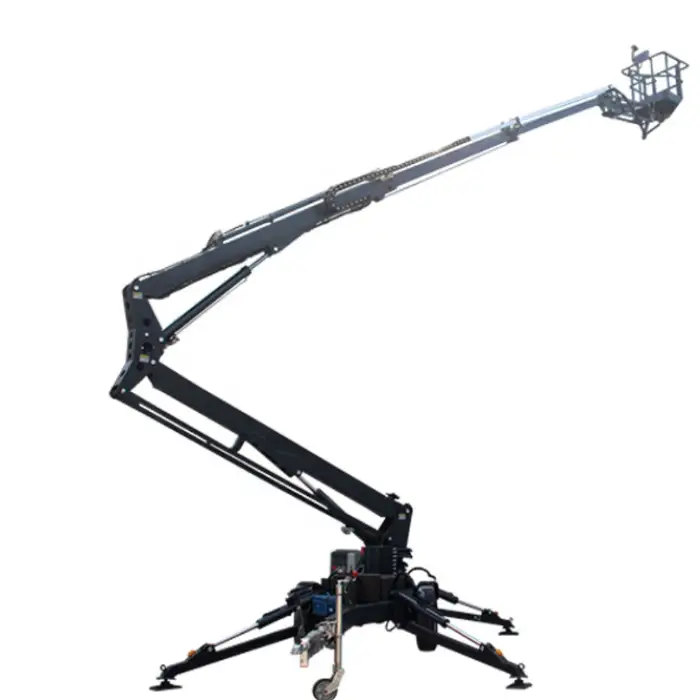
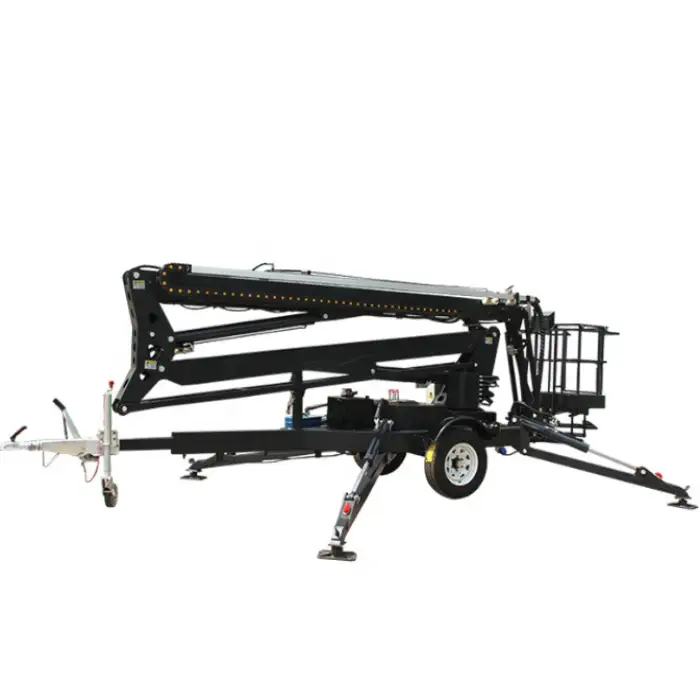
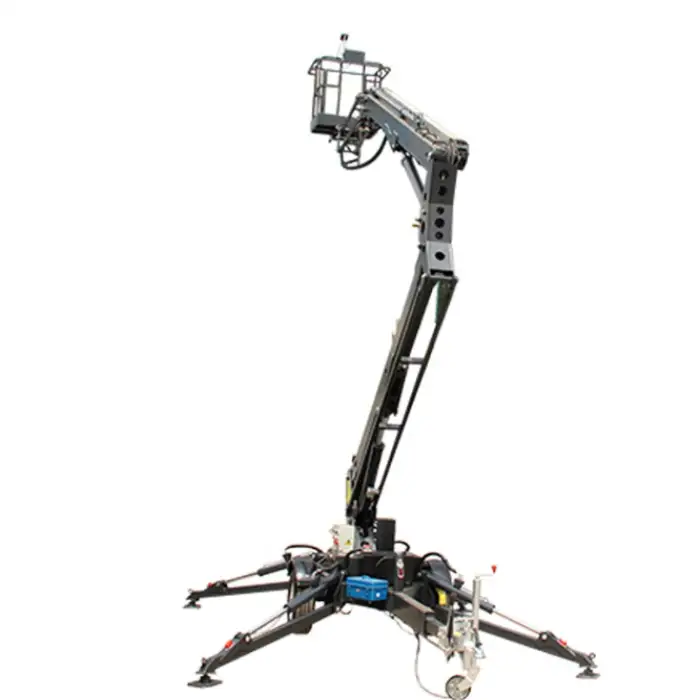
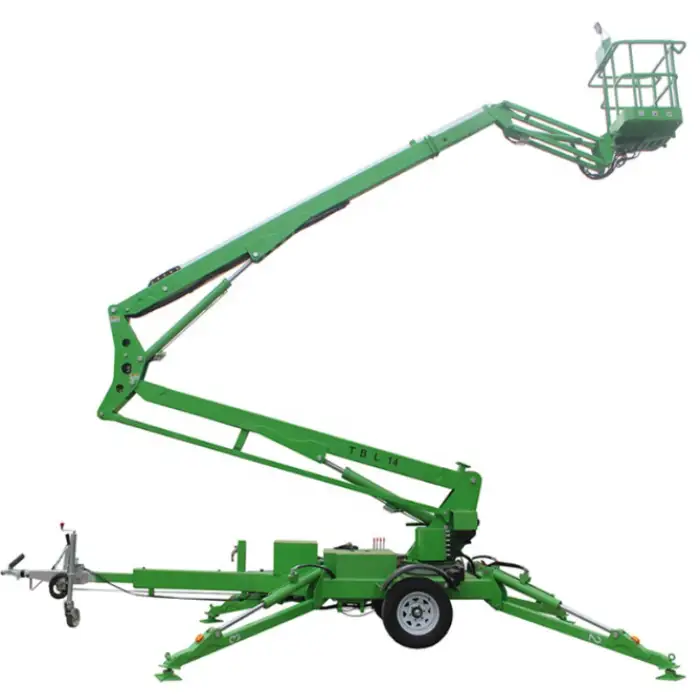
Diesel Petrol Power Telescopic Cherry Picker Aerial Work Platform Towable Boom Lift for Trimming Trees 8-24m

- Section : Machinery
- Category : Lift Tables
- SKU : 1601021122661

14m Diesel Petrol Power Telescopic Cherry Picker Aerial Work Platform Towable Boom Lift for Trimming Trees
Introducing the 14m Diesel Petrol Power Telescopic Cherry Picker Aerial Work Platform! This towable boom lift is perfect for reaching high places safely and easily. It is designed for trimming trees and can be used in many different industries. With its powerful lifting capabilities and sturdy design, this equipment is essential for any job that requires working at heights.
Specifications
| Attribute | Details |
|---|---|
| Condition | New |
| Power Source | AC Power, DC Power, Gas, Diesel |
| Table Size | 900x700mm |
| Brand Name | Blift |
| Applicable Industries | Advertising, Construction, Energy, Farms, Food & Beverage, Garment, Home Use, Hotels, Machinery Repair, Manufacturing, Printing, Retail |
| Lifting Height | 14m |
| Load Capacity | 300kg |
| Working Height | 15m |
| Platform Size | 0.9x0.7m |
| Working Radius | 5.5m-13.5m |
| Name | Towable Boom Lift |
| Driven Mode | Hydraulic |
| Overall Size (L*W*H) | 5.2*1.7*2.1M - 5.8*1.9*2.3M |
| Wind Resistance Level | 5 |
| Supporting Legs Stride Distance | 4.5-4.9 |
Key Features
- 14m lifting height for high access.
- Stable and durable design for safety.
- Multiple power sources: AC, DC, Gas, and Diesel.
- Large platform size of 0.9x0.7m.
- Hydraulic driven mode for smooth operation.
Applications
- Tree trimming and maintenance.
- Construction site work.
- Advertising installations and maintenance.
- Warehouse and factory tasks.
- Home projects requiring height access.
The 14m Diesel Petrol Power Telescopic Cherry Picker Aerial Work Platform is a reliable choice for anyone needing to work safely at heights. With its powerful features and versatility, it is perfect for a variety of applications.
Product Info Gallery
- Shipping Timeframes: All orders are processed within 2-5 business days (excluding weekends and holidays). After your order has been processed, the estimated delivery time is before 04 Feb, 2026, depending on customs, Please note that due to high demand, some items may experience longer shipping times, which will be communicated at order confirmation email.
- Order Processing Time: Please allow 2-5 business days for us to process your order before it is shipped . Orders placed after 16:00 on Fridays, or during weekends and public holidays, will begin processing on the next business day. Processing times may be extended during peak seasons or sales events.
- Manufacturing Time: Some products needs manufacturing time, the manufacturing process will take approximately 10-30 business days depending on the product. This timeframe may vary depending on the complexity of the product and current demand. but this will be communicated with you during order confirmation.
- Returns and Exchanges: We offer a 30-day return policy for most items. If you are not completely satisfied with your purchase, you may return it within 30 days of receipt for a refund or exchange. Items must be unused, in their original packaging, and accompanied by proof of purchase. Return shipping costs are the responsibility of the customer, unless the item was damaged or defective upon arrival.
1. What is the maximum lifting height and working height of this cherry picker?
The telescopic boom provides a maximum lifting height of 14 m and a working height of approximately 15 m (platform floor to ground depending on setup).
2. What is the platform size and maximum load capacity?
The platform dimensions are 0.9 x 0.7 m (900 x 700 mm) and the rated load capacity is 300 kg.
3. What power sources does this unit support?
This model supports multiple power source options: AC (mains), DC (battery), gasoline (petrol) and diesel. Verify the specific configuration and fitted engine/generator with the supplier when ordering.
4. Is the cherry picker towable and what are its transport dimensions?
Yes — it is a towable boom lift. Stowed/transport overall dimensions are approximately 5.2 x 1.7 x 2.1 m; deployed/extended dimensions can be around 5.8 x 1.9 x 2.3 m. Confirm exact transport specs with the seller for road regulations.
5. How do the stabilizing/supporting legs work and what is their spread?
The machine uses hydraulically deployed stabilizing legs to provide a stable base. Supporting legs have a stride (spread) distance of approximately 4.5–4.9 m. Always deploy legs fully on firm, level ground and use pads as required.
6. What is the working radius (reach) of the boom?
The working radius ranges from about 5.5 m up to 13.5 m depending on boom extension and platform position.
7. What safety features are included?
Standard safety features typically include guardrails on the platform, hydraulic controls with emergency stop, stabilizer legs, overload protection and wind-resistance design rated to level 5. Exact safety fittings and options should be confirmed with the manufacturer or supplier.
8. Do I need special certification or licensing to operate this aerial platform?
Operator requirements depend on local regulations. Many jurisdictions require trained/authorized operators and a mobile elevating work platform (MEWP) certification. Check local laws and ensure operators receive proper training.
9. What maintenance is required and how often?
Regular maintenance includes daily visual checks, lubrication of pivot points, hydraulic fluid level and filter inspections, engine/service maintenance per manufacturer intervals, and periodic safety inspections. Follow the supplier's maintenance manual for recommended schedules.
10. What is the wind rating and when should I avoid use due to wind?
The unit lists a wind resistance level of 5. That typically means it is safe within specified wind limits; however, do not operate the platform in high winds or gusty conditions. Refer to the operator manual for exact wind speed limits.
11. Can the unit be used on slopes or uneven ground?
Use only on firm, level surfaces whenever possible. The hydraulic stabilizers are designed to compensate for some unevenness, but safe operation on slopes depends on ground conditions and must follow the manufacturer's guidance and rated limits.
12. What certifications and compliance documentation are provided?
Certifications (for example CE, ISO, or other regional conformity marks) vary by production batch and market. Ask the supplier to provide applicable certificates, declaration of conformity, and test reports prior to purchase.
13. Are spare parts and service support available?
Spare parts and after-sales service availability depend on the dealer or manufacturer network. Confirm spare-part lists, lead times and service support options with your supplier before purchase.
14. How fast does the platform extend and retract, and what type of drive system is used?
The boom is hydraulically driven for smooth operation. Extension/retraction speeds vary by model and power configuration—consult the product datasheet or supplier for specific cycle times.
15. What should I know about delivery, installation and warranty?
Delivery and installation options differ by seller; many dealers offer on-site setup and operator familiarization. Warranty terms also vary—request written warranty details (duration, coverage, exclusions) and any available service packages from the supplier prior to purchase.
Latest Order Arrivals
Discover our latest orders
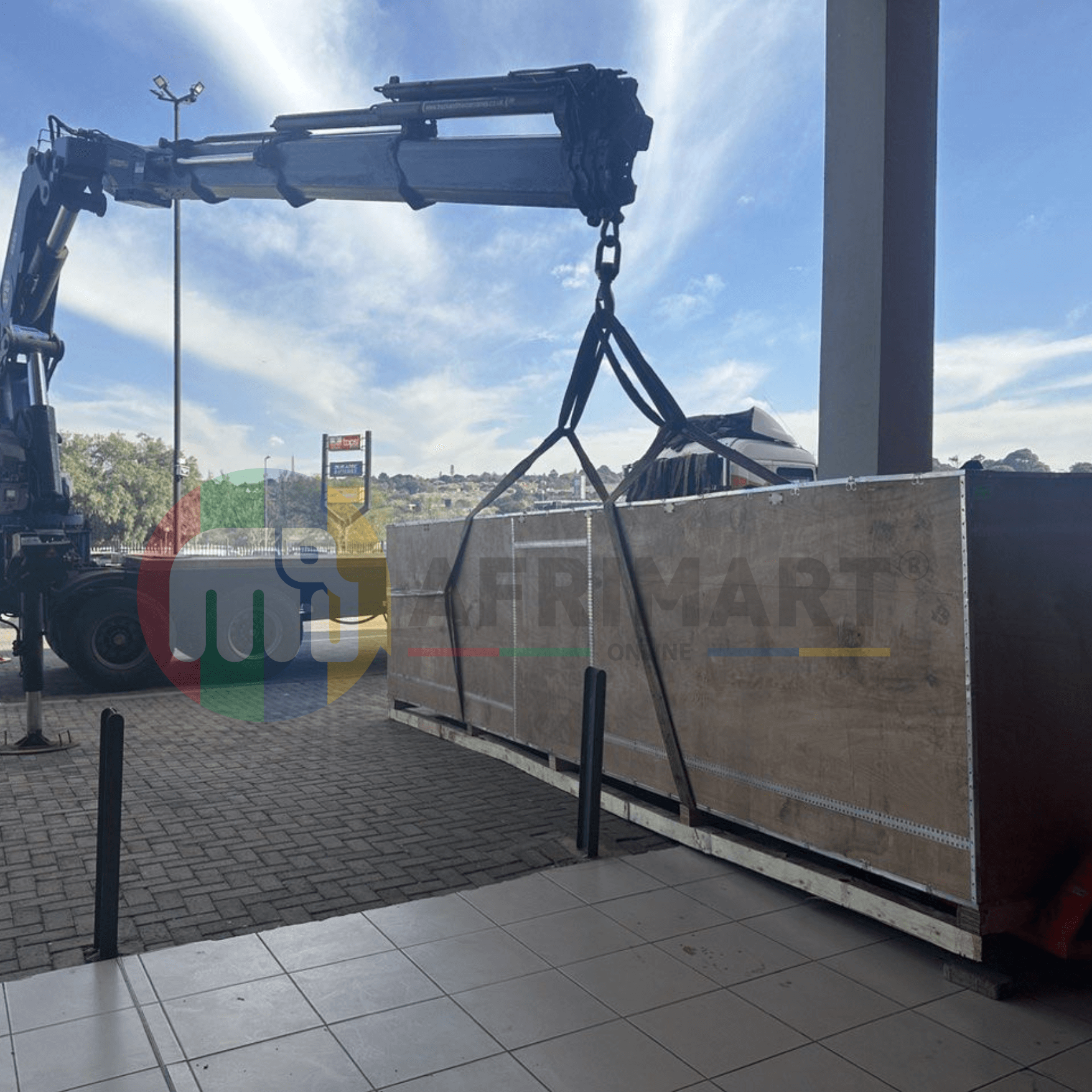
12 Heads Embroidery Machine
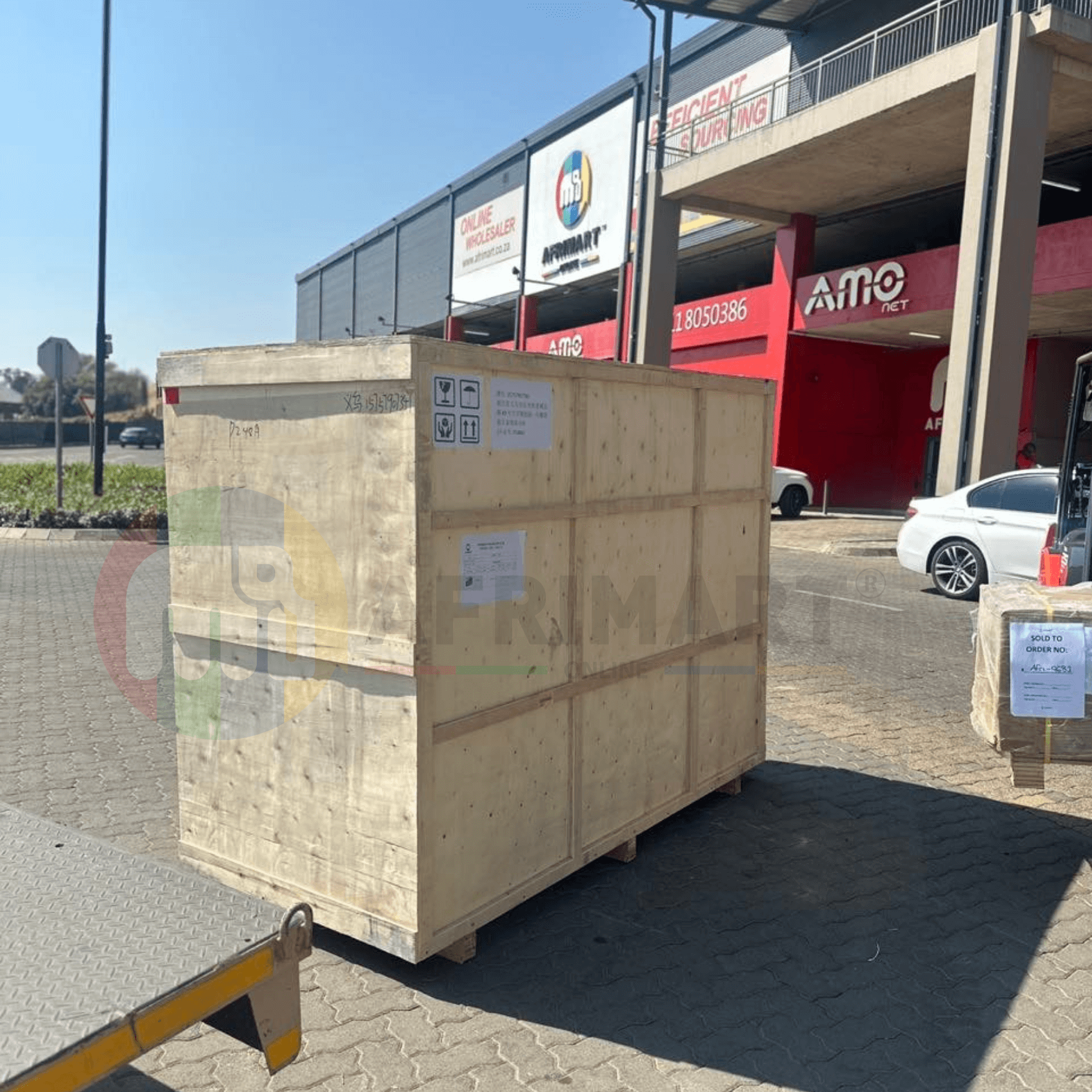
Dewatering Pump Machine
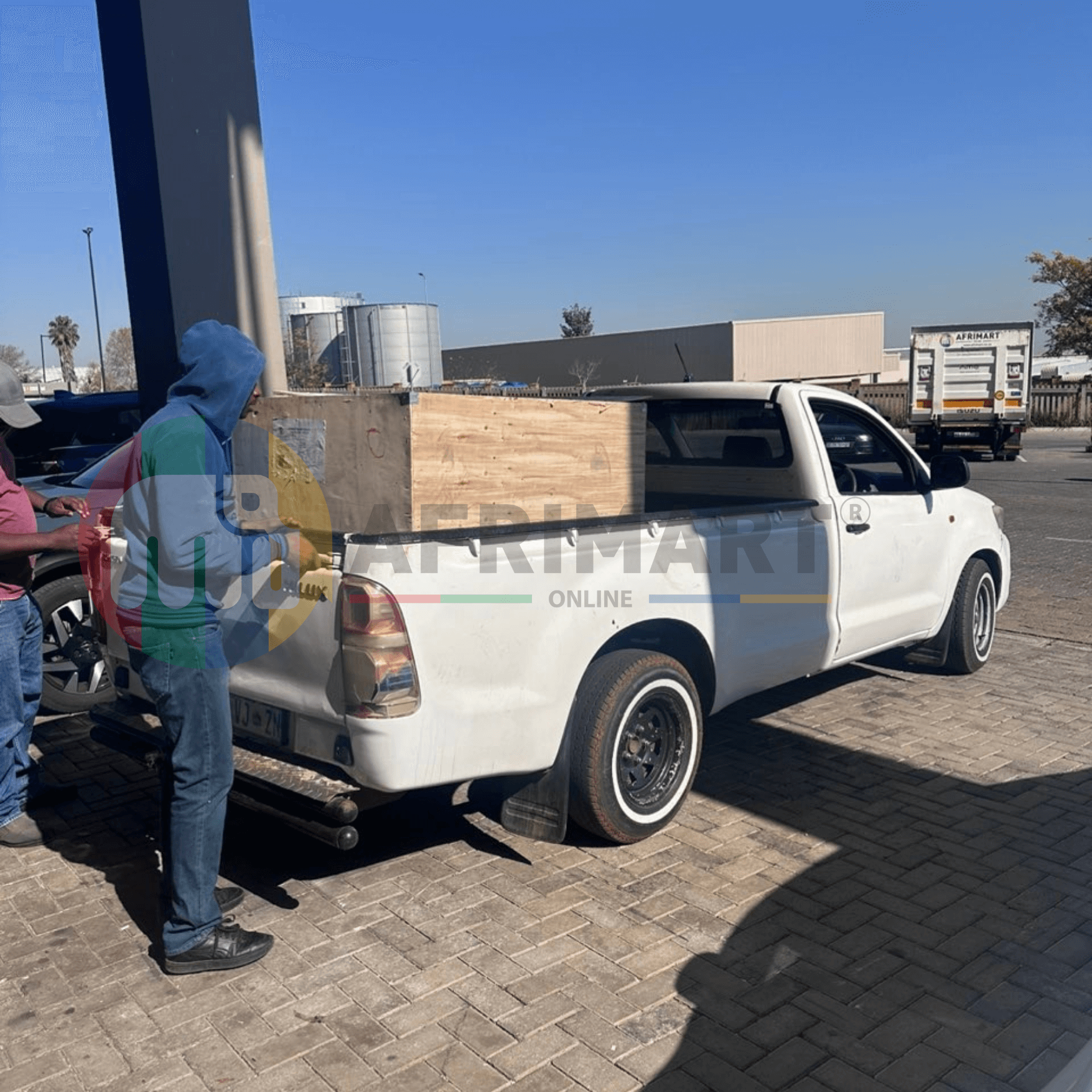
Order Collection
Portable Water Drilling Rig
Order Usefully Collected
Batch of Orders
Agriculture Processing Machines
Meat Grinder Machine
Water Pump Equipment
Packaging Machine and accessories
Fabrics Manufacturing Equipment
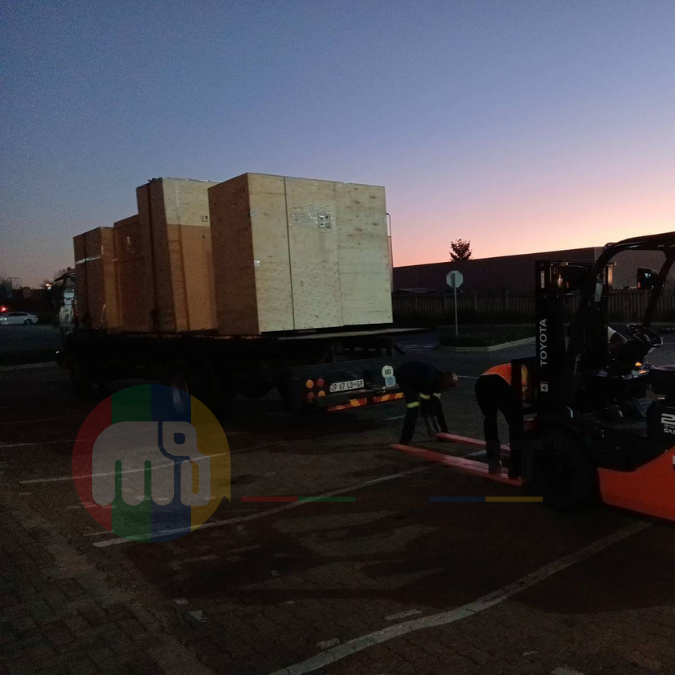
Mining Equipments
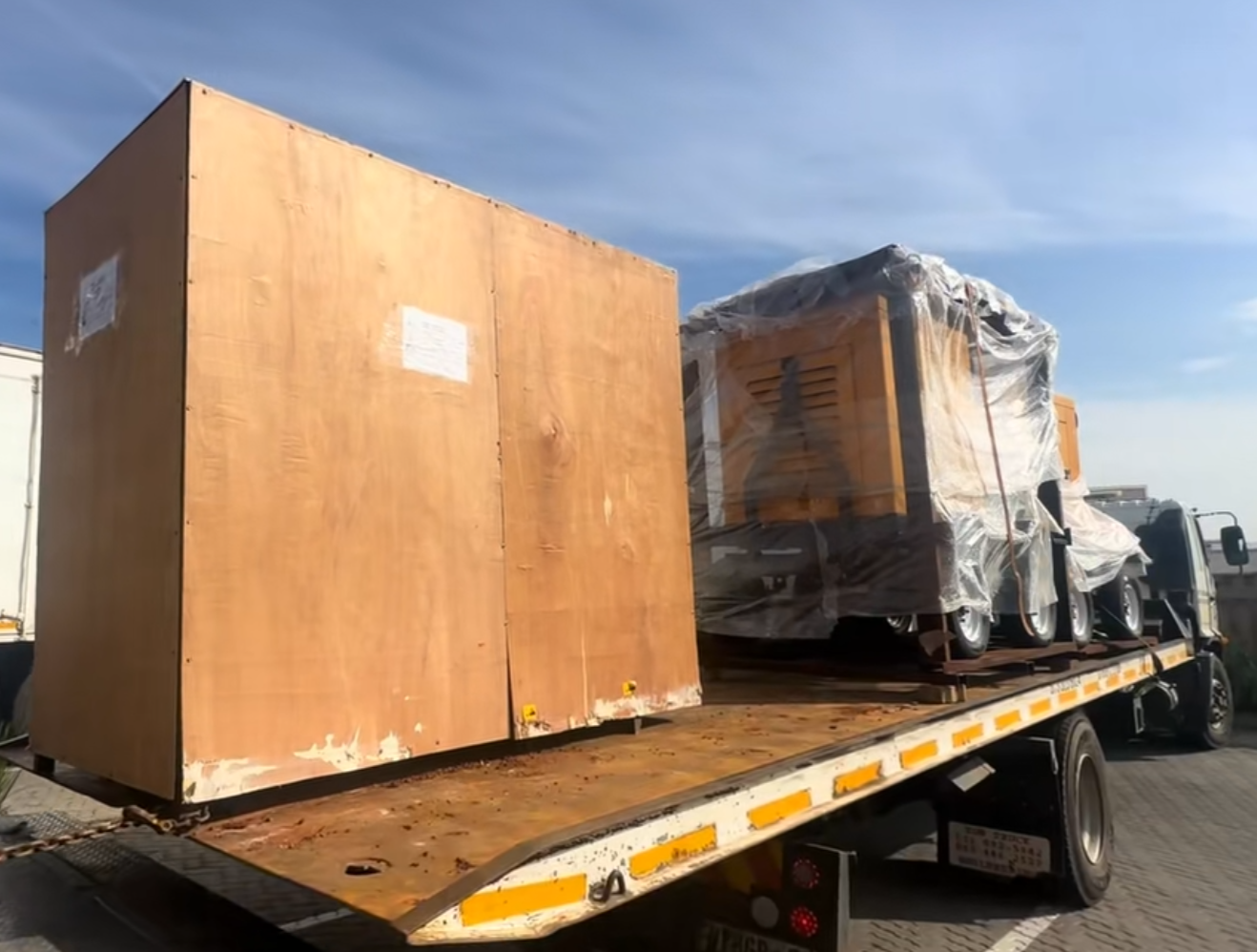
Food Processing Machine
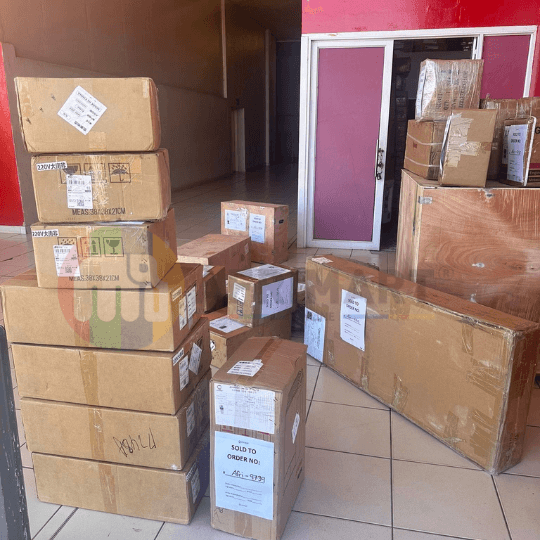
Batch of Orders
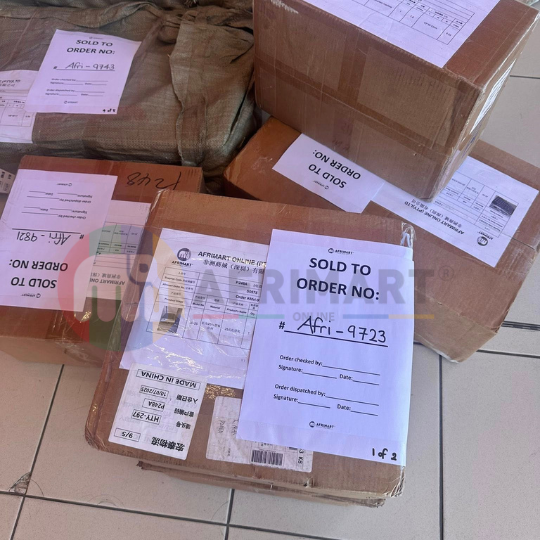
Batch of Orders
Latest Orders Labelled
wheel alignment machines
new arrivals
Pre Orders Offloading
Latest Arrivals
Latest Arrivals