B21, China Town Mall, Midrand


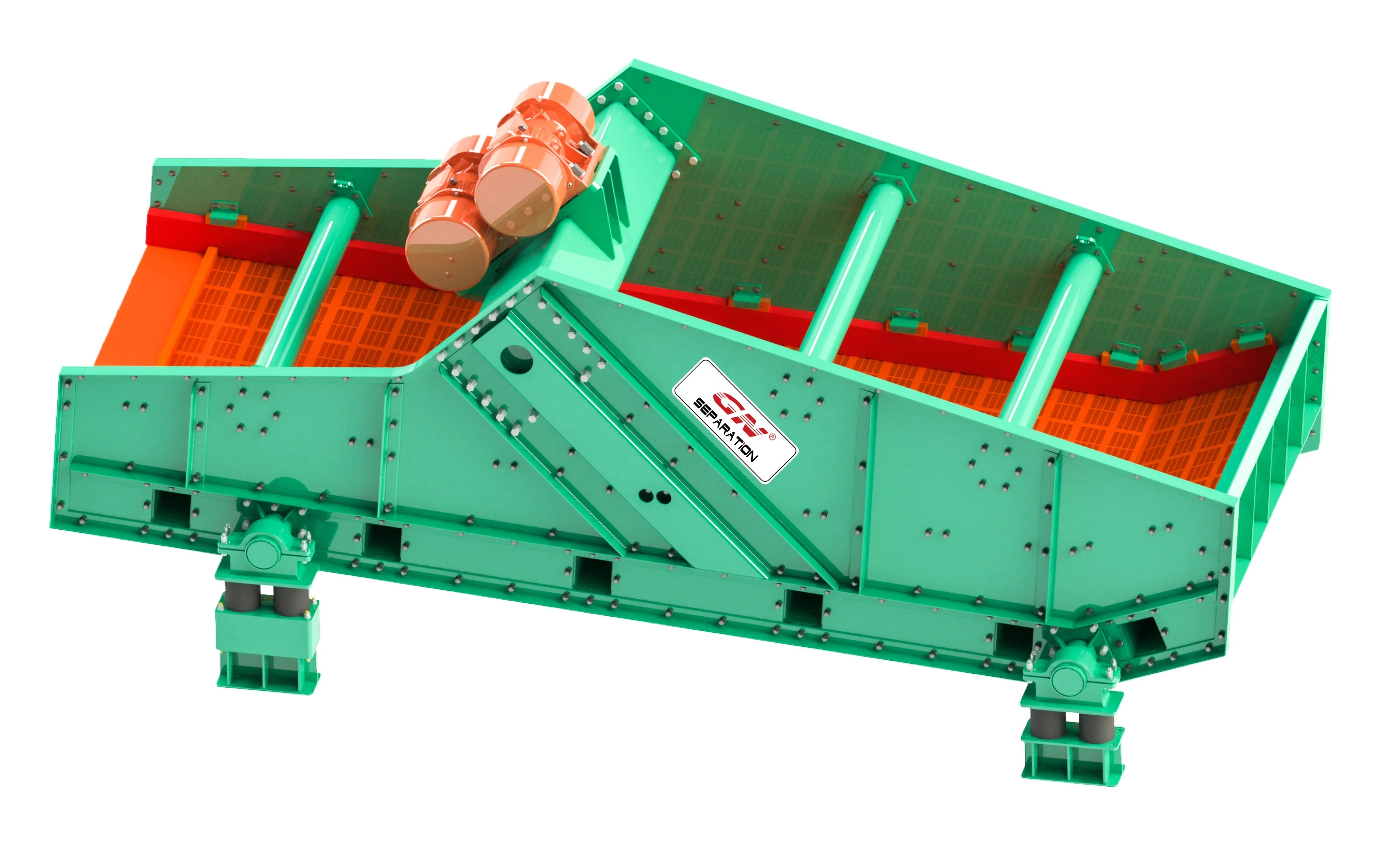
Dewatering Vibrating Screen Linear Motion-Mineral Separation
Asset finance available
Do you want funding for this equipment?
Afrimart can connect you with trusted funding partners who specialise in asset finance for businesses like yours. Compare options and apply in minutes — final approval is subject to provider review.
Check funding options
Secure & no obligation

- Section : Machinery
- Category : Mining Machinery
- SKU : 1600541643147

Product Overview
GNLMZ Series Dewatering Vibrating Screen
GN dewatering mining vibrating screen-linear motion is widely used in beneficiation, coal preparation, building materials, metallurgy, chemical industry and other industries. In the beneficiation industry, it is commonly used for desliming, dewatering, demineralization and dry discharge of tailings of iron ore, nonferrous metal ore, coal mine and other materials. The equipment adopts advanced design such as finite element analysis and anti fatigue analysis to ensure the reasonable structure of the screen, low energy consumption and large dewatering and dry discharge capacity. It can be adapted in various working conditions that are easy to corrode and wear. Large processing capacity, high efficiency and stable performance. The size of the machine can also be customized according to customer requirements.
Our Advantages
* the wallboard is not welded. The steel plate with better impact toughness and cold bending is selected, and the imported HUCK
rivet is used for hydraulic tension assembly. This advanced design makes the wallboard free of welding residual stress and
material defects, so as to avoid the reduction of fatigue strength of wallboard due to the above defects.
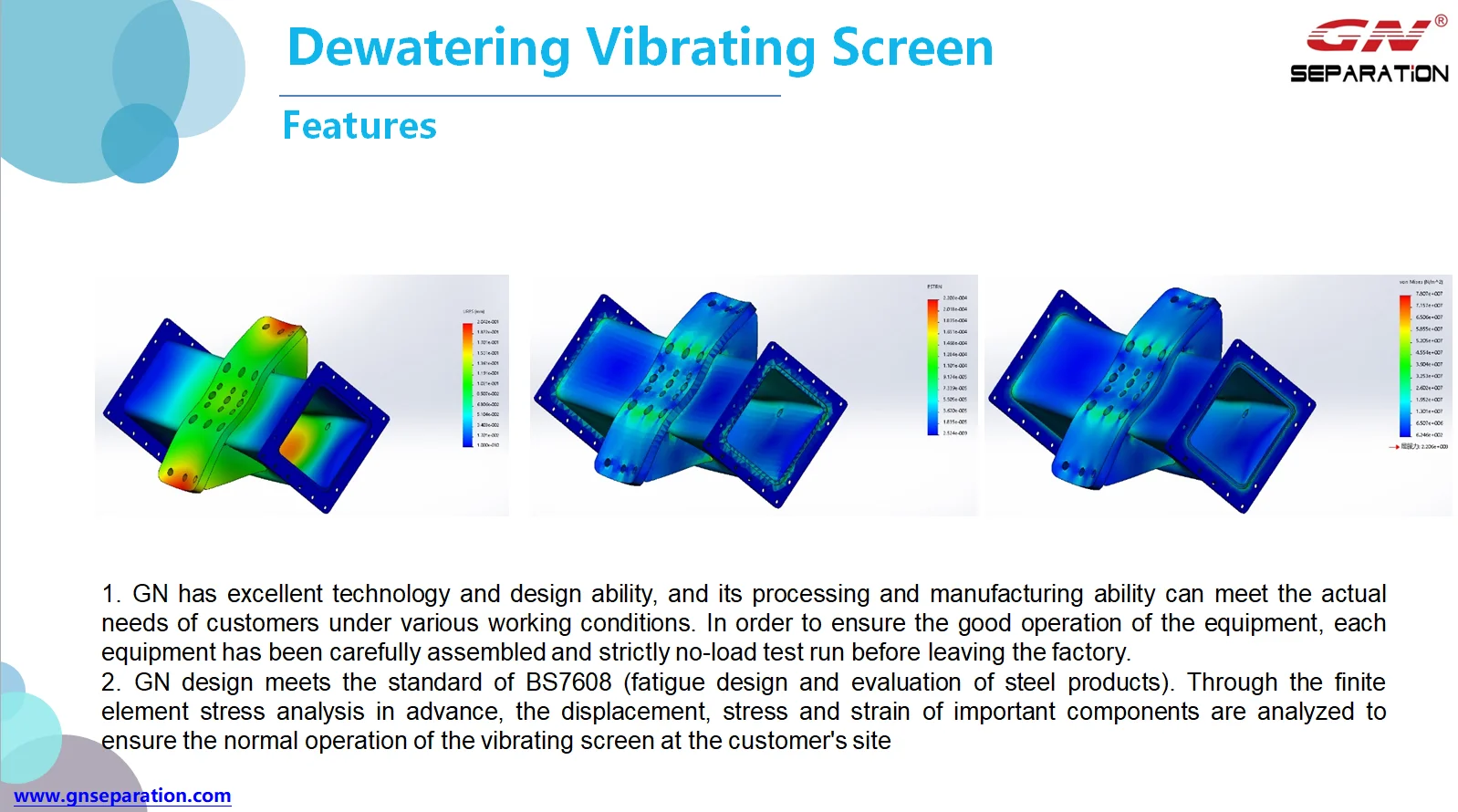
* optimize the structural strength and vibration quality of the screen machine through finite element analysis, reduce stress
and prolong the service life of the equipment.
* the fluid touching parts and easily worn parts are sprayed with polyurea by the spraying machine imported from the United
States, which is resistant to corrosion, erosion and wear.
* post weld heat treatment process of main components to effectively eliminate welding stress.
* product serialization to meet the production requirements of customers under different process conditions; Polyurethane screen
panel is modular, more versatile and more convenient to replace.
- Shipping Timeframes: All orders are processed within 2-5 business days (excluding weekends and holidays). After your order has been processed, the estimated delivery time is before 03 Aug, 2026, depending on customs, Please note that due to high demand, some items may experience longer shipping times, which will be communicated at order confirmation email.
- Order Processing Time: Please allow 2-5 business days for us to process your order before it is shipped . Orders placed after 16:00 on Fridays, or during weekends and public holidays, will begin processing on the next business day. Processing times may be extended during peak seasons or sales events.
- Manufacturing Time: Some products needs manufacturing time, the manufacturing process will take approximately 10-30 business days depending on the product. This timeframe may vary depending on the complexity of the product and current demand. but this will be communicated with you during order confirmation.
- Returns and Exchanges: We offer a 30-day return policy for most items. If you are not completely satisfied with your purchase, you may return it within 30 days of receipt for a refund or exchange. Items must be unused, in their original packaging, and accompanied by proof of purchase. Return shipping costs are the responsibility of the customer, unless the item was damaged or defective upon arrival.
1. What industries is the Dewatering Vibrating Screen suitable for?
The Dewatering Vibrating Screen is widely used in industries such as beneficiation, coal preparation, building materials, metallurgy, and the chemical industry.
2. What are the main functions of the GNLMZ Series Dewatering Vibrating Screen?
The main functions include desliming, dewatering, demineralization, and dry discharge of tailings from iron ore, nonferrous metal ore, and coal.
3. How does the design of the screen improve its performance?
The screen employs advanced finite element analysis and anti-fatigue analysis to optimize structural strength, reduce energy consumption, and enhance dewatering capacity.
4. Can the size of the Dewatering Vibrating Screen be customized?
Yes, the size of the machine can be customized according to customer requirements.
5. What materials are used in the construction of the screen?
The screen is constructed using high-quality steel plates selected for their impact toughness, and it features a hydraulic tension assembly using imported HUCK rivets.
6. What is the advantage of the wallboard design?
The wallboard is not welded, which eliminates residual stress and material defects, thus avoiding a reduction in fatigue strength.
7. How does the screen resist wear and corrosion?
Fluid touching parts and easily worn parts are sprayed with polyurea, which is resistant to corrosion, erosion, and wear.
8. What is the benefit of the post-weld heat treatment process?
The post-weld heat treatment process effectively eliminates welding stress in the main components, enhancing durability.
9. What features contribute to the screen's efficiency?
The screen offers large processing capacity, high efficiency, stable performance, and is designed to adapt to various working conditions.
10. How do I maintain the Dewatering Vibrating Screen?
Regular maintenance includes checking for wear on components, ensuring proper tensioning, and cleaning the screen to prevent clogging.
11. Is training provided for operating the Dewatering Vibrating Screen?
Yes, training can be provided upon request to ensure safe and efficient operation of the equipment.
12. What is the expected lifespan of the Dewatering Vibrating Screen?
With proper maintenance, the screen is designed to have a long service life, supported by features that reduce wear and fatigue.
13. Can the screen handle different types of materials?
Yes, the Dewatering Vibrating Screen can handle various materials including iron ore, nonferrous metals, and coal.
14. What is the typical installation process for the Dewatering Vibrating Screen?
Installation typically involves positioning the screen on a stable foundation, connecting it to the necessary power and water supply, and calibrating its settings.
15. Are replacement parts available for the Dewatering Vibrating Screen?
Yes, replacement parts, including modular polyurethane screen panels, are available and designed for easy replacement.
Latest Order Arrivals
Discover our latest orders
12 Heads Embroidery Machine
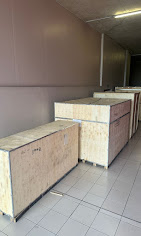
Toilet Paper Machine Machine
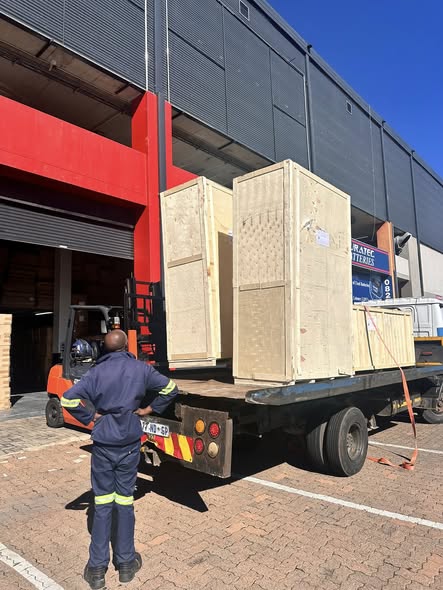
Order Collection
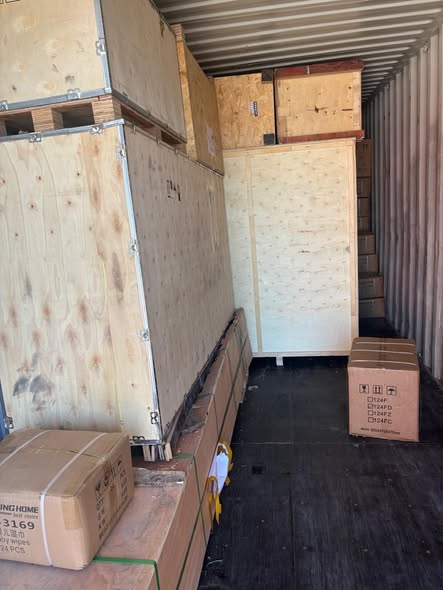
Cross Border Clients
Order cros border countries Collected
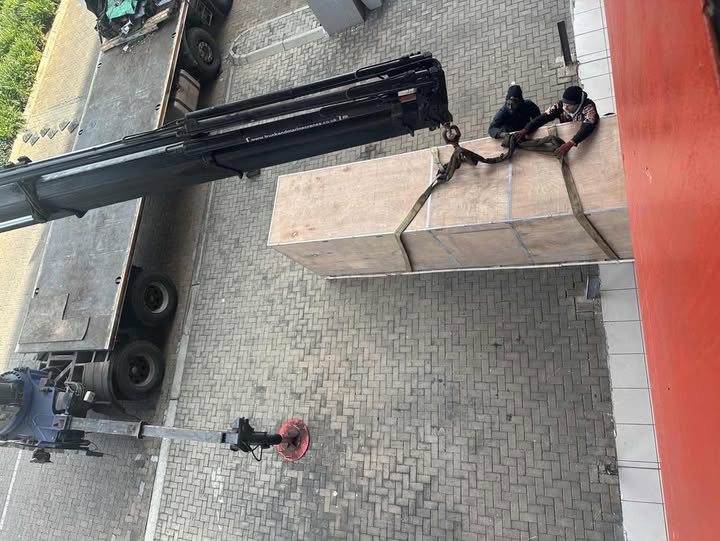
Industrial Machine Cllection
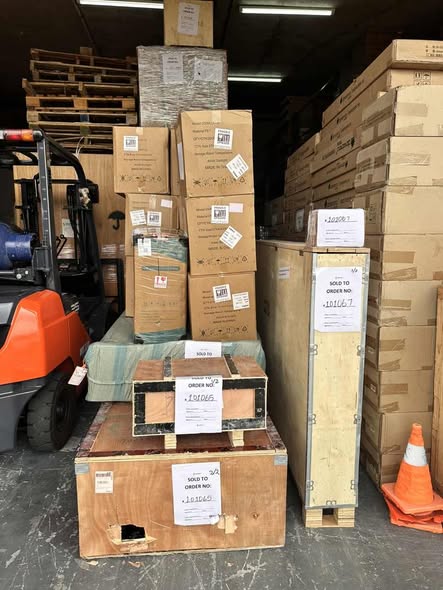
Agriculture Processing Machines
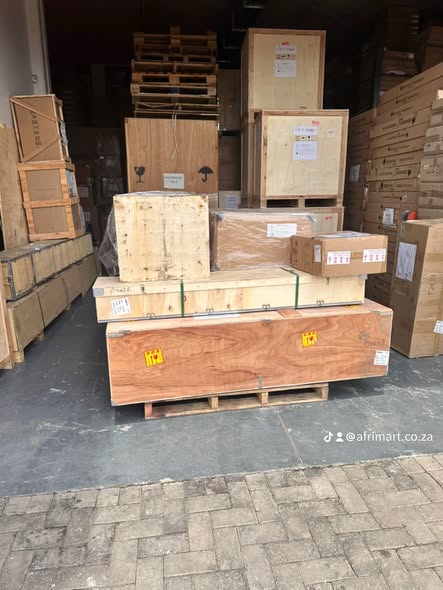
Ready for collection
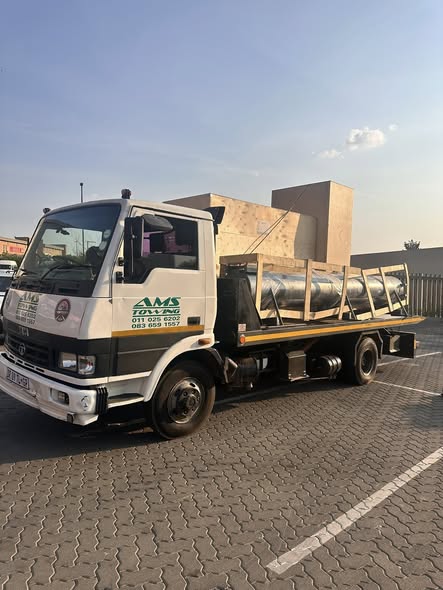
Water Pump Equipment
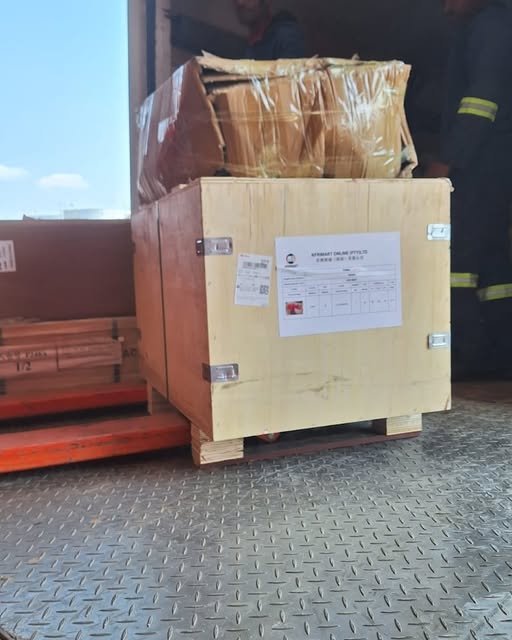
Packaging Machine and accessories
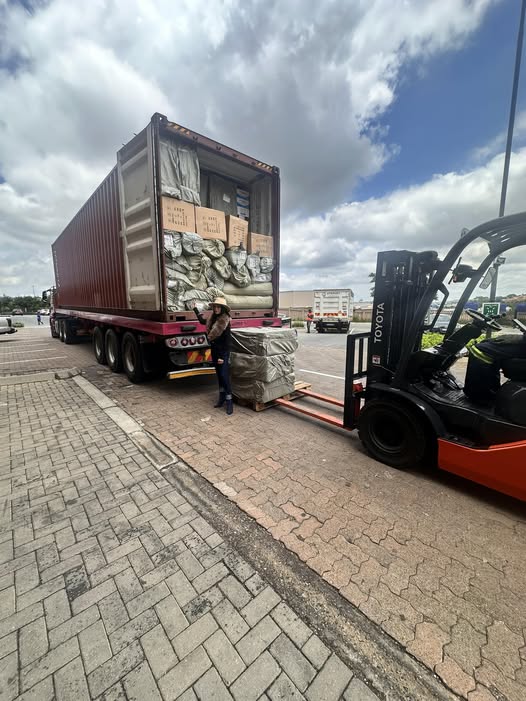
Fabrics Manufacturing Equipment
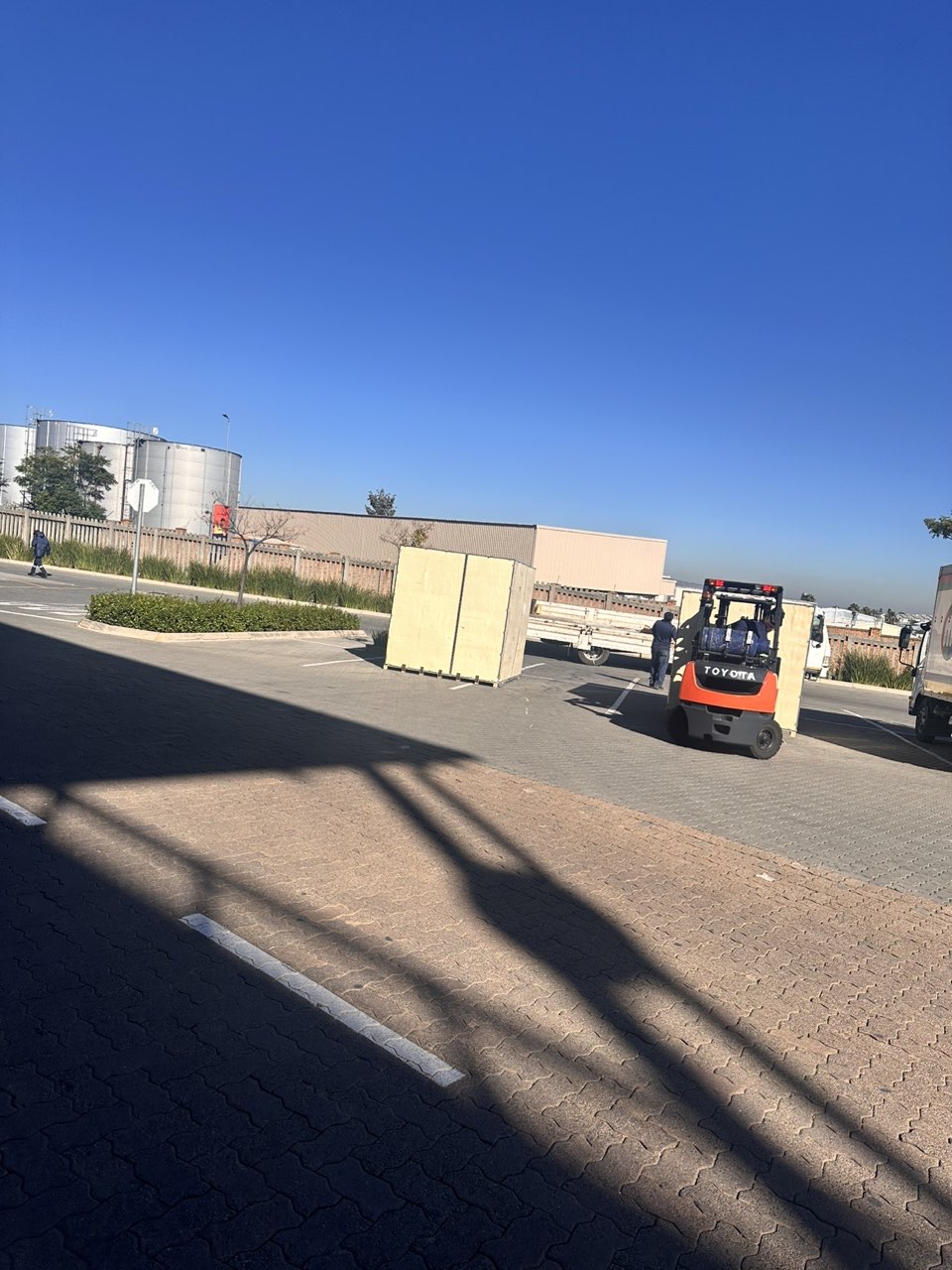
Mining Equipments
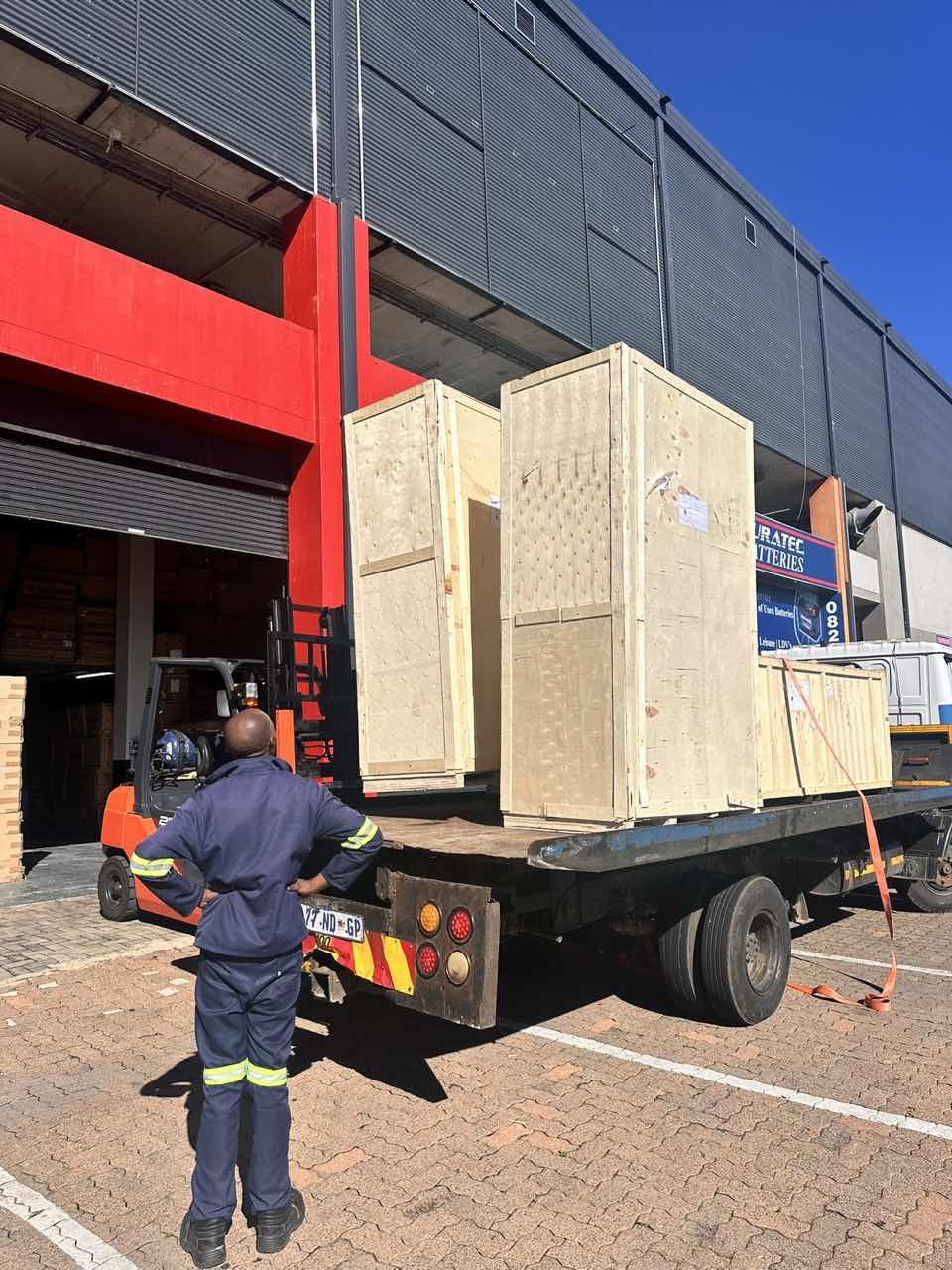
Food Processing Machine
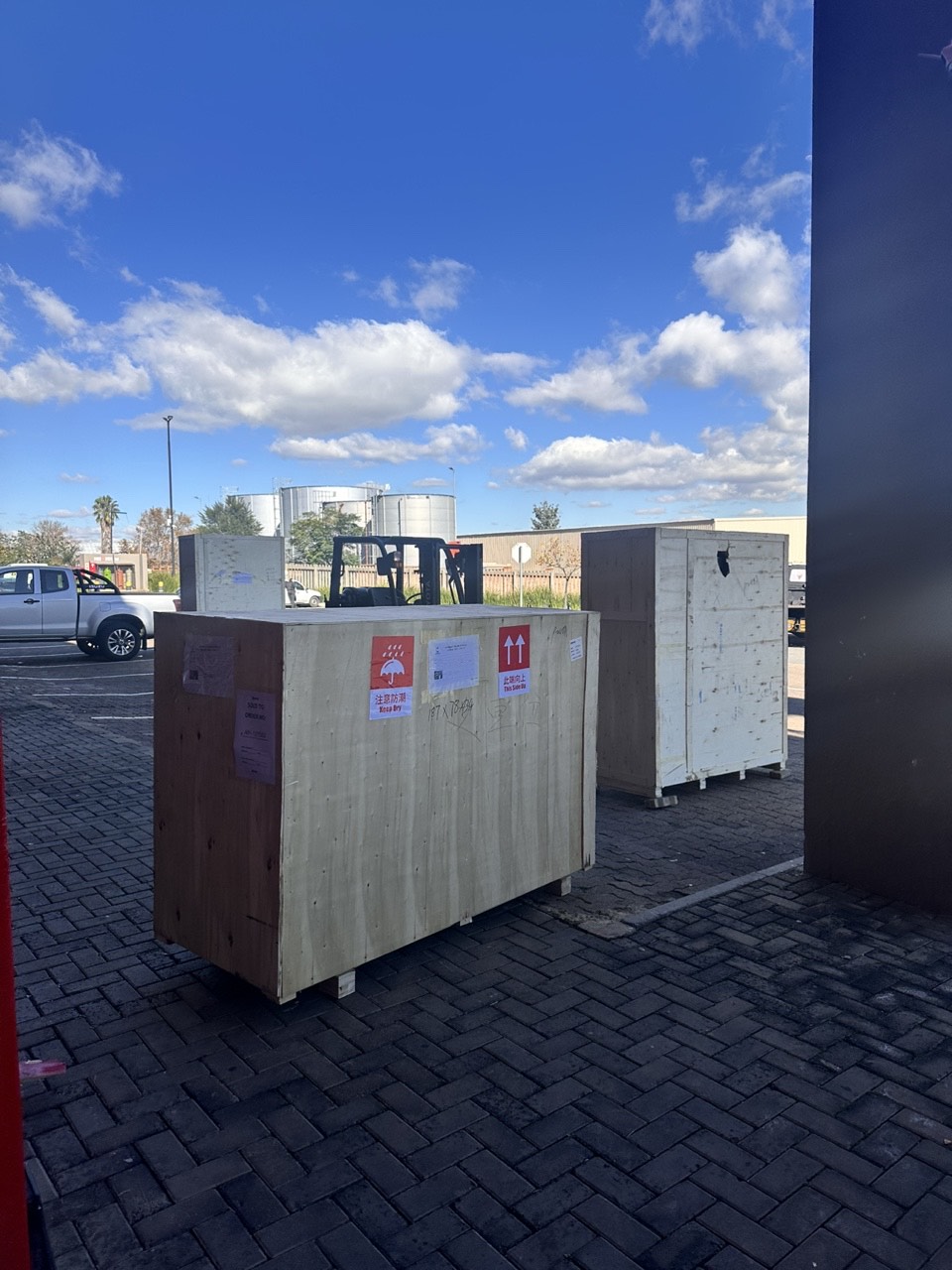
Batch of Orders
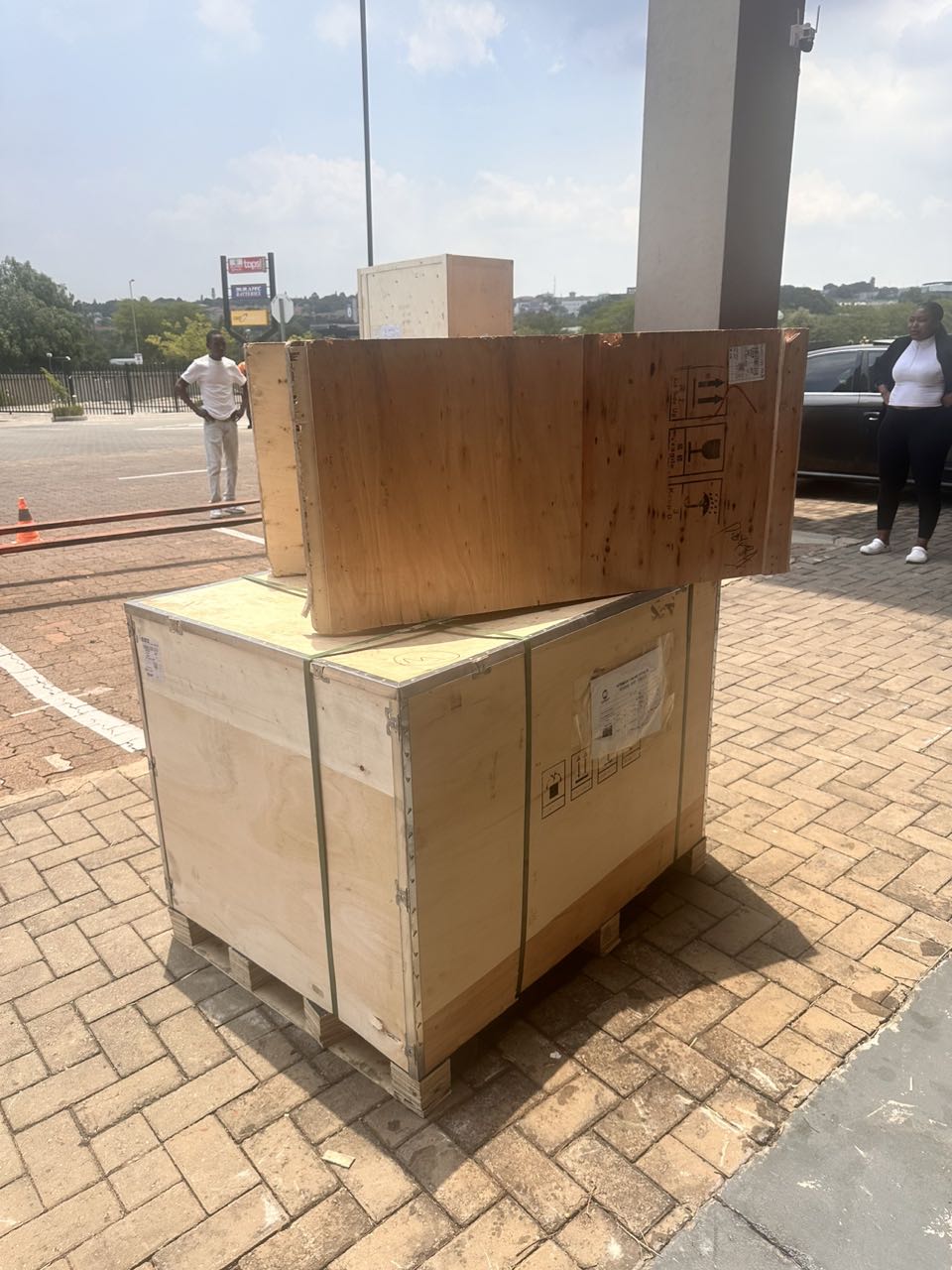
Batch of Orders
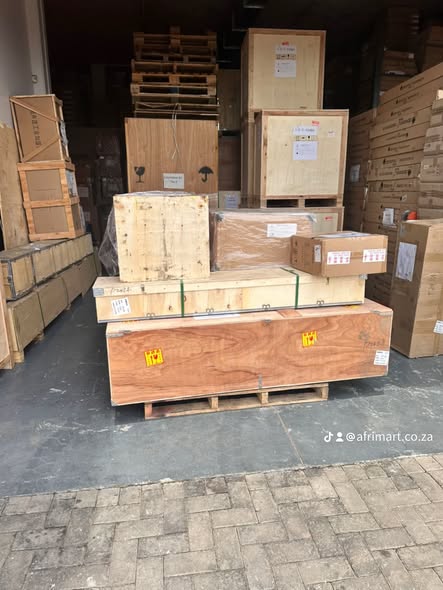
Latest Orders Labelled
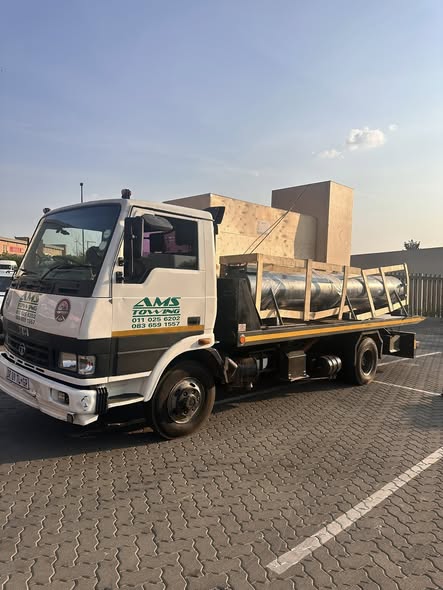
wheel alignment machines
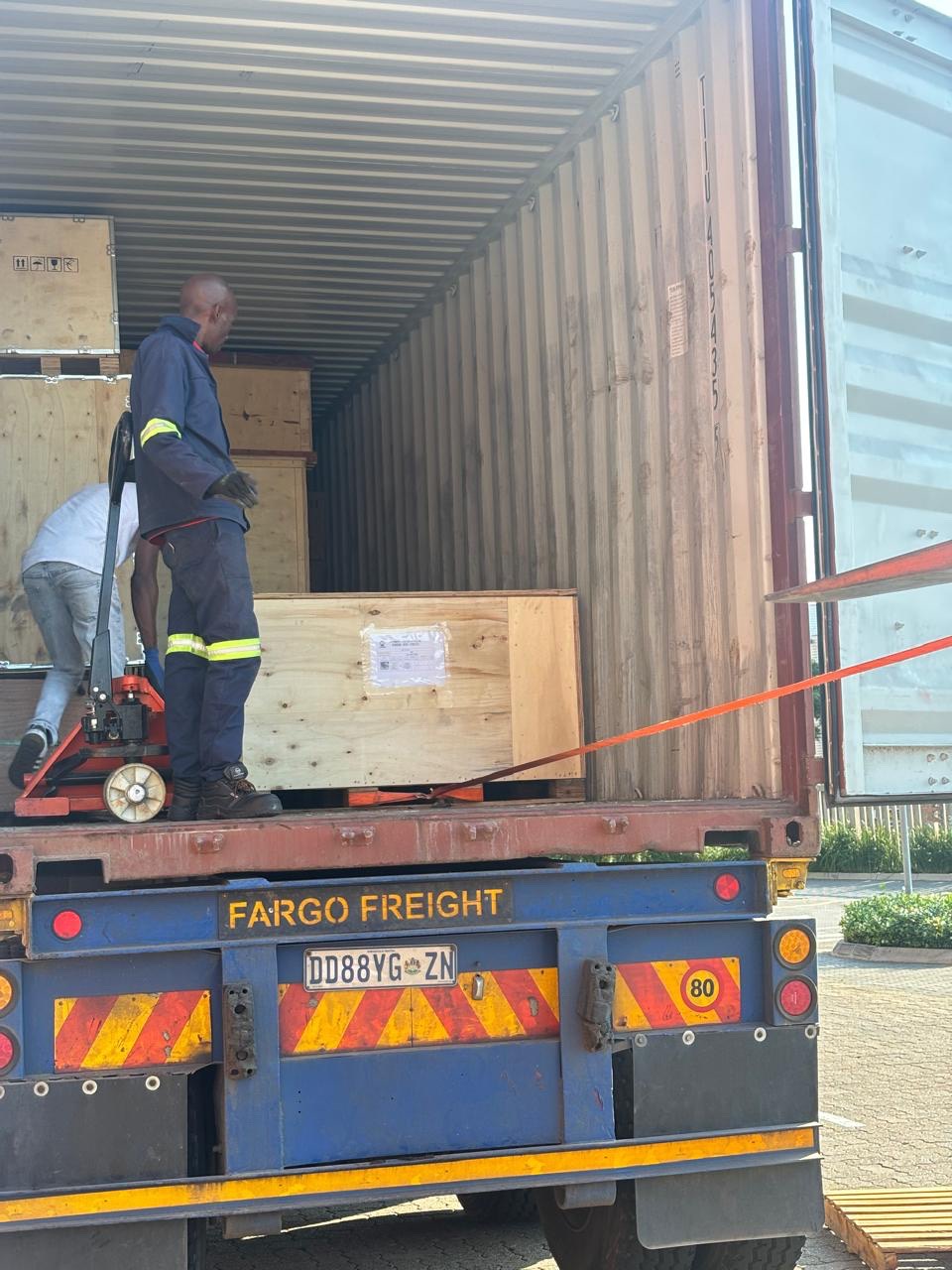
new arrivals
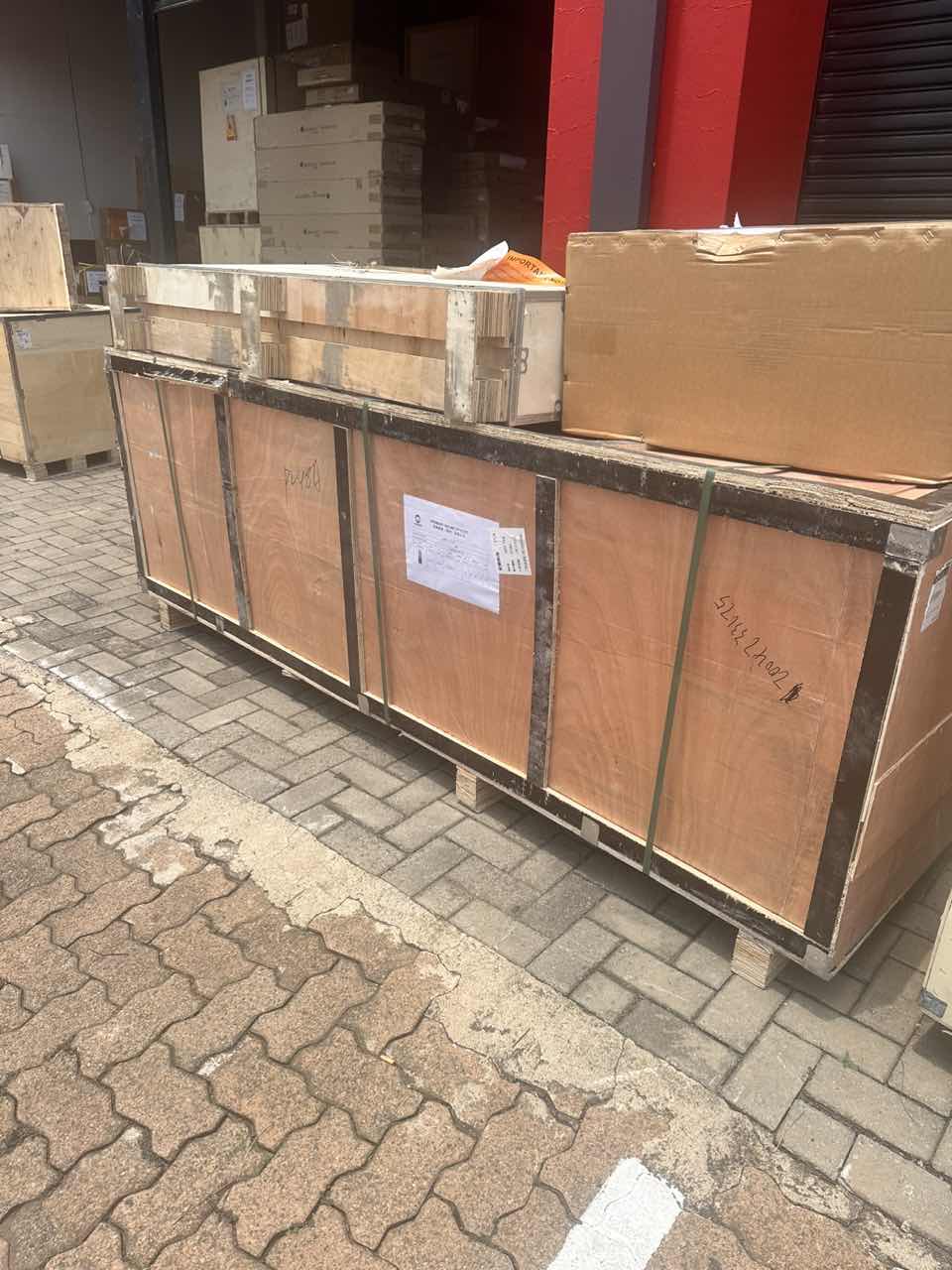
Pre Orders Offloading
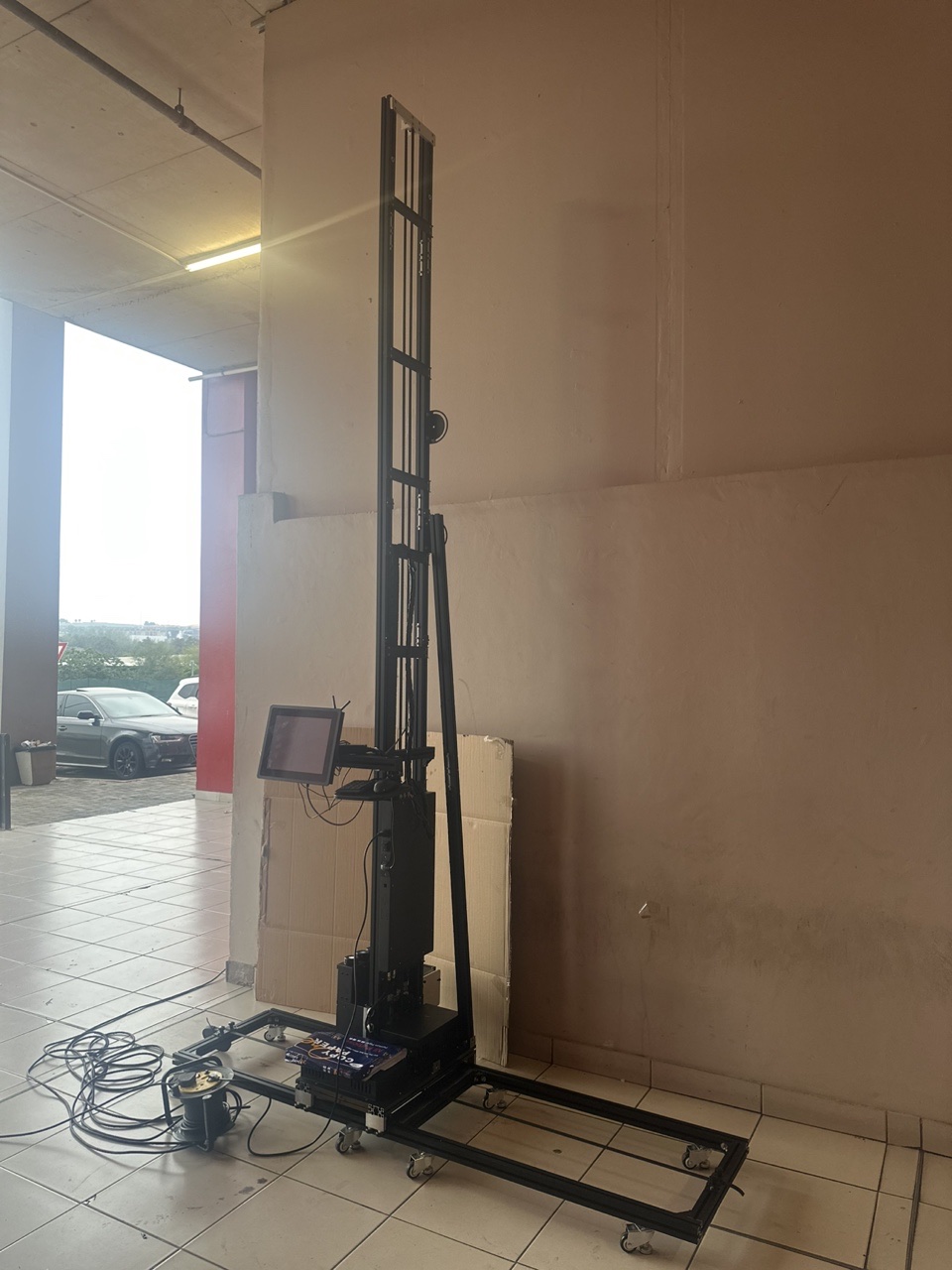
Latest Arrivals
Latest Arrivals
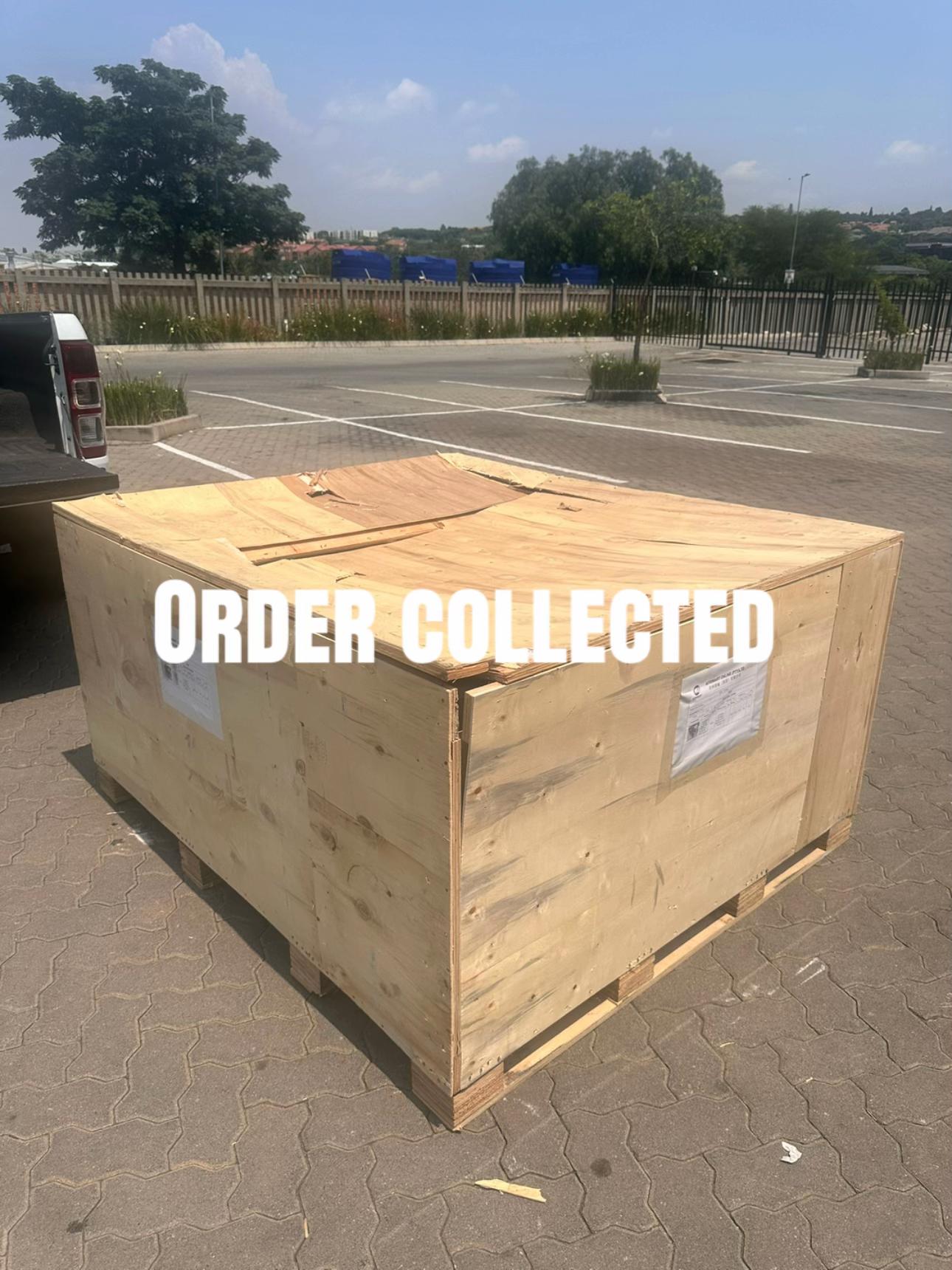
Latest Arrivals
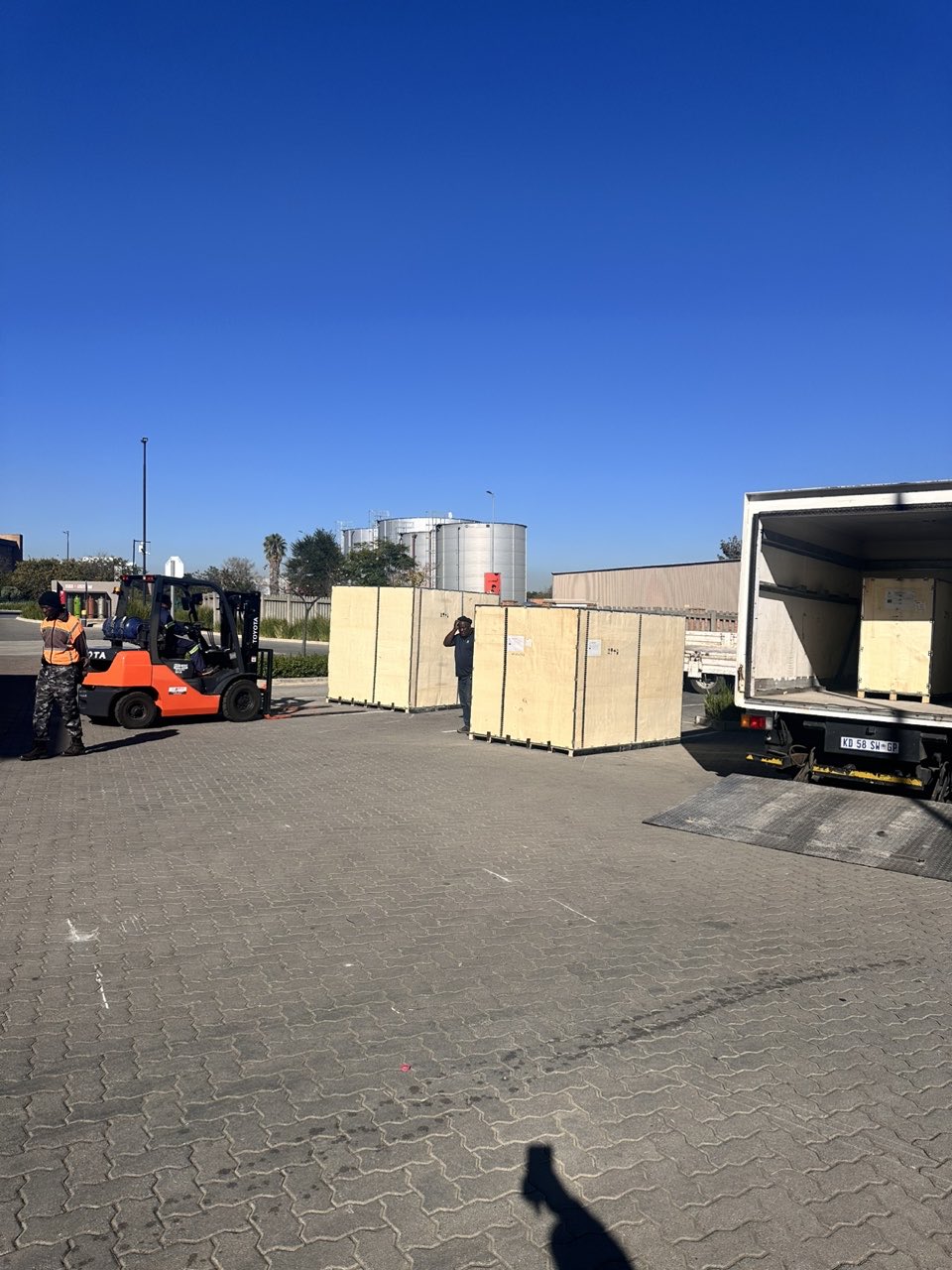
Loading
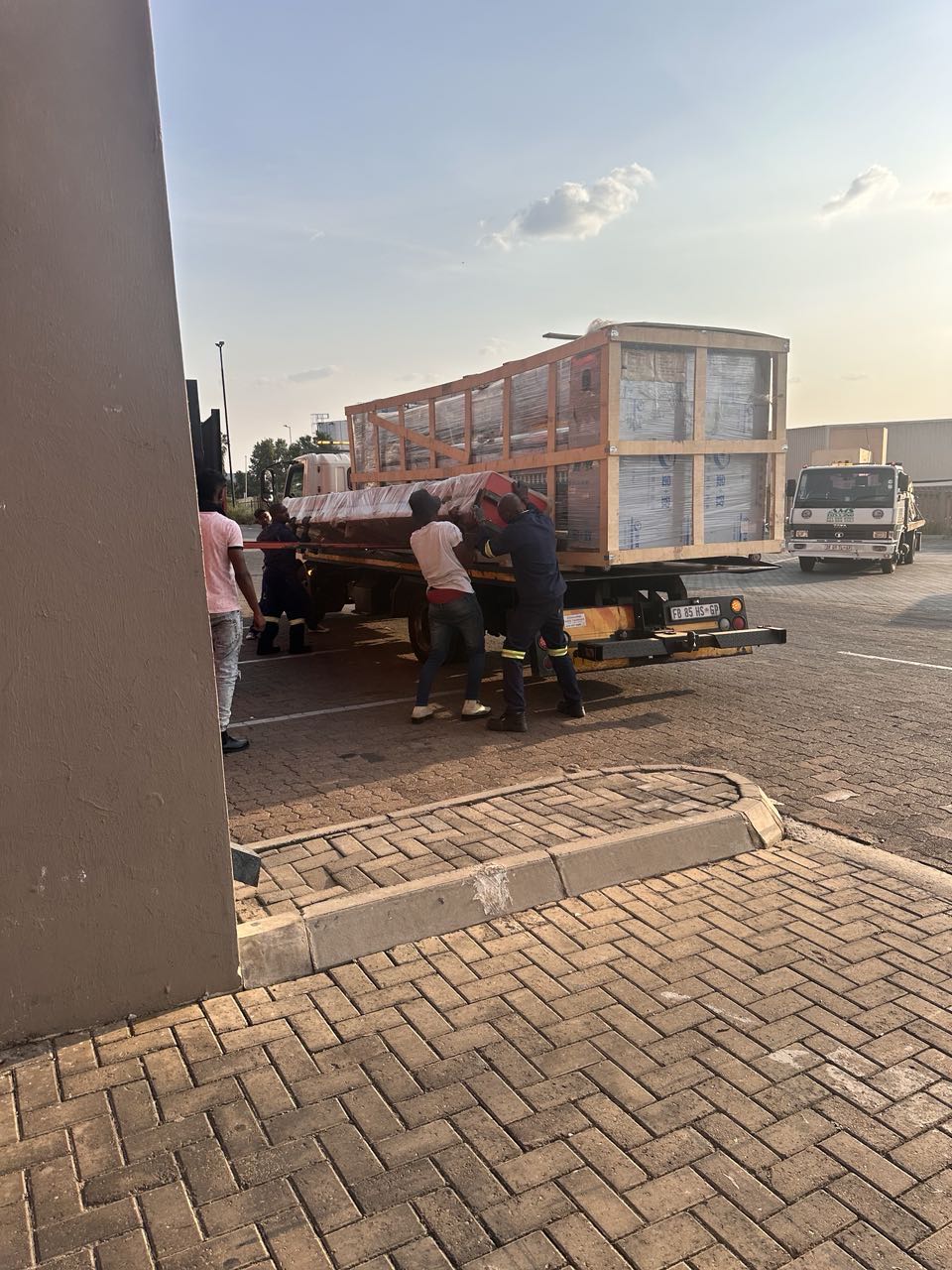
Toilet paper making machine
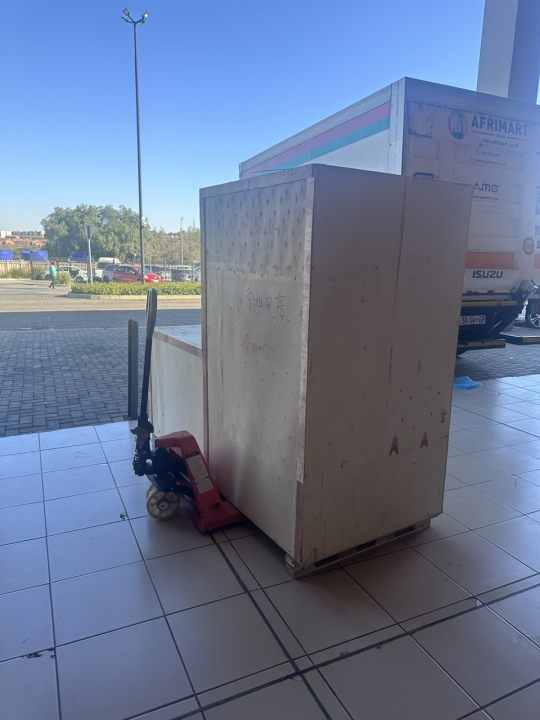
Toilet paper making machine
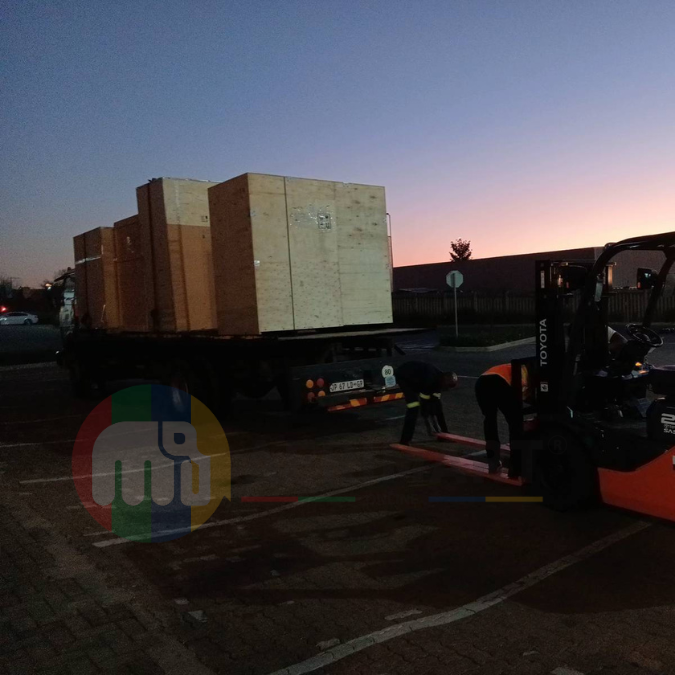
Toilet paper Rewinding Machine
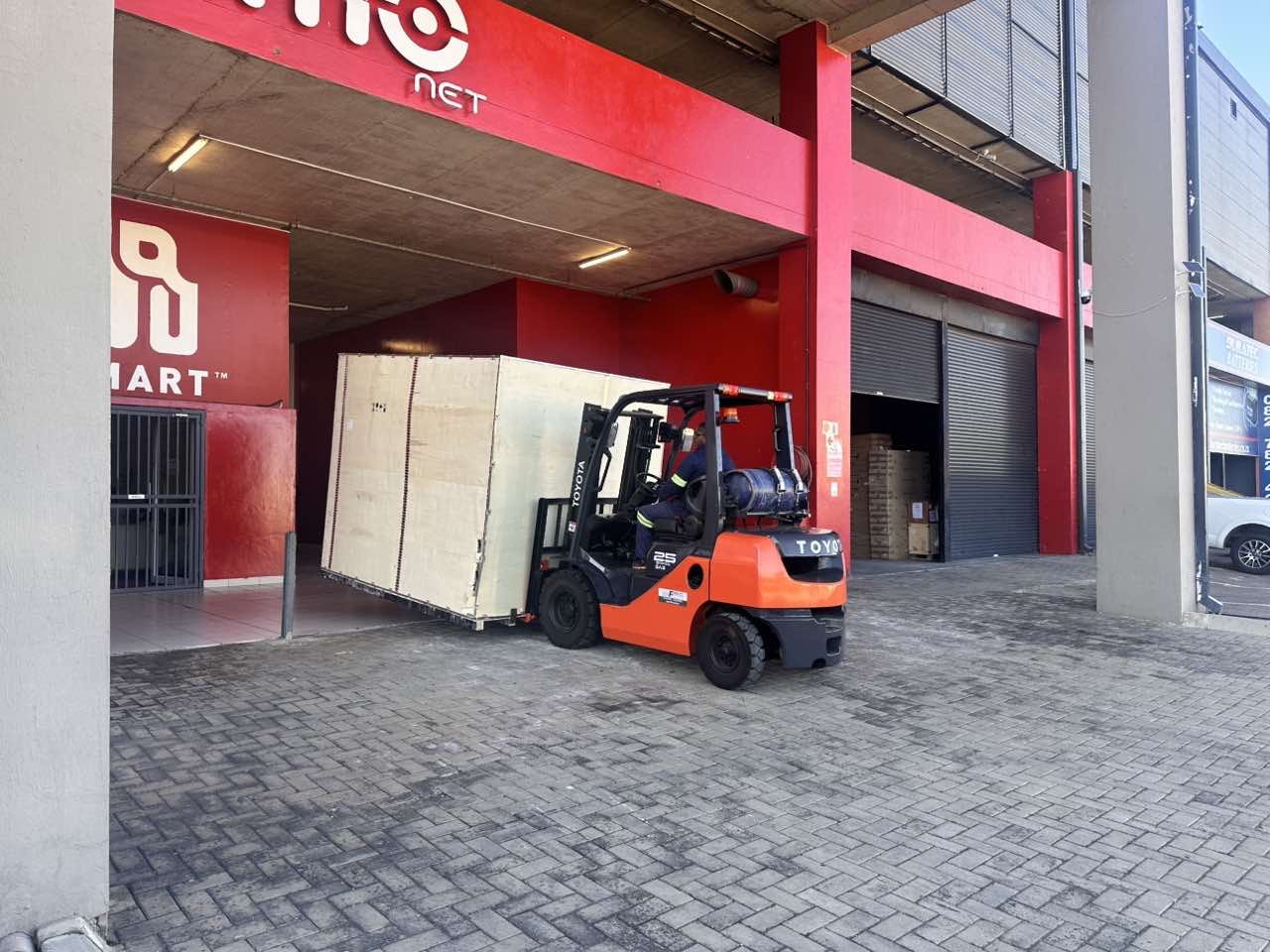
latest arrivals
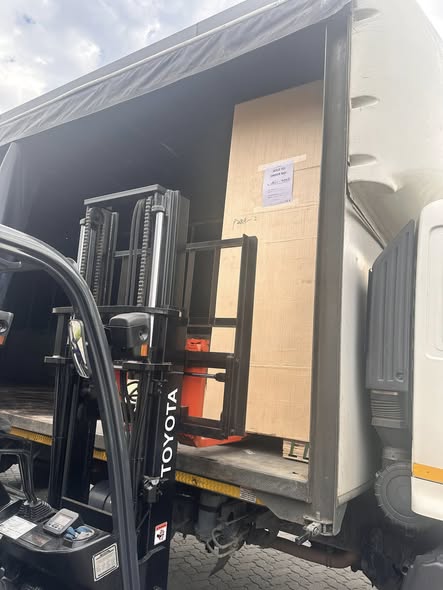
offloading
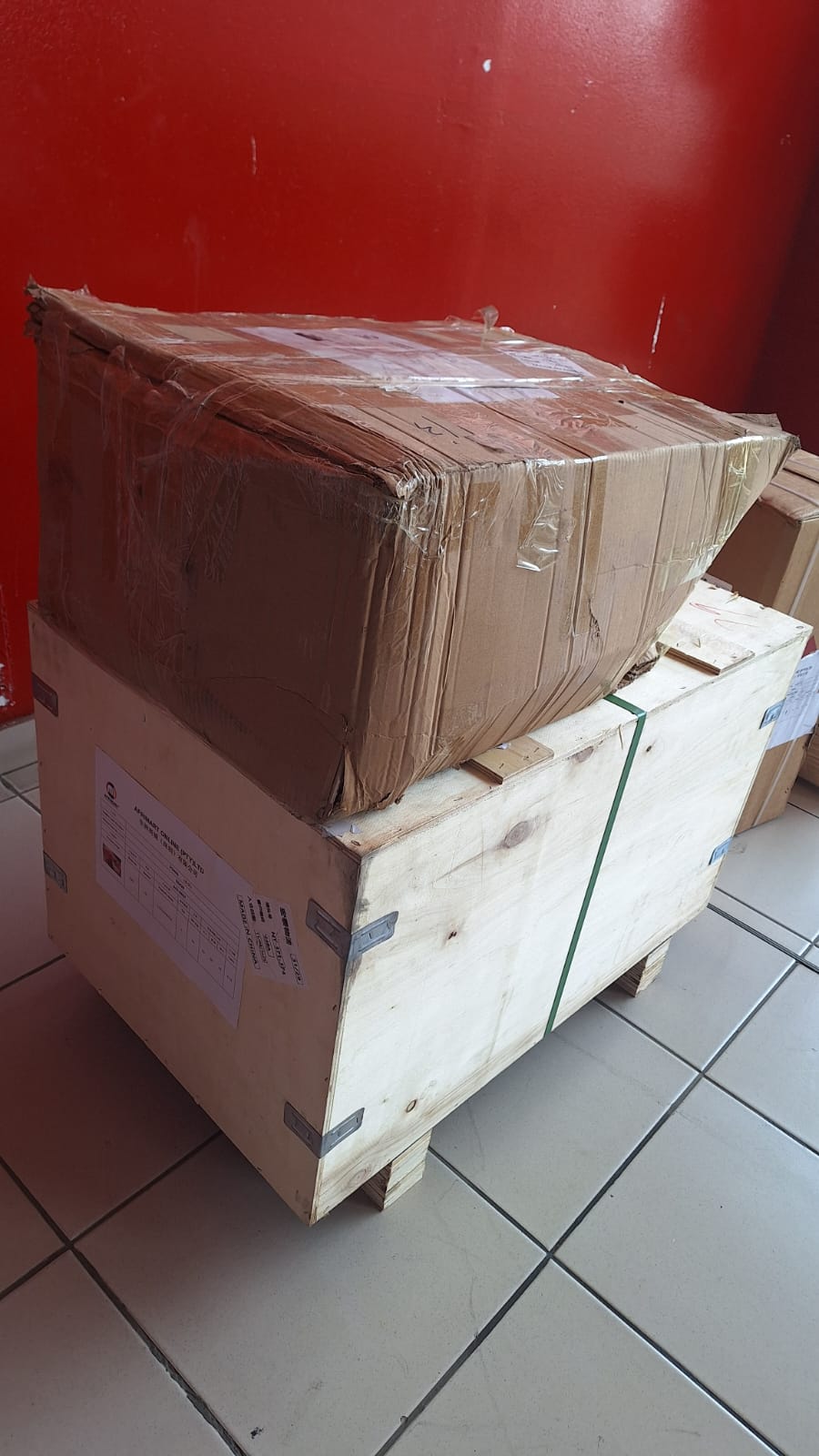
order success
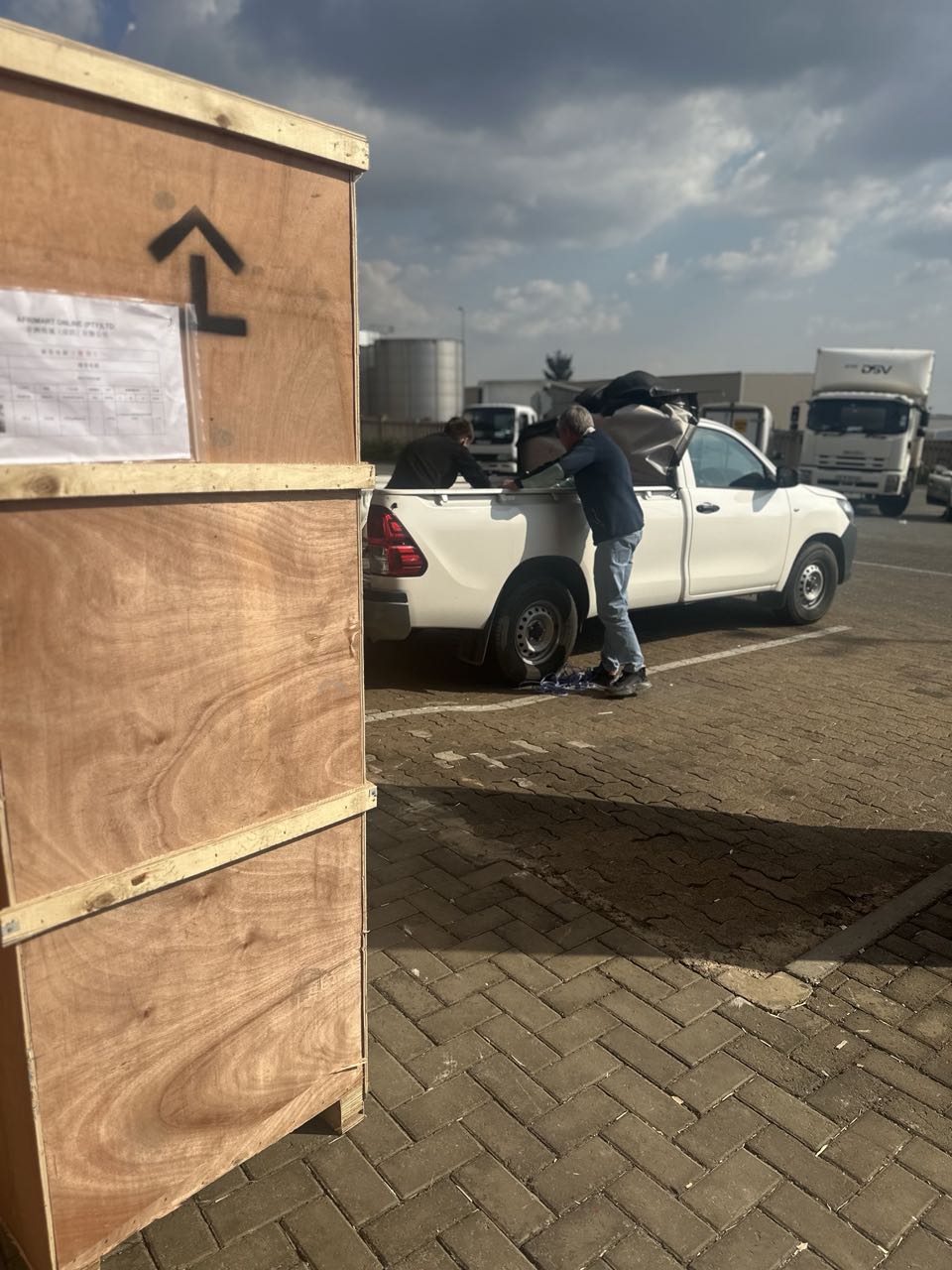
order collection
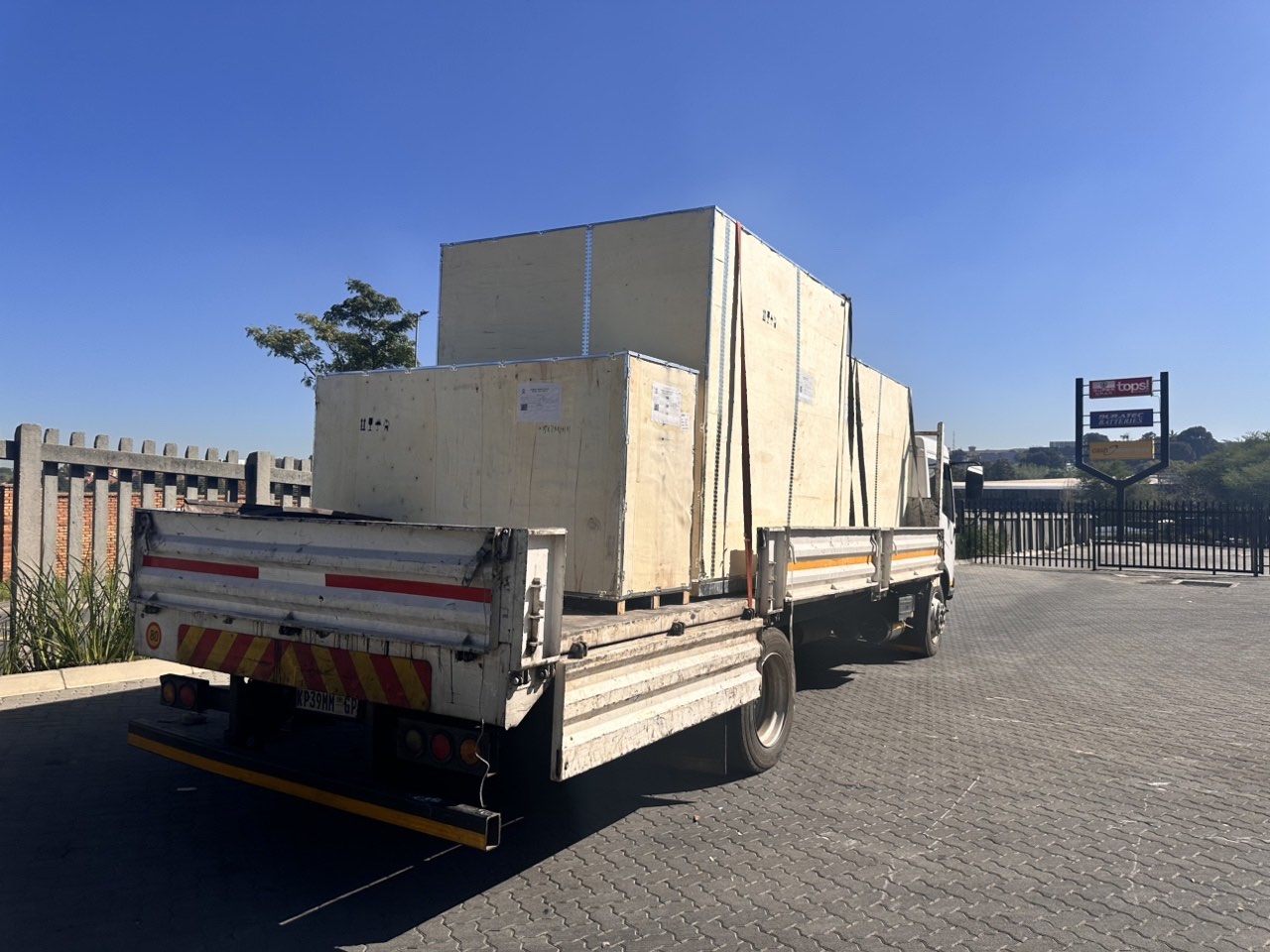
order offloading