B21, China Town Mall, Midrand

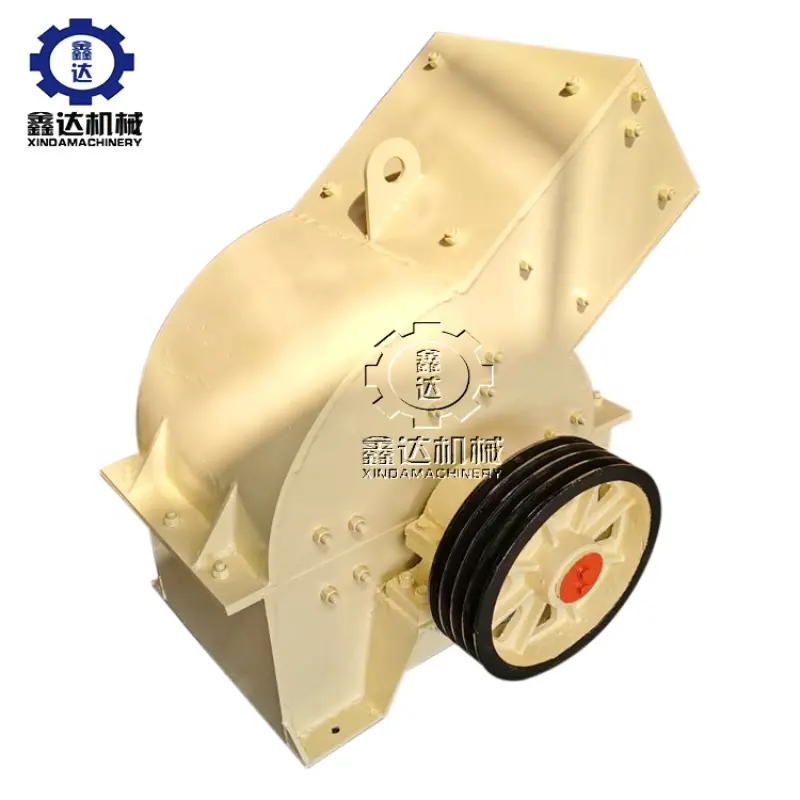
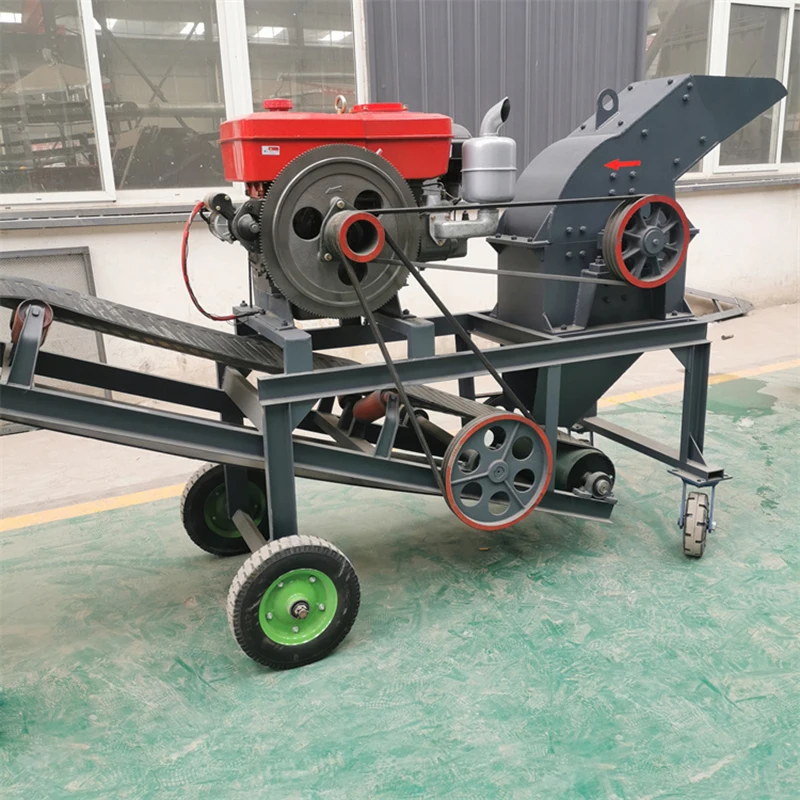
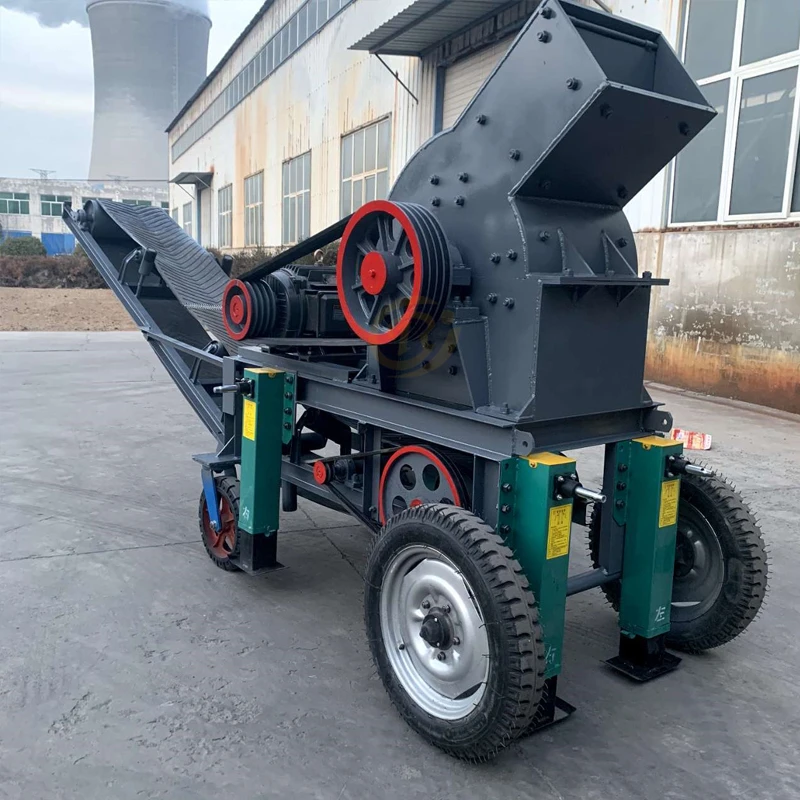
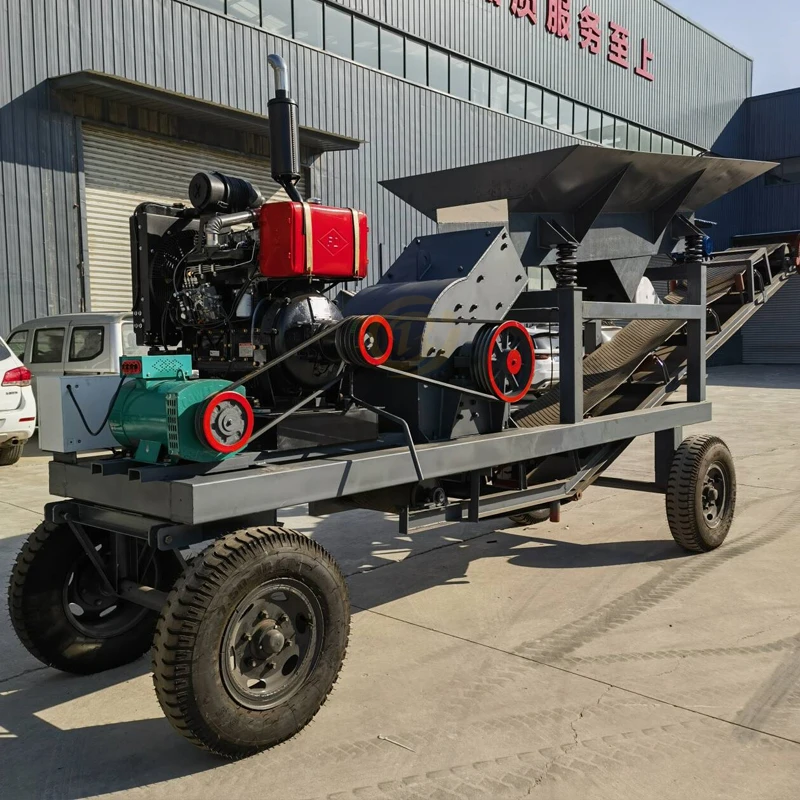
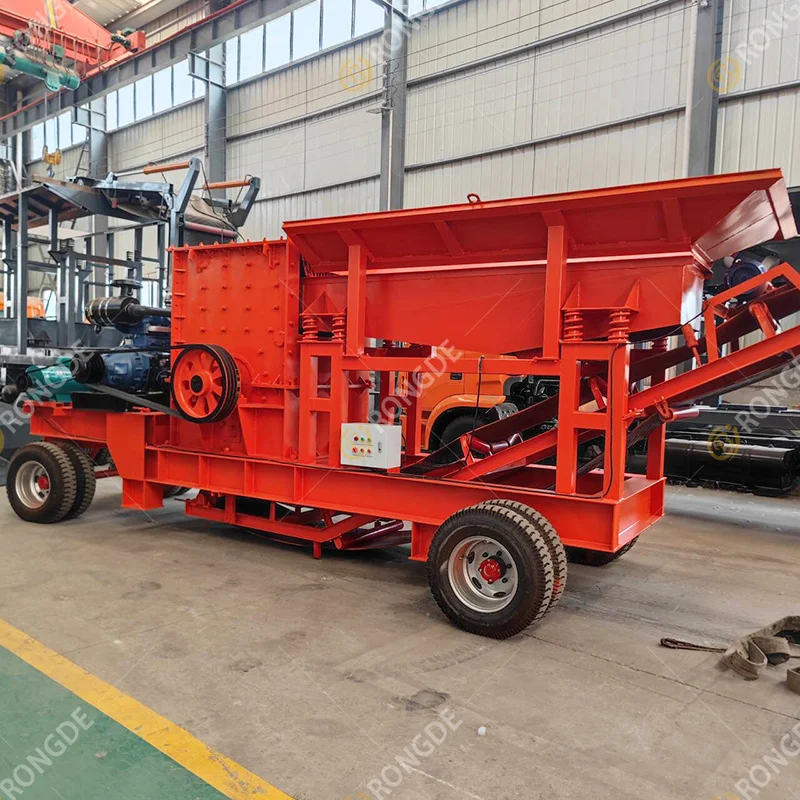
coal stone gold ore hammer crusher mill for powder making

- Section : Machinery
- Category : Industrial Machinery
- SKU : 1600807941213

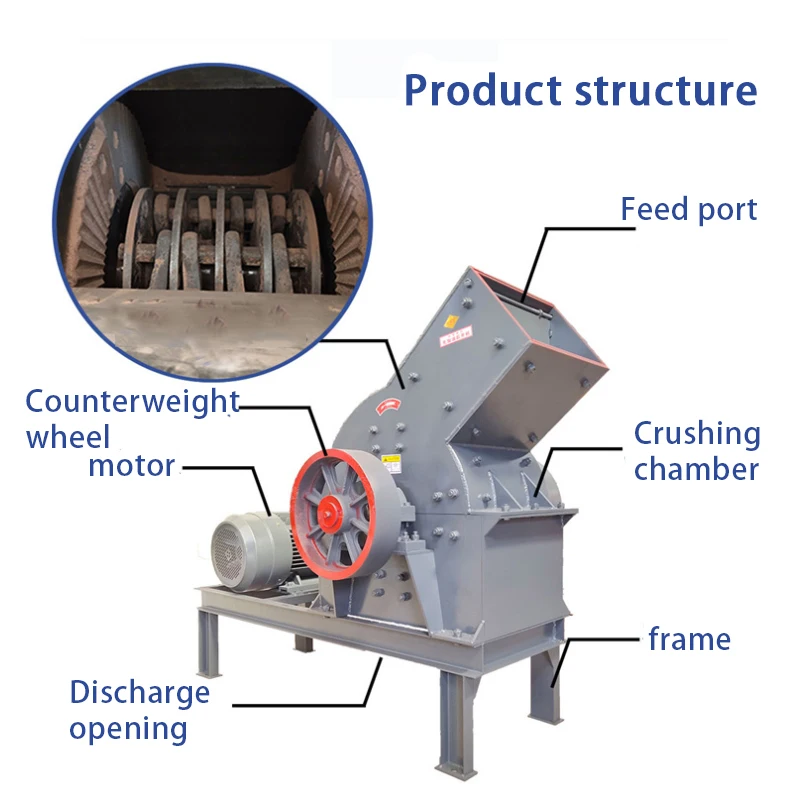
Hammer Crusher – Efficient, High-Capacity Crushing Solution for Various Materials
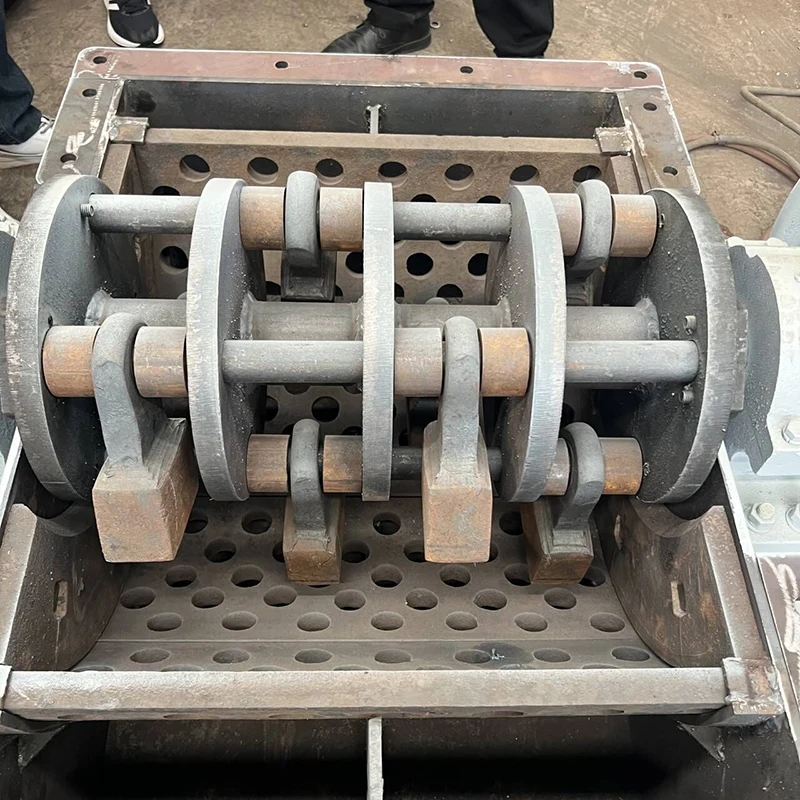
The Hammer Crusher is designed to crush various types of rocks and stones into smaller particles or coarse powder, with a compressive strength not exceeding 320 MPa. Widely used in industries such as metallurgy, mining, chemical, cement, coal, and construction, the hammer crusher offers high efficiency and versatility in breaking down materials like limestone, quartz, gypsum, coal gangue, and more.
Key Features:
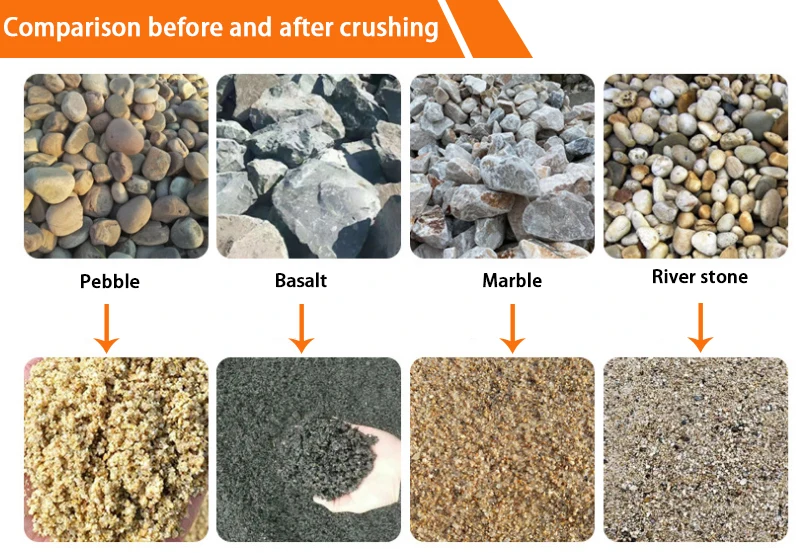
- Wide Application: Suitable for crushing a variety of materials including limestone, calcite, barite, dolomite, marble, gypsum, and more.
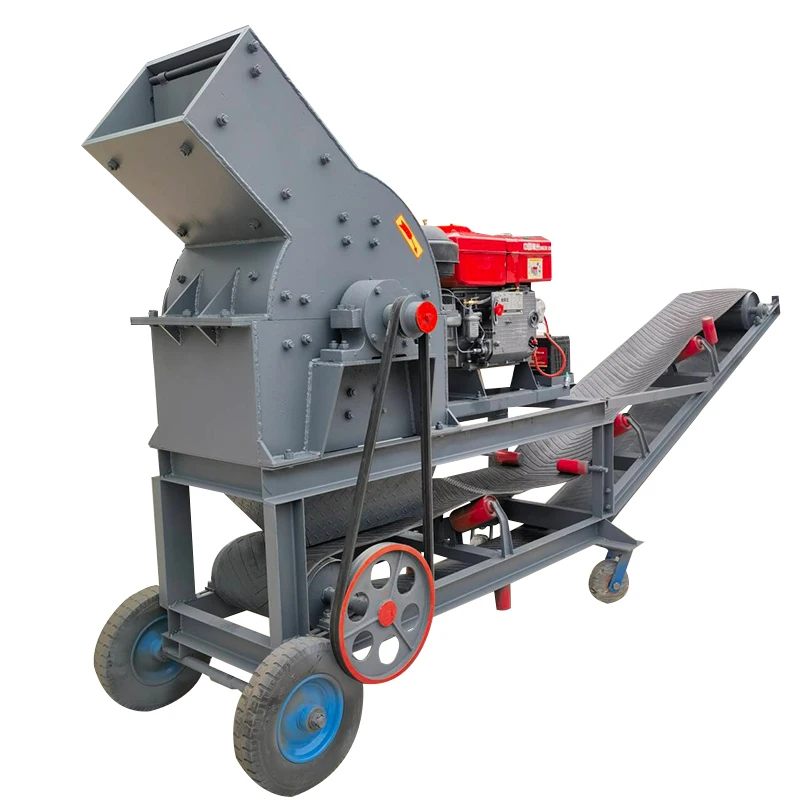
- Multiple Power Options: Available with motor, diesel, or conveyor options for different operational requirements.
- High Crushing Efficiency: Delivers a high crushing ratio and uniform particle size.
- Low Power Consumption: Designed to minimize energy usage while maximizing output.
- Compact and Simple Design: The mechanical structure is lightweight, easy to manage, and maintain.
- Low Investment: A cost-effective solution with minimal operational costs.
Product Specifications:
| Model | Feed Size (mm) | Discharge Size (mm) | Capacity (t/h) | Power (kw) | Weight (t) | Dimension (mm) |
|---|---|---|---|---|---|---|
| PC400*300 | ≤200 | ≤25 | 5-10 | 11 | 0.8 | 900670860 |
| PC600*400 | ≤250 | ≤30 | 10-25 | 18.5 | 1.5 | 120010501200 |
| PC800*600 | ≤250 | ≤35 | 20-40 | 55 | 3.1 | 131011801310 |
| PC1000*800 | ≤350 | ≤35 | 40-60 | 75 | 7.9 | 160013901575 |
| PC1000*1000 | ≤350 | ≤35 | 60-100 | 110 | 8.65 | 180015901775 |
| PC1200*1200 | ≤350 | ≤35 | 100-180 | 220 | 16.6 | 206016001890 |
Key Advantages:
- High Capacity: Suitable for large-scale crushing operations with high throughput.
- Simple Maintenance: The compact design reduces maintenance time and costs.
- Versatile: Ideal for a wide range of materials, from soft and brittle to hard and tough materials like granite and slag.
- Energy Efficient: Designed to minimize power consumption without compromising performance.
Applications:
- Mining and Metallurgy: Ideal for crushing ores and rocks in mining and smelting industries.
- Cement and Construction: Suitable for crushing materials used in cement production and construction projects.
- Chemical and Coal Industries: Efficient for breaking down coal, salt, and other chemical materials.
- Recycling: Can also be used in recycling processes to crush various waste materials.
Popular Models:
- PC400x300: Suitable for smaller capacities and less dense materials.
- PC600x400: Ideal for medium-scale operations with a balanced capacity.
- PC800x600: A popular choice for industries needing higher throughput.
- PC1000x800: Designed for high-volume operations with larger feed sizes.
Material Hardness and Selection:
Hammer crushers are most effective for materials with a compressive strength of up to 150 MPa and moisture content below 15%. Common materials crushed include limestone, coal, salt, gypsum, and even harder materials like granite and pebbles.
The Hammer Crusher is an essential tool for industries requiring efficient, high-capacity crushing of various materials. Its versatility, energy efficiency, and simple design make it a reliable choice for many applications.
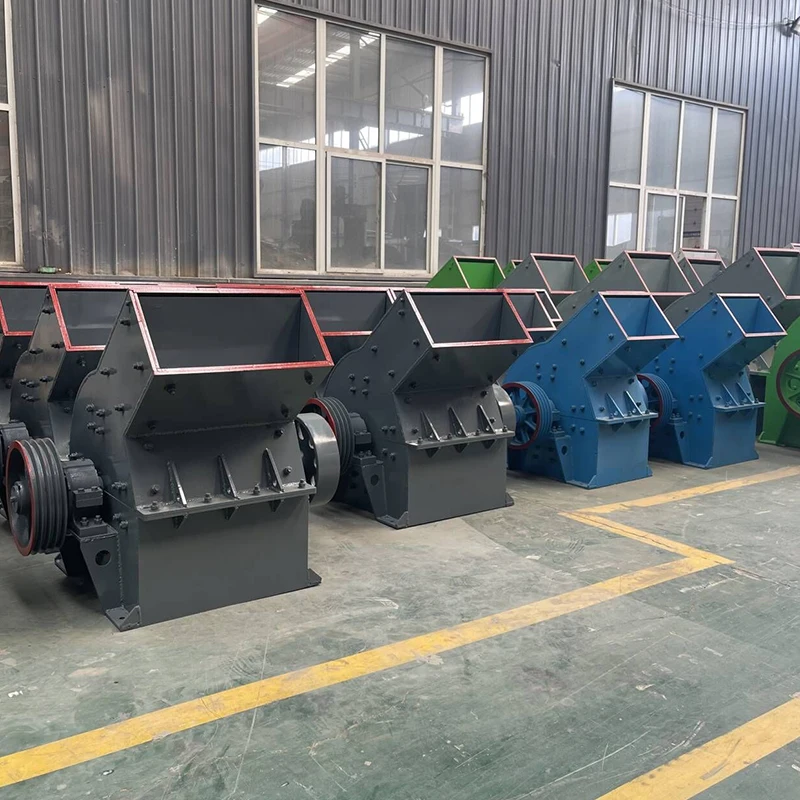
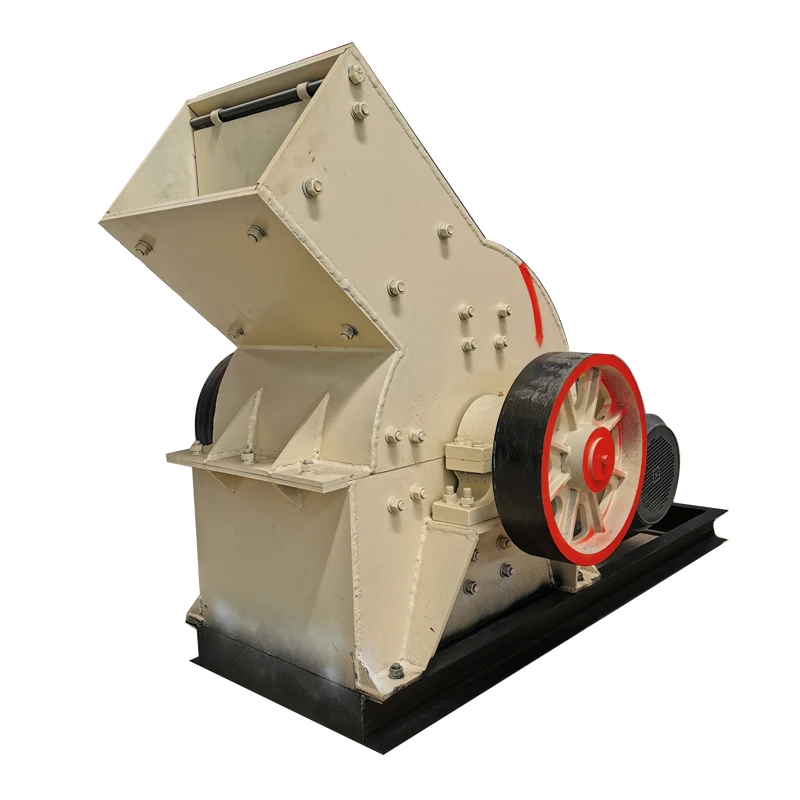
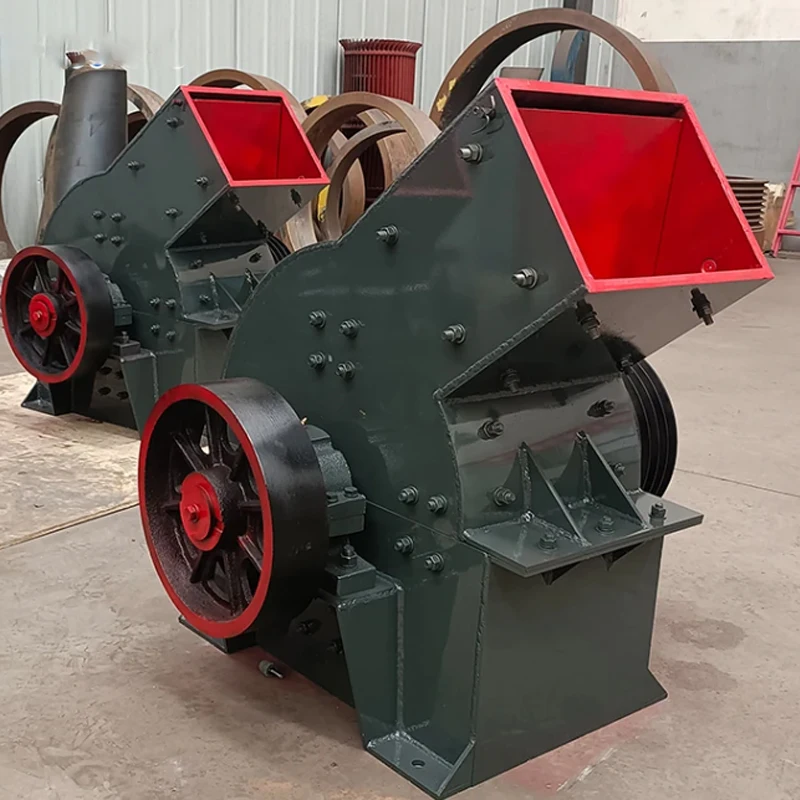
Hammer crusher with motor
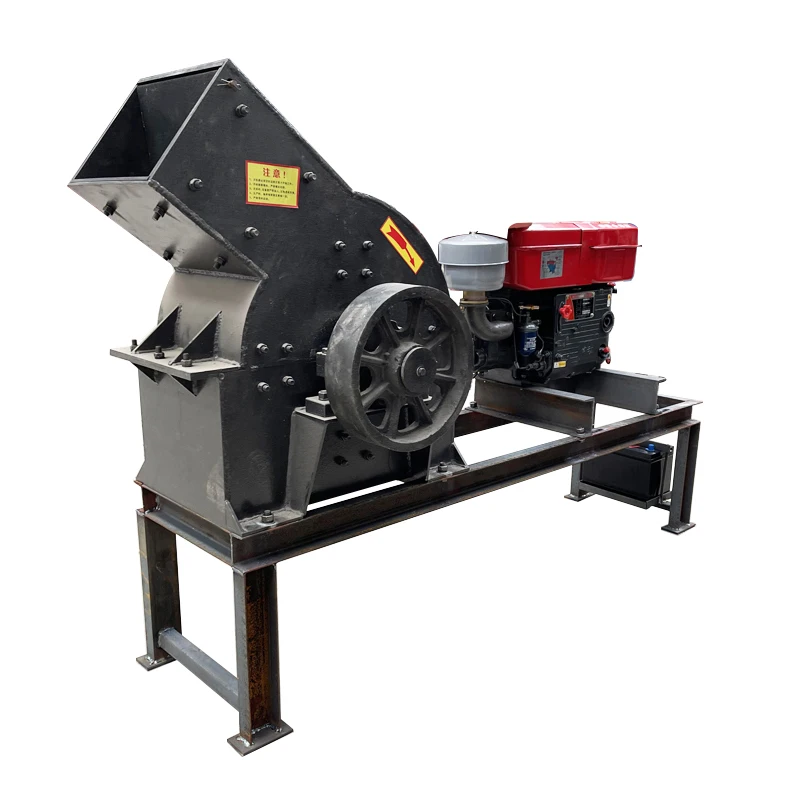
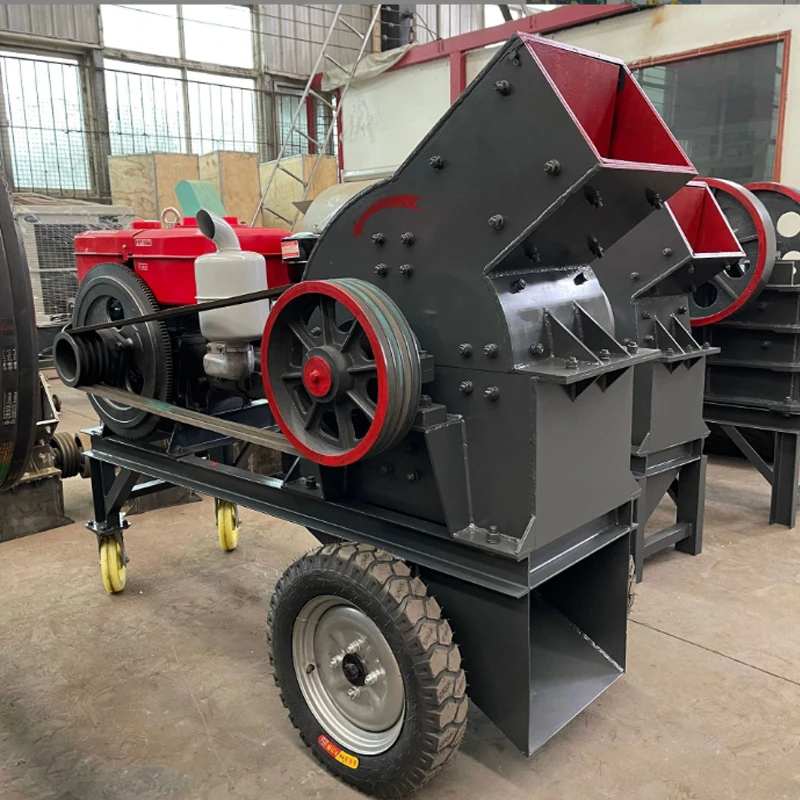
Hammer crusher with diesel
- Shipping Timeframes: All orders are processed within 2-5 business days (excluding weekends and holidays). After your order has been processed, the estimated delivery time is before 06 Aug, 2026, depending on customs, Please note that due to high demand, some items may experience longer shipping times, which will be communicated at order confirmation email.
- Order Processing Time: Please allow 2-5 business days for us to process your order before it is shipped . Orders placed after 16:00 on Fridays, or during weekends and public holidays, will begin processing on the next business day. Processing times may be extended during peak seasons or sales events.
- Manufacturing Time: Some products needs manufacturing time, the manufacturing process will take approximately 10-30 business days depending on the product. This timeframe may vary depending on the complexity of the product and current demand. but this will be communicated with you during order confirmation.
- Returns and Exchanges: We offer a 30-day return policy for most items. If you are not completely satisfied with your purchase, you may return it within 30 days of receipt for a refund or exchange. Items must be unused, in their original packaging, and accompanied by proof of purchase. Return shipping costs are the responsibility of the customer, unless the item was damaged or defective upon arrival.
1. What materials can the coal stone gold ore hammer crusher mill crush?
The hammer crusher can efficiently crush a variety of materials including limestone, calcite, barite, dolomite, marble, gypsum, coal gangue, and more.
2. What is the maximum compressive strength that the hammer crusher can handle?
The hammer crusher is designed to crush materials with a compressive strength not exceeding 320 MPa.
3. What are the power options available for this hammer crusher?
The hammer crusher is available with multiple power options including electric motor, diesel engine, or conveyor to suit different operational requirements.
4. How efficient is the hammer crusher in terms of power consumption?
The hammer crusher is designed to minimize energy usage while maximizing output, making it an energy-efficient option.
5. What is the capacity range of the hammer crusher?
The capacity of the hammer crusher varies by model, ranging from 0.8 to 220 tons per hour depending on the specific model chosen.
6. Is the hammer crusher easy to maintain?
Yes, the compact design of the hammer crusher reduces maintenance time and costs, making it easy to manage and maintain.
7. What are the dimensions of the different models of the hammer crusher?
The dimensions vary by model: for example, the PC400x300 measures 600x780x860 mm, while the PC1200x1200 measures 1600x1890 mm.
8. Can this hammer crusher be used in recycling processes?
Yes, the hammer crusher can be utilized in recycling processes to crush various waste materials.
9. What is the typical particle size after crushing with this hammer crusher?
The discharge size after crushing typically ranges from 5 to 35 mm, depending on the model and material being processed.
10. What industries commonly use this hammer crusher?
The hammer crusher is widely used in industries such as metallurgy, mining, chemical, cement, coal, and construction.
11. Which model of the hammer crusher is best for small-scale operations?
The PC400x300 model is suitable for smaller capacities and less dense materials.
12. What are the advantages of using the hammer crusher?
Key advantages include high capacity, simple maintenance, versatility for various materials, and energy efficiency.
13. Is the hammer crusher suitable for crushing hard materials?
Yes, the hammer crusher can crush hard materials like granite and pebbles, as well as softer materials, making it versatile.
14. What is the weight of the hammer crusher models?
The weight of the hammer crusher varies by model, for instance, the PC400x300 weighs approximately 0.89 tons, while the PC1200x1200 weighs around 22 tons.
15. What is the moisture content limit for materials crushed by this hammer crusher?
The hammer crusher is most effective for materials with a moisture content below 15%.
Latest Order Arrivals
Discover our latest orders
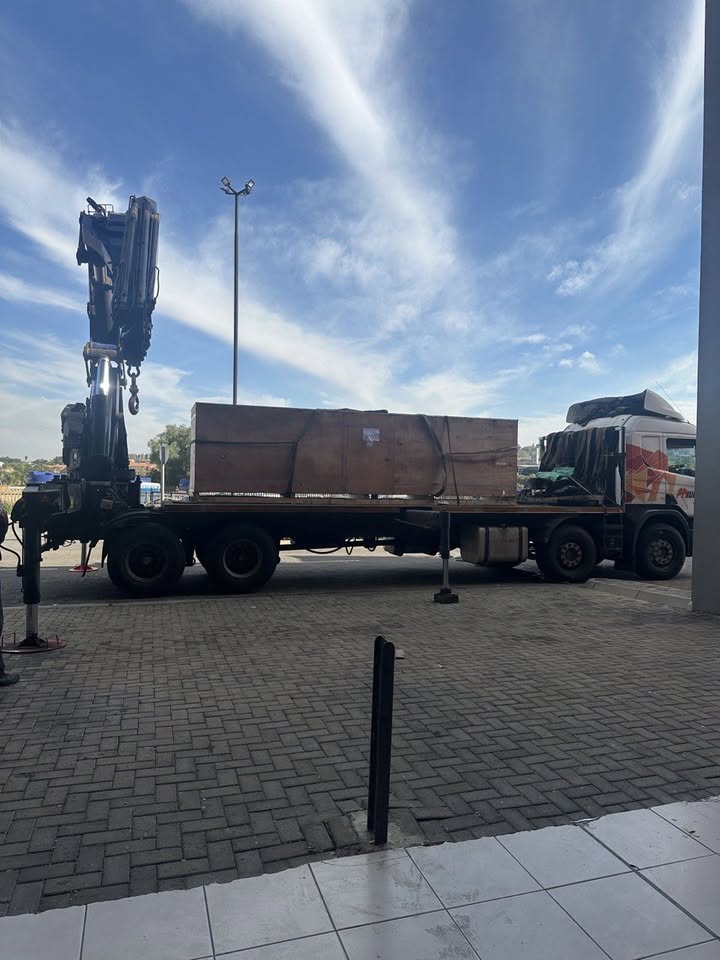
12 Heads Embroidery Machine
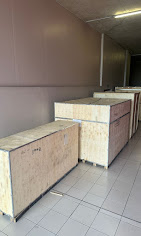
Toilet Paper Machine Machine
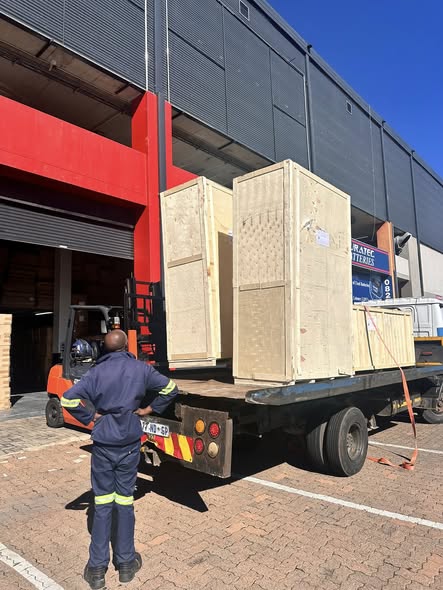
Order Collection
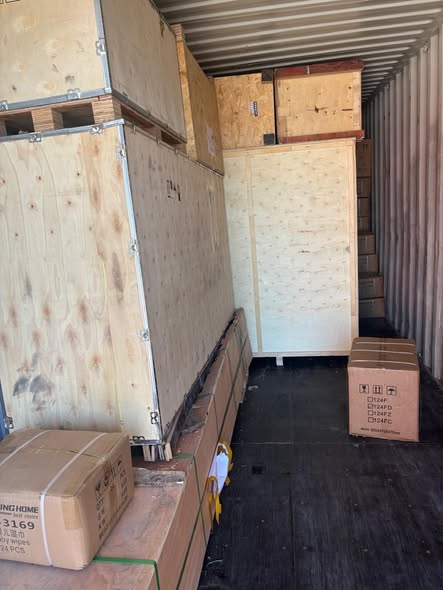
Cross Border Clients
Order cros border countries Collected
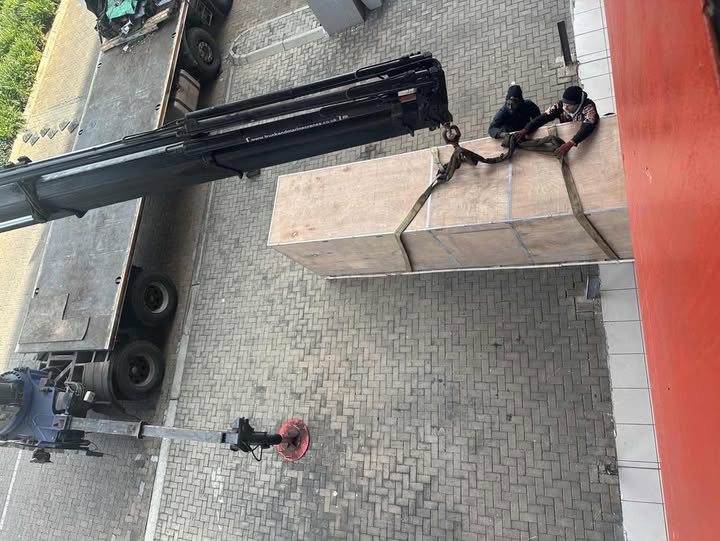
Industrial Machine Cllection
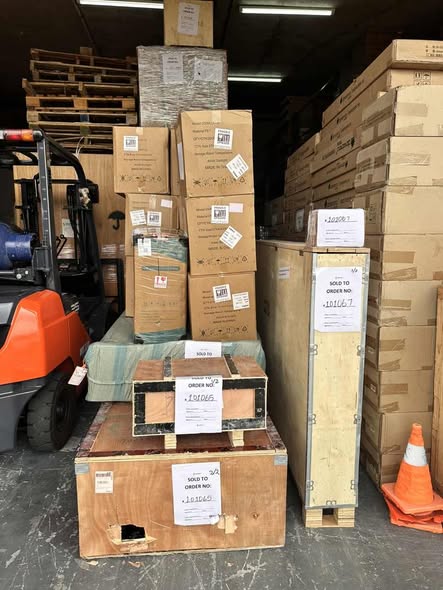
Agriculture Processing Machines
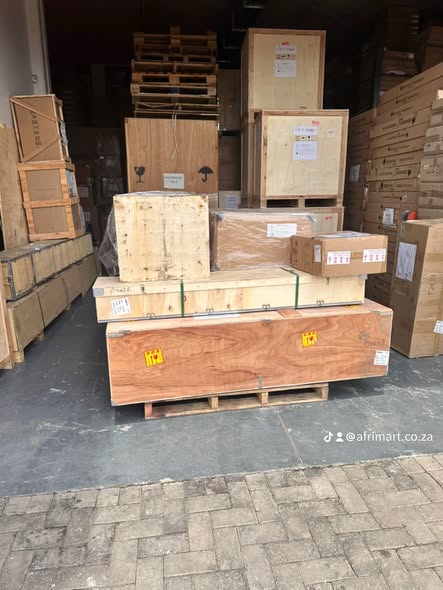
Ready for collection
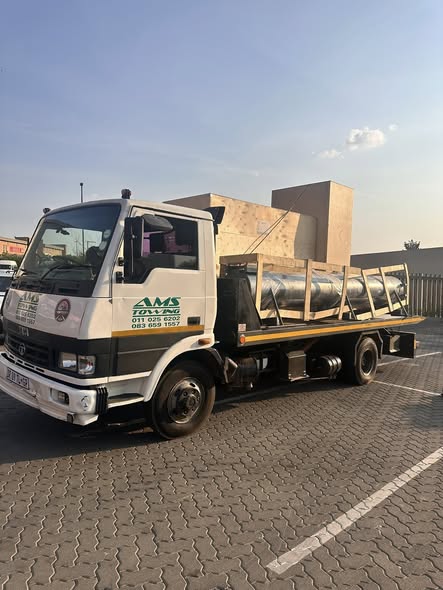
Water Pump Equipment
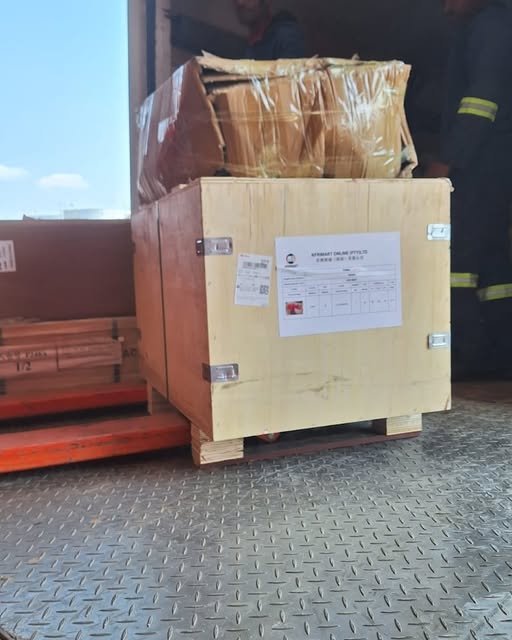
Packaging Machine and accessories
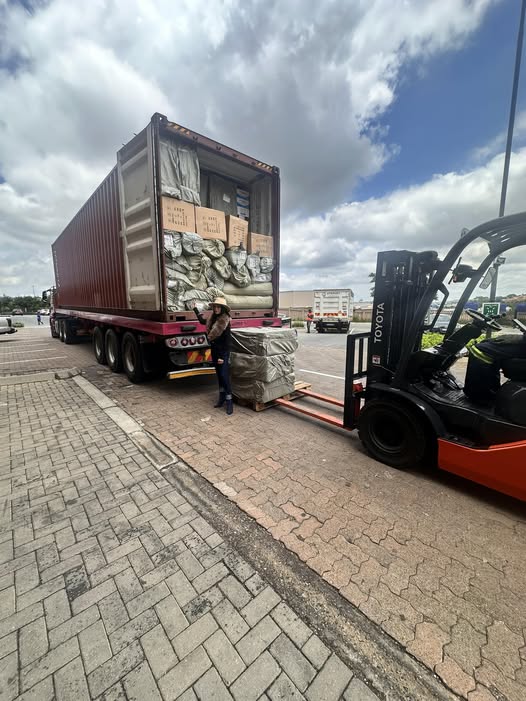
Fabrics Manufacturing Equipment
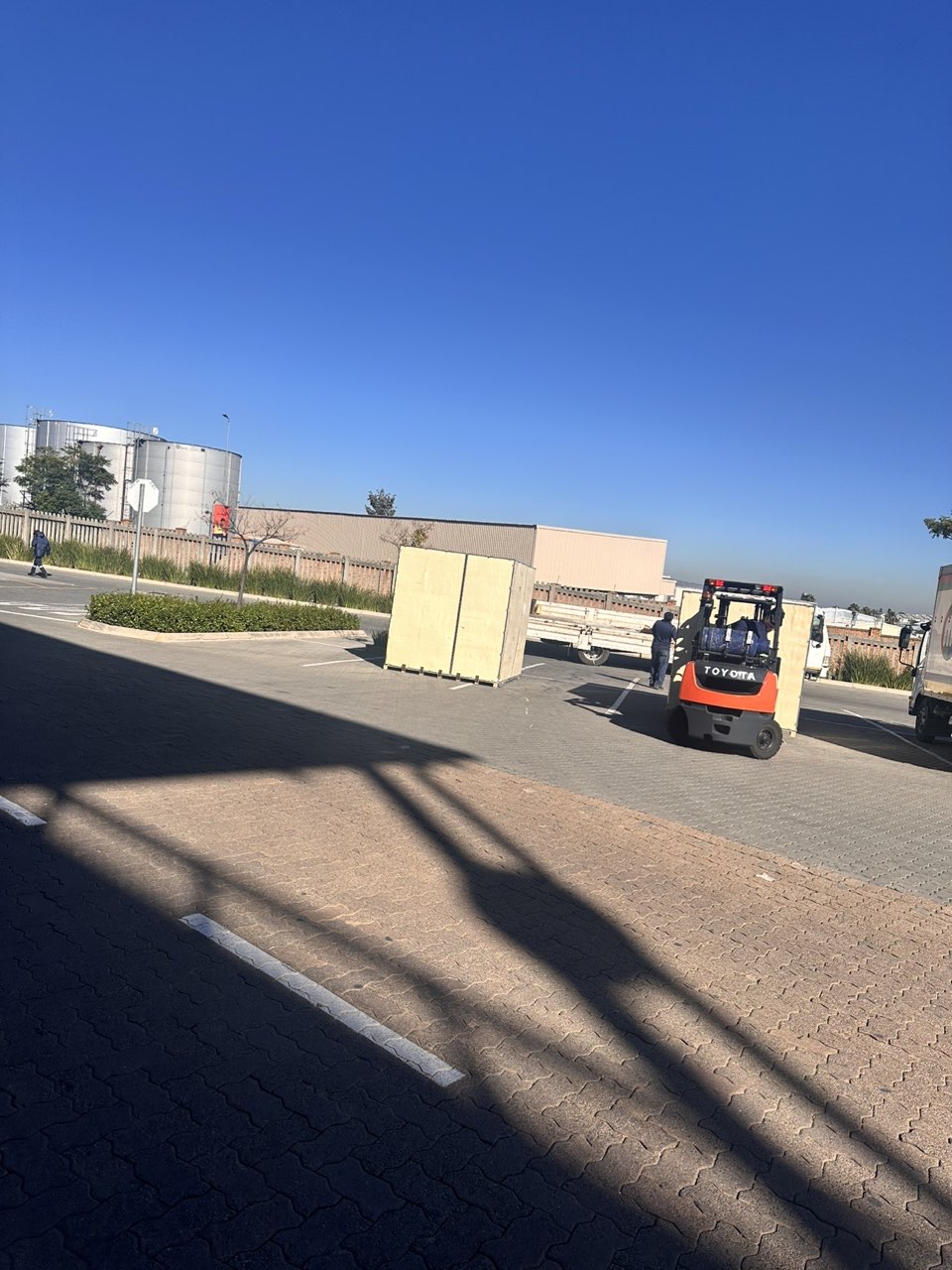
Mining Equipments
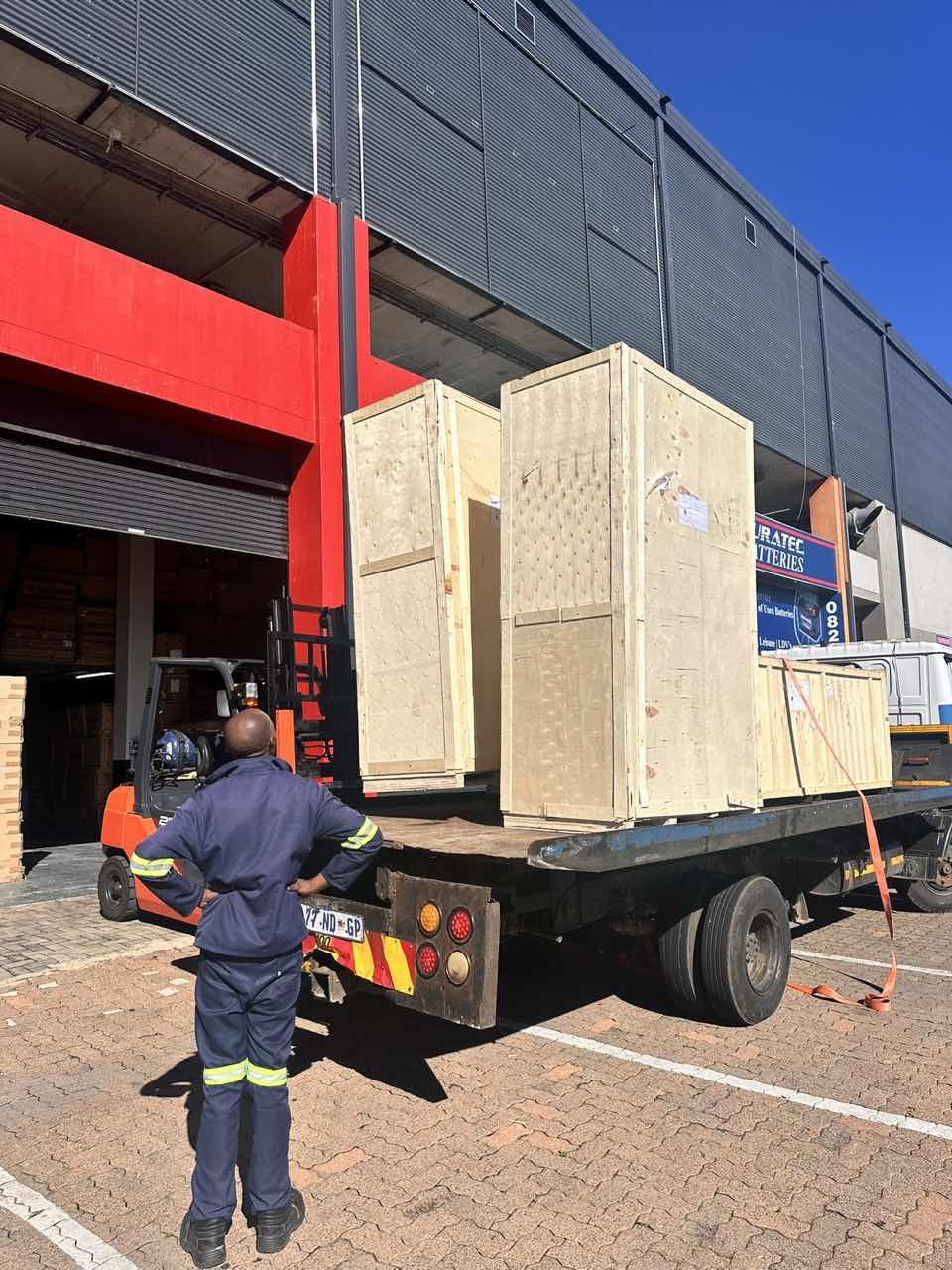
Food Processing Machine
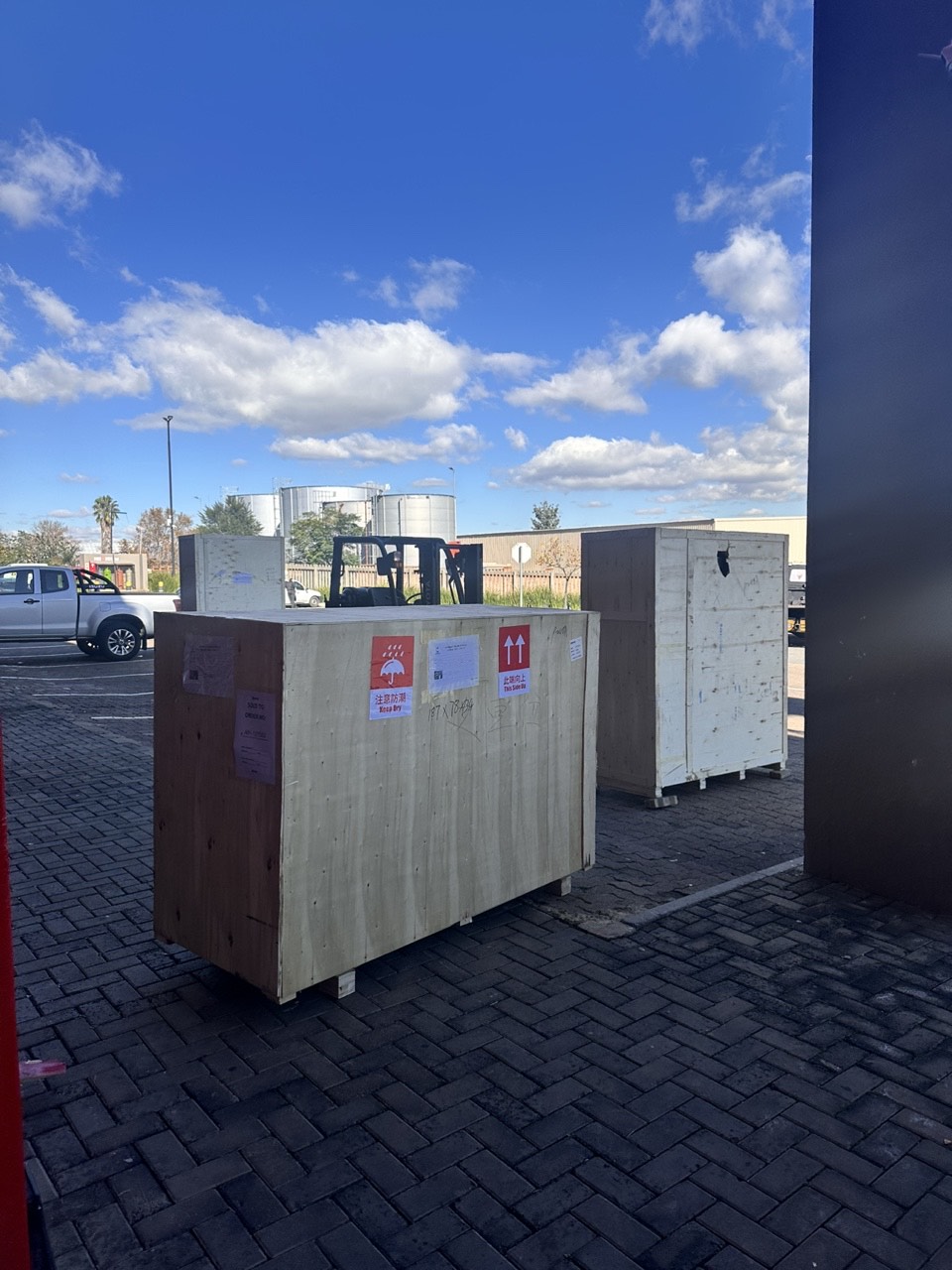
Batch of Orders
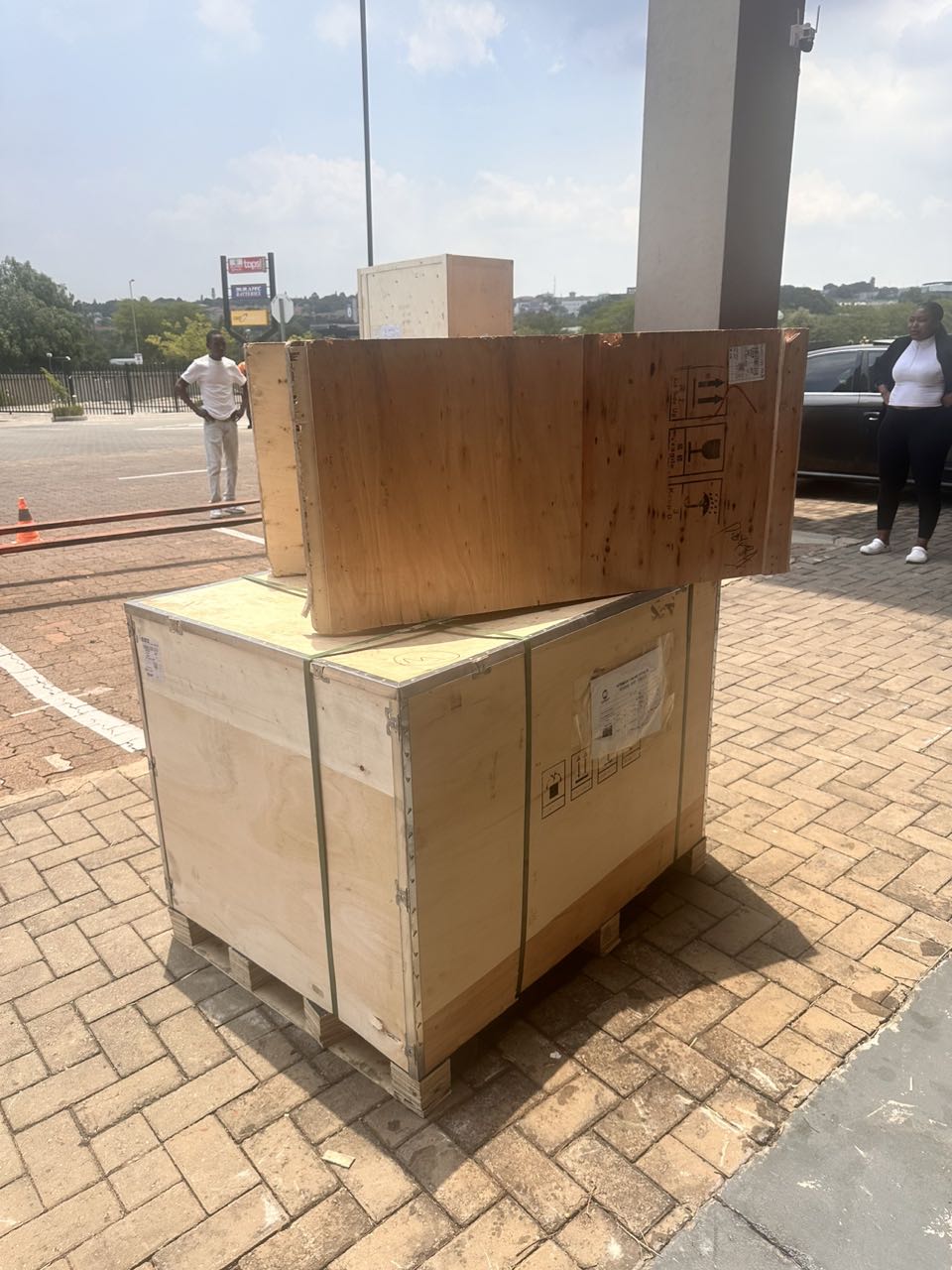
Batch of Orders
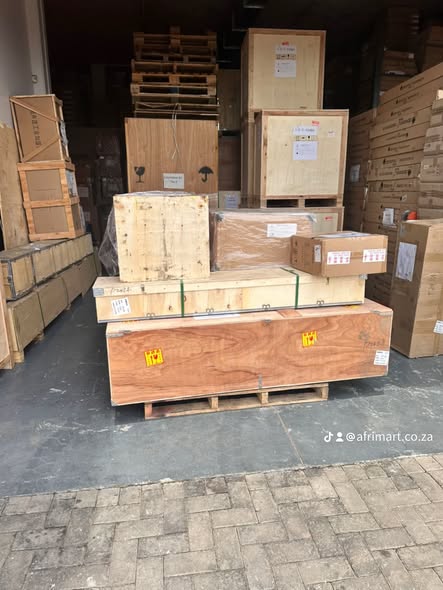
Latest Orders Labelled
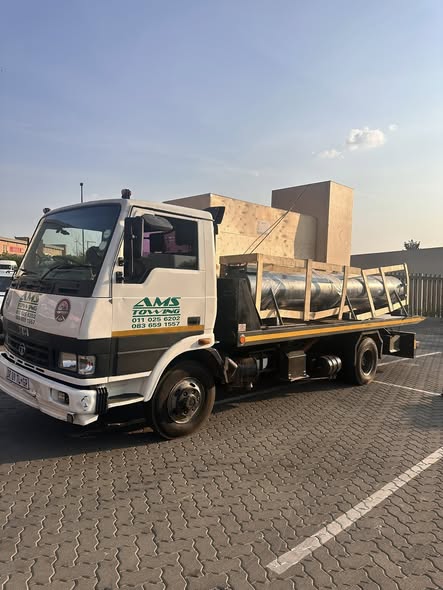
wheel alignment machines
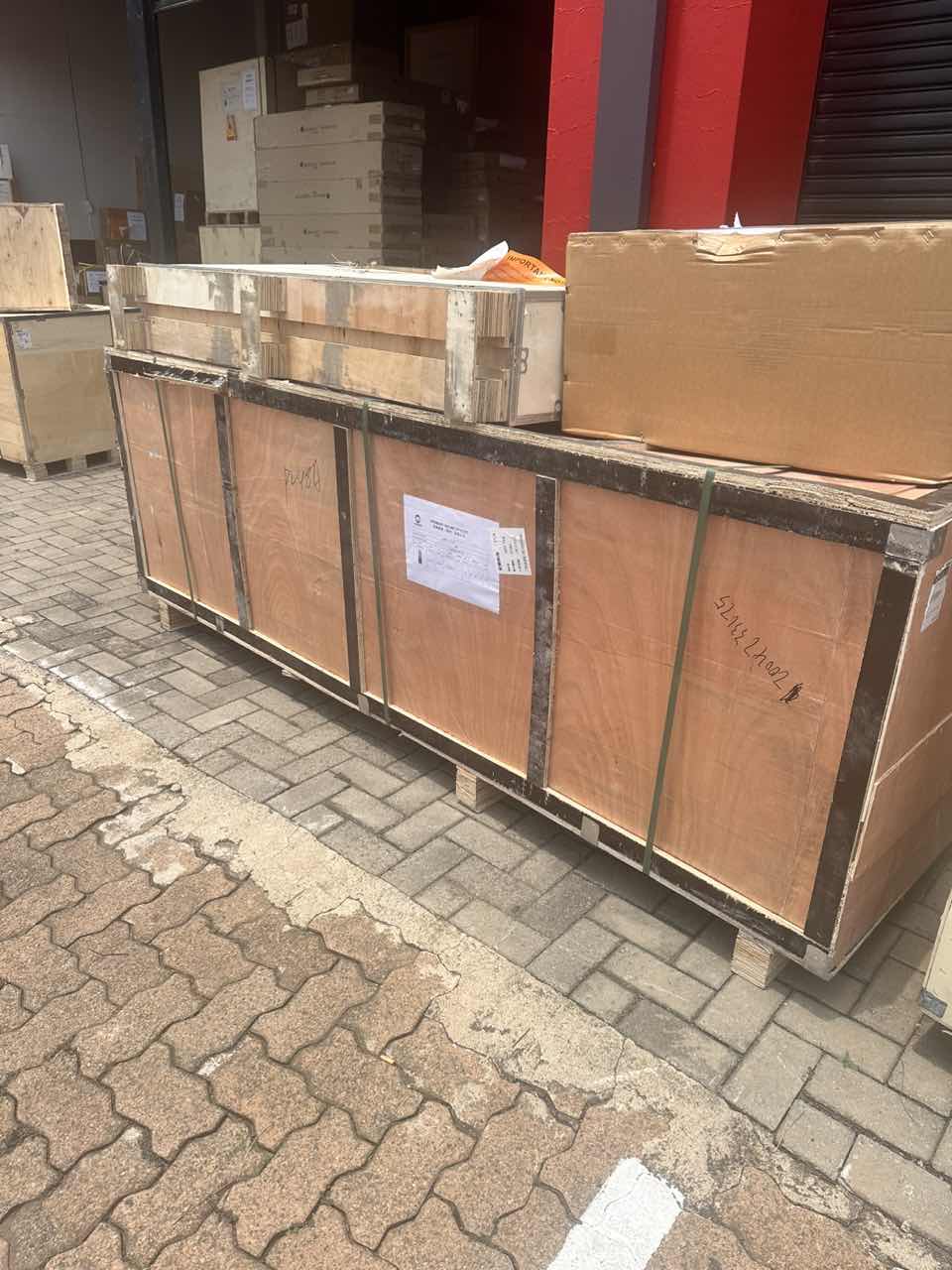
new arrivals
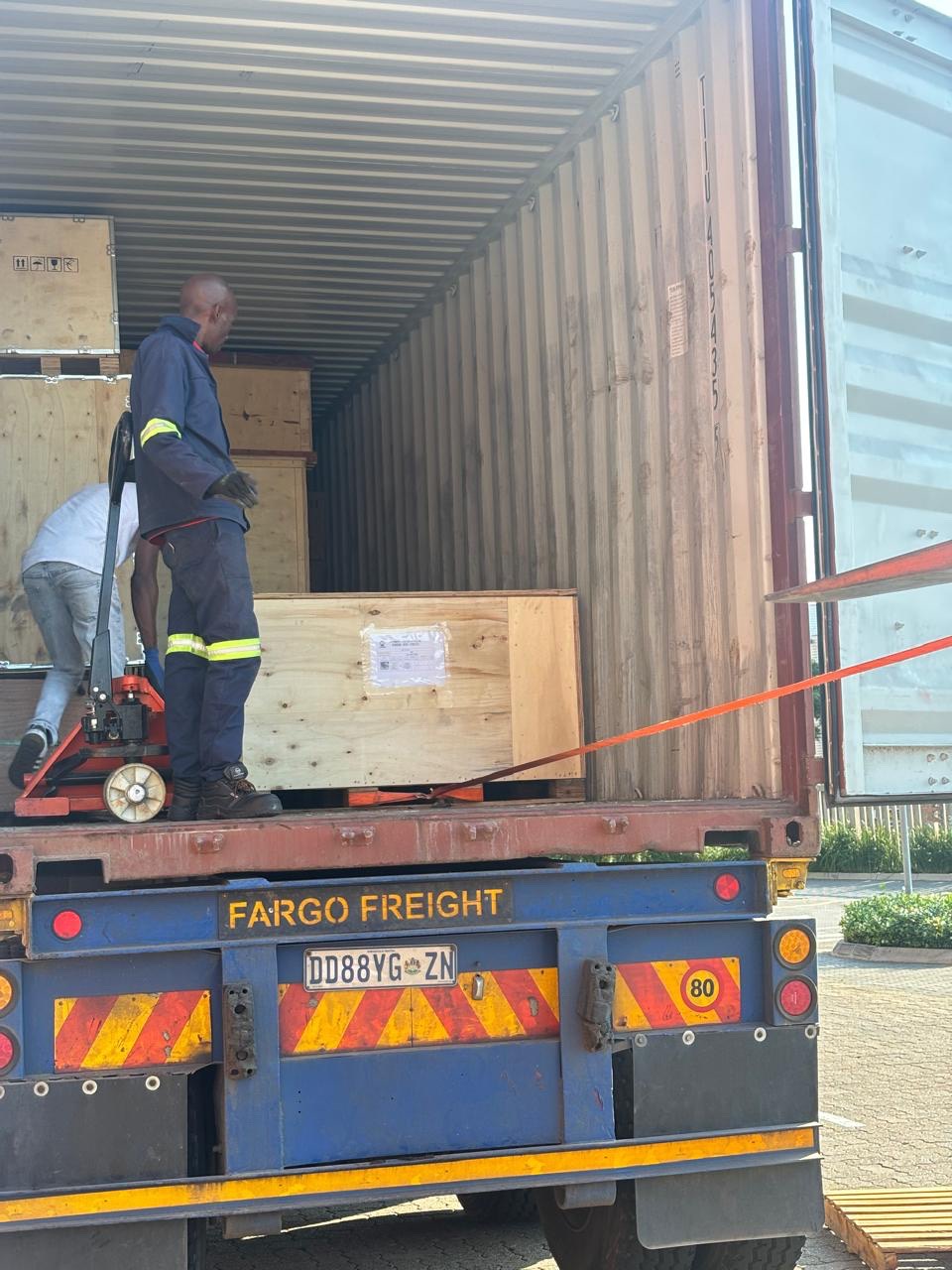
Pre Orders Offloading
Latest Arrivals
Latest Arrivals
Latest Arrivals
Loading
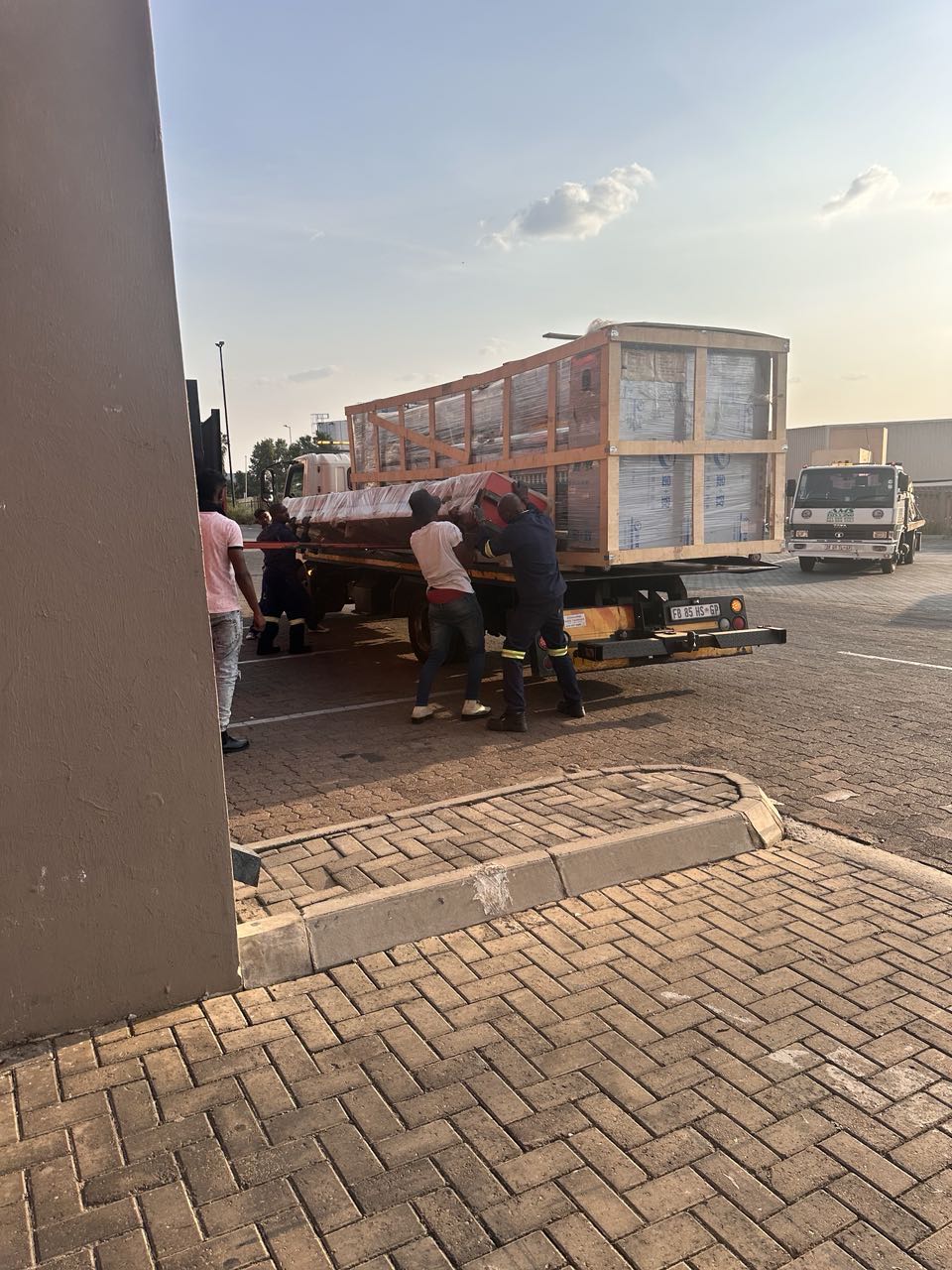
Toilet paper making machine
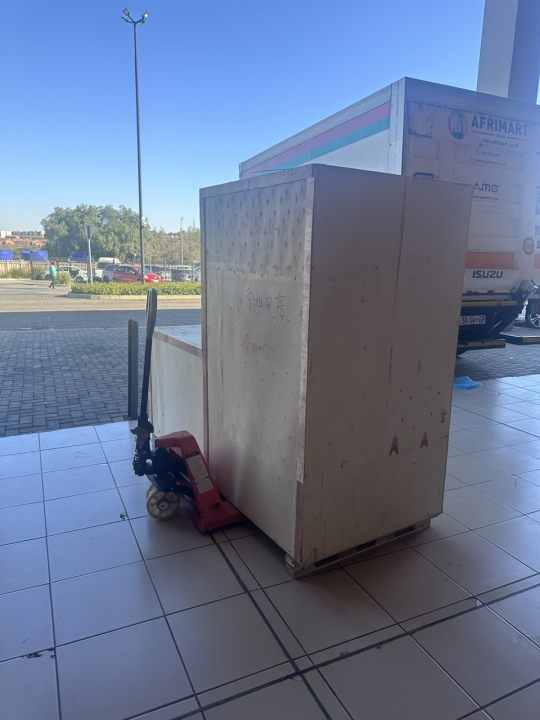
Toilet paper making machine
Toilet paper Rewinding Machine
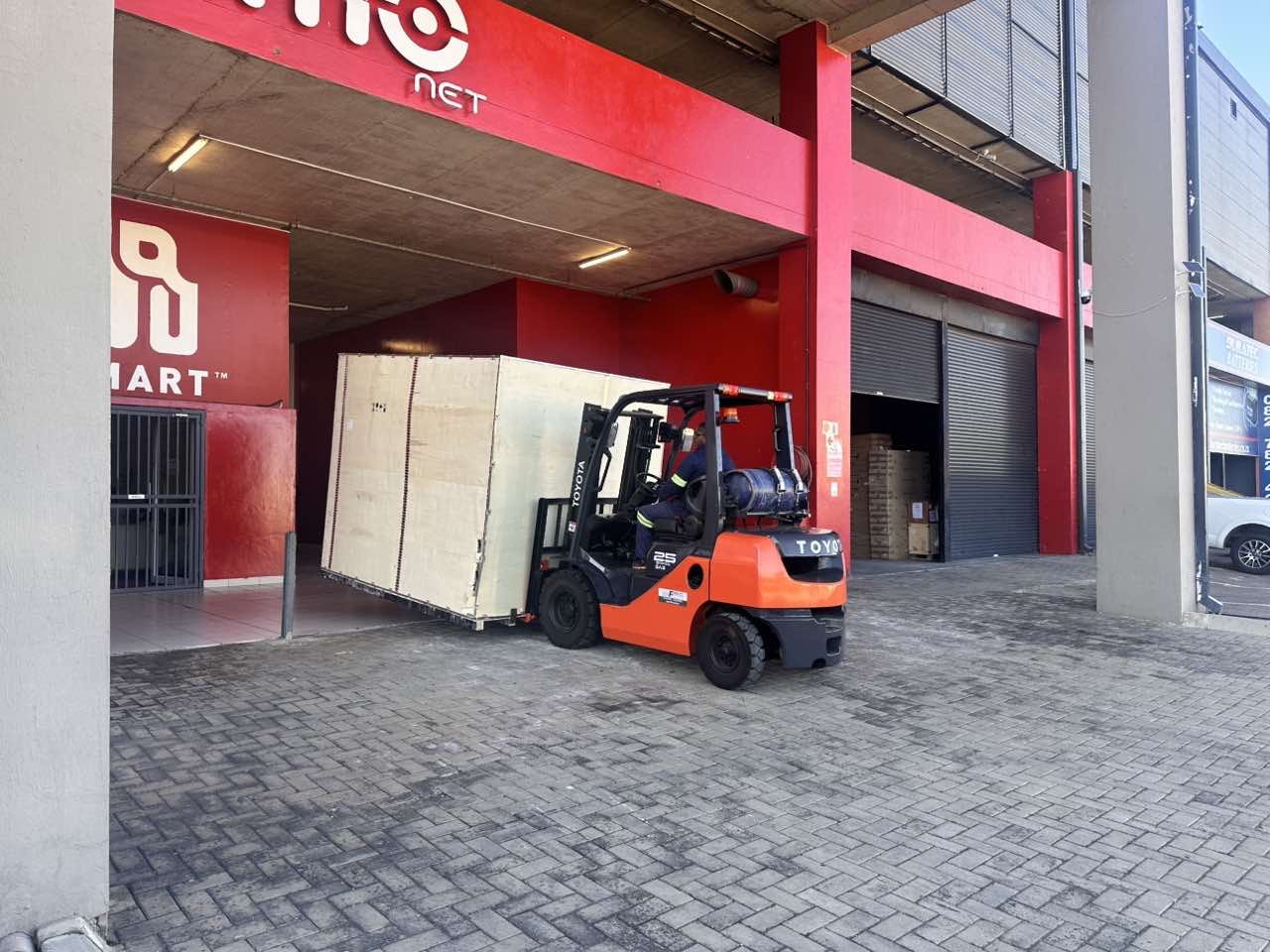
latest arrivals
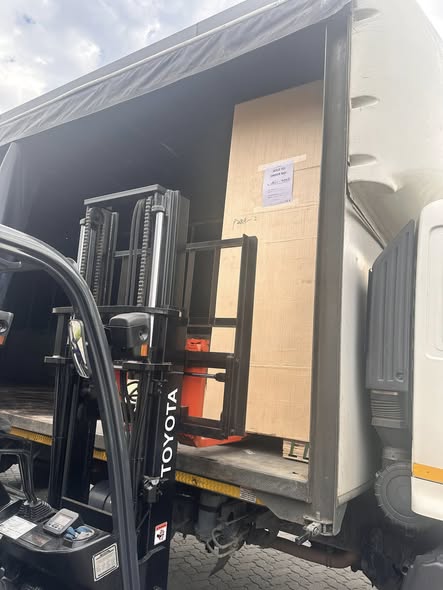
offloading
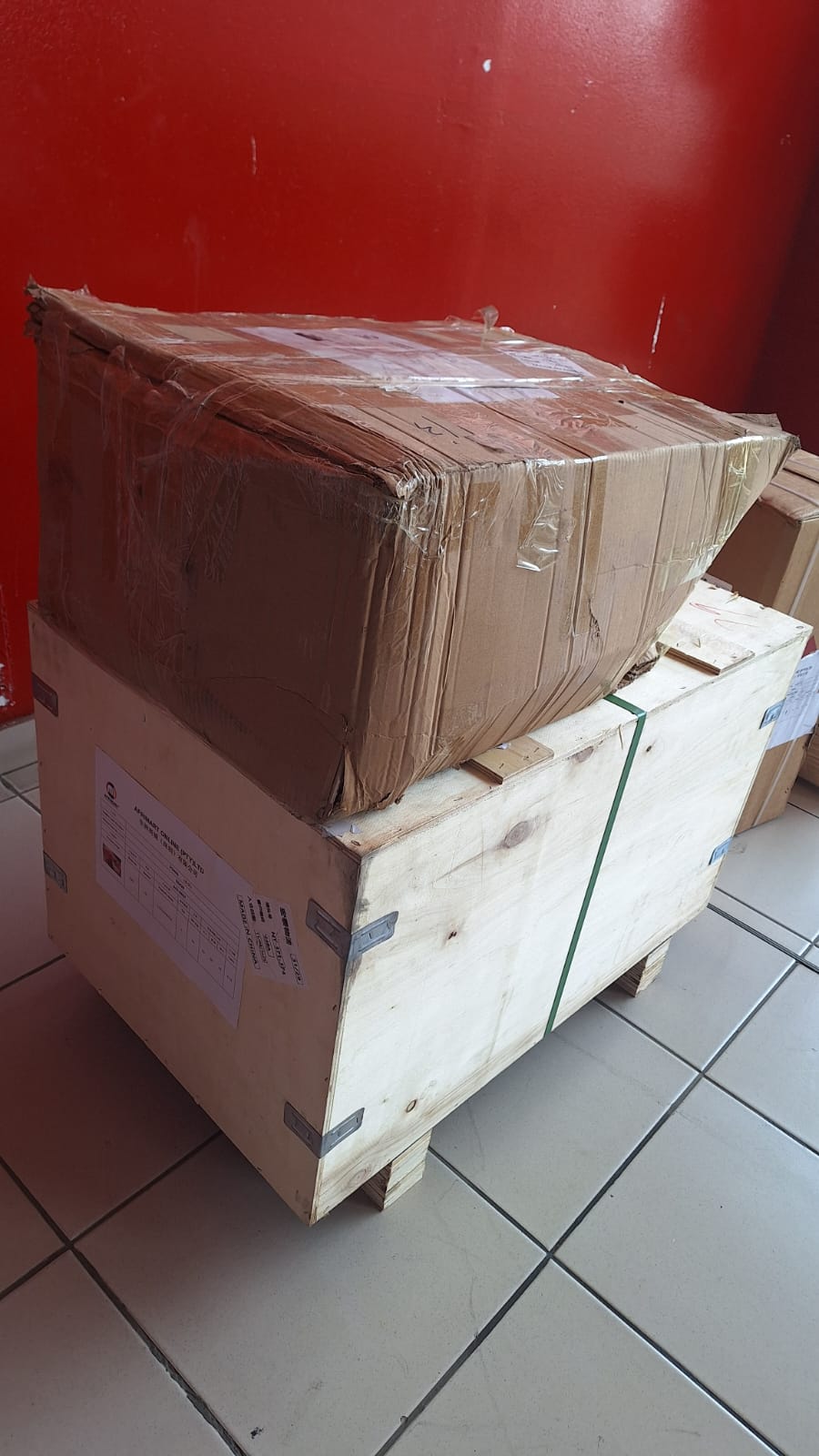
order success

order collection
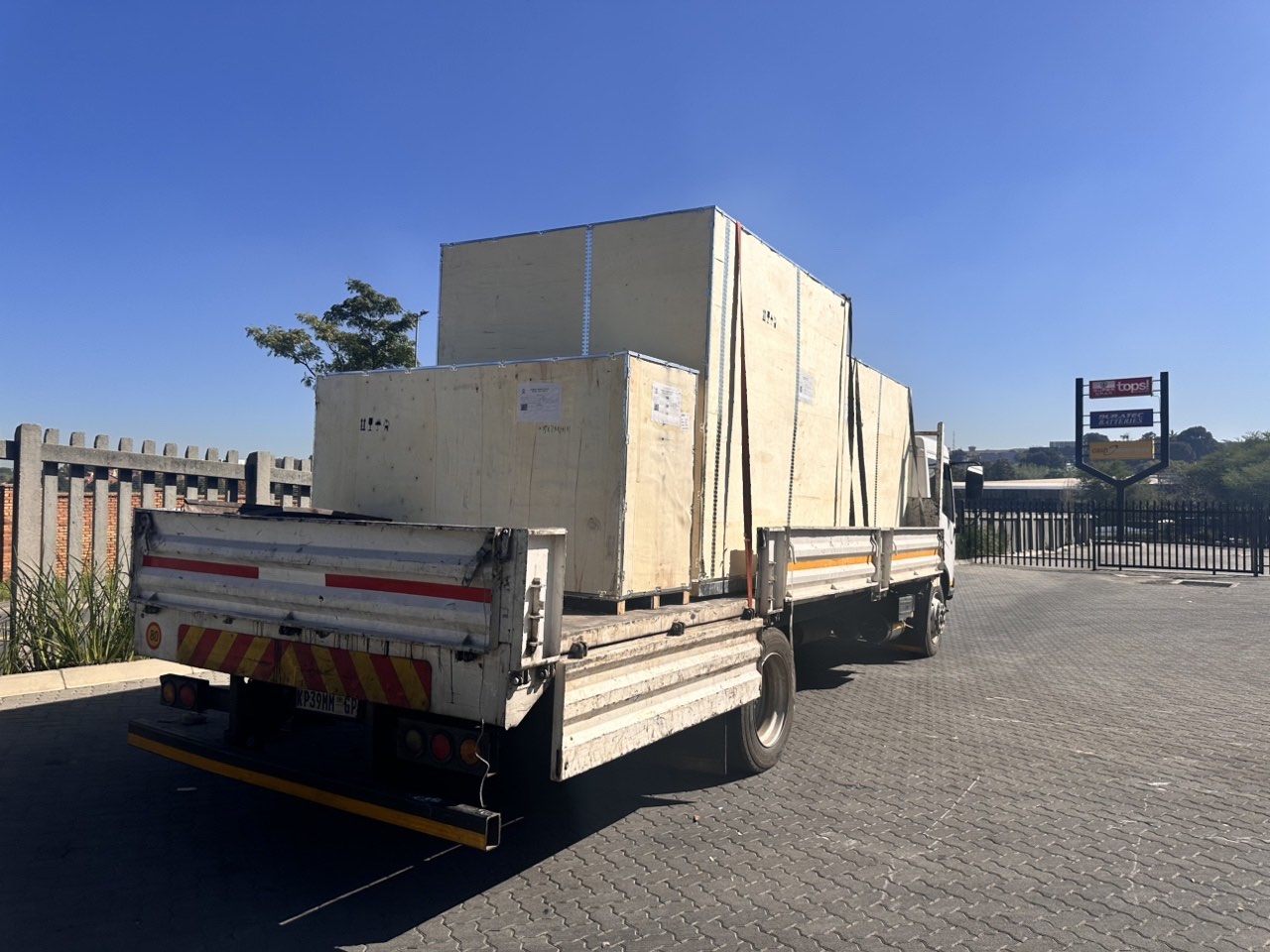
order offloading