B21, China Town Mall, Midrand

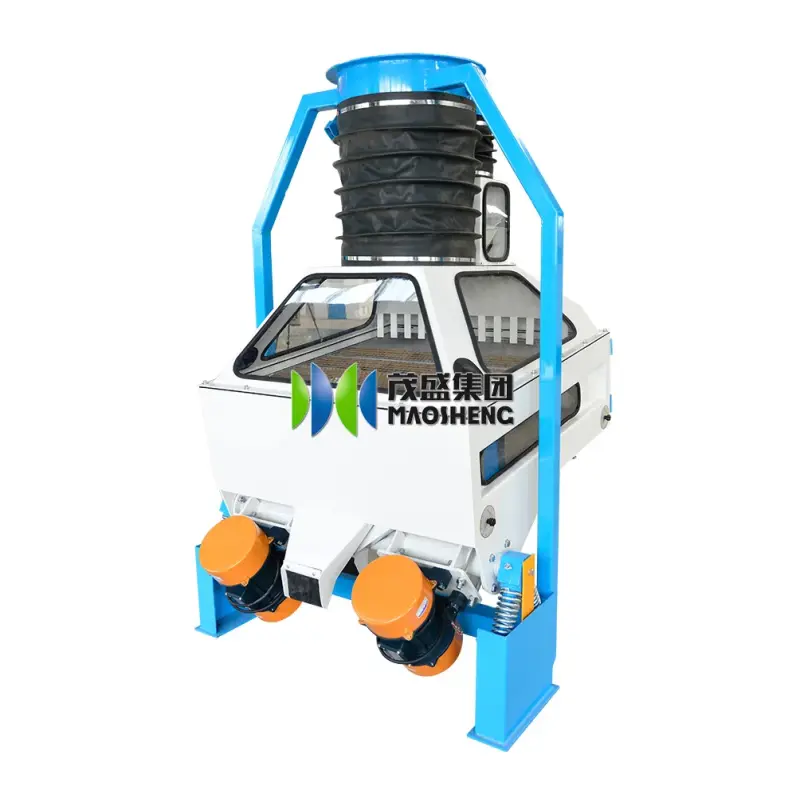
Agricultural Equipment Wheat,Corn,Bean Seed Cleaning Machine Grapes Combine Seed Cleaner And Destoner Machine
Asset finance available
Do you want funding for this equipment?
Afrimart can connect you with trusted funding partners who specialise in asset finance for businesses like yours. Compare options and apply in minutes — final approval is subject to provider review.
Check funding options
Secure & no obligation

- Section : Machinery
- Category : Agriculture Machinery
- SKU : 1600442527463

Agricultural Equipment Wheat,Corn,Bean Seed Cleaning Machine Grapes Combine Seed Cleaner And Destoner Machine
Product Description
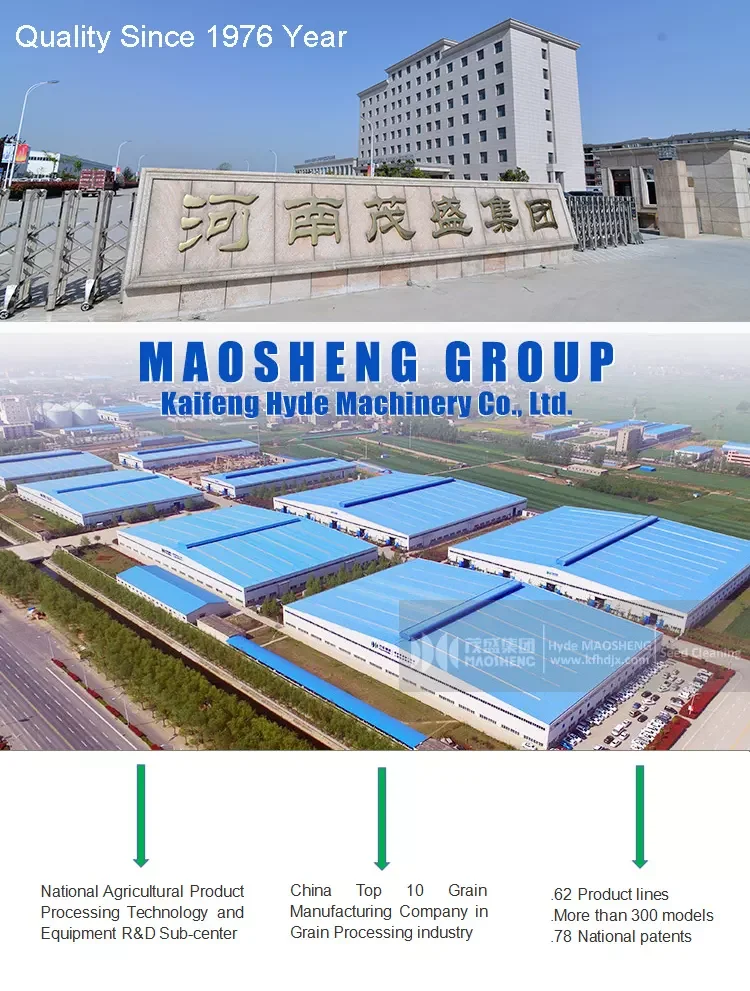
Hyde Machinery (Maosheng Group)
- Seed processing plant 1~15 t/h
- Flour mill plant: 40~1000 t/d
- Manufacturer since 1976
- Shipping Timeframes: All orders are processed within 2-5 business days (excluding weekends and holidays). After your order has been processed, the estimated delivery time is before 25 Jun, 2026, depending on customs, Please note that due to high demand, some items may experience longer shipping times, which will be communicated at order confirmation email.
- Order Processing Time: Please allow 2-5 business days for us to process your order before it is shipped . Orders placed after 16:00 on Fridays, or during weekends and public holidays, will begin processing on the next business day. Processing times may be extended during peak seasons or sales events.
- Manufacturing Time: Some products needs manufacturing time, the manufacturing process will take approximately 10-30 business days depending on the product. This timeframe may vary depending on the complexity of the product and current demand. but this will be communicated with you during order confirmation.
- Returns and Exchanges: We offer a 30-day return policy for most items. If you are not completely satisfied with your purchase, you may return it within 30 days of receipt for a refund or exchange. Items must be unused, in their original packaging, and accompanied by proof of purchase. Return shipping costs are the responsibility of the customer, unless the item was damaged or defective upon arrival.
1. What crops can this seed cleaning and destoner machine process?
The machine is designed for a wide range of crops including wheat, corn, soybeans (beans), grapes (vine seed), and other small grains and seeds. It can be configured for different seed sizes and densities.
2. What is the processing capacity of the machine?
Capacity depends on the model selected. For seed processing the range is approximately 1 to 15 tonnes per hour. Hyde Machinery (Maosheng Group) also supplies larger flour mill solutions in the range of 40 to 1,000 tonnes per day.
3. What cleaning steps does the system use to clean seeds and remove stones?
Typical cleaning stages include primary and fine screening (sieves), aspiration/air separation to remove dust and light material, gravity or specific gravity separation for density-based cleaning and destoning, and optional magnetic separation for ferrous contaminants.
4. What level of seed purity and quality can I expect?
Final purity depends on the crop, incoming contamination level and machine configuration. In many cases customers achieve 95–99% purity and significant reductions in dockage, stones and broken seeds when the correct model and settings are used.
5. Can the machine be customized for my specific seeds or facility?
Yes. Hyde Machinery offers configurable models, adjustable sieves, variable air and gravity settings, and optional modules (e.g., magnetic separators, dust collectors). Contact the manufacturer with sample grain and required throughput to specify the best configuration.
6. What materials are used in construction and are seed-contact parts food-grade?
Seed-contact parts are typically made from wear-resistant, agricultural-grade materials. Food-grade stainless steel is available for critical contact areas on request to meet hygiene requirements.
7. What are the power and utility requirements?
Power consumption varies by model and capacity. Small units may require single-phase or low-voltage three-phase power while larger units use higher three-phase power. Exact electrical, air and dust-extraction requirements are provided with the machine specifications—please consult the datasheet or contact the supplier with your model choice.
8. How much floor space and foundation work does the machine require?
Footprint varies with model and any additional modules (aspiration, conveyors, hoppers). Compact units require minimal floor space and can often be installed on a concrete slab; larger plant installations may require more comprehensive foundations and access platforms. Provide your site dimensions to get a precise layout.
9. Is installation, commissioning and operator training provided?
Yes. Hyde Machinery typically offers installation, commissioning and operator training services either remotely or on-site depending on location. Training covers safe operation, routine adjustments and basic maintenance.
10. What routine maintenance is required and how often?
Routine maintenance includes checking and replacing sieves, lubricating bearings, inspecting belts and motors, cleaning aspiration ducts and emptying dust collectors. Frequency depends on usage; daily inspections and weekly cleaning with monthly part checks are common recommendations.
11. Are spare parts and after-sales support available?
Yes. Spare parts and technical support are provided by Hyde Machinery (Maosheng Group). Common wear parts such as sieves, belts and bearings are stocked; long-term support and parts supply agreements can be arranged.
12. What safety features does the machine include?
Standard safety features include guards around moving parts, emergency stop switches, overload protection for motors and dust control measures. Additional safety interlocks and guarding can be added to meet local regulations.
13. Can the machine remove stones of different sizes and densities effectively?
Yes. The destoner/gravity separator is designed to separate stones and heavy impurities based on density differences. Effectiveness depends on correct adjustment of feed rate, air flow and bed depth; for mixed-size stones multiple passes or staged destoning may improve results.
14. What certifications or quality standards does the manufacturer hold?
Hyde Machinery (Maosheng Group) has been manufacturing seed processing equipment since 1976. Specific certifications (e.g., ISO, CE) depend on the model and export requirements—ask the supplier for certificates relevant to your purchase and country.
15. How do I choose the right model for my operation?
Provide the supplier with the type(s) of crop, expected hourly or daily throughput, incoming contamination types, available utilities, and any space constraints. The manufacturer will recommend a suitable model, configuration and optional accessories to meet your production and quality goals.
Latest Order Arrivals
Discover our latest orders
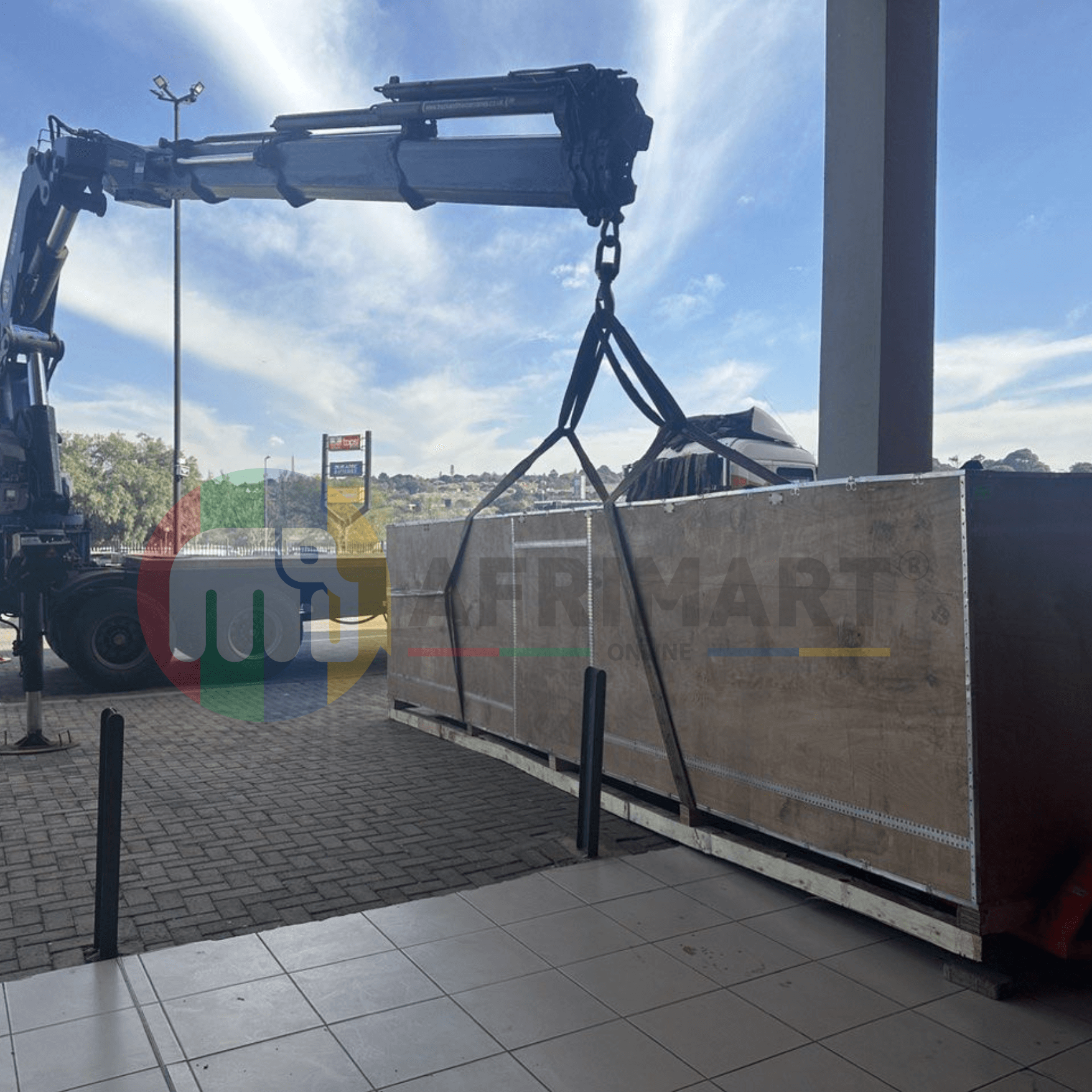
12 Heads Embroidery Machine
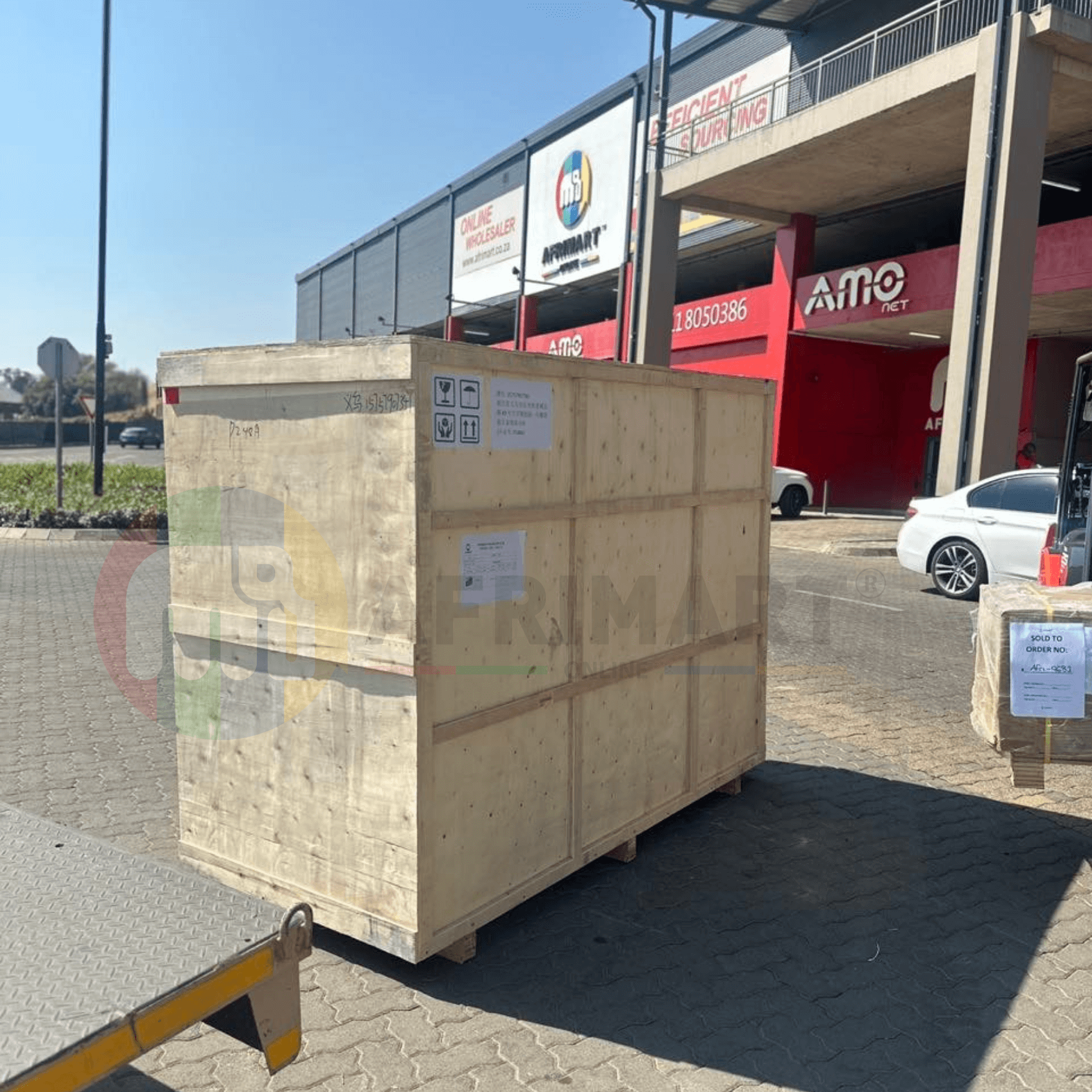
Dewatering Pump Machine
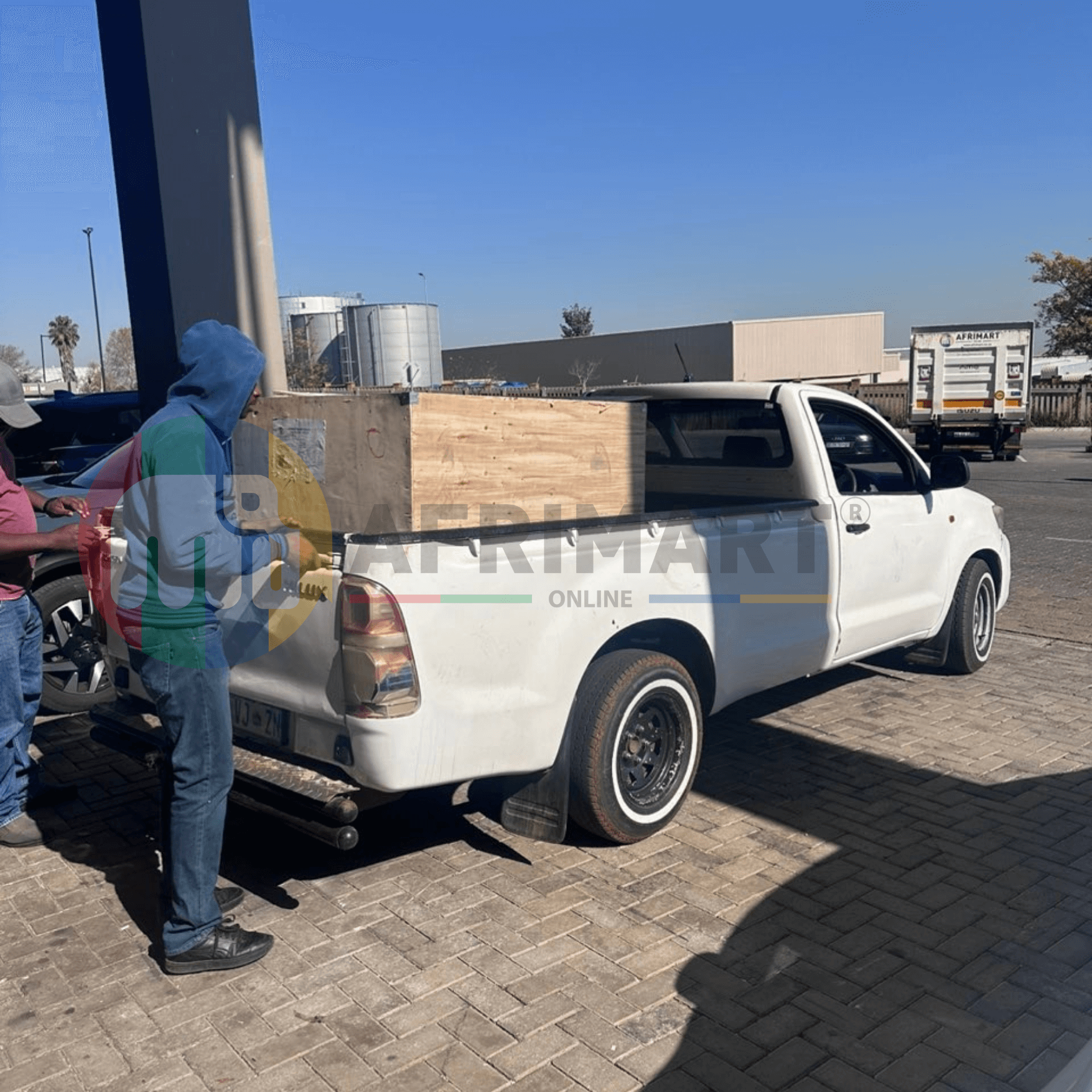
Order Collection
Portable Water Drilling Rig
Order Usefully Collected
Batch of Orders
Agriculture Processing Machines
Meat Grinder Machine
Water Pump Equipment
Packaging Machine and accessories
Fabrics Manufacturing Equipment
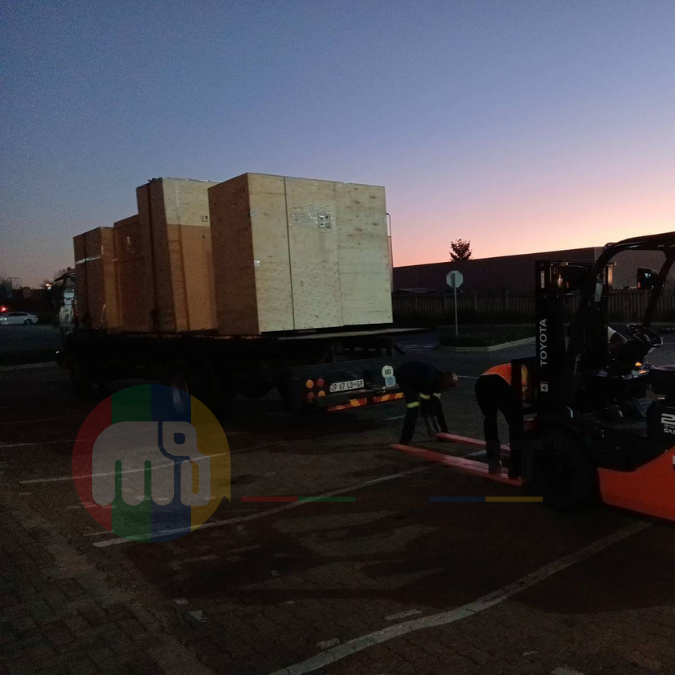
Mining Equipments
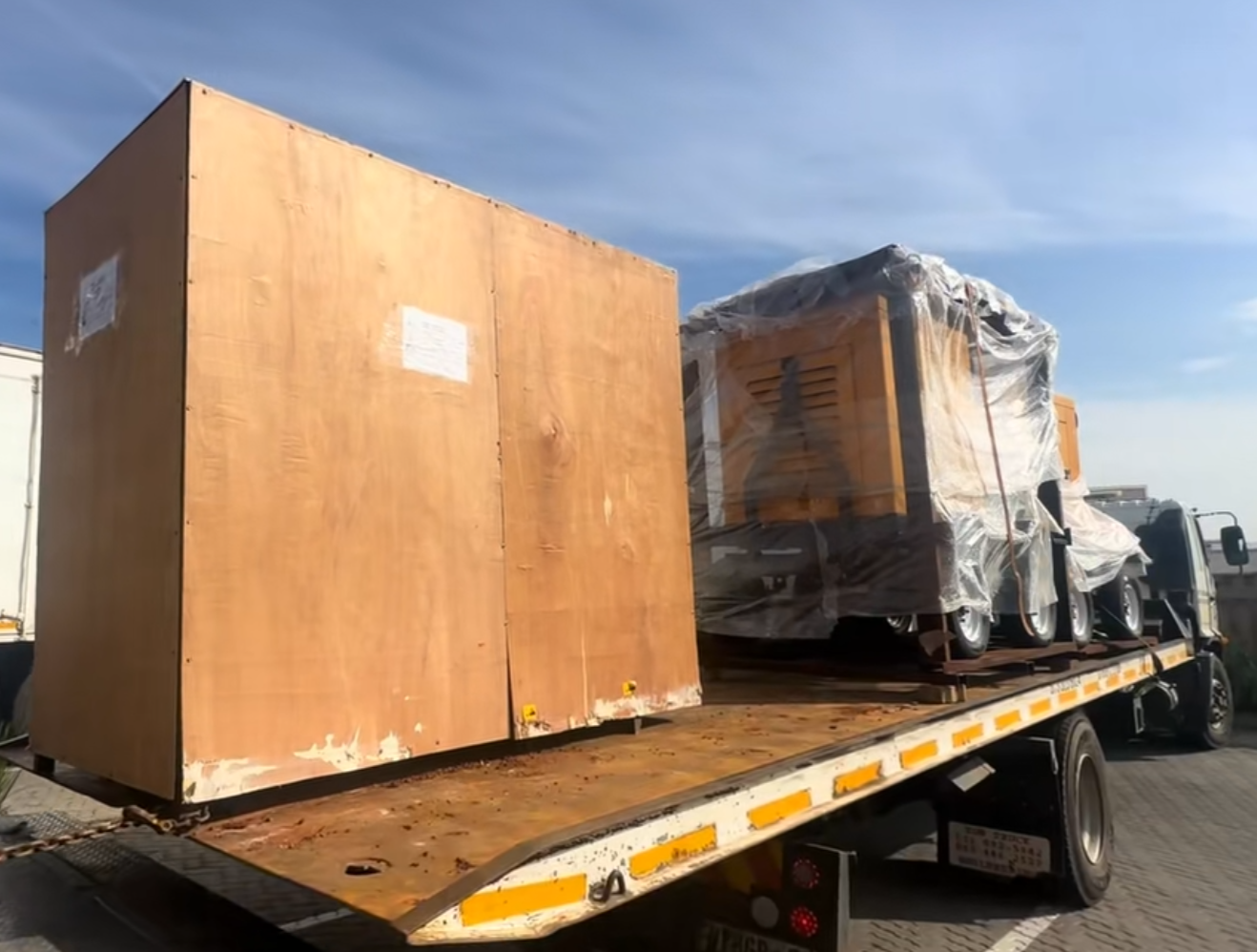
Food Processing Machine
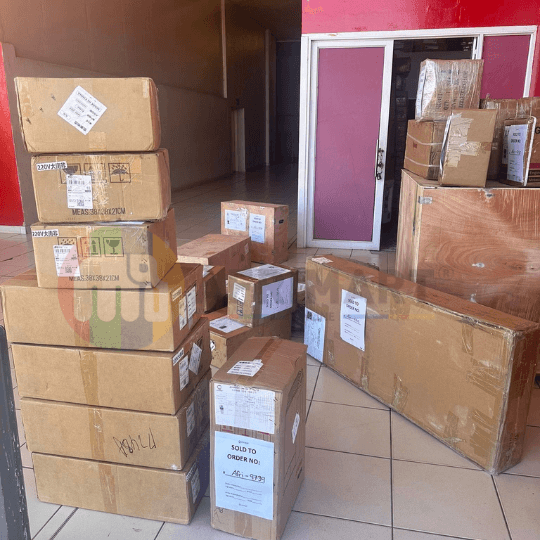
Batch of Orders
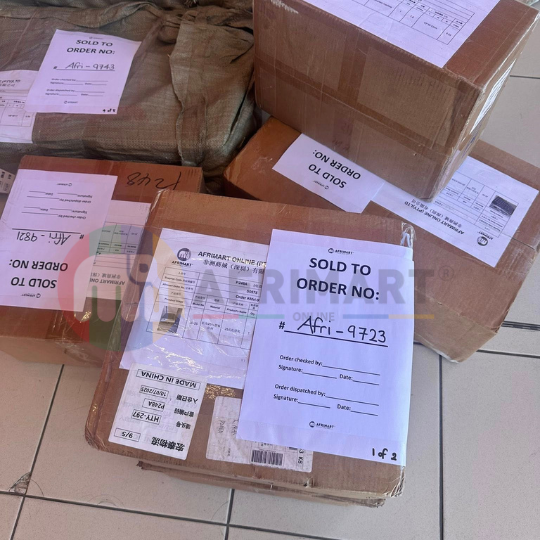
Batch of Orders
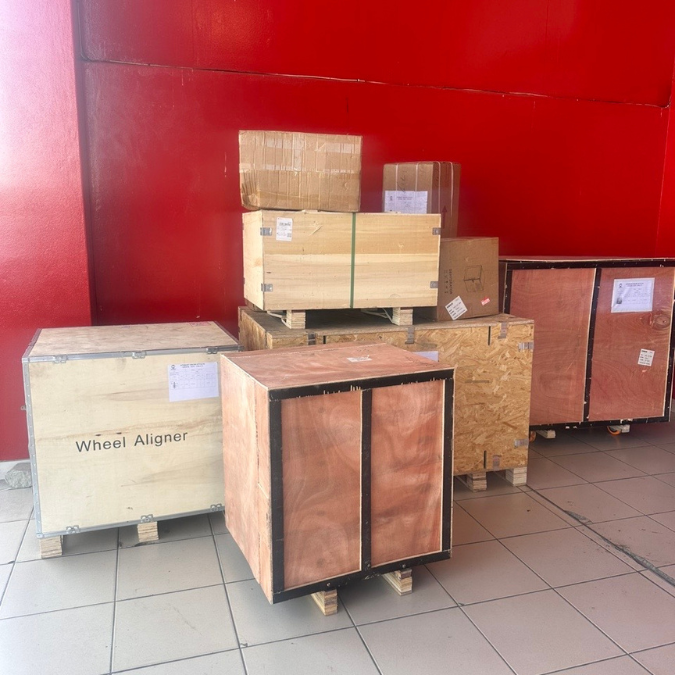
Latest Orders Labelled
wheel alignment machines
new arrivals
Pre Orders Offloading
Latest Arrivals
Latest Arrivals
Latest Arrivals
26 January 2026
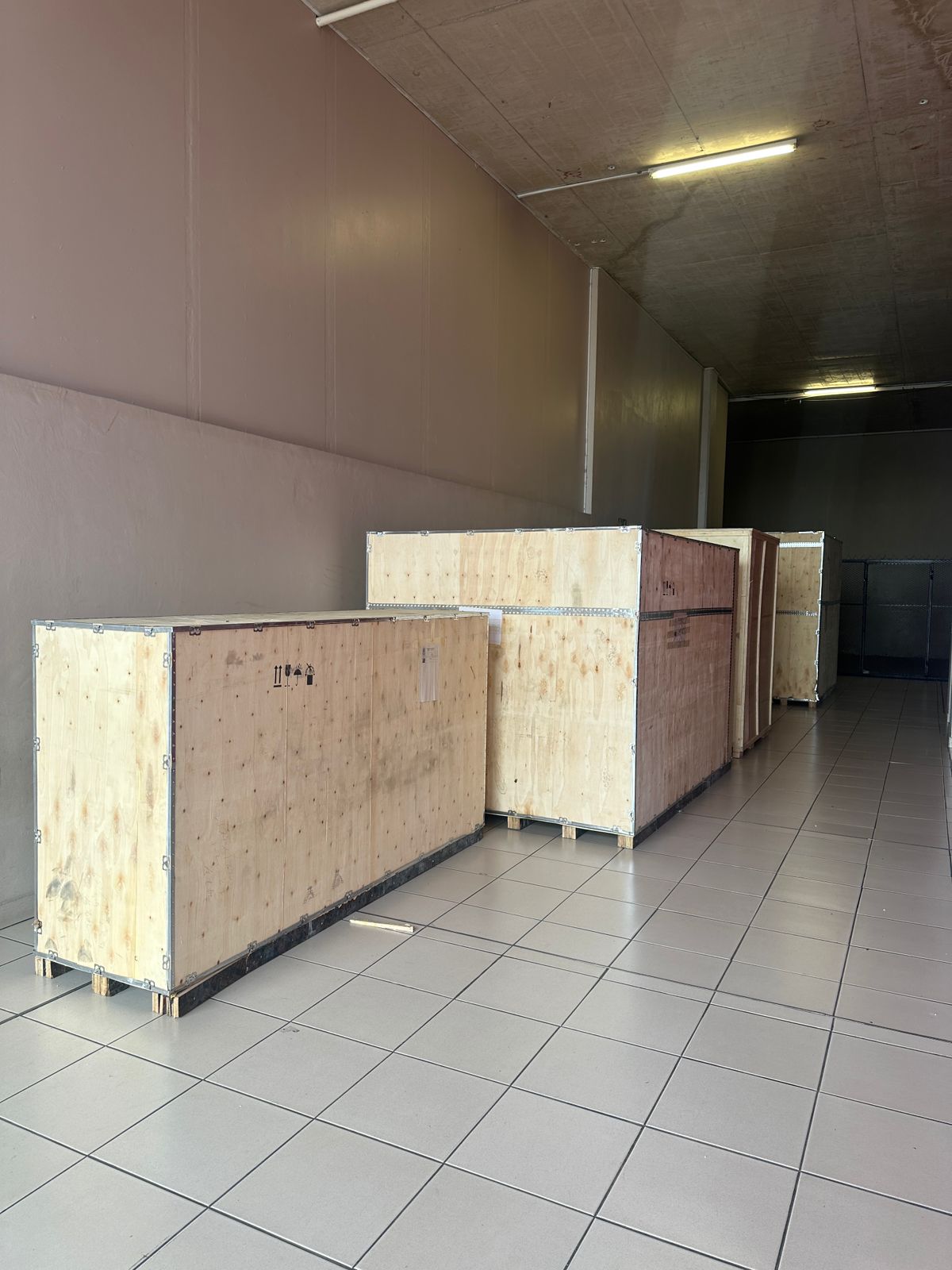
Toilet paper making machine
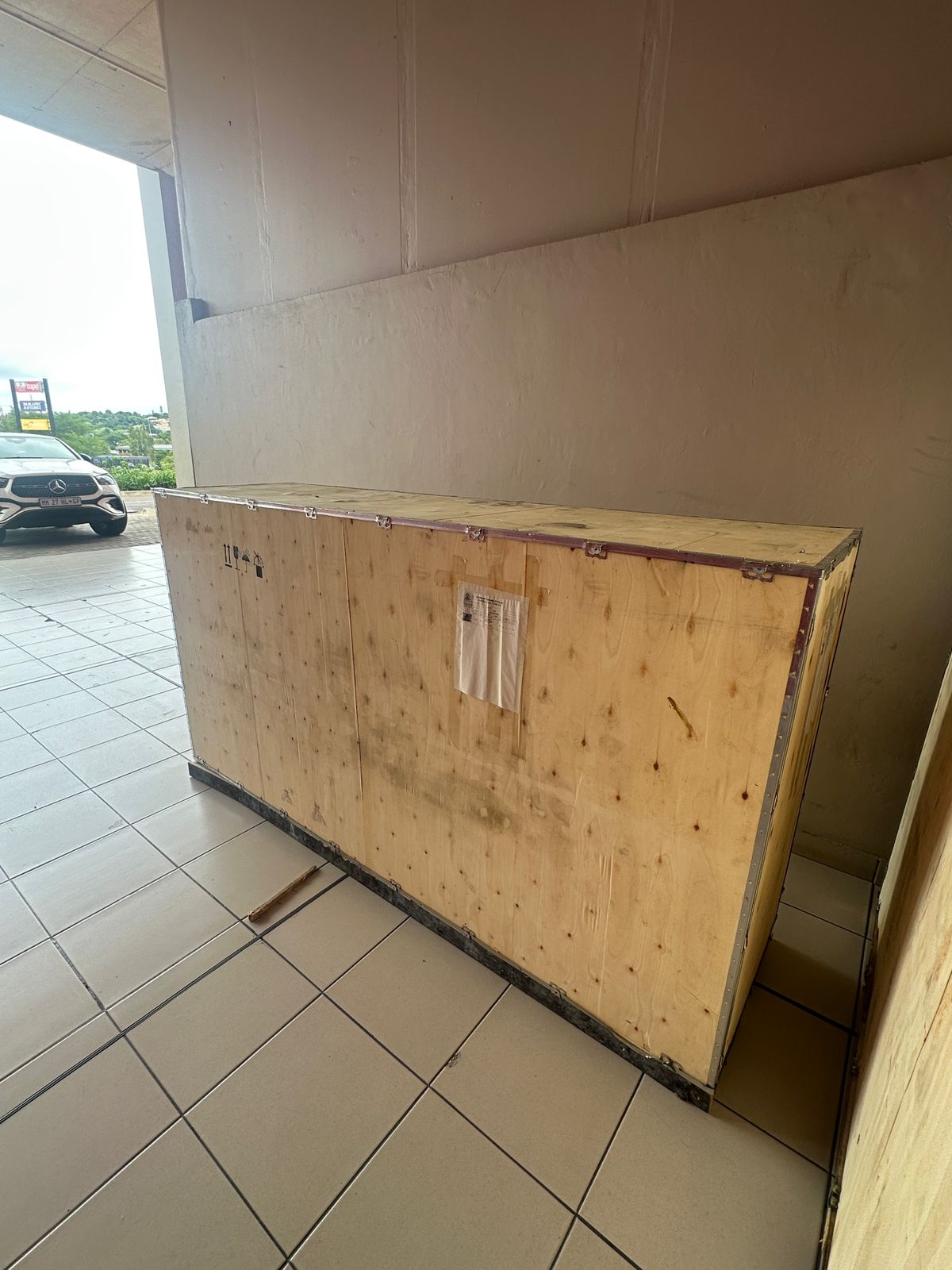
Toilet paper making machine
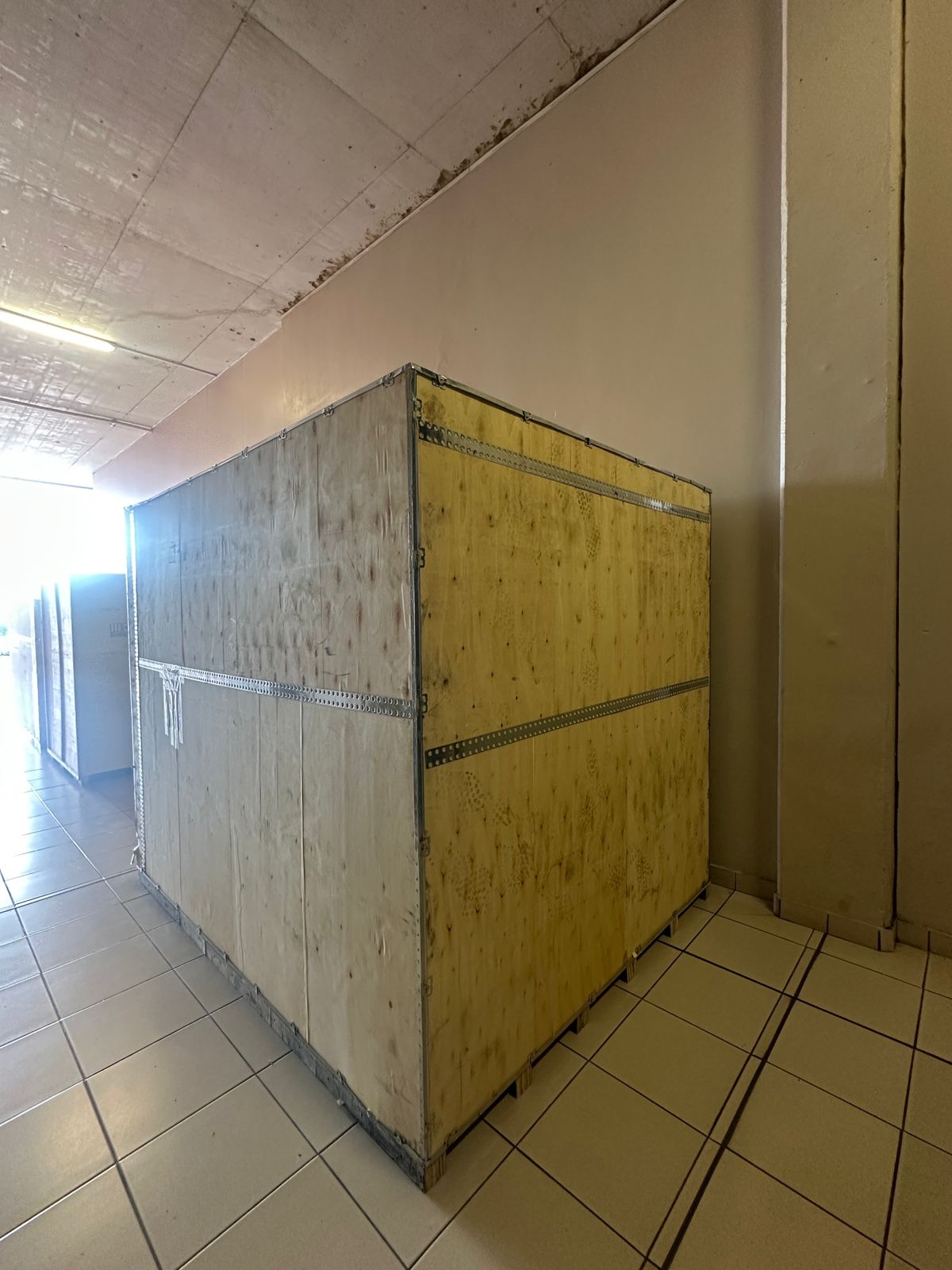
Toilet paper Rewinding Machine
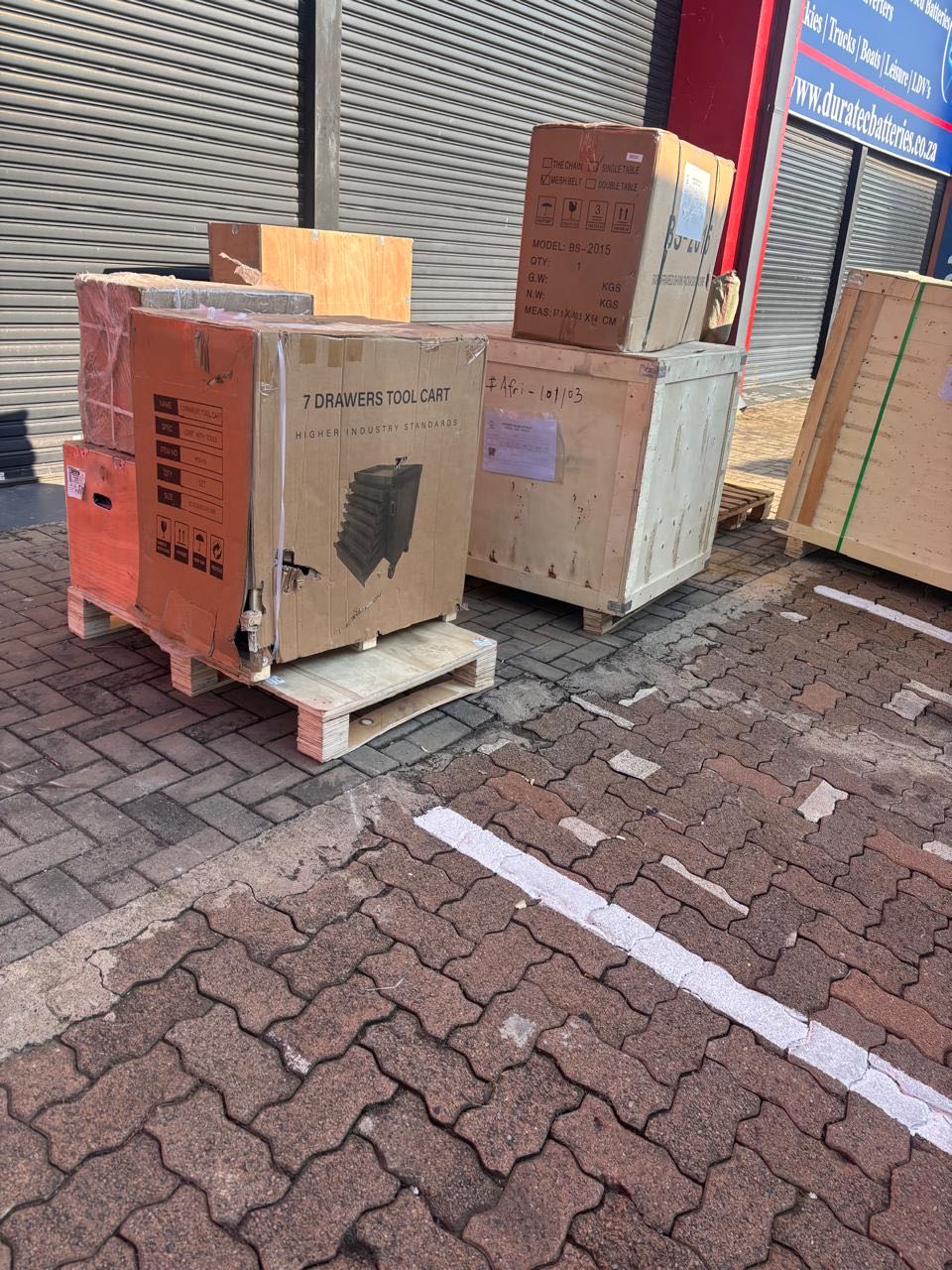
latest arrivals
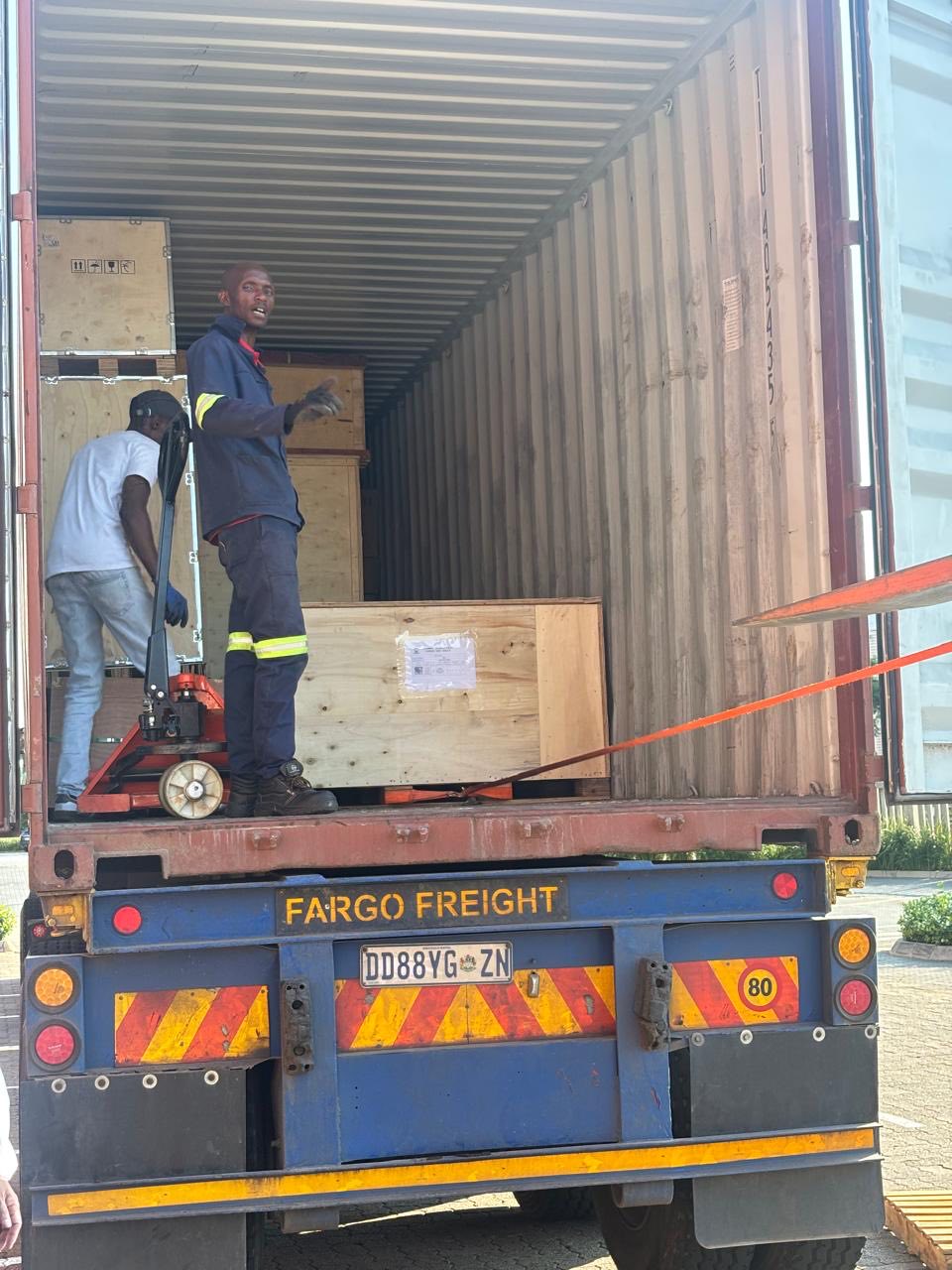
offloading
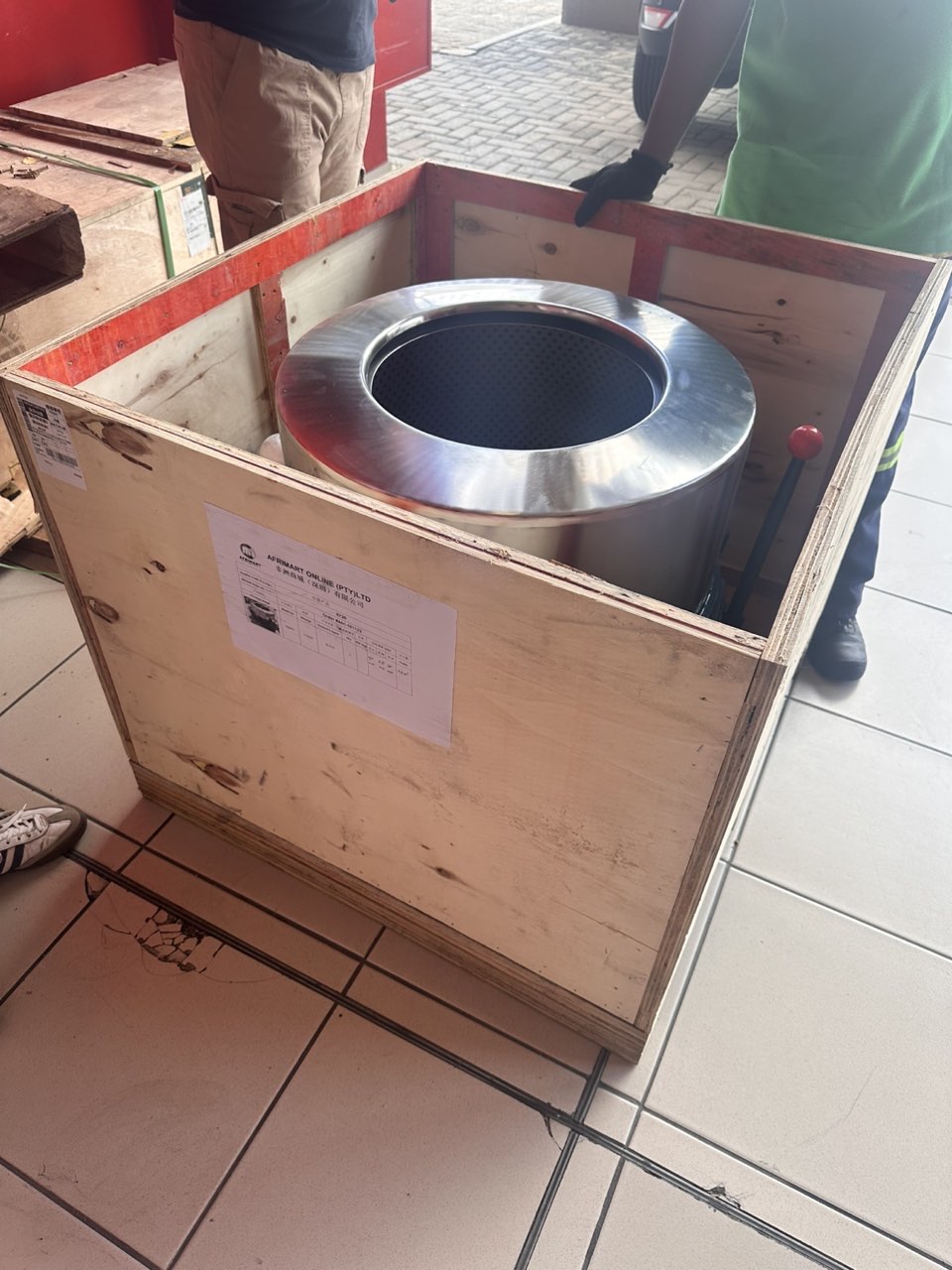
order success
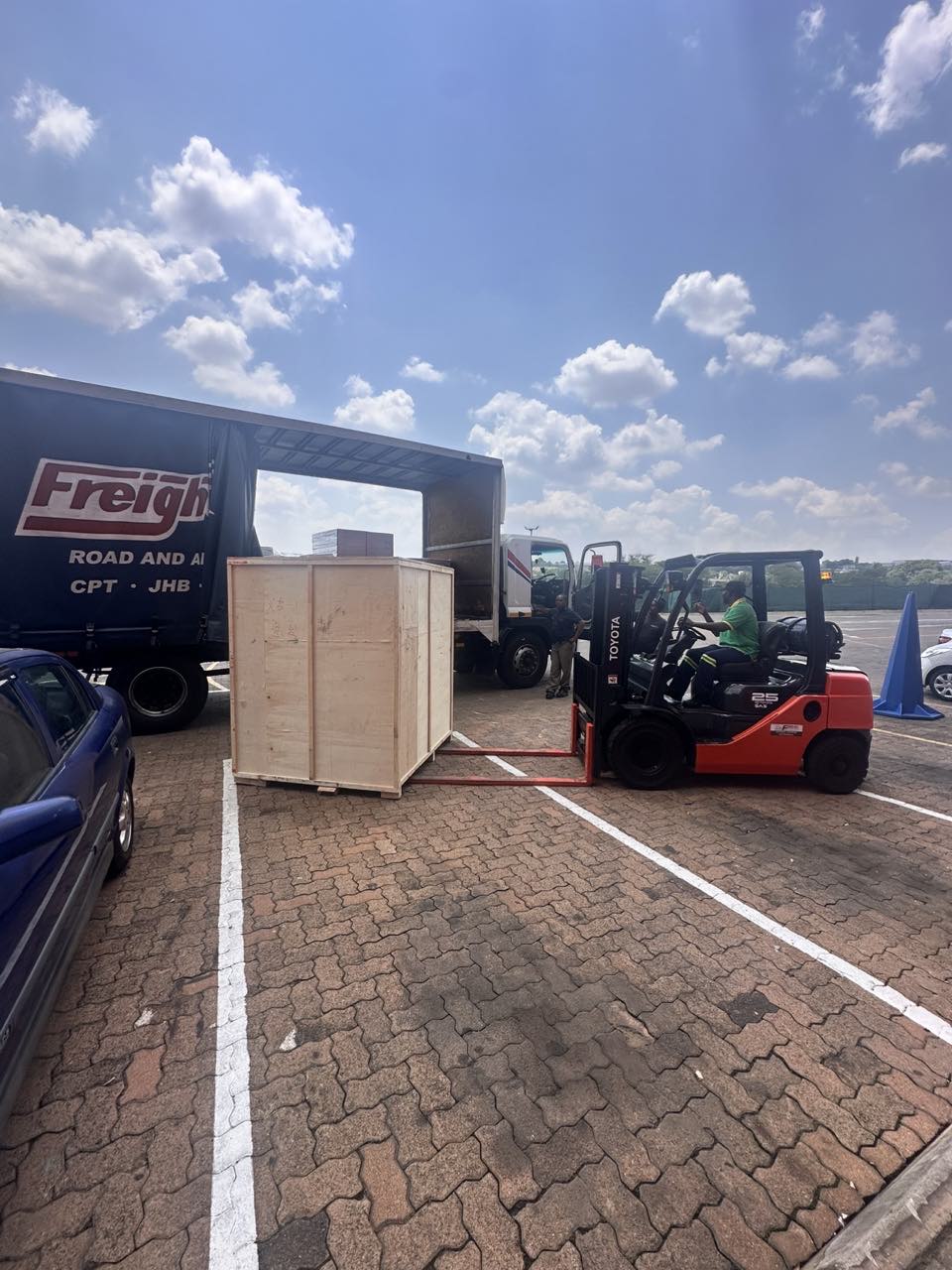
order collection
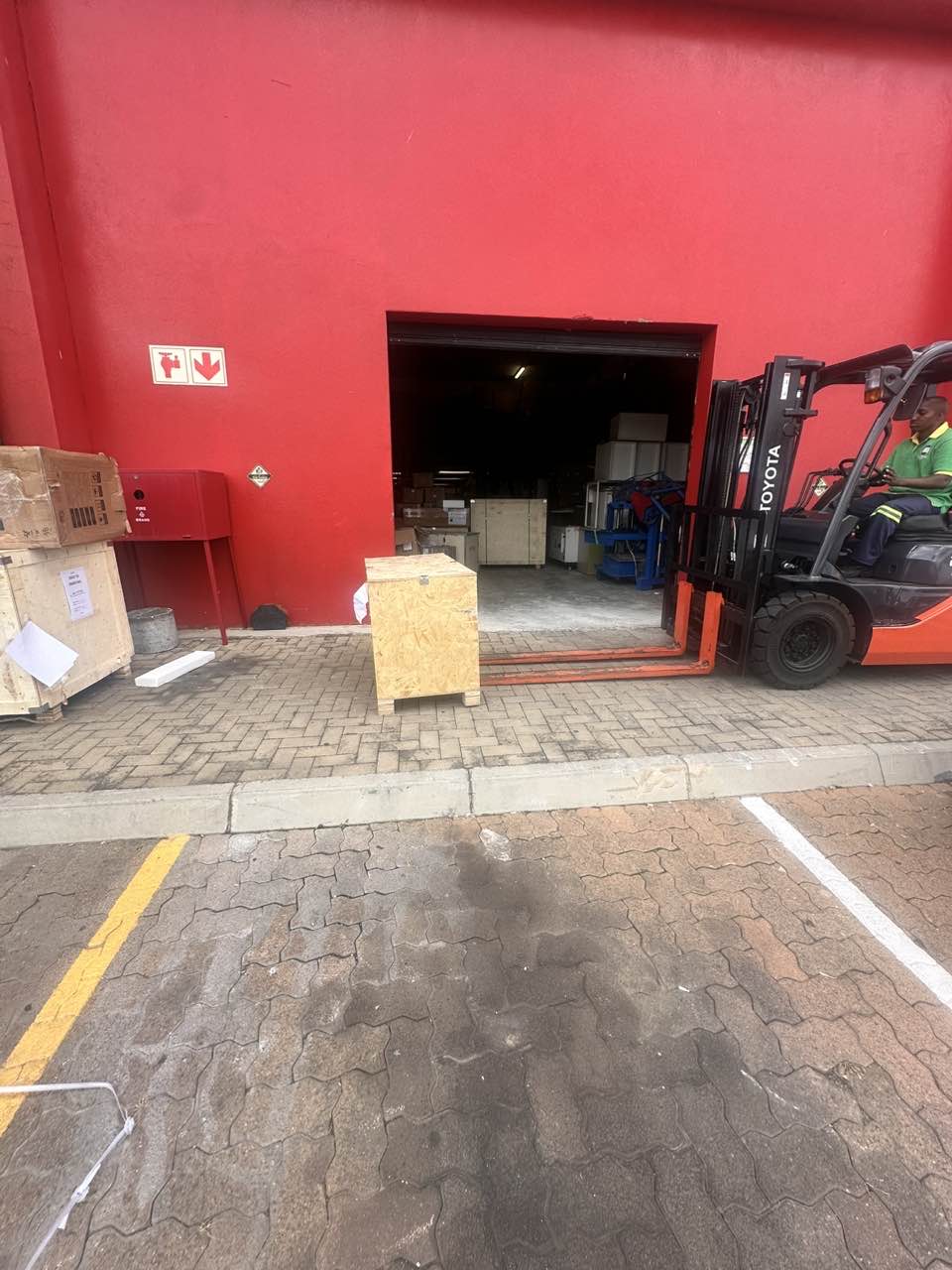
order offloading