B21, China Town Mall, Midrand

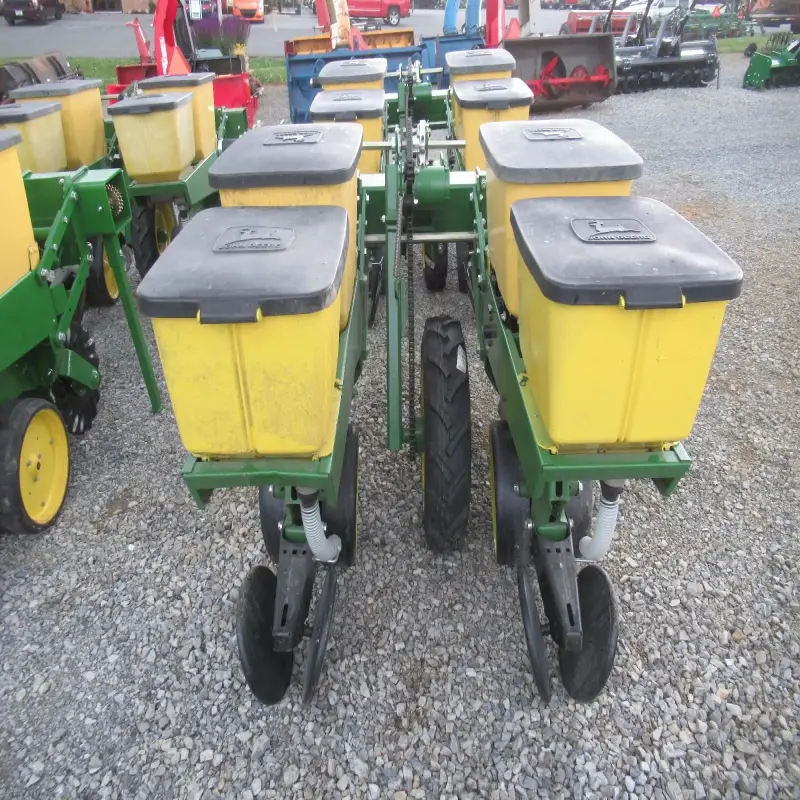
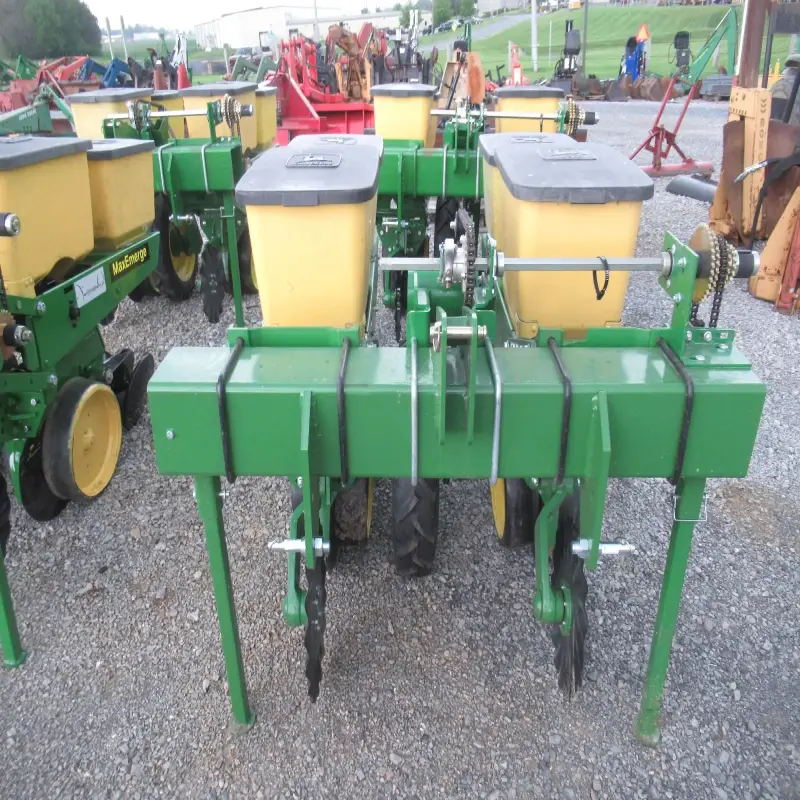
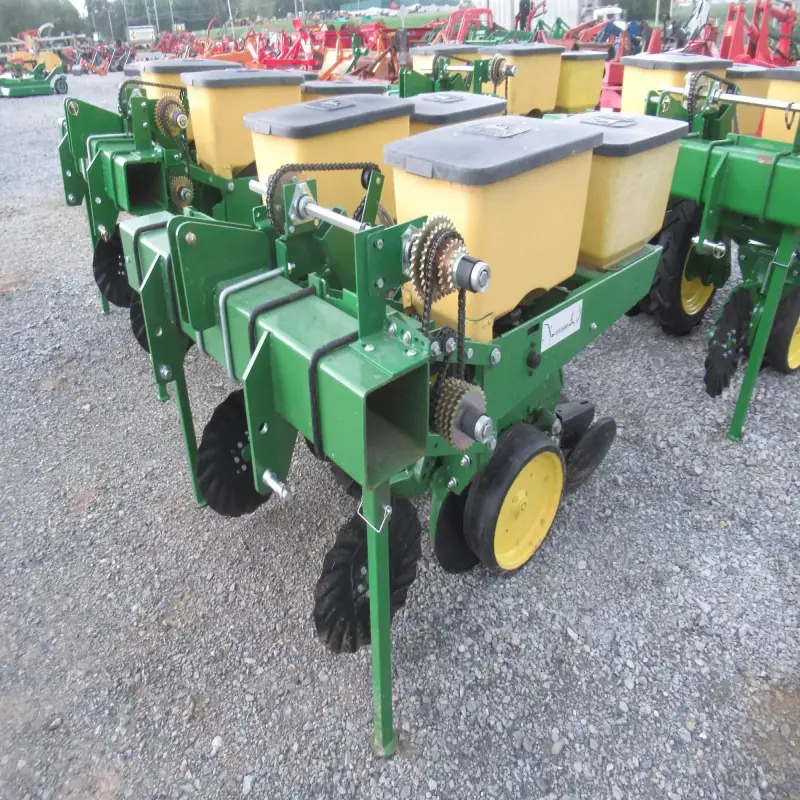
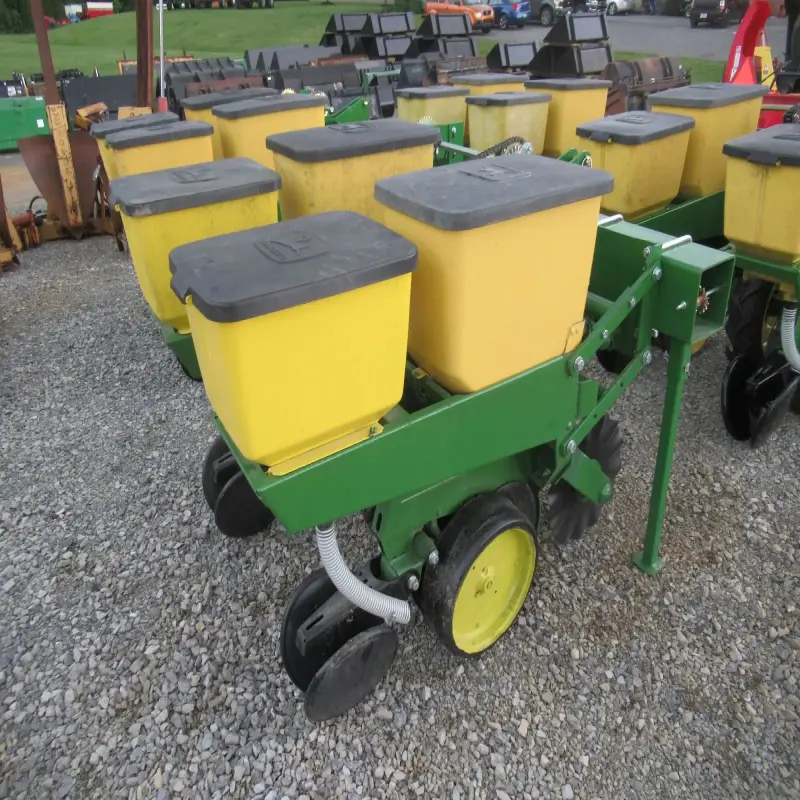
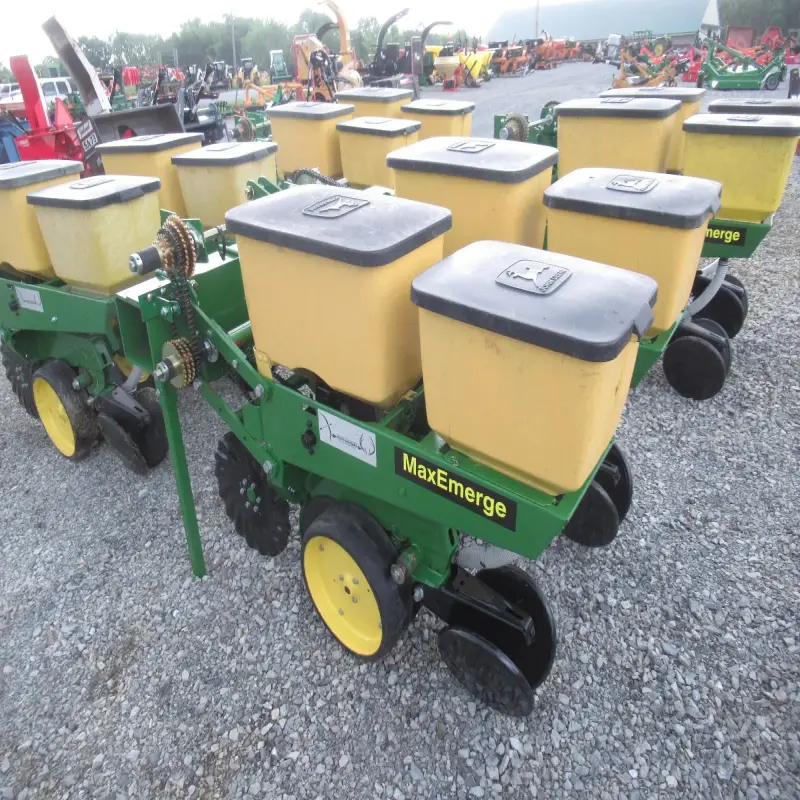
4 Row Corn and Sorghum Planting Machine 2BYSF-4
Asset finance available
Do you want funding for this equipment?
Afrimart can connect you with trusted funding partners who specialise in asset finance for businesses like yours. Compare options and apply in minutes — final approval is subject to provider review.
Check funding options
Secure & no obligation

- Section : Machinery
- Category : Agriculture Machinery
- SKU : 1601012017847

tractor corn planter machine 4 Row Tractor farm Mounted 4 rows corn planter zero till corn seeder


Advantage of our pneumatic corn and soybean sorghum planter
1: Our pneumatic planter can plant different seeds like corn/maize seeds , soybean seeds , bean seeds , cotton seeds ,sorghum seeds, onion seeds , sugar beet seeds and so on ,you just need to change the seeding plate is ok .
| Model | 2BYSF-2 | 2BYSF-3 | 2BYSF-4 | 2BYSF-5 | 2BYSF-6 |
| Rows | 2 | 3 | 4 | 5 | 6 |
| Row Spacing(mm) | 428-630 | 428-600 | 428-570 | 428-540 | 428-510 |
| Plant Spacing(mm) | 140/173/226/280 | ||||
| Ditching depth(mm) | 60-80 | ||||
| Fertilization depth(mm) | 60-80 |
- Shipping Timeframes: All orders are processed within 2-5 business days (excluding weekends and holidays). After your order has been processed, the estimated delivery time is before 25 Jun, 2026, depending on customs, Please note that due to high demand, some items may experience longer shipping times, which will be communicated at order confirmation email.
- Order Processing Time: Please allow 2-5 business days for us to process your order before it is shipped . Orders placed after 16:00 on Fridays, or during weekends and public holidays, will begin processing on the next business day. Processing times may be extended during peak seasons or sales events.
- Manufacturing Time: Some products needs manufacturing time, the manufacturing process will take approximately 10-30 business days depending on the product. This timeframe may vary depending on the complexity of the product and current demand. but this will be communicated with you during order confirmation.
- Returns and Exchanges: We offer a 30-day return policy for most items. If you are not completely satisfied with your purchase, you may return it within 30 days of receipt for a refund or exchange. Items must be unused, in their original packaging, and accompanied by proof of purchase. Return shipping costs are the responsibility of the customer, unless the item was damaged or defective upon arrival.
1. What is the 4 Row Corn and Sorghum Planting Machine 2BYSF-4 designed for?
The 2BYSF-4 is a tractor-mounted pneumatic planter designed to accurately plant multiple seed types (corn/maize, soybean, bean, cotton, sorghum, onion, sugar beet, etc.) in four rows. It supports zero-till planting and can apply fertilizer simultaneously.
2. Which seeds can this pneumatic planter handle?
It can plant a wide range of seeds including corn/maize, soybean, common beans, cotton, sorghum, onion, sugar beet and similar-sized seeds. Changing the seeding plate (seed disc) allows the machine to meter different seed shapes and sizes.
3. What are the row spacing and plant spacing options for the 2BYSF-4?
For the 4-row model the row spacing is adjustable in the range 428–570 mm. Plant spacing is selectable from standard options: 140 mm, 173 mm, 226 mm or 280 mm (depending on seed plate and gearbox settings).
4. What depths can the machine operate at for sowing and fertilizing?
Ditching (seed) depth and fertilization depth are both adjustable and typically set in the 60–80 mm range. Exact depth is set mechanically on the machine to match seed size and required coverage.
5. Does the 2BYSF-4 perform fertilization while planting?
Yes — the design provides simultaneous fertilizer application with selectable fertilization depth (typically 60–80 mm). Confirm whether your specific unit includes the fertilizer hopper and metering kit or if it is an optional accessory.
6. Is the planter suitable for zero-till farming?
Yes. The product description lists it as a zero-till corn seeder. For best results on no‑till residues, ensure row openers/coulters are appropriate for your field conditions and verify configuration with your supplier.
7. How do I change the seeding plate to switch seed types?
Typical steps: stop the tractor and shut off the pneumatic system, lock and secure the planter, remove the seed-meter cover, unbolt or release the current seed plate, install the correct plate for your seed, resecure the plate and cover, then run calibration checks before planting. Always follow the machine's manual for the exact procedure and safety precautions.
8. How should I calibrate the planter before use?
Calibration generally involves setting the seed plate and gearbox for the desired plant spacing, adjusting pneumatic pressure (if applicable), performing a static seed count (catch and count seeds per a set number of plate revolutions), and making fine adjustments until the seed-drop rate matches desired population. Do a field test pass at working speed and re-check spacing and singulation before full operation.
9. What are common causes of uneven seeding or missed drops and how do I troubleshoot them?
Common causes: wrong seed plate for the seed size, dirty/clogged metering or seed tubes, incorrect pneumatic pressure or leaks, worn plates or seals, incorrect ground-drive or gearbox settings, and debris blocking seed outlets. Troubleshooting steps: inspect and clean seed metering components, verify correct seed plate, check and fix air leaks, replace worn parts, and recalibrate the meter.
10. What tractor mounting and power requirements does the 2BYSF-4 have?
The planter is tractor-mounted and attaches to the tractor's hitch. Exact hitch category and recommended horsepower depend on machine configuration and field conditions. Confirm hitch category, PTO/drive interface (if any), and minimum recommended tractor horsepower with your supplier or in the equipment manual before purchase.
11. What routine maintenance is required to keep the planter operating reliably?
Regular maintenance includes: cleaning seed meters, tubes and seed boxes after use; inspecting and replacing worn seed plates, seals and bearings; lubricating moving parts as specified in the manual; checking and tightening fasteners; inspecting pneumatic hoses for leaks; and calibrating the meter periodically. Store the machine dry and protected when not in use.
12. Are spare parts and seed plates available, and how do I order them?
Spare parts such as seed plates, discs, coulters, bearings and seals are commonly available from the manufacturer or dealer. Contact the supplier or your local dealer with the model number (2BYSF-4) and part identifiers to order correct replacement parts.
13. What safety precautions should operators follow when using and servicing the planter?
General safety: turn off tractor engine and set brakes before servicing; depressurize any pneumatic system; keep hands clear of moving parts; use lockout/tagout procedures; wear appropriate PPE; follow the operator's manual for safe hitching, transport, and field operation; and be mindful of bystanders during operation.
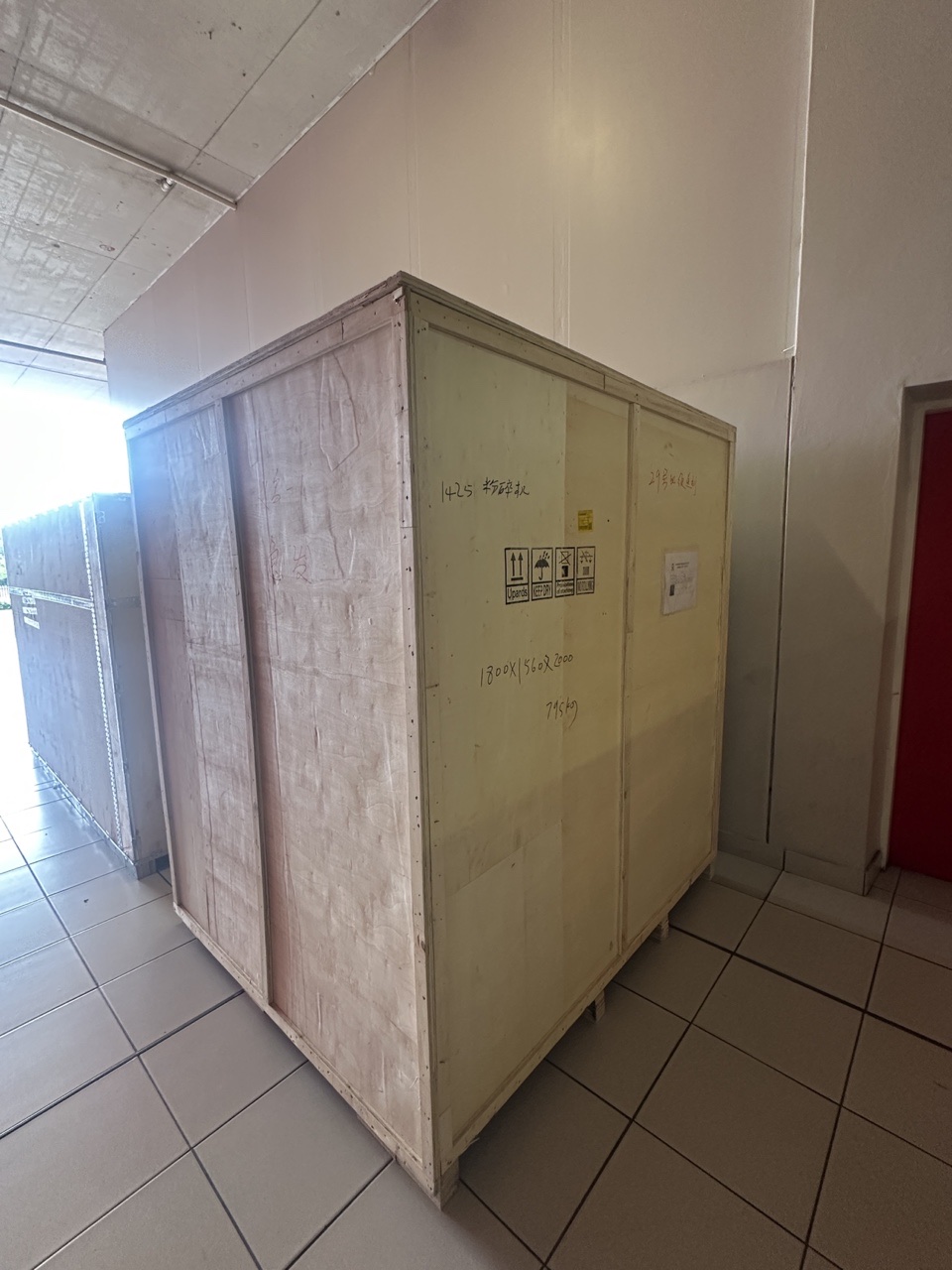
Latest Order Arrivals
Discover our latest orders
12 Heads Embroidery Machine
Dewatering Pump Machine
Order Collection
Portable Water Drilling Rig
Order Usefully Collected
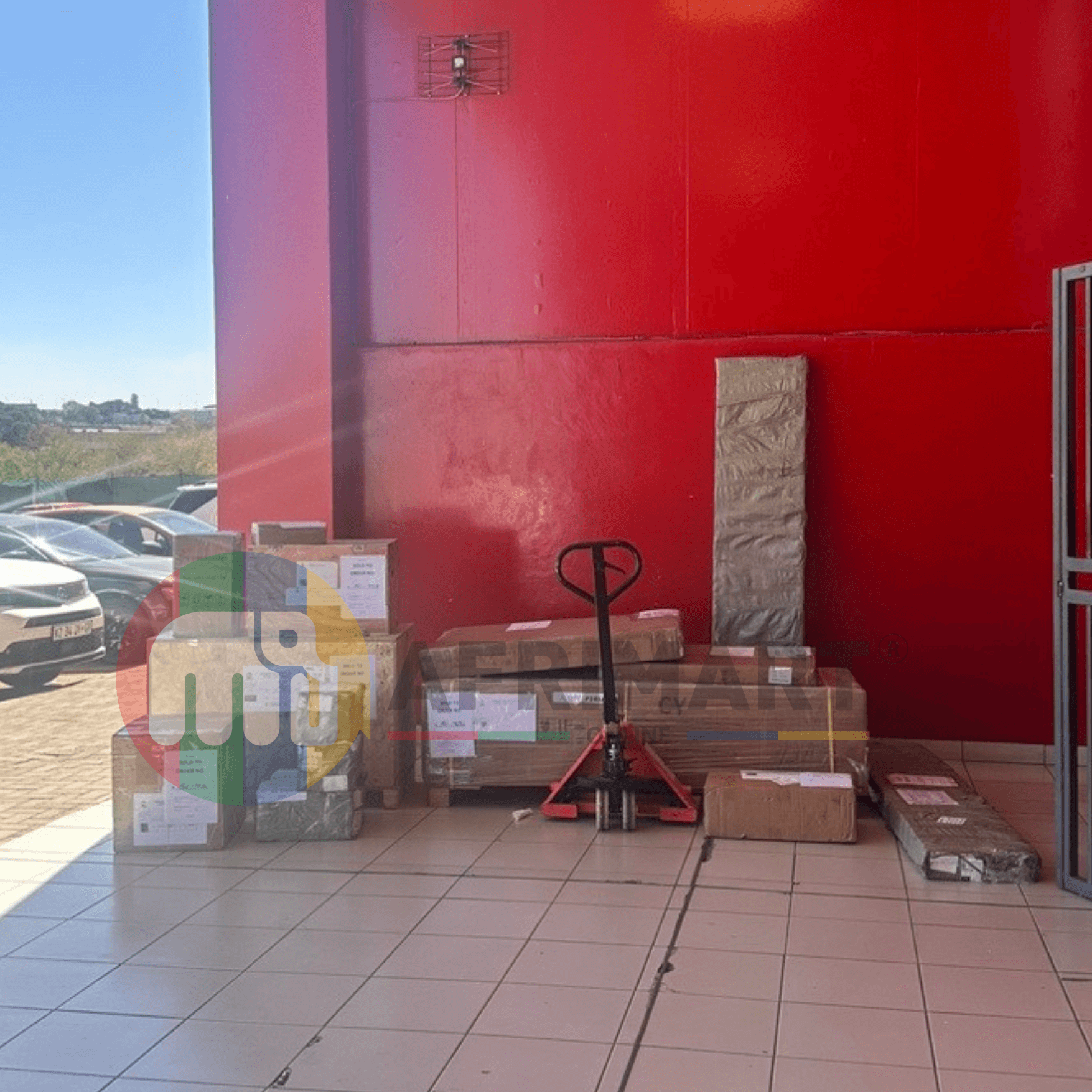
Batch of Orders
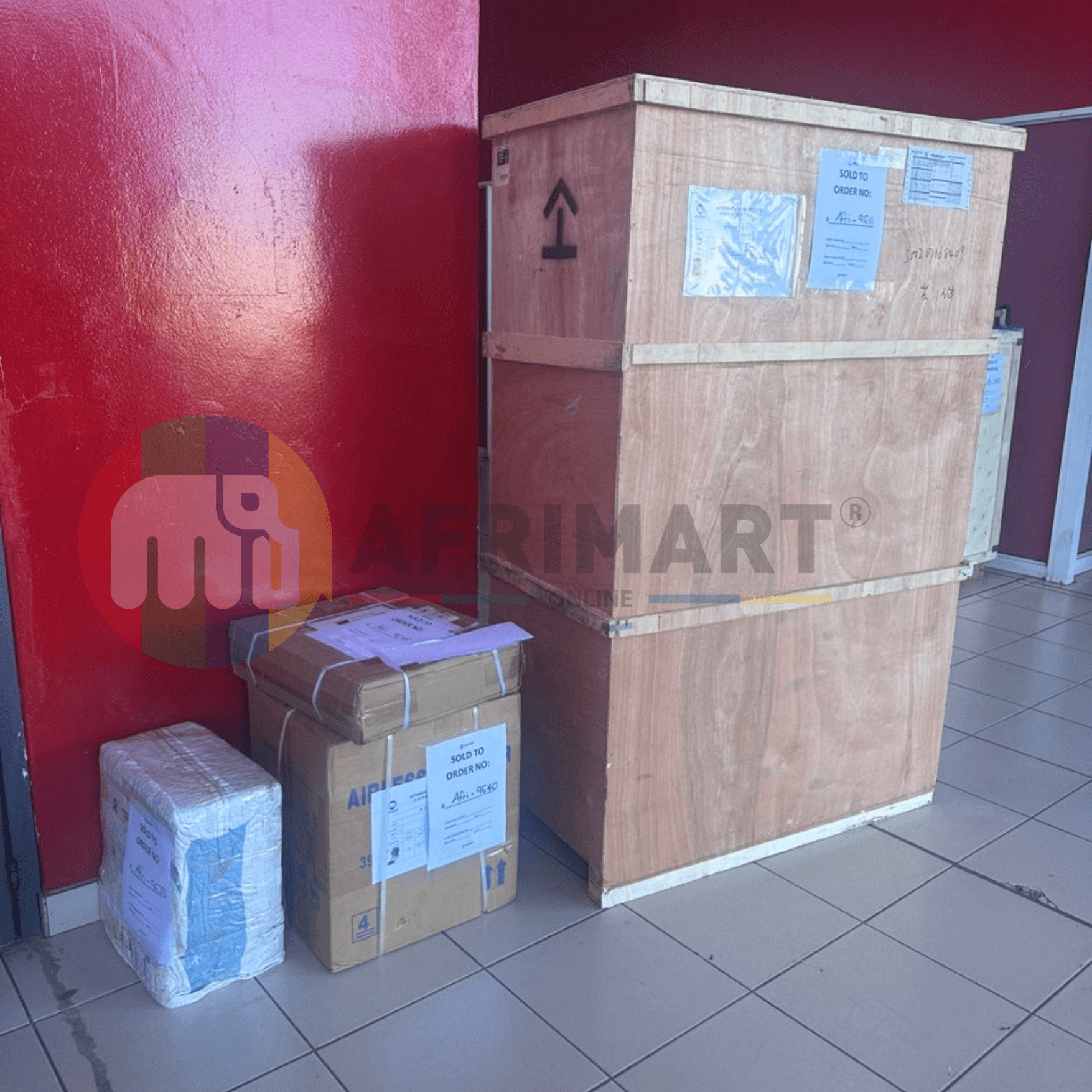
Agriculture Processing Machines
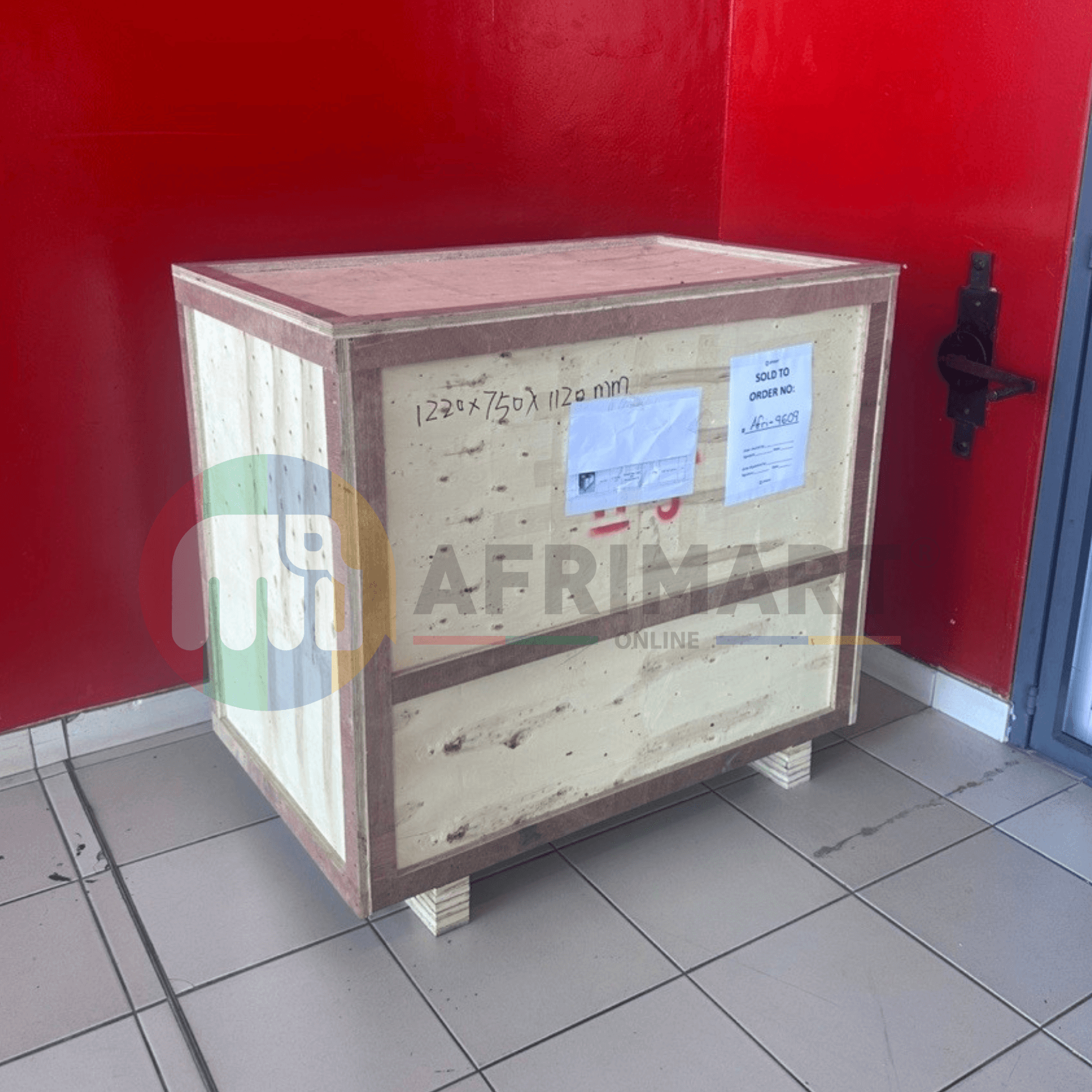
Meat Grinder Machine
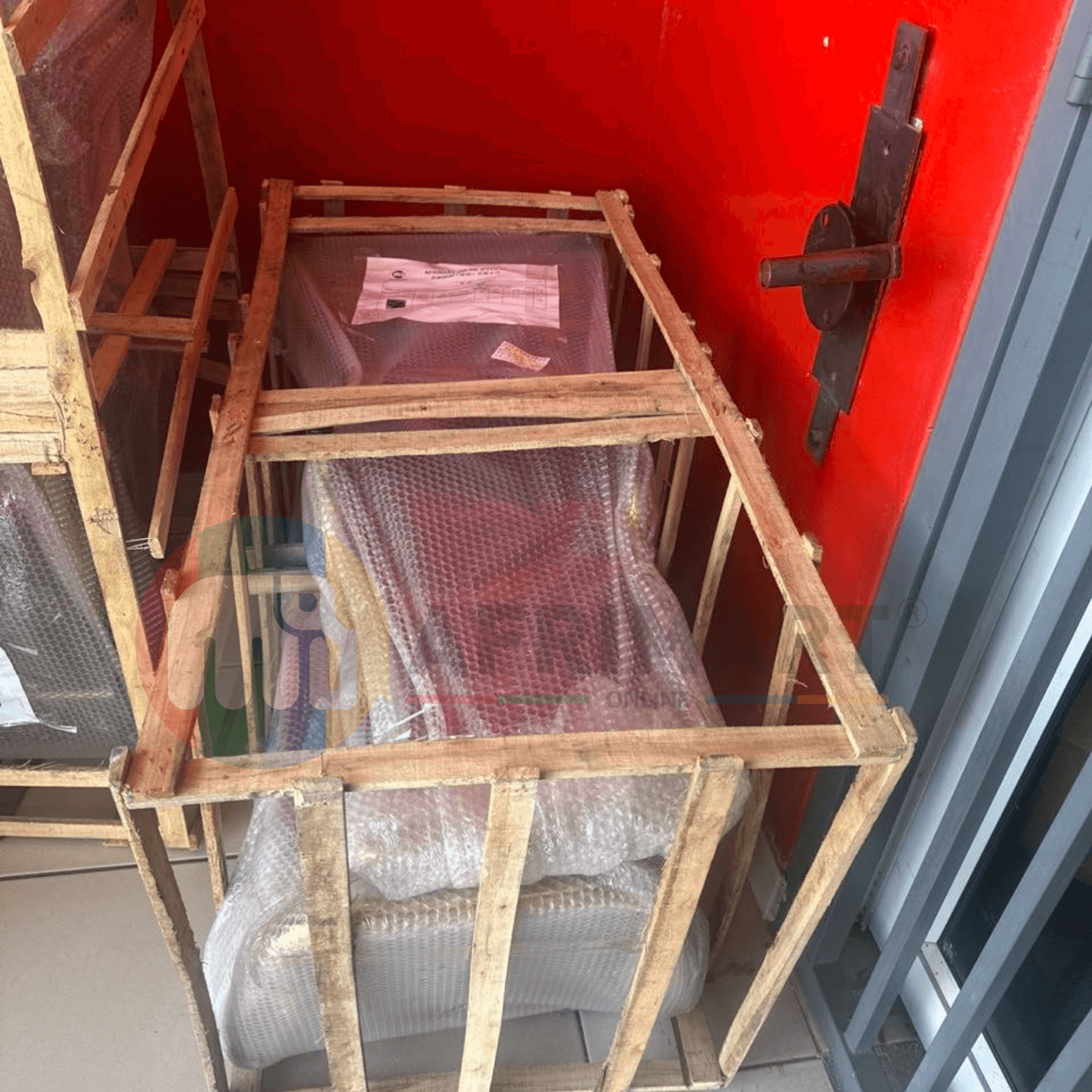
Water Pump Equipment
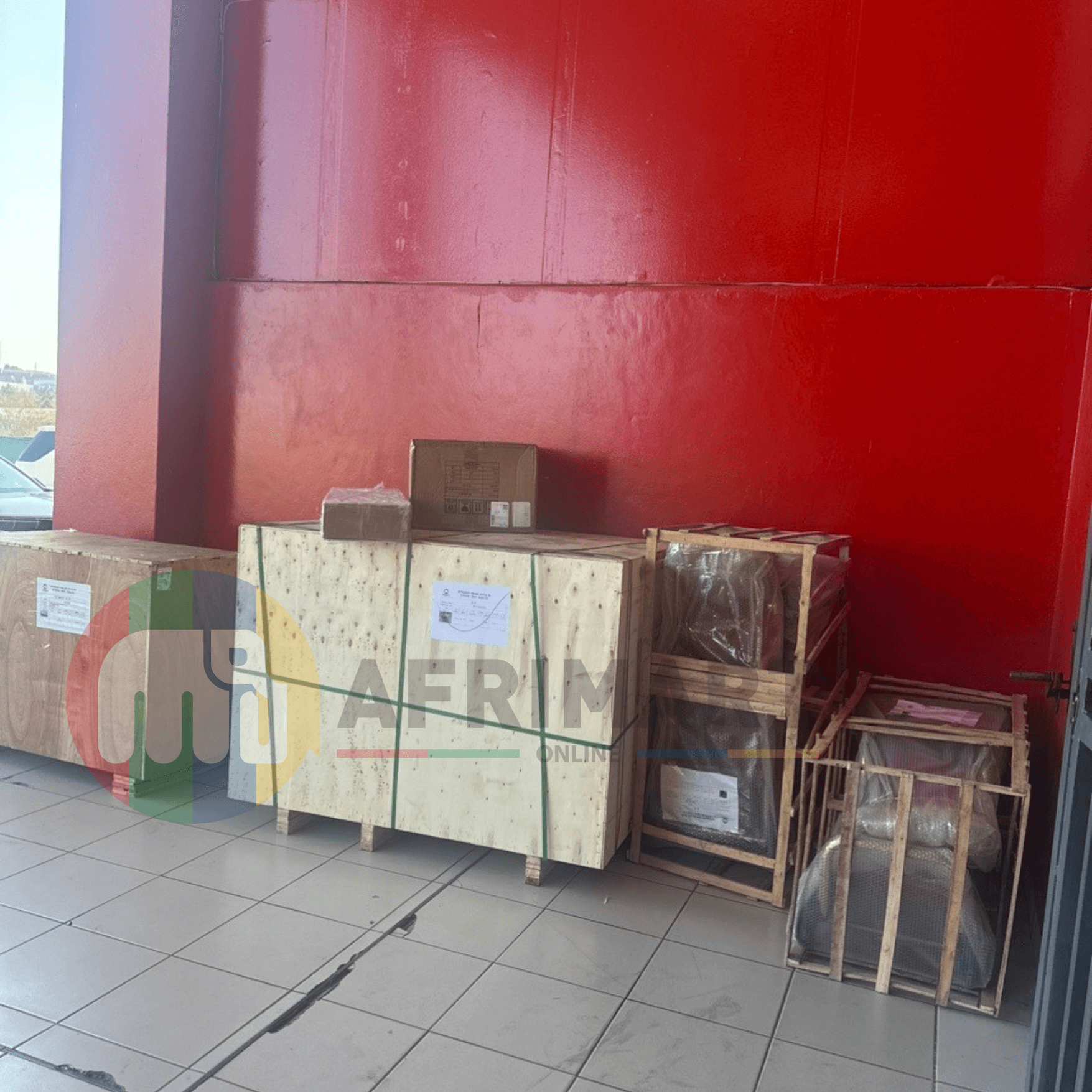
Packaging Machine and accessories

Fabrics Manufacturing Equipment
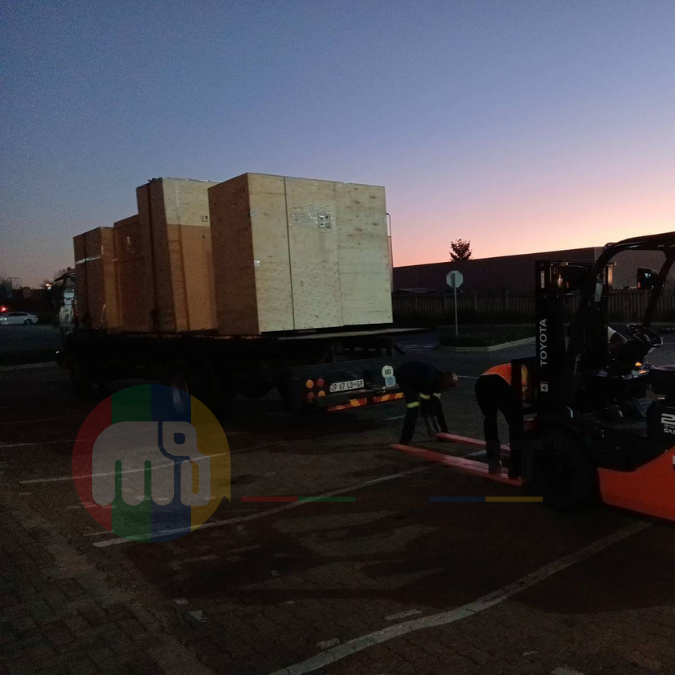
Mining Equipments
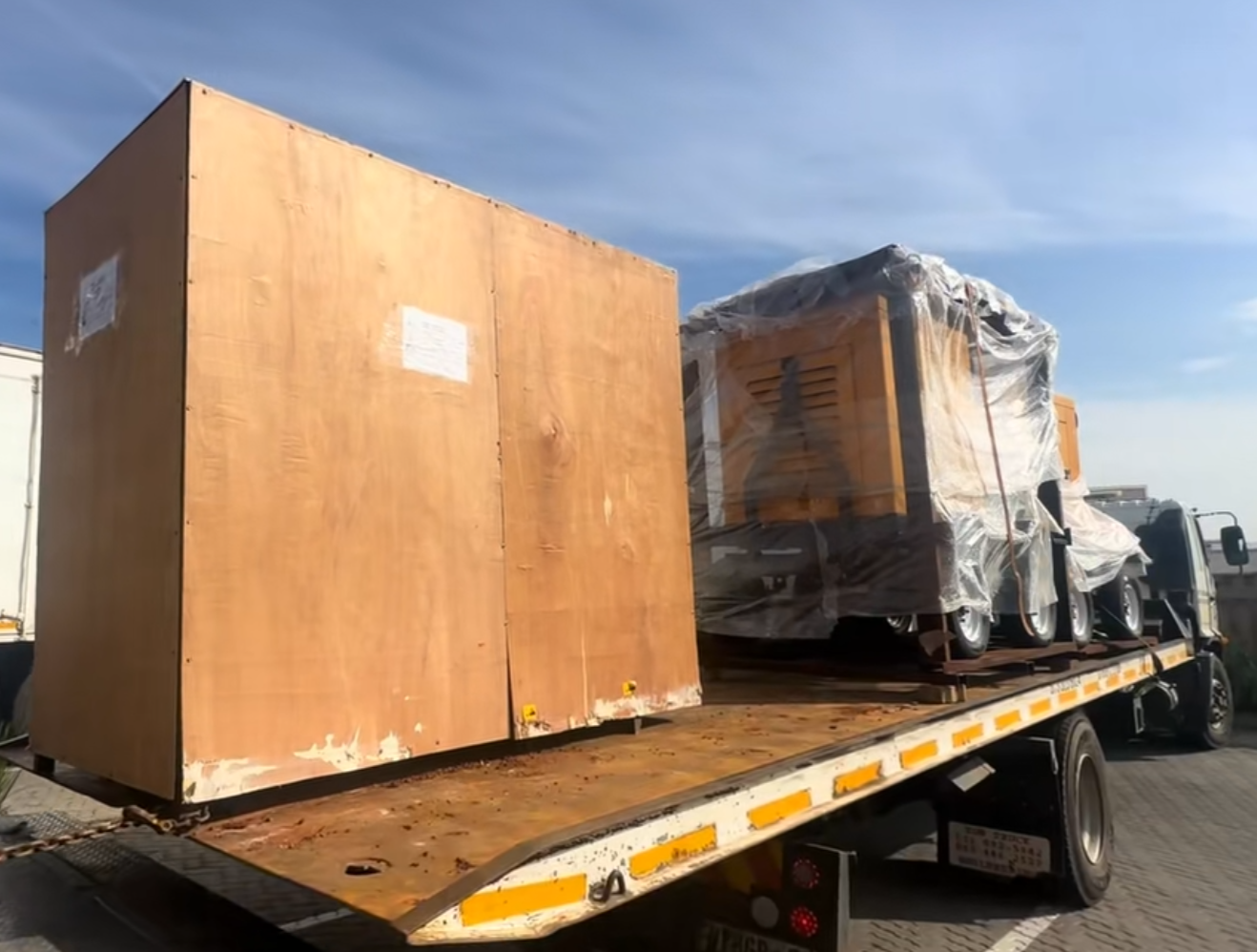
Food Processing Machine
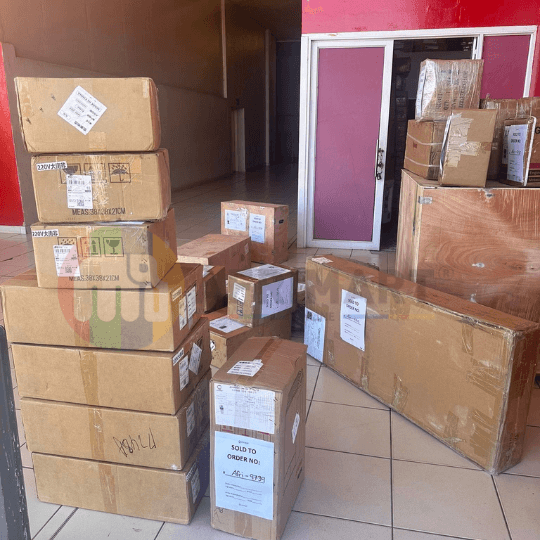
Batch of Orders
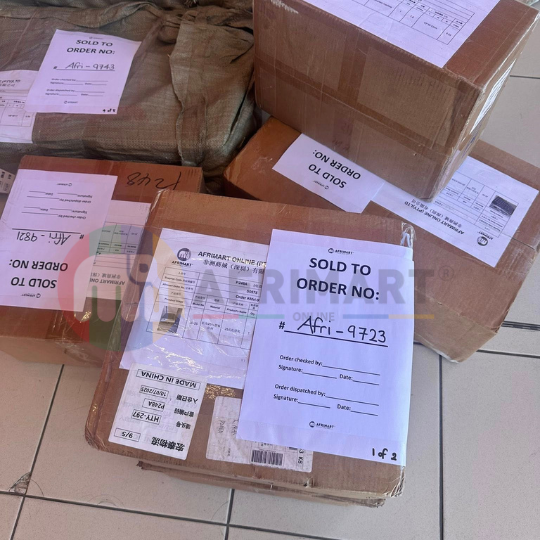
Batch of Orders
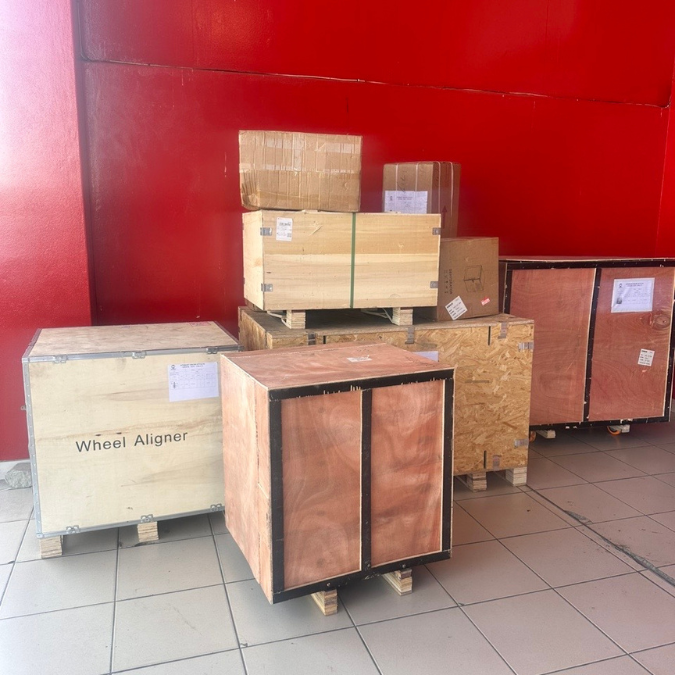
Latest Orders Labelled
wheel alignment machines
new arrivals
Pre Orders Offloading
Latest Arrivals
Latest Arrivals
Latest Arrivals
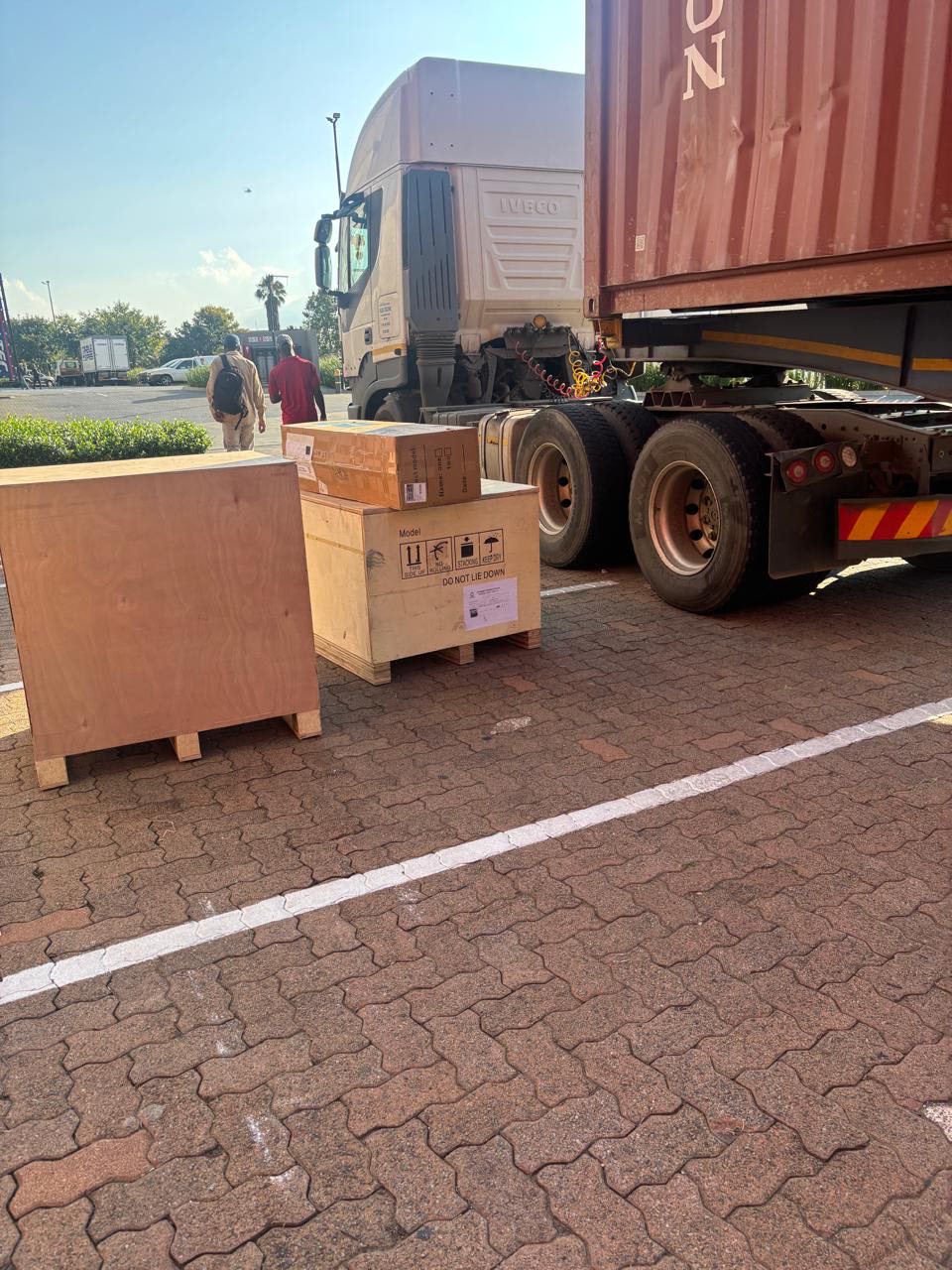
26 January 2026
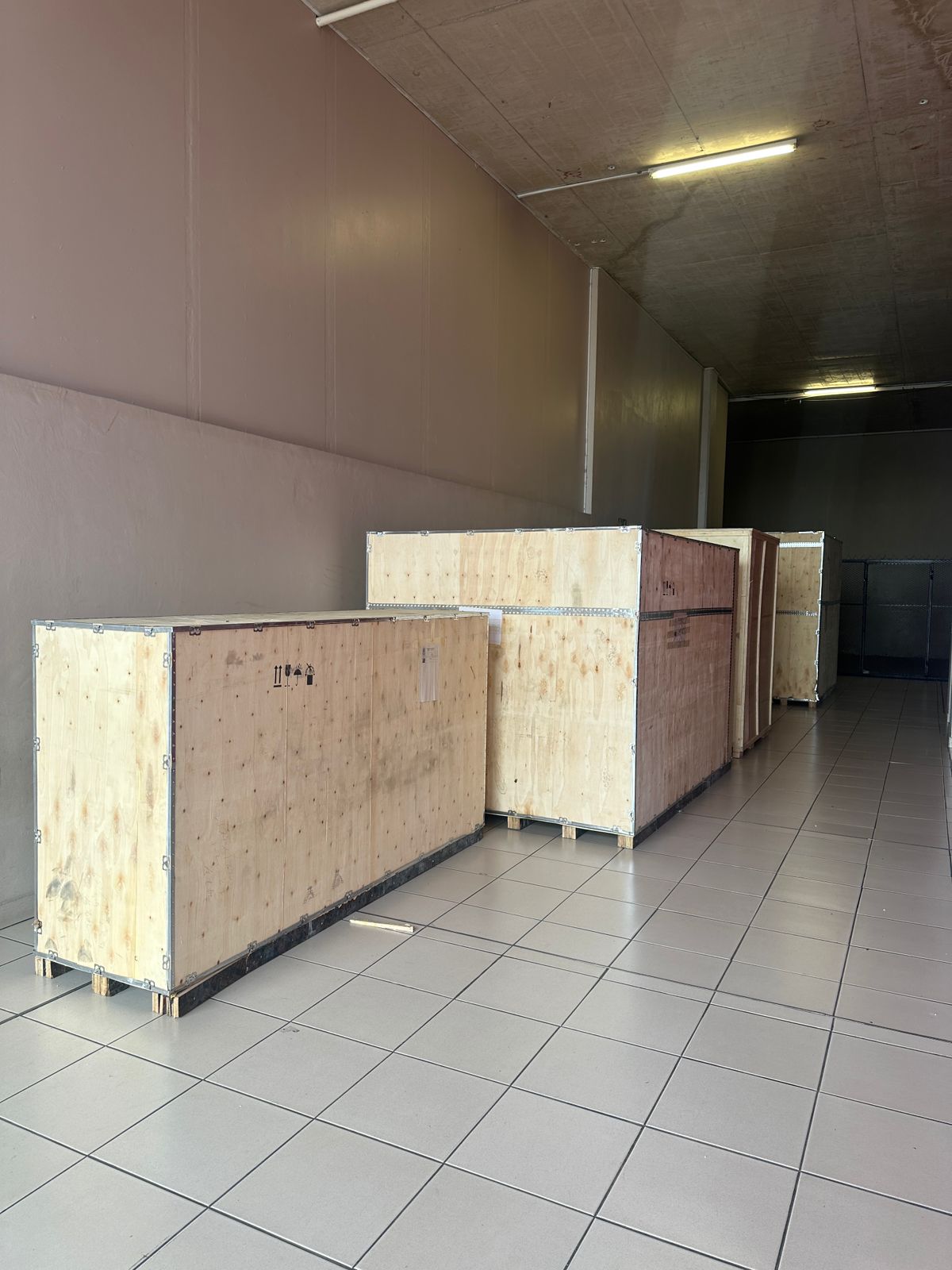
Toilet paper making machine
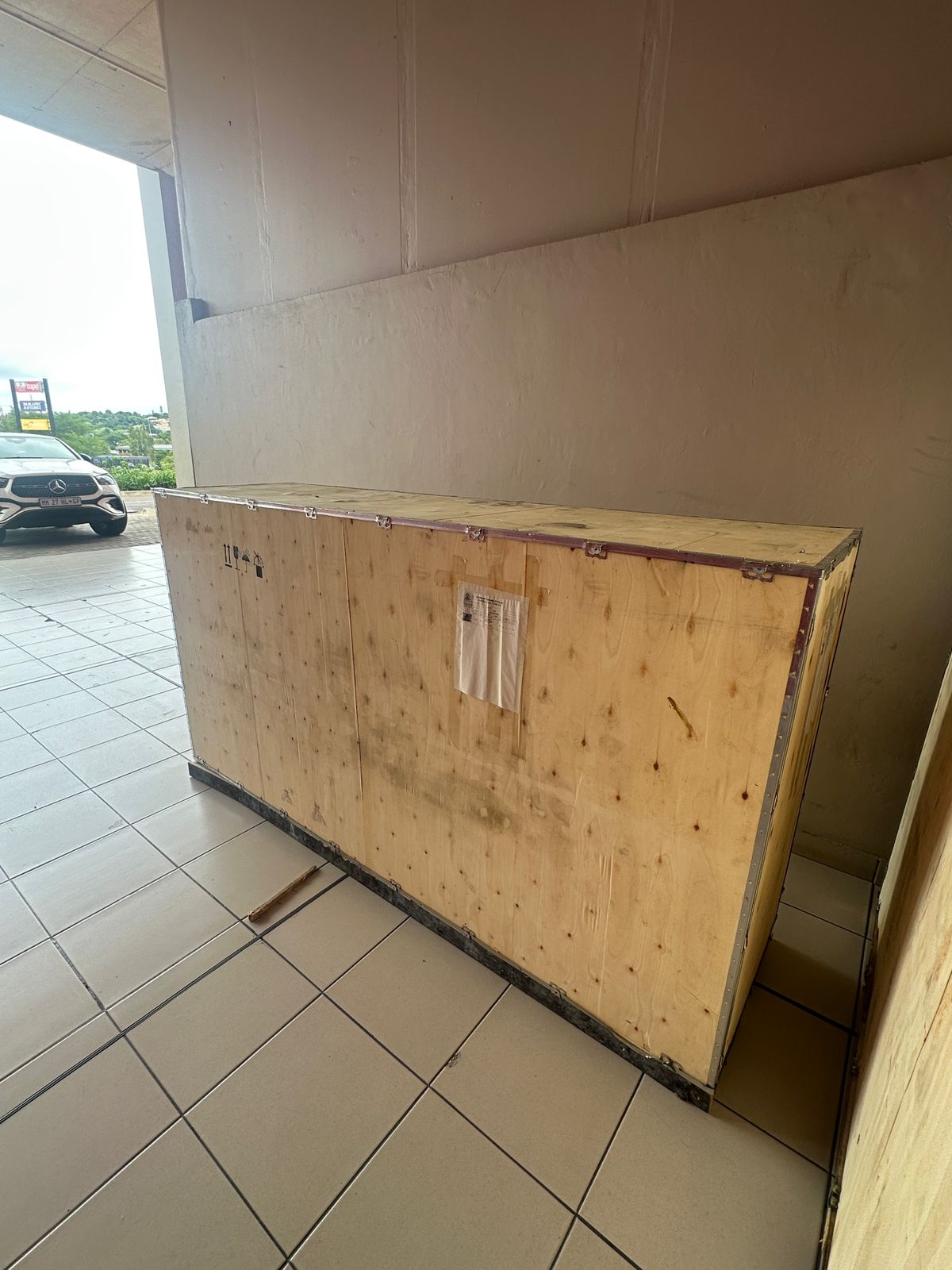
Toilet paper making machine
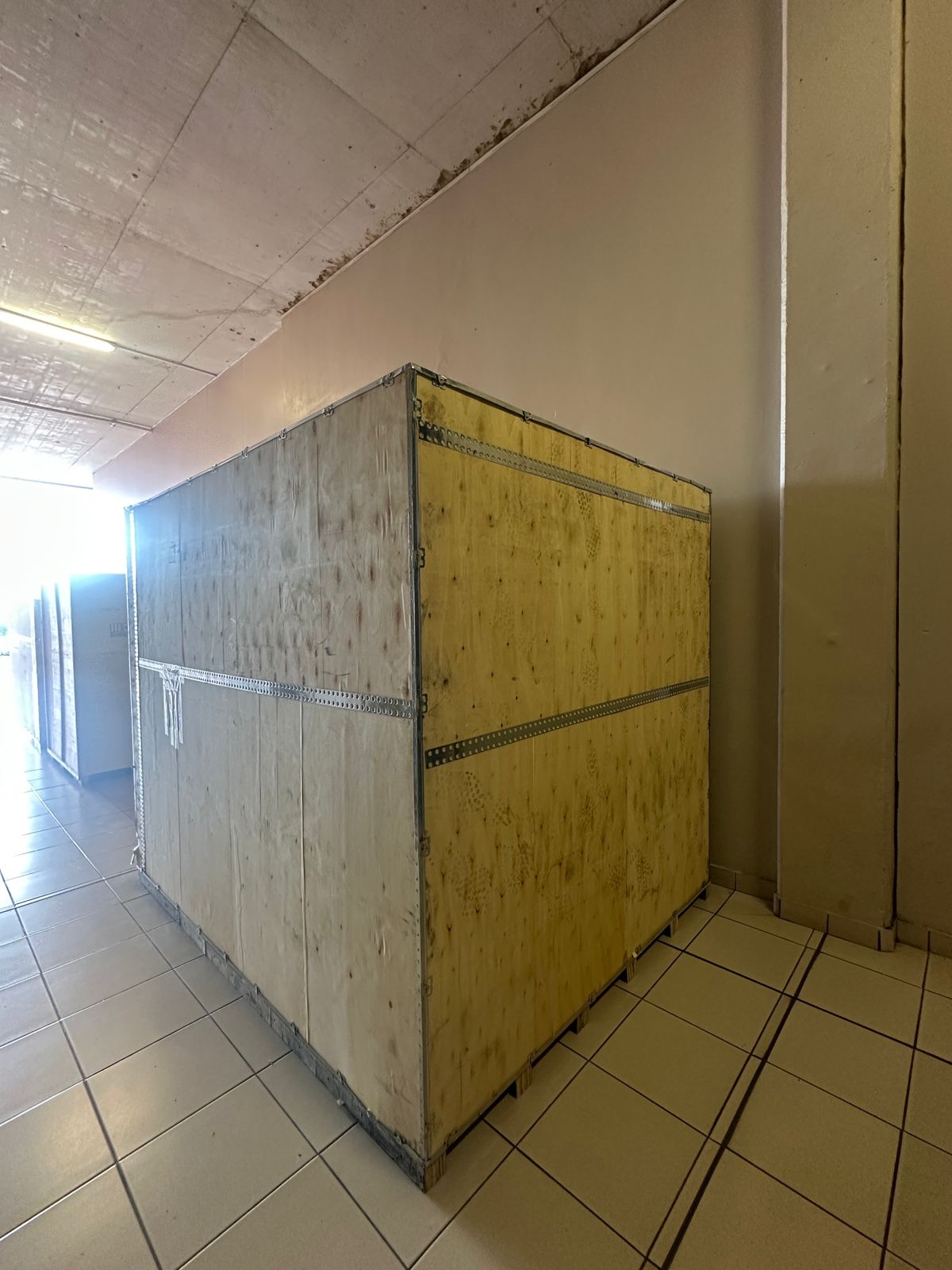
Toilet paper Rewinding Machine
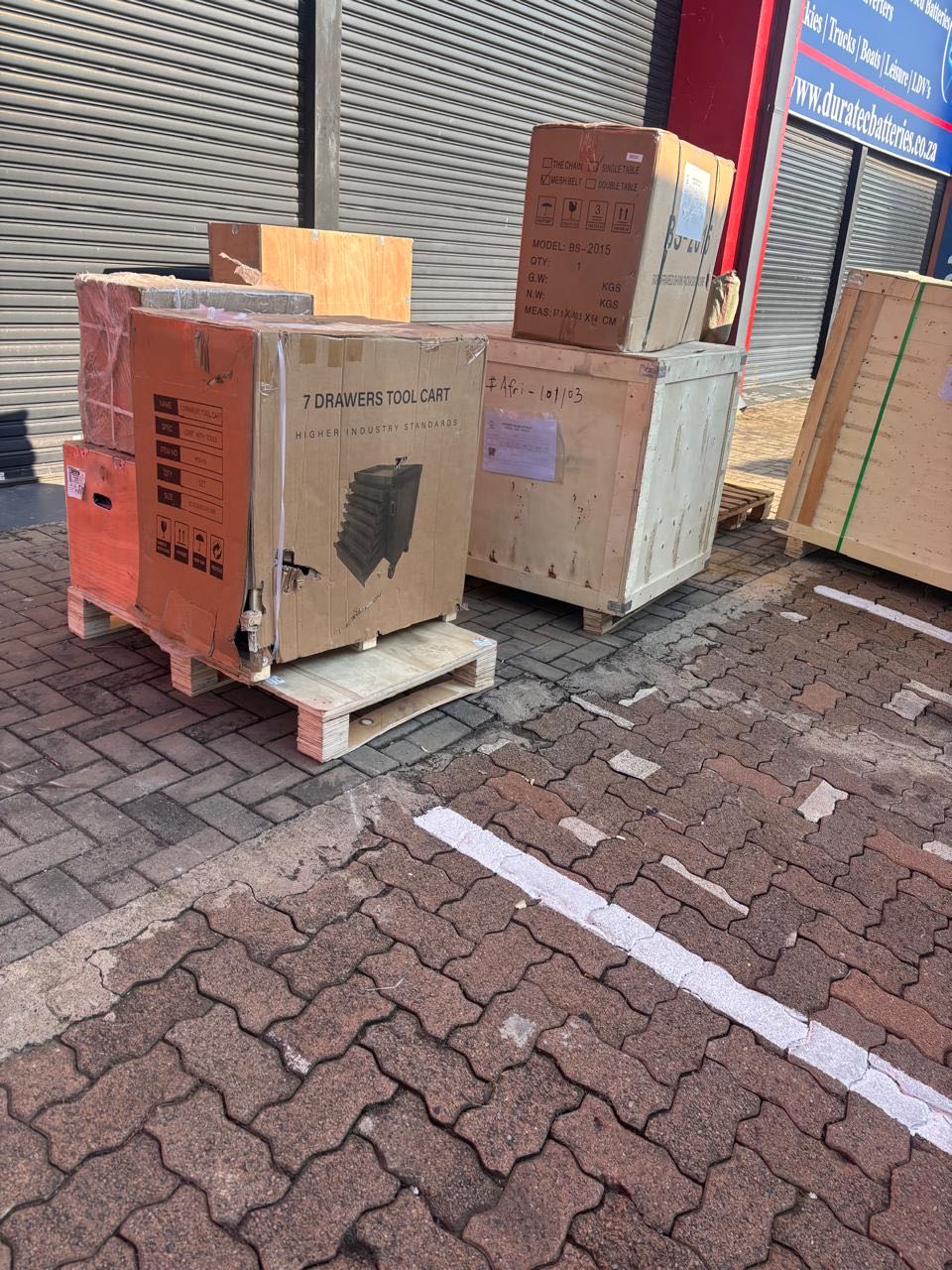
latest arrivals
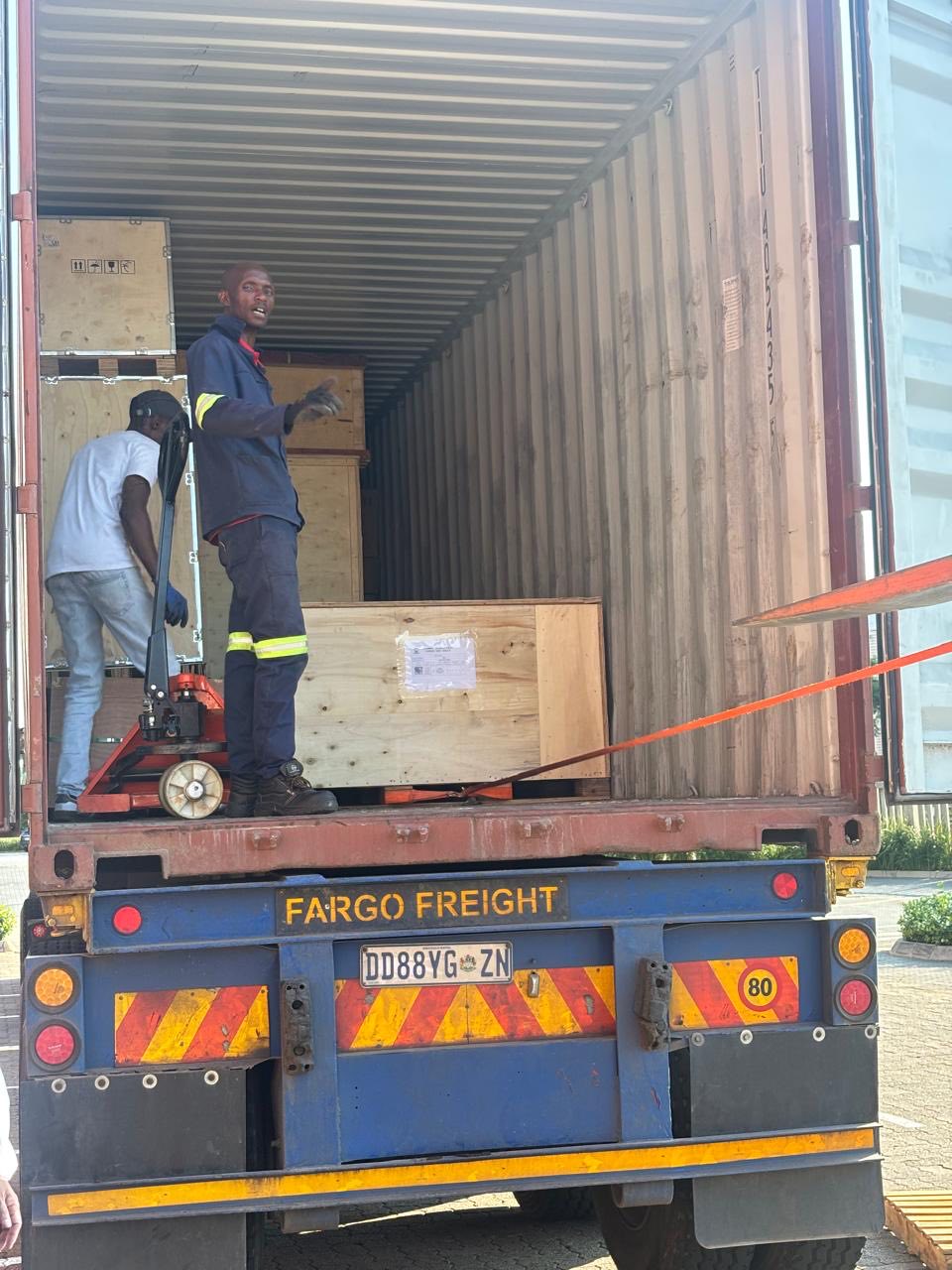
offloading
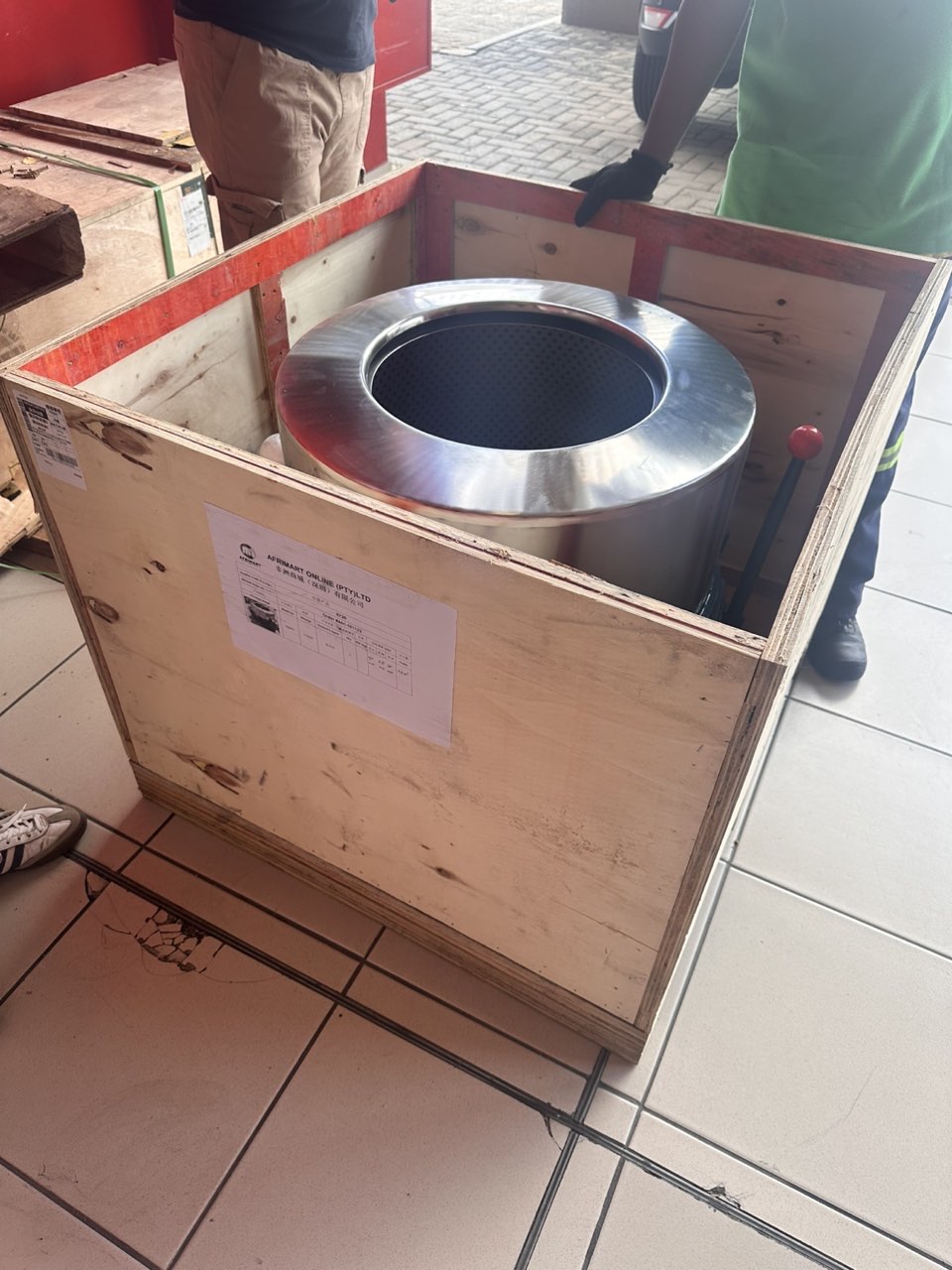
order success
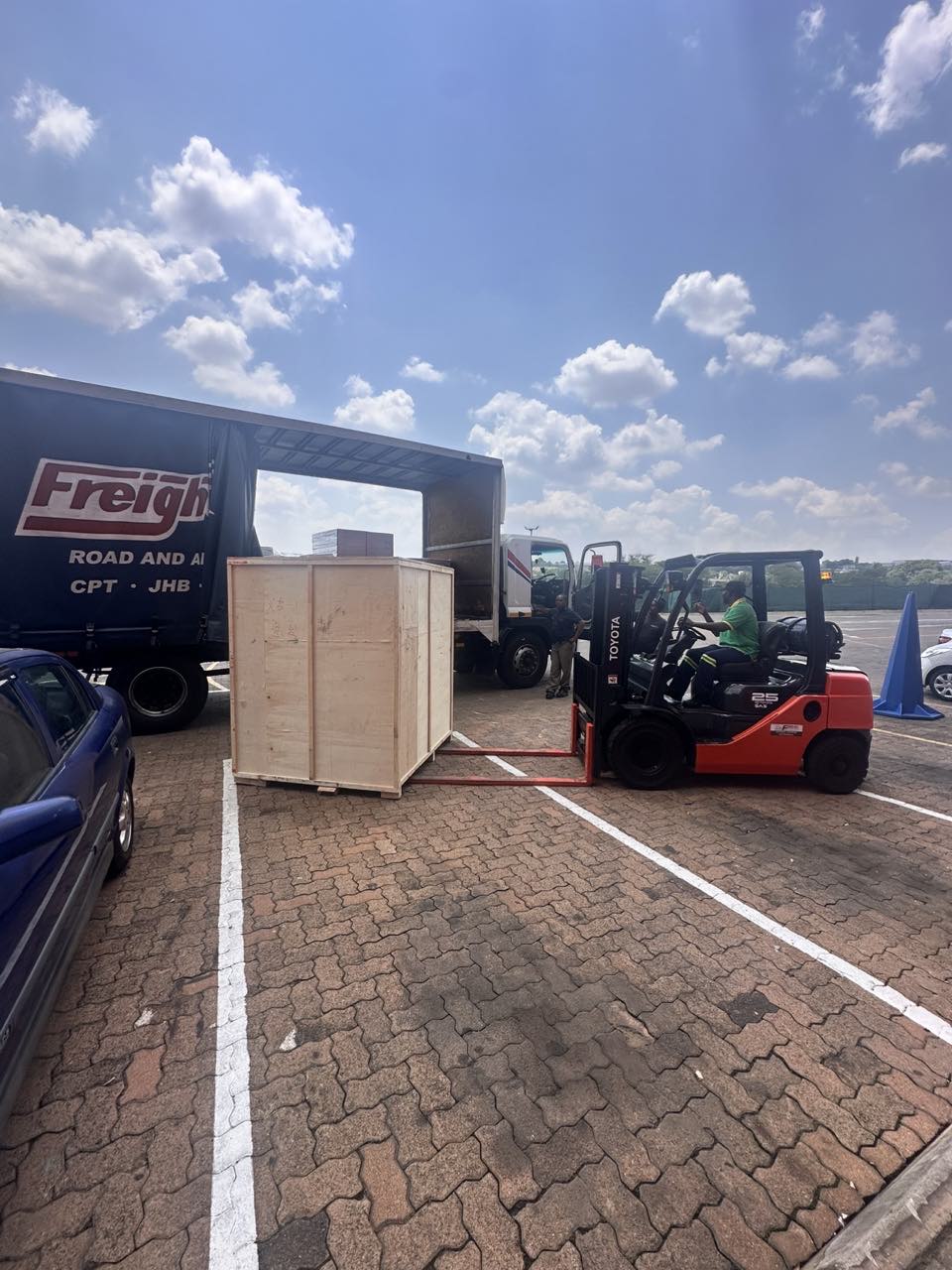
order collection
order offloading