B21, China Town Mall, Midrand

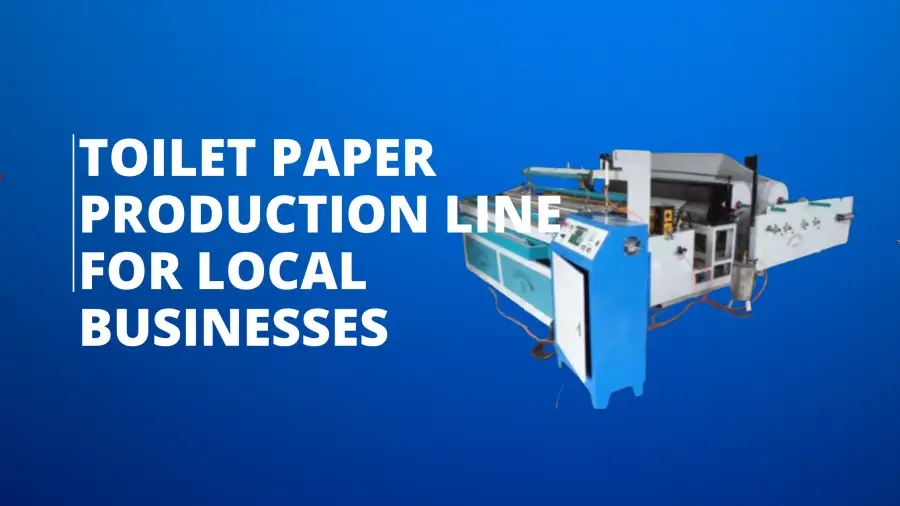
Toilet Paper Production Line
26 Jan 20262
- Products Sourcing
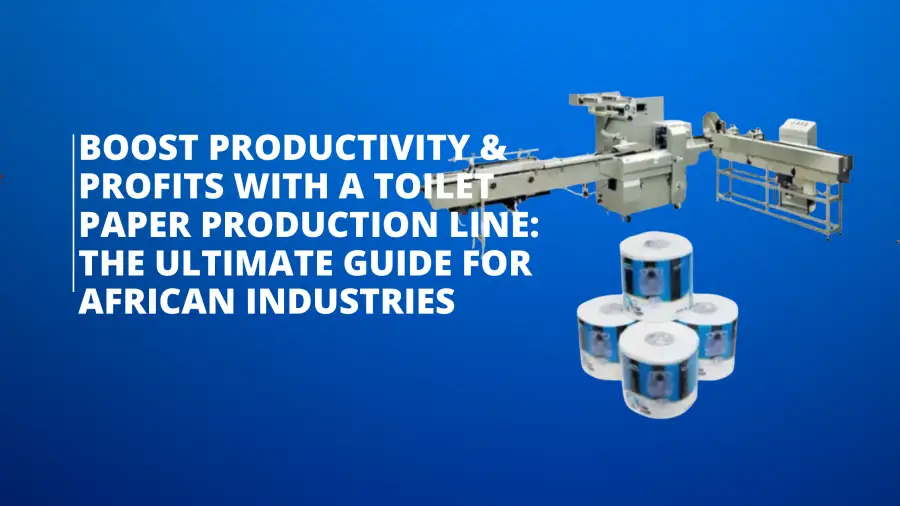
Boost Productivity & Profits with a Toilet Paper Production Line: The Ultimate Guide for African Industries
-
Eman Libatu
-
26 Jan 2026
-
82 Comment
Introduction
The Toilet Paper Production Line is a game-changing industrial equipment solution designed to streamline the manufacturing of toilet paper at scale. For African businesses, from established manufacturers to SMEs looking to diversify, this production line offers a direct pathway to increased productivity, reduced costs, and sustainable business growth. By automating the entire process—from raw pulp to finished rolls—this equipment solves critical challenges such as labor shortages, inconsistent product quality, and high operational expenses. In a continent where hygiene products are in ever-increasing demand, investing in a high-capacity, cost-efficient toilet paper production line is a strategic move for any company seeking to capitalize on local and regional market opportunities.
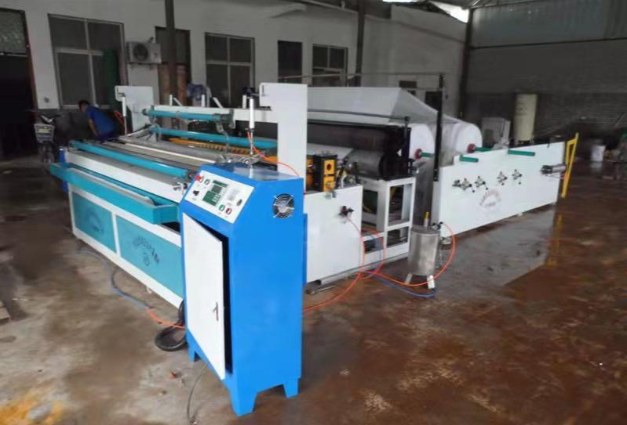
In this comprehensive guide, we’ll explore what a toilet paper production line is, its technical features, core applications, and why it’s a smart investment for African industries. You’ll also discover why Afrimart is your trusted partner for sourcing industrial equipment in South Africa and across the continent.
What Is a Toilet Paper Production Line?
A toilet paper production line is an integrated assembly of industrial machines designed to convert raw pulp or jumbo paper rolls into finished, packaged toilet paper rolls at high speed and with minimal manual intervention.
These automated lines typically include processes such as unwinding, embossing, perforating, slitting, rewinding, cutting, and packaging. The entire system is engineered for efficiency, delivering consistent product quality, reducing waste, and ensuring high throughput. In technical terms, a toilet paper production line combines mechanical, electrical, and sometimes hydraulic components to create a seamless, end-to-end manufacturing workflow.
Key components often include:
- Jumbo Roll Unwinder: Feeds large parent rolls into the system.
- Embossing Unit: Adds texture and improves softness.
- Perforation & Slitting: Cuts and shapes the paper into manageable rolls.
- Rewinding Machine: Forms the finished toilet rolls.
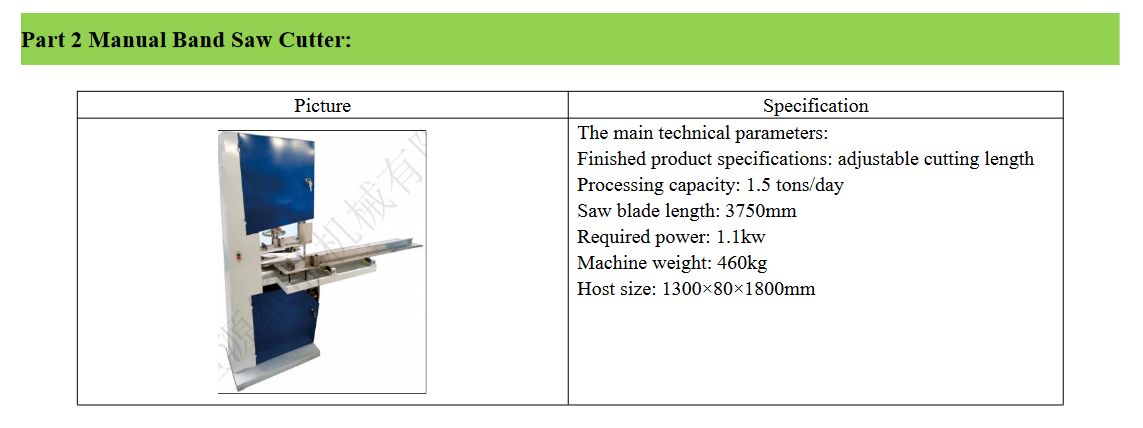
- Cutting Machine: Slices the rolls to standard sizes.
- Automatic Packaging: Wraps and seals the finished product for distribution.
By automating these steps, manufacturers can scale production, maintain consistent hygiene standards, and minimize waste—making the toilet paper production line an essential investment for any business aiming to lead in the hygiene products sector.
Core Applications
Toilet paper production lines are indispensable across a range of industries and business models in Africa. Their versatility and scalability make them suitable for both large-scale factories and smaller, agile enterprises.
- Paper Product Manufacturers: Core users who produce toilet paper, facial tissues, kitchen rolls, and napkins for retail and wholesale markets.
- Hospitality & Facility Management: Hotels, hospitals, schools, and public facilities that require a steady, in-house supply of hygiene paper products.
- Retail & Distribution: Entrepreneurs and SMEs who want to enter the hygiene market with private-label brands.
- Recycling & Waste-to-Value Initiatives: Companies converting recycled paper or agricultural waste into high-demand toilet paper, supporting sustainability goals.
Use Cases in the African Market:
- Meeting the rising demand for affordable hygiene products in urban and rural communities.
- Reducing reliance on imported toilet paper by fostering local manufacturing.
- Enabling job creation and skills development within local economies.
- Supporting government and NGO-led sanitation initiatives.
In South Africa, Nigeria, Kenya, Ghana, and beyond, the toilet paper production line is a cornerstone for businesses looking to deliver essential products while maximizing their operational efficiency and profitability.
Technical Specifications Table
Understanding the technical features of a toilet paper production line is crucial for procurement managers and engineers. Below is a sample comparison table of typical models available on Afrimart. Please note that specifications may vary depending on the manufacturer and configuration. Always consult Afrimart’s experts for tailored recommendations.
| Model | Power Requirement | Machine Size (LxWxH) | Weight | Output Capacity | Input Material | Automation Level | Certifications |
|---|---|---|---|---|---|---|---|
| TP-500A | 15 kW | 12m x 2.5m x 2.2m | 6,500 kg | 1.5 tons/8hr | Virgin/Recycled Pulp | Fully Automatic | CE, ISO9001 |
| TP-750B | 18 kW | 14m x 3m x 2.5m | 8,000 kg | 2.5 tons/8hr | Virgin/Recycled Pulp | Fully Automatic | CE, ISO9001 |
| TP-1000C | 22 kW | 16m x 3.5m x 2.8m | 10,500 kg | 4 tons/8hr | Virgin/Recycled Pulp, Bamboo | Fully Automatic | CE, ISO9001, SGS |
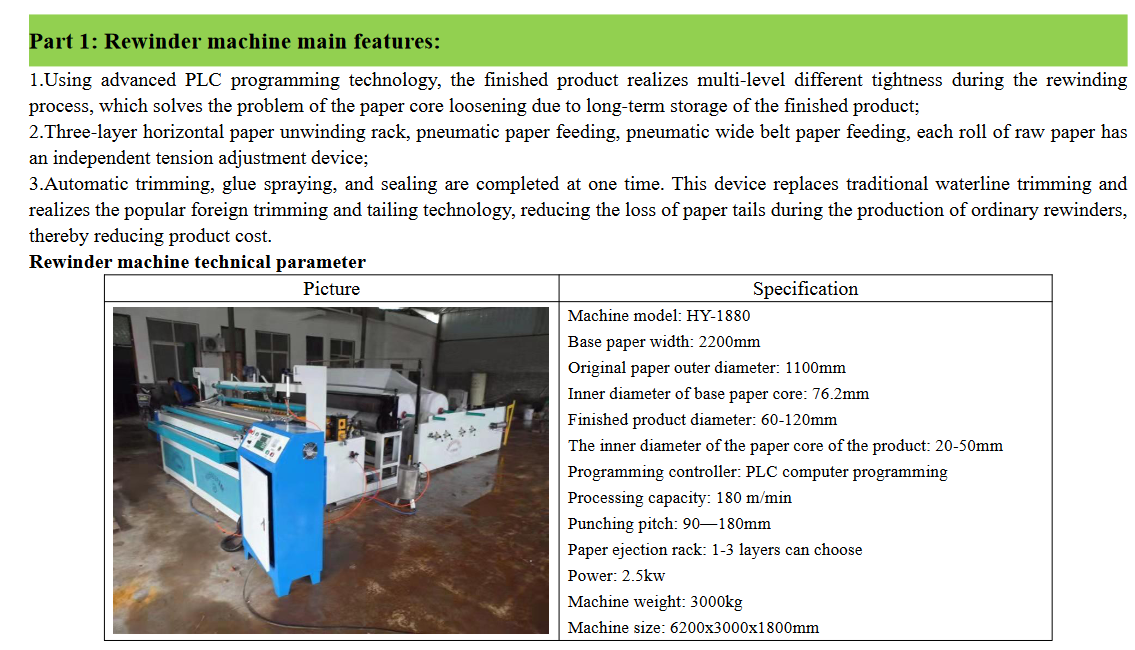
Key Technical Features:
- High-speed operation with minimal operator intervention
- Energy-efficient motors and drive systems
- Modular design for easy maintenance and future upgrades
- Capability to process both virgin and recycled raw materials
- Advanced safety and quality control systems
For detailed technical datasheets and to match your exact production requirements, Afrimart’s sourcing specialists are ready to assist.
Key Benefits of Toilet Paper Production Lines
Investing in a modern toilet paper production line offers a range of strategic advantages for African businesses:
- Cost-Efficiency: Automating production reduces labor costs and operational overheads.
- High Productivity: Capable of producing thousands of rolls per hour, ensuring you meet market demand.
- Consistent Quality: Automated processes guarantee uniform product standards, crucial for brand reputation.
- Waste Reduction: Precision cutting and rewinding minimize material loss, supporting sustainability and cost control.
- Versatility: Easily switch between different paper grades and roll sizes for diverse product lines.
- Scalability: Modular systems allow for future expansion as your business grows.
- Improved ROI: Fast production cycles and reduced downtime accelerate your return on investment.
For procurement managers, engineers, and business owners, the toilet paper production line is a proven way to boost productivity, maximize equipment lifespan, and ensure long-term business success in the hygiene sector.
Why It Matters for African Industry
The African market presents unique challenges and opportunities for industrial equipment procurement. The toilet paper production line directly addresses several of these, making it a vital asset for local manufacturers.
- Reducing Import Dependency: Locally produced toilet paper lowers reliance on costly imports, strengthening supply chain resilience.
- Job Creation: Establishing production plants creates skilled and semi-skilled employment opportunities in local communities.
- Supporting Sanitation Initiatives: Affordable, accessible hygiene products are essential for public health, especially in schools, clinics, and rural areas.
- Managing Unreliable Power: Modern lines are designed for energy efficiency and can be adapted to run on backup generators or alternative energy sources.
- Waste-to-Value: Ability to process recycled paper and agricultural byproducts supports circular economy initiatives and environmental sustainability.
- Cost-Effective Expansion: Modular designs mean businesses can start small and scale up as demand increases, minimizing capital risk.
In South Africa and across the continent, the toilet paper production line empowers businesses to meet growing consumer needs, create value from local resources, and drive industrial development in line with national growth agendas.
Where to Source the Product: Why Choose Afrimart?
Afrimart is Africa’s leading B2B sourcing platform, trusted by procurement managers, engineers, and business owners for reliable, high-quality industrial equipment procurement in South Africa and beyond. Here’s why Afrimart stands out as your ideal partner for sourcing a toilet paper production line:
- Supplier Vetting: Every supplier is rigorously screened for product quality, certifications, and after-sales support.
- Local Presence: With a strong footprint in South Africa and across Africa, Afrimart ensures fast response times and regional expertise.
- Comprehensive Logistics Support: Afrimart coordinates shipping, customs clearance, and last-mile delivery, simplifying complex procurement processes.
- Warranty Handling: All equipment comes with manufacturer-backed warranties and local after-sales service options.
- Secure Payments: Advanced payment protection and escrow services safeguard your investment.
- Technical Consultation: Afrimart’s team provides expert advice on equipment selection, installation, and operator training.
- Custom Solutions: Tailored sourcing for both small-scale startups and large industrial players.
When sourcing your toilet paper production line through Afrimart, you gain a trusted partner committed to your business success, from initial inquiry to after-sales support.
Conclusion
A modern toilet paper production line is more than just industrial equipment—it’s a strategic investment in productivity, quality, and sustainable growth for African industries. Whether you’re an established manufacturer or an entrepreneur looking to enter the hygiene products market, this solution offers unmatched efficiency, flexibility, and return on investment.
Afrimart is your go-to platform for sourcing, technical support, and end-to-end procurement in South Africa and across Africa. With vetted suppliers, secure transactions, and expert guidance, you can invest in your business with confidence and stay ahead in the competitive hygiene sector.
Ready to take your business to the next level? Contact Afrimart today to request a quote, technical datasheet, or personalized consultation on the best toilet paper production line for your needs.
Frequently Asked Questions (FAQ)
What is a toilet paper production line?
A toilet paper production line is an automated system of machines that transforms raw pulp or jumbo rolls into finished, packaged toilet paper rolls, optimizing productivity and consistency for manufacturers.
What raw materials can be used?
Most lines can process virgin wood pulp, recycled paper, and even alternative fibers like bamboo, depending on the model and configuration.
How much space is required to install a production line?
Installation space varies by model, but a typical line requires between 100-200 square meters, with additional space for raw material storage and packaging.
Is operator training provided?
Yes. Afrimart and its suppliers offer comprehensive operator training, installation support, and ongoing technical assistance to ensure smooth operation.
Can the production line be customized for different product sizes?
Absolutely. Most modern lines are modular and can be configured to produce various roll sizes and packaging formats.
What are the power requirements?
Power needs range from 15 kW to 22 kW, depending on the model. Energy-efficient designs help manage electricity costs, and backup solutions can be integrated for regions with unreliable power.
Why source from Afrimart?
Afrimart offers vetted suppliers, secure payment options, logistics support, local warranties, and expert technical consultation—making it the most reliable partner for industrial equipment procurement in South Africa and Africa.
How soon can I expect delivery?
Delivery times depend on model selection and customization but typically range from 6 to 12 weeks, including shipping and installation.
For more information or to get started with your procurement, visit Afrimart’s product page or contact our sourcing specialists today.
Leave Comment
Your email address will not be published. Required fields are marked
Comments
30 Jan, 2022
Glenn Greer
"This proposal is a win-win situation which will cause a stellar paradigm shift, and produce a multi-fold increase in deliverables a better understanding"