B21, China Town Mall, Midrand





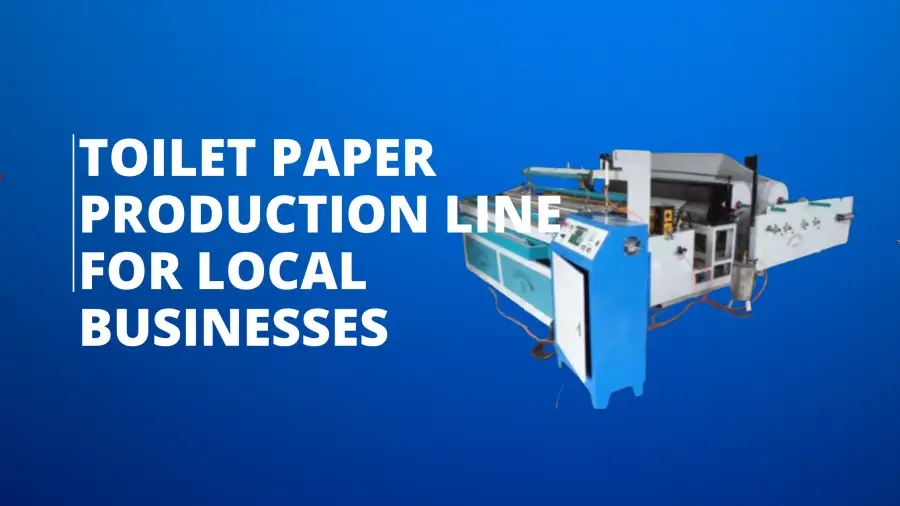
Toilet Paper Production Line
26 Jan 20262


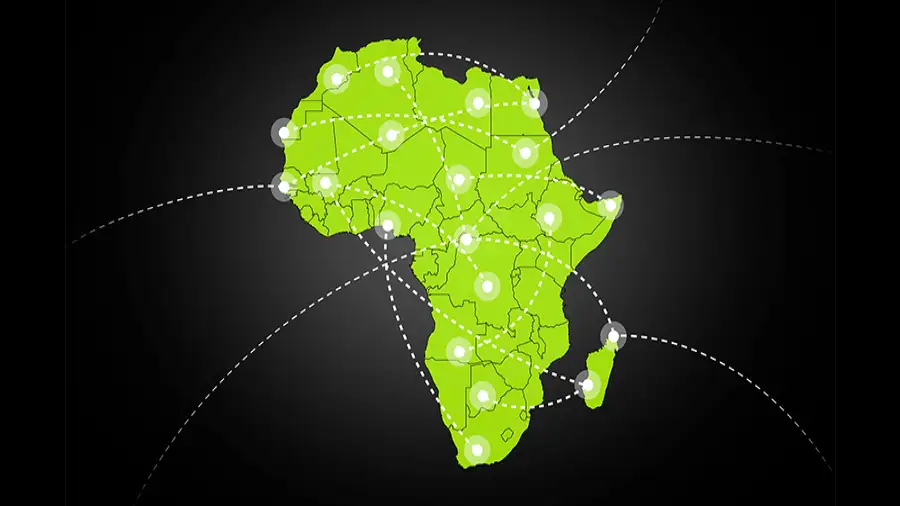
- Cross Border E-commerce
Common Myths About Cross-Border eCommerce in Africa — Debunked
-
Eman Libatu
-
22 Oct 2025
-
82 Comment
Cross-border eCommerce is transforming how African businesses source and sell products globally. Africa’s online market is booming – eCommerce revenues on the continent are projected to reach $40 billion by 2025. Trade with China is a major driver:
Chinese logistics firm Cainiao reported a 163% year-on-year surge in China–Africa eCommerce parcels in one recent period, and China’s exports to Africa jumped 33.4% in a single year even as other markets slowed. Yet despite this growth, many African SMEs and entrepreneurs still hesitate to embrace digital trade.
Why? A host of myths and misconceptions – from worries about shipping and payments to beliefs that eCommerce is only for tech giants – continue to persist. These myths often stem from outdated information, early-day eCommerce hiccups, or sheer lack of awareness. In this article, we shine a light on the 7–10 most common myths about cross-border eCommerce in Africa and debunk them with facts, examples, and platform-specific insights. By the end, you’ll see how platforms like Afrimart (a pan-African B2B eCommerce marketplace) and others are addressing these concerns, empowering African small businesses to confidently engage in global digital trade. Let’s separate myth from reality and help your business embrace the opportunities of cross-border eCommerce with confidence.
Myth #1: “eCommerce Is Only for the Tech-Savvy”
Fact: You do not need to be a tech wizard to succeed in cross-border eCommerce. Modern eCommerce platforms are designed to be user-friendly and accessible, even to those with limited technical skills. Many African business owners who initially had little digital experience are now thriving online – they learned the basics quickly because interfaces are intuitive and help is readily available. Major eCommerce marketplaces provide tutorials, webinars and support to get beginners up to speed. For example, Amazon’s Seller University offers free step-by-step video classes on everything from creating listings to fulfilling orders. Likewise, initiatives across Africa (such as large-scale digital skills programs) have trained millions of people in eCommerce and digital marketing.
It’s true that in the past a lack of digital skills was a barrier in Africa – and that very gap gave rise to the myth that only tech-savvy folks can venture into online trade. However, this gap is rapidly closing. Smartphone penetration is high and rising, and user-friendly mobile apps mean that if you can use social media or WhatsApp, you can navigate an online marketplace app. In fact, Africa is a mobile-first market – over 69% of web traffic is on mobile – so eCommerce platforms often feel as familiar as everyday messaging apps.
Platforms and service providers also offer local customer support to guide new sellers or buyers. In short, anyone willing to learn can start doing cross-border eCommerce. Everyone starts somewhere – even top online entrepreneurs began with zero experience. As one industry expert put it, “everyone starts small” in eCommerce, and with the right resources “you can always engage... and ramp up your knowledge.” Don’t let fear of technology hold you back – the tools are getting simpler, and a supportive ecosystem exists to help African SMEs get online. The myth that eCommerce is only for tech geniuses or young “digital natives” is just that – a myth. Ordinary businesspeople are going digital every day, and so can you.
Myth #2: “Cross-Border eCommerce Is Only for Large Companies”
Fact: Cross-border eCommerce is not an exclusive club for big corporations – small and medium-sized enterprises (SMEs) and even one-person startups are actively participating and succeeding in global online trade. The digital revolution has significantly lowered the barrier to entry for international business. Today, a local boutique or a home-based craft maker can reach customers or suppliers across the world through online marketplaces, without the massive budgets or infrastructure that large multinationals have.
Consider that on Amazon – the world’s largest online retailer – over half of all products sold are offered by third-party sellers, which include countless small businesses and startups. In other words, millions of small merchants globally are already selling internationally via eCommerce platforms. Closer to home, African SMEs are doing the same: platforms like Afrimart were specifically designed to create new cross-border opportunities for African SMEs, general merchants, and entrepreneurs. Afrimart’s mission is to create new business opportunities for African small to medium enterprises by giving them visibility and easy access to international markets. This underscores that the eCommerce ecosystem actively welcomes SMEs – they are seen as engines of growth, not as outsiders.
Even as sellers, you don’t need a huge company. As one cross-border trade advisor noted, “Individual sellers can also engage in cross-border e-commerce. You can be a seller as long as you have a product that can be sold.” Many African traders prove this daily by importing small batches of goods from China or exporting local products via online marketplaces. Thousands of African entrepreneurs run “mini importation” businesses from their laptops or phones, sourcing products abroad in modest quantities and reselling locally at a profit. If cross-border eCommerce were only for large firms, these success stories wouldn’t exist – but they do.
Why does this myth persist? Traditionally, international trade did favor big players with resources for overseas offices, bulk shipping, and complex paperwork. But eCommerce has changed the game, offering “plug-and-play” platforms where smaller players can participate with minimal upfront investment. You don’t need offices overseas, warehouses, or a logistics department – digital marketplaces and third-party service providers handle much of the heavy lifting (from payments to delivery). In fact, one common myth we’ll debunk later is the idea that you need your own warehouse abroad – you don’t.
Bottom line: size is no longer a prerequisite for going global. From family-run shops to solo artisans, any business can leverage cross-border eCommerce to find customers and suppliers beyond their borders. The myth that it’s only for large companies is thoroughly debunked by the real-world participation of SMEs and micro-entrepreneurs in online trade today.
Myth #3: “Shipping from China to Africa Is Unreliable (Slow and Risky)”
Fact: International shipping and logistics have improved dramatically in recent years. While a decade ago getting goods from China to Africa could indeed be slow and unpredictable, today reliable delivery is the norm when you use established logistics channels. Major courier and freight companies (DHL, FedEx, UPS, Aramex, etc.) now serve even remote African locations with tracked, time-definite delivery. Additionally, new dedicated e-commerce logistics routes have been opened to speed up shipping between China and Africa. For instance, Alibaba’s Cainiao logistics arm launched its first direct cargo flight route from China to Africa, cutting typical delivery times from around 60 days down to just 20 days. This kind of direct route (in that case, Hong Kong to Lagos six times a week) eliminates the long transits and delays of the past.
The entire supply chain is becoming more streamlined and tech-enabled. E-commerce parcels can be tracked in real time from dispatch to delivery on your smartphone. Customs processes are increasingly digitized (some African ports have introduced single-window systems that halved clearance times). And with better infrastructure – much of it built through China–Africa cooperation – ports, railways, and roads are more efficient at handling cargo than before. All these developments translate to more reliable shipping schedules and fewer lost or stuck shipments.
Of course, unexpected delays can occasionally occur (due to weather, backlogs, or paperwork issues), but these are exceptions rather than the rule. By choosing reputable freight forwarders or platform-arranged shipping, African SMEs can typically get goods from China in a matter of days (for air express) or a few weeks (for consolidated sea or air cargo) with a high degree of certainty. Many e-marketplaces now offer logistics integration – for example, if you buy via a platform like Afrimart or AliExpress, they partner with trusted shippers and handle the shipping process end-to-end. Afrimart, for one, leverages its decades of international logistics experience to ensure smooth delivery: it operates delivery warehouses in China to consolidate shipments and has mature customs clearance channels in South Africa to provide one-stop import services, reducing delays. In short, they’ve built reliability into the system.
It’s also worth noting that you can choose shipping options based on your needs – from economy postal services (cheaper but slower) to expedited courier or even air freight for faster delivery. Many African importers use a mix: e.g., fast shipping for samples or urgent stock, and slower bulk shipping for large orders well ahead of time. The flexibility and transparency now available in cross-border shipping simply didn’t exist when the myth of “unreliable shipping” took hold. Today, millions of packages and containers move from China to Africa annually; the vast majority arrive safely and on schedule. By working with trusted logistics partners (or platforms that have them), SMEs can confidently rely on getting their goods. The notion that “shipping from China to Africa is a gamble” is outdated.
Myth #4: “Online Cross-Border Transactions Aren’t Secure – I’ll Get Scammed”
Fact: Concern about fraud or scams is natural in any business – online or offline – but the fear that cross-border eCommerce is like the “Wild West” of scams is largely unfounded today. Reputable eCommerce platforms and payment providers have put extensive protections in place to secure transactions and protect buyers and sellers. If you take basic precautions (like using trusted platforms and payment methods), the risk of losing money or not receiving your goods is very low.
Most major platforms use escrow or payment-hold systems that protect buyers: payment is not released to the seller until you confirm that goods have arrived in acceptable condition. Nearly all platforms have dispute resolution processes – if there’s an issue (product not delivered or not as described), you can lodge a complaint and often receive a refund or replacement through platform mediation.
Secure payment gateways and fintech solutions have drastically reduced the fraud risk in international payments. Instead of sending cash or risky transfers, buyers can use credit cards, verified digital wallets, or services that offer buyer protection.
These methods encrypt transactions and often allow chargebacks if something goes wrong. In Africa, mobile money integrations add another safe channel (more on that under Myth #6). The key is to avoid doing business outside these secure channels. T
ransacting through a platform or known payment provider gives you a safety net.
What about product scams or fake vendors? Legitimate marketplaces invest heavily in vetting and monitoring sellers. Look for sellers with good ratings, reviews, and transaction history. Many sites verify suppliers. While no system is 100% scam-proof, the incidence of outright fraud on major platforms is extremely low relative to the volume of trade that happens. Cross-border eCommerce between Africa and China has grown rapidly – if scams were rampant, traders simply wouldn’t keep coming back.
Afrimart prioritizes safety and trust: it curates a network of trusted partners for payments and logistics and provides localized support to resolve issues. Knowing there’s a local team you can contact and a company with a physical presence in Africa greatly boosts confidence. In essence, platforms like this serve as an accountability layer – they stake their reputation on providing a safe trading environment, so they actively help prevent and resolve issues.
Bottom line: when you stick to established marketplaces and payment methods, cross-border eCommerce is as secure as domestic online shopping, if not more so (given escrow mechanisms).
Myth #5: “Products from Overseas (especially China) Are Low Quality, and You’ll Have No Recourse”
Fact: This myth contains two related fears: that imported products will be substandard or counterfeit, and that if something’s wrong you’ll be stuck with no way to fix it. The reality is far more encouraging. Quality varies with any supplier – domestic or foreign – but there are plenty of high-quality goods available from overseas suppliers, including China. And importantly, today buyers do have recourse in case of issues, thanks to better warranty policies, return logistics, and local support services.
It’s a dated stereotype to assume all “Made in China” products are low quality. China manufactures goods across the entire spectrum – from low-cost items to top-of-the-line electronics and automobiles. Many of the world’s leading brands produce in China, attesting to the high standards possible. As an importer, you can source different grades of products depending on your needs and budget. The key is due diligence: check specifications, ask for samples, and review certifications. Online platforms make this easier with supplier profiles, product reviews, and sometimes showroom videos or factory audits.
Historically, some importers encountered shoddy goods – often by chasing the cheapest price or dealing with unverified middlemen. Learn from those early lessons: choose reputable suppliers with a track record. If you’re using Afrimart or a similar marketplace, see if the supplier is verified or part of a trusted network. Afrimart also blends online with offline by operating a showroom/warehouse in South Africa so buyers can see and inspect sample products locally. That bridges the trust gap.
On recourse and after-sales support: Modern platforms and facilitators offer return and warranty solutions. Many sellers have local return addresses or will issue refunds when items are not as promised. Afrimart provides localized after-sales support in Africa – coordinating maintenance and returns so buyers have worry-free after-sale options without shipping items back overseas.
Takeaway: you can absolutely get good quality products via cross-border eCommerce, and if something goes wrong, reputable platforms provide remedies (replacements, refunds, warranties).
Myth #6: “Payments Are Difficult and Unsafe for Cross-Border eCommerce”
Fact: Not long ago, paying an overseas supplier from Africa (or receiving money from abroad) was a major headache. That has changed radically. Today, cross-border payments have become easier, more accessible, and very secure. There is a range of payment options available that cater to businesses of all sizes, often allowing transactions in local African currencies that get converted to the seller’s currency seamlessly.
Outgoing payments (importing): If you don’t have a credit card – no problem. Numerous fintech innovations have your back. In some countries, you can use mobile money to pay on global platforms (for example, integrations that allow paying in local currency at checkout, automatically converted to the seller’s currency). Many African banks offer virtual cards or prepaid USD cards for online purchases. Fintechs allow you to pay foreign suppliers in your local currency while they receive funds in theirs.
Incoming payments (exporting): Platforms can pay out via bank transfers, digital wallets, or local disbursements after converting currency. You don’t need a foreign bank account; compliant cross-border payment services can deposit into your local account.
These methods use encryption, two-factor authentication, and fraud detection. Platforms like Afrimart integrate with local payment institutions to offer a diverse range of secure methods, including bank transfer, cards, local wallets, cash codes, and even installment or trade-finance options. The myth of payment difficulty stems from past frustrations – but the landscape is now friendly, flexible, and secure.
Myth #7: “Customs, Duties and Regulations Make Importing Impossible for Small Businesses”
Fact: Moving goods across borders involves customs forms, taxes, and compliance, but it is absolutely false that these are insurmountable obstacles for small businesses. With a bit of knowledge and help from experienced providers, even a one-person enterprise can navigate customs and import legally without undue hassle. Moreover, ongoing reforms are steadily making trade procedures simpler and faster across Africa.
Many countries have a de minimis threshold for low-value shipments with minimal/zero duties and simplified clearance. Duty rates are published and predictable, and freight forwarders can estimate “landed costs” up front. For small parcels, express couriers typically handle paperwork for you. For larger shipments, customs brokers manage the process at reasonable cost.
Platforms like Afrimart simplify logistics and customs clearance for users, offering one-stop import services and using established channels to reduce complexity, cost, and time. Across Africa, governments are digitizing customs, implementing single windows, and streamlining procedures. AfCFTA is harmonizing digital trade rules, further easing cross-border operations.
Bottom line: duties and regulations add steps and costs, but they’re manageable and predictable. Thousands of SMEs import daily. Start small, learn the process, and scale – it’s very doable.
Myth #8: “Cross-Border eCommerce Is Too Expensive – Shipping and Duties Erase Profit”
Fact: Many small traders profit from cross-border eCommerce because the cost savings or revenue potential outweigh the added expenses. Yes, you pay shipping and duties, but you might be sourcing 20–50% cheaper than locally, or you can sell at higher prices in a new market.
Product costs: Buying from manufacturing hubs often yields substantial savings. Even after shipping and duty, landed cost can beat local wholesale.
Shipping: For small items, postal/parcel rates are competitive; for larger orders, sea freight is extremely low per unit. Consolidation services further reduce costs.
Duties/taxes: Predictable and often moderate; they can be priced in. Some goods benefit from preferential rates or thresholds.
Platforms like Afrimart aggregate shipments, negotiate better freight, handle customs efficiently, and pass savings to SMEs. The key is to calculate landed costs and price accordingly. With smart sourcing and logistics, margins are real and sustainable.
Myth #9: “You Must Order in Huge Volumes to Benefit from Cross-Border Trade”
Fact: Modern eCommerce enables small-batch and even single-unit international transactions. You can absolutely start small – order samples or a small box – and still be viable.
Suppliers increasingly accept low MOQs, and sourcing agents/forwarders can consolidate small orders from multiple suppliers. On the selling side, solo creators can ship one order abroad at a time. Parcel networks make small shipments affordable and trackable. Starting small limits risk, tests demand, and preserves capital. Platforms like Afrimart also help by breaking bulk via local warehousing, so SMEs can buy smaller lots from stock that was imported in volume.
Conclusion: you don’t need container loads. Flexible, low-volume importing/exporting is normal – and smart.
Myth #10: “Africa Isn’t Ready for eCommerce – There’s No Market or It’s Just a Fad”
Fact: eCommerce in Africa is real, growing fast, and here to stay. The user base is forecast to surpass 500 million by 2025. Africa is a mobile-first market, with an ever-rising share of transactions on phones. Homegrown platforms serve millions of orders; global players and manufacturers are actively targeting African online consumers. Infrastructure (internet, payments, logistics) has improved markedly and continues to advance. Governments are supporting digital trade through policies and AfCFTA frameworks.
Consumer behavior shows growing trust and preference for online shopping, especially among youth. Categories like fashion, electronics, groceries, and personal care are booming online. This isn’t a fad – it’s a structural shift. African markets are thriving online.
How Afrimart Addresses These Concerns
User-friendly & inclusive: Designed for African SMEs with intuitive UI, onboarding, and local customer support. Its mission is to give the African economy the wings of e-commerce.
SME-first: Built to serve SMEs and traders with low barriers to entry; no need for massive volumes.
Reliable logistics: Decades of supply chain expertise; warehouses in China and South Africa to consolidate, clear, and distribute efficiently; one-stop customs handling reduces delays and cost.
Quality & trust: Curated, verified suppliers; showroom/warehouse in South Africa for product inspection; localized pre-sales and after-sales support, including returns/maintenance.
Secure, flexible payments: Integrated local payment options (bank transfers, cards, wallets, cash codes) plus financing/instalments where available; transactions encrypted and protected.
Cost-effective: Consolidation and negotiated freight reduce per-unit costs; streamlined processes save time and money.
Local presence, continental reach: Africa-based operations with pan-African ambition; attuned to local realities while connecting to global supply.
Result: with a partner like Afrimart, even small, non-techy businesses can safely find quality suppliers abroad, pay securely in local currency, ship reliably, and get local after-sales support – at manageable cost.
Final Thoughts on Embracing Digital Trade
Many perceived barriers to cross-border eCommerce in Africa have already been broken down – or are rapidly crumbling. For African SMEs, embracing digital trade unlocks access to quality products at better prices, larger customer markets, and more resilient supply chains. Due diligence and wise planning remain important: start small, research your market, pick reliable partners, and comply with regulations. But none of this is impractical if approached step by step.
Policy trends (AfCFTA, digitized customs, digital trade protocols) are making things easier every year. Getting involved now positions your business to ride the wave rather than play catch-up. Digital trade doesn’t just grow individual firms; it contributes to a more connected, prosperous African economy.
The time is now. Don’t let myths or fears hold you back. Begin with that first small import order or list that first product online for export. Each step builds your confidence and capability. Success will favor those who adapt, learn, and seize the opportunities of eCommerce and global connectivity.
FAQ: Frequently Asked Questions
Q: Is cross-border eCommerce only suitable for large companies or can small African businesses really participate?
A: Small and medium-sized African businesses can absolutely participate. Many are already doing so successfully. Digital platforms are designed to accommodate SMEs, and even one-person ventures can source or sell products internationally. Over half of the products sold on major marketplaces like Amazon are from third-party sellers, including many small businesses. Platforms like Afrimart specifically focus on African SMEs, providing support and services to make global trade accessible. You do not need to be a big company – with the right platform and approach, a small business can import, export, and thrive.
Q: What are the typical shipping times from China to Africa, and can I trust that my goods will arrive?
A: Express air couriers can deliver in about 3–7 days; economy air or consolidated sea shipments typically take a few weeks. Dedicated e-commerce air routes have cut standard delivery for parcels to roughly ~20 days on some lanes (down from ~60 days). Most shipments are fully trackable. Choosing reputable logistics partners or a platform that integrates logistics (like Afrimart) further ensures reliability.
Q: How can I securely pay suppliers in another country? I don’t have a dollar account or credit card – is payment a barrier?
A: Not anymore. You can use mobile money integrations, local fintech solutions, bank transfers, cards (including virtual/prepaid), or platform escrow. Platforms like Afrimart accept local payment methods and can convert to the supplier’s currency. Many also offer installment options or trade finance. Transactions are encrypted and protected; stick to official channels for maximum safety.
Q: What if the products I import are defective or not as described? Do I have any recourse or warranty when buying from abroad?
A: Yes. Platform escrow and dispute systems provide remedies (refunds, replacements). Many suppliers honor warranties; some platforms arrange local returns or after-sales support. Afrimart provides localized after-sales assistance in Africa, making returns/maintenance far easier than shipping items back overseas.
Q: Do I need to import in large quantities to get good pricing and make it worth it?
A: No. Many suppliers accept low MOQs; forwarders consolidate small orders; parcel logistics make small shipments viable. Start small to test quality and demand, then scale. Platforms like Afrimart also break bulk via local warehousing so SMEs can buy smaller lots at efficient prices.
Q: Can African businesses use eCommerce to export their own products overseas as well?
A: Definitely. eCommerce is two-way. African artisans, manufacturers, and agribusinesses sell abroad via global and specialized marketplaces. Logistics providers support small exporters; payment services deposit earnings into local accounts. Platforms like Afrimart also give African suppliers visibility to buyers across Africa and beyond. Ensure quality standards and reliable fulfillment, list your products, and test demand – many have found enthusiastic customers overseas.
Leave Comment
Your email address will not be published. Required fields are marked
Comments
30 Jan, 2022
Glenn Greer
"This proposal is a win-win situation which will cause a stellar paradigm shift, and produce a multi-fold increase in deliverables a better understanding"