B21, China Town Mall, Midrand

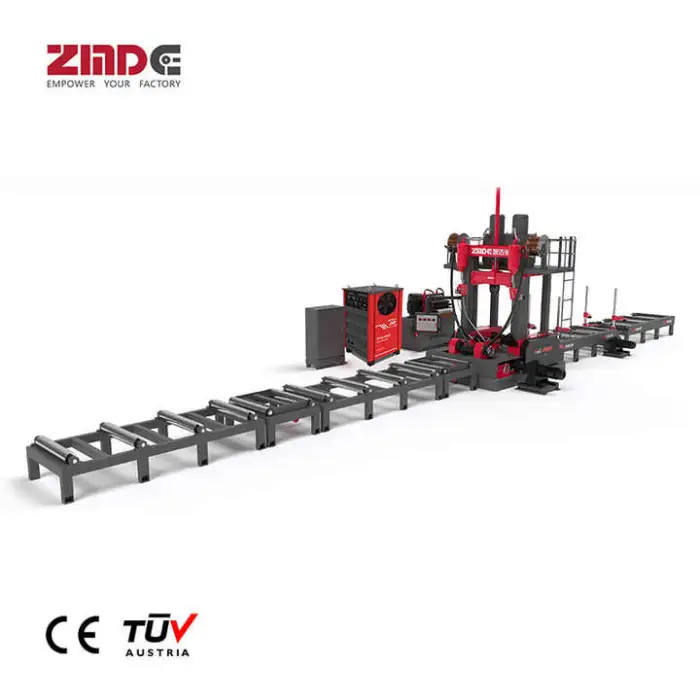
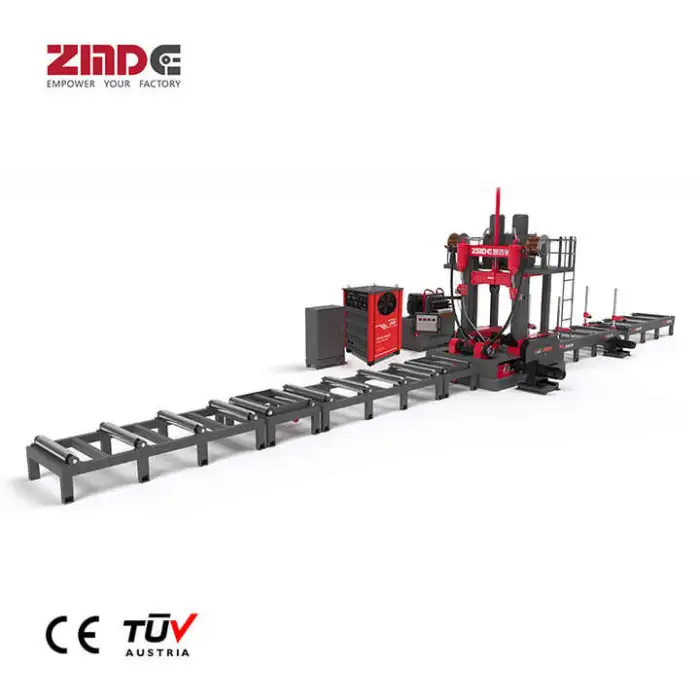
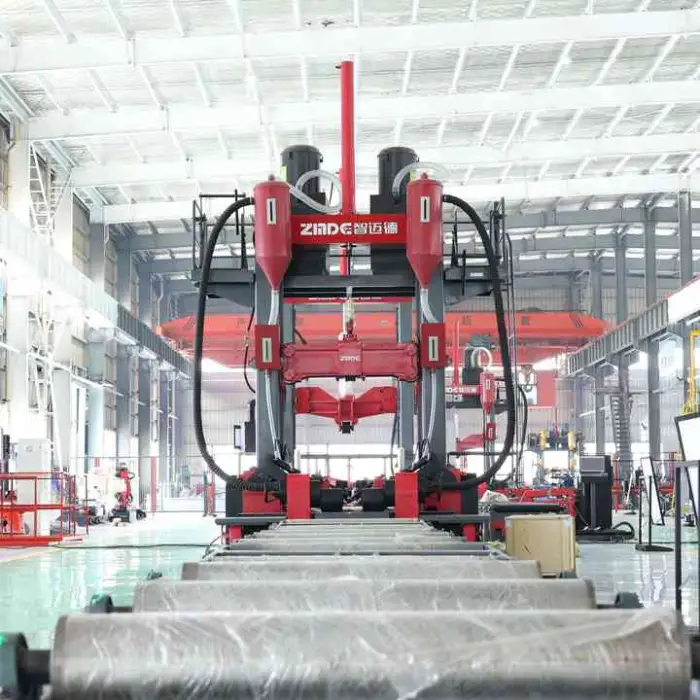
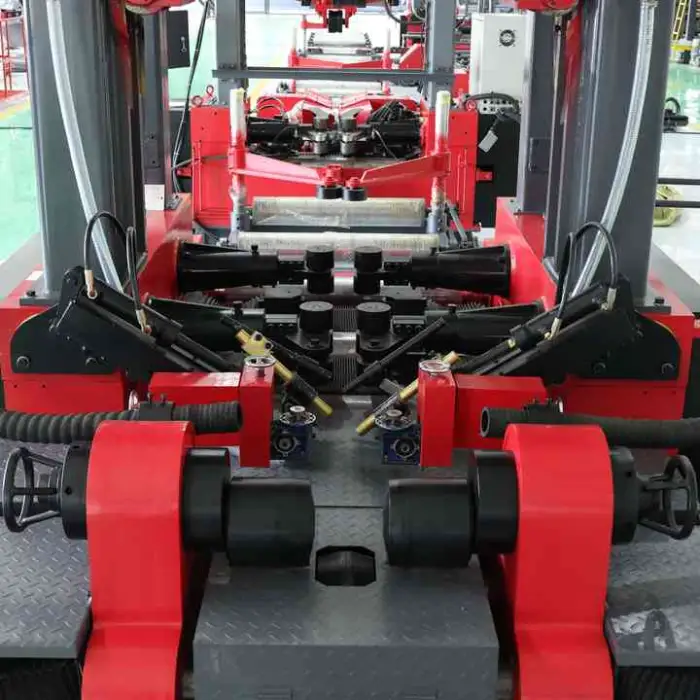
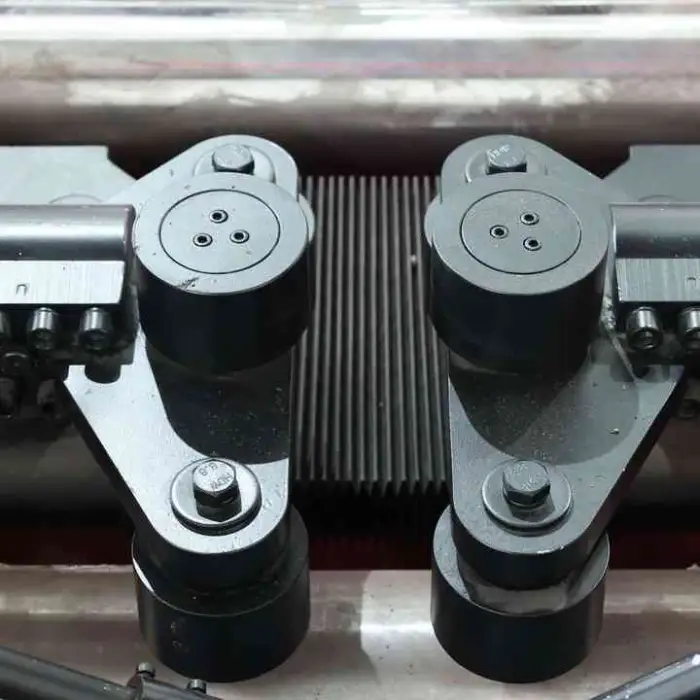
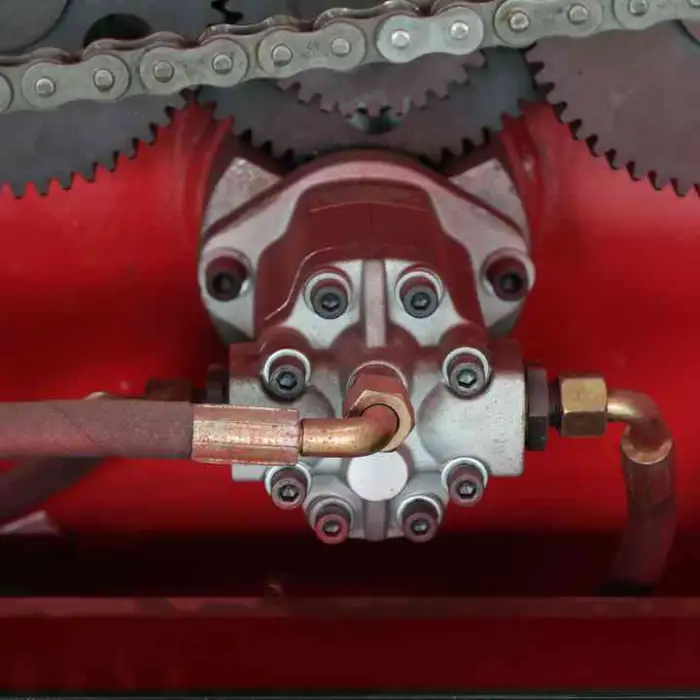
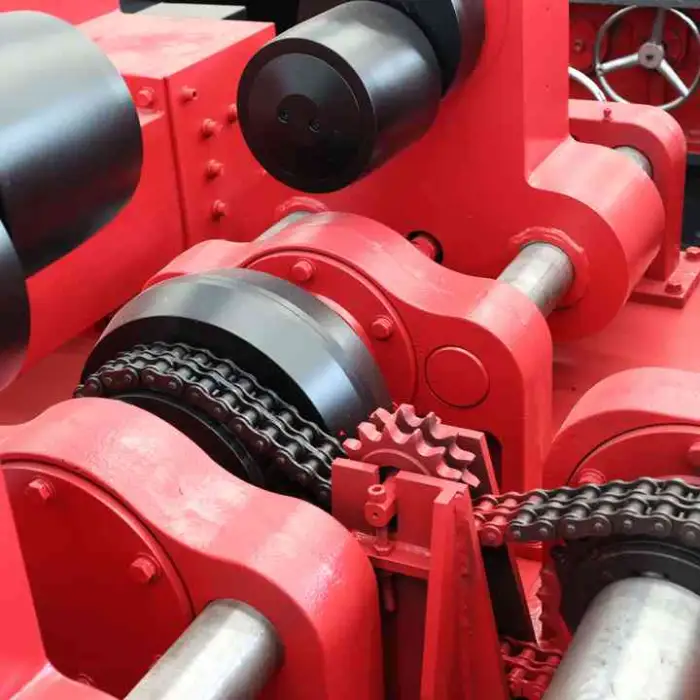
ZMDE H Beam Steel Assembly Welding Straightening Station Industrial Metal Cutting Machinery for Steel Plant Use
Asset finance available
Do you want funding for this equipment?
Afrimart can connect you with trusted funding partners who specialise in asset finance for businesses like yours. Compare options and apply in minutes — final approval is subject to provider review.
Check funding options
Secure & no obligation
- Section : Machinery
- Category : Metal & Metallurgy Machinery
- SKU : 1601126610489

ZMDE H Beam Steel Assembly Welding Straightening Station
The ZMDE H Beam Steel Assembly Welding Straightening Station is a powerful and efficient solution for steel plants. This advanced machinery combines metal cutting and straightening features. It is designed to streamline the production of H-beams, making your operations faster and more effective. With an automatic control operation, this machine enhances productivity while ensuring high-quality results.
Specifications
| Attribute | Details |
|---|---|
| Product Type | 3 In 1 H Beam Welding Line |
| Power Supply | 380V |
| Machinery Capacity | 6000t/year |
| Weight | 20000 KG |
| Dimensions (L*W*H) | 26m * 5.5-6m * 5m |
| Power | 125KW (Includes 2x1250A Domestic Welding Power Sources) |
| Web Height | 200-1600 mm |
| Web Thickness | 6-16 mm |
| Flange Width | 200-800 mm |
| Welding Speed | 0.4-1 m/min |
Key Features
- Combines metal cutting, straightening, and welding in one line.
- Automatic control for easy operation.
- High capacity of 6000 tons per year.
- Heavy-duty construction with a weight of 20,000 KG.
- Efficient welding speed of 0.4-1 m/min.
Applications
- Ideal for steel plants and fabrication workshops.
- Used for producing H-beams for construction projects.
- Perfect for manufacturing structural steel components.
- Suitable for automatic welding processes in industrial settings.
Product Info Gallery
- Shipping Timeframes: All orders are processed within 2-5 business days (excluding weekends and holidays). After your order has been processed, the estimated delivery time is before 05 Aug, 2026, depending on customs, Please note that due to high demand, some items may experience longer shipping times, which will be communicated at order confirmation email.
- Order Processing Time: Please allow 2-5 business days for us to process your order before it is shipped . Orders placed after 16:00 on Fridays, or during weekends and public holidays, will begin processing on the next business day. Processing times may be extended during peak seasons or sales events.
- Manufacturing Time: Some products needs manufacturing time, the manufacturing process will take approximately 10-30 business days depending on the product. This timeframe may vary depending on the complexity of the product and current demand. but this will be communicated with you during order confirmation.
- Returns and Exchanges: We offer a 30-day return policy for most items. If you are not completely satisfied with your purchase, you may return it within 30 days of receipt for a refund or exchange. Items must be unused, in their original packaging, and accompanied by proof of purchase. Return shipping costs are the responsibility of the customer, unless the item was damaged or defective upon arrival.
1. What is the ZMDE H Beam Steel Assembly Welding Straightening Station?
It is a 3-in-1 H-beam production line that integrates metal cutting, welding and straightening in a single automated line designed for high-efficiency H-beam fabrication in steel plants and workshops.
2. What are the key capacity and performance specifications?
Designed capacity is 6000 tons per year. Welding speed ranges from 0.4 to 1.0 m/min. The machine weighs 20,000 kg and overall dimensions are approximately 26 m (L) × 5.5–6 m (W) × 5 m (H).
3. What beam sizes and thicknesses can this line handle?
Web height: 200–1,600 mm; web thickness: 6–16 mm; flange width: 200–800 mm. These ranges define the supported H-beam cross-sections.
4. What power supply and electrical requirements are needed?
Standard power supply is 380 V. Total installed power is listed as 125 kW and the system includes two 1250 A domestic welding power sources. Confirm site electrical capacity and distribution requirements with the supplier before installation.
5. Is the system fully automated and how is it controlled?
Yes — the line features automatic control for welding, cutting and straightening operations. Control is typically via an industrial PLC/HMI for recipe-based operation and parameter adjustments.
6. What are typical applications for this machine?
Ideal for steel plants and fabrication workshops producing H-beams and structural steel components used in construction, infrastructure and industrial projects, especially where automated continuous welding is required.
7. What site/foundation and handling requirements are needed for installation?
Due to the machine mass (≈20 t) and dimensions, a reinforced concrete foundation and level floor are required, plus overhead crane or heavy lifting equipment for positioning. Exact foundation drawings and site requirements should be obtained from the supplier.
8. What consumables and routine maintenance are required?
Typical consumables include welding wire/electrodes, cutting blades or plasma/gas consumables (if applicable), and wear parts for rollers and guides. Routine maintenance involves lubrication, inspection of welding heads, straightening rollers, and electrical system checks.
9. Does the machine come with installation, commissioning and operator training?
Many suppliers offer on-site commissioning and operator/maintenance training as part of delivery or as an optional service. Confirm inclusion and scope with the vendor before purchase.
10. What safety features are provided?
The line is equipped for industrial safe operation with guarded moving parts, emergency stop controls, interlocks on access doors and standard electrical protections. Specific safety features and certifications should be verified with the manufacturer.
11. Can the line be customized to meet specific project requirements?
Yes — manufacturers typically offer customization for beam size ranges, additional automation, alternative welding power sources, cutting methods, and integration with upstream/downstream equipment. Discuss customization options with the supplier.
12. What is the expected lead time and delivery process?
Lead time depends on configuration, customization and current production schedules. Standard lead times vary by manufacturer and region; obtain a firm delivery schedule and shipping terms from the vendor when requesting a quotation.
13. Are spare parts available and what is the recommended spare parts list?
Spare parts are generally available through the supplier or authorized distributors. Recommended spares typically include welding consumables, contact tips, nozzles, rollers, bearings and sensor modules. Ask the supplier for a suggested spare-parts kit.
14. What operator skill level is required to run this line?
Operators should be trained in automated welding line operation, basic maintenance, and safety procedures. Electrical/mechanical technicians are required for troubleshooting and preventive maintenance. Supplier training reduces ramp-up time.
15. How can I get detailed technical documentation and a quote?
Contact the supplier or authorized distributor with your project requirements (planned beam sizes, production rate, site utilities and layout). They will provide detailed technical drawings, electrical/foundation requirements, and a formal quotation.
Latest Order Arrivals
Discover our latest orders
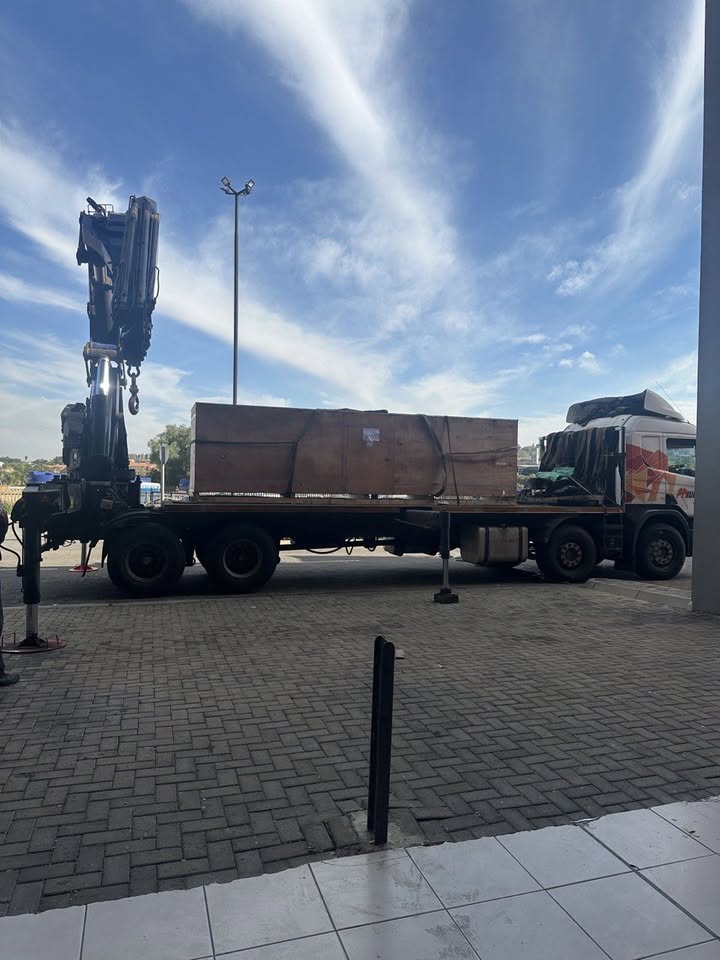
12 Heads Embroidery Machine
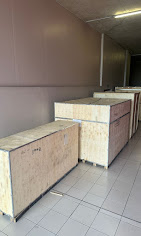
Toilet Paper Machine Machine
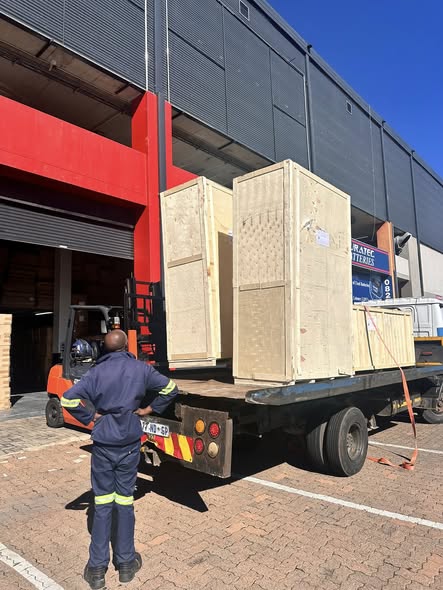
Order Collection
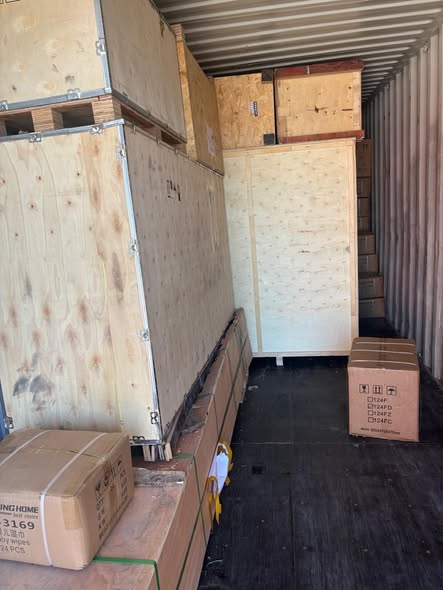
Cross Border Clients
Order cros border countries Collected
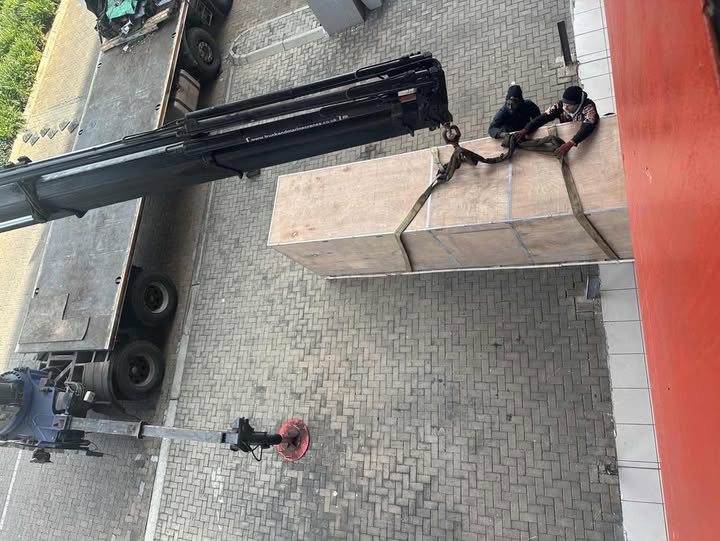
Industrial Machine Cllection
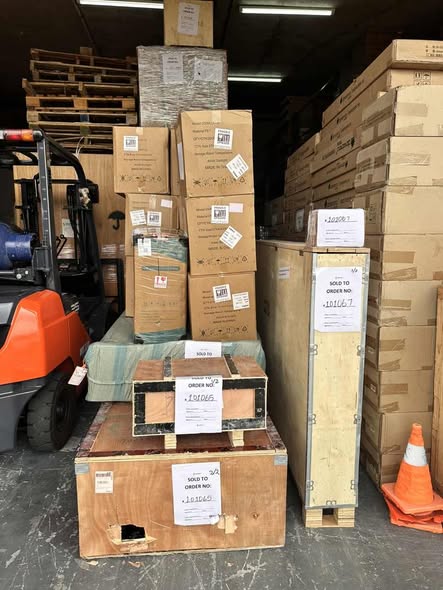
Agriculture Processing Machines
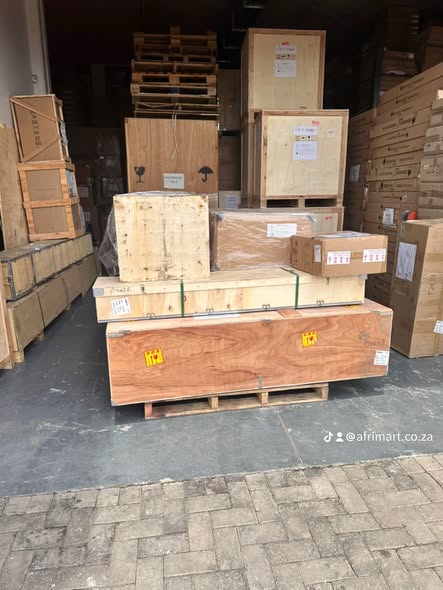
Ready for collection
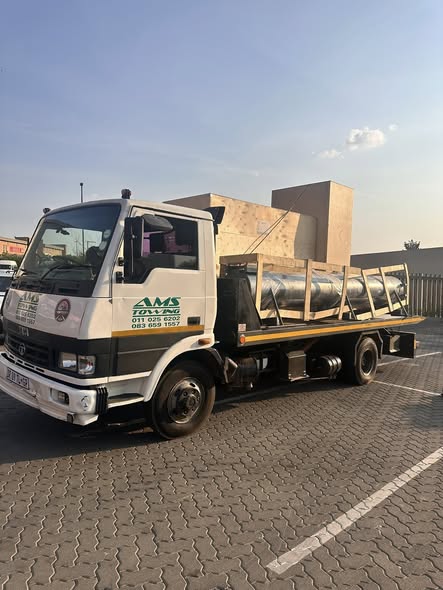
Water Pump Equipment
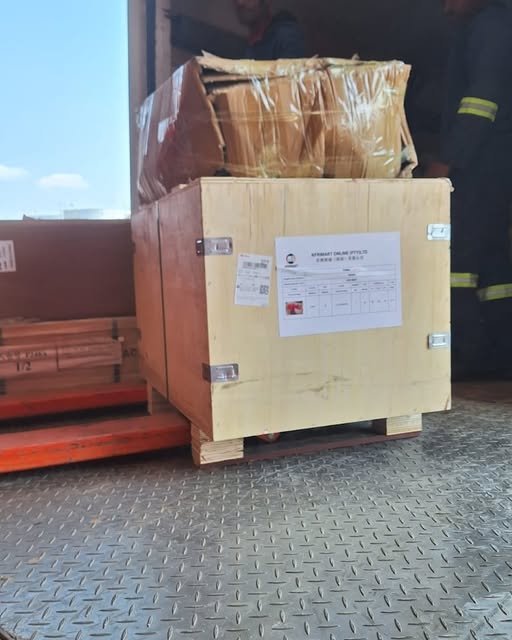
Packaging Machine and accessories
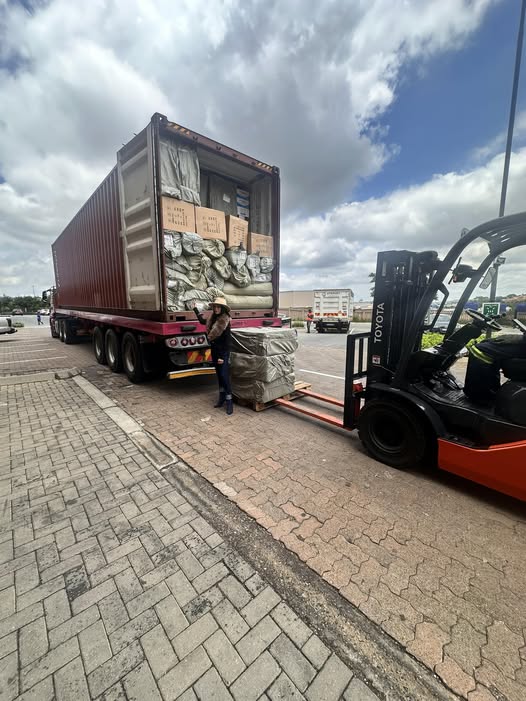
Fabrics Manufacturing Equipment
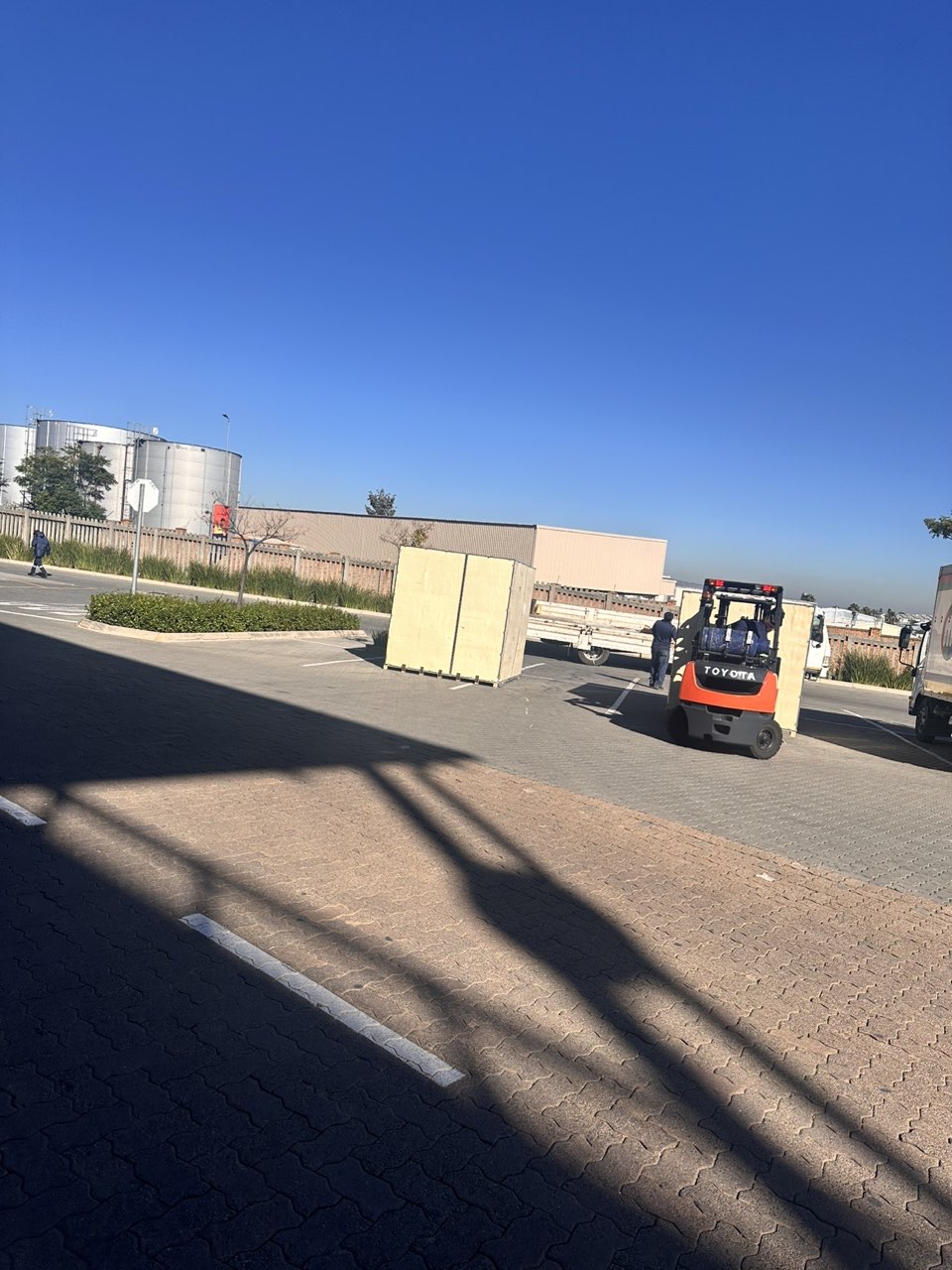
Mining Equipments
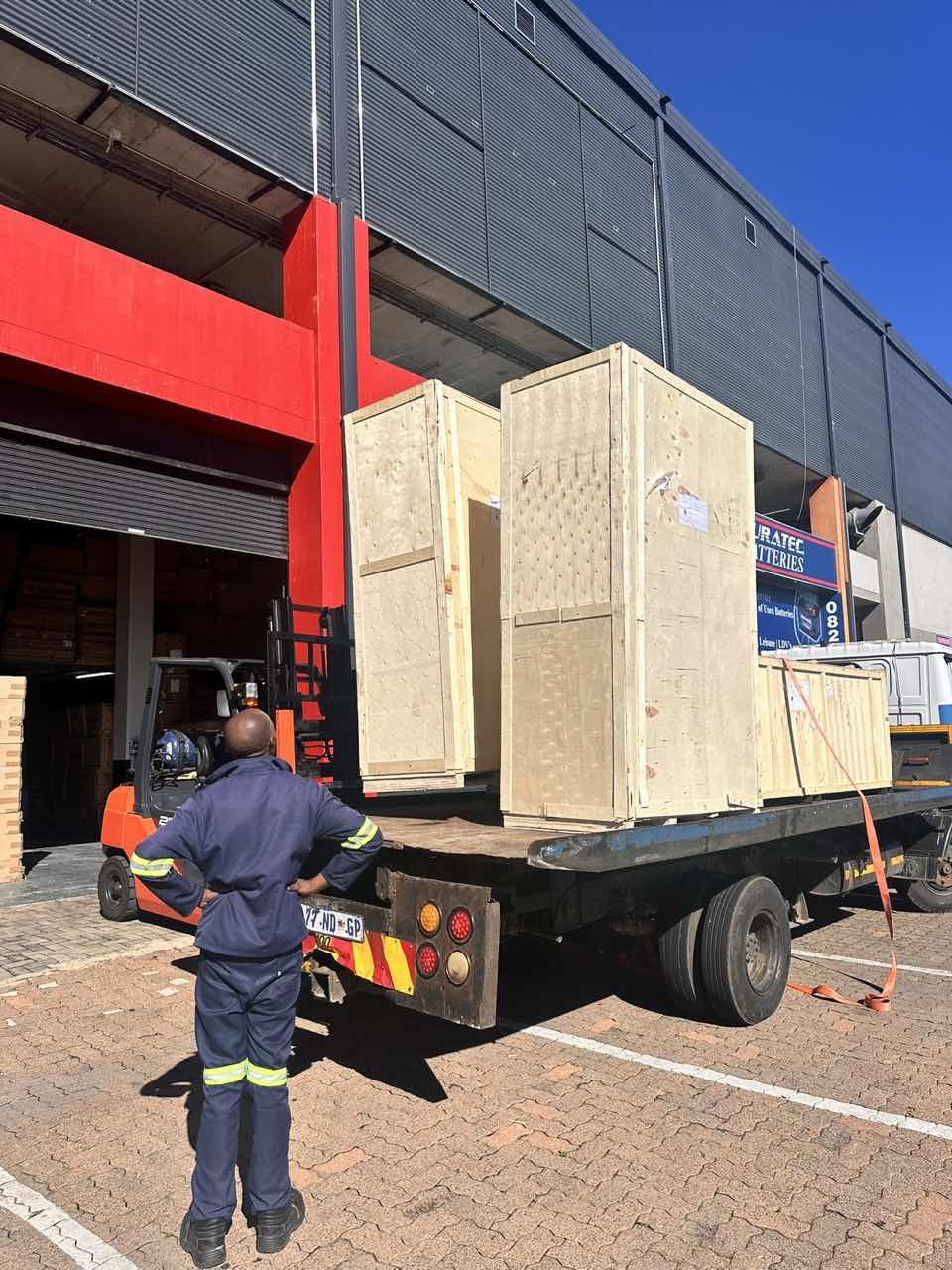
Food Processing Machine
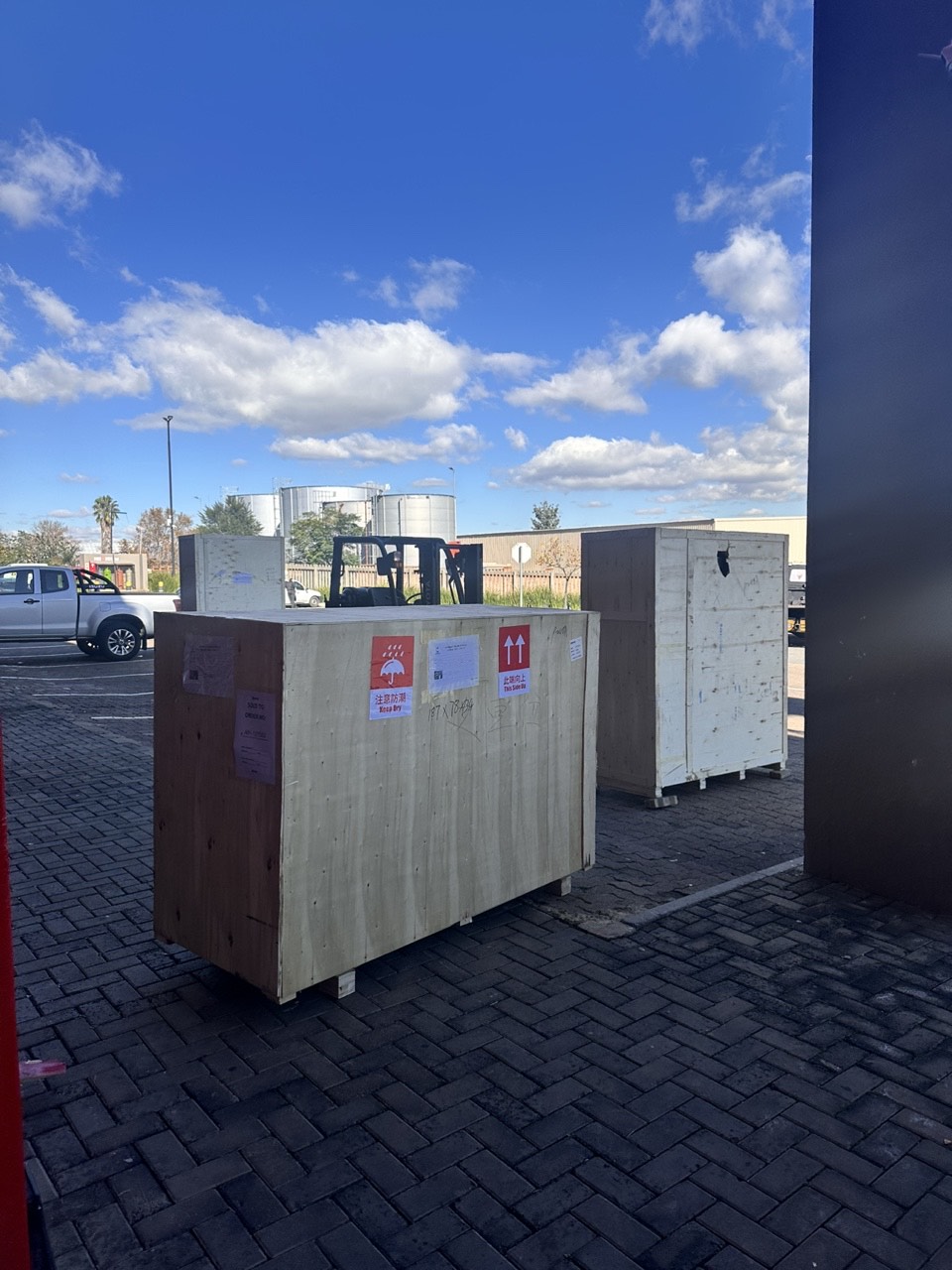
Batch of Orders
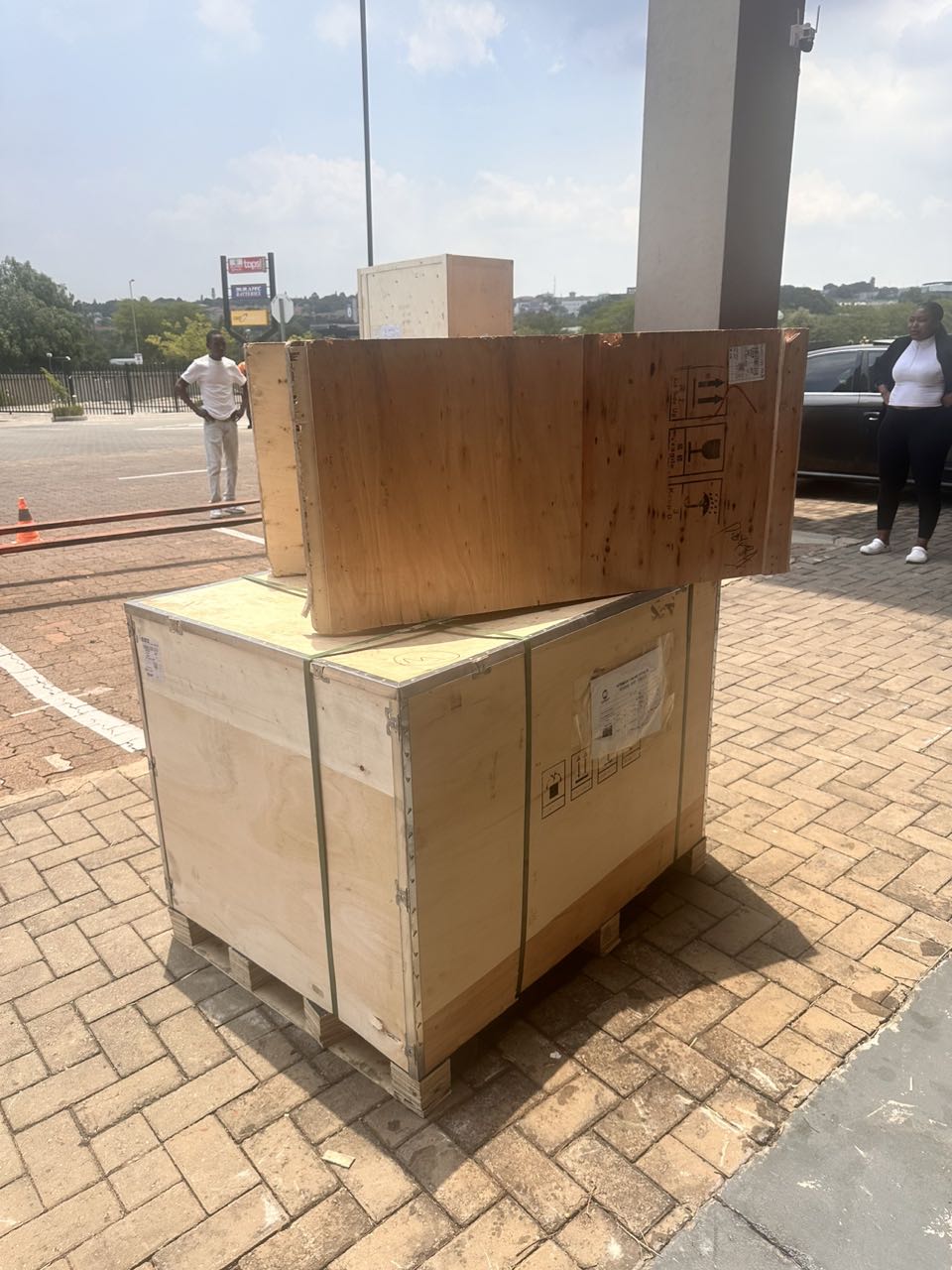
Batch of Orders
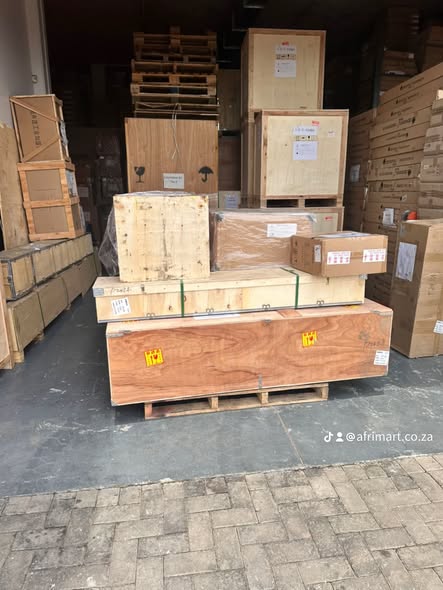
Latest Orders Labelled
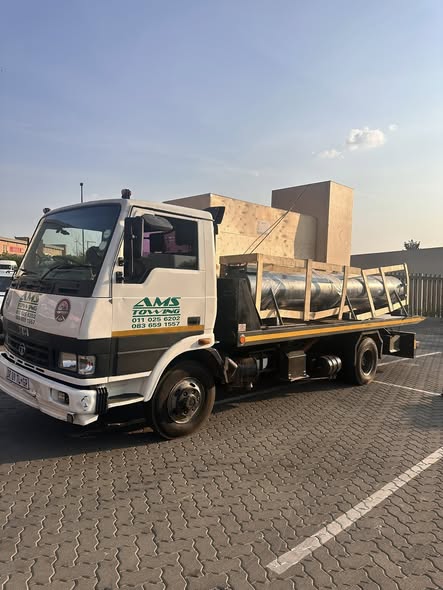
wheel alignment machines
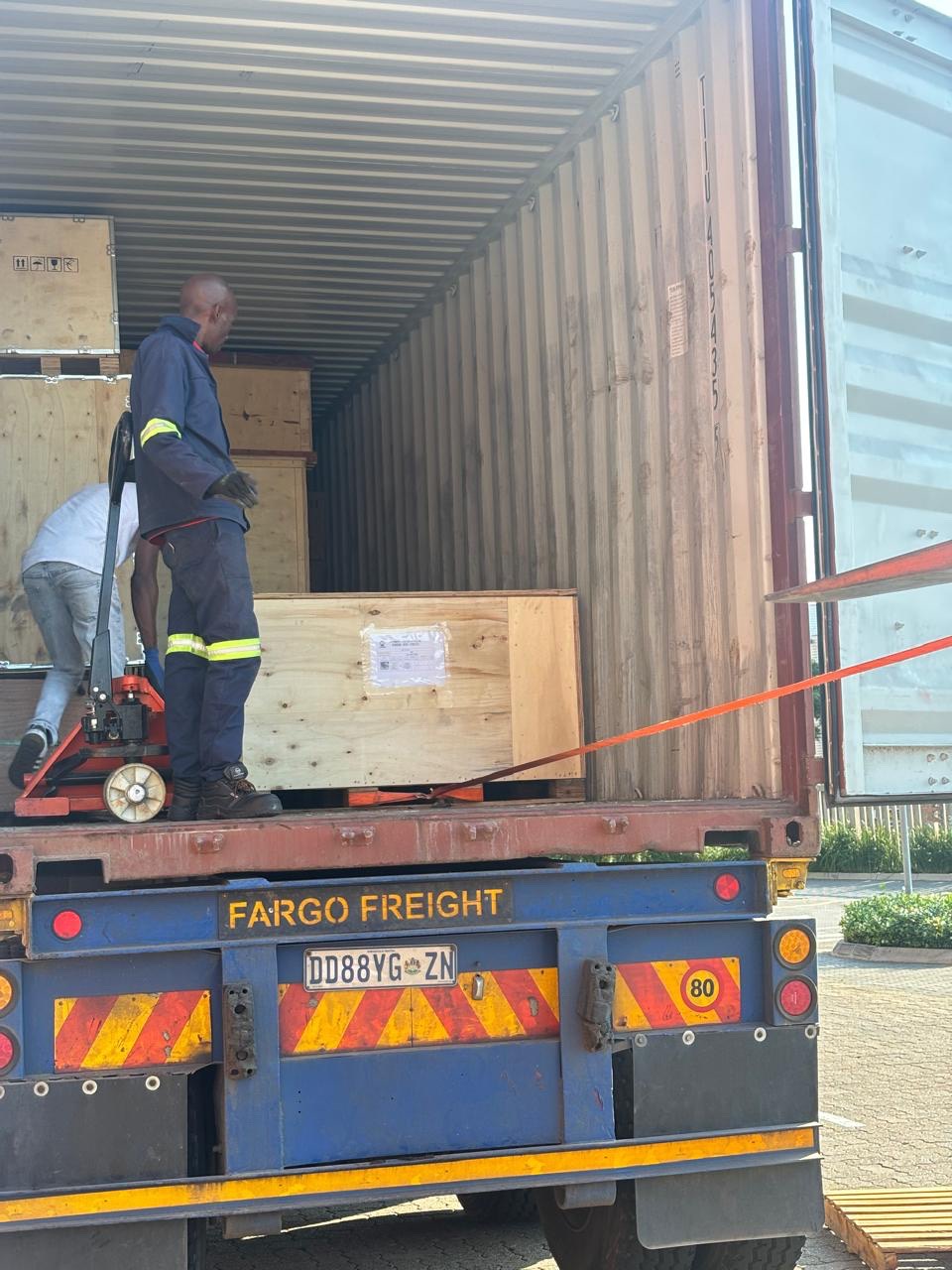
new arrivals
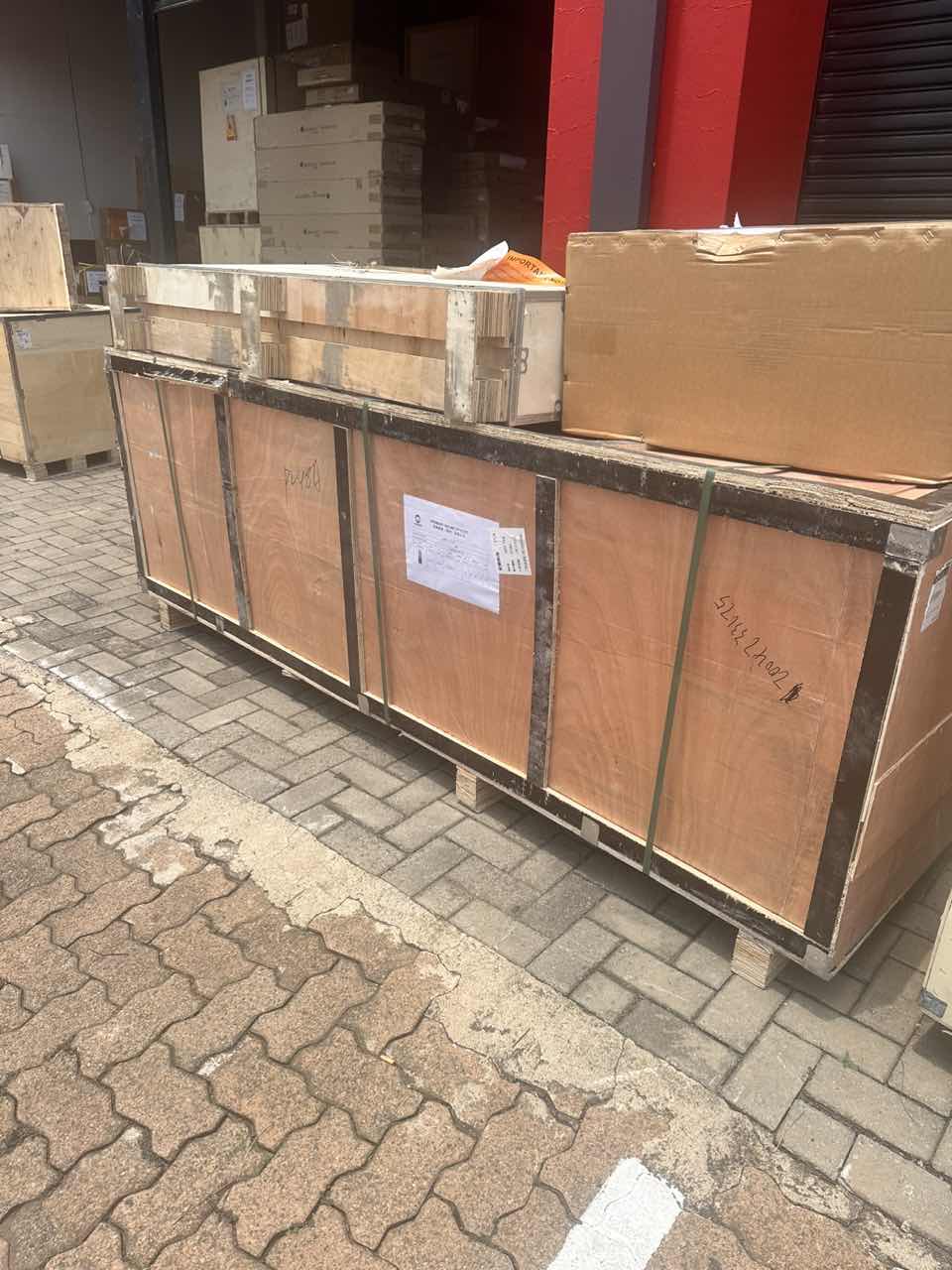
Pre Orders Offloading
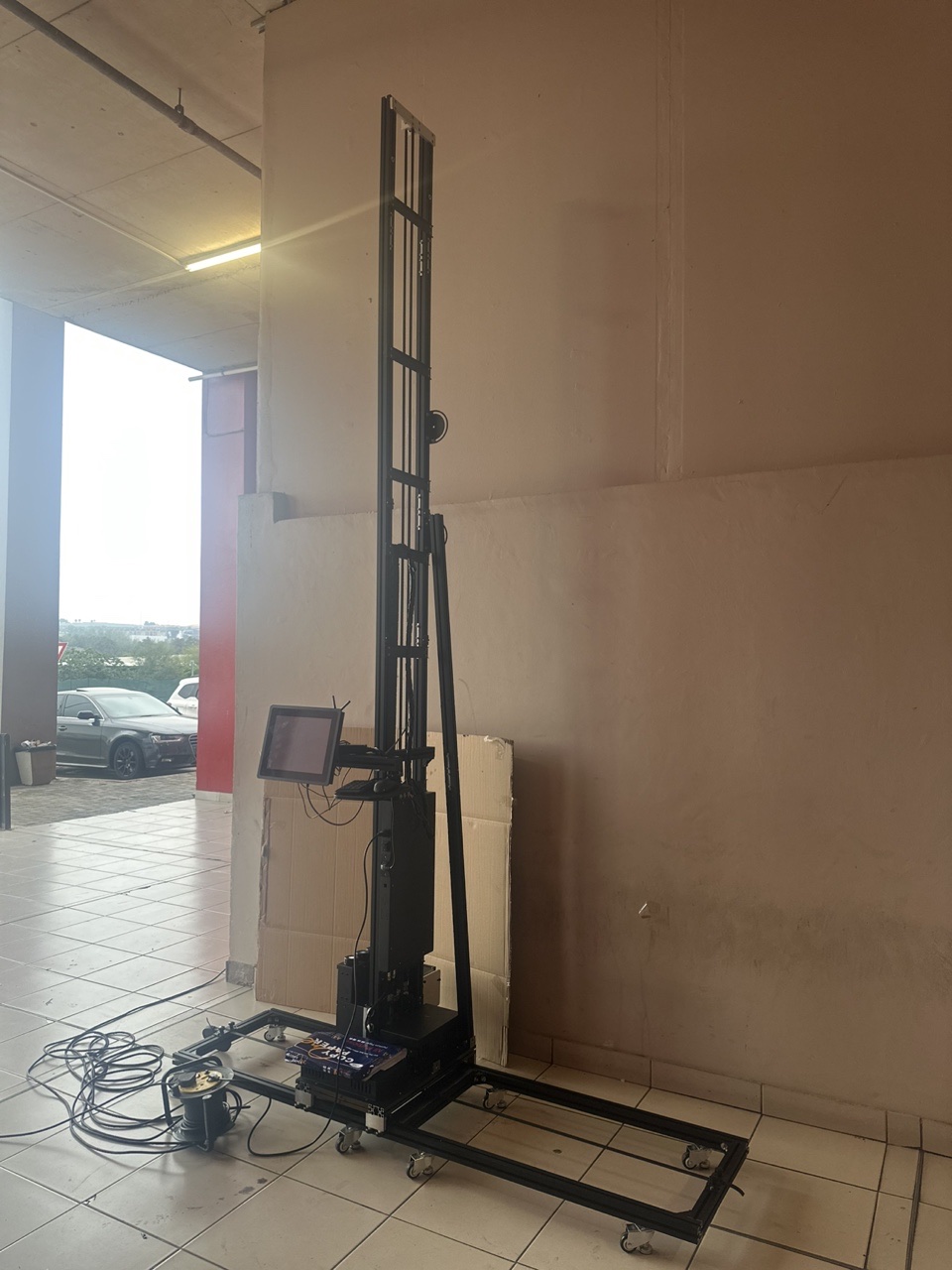
Latest Arrivals
Latest Arrivals
Latest Arrivals
Loading
Toilet paper making machine
Toilet paper making machine
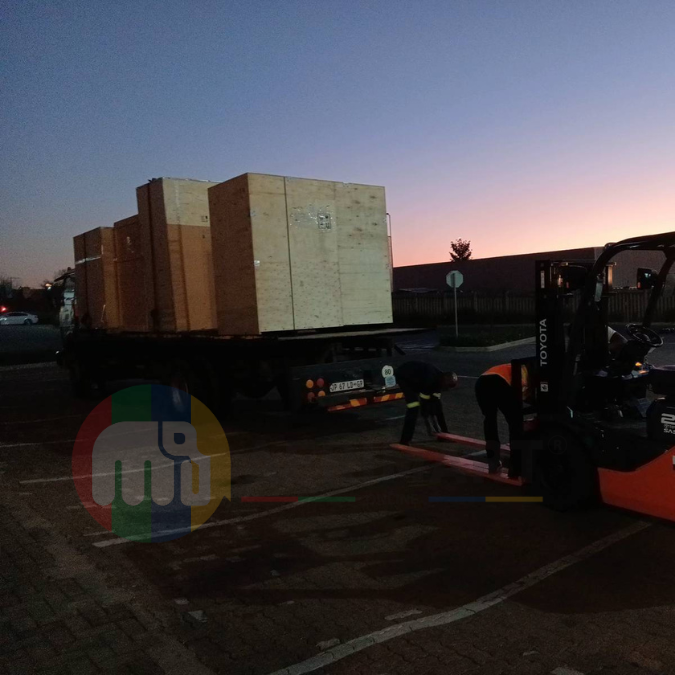
Toilet paper Rewinding Machine
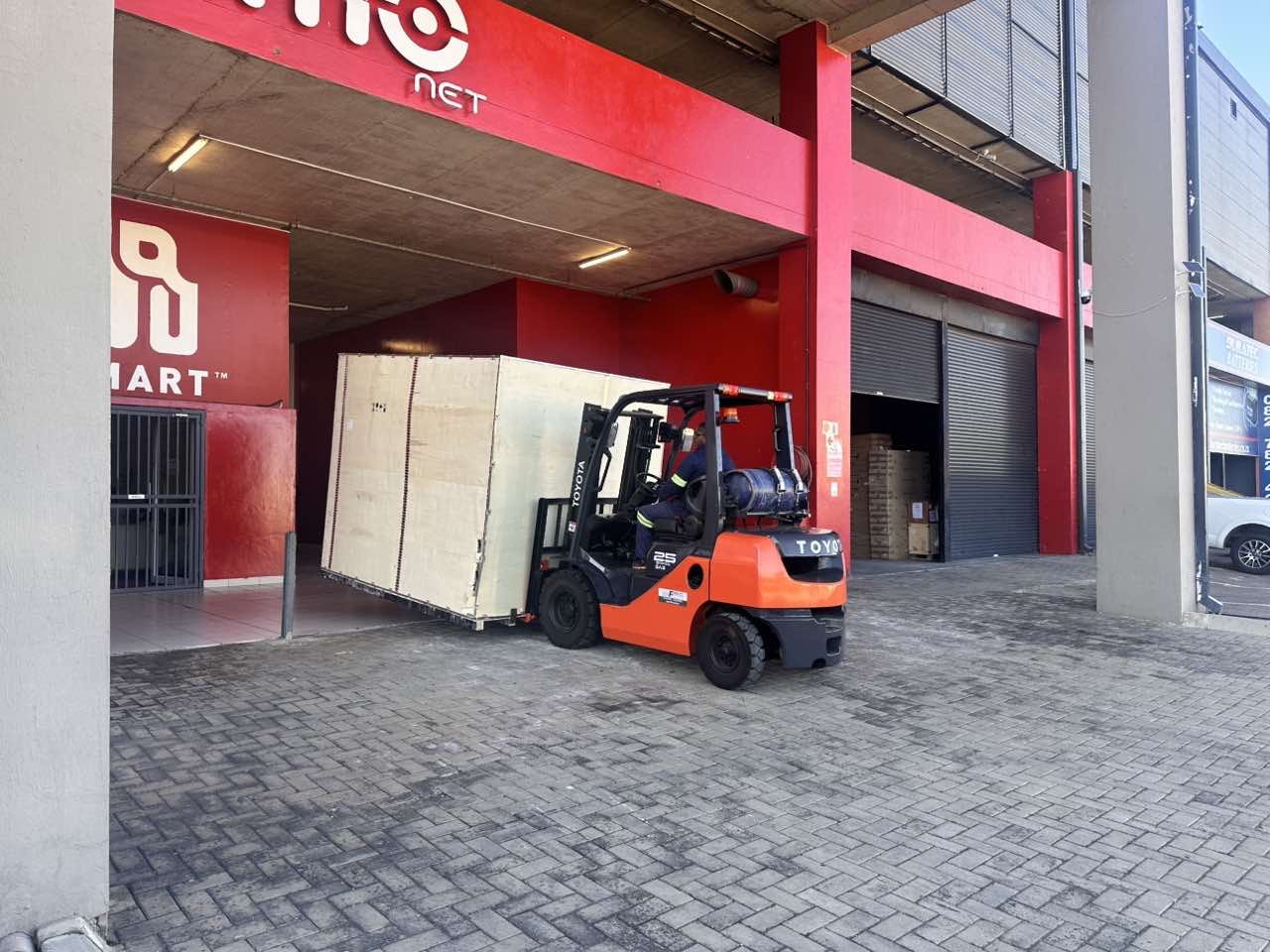
latest arrivals
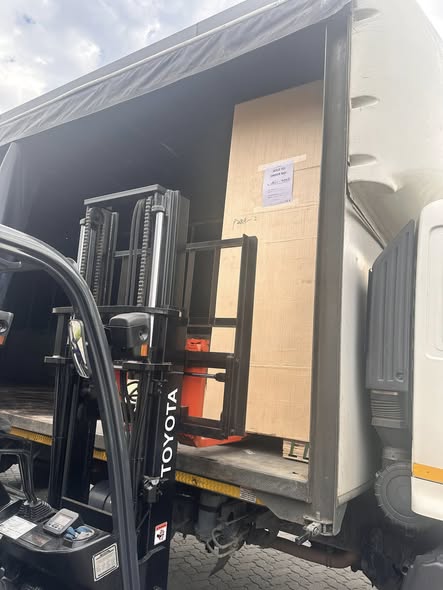
offloading
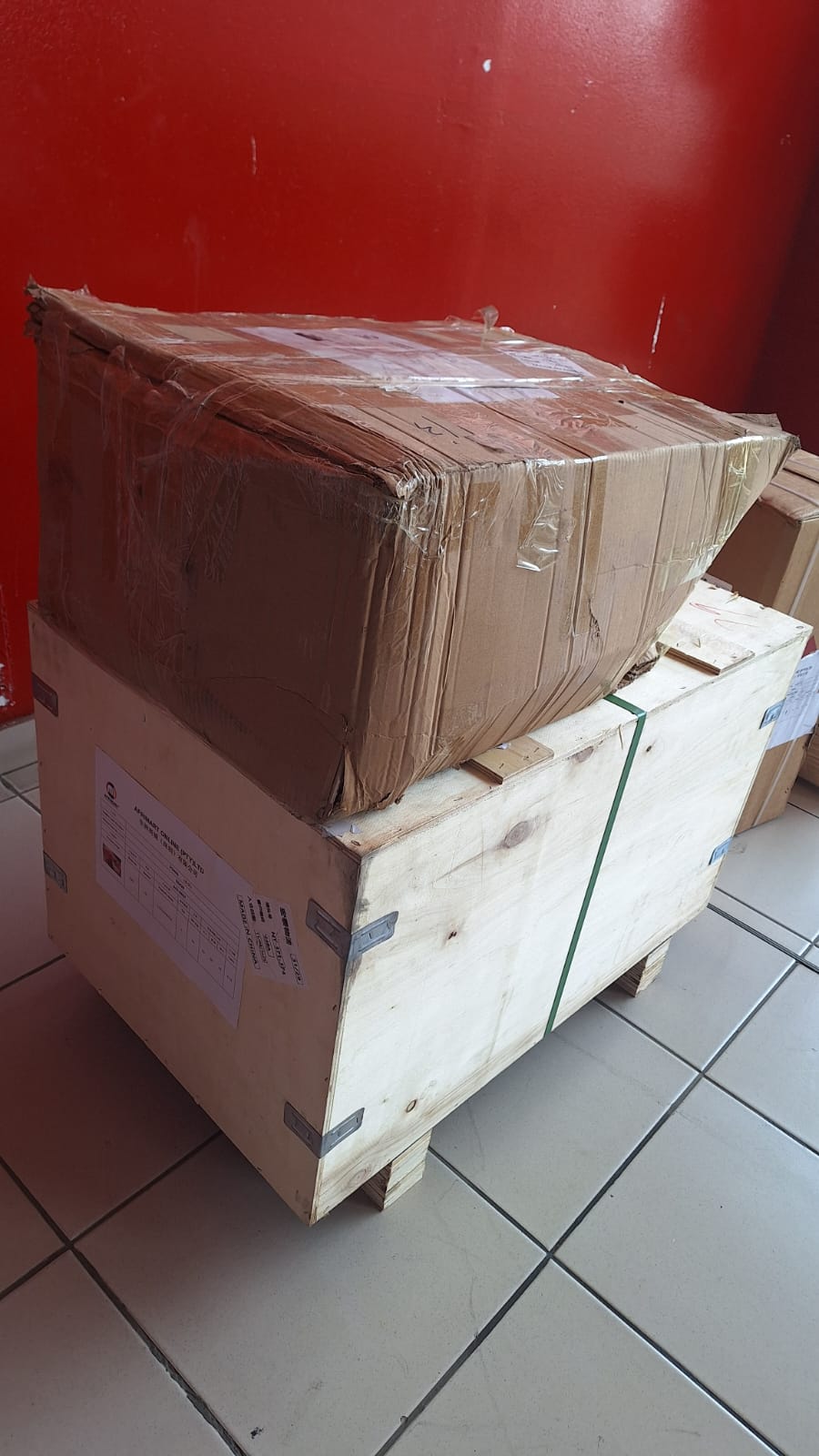
order success
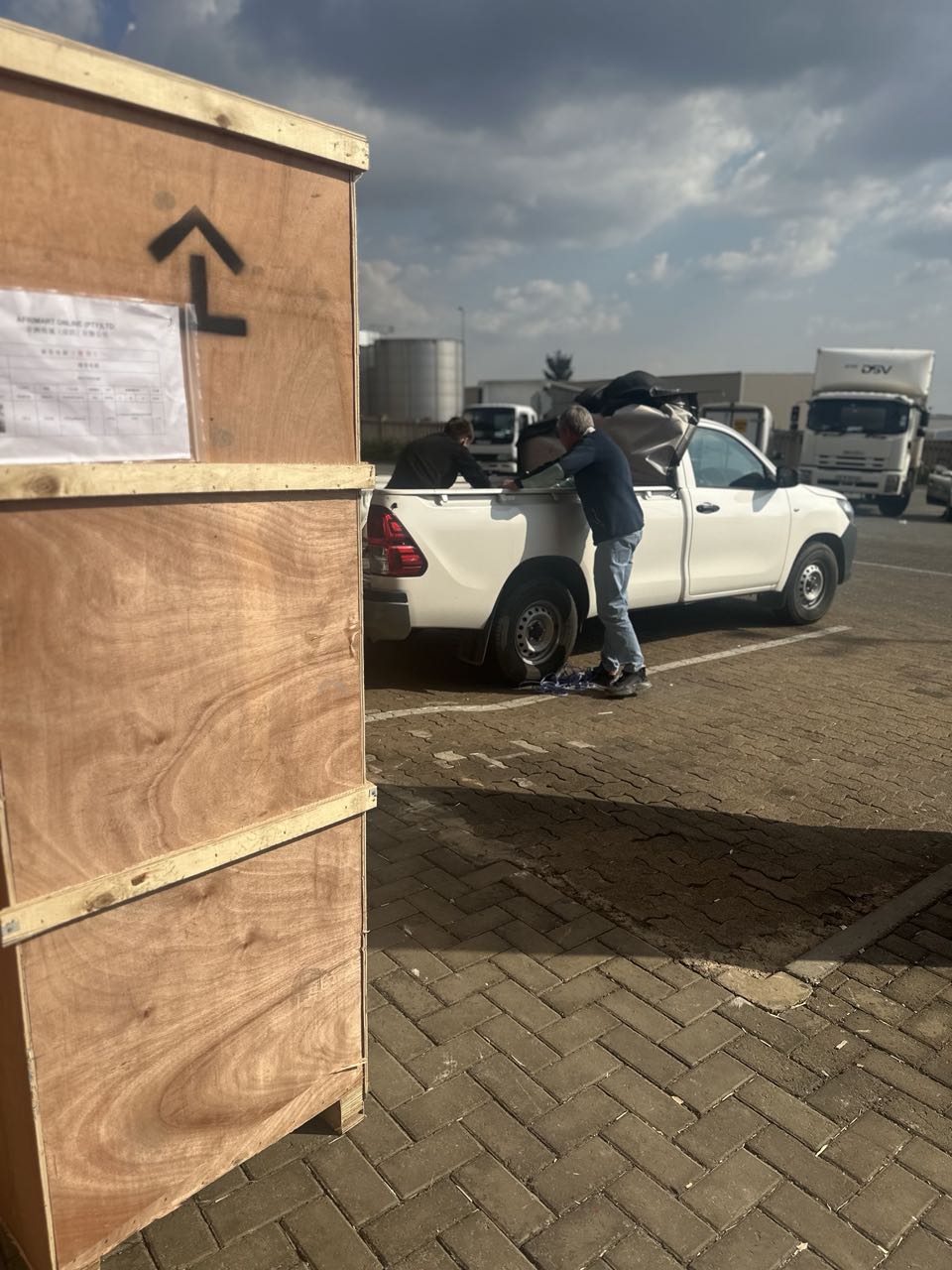
order collection
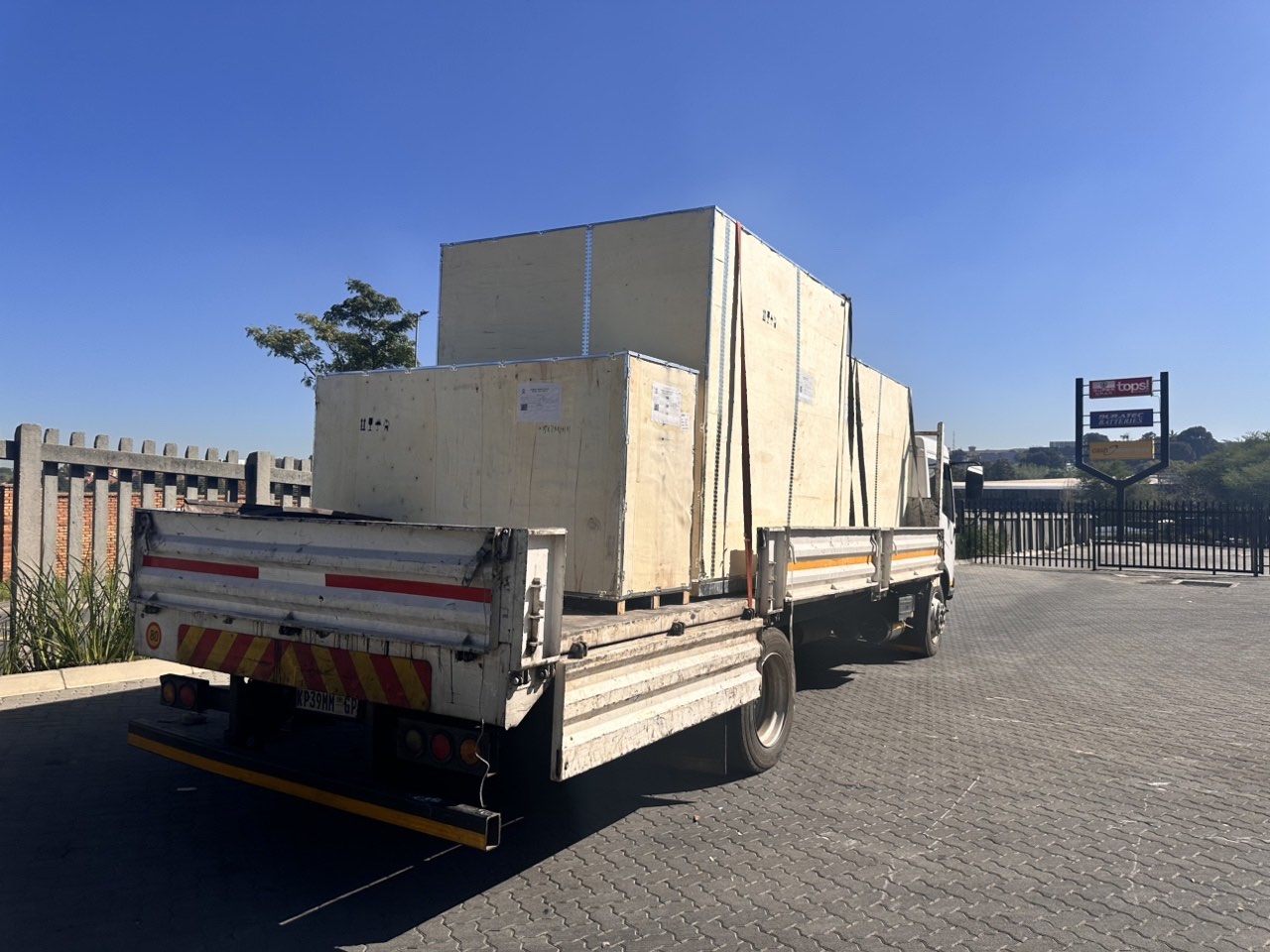
order offloading