B21, China Town Mall, Midrand

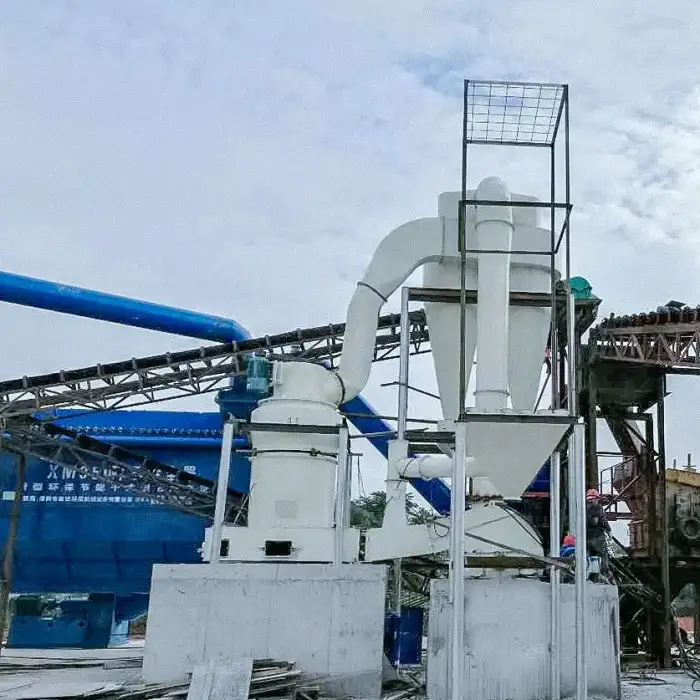
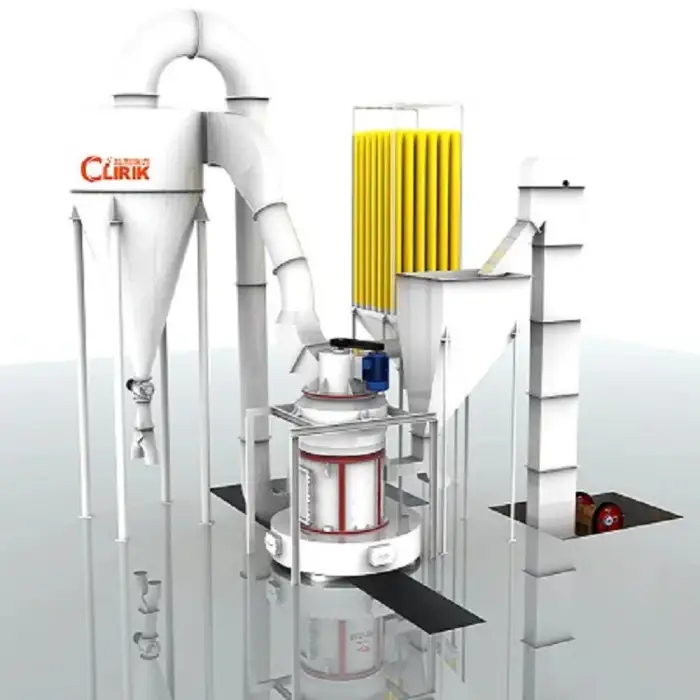
YGM Gement White Cement Clinker Active Carbon Silica Sand Gypsum Quartz Grinding Plant
Asset finance available
Do you want funding for this equipment?
Afrimart can connect you with trusted funding partners who specialise in asset finance for businesses like yours. Compare options and apply in minutes — final approval is subject to provider review.
Check funding options
Secure & no obligation

- Section : Machinery
- Category : Industrial Machinery
- SKU : 1600388923524

Product Description

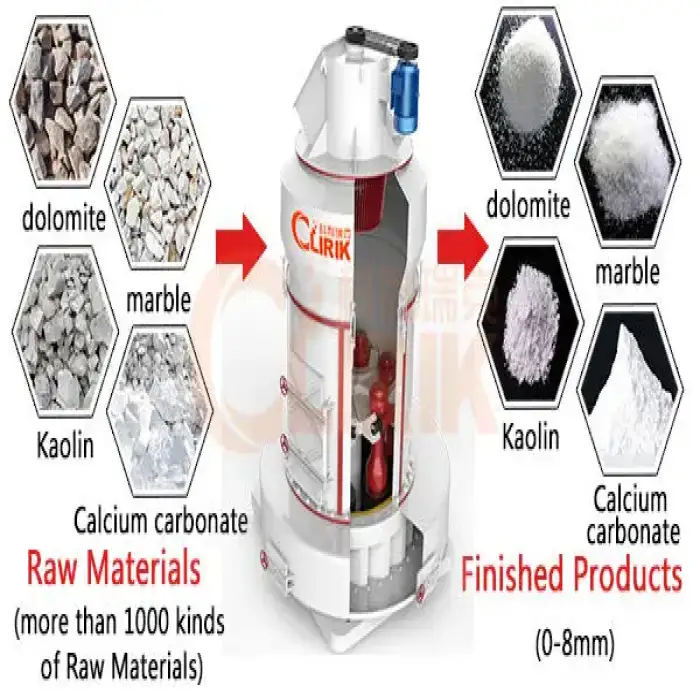
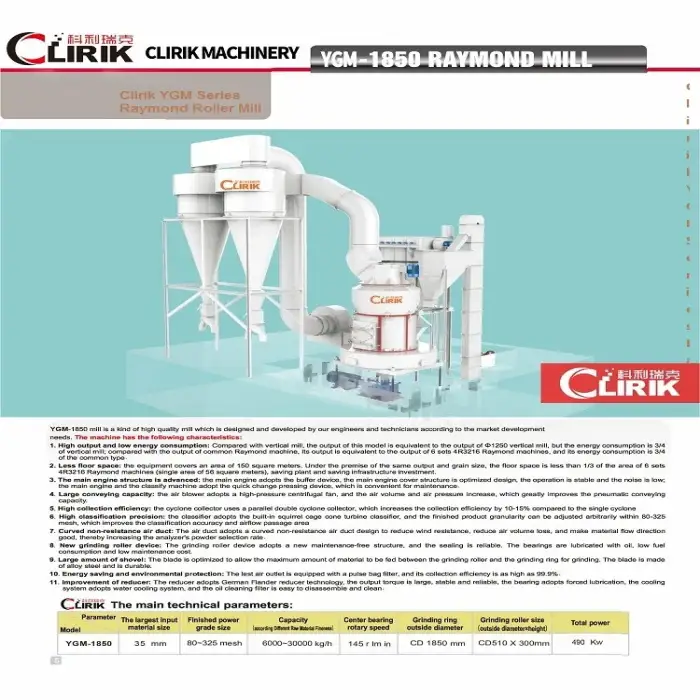
YGM series Raymond roller mill is also called Raymond grinding mill, Raymond pulverizer. YGM series Raymond roller mill is the new type Raymond mill of our company, which is suitable for processing various non-flammable and non-explosive mineral materials with Moh's hardness less than 9.3 and humidity less than 6%.
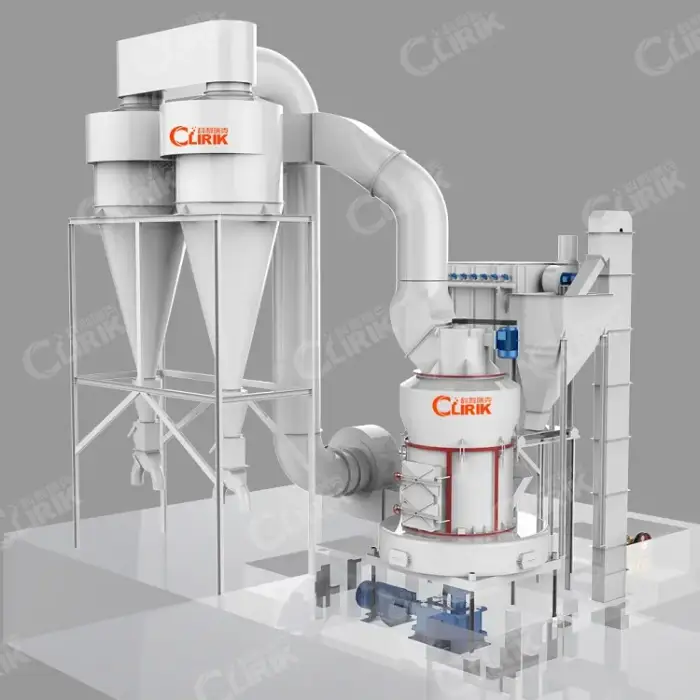
The main parts of Raymond roller mill is grinding roller, grinding ring, grinding roller assembly, the plum flower frame, air
flue, coupling, perching knife and so on.

Technology Date of Raymond Mill
Note: This specification is just referencing, any changes are subject to the products.
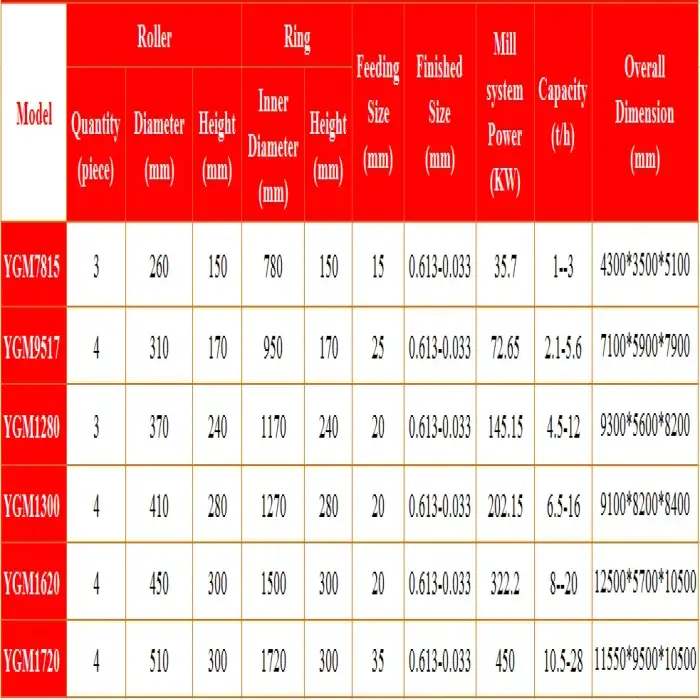
| Model | Diameter(mm) | InputSize(mm) | FinalSize(mesh) | Host Power(KW) | Capacity(T/H) | Dimension (mm) |
| YGM9720 | 970 | 20 | 80-600 | 97 | 1.5-7.5 | 8200*6010*7200 |
| YGM1280 | 1280 | 20 | 80-600 | 145 | 2-10 | 8500*7500*8200 |
| YGM1300 | 1300 | 20 | 80-400 | 222 | 2-14 | 10100*9300*8330 |
| YGM1620 | 1620 | 30 | 80-400 | 322 | 2.5-18 | 10250*8090*10510 |
| YGM1720 | 1720 | 35 | 80-325 | 442 | 6-30 | 12500*12250*10400 |
| YGM2150 | 2150 | 35 | 80-325 | 572 | 12-40 | 12000*11600*11000 |

Raymond roller mill can be widely used in the fields of metallurgy, construction, chemical industry, mining, highway construction etc,. The granularity of the finished powder size can be adjusted between 30 and 425 mesh. Examples of processing materials include quartz, feldspar, barite, calcite carbonate, limestone, talc, ceramic, iron ore, carborundum, bauxite, rock phosphate, coal and other materials, about 400 kinds of materials in total.

Working Principle of Raymond Mill
The working principle is as follows: load the stuff for grinding evenly and continuously into the grinding chamber of the main frame. Due to the centrifugal force in rotation, the roller swings go outward and presses closely upon the ring. The shovel carries the stuff to the space between the roller and ring. When the roller rolls, the stuff is thus grind. After being grind, the stuff is to be routed to the classifier along wind belt of the blower and the rough powder will be put back to the grinder for regrinding.
The fine powder flows into the cyclone collector together with air flow and is expelled from the powder output pipe as product. In the grinding chamber, since the stuff contains moisture to some extent, the heat generated during grinding makes the moisture evaporate; since the pipeline joints are not airtight, the external air is sucked in and the circulation air mass increases. In order to enable the grinder to work in negative pressure, the increased air flow is guided to the duster and sequentially to the atmosphere after purification.

Advantages of Raymond Mill
1. Higher output. Its output increases by 10%-20% comparing with Raymond mill under the same power condition.
2. Larger range of final fineness. Size of final product can be 0.613 mm (30 mesh) –0.033 mm (425 mesh). Some can reach the fineness of 0.013 mm (1000 mesh).
3.Good dust control. High Pressure Suspension Mill meets the requirement of national dust-dump standard.
4.Easy to operate. The whole system is combined by some independent systems, and the cohesion between the systems is good.
5. Excellent sealing. The multi-class seals are adopted to keep the grinding equipment tight closed.
Related Products---Raymond Mill
- Shipping Timeframes: All orders are processed within 2-5 business days (excluding weekends and holidays). After your order has been processed, the estimated delivery time is before 15 Aug, 2026, depending on customs, Please note that due to high demand, some items may experience longer shipping times, which will be communicated at order confirmation email.
- Order Processing Time: Please allow 2-5 business days for us to process your order before it is shipped . Orders placed after 16:00 on Fridays, or during weekends and public holidays, will begin processing on the next business day. Processing times may be extended during peak seasons or sales events.
- Manufacturing Time: Some products needs manufacturing time, the manufacturing process will take approximately 10-30 business days depending on the product. This timeframe may vary depending on the complexity of the product and current demand. but this will be communicated with you during order confirmation.
- Returns and Exchanges: We offer a 30-day return policy for most items. If you are not completely satisfied with your purchase, you may return it within 30 days of receipt for a refund or exchange. Items must be unused, in their original packaging, and accompanied by proof of purchase. Return shipping costs are the responsibility of the customer, unless the item was damaged or defective upon arrival.
1. What materials can the YGM Gement White Cement Clinker Active Carbon Silica Sand Gypsum Quartz Grinding Plant process?
The grinding plant can process a wide range of materials including quartz, feldspar, barite, calcite carbonate, limestone, talc, ceramic, iron ore, carborundum, bauxite, rock phosphate, coal, and many others, totaling about 400 different materials.
2. What is the maximum hardness of materials that can be processed by the YGM series Raymond roller mill?
The YGM series Raymond roller mill can process non-flammable and non-explosive mineral materials with a Moh's hardness of less than 9.3.
3. What is the capacity range of the YGM series Raymond roller mill?
The capacity of the YGM series Raymond roller mill varies by model, ranging from 1.5 to 42 tons per hour depending on the specific model and setup.
4. What is the final particle size that can be achieved using this grinding plant?
The final particle size can be adjusted between 30 mesh (0.613 mm) and 425 mesh (0.033 mm), with some materials potentially reaching a fineness of up to 1000 mesh (0.013 mm).
5. How does the YGM series Raymond roller mill ensure good dust control?
The mill is designed to meet national dust-dump standards, which include features like excellent sealing and a high-pressure suspension system that helps minimize dust emissions during operation.
6. Is the YGM series Raymond roller mill easy to operate?
Yes, the system is designed with independent operating functions and cohesive system integration, making it user-friendly and easy to operate.
7. What are the main components of the YGM series Raymond roller mill?
The main components include the grinding roller, grinding ring, grinding roller assembly, plum flower frame, airflue, coupling, and perching knife.
8. What industries can benefit from using the YGM series Raymond roller mill?
Industries such as metallurgy, construction, chemical processing, mining, and highway construction can benefit greatly from the capabilities of this grinding mill.
9. Can the YGM series Raymond roller mill be customized for specific needs?
Yes, while the specifications provided are standard, customization can be discussed based on specific processing requirements and material characteristics.
10. What are the advantages of using the YGM series over traditional Raymond mills?
The YGM series offers 10%-20% increased output, a larger range of final fineness, better dust control, easier operation, and excellent sealing compared to traditional models.
11. What is the working principle of the YGM series Raymond roller mill?
The mill operates by loading the material into the grinding chamber, where centrifugal forces cause the rollers to press against the grinding ring, grinding the material into fine powder which is then classified and collected.
12. What is the height of the YGM series Raymond roller mill?
The height varies by model, with dimensions such as 2500 mm for the YGM1720 model. Please refer to the specific model for exact measurements.
13. What kind of maintenance is required for the YGM series Raymond roller mill?
Regular maintenance includes checking the grinding components, ensuring seals are intact, and monitoring the overall operation to prevent wear and tear.
14. What is the power requirement for the YGM series Raymond roller mill?
The host power requirement varies by model, with ranges from 7.5 KW to 426 KW depending on the specific machine configuration.
15. How does the mill handle moisture in the material?
The heat generated during the grinding process helps evaporate moisture from the material, while the design allows for external air to be drawn in, increasing airflow and improving efficiency.
Latest Order Arrivals
Discover our latest orders
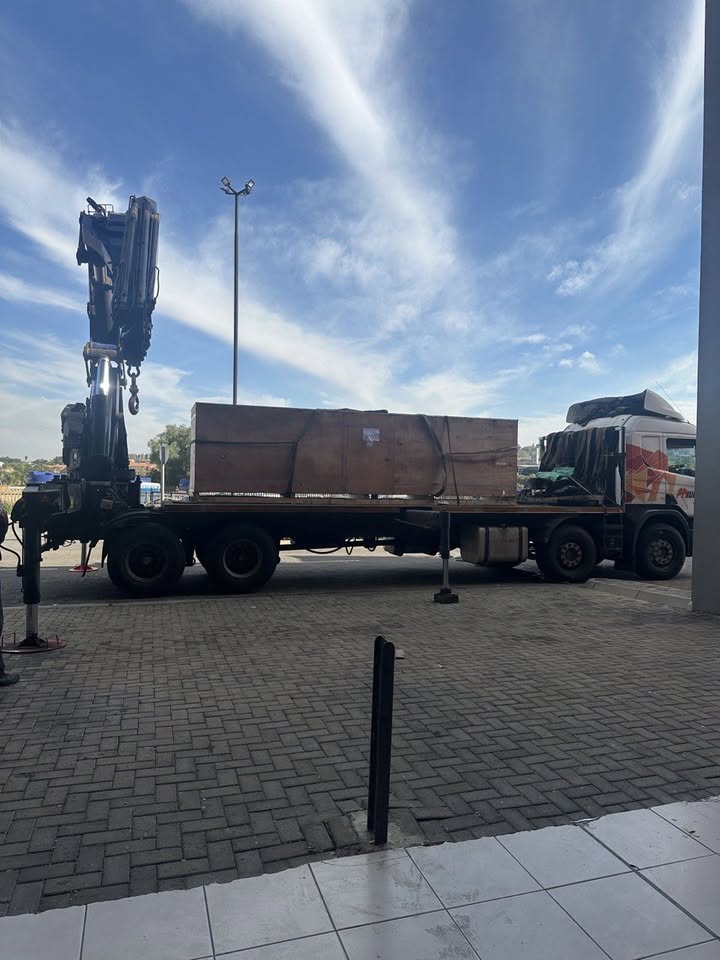
12 Heads Embroidery Machine
Toilet Paper Machine Machine
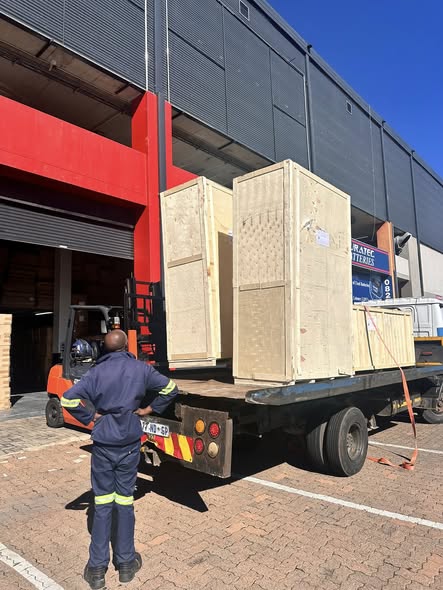
Order Collection
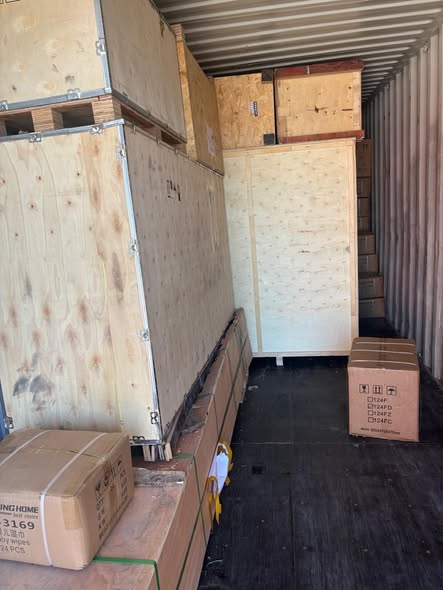
Cross Border Clients
Order cros border countries Collected
Industrial Machine Cllection
Agriculture Processing Machines
Ready for collection
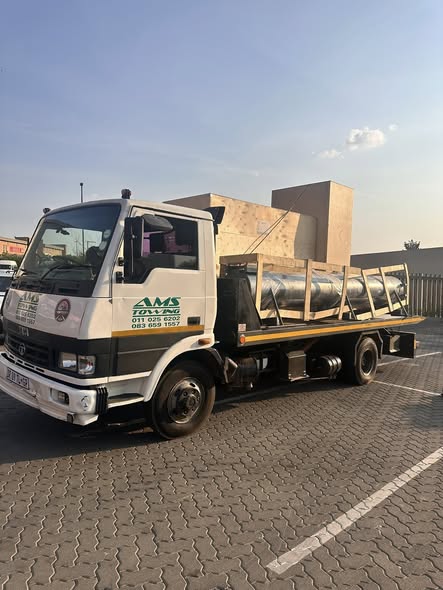
Water Pump Equipment
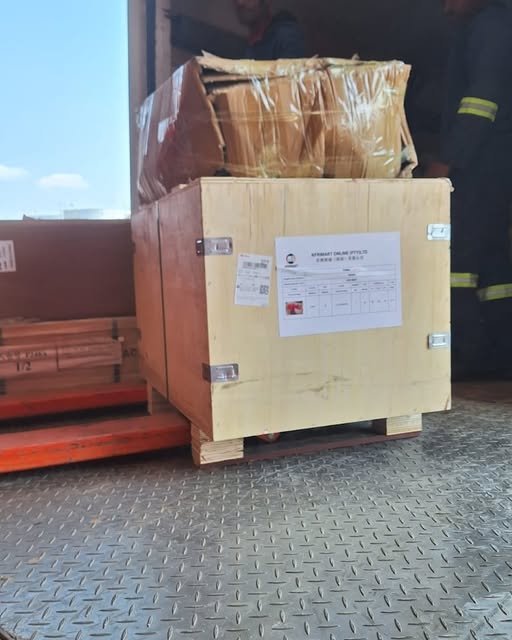
Packaging Machine and accessories
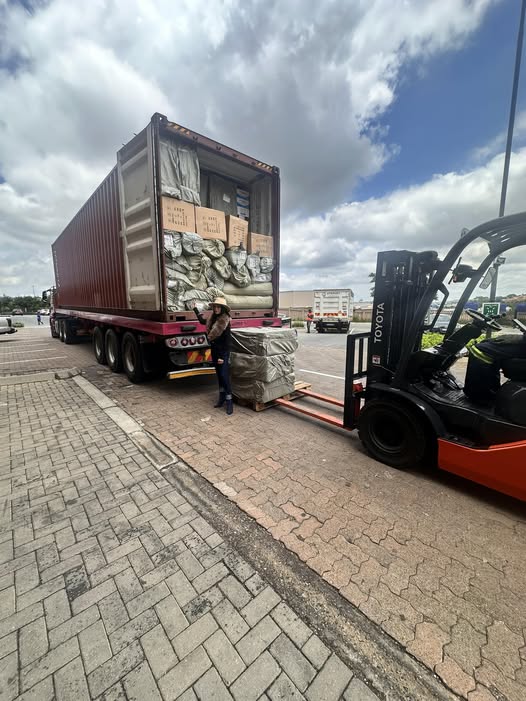
Fabrics Manufacturing Equipment
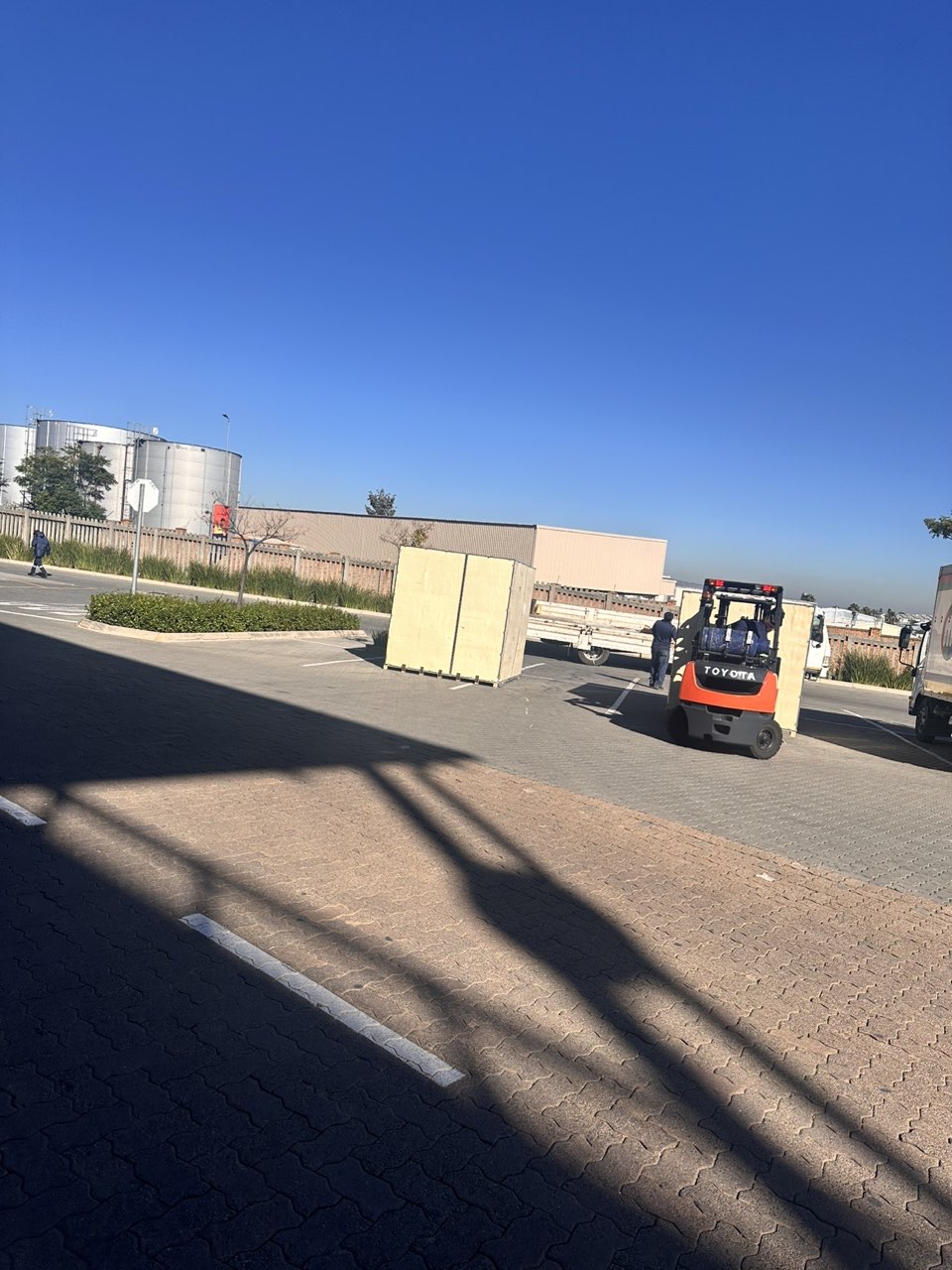
Mining Equipments
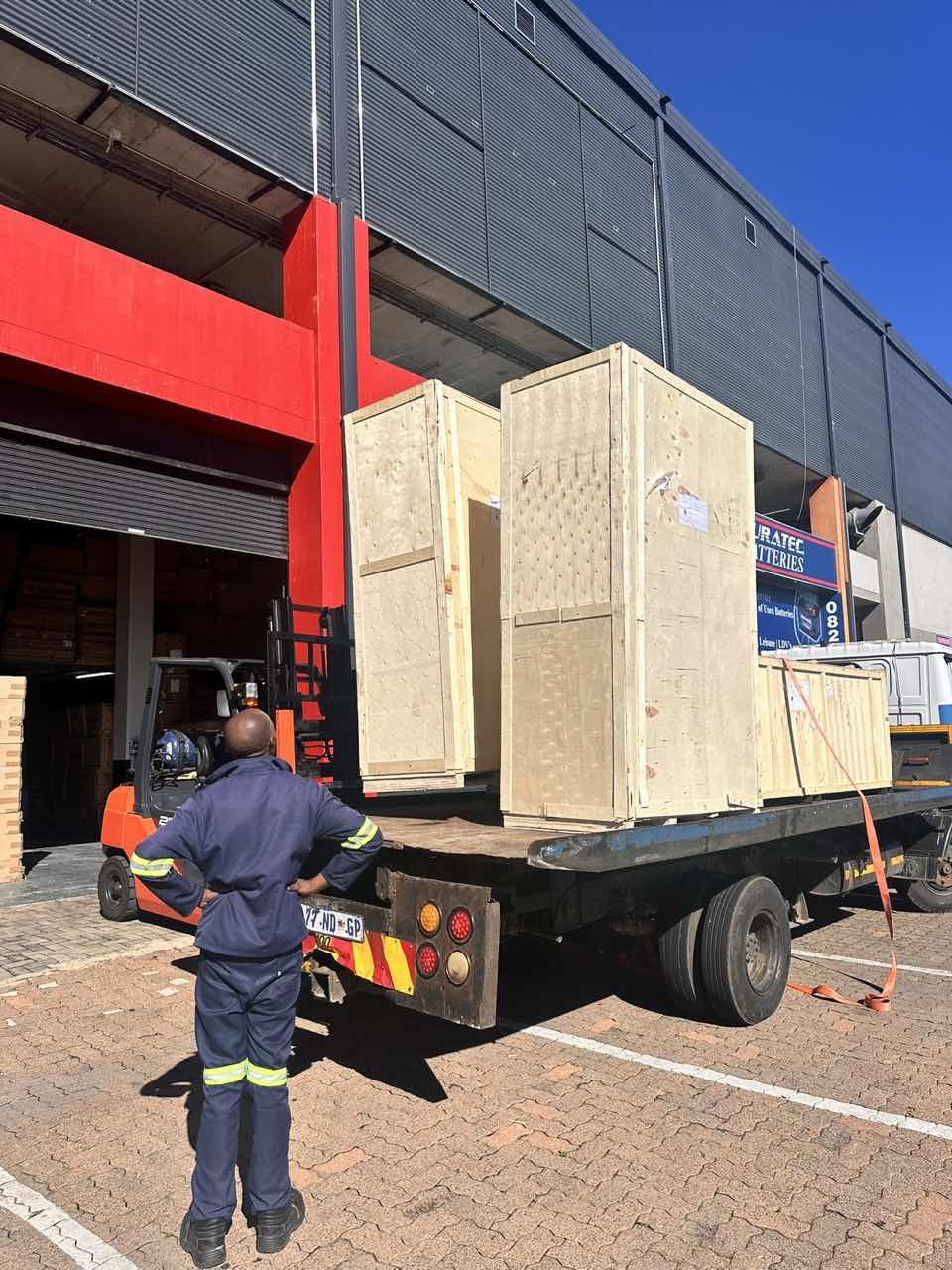
Food Processing Machine
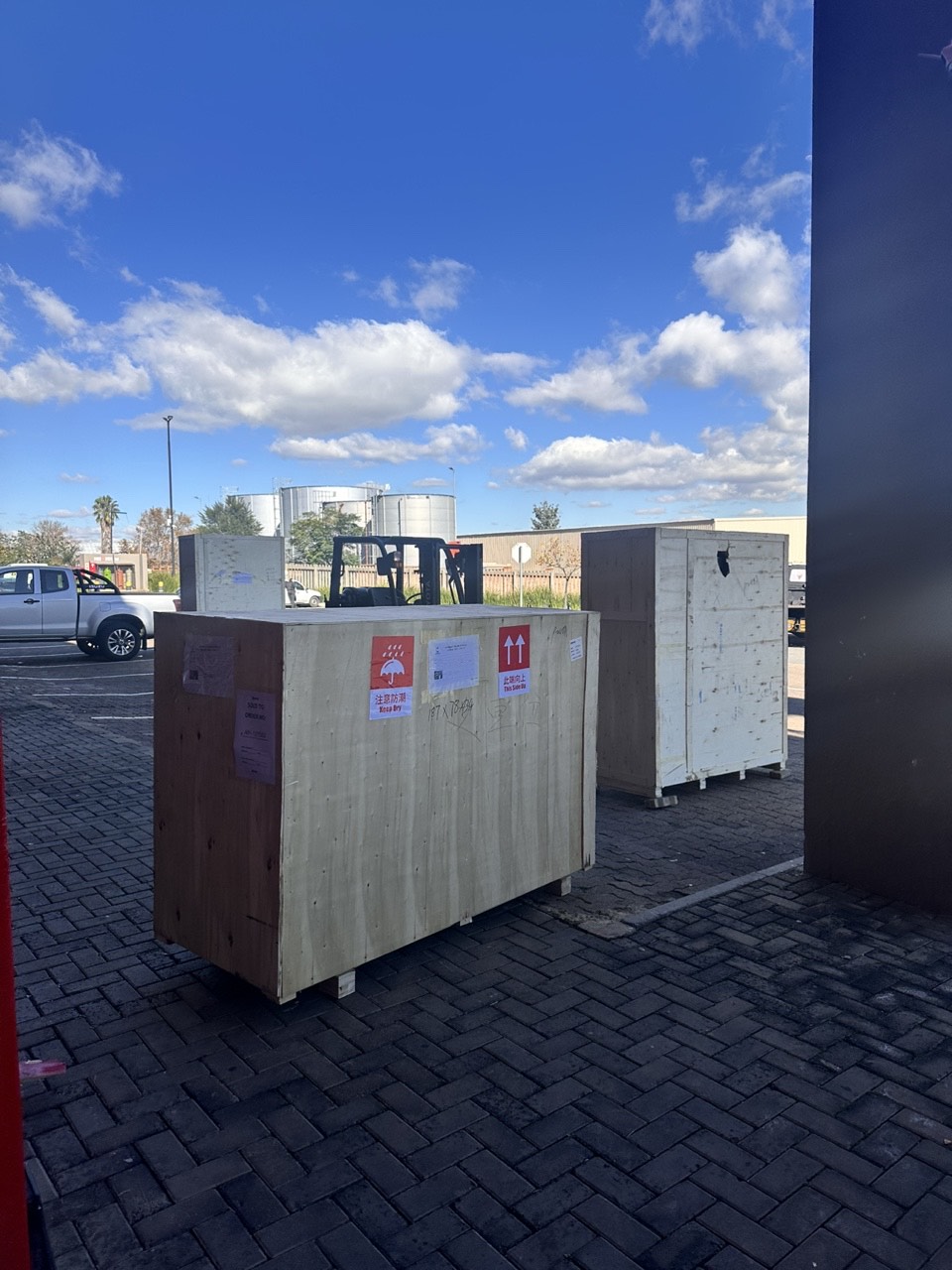
Batch of Orders
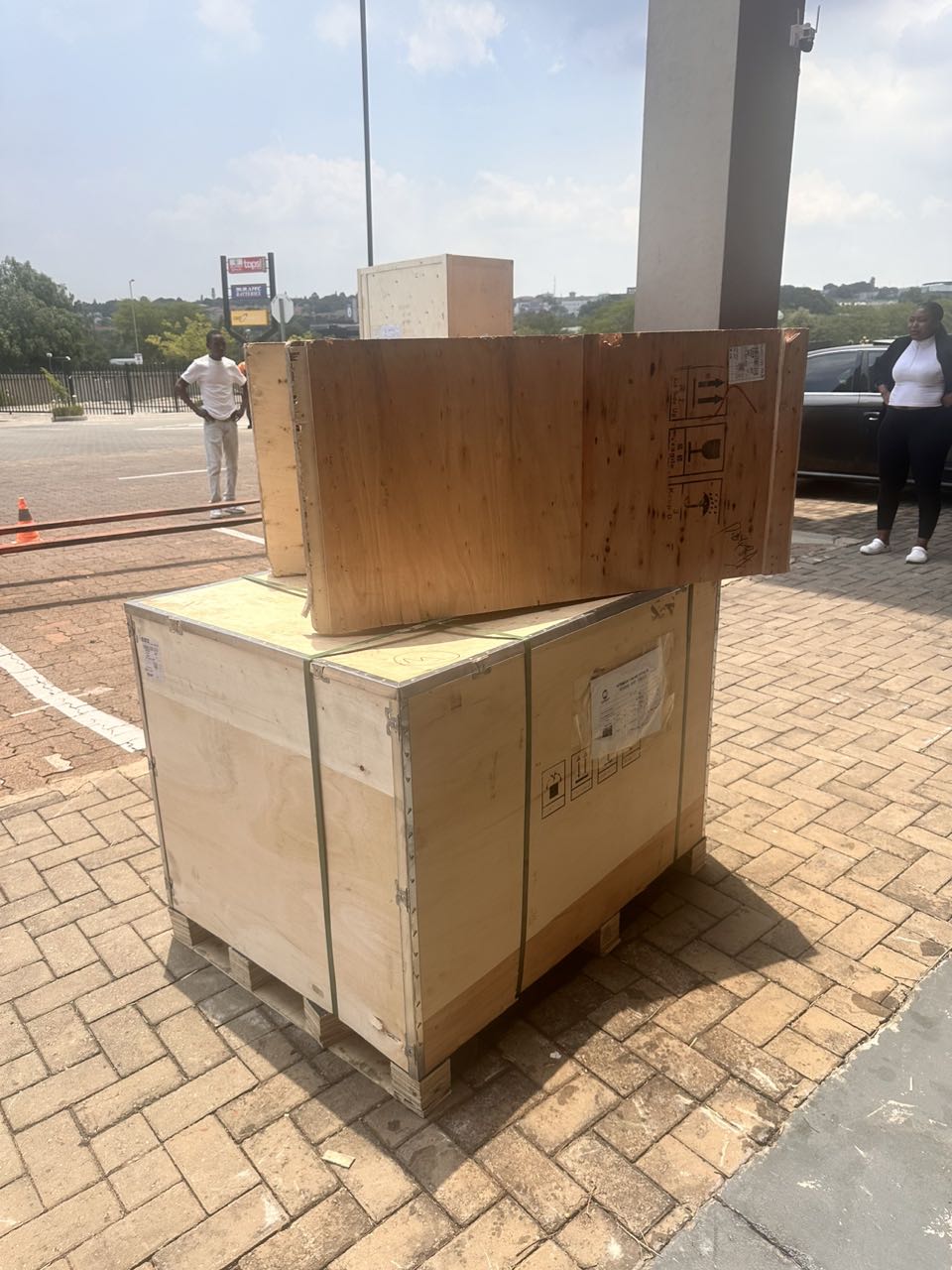
Batch of Orders
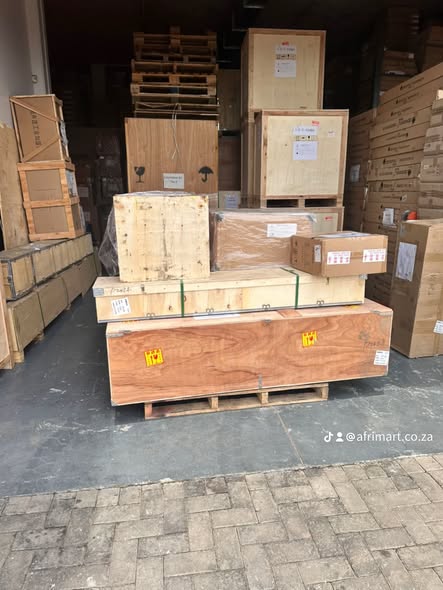
Latest Orders Labelled
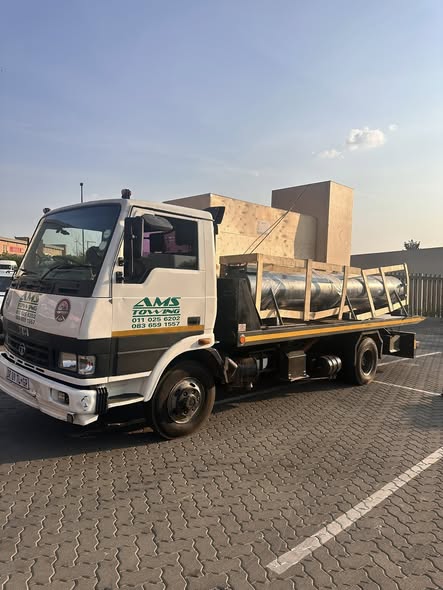
wheel alignment machines
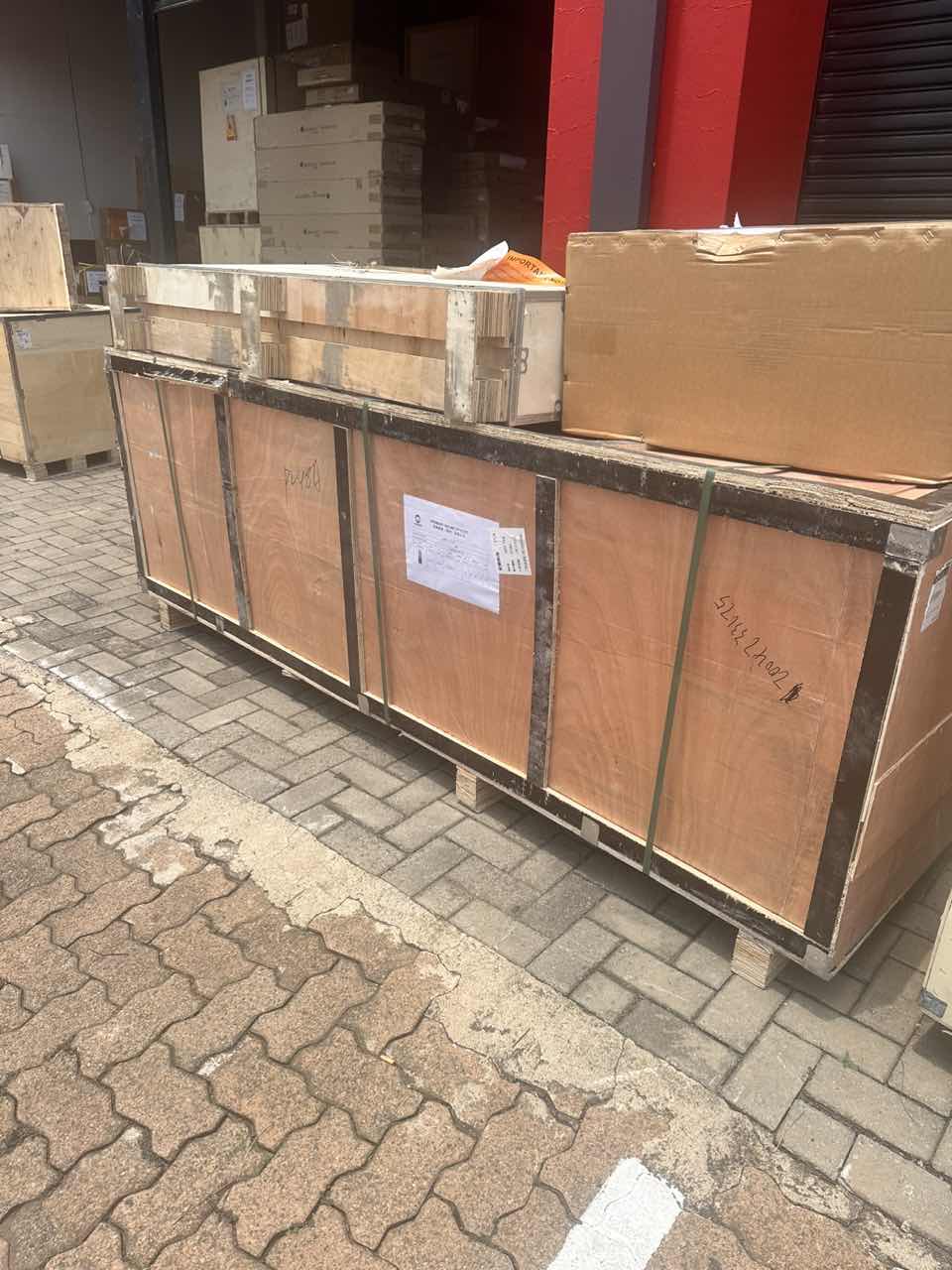
new arrivals
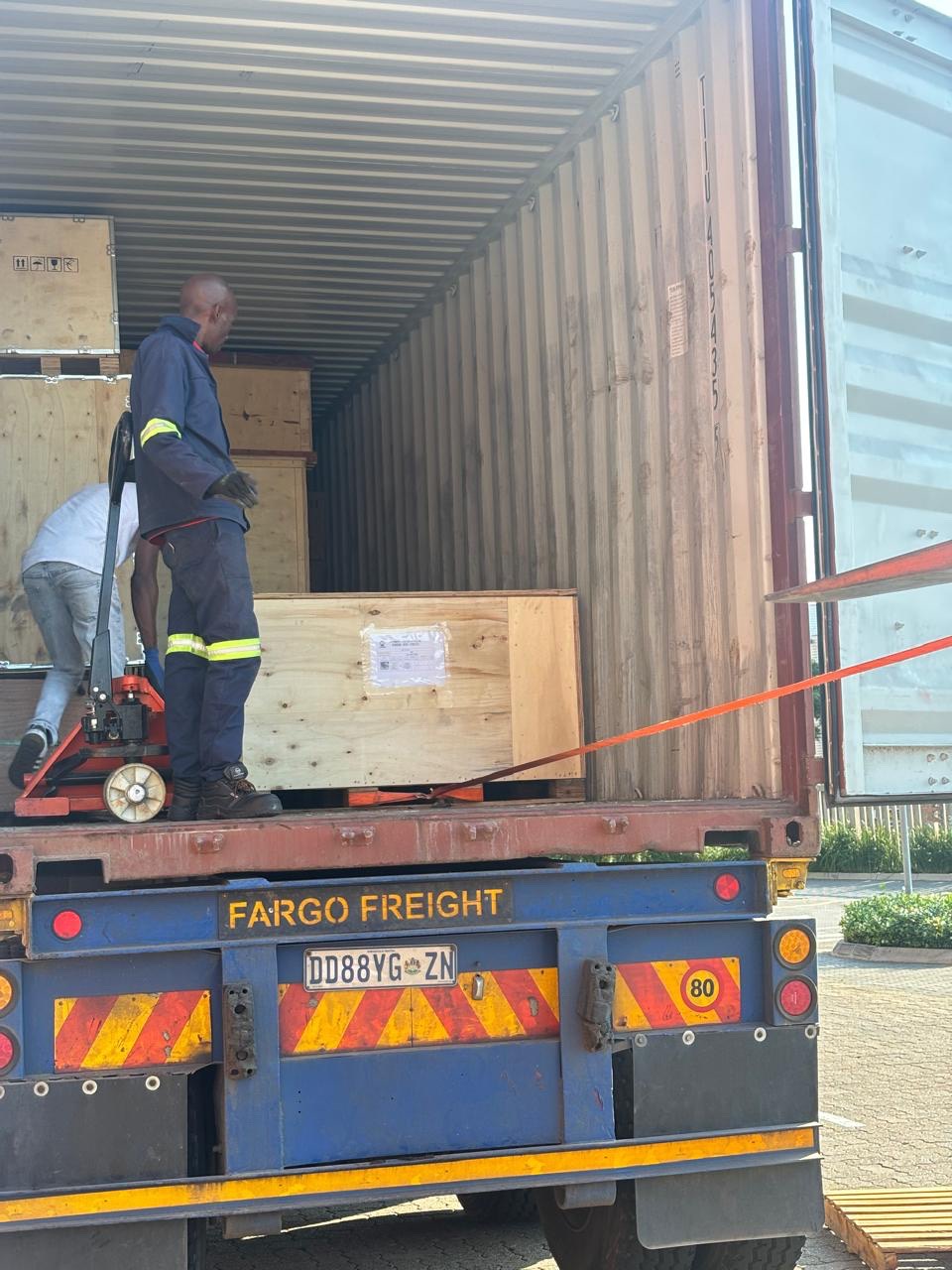
Pre Orders Offloading
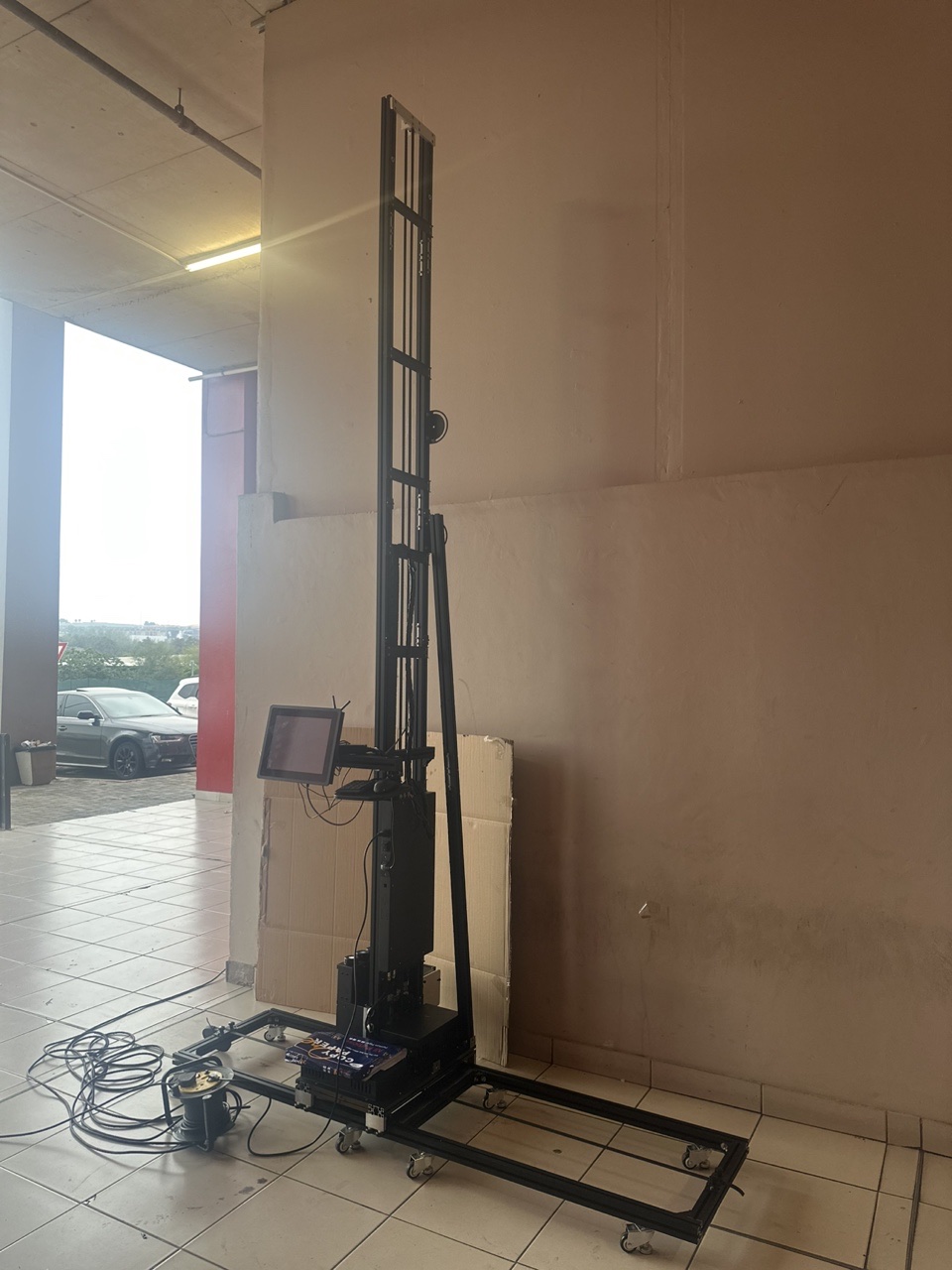
Latest Arrivals
Latest Arrivals
Latest Arrivals
Loading
Toilet paper making machine
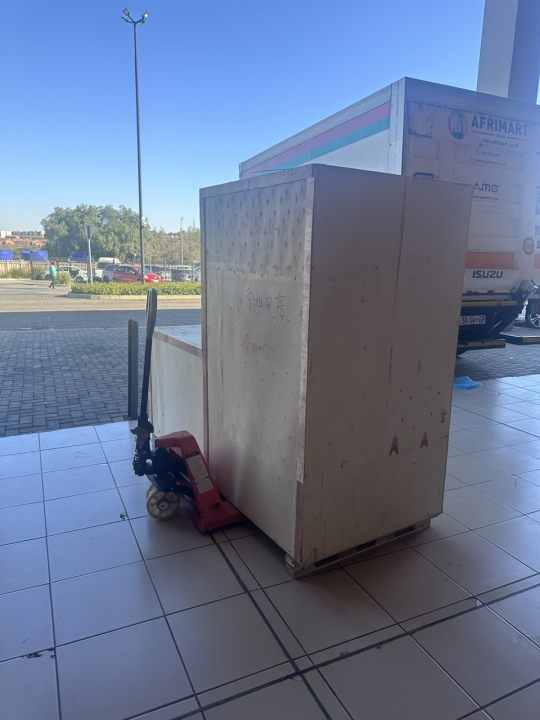
Toilet paper making machine
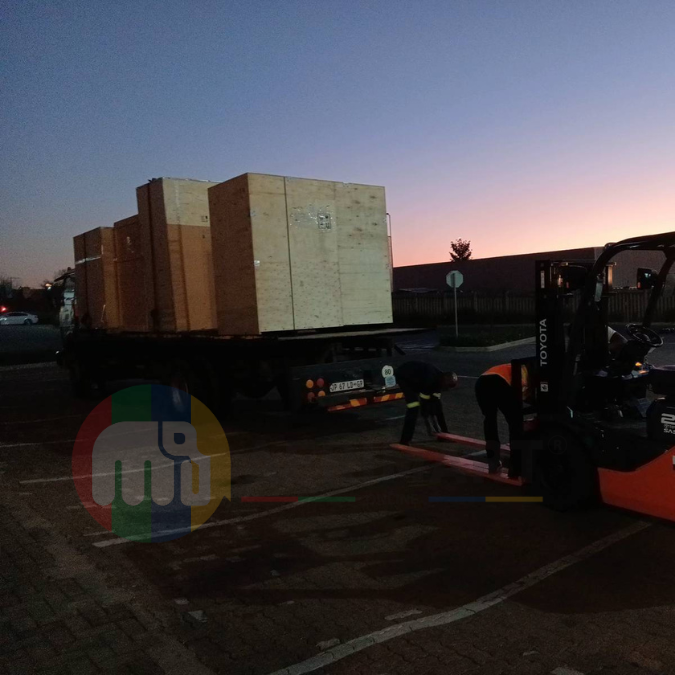
Toilet paper Rewinding Machine
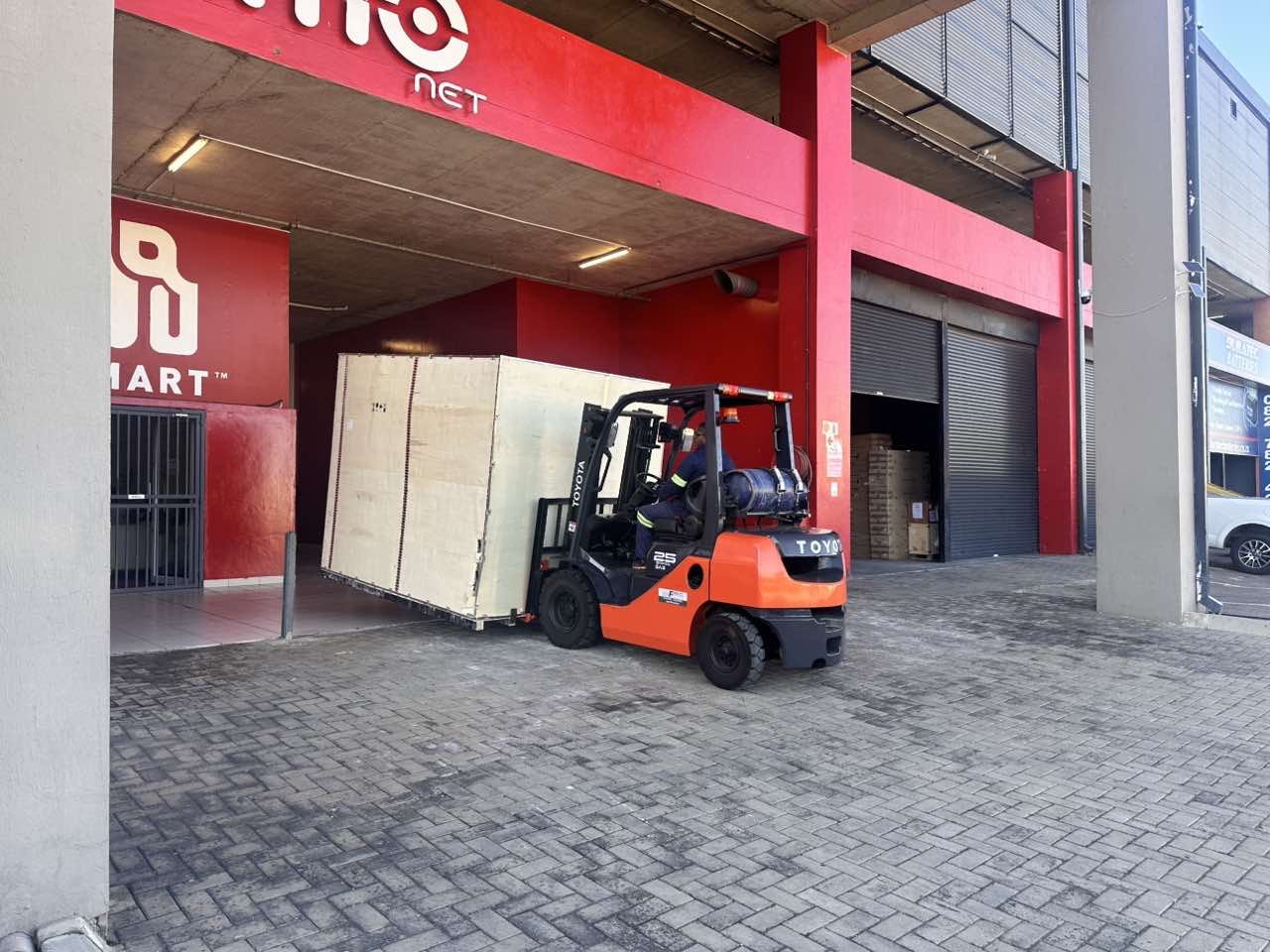
latest arrivals
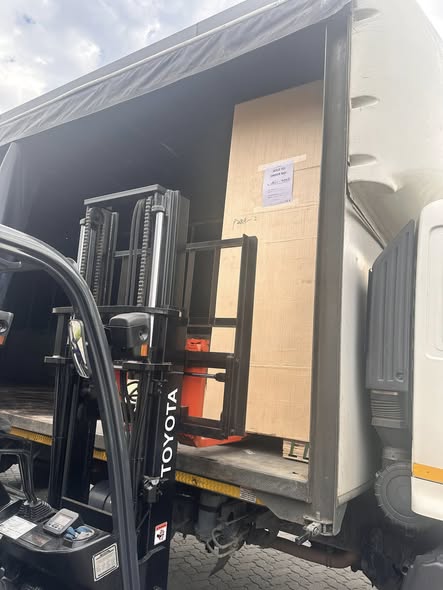
offloading
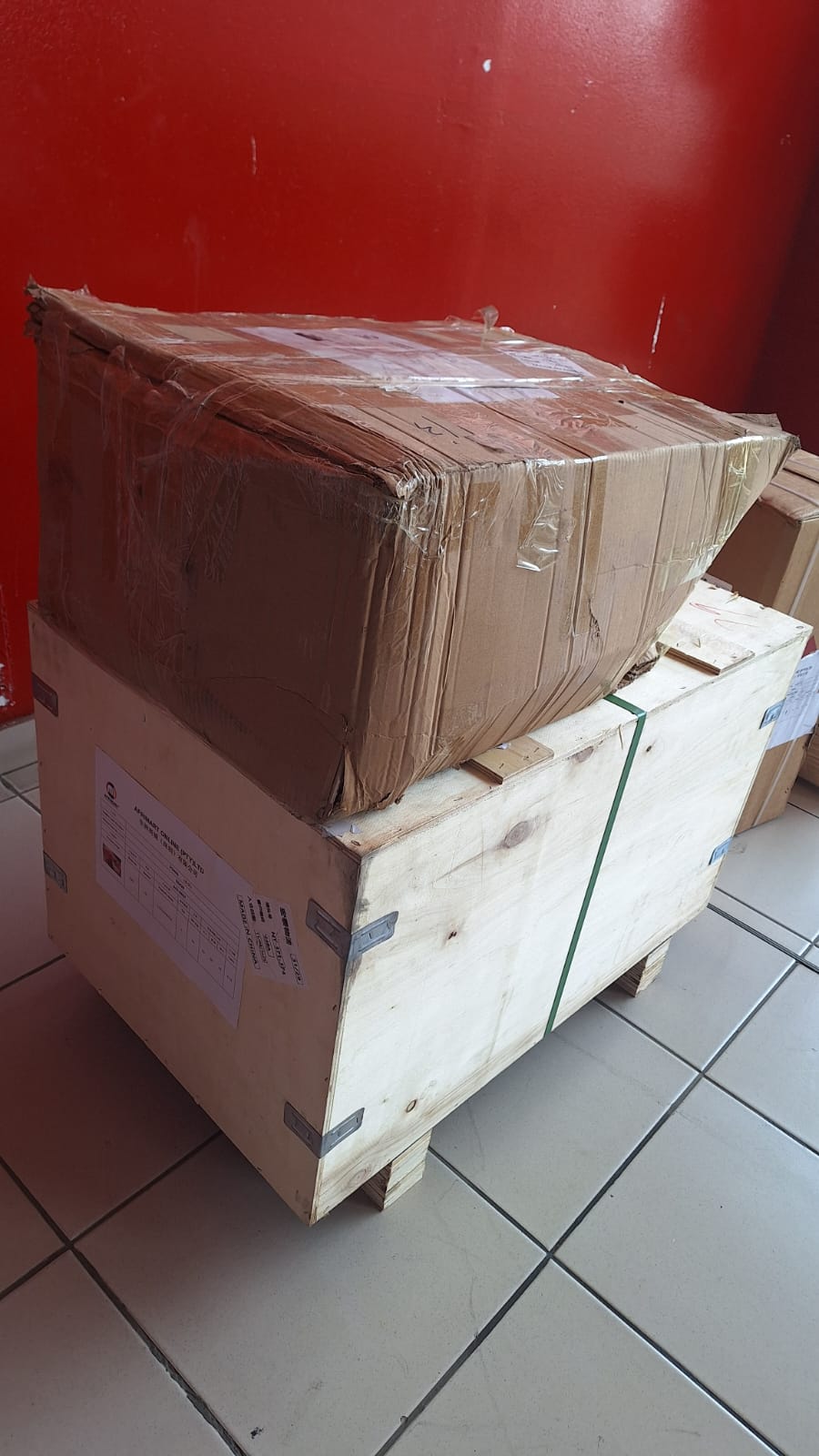
order success
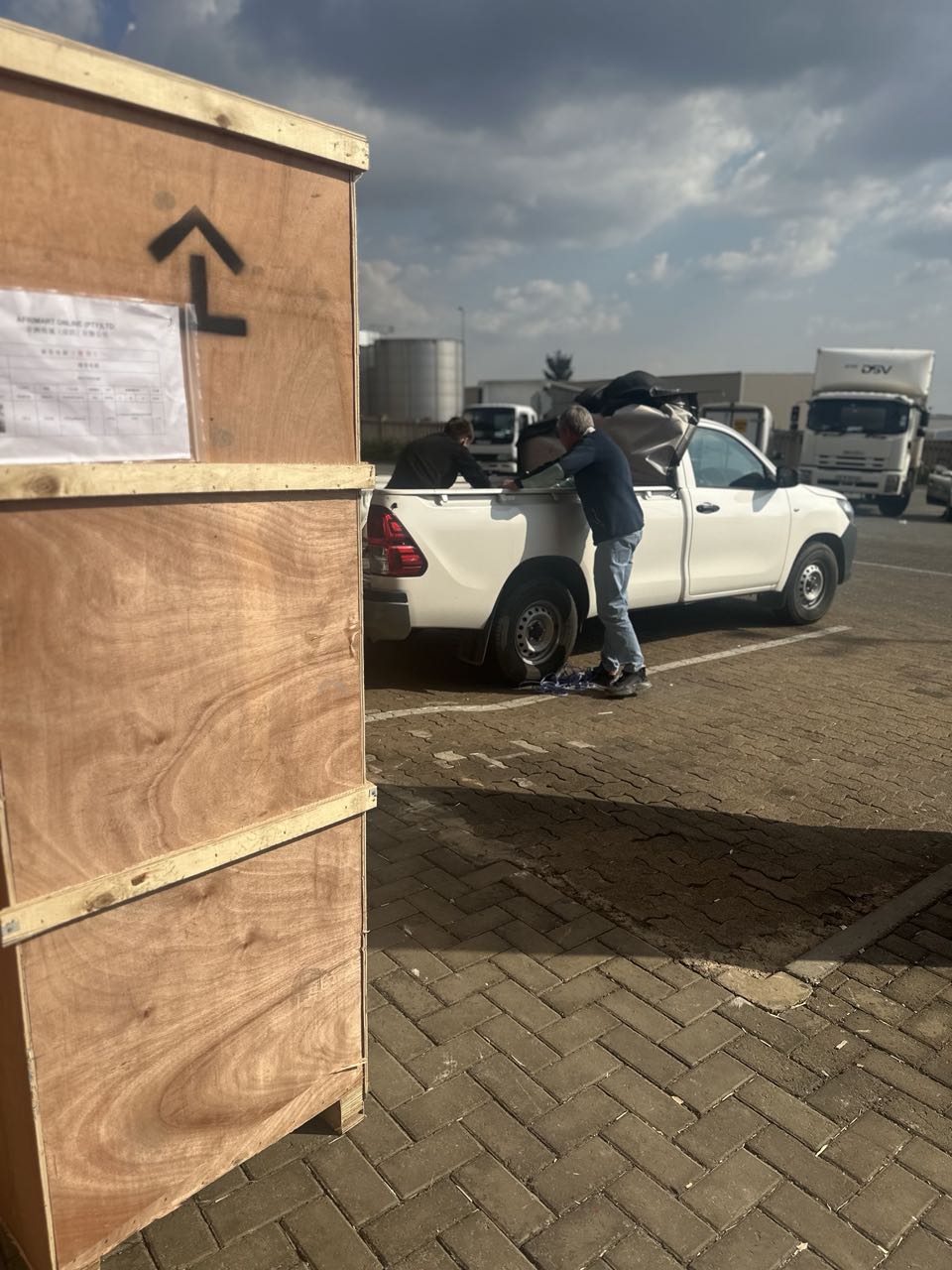
order collection
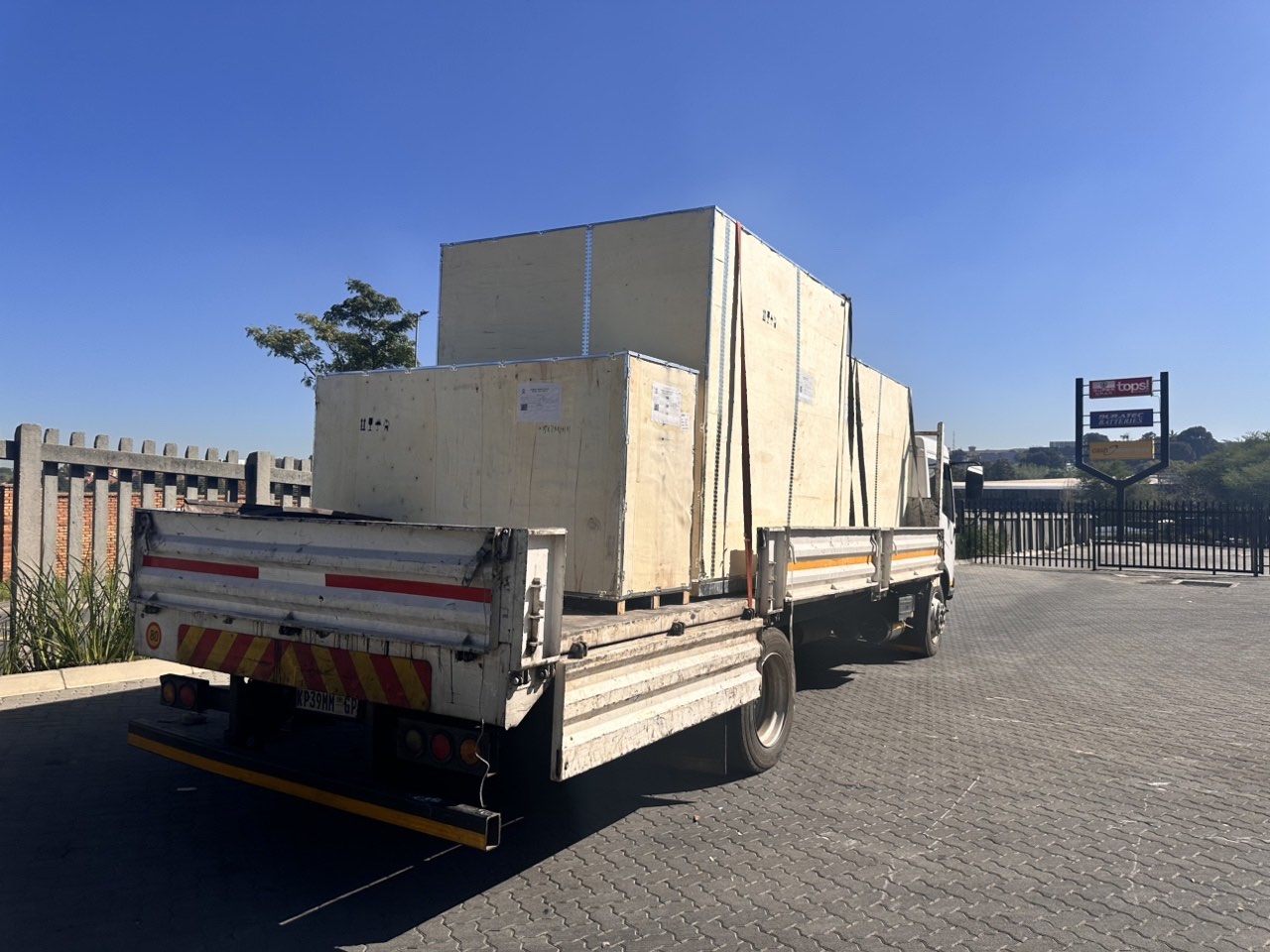
order offloading