B21, China Town Mall, Midrand

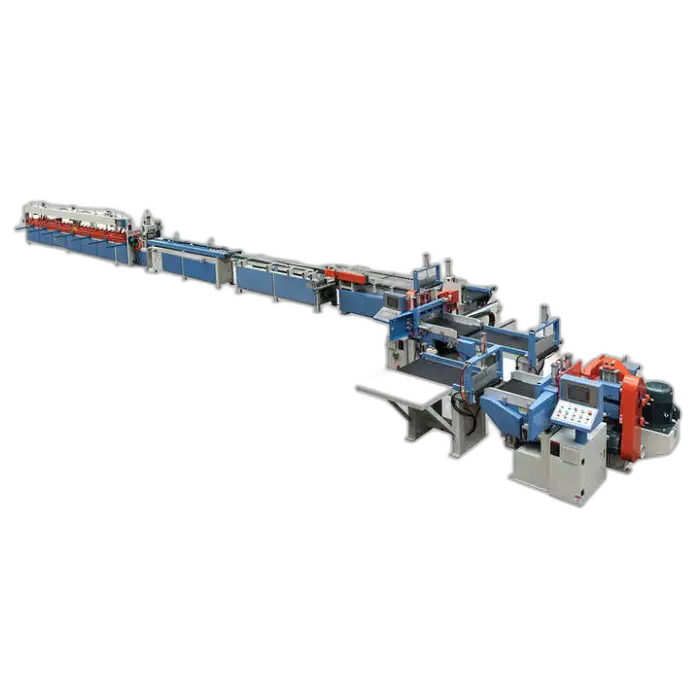
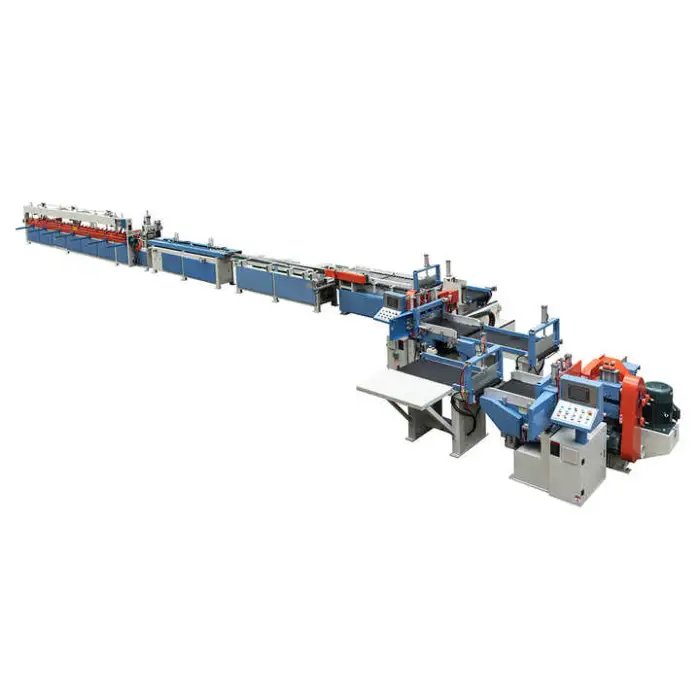
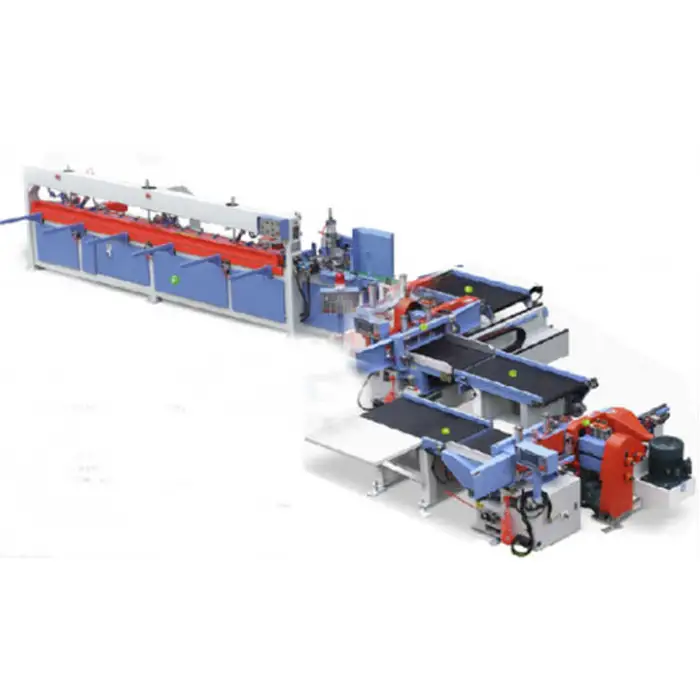
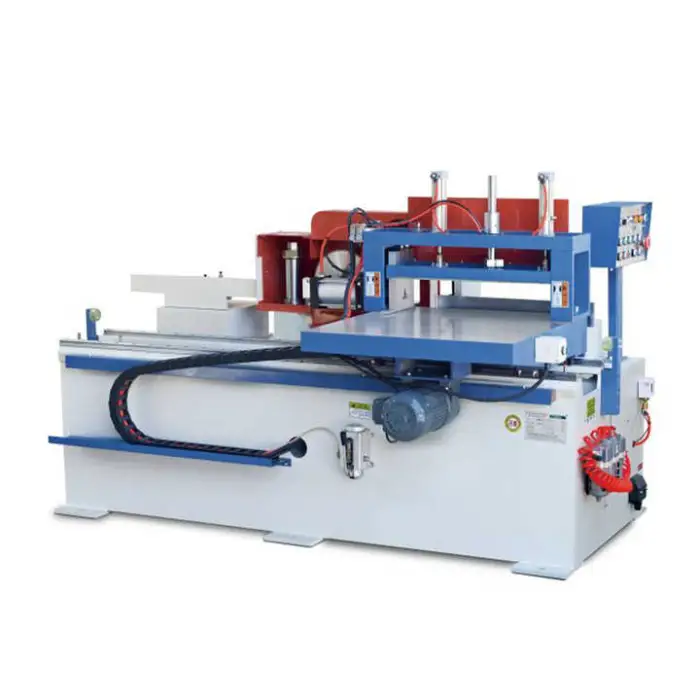
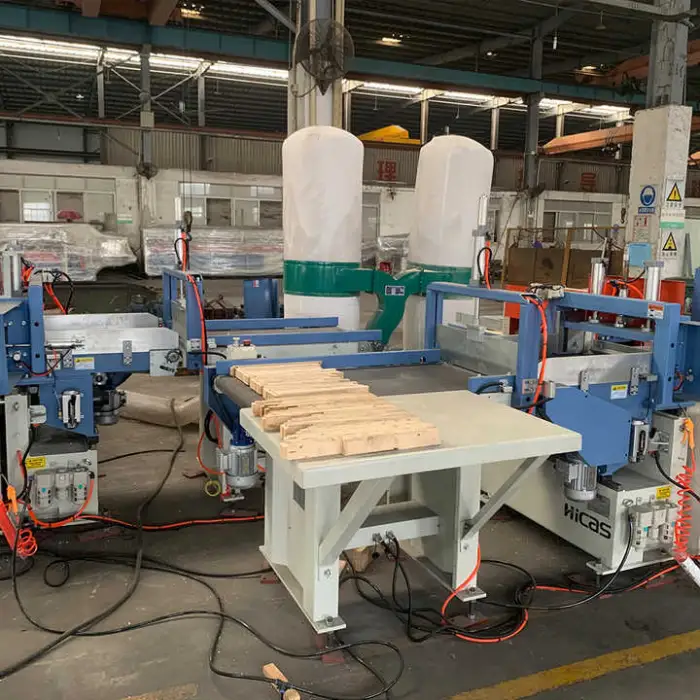
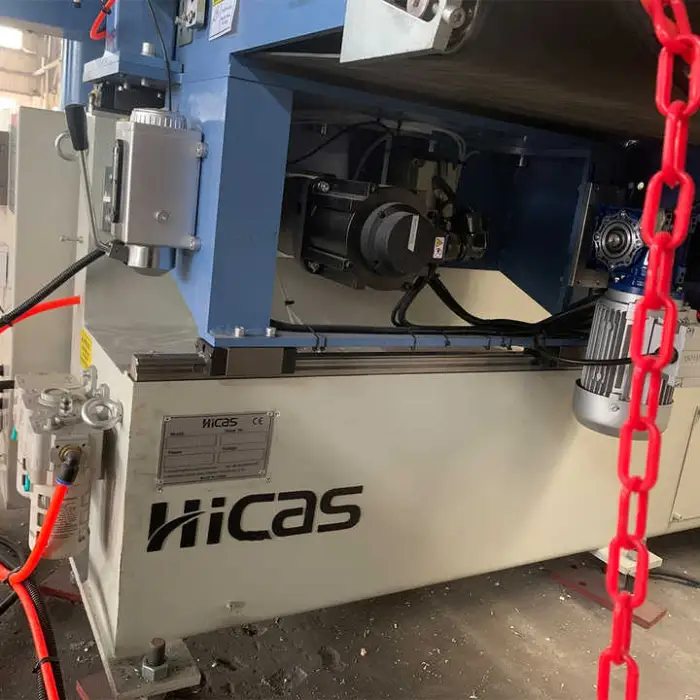
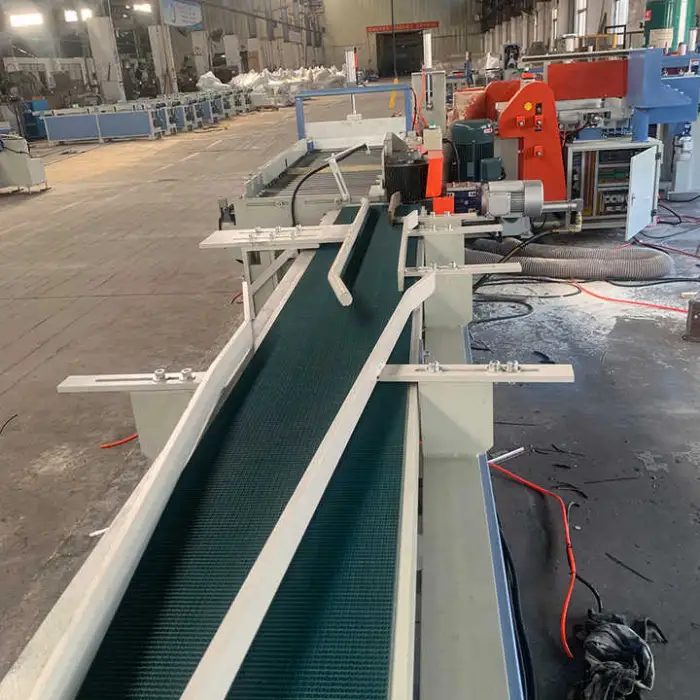
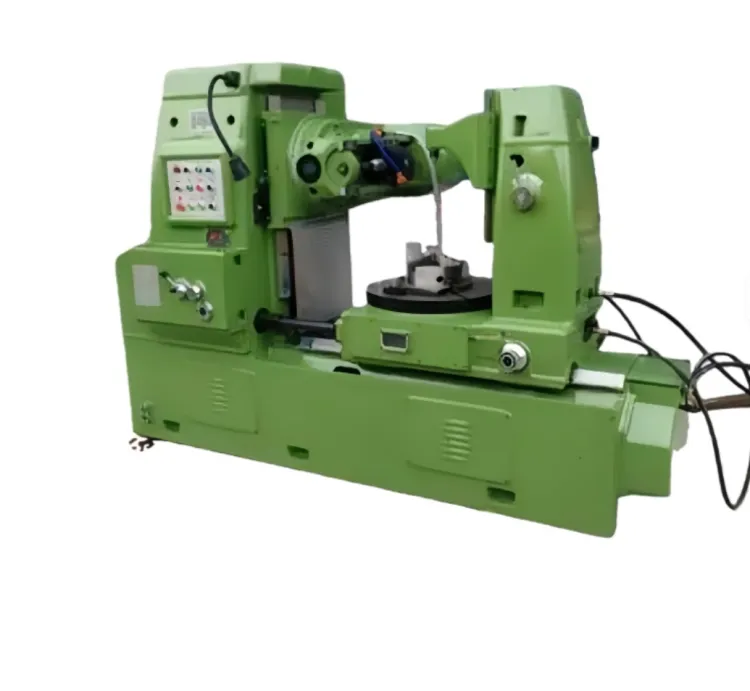
Woodworking Finger Joint Shaper Machine With Automatic Glue
Asset finance available
Do you want funding for this equipment?
Afrimart can connect you with trusted funding partners who specialise in asset finance for businesses like yours. Compare options and apply in minutes — final approval is subject to provider review.
Check funding options
Secure & no obligation
- Section : Machinery
- Category : Woodworking Machinery
- SKU : 1600079073822

Woodworking Finger Joint Shaper Machine With Automatic Glue
The Woodworking Finger Joint Shaper Machine With Automatic Glue is a powerful tool designed for making strong finger joints in solid wood. This machine is perfect for creating joints in furniture and other wooden projects. With its automatic glue feature, it ensures a smooth and efficient workflow, making it ideal for both small shops and large production lines.
Specifications
| Attribute | Details |
|---|---|
| Power Source | Electrical |
| Core Components/Voltage | 3 Phase |
| Weight (kg) | 10000 |
| Power (kw) | 45 |
| Air Pressure | 0.8 Mpa |
| Video Outgoing Inspection | Provided |
| Machinery Test Report | Provided |
| Dimension (L*W*H) | 2700*1730*1550 mm |
| Function | Making Finger Joint Teeth |
| Automatic Glue | Yes |
| Working Table Size | 760 * 850 mm |
| Working Thickness | Max. 150 mm |
| Working Width | Max. 600 mm |
| Working Length | 120-850 mm |
| Application | Solid Wood Furniture Jointing Board |
Key Features
- Stable operation for long working hours.
- Automatic glue application for efficiency.
- High power output of 45 kw for strong performance.
- Large working table for various wood sizes.
- Designed for easy use and maintenance.
Applications
- Jointing solid wood boards for furniture.
- Creating finger joints for cabinets and tables.
- Efficiently producing wooden frames and structures.
- Used in woodworking factories for mass production.
- Ideal for custom woodworking projects.
Product Info Gallery
- Shipping Timeframes: All orders are processed within 2-5 business days (excluding weekends and holidays). After your order has been processed, the estimated delivery time is before 08 Sep, 2026, depending on customs, Please note that due to high demand, some items may experience longer shipping times, which will be communicated at order confirmation email.
- Order Processing Time: Please allow 2-5 business days for us to process your order before it is shipped . Orders placed after 16:00 on Fridays, or during weekends and public holidays, will begin processing on the next business day. Processing times may be extended during peak seasons or sales events.
- Manufacturing Time: Some products needs manufacturing time, the manufacturing process will take approximately 10-30 business days depending on the product. This timeframe may vary depending on the complexity of the product and current demand. but this will be communicated with you during order confirmation.
- Returns and Exchanges: We offer a 30-day return policy for most items. If you are not completely satisfied with your purchase, you may return it within 30 days of receipt for a refund or exchange. Items must be unused, in their original packaging, and accompanied by proof of purchase. Return shipping costs are the responsibility of the customer, unless the item was damaged or defective upon arrival.
1. What is the Woodworking Finger Joint Shaper Machine With Automatic Glue used for?
It is designed to cut interlocking finger-joint profiles on solid wood boards and automatically apply adhesive to produce strong, consistent finger joints for furniture, cabinets, frames and other wooden products—suitable for both job shops and production lines.
2. What are the maximum material dimensions this machine can handle?
Maximum working thickness is 150 mm, maximum working width is 600 mm, and working length ranges from 120 mm to 850 mm. The working table measures 760 × 850 mm.
3. What are the electrical and pneumatic requirements?
The machine requires a three-phase electrical supply with total installed power of 45 kW. The pneumatic system requires an air pressure of 0.8 MPa (approx. 8 bar). Have a qualified electrician and appropriate air compressor available for installation.
4. How heavy is the machine and what are its overall dimensions?
Machine weight is approximately 10,000 kg. Overall dimensions are 2700 mm (L) × 1730 mm (W) × 1550 mm (H). Ensure you have sufficient space and handling equipment for delivery and installation.
5. What types of glue can the automatic glue system use?
The automatic system is compatible with common woodworking adhesives, typically PVA and PUR types. Glue viscosity and feed settings may need adjustment—confirm adhesive compatibility with the supplier and follow glue manufacturer recommendations.
6. Does the machine come with testing documentation or quality checks?
Yes. Video outgoing inspection and a machinery test report are provided to document the machine’s performance and inspection prior to shipment.
7. What safety features are included and what precautions should operators take?
Standard safety features typically include emergency stop buttons, guards around cutter heads, and interlocks. Operators should receive training on safe operation, wear appropriate PPE, and follow local machine-safety regulations. Confirm exact safety features with the supplier.
8. What maintenance is required to keep the machine running reliably?
Routine tasks include daily cleaning of cutters and glue system, regular lubrication of moving parts, periodic inspection and replacement of cutters/cutter blades, checking glue pump and hoses, and following the supplier's maintenance schedule. Keep spare cutters and glue-line consumables on hand.
9. How easy is tooling changeover or profile adjustment?
The machine is designed for relatively straightforward tooling changes, but the exact process depends on the cutter head and profile. Typical steps include stopping the machine, locking out power, swapping cutter profiles or knives, and re-setting alignment. Supplier can provide tooling options and setup instructions.
10. What is the expected production capacity or throughput?
Throughput depends on board size, joint length, cut settings and operator workflow. Production rates vary widely—contact the manufacturer with your typical board sizes and cycle-time requirements for sample throughput estimates and production testing.
11. What installation and site preparation is required?
Site preparation should include a level, reinforced concrete floor capable of supporting the machine’s weight, access for heavy lifting equipment (crane or forklift) for positioning, adequate three-phase power supply, compressed air (0.8 MPa), dust extraction and space for operator access and material handling. Exact requirements will be provided by the supplier.
12. Are spare parts and consumables available?
Yes—cutters, blades, glue pumps, seals and other consumables are typically available. It’s recommended to order a set of common spare parts at installation to minimize downtime. Contact the supplier for recommended spare parts lists and lead times.
13. Is training provided for operators?
Most suppliers offer operator and maintenance training as part of the purchase or as an optional service. Confirm training scope (operation, routine maintenance, safety) with your supplier and schedule it at installation if available.
14. What warranty and after-sales support are offered?
Warranty terms and after-sales support vary by supplier. Typical offerings include a limited warranty covering manufacturing defects and access to technical support and spare parts. Always confirm warranty length, coverage, and service options with the seller before purchase.
15. Can the machine be customized for special profiles or higher automation?
Many manufacturers provide customization options (different cutter heads, glue systems, automation add-ons, conveyors or infeed/outfeed integrations). Discuss your specific profile, production requirements and automation needs with the supplier to review possible customizations and pricing.
Latest Order Arrivals
Discover our latest orders
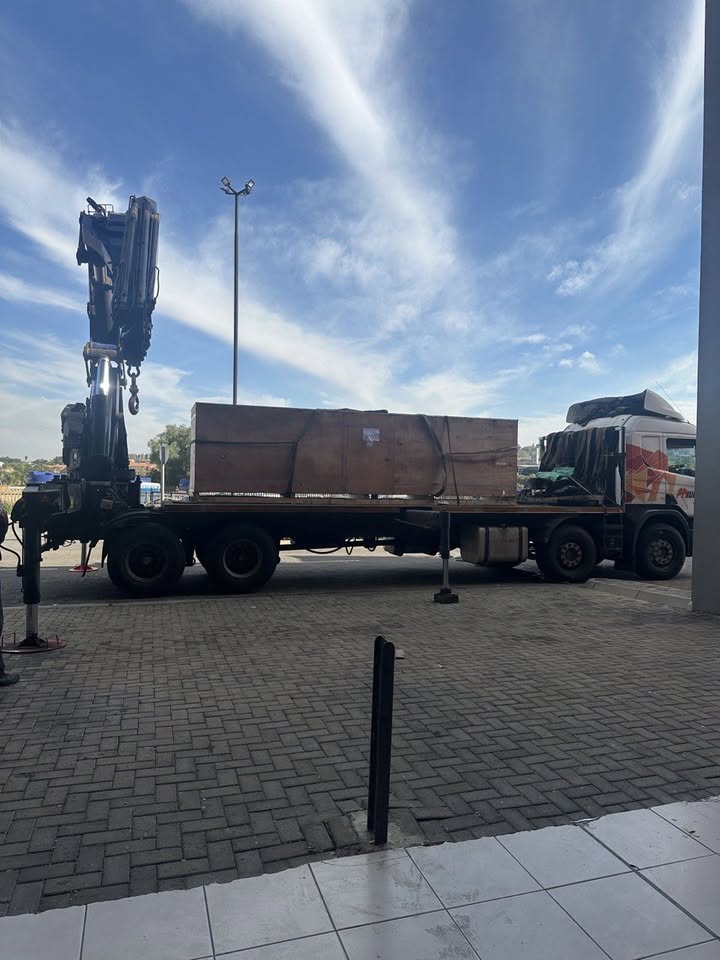
12 Heads Embroidery Machine
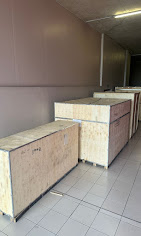
Toilet Paper Machine Machine
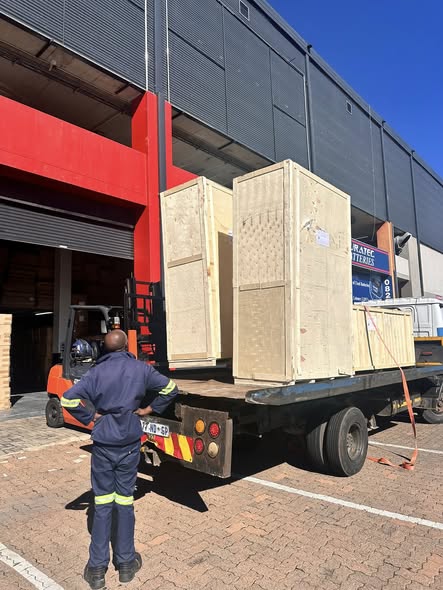
Order Collection
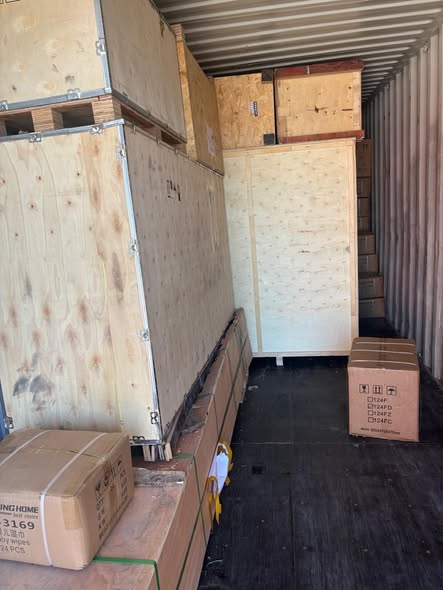
Cross Border Clients
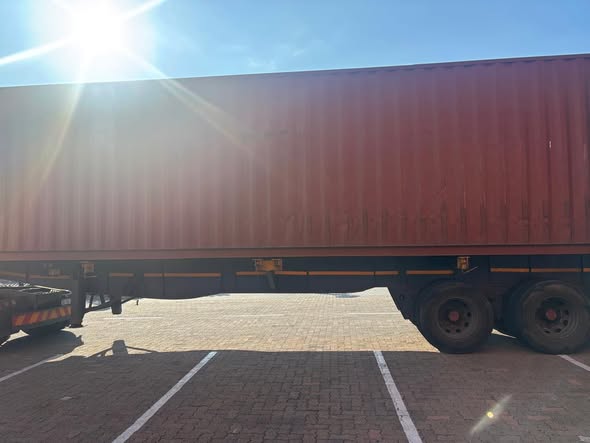
Order cros border countries Collected
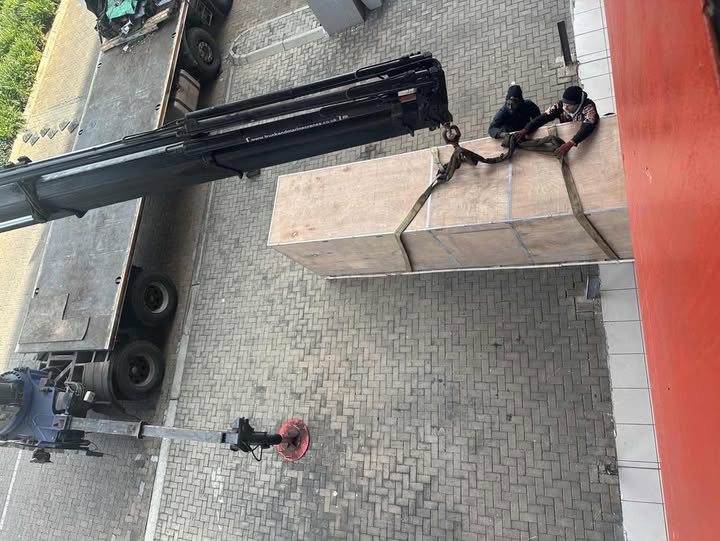
Industrial Machine Cllection
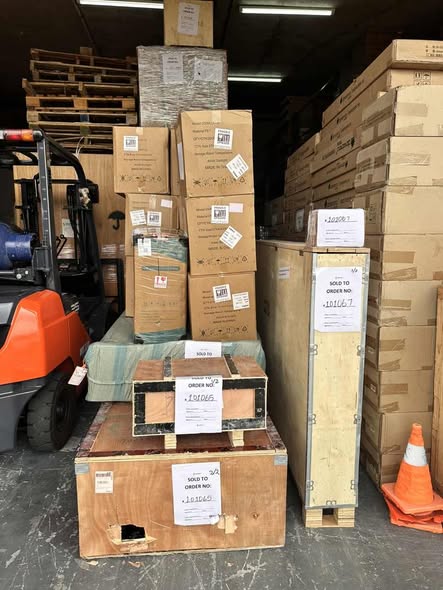
Agriculture Processing Machines
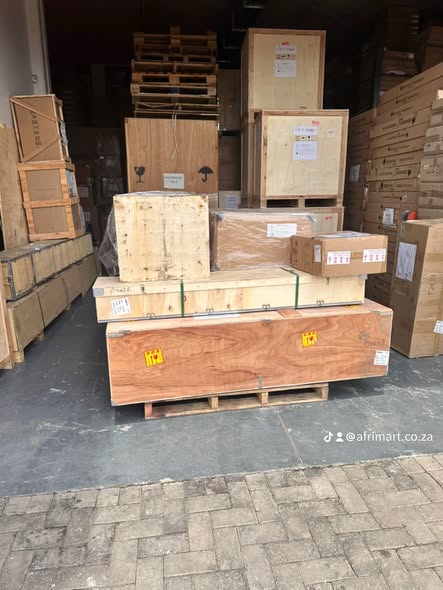
Ready for collection
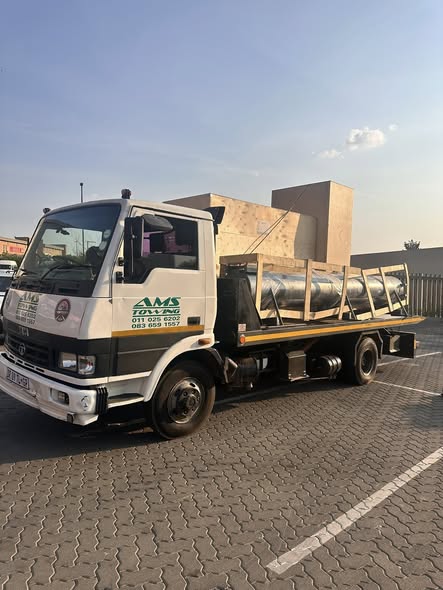
Water Pump Equipment
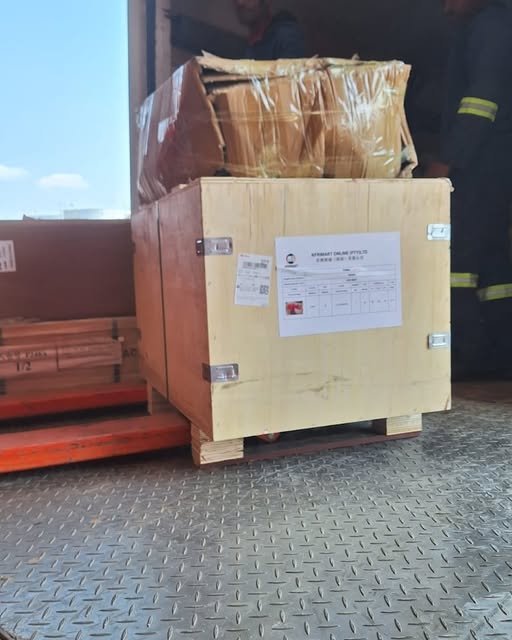
Packaging Machine and accessories
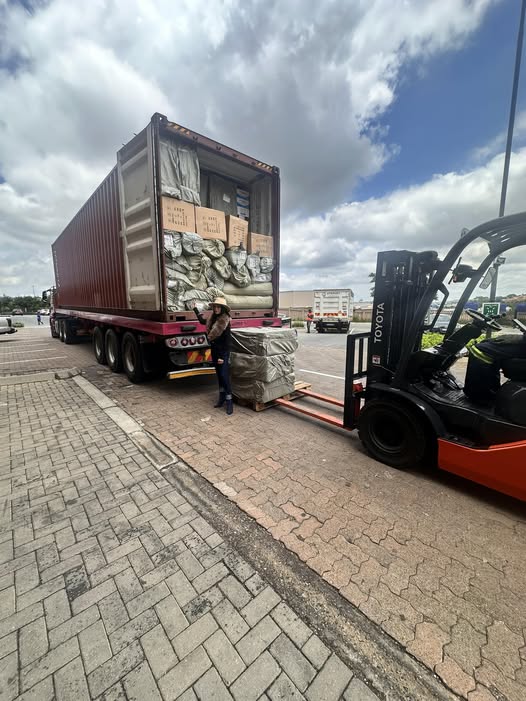
Fabrics Manufacturing Equipment
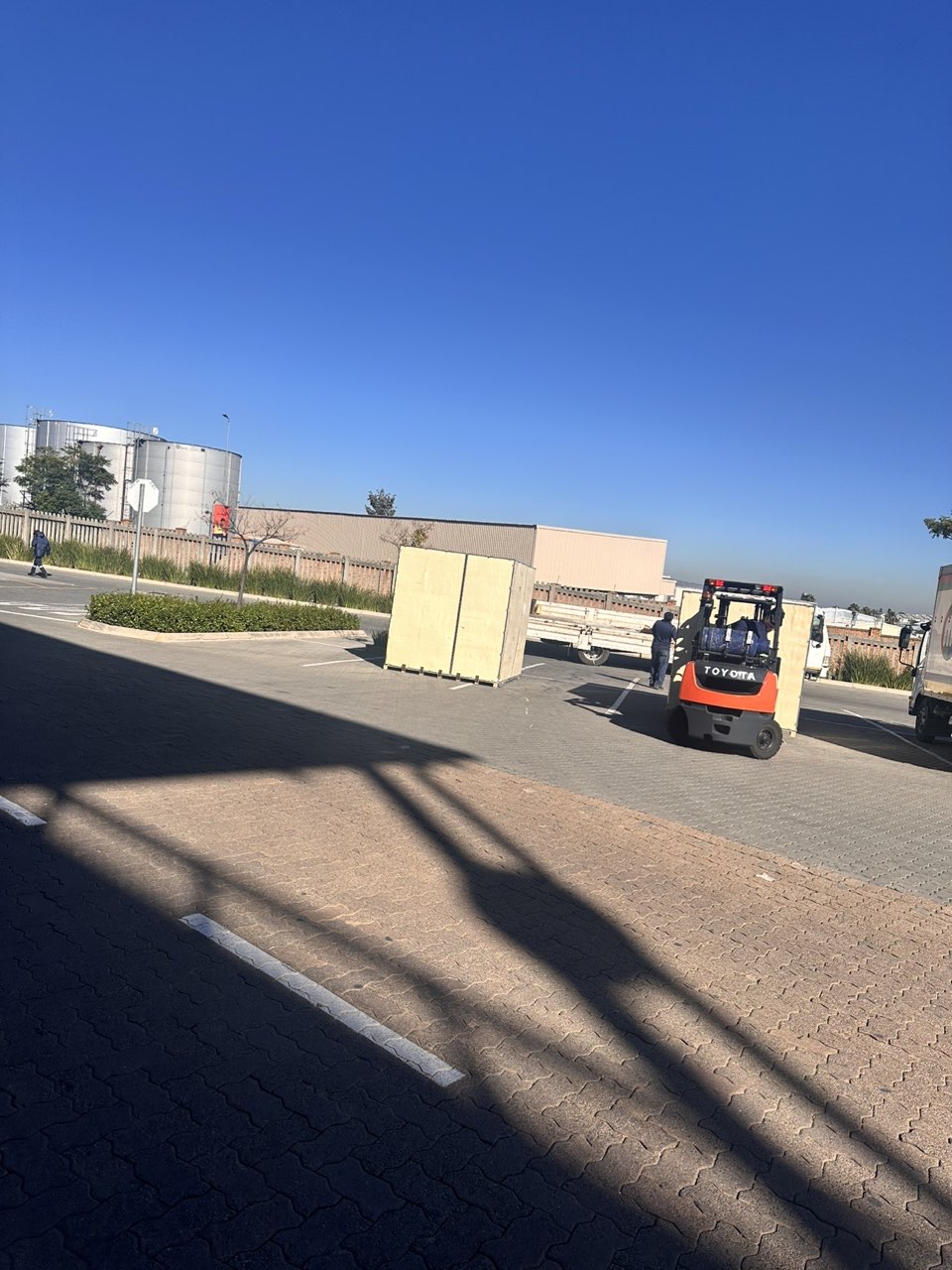
Mining Equipments
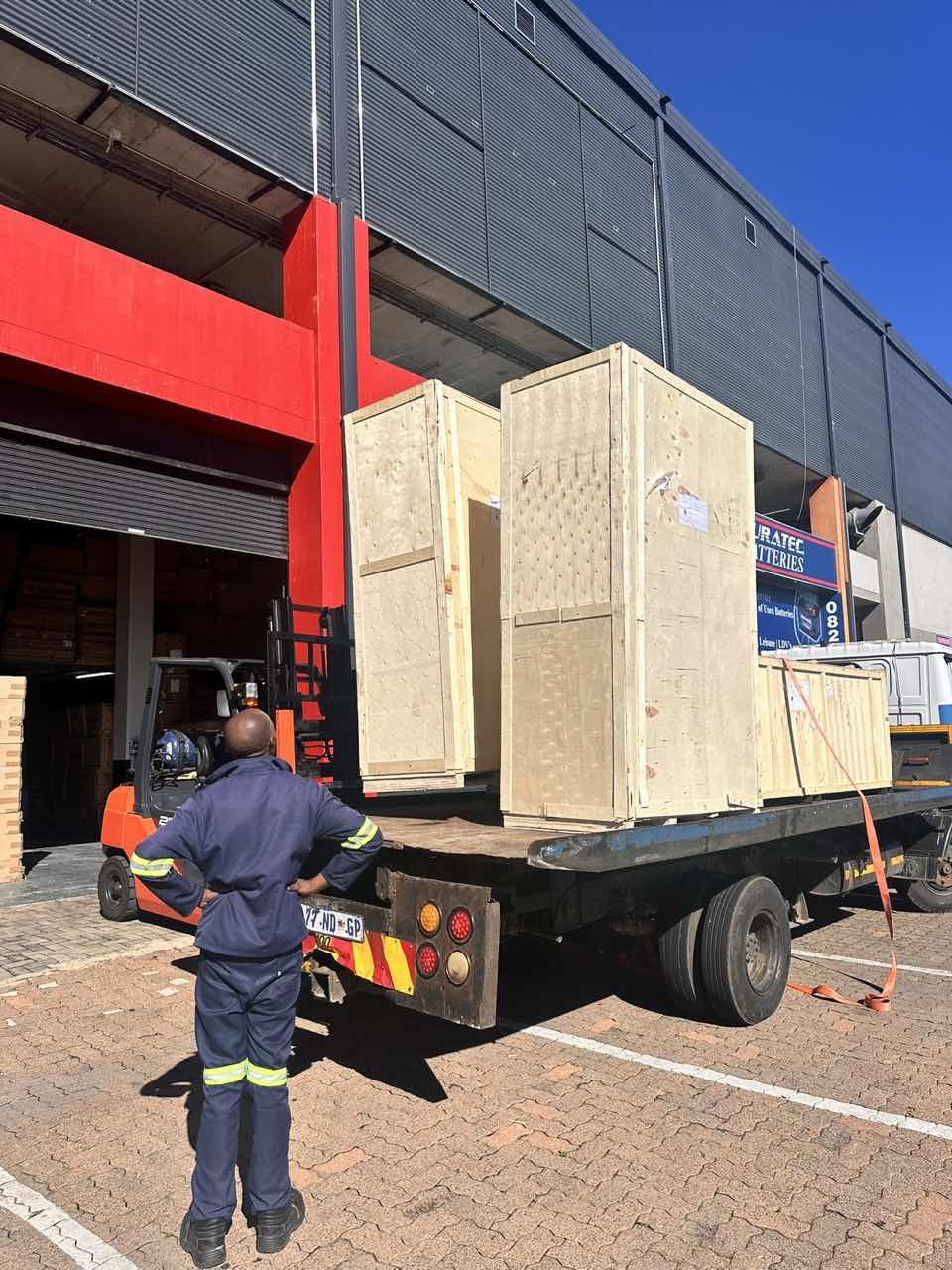
Food Processing Machine
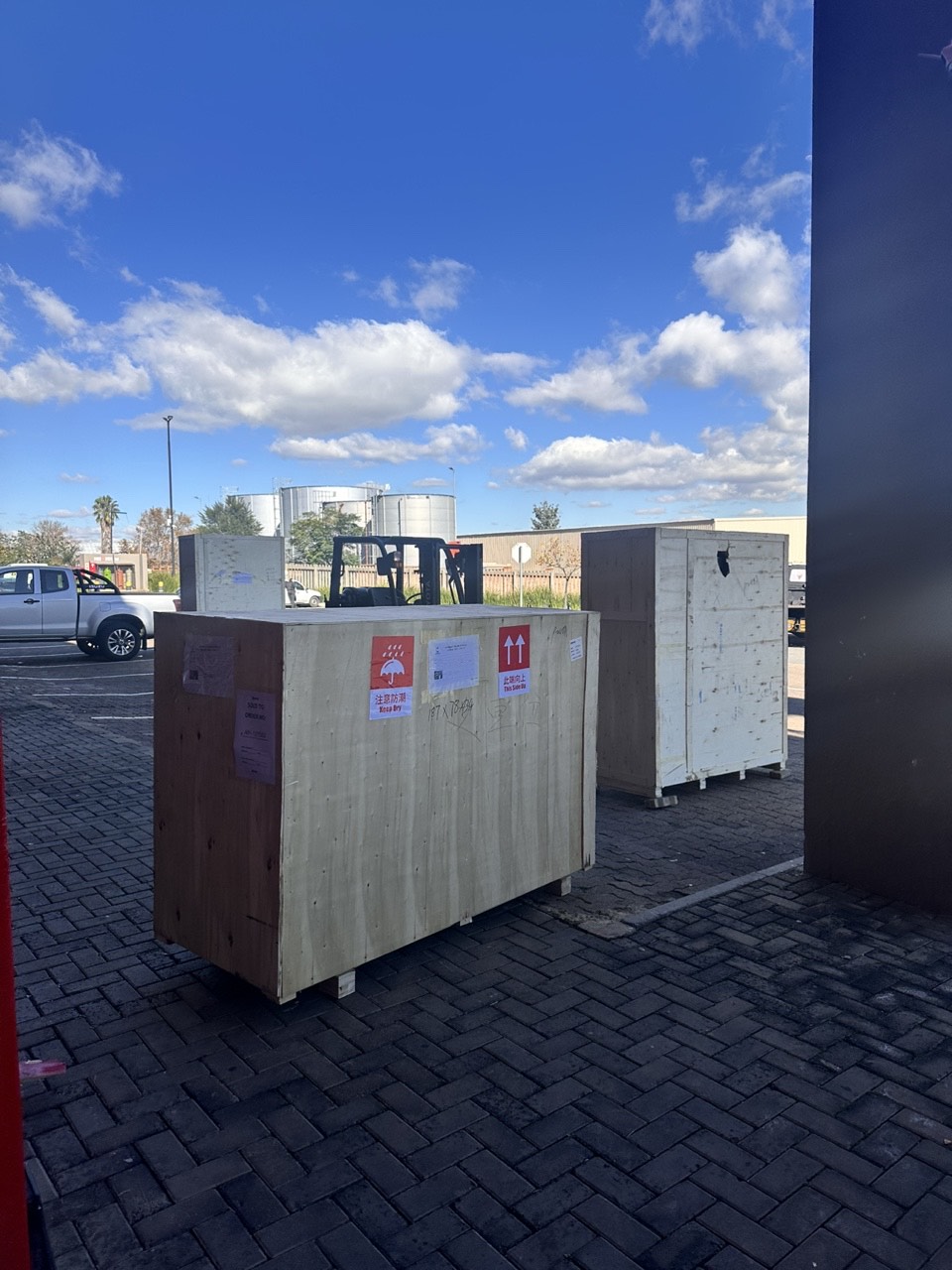
Batch of Orders
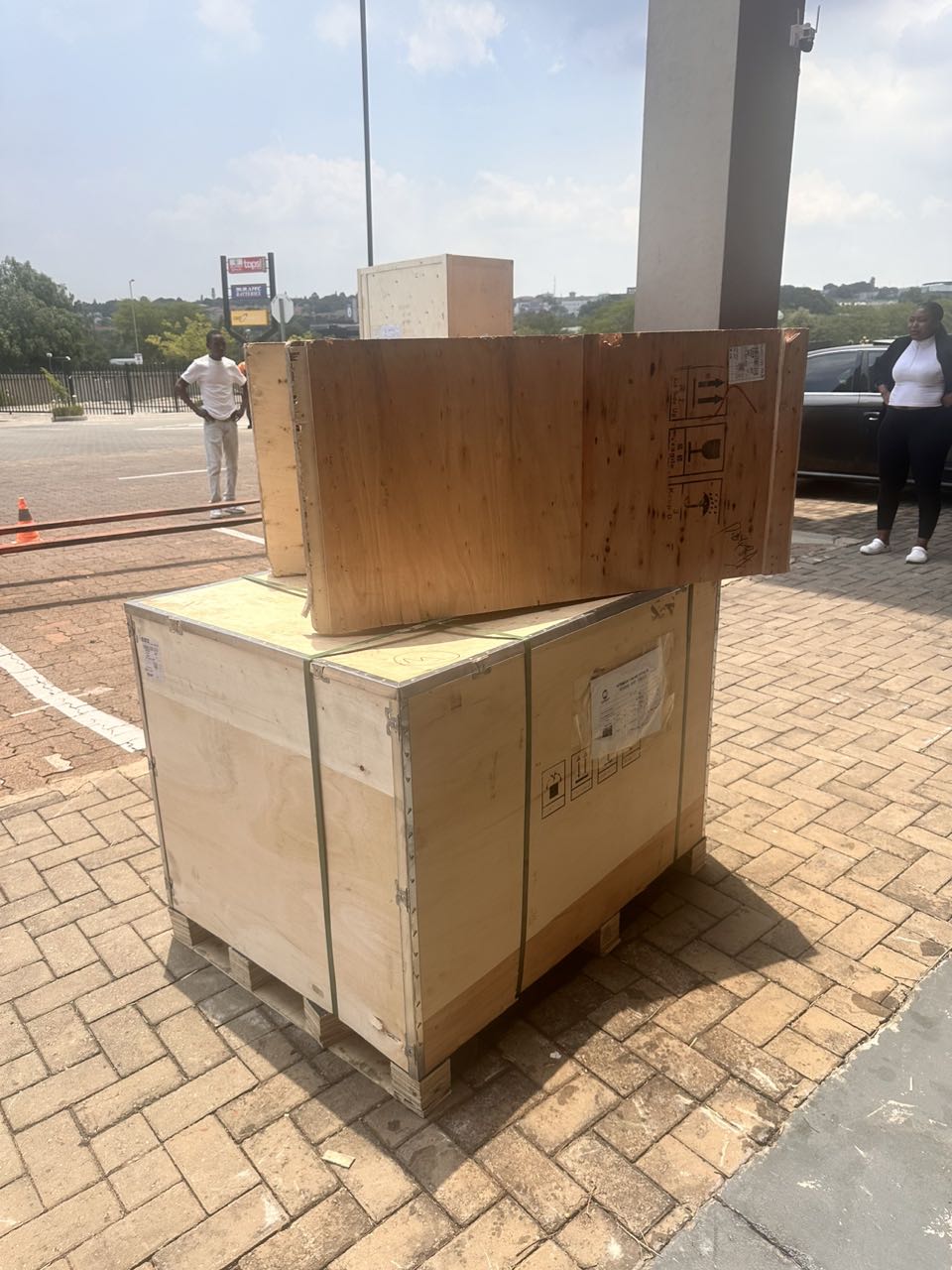
Batch of Orders
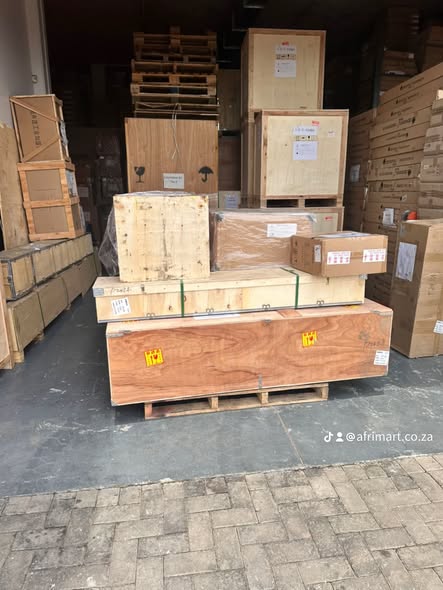
Latest Orders Labelled
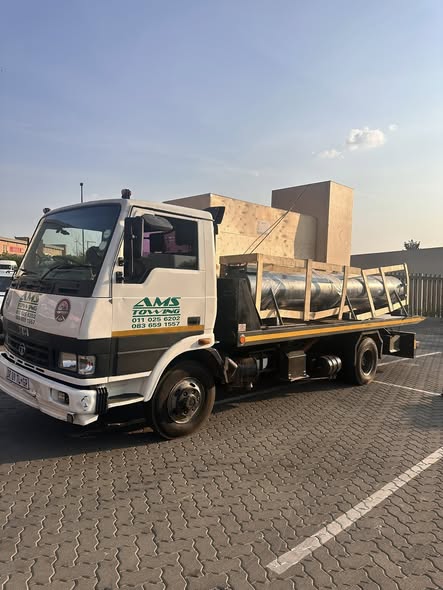
wheel alignment machines
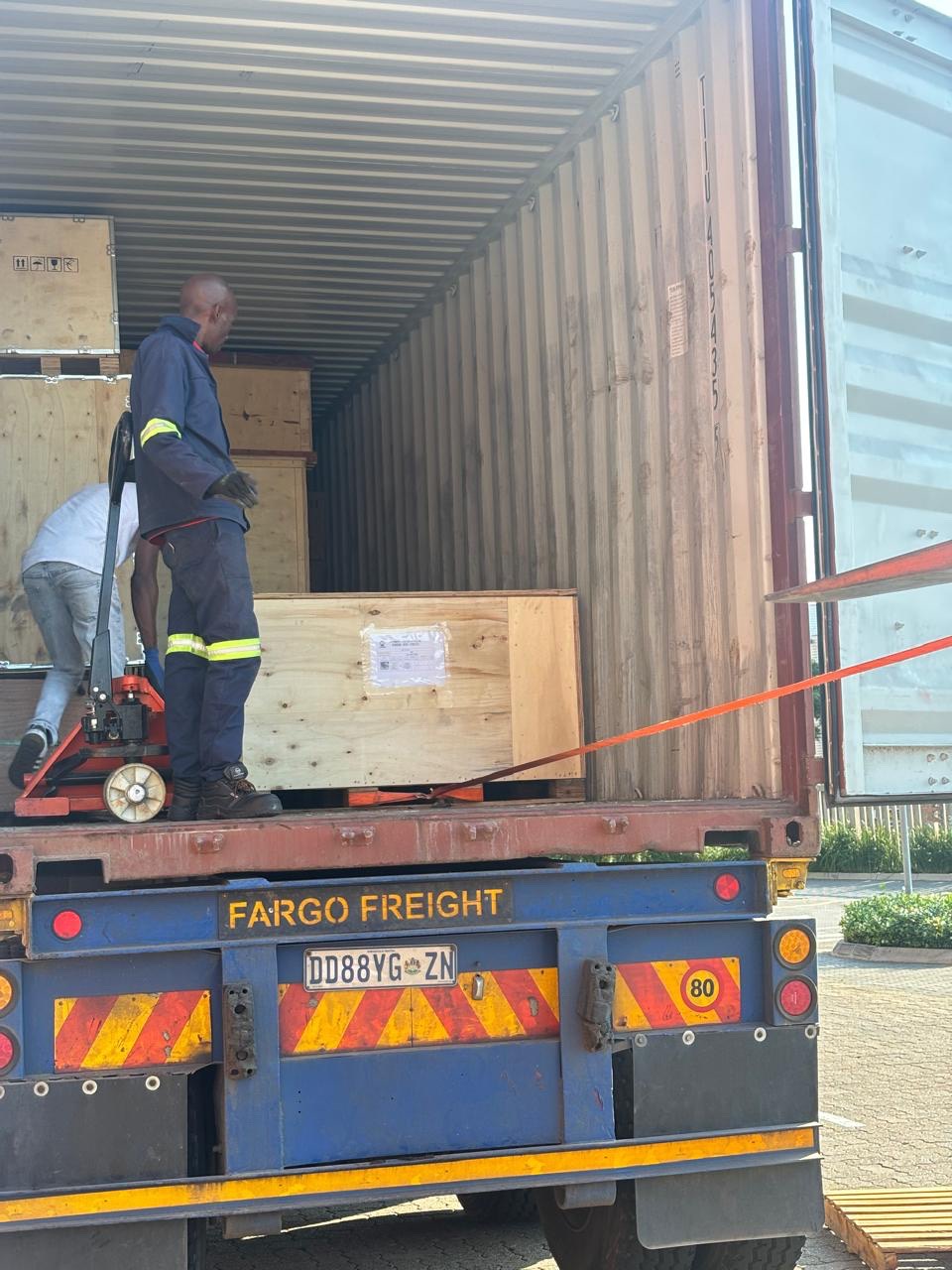
new arrivals
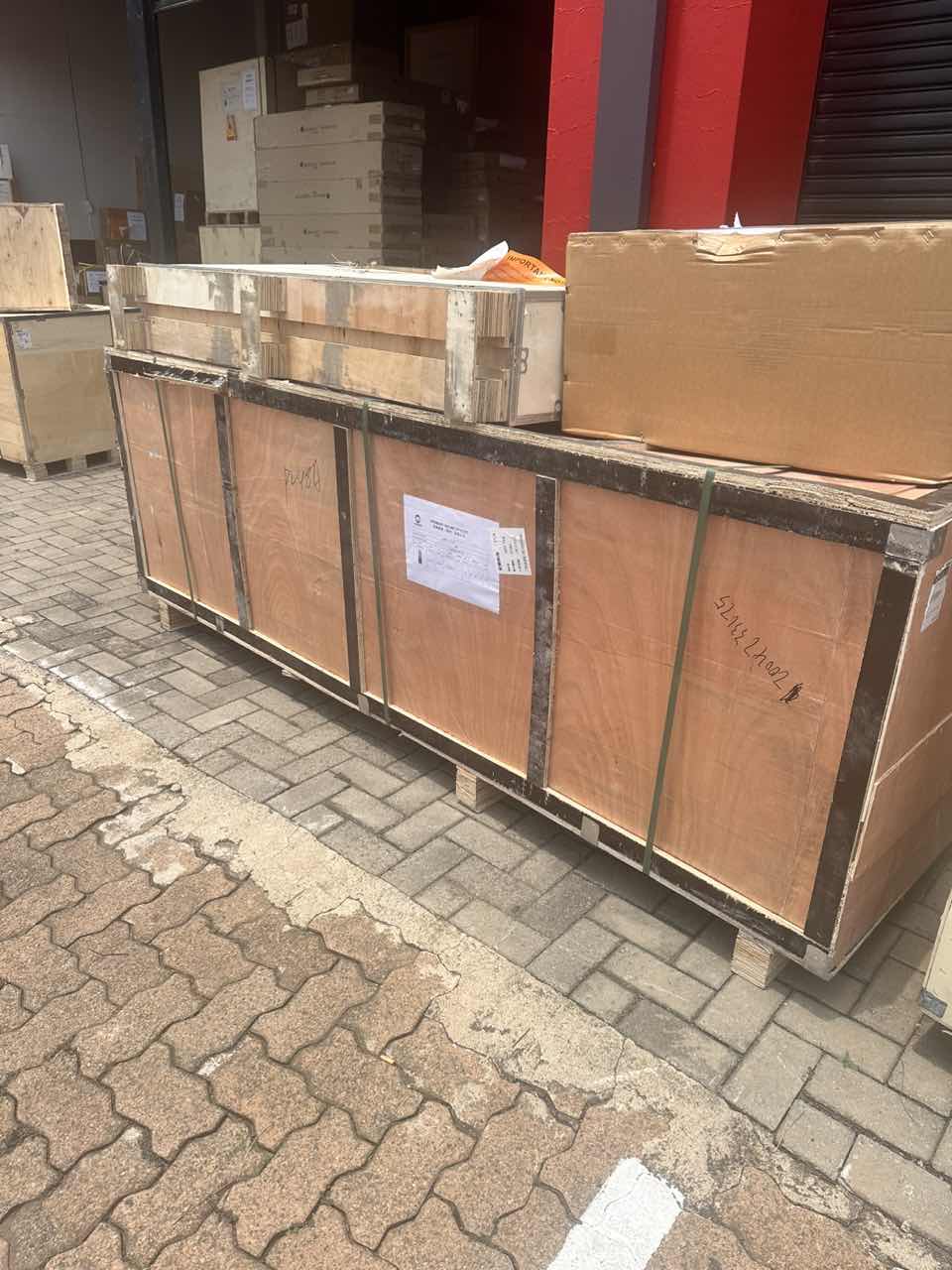
Pre Orders Offloading
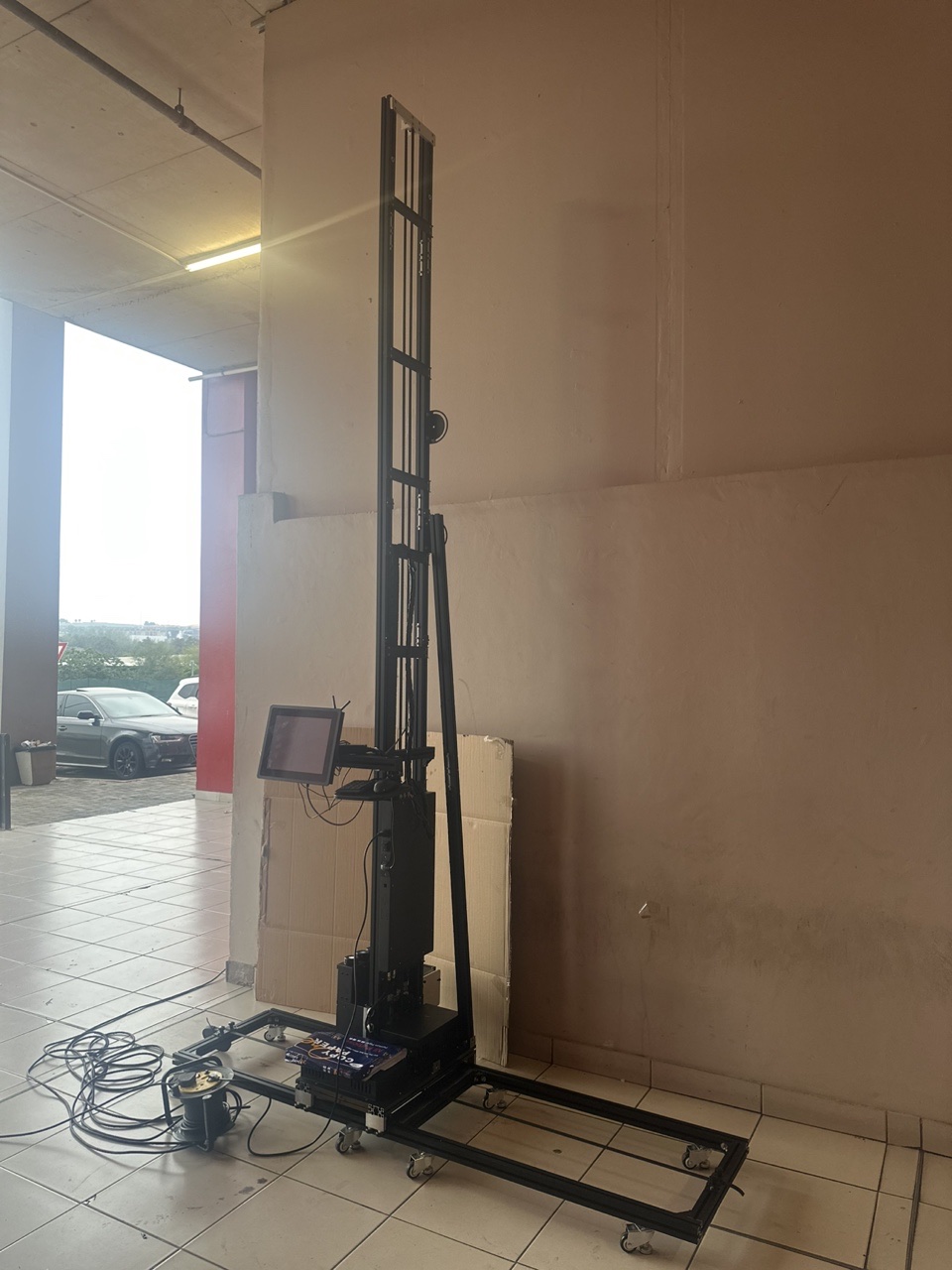
Latest Arrivals
Latest Arrivals
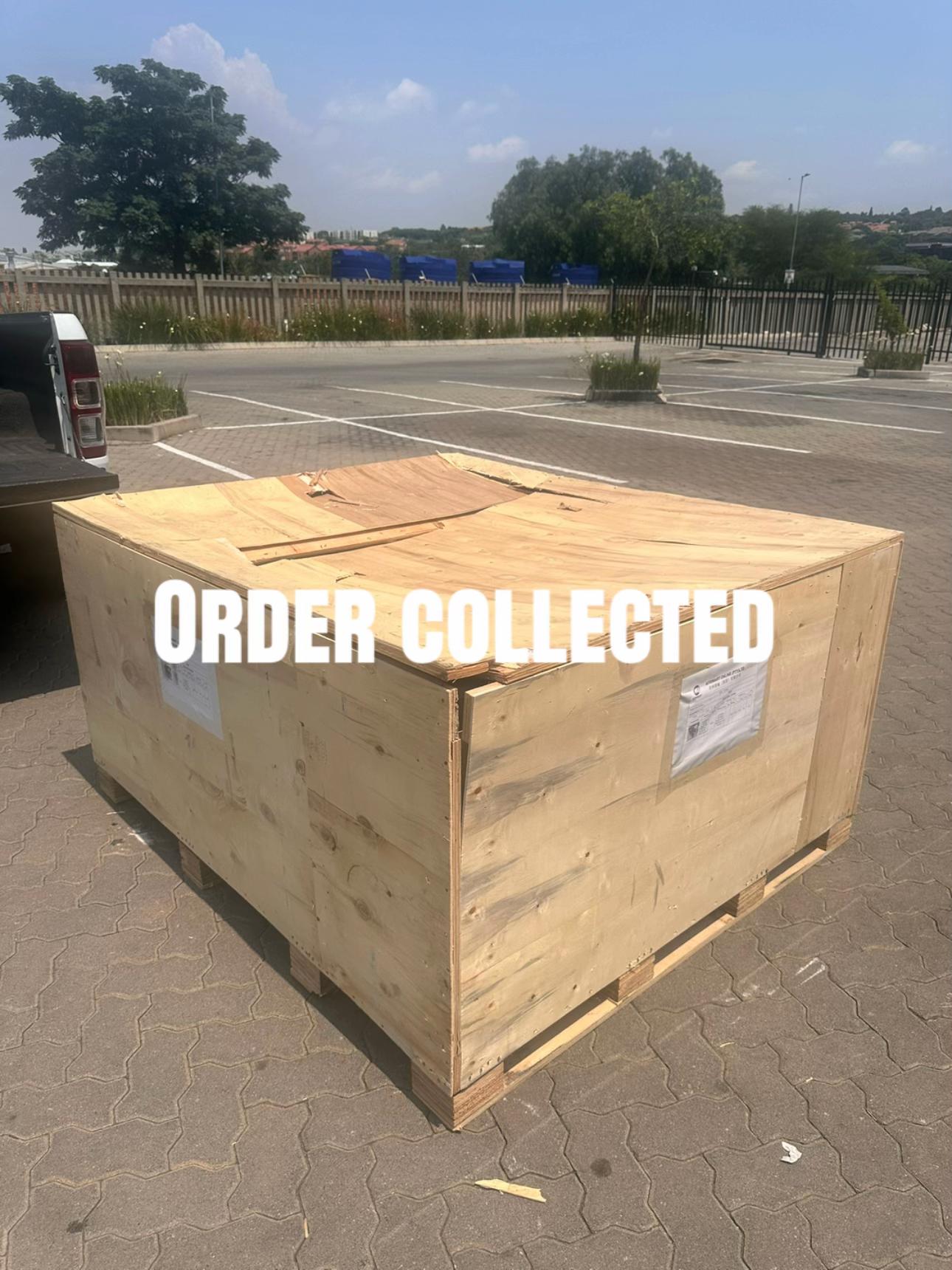
Latest Arrivals
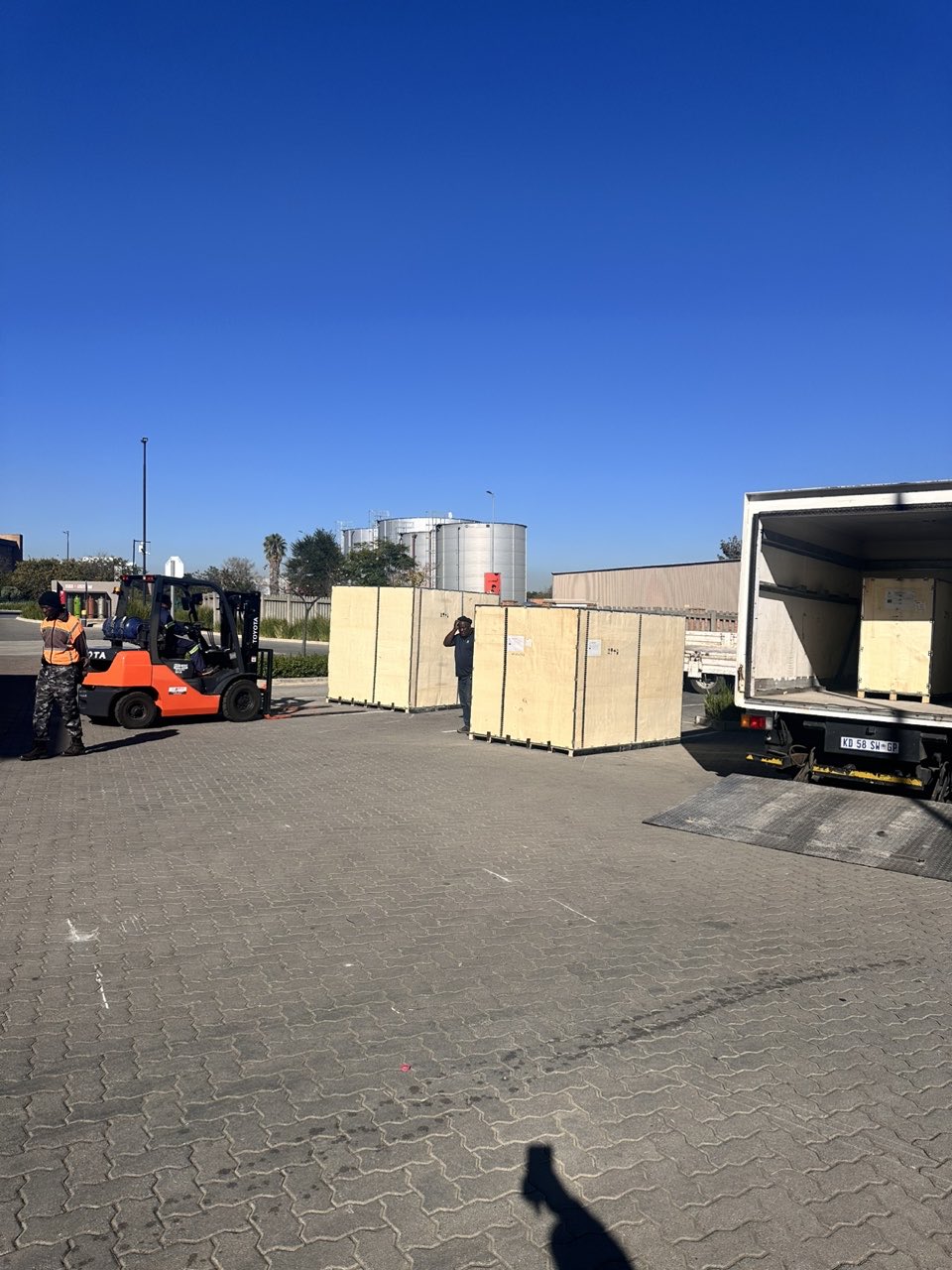
Loading
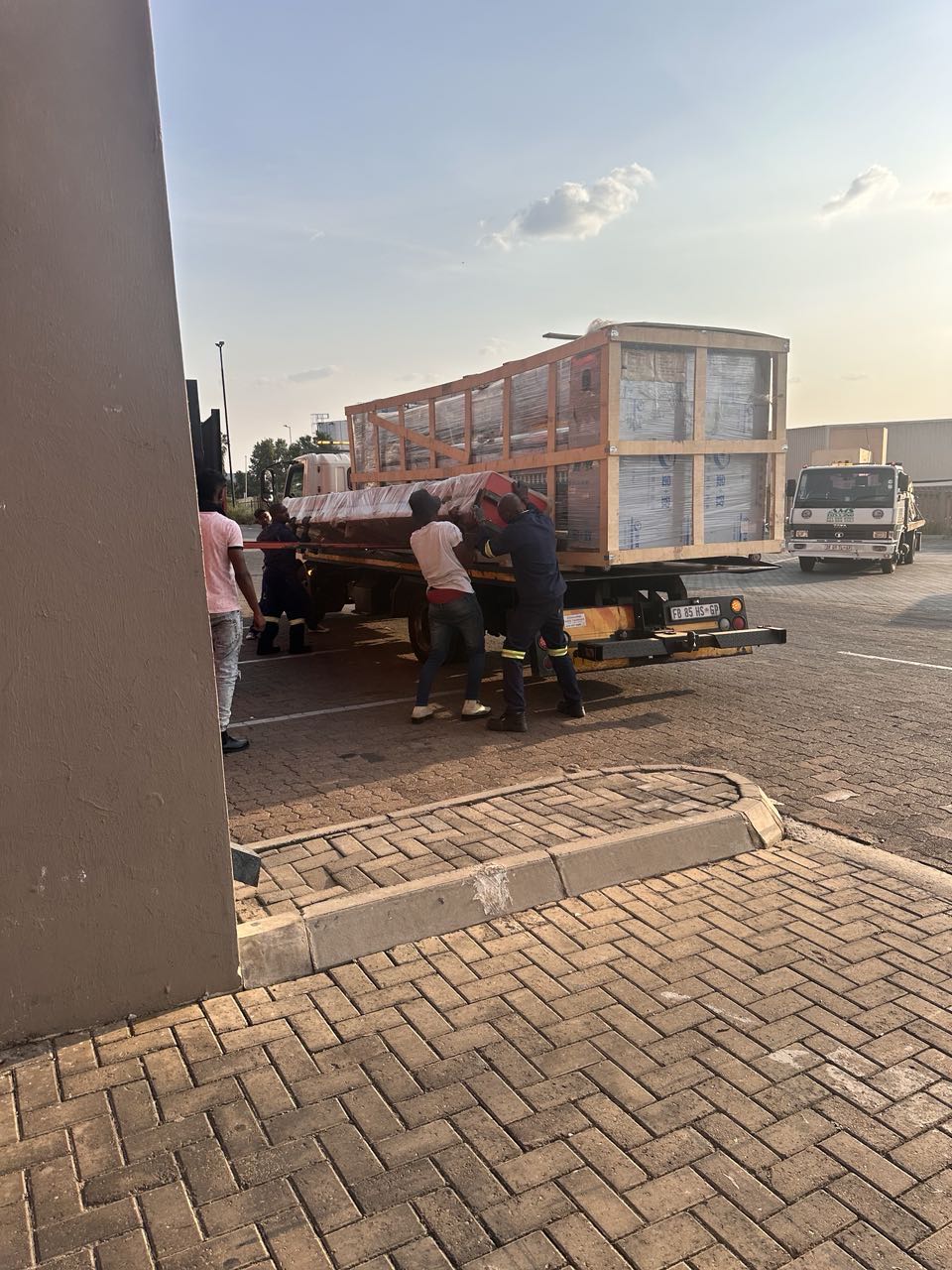
Toilet paper making machine
Toilet paper making machine
Toilet paper Rewinding Machine
latest arrivals
offloading
order success
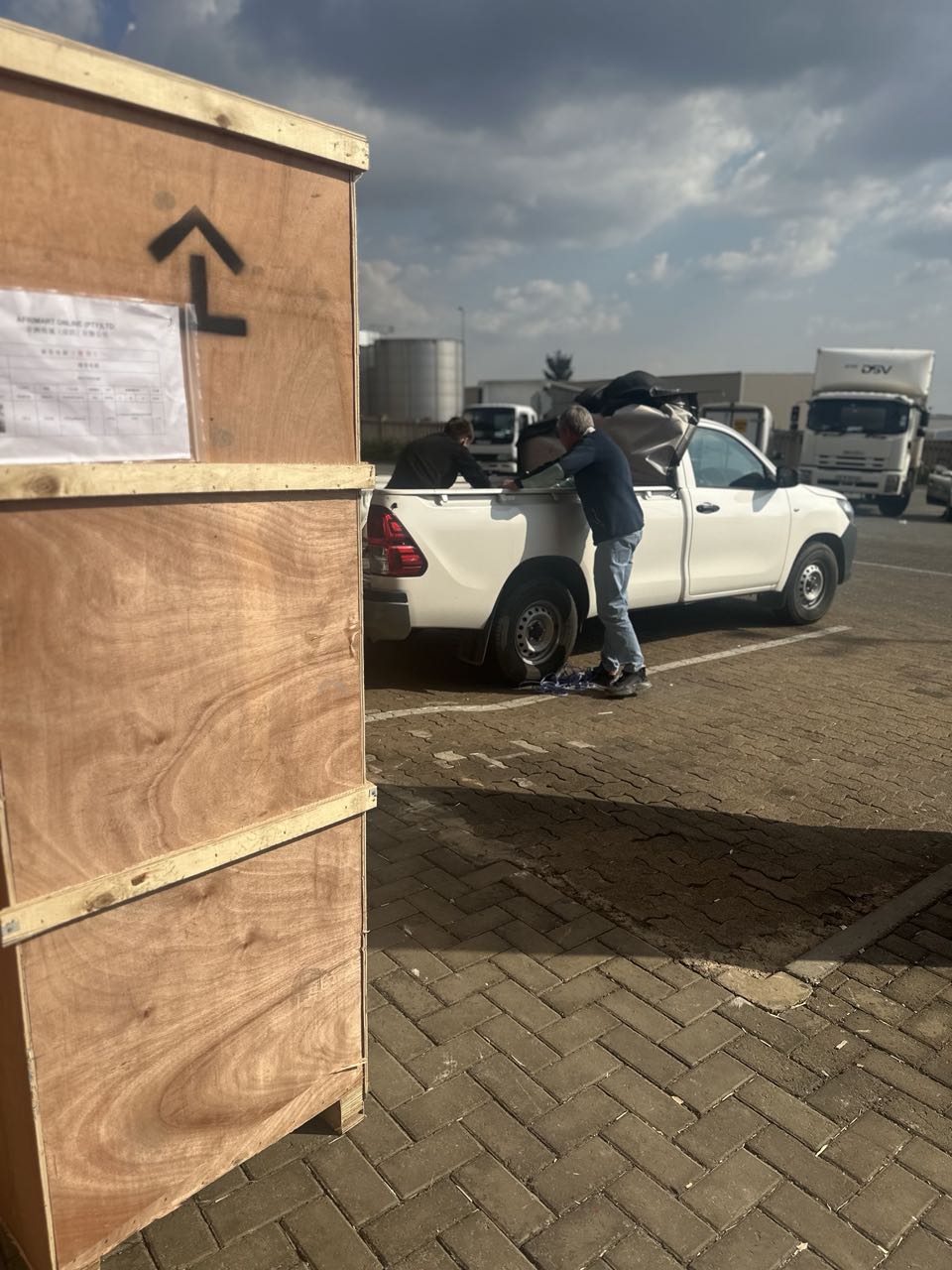
order collection
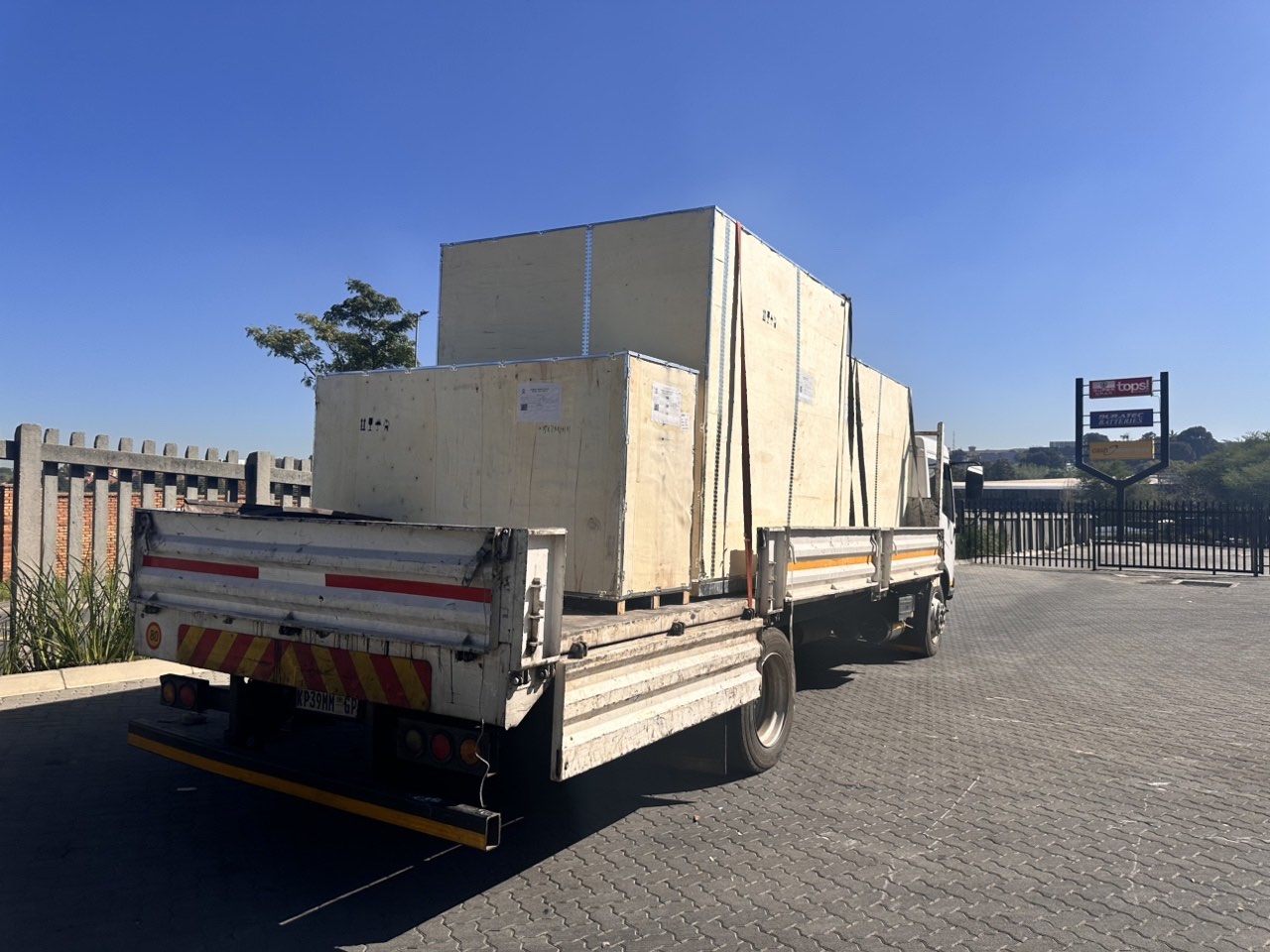
order offloading