B21, China Town Mall, Midrand


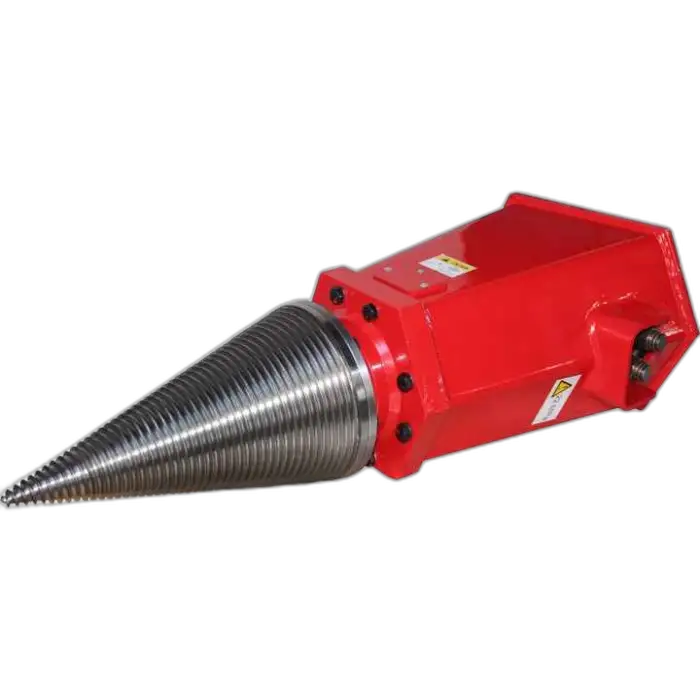
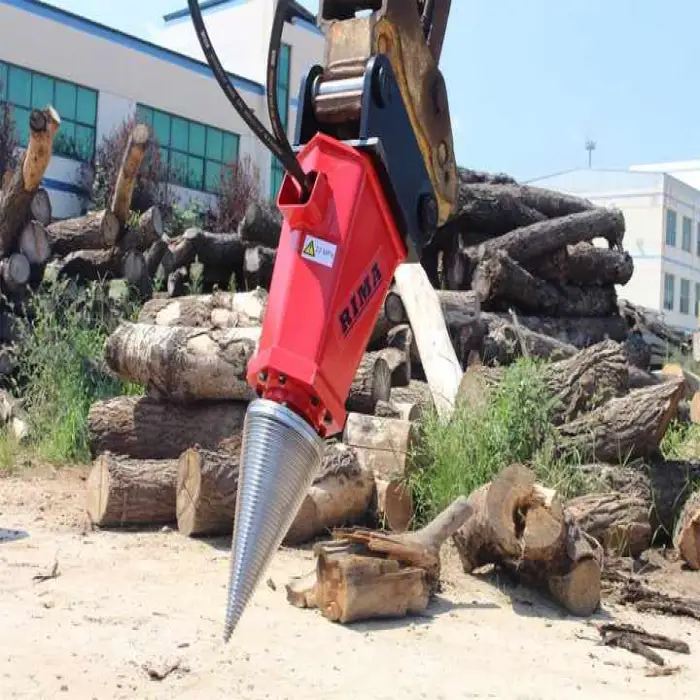
Wood Processor Firewood Cone Log Splitter for Excavator
Asset finance available
Do you want funding for this equipment?
Afrimart can connect you with trusted funding partners who specialise in asset finance for businesses like yours. Compare options and apply in minutes — final approval is subject to provider review.
Check funding options
Secure & no obligation

- Section : Machinery
- Category : Other Agricultural Equipment
- SKU : 1600062617496

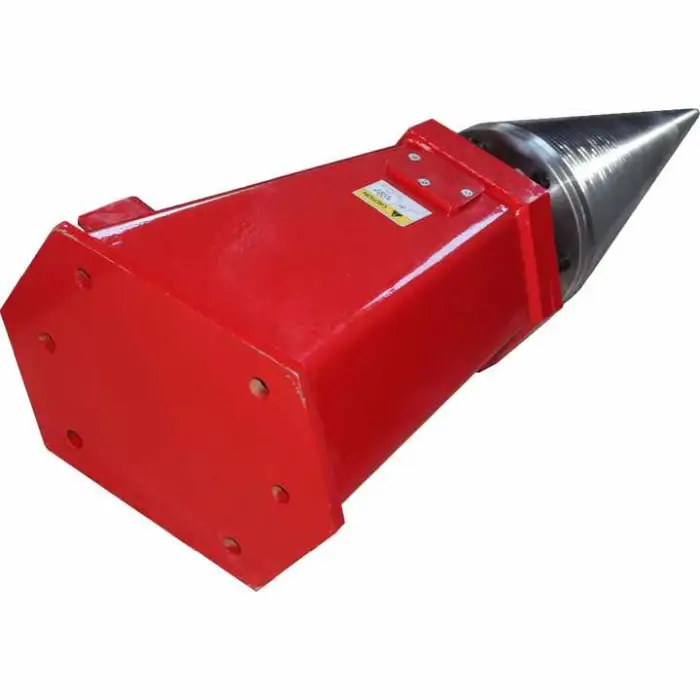
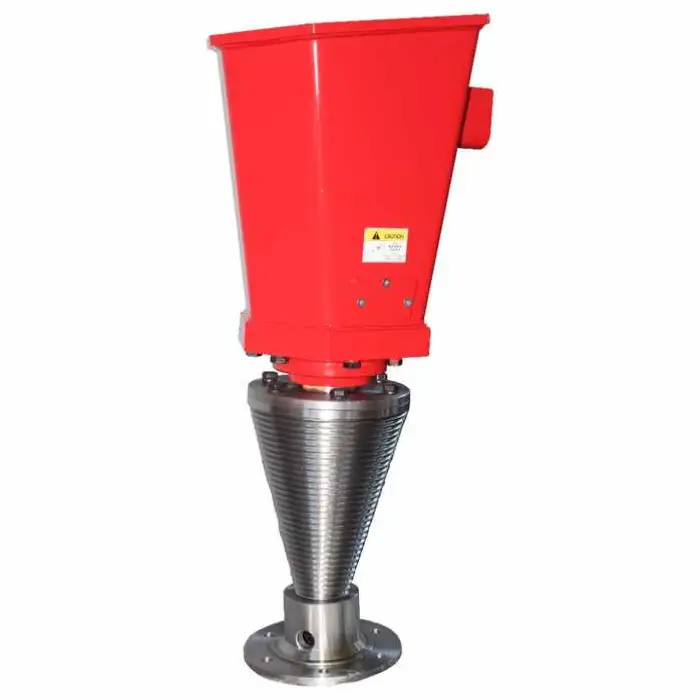
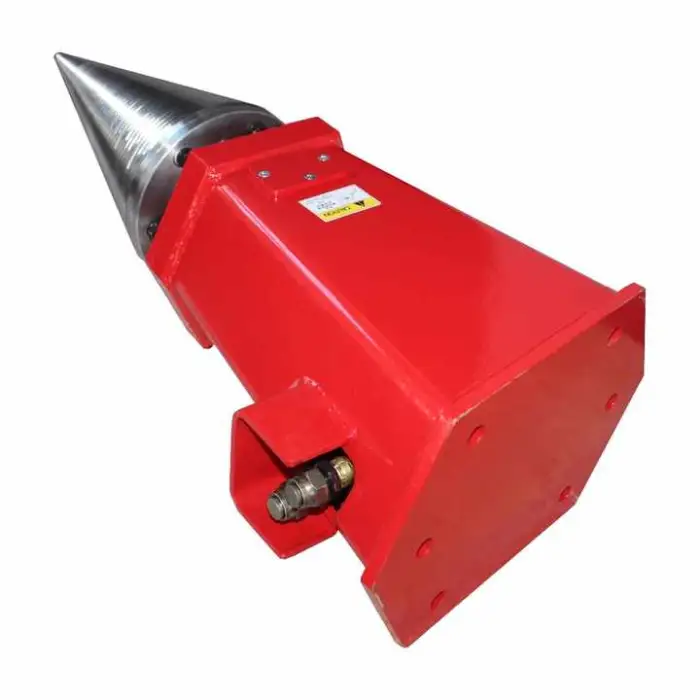
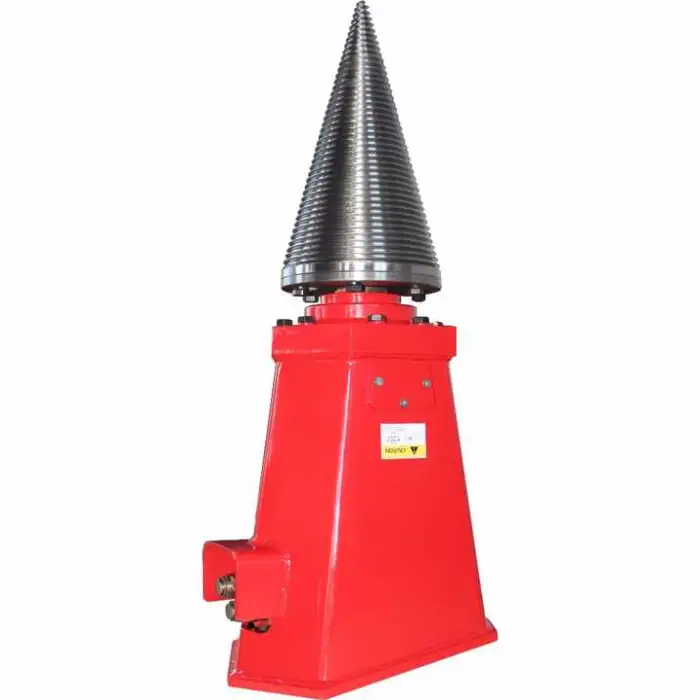
Wood Processor Firewood Cone Log Splitter for Excavator
The Wood Processor Firewood Cone Log Splitter for Excavator is a powerful tool designed to make splitting firewood easy and efficient. This log splitter is perfect for anyone who needs to cut and split logs quickly. With its strong design and high performance, it is a great addition to your equipment. The cone design helps split logs with ease, making your firewood preparation faster and less labor-intensive.
Specifications
| Attribute | Details |
|---|---|
| Product Name | Cone Log Splitter |
| Model | ES180 |
| Applicable Excavator | 1.5-5 ton |
| Max. Torque | 1885 Nm |
| Working Pressure | 240 Bar |
| Working Flow | 150-225 L/min |
| Speed | 300 RPM |
| Diameter of Output Shaft | 56 mm |
| Diameter of Cone | 200 mm |
| Weight | 75 Kg |
| Condition | New |
| Certification | CE Certificate |
| Packaging Details | Packing by iron pallet |
| Supply Ability | 100 pieces per Month |
Key Features
- Efficient cone design for fast log splitting
- Compatible with excavators from 1.5 to 5 tons
- High maximum torque of 1885 Nm
- Robust working pressure of 240 Bar
- Easy to operate with a working flow of 150-225 L/min
- Lightweight design at just 75 Kg
Applications
- Ideal for homeowners needing firewood for heating
- Perfect for landscapers and tree service companies
- Useful for farms and agricultural settings
- Great for commercial firewood production
- Efficient for woodlot management and cleanup
Product Info Gallery
- Shipping Timeframes: All orders are processed within 2-5 business days (excluding weekends and holidays). After your order has been processed, the estimated delivery time is before 03 Aug, 2026, depending on customs, Please note that due to high demand, some items may experience longer shipping times, which will be communicated at order confirmation email.
- Order Processing Time: Please allow 2-5 business days for us to process your order before it is shipped . Orders placed after 16:00 on Fridays, or during weekends and public holidays, will begin processing on the next business day. Processing times may be extended during peak seasons or sales events.
- Manufacturing Time: Some products needs manufacturing time, the manufacturing process will take approximately 10-30 business days depending on the product. This timeframe may vary depending on the complexity of the product and current demand. but this will be communicated with you during order confirmation.
- Returns and Exchanges: We offer a 30-day return policy for most items. If you are not completely satisfied with your purchase, you may return it within 30 days of receipt for a refund or exchange. Items must be unused, in their original packaging, and accompanied by proof of purchase. Return shipping costs are the responsibility of the customer, unless the item was damaged or defective upon arrival.
1. What excavator sizes is the Cone Log Splitter (model ES180) compatible with?
The ES180 is designed for excavators weighing between 1.5 and 5 tons.
2. What hydraulic flow and pressure does the unit require?
Recommended hydraulic flow is 150–225 L/min with a working pressure of up to 240 Bar.
3. How much torque and speed does the splitter deliver?
The unit provides a maximum torque of 1885 Nm and operates at approximately 300 RPM.
4. What are the key physical dimensions and weight of the splitter?
The cone diameter is 200 mm, the output shaft diameter is 56 mm, and the unit weighs 75 kg.
5. How is the splitter mounted to an excavator?
The ES180 mounts to the excavator arm via the machine's hydraulic circuit and a suitable bracket or quick coupler. Use the correct mounting adapter for your excavator and follow both the excavator and splitter manufacturer instructions.
6. Does the splitter come with any certifications?
Yes — the product is CE certified.
7. What types of wood can this cone log splitter handle?
It is suitable for most softwoods and hardwoods used for firewood. Performance depends on log diameter, species, moisture content and presence of knots; very large, frozen or heavily dirt-contaminated logs may be more difficult to split.
8. Is the splitter easy to operate?
Yes — the cone design screws into and splits logs efficiently. However, safe operation requires a trained operator, correct hydraulic settings (flow and pressure), and use of personal protective equipment.
9. What maintenance does the ES180 require?
Regular maintenance includes checking for hydraulic leaks, keeping hydraulic oil and filters clean, inspecting the cone for wear or damage, greasing pivot points if applicable, and tightening mount hardware. Follow the manufacturer's maintenance schedule.
10. What safety precautions should be followed when using this splitter?
Wear appropriate PPE (gloves, eye protection, steel-toed boots), keep bystanders clear, secure the excavator on stable ground, ensure hydraulic lines and couplers are rated for the pressure, never place hands near the rotating cone, and follow safe operating procedures from both the excavator and splitter manufacturers.
11. How is the unit packaged and what is the supply capacity?
Units are packed on iron pallets, and the supply ability is approximately 100 pieces per month.
12. Can I use the splitter with my excavator's existing hoses and couplers?
Typically yes, but hoses and couplers must be rated for the working pressure (240 Bar) and required flow. Use proper fittings and ensure connections are secure. If unsure, consult your excavator dealer or the splitter supplier.
13. What should I do if the cone becomes stuck in a log or stalls?
Stop the hydraulic flow immediately, relieve pressure per your excavator's procedure, and use safe manual methods to extract the cone. Inspect the cone for damage before resuming operation. If stalls persist, check hydraulic flow/pressure and log suitability.
14. Is there a warranty or after-sales support?
Warranty and after-sales support vary by seller/distributor. Contact the supplier or dealer for specific warranty terms, spare parts availability and service options.
15. How much firewood can I expect to process with the ES180?
Throughput depends on excavator power, hydraulic settings, operator skill, log size and species. The cone design speeds splitting compared with manual methods, but exact output rates vary; contact the supplier for performance examples based on your conditions.
Latest Order Arrivals
Discover our latest orders

12 Heads Embroidery Machine

Toilet Paper Machine Machine

Order Collection

Cross Border Clients

Order cros border countries Collected

Industrial Machine Cllection

Agriculture Processing Machines

Ready for collection

Water Pump Equipment

Packaging Machine and accessories

Fabrics Manufacturing Equipment

Mining Equipments

Food Processing Machine

Batch of Orders

Batch of Orders

Latest Orders Labelled

wheel alignment machines

new arrivals

Pre Orders Offloading

Latest Arrivals

Latest Arrivals

Latest Arrivals

Loading

Toilet paper making machine

Toilet paper making machine

Toilet paper Rewinding Machine

latest arrivals

offloading

order success

order collection

order offloading