B21, China Town Mall, Midrand

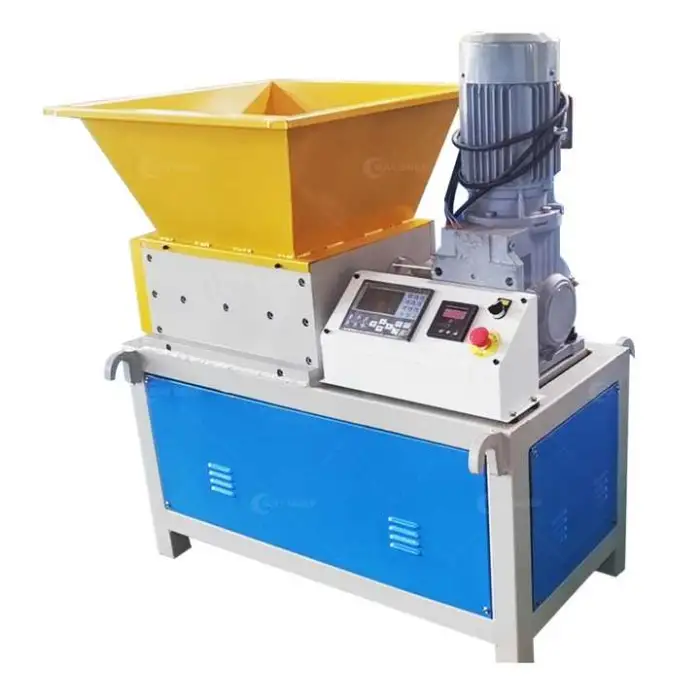
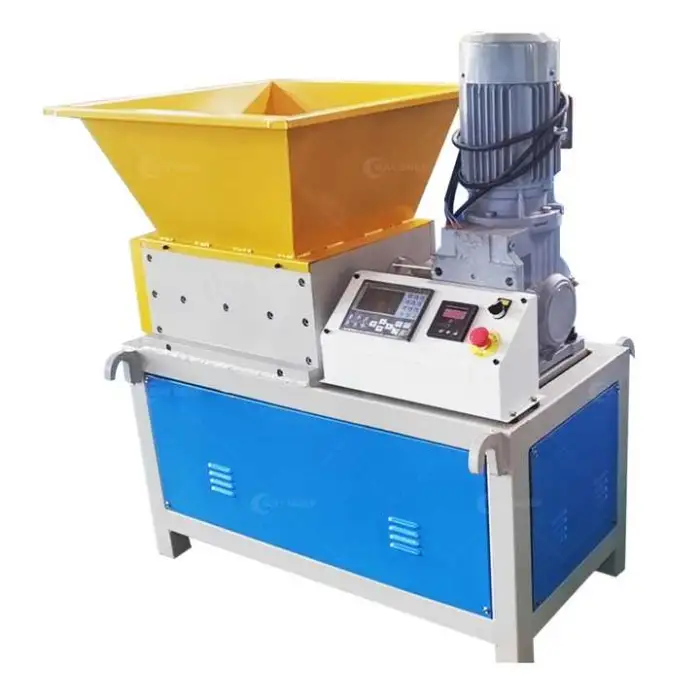
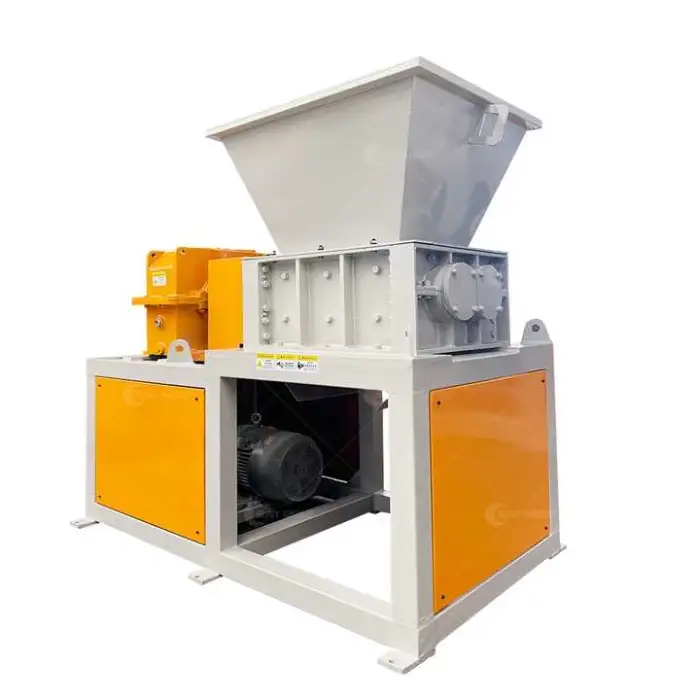
Waste Hard Drives Double Shaft Shredder Machine Scrap Metal Shredder
Asset finance available
Do you want funding for this equipment?
Afrimart can connect you with trusted funding partners who specialise in asset finance for businesses like yours. Compare options and apply in minutes — final approval is subject to provider review.
Check funding options
Secure & no obligation

- Section : Machinery
- Category : Metal & Metallurgy Machinery
- SKU : 1601359808332

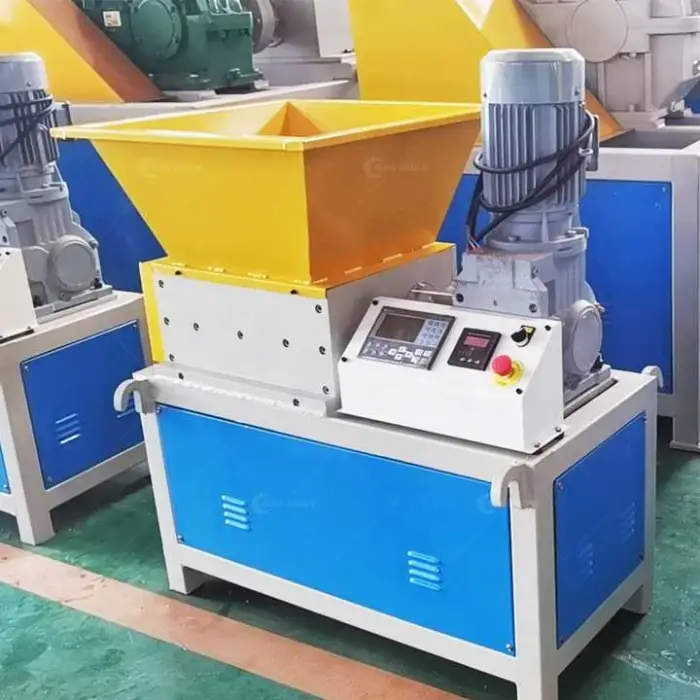
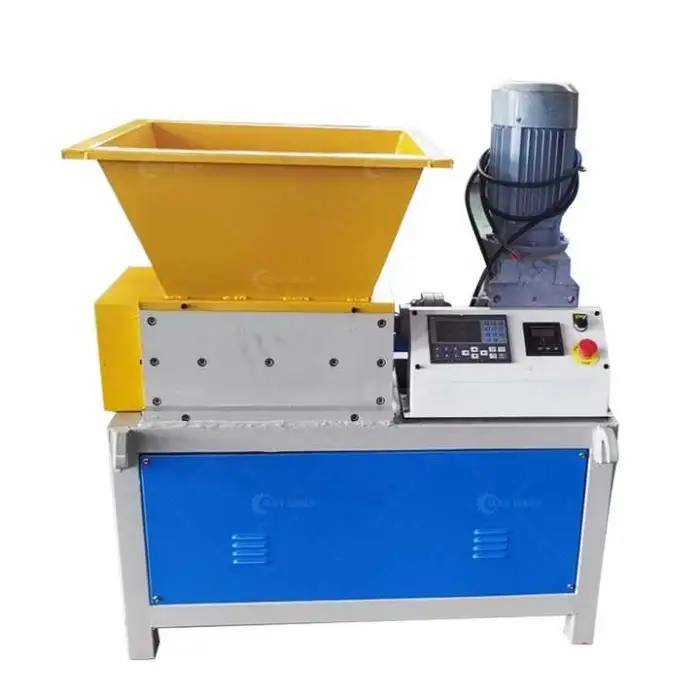
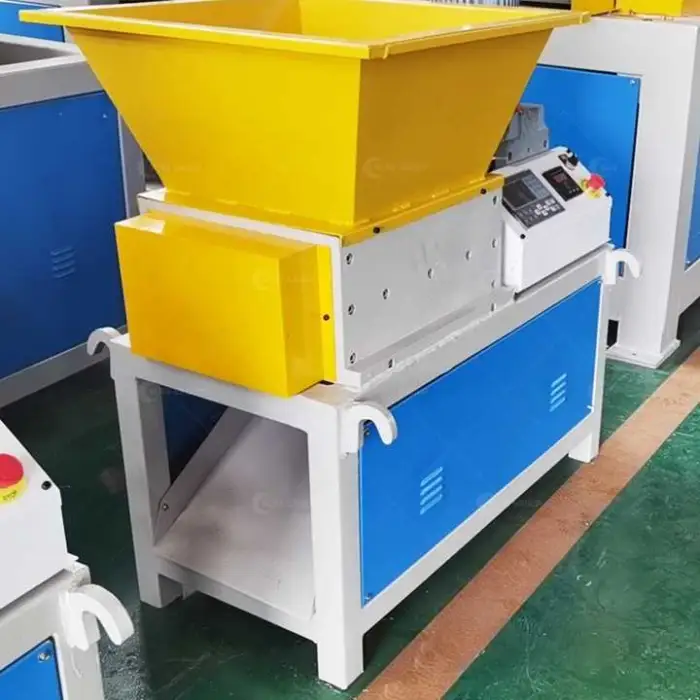
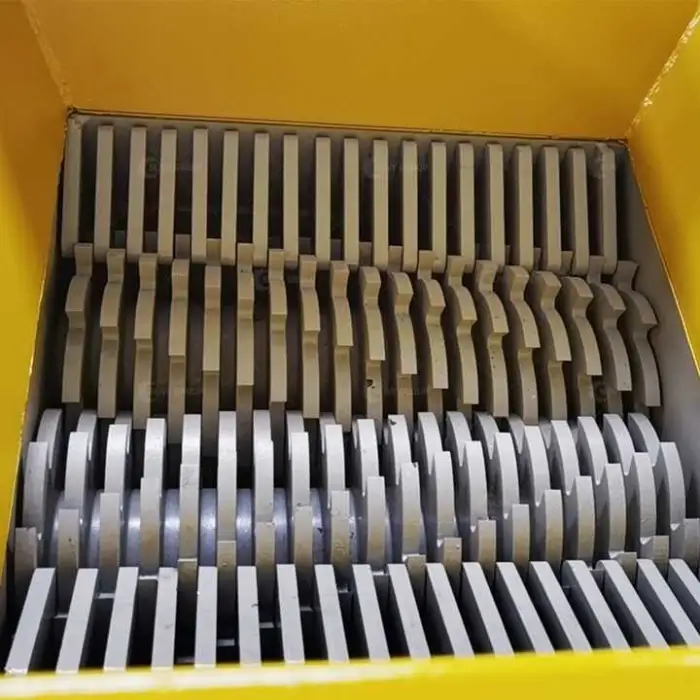
Waste Hard Drives Double Shaft Shredder Machine Scrap Metal Shredder
The Waste Hard Drives Double Shaft Shredder Machine is a powerful tool designed for shredding a variety of materials. This industrial shredder is perfect for efficiently processing hard drives and other scrap metals, making it an essential machine for recycling and waste management. With its multifunctional capabilities, it helps keep your operations smooth and effective.
Specifications
| Attribute | Details |
|---|---|
| Power (kw) | 15 |
| Weight (kg) | 3300 |
| Brand Name | SUNY |
| Material Processed | Stainless Steel, Brass, Copper, Alloy, Carbon Steel, Aluminum |
| Capacity (kg/h) | 800-5000 |
| Blades Material | 9CrSi/D2/SKD-11 |
| Color | Client's Requirements |
| Weight | 2300 KG |
| Power (W) | 15000 |
| Test Report | Provided |
Key Features
- Multifunctional design for various materials.
- High-capacity shredding of 800-5000 kg/h.
- Durable blades made from high-quality materials.
- Customizable blades to fit specific needs.
- PLC core components for reliable operation.
- Video outgoing inspection provided for quality assurance.
Applications
- Shredding waste hard drives for secure data destruction.
- Processing scrap metal for recycling purposes.
- Reducing the size of industrial materials for easier handling.
- Supporting waste management operations in various industries.
Product Info Gallery
- Shipping Timeframes: All orders are processed within 2-5 business days (excluding weekends and holidays). After your order has been processed, the estimated delivery time is before 05 Aug, 2026, depending on customs, Please note that due to high demand, some items may experience longer shipping times, which will be communicated at order confirmation email.
- Order Processing Time: Please allow 2-5 business days for us to process your order before it is shipped . Orders placed after 16:00 on Fridays, or during weekends and public holidays, will begin processing on the next business day. Processing times may be extended during peak seasons or sales events.
- Manufacturing Time: Some products needs manufacturing time, the manufacturing process will take approximately 10-30 business days depending on the product. This timeframe may vary depending on the complexity of the product and current demand. but this will be communicated with you during order confirmation.
- Returns and Exchanges: We offer a 30-day return policy for most items. If you are not completely satisfied with your purchase, you may return it within 30 days of receipt for a refund or exchange. Items must be unused, in their original packaging, and accompanied by proof of purchase. Return shipping costs are the responsibility of the customer, unless the item was damaged or defective upon arrival.
1. What materials can the Waste Hard Drives Double Shaft Shredder process?
It is designed primarily for metals — stainless steel, brass, copper, alloy, carbon steel and aluminum — and is also suitable for shredding waste hard drives. With appropriate blade selection, it can handle some mixed industrial materials and selected plastics.
2. What is the shredding capacity (kg/h)?
The machine's capacity ranges from approximately 800 to 5000 kg per hour, depending on material type, feed rate, blade configuration and screen selection.
3. What are the machine's power requirements?
Rated power is 15 kW (15,000 W). Actual electrical supply requirements (voltage, frequency, and starter type) should be specified at order to match local mains and motor configuration.
4. What blade materials are used and can blades be customized?
Standard blade materials include 9CrSi, D2 and SKD-11 high-wear steels. Blades are replaceable and can be customized (material, hardness and tooth profile) to suit specific shredding tasks.
5. What is the machine weight and does it vary?
Typical gross machine weight is in the multi-ton range; depending on configuration the weight is around 2300–3300 kg. Exact weight depends on options (screens, feed systems, sound enclosures) and will be confirmed on the order specification.
6. Is this shredder suitable for secure data destruction of hard drives?
Yes — the double-shaft shredding action reduces hard drives to small fragments, significantly reducing the chance of data recovery. For regulatory or certified destruction requirements, combine shredding with degaussing or follow your local secure data destruction standards and request documentation from the supplier.
7. What safety features does the machine include?
Standard safety features include PLC control with emergency stop, safety interlocks and guards, overload protection, and optional sensors and light curtains. Site-specific safety measures (fencing, signage, lockout/tagout) should be implemented per local regulations.
8. What maintenance is required and how often should it be performed?
Routine maintenance includes daily inspection of feed and blades, lubrication of bearings and gearboxes per the manual, and periodic blade inspection/sharpening or replacement depending on wear. A preventive maintenance schedule is recommended (daily/weekly checks and a more thorough monthly/quarterly inspection).
9. How is blade wear handled — can blades be replaced or resharpened?
Blades are designed to be replaceable. Depending on wear and blade grade, resharpening may be possible, but replacement is common for consistent performance. The supplier can provide spare blades and guidance on wear life for your application.
10. What site preparation and installation are required?
A level, load-bearing foundation is required, often with provision for anchoring. Installation typically requires lifting equipment (crane or forklift) and a qualified electrician to connect the motor. Allow space for feed and discharge, maintenance access and any dust/noise control systems.
11. Does the machine come with a test report or quality inspection documentation?
Yes — a test report is provided, and the product includes video outgoing inspection for quality assurance prior to shipment.
12. What are the typical noise and dust considerations, and are control options available?
Shredding operations generate significant noise and some dust/fines. Options include acoustic enclosures, local extractor or dust suppression systems and material containment to reduce emissions. Site-specific controls should be planned.
13. Are spare parts and technical support available?
Spare parts (blades, screens, bearings, seals) and technical support are available through the manufacturer/dealer (SUNY). Availability and lead times should be confirmed at purchase; consider ordering key wear parts with the machine.
14. Can the machine be tailored or ordered in different colors and configurations?
Yes — color and many configuration options are available per client requirements. Customization options include blade type, screen size, feed system, control features and peripheral equipment.
15. What determines the output particle size and how fine are the shredded pieces?
Output size is controlled by blade geometry and the screen (if used) under the shredding chamber. Particle size is adjustable by selecting appropriate screens and blade configurations; discuss your target output size with the supplier for correct setup.
Latest Order Arrivals
Discover our latest orders

12 Heads Embroidery Machine

Toilet Paper Machine Machine

Order Collection

Cross Border Clients

Order cros border countries Collected

Industrial Machine Cllection

Agriculture Processing Machines

Ready for collection

Water Pump Equipment

Packaging Machine and accessories

Fabrics Manufacturing Equipment

Mining Equipments

Food Processing Machine

Batch of Orders

Batch of Orders

Latest Orders Labelled

wheel alignment machines

new arrivals

Pre Orders Offloading

Latest Arrivals

Latest Arrivals

Latest Arrivals

Loading

Toilet paper making machine

Toilet paper making machine

Toilet paper Rewinding Machine

latest arrivals

offloading

order success

order collection

order offloading