B21, China Town Mall, Midrand

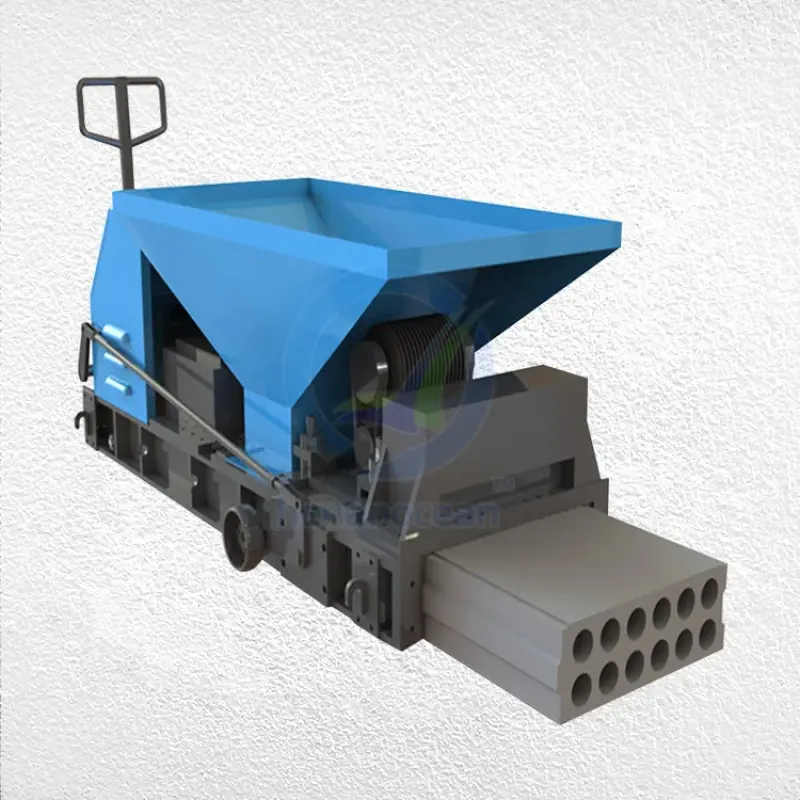
Wall Panel Making Concrete Prefab Machine Lightweight Precast Concrete Hollow Core Slab Production Line

- Section : Machinery
- Category : Other Construction Machinery
- SKU : 1600679088070

Wall Panel Making Concrete Prefab Machine Lightweight Precast Concrete Hollow Core Slab Production Line
Product Description


Specification
| Model | 90*600 | 100*600 |
| Power | 5.5kw | 5.5kw |
| Voltage | 380v 50Hz | 380v 50Hz |
| Dimensions | 2500×900×750mm | 2500×900×750mm |
| Weight | 950kg | 1000kg |
| No.*Diameter Of Hole | 7* Ø58mm | 7* Ø68mm |
| Production Efficiency | 1.5-3m/min | 1.5-3m/min |
| Finished Product Specification | L×600×90mm | L×600×100mm |
| Hollow Rate | 34.6% | 32.6% |

Thermal Insulation Performance
♦9cm thick wallboard can equal 24cm thick brick wall or 20cm thick aerated block wall
♦The wallboard can meet the national standard requirements without installing thermal insulation materials


Fire Resistance
♦The lightweight partition board itself is inorganic substance, never burn, never produce toxic gas
It's an ideal fireproof material. 9cm thick wallboard's fire resistance can reach 2 hours
Anti-seismic Effect
♦Low elastic modulus
♦Fast impact energy absorption
♦The seismic level can reach level Ⅶ


Convenient To Bury The Line Pipe
♦The wallboard can be cut and sawed
♦The line groove can be cut and chiseled
♦Can change the previous difficult situation of brick wall buried line
Convenient Construction
♦No need for tie bars, door and window lintels, install concrete bricks for door and window frames during construction. ♦The wallboard can be sawed, nailed, chiseled, and it is convenient for water, wire pipe pre-embedding, door and window installation and node treatment during construction.


High Labor Efficiency
♦Factory prefabrication
♦On-site assembly
♦Fast construction speed
♦Improving labor efficiency greatly.
On-site Cleaning
♦No plastering is required to avoid wet work
♦Less construction waste
♦Can keep the construction site clean.
- Shipping Timeframes: All orders are processed within 2-5 business days (excluding weekends and holidays). After your order has been processed, the estimated delivery time is before 21 Jun, 2026, depending on customs, Please note that due to high demand, some items may experience longer shipping times, which will be communicated at order confirmation email.
- Order Processing Time: Please allow 2-5 business days for us to process your order before it is shipped . Orders placed after 16:00 on Fridays, or during weekends and public holidays, will begin processing on the next business day. Processing times may be extended during peak seasons or sales events.
- Manufacturing Time: Some products needs manufacturing time, the manufacturing process will take approximately 10-30 business days depending on the product. This timeframe may vary depending on the complexity of the product and current demand. but this will be communicated with you during order confirmation.
- Returns and Exchanges: We offer a 30-day return policy for most items. If you are not completely satisfied with your purchase, you may return it within 30 days of receipt for a refund or exchange. Items must be unused, in their original packaging, and accompanied by proof of purchase. Return shipping costs are the responsibility of the customer, unless the item was damaged or defective upon arrival.
1. What products does the Wall Panel Making Concrete Prefab Machine produce?
It produces lightweight precast wall panels and hollow core slabs (precast concrete boards) with a standard cross-section of 600 mm width and thickness options of 90 mm or 100 mm. The line forms hollow cores in the slab to reduce weight and improve thermal performance.
2. What models are available and what are their main differences?
Two models are listed: 90*600 and 100*600. Both share the same power, voltage and external dimensions; the 90*600 produces L×600×90 mm panels with 7 holes Ø58 mm and a hollow rate of 34.6%, while the 100*600 produces L×600×100 mm panels with 7 holes Ø68 mm and a hollow rate of 32.6%.
3. What are the machine dimensions, weight and site power requirements?
Dimensions: 2500 × 900 × 750 mm. Weight: approximately 950 kg (90*600) or 1000 kg (100*600). Power: 5.5 kW; Voltage: 380 V, 50 Hz. A stable 3-phase power supply and adequate grounding are required.
4. What is the production speed / efficiency?
Typical production efficiency is 1.5–3 m/min of finished panel/slab. Actual throughput depends on mix design, curing schedule, operator skill and line configuration.
5. What finished product sizes and hollow rates can I expect?
Standard finished cross-sections are L × 600 × 90 mm (model 90*600) and L × 600 × 100 mm (model 100*600). Hollow rates are approximately 34.6% for the 90 mm panel and 32.6% for the 100 mm panel. Length (L) can be cut per project requirements.
6. What raw materials are required to operate the production line?
Basic materials are cement, aggregates (sand, fine aggregates), water and any required admixtures (plasticizers, accelerators, etc.). Specific mix proportions should be designed for desired strength, weight and workability. Reinforcement or inserts can be added depending on structural needs.
7. How does the panel perform for thermal insulation?
The lightweight wallboard offers good thermal insulation: a 9 cm thick board is claimed to provide thermal performance equivalent to a 24 cm brick wall or a 20 cm aerated block wall. According to the description, panels can meet national standard thermal requirements without additional insulation in many cases.
8. What is the fire resistance of the precast panels?
The panels are made from inorganic materials and are non-combustible and do not produce toxic gases in fire. A 9 cm thick lightweight wallboard can achieve up to approximately 2 hours of fire resistance according to the product information.
9. Are the panels seismic-resistant?
Yes. The lightweight panels have a low elastic modulus and fast impact energy absorption, contributing to good seismic performance. The product description indicates the seismic level can reach level VII (seismic intensity VII), but final seismic design should follow local codes and engineering verification.
10. Can the panels be cut, chiseled or have service lines embedded on site?
Yes. The wallboards can be sawed, cut and chiseled to create grooves for electrical and plumbing installations. This makes embedding line pipes and performing node treatments during construction convenient compared with traditional brick walls.
11. Does the system require wet plastering and how clean is site installation?
One advantage is reduced wet work: panels typically do not require traditional plastering, which minimizes on-site wet operations and construction waste. This helps keep the site cleaner and speeds overall construction progress.
12. What are the recommended curing methods for produced panels?
Curing method depends on mix and production schedule. Natural (moist) curing or accelerated curing (steam or heat-assisted) can be used to achieve required strengths faster. Selection should follow the concrete mix design and production throughput targets.
13. What site preparations and installation requirements are needed for the machine?
You need a flat, level working area capable of supporting the machine weight, access to 380 V three‑phase power, water supply and drainage, and lifting equipment for handling panels. Ensure adequate working space for material staging and safe operator access.
14. What maintenance, operator training and after-sales support are provided or recommended?
Routine maintenance includes lubrication, inspection of mechanical parts, checking electrical connections and cleaning formwork and molds. Operator training is recommended for safe and efficient operation; many suppliers provide commissioning support and training. Confirm warranty terms and after-sales service details with the manufacturer or supplier.
15. Can the machine and panel specifications be customized?
Many manufacturers offer customization (panel thicknesses, hole layouts, automation level, length capability or auxiliary equipment) to meet project requirements. Discuss specific customization needs—panel dimensions, hollow core diameter, production capacity—with the supplier to confirm feasibility.
Latest Order Arrivals
Discover our latest orders
12 Heads Embroidery Machine
Dewatering Pump Machine
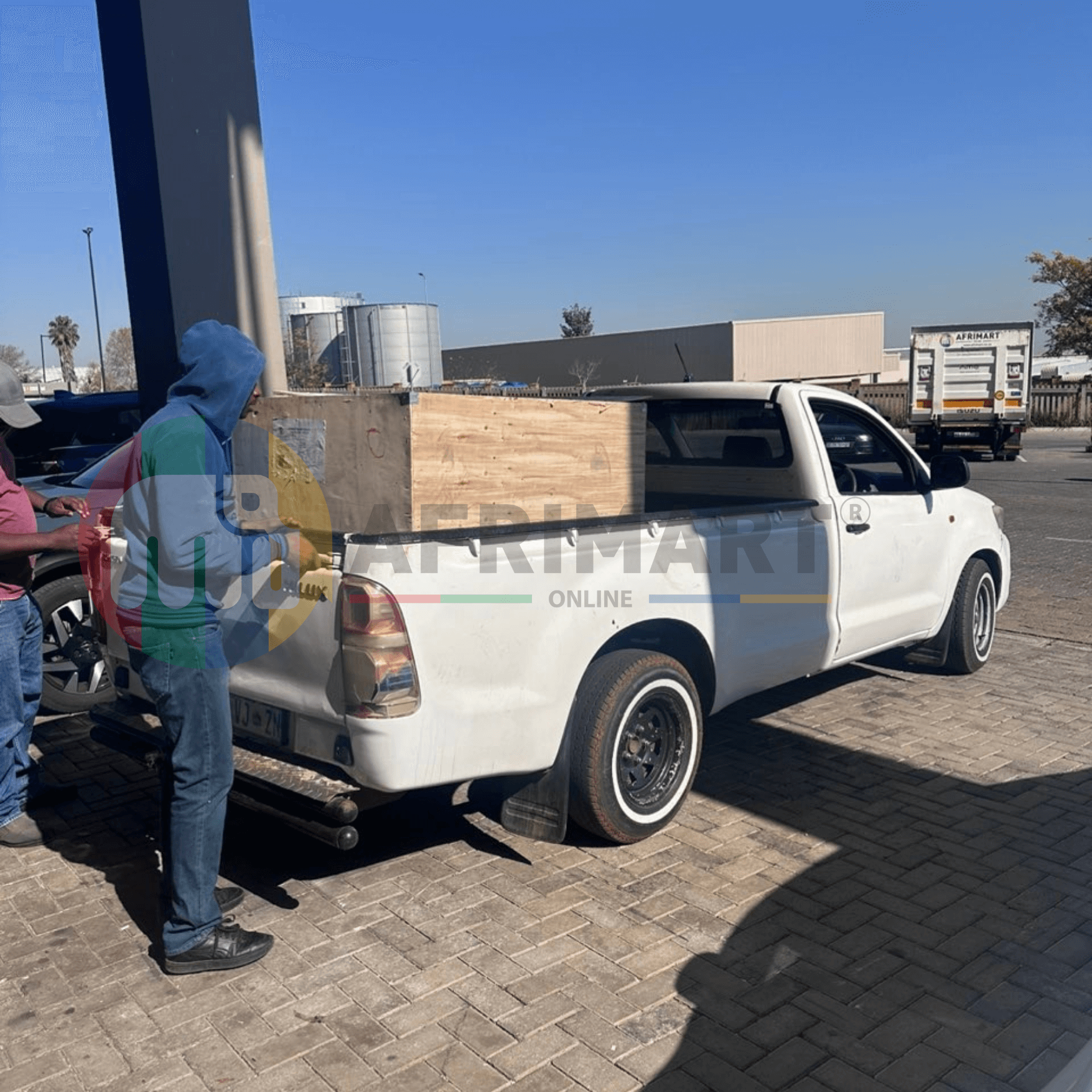
Order Collection
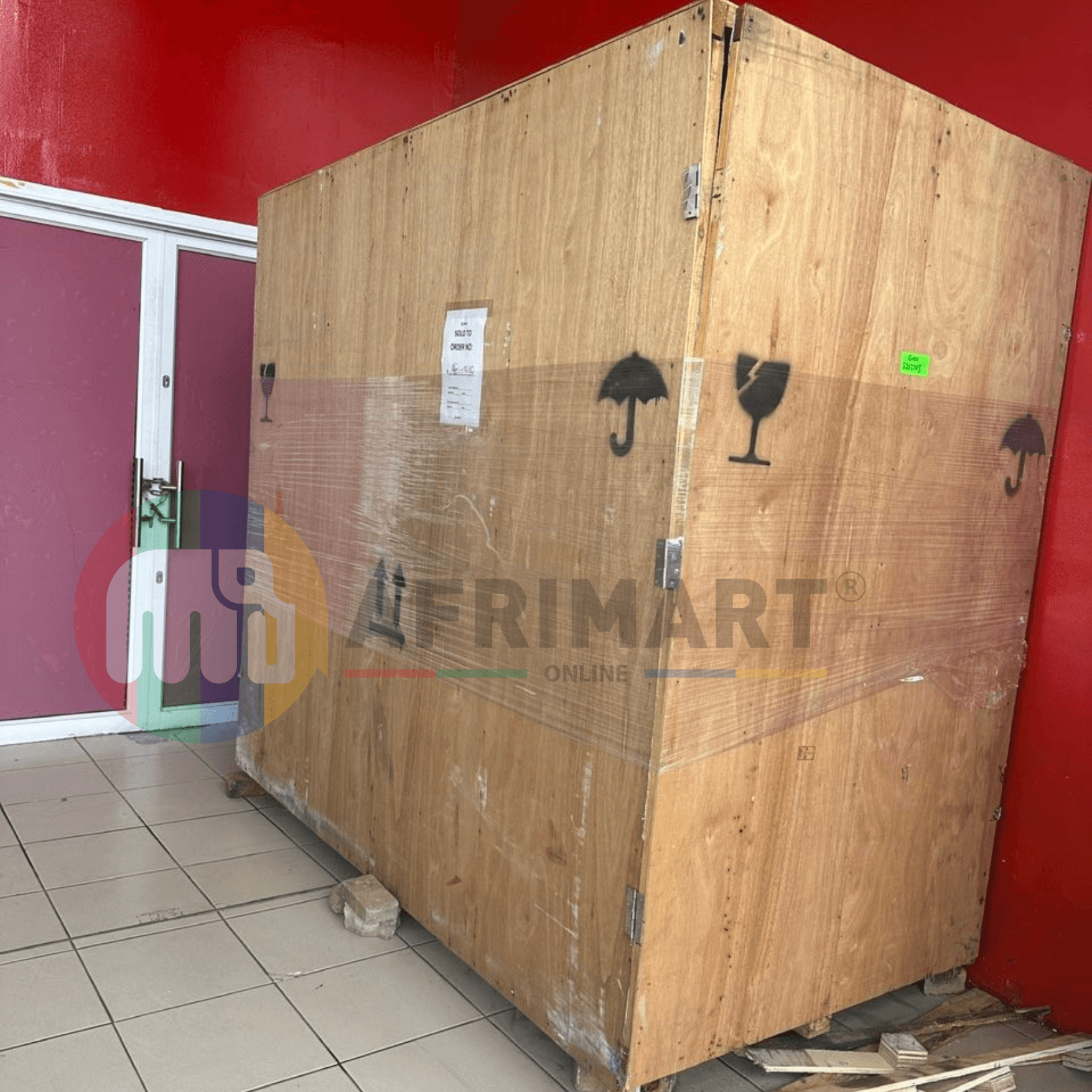
Portable Water Drilling Rig
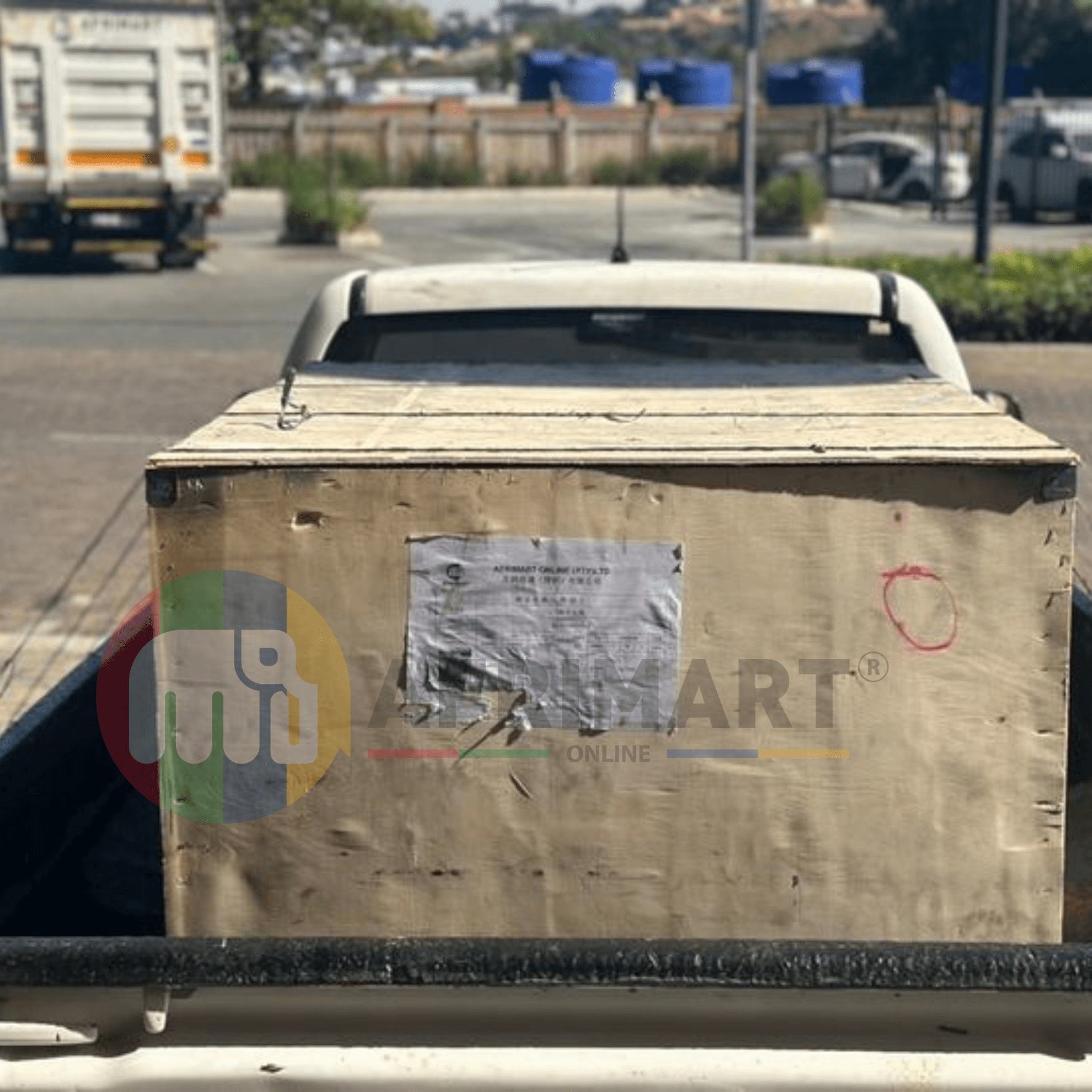
Order Usefully Collected
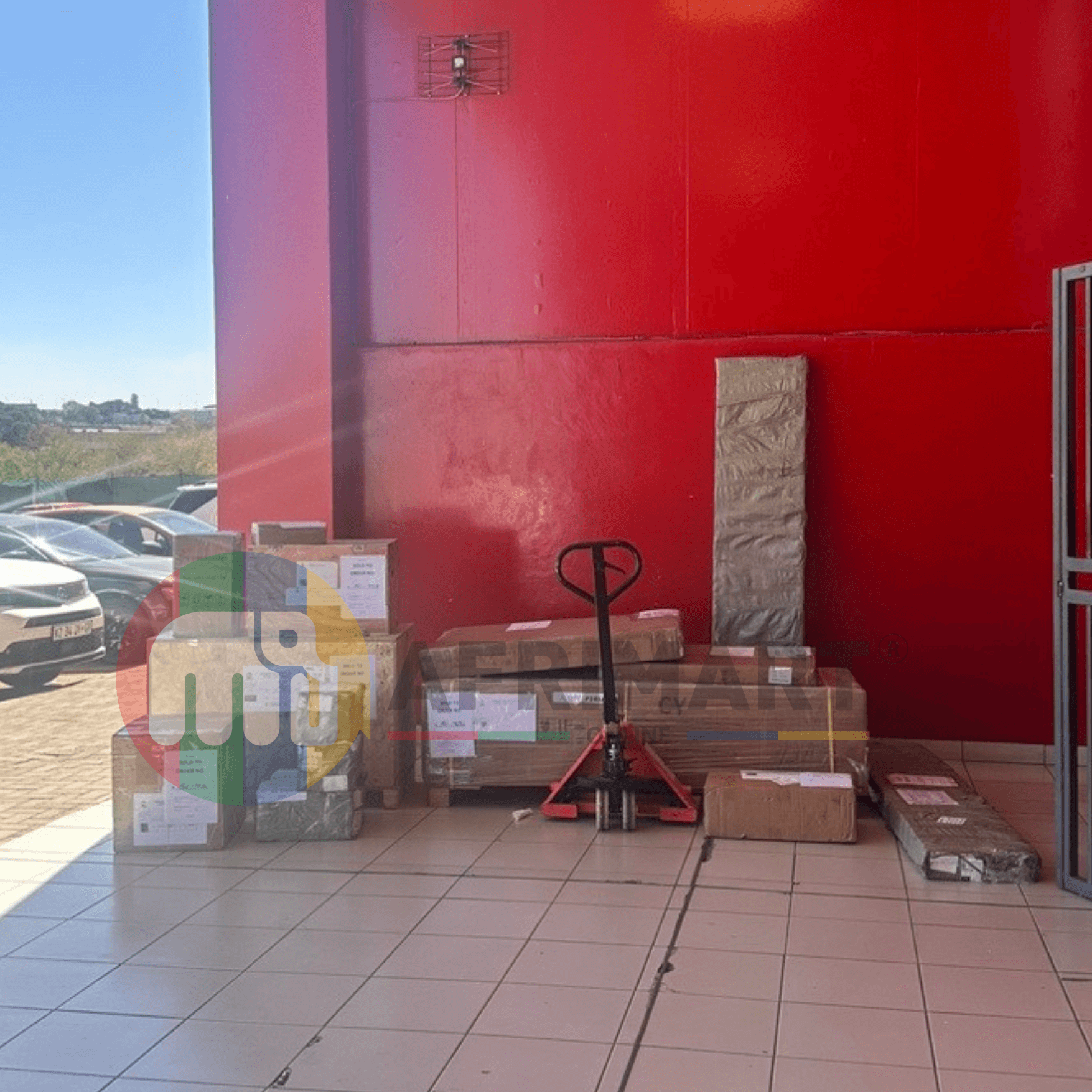
Batch of Orders
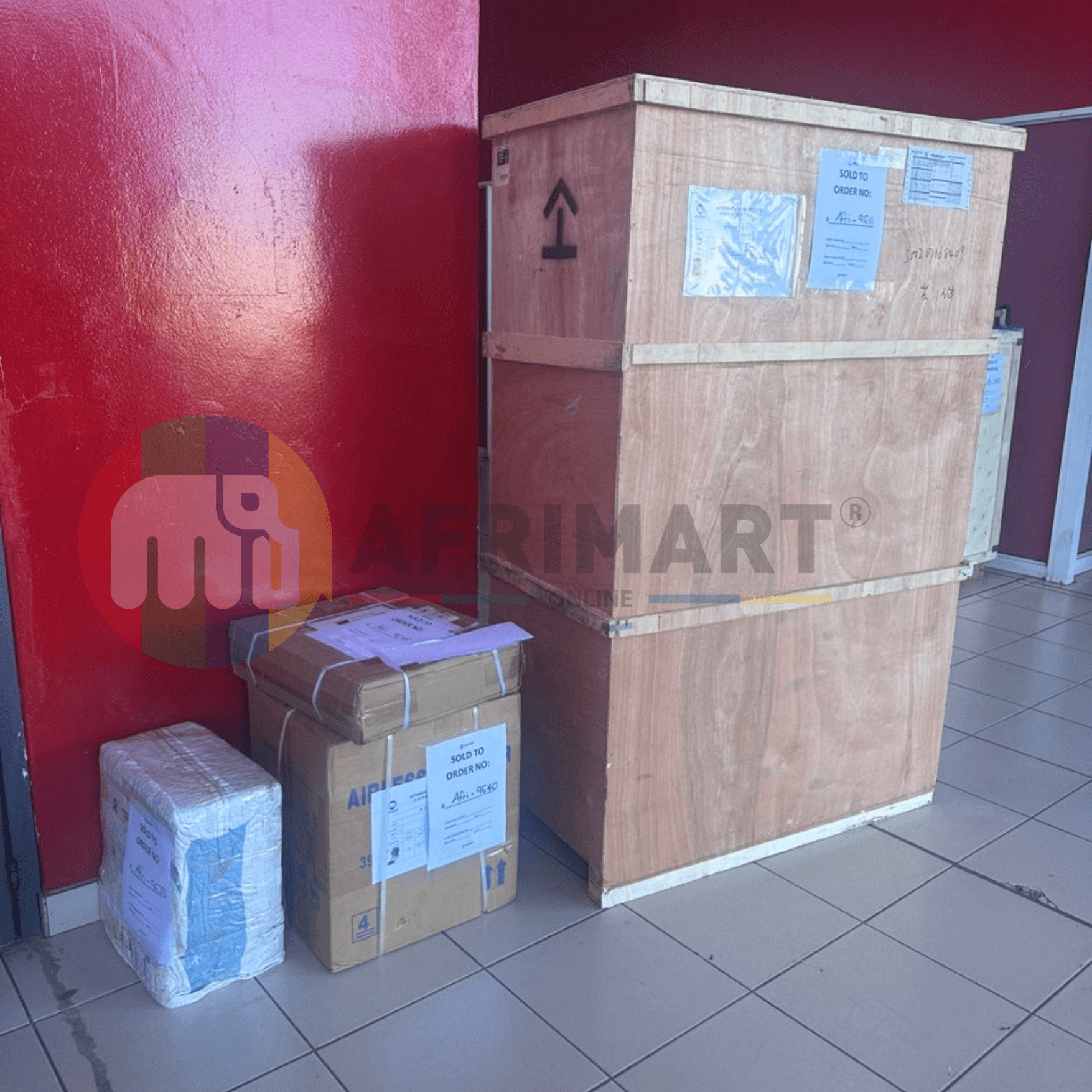
Agriculture Processing Machines
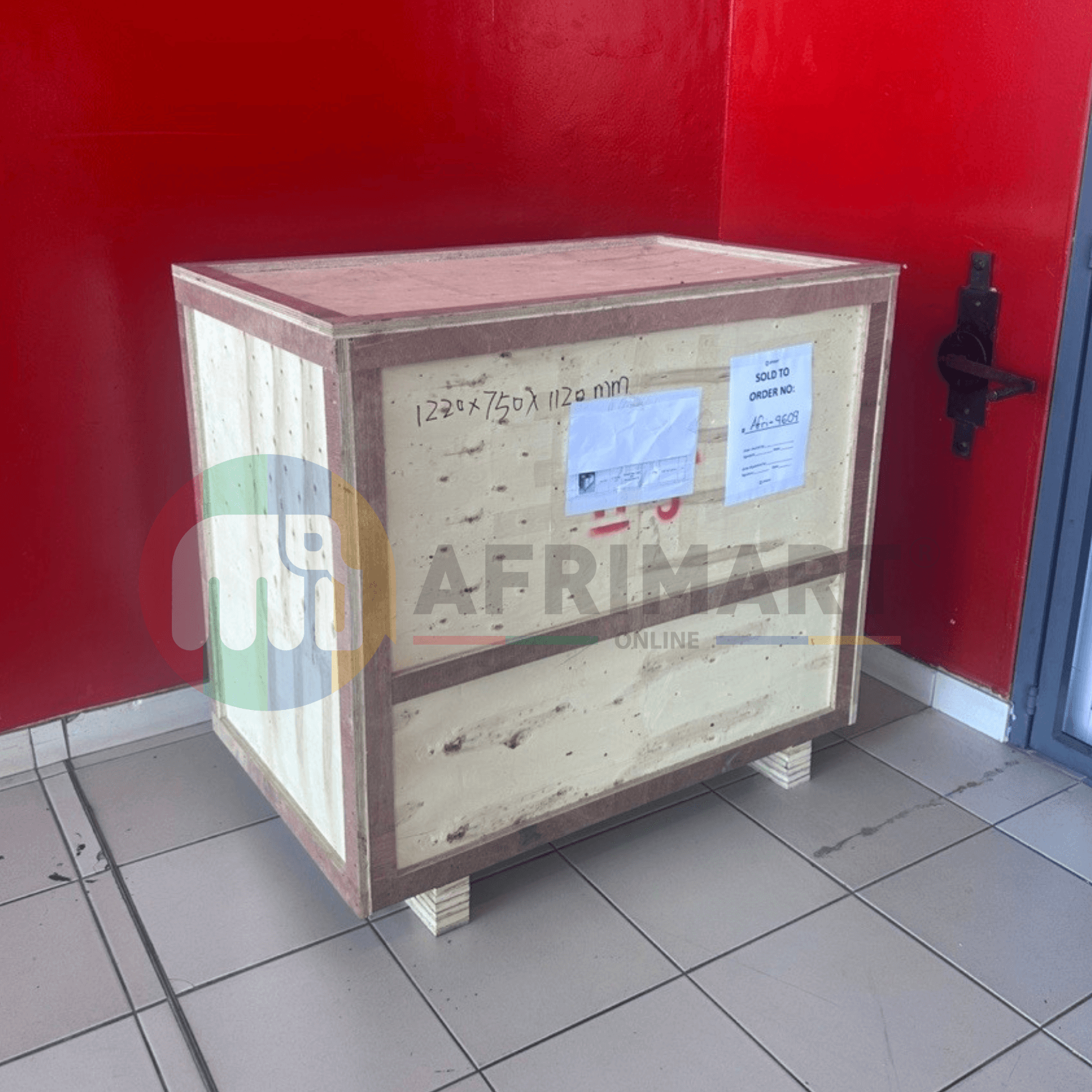
Meat Grinder Machine
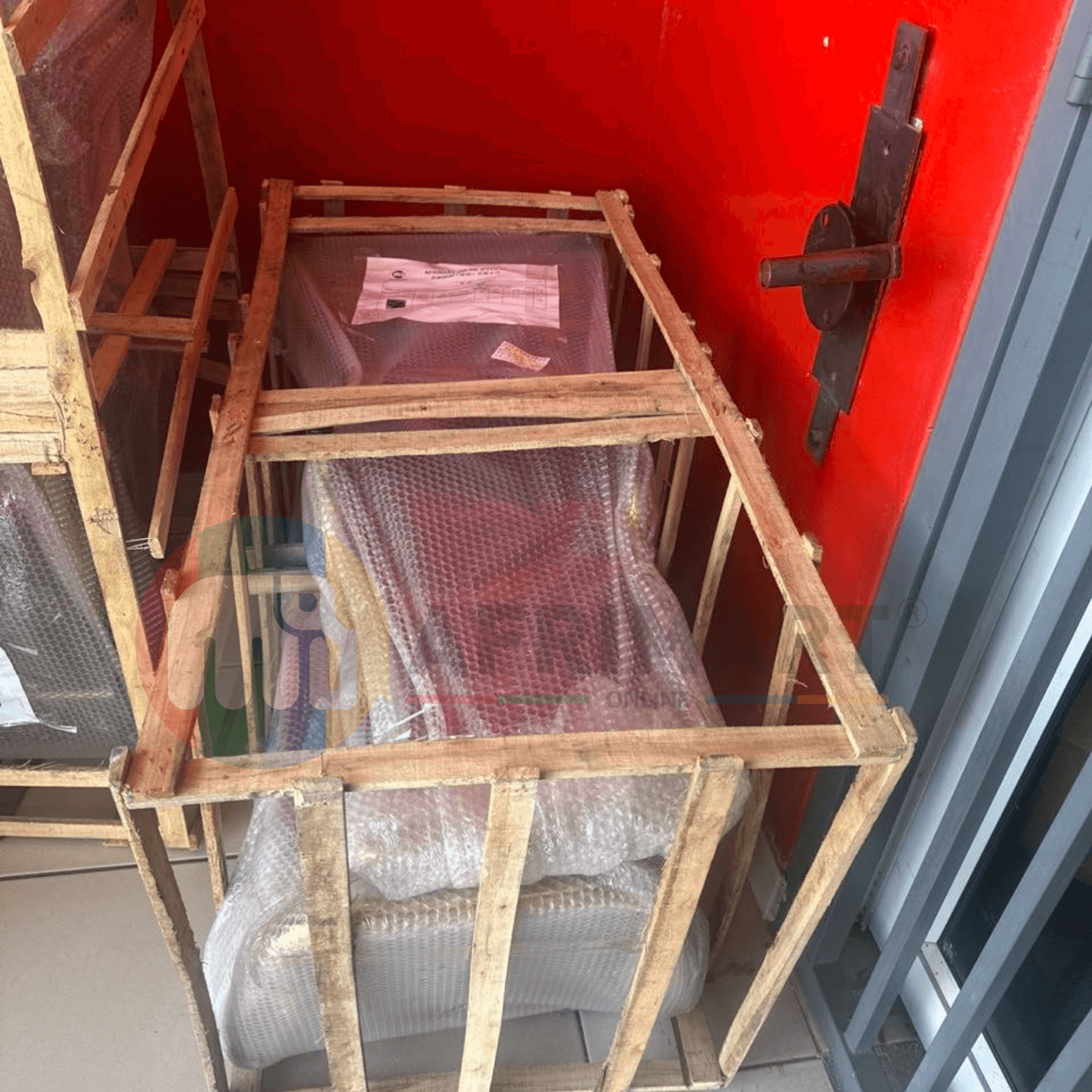
Water Pump Equipment
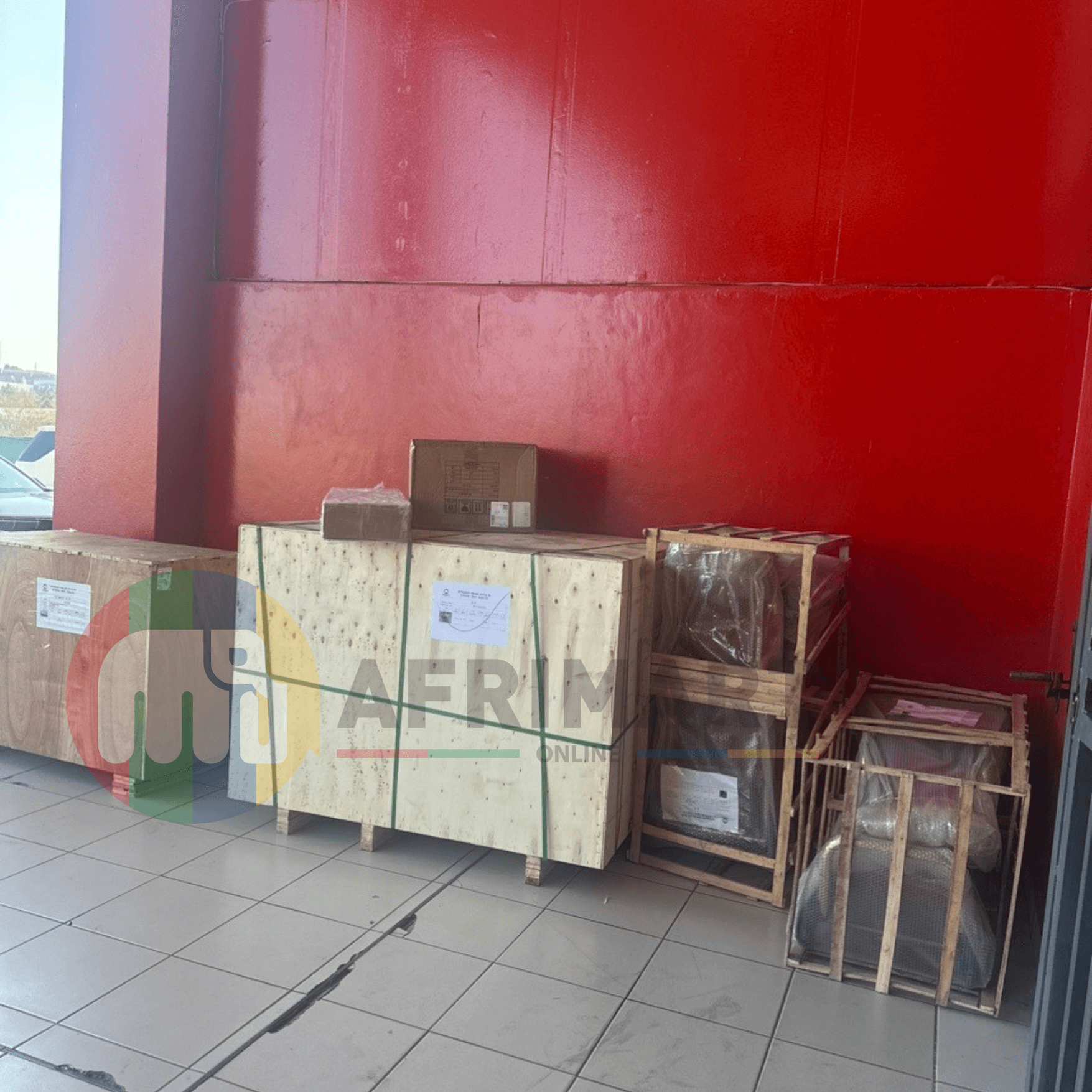
Packaging Machine and accessories
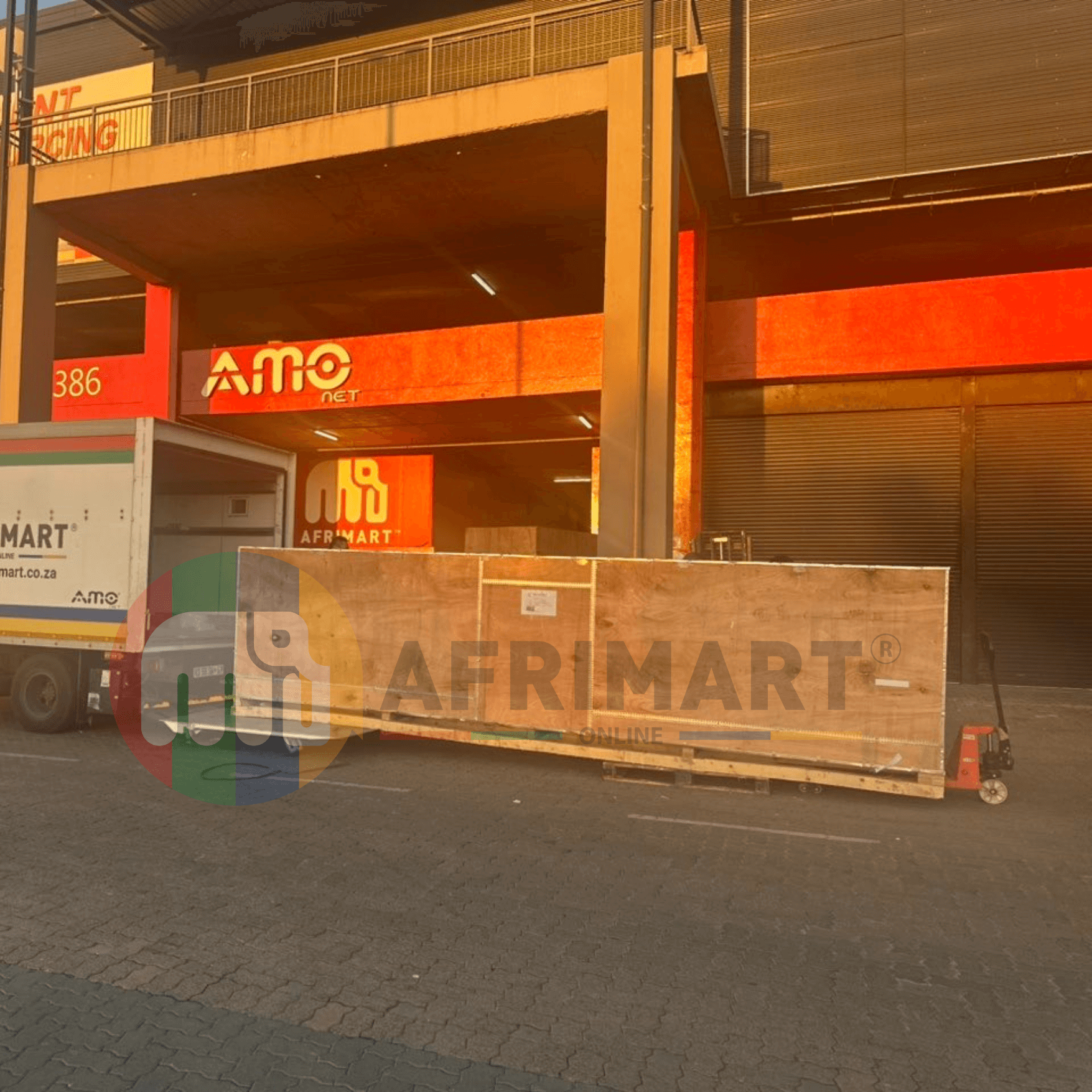
Fabrics Manufacturing Equipment
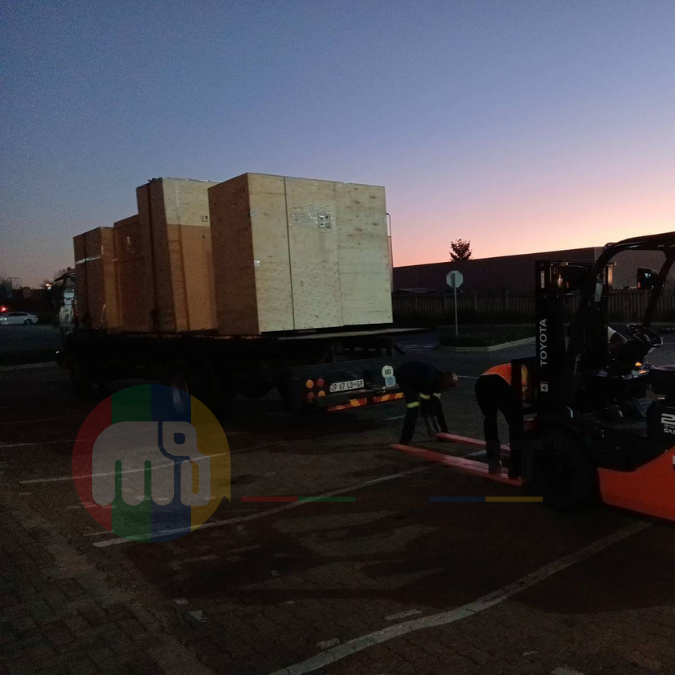
Mining Equipments
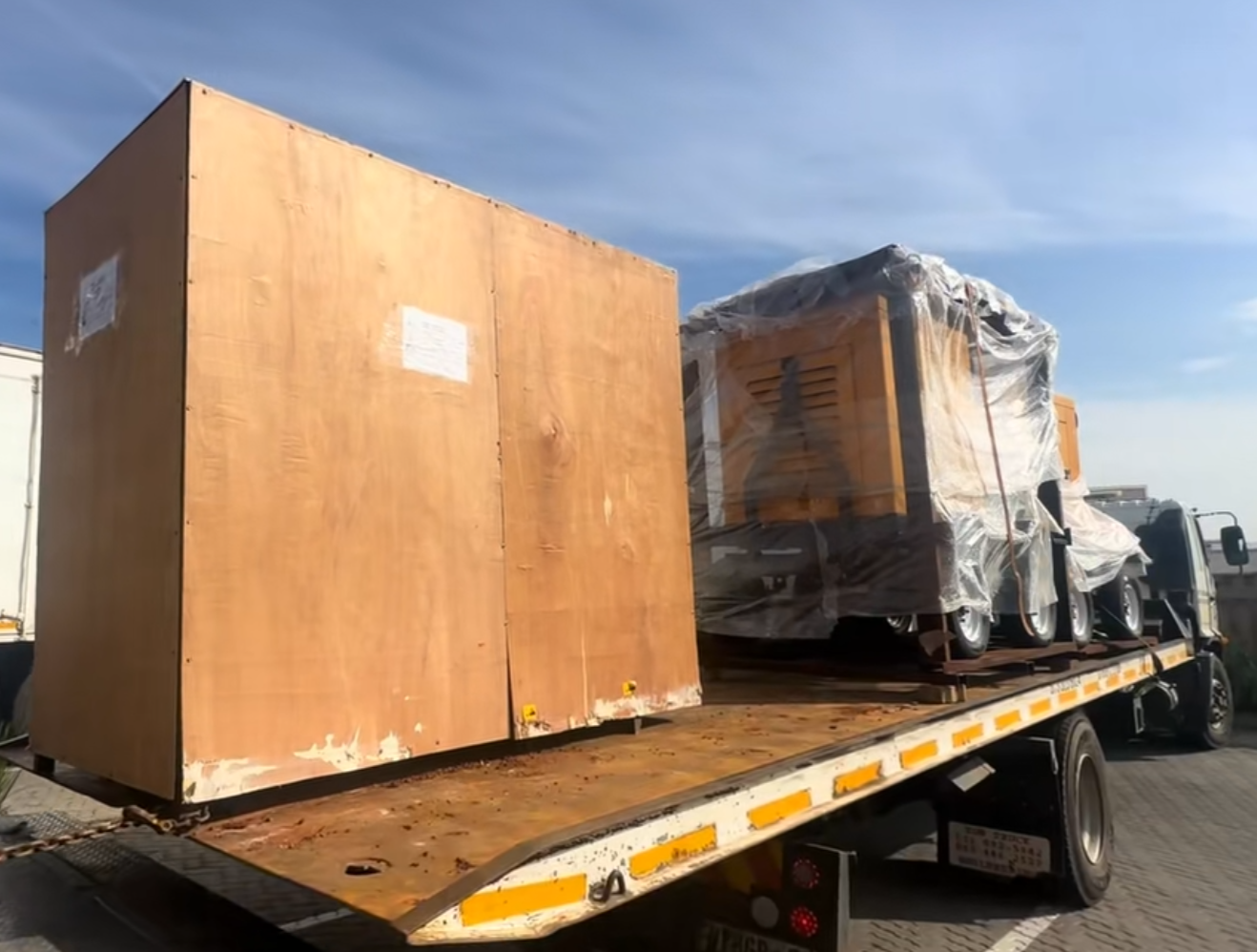
Food Processing Machine
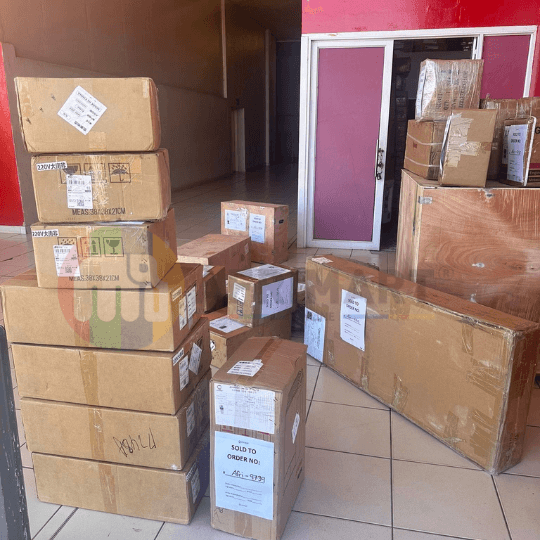
Batch of Orders
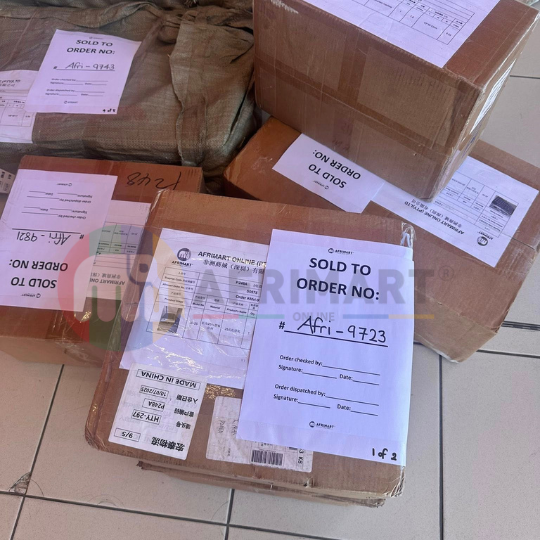
Batch of Orders
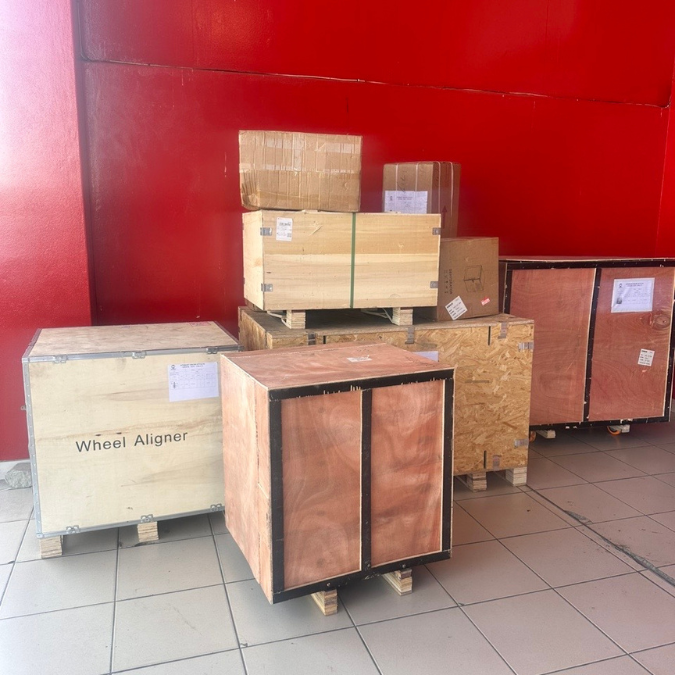
Latest Orders Labelled
wheel alignment machines
new arrivals
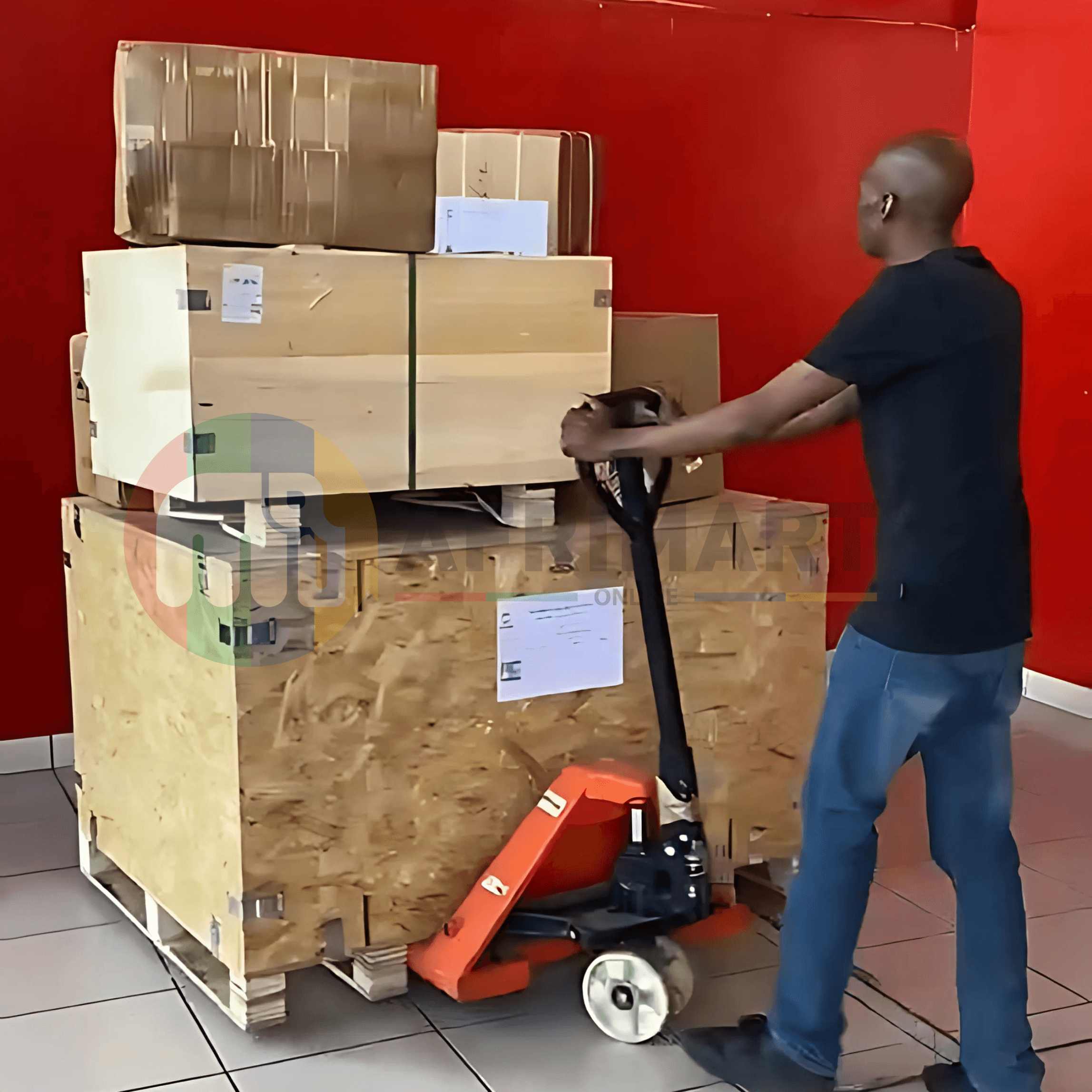
Pre Orders Offloading
Latest Arrivals
Latest Arrivals
Latest Arrivals
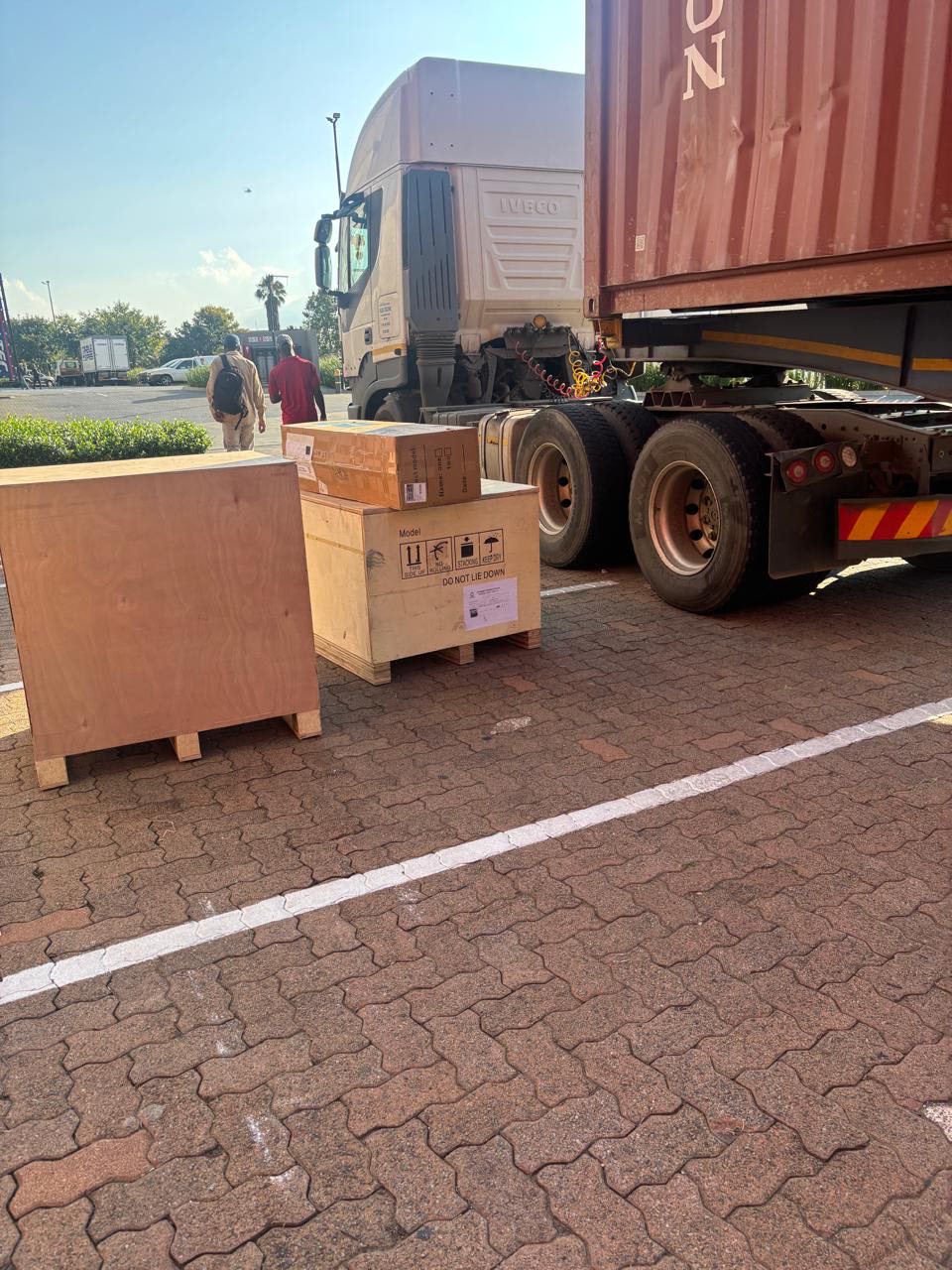
26 January 2026
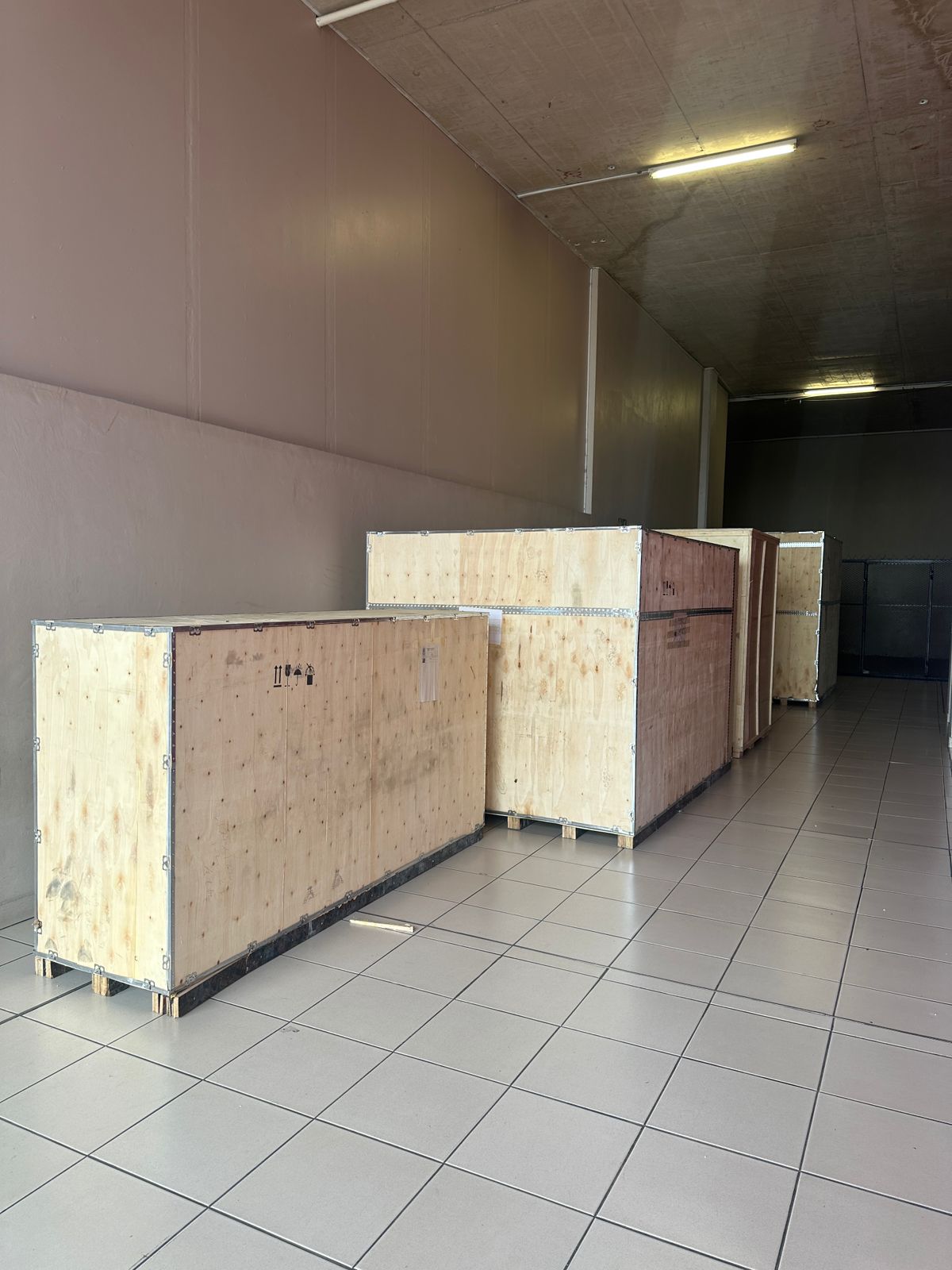
Toilet paper making machine
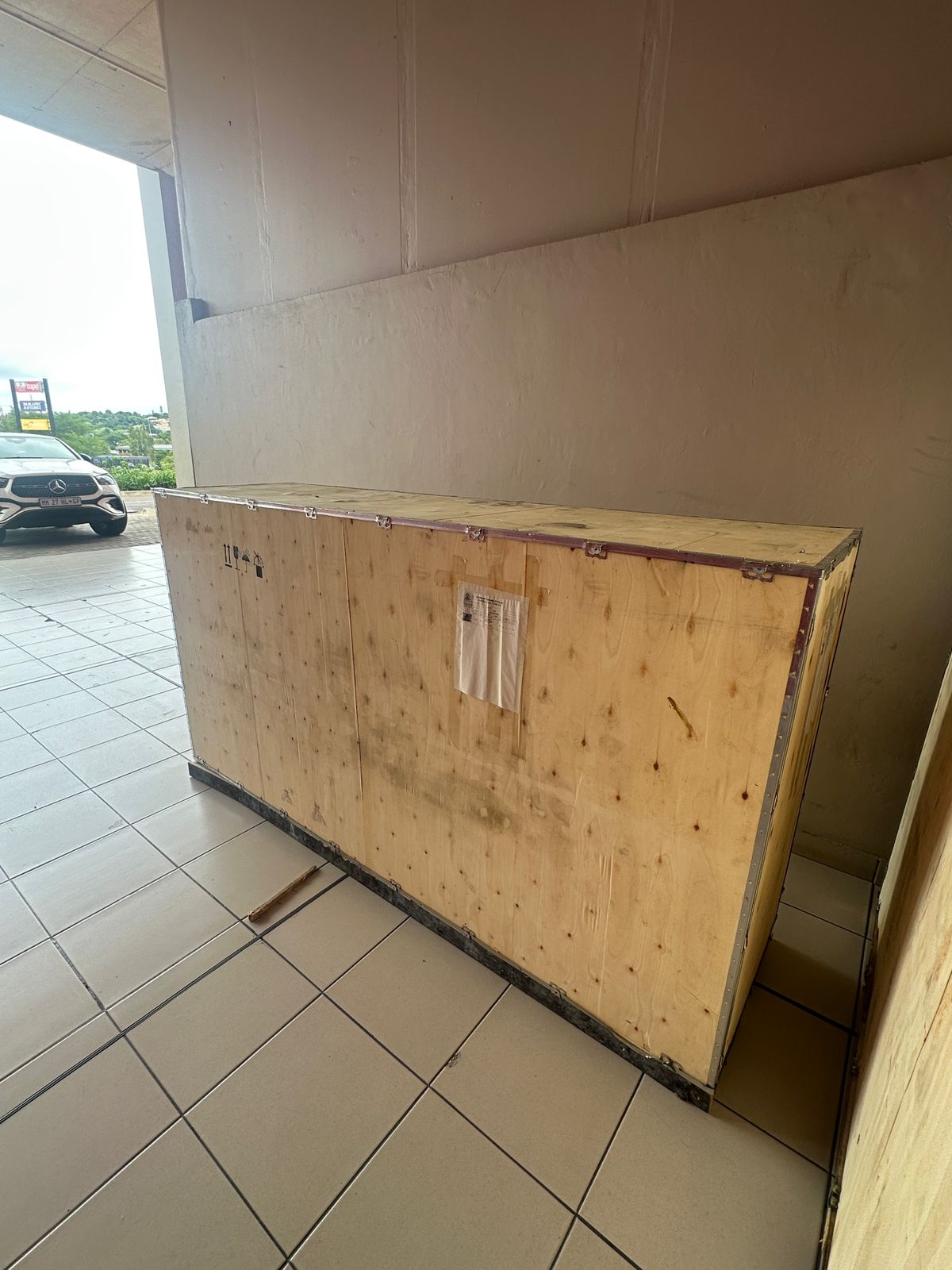
Toilet paper making machine
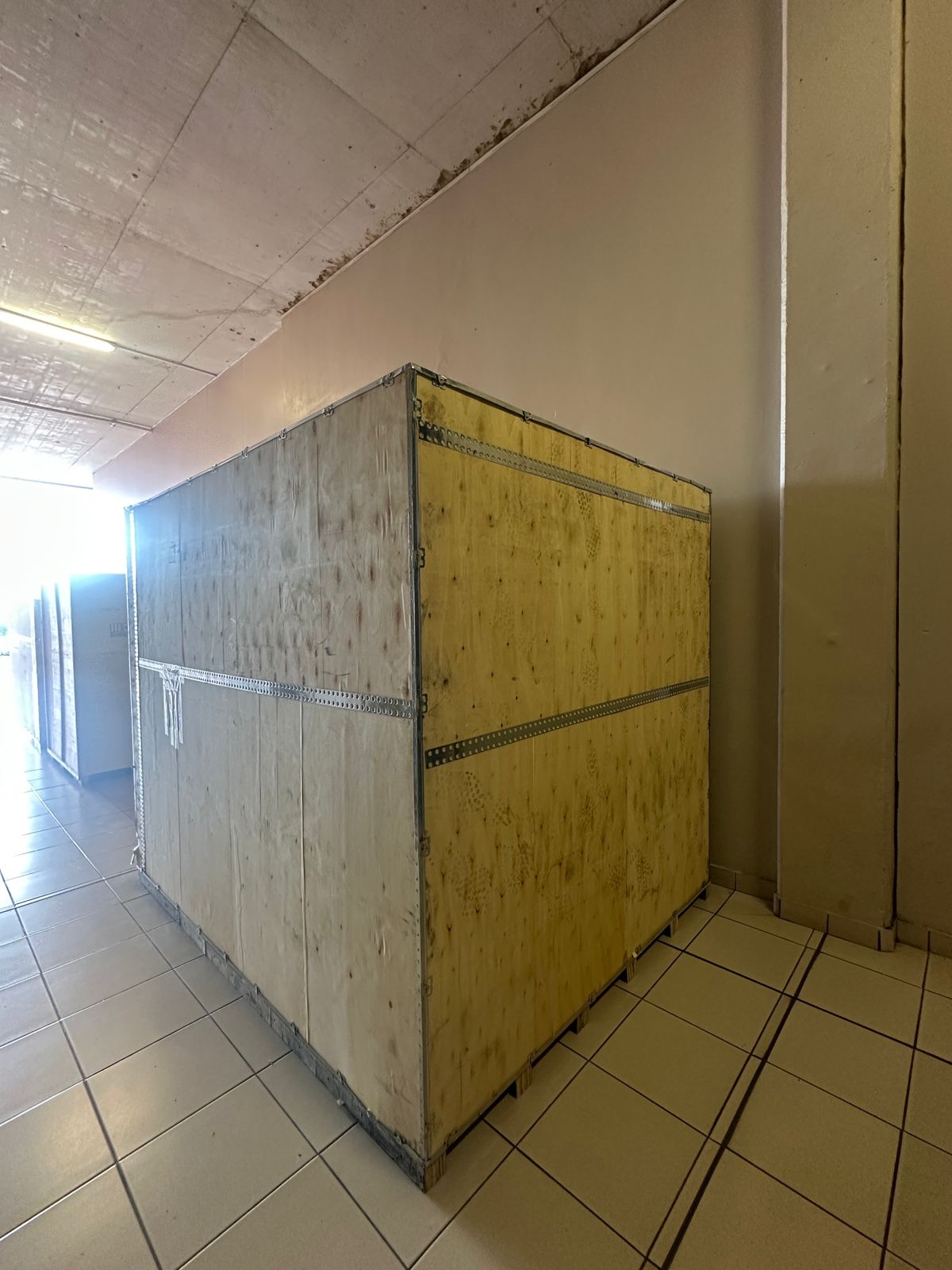
Toilet paper Rewinding Machine
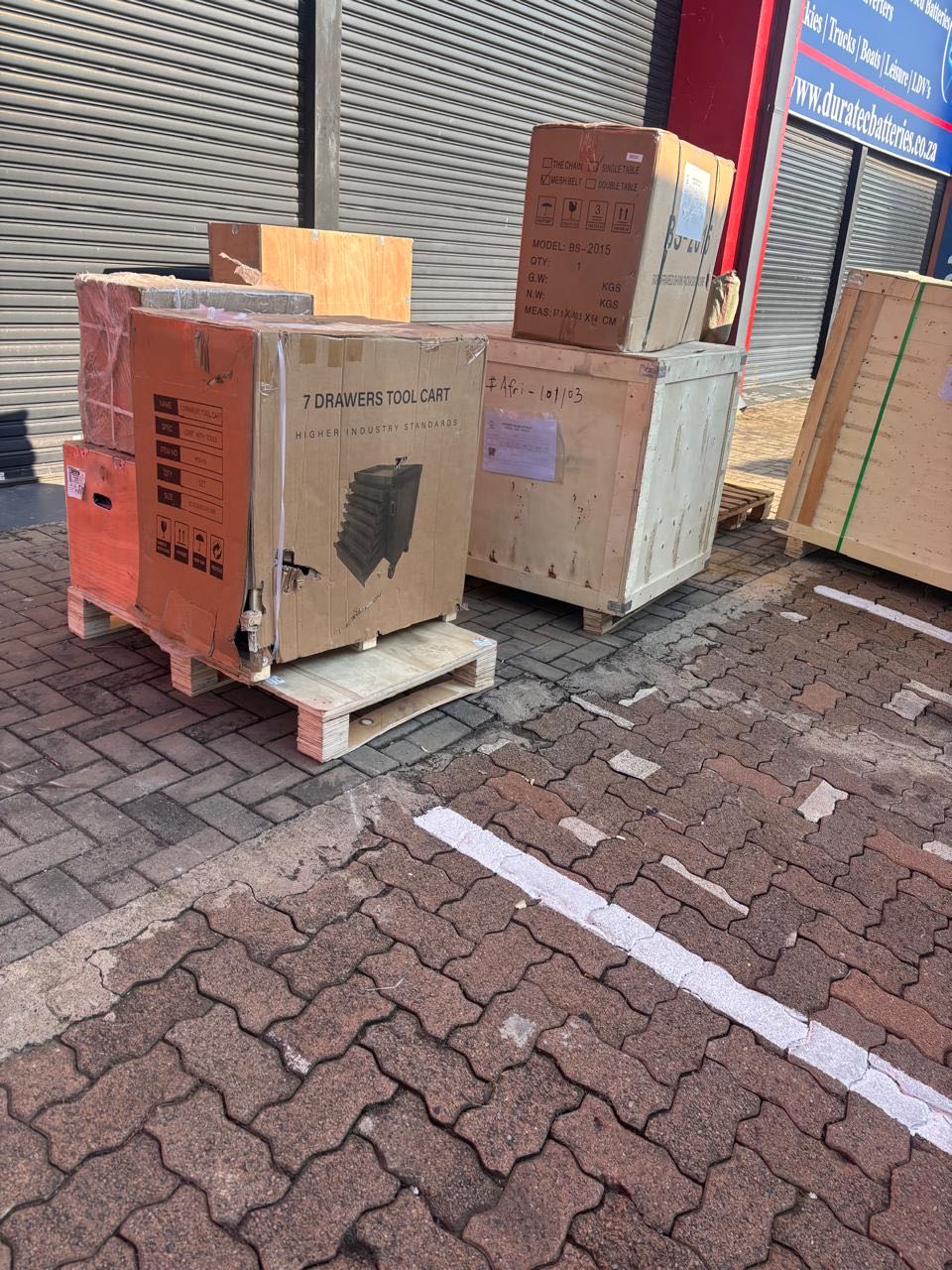
latest arrivals
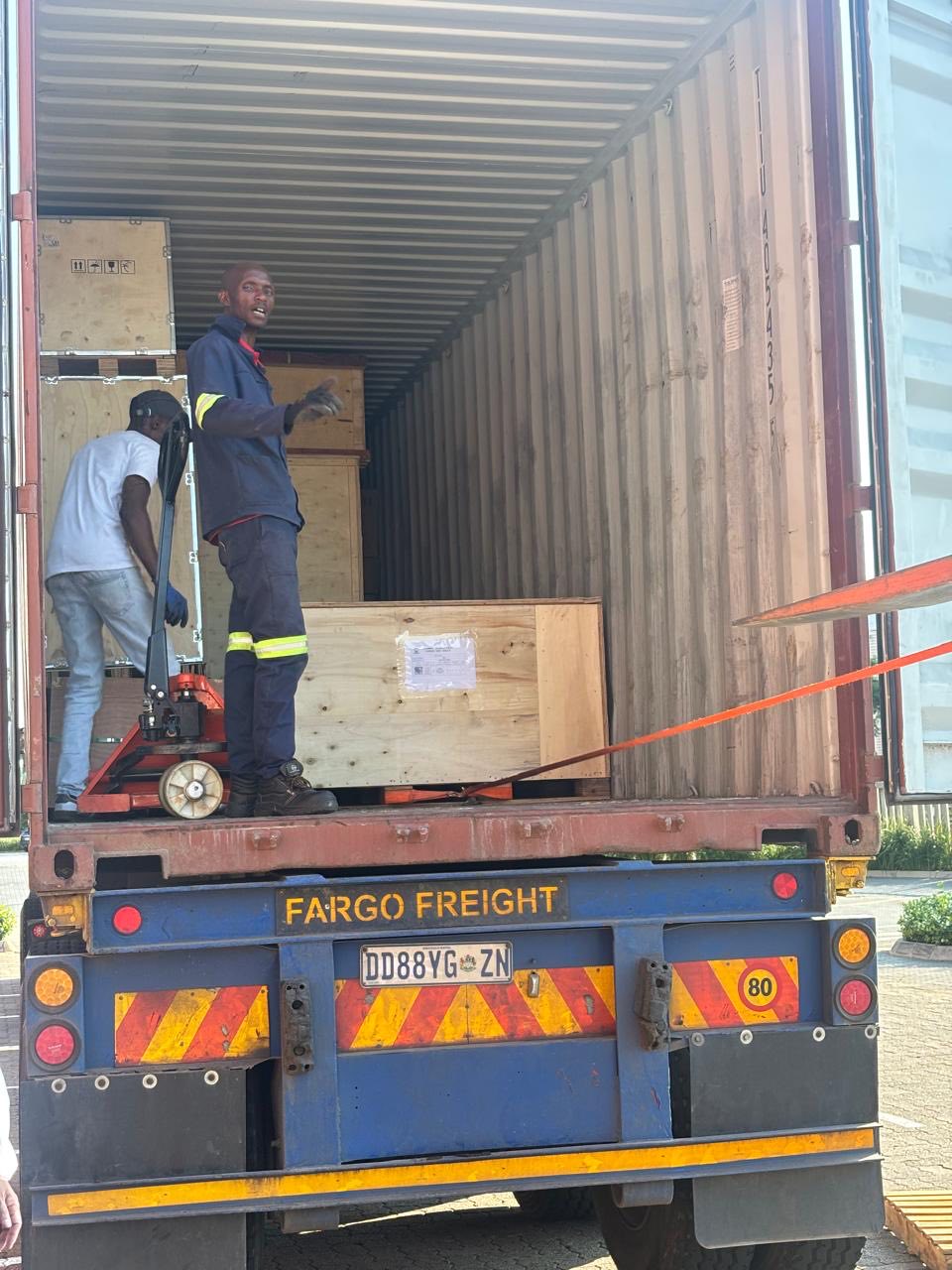
offloading
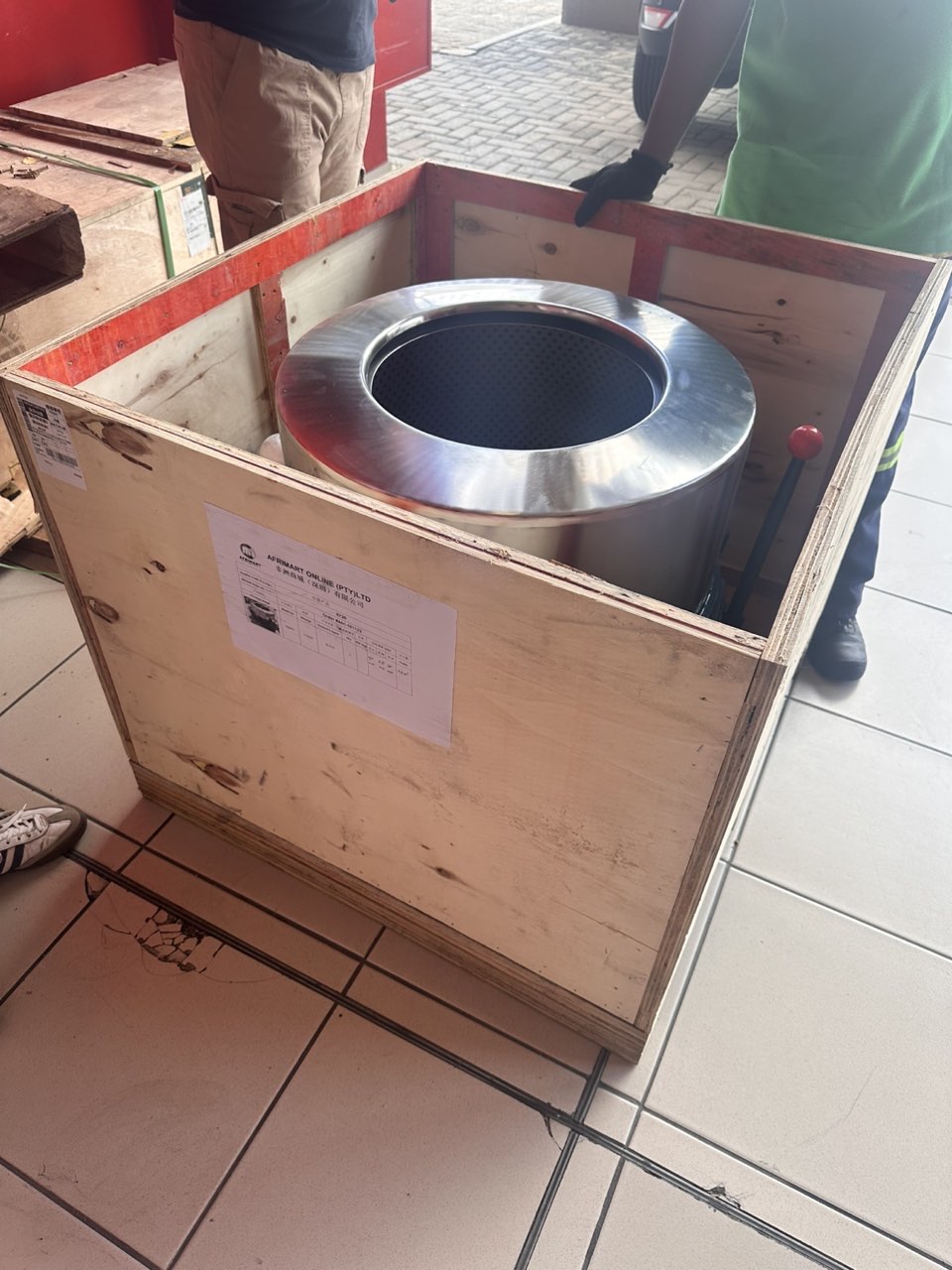
order success
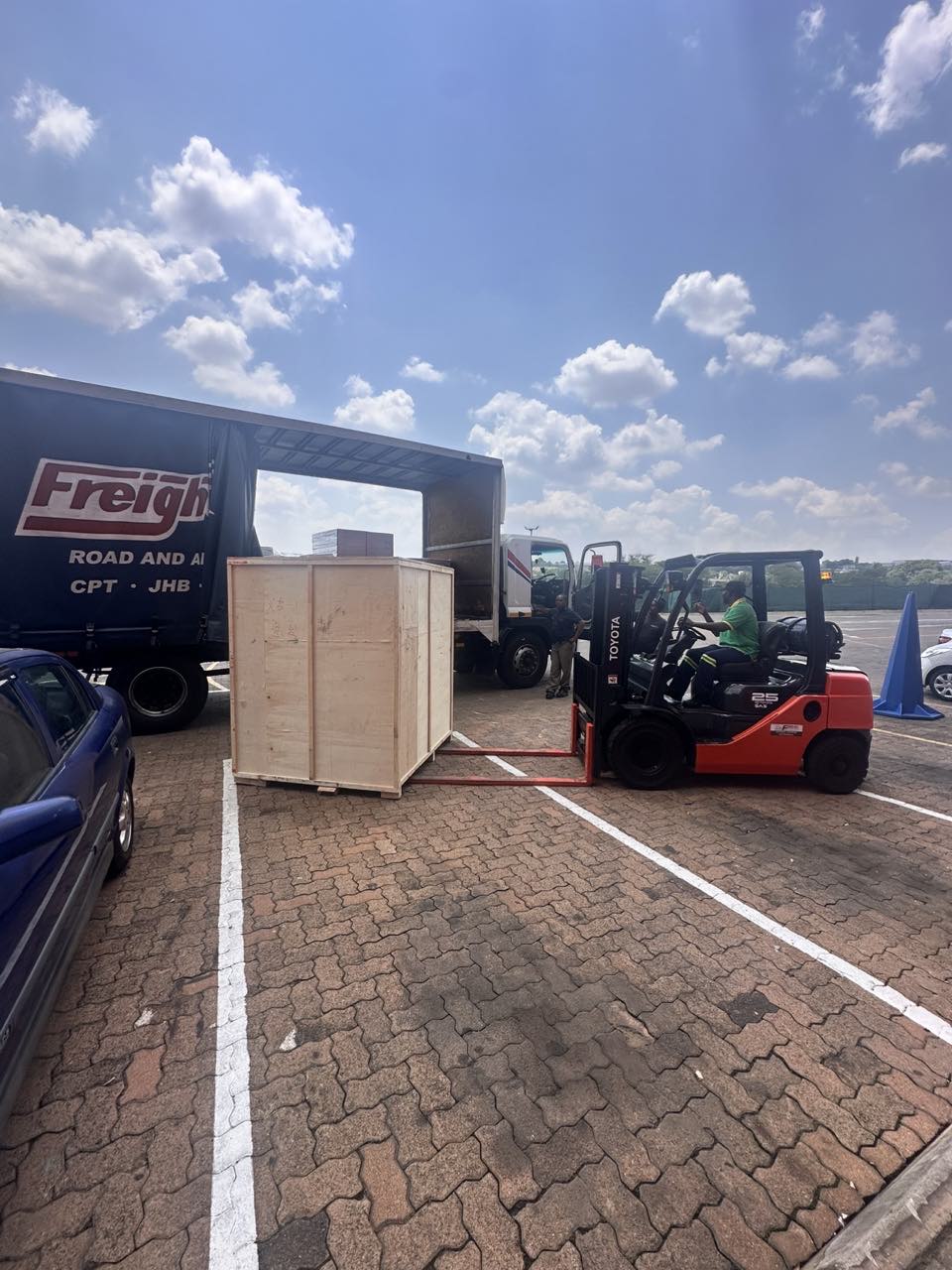
order collection
order offloading