B21, China Town Mall, Midrand


Trailed Asphalt Mixture Recycling Machine (LS-RZS1000)
Asset finance available
Do you want funding for this equipment?
Afrimart can connect you with trusted funding partners who specialise in asset finance for businesses like yours. Compare options and apply in minutes — final approval is subject to provider review.
Check funding options
Secure & no obligation
- Section : Sports & Entertainment
- Category : Vehicle Parts & Accessories
- SKU : 1600407036538

Product Overview
Asphalt hot recycling machine
When used for pavement repairs, it can provide the required hot mix asphalt mixture or perform hot recycling of waste materials.
FEATURES AT A GLANCE
Cost Effective: Millings and reclaimed asphalt pavement are 100% recycled, save the cost for patching, cost effective.
High Efficiency: Produces a load of 1 ton every 15-20 minutes or Approx 3 tons/hr.
Time Saving: Avoid the long lines and hassle at the asphalt plant by using the EAR-TD1000 to produce HMA at your shop or on the job site.
Reliability: Recycle millings into plant quality or better mix year round.
Environment Friendly: No longer do you have to throw out old chunks or millings.
Versatility: Ability to add as much or as little hot bitumen as you want to completely customize you mix design.
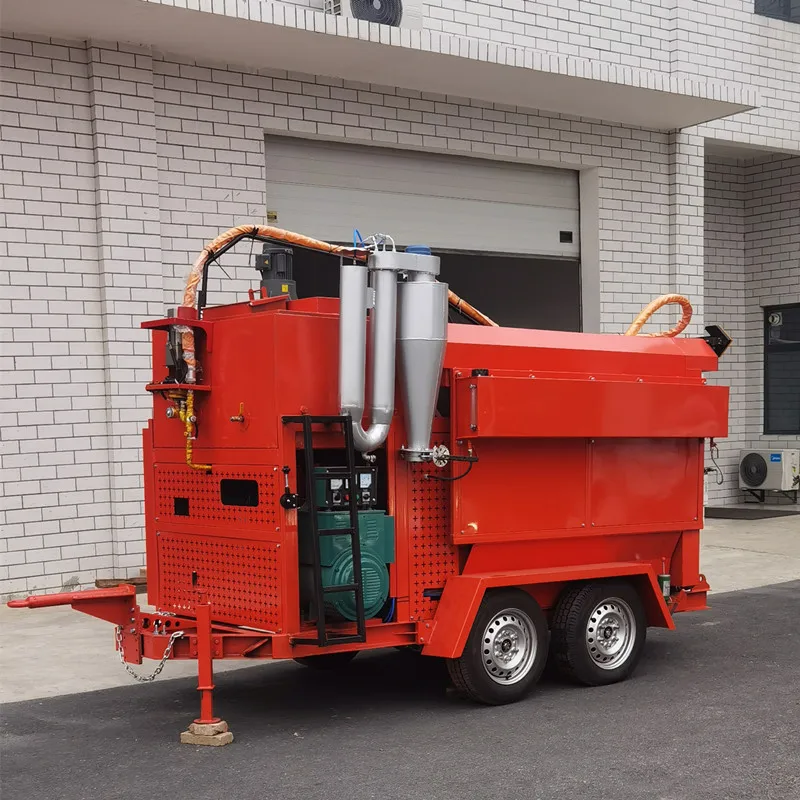

Right elevation
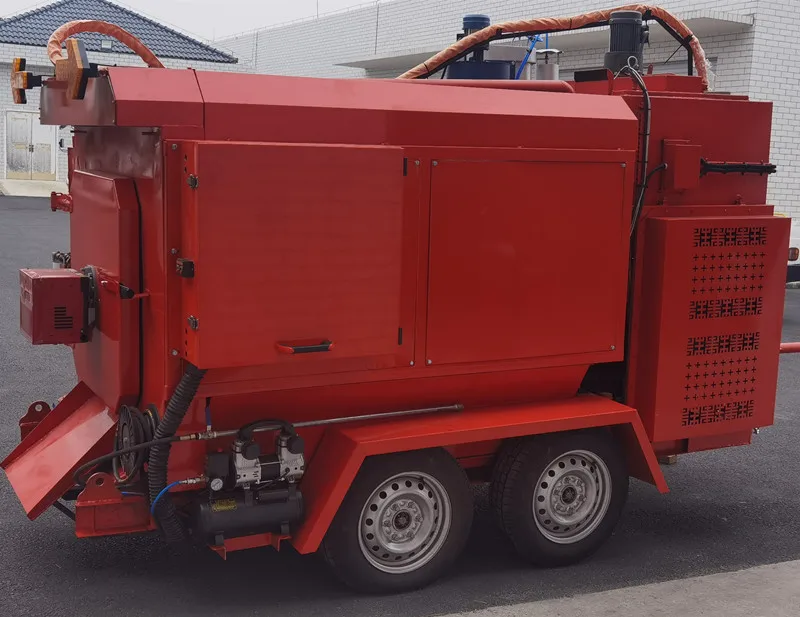
Left elevation
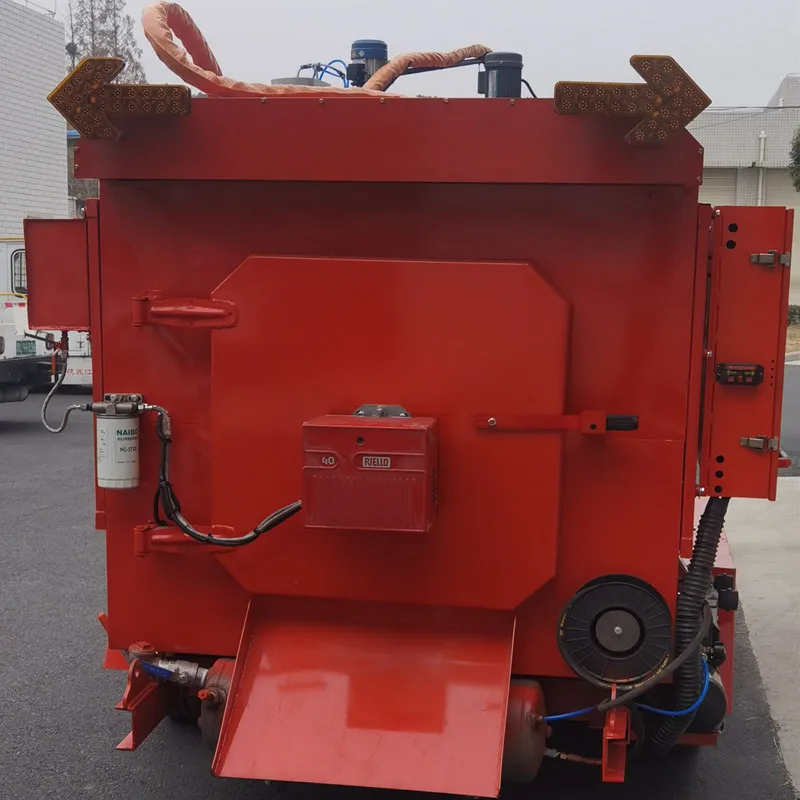
Front elevation
PRODUCT SPECIFICATIONS
| No | Item | Data |
| 1 | Power | 33KW |
| 2 | Generator | 30KW |
| 3 | Burner | 464T1 Italy Riello |
| 4 | Heating way | Hot air circulation |
| 5 | Hot melt kettle | 200L |
| 6 | Mixing | 5.5KW 380V |
| 7 | Asphalt tank | 1.5m³ |
| 8 | Moving way | Trailer |
PRODUCT CONFIGURATION

high power engine 33kw
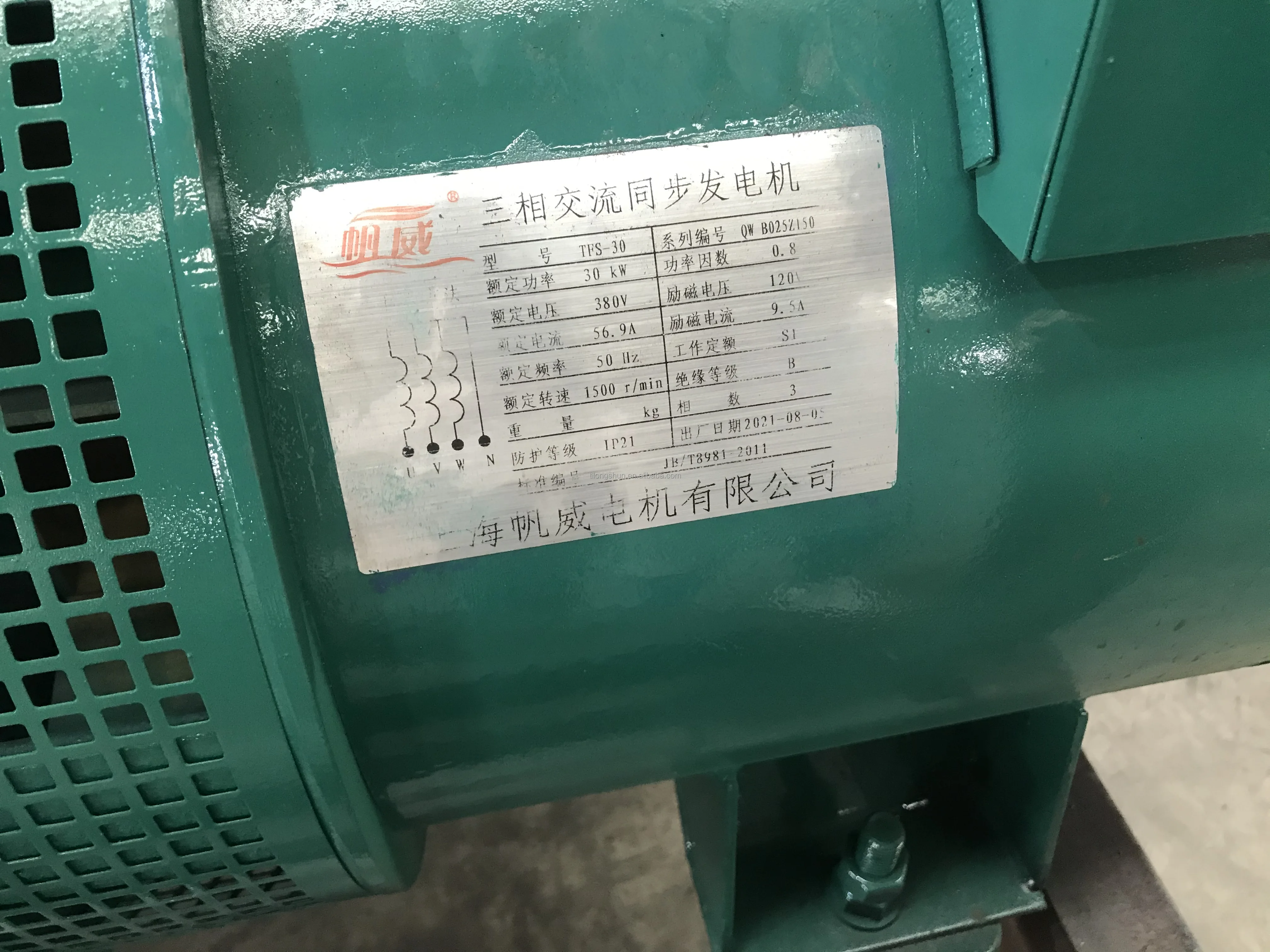
generator 30kw

Automatic butter machine
- Shipping Timeframes: All orders are processed within 2-5 business days (excluding weekends and holidays). After your order has been processed, the estimated delivery time is before 03 Aug, 2026, depending on customs, Please note that due to high demand, some items may experience longer shipping times, which will be communicated at order confirmation email.
- Order Processing Time: Please allow 2-5 business days for us to process your order before it is shipped . Orders placed after 16:00 on Fridays, or during weekends and public holidays, will begin processing on the next business day. Processing times may be extended during peak seasons or sales events.
- Manufacturing Time: Some products needs manufacturing time, the manufacturing process will take approximately 10-30 business days depending on the product. This timeframe may vary depending on the complexity of the product and current demand. but this will be communicated with you during order confirmation.
- Returns and Exchanges: We offer a 30-day return policy for most items. If you are not completely satisfied with your purchase, you may return it within 30 days of receipt for a refund or exchange. Items must be unused, in their original packaging, and accompanied by proof of purchase. Return shipping costs are the responsibility of the customer, unless the item was damaged or defective upon arrival.
1. What is the Trailed Asphalt Mixture Recycling Machine (LS-RZS1000) used for?
The LS-RZS1000 is a trailer-mounted asphalt hot recycling machine designed to produce hot mix asphalt for pavement repairs and to perform on‑site hot recycling of millings and reclaimed asphalt pavement (RAP).
2. What is the production capacity of the LS-RZS1000?
Production is approximately 1 ton every 15–20 minutes, or roughly 3 tons per hour under normal operating conditions (actual output depends on material condition and jobsite setup).
3. What are the main power and heating specifications?
The unit is powered by a 33 kW engine with a 30 kW generator. Heating is provided by a hot air circulation system using a Riello burner (model 46T1 in supplied configuration).
4. What are the key component capacities (kettle, tank, mixer)?
Hot melt kettle capacity is 200 L, the asphalt storage tank is 1.5 m³, and the mixing motor is 5.5 kW (380 V).
5. Which materials can be recycled in this machine?
The LS-RZS1000 can recycle millings, full‑depth reclaimed asphalt pavement (RAP) and small chunks of old asphalt into high-quality hot mix by adding new hot bitumen and aggregates as required.
6. Can I control the amount of added bitumen and modify mix design?
Yes. The machine allows you to add as much or as little hot bitumen as needed so you can customize mix design to meet project specifications.
7. Is the unit mobile and how is it transported on site?
The LS-RZS1000 is trailer-mounted for towing. It is designed to be transported to jobsites and operated from your shop or directly on the roadwork location; towing vehicle requirements should match trailer gross weight.
8. How long does it take to warm up and be ready to produce hot mix?
Warm-up time depends on ambient temperature and feedstock, but typical warm‑up ranges from 30 to 60 minutes to reach operating temperature and begin continuous production.
9. What fuels does the burner and generator use?
The generator and main engine typically run on diesel. The burner supplied (Riello) is normally diesel‑fired. Confirm fuel requirements with your supplier or manual before operation.
10. What environmental benefits does this recycling machine provide?
By recycling 100% of millings and RAP into reusable hot mix, the LS-RZS1000 reduces landfill waste, lowers the need for new asphalt binder and aggregate, and minimizes material hauling compared with plant‑sourced HMA.
11. What routine maintenance is required?
Daily checks should include fuel/oil levels, burner and generator inspection, cleaning the heat exchanger and mixer, greasing bearings, inspecting hoses and belts, and removing trapped fines. Follow the manufacturer maintenance schedule for periodic servicing.
12. How many operators are needed to run the machine?
Typically 1–2 trained operators are sufficient: one to control the unit and burner and one to feed material and handle finished mix. Complexity of the jobsite may require additional crew.
13. What safety precautions should operators follow?
Wear appropriate PPE (heat-resistant gloves, eye protection, high-visibility clothing), maintain clear access around hot equipment, follow safe fueling and hot‑material handling procedures, and adhere to lockout/tagout during maintenance. Ensure proper ventilation for exhaust gases.
14. Are spare parts and technical support available?
Yes. Common spare parts include burner spare elements, fuel filters, belts, seals, bearings and mixer components. Contact your supplier for an approved spare parts list, service manuals and technical support or training options.
15. Is there a warranty or certification information available for the LS-RZS1000?
Warranty terms and any applicable certifications vary by supplier and region. Consult the sales contract or your local dealer for specific warranty coverage, compliance documents and CE or emission certifications if required.
Latest Order Arrivals
Discover our latest orders
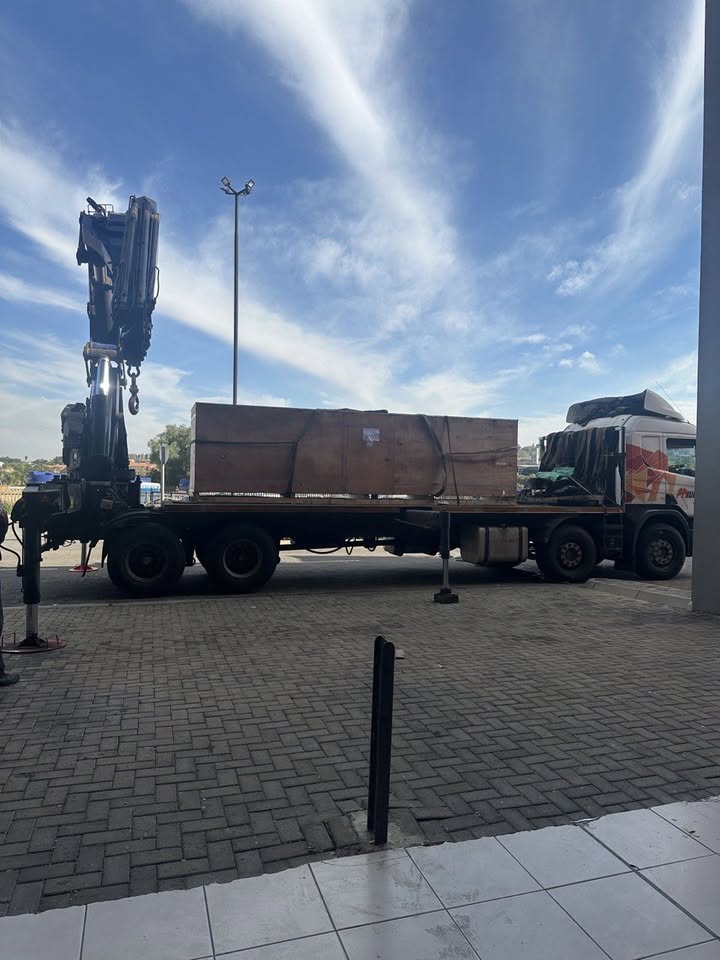
12 Heads Embroidery Machine
Toilet Paper Machine Machine
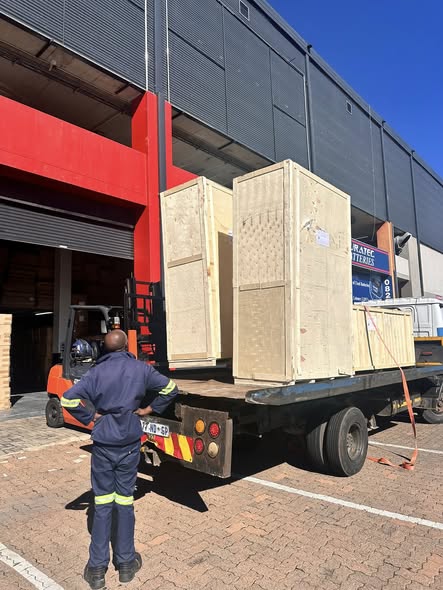
Order Collection
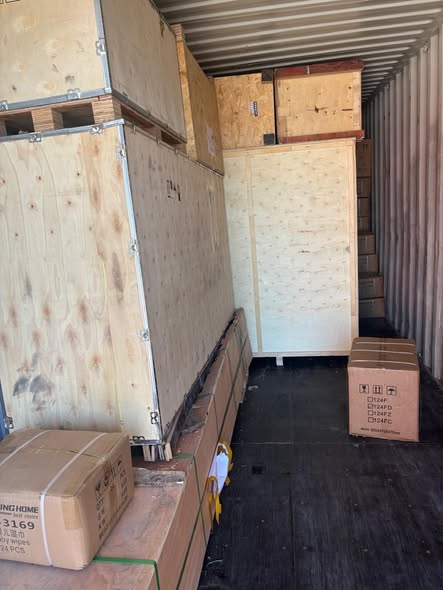
Cross Border Clients
Order cros border countries Collected
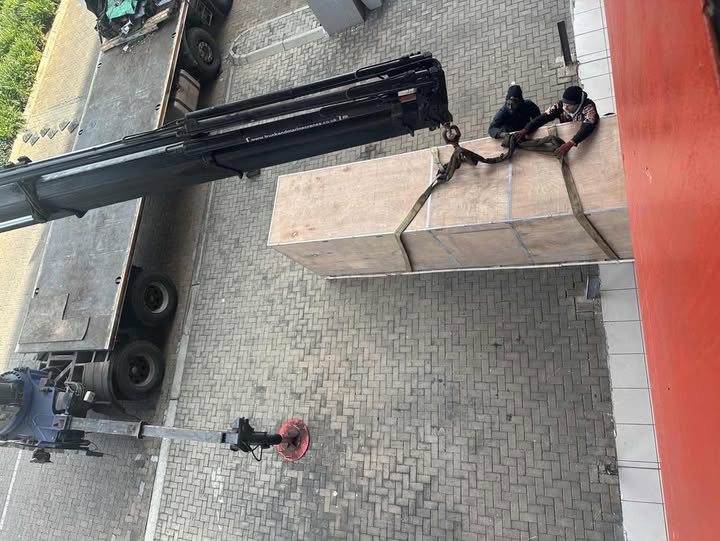
Industrial Machine Cllection
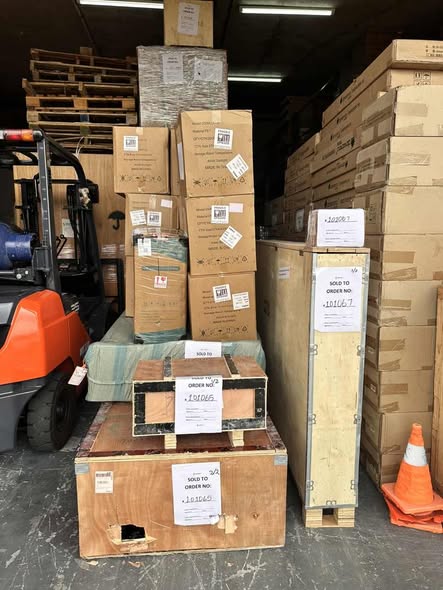
Agriculture Processing Machines
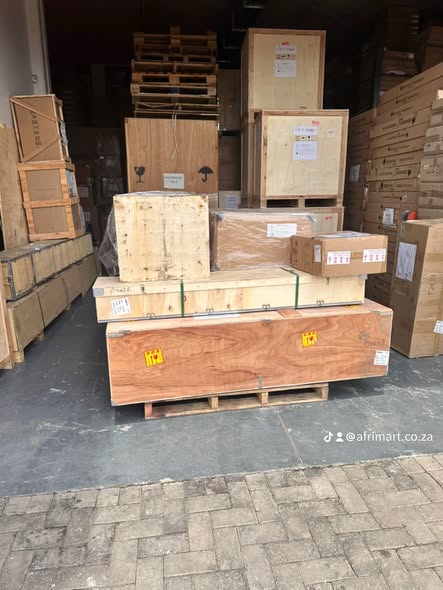
Ready for collection
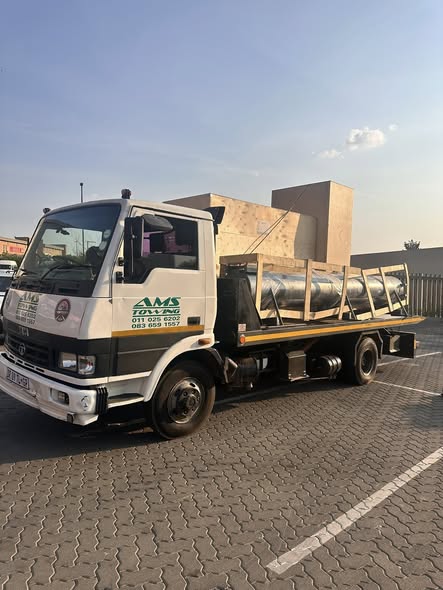
Water Pump Equipment
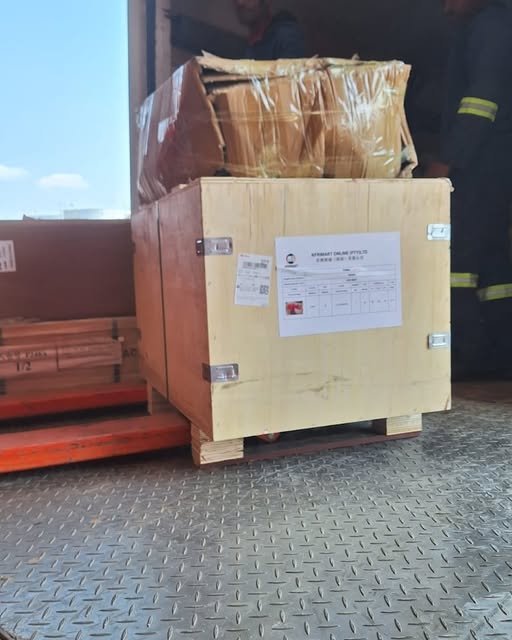
Packaging Machine and accessories
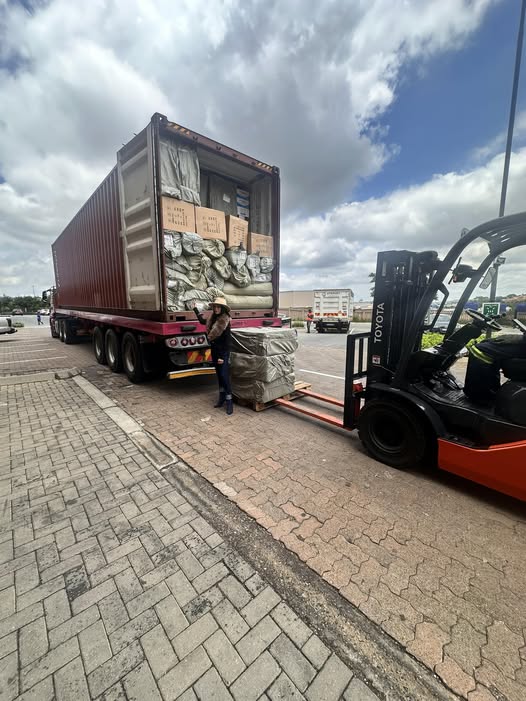
Fabrics Manufacturing Equipment
Mining Equipments
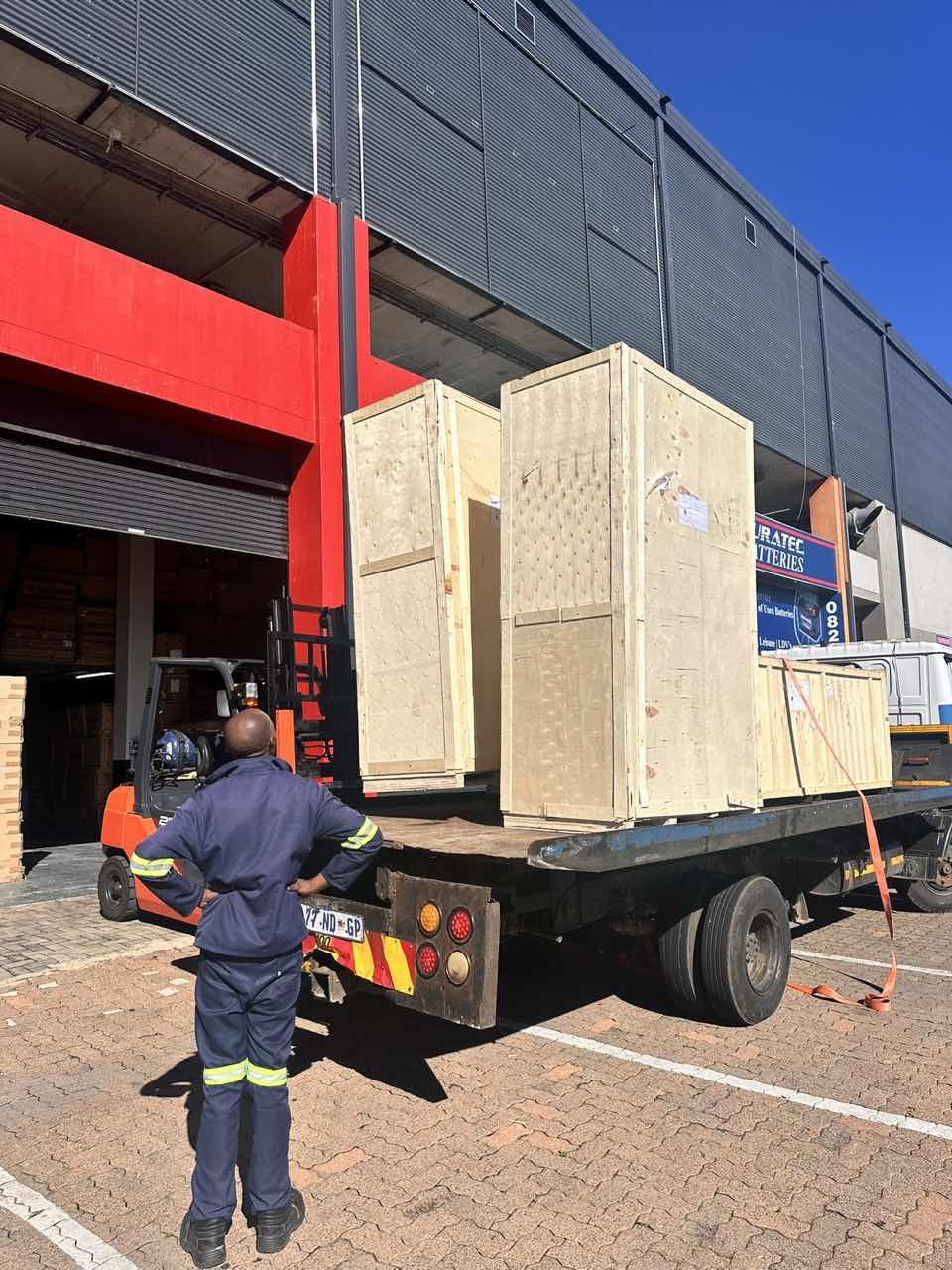
Food Processing Machine
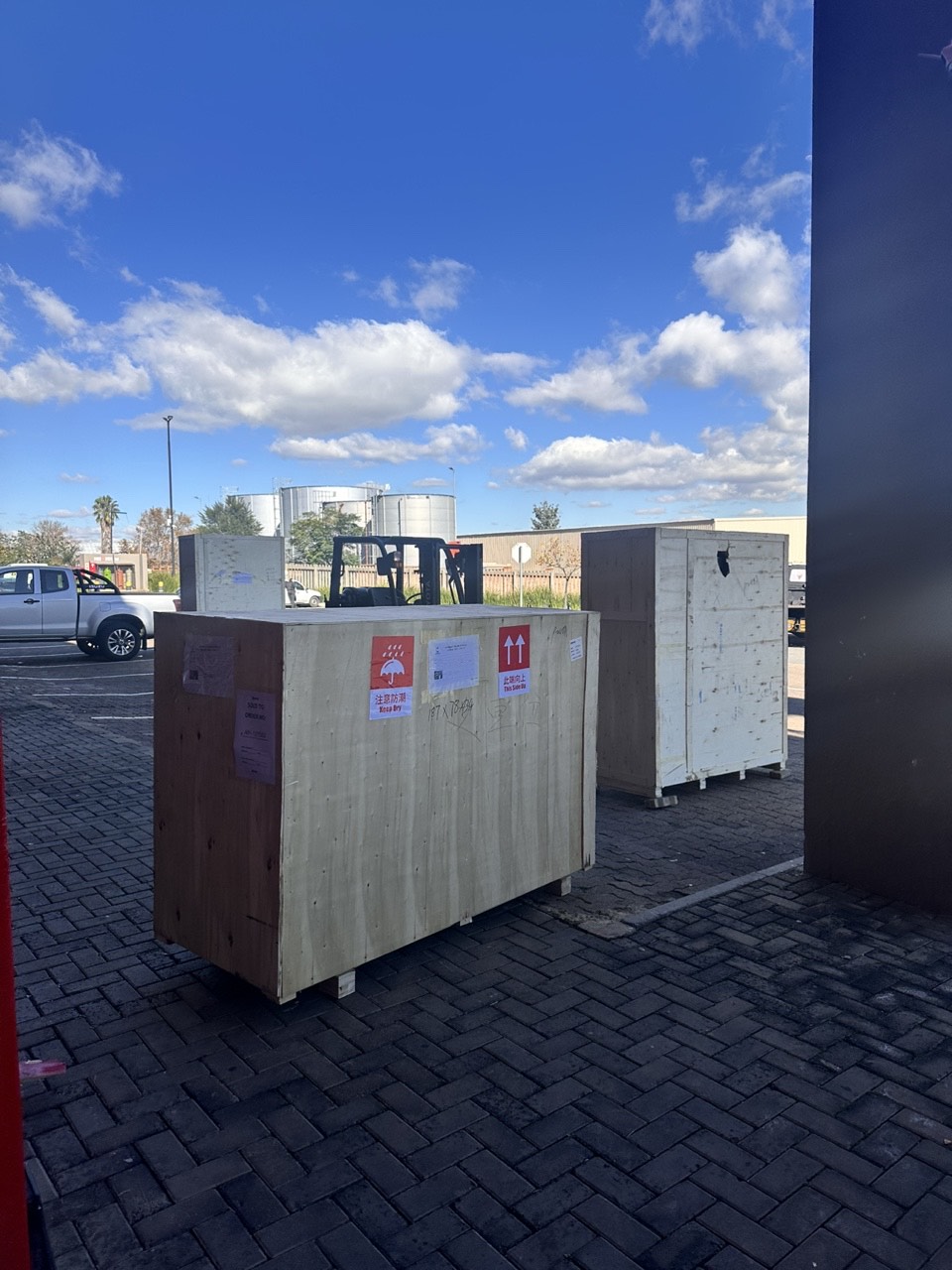
Batch of Orders
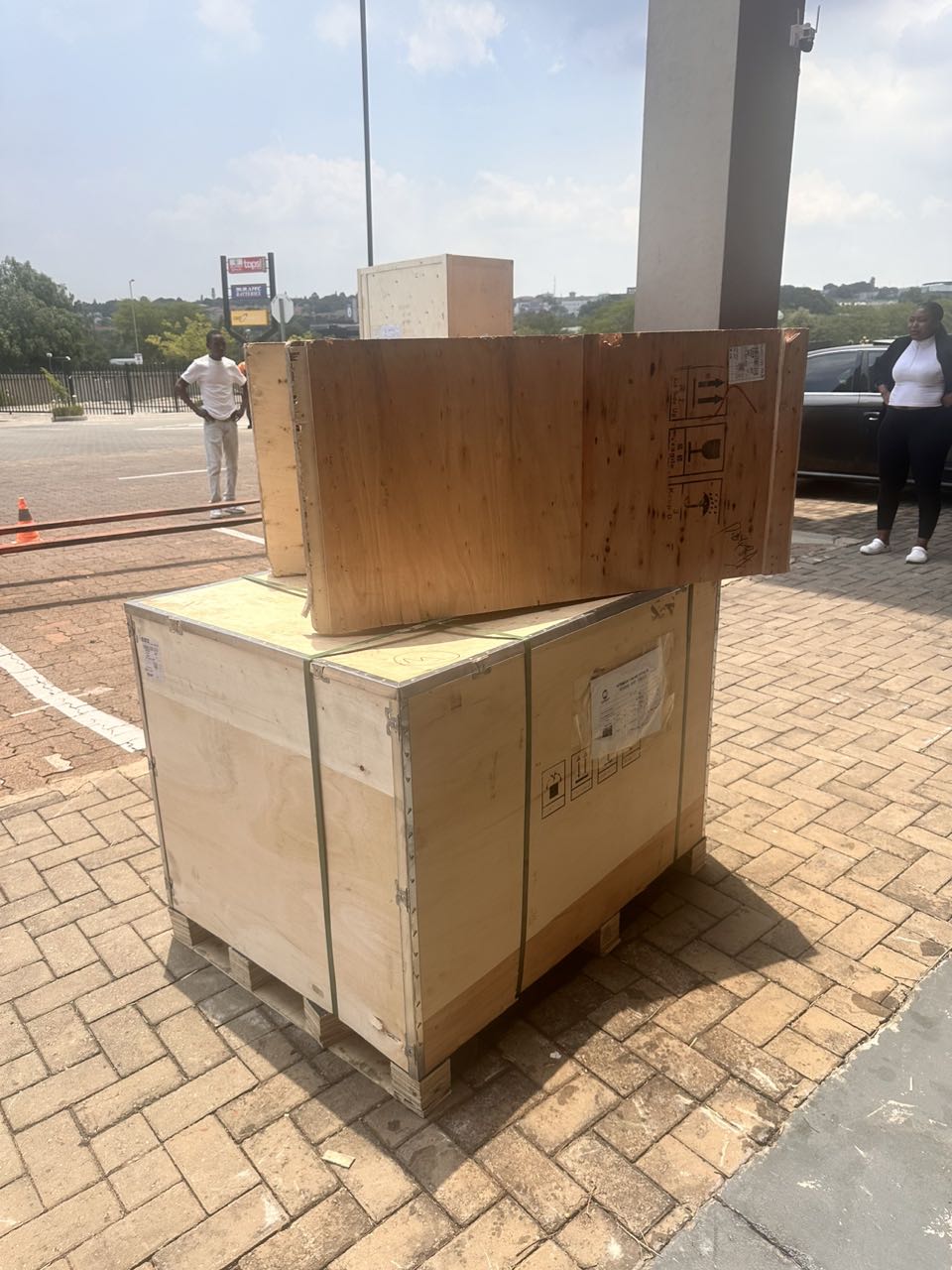
Batch of Orders
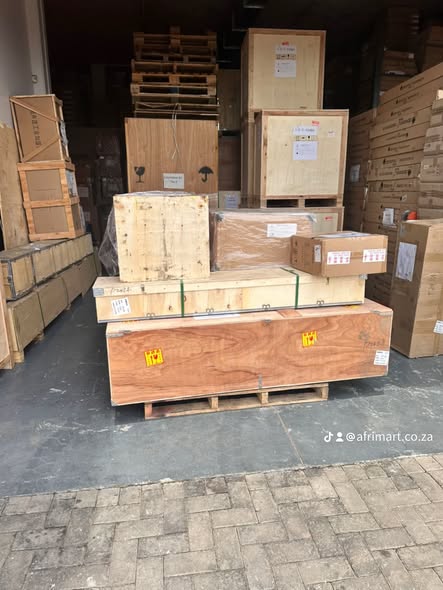
Latest Orders Labelled
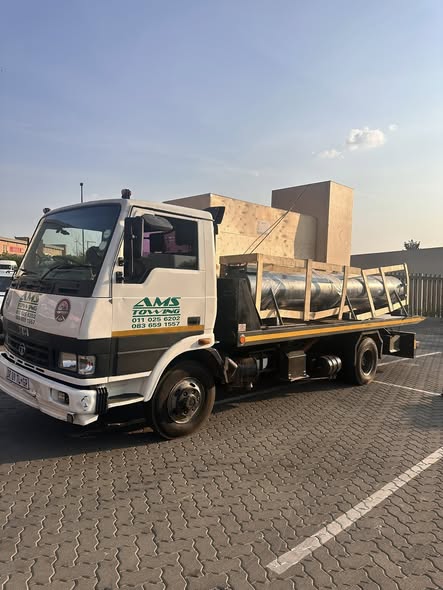
wheel alignment machines
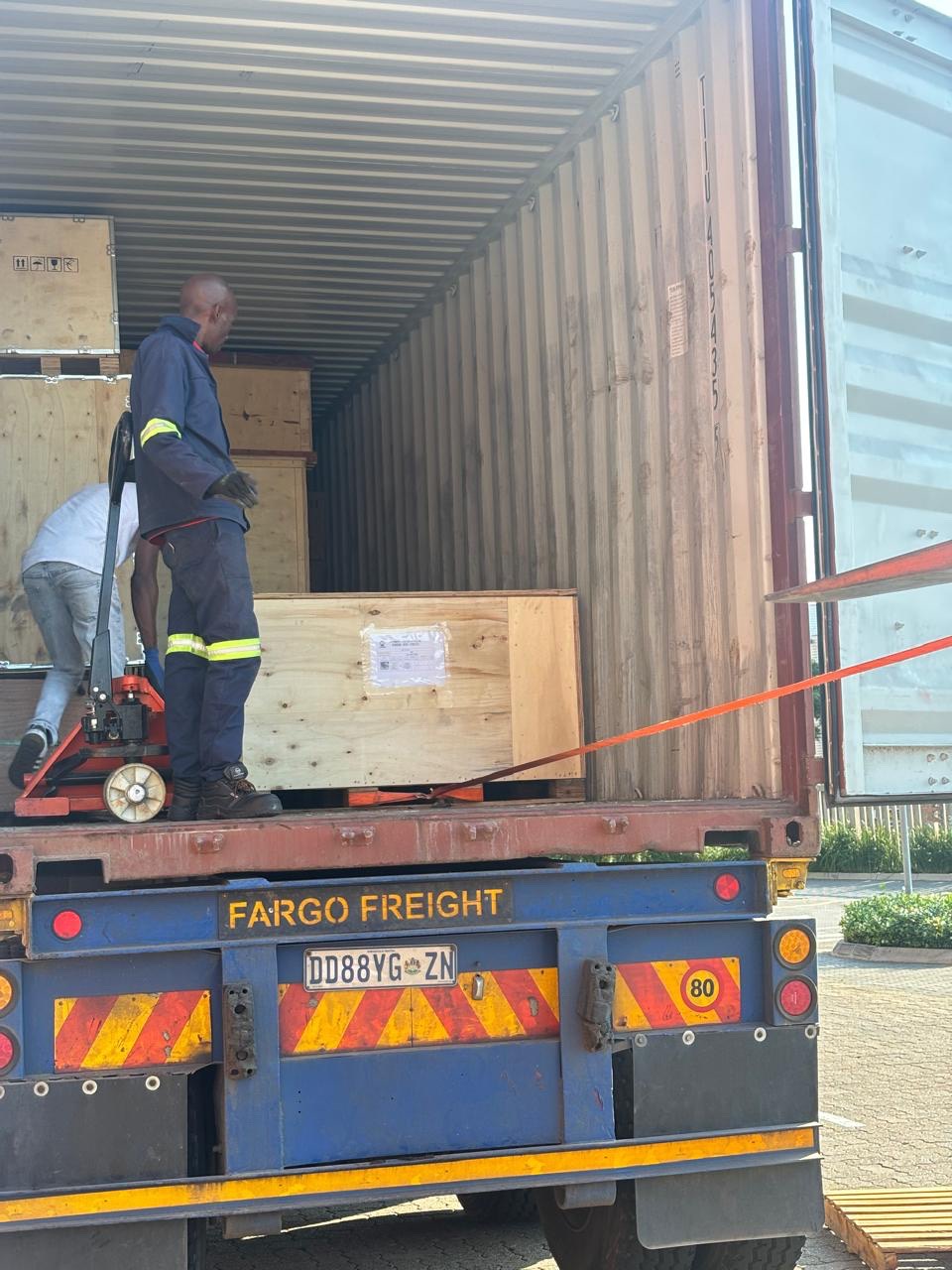
new arrivals
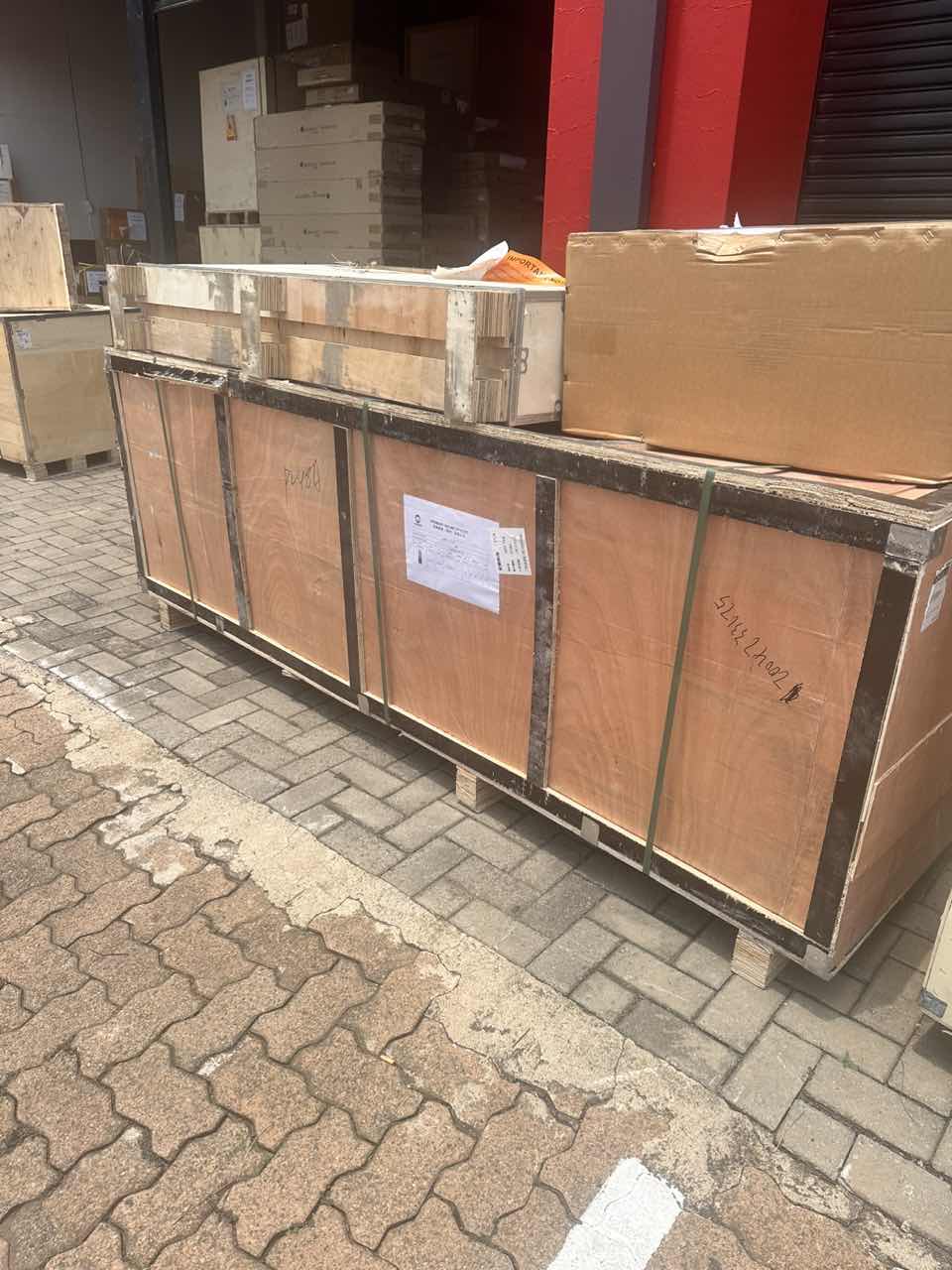
Pre Orders Offloading
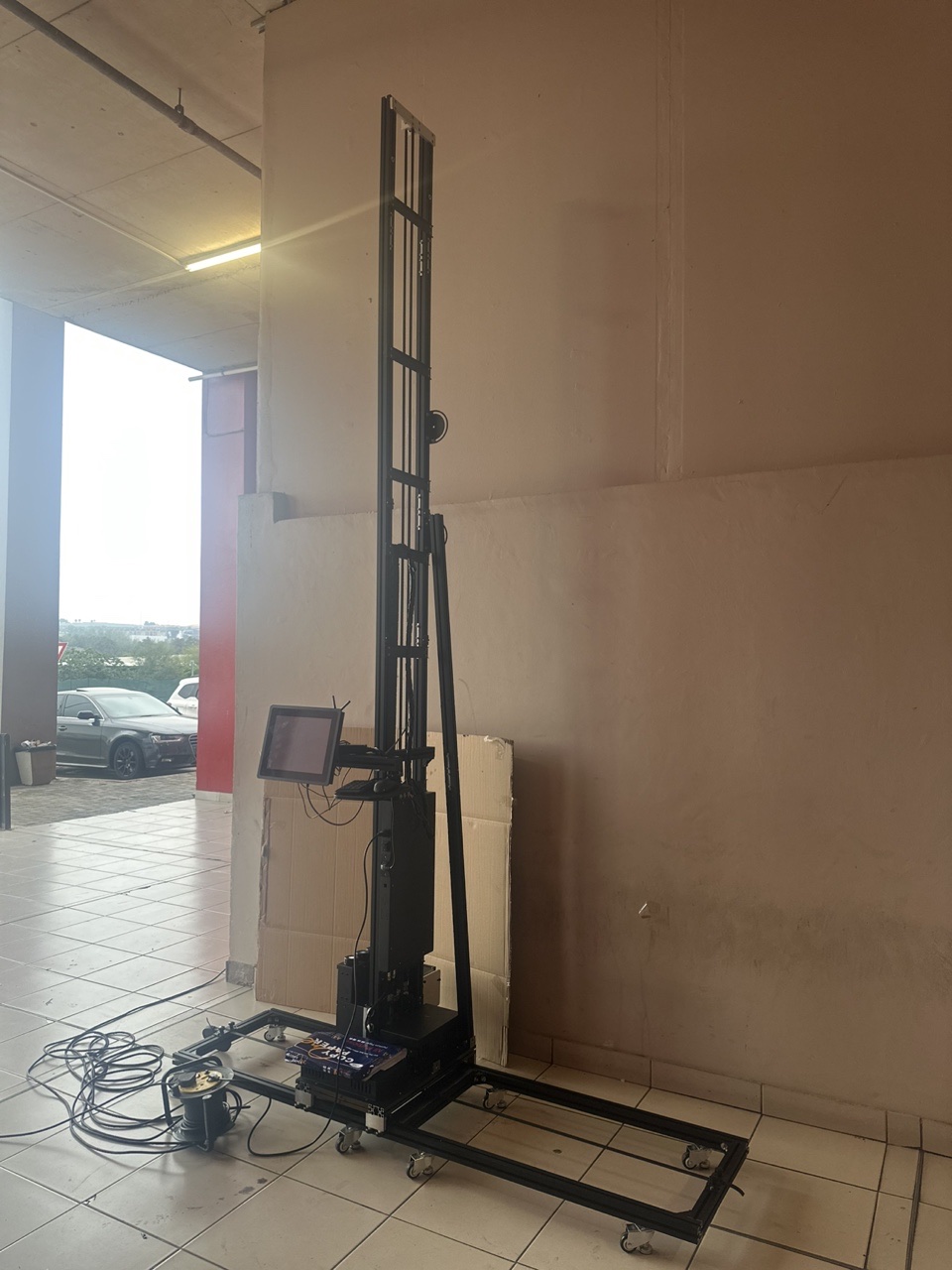
Latest Arrivals
Latest Arrivals
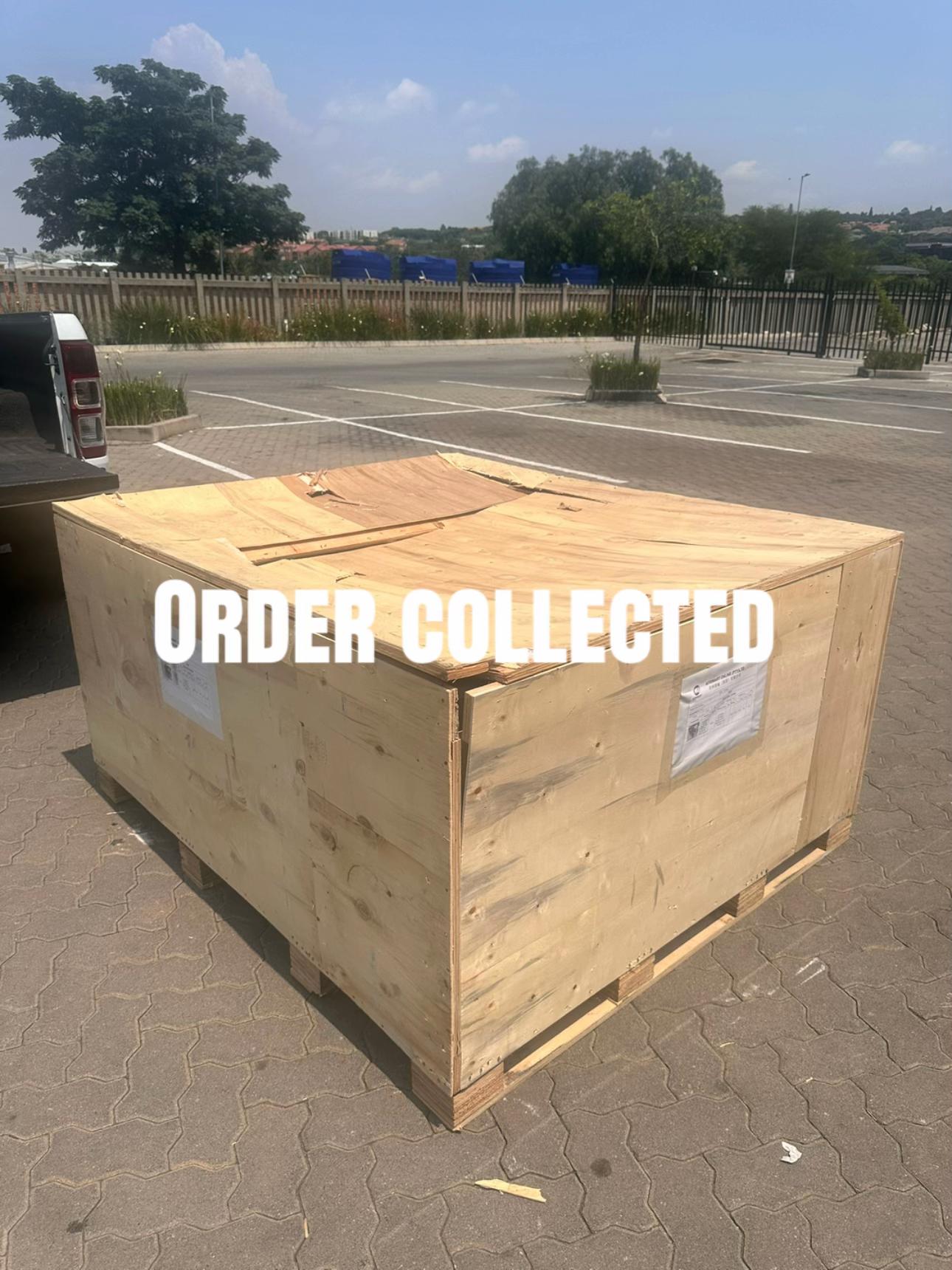
Latest Arrivals
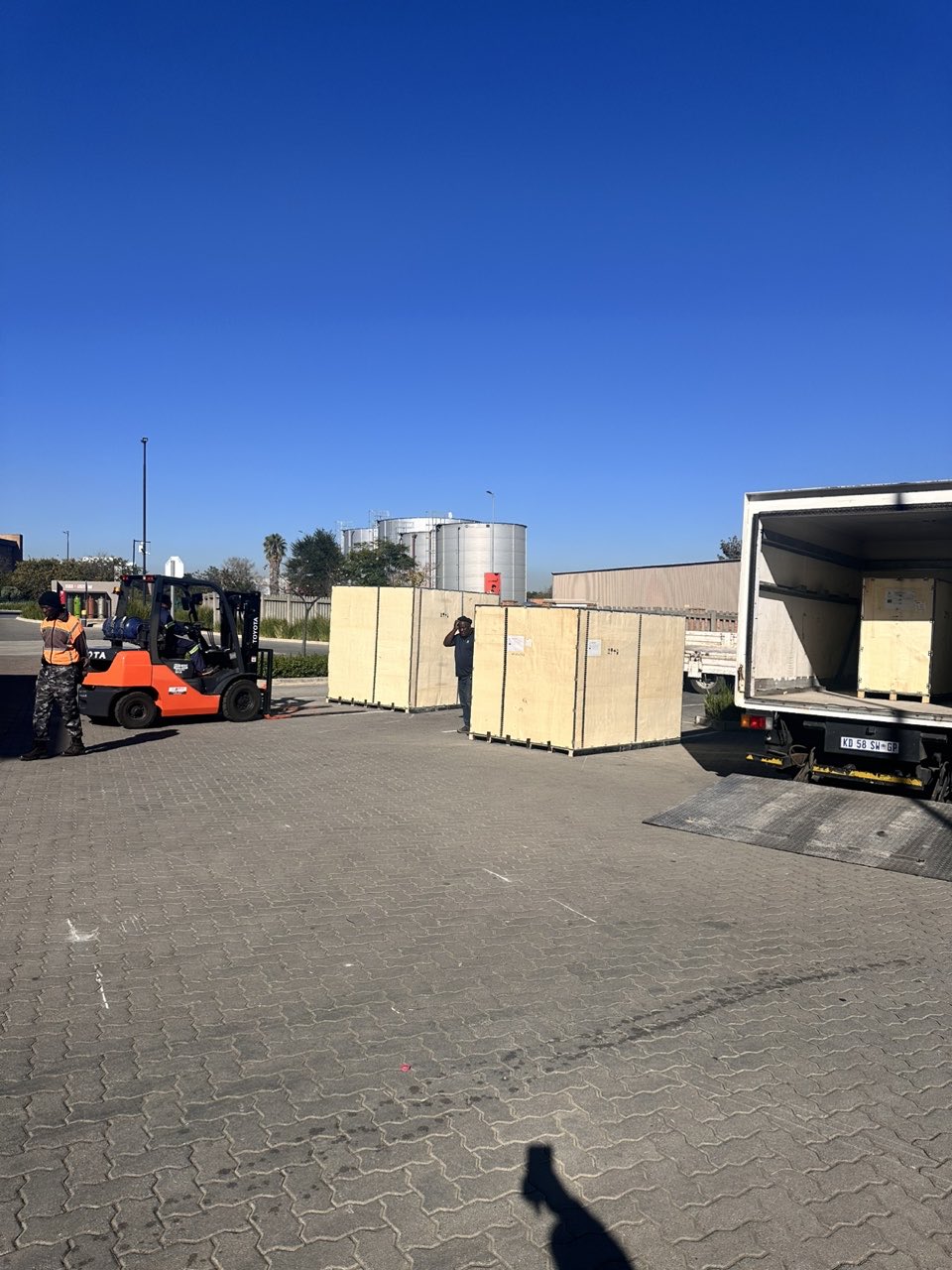
Loading
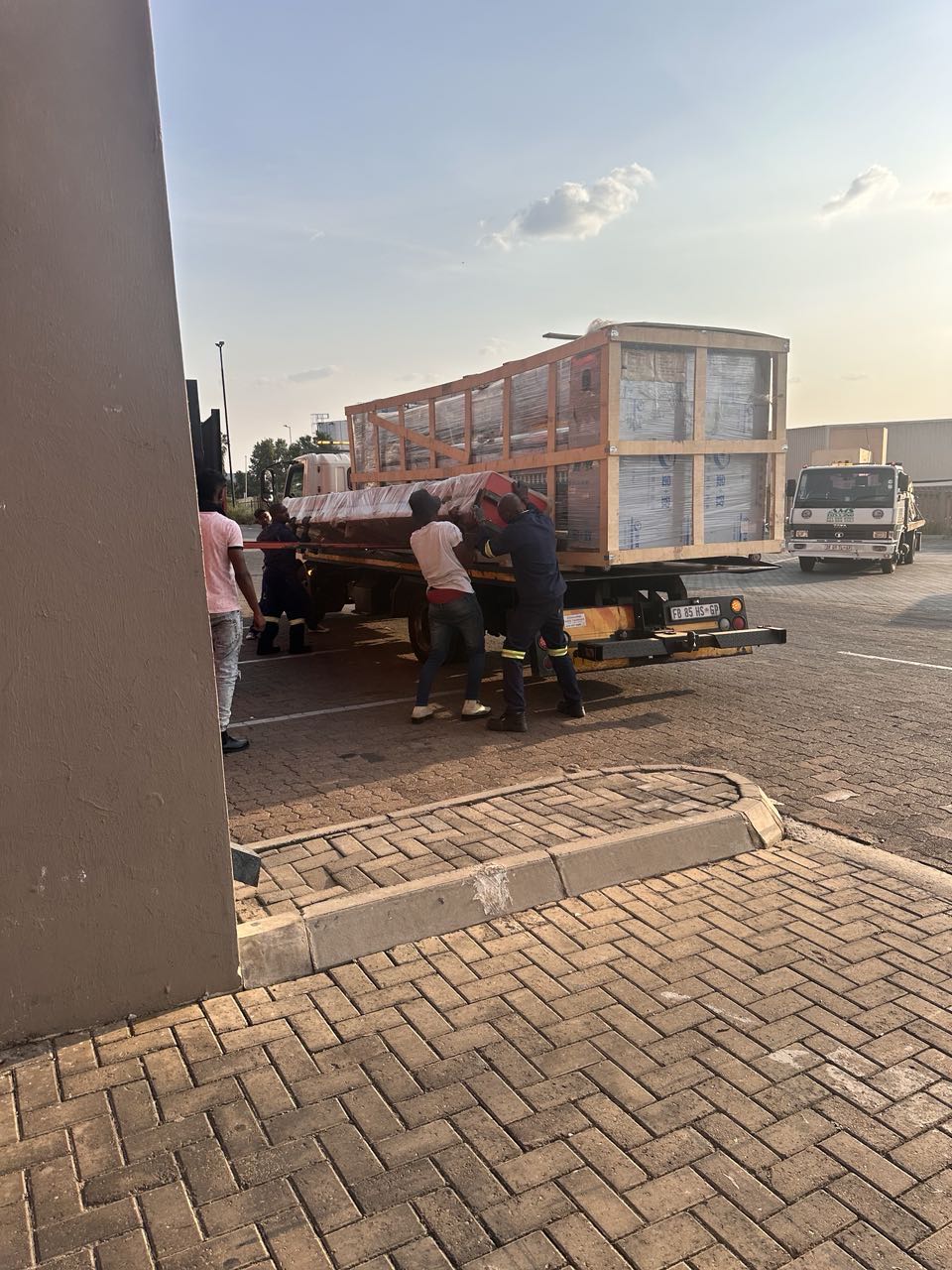
Toilet paper making machine
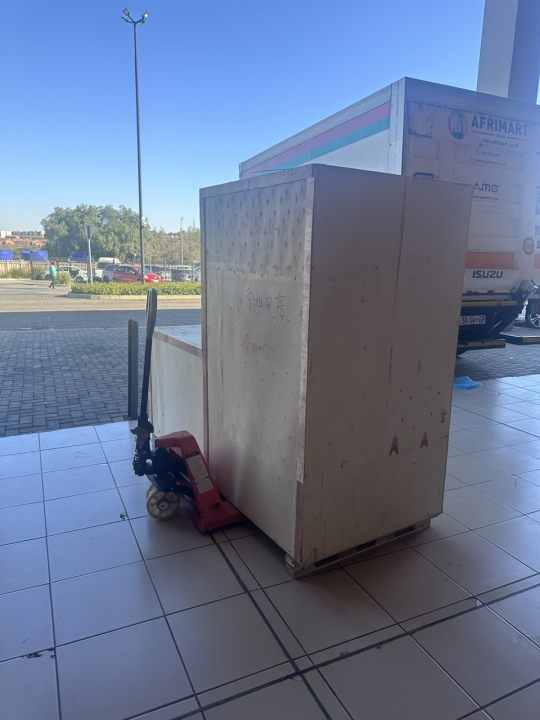
Toilet paper making machine
Toilet paper Rewinding Machine
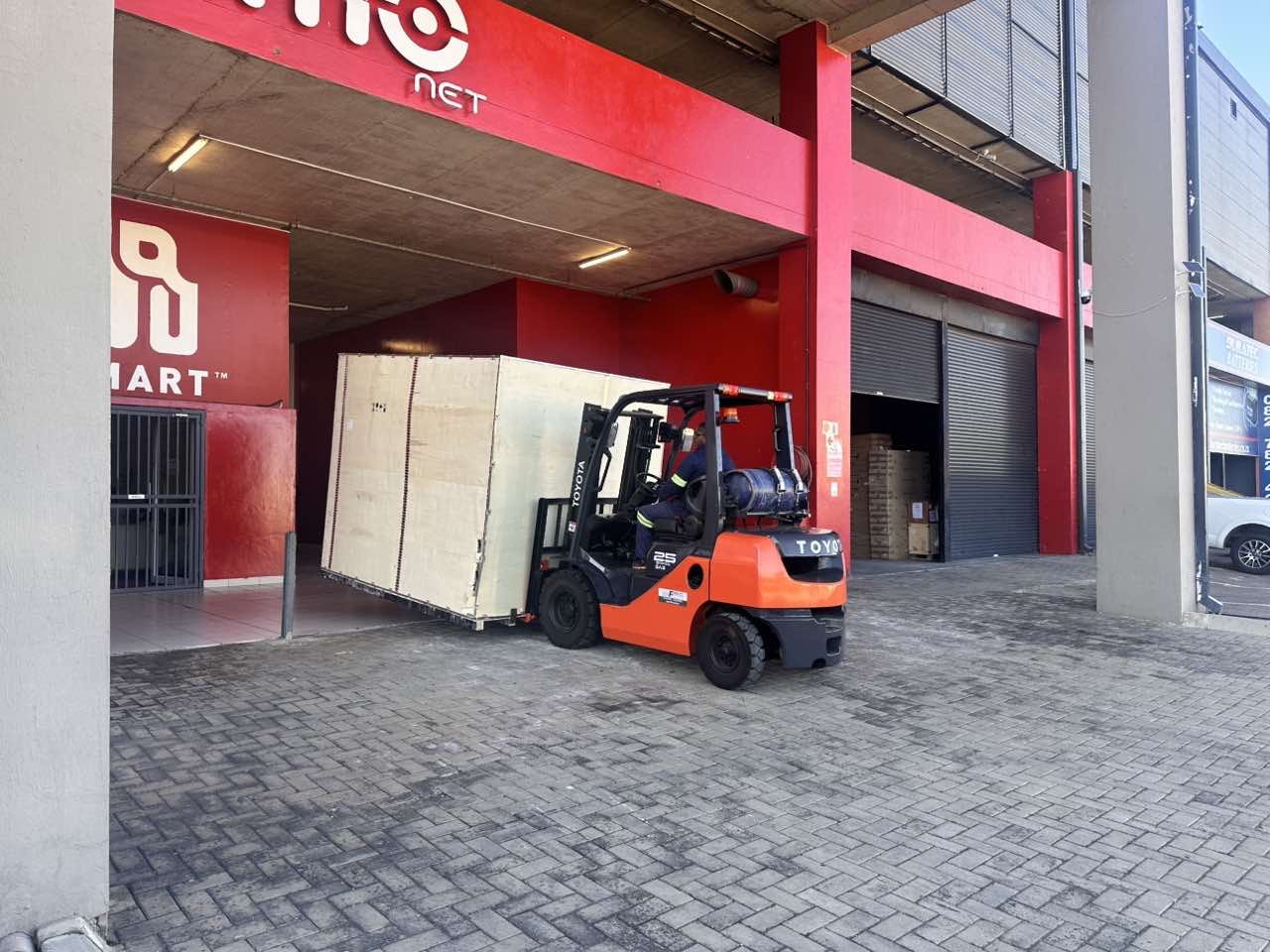
latest arrivals
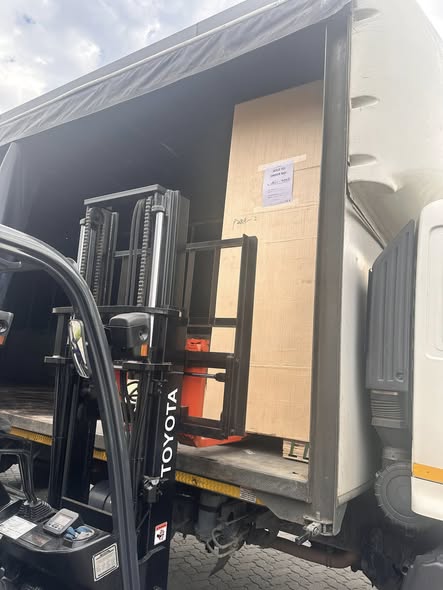
offloading
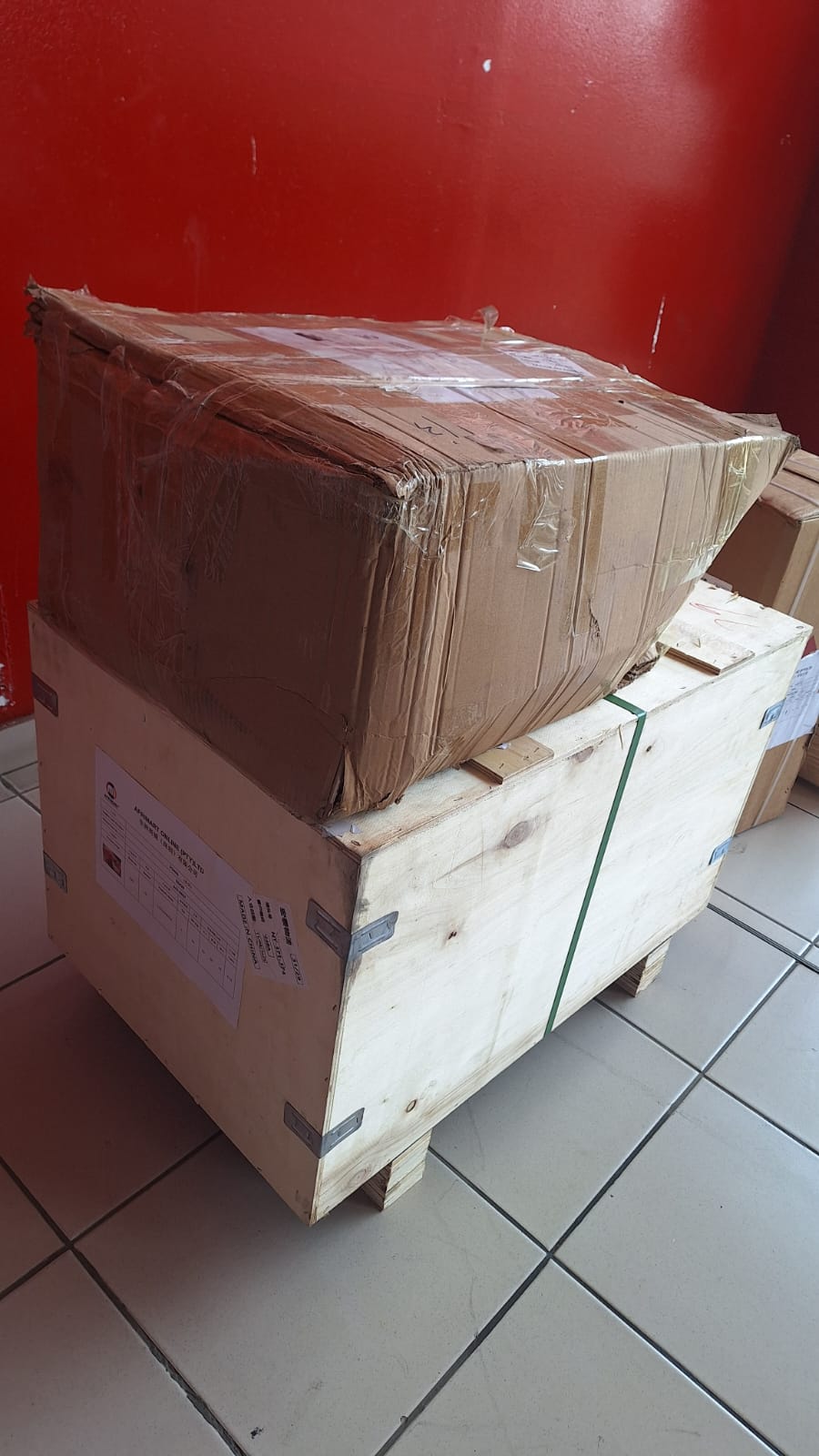
order success
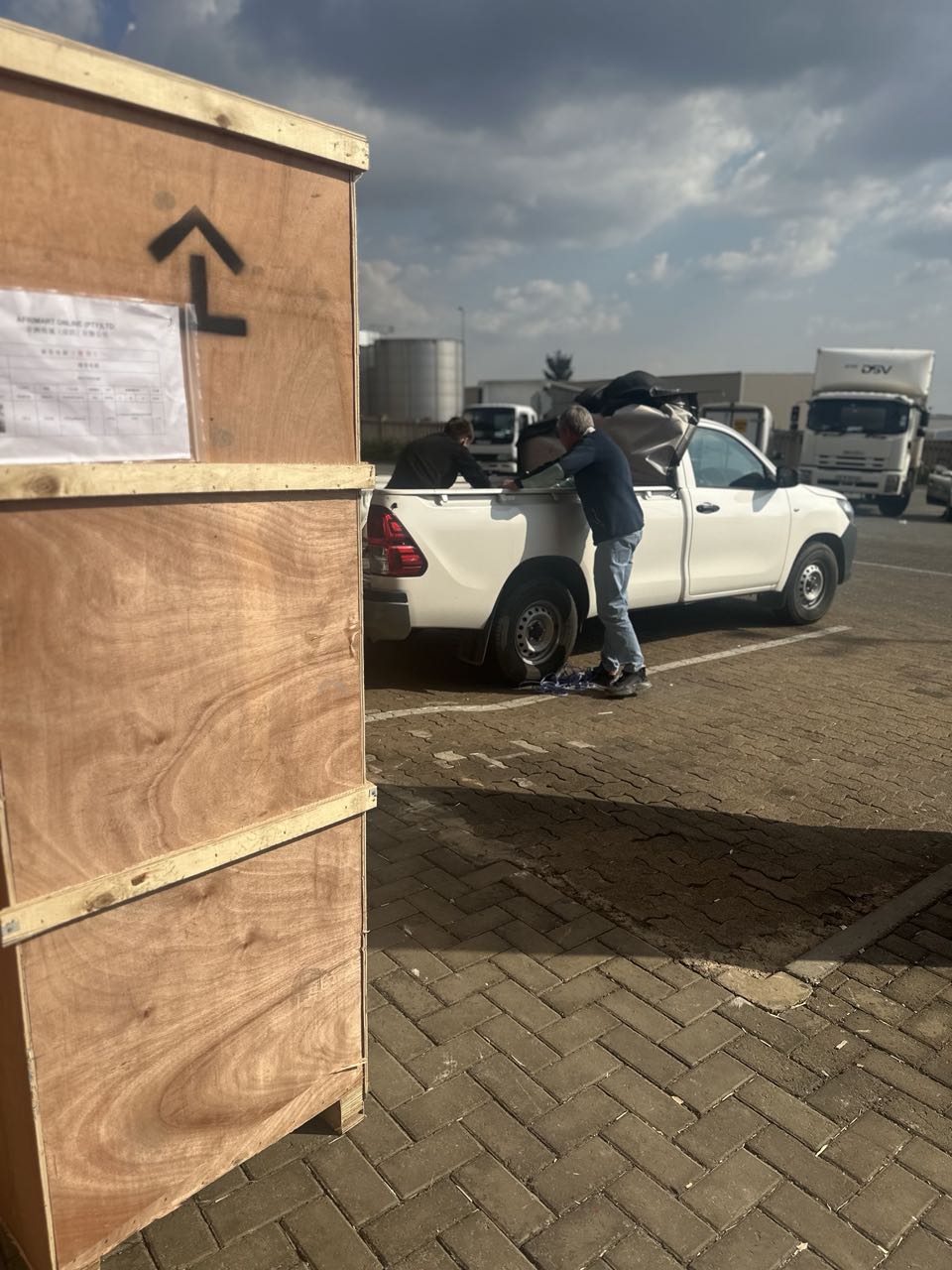
order collection
order offloading